MoodMeals
A personalized meal suggestion app that recommends recipes based on your mood, energy level, and available ingredients using AI insights.
understanding the rise of AI-powered mood-based meal planning
The way people choose what to eat has evolved dramatically over the past decade. Food is no longer just about hunger—it’s about emotion, convenience, health goals, and lifestyle alignment. This shift creates a compelling opportunity for a mobile-first SaaS product like MoodMeals, an AI-powered meal recommendation app that suggests recipes based on mood, energy level, and available ingredients.
Search intent around this concept is growing rapidly. Users are actively looking for:
- “what to eat based on mood”
- “AI meal planner app”
- “recipes based on ingredients I have”
- “meal ideas when tired or stressed”
MoodMeals sits at the intersection of AI personalization, health tech, and convenience-driven cooking, making it a strong candidate for both consumer adoption and long-term SaaS scalability.
This article explores the full strategy behind building, positioning, and scaling MoodMeals—from market analysis to technical implementation.
the problem: decision fatigue meets emotional eating
Modern consumers face a paradox: more food choices than ever, but less clarity on what to eat.
key pain points
- Decision fatigue: Users spend excessive time deciding what to cook
- Emotional eating patterns: Food choices are often driven by mood (stress, boredom, happiness)
- Ingredient mismatch: People don’t know what to cook with what they already have
- Health inconsistency: Emotional decisions often conflict with dietary goals
- Time constraints: Busy users want quick, personalized solutions
Traditional recipe apps (like Yummly or AllRecipes) solve discovery—but not contextual personalization.
MoodMeals solves this by combining:
- mood input
- energy level
- ingredient availability
- AI-driven recommendations
target audience analysis
Understanding your audience is critical for both product design and SEO performance.
primary audience segments
Busy professionals
Need quick, personalized meal suggestions after work with minimal effort.
Health-conscious users
Want meals aligned with mood while staying within nutrition goals.
Gen Z & millennials
Emotion-driven decision makers who value personalization and AI tools.
Home cooks
Looking to creatively use ingredients they already have.
behavioral insights
- Users prefer low-friction input (tap-based mood selection vs typing)
- Mobile-first experience is essential
- Visual UX (images, quick previews) increases engagement
- Personalization increases retention by up to 80% (based on general SaaS benchmarks)
search intent breakdown
Users searching for:
- “what should I eat when I’m tired”
- “comfort food recipes for stress”
Users searching for:
- “AI meal planner app”
- “best meal planning app with ingredients”
Users searching for:
- specific apps or alternatives
- comparisons like “Yummly vs mealime”
MoodMeals can target all three layers through content and app store optimization.
market opportunity and gap analysis
The global meal planning and food tech market is growing rapidly, driven by:
- Increased health awareness
- Rise of AI-driven personalization
- Mobile-first consumer behavior
existing solutions
| Feature | Yummly | Mealime | MyFitnessPal | MoodMeals |
|---|---|---|---|---|
| Mood-based suggestions | ❌ | ❌ | ❌ | ✅ |
| Ingredient-based AI | ✅ | ✅ | ❌ | ✅ |
| Energy-level filtering | ❌ | ❌ | ❌ | ✅ |
| Emotional personalization | ❌ | ❌ | ❌ | ✅ |
gap in the market
No major player fully integrates:
- emotional context
- physical energy level
- real-time ingredient constraints
- AI-driven personalization
This creates a clear blue ocean opportunity.
core features of MoodMeals
To succeed, the product must deliver both utility and delight.
1. mood-based input system
Users select their emotional state:
- stressed 😩
- happy 😊
- tired 😴
- motivated 💪
This feeds into the recommendation engine.
2. energy-level detection
Options like:
- low energy (quick meals)
- medium energy (moderate cooking)
- high energy (complex recipes)
3. ingredient scanner
- manual input or camera-based detection
- suggests recipes based on available ingredients
4. AI recommendation engine
The heart of MoodMeals:
- combines mood + energy + ingredients
- suggests recipes with explanations (“this meal is calming and easy to prepare”)
5. adaptive learning system
Over time, the app learns:
- user preferences
- dietary restrictions
- cooking habits
6. smart substitutions
If ingredients are missing:
- suggests alternatives
- adjusts recipes dynamically
7. meal planning and scheduling
- weekly plans based on emotional patterns
- integration with calendar
how the AI recommendation engine works
At a high level, the system combines multiple data layers:
type UserContext = {
  mood: "stressed" | "happy" | "tired" | "motivated";
  energyLevel: "low" | "medium" | "high";
  ingredients: string[];
  dietaryPreferences: string[];
};

function recommendMeals(context: UserContext) {
  return recipes
    .filter(recipe => matchIngredients(recipe, context.ingredients))
    .filter(recipe => matchEnergy(recipe, context.energyLevel))
    .filter(recipe => matchMood(recipe, context.mood))
    .sort(rankByPersonalizationScore);
}
advanced AI enhancements
- NLP for interpreting mood descriptions
- computer vision for ingredient detection
- reinforcement learning for better recommendations
recommended tech stack
Choosing the right stack is critical for scalability and performance.
frontend (mobile-first)
- React Native for cross-platform development
- Expo for rapid prototyping
- TailwindCSS (via NativeWind) for styling
backend
- Node.js with NestJS or Express
- GraphQL or REST API
AI & data
- Python microservices for ML models
- OpenAI API for natural language processing
- vector databases for recommendation matching
database
- PostgreSQL for structured data
- Redis for caching
infrastructure
- AWS or Vercel for deployment
- Firebase for authentication and push notifications
trade-offs
- React Native vs Flutter: React Native offers better ecosystem support
- Serverless vs traditional backend: serverless reduces ops but limits flexibility for AI workloads
monetization strategy
MoodMeals can leverage multiple revenue streams.
freemium model
- free: basic recommendations
- premium: advanced personalization, meal planning, nutrition tracking
subscription tiers
- $5–$10/month for premium features
- family plans for households
affiliate revenue
- grocery delivery integrations
- affiliate links to ingredients
in-app purchases
- premium recipes
- curated meal plans
B2B opportunities
- partnerships with wellness apps
- integrations with fitness platforms
competitive advantage and USP
MoodMeals stands out through contextual intelligence.
key differentiators
- emotional + physical state integration
- hyper-personalized AI recommendations
- ingredient-first approach
- mobile-first UX
Core insight
People don’t just ask “what should I eat?”—they ask “what should I eat right now, given how I feel and what I have?”
This insight is the foundation of the product’s competitive advantage.
potential risks and mitigation strategies
1. AI accuracy issues
- risk: poor recommendations reduce trust
- mitigation: continuous feedback loops and user ratings
2. user retention challenges
- risk: novelty wears off
- mitigation: gamification, streaks, and personalization
3. data privacy concerns
- risk: sensitive behavioral data
- mitigation: transparent policies and secure infrastructure
4. competition from big players
- risk: feature replication
- mitigation: strong brand positioning and niche focus
go-to-market strategy
app store optimization (ASO)
Target keywords:
- AI meal planner
- recipes based on mood
- meal suggestions app
- what to cook with ingredients
content marketing
Create SEO content around:
- “best meals for stress relief”
- “what to cook when tired”
- “AI food recommendation tools”
influencer marketing
- partner with food creators on TikTok and Instagram
- showcase real-time app usage
community building
- Reddit and Discord communities
- user-generated recipe sharing
implementation roadmap
building faster with modern SaaS tooling
Speed matters. Using a pre-built SaaS starter can significantly reduce development time.
TurboStarter provides:
- authentication systems
- billing integration
- scalable architecture
This allows you to focus on core AI features instead of boilerplate code.
future trends and expansion opportunities
MoodMeals can evolve beyond a meal app into a holistic lifestyle platform.
future features
- wearable integration (track energy levels)
- mental health insights
- grocery automation
- voice assistants
emerging trends
- AI hyper-personalization
- health + food convergence
- predictive recommendations
actionable next steps
If you’re building MoodMeals or a similar AI meal planner app:
- Define your core user persona clearly
- Build a simple MVP focusing on one key feature
- Use real user feedback to refine recommendations
- Invest early in personalization algorithms
- Focus heavily on mobile UX and speed
- Create SEO content alongside product development
conclusion
MoodMeals represents a powerful shift in how people interact with food technology. By combining AI, emotional intelligence, and practical constraints, it addresses a deeply human problem: deciding what to eat in a way that feels right.
The opportunity is not just in meal planning—but in understanding people at the moment of decision.
With the right execution, MoodMeals can become:
- a daily habit app
- a trusted lifestyle companion
- a scalable SaaS business with strong retention
The intersection of AI and human emotion is still underexplored—and MoodMeals is perfectly positioned to lead that space.
More 📱 Mobile App SaaS ideas
Discover more innovative mobile app SaaS ideas that are trending in 2026. Each idea is AI-generated with market validation and growth potential to help you find your next profitable venture faster than competitors.
Your competitors are building with TurboStarter
Below are some of the SaaS ideas that have been generated and built with our starter kit.
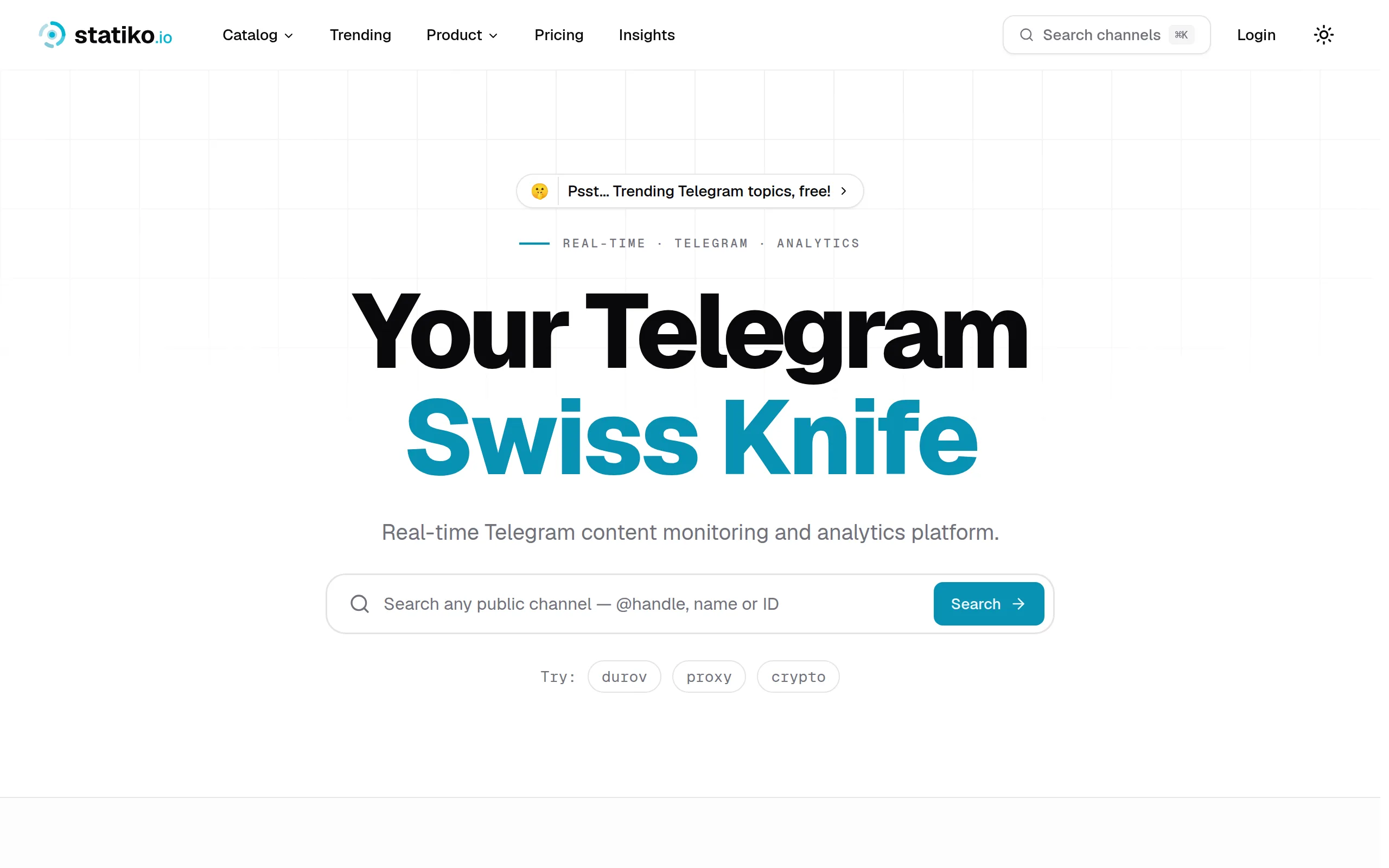
Statiko
Monitor any Telegram channel in real time - track posts, edits, deletions, and growth with AI recaps 📡

Shibui
AI website builder - describe your business, pick a niche template, edit by chatting, and publish instantly ✨

Pro Service
Find verified home service professionals, compare quotes, and pay securely through escrow - built for Brazilians across the US 🏠
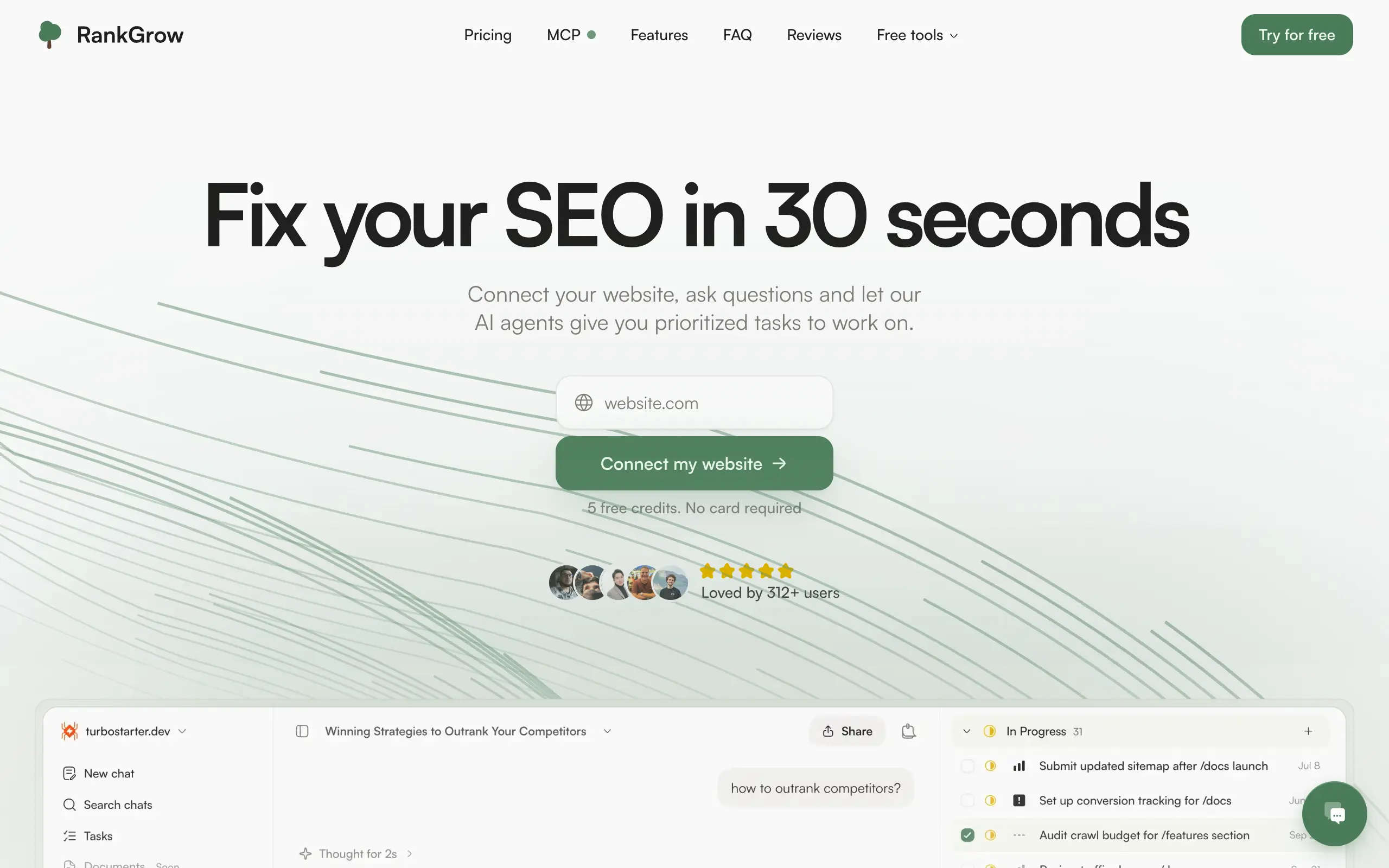
RankGrow
Fix your SEO with AI agents - connect Search Console, get prioritized tasks, and grow organic traffic 📈
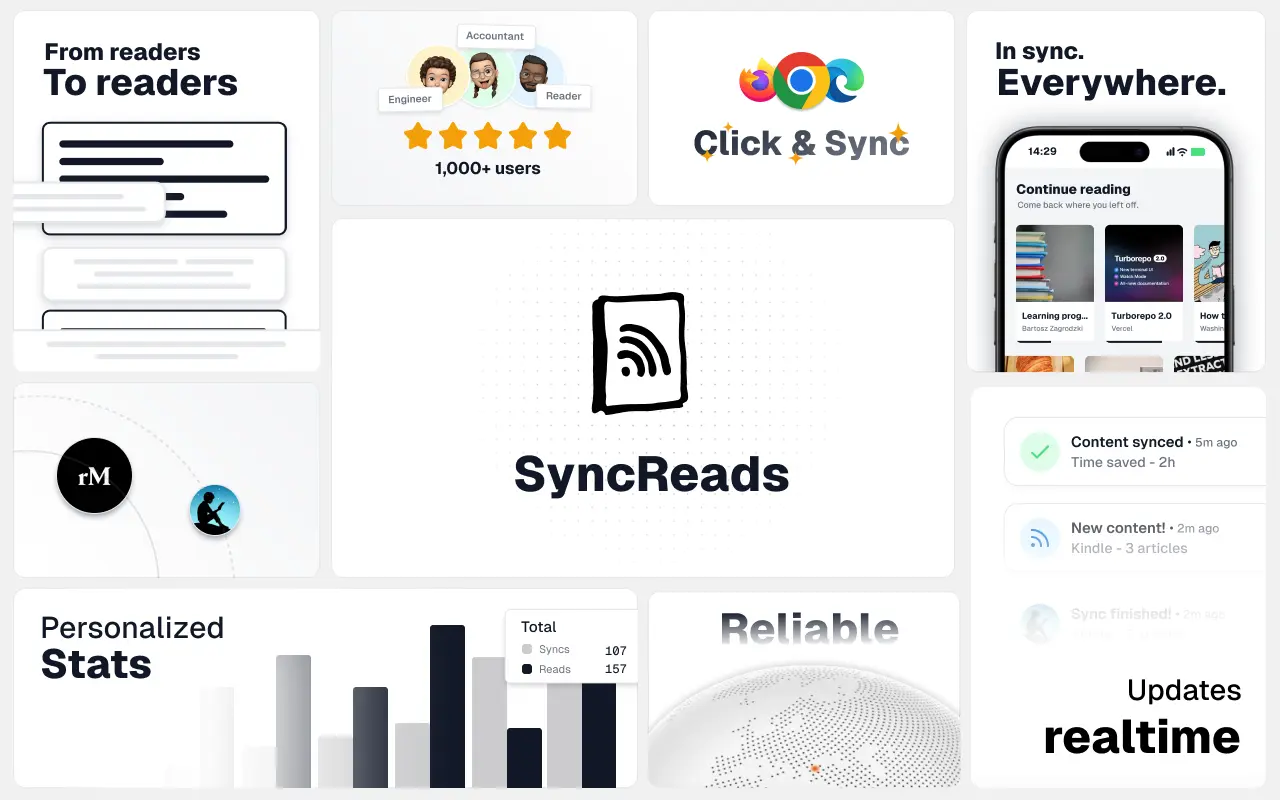
SyncReads
Sync your favorite content for distraction-free reading, save time and replace multiple apps. Anytime, anywhere 🔄
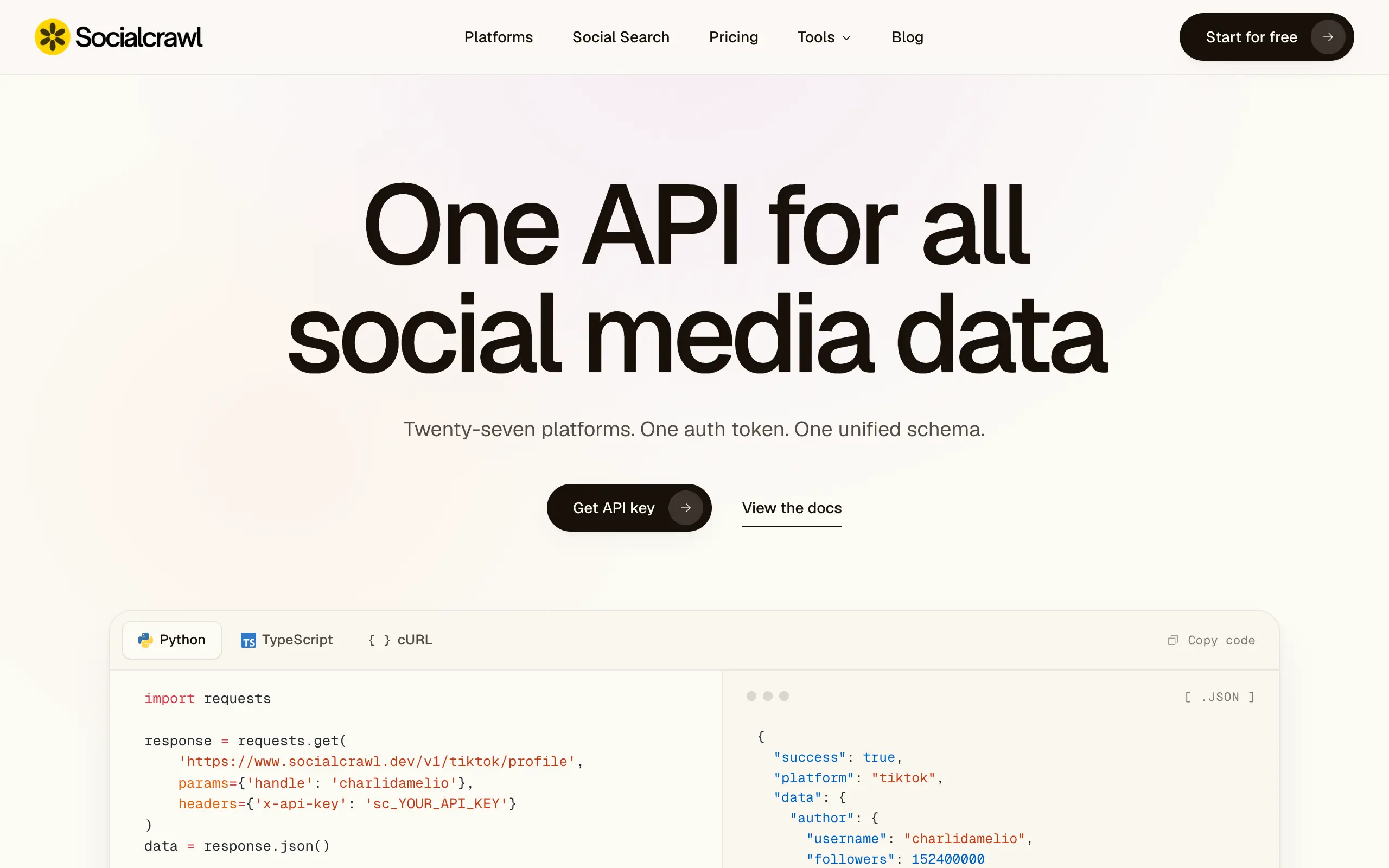
Socialcrawl
Get clean, structured data from 21 platforms like TikTok, Instagram, and YouTube with a single request 📊
Statiko
Monitor any Telegram channel in real time - track posts, edits, deletions, and growth with AI recaps 📡
Shibui
AI website builder - describe your business, pick a niche template, edit by chatting, and publish instantly ✨
Pro Service
Find verified home service professionals, compare quotes, and pay securely through escrow - built for Brazilians across the US 🏠
RankGrow
Fix your SEO with AI agents - connect Search Console, get prioritized tasks, and grow organic traffic 📈
SyncReads
Sync your favorite content for distraction-free reading, save time and replace multiple apps. Anytime, anywhere 🔄
Socialcrawl
Get clean, structured data from 21 platforms like TikTok, Instagram, and YouTube with a single request 📊
Statiko
Monitor any Telegram channel in real time - track posts, edits, deletions, and growth with AI recaps 📡
Shibui
AI website builder - describe your business, pick a niche template, edit by chatting, and publish instantly ✨
Pro Service
Find verified home service professionals, compare quotes, and pay securely through escrow - built for Brazilians across the US 🏠
RankGrow
Fix your SEO with AI agents - connect Search Console, get prioritized tasks, and grow organic traffic 📈
SyncReads
Sync your favorite content for distraction-free reading, save time and replace multiple apps. Anytime, anywhere 🔄
Socialcrawl
Get clean, structured data from 21 platforms like TikTok, Instagram, and YouTube with a single request 📊
Statiko
Monitor any Telegram channel in real time - track posts, edits, deletions, and growth with AI recaps 📡
Shibui
AI website builder - describe your business, pick a niche template, edit by chatting, and publish instantly ✨
Pro Service
Find verified home service professionals, compare quotes, and pay securely through escrow - built for Brazilians across the US 🏠
RankGrow
Fix your SEO with AI agents - connect Search Console, get prioritized tasks, and grow organic traffic 📈
SyncReads
Sync your favorite content for distraction-free reading, save time and replace multiple apps. Anytime, anywhere 🔄
Socialcrawl
Get clean, structured data from 21 platforms like TikTok, Instagram, and YouTube with a single request 📊
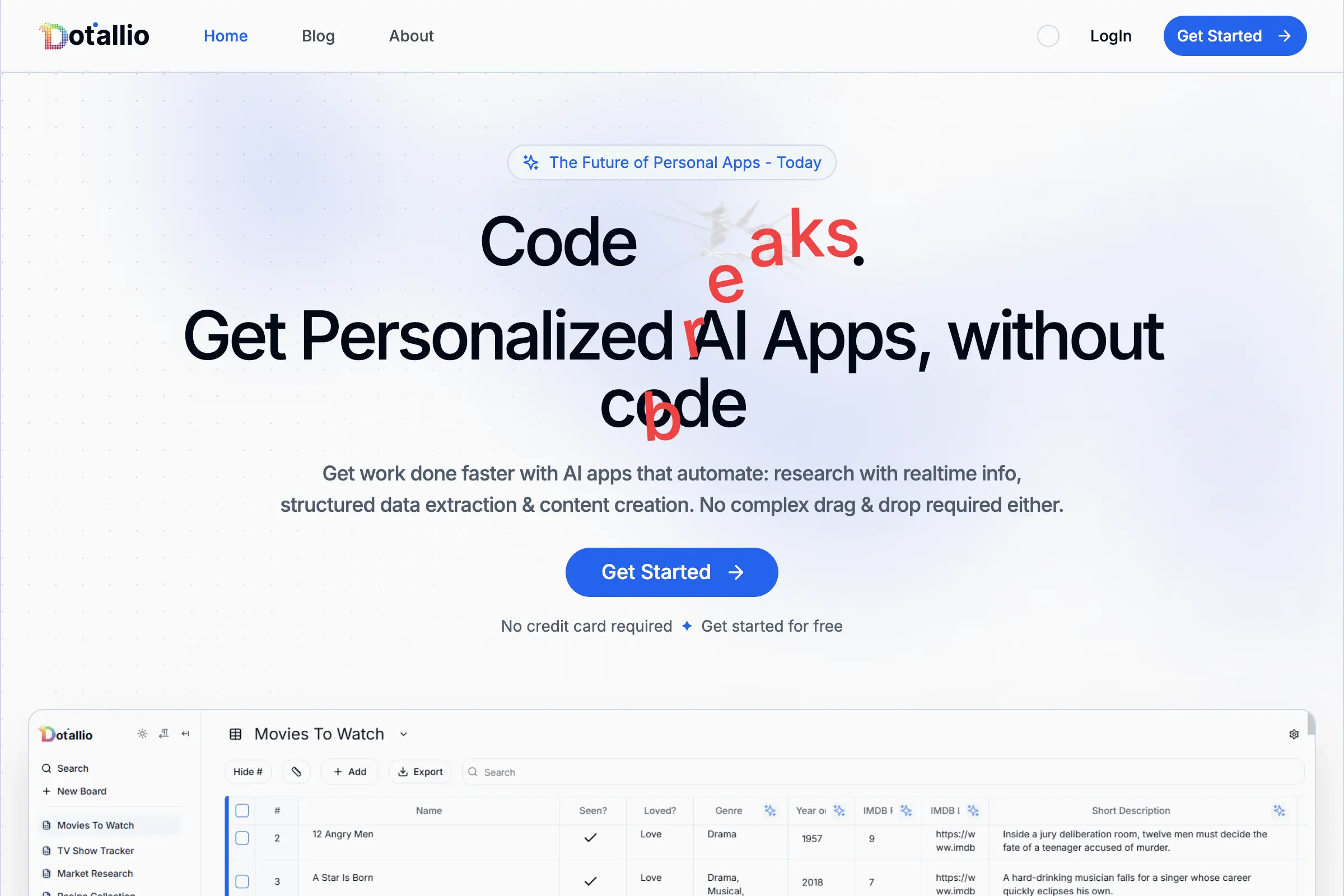
Dotallio
Personalized AI apps that automate research, data extraction, and content creation without code 🤖
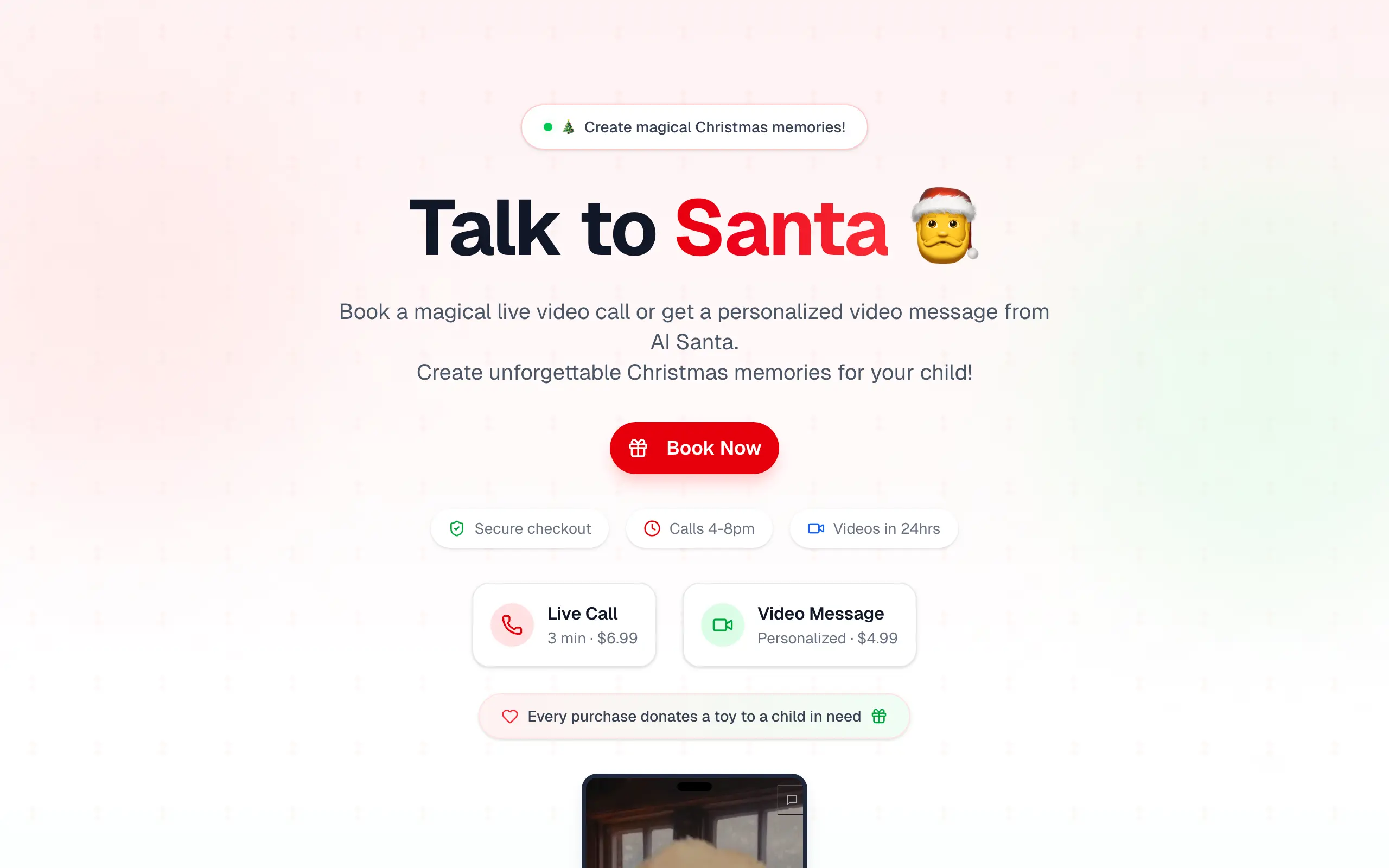
Talk to Santa
Enjoy a magical live video chat or receive a unique AI-generated video greeting from Santa Claus 🎅
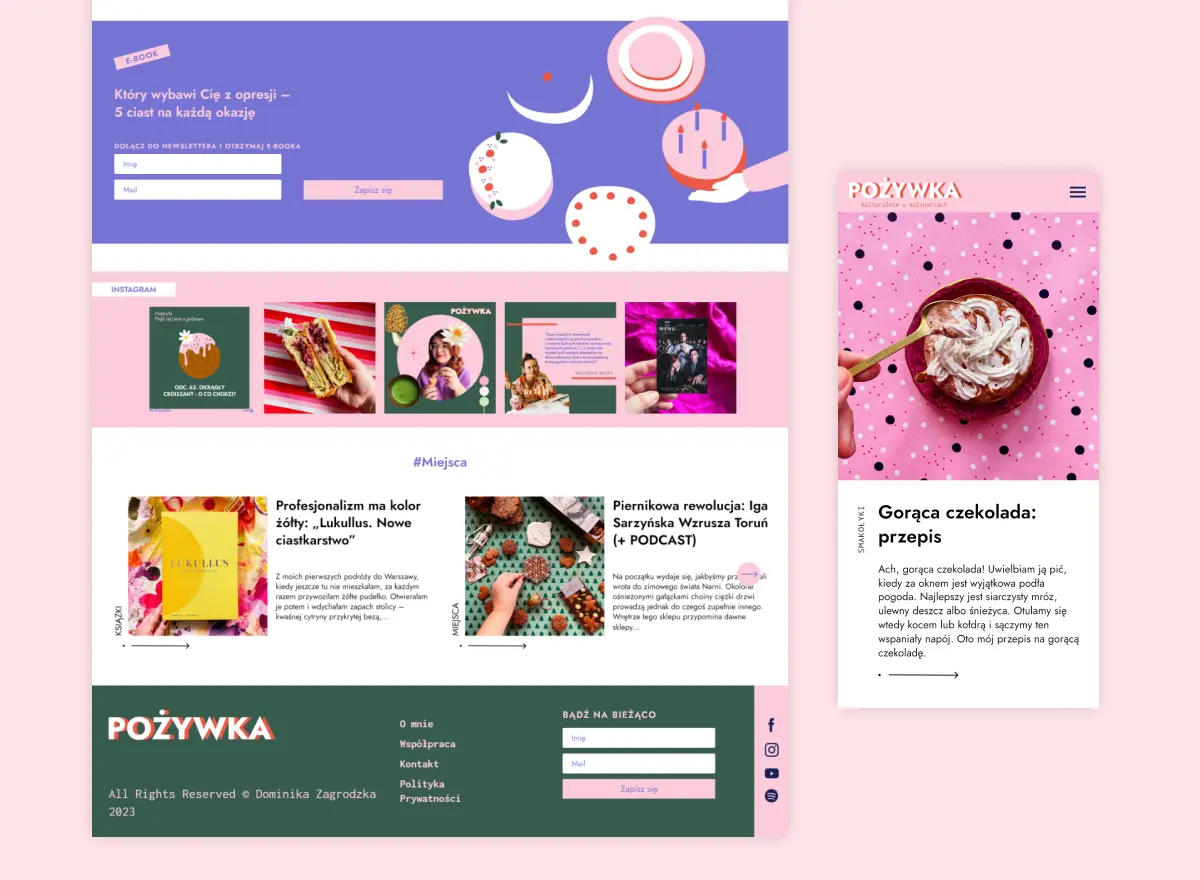
pozywka.pl
Scalable blog for food journalist, focused on performance and user experience 🌭
zagrodzki.me
Personal blog and portfolio of Bart Zagrodzki, where he shares his knowledge and work 💼
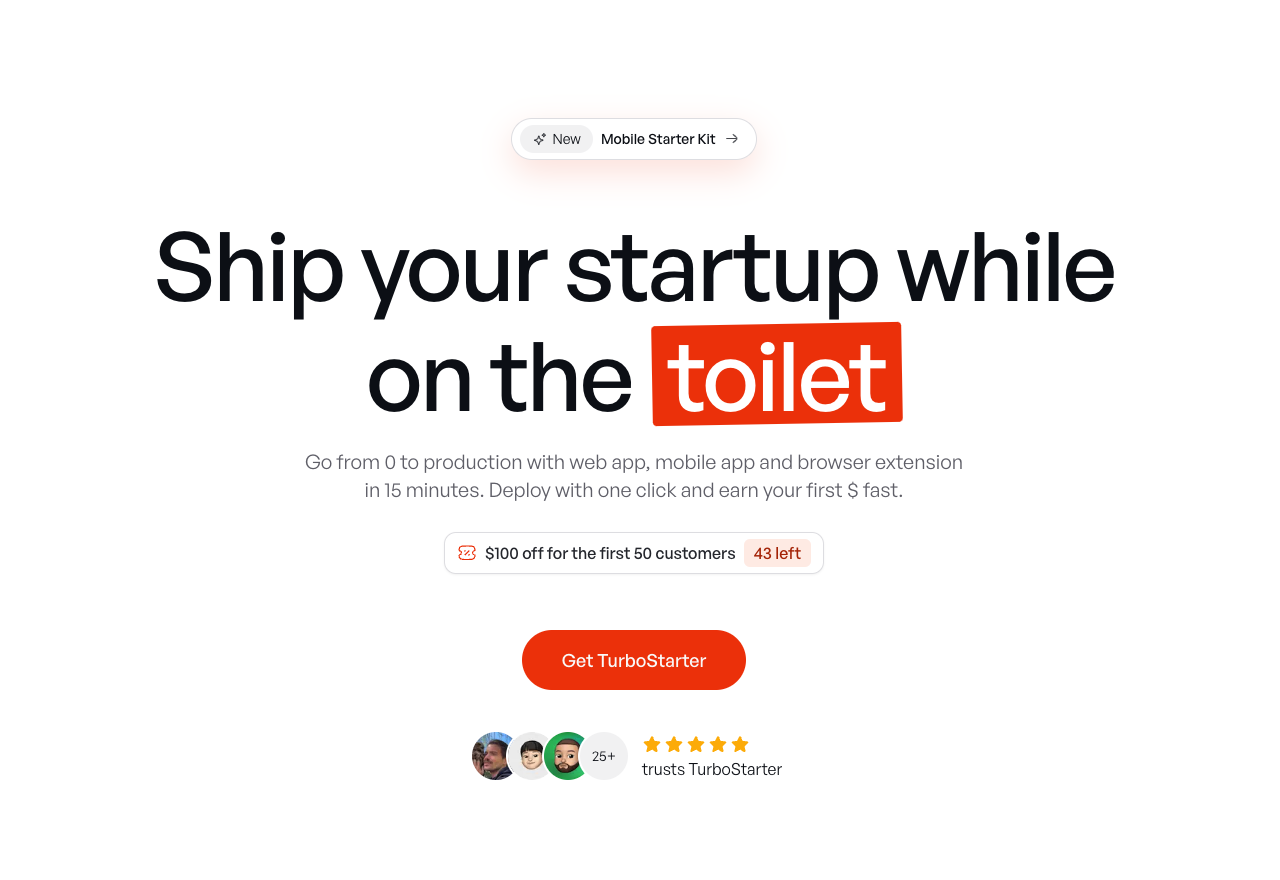
TurboStarter
Ship your startup everywhere. In minutes.
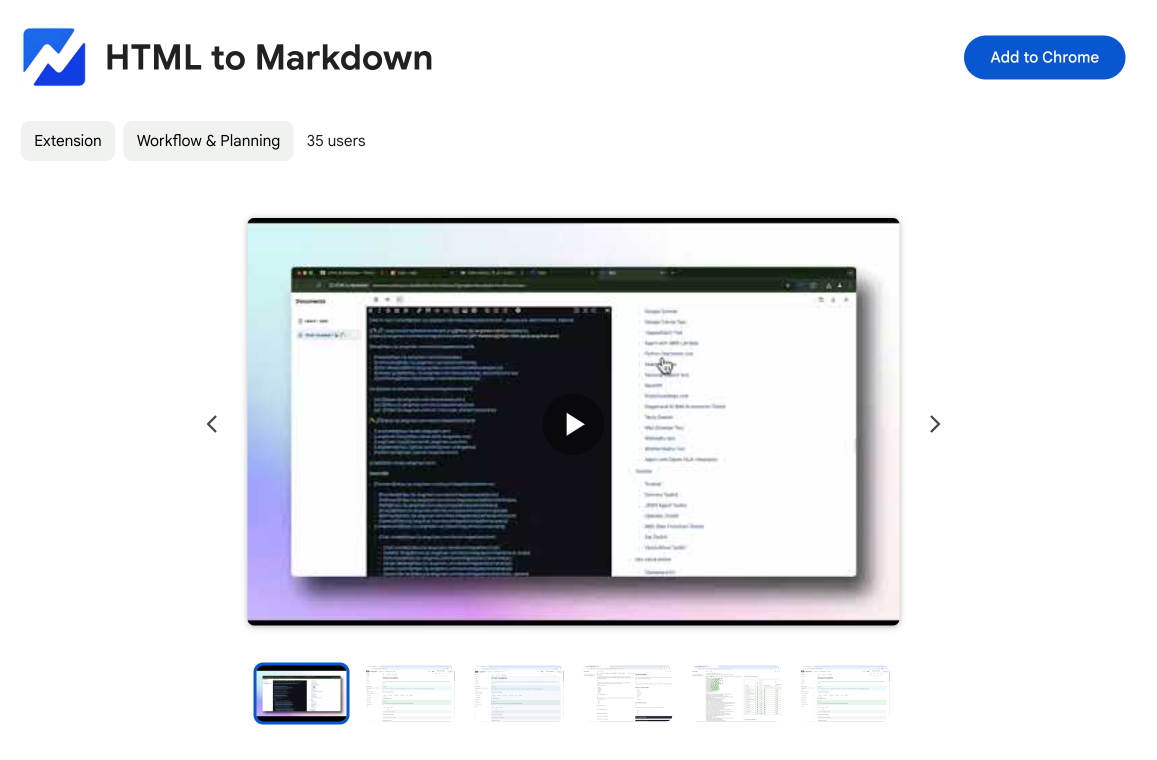
HTML to Markdown
Convert HTML to Markdown with ease, directly in your browser 📄
Dotallio
Personalized AI apps that automate research, data extraction, and content creation without code 🤖
Talk to Santa
Enjoy a magical live video chat or receive a unique AI-generated video greeting from Santa Claus 🎅
pozywka.pl
Scalable blog for food journalist, focused on performance and user experience 🌭
zagrodzki.me
Personal blog and portfolio of Bart Zagrodzki, where he shares his knowledge and work 💼
TurboStarter
Ship your startup everywhere. In minutes.
HTML to Markdown
Convert HTML to Markdown with ease, directly in your browser 📄
Dotallio
Personalized AI apps that automate research, data extraction, and content creation without code 🤖
Talk to Santa
Enjoy a magical live video chat or receive a unique AI-generated video greeting from Santa Claus 🎅
pozywka.pl
Scalable blog for food journalist, focused on performance and user experience 🌭
zagrodzki.me
Personal blog and portfolio of Bart Zagrodzki, where he shares his knowledge and work 💼
TurboStarter
Ship your startup everywhere. In minutes.
HTML to Markdown
Convert HTML to Markdown with ease, directly in your browser 📄
Dotallio
Personalized AI apps that automate research, data extraction, and content creation without code 🤖
Talk to Santa
Enjoy a magical live video chat or receive a unique AI-generated video greeting from Santa Claus 🎅
pozywka.pl
Scalable blog for food journalist, focused on performance and user experience 🌭
zagrodzki.me
Personal blog and portfolio of Bart Zagrodzki, where he shares his knowledge and work 💼
TurboStarter
Ship your startup everywhere. In minutes.
HTML to Markdown
Convert HTML to Markdown with ease, directly in your browser 📄
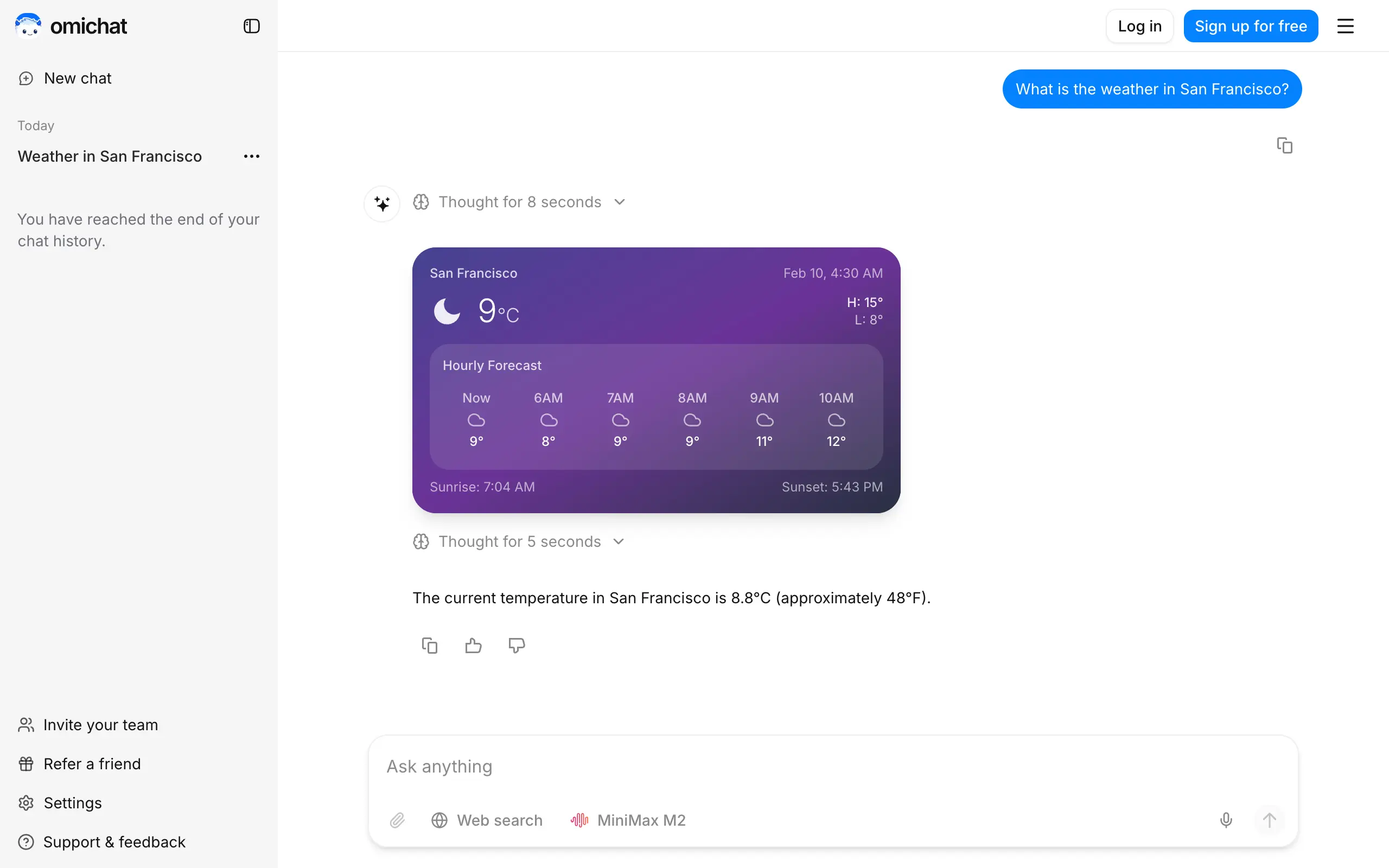
Omichat
Chat with 50+ AI models, including ChatGPT and Claude, in one place - switch models anytime without losing context 🤖
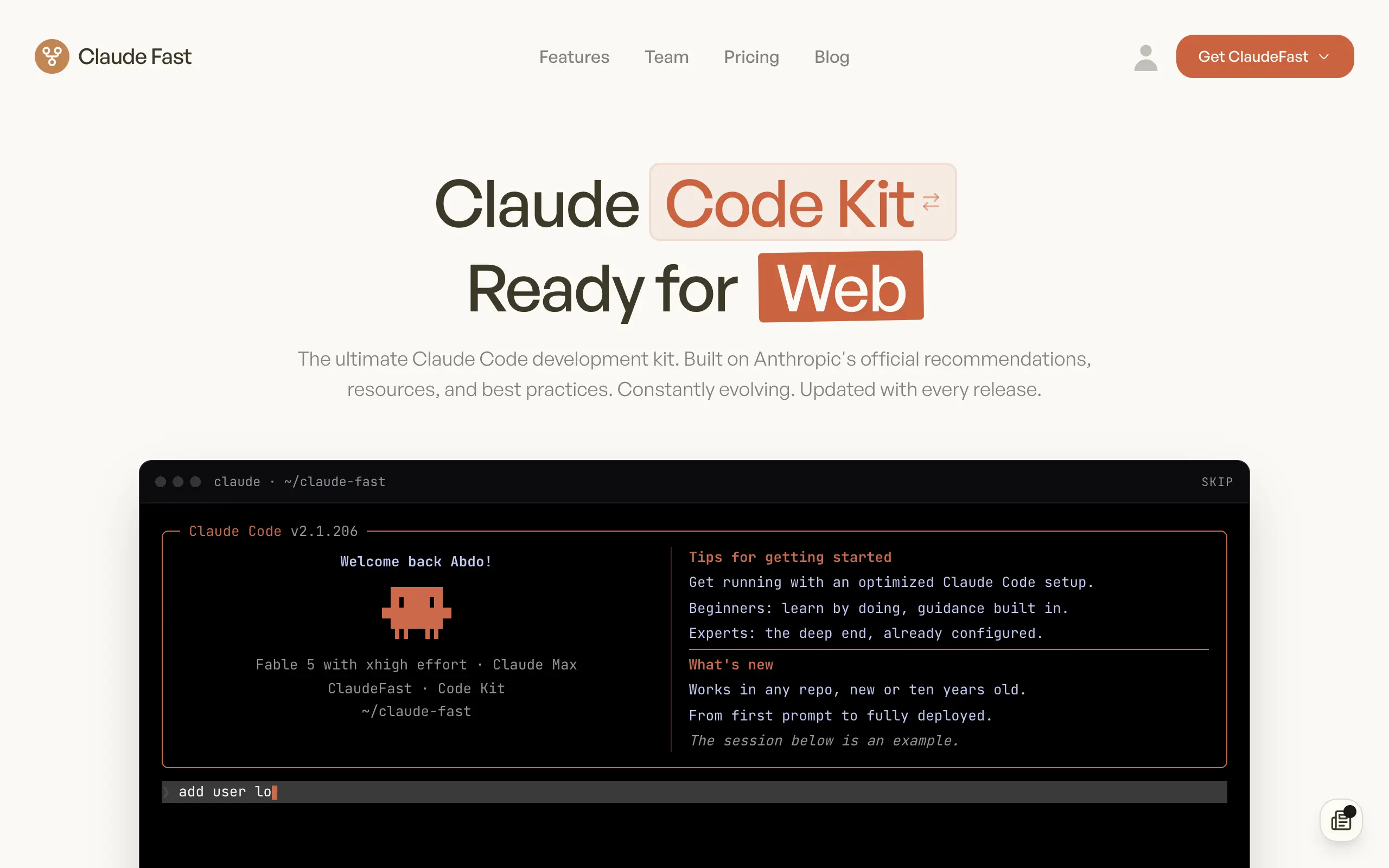
Claude Fast
Supercharge your Claude Code with 6x effective context window and specialized AI agents 🤖
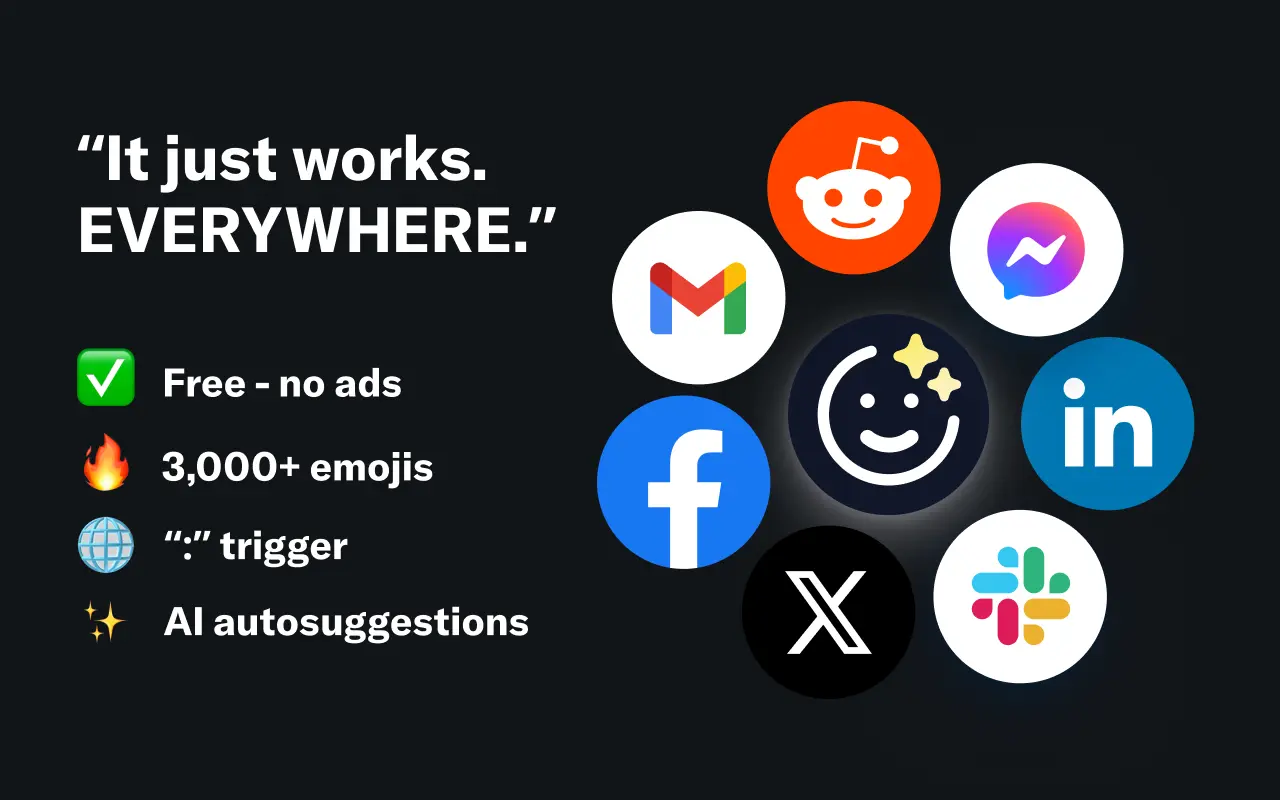
EmojAI
AI-powered emoji picker with smart, context-aware suggestions 🤖
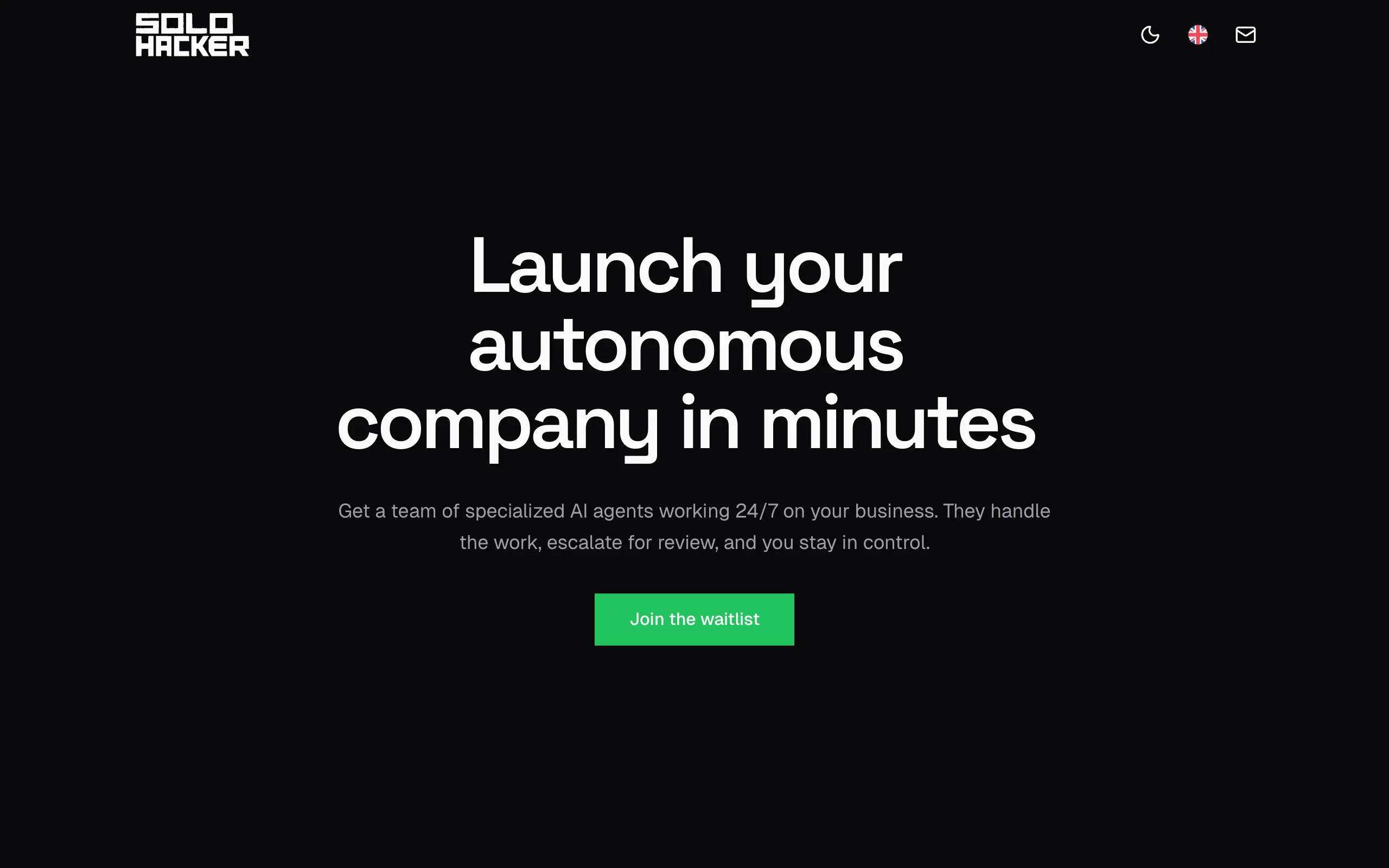
Solohacker
Autonomous company launcher - AI agents work 24/7, escalate what matters, and you stay in control 🤖
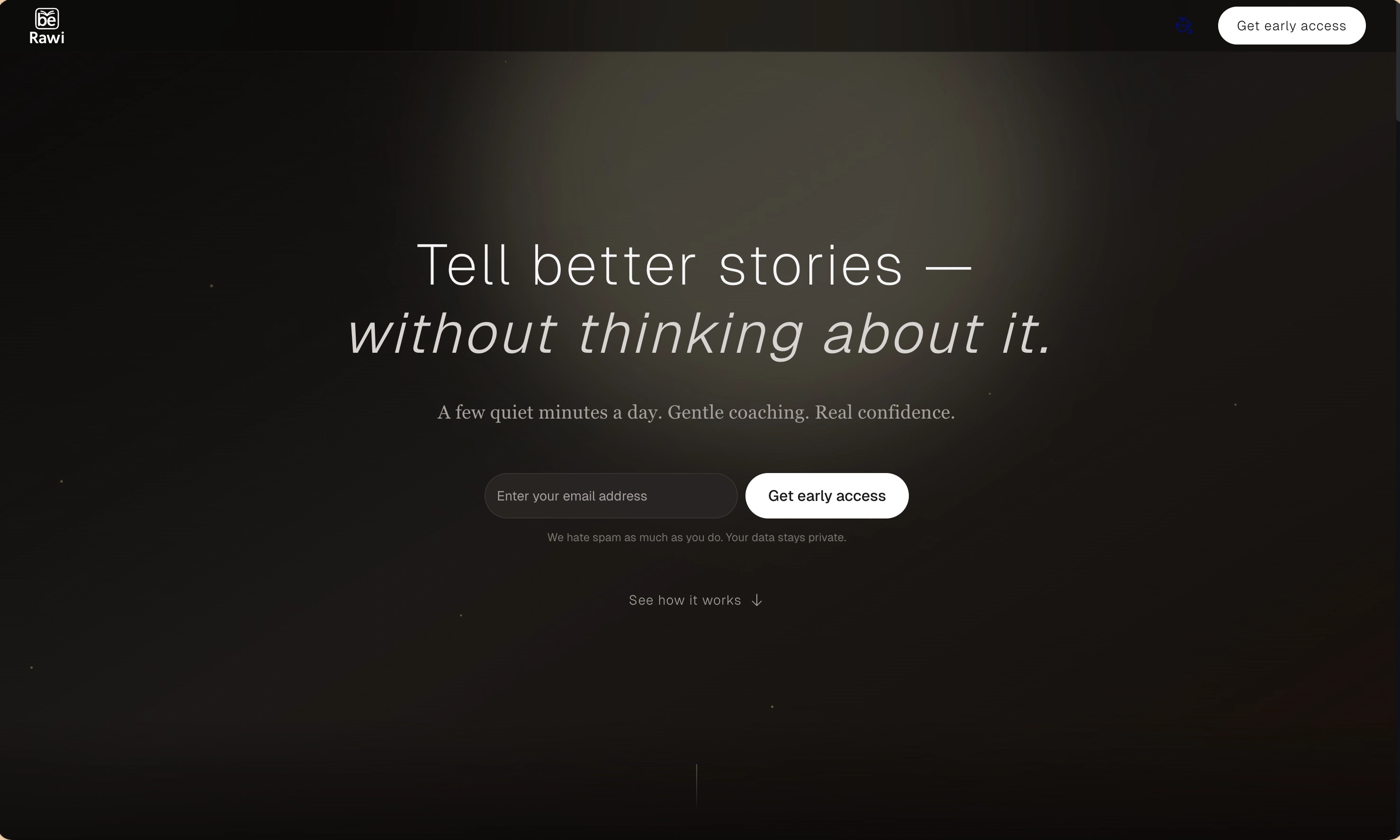
BeRawi: Storytelling Coach
Practice storytelling daily with instant feedback to sound clearer, more engaging, and confident 🎤
Omichat
Chat with 50+ AI models, including ChatGPT and Claude, in one place - switch models anytime without losing context 🤖
Claude Fast
Supercharge your Claude Code with 6x effective context window and specialized AI agents 🤖
EmojAI
AI-powered emoji picker with smart, context-aware suggestions 🤖
Solohacker
Autonomous company launcher - AI agents work 24/7, escalate what matters, and you stay in control 🤖
BeRawi: Storytelling Coach
Practice storytelling daily with instant feedback to sound clearer, more engaging, and confident 🎤
Omichat
Chat with 50+ AI models, including ChatGPT and Claude, in one place - switch models anytime without losing context 🤖
Claude Fast
Supercharge your Claude Code with 6x effective context window and specialized AI agents 🤖
EmojAI
AI-powered emoji picker with smart, context-aware suggestions 🤖
Solohacker
Autonomous company launcher - AI agents work 24/7, escalate what matters, and you stay in control 🤖
BeRawi: Storytelling Coach
Practice storytelling daily with instant feedback to sound clearer, more engaging, and confident 🎤
Omichat
Chat with 50+ AI models, including ChatGPT and Claude, in one place - switch models anytime without losing context 🤖
Claude Fast
Supercharge your Claude Code with 6x effective context window and specialized AI agents 🤖
EmojAI
AI-powered emoji picker with smart, context-aware suggestions 🤖
Solohacker
Autonomous company launcher - AI agents work 24/7, escalate what matters, and you stay in control 🤖
BeRawi: Storytelling Coach
Practice storytelling daily with instant feedback to sound clearer, more engaging, and confident 🎤

Connect with like-minded people
Join our community to get feedback, support, and grow together with 1,000+ builders on board, let's ship it!
Join usShip your startup everywhere. In minutes.
Don't burn tokens on setup and start building features on day one.