MoodMosaic
Speak a daily mood into existence as AI builds a living 3D world you can remix, explore, and share with friends.
MoodMosaic is a concept for an AI-powered mood tracking app that turns a short daily voice check-in into a living 3D world. Instead of asking people to maintain a journal they may eventually abandon, it gives them a visual, interactive way to notice how their emotions shift over time—and a creative space they can remix or share with friends.
The idea sits at the intersection of mental wellness, voice interfaces, generative AI, and social creativity. Its strongest opportunity is not to diagnose or treat users, but to make emotional reflection feel approachable, memorable, and enjoyable. To succeed, MoodMosaic must pair its imaginative experience with clear privacy controls, responsible AI design, and a useful routine that gives people a reason to return.
What is MoodMosaic?
MoodMosaic is a mobile app where users speak a brief daily mood reflection and receive a corresponding 3D environment. A calm day might become a still lake beneath a soft sky; an energetic day might produce bright shapes in motion. Users can explore the generated scene, make edits, and decide whether to keep it private or share it.
The core experience can be summarized in four steps:
- Speak: Record a short reflection about the day.
- Interpret: Review an AI-generated emotional summary and correct it if needed.
- Create: Generate a 3D scene inspired by the reflection.
- Reflect: Revisit scenes over time, remix them, and optionally share them.
The product’s promise is not that an AI can know exactly how someone feels. It is that a brief, low-friction check-in can help a person express a mood and see it represented in a new way.
The primary user benefit
Traditional mood trackers often rely on ratings, calendars, or written entries. Those formats can work well, but they may feel repetitive or clinical. MoodMosaic offers a more sensory alternative: emotion becomes a visual environment a user can return to, compare, and change.
That difference creates several potential benefits:
- A voice note may be easier than typing for users who find journaling effortful.
- A 3D scene can make an abstract feeling more concrete and easier to remember.
- Revisiting a collection of scenes may help users notice patterns that are hard to see day by day.
- Remixing the world gives users agency over how their emotions are represented.
- Optional social sharing can turn self-expression into a creative activity with friends.
These are product hypotheses, not guaranteed clinical outcomes. MoodMosaic should test whether users actually find the experience helpful, enjoyable, and sustainable.
Who is the target audience?
A focused first audience will make it easier to design the product, choose an acquisition strategy, and determine what to measure. MoodMosaic should avoid trying to serve every person interested in wellness at launch.
Creative self-reflectors
These users are interested in emotional awareness but do not necessarily want a formal meditation or therapy product. They may enjoy visual creativity, collecting digital objects, or customizing personal spaces. For them, MoodMosaic can make a daily check-in feel like a small act of creative expression.
Likely need: A lightweight way to reflect without writing a long journal entry.
Product fit: Mood-to-world generation, scene customization, and an attractive timeline.
People who struggle with traditional journaling
Some users know that reflection could be useful but find a blank page intimidating. Speaking for a minute can feel more natural than writing. A generated scene can also offer a tangible reward for completing the check-in.
Likely need: A low-effort, repeatable routine.
Product fit: Short voice prompts, optional speech-to-text review, and a clear “done” state.
Socially motivated friends and small groups
A subset of users may want to share a visual representation of their day with trusted friends. This is different from publishing a detailed personal diary. A scene can communicate a mood without revealing the exact words behind it.
Likely need: A safe, playful way to connect or express themselves.
Product fit: Explicit sharing controls, private groups, and shareable images or scene links that reveal only what the creator chooses.
Wellness-curious younger adults
People who already use mobile apps for habits, creativity, or self-care may be open to an experimental mood-tracking format. This audience can help validate whether the visual experience is compelling, but product design must not assume that a particular age group has the same privacy needs or emotional vocabulary.
Likely need: An experience that feels personal rather than clinical or judgmental.
Product fit: Inclusive language, accessible controls, and flexible visual themes.
Secondary audiences to consider later
Once the core consumer experience is validated, MoodMosaic could explore:
- Coaches or facilitators using creative reflection exercises
- Art and design communities interested in generative worlds
- Couples or families who want a shared, opt-in reflection ritual
- Employee wellness programs, only if privacy protections prevent individual emotional data from being exposed to employers
The last category carries especially high trust requirements. Mood data should never become a tool for workplace surveillance or employee evaluation.
The market opportunity and product gap
MoodMosaic would compete across several overlapping categories rather than one clearly defined app category. It could be compared with mood trackers, journaling apps, meditation products, voice journaling tools, AI companions, and creative apps.
That breadth creates opportunity, but it also creates a positioning challenge. If the product tries to be a journal, a mental health assistant, a social network, and a 3D creation tool at once, users may not understand what it is for.
A sharper initial position is:
A creative voice-based mood journal that turns daily reflections into private, remixable 3D worlds.
This positioning describes the behavior, the output, and the privacy expectation without making a clinical claim.
Where existing approaches can leave room
Many reflection tools emphasize text entries, rating scales, or guided exercises. These can be valuable, but the experience may feel repetitive to people who want something more expressive. At the other end, generative art tools can create compelling visuals but may not support a structured habit of emotional reflection.
MoodMosaic’s potential gap is the combination of:
- Voice-first capture
- User-confirmed emotional interpretation
- A persistent visual representation of moods
- A longitudinal collection of generated scenes
- User-controlled remixing and sharing
The differentiator is not simply “AI generates a 3D scene.” Other products can add generative visuals. The more defensible experience is the relationship between a user’s own words, their confirmation of the interpretation, and the evolving personal world built from those reflections.
How to validate demand before building deeply
The initial challenge is to discover which part of the concept motivates repeat use. Is it speaking rather than typing? Seeing an emotion as a world? Collecting scenes? Sharing with friends? Each answer suggests a different product strategy.
Before investing in complex real-time 3D generation, test:
- Concept comprehension: Can prospective users explain what the app does after a short description?
- First-session appeal: Do people complete a check-in and feel the generated scene represents their reflection?
- Repeat behavior: Do they return for another check-in without being prompted by a novelty effect alone?
- Trust: Do they understand what is recorded, analyzed, stored, and shared?
- Sharing preference: Do users want to share scenes, keep them private, or share only a simplified version?
Use interviews and prototype testing to identify misunderstandings. Treat positive feedback as a signal to investigate, not proof of retention or willingness to pay.
Core features for the MoodMosaic app
A successful first version should prove the central loop before adding social feeds, elaborate world-building, or extensive AI personalization.
1. A guided voice check-in
The user should be able to start a reflection quickly, with an optional prompt such as “What felt most present today?” Prompts should be supportive without directing people toward a particular emotion.
Important design choices include:
- Let users skip prompts and record freely.
- Offer a visible recording timer and clear stop controls.
- Allow users to delete or redo a recording.
- Provide an option to use text instead of voice.
- Explain whether the audio is retained, transcribed, or deleted after processing.
Voice recording is sensitive data. The app should not make recording feel automatic or hide when the microphone is active.
2. An editable AI mood summary
After transcription and analysis, MoodMosaic can offer a concise summary such as “You mentioned feeling hopeful, with some uncertainty about tomorrow.” The user should be able to correct the summary before it influences the scene.
This step is central to responsible product design. An AI model can misinterpret sarcasm, cultural context, mixed emotions, or a user’s chosen language. The application should frame the result as a suggestion rather than a fact.
Useful controls could include:
- “That feels right”
- “Change the emotion”
- “This is more complicated”
- “Skip the interpretation”
Avoid presenting a single emotion score as an objective measurement of mental health. Mood is contextual, and a number can imply more certainty than the system has.
3. AI-generated 3D worlds
The world is MoodMosaic’s most distinctive feature and its most technically demanding one. A practical first version does not need to generate every 3D asset from scratch. It can combine a curated library of scenes, materials, lighting presets, and objects based on user-approved mood tags.
For example, a scene could vary across:
- Color palette: muted, warm, vivid, or cool
- Lighting: sunrise, overcast, dusk, or soft interior light
- Environment: garden, coastline, abstract room, or floating island
- Motion: still, drifting, pulsing, or gently flowing
- Objects: selected visual metaphors chosen from a safe, curated set
This approach gives users a coherent visual result while keeping generation faster and more predictable. It also reduces the risk of unexpected imagery, excessive rendering costs, or scenes that feel unrelated to the user’s reflection.
4. A personal mood-world timeline
Users should be able to revisit past scenes in a calendar or gallery. The timeline can help them see variety and change without labeling a mood as good or bad.
A useful timeline should support:
- Search or filtering by user-confirmed tags
- A private note attached to a scene
- A simple weekly or monthly visual overview
- Easy deletion and export
- Contextual reminders that are opt-in and adjustable
Any pattern summary should be phrased cautiously. For example, “You selected ‘tired’ on several recent entries” is more transparent than “Your mood is deteriorating.”
5. Remixing and creative control
A user should be able to change a world without needing professional 3D skills. Simple controls can provide meaningful agency:
- Change lighting or weather
- Move or remove an object
- Adjust color and atmosphere
- Add a personal symbol
- Save an alternate version
Remixing also gives users a way to express disagreement with an initial AI interpretation. The product should make clear that the user—not the model—has the final say in what the scene means.
6. Private sharing with clear boundaries
Sharing can improve discovery and create emotional connection, but it should be optional and designed around consent. A scene may reveal personal information even if the voice recording is not included.
Potential sharing options include:
- Export a still image without the original audio or transcript
- Share a scene with a private group
- Add a message written by the user
- Revoke access or delete a shared post
- Preview exactly what recipients will see
Avoid default public profiles or automatic posting. Private by default is a stronger starting point for a product based on personal reflection.
7. Accessibility and flexible input
A voice-first app still needs alternatives. Users may be in public, have speech-related disabilities, prefer not to record, or use assistive technologies. Support text entry, adjustable text size, screen-reader labels, reduced motion, and captions for relevant interface content.
Competitive advantage and positioning
MoodMosaic’s competitive advantage should be described as a product system, not a single feature. Voice input, generative AI, and 3D graphics can each be copied. A more durable advantage would come from an experience that connects reflection, user confirmation, creative control, and a personal visual archive.
| Product capability | Typical mood tracker | Writing journal | Generative art tool | MoodMosaic opportunity | Strategic value |
|---|---|---|---|---|---|
| Voice-first reflection | Sometimes | Rarely | Sometimes | Core workflow | Reduces friction |
| User-confirmed mood interpretation | Varies | User-led | Usually absent | Built into creation | Builds trust |
| Persistent visual mood history | Usually charts | Text archive | Image gallery | 3D world timeline | Makes reflection tangible |
| Creative customization | Limited | Text formatting | Often extensive | Focused remix controls | Adds user agency |
| Private sharing | Varies | Usually limited | Often available | Optional and controlled | Supports social discovery |
The unique selling proposition
A concise USP could be:
MoodMosaic turns a short voice reflection into a private, editable 3D world, helping people explore their moods through creativity rather than scores alone.
This proposition has three useful boundaries:
- It is about reflection, not diagnosis.
- It is about user-directed creativity, not AI authority.
- It is private by default, not a public social feed.
Those boundaries help distinguish the product while reducing the chance of overpromising.
Recommended technology stack
The technology stack should support rapid mobile iteration, secure handling of sensitive data, and a realistic rendering pipeline. The team should prototype the visual loop before committing to expensive generation infrastructure.
Mobile application
A cross-platform framework can help a small team ship on iOS and Android without maintaining two entirely separate codebases. React Native is a strong option for teams comfortable with React and TypeScript. Expo can simplify development workflows, device testing, and release management.
Trade-off: A cross-platform approach can speed up common interface development, but advanced graphics, audio workflows, or device-specific integrations may require native modules and additional testing. Test the riskiest features on real devices early.
3D rendering
Three.js is widely used for browser-based 3D graphics and can be useful for prototypes, preview experiences, or web-based scene sharing. For a mobile application, evaluate the rendering options available in the chosen framework and test performance on mid-range devices, not only flagship phones.
The MVP can use prebuilt, optimized scene components with configurable lighting and materials. This is usually more predictable than generating complex geometry on every request.
Trade-off: More visual freedom can increase asset size, rendering time, battery use, and development complexity. Start with a small art direction system and expand only when users demonstrate that customization matters.
Backend and data storage
A managed backend such as Supabase can provide a practical foundation for authentication, database access, and file storage. A backend should keep authorization rules close to the data and enforce them server-side.
Store only what the product needs. For example, a user may choose to keep the transcript but delete the original audio. Make these choices understandable and provide deletion controls that work across associated records and derived content.
Trade-off: A managed backend can accelerate development, but sensitive-data access rules still need deliberate design, review, and testing. Never assume that a client-side check is sufficient protection.
AI and speech processing
Speech-to-text and language-model services can support transcription, summarization, and mood-tag suggestions. The exact provider should be selected after evaluating language coverage, latency, data retention terms, cost, and quality on representative test inputs.
Keep the AI pipeline narrow:
- Transcribe the user’s recording.
- Generate a short, non-diagnostic summary and a small set of possible visual attributes.
- Ask the user to review or edit the interpretation.
- Generate the scene from approved attributes, not unrestricted personal data.
Use structured outputs and validate them before passing them to other systems. Do not let free-form model output directly control arbitrary code or untrusted assets.
Analytics and reliability
Product analytics should measure product behavior without collecting more emotional content than necessary. Useful events might include check-in completion, scene generation success, user edits, return sessions, and deletion actions. Avoid storing raw transcripts in analytics tools.
Monitor:
- Time from recording completion to scene display
- Transcription and generation failure rates
- Crash rates on supported devices
- Cost per completed check-in
- User correction rate for AI summaries
- Retention by onboarding cohort
A high correction rate may indicate that the model is not interpreting users well, or that the UI is asking the wrong question. It should be investigated rather than treated as a minor technical metric.
Monetization strategy options
MoodMosaic should monetize the creative experience, not pressure users to disclose more personal information. A freemium model is a reasonable starting hypothesis, but pricing should be tested with users and informed by actual generation costs.
Freemium subscription
A free tier could include a limited number of monthly scenes, core check-ins, and a basic timeline. A subscription might offer more scenes, additional world themes, expanded remix tools, and higher-resolution exports.
The free experience should remain genuinely useful. If the product withholds the essential reflection loop, users may interpret the app as a visual toy with a paywall rather than a dependable habit.
Paid creative packs
Users could purchase optional scene styles or curated visual themes. This may suit people who use MoodMosaic primarily as a creative product and do not want a recurring subscription.
Creative packs should not imply that a paid visual style is more emotionally accurate or psychologically beneficial.
Family or small-group plan
A group plan could support private sharing among friends or family members. It would require explicit membership controls, clear visibility settings, and simple ways to leave a group. Sharing should never be necessary to receive core value.
Business or institutional licensing
A later version might offer creative reflection workshops for educators, facilitators, or wellness organizations. This should be approached carefully. Individual emotional entries must not be visible to an employer, school administrator, or group leader unless the user has knowingly chosen to share them.
Avoid advertising models that rely on emotional profiling. Selling or using sensitive reflections for ad targeting would undermine the trust the product needs.
Risks and mitigation strategies
MoodMosaic combines personal reflection with AI and social features. That creates product, technical, and trust risks that should be addressed before launch.
Privacy and sensitive data exposure
Voice recordings and mood reflections can contain personal information. A data breach, unclear retention policy, or accidental sharing could cause serious harm.
Mitigation:
- Collect the minimum data needed for the feature.
- Explain audio and transcript handling before recording.
- Provide deletion and export controls.
- Use encryption in transit and at rest.
- Enforce access controls on the server.
- Keep private content out of advertising and general analytics systems.
- Document retention periods and deletion behavior.
AI overconfidence or emotional misclassification
An AI-generated interpretation may be wrong, overly simplistic, or insensitive to context.
Mitigation:
- Use tentative language such as “possible themes” rather than definitive labels.
- Let users edit or dismiss interpretations.
- Avoid diagnosis, risk scoring, and claims of emotional certainty.
- Test across varied language patterns, accents, and cultural contexts.
- Provide a text-only or manual option when automated interpretation fails.
Confusing wellness support with clinical care
Users might interpret mood summaries as medical advice or assume the app can identify a mental health condition.
Mitigation:
- Describe MoodMosaic as a creative reflection tool.
- Avoid treatment, diagnosis, or prevention claims unless the product has appropriate evidence and regulatory review.
- Include clear guidance that the app is not an emergency service.
- Create a thoughtful response plan for distress-related content without implying that an automated system can provide clinical care.
3D generation cost and latency
A complex generation pipeline can make every check-in expensive or slow. Users may abandon the experience if they have to wait too long for a scene.
Mitigation:
- Begin with reusable assets and parameterized scenes.
- Cache appropriate non-personal assets.
- Show progress clearly and allow users to leave and return.
- Measure cost per successful scene before setting subscription limits.
- Offer a simpler fallback scene when generation fails.
Novelty-driven retention
The first generated world may be exciting, but that does not prove users will return after the novelty fades.
Mitigation:
- Test repeated use over multiple weeks.
- Focus on the value of revisiting and comparing scenes, not only generating new ones.
- Keep check-ins short and optional.
- Ask users why they return or stop using the app.
- Avoid aggressive reminders that can make an emotional routine feel like a chore.
Social pressure and unwanted disclosure
Social features can encourage participation, but they can also create pressure to share private feelings or compare moods.
Mitigation:
- Keep accounts private by default.
- Make every share action explicit.
- Offer low-disclosure sharing, such as an image without a transcript.
- Do not rank users by mood, streak, or emotional intensity.
- Make it easy to mute, block, and leave groups.
Build trust before virality
MoodMosaic’s shareable worlds may support organic discovery, but personal reflection should never be public by default. A slower growth strategy is preferable to a sharing mechanic that surprises users or exposes sensitive information.
Implementation roadmap
A phased roadmap can reduce technical risk while keeping the product focused on its core value.
Phase 1: Validate the concept
Interview people who already use journaling, mood-tracking, or creative wellness tools. Explore how they currently reflect, what makes them stop, and whether a visual artifact would add value. Avoid asking only whether they “like the idea”; observe how they respond to a clickable prototype and a sample generated scene.
Test several onboarding messages and identify whether users understand:
- What information the app records
- How AI is used
- Whether the app provides clinical advice
- Who can see their entries
- What they get after a check-in
Phase 2: Prototype the daily loop
Build a prototype with a short voice or text entry, a user-editable summary, and one generated scene. Use a small curated 3D library rather than building a generalized world generator.
The prototype should help answer:
- Can users complete a check-in without assistance?
- Does the scene feel connected to their own reflection?
- Do users correct or reject the AI’s interpretation?
- Which scene controls are meaningful?
- How long are users willing to wait?
Phase 3: Build a private MVP
The MVP should prioritize:
- Account creation and clear privacy settings
- Voice and text check-ins
- Editable AI-generated summaries
- A limited set of high-quality 3D scenes
- A private timeline
- Data export and deletion
- Basic accessibility and reliability
Defer public profiles, follower counts, complex group features, and unrestricted scene generation. Each adds design and safety work before the fundamental experience is proven.
Phase 4: Test retention and trust
Invite a small cohort to use MoodMosaic over several weeks. Combine product events with follow-up interviews. A useful evaluation should include not only retention but also trust signals and user understanding.
Track whether users:
- Return for multiple check-ins
- Revisit older scenes
- Edit the AI’s mood interpretation
- Understand privacy and sharing controls
- Feel that reminders are helpful rather than pressuring
- Can delete content successfully
Phase 5: Expand with evidence
If users repeatedly return to reflect and explore their worlds, consider expanding the scene library, offering paid themes, or adding private group sharing. If they mostly enjoy the visual output but skip reflection, the product may be better positioned as a creative world-building app. Let observed behavior shape the roadmap.
Metrics that matter
A product like MoodMosaic should measure more than downloads. Acquisition can show interest, but it cannot establish that the experience is useful or trusted.
Activation metrics
- Percentage of new users who complete a first check-in
- Percentage who review or confirm the AI summary
- Percentage who view and interact with the generated scene
- Time required to complete the first meaningful session
Engagement and retention metrics
- Repeat check-ins by week
- Number of scenes revisited
- Use of remix controls
- Voluntary return rate after the first week
- Reminder opt-in and opt-out rates
Trust and quality metrics
- AI summary correction and dismissal rates
- Scene-generation failure rates
- Data deletion completion time
- Privacy setting comprehension in user research
- Support requests related to recording, storage, or sharing
Metrics should be interpreted with care. A high number of check-ins is not automatically evidence of improved well-being, and longer app sessions are not necessarily better. MoodMosaic’s product goals should focus on clarity, user agency, reliability, and sustainable use.
A practical starter architecture
A maintainable MVP can separate the mobile interface, backend services, and generation workflow. For example, the app can send an authorized request to a backend endpoint, which handles transcription and structured interpretation. The user then reviews the summary before the application requests a scene configuration.
A simple scene configuration might look like this:
type SceneConfig = {
  palette: "warm" | "cool" | "muted" | "vivid";
  environment: "garden" | "coast" | "room" | "abstract";
  lighting: "sunrise" | "overcast" | "dusk" | "soft";
  motion: "still" | "drifting" | "flowing";
  userApprovedTags: string[];
};
The important architectural principle is the approval boundary: the model may suggest attributes, but the user should be able to review the emotional summary before those attributes are saved or used to create a personal artifact.
Keep AI responses structured, validate every field, and define a safe fallback for invalid or unavailable output. Store the minimum information needed to reopen a scene, and make data deletion cover both the original entry and related generated records.
How to launch and grow MoodMosaic
The first launch should emphasize learning rather than scale. A small, engaged audience can help the team identify whether the product is a mood journal, a creative tool, or a blend of both.
Potential early acquisition channels include:
- Short videos showing the transformation from a spoken reflection to a 3D scene
- Partnerships with creative communities and journaling creators
- Small private beta groups that can give detailed feedback
- App store content focused on voice journaling and creative mood tracking
- Shareable scene exports that omit private recordings and transcripts
Avoid marketing that promises mental health improvement without evidence. The most credible message is a clear description of what the product does and what it does not do. As the product develops, publish transparent explanations of AI behavior, privacy practices, and limitations.
Actionable steps for founders
Define the product boundary. Write a one-sentence positioning statement and explicitly state that MoodMosaic is a creative reflection app, not a diagnostic or emergency service.
Interview the target audience. Speak with people who use journals, mood trackers, or creative self-care tools. Learn what stops them from maintaining a reflection habit and what privacy expectations they have.
Prototype the full loop. Demonstrate a voice or text check-in, an editable interpretation, and a scene that can be revisited. Test the experience before building open-ended 3D generation.
Design privacy into the MVP. Decide how audio, transcripts, scene settings, and sharing permissions are stored and deleted. Explain those decisions in plain language.
Measure repeat value. Run a multi-week beta and look beyond first-session excitement. Track returns, edits, scene revisits, trust, and friction.
Choose monetization after validating behavior. Test whether people value additional themes, remix tools, or a subscription. Keep emotional data separate from advertising and avoid making core reflection dependent on public sharing.
For a faster path from concept to a working SaaS or mobile product foundation, TurboStarter can help streamline common startup-building work so the team can spend more time validating MoodMosaic’s distinctive experience.
The opportunity ahead
MoodMosaic has a compelling premise because it gives emotional reflection a visual form. Its strongest version is not an AI that claims to understand a person better than they understand themselves. It is a creative tool that helps users turn their own words into a scene they can inspect, change, keep private, or share by choice.
The product’s success will depend on whether that experience remains useful after the first impressive generation. A carefully scoped MVP, editable AI suggestions, efficient 3D scenes, and privacy-first defaults can make the idea testable without overbuilding. If users return because the worlds help them express and revisit their experiences, MoodMosaic can stand apart from conventional mood trackers and generic generative art tools.
The best next step is to validate the daily check-in and scene loop with real users. Build only enough technology to test the emotional and creative value, measure whether people come back, and let their behavior—not the novelty of AI—guide what comes next.
More 📱 Mobile App SaaS ideas
Discover more innovative mobile app SaaS ideas that are trending in 2026. Each idea is AI-generated with market validation and growth potential to help you find your next profitable venture faster than competitors.
Your competitors are building with TurboStarter
Below are some of the SaaS ideas that have been generated and built with our starter kit.

Statiko
Monitor any Telegram channel in real time - track posts, edits, deletions, and growth with AI recaps 📡

Shibui
AI website builder - describe your business, pick a niche template, edit by chatting, and publish instantly ✨

Pro Service
Find verified home service professionals, compare quotes, and pay securely through escrow - built for Brazilians across the US 🏠

RankGrow
Fix your SEO with AI agents - connect Search Console, get prioritized tasks, and grow organic traffic 📈
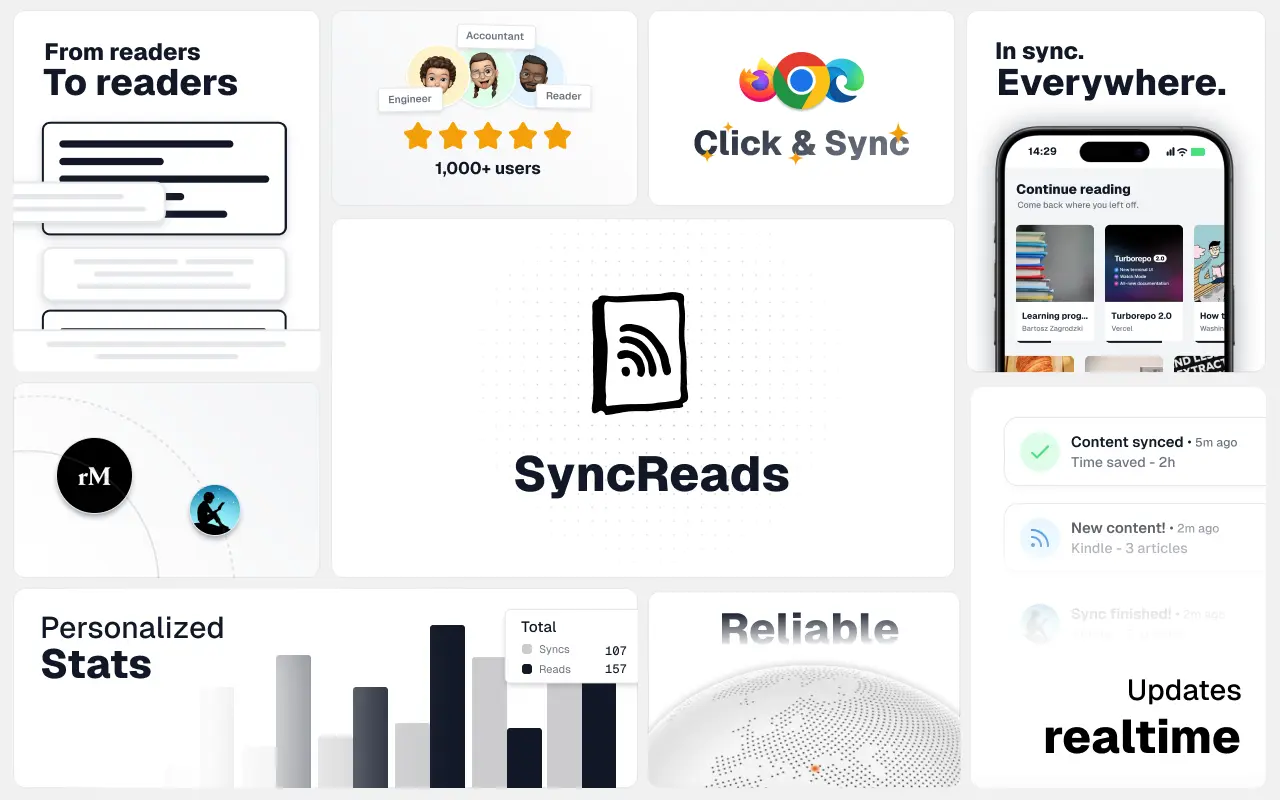
SyncReads
Sync your favorite content for distraction-free reading, save time and replace multiple apps. Anytime, anywhere 🔄
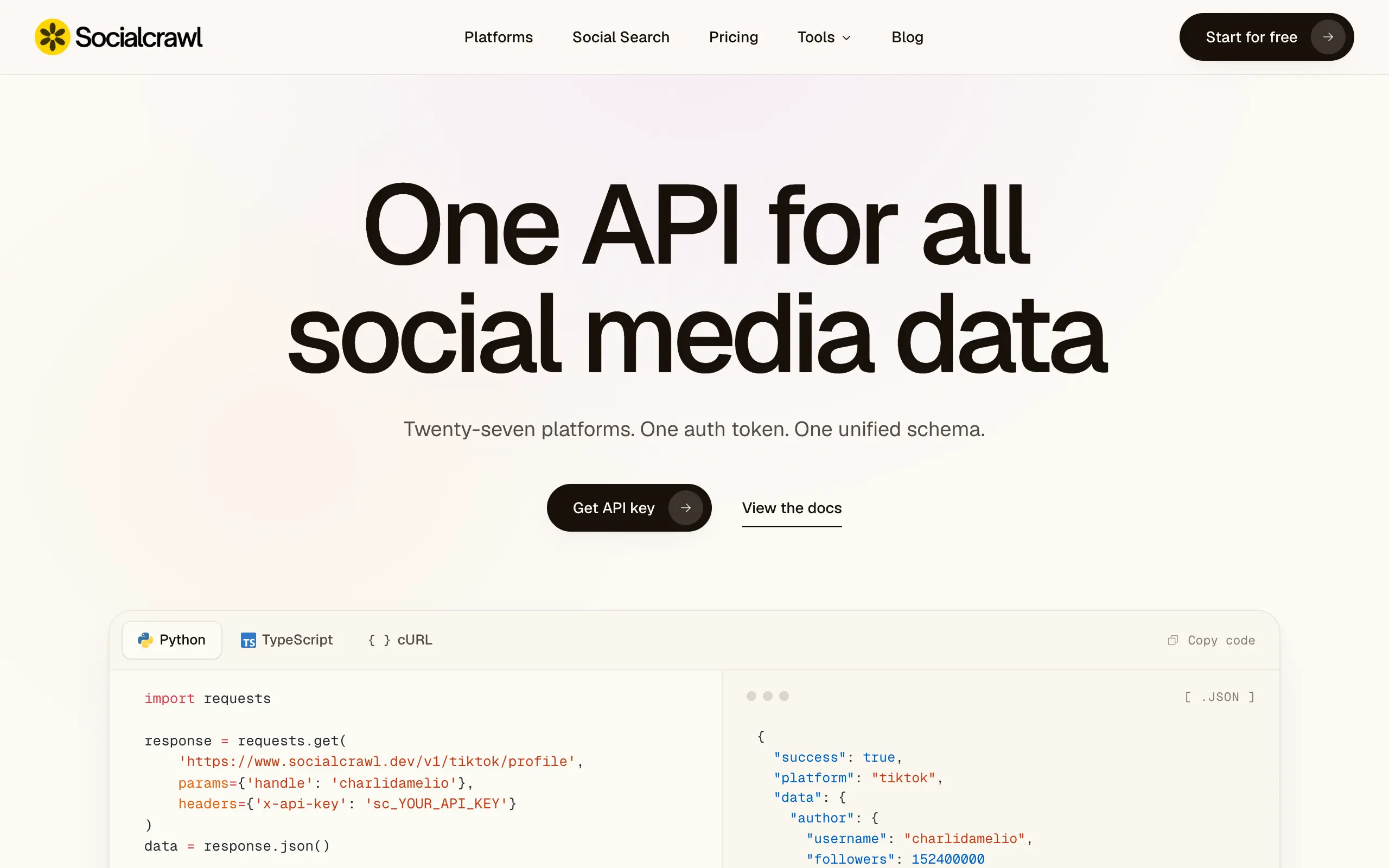
Socialcrawl
Get clean, structured data from 21 platforms like TikTok, Instagram, and YouTube with a single request 📊
Statiko
Monitor any Telegram channel in real time - track posts, edits, deletions, and growth with AI recaps 📡
Shibui
AI website builder - describe your business, pick a niche template, edit by chatting, and publish instantly ✨
Pro Service
Find verified home service professionals, compare quotes, and pay securely through escrow - built for Brazilians across the US 🏠
RankGrow
Fix your SEO with AI agents - connect Search Console, get prioritized tasks, and grow organic traffic 📈
SyncReads
Sync your favorite content for distraction-free reading, save time and replace multiple apps. Anytime, anywhere 🔄
Socialcrawl
Get clean, structured data from 21 platforms like TikTok, Instagram, and YouTube with a single request 📊
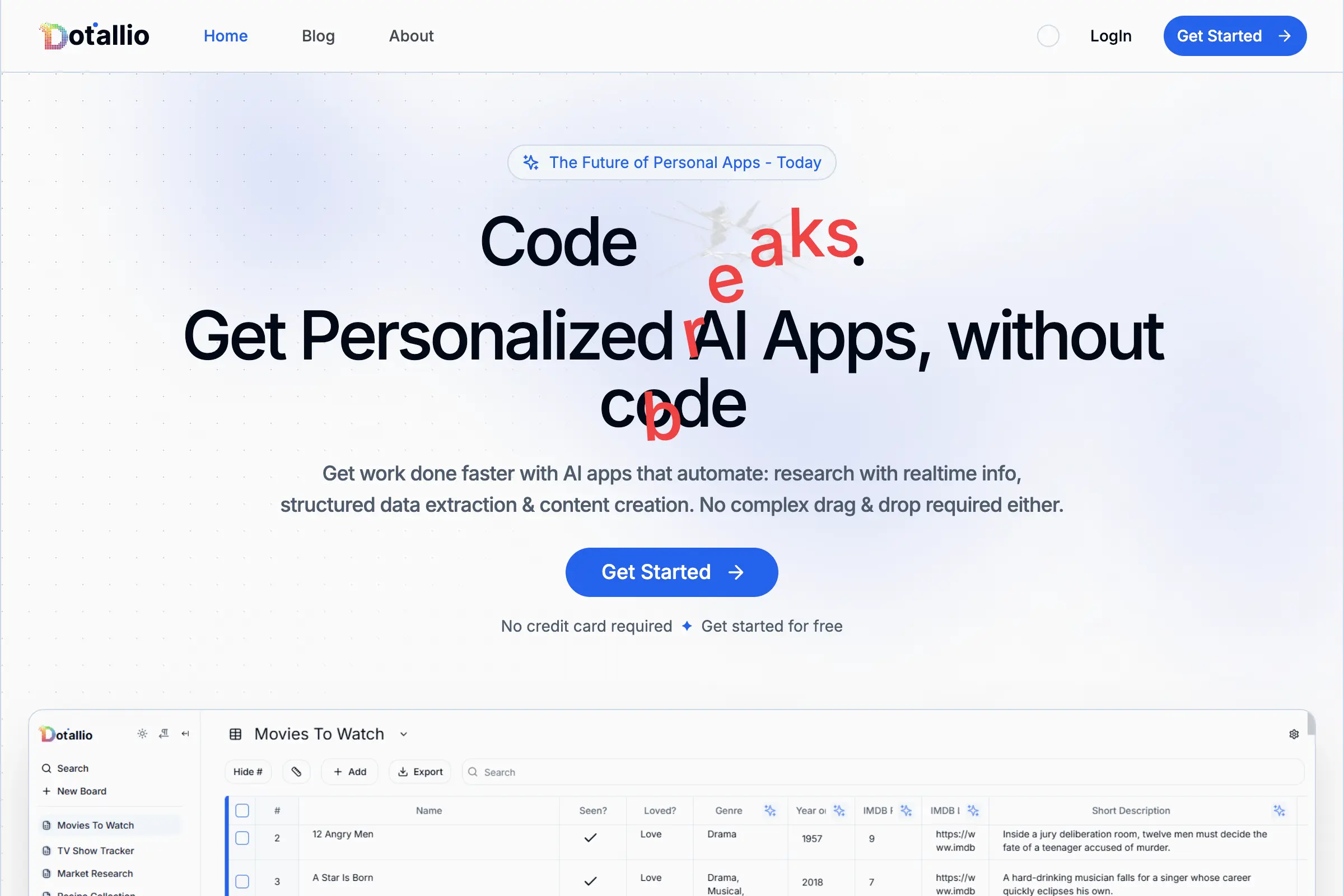
Dotallio
Personalized AI apps that automate research, data extraction, and content creation without code 🤖

Talk to Santa
Enjoy a magical live video chat or receive a unique AI-generated video greeting from Santa Claus 🎅
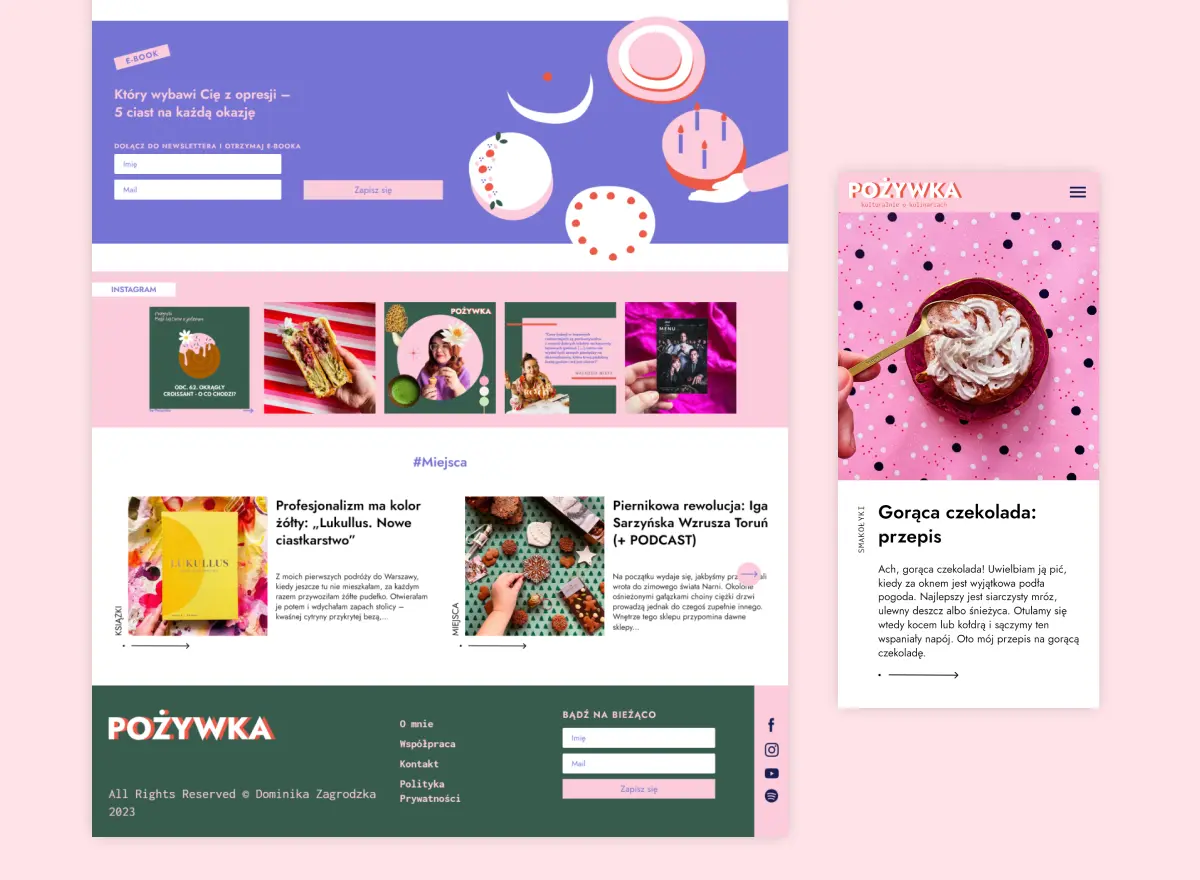
pozywka.pl
Scalable blog for food journalist, focused on performance and user experience 🌭
zagrodzki.me
Personal blog and portfolio of Bart Zagrodzki, where he shares his knowledge and work 💼
TurboStarter
Ship your startup everywhere. In minutes.
HTML to Markdown
Convert HTML to Markdown with ease, directly in your browser 📄
Dotallio
Personalized AI apps that automate research, data extraction, and content creation without code 🤖
Talk to Santa
Enjoy a magical live video chat or receive a unique AI-generated video greeting from Santa Claus 🎅
pozywka.pl
Scalable blog for food journalist, focused on performance and user experience 🌭
zagrodzki.me
Personal blog and portfolio of Bart Zagrodzki, where he shares his knowledge and work 💼
TurboStarter
Ship your startup everywhere. In minutes.
HTML to Markdown
Convert HTML to Markdown with ease, directly in your browser 📄
Omichat
Chat with 50+ AI models, including ChatGPT and Claude, in one place - switch models anytime without losing context 🤖
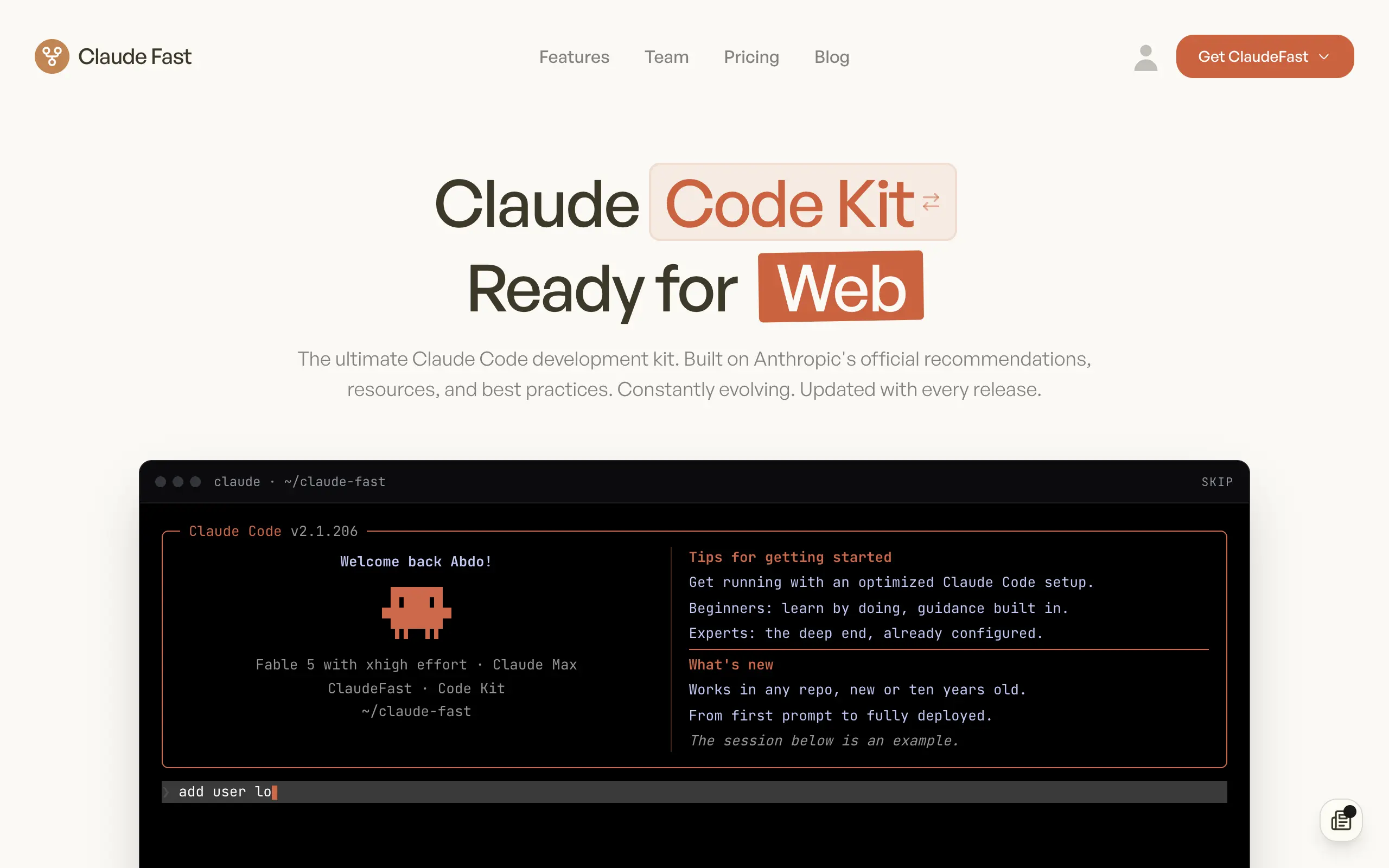
Claude Fast
Supercharge your Claude Code with 6x effective context window and specialized AI agents 🤖
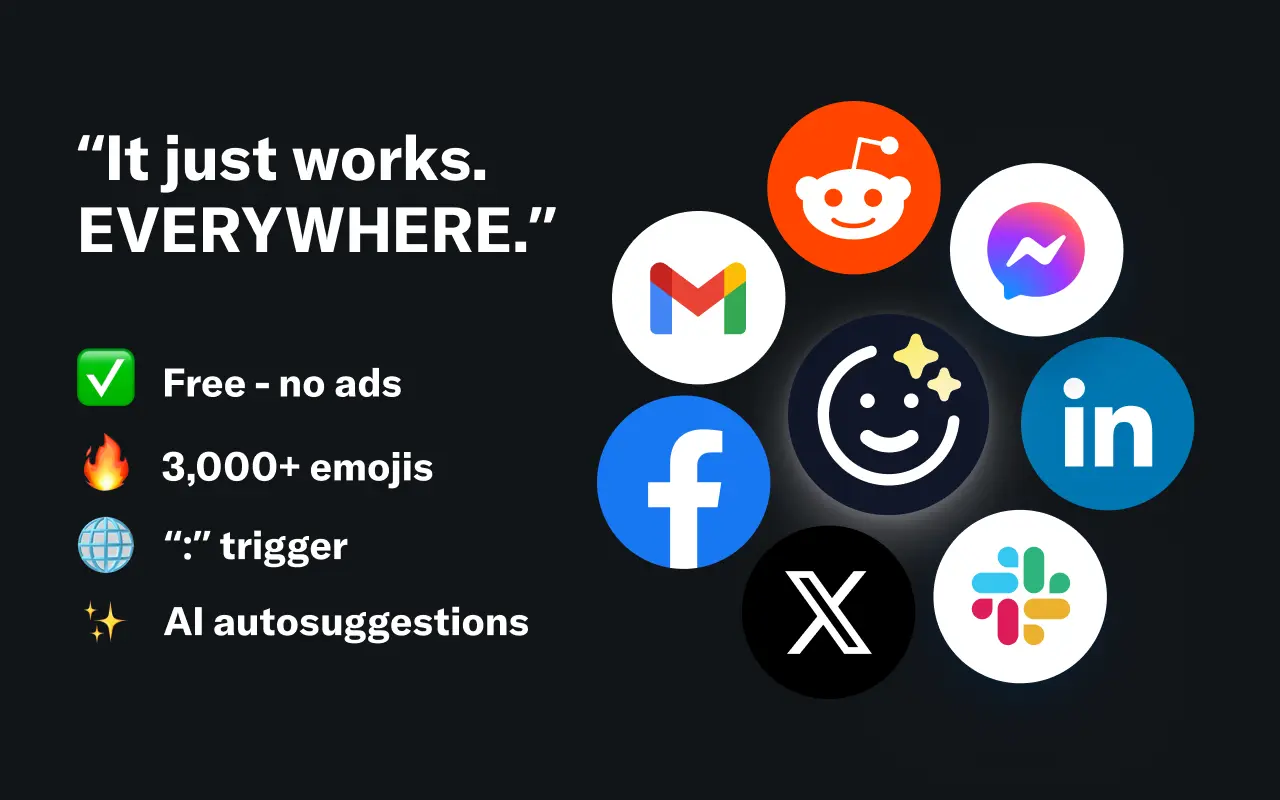
EmojAI
AI-powered emoji picker with smart, context-aware suggestions 🤖
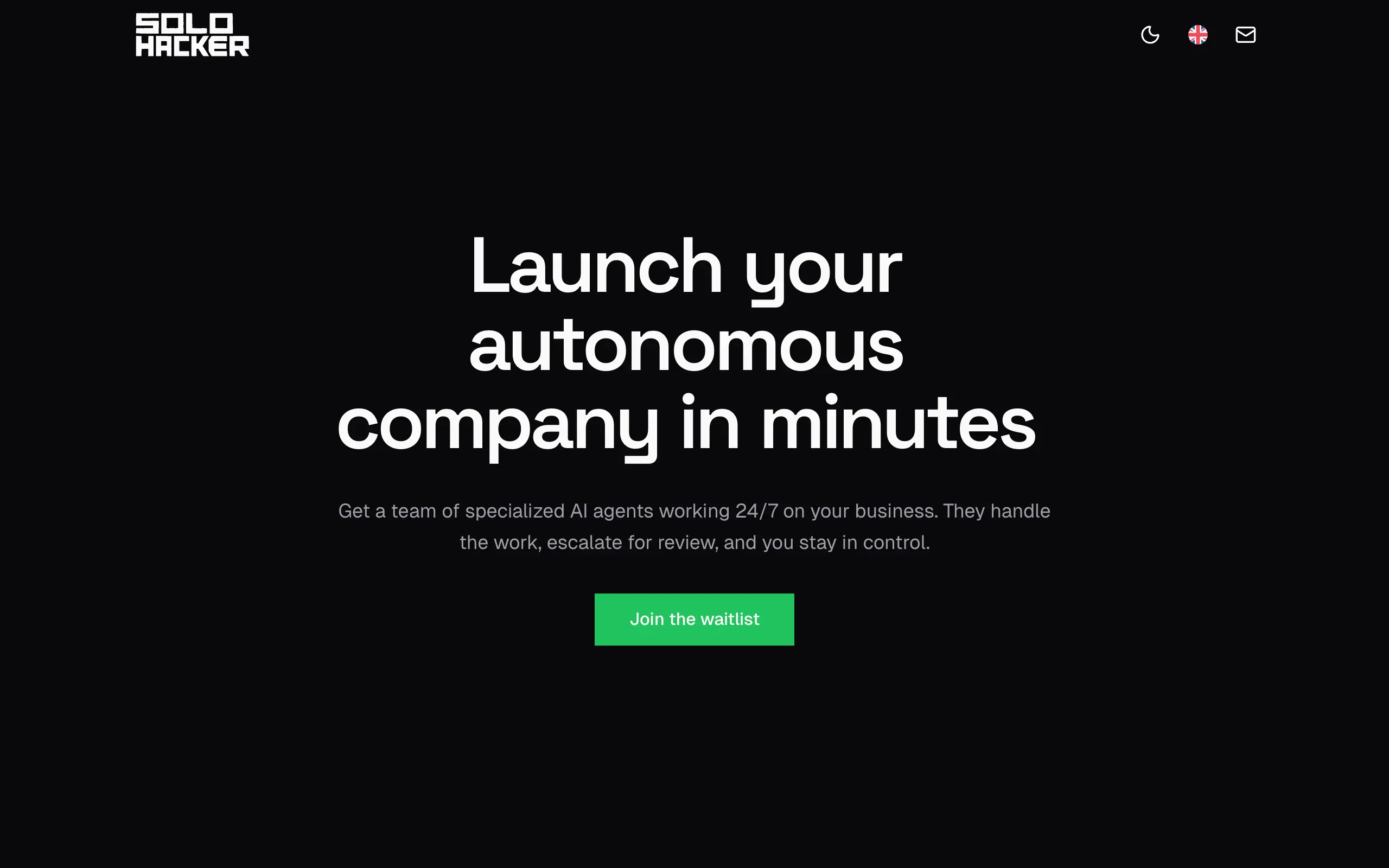
Solohacker
Autonomous company launcher - AI agents work 24/7, escalate what matters, and you stay in control 🤖
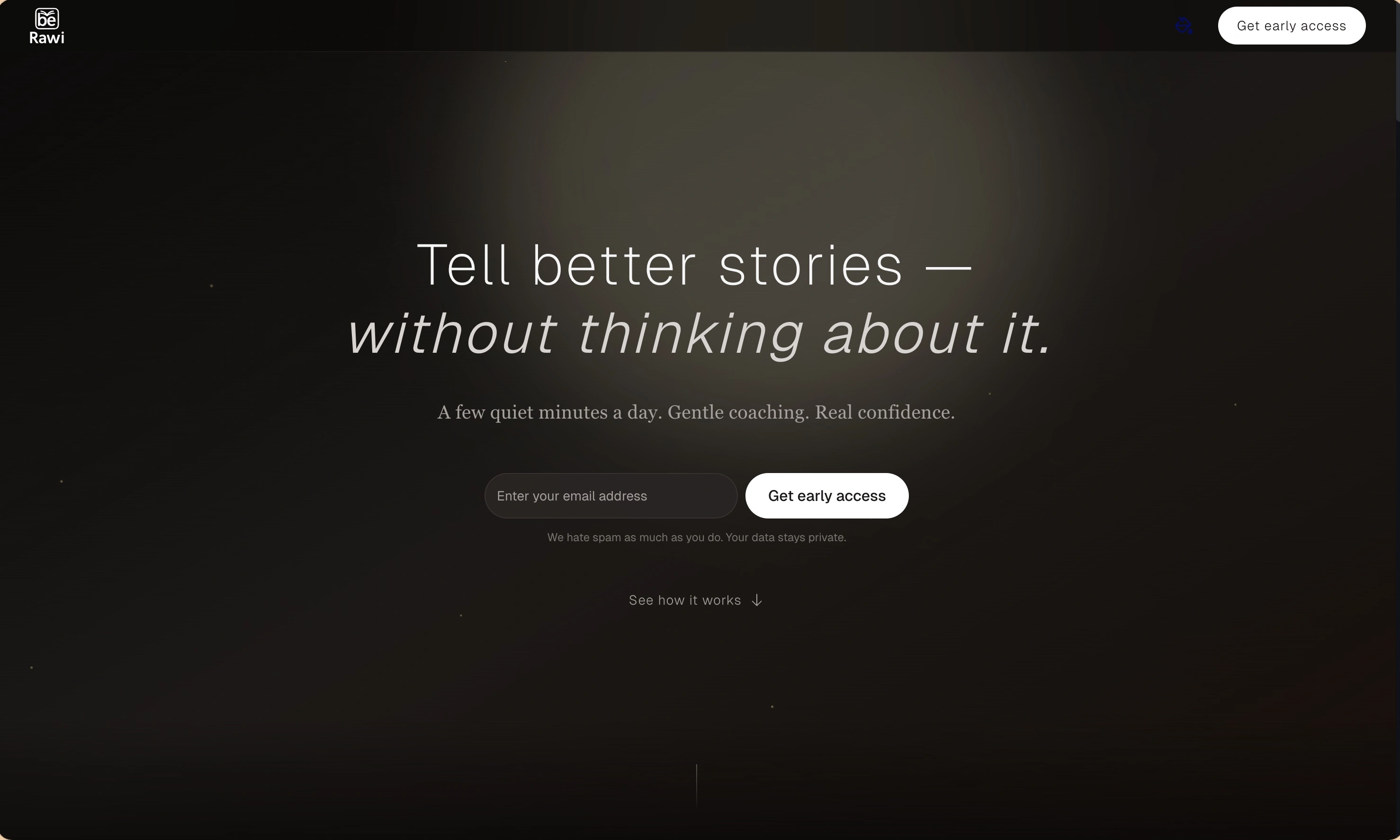
BeRawi: Storytelling Coach
Practice storytelling daily with instant feedback to sound clearer, more engaging, and confident 🎤
Omichat
Chat with 50+ AI models, including ChatGPT and Claude, in one place - switch models anytime without losing context 🤖
Claude Fast
Supercharge your Claude Code with 6x effective context window and specialized AI agents 🤖
EmojAI
AI-powered emoji picker with smart, context-aware suggestions 🤖
Solohacker
Autonomous company launcher - AI agents work 24/7, escalate what matters, and you stay in control 🤖
BeRawi: Storytelling Coach
Practice storytelling daily with instant feedback to sound clearer, more engaging, and confident 🎤

Connect with like-minded people
Join our community to get feedback, support, and grow together with 1,000+ builders on board, let's ship it!
Join usShip your startup everywhere. In minutes.
Don't burn tokens on setup and start building features on day one.