MumbleMap
Turn garbled voice notes and typo-heavy messages into likely meanings using context-aware AI, with private on-device suggestions for teams and families.
What MumbleMap solves for voice notes and messy messages
Voice messages are fast, personal, and convenient. They are also frequently unclear.
A rushed note recorded in a noisy car, a child’s half-pronounced request, a teammate’s message sent while walking between meetings, or a typo-heavy text written on a small phone can create unnecessary friction. Recipients often replay audio repeatedly, guess at meaning, ask for clarification, or make the wrong decision because a key detail was misunderstood.
MumbleMap is a privacy-first mobile AI assistant that turns garbled voice notes and typo-heavy messages into likely intended meanings. Rather than presenting a single overconfident transcription, it can use context-aware AI to suggest interpretations, highlight uncertainty, and let people confirm the intended meaning quickly.
The primary opportunity is not simply “voice-to-text.” Speech transcription is now widely available. The differentiated product opportunity is intent clarification for imperfect human communication.
A useful MumbleMap experience could help users answer questions such as:
- “Did they say Friday or Monday?”
- “Was the pickup location the school gate or the train station?”
- “Is this teammate asking for a draft, an update, or a meeting?”
- “What did my parent mean in this voice note?”
- “Can I understand this message without uploading private audio to a cloud service?”
- “Which part of this typo-heavy message is uncertain?”
For teams, MumbleMap can reduce operational mistakes caused by unclear asynchronous communication. For families, it can make everyday messages more accessible, less frustrating, and easier to act on. The strongest product positioning is therefore:
MumbleMap helps people understand imperfect messages without pretending AI is always certain.
That distinction matters. A trustworthy communication assistant should preserve ambiguity when ambiguity exists, explain why it made a suggestion, and keep sensitive personal or business context protected.
Why context-aware voice note clarification is a growing opportunity
Voice messaging is embedded in modern communication habits across chat platforms, collaboration tools, social apps, and SMS. At the same time, mobile communication quality is inconsistent. Accents, speech differences, code-switching, poor microphone quality, background sound, shared terminology, product names, and rushed typing all make standard transcription or autocorrect unreliable.
Traditional speech-to-text tools generally optimize for a literal transcript. Standard autocorrect tools optimize for individual words. Neither reliably identifies what a sender likely meant in context.
For example, a conventional transcript may produce:
“Can you send the new client deck to Maya before free day?”
The intended message may have been:
“Can you send the new client deck to Maya before Friday?”
A generic model might fix the wording, but a context-aware system can do better by considering:
- The team’s existing project terminology
- Calendar availability and upcoming deadlines
- Previously mentioned recipients
- The acoustic similarity between “free day” and “Friday”
- The sender’s commonly used phrases
- Whether “Friday” is a plausible instruction in the thread
This is where MumbleMap can create meaningful value. It combines speech recognition, natural language understanding, user-approved context, and confidence-aware suggestions.
The core product principle
MumbleMap should never silently rewrite a message that may affect a decision. It should show the original input, identify uncertain segments, and present a clear suggested interpretation that users can accept, edit, or reject.
The market gap is especially compelling because users increasingly expect AI assistance, but are also more concerned about privacy. A product that performs sensitive interpretation on-device or with privacy-preserving processing has a stronger trust story than a generic cloud transcription utility.
When validating market size or adoption claims, cite authoritative research from organizations such as Pew Research Center, Gartner, IDC, Statista, Apple, Google, or official mobile platform reports. Avoid relying on unsourced social media claims for market sizing.
Target audience for MumbleMap
MumbleMap should not initially try to serve every person who sends a voice note. The product becomes more useful when it understands recurring context, so early distribution should focus on groups with repeated communication patterns and a high cost of misunderstanding.
Small teams with fast asynchronous communication
Small businesses, agencies, field service teams, startup teams, and remote-first organizations commonly exchange fast updates in chat. These teams may use voice notes because typing is inconvenient during travel, onsite work, or multitasking.
Their pain is not just unreadable audio. It is lost work.
A missed deadline, misunderstood customer instruction, incorrect address, or unclear handoff can create operational cost. MumbleMap can act as a communication quality layer before an ambiguous message becomes a task.
High-value team use cases include:
- Sales representatives sending notes after customer calls
- Construction or field service coordinators sharing location updates
- Agency teams discussing deliverables and revisions
- Hospitality staff communicating shift changes
- Startup founders recording quick product feedback
- Distributed teams collaborating across accents and time zones
The buyer may be a team lead or operations manager, while the daily user is an employee. This means the product needs both individual utility and clear administrative controls.
Families and caregivers
Families have a different but equally strong need. Voice messages often come from people who are driving, caring for children, dealing with accessibility challenges, or simply prefer speaking to typing.
MumbleMap can help families interpret messages involving:
- Pickup times and school logistics
- Shopping lists and household tasks
- Medical appointment reminders
- Elderly relatives’ voice notes
- Multilingual or mixed-language communication
- Messages from children whose speech may be difficult to transcribe
The family segment is emotionally valuable but requires especially careful privacy design. A family should not feel that a company is building a behavioral profile from private conversations.
Multilingual communicators and code-switchers
Many people naturally alternate between languages, dialects, and local expressions in the same message. A transcription engine that handles only one language at a time can fail badly in these situations.
MumbleMap can differentiate by supporting:
- Automatic language detection
- User-selected language pairs
- Code-switching recognition
- Custom vocabulary for names and local places
- Meaning-preserving clarification rather than literal translation only
This audience may include immigrant families, international teams, language learners, and communities that use a local dialect alongside a major language.
People who need communication accessibility support
Some users may benefit from clearer written interpretations of speech because of hearing differences, auditory processing challenges, dyslexia, motor constraints, or cognitive load. However, accessibility positioning must be responsible.
MumbleMap should not claim to diagnose, treat, or replace professional accessibility services. Instead, it can provide a configurable communication aid with features such as readable summaries, enlarged text, replayable audio snippets, uncertain-word highlights, and simplified language options.
Best initial user
A busy small-team member who regularly receives unclear voice notes and needs to make fast, accurate decisions.
Best initial buyer
An operations-minded manager who can quantify time lost to clarification loops and communication errors.
Strong consumer segment
Families who want a private way to understand everyday messages without sharing sensitive audio broadly.
The market gap: transcription tools do not equal meaning tools
MumbleMap’s most important competitive insight is that transcripts are not the final product.
Existing products tend to sit in one of several categories:
- Dictation and keyboard tools
- Meeting transcription platforms
- Chat application voice notes
- AI note-taking assistants
- Grammar correction tools
- General-purpose chatbot assistants
- Translation tools
Each category solves part of the problem, but none is necessarily optimized for short, noisy, context-sensitive messages between people who already know each other.
| Product category | Primary job | Common limitation | MumbleMap opportunity | Privacy potential |
|---|---|---|---|---|
| Speech-to-text | Create a transcript | May preserve errors literally | Suggest intended meaning | High with on-device models |
| Grammar tool | Correct written language | Often lacks conversation context | Use thread and vocabulary context | High with local processing |
| Meeting assistant | Summarize long calls | Too heavy for short personal notes | Optimize for mobile micro-interactions | Moderate to high |
The product gap is a workflow gap. People need a quick answer, not another document to read.
A winning interaction might take less than ten seconds:
- A user shares or imports a confusing voice note.
- MumbleMap creates a raw transcript.
- It highlights low-confidence words or phrases.
- It presents one or more likely interpretations.
- The user selects the correct interpretation or asks a follow-up question.
- The corrected result can be copied, shared, saved, or converted into an action.
The system should also avoid a common AI failure mode: giving a polished answer that sounds certain while being wrong. MumbleMap’s interface should make confidence visible without overwhelming users with technical jargon.
Core MumbleMap features and product experience
The MVP should focus on a narrow, repeatable loop: import, understand, verify, and act.
Voice note transcription with uncertainty detection
The first layer is transcription. MumbleMap should accept voice recordings from the device, shared audio files, and potentially recordings made directly inside the app.
Instead of displaying transcription as a fixed block of text, it should identify uncertainty at the word or phrase level. For example, a user could see:
“Please meet me at [station / situation] around six.”
A tap on the uncertain phrase could reveal:
- “Station” with 71% confidence
- “Situation” with 18% confidence
- “The audio contains traffic noise near this phrase”
The confidence score should be treated as an internal signal, not as a promise of mathematical accuracy. User-facing language such as “likely,” “unclear,” and “possible alternatives” is generally safer and more understandable.
Context-aware meaning suggestions
This is the defining MumbleMap feature. The system should generate interpretation candidates using approved context, including the current conversation, names, terminology, location preferences, and recent relevant messages.
An interpretation card could show:
- The original phrase
- The likely meaning
- A short rationale
- Alternative meanings
- A confidence indicator
- A button to confirm or correct the suggestion
For a family, context may include recurring school names, relatives, and home routines. For a team, it may include client names, project titles, departmental terms, and active tasks.
The user should control which context categories are available. Context access must be granular rather than all-or-nothing.
Typo-heavy message repair
Text clarification expands the total addressable market beyond audio. Many users receive messages such as:
“can u snd th deck 2 mika b4 fri pls its the nw one”
A generic rewrite can clean up grammar, but MumbleMap should offer the likely intent:
“Can you send the new deck to Mika before Friday, please?”
It can then flag uncertain entities:
“Mika” may refer to Mika Tanaka or Mica, based on your saved contacts.
This feature also provides a lower-cost onboarding path. Users can experience MumbleMap’s value before granting microphone access or importing voice notes.
Private vocabulary and relationship maps
A major source of transcription failure is proper nouns. Product names, nicknames, local businesses, technical vocabulary, client names, and family references are often missing from generic speech models.
MumbleMap can provide a private vocabulary layer where users add:
- Contacts and nicknames
- Team members and project names
- Locations and recurring destinations
- Industry terms
- Product and customer names
- Common abbreviations
A “relationship map” should not mean a hidden surveillance graph. It should be an explicit, user-managed set of context hints. Users should be able to view, edit, export, and delete these hints at any time.
Follow-up question generation
When MumbleMap cannot distinguish between plausible meanings, it should help the recipient ask a concise question rather than guess.
Examples include:
- “Did you mean Friday or free day?”
- “Should this be sent to Maya Chen or Maya Patel?”
- “Did you say Gate 2 or Gate B?”
- “Are you asking for the draft or the final version?”
This is a subtle but powerful feature. It converts ambiguity into an actionable communication repair step.
Action extraction for teams
For a paid team workflow, MumbleMap can identify tasks, dates, people, and locations from clarified messages. It should never automatically create a task without user confirmation.
Potential actions include:
- Create a reminder
- Copy a clarified message
- Add a calendar event draft
- Assign a task draft
- Save a location
- Share an approved summary
A task extraction model should preserve the original wording and let users inspect the evidence before confirming. This is particularly important when deadlines, instructions, or customer commitments are involved.
Privacy-first AI architecture for MumbleMap
Privacy is not a marketing line that can be added after launch. For MumbleMap, it is part of the product architecture.
Voice notes and personal messages can contain business plans, health information, family schedules, financial details, addresses, and private relationships. The safest default is to process as much as possible on-device and collect as little data as possible.
Recommended processing model
A practical architecture can use a hybrid approach:
- Local audio preprocessing on the device
- On-device speech recognition when model quality and device capability allow
- Local storage for transcripts and vocabulary by default
- Optional encrypted cloud processing for users who explicitly opt in
- Server-side processing only when required for higher-quality or specialized features
- Redaction or minimization before any optional cloud request
For mobile development, React Native can support shared iOS and Android development, while Expo can accelerate early iteration. Teams requiring deep audio processing, hardware acceleration, or native speech SDK access may need custom native modules or a prebuild workflow.
Apple provides speech-related platform capabilities through Apple Developer Documentation, while Android developers can evaluate device capabilities and machine-learning tooling through ML Kit. Model availability, language coverage, offline behavior, and commercial licensing should be tested on real target devices rather than assumed from documentation.
On-device processing offers the strongest privacy story, lower latency after model download, and fewer data transfer risks. Its trade-offs include larger application size, higher battery use, device compatibility constraints, and potentially lower accuracy for difficult audio.
Optional cloud enhancement can support more powerful models and faster model updates. Its trade-offs include consent requirements, ongoing inference costs, data residency complexity, and increased user trust risk.
Security and consent requirements
MumbleMap should build these safeguards into the MVP:
- Explicit consent before recording or uploading audio
- Clear distinction between local and cloud processing
- Encryption in transit and at rest for any synced content
- Biometric or passcode app lock
- Per-message deletion controls
- Automatic retention settings
- Export and account deletion workflows
- Audit logs for business accounts
- Role-based access controls for team workspaces
- A visible indicator when cloud processing is active
For enterprise customers, compliance discussions may eventually include GDPR, CCPA, SOC 2, and industry-specific obligations. Do not claim compliance until policies, technical controls, contracts, and independent audits substantiate that claim.
Recording consent is product-critical
Laws on recording and consent vary by country, state, and context. MumbleMap should provide clear notices and require users to confirm they have the right to process shared audio, particularly in workplace environments.
Recommended tech stack for a mobile AI communication app
The best stack depends on whether MumbleMap prioritizes time to market, maximum on-device capability, or enterprise-grade compliance from day one.
For a fast but scalable SaaS MVP, a TypeScript-centered stack is a sensible choice.
Mobile application layer
Use React Native with TypeScript for the mobile client. This reduces duplicated feature work between iOS and Android while retaining access to native modules when needed.
Use Expo for development velocity during the early stage, but assess whether the final audio and machine-learning requirements need a custom development client or native configuration.
Recommended client-side capabilities include:
- Audio capture and waveform visualization
- Audio trimming before analysis
- Secure local database
- Offline job queue
- Encrypted local preferences
- Push notifications for processing completion
- Share-sheet integration
- Accessible typography and screen-reader labels
Backend and API layer
A backend built with Node.js and TypeScript can keep the ecosystem consistent. Next.js is a strong choice for the marketing site, team dashboard, documentation, and authenticated web workflows.
For API design, consider:
- REST endpoints for mobile uploads and status polling
- Webhooks for asynchronous processing events
- Signed upload URLs for encrypted object storage
- Idempotency keys for mobile retries
- Background workers for transcription and analysis jobs
- Rate limiting and abuse prevention
- Usage metering for paid plans
For the database, PostgreSQL is a reliable foundation for users, workspaces, permissions, billing state, consent records, and metadata. Keep raw audio storage separate from relational records, and avoid storing sensitive message content unless it is necessary for the feature users selected.
AI pipeline
The AI layer should be modular. Do not tightly couple the product to a single speech model or large language model provider.
A resilient pipeline has four stages:
- Audio quality assessment
- Speech transcription
- Uncertainty scoring and candidate generation
- Context-aware interpretation and safety validation
For hosted AI capabilities, evaluate providers based on quality, latency, cost, geographic processing options, data retention terms, and contractual privacy commitments. If using APIs from OpenAI, make the processing boundary clear to users and architecture reviewers.
On-device inference may use platform-native models, optimized open-source models, or lightweight custom models. The trade-off is operational complexity. A cloud model can be improved quickly, while on-device models require download management, hardware testing, and carefully planned model updates.
A simple confidence-aware response shape
The API should return raw evidence alongside suggestions. This helps the user interface remain transparent and gives engineering teams an auditable record of why a suggestion appeared.
type MeaningSuggestion = {
  originalText: string;
  likelyMeaning: string;
  confidence: "high" | "medium" | "low";
  alternatives: string[];
  evidence: {
    uncertainSegments: string[];
    contextSources: string[];
  };
  requiresConfirmation: boolean;
};

const response: MeaningSuggestion = {
  originalText: "send the deck before free day",
  likelyMeaning: "Send the deck before Friday",
  confidence: "medium",
  alternatives: ["Send the deck before the free day"],
  evidence: {
    uncertainSegments: ["free day"],
    contextSources: ["Upcoming Friday deadline in workspace"],
  },
  requiresConfirmation: true,
};
The requiresConfirmation field is strategically important. It makes it harder for downstream product teams to accidentally turn a suggestion into an irreversible action.
Monetization strategy for MumbleMap
MumbleMap has a natural freemium model because consumers need to experience accuracy and trust before paying, while teams can pay for collaboration, controls, and higher usage limits.
Free personal plan
A free plan can include a limited monthly number of voice-note clarifications, typo repair, local vocabulary entries, and on-device processing where technically feasible.
The goal is not to give away unlimited inference. The goal is to create an “aha” moment when MumbleMap correctly resolves a confusing message.
Personal premium plan
A paid individual plan can include:
- Higher monthly processing limits
- Longer audio support
- Expanded private vocabulary
- Multi-language and code-switching support
- Priority processing
- Secure cross-device sync
- Advanced export options
- Personal conversation context controls
Pricing should be tested by region and usage pattern. A low-friction monthly subscription may fit consumers, while annual pricing can improve retention and cash flow.
Team plan
The team plan should be the primary B2B revenue engine. It can include workspace controls, shared vocabulary, role permissions, team templates, analytics, integrations, and centralized billing.
Potential team features include:
- Shared client and project vocabulary
- Workspace-level retention settings
- Admin-managed cloud processing policies
- Audit logs
- SSO for larger organizations
- Team usage analytics
- Shared action templates
- Priority support
A per-seat model with included processing credits is easy to understand. For voice-heavy operational teams, consider a base platform fee plus usage-based overages.
Enterprise plan
Enterprise pricing should be reserved for customers with real needs around procurement, security, identity management, data residency, custom retention, or dedicated support.
Do not build every enterprise feature before demand exists. First, identify which objections repeatedly block larger deals.
Competitive advantage and MumbleMap’s unique selling proposition
MumbleMap’s defensible advantage is not merely an AI transcription model. Foundation models and speech APIs are increasingly accessible. The moat comes from product design, privacy, proprietary correction signals, and workflow fit.
The strongest MumbleMap USP is:
A private mobile assistant that explains what unclear messages probably mean, shows uncertainty honestly, and learns only from context users choose to provide.
This positioning creates several durable differentiators.
Context with user control
Many AI products use context invisibly. MumbleMap should make context inspectable and controllable. Users need to know whether the app used a calendar event, a shared vocabulary term, a previous message, or a saved contact.
That transparency can become a trust advantage.
Confirmation-first AI
Most competitors optimize for speed and polished output. MumbleMap should optimize for correct interpretation in consequential moments.
By presenting alternatives and requesting confirmation when confidence is low, MumbleMap reduces the danger of false certainty. This is especially valuable in professional, family, and accessibility-related communication.
Short-message mobile workflow
Meeting assistants are designed for hour-long calls. MumbleMap is designed for a 15-second note received while someone is busy. The user experience should be one-handed, immediate, and shareable.
Private vocabulary flywheel
As users add approved terms and corrections, MumbleMap gets better at the language that matters to them. This can create retention because switching to another generic tool means losing a carefully built personal or workspace vocabulary.
The implementation must preserve privacy. User data should not become public training data by default, and any model improvement program should use separate, explicit consent.
Risks and mitigation strategies
A voice clarification product must earn trust through careful risk management.
Mitigate this with confidence thresholds, multiple candidate interpretations, clear uncertainty labels, and confirmation requirements before actions are created or messages are rewritten.
Make on-device processing the default where feasible. Use plain-language consent, visible processing indicators, granular permissions, and simple deletion controls. Avoid hidden data collection.
Build a diverse evaluation set, test on real mobile recordings, support user corrections, and publish known limitations. Do not market universal accuracy.
Use local processing for simple tasks, cache safely when users permit it, meter expensive requests, compress audio intelligently, and align plan limits with actual unit economics.
Start with share-sheet imports, direct recording, copy-and-paste workflows, and user-approved exports. Treat deep integrations with messaging platforms as optional rather than foundational.
The most important operational mitigation is a robust evaluation framework. Before launch, test MumbleMap on representative examples:
- Noisy outdoor audio
- Fast speech
- Multiple accents
- Child speech where appropriate and ethically sourced
- Mixed-language messages
- Similar-sounding dates and names
- Industry-specific terms
- Messages with sensitive information
- Short and long audio samples
- Different microphone qualities
Measure more than word error rate. For MumbleMap, the critical metric is often meaning resolution accuracy: whether the product helped the recipient correctly understand the sender’s intended action or information.
A practical implementation roadmap
The fastest path is to validate the clarification workflow before investing in a massive AI platform.
A practical early success metric is not total transcripts processed. It is the percentage of sessions where users report that MumbleMap helped them avoid replaying, guessing, or asking a redundant clarification question.
For technical execution, a production-ready SaaS foundation can reduce time spent rebuilding authentication, billing, dashboards, and application infrastructure. TurboStarter is worth evaluating for teams that want to move faster from validation to a polished SaaS product.
Final recommendation
MumbleMap has a credible opportunity because it addresses an everyday problem that generic transcription tools leave unresolved: people do not always need more text, they need a reliable understanding of what another person meant.
The product should begin with a focused promise:
- Clarify short voice notes and messy messages
- Preserve original wording and uncertainty
- Use only user-approved context
- Make privacy a default, not an upgrade
- Ask for confirmation when the stakes are meaningful
The most successful version of MumbleMap will not act like a magical mind reader. It will act like a thoughtful communication assistant: fast enough for mobile life, transparent enough for high-trust situations, and smart enough to turn “What did they mean?” into a clear next step.
More 📱 Mobile App SaaS ideas
Discover more innovative mobile app SaaS ideas that are trending in 2026. Each idea is AI-generated with market validation and growth potential to help you find your next profitable venture faster than competitors.
Your competitors are building with TurboStarter
Below are some of the SaaS ideas that have been generated and built with our starter kit.
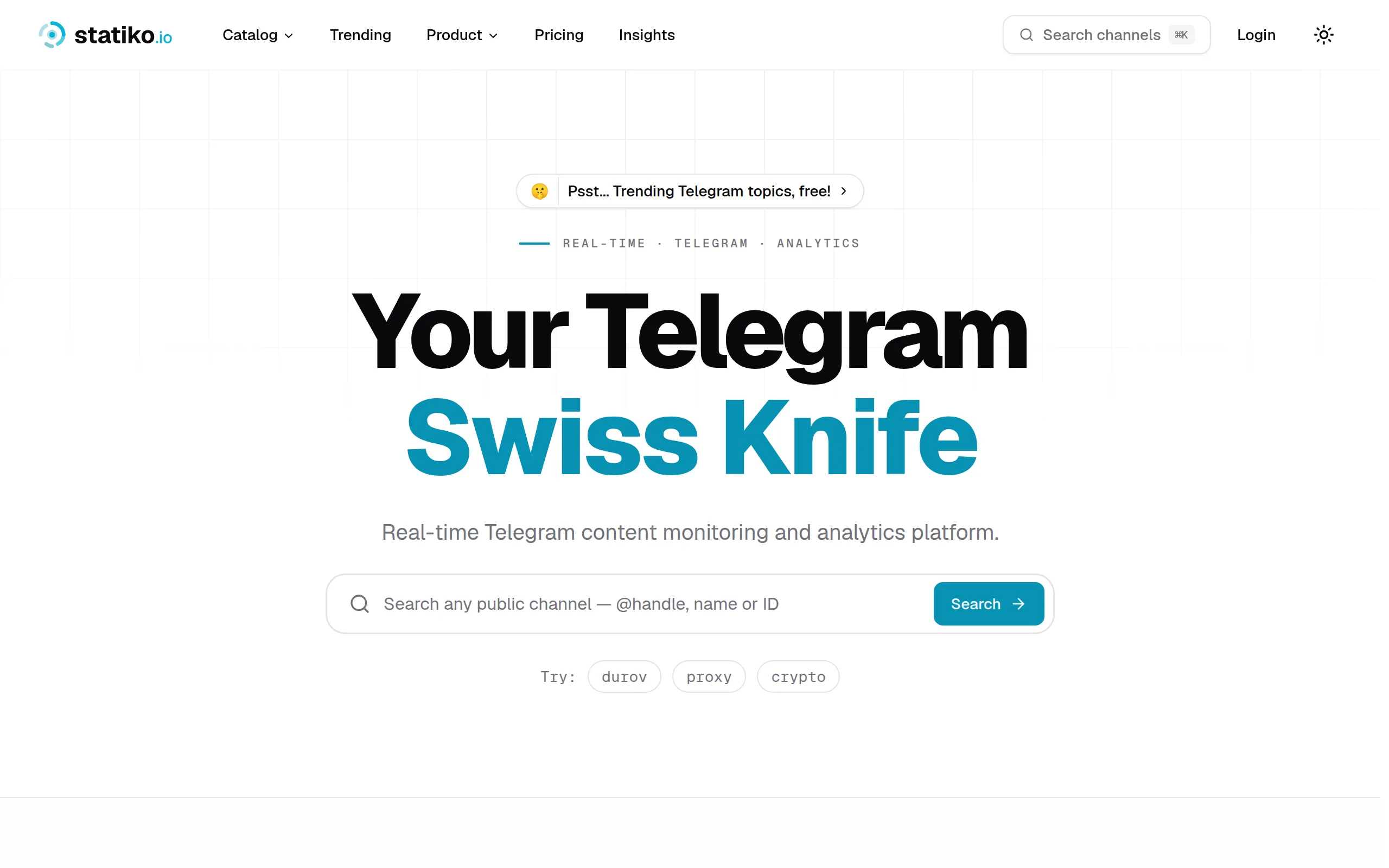
Statiko
Monitor any Telegram channel in real time - track posts, edits, deletions, and growth with AI recaps 📡
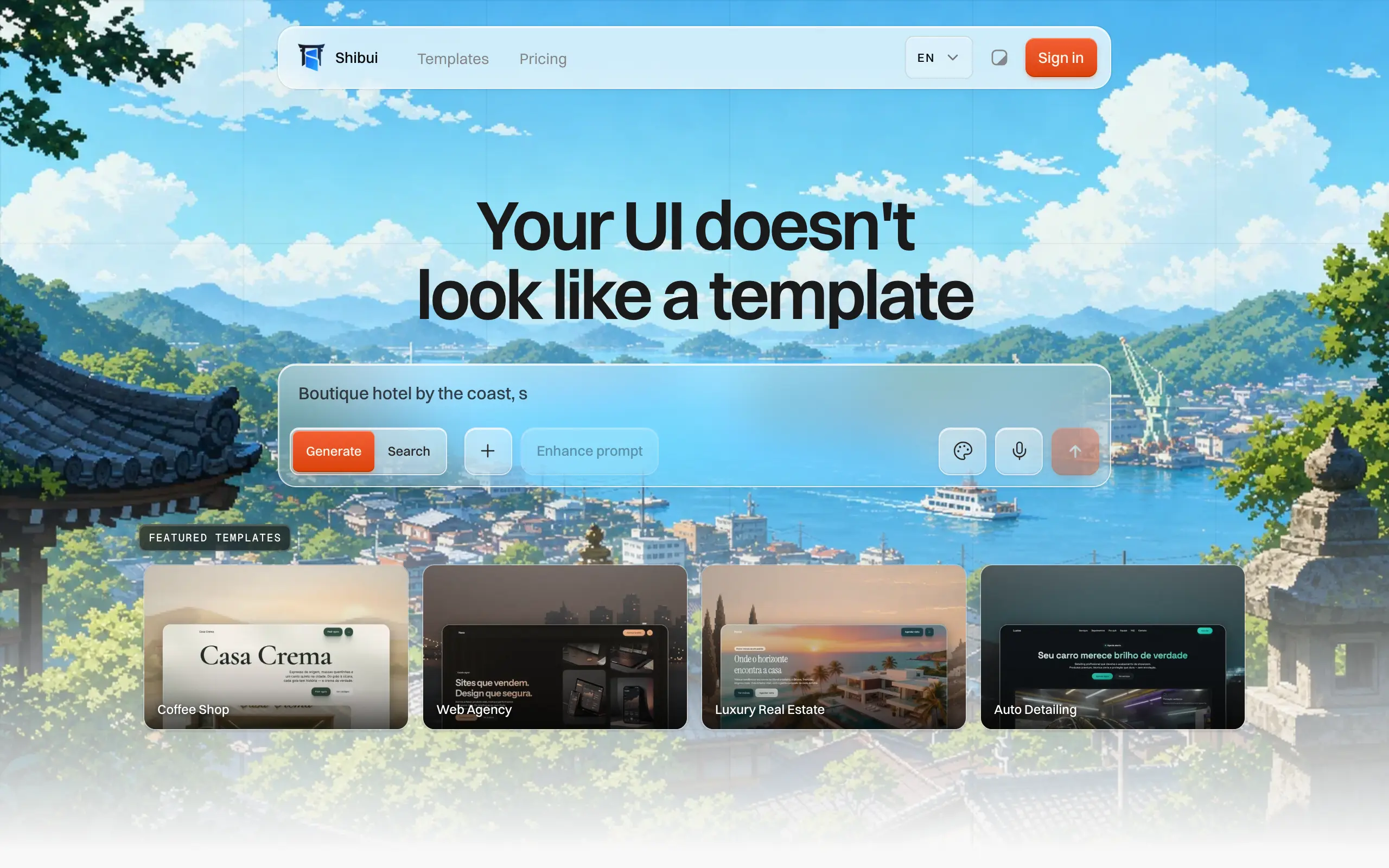
Shibui
AI website builder - describe your business, pick a niche template, edit by chatting, and publish instantly ✨

Pro Service
Find verified home service professionals, compare quotes, and pay securely through escrow - built for Brazilians across the US 🏠
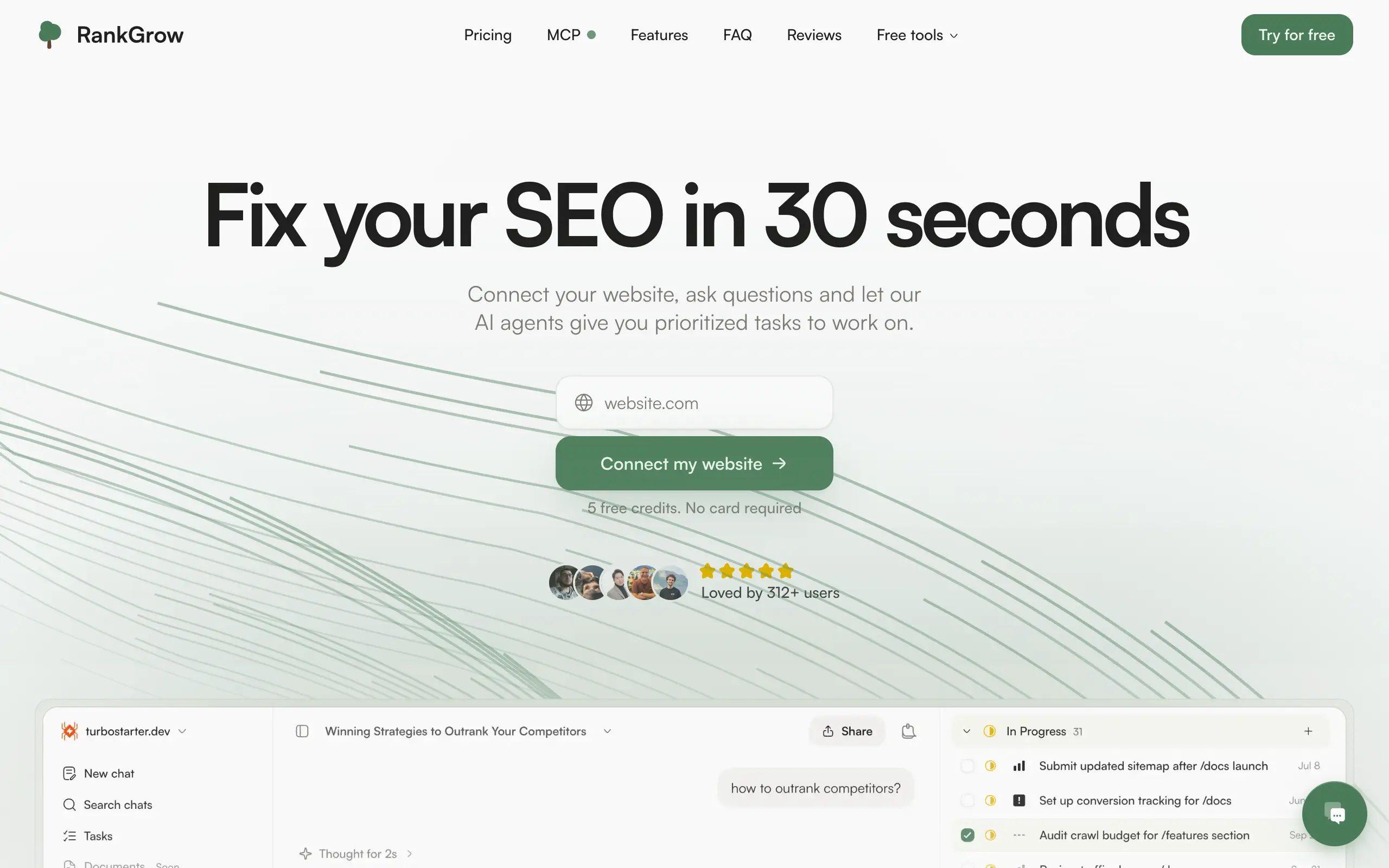
RankGrow
Fix your SEO with AI agents - connect Search Console, get prioritized tasks, and grow organic traffic 📈
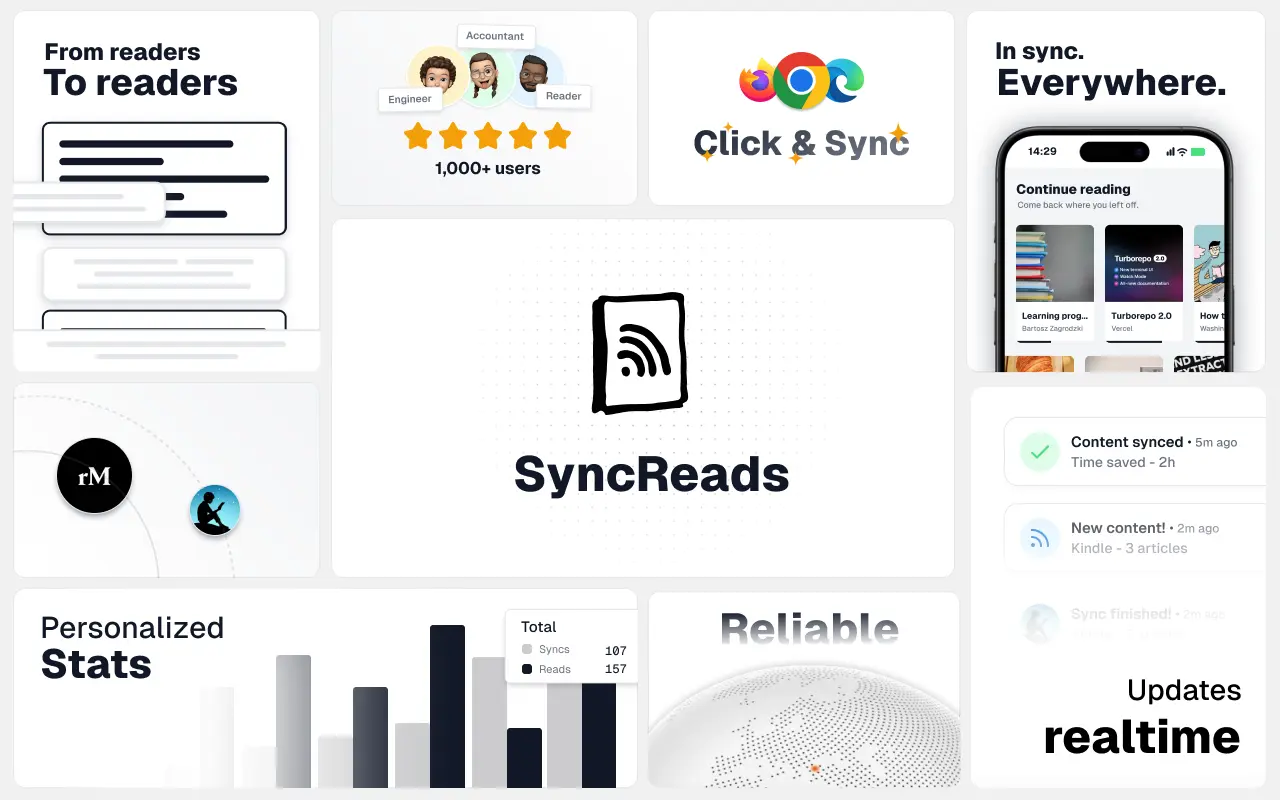
SyncReads
Sync your favorite content for distraction-free reading, save time and replace multiple apps. Anytime, anywhere 🔄
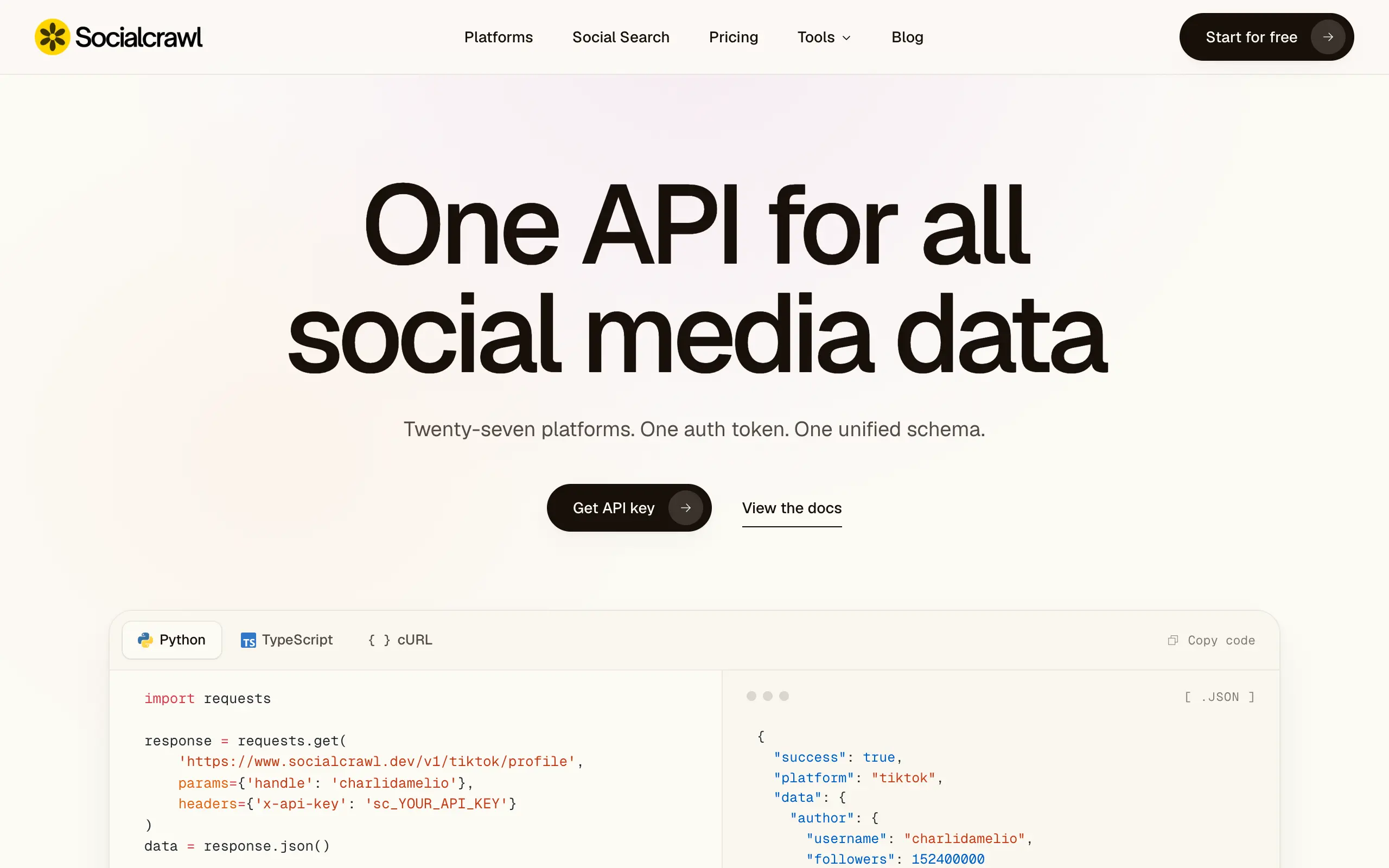
Socialcrawl
Get clean, structured data from 21 platforms like TikTok, Instagram, and YouTube with a single request 📊
Statiko
Monitor any Telegram channel in real time - track posts, edits, deletions, and growth with AI recaps 📡
Shibui
AI website builder - describe your business, pick a niche template, edit by chatting, and publish instantly ✨
Pro Service
Find verified home service professionals, compare quotes, and pay securely through escrow - built for Brazilians across the US 🏠
RankGrow
Fix your SEO with AI agents - connect Search Console, get prioritized tasks, and grow organic traffic 📈
SyncReads
Sync your favorite content for distraction-free reading, save time and replace multiple apps. Anytime, anywhere 🔄
Socialcrawl
Get clean, structured data from 21 platforms like TikTok, Instagram, and YouTube with a single request 📊
Statiko
Monitor any Telegram channel in real time - track posts, edits, deletions, and growth with AI recaps 📡
Shibui
AI website builder - describe your business, pick a niche template, edit by chatting, and publish instantly ✨
Pro Service
Find verified home service professionals, compare quotes, and pay securely through escrow - built for Brazilians across the US 🏠
RankGrow
Fix your SEO with AI agents - connect Search Console, get prioritized tasks, and grow organic traffic 📈
SyncReads
Sync your favorite content for distraction-free reading, save time and replace multiple apps. Anytime, anywhere 🔄
Socialcrawl
Get clean, structured data from 21 platforms like TikTok, Instagram, and YouTube with a single request 📊
Statiko
Monitor any Telegram channel in real time - track posts, edits, deletions, and growth with AI recaps 📡
Shibui
AI website builder - describe your business, pick a niche template, edit by chatting, and publish instantly ✨
Pro Service
Find verified home service professionals, compare quotes, and pay securely through escrow - built for Brazilians across the US 🏠
RankGrow
Fix your SEO with AI agents - connect Search Console, get prioritized tasks, and grow organic traffic 📈
SyncReads
Sync your favorite content for distraction-free reading, save time and replace multiple apps. Anytime, anywhere 🔄
Socialcrawl
Get clean, structured data from 21 platforms like TikTok, Instagram, and YouTube with a single request 📊
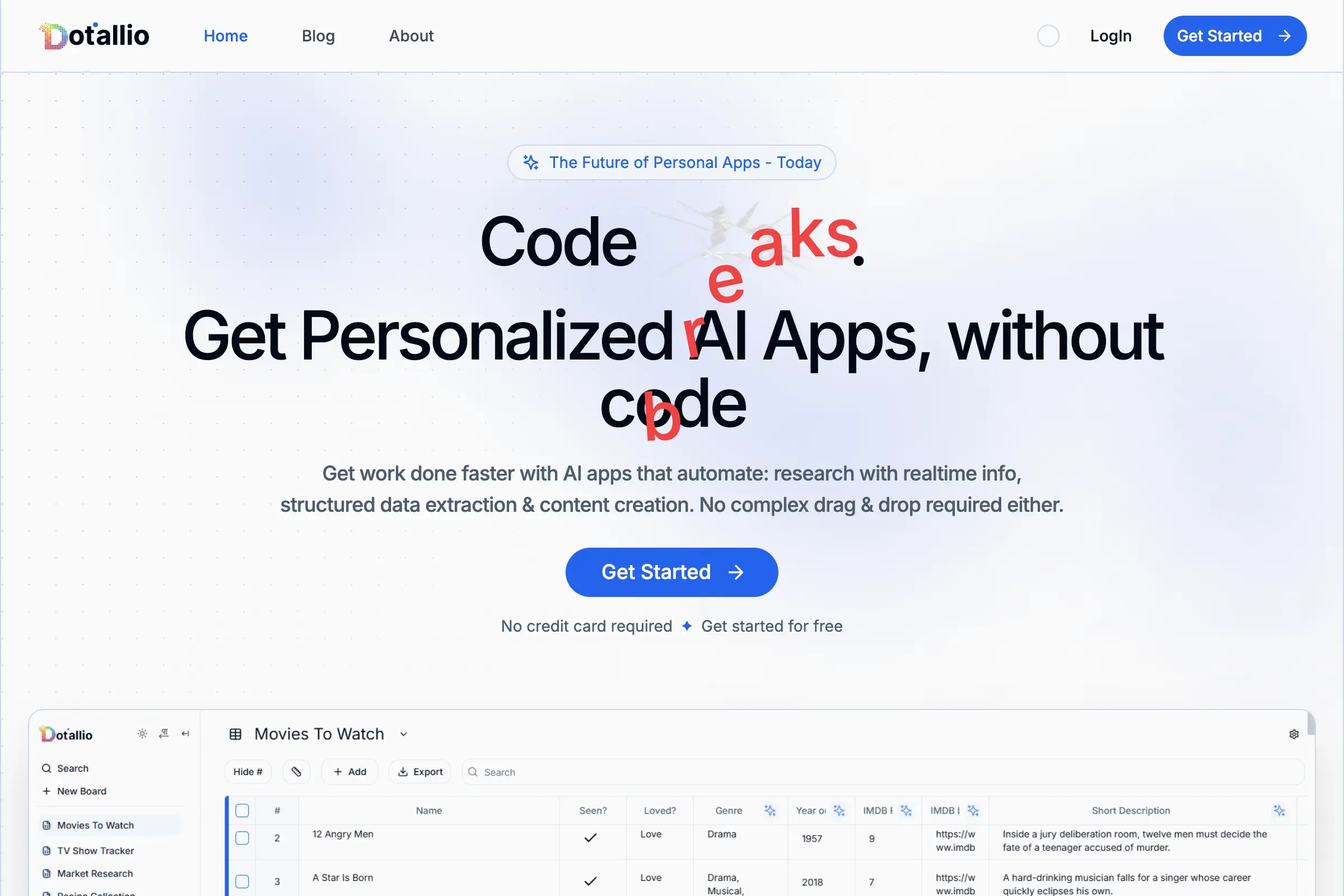
Dotallio
Personalized AI apps that automate research, data extraction, and content creation without code 🤖
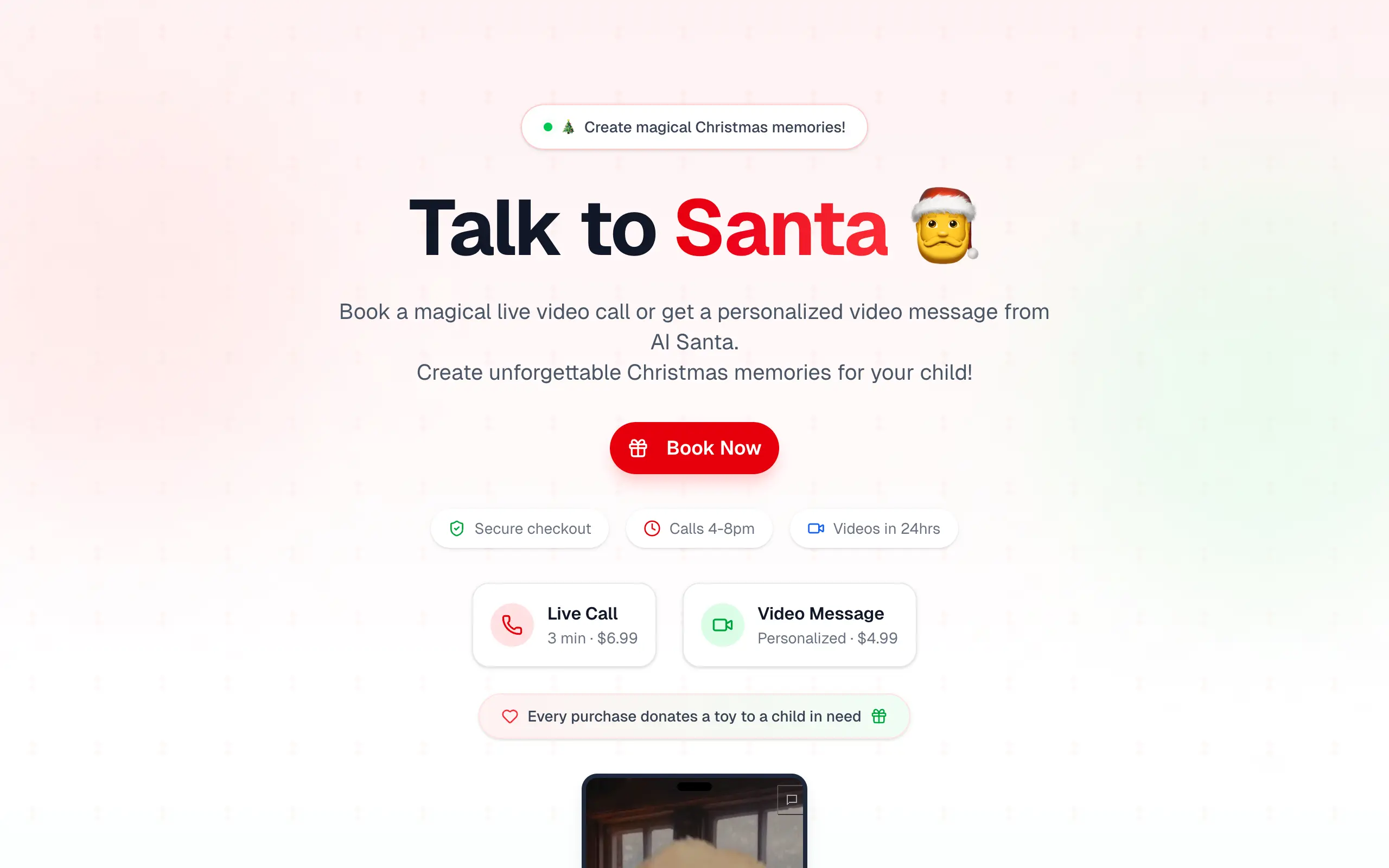
Talk to Santa
Enjoy a magical live video chat or receive a unique AI-generated video greeting from Santa Claus 🎅
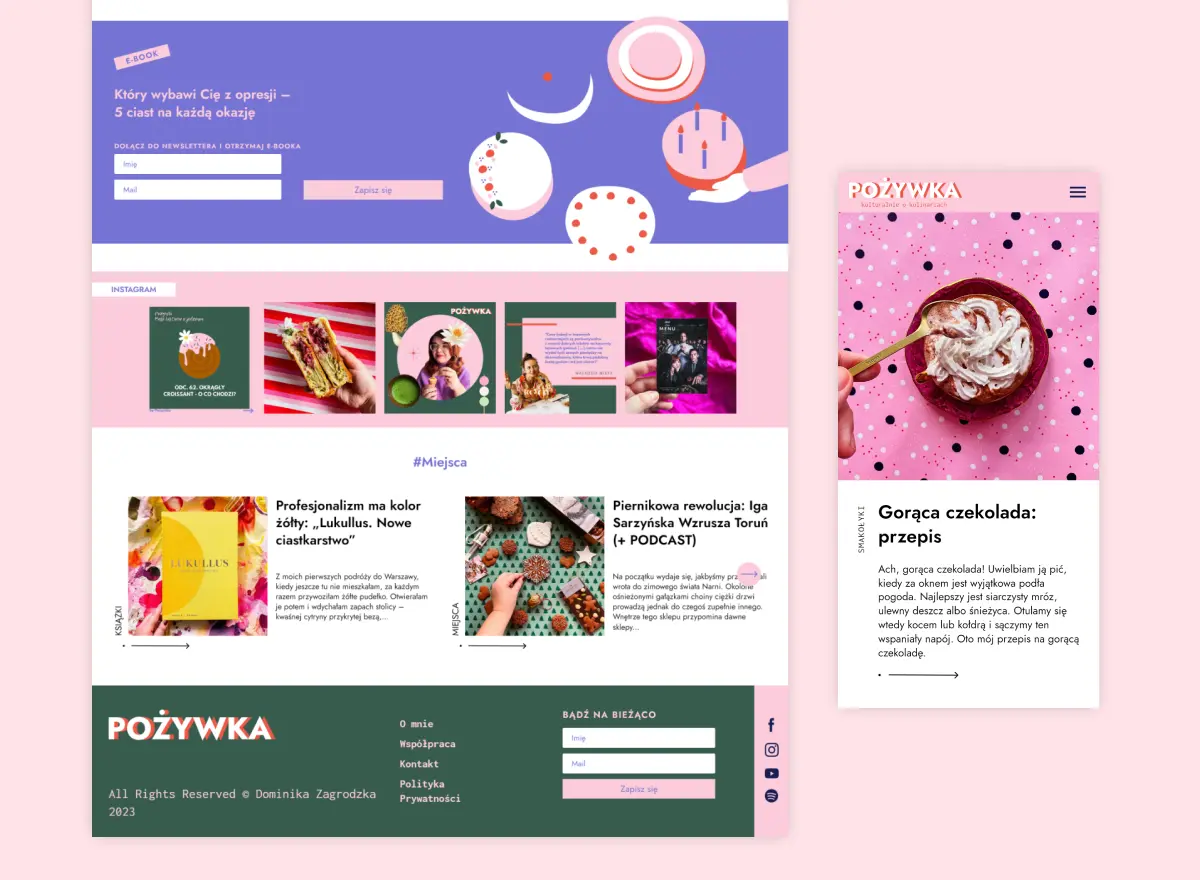
pozywka.pl
Scalable blog for food journalist, focused on performance and user experience 🌭
zagrodzki.me
Personal blog and portfolio of Bart Zagrodzki, where he shares his knowledge and work 💼
TurboStarter
Ship your startup everywhere. In minutes.
HTML to Markdown
Convert HTML to Markdown with ease, directly in your browser 📄
Dotallio
Personalized AI apps that automate research, data extraction, and content creation without code 🤖
Talk to Santa
Enjoy a magical live video chat or receive a unique AI-generated video greeting from Santa Claus 🎅
pozywka.pl
Scalable blog for food journalist, focused on performance and user experience 🌭
zagrodzki.me
Personal blog and portfolio of Bart Zagrodzki, where he shares his knowledge and work 💼
TurboStarter
Ship your startup everywhere. In minutes.
HTML to Markdown
Convert HTML to Markdown with ease, directly in your browser 📄
Dotallio
Personalized AI apps that automate research, data extraction, and content creation without code 🤖
Talk to Santa
Enjoy a magical live video chat or receive a unique AI-generated video greeting from Santa Claus 🎅
pozywka.pl
Scalable blog for food journalist, focused on performance and user experience 🌭
zagrodzki.me
Personal blog and portfolio of Bart Zagrodzki, where he shares his knowledge and work 💼
TurboStarter
Ship your startup everywhere. In minutes.
HTML to Markdown
Convert HTML to Markdown with ease, directly in your browser 📄
Dotallio
Personalized AI apps that automate research, data extraction, and content creation without code 🤖
Talk to Santa
Enjoy a magical live video chat or receive a unique AI-generated video greeting from Santa Claus 🎅
pozywka.pl
Scalable blog for food journalist, focused on performance and user experience 🌭
zagrodzki.me
Personal blog and portfolio of Bart Zagrodzki, where he shares his knowledge and work 💼
TurboStarter
Ship your startup everywhere. In minutes.
HTML to Markdown
Convert HTML to Markdown with ease, directly in your browser 📄
Omichat
Chat with 50+ AI models, including ChatGPT and Claude, in one place - switch models anytime without losing context 🤖
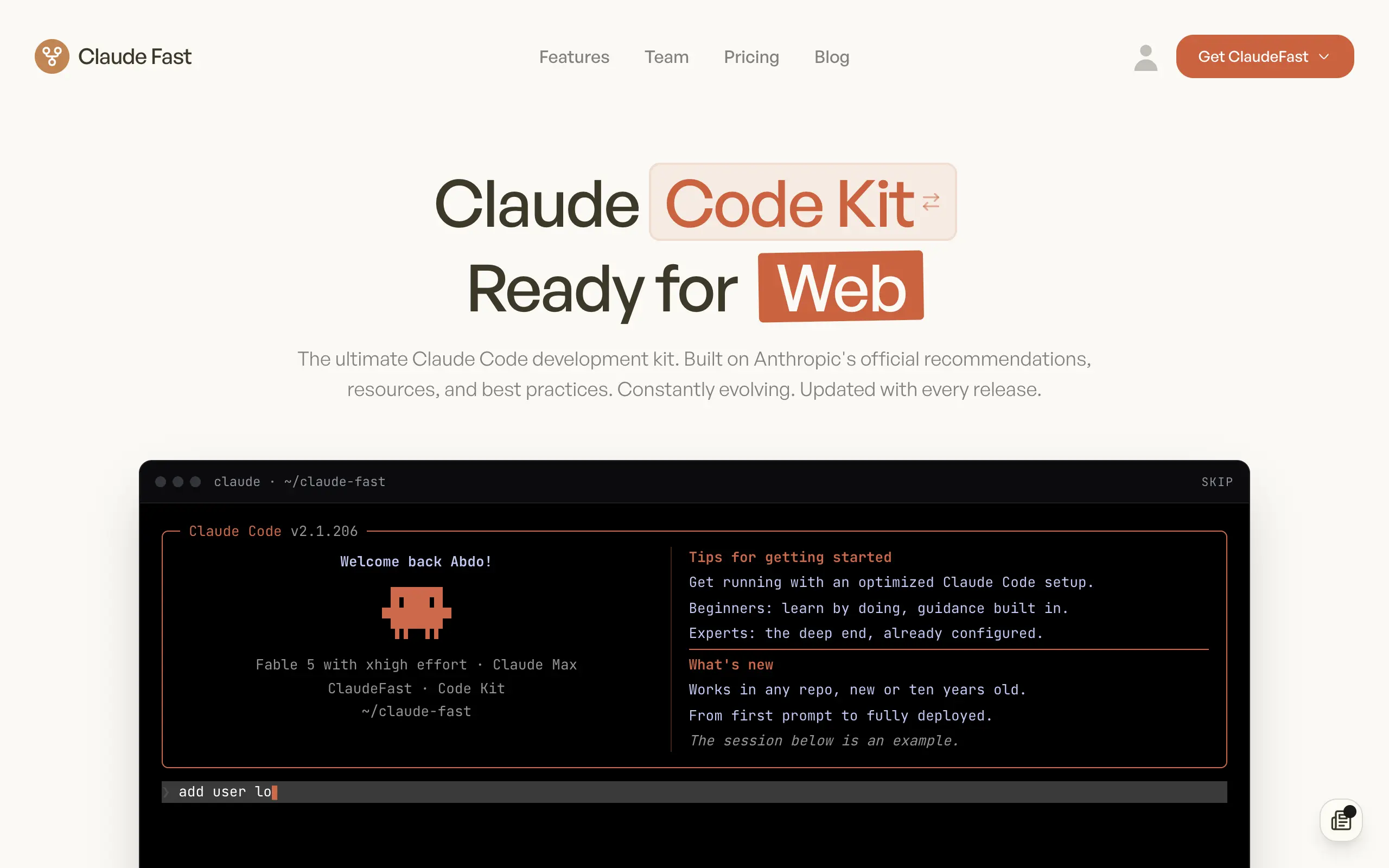
Claude Fast
Supercharge your Claude Code with 6x effective context window and specialized AI agents 🤖
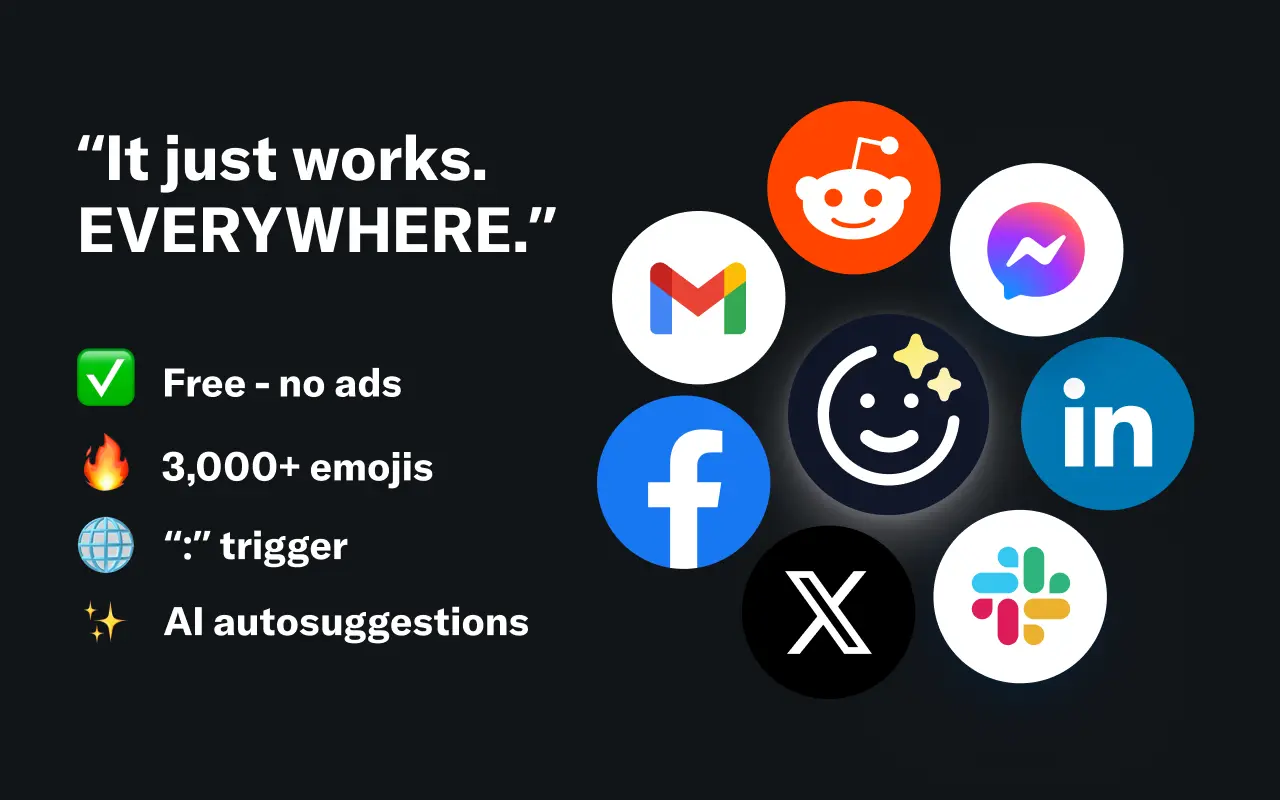
EmojAI
AI-powered emoji picker with smart, context-aware suggestions 🤖
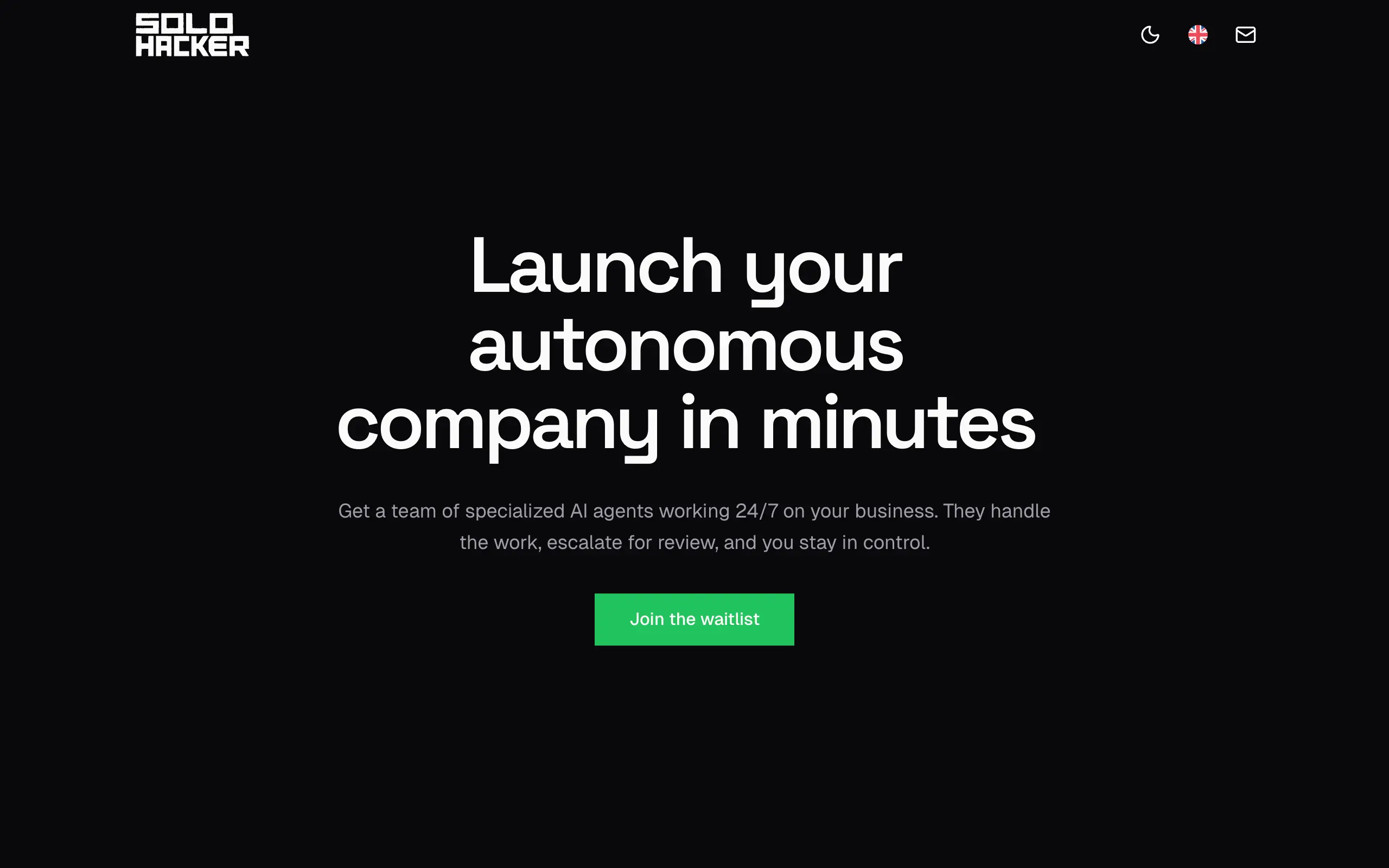
Solohacker
Autonomous company launcher - AI agents work 24/7, escalate what matters, and you stay in control 🤖
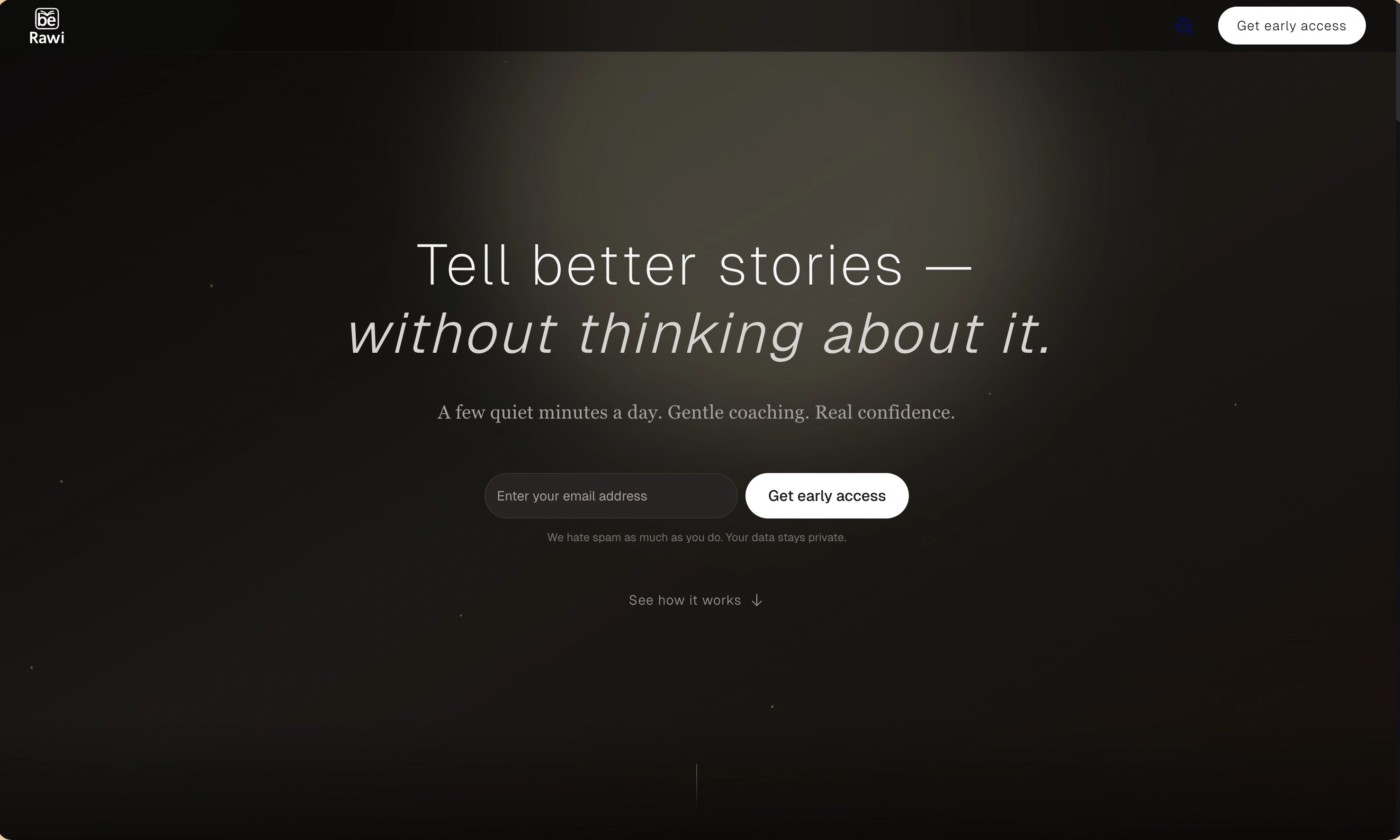
BeRawi: Storytelling Coach
Practice storytelling daily with instant feedback to sound clearer, more engaging, and confident 🎤
Omichat
Chat with 50+ AI models, including ChatGPT and Claude, in one place - switch models anytime without losing context 🤖
Claude Fast
Supercharge your Claude Code with 6x effective context window and specialized AI agents 🤖
EmojAI
AI-powered emoji picker with smart, context-aware suggestions 🤖
Solohacker
Autonomous company launcher - AI agents work 24/7, escalate what matters, and you stay in control 🤖
BeRawi: Storytelling Coach
Practice storytelling daily with instant feedback to sound clearer, more engaging, and confident 🎤
Omichat
Chat with 50+ AI models, including ChatGPT and Claude, in one place - switch models anytime without losing context 🤖
Claude Fast
Supercharge your Claude Code with 6x effective context window and specialized AI agents 🤖
EmojAI
AI-powered emoji picker with smart, context-aware suggestions 🤖
Solohacker
Autonomous company launcher - AI agents work 24/7, escalate what matters, and you stay in control 🤖
BeRawi: Storytelling Coach
Practice storytelling daily with instant feedback to sound clearer, more engaging, and confident 🎤
Omichat
Chat with 50+ AI models, including ChatGPT and Claude, in one place - switch models anytime without losing context 🤖
Claude Fast
Supercharge your Claude Code with 6x effective context window and specialized AI agents 🤖
EmojAI
AI-powered emoji picker with smart, context-aware suggestions 🤖
Solohacker
Autonomous company launcher - AI agents work 24/7, escalate what matters, and you stay in control 🤖
BeRawi: Storytelling Coach
Practice storytelling daily with instant feedback to sound clearer, more engaging, and confident 🎤

Connect with like-minded people
Join our community to get feedback, support, and grow together with 1,000+ builders on board, let's ship it!
Join usShip your startup everywhere. In minutes.
Don't burn tokens on setup and start building features on day one.