NömNom Translate
A playful translation companion for dialects, phonetic spelling, and mixed-language messages, helping travelers understand imperfect real-world text.
Why a dialect translation app solves a real travel problem
Most translation tools work best when the input is clean, grammatical, and written in a standard language. Real travel communication is rarely that tidy.
A traveler may receive a handwritten menu with misspellings, see a local social post written in regional slang, hear a taxi driver mix two languages in one sentence, or need to understand phonetic text such as “ni hao ma” rather than Chinese characters. Standard translation apps can return technically correct but contextually unhelpful results.
NömNom Translate is positioned as a playful dialect translation companion for the messy language travelers encounter in the real world. It helps users interpret dialects, phonetic spelling, mixed-language messages, informal abbreviations, and imperfect text without making the experience feel academic or intimidating.
The core opportunity is not to replace general-purpose machine translation. It is to make translation more useful when people encounter communication that falls outside the polished assumptions of mainstream translation products.
A successful dialect translation app should answer questions such as:
- Is this phrase formal, casual, humorous, rude, or affectionate?
- Is the text written in a local dialect, a standard language, or a mixture of both?
- Is the spelling phonetic, abbreviated, or simply incorrect?
- What would a traveler naturally say in response?
- How confident is the translation when the source text is ambiguous?
- Does a literal translation miss local context or cultural meaning?
NömNom Translate can turn those questions into a highly practical mobile product for travelers, international students, digital nomads, hospitality teams, and language-curious users.
The product thesis
The strongest version of NömNom Translate is not just a translator. It is a context-aware travel language assistant that explains how real people communicate when grammar rules, spelling conventions, and language boundaries become blurry.
Who needs NömNom Translate most
The primary audience for a travel translation app is broad, but the early product should focus on users who experience high-frequency language friction and have a clear reason to pay for better understanding.
Independent travelers and city explorers
Independent travelers often move beyond airport signs and hotel check-in scripts. They visit neighborhood restaurants, local markets, public transit stations, pop-up events, and family-run businesses where language is more informal.
Their challenges include:
- Reading handwritten menus with inconsistent spelling
- Understanding regional phrases on signs or packaging
- Translating chat messages from local hosts or guides
- Decoding mixed-language social media recommendations
- Responding politely without sounding unnatural
- Navigating food vocabulary that general translation tools render poorly
For this audience, NömNom Translate should emphasize speed, clarity, and confidence. They do not necessarily want a linguistics lesson. They want to know what something means, whether it is safe or appropriate to say, and how to respond.
Digital nomads and long-stay visitors
Long-stay visitors develop more nuanced communication needs than short-term tourists. They interact with landlords, delivery drivers, coworkers, neighbors, local healthcare staff, and service providers.
They may understand common vocabulary but struggle with:
- Informal contractions and local slang
- Voice notes with dialect-heavy speech
- Messages that switch between English and a local language
- Transliteration and romanized words
- Cultural tone in requests, apologies, or negotiations
This group is especially valuable for subscription monetization because they translate repeatedly over weeks or months. They are more likely to use saved phrases, conversation history, custom glossaries, and offline language packs.
International students and exchange participants
International students frequently need help with the “in-between” language that is not covered in textbooks. They may understand classroom language but feel lost in group chats, campus memes, local jokes, dialect-based speech, and informal peer communication.
NömNom Translate can provide a safer bridge by showing:
- A direct translation
- A natural meaning
- Tone and formality
- Possible cultural context
- Suggested replies at different confidence levels
This supports language learning without framing every interaction as a test.
Hospitality, tourism, and local experience teams
Small hotels, tour operators, restaurants, and activity providers often serve international guests while communicating with local suppliers and staff. A dialect-aware translation app can improve practical operations, particularly in destinations where colloquial language differs substantially from the standard written form.
Potential business use cases include:
- Translating customer messages across mixed languages
- Helping staff interpret local supplier notes
- Creating visitor-friendly explanations of regional dishes
- Building phrase collections for repeat guest questions
- Supporting multilingual concierge and guide workflows
Heritage travelers and diaspora communities
People reconnecting with family roots may hear dialects, transliterations, or mixed language that differ from what they learned at school. For them, translation is often emotional as well as functional.
A playful, nonjudgmental interface is important here. Users should not be made to feel that their spelling, accent, or incomplete knowledge is “wrong.” NömNom Translate can explicitly support approximate inputs and communicate uncertainty in a friendly way.
High-intent traveler
Needs a fast explanation of menus, messages, signs, and conversation snippets while navigating a new place.
Long-stay learner
Needs recurring help with slang, voice notes, mixed-language chats, and culturally appropriate replies.
Tourism operator
Needs lightweight multilingual support without adopting an expensive enterprise localization platform.
The market gap in real-world translation
General machine translation has become remarkably capable for standard language pairs. That progress creates an important product insight: NömNom Translate does not need to compete on raw translation breadth alone.
Instead, it can compete on the difficult inputs general-purpose tools often treat as edge cases.
Standard translation is optimized for clean input
Most translation engines perform better when users provide grammatically correct source text, clear punctuation, standard spelling, and a known source language. But a traveler may only have:
- A blurry image of a hand-painted sign
- A phrase typed phonetically in Latin characters
- A message that combines English, Spanish, and local slang
- A speech fragment with background noise
- A regional word whose literal meaning is misleading
- A transliterated food name with no one-to-one translation
The issue is not merely accuracy. It is interpretability.
A user needs to know whether the translation is certain, approximate, literal, or context-dependent. They also need an interface that does not hide ambiguity behind a single authoritative-looking answer.
Dialects create context, not just vocabulary differences
Dialect translation is challenging because a dialect can differ in pronunciation, grammar, vocabulary, writing system, cultural references, and social meaning. The same expression may be affectionate in one place, teasing in another, and offensive elsewhere.
A meaningful dialect translation app should avoid claiming perfect precision in every scenario. Instead, it should be transparent and helpful.
For example, the output model can distinguish between:
- Likely meaning based on the detected phrase
- Literal reading when that is useful
- Local usage explaining colloquial meaning
- Tone such as friendly, formal, sarcastic, or uncertain
- Alternative interpretations when context changes the result
- Suggested reply that is safe for a traveler to use
This creates a more trustworthy product experience than treating every text fragment as if it has a single, universal answer.
Mixed-language communication is increasingly normal
Code-switching is common across multilingual communities, online chats, tourism settings, and diaspora conversations. A person may write one sentence in English, add a regional phrase, and use a phonetic spelling for a word they do not know how to write in its original script.
Traditional translation flows often require users to manually choose a source language. That is a poor fit for mixed-language text.
NömNom Translate should detect language at the segment level, preserve terms that should remain untranslated, and show users which parts were interpreted as which language. This is a practical differentiator for people who receive real messages rather than textbook exercises.
Food and local culture are high-value translation categories
The NömNom brand naturally supports a food-first entry point. Food vocabulary is one of the most frequent places where literal translation fails.
A menu item may contain:
- A regional dish name
- A borrowed word from another language
- A cooking technique without an English equivalent
- A phonetic spelling created for tourists
- A cultural reference that does not describe ingredients
- A local abbreviation
A generic translation may make the menu technically readable while still failing to answer the user’s real question: “What is this, what does it taste like, and should I order it?”
This gives NömNom Translate a focused launch wedge. Begin with food, markets, and local travel messages, then expand toward wider dialect-aware travel communication.
The NömNom Translate product experience
The product should feel light and playful on the surface while using serious language-processing design underneath. The goal is to reduce user anxiety, especially when the source text is messy.
Core translation modes
NömNom Translate should offer multiple entry modes from a simple mobile home screen.
Scan mode lets users photograph menus, signs, labels, receipts, handwritten notes, and posters. The app should extract text, identify probable languages, and return an annotated translation rather than only a plain output.
Type mode accepts copied text, partial phrases, phonetic spelling, and imperfect entries. The interface should encourage approximate input with messaging such as “Type it how it sounds.”
Listen mode supports short spoken snippets and voice notes. It should identify uncertainty when audio is noisy, speech is fast, or several languages are present.
Chat mode translates message screenshots or pasted conversation segments while preserving speaker turns, emojis, and contextual clues.
Layered answers instead of a single opaque translation
A core UX principle should be progressive disclosure. A hurried traveler needs a quick answer, while a language learner may want the detail behind it.
The initial result could contain:
- The plain-language translation
- A confidence label
- The detected language or dialect, when possible
- A one-line tone indicator
- A short local context note
- A save button for the user’s travel phrasebook
Users can then expand sections for more depth.
Show the closest word-for-word rendering when it helps users understand the structure of a phrase. Mark literal readings clearly so users do not mistake them for natural English.
Explain intended meaning, conversational implications, and whether a phrase is commonly used in casual speech, food ordering, bargaining, or friendly messaging.
Offer short, polite responses that match the setting. Include transliteration, native script when available, and audio playback.
Explain ambiguity caused by missing context, alternate dialect regions, handwriting quality, or multiple possible spellings.
Phonetic spelling support
Phonetic translation is one of the clearest ways NömNom Translate can serve users that conventional language tools overlook.
The app should accept common approximations such as a traveler typing a phrase based on what they heard. It should then generate likely candidates based on phonetic similarity, destination context, language detection, and local phrase frequency.
A useful flow might look like this:
- The user types a phrase as they heard it.
- The app identifies several probable spellings.
- The user sees compact options with pronunciation support.
- The app translates each option and highlights the most likely match.
- The user can correct the selected interpretation to improve the session.
The app must avoid presenting phonetic matching as certain when it is speculative. Transparent wording such as “This may be referring to” improves trust and prevents awkward real-world mistakes.
Travel-ready phrasebook and saved context
Translation history is helpful, but a contextual travel phrasebook is more valuable. Users should be able to save translations by trip, location, category, and confidence level.
Useful phrasebook categories include:
- Food and dietary needs
- Directions and transit
- Greetings and politeness
- Shopping and markets
- Accommodation
- Medical and emergency basics
- Social messaging
- Local slang and cultural notes
The phrasebook can also preserve the original image, audio snippet, transliteration, and explanation. This transforms NömNom Translate from a one-off utility into a companion users revisit throughout a trip.
Essential features for a dialect translation app MVP
An MVP should focus on the smallest feature set that proves people value contextual translation over generic translation. Avoid trying to launch every language, dialect, and AI interaction mode at once.
| Feature | User problem | MVP priority | Why it matters | Expansion path |
|---|---|---|---|---|
| Photo translation | Unreadable signs and menus | High | Strong travel use case | Handwriting and layout detection |
| Mixed-language detection | Code-switched messages | High | Clear differentiation | Segment-level language controls |
| Phonetic input | Users do not know spelling | High | Serves real travel behavior | Personalized pronunciation matching |
| Tone and context notes | Literal translations feel risky | High | Builds user confidence | Regional cultural guides |
| Offline packs | Weak connectivity while traveling | Medium | Important premium benefit | On-device language models |
Start with targeted language corridors
A common mistake is treating language coverage as a feature checklist. Broad but shallow support can weaken the product’s credibility.
NömNom Translate should begin with a limited number of high-demand travel corridors where dialect variation, transliteration, food vocabulary, and code-switching create a genuine gap. The exact corridors should be chosen through demand research, destination traffic patterns, and native-speaker validation.
Selection criteria should include:
- High volume of inbound travelers
- Meaningful differences between standard language and common local usage
- A strong food and local-experience tourism economy
- Availability of qualified native-speaking reviewers
- Potential for community partnerships and content acquisition
- Clear user demand for transliteration or dialect interpretation
A narrow launch improves quality assurance. It is much easier to become trusted for a few well-supported travel contexts than to promise the world and disappoint users on local nuance.
Human-reviewed cultural notes
Generative AI can help draft explanations, but cultural and dialect guidance deserves review by native speakers and regional experts. The product should establish a content workflow for high-traffic phrases, food terms, and recurring ambiguous expressions.
This may include:
- Native-speaker contributors
- Regional linguistic consultants
- Destination-based food writers
- Community moderation for corrections
- Editorial standards for tone labels and safety warnings
- A feedback loop for users to flag inaccurate translations
The human layer is a major E-E-A-T advantage. It gives NömNom Translate a path to become more reliable than an interface that simply passes every input to a general model.
Recommended tech stack for NömNom Translate
A mobile translation product needs fast interaction, reliable media capture, secure authentication, scalable AI processing, and thoughtful cost controls.
Mobile app architecture
For a cross-platform MVP, React Native with Expo is a practical choice. It lets a lean team ship iOS and Android experiences from a shared TypeScript codebase while retaining access to device features such as cameras, microphones, file uploads, push notifications, and local storage.
TypeScript is strongly recommended because translation objects quickly become complex. A single result can contain source text, segmented languages, confidence scores, alternate interpretations, transliterations, tone tags, cultural notes, and user corrections.
A suggested application stack includes:
- Mobile client using React Native and Expo
- Backend API using Next.js route handlers or a dedicated Node.js service
- Database using PostgreSQL
- ORM using Prisma
- Authentication using Clerk or another established identity provider
- Object storage for source images and audio with encryption and retention controls
- Analytics for activation, translation success, retention, and feature usage
- Error monitoring for device-specific failures and model API issues
For teams that want a faster SaaS foundation, TurboStarter can reduce setup time for authentication, billing, database workflows, and production-ready application scaffolding.
AI and language-processing pipeline
The translation pipeline should not depend on one monolithic prompt. A more dependable architecture separates tasks.
A structured response format prevents the client from parsing free-form prose. It also allows product teams to test each field independently.
type TranslationResult = {
  sourceText: string;
  detectedSegments: Array<{
    text: string;
    language: string;
    dialect?: string;
    confidence: number;
  }>;
  primaryTranslation: string;
  literalTranslation?: string;
  localMeaning?: string;
  tone: "formal" | "casual" | "friendly" | "humorous" | "uncertain";
  confidence: "high" | "medium" | "low";
  alternatives: string[];
  suggestedReplies: Array<{
    text: string;
    transliteration?: string;
    usageNote: string;
  }>;
  reviewStatus: "model-generated" | "community-reviewed" | "expert-reviewed";
};
Trade-offs between cloud AI and on-device translation
Cloud processing usually provides stronger reasoning, broader language support, and easier model updates. It is ideal for context notes, mixed-language interpretation, and nuanced explanations.
However, cloud-only translation has meaningful drawbacks:
- Travelers may have limited data connectivity
- Image and audio uploads can create latency
- Processing costs rise with heavy use
- Users may have privacy concerns about sensitive messages
- Some countries have strict expectations around data handling
On-device translation offers lower latency, better offline resilience, and stronger privacy. Its trade-off is that device models are generally more constrained, may increase app size, and can struggle with nuanced dialect interpretation.
A hybrid architecture is often best:
- Use on-device tools for basic OCR, caching, and offline phrasebooks.
- Use cloud processing for dialect classification, contextual explanations, and advanced mixed-language analysis.
- Give users visible control over when media is uploaded.
- Allow premium users to download destination-specific offline packs.
Retrieval is more reliable than generic prompting for local terms
For recurring terms such as dishes, market phrases, transportation labels, and known regional slang, retrieval-augmented generation can improve consistency. The system should search a curated knowledge base before generating an explanation.
Each knowledge record can include:
- Canonical spelling
- Common phonetic spellings
- Region and dialect metadata
- Direct translation
- Local meaning
- Category such as food, greeting, transport, or slang
- Tone and formality indicators
- Reviewer attribution and review date
- Source notes for internal editorial verification
This creates an auditable content system. When the product says a phrase is commonly used in a particular region, the team should be able to show how that conclusion was reviewed.
Monetization options for a travel translation app
Freemium is the most natural monetization model because users need to experience translation quality before they will pay. The free tier should solve an immediate problem while making premium value clear for frequent travelers.
Recommended pricing structure
A viable pricing model can combine monthly subscriptions, travel passes, and business plans.
- Free plan with a monthly cap on contextual translations and limited image scans
- Traveler pass with unlimited use for a short period such as one week or one month
- Premium subscription with unlimited translations, offline packs, advanced phrasebooks, and priority features
- Annual plan for digital nomads, language learners, and frequent travelers
- Business plan for hospitality teams with shared phrase libraries and lightweight admin controls
The traveler pass is particularly aligned with the product’s use case. Many users do not want another recurring subscription before a single trip, but they may willingly pay for reliable help during a high-value travel window.
Value-added premium features
Premium should not simply remove limits. It should create a measurably better travel experience.
Potential premium features include:
- Offline dialect and phrase packs
- Unlimited photo and screenshot translation
- Long voice-note support
- Personalized phrasebooks by destination
- Dietary and allergy communication cards
- Saved travel context across multiple trips
- Alternate reply suggestions by formality
- Enhanced pronunciation coaching
- Conversation export and trip summary
- Priority access to newly supported destination packs
B2B and partnership revenue
Partnerships can supplement consumer subscriptions without compromising the product’s trust.
Potential channels include:
- Boutique hotels and hostels
- Tourism boards and destination marketing organizations
- Travel insurance providers
- Language schools and study-abroad programs
- Local food tours and experience operators
- Airlines and travel booking platforms
The strongest partnership model is one where NömNom Translate remains useful independently. Avoid turning contextual recommendations into undisclosed advertising. If a restaurant or destination partner sponsors content, label it transparently.
Competitive advantage and positioning
The competitive landscape includes general translation apps, language-learning products, travel guide apps, and AI chat assistants. NömNom Translate should not position itself as “another translator with AI.”
Its defensible advantage comes from the combination of messy input support, local context, travel workflows, and human-reviewed knowledge.
NömNom Translate versus general translation tools
General tools are strong at quick translation across many languages. NömNom Translate should complement that behavior by specializing in the moments where general tools are least explanatory.
| Capability | General translator | NömNom Translate |
|---|---|---|
| Standard typed text | Usually strong | Strong |
| Dialect explanation | Often limited | Core product focus |
| Phonetic spelling input | Inconsistent | Designed for approximate input |
| Mixed-language messages | May require manual setup | Segment-aware workflow |
| Food and menu context | Often literal | Local meaning and travel guidance |
| Tone and safe reply suggestions | Limited | Prominent and contextual |
| Review provenance | Often opaque | Review-status visibility |
The product’s messaging should emphasize utility rather than attacking established competitors. Travelers may already use a general translator. NömNom Translate becomes the app they open when the standard result feels confusing, awkward, or incomplete.
The data moat should be responsible, not extractive
A valuable long-term asset is a structured dataset of dialect terms, phonetic variants, user-approved corrections, regional food vocabulary, and context labels. But collecting this data requires care.
NömNom Translate should:
- Ask permission before using user corrections for model improvement
- Remove personally identifying content from training datasets
- Avoid claiming ownership over community language contributions
- Compensate expert contributors fairly where appropriate
- Attribute public cultural knowledge respectfully
- Provide removal and privacy controls
Trust is especially important for a language product. Dialects are often connected to identity, history, and social belonging. A playful brand should never become dismissive of the communities whose language it interprets.
Risks and how to mitigate them
A dialect translation app has significant product, technical, cultural, and legal risks. Addressing them early is more effective than trying to fix trust after launch.
Incorrect or overconfident translations
The greatest product risk is confidently translating ambiguous, colloquial, or sensitive language incorrectly. This can cause embarrassment, offense, financial confusion, or safety issues.
Mitigations include:
- Show confidence levels in user-friendly language
- Offer alternatives when ambiguity is material
- Separate literal translation from likely local meaning
- Use conservative language for uncertain results
- Add high-risk topic handling for medical, legal, and emergency content
- Encourage users to verify critical information with a qualified local professional
- Maintain a reporting workflow for inaccurate translations
Safety boundary
NömNom Translate should never present itself as a substitute for professional interpretation in medical emergencies, legal matters, immigration processes, or safety-critical situations. High-risk translations require explicit cautionary UX.
Cultural stereotyping and dialect bias
Labels such as “rude,” “funny,” or “informal” can be inaccurate if detached from regional context. A phrase may be normal among friends but inappropriate with an elder, customer, or authority figure.
Mitigation requires editorial rules:
- Tie tone labels to context and relationship where possible
- Avoid simplistic judgments about speech communities
- Include region qualifiers when usage varies
- Consult native speakers from the relevant community
- Make it easy for users and contributors to challenge a note
- Record review dates because language changes over time
OCR and speech recognition failure
Handwritten menus, low-light photos, noisy streets, and unfamiliar scripts can lead to weak source extraction before translation even begins.
Useful mitigations include:
- Let users crop, rotate, and manually correct extracted text
- Show the source text the system believes it read
- Allow a “this is wrong” correction before translation
- Store multiple OCR candidates where appropriate
- Design for partial translation rather than all-or-nothing results
- Test with real travel images rather than synthetic samples
AI cost volatility
Image processing, audio transcription, and advanced LLM calls can become expensive as usage grows. A viral travel app can create surprise infrastructure costs.
Cost controls should include:
- Rate limits for free users
- Cached results for repeated common phrases
- Destination packs with precomputed content
- Model routing based on task complexity
- Short, structured prompts and outputs
- Media size limits and compression
- Usage alerts tied to gross margin thresholds
Privacy and user trust
Travel messages, passport-adjacent documents, accommodation details, and voice recordings can contain sensitive information.
The privacy model should include:
- Clear consent before uploading media
- Encryption in transit and at rest
- Limited retention windows for raw media
- User controls to delete history
- Data minimization by default
- Separate handling for analytics and content-improvement data
- Transparent explanation of what is processed in the cloud
For compliance planning, consult qualified counsel on applicable privacy laws and platform requirements. Product teams should also monitor official guidance from app stores and relevant data protection authorities as they expand into new regions.
Validation plan before building at scale
Before investing deeply in broad language coverage, validate whether users will choose contextual travel translation over a general translator.
Conduct problem interviews
Interview at least three groups:
- Travelers who recently visited multilingual destinations
- Long-stay visitors and digital nomads
- Native speakers who regularly help tourists understand local language
Ask about specific recent moments, not hypothetical preferences. Good questions include:
- What text or phrase did you fail to understand?
- Which tool did you try first?
- What was missing from the result?
- Did the misunderstanding cost time, money, or confidence?
- Would you have paid for a clearer explanation during that trip?
- What type of input was hardest to translate?
Test a concierge-style prototype
A fast way to validate the value proposition is to create a landing page and concierge workflow. Users upload a menu, sign, or message screenshot. Behind the scenes, the team combines existing translation tools with native-speaker review and returns a structured explanation.
Measure:
- Upload-to-result completion rate
- Repeat submissions per user
- Which input types appear most often
- How often users ask follow-up questions
- Willingness to pay for faster or offline access
- Reported confidence after receiving the result
This reveals whether “dialect-aware context” is an actual behavior-changing benefit or merely an appealing idea.
Define success metrics for the MVP
Avoid relying only on downloads. A useful translation app should be measured by whether users reach an understandable answer.
Key metrics include:
- Activation rate after the first translation
- Time from capture to useful result
- Translation save rate
- Follow-up question rate
- User correction rate
- Low-confidence result rate
- Week-one retention for active travelers
- Premium conversion during active trips
- Customer support reports per thousand translations
- Native-review agreement on sampled results
For external market sizing or tourism trend claims, reference primary sources such as official tourism bodies, national statistics offices, or reputable industry research reports. Keep publication dates visible because travel demand and mobile behavior change quickly.
Practical implementation roadmap
A disciplined rollout protects quality and makes the product easier to market.
The best initial release is not the app that supports every dialect. It is the app that makes a traveler feel genuinely more capable in a specific set of confusing, high-frequency situations.
Final takeaway
NömNom Translate has a compelling position in the mobile translation market because it addresses what travelers actually encounter: imperfect spelling, regional expressions, phonetic typing, multilingual chat messages, unfamiliar food vocabulary, and cultural context that does not fit into a literal translation.
Its unique selling proposition is clear:
NömNom Translate helps travelers understand how people really communicate, not just how standard language is supposed to look.
To win, the product should prioritize trustworthy uncertainty, targeted destination coverage, native-reviewed context, practical travel workflows, and a playful interface that makes language friction feel manageable. By focusing on dialect-aware interpretation rather than generic translation alone, NömNom Translate can build a differentiated, useful, and defensible travel SaaS product.
More 📱 Mobile App SaaS ideas
Discover more innovative mobile app SaaS ideas that are trending in 2026. Each idea is AI-generated with market validation and growth potential to help you find your next profitable venture faster than competitors.
Your competitors are building with TurboStarter
Below are some of the SaaS ideas that have been generated and built with our starter kit.

Statiko
Monitor any Telegram channel in real time - track posts, edits, deletions, and growth with AI recaps 📡
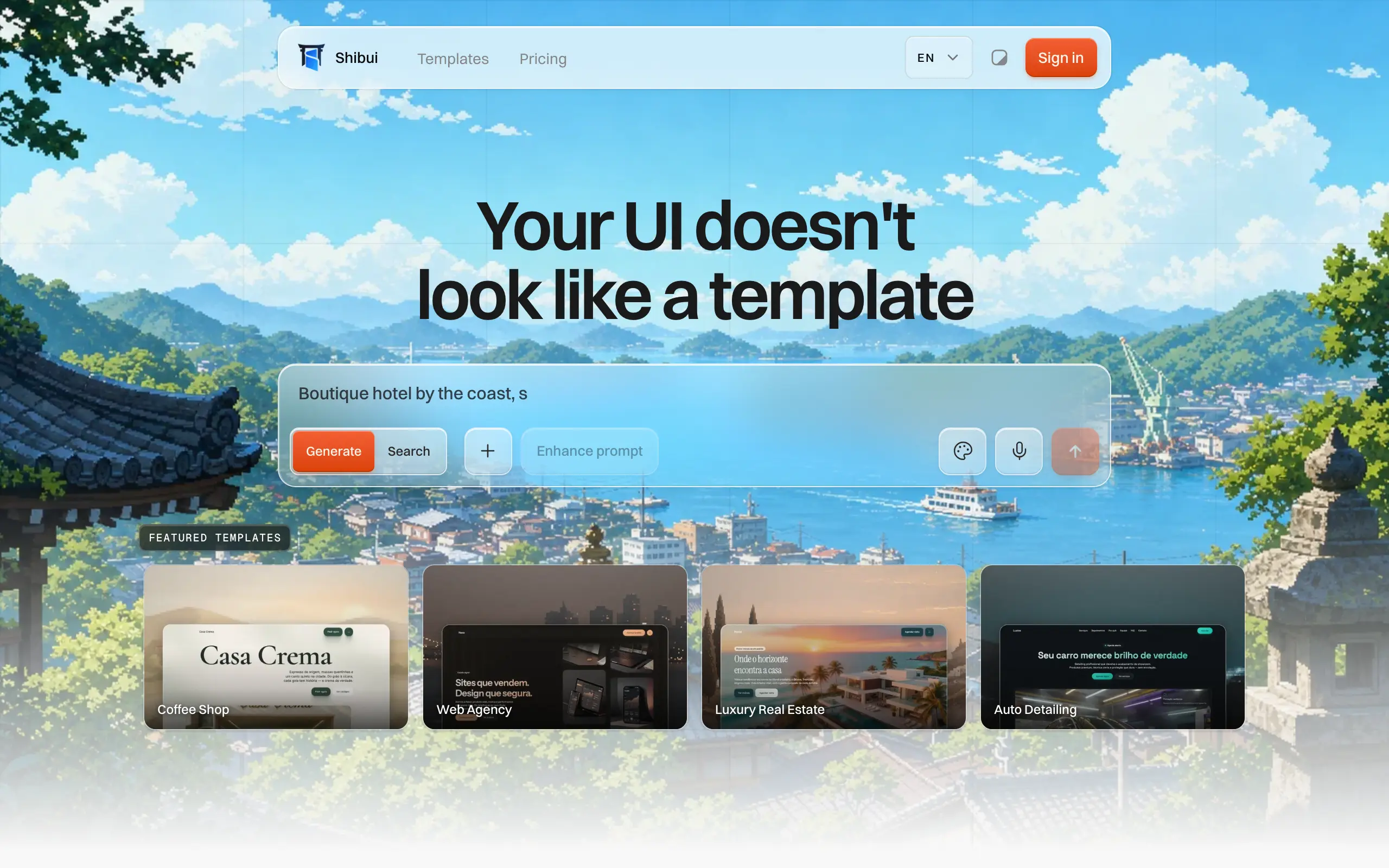
Shibui
AI website builder - describe your business, pick a niche template, edit by chatting, and publish instantly ✨

Pro Service
Find verified home service professionals, compare quotes, and pay securely through escrow - built for Brazilians across the US 🏠
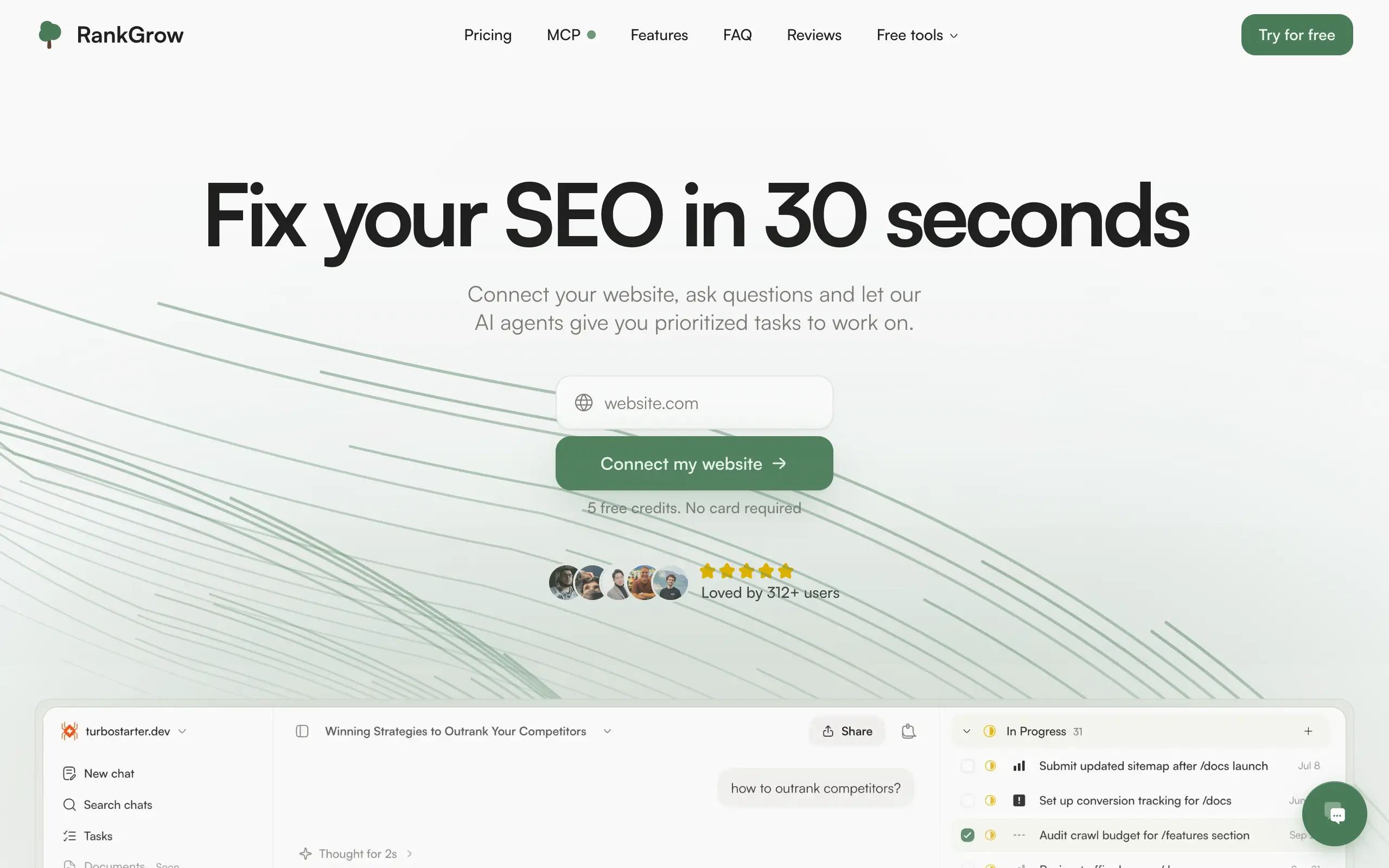
RankGrow
Fix your SEO with AI agents - connect Search Console, get prioritized tasks, and grow organic traffic 📈
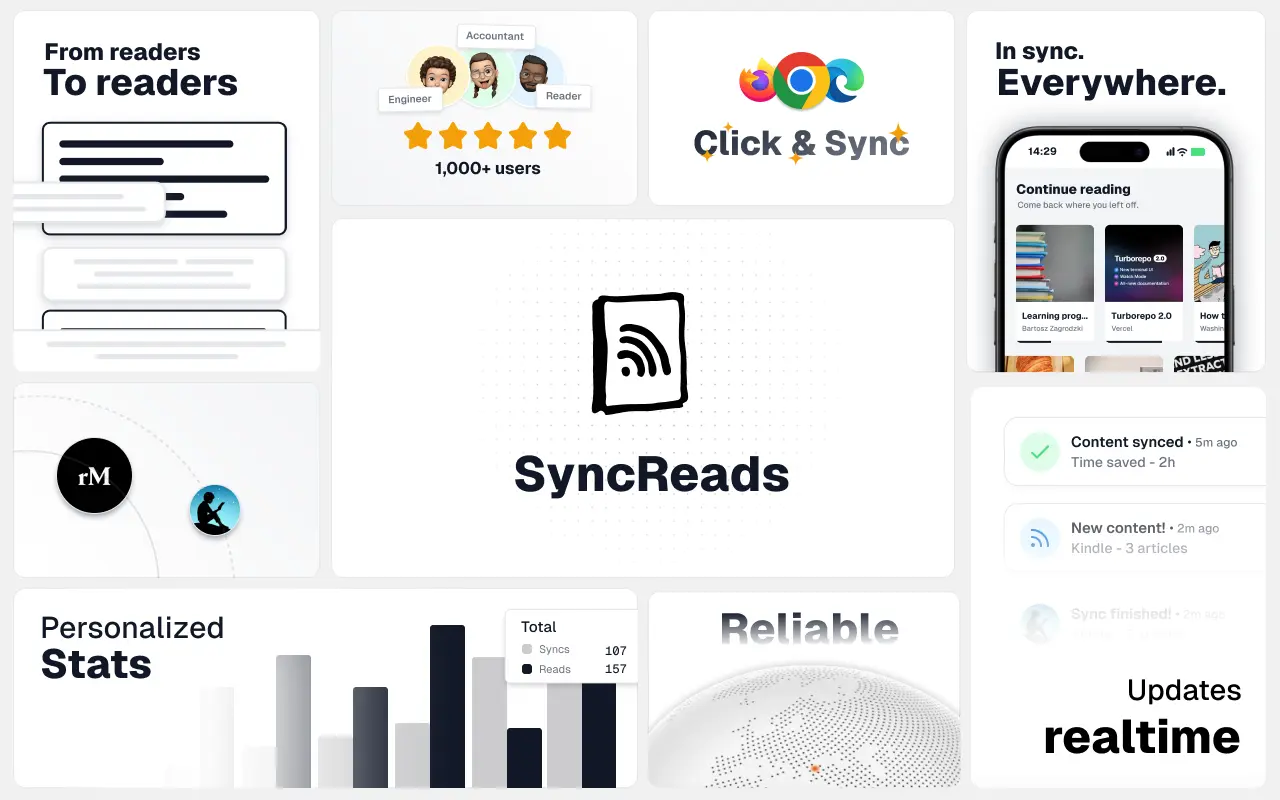
SyncReads
Sync your favorite content for distraction-free reading, save time and replace multiple apps. Anytime, anywhere 🔄
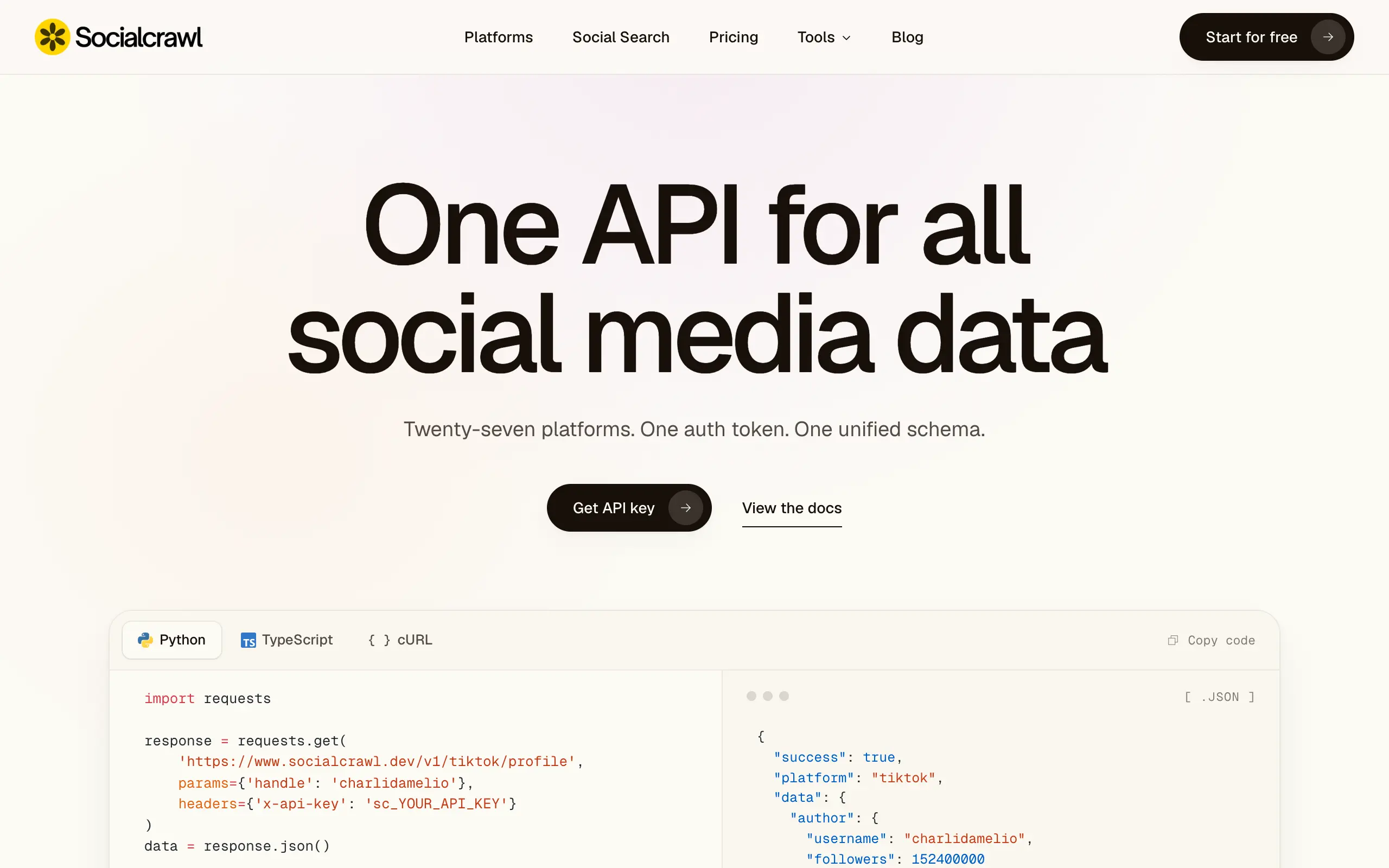
Socialcrawl
Get clean, structured data from 21 platforms like TikTok, Instagram, and YouTube with a single request 📊
Statiko
Monitor any Telegram channel in real time - track posts, edits, deletions, and growth with AI recaps 📡
Shibui
AI website builder - describe your business, pick a niche template, edit by chatting, and publish instantly ✨
Pro Service
Find verified home service professionals, compare quotes, and pay securely through escrow - built for Brazilians across the US 🏠
RankGrow
Fix your SEO with AI agents - connect Search Console, get prioritized tasks, and grow organic traffic 📈
SyncReads
Sync your favorite content for distraction-free reading, save time and replace multiple apps. Anytime, anywhere 🔄
Socialcrawl
Get clean, structured data from 21 platforms like TikTok, Instagram, and YouTube with a single request 📊
Statiko
Monitor any Telegram channel in real time - track posts, edits, deletions, and growth with AI recaps 📡
Shibui
AI website builder - describe your business, pick a niche template, edit by chatting, and publish instantly ✨
Pro Service
Find verified home service professionals, compare quotes, and pay securely through escrow - built for Brazilians across the US 🏠
RankGrow
Fix your SEO with AI agents - connect Search Console, get prioritized tasks, and grow organic traffic 📈
SyncReads
Sync your favorite content for distraction-free reading, save time and replace multiple apps. Anytime, anywhere 🔄
Socialcrawl
Get clean, structured data from 21 platforms like TikTok, Instagram, and YouTube with a single request 📊
Statiko
Monitor any Telegram channel in real time - track posts, edits, deletions, and growth with AI recaps 📡
Shibui
AI website builder - describe your business, pick a niche template, edit by chatting, and publish instantly ✨
Pro Service
Find verified home service professionals, compare quotes, and pay securely through escrow - built for Brazilians across the US 🏠
RankGrow
Fix your SEO with AI agents - connect Search Console, get prioritized tasks, and grow organic traffic 📈
SyncReads
Sync your favorite content for distraction-free reading, save time and replace multiple apps. Anytime, anywhere 🔄
Socialcrawl
Get clean, structured data from 21 platforms like TikTok, Instagram, and YouTube with a single request 📊
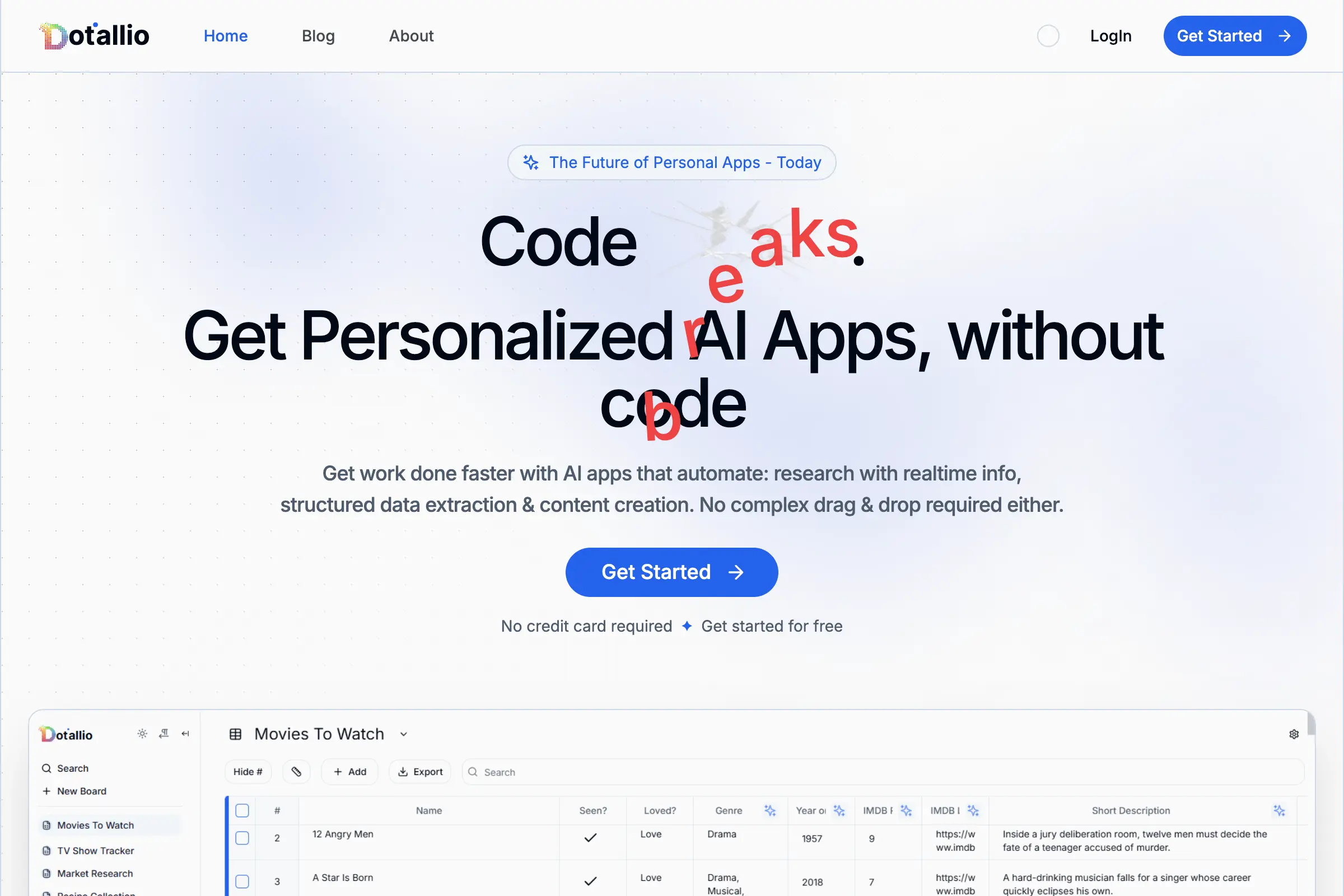
Dotallio
Personalized AI apps that automate research, data extraction, and content creation without code 🤖
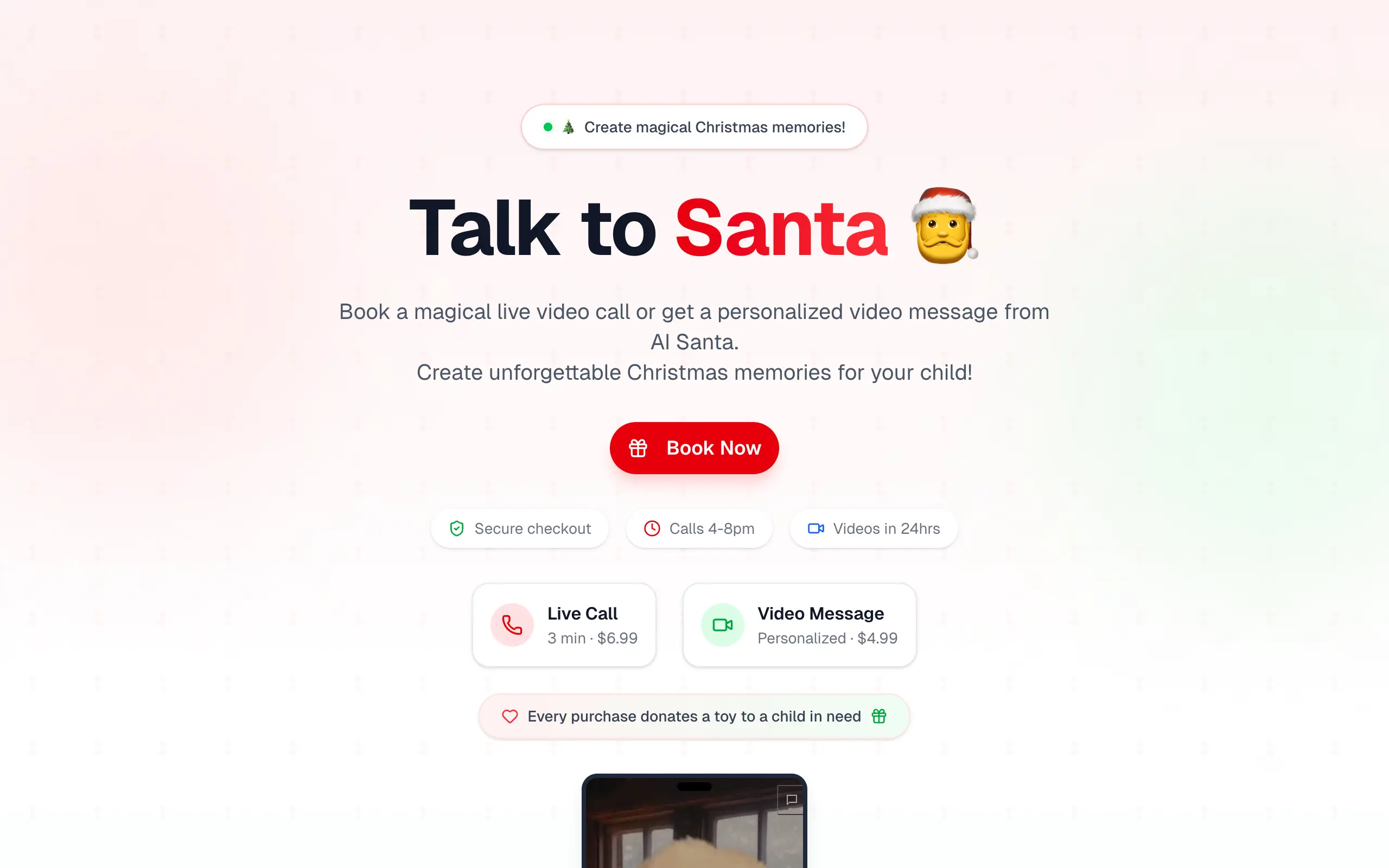
Talk to Santa
Enjoy a magical live video chat or receive a unique AI-generated video greeting from Santa Claus 🎅
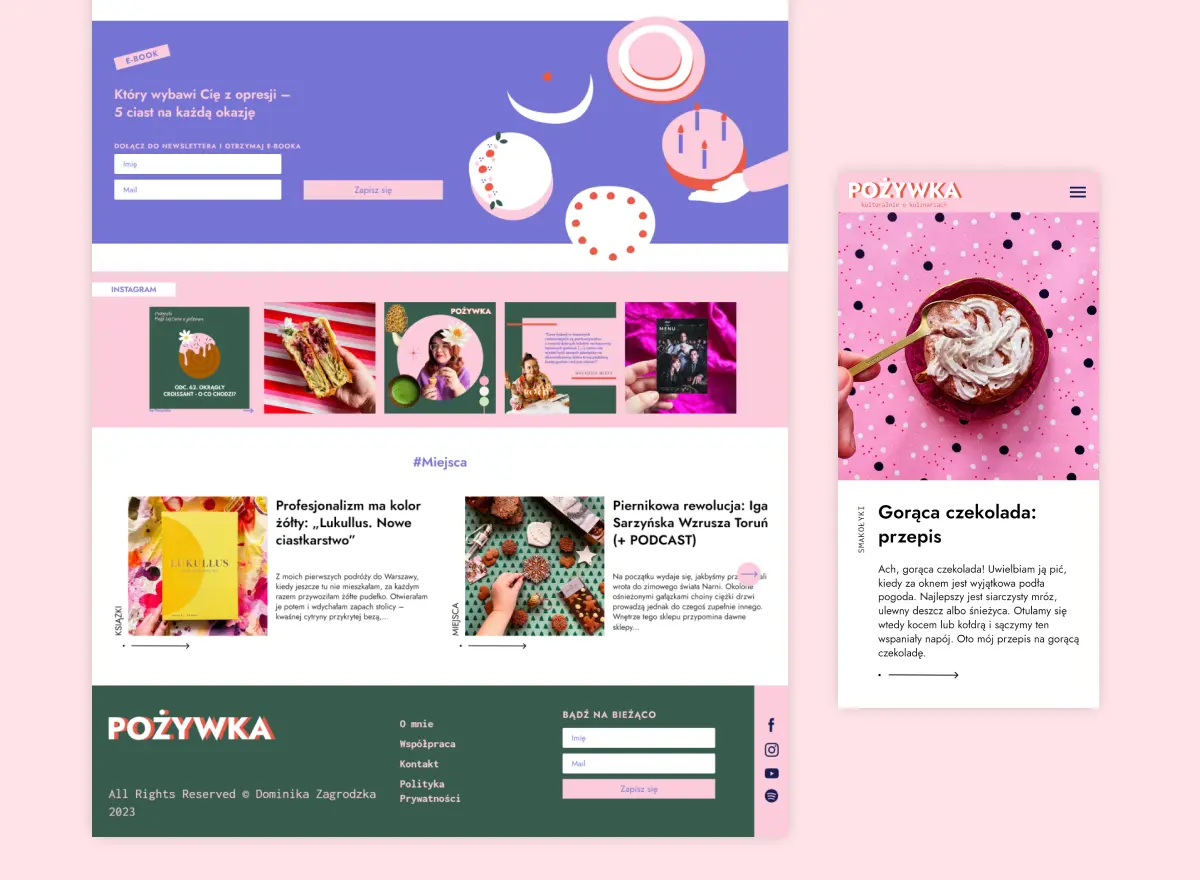
pozywka.pl
Scalable blog for food journalist, focused on performance and user experience 🌭
zagrodzki.me
Personal blog and portfolio of Bart Zagrodzki, where he shares his knowledge and work 💼
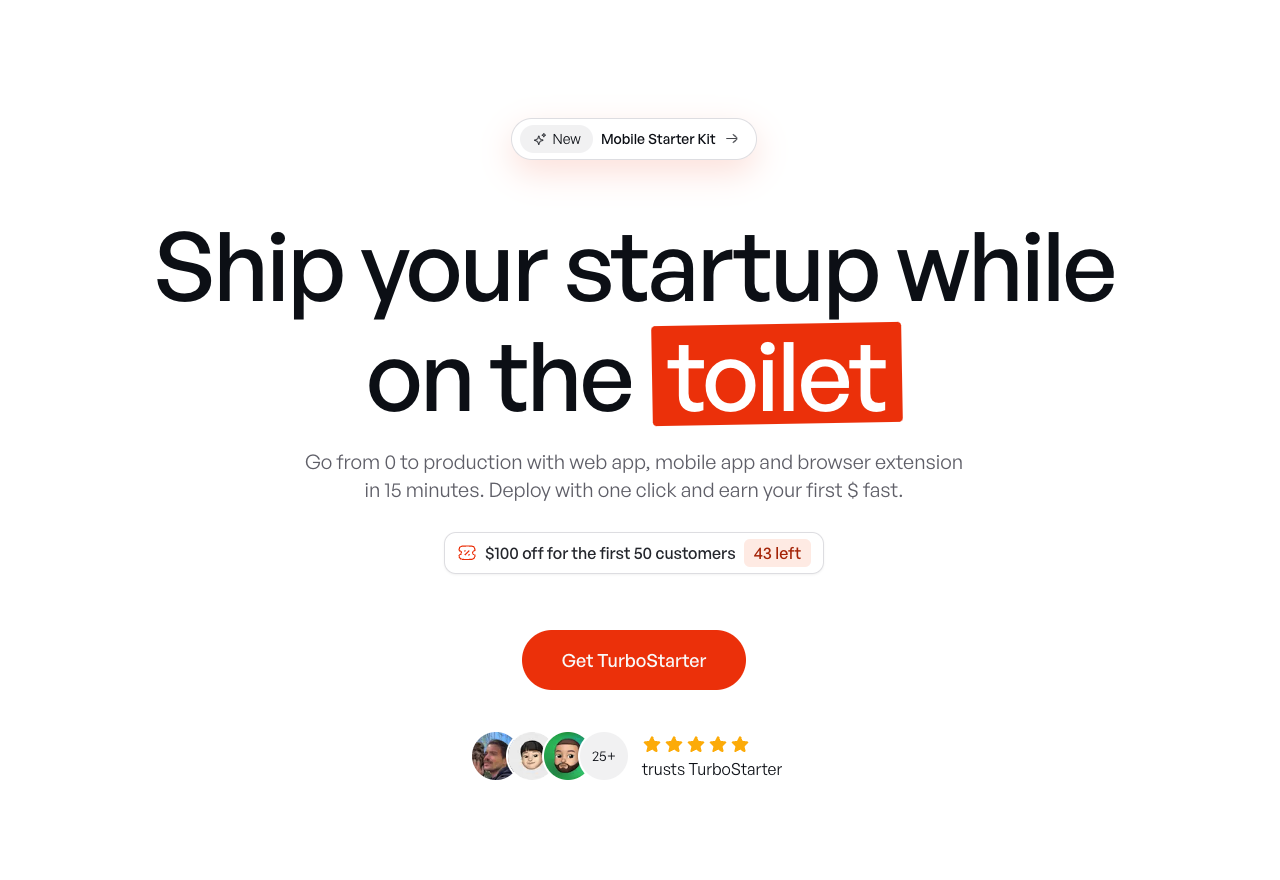
TurboStarter
Ship your startup everywhere. In minutes.
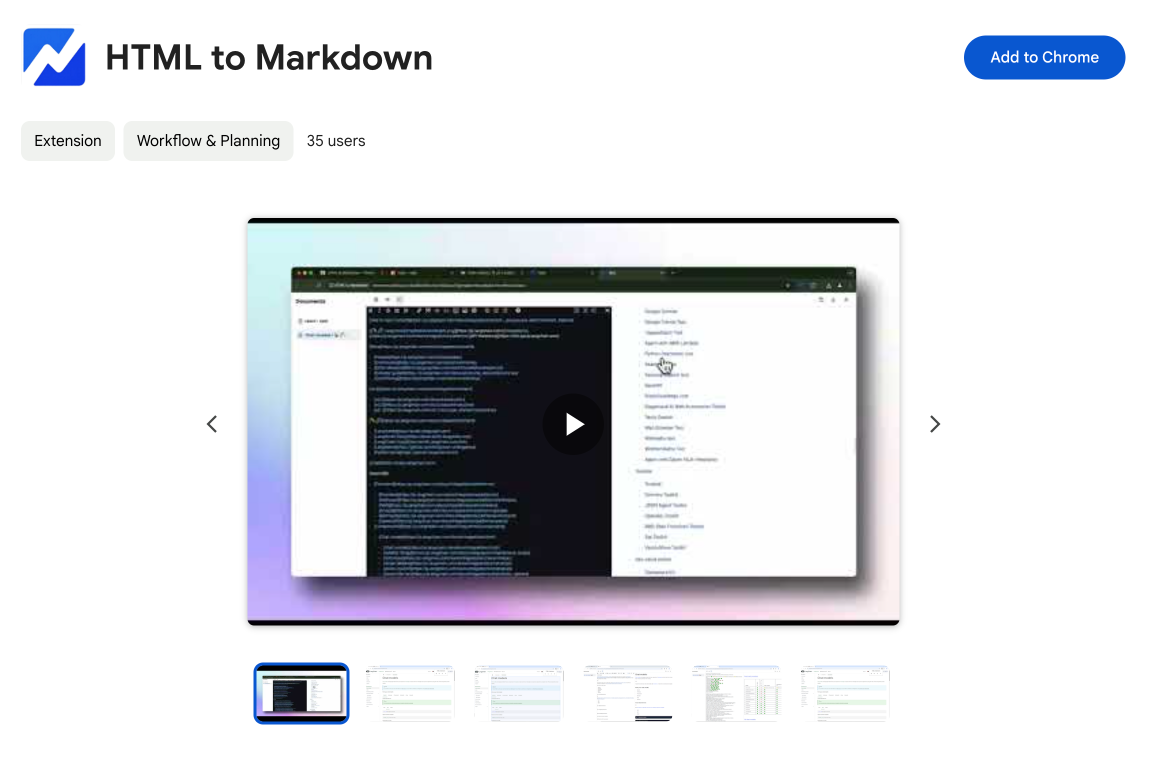
HTML to Markdown
Convert HTML to Markdown with ease, directly in your browser 📄
Dotallio
Personalized AI apps that automate research, data extraction, and content creation without code 🤖
Talk to Santa
Enjoy a magical live video chat or receive a unique AI-generated video greeting from Santa Claus 🎅
pozywka.pl
Scalable blog for food journalist, focused on performance and user experience 🌭
zagrodzki.me
Personal blog and portfolio of Bart Zagrodzki, where he shares his knowledge and work 💼
TurboStarter
Ship your startup everywhere. In minutes.
HTML to Markdown
Convert HTML to Markdown with ease, directly in your browser 📄
Dotallio
Personalized AI apps that automate research, data extraction, and content creation without code 🤖
Talk to Santa
Enjoy a magical live video chat or receive a unique AI-generated video greeting from Santa Claus 🎅
pozywka.pl
Scalable blog for food journalist, focused on performance and user experience 🌭
zagrodzki.me
Personal blog and portfolio of Bart Zagrodzki, where he shares his knowledge and work 💼
TurboStarter
Ship your startup everywhere. In minutes.
HTML to Markdown
Convert HTML to Markdown with ease, directly in your browser 📄
Dotallio
Personalized AI apps that automate research, data extraction, and content creation without code 🤖
Talk to Santa
Enjoy a magical live video chat or receive a unique AI-generated video greeting from Santa Claus 🎅
pozywka.pl
Scalable blog for food journalist, focused on performance and user experience 🌭
zagrodzki.me
Personal blog and portfolio of Bart Zagrodzki, where he shares his knowledge and work 💼
TurboStarter
Ship your startup everywhere. In minutes.
HTML to Markdown
Convert HTML to Markdown with ease, directly in your browser 📄
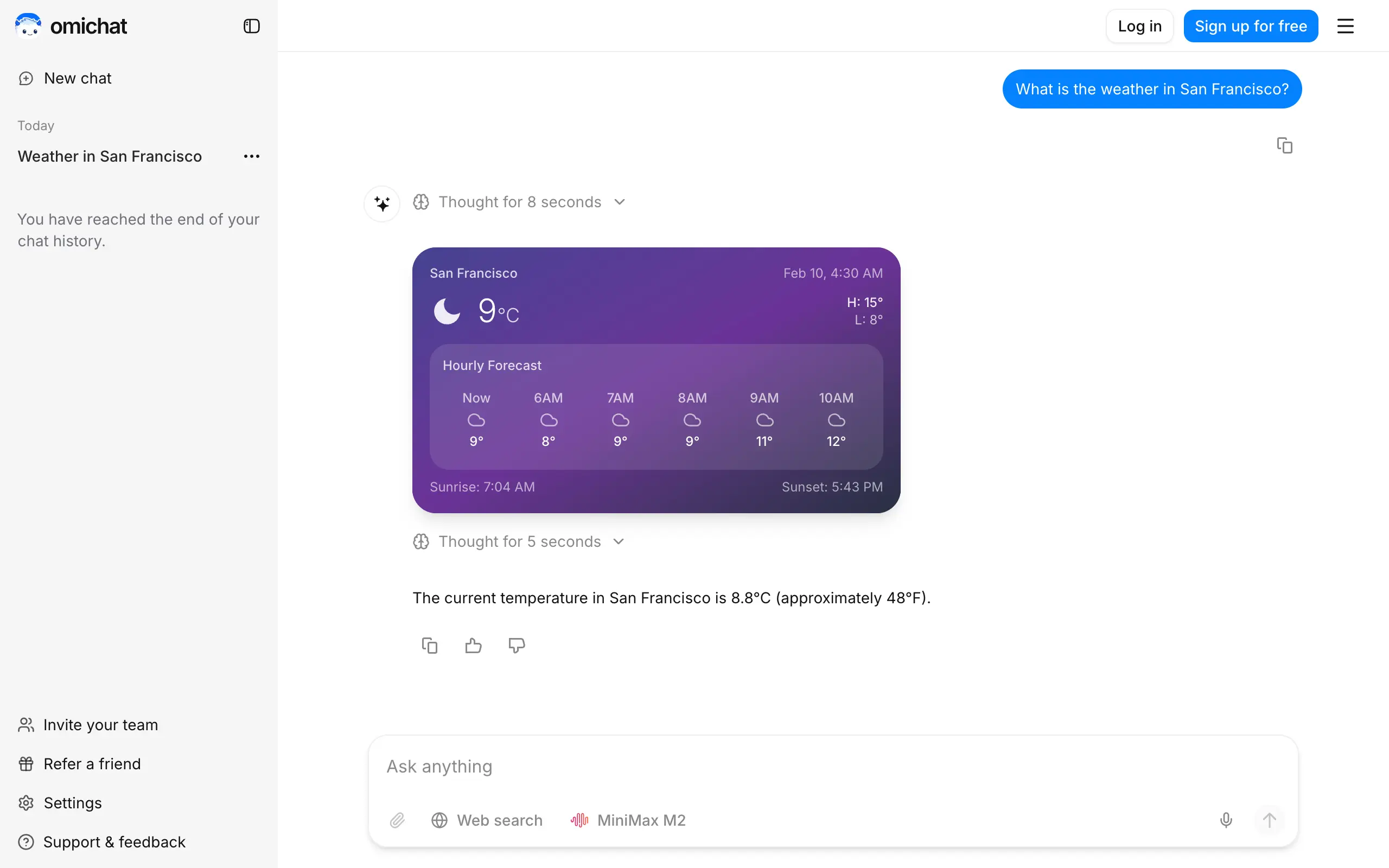
Omichat
Chat with 50+ AI models, including ChatGPT and Claude, in one place - switch models anytime without losing context 🤖
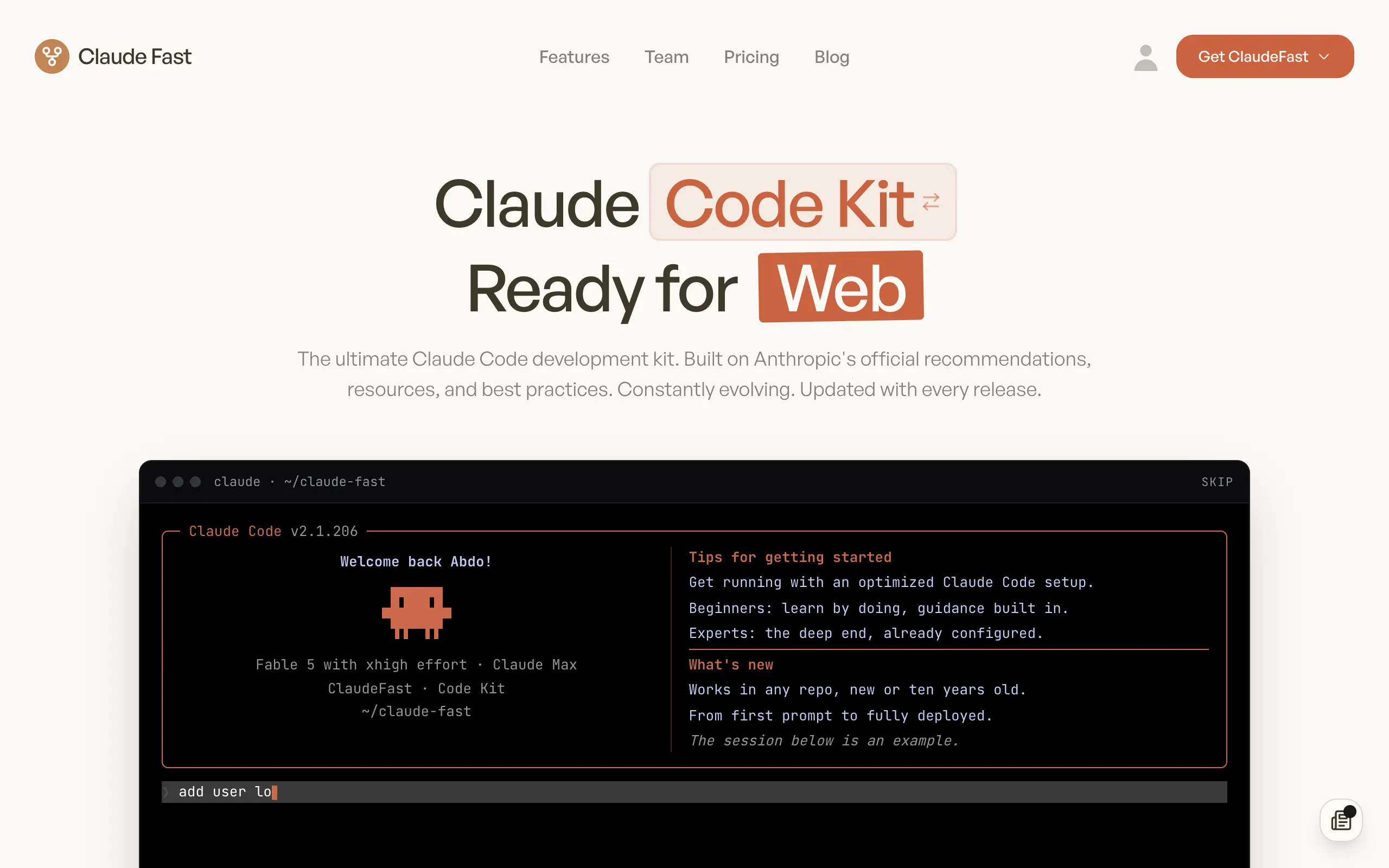
Claude Fast
Supercharge your Claude Code with 6x effective context window and specialized AI agents 🤖
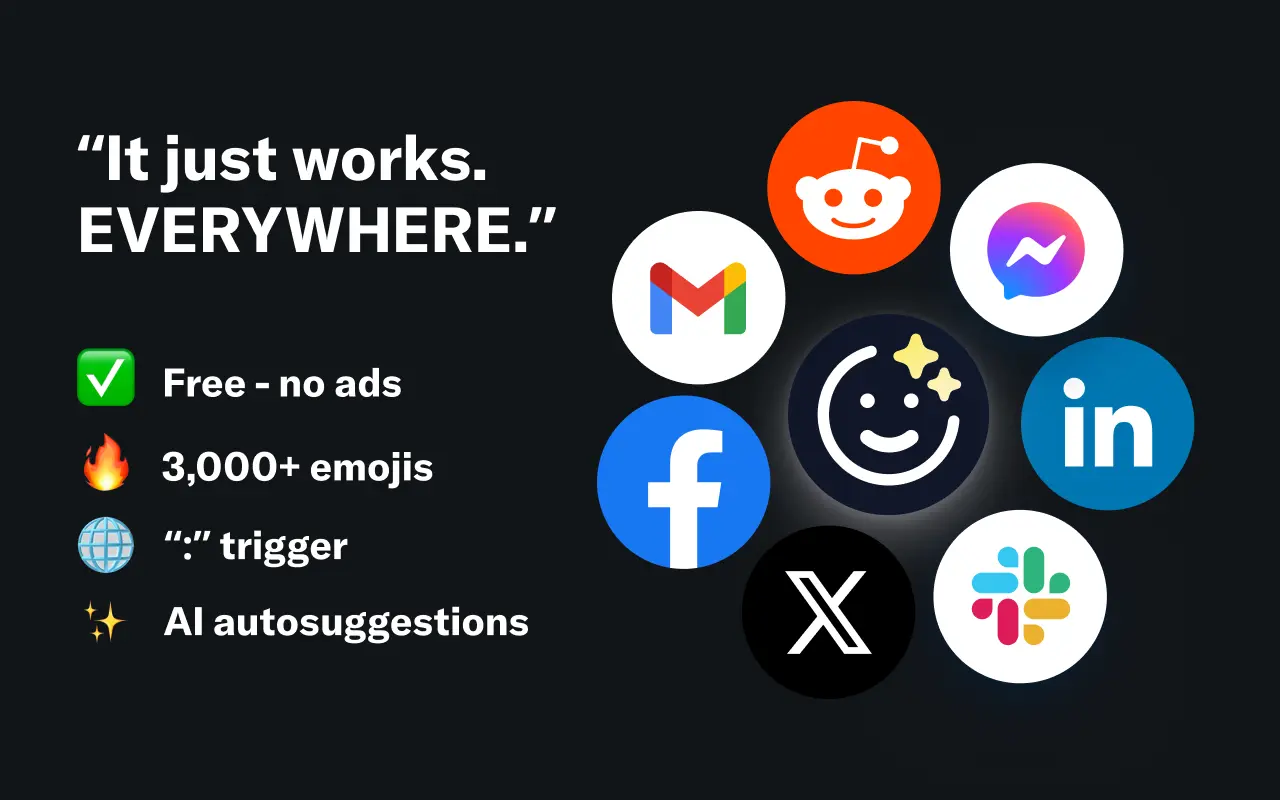
EmojAI
AI-powered emoji picker with smart, context-aware suggestions 🤖
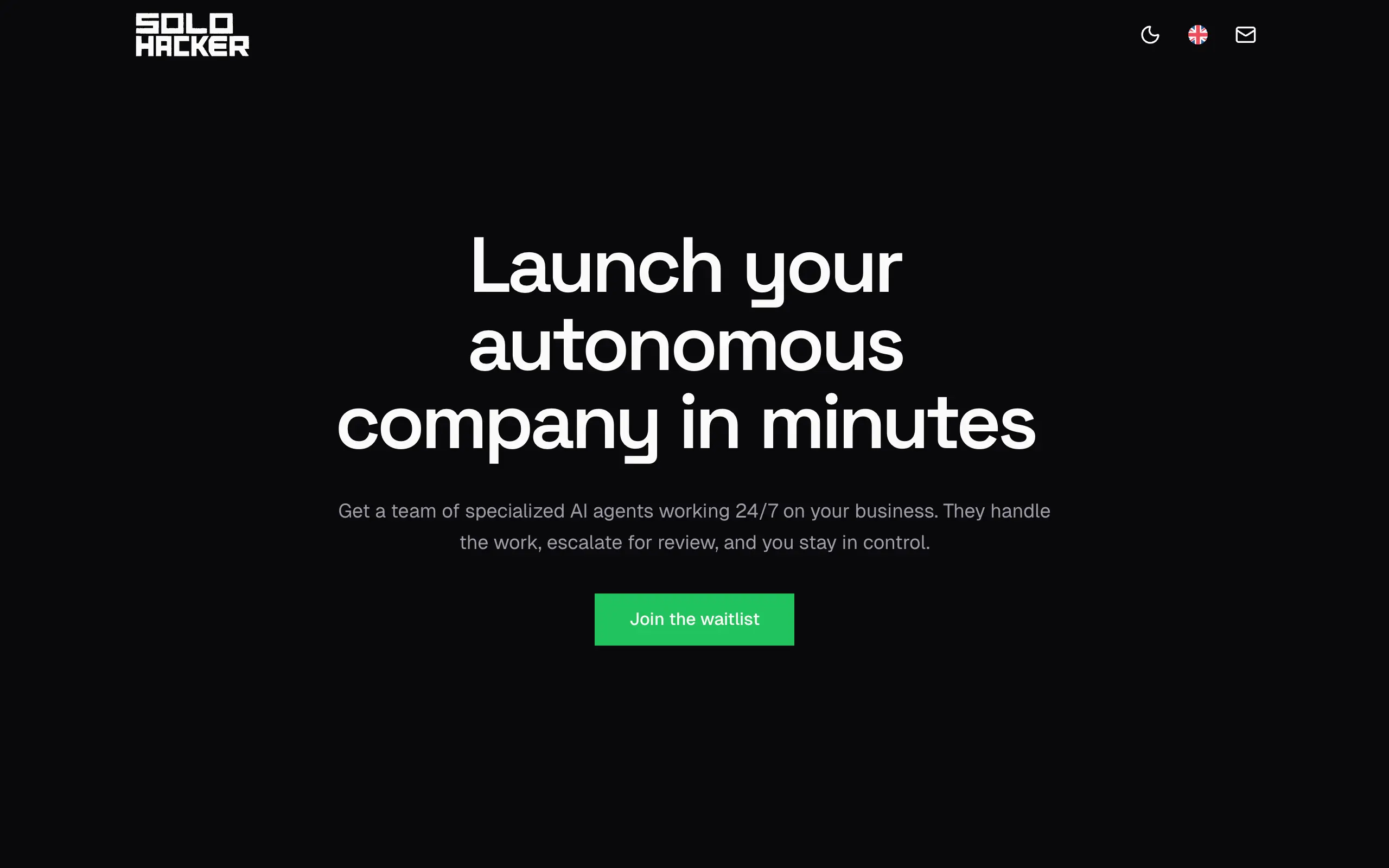
Solohacker
Autonomous company launcher - AI agents work 24/7, escalate what matters, and you stay in control 🤖
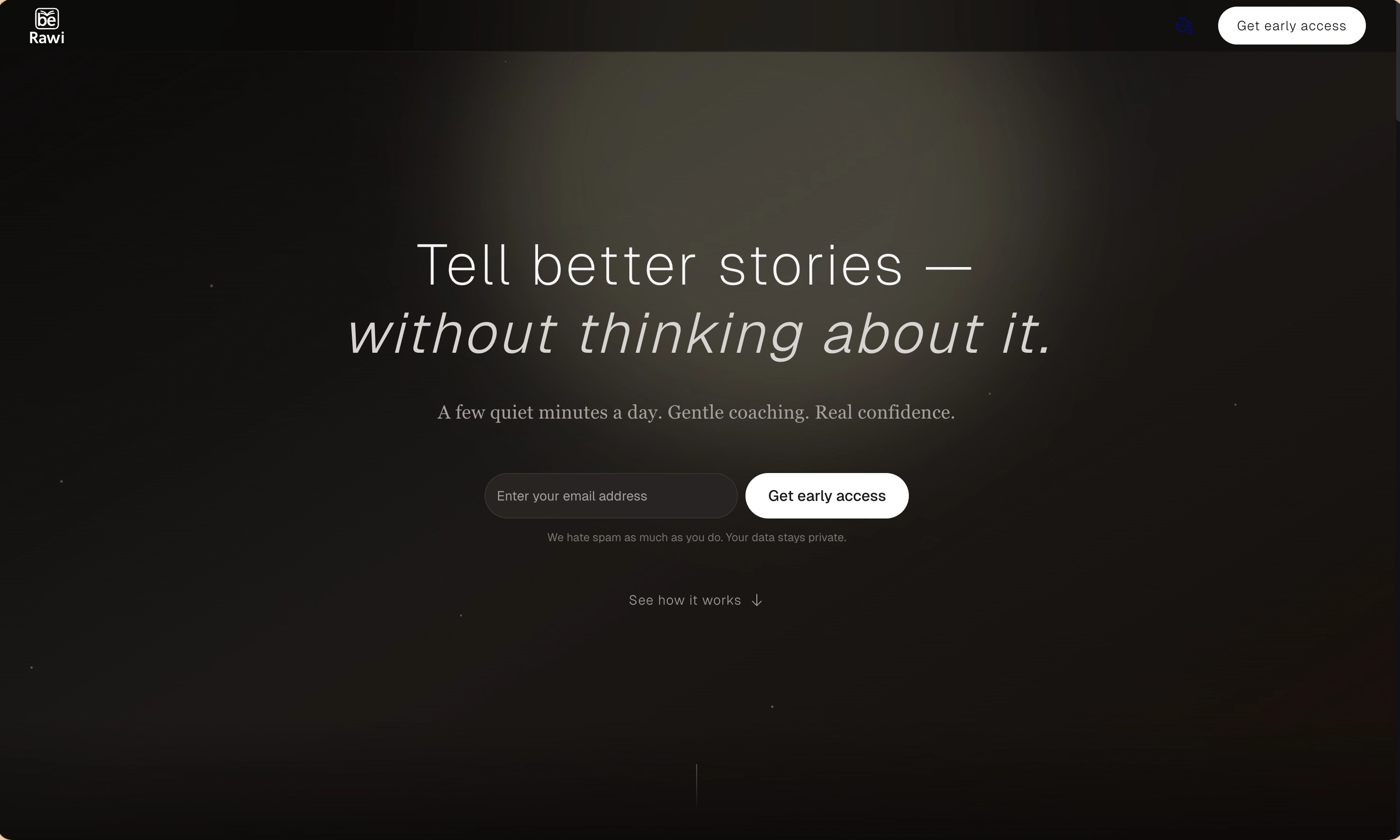
BeRawi: Storytelling Coach
Practice storytelling daily with instant feedback to sound clearer, more engaging, and confident 🎤
Omichat
Chat with 50+ AI models, including ChatGPT and Claude, in one place - switch models anytime without losing context 🤖
Claude Fast
Supercharge your Claude Code with 6x effective context window and specialized AI agents 🤖
EmojAI
AI-powered emoji picker with smart, context-aware suggestions 🤖
Solohacker
Autonomous company launcher - AI agents work 24/7, escalate what matters, and you stay in control 🤖
BeRawi: Storytelling Coach
Practice storytelling daily with instant feedback to sound clearer, more engaging, and confident 🎤
Omichat
Chat with 50+ AI models, including ChatGPT and Claude, in one place - switch models anytime without losing context 🤖
Claude Fast
Supercharge your Claude Code with 6x effective context window and specialized AI agents 🤖
EmojAI
AI-powered emoji picker with smart, context-aware suggestions 🤖
Solohacker
Autonomous company launcher - AI agents work 24/7, escalate what matters, and you stay in control 🤖
BeRawi: Storytelling Coach
Practice storytelling daily with instant feedback to sound clearer, more engaging, and confident 🎤
Omichat
Chat with 50+ AI models, including ChatGPT and Claude, in one place - switch models anytime without losing context 🤖
Claude Fast
Supercharge your Claude Code with 6x effective context window and specialized AI agents 🤖
EmojAI
AI-powered emoji picker with smart, context-aware suggestions 🤖
Solohacker
Autonomous company launcher - AI agents work 24/7, escalate what matters, and you stay in control 🤖
BeRawi: Storytelling Coach
Practice storytelling daily with instant feedback to sound clearer, more engaging, and confident 🎤

Connect with like-minded people
Join our community to get feedback, support, and grow together with 1,000+ builders on board, let's ship it!
Join usShip your startup everywhere. In minutes.
Don't burn tokens on setup and start building features on day one.