PaceForge
A smart running companion that adapts pacing strategies in real time using terrain, fatigue, and past performance to improve race outcomes.
What is a smart running companion like PaceForge?
Modern runners don’t just want to track distance—they want to optimize performance in real time. A smart running companion like PaceForge goes beyond GPS tracking by dynamically adjusting pacing recommendations based on:
- Terrain (incline, decline, surface)
- Fatigue levels inferred from performance
- Historical training data
- Environmental conditions (weather, elevation, heat)
This positions PaceForge within the fast-growing category of AI-powered fitness apps, specifically targeting runners who care about race-day optimization, pacing strategy, and performance improvement.
Unlike traditional apps such as Strava or Nike Run Club, which are primarily retrospective (analyzing runs after completion), PaceForge is predictive and adaptive during the run itself.
Why adaptive pacing apps are the future of running
The global fitness app market continues to expand rapidly, driven by wearable tech, AI, and personalized coaching. According to widely cited industry reports (e.g., Statista, McKinsey fitness trends), personalized coaching and real-time feedback are among the fastest-growing segments.
The core problem with traditional running apps
Most apps today:
- Track metrics (pace, heart rate, distance)
- Offer static training plans
- Provide post-run insights
But they fail at:
- Adjusting pacing mid-run
- Accounting for terrain variation
- Adapting to fatigue in real time
This leads to common runner issues:
- Starting too fast and “bonking”
- Inefficient energy distribution
- Poor race-day execution
The opportunity PaceForge captures
PaceForge fills a critical gap by acting as a real-time pacing strategist, not just a passive tracker.
Key insight
Runners don’t lose races because they lack data—they lose because they lack actionable, real-time decisions based on that data.
Target audience analysis
Understanding the ideal user is crucial for product-market fit.
Primary audience: performance-focused runners
These users:
- Train consistently (3–6 times per week)
- Participate in races (5K, half marathon, marathon, ultras)
- Already use apps like Strava, Garmin Connect, or TrainingPeaks
- Care deeply about pace, splits, and performance metrics
Their goals:
- Achieve personal bests
- Execute optimal race strategies
- Avoid burnout during runs
Secondary audience: data-driven beginners
These runners:
- Recently started running seriously
- Feel overwhelmed by pacing strategies
- Want guidance without hiring a coach
Tertiary audience: endurance athletes
Includes:
- Trail runners
- Triathletes
- Ultra marathoners
They benefit heavily from:
- Terrain-aware pacing
- Fatigue modeling
- Elevation-based adjustments
Market gap and competitive landscape
The running app market is crowded, but very few apps offer real-time adaptive pacing.
Competitive comparison
| Feature | Strava | Nike Run Club | Garmin | PaceForge | TrainingPeaks |
|---|---|---|---|---|---|
| Real-time pacing adaptation | ❌ | ❌ | ✅ | ✅ | ❌ |
| Terrain-aware strategy | ❌ | ❌ | ✅ | ✅ | ✅ |
Key gap identified
Even advanced tools like Garmin:
- Require pre-configured workouts
- Lack dynamic adjustment mid-run
- Don’t personalize deeply across sessions
PaceForge’s advantage is its adaptive AI engine that evolves during the run, not just before or after.
Core features of PaceForge
1. Real-time adaptive pacing engine
The heart of PaceForge is an AI model that:
- Continuously analyzes pace, heart rate, cadence
- Detects fatigue patterns
- Adjusts recommended pace dynamically
Example:
- If a runner starts slowing uphill, PaceForge recalculates effort zones instead of forcing target pace
2. Terrain-aware optimization
Using GPS and elevation APIs, PaceForge:
- Predicts upcoming terrain changes
- Adjusts pacing before the runner hits them
This enables:
- Slower pace uphill without performance penalty
- Faster recovery on downhills
3. Personalized fatigue modeling
Unlike simple heart rate tracking, PaceForge:
- Learns from past runs
- Identifies fatigue thresholds
- Predicts when performance will degrade
4. Race simulation mode
Users can:
- Input race course (e.g., marathon route GPX)
- Simulate optimal pacing strategy
- Receive real-time guidance during the actual race
5. Voice and haptic feedback
Instead of requiring screen interaction:
- Audio cues: “Slow slightly, hill ahead”
- Vibration patterns for pace correction
6. Post-run intelligent analysis
After each run:
- Compare planned vs actual pacing
- Identify inefficiencies
- Suggest improvements
How the adaptive pacing algorithm works
At a high level, PaceForge combines multiple data streams:
type RunMetrics = {
  pace: number;
  heartRate: number;
  elevation: number;
  cadence: number;
  fatigueScore: number;
};

function adjustPacing(metrics: RunMetrics) {
  const effort = calculateEffort(metrics.heartRate, metrics.pace);
  const terrainImpact = calculateElevationImpact(metrics.elevation);
  const fatigueAdjustment = metrics.fatigueScore * 0.1;

  return metrics.pace - terrainImpact - fatigueAdjustment + effort;
}
Key components
- Effort normalization: Converts heart rate into effort zones
- Terrain coefficient: Adjusts pace based on incline/decline
- Fatigue index: Learned from historical performance
Recommended tech stack for building PaceForge
Mobile app development
- React Native for cross-platform development
- Alternatively: Swift (iOS) + Kotlin (Android) for performance-critical features
Trade-off:
- React Native speeds up development
- Native apps offer better sensor integration and performance
Backend infrastructure
- Node.js (scalable API layer)
- Python for ML models (fatigue prediction, pacing optimization)
- GraphQL for efficient mobile data fetching
Data & AI layer
- TensorFlow or PyTorch for modeling
- Real-time processing via WebSockets
- Edge inference (on-device ML) for low latency
Integrations
- Apple HealthKit
- Google Fit
- Garmin API (if accessible)
Maps and terrain
- Mapbox (https://www.mapbox.com)
- Open elevation APIs
Dev acceleration
Use tools like TurboStarter to:
- Bootstrap SaaS backend infrastructure
- Handle auth, billing, and API scaffolding
- Focus more on core product differentiation
Monetization strategy
Freemium model (recommended)
Free tier:
- Basic tracking
- Limited adaptive pacing
Premium tier ($8–$15/month):
- Full real-time adaptation
- Race simulation
- Advanced analytics
Additional revenue streams
- One-time race packs (custom pacing strategies)
- Coaching integrations
- Affiliate partnerships (running gear, nutrition)
Pricing psychology
Runners already pay for:
- Strava Premium (~$12/month)
- TrainingPeaks (~$19/month)
Position PaceForge as:
- A performance multiplier, not just a tracker
Competitive advantage and differentiation
1. Real-time intelligence vs static analytics
Most competitors analyze after the run. PaceForge:
- Makes decisions during the run
2. Deep personalization
Instead of generic plans:
- Learns each runner’s fatigue curve
3. Terrain-first approach
Especially valuable for:
- Trail runners
- Marathon courses with elevation
4. AI-native design
Not an add-on feature—AI is core to the product
Reactive apps
Track and analyze runs after completion.
Predictive apps
Plan runs ahead of time with static pacing.
Adaptive apps (PaceForge)
Continuously optimize during the run itself.
Risks and challenges (and how to mitigate them)
1. Accuracy of pacing recommendations
Risk:
- Incorrect suggestions could harm performance
Mitigation:
- Continuous model training
- Conservative adjustments
- User override options
2. Battery consumption
Real-time tracking + AI = heavy usage
Mitigation:
- On-device optimization
- Efficient sensor polling
- Adaptive refresh rates
3. User trust
Runners may hesitate to rely on AI mid-race
Mitigation:
- Transparent insights
- Gradual onboarding (recommendations → guidance)
4. Data privacy concerns
Mitigation:
- End-to-end encryption
- Clear data usage policies
- Compliance with GDPR/CCPA
Step-by-step implementation roadmap
Go-to-market strategy
Phase 1: niche dominance
Focus on:
- Marathon runners
- Strava power users
Channels:
- Reddit (r/running, r/advancedrunning)
- YouTube running influencers
- Podcasts
Phase 2: partnerships
- Running coaches
- Race organizers
- Wearable companies
Phase 3: scale
- Paid acquisition (Meta, Google)
- SEO content (race pacing strategies, training guides)
SEO strategy for PaceForge
To rank organically, target keywords like:
Primary:
- adaptive pacing app
- smart running companion
- AI running coach app
Secondary (LSI):
- marathon pacing strategy tool
- real-time running feedback app
- terrain-based running app
Content ideas:
- “How to pace a marathon perfectly”
- “Why most runners start too fast”
- “Best apps for race pacing (2026 guide)”
Future opportunities and expansion
Wearables integration
- Smartwatches
- AR glasses (future pacing overlays)
AI coaching layer
- Weekly training plans
- Injury prevention insights
Social features
- Share pacing strategies
- Compete on optimized runs
Enterprise opportunities
- Licensing to coaching platforms
- Integration with race organizers
Frequently asked questions
Strava focuses on tracking and social sharing. PaceForge focuses on real-time performance optimization and adaptive pacing.
Yes, but accuracy improves significantly with heart rate data and historical performance inputs.
Yes, especially those who struggle with pacing. However, the biggest value is for performance-focused runners.
Actionable next steps for building PaceForge
If you’re serious about launching this SaaS:
- Validate demand with 20–50 runners
- Build a lightweight MVP (GPS + pace adjustment)
- Test accuracy vs real-world outcomes
- Focus heavily on UX (voice feedback is critical)
- Iterate quickly using real run data
Then:
- Add AI sophistication gradually
- Expand into premium features
- Build a strong brand in the running niche
Final thoughts
PaceForge represents a shift from passive tracking to active performance optimization. As AI continues to reshape consumer apps, runners will increasingly expect tools that think and adapt alongside them.
This idea stands out because it solves a real, high-value problem:
- Not “how far did I run?”
- But “how well did I execute my run?”
That distinction is where the future of fitness apps lies.
More 📱 Mobile App SaaS ideas
Discover more innovative mobile app SaaS ideas that are trending in 2026. Each idea is AI-generated with market validation and growth potential to help you find your next profitable venture faster than competitors.
Your competitors are building with TurboStarter
Below are some of the SaaS ideas that have been generated and built with our starter kit.

Statiko
Monitor any Telegram channel in real time - track posts, edits, deletions, and growth with AI recaps 📡

Shibui
AI website builder - describe your business, pick a niche template, edit by chatting, and publish instantly ✨

Pro Service
Find verified home service professionals, compare quotes, and pay securely through escrow - built for Brazilians across the US 🏠
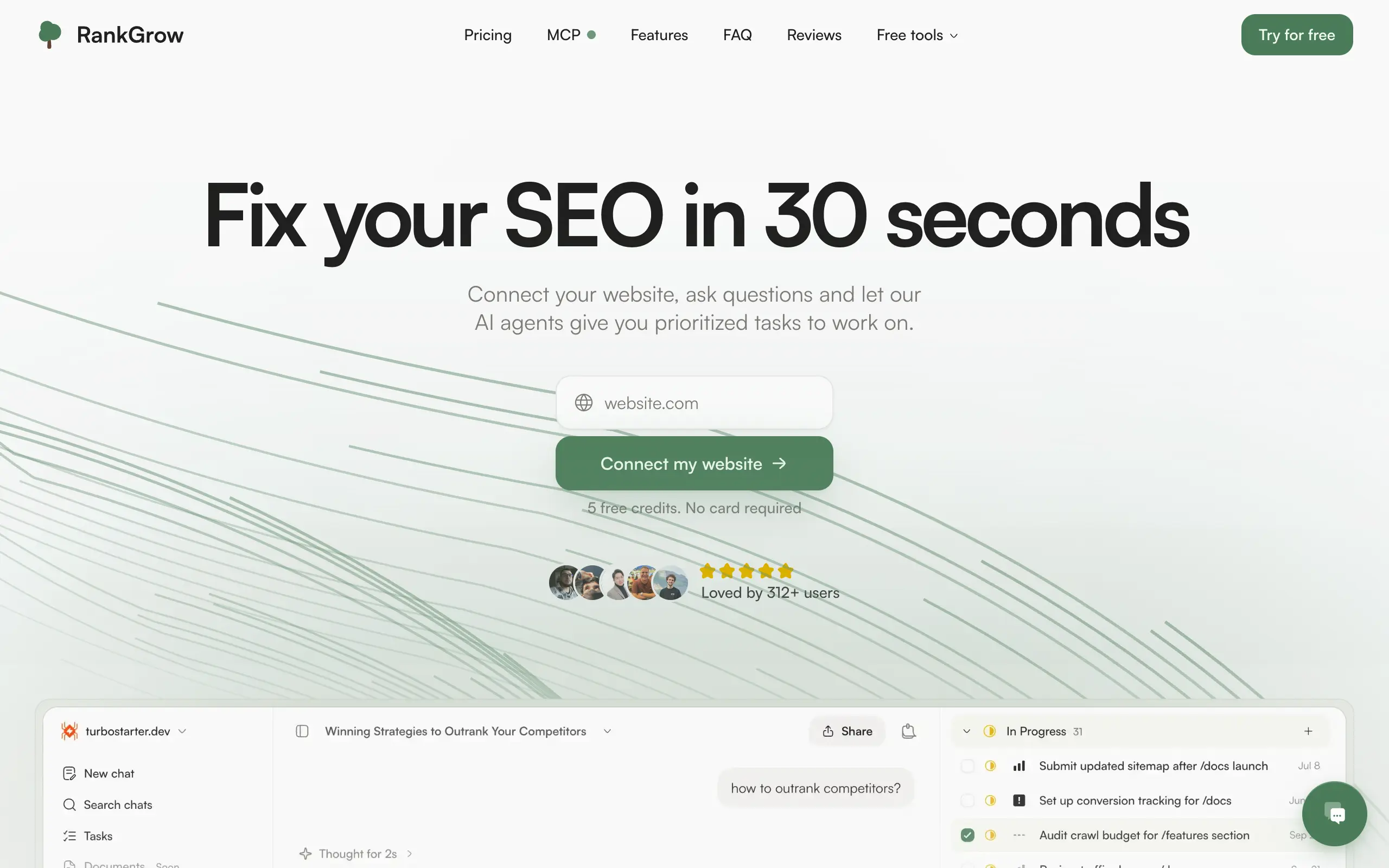
RankGrow
Fix your SEO with AI agents - connect Search Console, get prioritized tasks, and grow organic traffic 📈
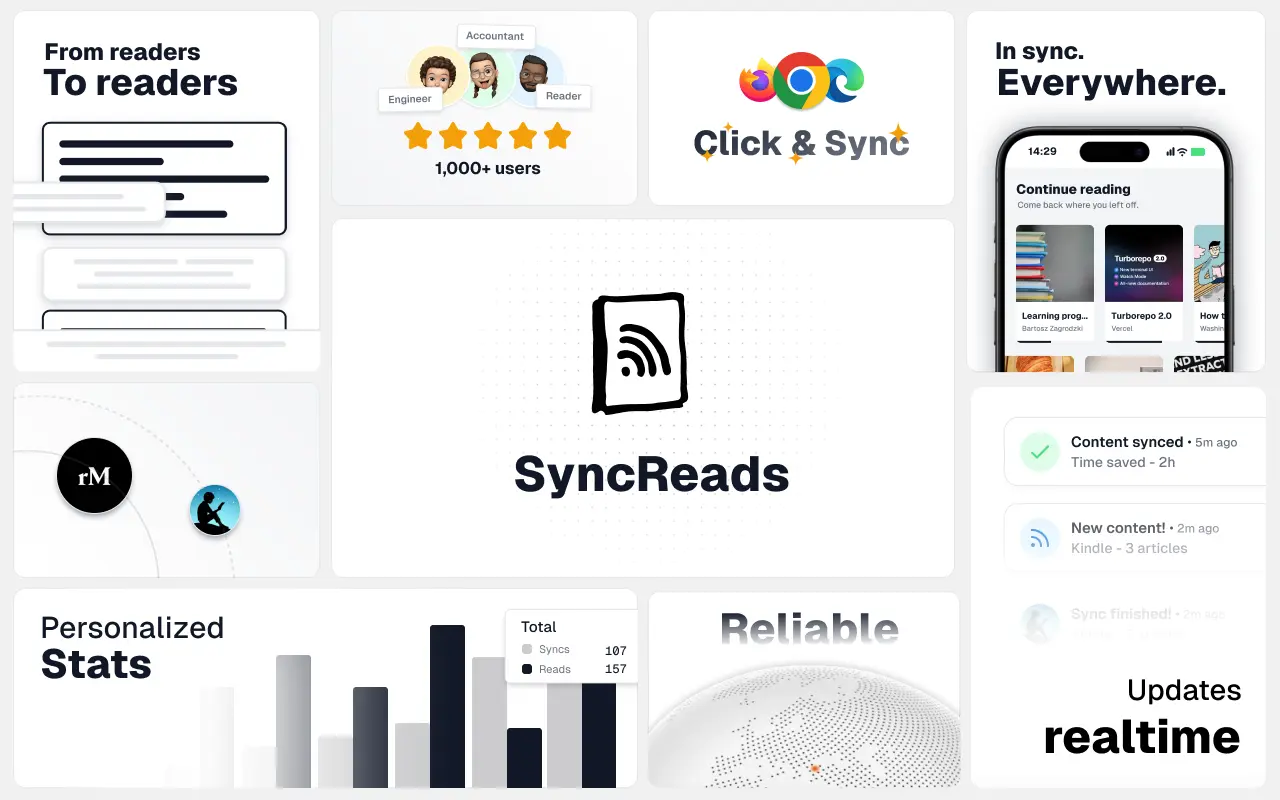
SyncReads
Sync your favorite content for distraction-free reading, save time and replace multiple apps. Anytime, anywhere 🔄
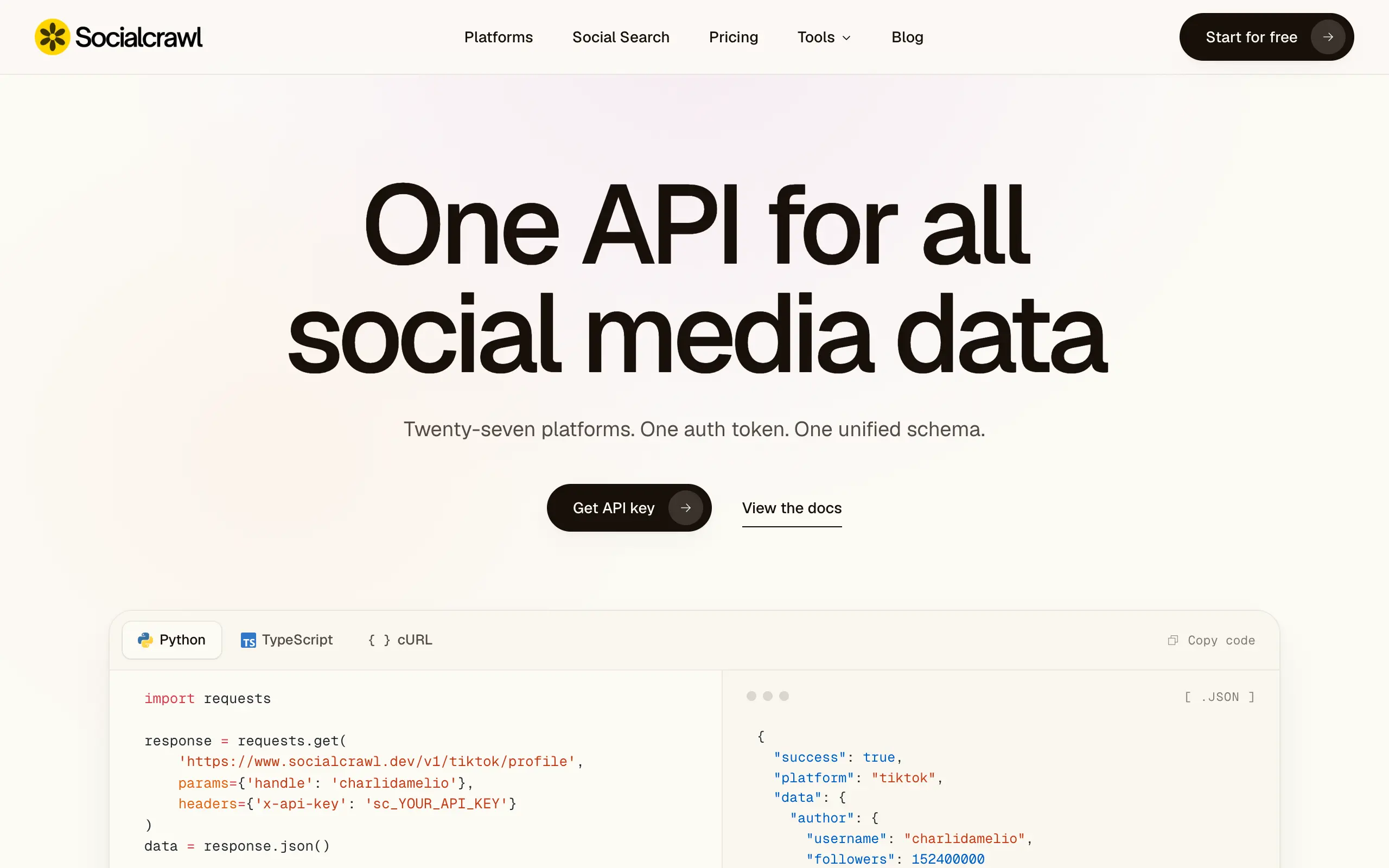
Socialcrawl
Get clean, structured data from 21 platforms like TikTok, Instagram, and YouTube with a single request 📊
Statiko
Monitor any Telegram channel in real time - track posts, edits, deletions, and growth with AI recaps 📡
Shibui
AI website builder - describe your business, pick a niche template, edit by chatting, and publish instantly ✨
Pro Service
Find verified home service professionals, compare quotes, and pay securely through escrow - built for Brazilians across the US 🏠
RankGrow
Fix your SEO with AI agents - connect Search Console, get prioritized tasks, and grow organic traffic 📈
SyncReads
Sync your favorite content for distraction-free reading, save time and replace multiple apps. Anytime, anywhere 🔄
Socialcrawl
Get clean, structured data from 21 platforms like TikTok, Instagram, and YouTube with a single request 📊
Statiko
Monitor any Telegram channel in real time - track posts, edits, deletions, and growth with AI recaps 📡
Shibui
AI website builder - describe your business, pick a niche template, edit by chatting, and publish instantly ✨
Pro Service
Find verified home service professionals, compare quotes, and pay securely through escrow - built for Brazilians across the US 🏠
RankGrow
Fix your SEO with AI agents - connect Search Console, get prioritized tasks, and grow organic traffic 📈
SyncReads
Sync your favorite content for distraction-free reading, save time and replace multiple apps. Anytime, anywhere 🔄
Socialcrawl
Get clean, structured data from 21 platforms like TikTok, Instagram, and YouTube with a single request 📊
Statiko
Monitor any Telegram channel in real time - track posts, edits, deletions, and growth with AI recaps 📡
Shibui
AI website builder - describe your business, pick a niche template, edit by chatting, and publish instantly ✨
Pro Service
Find verified home service professionals, compare quotes, and pay securely through escrow - built for Brazilians across the US 🏠
RankGrow
Fix your SEO with AI agents - connect Search Console, get prioritized tasks, and grow organic traffic 📈
SyncReads
Sync your favorite content for distraction-free reading, save time and replace multiple apps. Anytime, anywhere 🔄
Socialcrawl
Get clean, structured data from 21 platforms like TikTok, Instagram, and YouTube with a single request 📊
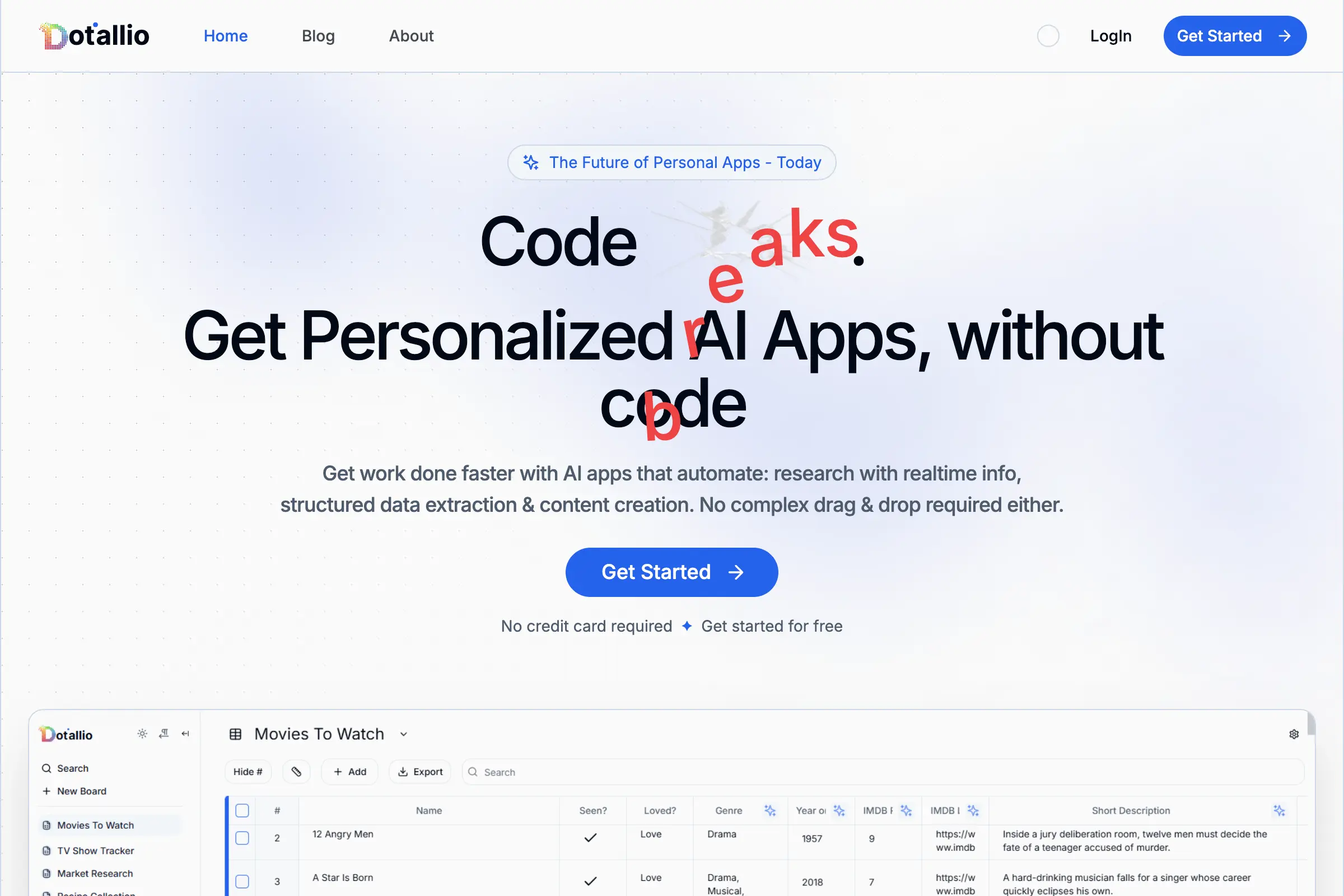
Dotallio
Personalized AI apps that automate research, data extraction, and content creation without code 🤖
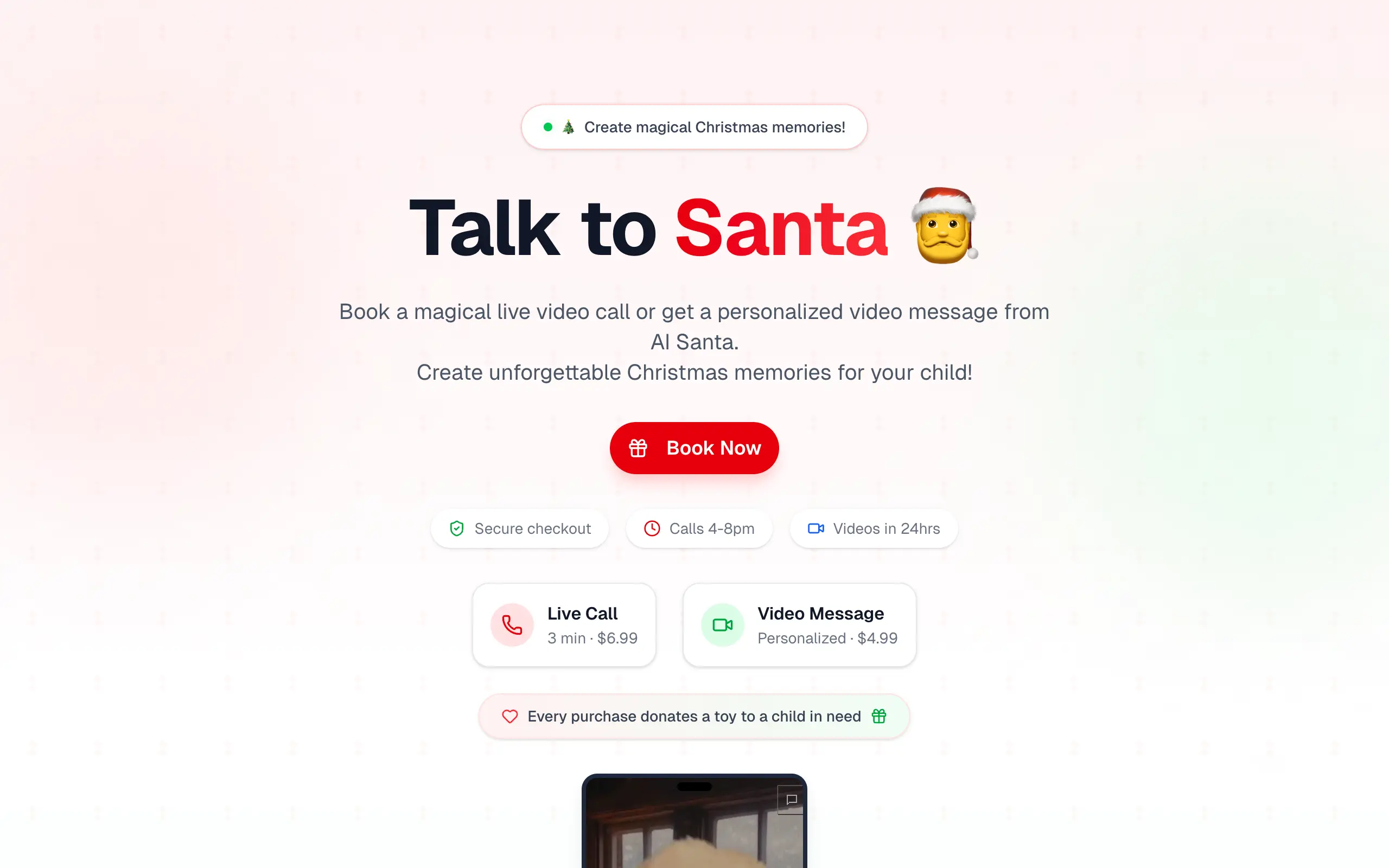
Talk to Santa
Enjoy a magical live video chat or receive a unique AI-generated video greeting from Santa Claus 🎅

pozywka.pl
Scalable blog for food journalist, focused on performance and user experience 🌭
zagrodzki.me
Personal blog and portfolio of Bart Zagrodzki, where he shares his knowledge and work 💼
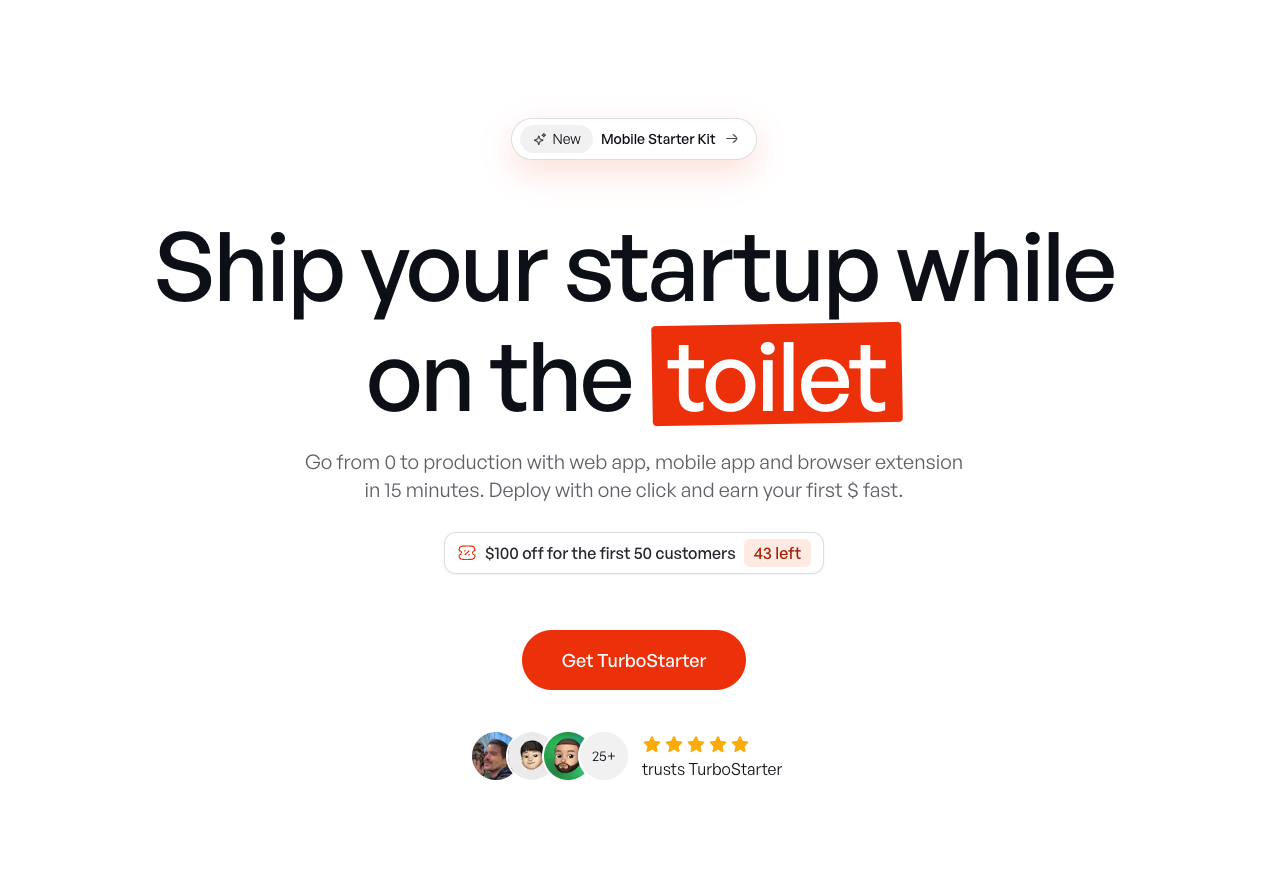
TurboStarter
Ship your startup everywhere. In minutes.
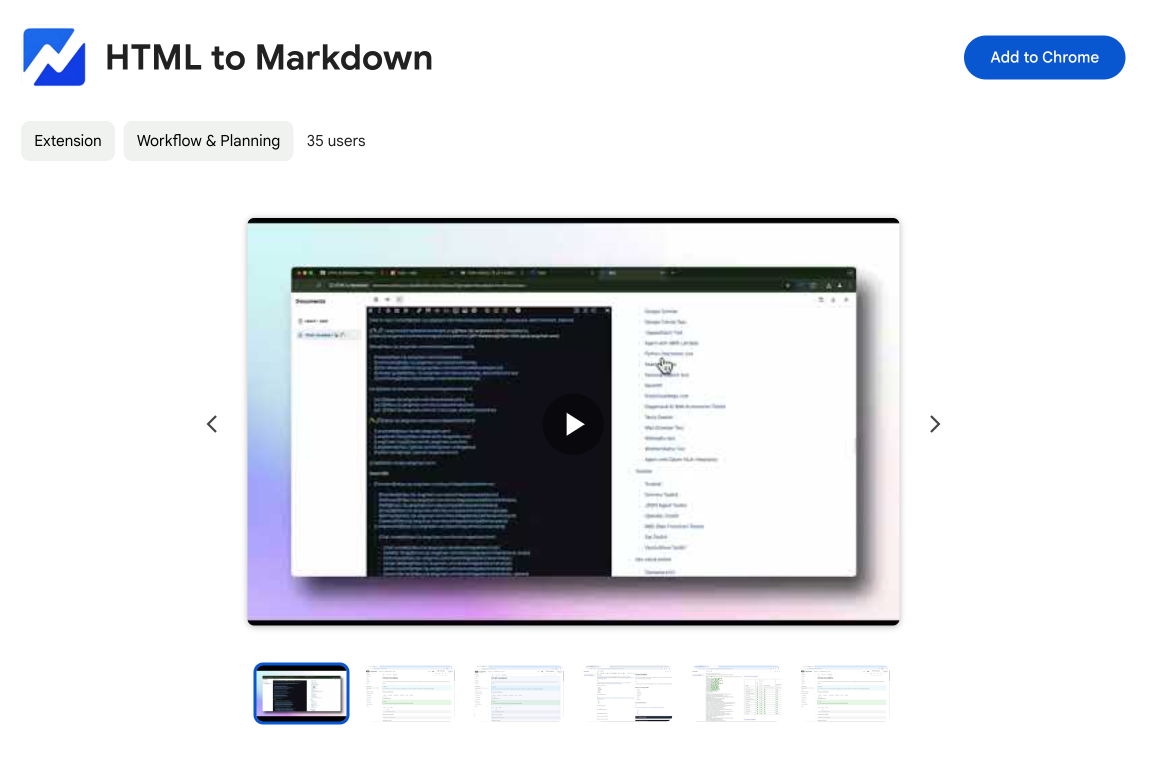
HTML to Markdown
Convert HTML to Markdown with ease, directly in your browser 📄
Dotallio
Personalized AI apps that automate research, data extraction, and content creation without code 🤖
Talk to Santa
Enjoy a magical live video chat or receive a unique AI-generated video greeting from Santa Claus 🎅
pozywka.pl
Scalable blog for food journalist, focused on performance and user experience 🌭
zagrodzki.me
Personal blog and portfolio of Bart Zagrodzki, where he shares his knowledge and work 💼
TurboStarter
Ship your startup everywhere. In minutes.
HTML to Markdown
Convert HTML to Markdown with ease, directly in your browser 📄
Dotallio
Personalized AI apps that automate research, data extraction, and content creation without code 🤖
Talk to Santa
Enjoy a magical live video chat or receive a unique AI-generated video greeting from Santa Claus 🎅
pozywka.pl
Scalable blog for food journalist, focused on performance and user experience 🌭
zagrodzki.me
Personal blog and portfolio of Bart Zagrodzki, where he shares his knowledge and work 💼
TurboStarter
Ship your startup everywhere. In minutes.
HTML to Markdown
Convert HTML to Markdown with ease, directly in your browser 📄
Dotallio
Personalized AI apps that automate research, data extraction, and content creation without code 🤖
Talk to Santa
Enjoy a magical live video chat or receive a unique AI-generated video greeting from Santa Claus 🎅
pozywka.pl
Scalable blog for food journalist, focused on performance and user experience 🌭
zagrodzki.me
Personal blog and portfolio of Bart Zagrodzki, where he shares his knowledge and work 💼
TurboStarter
Ship your startup everywhere. In minutes.
HTML to Markdown
Convert HTML to Markdown with ease, directly in your browser 📄
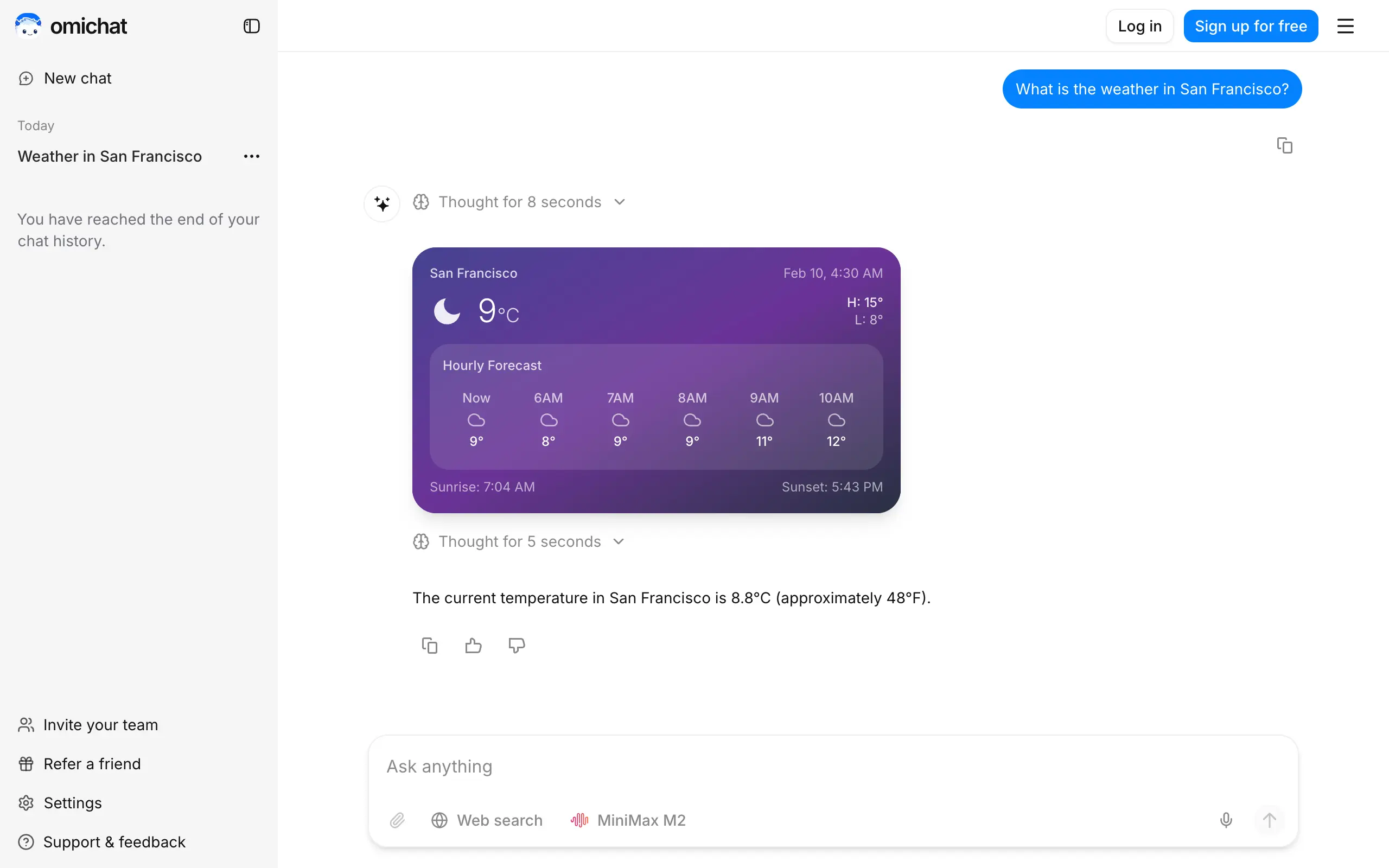
Omichat
Chat with 50+ AI models, including ChatGPT and Claude, in one place - switch models anytime without losing context 🤖
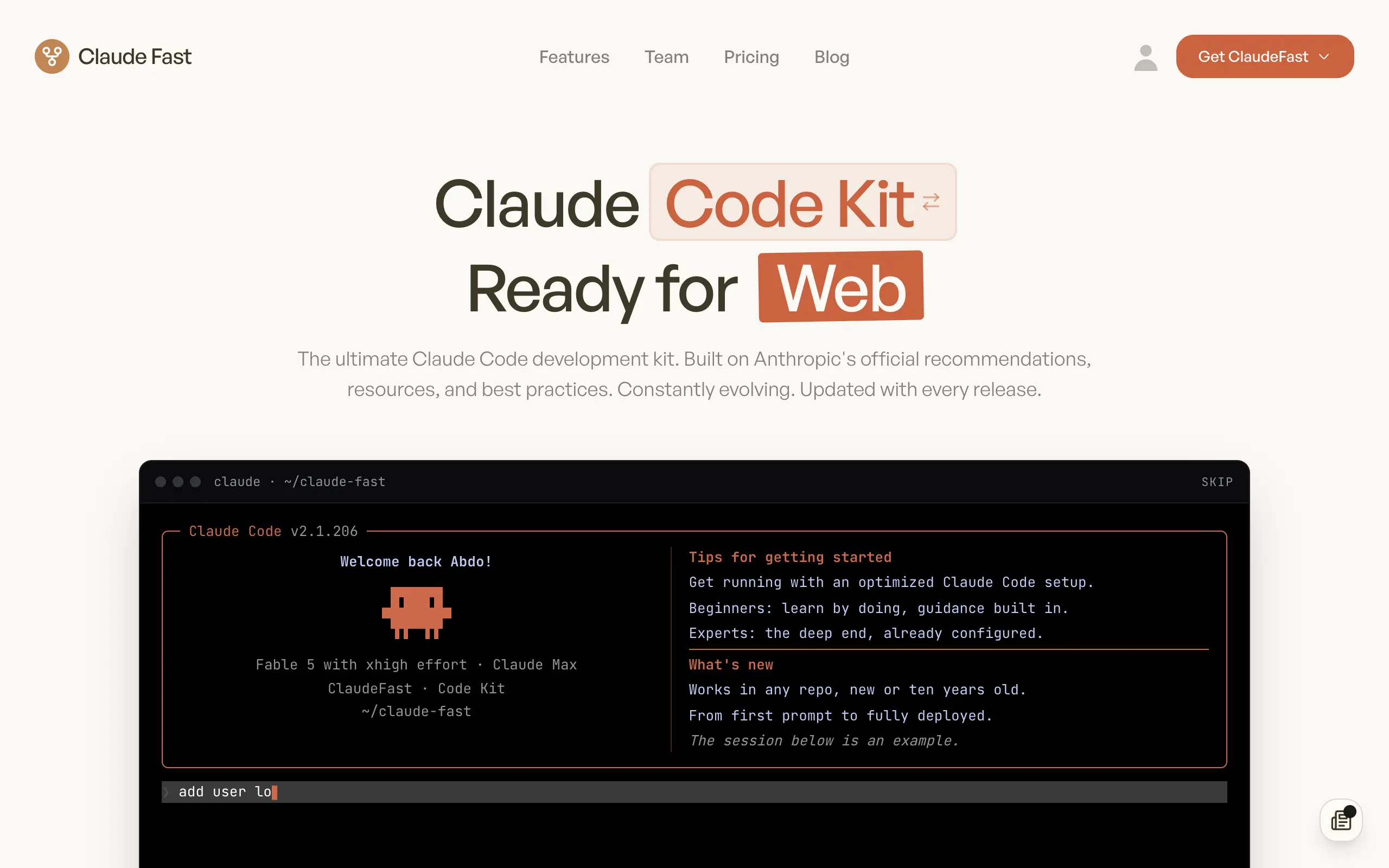
Claude Fast
Supercharge your Claude Code with 6x effective context window and specialized AI agents 🤖
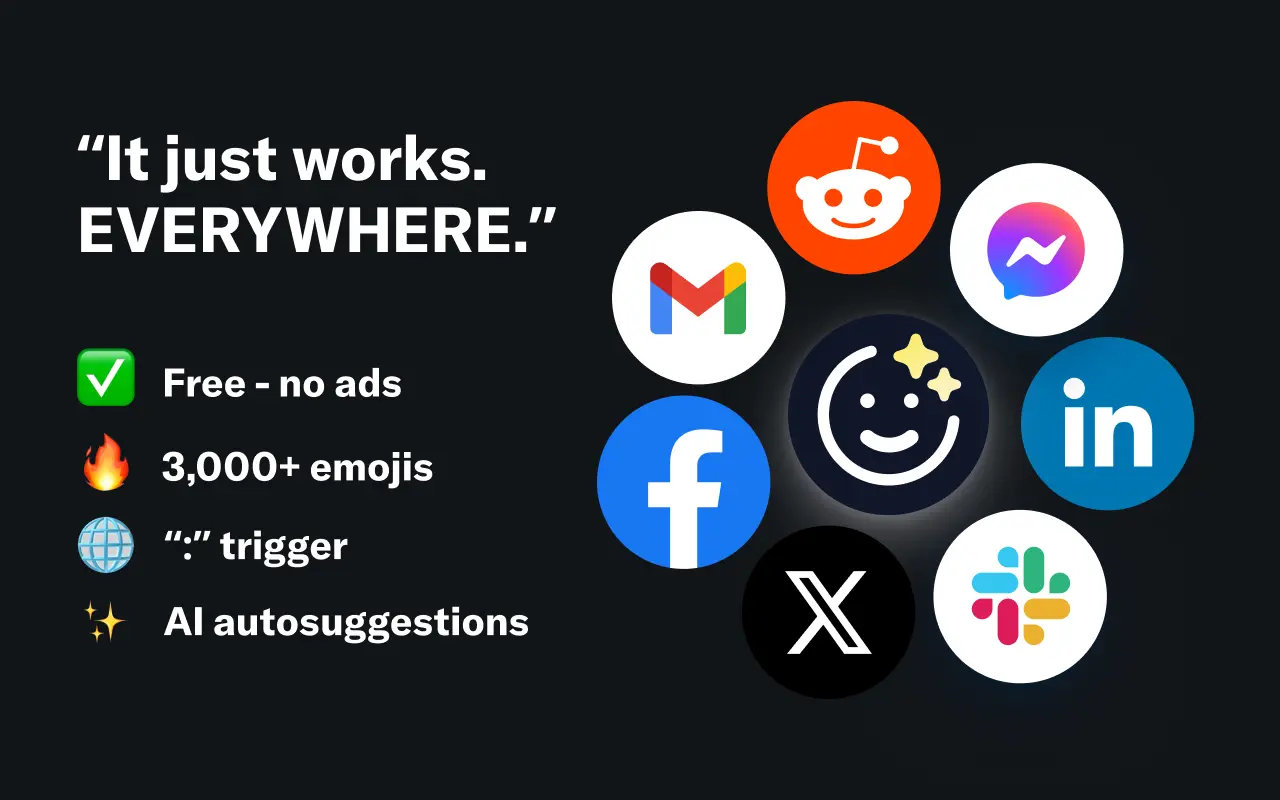
EmojAI
AI-powered emoji picker with smart, context-aware suggestions 🤖
Solohacker
Autonomous company launcher - AI agents work 24/7, escalate what matters, and you stay in control 🤖
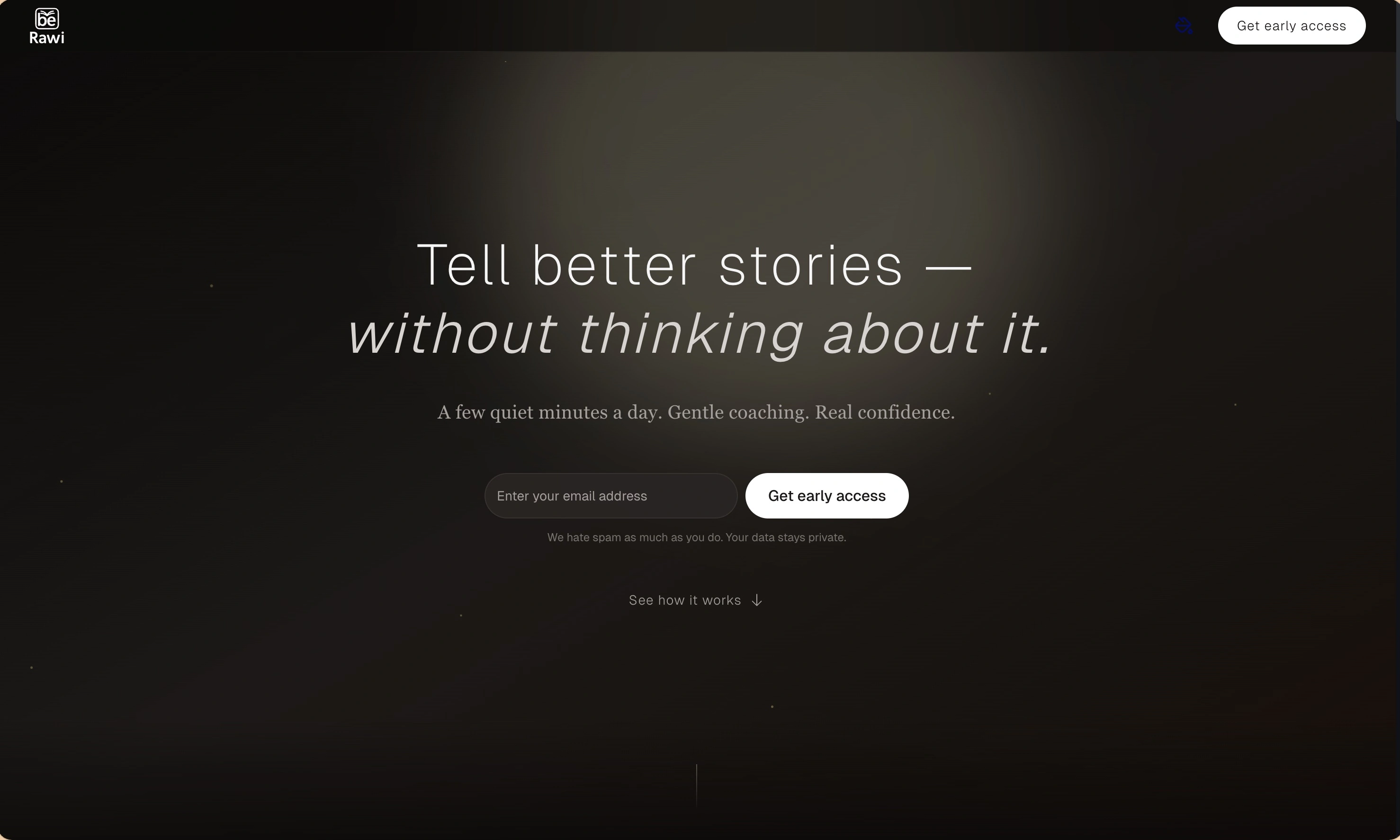
BeRawi: Storytelling Coach
Practice storytelling daily with instant feedback to sound clearer, more engaging, and confident 🎤
Omichat
Chat with 50+ AI models, including ChatGPT and Claude, in one place - switch models anytime without losing context 🤖
Claude Fast
Supercharge your Claude Code with 6x effective context window and specialized AI agents 🤖
EmojAI
AI-powered emoji picker with smart, context-aware suggestions 🤖
Solohacker
Autonomous company launcher - AI agents work 24/7, escalate what matters, and you stay in control 🤖
BeRawi: Storytelling Coach
Practice storytelling daily with instant feedback to sound clearer, more engaging, and confident 🎤
Omichat
Chat with 50+ AI models, including ChatGPT and Claude, in one place - switch models anytime without losing context 🤖
Claude Fast
Supercharge your Claude Code with 6x effective context window and specialized AI agents 🤖
EmojAI
AI-powered emoji picker with smart, context-aware suggestions 🤖
Solohacker
Autonomous company launcher - AI agents work 24/7, escalate what matters, and you stay in control 🤖
BeRawi: Storytelling Coach
Practice storytelling daily with instant feedback to sound clearer, more engaging, and confident 🎤
Omichat
Chat with 50+ AI models, including ChatGPT and Claude, in one place - switch models anytime without losing context 🤖
Claude Fast
Supercharge your Claude Code with 6x effective context window and specialized AI agents 🤖
EmojAI
AI-powered emoji picker with smart, context-aware suggestions 🤖
Solohacker
Autonomous company launcher - AI agents work 24/7, escalate what matters, and you stay in control 🤖
BeRawi: Storytelling Coach
Practice storytelling daily with instant feedback to sound clearer, more engaging, and confident 🎤

Connect with like-minded people
Join our community to get feedback, support, and grow together with 1,000+ builders on board, let's ship it!
Join usShip your startup everywhere. In minutes.
Don't burn tokens on setup and start building features on day one.