PantryPulse
Turn grocery receipts and fridge photos into expiry alerts and flexible meal ideas. Households waste less food without tracking every item manually.
What PantryPulse solves for busy households
PantryPulse is a grocery receipt scanner and food expiry reminder app designed for people who want to waste less food without manually maintaining a complicated pantry spreadsheet.
The core workflow is simple:
- A household member scans or uploads a grocery receipt.
- PantryPulse extracts purchased items and quantities.
- The app assigns sensible expiry estimates based on food type, packaging, and storage location.
- Users receive practical reminders before food is likely to spoil.
- The household sees meal ideas and “use soon” suggestions based on what is already at home.
This positioning matters because most people do not need a perfect inventory system. They need a low-effort way to remember that the yogurt, spinach, chicken, berries, and leftovers in the refrigerator should be used before another grocery trip.
A successful PantryPulse product should feel less like inventory management software and more like a helpful kitchen assistant. The experience must be fast enough to use after unloading groceries, accurate enough to build trust, and flexible enough to handle the reality of family kitchens.
The product principle
The best pantry tracking experience is not the one with the most fields. It is the one that helps households take one useful action before food gets wasted.
Why a grocery receipt scanner app has real market potential
Food waste is an expensive and persistent household problem. People buy groceries with good intentions, then lose track of what is in the refrigerator, freezer, pantry, lunch bag, or back of a cupboard. Fresh produce spoils. Leftovers get forgotten. Duplicate purchases happen because nobody remembers what is already available.
This creates a strong market opportunity for a food waste reduction app that removes the biggest adoption barrier in traditional pantry inventory tools: manual data entry.
Many existing inventory apps require users to:
- Search for every grocery product manually
- Select quantities and units
- Enter expiration dates individually
- Update items after cooking, donating, freezing, or throwing food away
- Maintain separate lists for pantry, fridge, and freezer items
That level of effort can work for highly organized users, but it does not match the habits of busy parents, couples, roommates, caregivers, and professionals. PantryPulse can close this gap by treating the grocery receipt as the starting point for an automated household food inventory.
The consumer interest is also reinforced by broader trends:
- Households are increasingly conscious of rising grocery costs.
- Sustainability concerns are making food waste more visible.
- Smartphone camera quality and on-device OCR capabilities have improved substantially.
- Consumers are becoming familiar with receipt scanning through expense apps, loyalty programs, and cashback products.
- AI-powered meal planning is becoming more approachable for mainstream users.
When validating market demand, reference current food waste research from credible organizations such as the USDA, the U.S. Environmental Protection Agency, WRAP, and the United Nations Environment Programme. These sources can support claims around household food waste, spending, and environmental impact without relying on outdated statistics.
Target audience for PantryPulse
PantryPulse should not target every person who buys food. Its strongest early audience is people with a clear pain point, a repeat grocery shopping routine, and limited time for manual organization.
Primary audience: busy families
Families with children are likely to be a high-value audience for a pantry inventory app. They often have larger grocery orders, more perishable food, multiple meal routines, and several people accessing the kitchen.
Their common problems include:
- Fresh produce getting lost behind larger containers
- School lunch ingredients expiring before they are used
- Buying duplicate milk, snacks, sauces, or frozen food
- Forgetting leftovers after busy weekdays
- Managing different dietary needs within one household
- Planning meals around ingredients that need to be used soon
For this segment, PantryPulse should emphasize practical outcomes such as fewer wasted groceries, faster meal planning, and less mental load.
Secondary audience: budget-conscious couples and roommates
Couples and shared households often split grocery shopping but lack a shared view of food at home. One person may buy vegetables while another buys more of the same item a day later.
A collaborative pantry feature can make PantryPulse especially useful here. Shared notifications, synchronized inventories, and a simple “use soon” dashboard solve a concrete coordination problem.
Secondary audience: sustainability-minded consumers
Some users are motivated less by grocery savings and more by environmental impact. They may already compost, meal prep, buy local produce, or try to reduce packaging waste.
For these users, PantryPulse can offer waste tracking, estimated savings, and monthly progress reports. However, sustainability metrics should be framed carefully. The app should distinguish between estimated avoided waste and verified waste reduction.
Future audience: caregivers and older adults
Caregivers managing food for aging parents or people with specific dietary needs may benefit from reminders and shared household visibility. This segment requires additional accessibility considerations, including large text, simple language, high-contrast interfaces, and clear notification controls.
A busy family wants quick receipt scanning, shared access, reminders for perishables, and meal suggestions that work around school, work, and changing schedules.
A shared household wants a synchronized kitchen inventory that prevents duplicate purchases and avoids arguments about who bought what.
A sustainability-first user wants visibility into waste patterns, food-saving habits, and practical recommendations rather than generic guilt-driven messaging.
The market gap in food expiry tracking apps
The existing food inventory market is fragmented. Some apps focus on barcode scanning. Others offer pantry lists, grocery lists, recipe recommendations, or food waste diaries. Few deliver a seamless path from receipt scan to expiry reminder to meal decision.
That connected workflow is PantryPulse’s biggest opportunity.
Most pantry apps ask users to do too much
Traditional pantry trackers often assume users will consistently scan individual barcodes or manually enter every item. In reality, groceries arrive in bags, users are tired, and the task competes with cooking, childcare, commuting, and other responsibilities.
PantryPulse should reduce the number of required decisions after a receipt scan. Instead of asking users to confirm every detail, the app can apply reasonable defaults and reserve confirmation only for uncertain items.
For example:
- “Bananas” can default to a short countertop freshness window.
- “Frozen peas” can be placed in the freezer with a longer estimated use-by period.
- “Greek yogurt” can receive a refrigerator reminder based on the printed date when available.
- “Chicken breast” can prompt the user to confirm whether it was frozen immediately or stored in the refrigerator.
Expiry dates are not always available on receipts
A major product challenge is that most grocery receipts list product names and prices, not expiration dates. PantryPulse must be transparent about this limitation.
The solution is a confidence-based expiration model:
- Detect whether the receipt has item-level data.
- Normalize the receipt line into a recognizable grocery product.
- Categorize the item by food group.
- Ask for storage location when it materially affects shelf life.
- Generate an estimated reminder window.
- Clearly label whether the reminder is based on a printed date, product category, or user-confirmed information.
This approach is more trustworthy than pretending every reminder represents an exact expiration date.
Reminder systems often create notification fatigue
Another weakness in existing expiry reminder apps is excessive alerting. If users receive a push notification for every item, they will disable notifications quickly.
PantryPulse should batch alerts into helpful daily or weekly summaries:
- “Three items are best used in the next two days.”
- “You have ingredients for two quick dinners using food that is nearing its reminder date.”
- “Your strawberries and spinach should be prioritized this week.”
- “Freeze these items today to extend their usable life.”
The goal is action-oriented nudges, not an anxiety-inducing list of deadlines.
PantryPulse core features and product experience
The most effective MVP should focus on the user’s first recurring job: turning a grocery receipt into a useful plan for the food at home.
Receipt capture and OCR extraction
Receipt scanning is the entry point for PantryPulse. Users should be able to photograph a receipt, upload an image, or forward a digital receipt where supported.
The app needs to handle common real-world issues:
- Crumpled or faded paper receipts
- Poor lighting and shadows
- Long receipts with multiple sections
- Abbreviated store-specific item names
- Discounts, taxes, loyalty lines, and coupons
- Multiple quantities on one line
- Digital receipt screenshots
The interface should show extracted items in an editable review screen. Users should be able to quickly remove non-food products, merge duplicates, correct obvious OCR errors, and assign storage locations in bulk.
A strong design pattern is to show only exceptions. If PantryPulse confidently identifies “whole milk,” “pasta,” and “apples,” the user should not need to review each one. If the app is uncertain whether “ORG GRN MIX” means salad greens or frozen vegetables, it should ask for confirmation.
Smart food categorization
Receipt text is messy. Grocery stores use abbreviations, internal codes, and inconsistent naming. PantryPulse needs a normalization layer that maps receipt lines to consumer-friendly pantry items.
For example:
- “BNNA ORG” becomes “organic bananas”
- “CKN BRST” becomes “chicken breast”
- “YOG GRK VAN” becomes “vanilla Greek yogurt”
- “PRD SPIN BGD” becomes “bagged spinach”
This categorization supports expiry estimation, recipe matching, dietary filtering, and more useful notifications.
The system should maintain a product taxonomy that includes:
- Fresh produce
- Dairy and eggs
- Meat and seafood
- Bakery items
- Frozen food
- Dry pantry staples
- Beverages
- Condiments and sauces
- Prepared foods and leftovers
- Household and non-food items
Non-food items should be detected and excluded automatically whenever possible.
Flexible expiry reminders
PantryPulse should use the phrase “use soon” more often than “expired.” Food safety varies by product, storage conditions, packaging, and local guidance. A reminder app can help households make better decisions, but it should not act as a food safety authority.
Users should be able to choose reminder preferences such as:
- Reminder timing from one to seven days before the target date
- Separate reminder rules for fridge, freezer, and pantry
- Quiet hours for push notifications
- Daily digest or immediate alerts
- A “freeze now” recommendation for certain foods
- A “used,” “frozen,” “donated,” or “discarded” action after a reminder
A useful interface would prioritize items with the shortest remaining window while allowing users to dismiss reminders with one tap.
Household sharing
Food is often used by more than one person. PantryPulse should support a shared household workspace where members can view groceries, add items, mark food as used, and receive relevant reminders.
Important collaboration features include:
- Household invitations through email or shareable links
- Member roles for owners and guests
- Real-time inventory synchronization
- Attribution for who scanned a receipt
- Shared meal planning
- A household activity history for resolving accidental removals
Privacy controls are essential. Users should be able to separate personal and shared lists, particularly in roommate households.
“Use soon” meal planning
Meal planning is where PantryPulse can move from a reminder tool to a daily habit product.
Rather than generating random recipes, PantryPulse should recommend meal options based on ingredients nearing their reminder date. Recommendations should account for:
- Ingredients currently marked as available
- Dietary preferences
- Cooking time
- Household size
- Skill level
- Cuisine preferences
- Missing ingredients
- Equipment constraints such as microwave, air fryer, slow cooker, or oven
The first version does not need a massive recipe marketplace. It can start with concise meal templates such as stir-fries, sheet-pan meals, grain bowls, soups, pasta dishes, omelets, smoothies, wraps, and salads.
Receipt-to-pantry automation
Turn a receipt into a categorized household inventory with minimal manual correction.
Actionable expiry reminders
Notify users when food should be prioritized, frozen, or included in the next meal plan.
Ingredient-led meal ideas
Make the inventory useful by suggesting realistic meals around food that needs attention.
Food waste insights
A later feature can help users understand their own patterns. The dashboard should avoid shaming language and focus on positive, practical feedback.
Useful insights include:
- Most frequently discarded food categories
- Estimated value of food used before its reminder date
- Common duplicate purchases
- Best-performing food storage habits
- Items often frozen before spoilage
- Weekly or monthly “use soon” completion rate
These metrics should be transparent about their assumptions. If PantryPulse estimates cost savings from avoided food waste, it should explain that the figure is based on receipt prices and self-reported outcomes.
The unique selling proposition of PantryPulse
The PantryPulse USP is straightforward:
PantryPulse converts grocery receipts into timely food actions, helping households use what they buy before it gets forgotten.
This differentiates the product from basic grocery list apps, manual pantry trackers, generic recipe platforms, and barcode-first inventory systems.
The product wins when it makes this sequence feel effortless:
Buy groceries → scan receipt → get a useful reminder → cook or freeze food → waste less
The strongest differentiation is not receipt OCR alone. OCR is becoming increasingly accessible. The real competitive advantage comes from combining receipt intelligence, realistic expiry estimation, household collaboration, and meal recommendations in a low-friction experience.
| Capability | Basic grocery list | Manual pantry tracker | Recipe app | PantryPulse | Primary user benefit |
|---|---|---|---|---|---|
| Receipt scanning | ❌ | Limited | ❌ | ✅ | Less manual entry |
| Expiry prioritization | ❌ | ✅ | Limited | ✅ | Fewer forgotten groceries |
| Shared household view | Limited | Limited | ❌ | ✅ | Better coordination |
| Ingredient-led meal suggestions | ❌ | Limited | ✅ | ✅ | Faster dinner decisions |
Recommended tech stack for a PantryPulse mobile app
PantryPulse is a mobile-first product because receipt capture, push notifications, and in-kitchen usage are best suited to smartphones. The technology stack should optimize for camera performance, reliable offline behavior, secure data handling, and rapid iteration.
Mobile application layer
A cross-platform mobile framework is a sensible MVP choice because PantryPulse needs to launch on iOS and Android without maintaining two entirely separate codebases.
React Native is a strong option for building the mobile experience, especially for teams already comfortable with React. Pairing it with Expo can accelerate development through managed builds, camera tooling, notifications, updates, and device testing.
The main trade-off is that highly specialized camera workflows or native image processing may eventually require custom native modules. For an MVP, Expo and React Native provide an excellent speed-to-market balance.
Backend and data layer
A managed backend can reduce infrastructure overhead during early validation. Supabase is a compelling option because it combines PostgreSQL, authentication, storage, real-time subscriptions, and server-side functions.
A suggested data model includes:
- Users and household profiles
- Household memberships and permissions
- Receipt uploads and OCR processing status
- Raw receipt line items
- Normalized food products
- Pantry inventory records
- Storage locations
- Reminder schedules
- User actions such as used, frozen, discarded, or donated
- Meal recommendations and saved meals
PostgreSQL is especially useful because PantryPulse has relational data. A receipt belongs to a household, contains items, produces inventory entries, and creates reminders. This data structure is more naturally modeled in a relational database than in a document-only system.
OCR and receipt understanding
Receipt parsing is the most technically important feature. The first implementation should separate OCR from semantic interpretation.
The workflow can look like this:
- Capture a receipt image.
- Improve readability through cropping, rotation, contrast adjustment, and compression.
- Run OCR to extract raw text and bounding boxes.
- Identify candidate line items while filtering totals, taxes, discounts, and store metadata.
- Normalize item names through rules, a product catalog, and AI-assisted classification.
- Assign confidence scores and request user review only where confidence is low.
For on-device capabilities, Google’s ML Kit can be useful for text recognition. On-device processing can improve speed and reduce the amount of sensitive receipt data sent to servers.
The trade-off is that receipt parsing quality may vary substantially by retailer and region. A cloud-based document AI provider may provide stronger receipt extraction but introduces ongoing cost, latency, and privacy considerations. A hybrid model is often ideal: start with on-device text recognition, then use server-side parsing for structure and normalization.
AI layer for item normalization and meal planning
AI should be used where it adds measurable value, not as a generic feature label.
Good AI use cases for PantryPulse include:
- Translating cryptic receipt abbreviations into clear grocery names
- Mapping items to product categories
- Identifying likely non-food purchases
- Estimating storage-specific reminder windows
- Generating meal suggestions from available ingredients
- Explaining why a meal was recommended
- Creating plain-language shopping gaps for a recipe
The product should preserve deterministic safeguards. For food safety-sensitive decisions, PantryPulse should rely on curated category rules and allow user confirmation rather than trusting a generative model alone.
Notification infrastructure
Notifications are a core retention channel. The app should use native push notifications with a server-side scheduling layer.
Key implementation requirements include:
- Notification preferences at the household and user level
- Time zone awareness
- Deduplication when multiple household members are involved
- Digest scheduling
- Delivery logging
- Re-engagement rules that respect opt-outs
Do not build retention around aggressive push notifications. A smaller number of relevant reminders will produce better long-term trust than daily generic alerts.
Monetization strategies for PantryPulse
The best monetization model should align with the product’s promise: helping households save money and reduce waste.
Freemium subscription model
A freemium model is likely the most natural starting point.
The free plan can include:
- Limited receipt scans per month
- One household
- Basic expiry reminders
- A limited pantry inventory
- A basic “use soon” view
A premium plan can include:
- Unlimited receipt scanning
- Multiple household members
- Advanced meal recommendations
- Custom reminder rules
- Waste and savings insights
- Digital receipt imports
- Pantry history and analytics
- Exportable household reports
The key is to avoid putting the first useful experience behind a paywall. Users should see value after their first receipt scan and first reminder.
Retailer and grocery partnerships
Over time, PantryPulse could integrate with grocery retailers, meal kit companies, loyalty programs, or local food businesses. Potential partnership use cases include digital receipt imports, personalized offers, and ingredient recommendations.
This route can be valuable but should not define the early product. Retail integrations can involve long sales cycles, inconsistent data formats, and complex privacy requirements.
Affiliate revenue with strict user trust safeguards
PantryPulse could eventually earn affiliate revenue when users need an ingredient for a recommended meal or want to reorder staples. However, recommendations should never prioritize a paid product over food the user already owns.
The product’s credibility depends on its ability to help people buy less unnecessarily. Any commerce feature should be optional, clearly disclosed, and secondary to waste reduction.
B2B or employee wellness opportunities
A later expansion path could involve employee sustainability programs, apartment communities, universities, or insurance wellness platforms. These channels may support household food education and sustainability initiatives.
The trade-off is that B2B sales add operational complexity. PantryPulse should first prove consumer retention and a repeatable engagement model.
Risks and mitigation for a food expiry reminder app
Risk: inaccurate OCR damages trust
A receipt scanner that repeatedly misreads items will create more work than it saves.
Mitigation approaches include:
- Start with common receipt formats in a narrow launch region.
- Build retailer-specific parsing rules for high-volume stores.
- Use confidence scoring and lightweight correction flows.
- Learn from anonymized correction patterns with clear consent.
- Let users edit items in one tap rather than navigating complex forms.
Risk: expiry estimates are interpreted as food safety advice
Food can remain usable beyond a date, while some foods require careful storage and handling. PantryPulse must avoid presenting estimated reminders as definitive safety determinations.
Mitigation approaches include:
- Use “use soon” and “best to check” language.
- Explain whether a date is estimated or user-entered.
- Add clear in-app educational content around storage and food safety.
- Encourage users to follow local food safety guidance and product labels.
- Avoid making medical, safety, or freshness guarantees.
Trust is a product feature
PantryPulse should never imply that an estimated reminder can determine whether food is safe to eat. The app can prioritize attention, but users must remain in control of food decisions.
Risk: users stop updating inventory
Even with receipt scanning, food leaves the kitchen through cooking, sharing, freezing, and disposal. If the inventory becomes stale, recommendations lose relevance.
Mitigation approaches include:
- Make “used” and “frozen” actions frictionless.
- Offer weekly cleanup prompts rather than requiring constant updates.
- Let users snooze, archive, or batch-clear old items.
- Use inferred inventory aging carefully.
- Focus recommendations on recently scanned perishables first.
Risk: notification fatigue reduces retention
Too many reminders can cause users to mute PantryPulse or delete it.
Mitigation approaches include:
- Default to a daily digest rather than individual alerts.
- Prioritize high-value perishables.
- Allow users to set reminder frequency.
- Combine ingredients into a single meal-oriented message.
- Measure notification opens, dismissals, opt-outs, and downstream actions.
Risk: receipt data creates privacy concerns
Receipts can reveal shopping habits, addresses, loyalty details, health-related purchases, and household routines.
Mitigation approaches include:
- Minimize the data stored from receipts.
- Allow users to delete original images after processing.
- Encrypt data in transit and at rest.
- Provide a clear privacy policy and export/delete controls.
- Avoid selling identifiable shopping data.
- Request explicit consent before using data to improve models.
Building a defensible competitive advantage
PantryPulse can create a durable advantage through product data, user habits, and trust rather than relying on a single technical feature.
Build a receipt normalization dataset
Every corrected receipt line can improve the system’s ability to interpret retailer-specific abbreviations. Over time, PantryPulse can build a structured mapping from raw receipt text to normalized grocery products.
This creates a practical data advantage, especially when paired with regional retailer knowledge and user-approved corrections.
Create a personalized household food model
The app can learn household patterns over time:
- Which food categories are frequently purchased
- What gets used quickly
- What repeatedly gets discarded
- Which reminder timing works best
- Whether users tend to freeze food
- Which meal formats are actually cooked
This allows PantryPulse to evolve beyond generic reminders into a personalized food management assistant.
Win on simplicity and emotional tone
The product should not shame users for throwing food away. Food waste can be influenced by illness, schedule changes, family preferences, travel, and unexpected events.
A supportive tone creates differentiation. PantryPulse should say, “Here are three easy ways to use your spinach,” rather than, “You are about to waste food.”
Make collaboration genuinely useful
A shared household pantry is more defensible than a single-user checklist because it becomes part of how a household coordinates groceries and meals. Once multiple people depend on the same shared inventory, switching costs increase naturally.
Actionable implementation steps for PantryPulse
The best launch strategy is to validate the core habit before building advanced analytics, retail partnerships, or a broad recipe ecosystem.
For a fast SaaS and mobile product foundation, teams can use TurboStarter to accelerate common development work around authentication, billing, application structure, and production-ready workflows.
Final takeaway
PantryPulse has a credible opportunity to become a valuable food expiry reminder app for households that want to spend less time managing groceries and waste less food.
Its success depends on resisting the temptation to build a complicated inventory system. The product should focus on one high-value promise: make it easy to turn grocery purchases into timely, useful actions.
Receipt scanning removes manual effort. Smart categorization creates a usable pantry view. Expiry reminders bring attention to food before it is forgotten. Meal suggestions convert reminders into decisions. Shared household access makes the tool relevant beyond one person.
If PantryPulse can deliver that experience with reliable receipt parsing, transparent expiry estimates, respectful notifications, and strong privacy practices, it can stand out in a crowded category of grocery, recipe, and pantry apps.
More 📱 Mobile App SaaS ideas
Discover more innovative mobile app SaaS ideas that are trending in 2026. Each idea is AI-generated with market validation and growth potential to help you find your next profitable venture faster than competitors.
Your competitors are building with TurboStarter
Below are some of the SaaS ideas that have been generated and built with our starter kit.
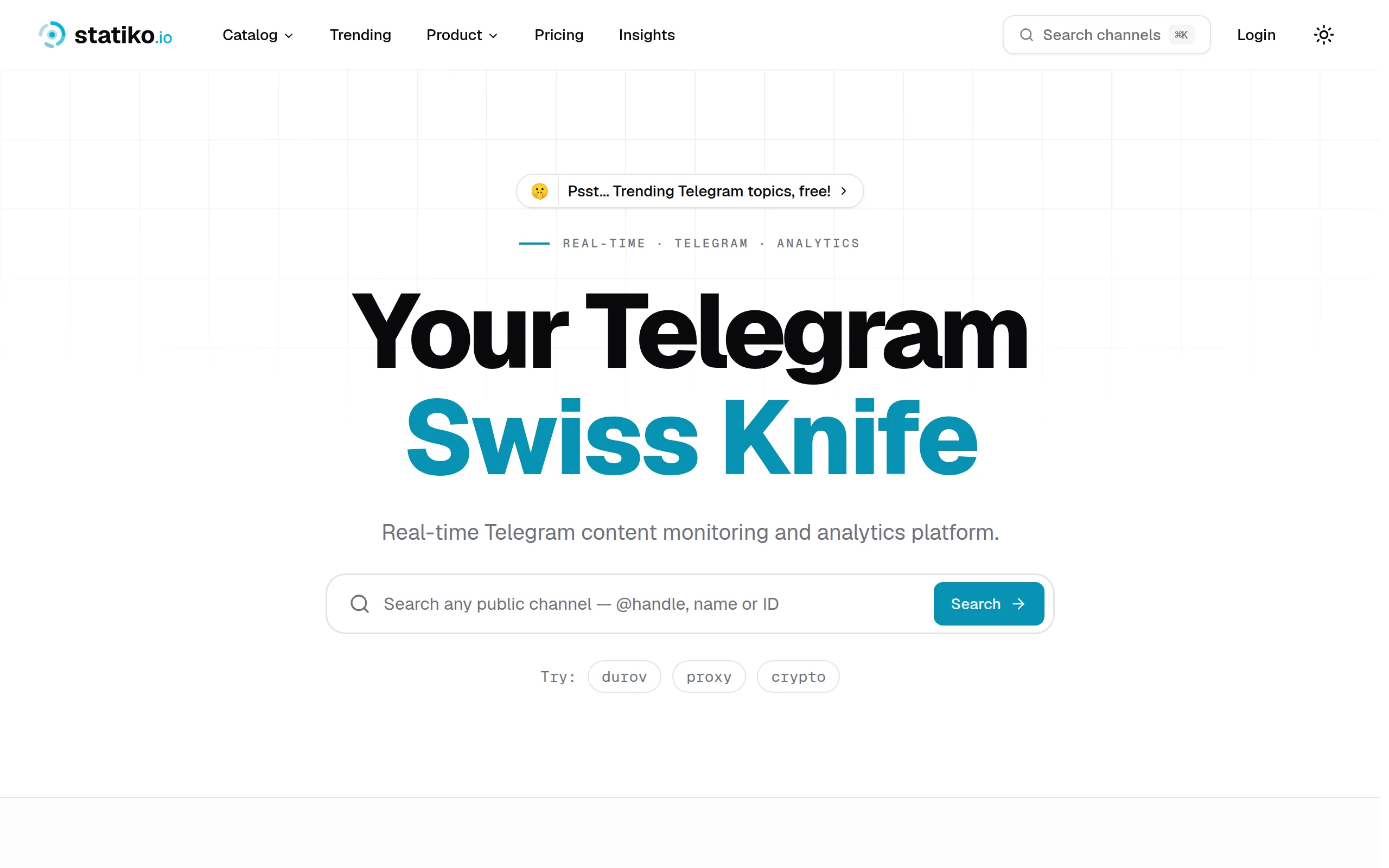
Statiko
Monitor any Telegram channel in real time - track posts, edits, deletions, and growth with AI recaps 📡

Shibui
AI website builder - describe your business, pick a niche template, edit by chatting, and publish instantly ✨

Pro Service
Find verified home service professionals, compare quotes, and pay securely through escrow - built for Brazilians across the US 🏠
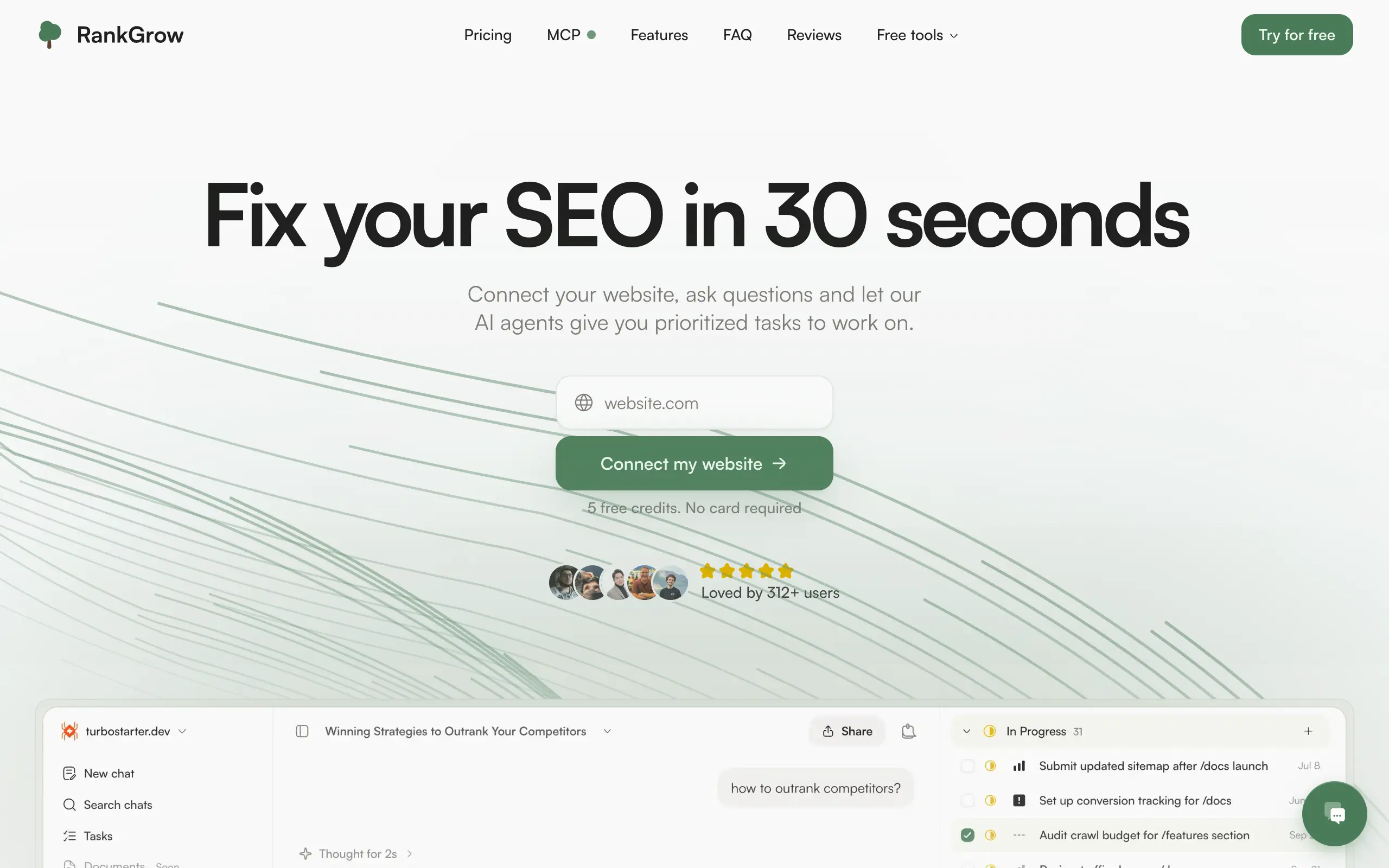
RankGrow
Fix your SEO with AI agents - connect Search Console, get prioritized tasks, and grow organic traffic 📈
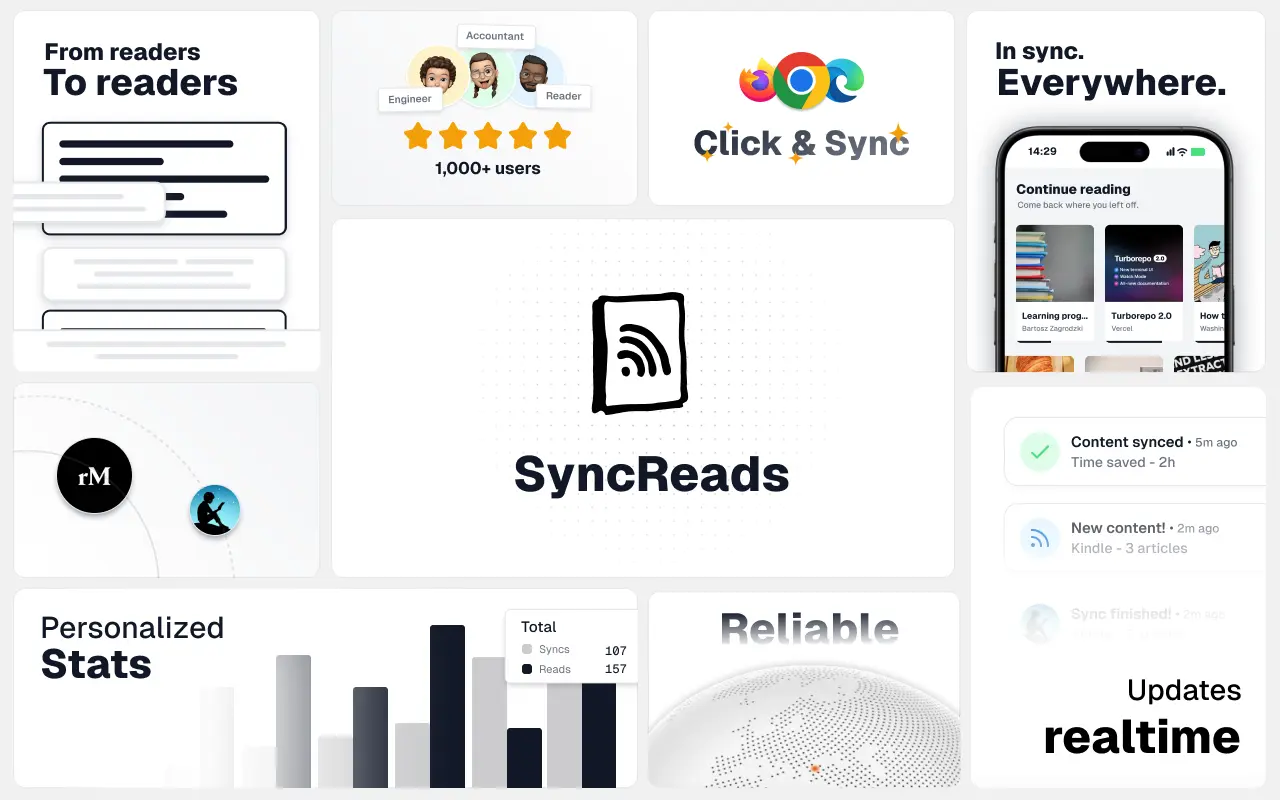
SyncReads
Sync your favorite content for distraction-free reading, save time and replace multiple apps. Anytime, anywhere 🔄
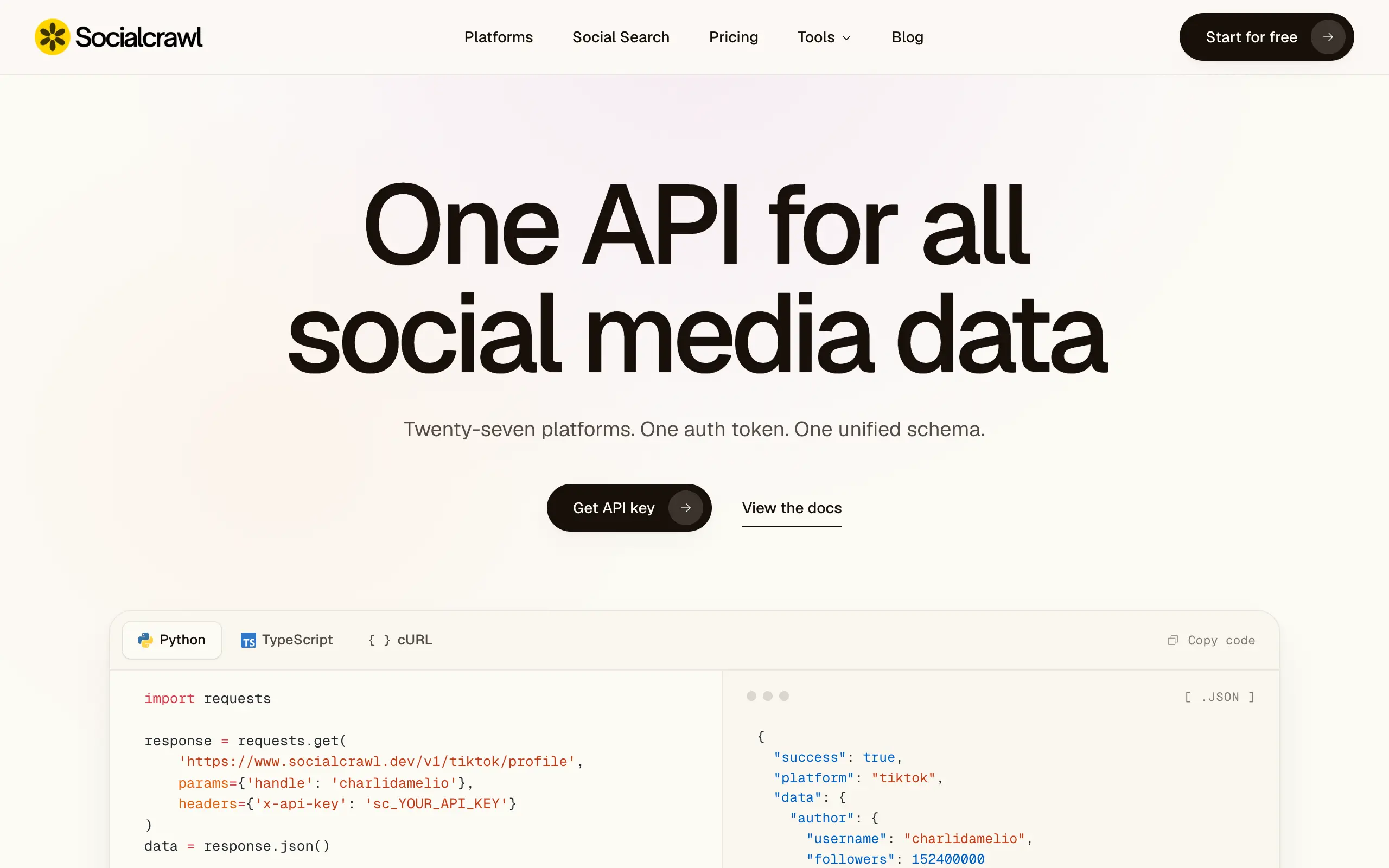
Socialcrawl
Get clean, structured data from 21 platforms like TikTok, Instagram, and YouTube with a single request 📊
Statiko
Monitor any Telegram channel in real time - track posts, edits, deletions, and growth with AI recaps 📡
Shibui
AI website builder - describe your business, pick a niche template, edit by chatting, and publish instantly ✨
Pro Service
Find verified home service professionals, compare quotes, and pay securely through escrow - built for Brazilians across the US 🏠
RankGrow
Fix your SEO with AI agents - connect Search Console, get prioritized tasks, and grow organic traffic 📈
SyncReads
Sync your favorite content for distraction-free reading, save time and replace multiple apps. Anytime, anywhere 🔄
Socialcrawl
Get clean, structured data from 21 platforms like TikTok, Instagram, and YouTube with a single request 📊
Statiko
Monitor any Telegram channel in real time - track posts, edits, deletions, and growth with AI recaps 📡
Shibui
AI website builder - describe your business, pick a niche template, edit by chatting, and publish instantly ✨
Pro Service
Find verified home service professionals, compare quotes, and pay securely through escrow - built for Brazilians across the US 🏠
RankGrow
Fix your SEO with AI agents - connect Search Console, get prioritized tasks, and grow organic traffic 📈
SyncReads
Sync your favorite content for distraction-free reading, save time and replace multiple apps. Anytime, anywhere 🔄
Socialcrawl
Get clean, structured data from 21 platforms like TikTok, Instagram, and YouTube with a single request 📊
Statiko
Monitor any Telegram channel in real time - track posts, edits, deletions, and growth with AI recaps 📡
Shibui
AI website builder - describe your business, pick a niche template, edit by chatting, and publish instantly ✨
Pro Service
Find verified home service professionals, compare quotes, and pay securely through escrow - built for Brazilians across the US 🏠
RankGrow
Fix your SEO with AI agents - connect Search Console, get prioritized tasks, and grow organic traffic 📈
SyncReads
Sync your favorite content for distraction-free reading, save time and replace multiple apps. Anytime, anywhere 🔄
Socialcrawl
Get clean, structured data from 21 platforms like TikTok, Instagram, and YouTube with a single request 📊
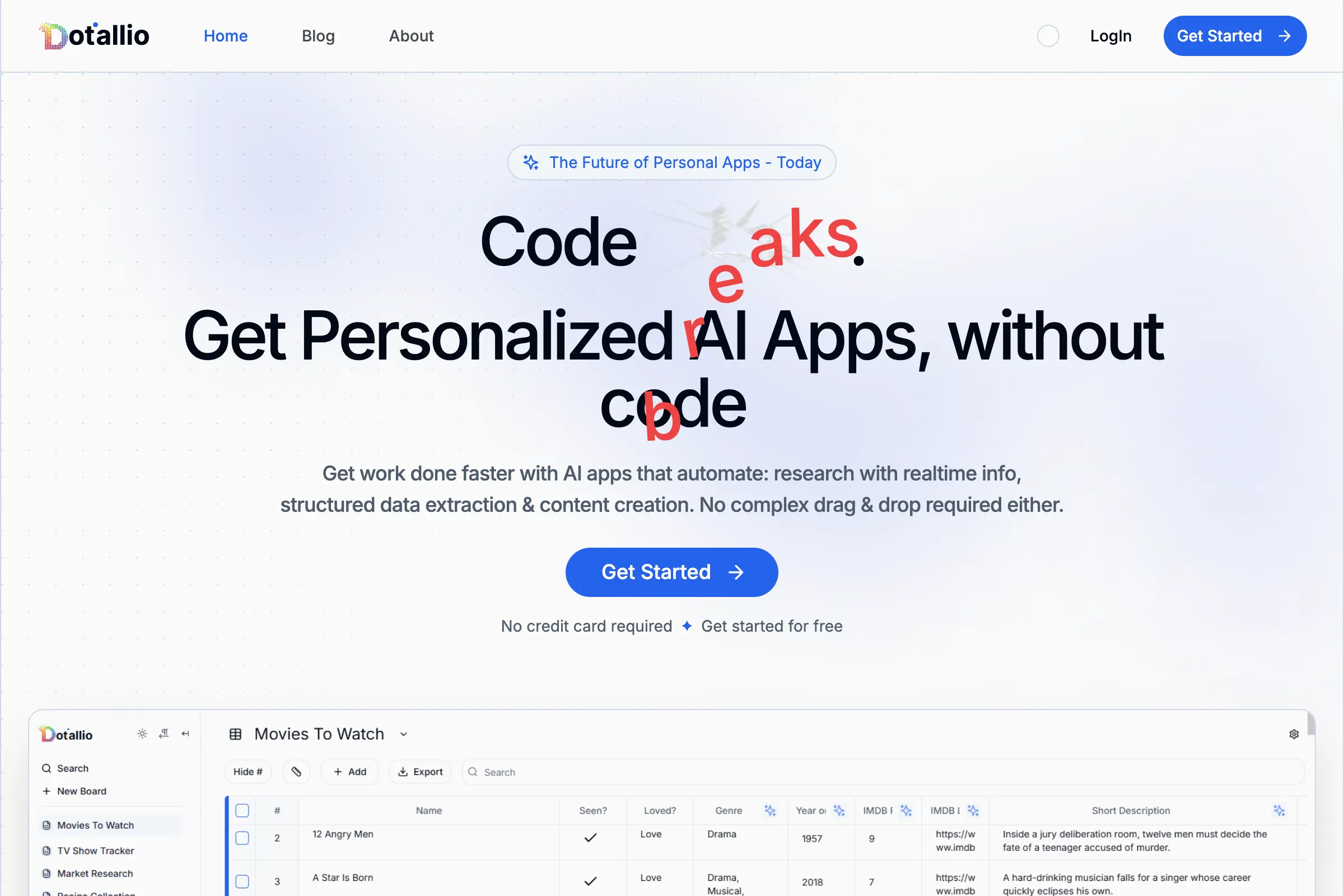
Dotallio
Personalized AI apps that automate research, data extraction, and content creation without code 🤖

Talk to Santa
Enjoy a magical live video chat or receive a unique AI-generated video greeting from Santa Claus 🎅
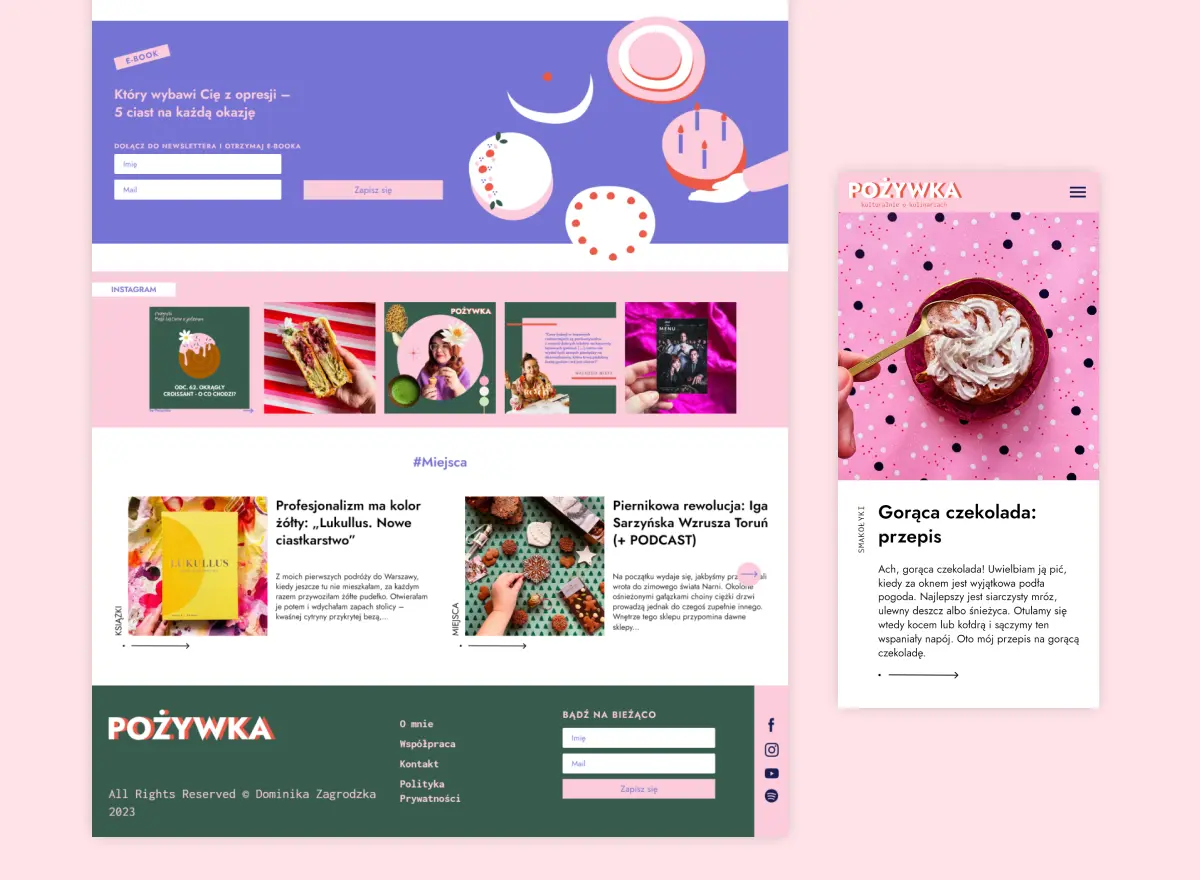
pozywka.pl
Scalable blog for food journalist, focused on performance and user experience 🌭
zagrodzki.me
Personal blog and portfolio of Bart Zagrodzki, where he shares his knowledge and work 💼
TurboStarter
Ship your startup everywhere. In minutes.
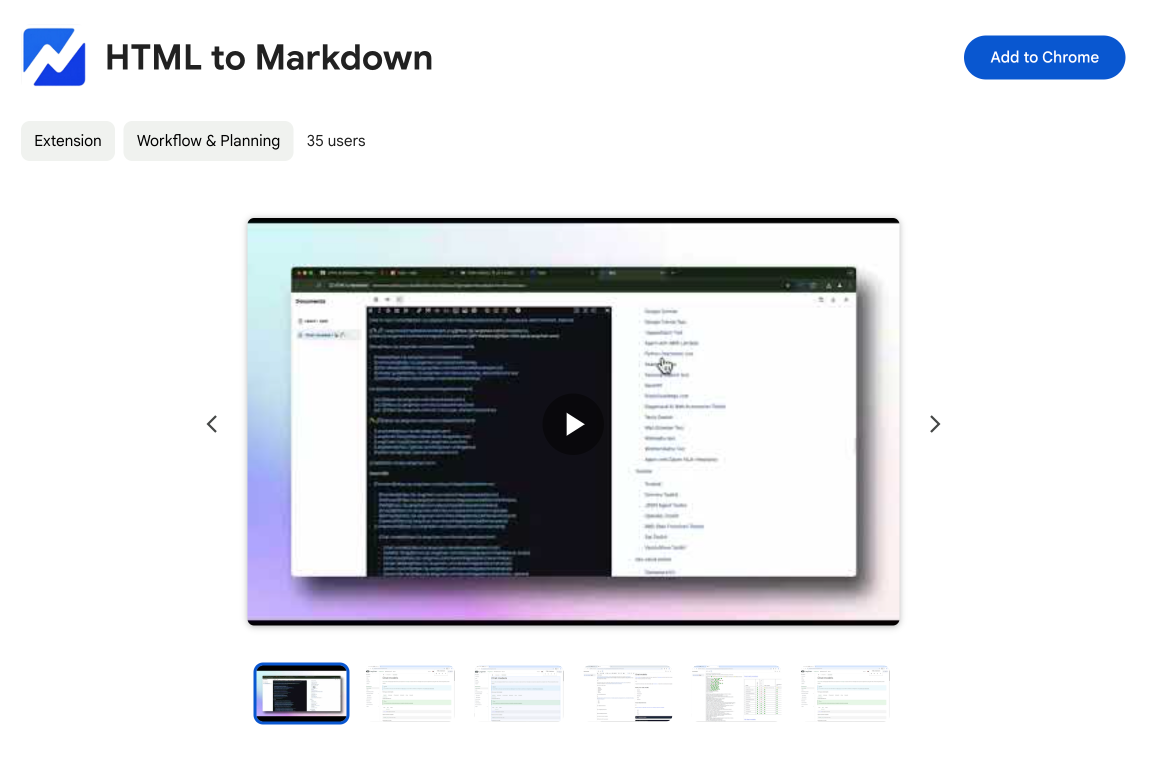
HTML to Markdown
Convert HTML to Markdown with ease, directly in your browser 📄
Dotallio
Personalized AI apps that automate research, data extraction, and content creation without code 🤖
Talk to Santa
Enjoy a magical live video chat or receive a unique AI-generated video greeting from Santa Claus 🎅
pozywka.pl
Scalable blog for food journalist, focused on performance and user experience 🌭
zagrodzki.me
Personal blog and portfolio of Bart Zagrodzki, where he shares his knowledge and work 💼
TurboStarter
Ship your startup everywhere. In minutes.
HTML to Markdown
Convert HTML to Markdown with ease, directly in your browser 📄
Dotallio
Personalized AI apps that automate research, data extraction, and content creation without code 🤖
Talk to Santa
Enjoy a magical live video chat or receive a unique AI-generated video greeting from Santa Claus 🎅
pozywka.pl
Scalable blog for food journalist, focused on performance and user experience 🌭
zagrodzki.me
Personal blog and portfolio of Bart Zagrodzki, where he shares his knowledge and work 💼
TurboStarter
Ship your startup everywhere. In minutes.
HTML to Markdown
Convert HTML to Markdown with ease, directly in your browser 📄
Dotallio
Personalized AI apps that automate research, data extraction, and content creation without code 🤖
Talk to Santa
Enjoy a magical live video chat or receive a unique AI-generated video greeting from Santa Claus 🎅
pozywka.pl
Scalable blog for food journalist, focused on performance and user experience 🌭
zagrodzki.me
Personal blog and portfolio of Bart Zagrodzki, where he shares his knowledge and work 💼
TurboStarter
Ship your startup everywhere. In minutes.
HTML to Markdown
Convert HTML to Markdown with ease, directly in your browser 📄
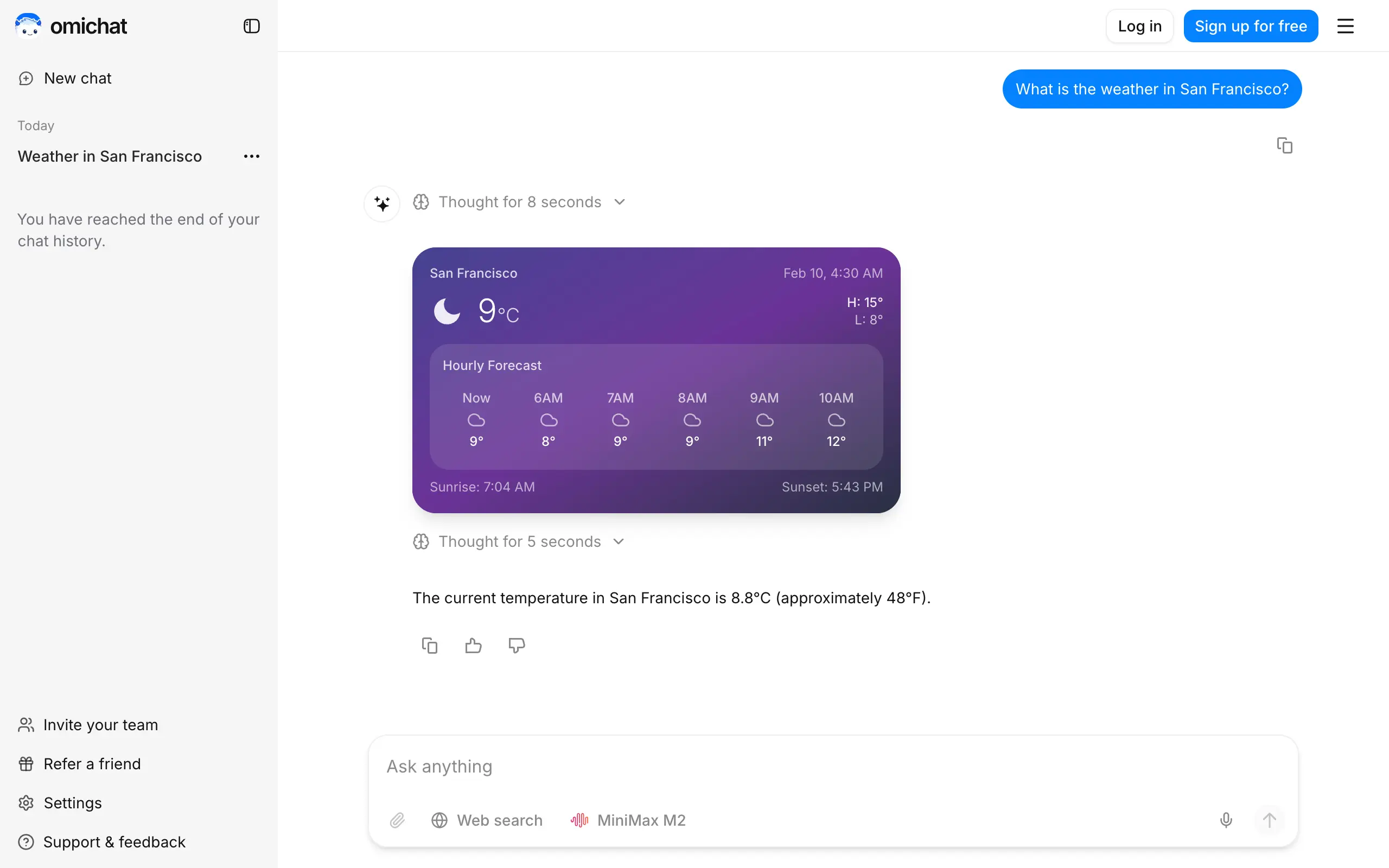
Omichat
Chat with 50+ AI models, including ChatGPT and Claude, in one place - switch models anytime without losing context 🤖
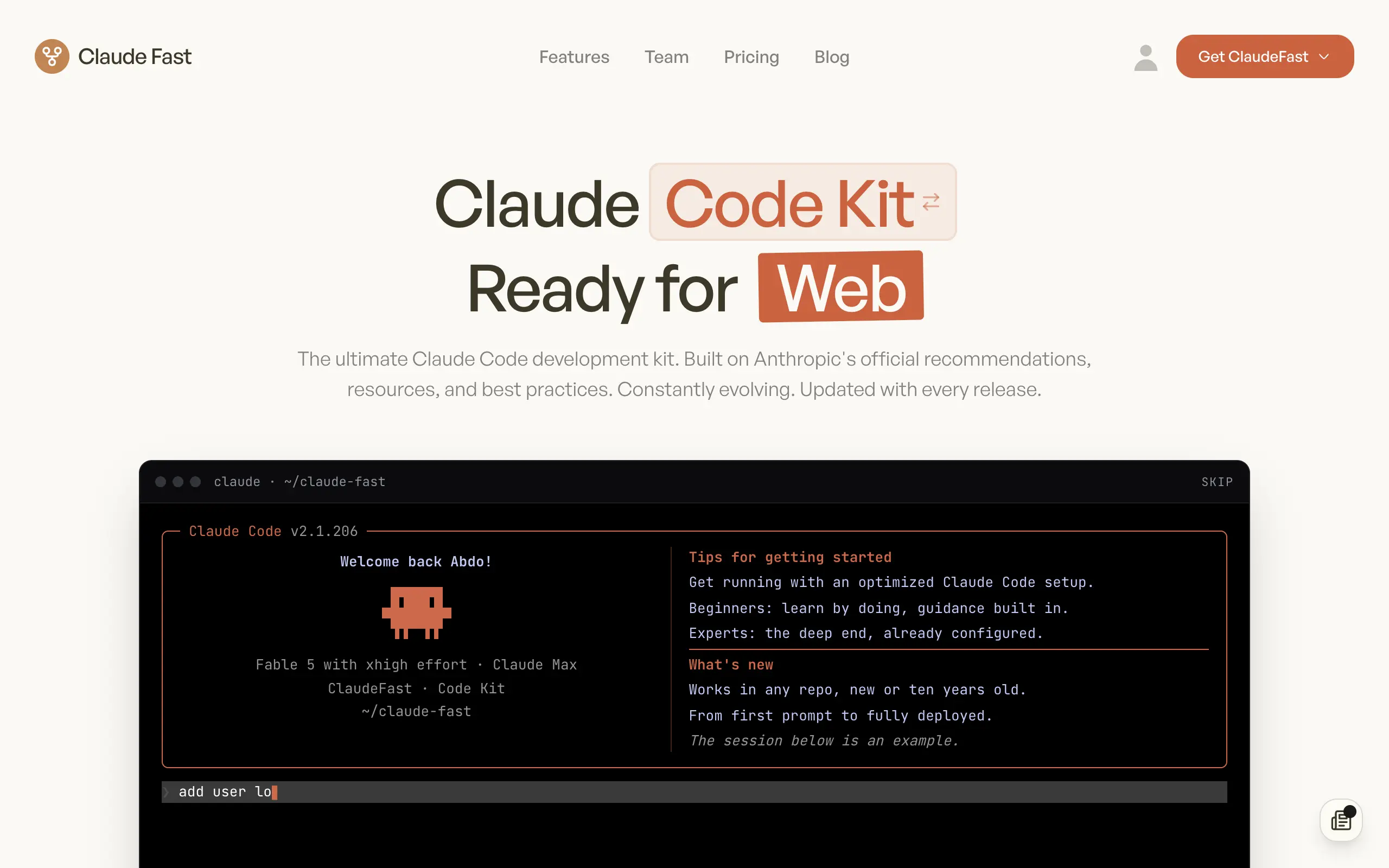
Claude Fast
Supercharge your Claude Code with 6x effective context window and specialized AI agents 🤖
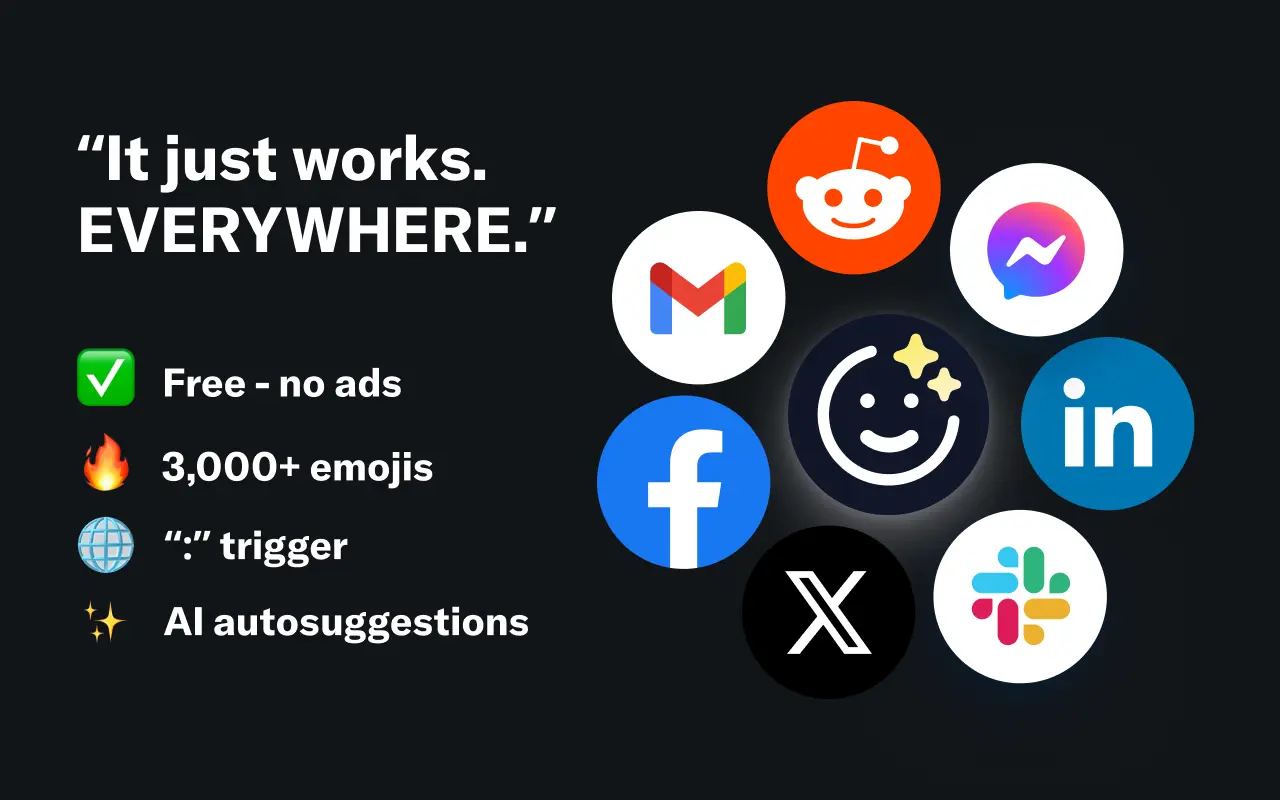
EmojAI
AI-powered emoji picker with smart, context-aware suggestions 🤖

Solohacker
Autonomous company launcher - AI agents work 24/7, escalate what matters, and you stay in control 🤖
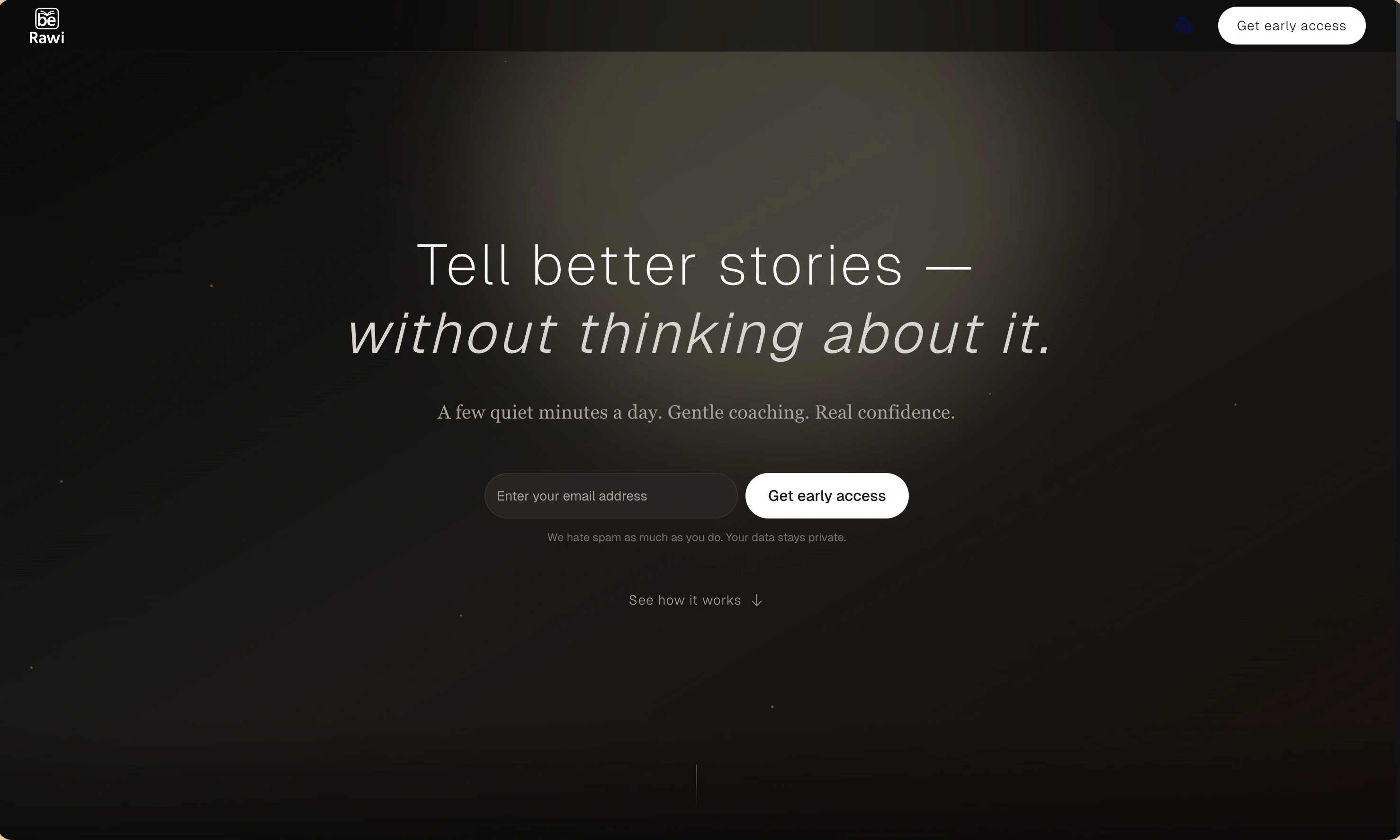
BeRawi: Storytelling Coach
Practice storytelling daily with instant feedback to sound clearer, more engaging, and confident 🎤
Omichat
Chat with 50+ AI models, including ChatGPT and Claude, in one place - switch models anytime without losing context 🤖
Claude Fast
Supercharge your Claude Code with 6x effective context window and specialized AI agents 🤖
EmojAI
AI-powered emoji picker with smart, context-aware suggestions 🤖
Solohacker
Autonomous company launcher - AI agents work 24/7, escalate what matters, and you stay in control 🤖
BeRawi: Storytelling Coach
Practice storytelling daily with instant feedback to sound clearer, more engaging, and confident 🎤
Omichat
Chat with 50+ AI models, including ChatGPT and Claude, in one place - switch models anytime without losing context 🤖
Claude Fast
Supercharge your Claude Code with 6x effective context window and specialized AI agents 🤖
EmojAI
AI-powered emoji picker with smart, context-aware suggestions 🤖
Solohacker
Autonomous company launcher - AI agents work 24/7, escalate what matters, and you stay in control 🤖
BeRawi: Storytelling Coach
Practice storytelling daily with instant feedback to sound clearer, more engaging, and confident 🎤
Omichat
Chat with 50+ AI models, including ChatGPT and Claude, in one place - switch models anytime without losing context 🤖
Claude Fast
Supercharge your Claude Code with 6x effective context window and specialized AI agents 🤖
EmojAI
AI-powered emoji picker with smart, context-aware suggestions 🤖
Solohacker
Autonomous company launcher - AI agents work 24/7, escalate what matters, and you stay in control 🤖
BeRawi: Storytelling Coach
Practice storytelling daily with instant feedback to sound clearer, more engaging, and confident 🎤

Connect with like-minded people
Join our community to get feedback, support, and grow together with 1,000+ builders on board, let's ship it!
Join usShip your startup everywhere. In minutes.
Don't burn tokens on setup and start building features on day one.