ParkFinder
Discover nearby parks, trails, and green spaces with real-time crowd data, amenities, and user reviews. Perfect for outdoor enthusiasts and families.
Understanding the ParkFinder opportunity
The demand for accessible, real-time information about outdoor spaces has surged in recent years. As urbanization increases and people seek healthier lifestyles, the need for a reliable mobile solution to discover parks, trails, and green spaces is more relevant than ever. ParkFinder addresses this gap by offering a comprehensive platform that not only locates nearby parks but also provides real-time crowd data, detailed amenities, and authentic user reviews. This article explores the ParkFinder SaaS idea in depth, analyzing its target audience, market opportunity, core features, technology stack, monetization strategies, risks, and competitive advantages.
Who is ParkFinder for? Target audience analysis
Understanding the target audience is crucial for any SaaS product’s success. ParkFinder’s primary users can be segmented as follows:
- Outdoor enthusiasts: Hikers, runners, cyclists, and nature lovers seeking new trails and less crowded spaces.
- Families: Parents looking for safe, well-equipped parks with playgrounds, picnic areas, and family-friendly amenities.
- Pet owners: Individuals searching for dog-friendly parks and open spaces.
- Tourists and travelers: Visitors wanting to explore local green spaces and hidden gems.
- Event organizers: Community groups or individuals planning outdoor gatherings who need real-time crowd data and facility information.
- Health-conscious individuals: People prioritizing outdoor exercise and wellness.
User intent for ParkFinder typically revolves around:
- Discovering new parks and trails nearby
- Avoiding crowded locations for safety or comfort
- Finding specific amenities (e.g., restrooms, playgrounds, dog parks)
- Reading and contributing user reviews
- Planning outdoor activities with up-to-date information
Identifying the market gap and opportunity
Despite the abundance of map and review apps, there is a clear gap in platforms dedicated exclusively to parks and green spaces, especially those offering real-time crowd data and granular amenity details. Existing solutions like Google Maps or Yelp provide basic information but lack:
- Live crowd insights: Essential for social distancing, event planning, or simply enjoying a peaceful outing.
- Amenity-specific search: Filtering by playgrounds, restrooms, BBQ areas, or accessibility features.
- Community-driven reviews: Focused on outdoor experiences rather than generic business ratings.
- Mobile-first experience: Optimized for on-the-go discovery and navigation.
Recent trends supporting this opportunity:
- Increased outdoor activity post-pandemic (see relevant studies)
- Growing urban populations with limited access to nature
- Rising interest in wellness, fitness, and family-friendly activities
- Demand for real-time, hyperlocal data in mobile apps
Core features and solution details
ParkFinder’s value proposition is built on a robust set of features designed to address user needs and differentiate from generic mapping apps.
Essential features
- Nearby park and trail discovery: Location-based search with filters for distance, type, and amenities.
- Real-time crowd data: Live updates on park occupancy using IoT sensors, user check-ins, or crowd-sourced data.
- Detailed amenity listings: Information on restrooms, playgrounds, picnic areas, sports facilities, accessibility, and more.
- User reviews and ratings: Community-driven feedback with photos, tips, and safety notes.
- Interactive maps: Visualize trails, entrances, parking, and points of interest.
- Personalized recommendations: AI-driven suggestions based on user preferences and past activity.
- Event and activity calendar: Local events, group meetups, and park programs.
- Offline access: Download maps and park info for areas with limited connectivity.
- Push notifications: Alerts for park events, weather changes, or crowd surges.
Advanced and differentiating features
- Crowd prediction: Machine learning models forecast peak times and suggest optimal visiting hours.
- Accessibility insights: Detailed info for users with mobility needs (e.g., wheelchair access, sensory-friendly areas).
- Pet-friendliness indicators: Highlight dog parks, leash policies, and pet amenities.
- Safety alerts: Real-time notifications about closures, maintenance, or hazards.
- Social sharing: Easy sharing of favorite parks or trails with friends and family.
Real-time crowd data
See live occupancy and avoid crowded parks for a safer, more enjoyable experience.
Amenity-based search
Find parks with the exact features you need, from playgrounds to BBQ pits.
Community reviews
Read and contribute authentic feedback to help others discover the best spots.
Recommended tech stack for ParkFinder mobile app
Choosing the right technology stack is critical for performance, scalability, and user experience. Here’s a recommended stack for ParkFinder, with trade-offs considered:
Frontend (Mobile)
- React Native: Enables cross-platform development for iOS and Android, reducing time-to-market and maintenance costs.
- Expo: Simplifies development, testing, and deployment of React Native apps.
- Mapbox or Google Maps SDK: For interactive maps and geolocation features.
- Redux or Recoil: State management for complex UI interactions.
Backend
- Node.js: Scalable, event-driven backend for handling API requests and real-time data.
- Express: Lightweight web framework for building RESTful APIs.
- MongoDB: Flexible NoSQL database for storing park data, reviews, and user profiles.
- Socket.IO: Real-time communication for live crowd updates.
Data and integrations
- IoT sensor integration: For parks with installed sensors, enabling automated crowd data collection.
- Crowdsourcing module: Allow users to check in and report occupancy, supplementing sensor data.
- External APIs: Integrate with city or government open data sources for park information.
DevOps and infrastructure
- AWS or Google Cloud: Scalable cloud hosting, storage, and serverless functions.
- Firebase: For authentication, push notifications, and analytics.
Trade-offs
- React Native vs. native development: React Native accelerates development but may have limitations for highly custom UI or device-specific features.
- MongoDB vs. SQL: NoSQL offers flexibility for evolving data models but may require careful indexing for performance at scale.
- IoT integration: Adds complexity but is essential for accurate real-time data.
Monetization strategy options
A sustainable SaaS business model is essential for ParkFinder’s long-term success. Here are several monetization strategies, each with its own pros and cons:
1. Freemium model
- Free tier: Basic park discovery, reviews, and limited real-time data.
- Premium subscription: Unlocks advanced features like crowd prediction, offline maps, personalized recommendations, and ad-free experience.
2. In-app advertising
- Local business ads: Promote nearby cafes, bike rentals, or outdoor gear shops.
- Event sponsorships: Feature sponsored park events or community programs.
3. Affiliate partnerships
- Outdoor gear and services: Earn commissions by recommending products or services relevant to park-goers.
4. B2B and government partnerships
- Municipalities and park authorities: Offer analytics dashboards, crowd management tools, or white-labeled solutions.
5. Data insights
- Aggregated, anonymized data: Sell insights on park usage trends to city planners or researchers (with strict privacy controls).
| Freemium | Ads | Affiliate | B2B | Data |
|---|---|---|---|---|
| ✅ | ❌ | ❌ | ✅ | ❌ |
| ✅ | ❌ | ✅ | ✅ | ❌ |
Potential risks and mitigation strategies
Launching a SaaS like ParkFinder comes with several risks. Proactively addressing these challenges is key to building trust and ensuring long-term viability.
Collecting real-time location and crowd data raises privacy concerns. Mitigation: Implement strong encryption, anonymize user data, and comply with regulations like GDPR and CCPA.
Real-time crowd data may be incomplete or inaccurate, especially in parks without sensors. Mitigation: Combine multiple data sources (IoT, crowdsourcing, historical trends) and clearly indicate data confidence levels.
Achieving critical mass for user-generated reviews and check-ins can be challenging. Mitigation: Launch with targeted marketing, gamification, and partnerships with local organizations.
Competing with giants like Google Maps or Yelp is tough. Mitigation: Focus on niche features, superior user experience, and community engagement.
Ads or data monetization can alienate users if not handled transparently. Mitigation: Prioritize user experience, offer ad-free options, and be transparent about data usage.
Competitive advantage analysis
ParkFinder’s unique selling proposition (USP) lies in its laser focus on parks and green spaces, combined with real-time, actionable data and a community-driven approach. Here’s how it stands out:
- Specialization: Unlike generic map apps, ParkFinder is purpose-built for outdoor discovery, offering features tailored to park-goers.
- Real-time crowd data: A rare feature that addresses modern concerns about safety, comfort, and planning.
- Amenity granularity: Detailed filters and search options for specific needs (e.g., accessible trails, dog parks).
- Community engagement: User reviews, photos, and tips create a trusted, authentic resource.
- Mobile-first design: Optimized for quick, on-the-go access and offline use.
- Partnership potential: Opportunities to collaborate with municipalities, event organizers, and local businesses.
Why ParkFinder wins
By focusing on the unique needs of outdoor enthusiasts and families, ParkFinder delivers a level of detail, accuracy, and community trust that generalist platforms simply can’t match.
Actionable steps to implement ParkFinder
Building a successful SaaS like ParkFinder requires a structured, iterative approach. Here’s a recommended roadmap:
Market research and validation: Conduct surveys, interviews, and competitor analysis to refine the feature set and confirm demand.
MVP development: Build a minimum viable product with core features—park discovery, real-time crowd data, and reviews—using React Native and Node.js.
Data partnerships: Collaborate with municipalities, open data providers, and IoT vendors to source accurate park and crowd data.
Community building: Launch targeted marketing campaigns, incentivize early adopters, and foster user-generated content.
Iterative improvement: Gather feedback, analyze usage data, and rapidly enhance features based on real-world needs.
Monetization rollout: Introduce premium features, advertising, or B2B offerings as user base grows.
Scale and expand: Optimize infrastructure, add new regions, and explore additional verticals (e.g., beaches, nature reserves).
Conclusion: Why ParkFinder is the future of outdoor discovery
ParkFinder is uniquely positioned to become the go-to mobile app for discovering parks, trails, and green spaces. By combining real-time crowd data, detailed amenity information, and authentic community reviews, it addresses the evolving needs of outdoor enthusiasts, families, and urban dwellers alike. The platform’s focus on privacy, accuracy, and user experience ensures trust and long-term engagement.
For entrepreneurs and developers, ParkFinder represents a timely SaaS opportunity with strong market demand, clear differentiation, and multiple monetization paths. By following a structured implementation plan and leveraging modern technologies, you can bring this vision to life and make a meaningful impact on how people connect with nature.
Further resources
- TurboStarter — Accelerate your SaaS MVP development.
- React Native documentation
- Mapbox documentation
- Node.js documentation
- NRPA: Parks and the Pandemic (for recent trends and statistics)
By focusing on user needs, leveraging the latest technology, and building a trusted community, ParkFinder can redefine how people discover and enjoy the outdoors.
More 📱 Mobile App SaaS ideas
Discover more innovative mobile app SaaS ideas that are trending in 2026. Each idea is AI-generated with market validation and growth potential to help you find your next profitable venture faster than competitors.
Your competitors are building with TurboStarter
Below are some of the SaaS ideas that have been generated and built with our starter kit.
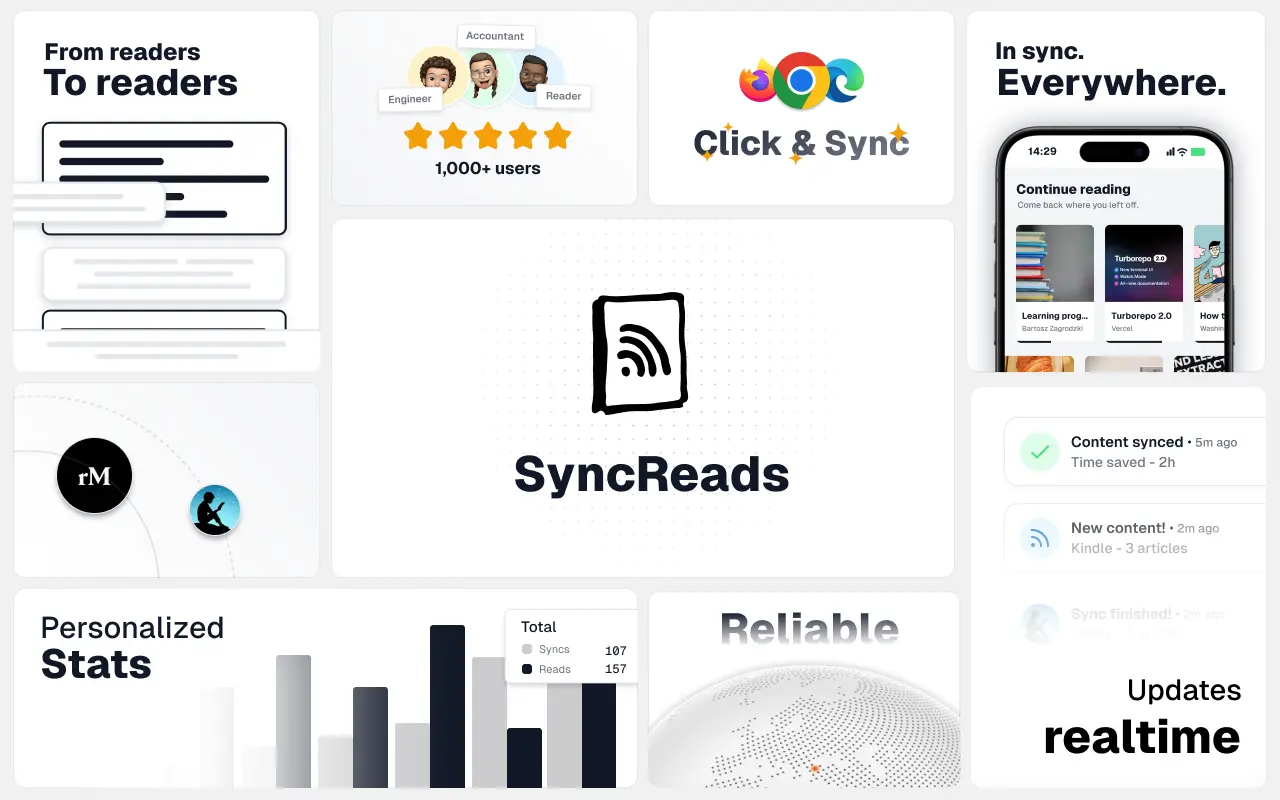
SyncReads
Sync your favorite content for distraction-free reading, save time and replace multiple apps. Anytime, anywhere 🔄
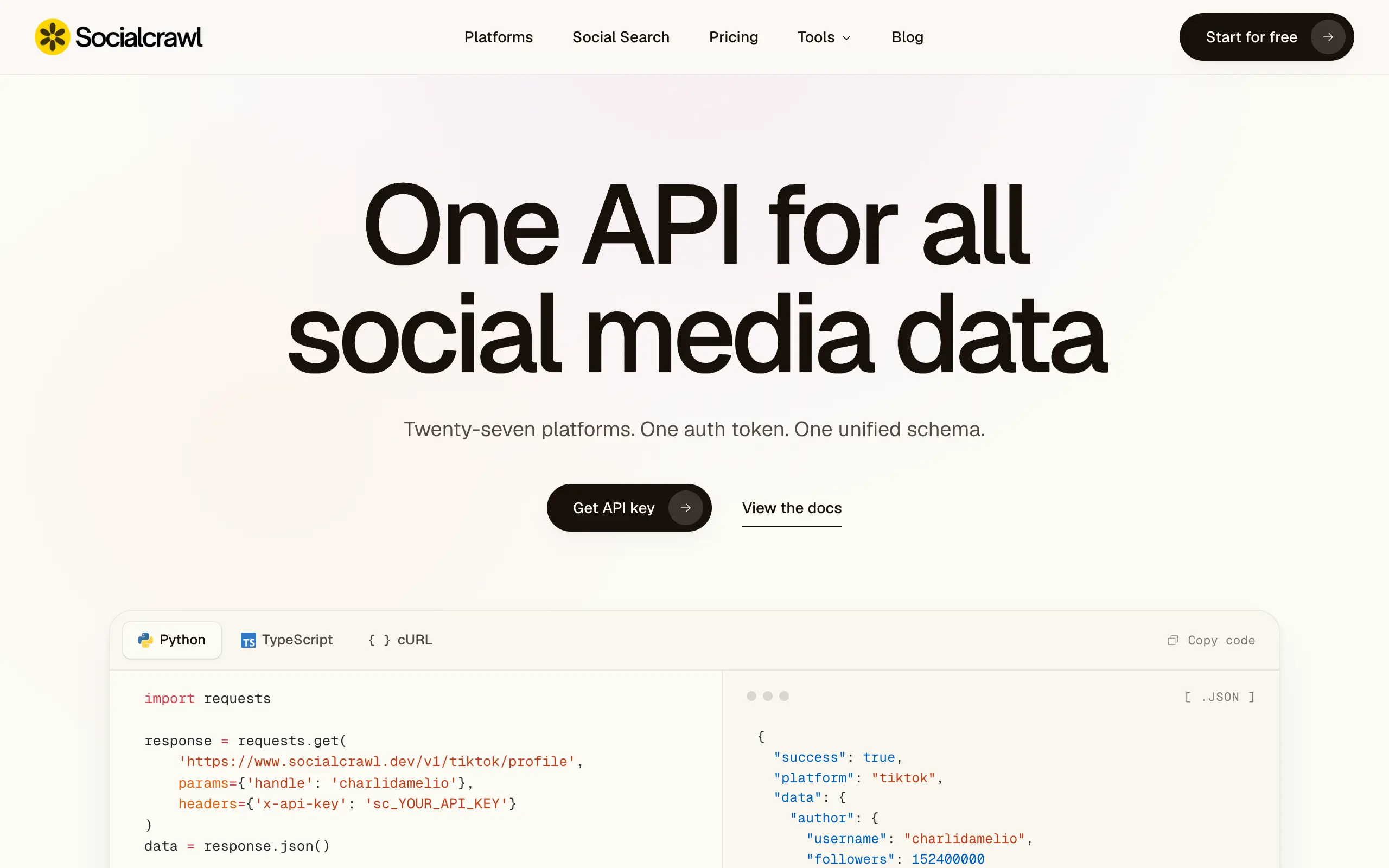
Socialcrawl
Get clean, structured data from 21 platforms like TikTok, Instagram, and YouTube with a single request 📊
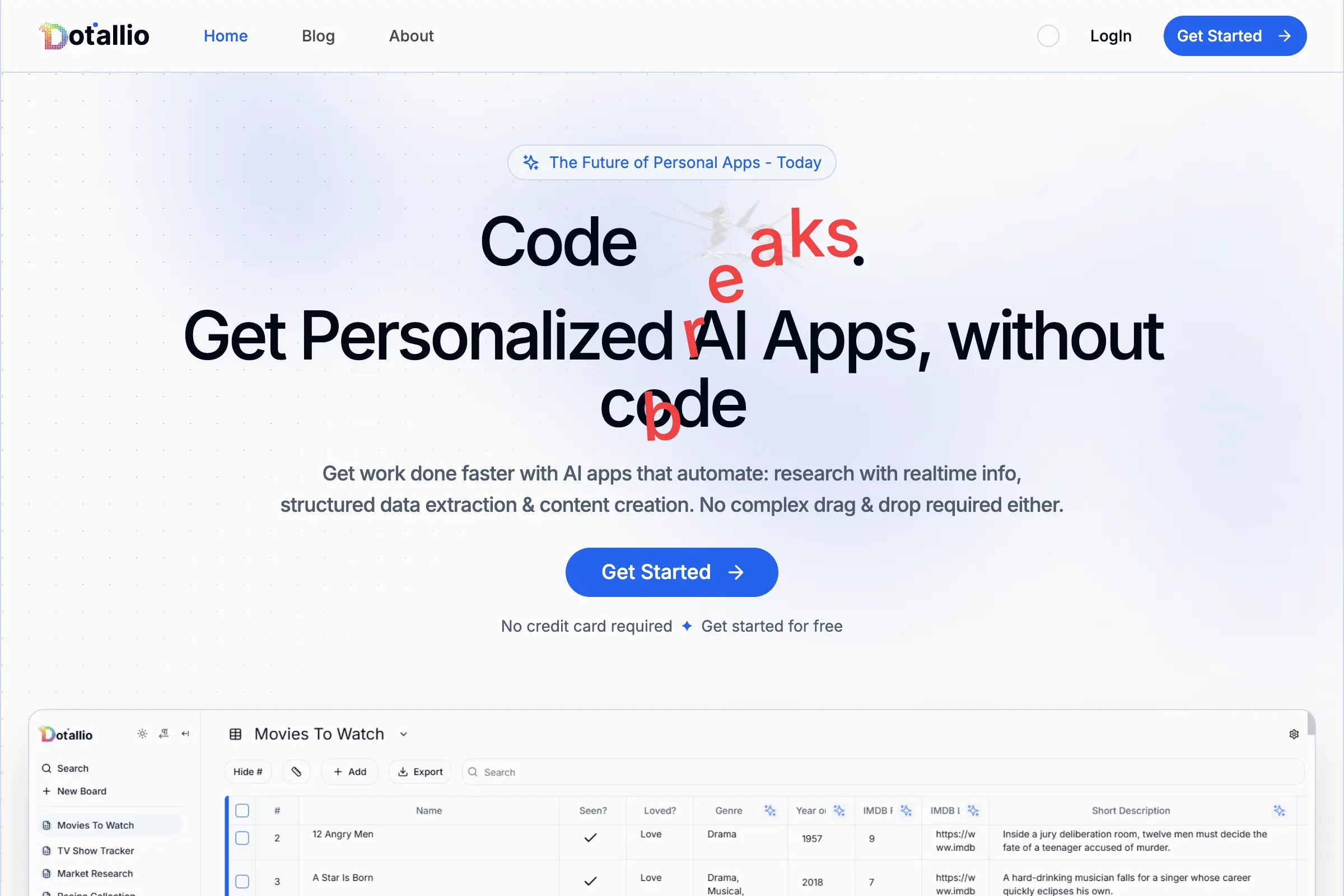
Dotallio
Personalized AI apps that automate research, data extraction, and content creation without code 🤖
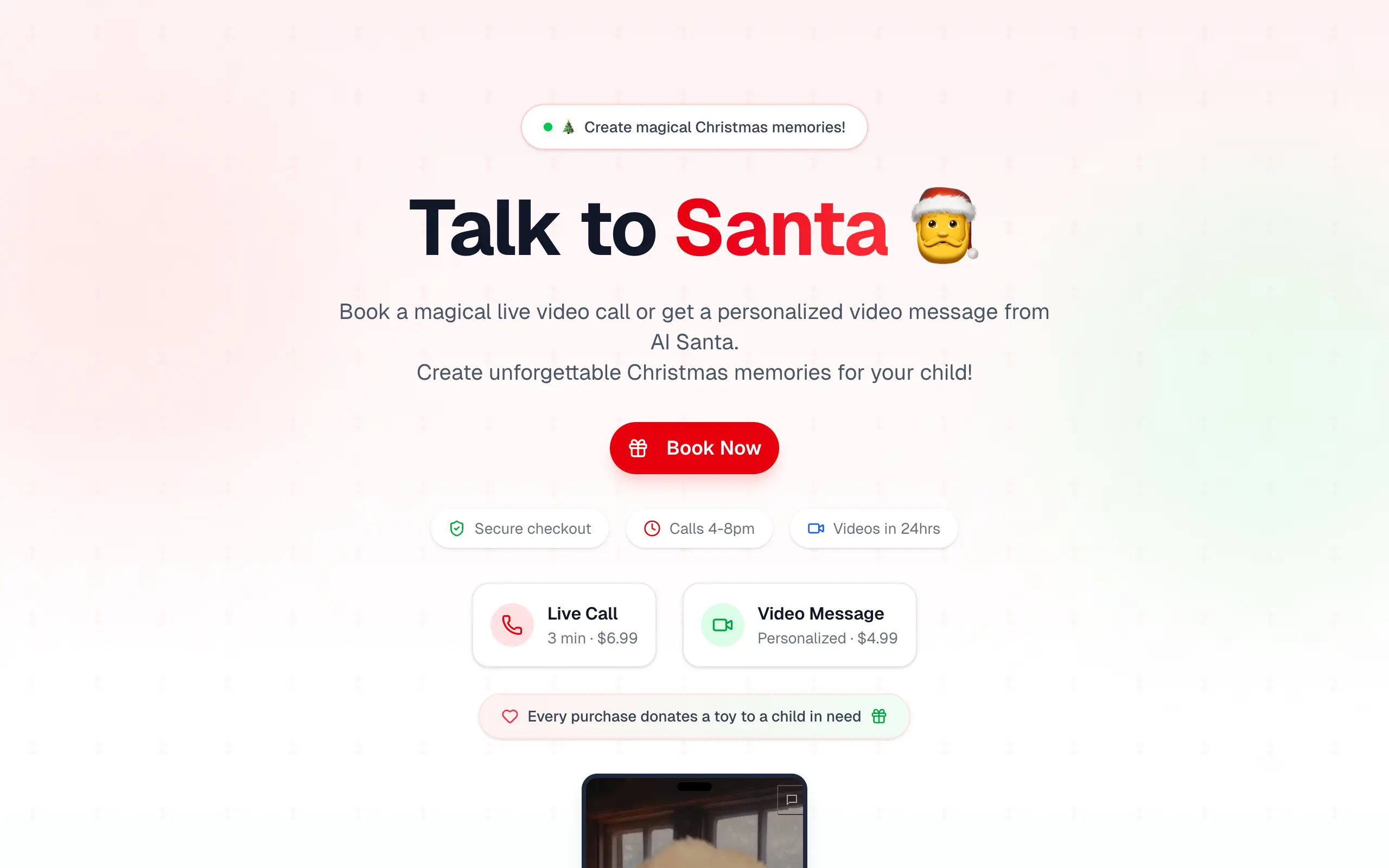
Talk to Santa
Enjoy a magical live video chat or receive a unique AI-generated video greeting from Santa Claus 🎅

pozywka.pl
Scalable blog for food journalist, focused on performance and user experience 🌭
SyncReads
Sync your favorite content for distraction-free reading, save time and replace multiple apps. Anytime, anywhere 🔄
Socialcrawl
Get clean, structured data from 21 platforms like TikTok, Instagram, and YouTube with a single request 📊
Dotallio
Personalized AI apps that automate research, data extraction, and content creation without code 🤖
Talk to Santa
Enjoy a magical live video chat or receive a unique AI-generated video greeting from Santa Claus 🎅
pozywka.pl
Scalable blog for food journalist, focused on performance and user experience 🌭
SyncReads
Sync your favorite content for distraction-free reading, save time and replace multiple apps. Anytime, anywhere 🔄
Socialcrawl
Get clean, structured data from 21 platforms like TikTok, Instagram, and YouTube with a single request 📊
Dotallio
Personalized AI apps that automate research, data extraction, and content creation without code 🤖
Talk to Santa
Enjoy a magical live video chat or receive a unique AI-generated video greeting from Santa Claus 🎅
pozywka.pl
Scalable blog for food journalist, focused on performance and user experience 🌭
SyncReads
Sync your favorite content for distraction-free reading, save time and replace multiple apps. Anytime, anywhere 🔄
Socialcrawl
Get clean, structured data from 21 platforms like TikTok, Instagram, and YouTube with a single request 📊
Dotallio
Personalized AI apps that automate research, data extraction, and content creation without code 🤖
Talk to Santa
Enjoy a magical live video chat or receive a unique AI-generated video greeting from Santa Claus 🎅
pozywka.pl
Scalable blog for food journalist, focused on performance and user experience 🌭
zagrodzki.me
Personal blog and portfolio of Bart Zagrodzki, where he share his knowledge and work 💼
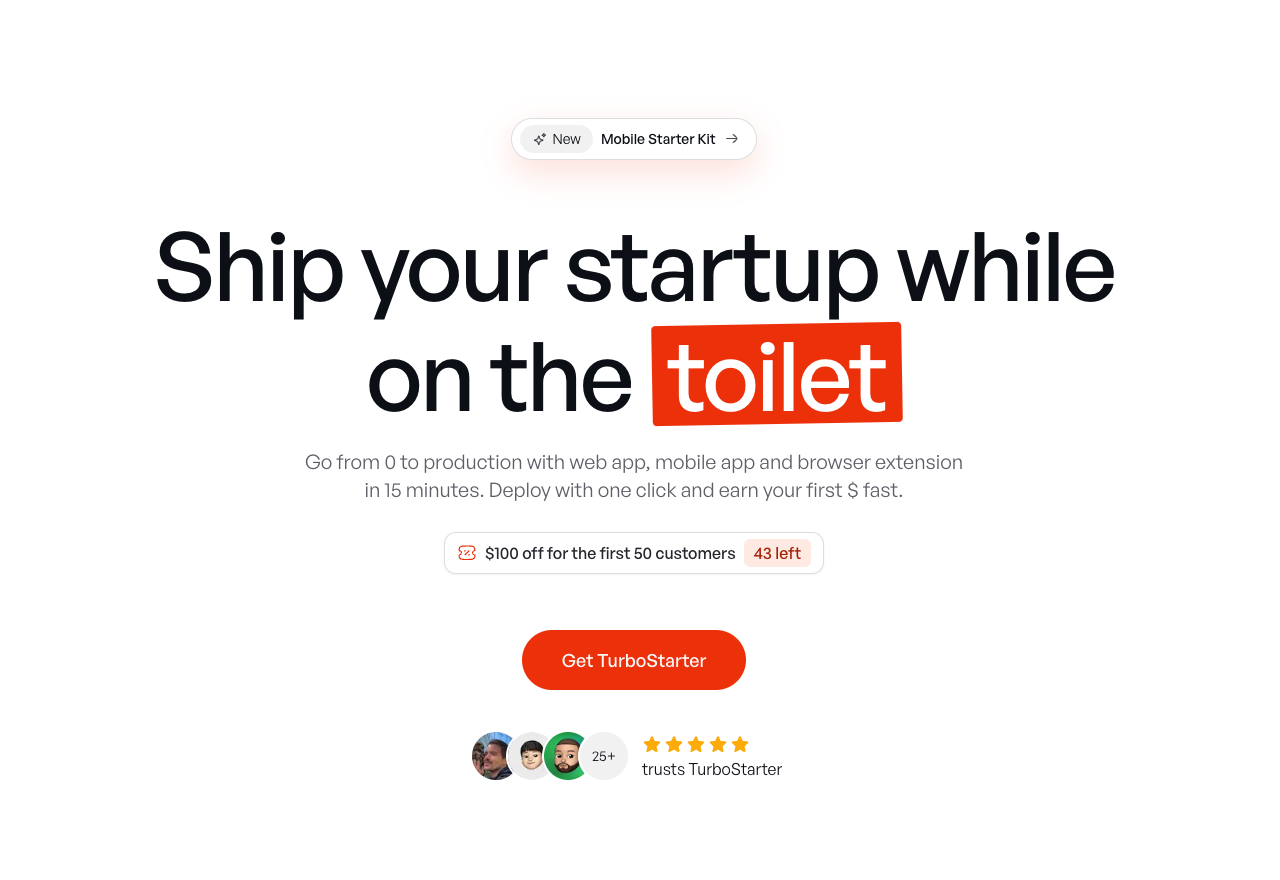
TurboStarter
Ship your startup everywhere. In minutes.
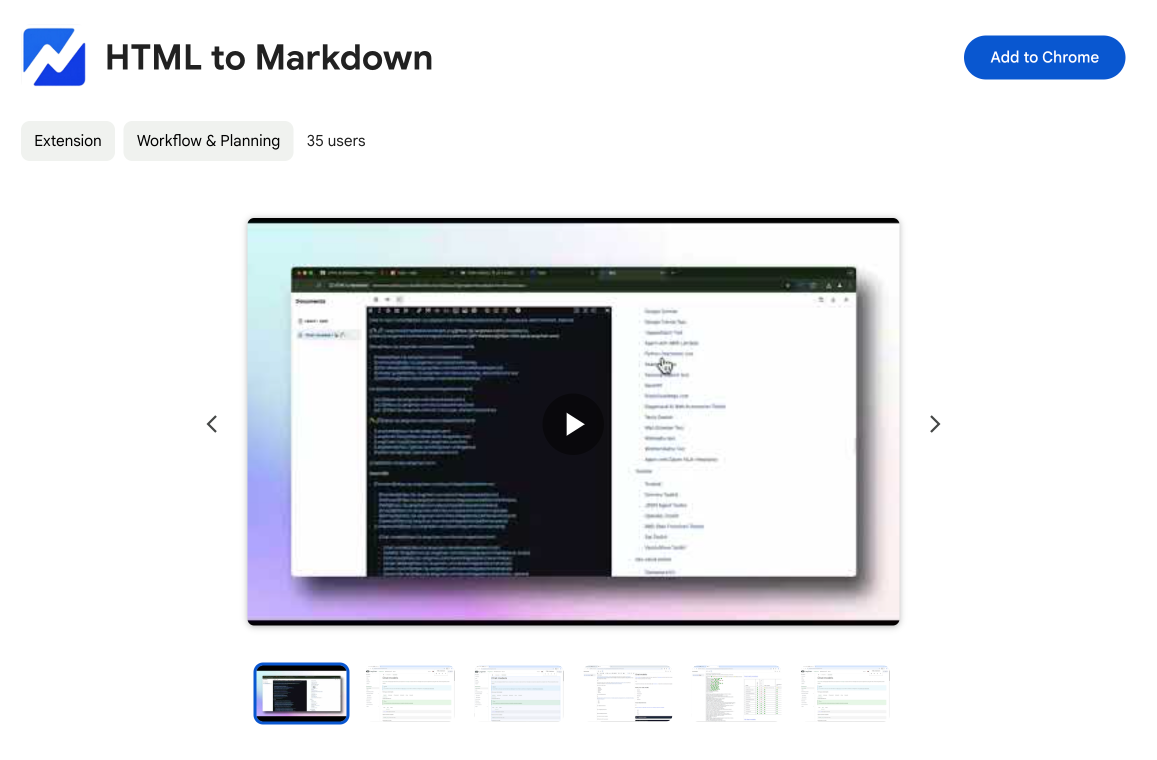
HTML to Markdown
Convert HTML to Markdown with ease, directly in your browser 📄
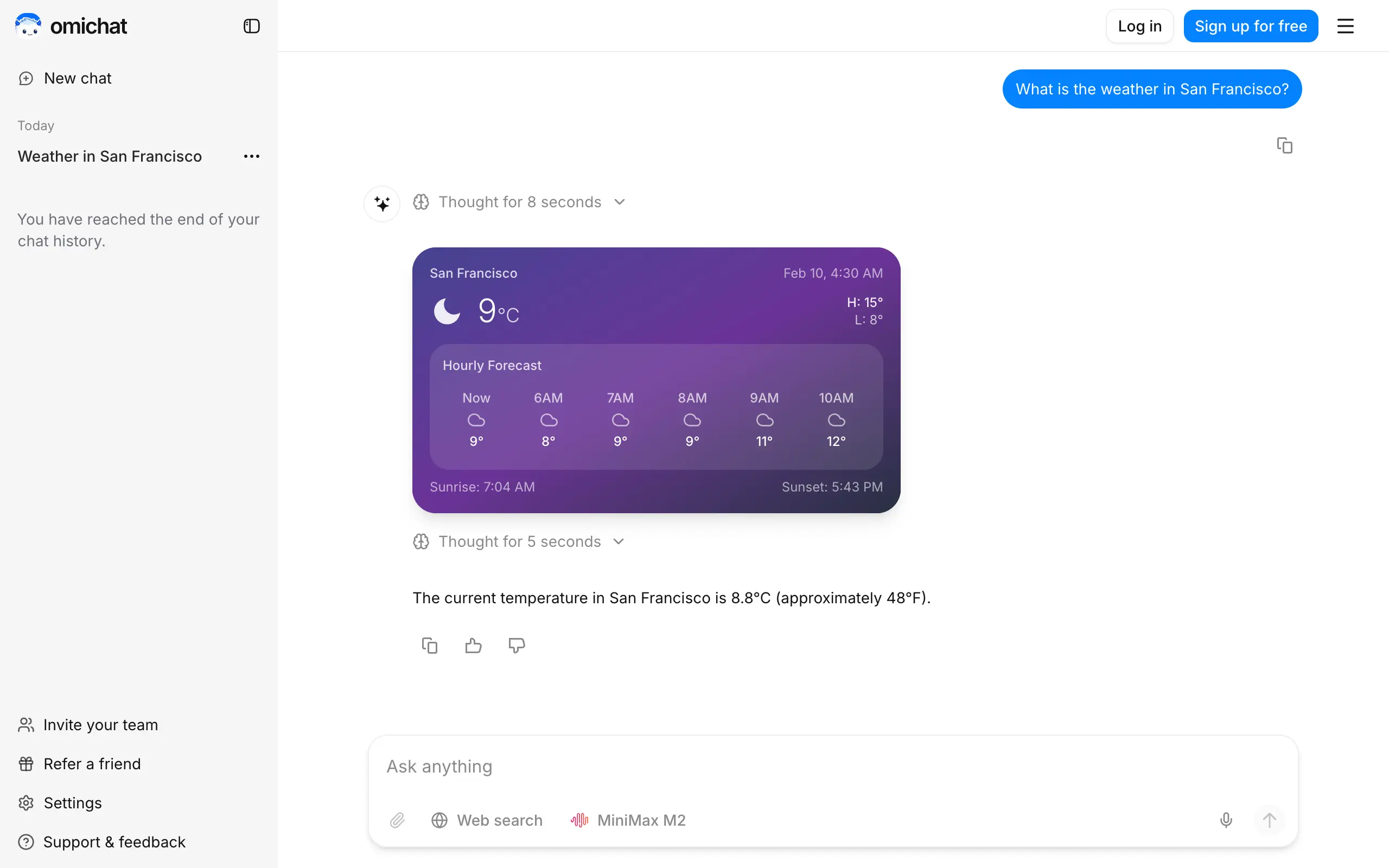
Omichat
Chat with 50+ AI models, including ChatGPT and Claude, in one place - switch models anytime without losing context 🤖
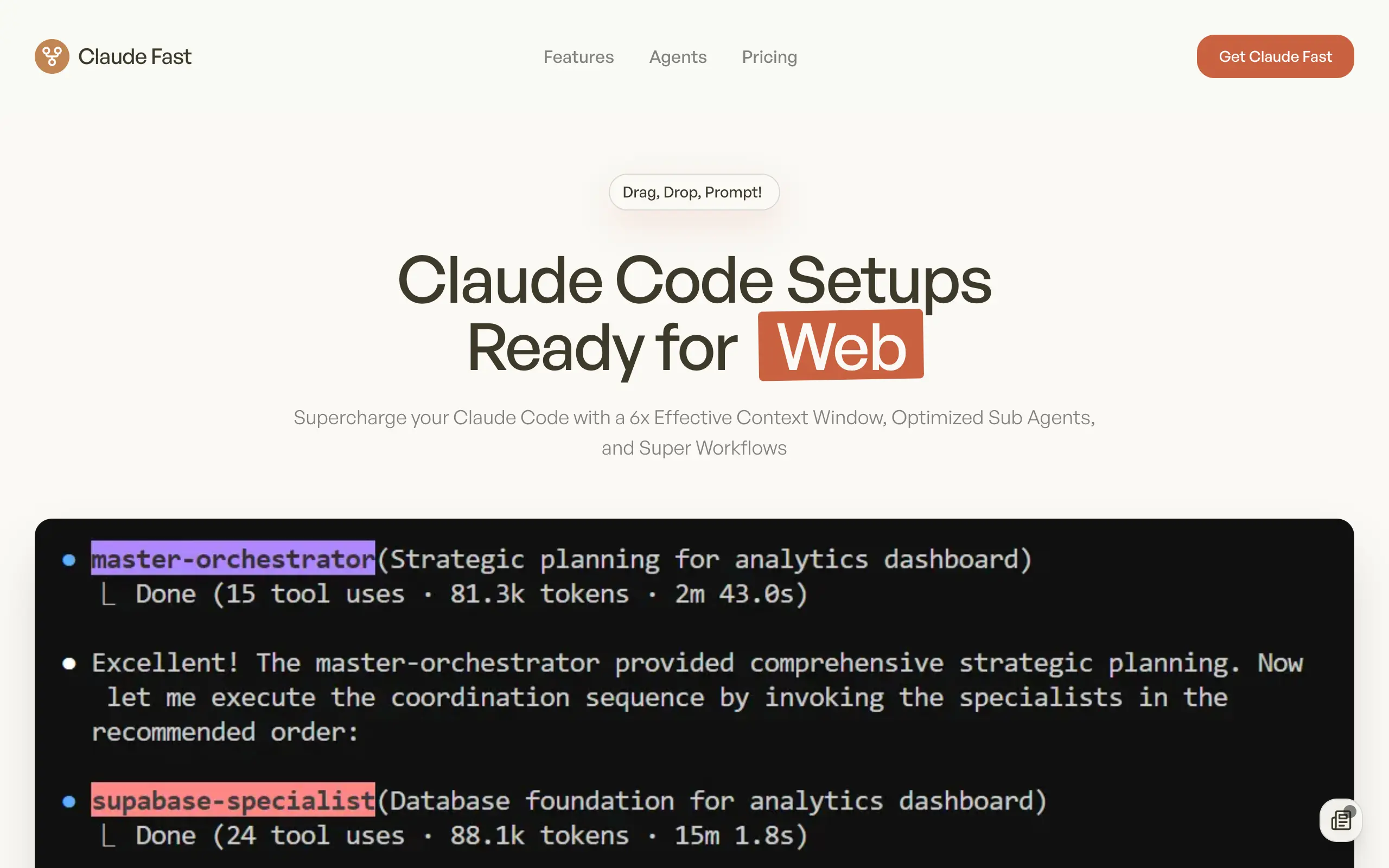
Claude Fast
Supercharge your Claude Code with 6x effective context window and specialized AI agents 🤖
zagrodzki.me
Personal blog and portfolio of Bart Zagrodzki, where he share his knowledge and work 💼
TurboStarter
Ship your startup everywhere. In minutes.
HTML to Markdown
Convert HTML to Markdown with ease, directly in your browser 📄
Omichat
Chat with 50+ AI models, including ChatGPT and Claude, in one place - switch models anytime without losing context 🤖
Claude Fast
Supercharge your Claude Code with 6x effective context window and specialized AI agents 🤖
zagrodzki.me
Personal blog and portfolio of Bart Zagrodzki, where he share his knowledge and work 💼
TurboStarter
Ship your startup everywhere. In minutes.
HTML to Markdown
Convert HTML to Markdown with ease, directly in your browser 📄
Omichat
Chat with 50+ AI models, including ChatGPT and Claude, in one place - switch models anytime without losing context 🤖
Claude Fast
Supercharge your Claude Code with 6x effective context window and specialized AI agents 🤖
zagrodzki.me
Personal blog and portfolio of Bart Zagrodzki, where he share his knowledge and work 💼
TurboStarter
Ship your startup everywhere. In minutes.
HTML to Markdown
Convert HTML to Markdown with ease, directly in your browser 📄
Omichat
Chat with 50+ AI models, including ChatGPT and Claude, in one place - switch models anytime without losing context 🤖
Claude Fast
Supercharge your Claude Code with 6x effective context window and specialized AI agents 🤖
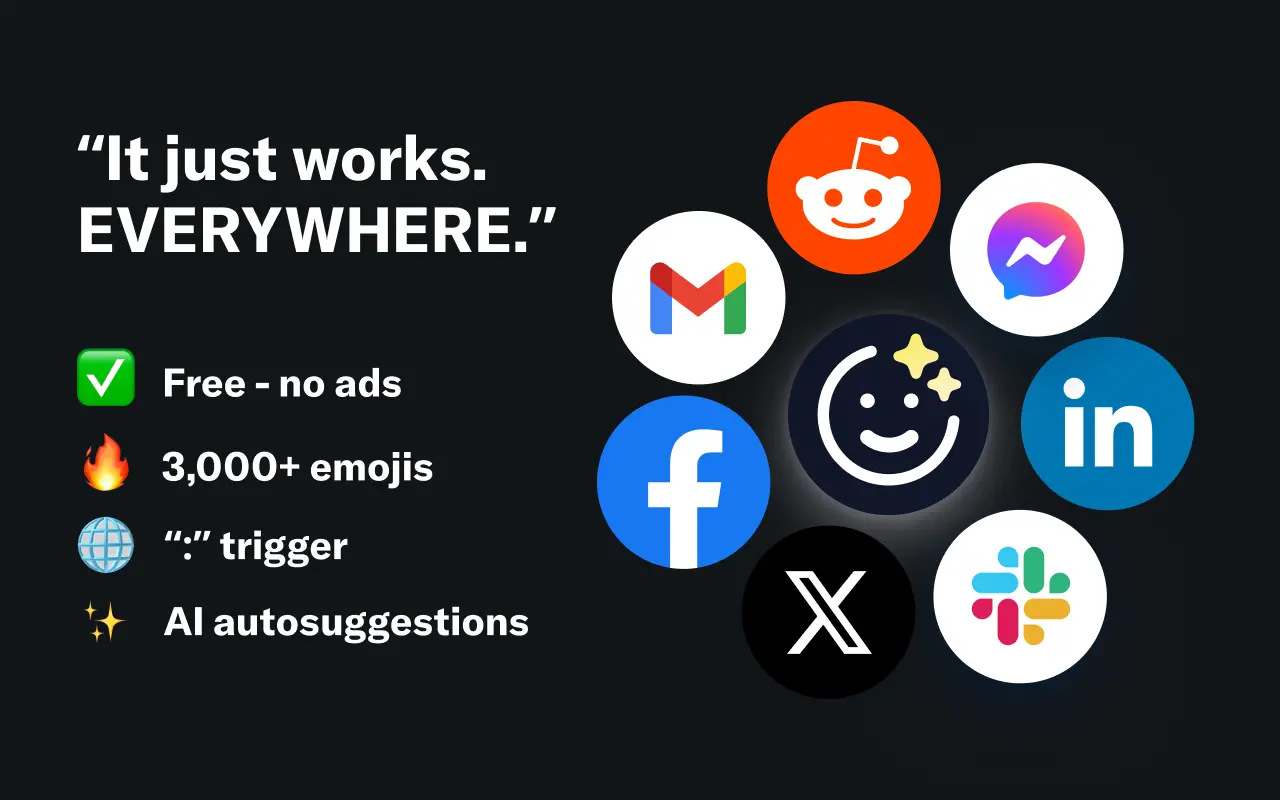
EmojAI
AI-powered emoji picker with smart, context-aware suggestions 🤖
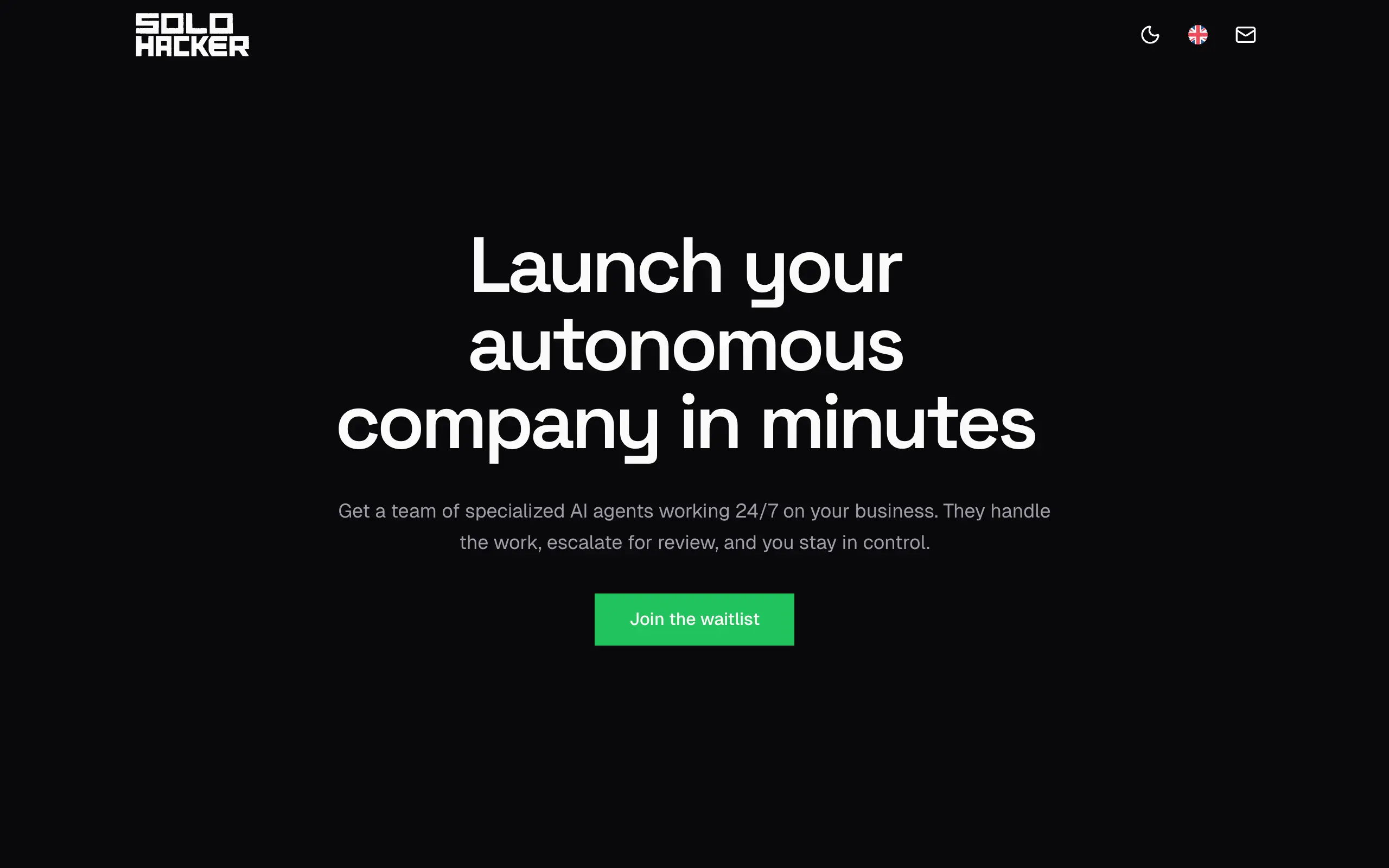
Solohacker
Autonomous company launcher—AI agents work 24/7, escalate what matters, and you stay in control 🤖
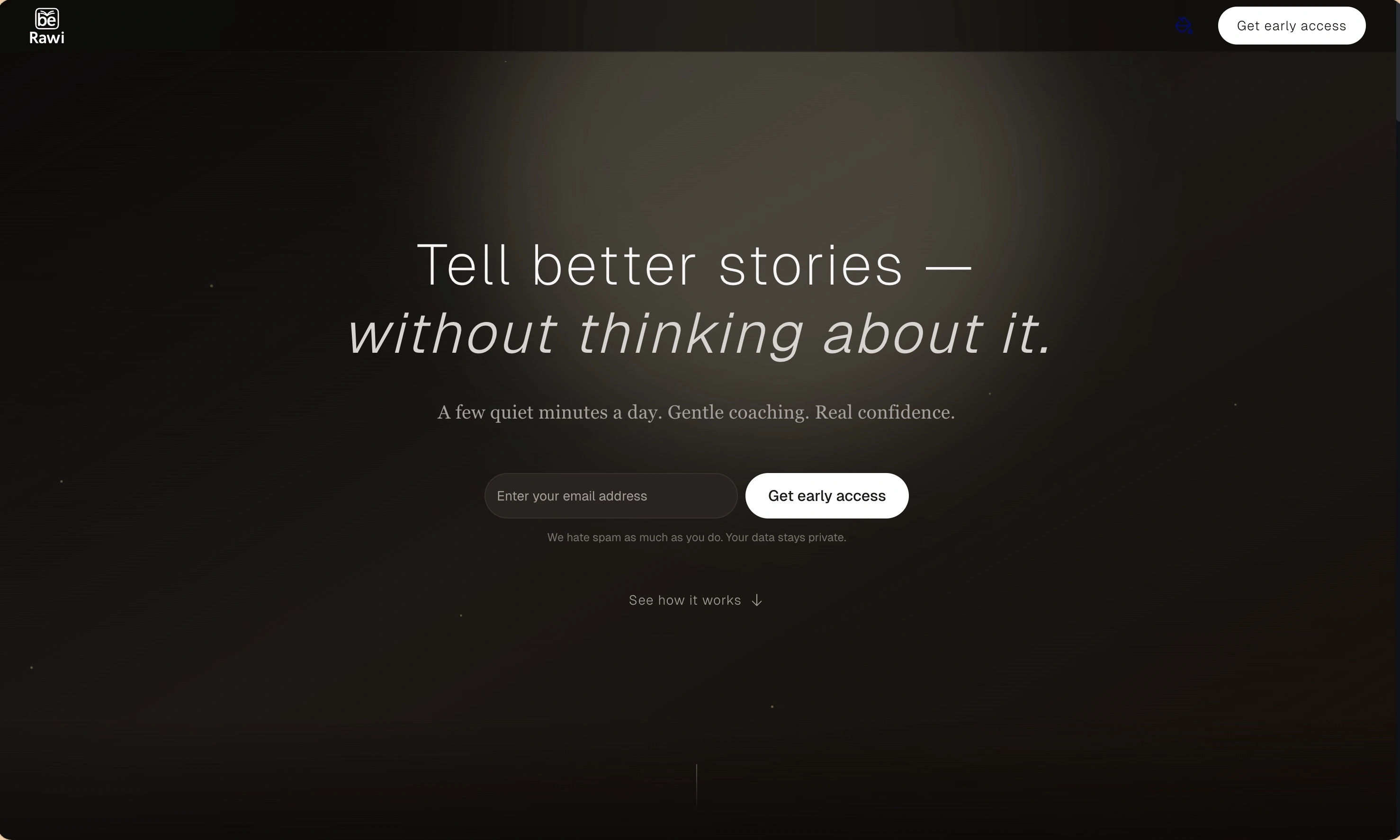
BeRawi: Storytelling Coach
Practice storytelling daily with instant feedback to sound clearer, more engaging, and confident 🎤
EmojAI
AI-powered emoji picker with smart, context-aware suggestions 🤖
Solohacker
Autonomous company launcher—AI agents work 24/7, escalate what matters, and you stay in control 🤖
BeRawi: Storytelling Coach
Practice storytelling daily with instant feedback to sound clearer, more engaging, and confident 🎤
EmojAI
AI-powered emoji picker with smart, context-aware suggestions 🤖
Solohacker
Autonomous company launcher—AI agents work 24/7, escalate what matters, and you stay in control 🤖
BeRawi: Storytelling Coach
Practice storytelling daily with instant feedback to sound clearer, more engaging, and confident 🎤
EmojAI
AI-powered emoji picker with smart, context-aware suggestions 🤖
Solohacker
Autonomous company launcher—AI agents work 24/7, escalate what matters, and you stay in control 🤖
BeRawi: Storytelling Coach
Practice storytelling daily with instant feedback to sound clearer, more engaging, and confident 🎤

Connect with like-minded people
Join our community to get feedback, support, and grow together with 600+ builders on board, let's ship it!
Join usShip your startup everywhere. In minutes.
Skip the complex setups and start building features on day one.