Pawlytic
AI-powered health and behavior tracker for dogs, offering real-time wellness insights, vet reminders, and smart suggestions customized to each pet.
Understanding the user intent for an AI-powered dog health and behavior tracker
Before building or scaling a SaaS like Pawlytic, it's crucial to understand what potential users are truly looking for. The core search intent behind users exploring an AI-powered health and behavior tracker for dogs encompasses:
- Pet owners: Seeking proactive tools to monitor their dog's wellbeing, uncover hidden health or behavioral issues, and stay organized with care routines.
- Pet professionals and veterinarians: Interested in how pet tech can streamline care, support remote tracking, and provide actionable insights for better pet health outcomes.
- Dog trainers and behaviorists: Wanting evidence-driven, data-backed behavior monitoring and improvement tools.
- Pet tech enthusiasts or startup founders: Researching state-of-the-art solutions in companion animal care, smart pet devices, and mobile app trends.
Users want detailed insights into features, validation of market potential, technical feasibility, monetization, and what makes Pawlytic unique in the increasingly crowded pet SaaS arena.
Target audience analysis: Who is Pawlytic for?
A successful SaaS solution solves a real problem for a well-defined audience. Pawlytic’s primary and secondary target users include:
Primary segments
- Busy pet owners & dog parents: Particularly millennials and Gen Z, who consider pets as family and want the best for their animals. They are tech-savvy, value convenience, and are used to using apps for nearly every aspect of life.
- Owners of dogs with chronic conditions: Managing illnesses like diabetes, arthritis, epilepsy, or anxiety, these owners require structured tracking and reminders.
- First-time dog owners: Often overwhelmed with information, they need guidance and reassurance in caring for their pets.
Secondary segments
- Professional dog trainers and behaviorists: For monitoring progress and capturing behavior patterns over time.
- Veterinarians & vet techs: As a telehealth adjunct, offering structured reports and client engagement.
- Multi-dog households/pet sitters: For managing several animals’ health and routines more efficiently.
Key user pain points:
- Difficulty noticing gradual health or behavior changes until they escalate.
- Forgetting vet appointments, medication refills, or preventive care schedules.
- Lack of tailored, actionable advice (most apps use a “one size fits all” approach).
- Siloed pet data scattered across vet records, paper notes, and disparate apps.
Identifying the market gap: Why now, and what’s missing?
The pet care technology sector, and specifically pet health apps, are experiencing rapid growth. According to industry insights, the global pet tech market is projected to reach over $20 billion by 2027 (statista.com), fueled by rising pet adoption and humanization trends.
However, critical market gaps remain:
- Generic over customized: Most pet wellness or tracker apps lack AI-driven, tailored recommendations. They log data but offer little interpretation.
- Reactive vs proactive: Many solutions only document past symptoms or events; few anticipate or alert about emerging trends.
- Integration with veterinarians: Very few apps seamlessly support both owner and vet, or make it easy to share structured data and insights.
- Fragmented user experience: Users often juggle multiple apps—for health logs, reminders, behavior notes, and training logs—rather than having everything in one cohesive, intelligent platform.
Actionable, real-time wellness insights
AI-powered analysis to catch subtle health and behavior changes before they become problems, offering peace of mind to owners.
Seamless vet integration
Exportable reports and reminders tailored for easy sharing with veterinarians, improving care coordination.
Truly personalized suggestions
Dynamic recommendations based on breed, age, history, and unique pet profiles—no more generic advice.
Core features and the solution: What sets Pawlytic apart?
At the heart of Pawlytic is AI-driven intelligence, usability, and a unified health & behavior dashboard. The primary keyword—AI-powered dog health and behavior tracker—naturally guides feature development.
Essential feature set
- Automatic health and behavior monitoring: Log symptoms, activities, meals, medications, and behaviors quickly.
- Real-time AI analysis: Detect patterns and subtle deviations—flagging issues early (e.g., decreased activity, excessive scratching, new anxiety behaviors).
- Personalized wellness dashboard: Each dog's dashboard adapts to their age, breed, medical history, and recent trends.
- Smart reminders: Timely notifications for vet checkups, vaccinations, medications, and flea/tick treatments.
- Custom suggestions: Actionable, context-aware recommendations on training, nutrition, enrichment, and preventive care.
- Data sharing for care teams: Owners can export and share structured reports with their veterinarian or pet sitter in a tap.
- Multi-dog support: Effortless toggling between pet profiles, ideal for multi-dog families.
- Privacy and data ownership controls: Users own and control access to their pets’ sensitive health data.
Optional advanced features
- Integration with wearables: Sync with collars or fitness trackers that measure activity, sleep, and even vital signs.
- Behavior journaling: Track training sessions, progress, and triggers.
- Community Q&A and vet chat: Secure forums or integrations for direct support from professionals.
User benefits at a glance
| Health Monitoring | AI Insights | Reminders | Customization | Team Collaboration |
|---|---|---|---|---|
| ✅ | ❌ | ❌ | ✅ | ❌ |
| ✅ | ❌ | ✅ | ✅ | ❌ |
Recommended tech stack for a robust, scalable mobile SaaS
Pawlytic is a mobile-first SaaS. The ideal stack balances user experience, scalability, AI capabilities, and robust security.
Frontend / mobile app
- React Native (React Native): Cross-platform, maintainable, strong ecosystem—best for rapid iteration.
- Expo: Streamlines development and deployment; works well with React Native.
- TypeScript: Ensures type safety, easier maintenance, and scalability.
- UI Framework: TailwindCSS (using NativeWind for React Native) or styled-components.
Trade-off note: Flutter is an alternative, offering high performance, but teams familiar with React gain faster onboarding with React Native.
Backend / APIs
- Node.js (Node.js), with TypeScript, for API logic.
- Express or Fastify: For REST API; Fastify offers better speed and lower overhead for scaling.
- Firebase: Real-time database, push notifications, authentication, and analytics out of the box.
- Alternatively: Supabase for an open-source alternative to Firebase.
AI/ML
- Python microservices: Integrate advanced health & behavior models (TensorFlow, PyTorch).
- Cloud AI APIs: Use Google Cloud AI or AWS SageMaker for elasticity if demand is unpredictable.
Database
- Cloud Firestore: Real-time syncing, effortless scaling, tight integration with Firebase ecosystem.
- Optionally: PostgreSQL (via Supabase) for structured, relational data needs.
Integrations
- Push notification services: OneSignal, Firebase Cloud Messaging.
- Wearable APIs: Manufacturer-provided SDKs (e.g., Whistle, FitBark for advanced integrations).
Analytics & monitoring
- Amplitude or Mixpanel: For fine-grained product analytics.
- Sentry: Crash reporting and error tracking on web/mobile.
DevOps & security
- Infrastructure as Code: Terraform, Docker for deploy repeatability.
- SOC2-compliant frameworks: For handling sensitive user data.
React Native offers tighter integration with existing JavaScript and React-powered SaaS systems, lowering time to market if your engineering team already knows React. Flutter has advantages with custom graphics and performance, but fewer pet tech SDKs natively support Dart compared to JS.
Use a microservices approach for ML. Version your insight models independently, and retrain on anonymized aggregate data periodically (with user consent).
Monetization strategy options
A successful AI-powered dog health tracker like Pawlytic needs a monetization model aligned with user value.
Viable revenue models
- Freemium tiering:
- Core tracking and reminders are free.
- Premium features (advanced AI insights, multiple pets, integration with health wearables, exportable vet reports, behavior tracking history) require a subscription.
- Subscription pricing:
- $6–12/month per pet (discounts for annual or family plans).
- Offer an extended “free trial” to hook new users.
- Add-on vet/clinic packages:
- Veterinary clinics pay for branded reporting, direct integration with their EHR, or client engagement dashboards.
- Affiliate partnerships:
- Partner with insurance providers, food/nutrition companies, or wearable device makers for referral fees.
- In-app purchases:
- Personalized training modules, behavior consults, or access to expert Q&A.
Important: Avoid privacy-invasive advertising; trust and transparency are essential for any health-related SaaS.
Strategic pricing tips
- Let users add unlimited vet reminders and health notes for free—reduce pain points upfront.
- Premium features should save users real money, time, or emotional energy. Use retention metrics to refine feature gating.
- Consider offering tailored lifetime deals to beta users for early traction and testimonials.
Potential risks and mitigation strategies
Pawlytic’s mission depends on user trust, accuracy, and usability. Here’s how to address core risks:
Risks
- Data privacy concerns: Handling sensitive pet and owner information opens liability.
- AI suggestiveness vs. medical advice: Users may mistake AI insights as a substitute for real veterinary care.
- Churn from low perceived value: If reminders or AI aren’t accurate, users may abandon the app.
- Competitive pressure: Large pet tech firms could replicate features quickly.
- Integration fragmentation: Wearable APIs or third-party integrations may change/break.
Mitigation strategies
- Implement robust encryption, explicit consent, and user data export/deletion controls. Adopt security best practices (GDPR, CCPA).
- Transparent disclaimers: Clearly message that insights supplement—not replace—veterinary care.
- Monitor AI accuracy and bias; retrain models regularly, and allow user flagging.
- Cultivate niche authority (e.g., rare breed support, superior UI/UX, vet endorsements) to insulate from me-too apps.
- Modularize integrations to minimize disruption if providers make breaking changes.
Put trust and transparency first!
Build trust through clear privacy policies, easy-to-understand notifications, and partnerships with reputable veterinary organizations.
Analyzing Pawlytic’s competitive advantage
Pawlytic’s edge lies in combining best-in-class AI with seamless usability and collaborative features that serve both pet owners and professionals.
Unique selling proposition (USP)
- AI-powered, real-time behavior insights personalized to each dog, not just generic logs.
- Unified health, wellness, and behavior tracking in one app, reducing app fatigue.
- Vet integration: One-tap, exportable, readable reports for seamless medical collaboration—not a siloed owner-only log.
- Multi-dog support and holistic, breed-aware recommendations; deeper than surface-level, “checklist” trackers.
- User data ownership: Transparent policies and controls over who can view or export data, a powerful trust differentiator.
Comparing feature depth and approach with established apps, Pawlytic closes key gaps between one-dimensional trackers and disconnected, generic advice platforms.
Actionable implementation steps: From vision to launch
Deploying a market-ready, AI-powered dog health and behavior tracker requires systematic rollout.
Conduct research & validation: Interview target users (owners, vets, trainers) to refine top pain points. Develop clickable prototypes for feedback.
MVP development: Build a React Native mobile app covering core tracking, AI-driven insights, reminders, and secure user onboarding.
Pilot & iterate: Launch in a specific region or breed community. Gather user data to refine AI models and UX.
Expand integrations: Add support for leading wearable APIs and clinic/EHR exports. Secure initial partnerships with professionals.
Monetization rollout: Launch premium features after core value is firmly established and initial traction is proven.
Scale and monitor: Track usage metrics, AI performance, and churn. Iterate and expand based on data-driven insights.
Conclusion: Building a future-ready, trusted AI dog health SaaS
An AI-powered dog health and behavior tracker like Pawlytic is poised to lead the next generation of pet wellness tools—fusing sophisticated analytics with genuine, actionable care recommendations. As pet owners (and pet professionals) seek more connected, proactive solutions, demand for highly personalized, secure, and collaboration-friendly platforms will only keep growing.
By leveraging leading technology stacks, implementing robust privacy and data controls, and doubling down on breed- and condition-specific intelligence, Pawlytic is positioned to stand out in the crowded pet SaaS landscape. Its focus on usability, trustworthy AI, seamless vet integration, and owner empowerment ensures both stickiness and advocacy from its users.
The time is ripe for Pawlytic to help usher pet care into a smarter, more informed, and compassionate era.
For product development acceleration, growth playbooks, and market entry strategy, check out TurboStarter.
Further resources
For latest market statistics, reference Statista and pet health tech association reports.
More 📱 Mobile App SaaS ideas
Discover more innovative mobile app SaaS ideas that are trending in 2026. Each idea is AI-generated with market validation and growth potential to help you find your next profitable venture faster than competitors.
Your competitors are building with TurboStarter
Below are some of the SaaS ideas that have been generated and built with our starter kit.
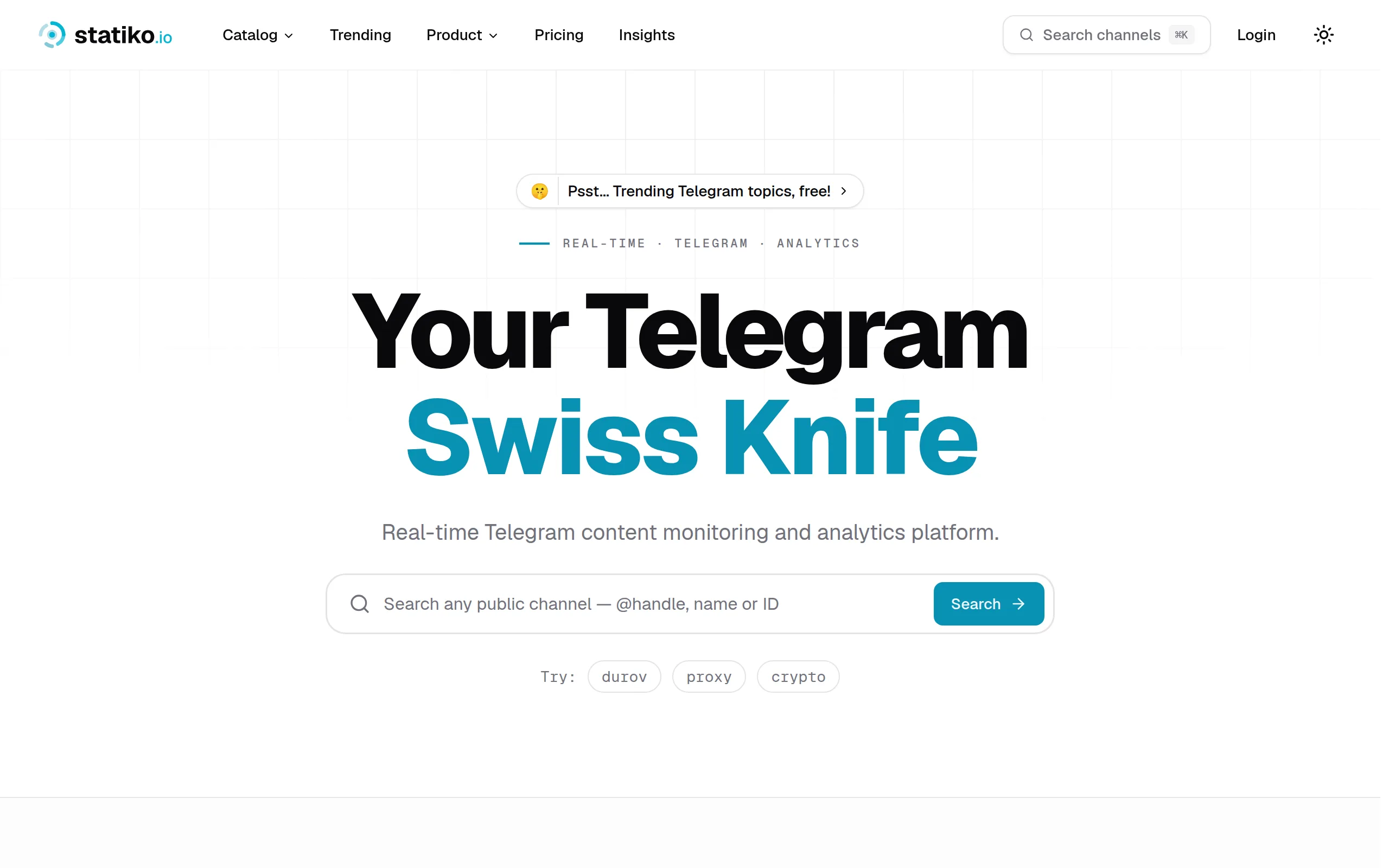
Statiko
Monitor any Telegram channel in real time - track posts, edits, deletions, and growth with AI recaps 📡

Shibui
AI website builder - describe your business, pick a niche template, edit by chatting, and publish instantly ✨

Pro Service
Find verified home service professionals, compare quotes, and pay securely through escrow - built for Brazilians across the US 🏠
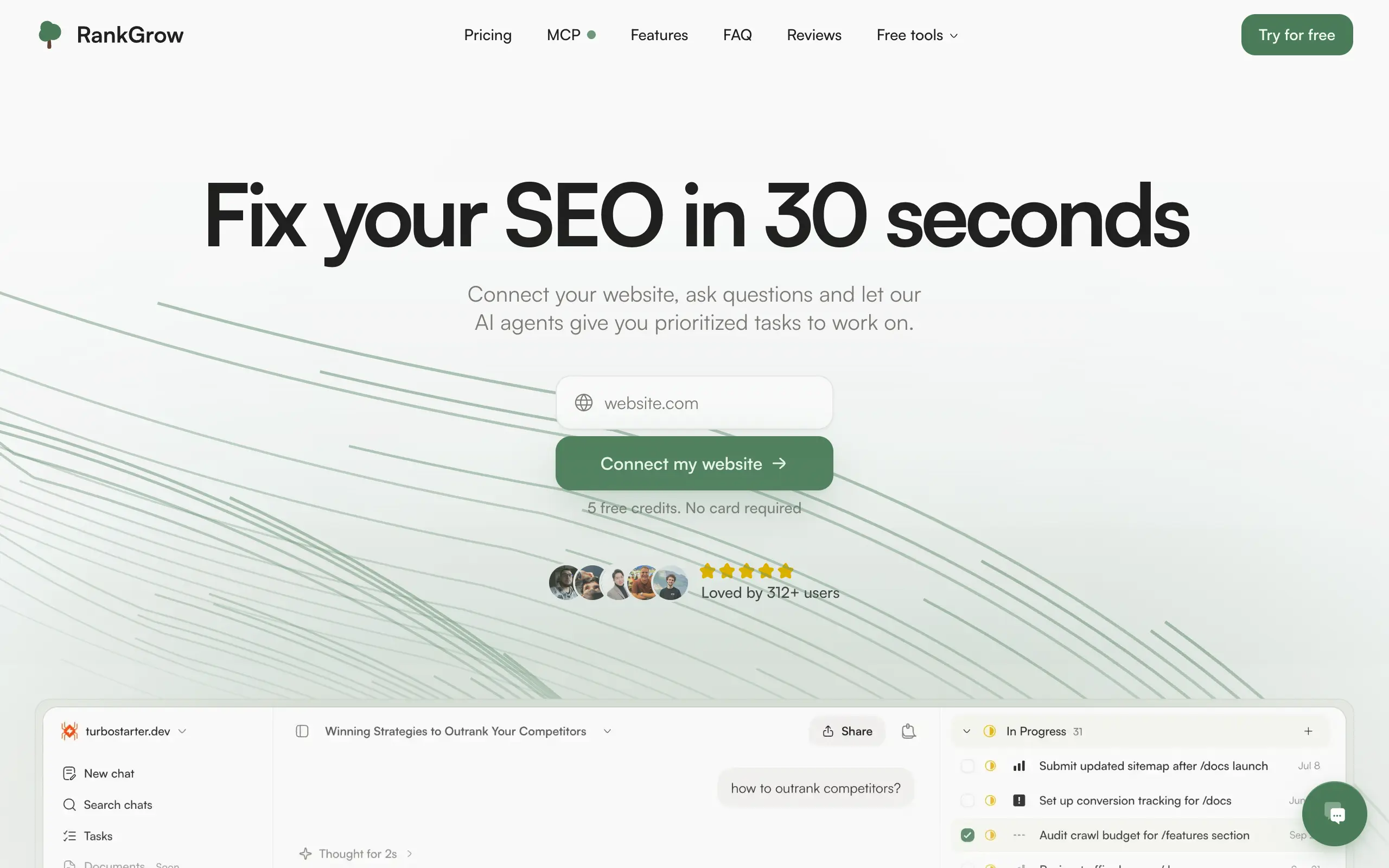
RankGrow
Fix your SEO with AI agents - connect Search Console, get prioritized tasks, and grow organic traffic 📈
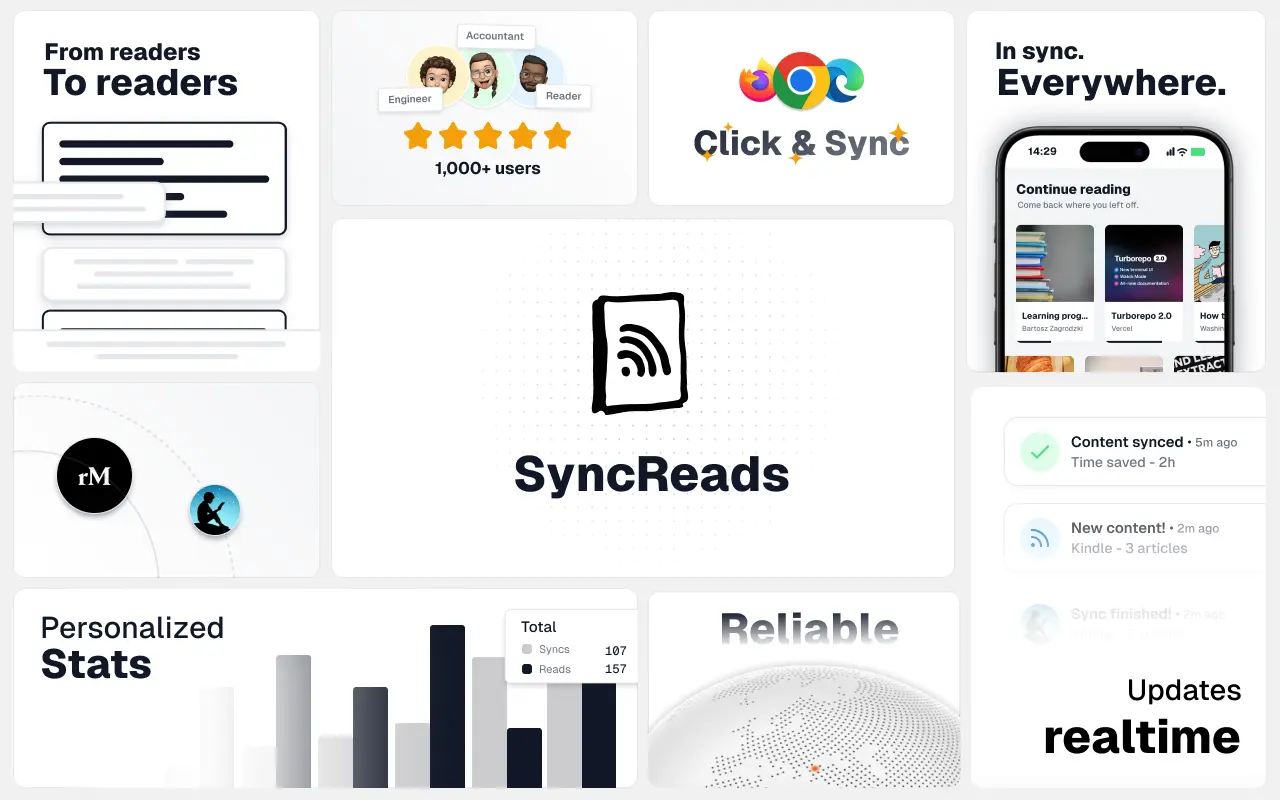
SyncReads
Sync your favorite content for distraction-free reading, save time and replace multiple apps. Anytime, anywhere 🔄
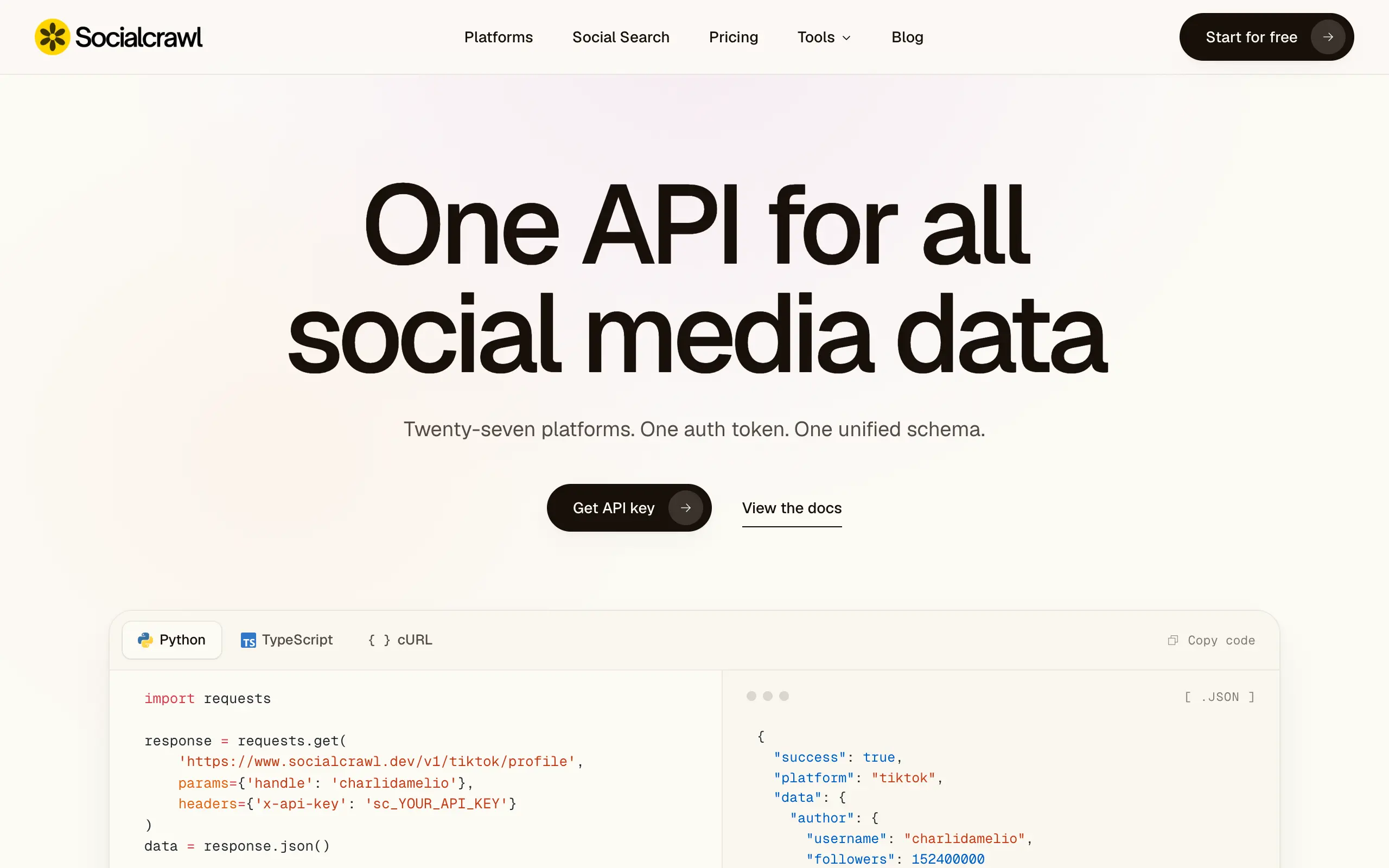
Socialcrawl
Get clean, structured data from 21 platforms like TikTok, Instagram, and YouTube with a single request 📊
Statiko
Monitor any Telegram channel in real time - track posts, edits, deletions, and growth with AI recaps 📡
Shibui
AI website builder - describe your business, pick a niche template, edit by chatting, and publish instantly ✨
Pro Service
Find verified home service professionals, compare quotes, and pay securely through escrow - built for Brazilians across the US 🏠
RankGrow
Fix your SEO with AI agents - connect Search Console, get prioritized tasks, and grow organic traffic 📈
SyncReads
Sync your favorite content for distraction-free reading, save time and replace multiple apps. Anytime, anywhere 🔄
Socialcrawl
Get clean, structured data from 21 platforms like TikTok, Instagram, and YouTube with a single request 📊
Statiko
Monitor any Telegram channel in real time - track posts, edits, deletions, and growth with AI recaps 📡
Shibui
AI website builder - describe your business, pick a niche template, edit by chatting, and publish instantly ✨
Pro Service
Find verified home service professionals, compare quotes, and pay securely through escrow - built for Brazilians across the US 🏠
RankGrow
Fix your SEO with AI agents - connect Search Console, get prioritized tasks, and grow organic traffic 📈
SyncReads
Sync your favorite content for distraction-free reading, save time and replace multiple apps. Anytime, anywhere 🔄
Socialcrawl
Get clean, structured data from 21 platforms like TikTok, Instagram, and YouTube with a single request 📊
Statiko
Monitor any Telegram channel in real time - track posts, edits, deletions, and growth with AI recaps 📡
Shibui
AI website builder - describe your business, pick a niche template, edit by chatting, and publish instantly ✨
Pro Service
Find verified home service professionals, compare quotes, and pay securely through escrow - built for Brazilians across the US 🏠
RankGrow
Fix your SEO with AI agents - connect Search Console, get prioritized tasks, and grow organic traffic 📈
SyncReads
Sync your favorite content for distraction-free reading, save time and replace multiple apps. Anytime, anywhere 🔄
Socialcrawl
Get clean, structured data from 21 platforms like TikTok, Instagram, and YouTube with a single request 📊
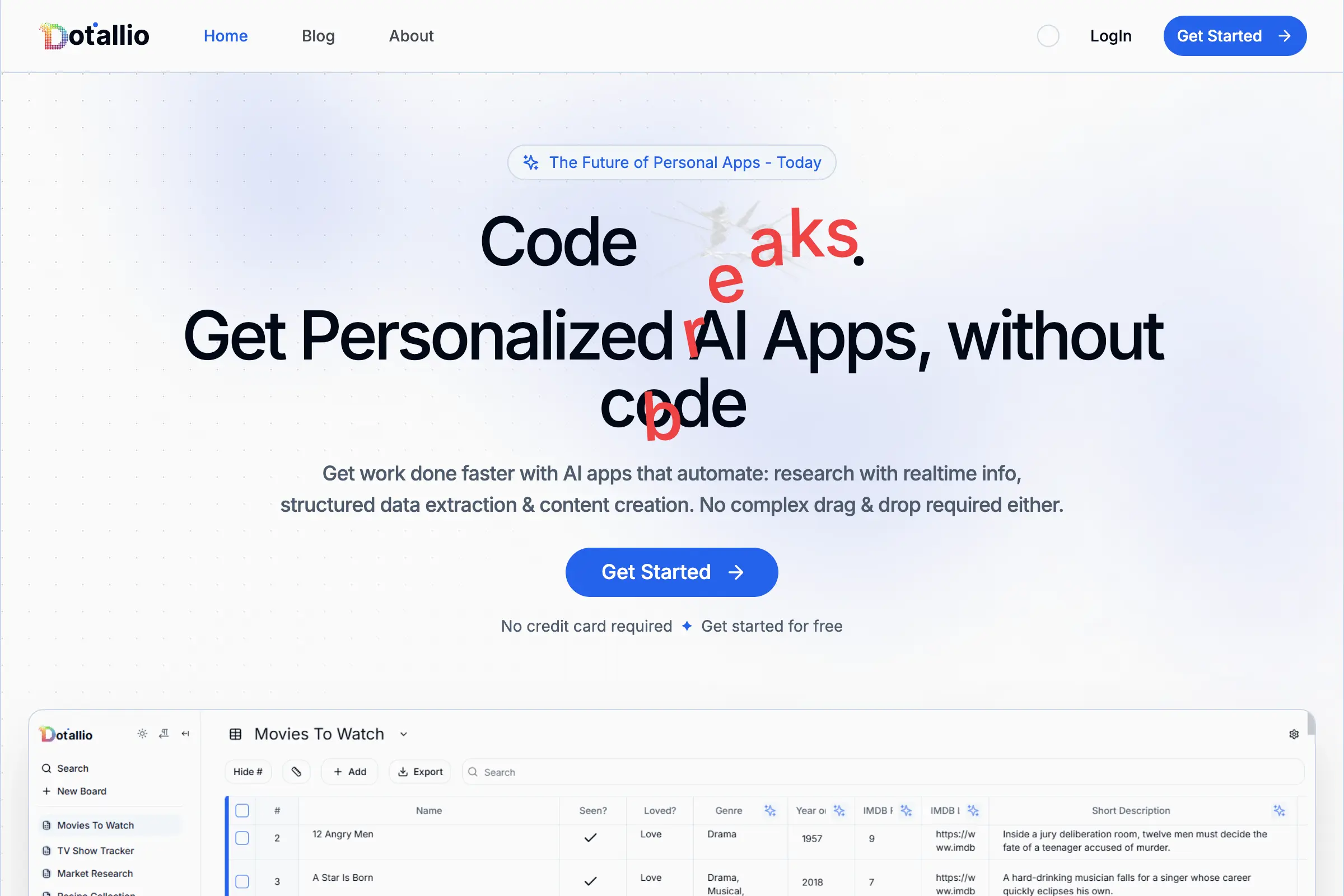
Dotallio
Personalized AI apps that automate research, data extraction, and content creation without code 🤖
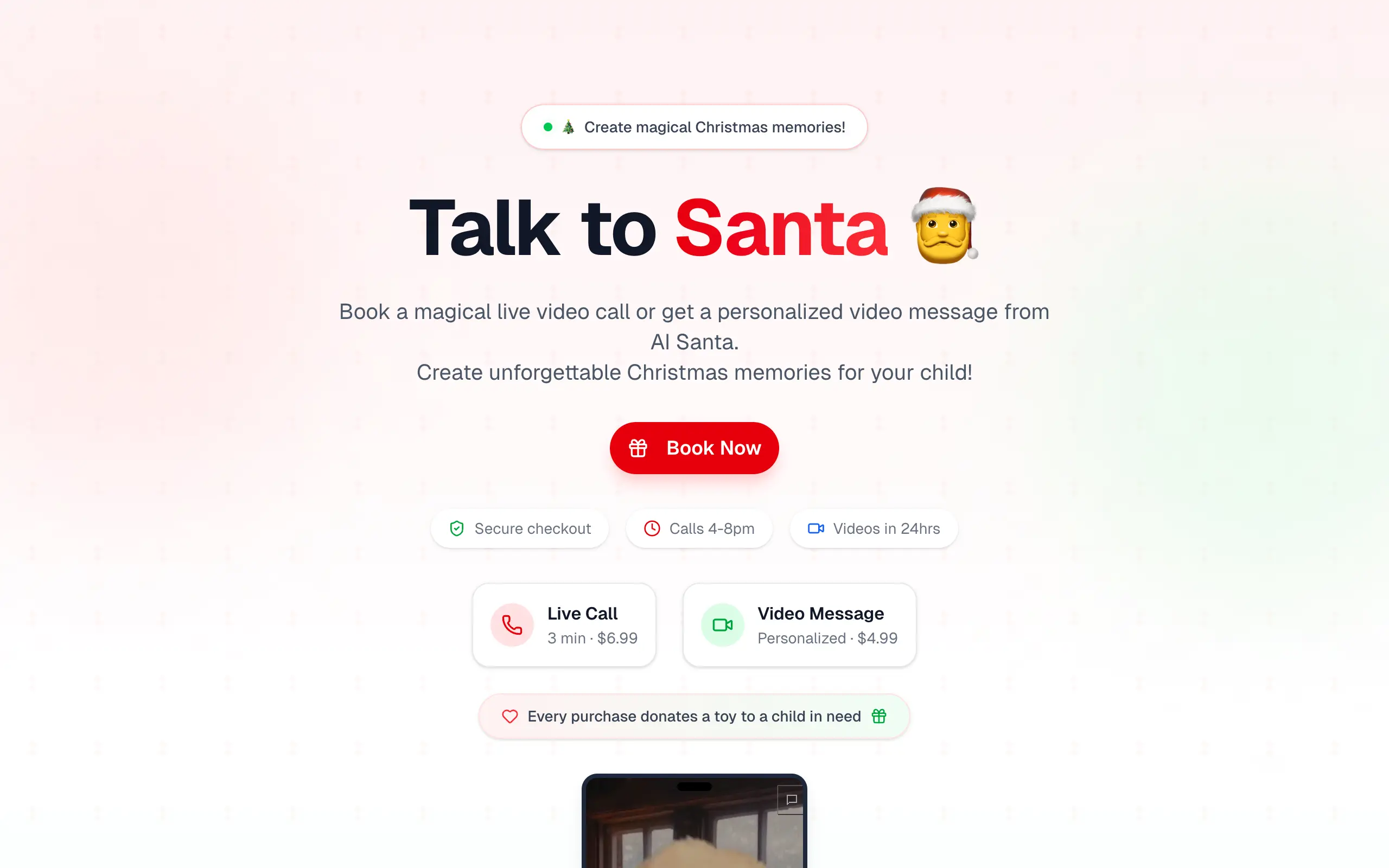
Talk to Santa
Enjoy a magical live video chat or receive a unique AI-generated video greeting from Santa Claus 🎅
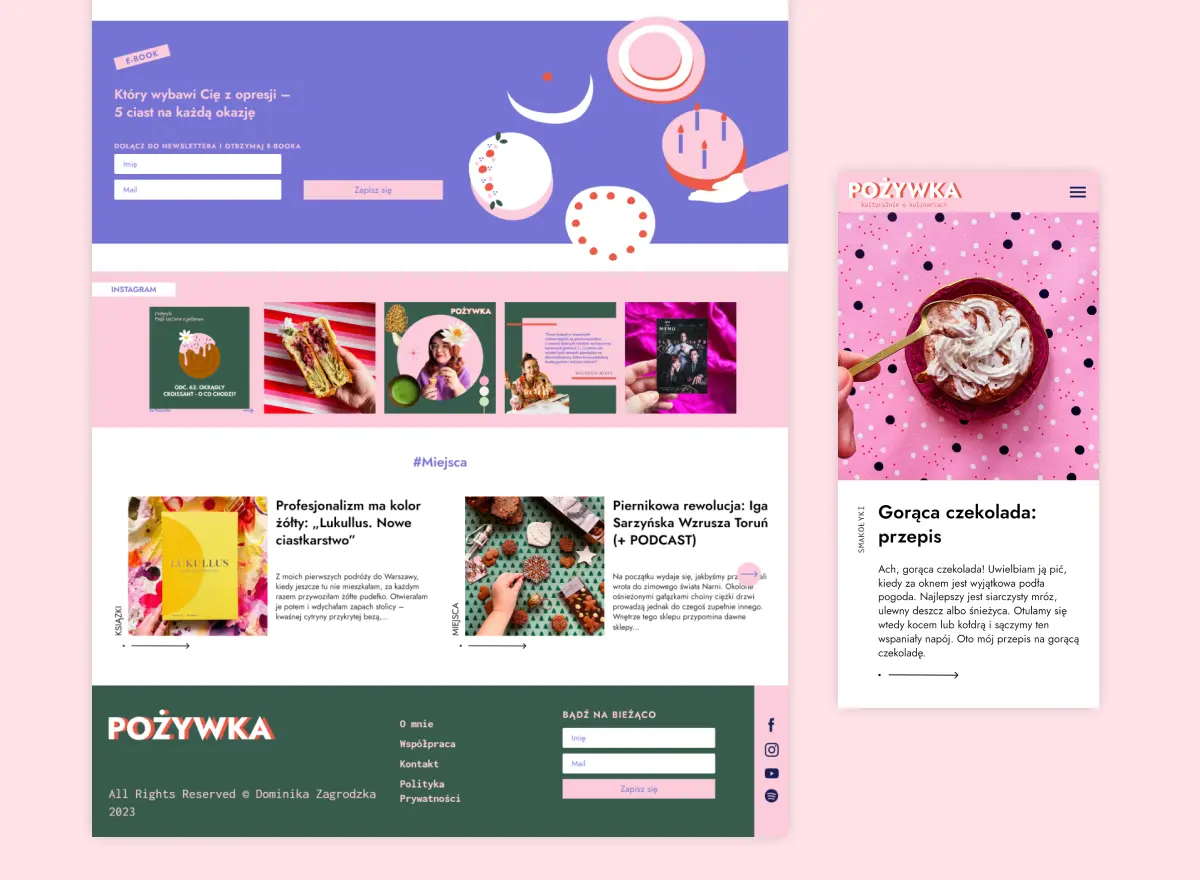
pozywka.pl
Scalable blog for food journalist, focused on performance and user experience 🌭
zagrodzki.me
Personal blog and portfolio of Bart Zagrodzki, where he shares his knowledge and work 💼
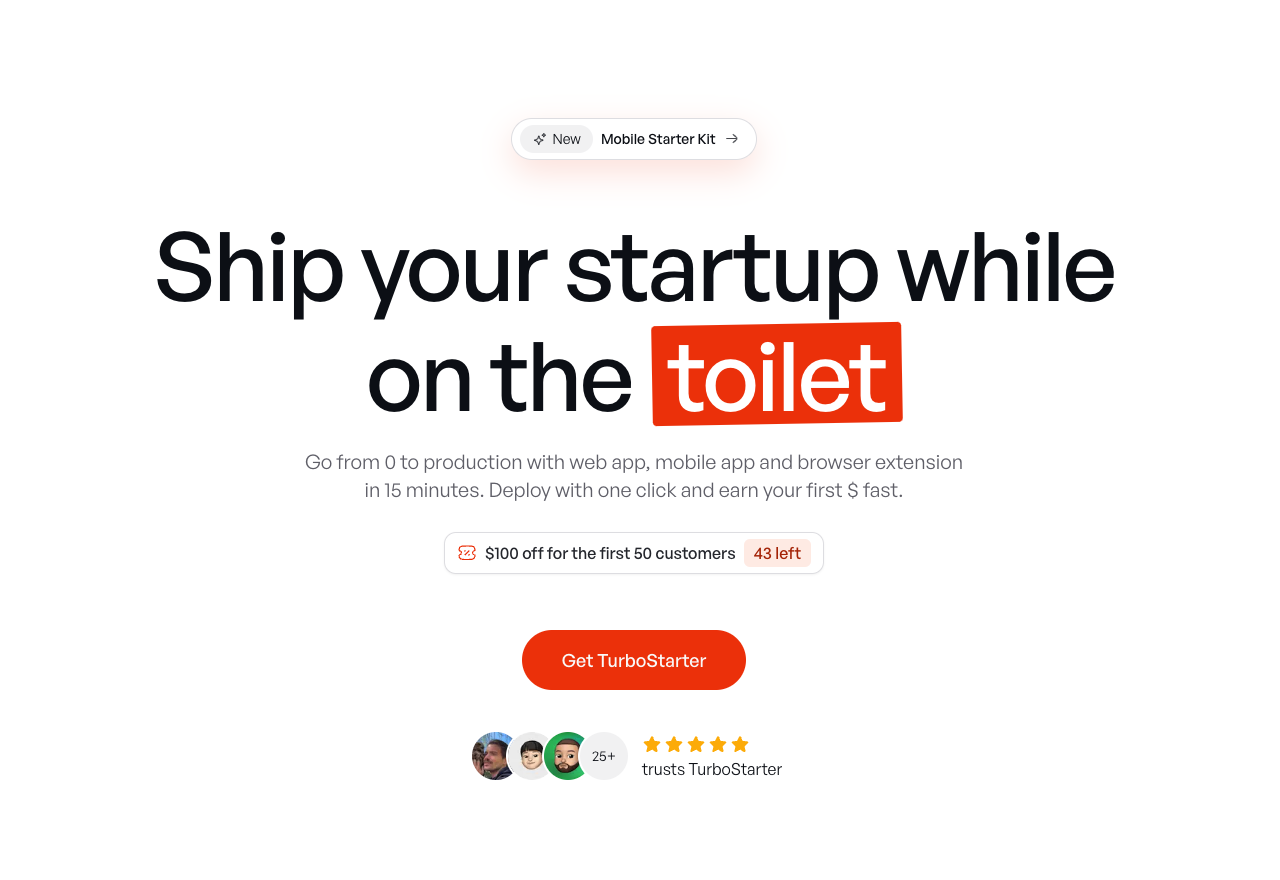
TurboStarter
Ship your startup everywhere. In minutes.
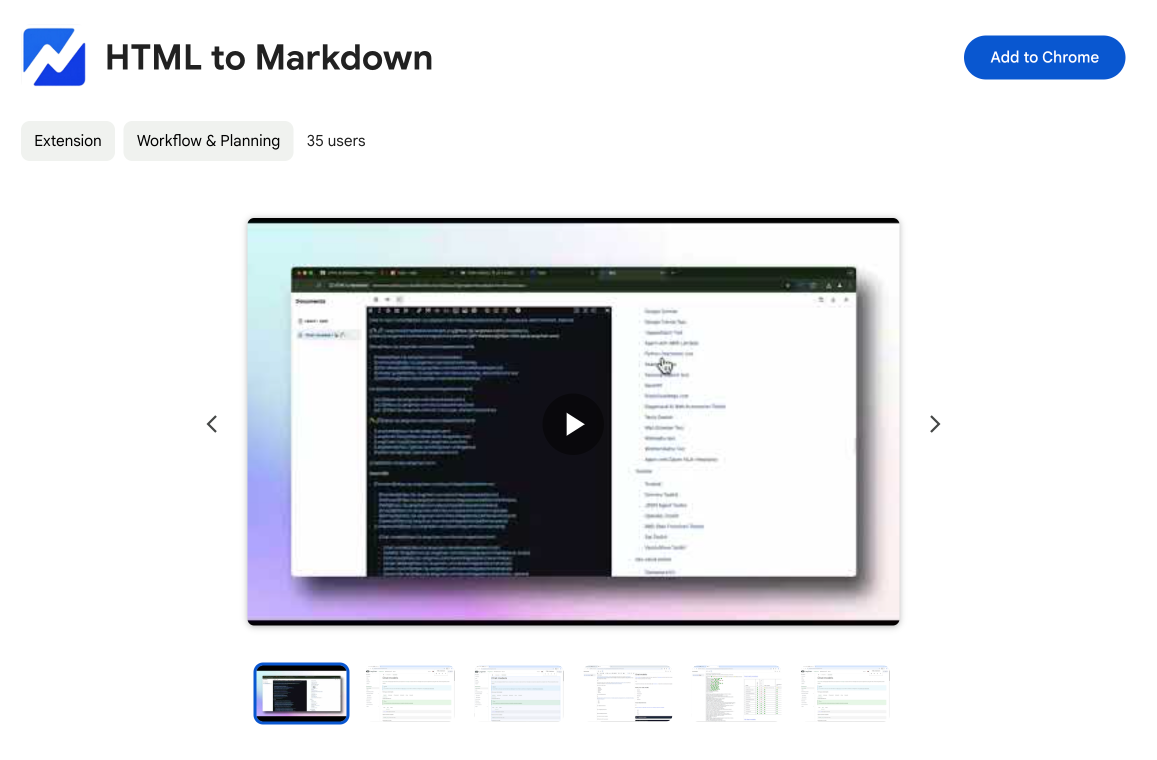
HTML to Markdown
Convert HTML to Markdown with ease, directly in your browser 📄
Dotallio
Personalized AI apps that automate research, data extraction, and content creation without code 🤖
Talk to Santa
Enjoy a magical live video chat or receive a unique AI-generated video greeting from Santa Claus 🎅
pozywka.pl
Scalable blog for food journalist, focused on performance and user experience 🌭
zagrodzki.me
Personal blog and portfolio of Bart Zagrodzki, where he shares his knowledge and work 💼
TurboStarter
Ship your startup everywhere. In minutes.
HTML to Markdown
Convert HTML to Markdown with ease, directly in your browser 📄
Dotallio
Personalized AI apps that automate research, data extraction, and content creation without code 🤖
Talk to Santa
Enjoy a magical live video chat or receive a unique AI-generated video greeting from Santa Claus 🎅
pozywka.pl
Scalable blog for food journalist, focused on performance and user experience 🌭
zagrodzki.me
Personal blog and portfolio of Bart Zagrodzki, where he shares his knowledge and work 💼
TurboStarter
Ship your startup everywhere. In minutes.
HTML to Markdown
Convert HTML to Markdown with ease, directly in your browser 📄
Dotallio
Personalized AI apps that automate research, data extraction, and content creation without code 🤖
Talk to Santa
Enjoy a magical live video chat or receive a unique AI-generated video greeting from Santa Claus 🎅
pozywka.pl
Scalable blog for food journalist, focused on performance and user experience 🌭
zagrodzki.me
Personal blog and portfolio of Bart Zagrodzki, where he shares his knowledge and work 💼
TurboStarter
Ship your startup everywhere. In minutes.
HTML to Markdown
Convert HTML to Markdown with ease, directly in your browser 📄
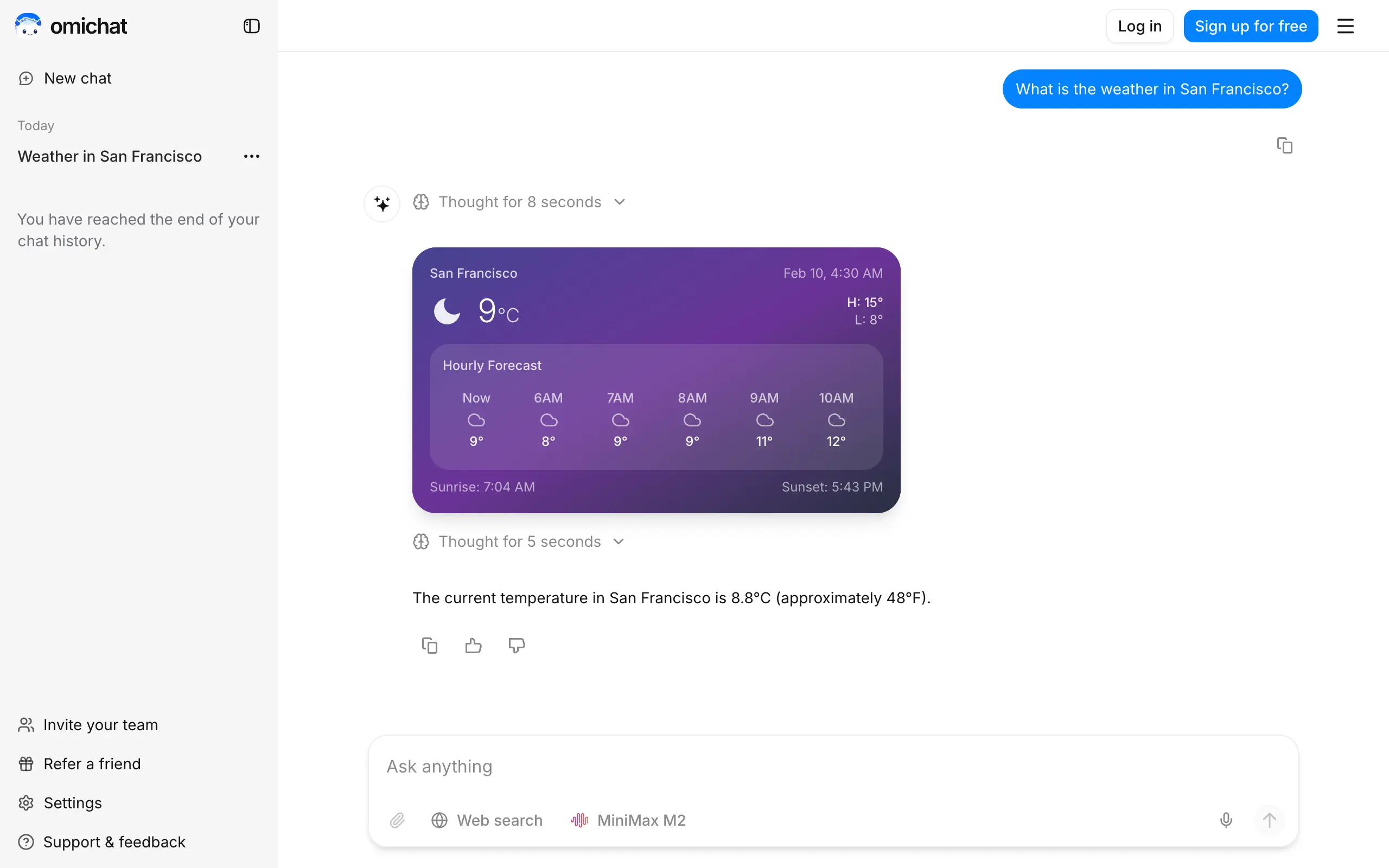
Omichat
Chat with 50+ AI models, including ChatGPT and Claude, in one place - switch models anytime without losing context 🤖
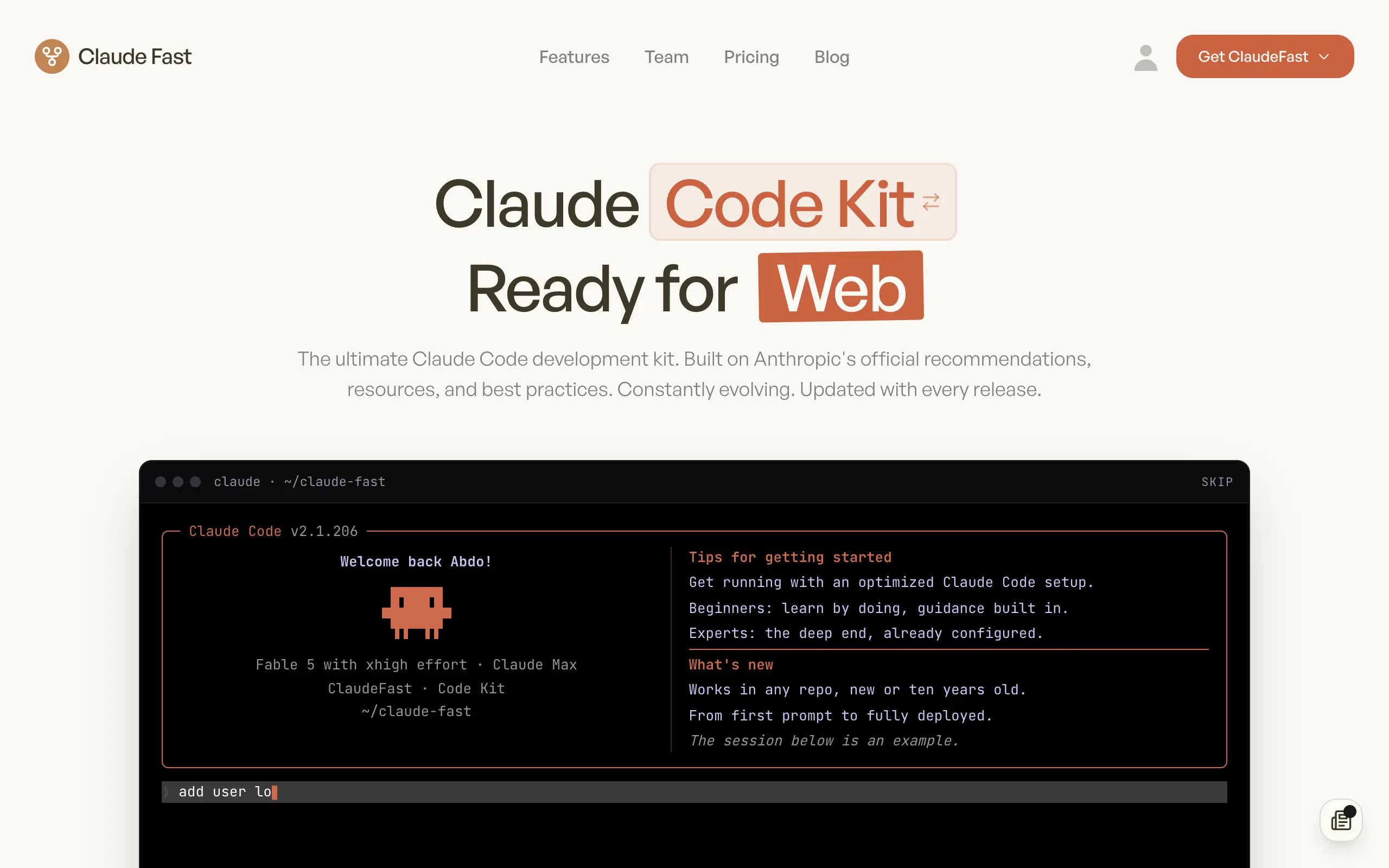
Claude Fast
Supercharge your Claude Code with 6x effective context window and specialized AI agents 🤖
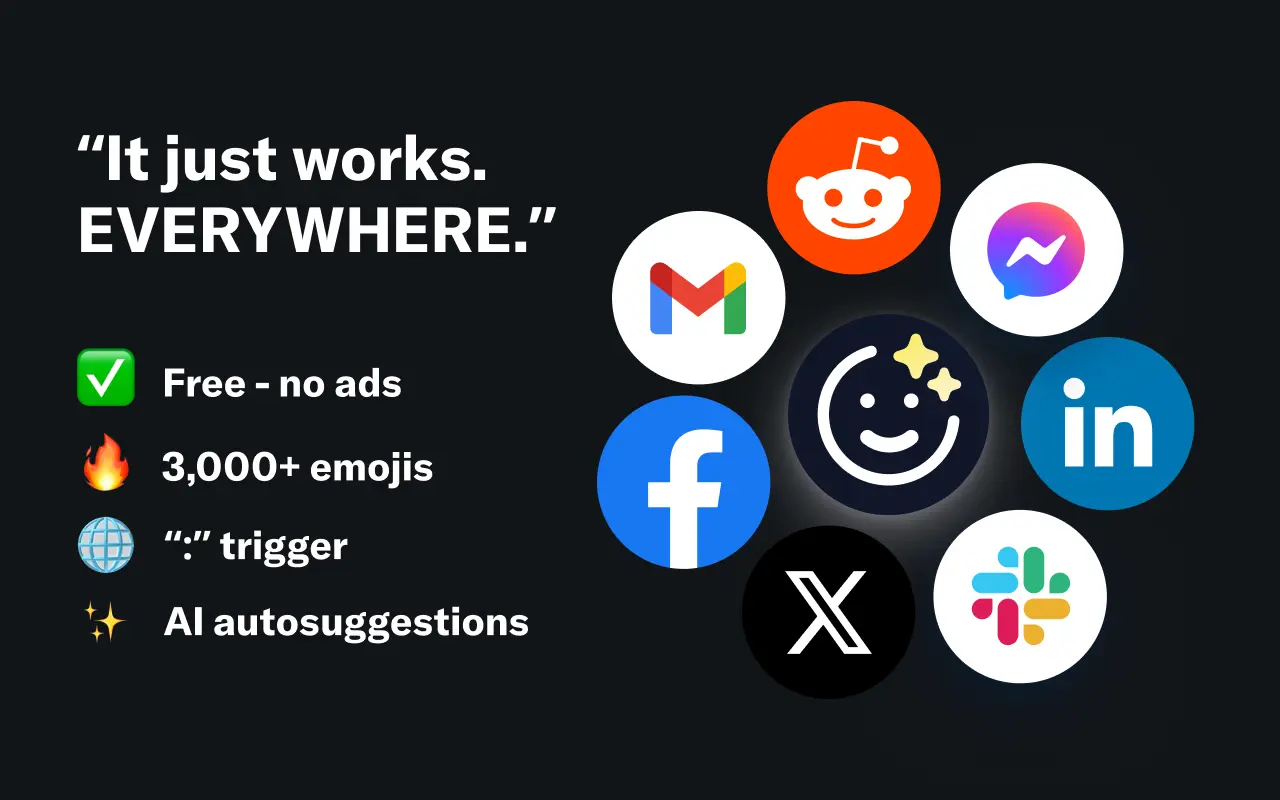
EmojAI
AI-powered emoji picker with smart, context-aware suggestions 🤖
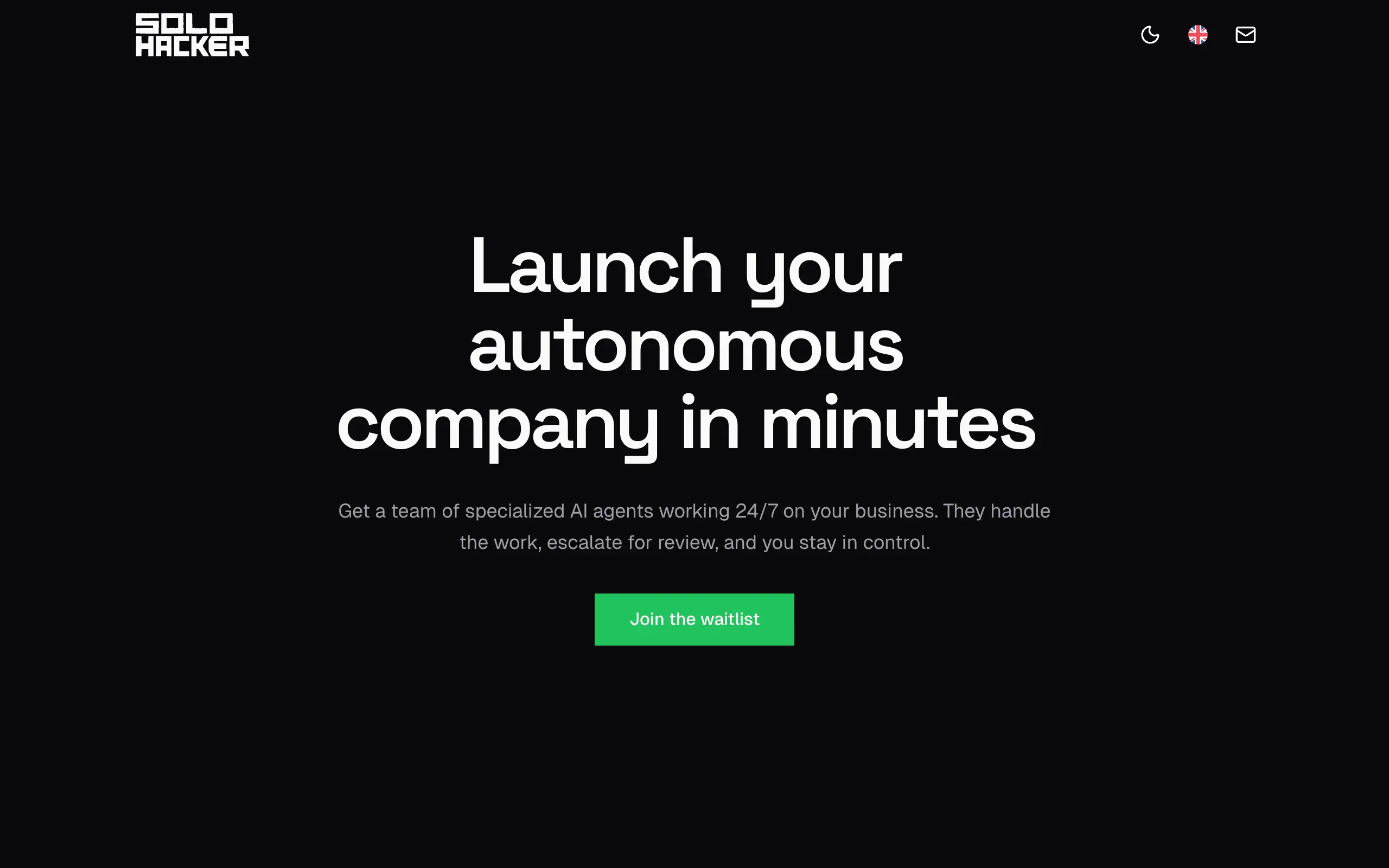
Solohacker
Autonomous company launcher - AI agents work 24/7, escalate what matters, and you stay in control 🤖
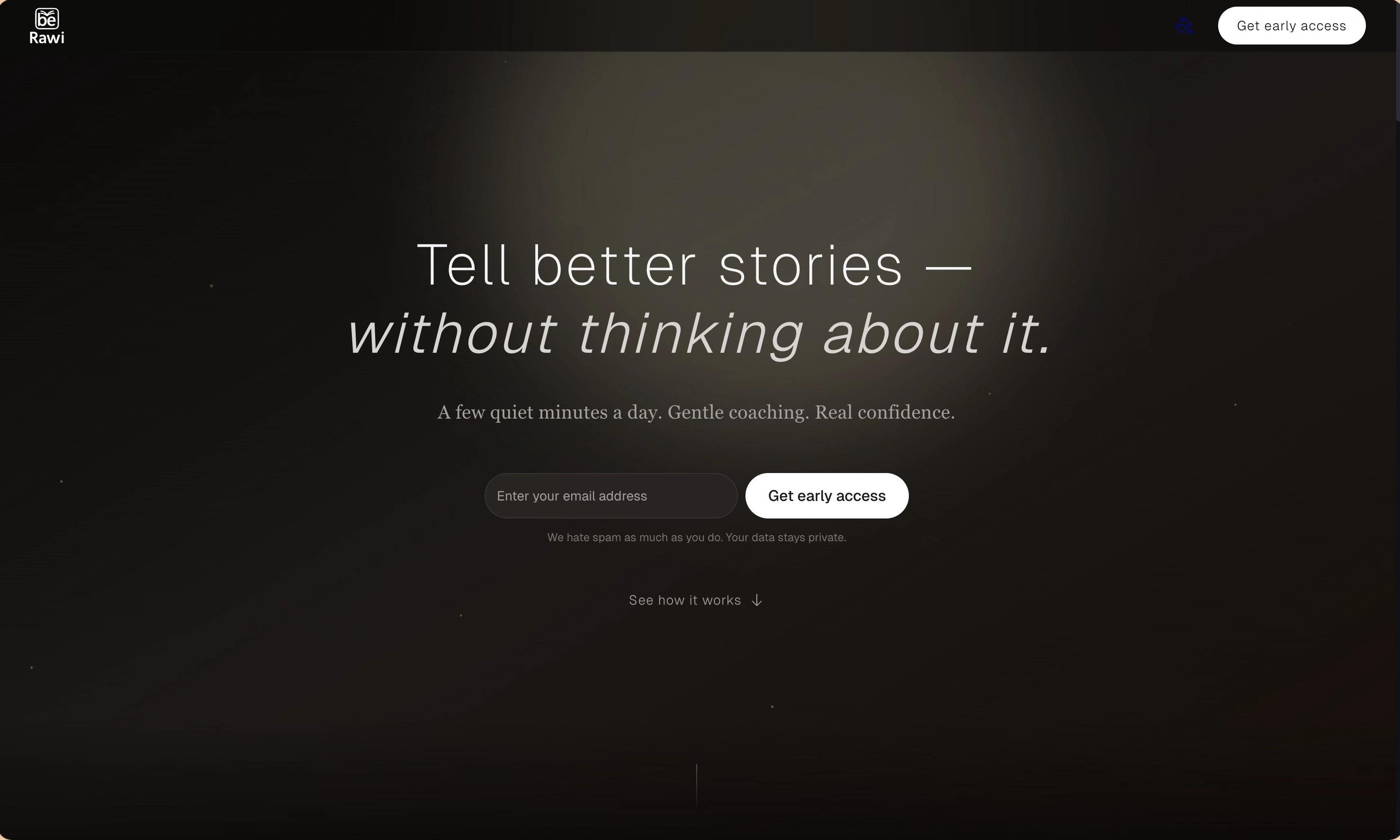
BeRawi: Storytelling Coach
Practice storytelling daily with instant feedback to sound clearer, more engaging, and confident 🎤
Omichat
Chat with 50+ AI models, including ChatGPT and Claude, in one place - switch models anytime without losing context 🤖
Claude Fast
Supercharge your Claude Code with 6x effective context window and specialized AI agents 🤖
EmojAI
AI-powered emoji picker with smart, context-aware suggestions 🤖
Solohacker
Autonomous company launcher - AI agents work 24/7, escalate what matters, and you stay in control 🤖
BeRawi: Storytelling Coach
Practice storytelling daily with instant feedback to sound clearer, more engaging, and confident 🎤
Omichat
Chat with 50+ AI models, including ChatGPT and Claude, in one place - switch models anytime without losing context 🤖
Claude Fast
Supercharge your Claude Code with 6x effective context window and specialized AI agents 🤖
EmojAI
AI-powered emoji picker with smart, context-aware suggestions 🤖
Solohacker
Autonomous company launcher - AI agents work 24/7, escalate what matters, and you stay in control 🤖
BeRawi: Storytelling Coach
Practice storytelling daily with instant feedback to sound clearer, more engaging, and confident 🎤
Omichat
Chat with 50+ AI models, including ChatGPT and Claude, in one place - switch models anytime without losing context 🤖
Claude Fast
Supercharge your Claude Code with 6x effective context window and specialized AI agents 🤖
EmojAI
AI-powered emoji picker with smart, context-aware suggestions 🤖
Solohacker
Autonomous company launcher - AI agents work 24/7, escalate what matters, and you stay in control 🤖
BeRawi: Storytelling Coach
Practice storytelling daily with instant feedback to sound clearer, more engaging, and confident 🎤

Connect with like-minded people
Join our community to get feedback, support, and grow together with 1,000+ builders on board, let's ship it!
Join usShip your startup everywhere. In minutes.
Don't burn tokens on setup and start building features on day one.