Playcall
Find nearby volleyball, soccer, and basketball games matched to your schedule and skill level. Create balanced teams, coordinate players, and spend less time organizing.
Why a pickup sports app like Playcall can solve a real coordination problem
Finding a nearby volleyball, soccer, or basketball game sounds simple until someone has to make it happen. Players need to agree on a time and location, find enough people, choose a format, and make sure the teams are reasonably balanced. Then someone has to handle cancellations, late arrivals, and last-minute questions.
Playcall is a mobile app concept for matching people with nearby pickup sports games based on their schedules and skill levels. It also helps organizers create balanced teams and coordinate players. The underlying opportunity is not just helping people find sports. It is reducing the effort required to turn interest into a game that actually happens.
That distinction matters. A directory of courts or a social feed may help people discover sports-related information, but it does not necessarily solve the full coordination problem. Playcall can stand out by connecting three practical jobs in one experience:
- Helping players discover games that fit their location, availability, and ability.
- Helping organizers fill open spots and manage attendance.
- Helping groups start with teams that feel fair and welcoming.
The strongest version of the Playcall app would make a user’s next step obvious: find a suitable game, understand what to expect, and confirm a spot with confidence.
The user need behind Playcall
Pickup sports are community-driven, but organizing them can be surprisingly labor-intensive. A player may be enthusiastic about playing this week without knowing which group has space, whether the game is beginner-friendly, or whether it starts early enough to fit their schedule. An organizer may know a court is available but still need to recruit enough reliable players.
This creates two connected problems:
- Discovery — Players do not know which games are relevant to them.
- Coordination — Organizers spend time handling logistics that could be automated or made easier.
A general social network can help people communicate, but its posts are not necessarily structured around a game’s essential details. A group chat can work for a close-knit team, but it becomes harder to manage as people join, leave, or have conflicting schedules. A sports facility may provide a place to play, but facility booking does not automatically create a group of compatible players.
Playcall’s opportunity is to structure the information that players and organizers already exchange informally. A game listing can include the sport, location, start time, available spaces, expected level, format, cost, and attendance status. When those details are visible in a consistent format, players can make faster and better-informed decisions.
The product should also recognize an important behavioral reality: people may be interested in playing but hesitant to join a game where they do not know anyone. Clear expectations, organizer profiles, group history, and respectful community standards can help reduce that uncertainty.
Who Playcall should serve first
A broad “everyone who plays sports” audience sounds attractive, but it is too diffuse for an early-stage marketplace. Playcall needs enough active players in the same place, playing the same sport, at compatible times. That makes the initial audience and launch geography more important than the total number of recreational athletes.
Casual players looking for a game
These users want to play without committing to a league or maintaining a large personal network. They may have an irregular schedule or recently moved to a new area. They need a fast way to see suitable games and understand the social and skill-level expectations before joining.
Useful information for this audience includes:
- Whether the game is recreational, competitive, or somewhere in between.
- Whether beginners are welcome.
- The number of open spots.
- What equipment or clothing to bring.
- Whether a player can join alone.
- How cancellations and waitlists work.
The product should avoid making players feel that they need a perfect skill rating or a pre-existing friend group to participate.
Organizers and community captains
Organizers are the supply side of the marketplace. They may be individuals arranging regular games, informal captains, local sports groups, or people who manage access to a court or field. Their primary need is reliability: enough players should confirm, show up, and understand the plan.
For this audience, Playcall should make it easy to create a game, set participation rules, invite players, track attendance, and communicate changes. Organizers should not have to maintain a separate spreadsheet or repeatedly message every participant to confirm availability.
A successful product must make organizing easier than using a group chat. If it creates additional administration, organizers are unlikely to adopt it consistently.
New residents and people building local connections
People who have recently moved may be looking for both exercise and a social foothold. They often lack access to established neighborhood groups, making public, well-described games especially valuable.
Playcall can help these users by showing more than a location and time. It can explain the game’s pace, format, expected experience level, and group norms. This lowers the social cost of joining an unfamiliar activity.
Sports clubs, venues, and local communities
Local clubs, recreation groups, and sports venues may eventually use Playcall to fill open sessions or make informal events easier to manage. These organizations can bring recurring game supply and established audiences, but they are not necessarily the ideal first customer.
Early sales or integrations can distract from proving that individual players and organizers find value in the core matching experience. A better sequence is to validate player behavior first, then build partnerships where they improve game availability or operational efficiency.
The market opportunity and the gap to explore
Playcall sits at the intersection of local discovery, community coordination, and recreational sports. The opportunity is not simply that people play sports. It is that many existing ways to organize casual play are fragmented across messages, social groups, club pages, venue calendars, and personal contacts.
That fragmentation creates an opening for a product that is designed around a specific outcome: helping someone join or organize a suitable game with less effort.
However, an opportunity is not proof of demand. The team should test whether users will consistently create and join games through a dedicated app rather than continuing with their existing tools. The most useful early research questions include:
- How do players currently find games?
- What causes a planned game to fall apart?
- How often do organizers struggle to fill open spots?
- Which details do players need before they feel comfortable joining?
- Are players willing to travel farther for a better-matched game?
- Do skill-level labels help people choose, or do they make participation feel intimidating?
- How much coordination do organizers do before and after a game?
The product’s market gap should be stated carefully. Playcall is not necessarily the first product to help people find sports or socialize locally. Its potential differentiation is a more focused workflow that combines schedule-aware game discovery, skill-aware matching, and practical coordination.
Start with density, not broad geographic coverage
A local sports marketplace needs enough activity to feel useful. If a player opens Playcall and sees no games nearby, they may not return. If an organizer posts a game and no one responds, they may return to their existing group chat.
This is the classic cold-start problem of a two-sided marketplace. Playcall should initially concentrate on a small launch area and a limited selection of sports. The aim is to make a narrow community feel active before expanding.
A practical launch might focus on:
- One city or a few neighboring districts.
- One sport with frequent, accessible pickup activity.
- A small number of predictable time windows.
- Several committed organizers who can post recurring games.
- A clear process for welcoming first-time players.
Choose the initial sport and neighborhood through interviews and local observation rather than assumptions. Court access, weather, public transit, existing groups, and typical game size can all affect how quickly a community becomes active.
Treat trust as part of the market gap
When joining a game with strangers, players need more than a time and a map pin. They want to know whether the event is real, whether the organizer is responsive, and whether the experience will match its description.
Trust features are therefore not merely add-ons. They can influence conversion and retention. Useful signals may include verified contact details, attendance history, organizer reputation, clear cancellation policies, and a way to report unsafe or misleading behavior.
The goal is not to make casual play feel bureaucratic. It is to provide enough context for users to make an informed choice.
Core features for a useful Playcall MVP
A good MVP should prove the central behavior before attempting to build a full sports community platform. The first release should help users find, create, and attend games. Advanced social features should wait until the team has evidence that they improve those behaviors.
Game discovery with relevant filters
Players should be able to browse games using filters that reflect real decisions:
- Sport and game format.
- Distance or neighborhood.
- Date and time.
- Skill level or intensity.
- Open spots and waitlist availability.
- Indoor or outdoor setting.
- Free or paid participation.
Schedule fit should be especially clear. A player should be able to specify when they are generally available or search for games within a chosen time range. The app should explain why a game appears in their results, such as proximity, schedule fit, or skill preference.
Avoid overcomplicated preference setup at signup. Ask for only what is necessary to make the first search useful, then collect additional preferences when they improve recommendations.
Structured game creation
An organizer should be able to create a game without completing a long form. Required details might include sport, location, start time, expected duration, player limit, and skill expectation. Optional settings can cover equipment, weather plans, fees, or organizer notes.
Defaults can make recurring games easier to publish. For example, an organizer could duplicate a previous game or set a weekly schedule. This is valuable because recurring supply helps the marketplace feel active.
The product should also support changes after publication. If a location or start time changes, players need an obvious notification and a clear way to confirm whether they can still attend.
Skill-aware matching that remains welcoming
Skill matching is one of Playcall’s most valuable and most sensitive features. A poor match can make a game frustrating. A rigid rating system can also discourage new players or create unnecessary status competition.
For an MVP, use simple, understandable labels such as beginner-friendly, recreational, intermediate, or competitive. Let organizers describe the expected pace and format in plain language. Over time, Playcall can test whether self-selected levels, organizer assessments, or participation history provide better recommendations.
Important safeguards include:
- Let users update their level without social penalties.
- Explain what each level means for each sport.
- Avoid suggesting that an informal rating is an objective measure of ability.
- Let organizers set a range rather than demand a single exact level.
- Gather feedback when players report a significant mismatch.
Matching should help people find enjoyable games, not rank them publicly.
Balanced team creation
Team balancing can be a meaningful differentiator if it is transparent and easy to control. A simple first version could let organizers assign players manually or randomly, then adjust teams before the game begins.
More advanced balancing might use player-selected skill bands, positions, or organizer observations. The system should avoid presenting its output as perfectly fair, especially when data is limited. A clear explanation such as “suggested teams based on player-selected levels” is more trustworthy than implying a precise assessment.
Attendance, waitlists, and reminders
A game listing becomes more valuable when attendance is reliable. Players should be able to confirm, cancel, or join a waitlist with minimal effort. Organizers should see the current player count and know when a spot opens.
Useful operational details include:
- A configurable RSVP deadline.
- Push or email reminders before the game.
- Automatic waitlist promotion when a player cancels.
- A simple check-in or attendance record.
- A clear no-show policy for recurring groups.
Use reminders thoughtfully. Too many notifications can lead users to disable them. Let players choose relevant notification settings while keeping essential game changes visible.
Group communication without recreating a noisy chat app
Communication is necessary, but Playcall does not need to become a general-purpose messaging platform on day one. Start with practical, game-related communication: organizer announcements, location updates, and short questions from confirmed players.
A focused communication layer can prevent key information from getting lost in a long group thread. It can also keep phone numbers private by default. If direct messaging is added, include blocking, reporting, and moderation tools from the beginning.
A recommended technology stack for the Playcall app
The right technology stack depends on the team’s experience, budget, and the need to support iOS and Android. For a mobile-first product, the priority is shipping a reliable experience on both platforms without making early development unnecessarily complex.
Mobile application
A practical option is React Native, which enables teams to build native mobile applications using JavaScript or TypeScript. It can be a good fit when the team values shared code across iOS and Android and wants access to a broad ecosystem.
Another option is Expo, which provides tools and services for developing React Native applications. Expo can simplify common development and deployment workflows, although teams should verify that the libraries and native capabilities they need are supported for their planned architecture.
Trade-off: A cross-platform framework can reduce duplicated effort, but it does not remove the need to test on real devices. Maps, notifications, permissions, background behavior, and app-store requirements still need platform-specific attention.
Backend and database
A relational database such as PostgreSQL is a natural fit for users, games, locations, RSVPs, waitlists, and organizer relationships. These entities have clear connections, and the database can support queries such as “show open games near this location at this time.”
A managed backend can help an early team avoid building infrastructure before product-market fit. Supabase offers managed Postgres and related services, while a custom API can provide more control over business logic and deployment. The choice should reflect the team’s ability to maintain the system, not just the speed of the first prototype.
Key backend considerations include:
- Securely storing user and game data.
- Enforcing authorization rules for private or limited-access games.
- Preventing duplicate RSVPs and overbooking.
- Recording changes to time, location, and attendance.
- Designing location searches with privacy and performance in mind.
Maps, notifications, and analytics
Location is central to discovery, but precise location collection can create privacy concerns. Allow users to search by neighborhood or manually selected area. Do not require continuous background location tracking unless a clearly justified feature depends on it.
Push notifications can support reminders, waitlist updates, and organizer announcements. The product should obtain consent appropriately and provide controls for nonessential notifications.
Analytics should focus on the marketplace funnel rather than vanity metrics. Track whether users complete meaningful actions: searching, viewing a game, joining, attending, creating a game, and returning. Avoid collecting more personal data than necessary.
Build for reliability before sophisticated matching
A complex recommendation engine is not required to launch. Start with transparent filters and simple ranking rules. For example, results could prioritize games that match a player’s chosen sport, availability, distance range, and skill preference.
As usage grows, Playcall can compare different ranking approaches. A recommendation model is only useful if there is enough trustworthy data and if users understand the results. In the early stage, clear filters may be more effective than opaque automation.
Monetization options for Playcall
The business model should support sustainable operations without making casual sports feel inaccessible. Consider testing monetization only after the app reliably helps players find games and organizers coordinate them.
Freemium subscriptions
A free tier could include game discovery, basic RSVPs, and standard game creation. A paid plan might offer organizer tools such as recurring schedules, advanced waitlist controls, attendance insights, multiple administrators, or branded community pages.
The strongest subscription features are ones that save organizers time or improve a recurring group’s reliability. Avoid placing basic safety or essential access features behind a paywall.
Organizer or club plans
Local clubs, recreational groups, and venue operators may pay for tools that manage recurring sessions or reach nearby players. A business plan could include administrative roles, scheduling tools, participant management, and activity reporting.
This model can create more predictable revenue, but it may lengthen sales cycles and require customer support. Validate interest with a small number of organizations before building a complex enterprise product.
Per-game payments
If games involve facility fees or paid instruction, Playcall could support payments or booking fees. This requires clear pricing, refund rules, cancellation policies, and an understanding of payment processing costs.
Paid participation should remain optional where possible. A large share of casual games may be free or organized informally, so relying exclusively on transaction fees could limit the product’s usefulness.
Carefully selected local partnerships
Local sports retailers, venues, leagues, or community programs may be potential partners. Sponsored placements should be clearly labeled and relevant to players. Ads that interrupt discovery or undermine trust could weaken the experience.
A practical monetization sequence is to begin with free access, learn what organizers value, and test paid features with users who receive clear operational benefits.
Competitive advantage and positioning
Playcall will compete indirectly with more than dedicated sports products. Group chats, social platforms, venue booking systems, spreadsheets, and word of mouth all help people organize games. The product must be more convenient than these existing habits, not merely offer more features.
| Capability | Group chats | Venue booking tools | General social platforms | Playcall opportunity |
|---|---|---|---|---|
| Nearby game discovery | Limited | Sometimes | Broad but unstructured | Search by location, sport, and time |
| Skill-level context | Informal | Rarely central | Inconsistent | Show clear expectations before joining |
| Open-spot management | Manual | May be limited | Manual | RSVPs, player caps, and waitlists |
| Schedule-aware matching | Manual | Usually not a core feature | Limited | Surface games that fit availability |
| Team coordination | Possible but fragmented | Limited | Possible but noisy | Keep game logistics in one place |
The table describes general product patterns, not a claim that every competitor lacks these capabilities. Playcall should conduct local competitor research and test how people currently solve the problem in its launch markets.
The potential USP
A clear positioning statement could be:
Playcall helps you find and organize nearby pickup sports games that fit your schedule and skill level, without the endless coordination in group chats.
That message is concrete because it describes the user, the job, and the benefit. It also gives the team a standard for prioritizing features. A new feature should make finding, joining, or organizing a suitable game meaningfully easier.
What can become defensible over time
The app’s interface alone is unlikely to be a durable competitive advantage. More meaningful advantages may come from:
- Local game density: A reliable selection of active games in specific neighborhoods.
- Organizer relationships: Recurring groups that publish games and bring players back.
- Preference data: Better understanding of when, where, and at what level users want to play.
- Trust and reliability: A reputation for accurate listings, responsive organizers, and clear expectations.
- Operational learning: Knowledge about what helps games reach capacity and what causes cancellations.
These advantages develop through repeated use. The initial focus should be on creating a community where players and organizers receive value quickly, rather than claiming a large network before it exists.
Risks and ways to reduce them
Marketplace cold start
Risk: Players see too few games, while organizers see too few potential participants.
Mitigation: Launch in a concentrated area, recruit organizers before broad promotion, and support recurring games. Measure whether games fill and repeat, not just how many people download the app.
Unreliable attendance
Risk: Cancellations and no-shows frustrate organizers and damage trust.
Mitigation: Use confirmations, reminders, waitlists, cancellation rules, and attendance history. Keep policies transparent and proportionate so occasional scheduling conflicts are not treated as misconduct.
Skill mismatch and exclusion
Risk: Players feel uncomfortable when game intensity does not match expectations, or rating systems make new users feel unwelcome.
Mitigation: Use descriptive labels, encourage organizers to explain the format, and give players a way to report mismatches. Make beginner-friendly games easy to find and avoid overclaiming the precision of skill ratings.
Safety and harassment
Risk: In-person activities involving strangers can expose users to unsafe conduct, harassment, or disputes.
Mitigation: Establish community standards, provide report and block functions, and create a clear process for reviewing serious complaints. Consider identity or contact verification proportionate to the risk, but do not imply that verification guarantees personal safety. Provide guidance that encourages users to meet in appropriate public settings and share relevant concerns with someone they trust.
Privacy and location sensitivity
Risk: Location data and attendance history can reveal personal routines.
Mitigation: Collect only the information needed to operate the service. Explain location settings in plain language, let users control profile visibility, and avoid showing sensitive personal details publicly. Have a qualified privacy professional review the product’s data practices and applicable legal obligations before launch.
Weather, venue, and cancellation disruptions
Risk: Outdoor games can be affected by weather, field closures, or access problems.
Mitigation: Let organizers post updates quickly, specify alternate locations or cancellation conditions, and notify confirmed players when plans change. The game listing should distinguish between a tentative plan and a confirmed reservation where relevant.
Weak monetization fit
Risk: Players may resist fees for informal sports, while organizers may not see enough value in paid tools.
Mitigation: Validate willingness to pay through interviews and small pricing tests. Tie paid plans to measurable benefits, such as less organizer effort or improved management of recurring games. Keep essential safety and participation features accessible.
How to measure whether Playcall is working
Downloads alone do not show whether the product solves the coordination problem. Define metrics around successful games and repeated participation.
Marketplace health metrics
Track measures such as:
- The percentage of published games that reach their intended player count.
- The median time required to fill an open spot.
- The proportion of listed games that take place as scheduled.
- The cancellation and no-show rates.
- The percentage of players who join another game after their first attendance.
- The percentage of organizers who create another game.
These metrics should be segmented by sport, neighborhood, and time period. An overall average can hide the fact that one community is thriving while another has no useful activity.
User experience metrics
Measure how quickly a new user reaches a relevant game, how often search results produce an RSVP, and how frequently users abandon the process. Collect qualitative feedback after participation, especially around skill fit, clarity, and trust.
The goal is not to maximize every metric independently. For example, reducing the steps to join a game should not come at the expense of informed consent or clear expectations.
Actionable implementation steps
A focused launch plan can help Playcall learn before investing in a broad feature set.
Interview players and organizers
Speak with casual players, recurring group organizers, and people who have recently moved to the area. Ask them to describe the last time they tried to arrange a game, including what worked, what failed, and which tools they used. Look for repeated pain points rather than asking whether they like the idea in the abstract.
Choose a narrow launch market
Select a small geographic area and one or two sports based on actual access to games and organizer interest. Secure a starting supply of recurring or near-term games before inviting a large number of players.
Test the core workflow with a prototype
Create a simple prototype that lets a player find a game, understand its requirements, and RSVP. Test it with people who have not been involved in designing the product. Watch where they hesitate and what information they need before committing.
Build the smallest useful MVP
Prioritize profiles, structured game listings, discovery filters, RSVPs, player limits, waitlists, organizer updates, and basic reporting. Defer advanced ranking, public social feeds, complex gamification, and broad partnership tooling until users demonstrate a need.
Seed supply and support the first games
Work directly with organizers to publish clear listings and make sure games have enough players. Provide responsive support during the first events so the team can identify operational problems that analytics may not reveal.
Evaluate repeat behavior and improve
Review attendance, successful game completion, repeat participation, and organizer retention. Interview users who leave as well as those who stay. Expand to new areas only when the original community shows reliable activity and users are returning.
Keep the first promise narrow
A strong first release does not need to solve every problem in recreational sports. It needs to make one local player’s next game easier to find and one organizer’s next game easier to fill.
For a team moving from product concept to launch, TurboStarter can be a useful starting point for building a SaaS foundation. Evaluate any starter kit against Playcall’s specific needs, including mobile delivery, location-based discovery, notifications, payments, and the team’s preferred stack.
The opportunity for Playcall
Playcall has a clear product premise: help people find nearby volleyball, soccer, and basketball games that fit their schedules and skill levels, while giving organizers practical tools to build balanced teams and coordinate attendance.
Its strongest opportunity is to replace fragmented coordination with a focused local experience. Its biggest challenge is reaching enough density for that experience to feel useful in each launch area. The path forward is therefore not to build the largest possible feature set. It is to prove that a focused group of players can discover suitable games, show up, and return.
Start with a specific community, listen carefully to organizers, make expectations transparent, and measure whether games actually happen. If Playcall can make that outcome consistently easier, it will have a credible foundation for expanding into more sports, neighborhoods, and community partnerships.
More 📱 Mobile App SaaS ideas
Discover more innovative mobile app SaaS ideas that are trending in 2026. Each idea is AI-generated with market validation and growth potential to help you find your next profitable venture faster than competitors.
Your competitors are building with TurboStarter
Below are some of the SaaS ideas that have been generated and built with our starter kit.
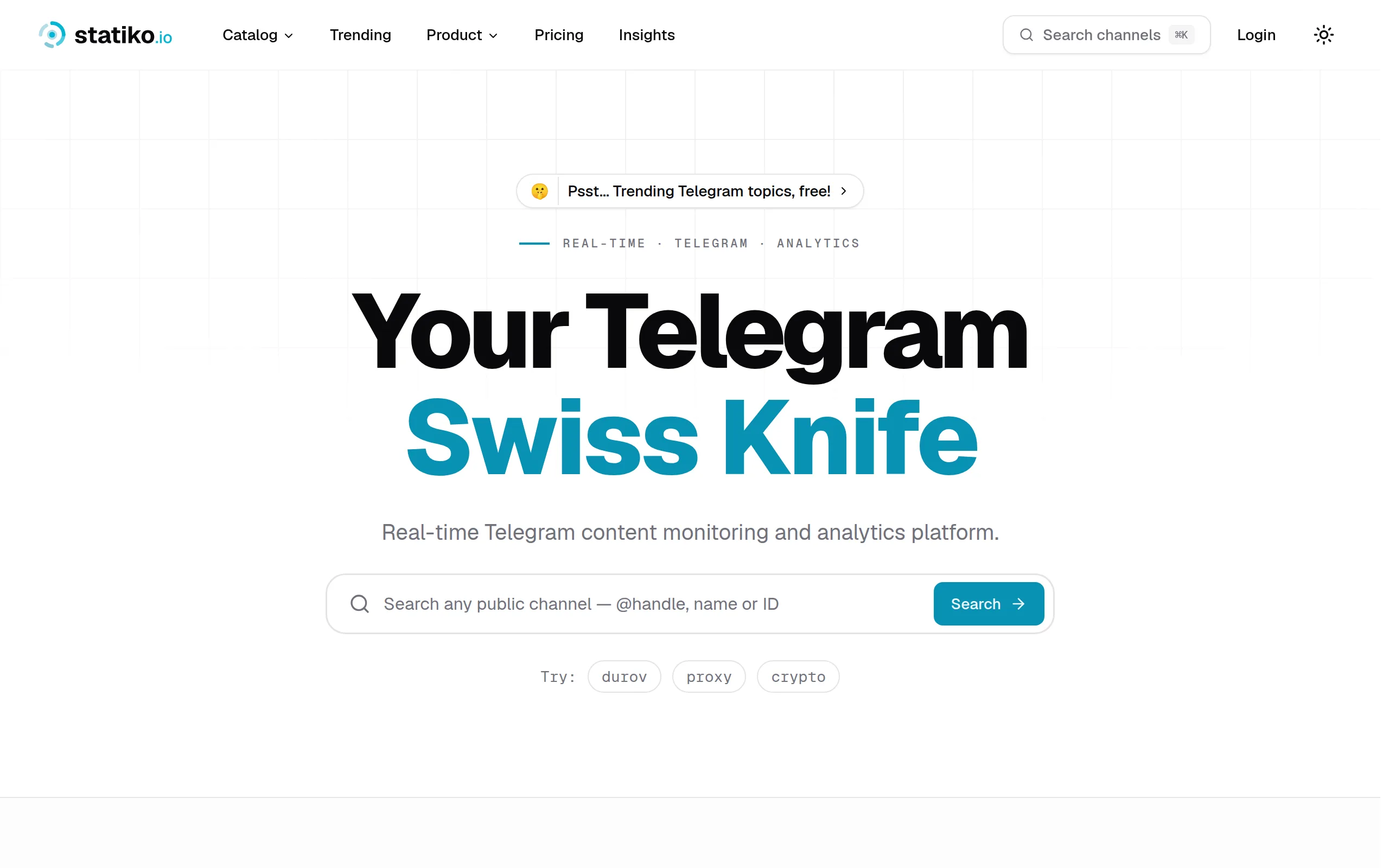
Statiko
Monitor any Telegram channel in real time - track posts, edits, deletions, and growth with AI recaps 📡

Shibui
AI website builder - describe your business, pick a niche template, edit by chatting, and publish instantly ✨

Pro Service
Find verified home service professionals, compare quotes, and pay securely through escrow - built for Brazilians across the US 🏠
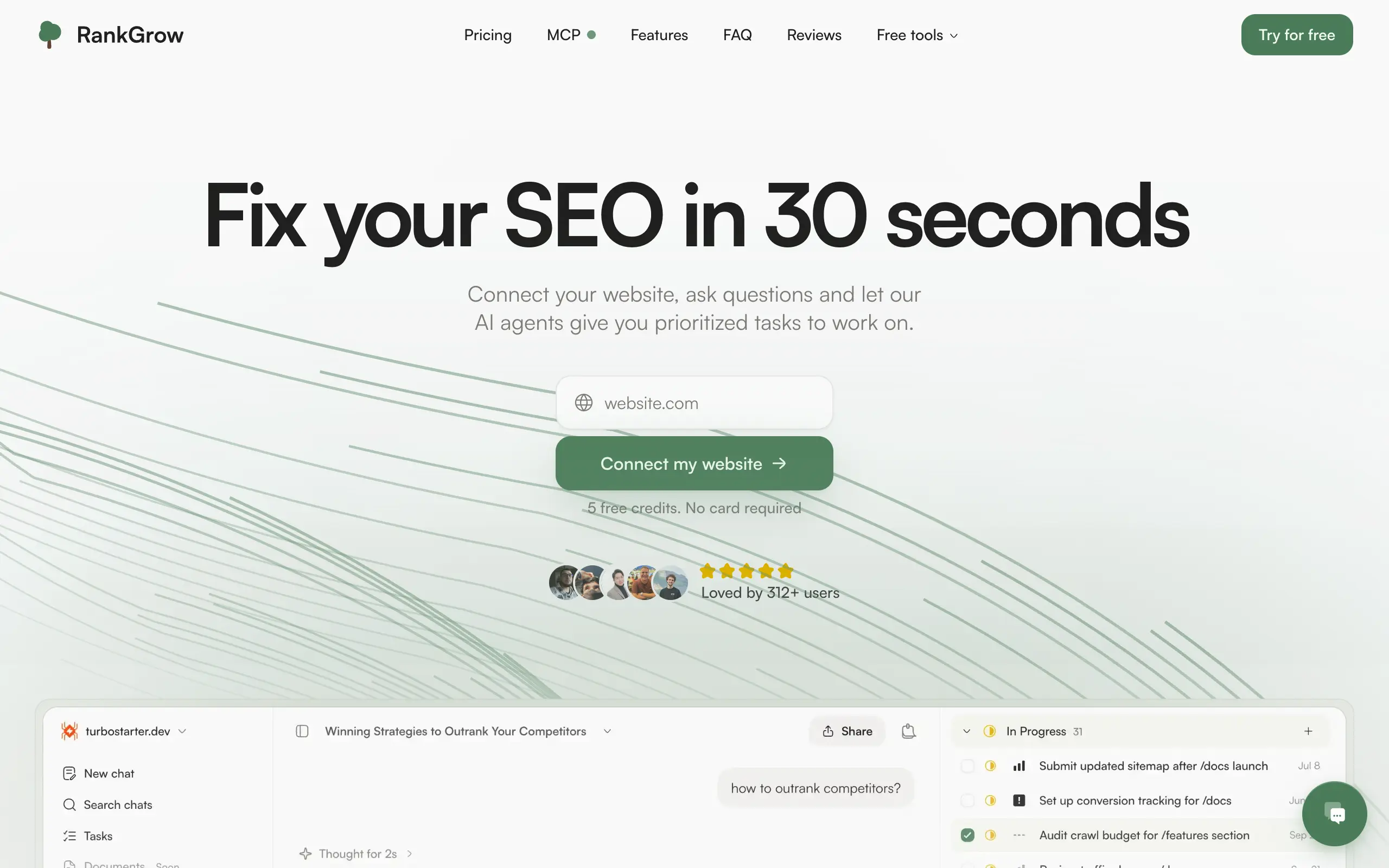
RankGrow
Fix your SEO with AI agents - connect Search Console, get prioritized tasks, and grow organic traffic 📈
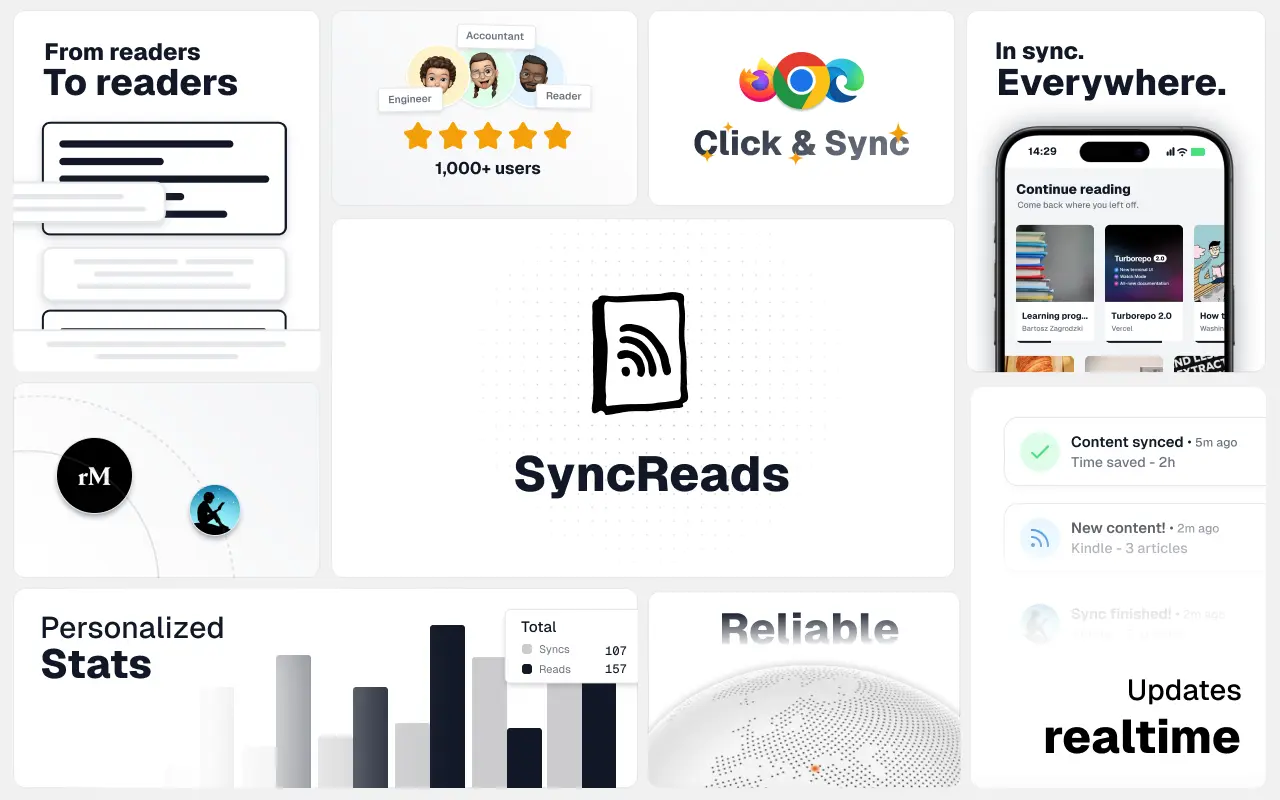
SyncReads
Sync your favorite content for distraction-free reading, save time and replace multiple apps. Anytime, anywhere 🔄
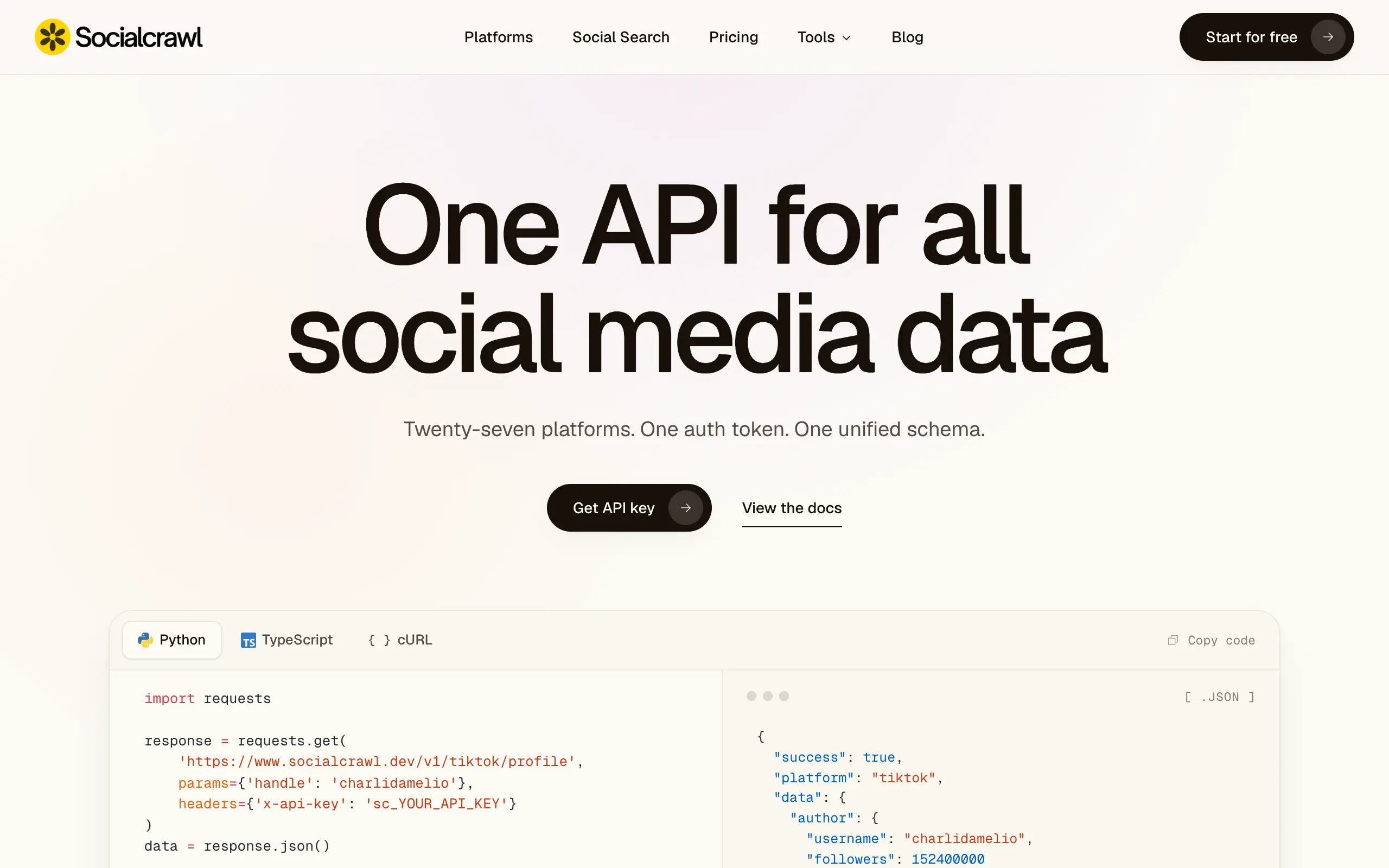
Socialcrawl
Get clean, structured data from 21 platforms like TikTok, Instagram, and YouTube with a single request 📊
Statiko
Monitor any Telegram channel in real time - track posts, edits, deletions, and growth with AI recaps 📡
Shibui
AI website builder - describe your business, pick a niche template, edit by chatting, and publish instantly ✨
Pro Service
Find verified home service professionals, compare quotes, and pay securely through escrow - built for Brazilians across the US 🏠
RankGrow
Fix your SEO with AI agents - connect Search Console, get prioritized tasks, and grow organic traffic 📈
SyncReads
Sync your favorite content for distraction-free reading, save time and replace multiple apps. Anytime, anywhere 🔄
Socialcrawl
Get clean, structured data from 21 platforms like TikTok, Instagram, and YouTube with a single request 📊
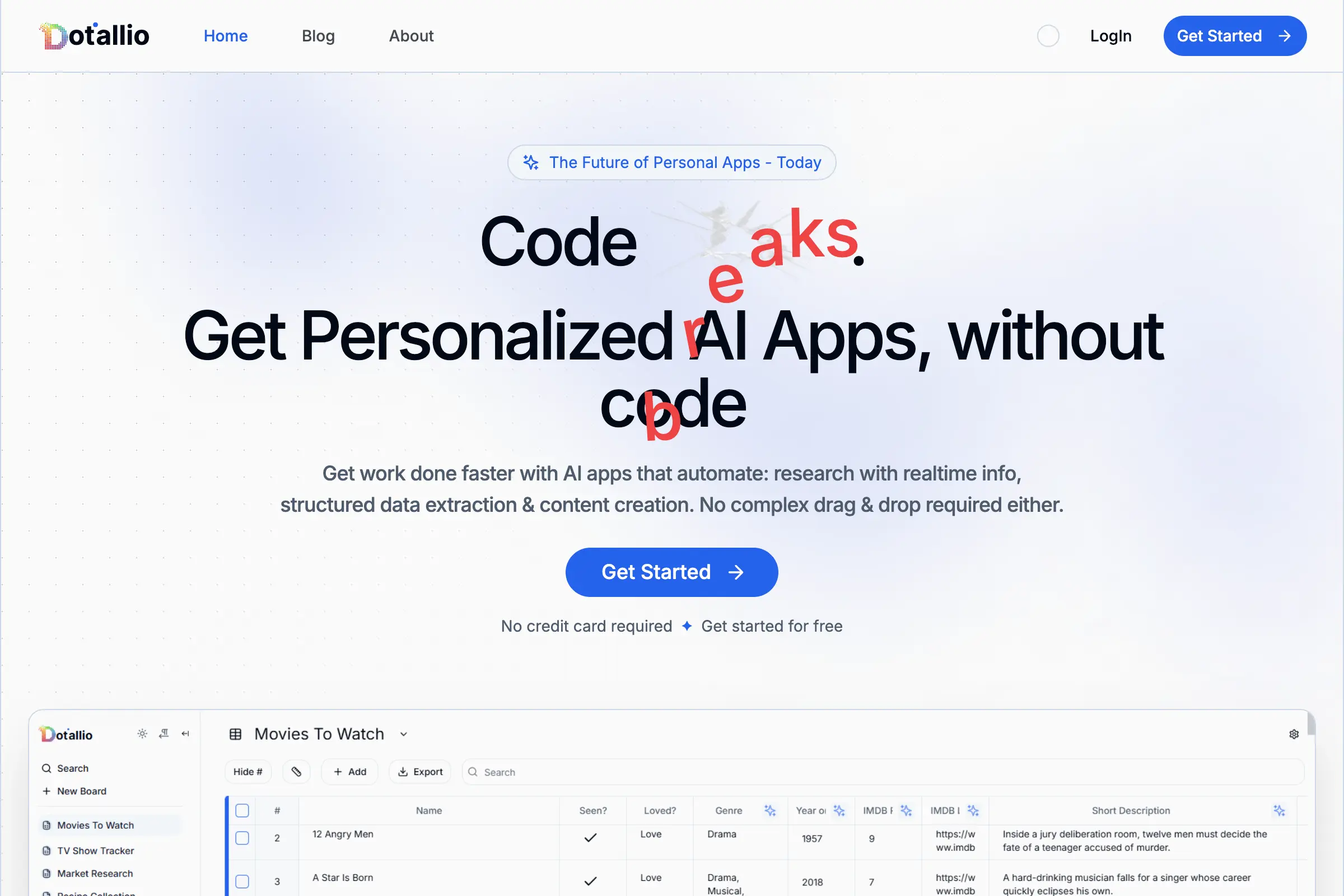
Dotallio
Personalized AI apps that automate research, data extraction, and content creation without code 🤖
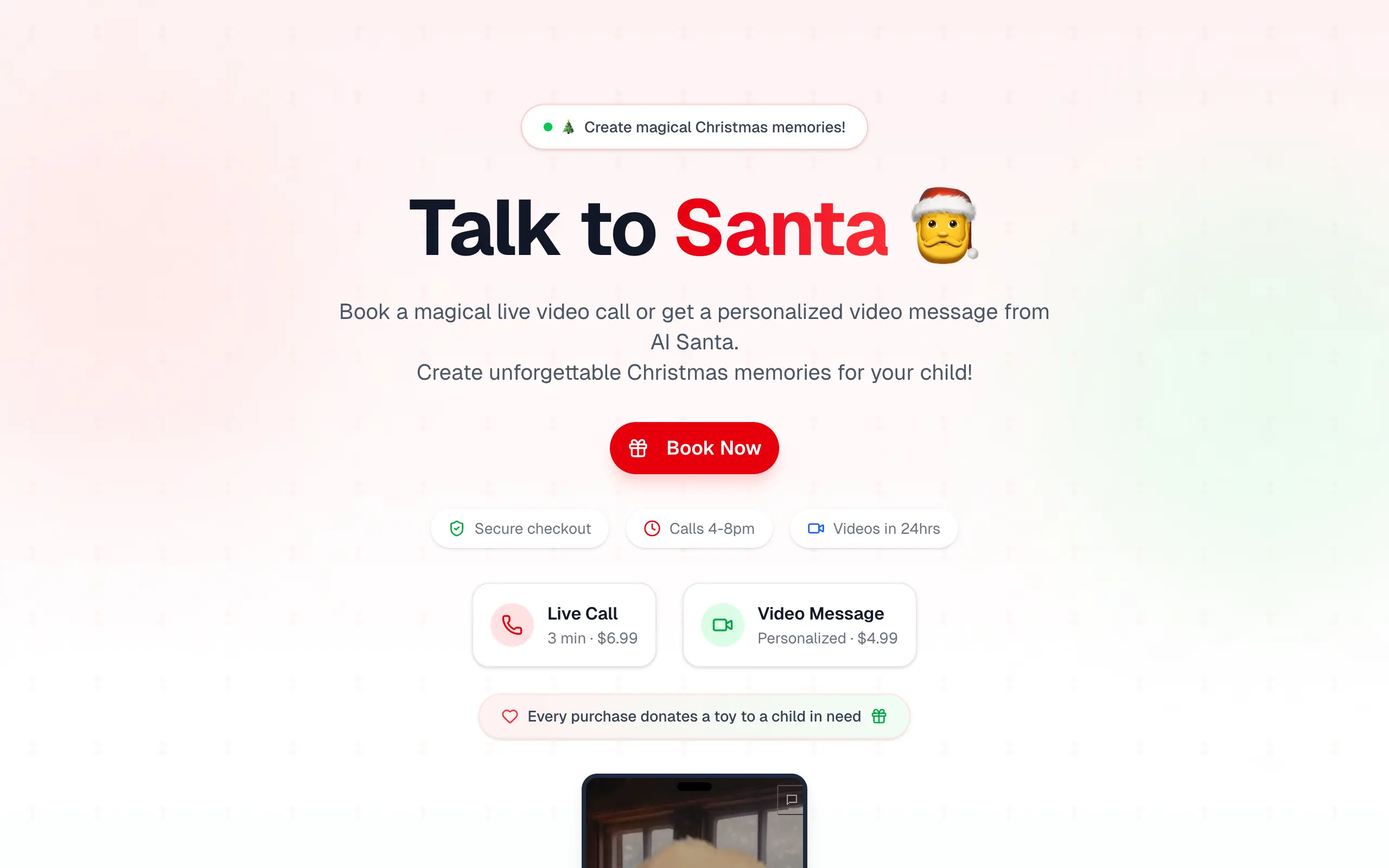
Talk to Santa
Enjoy a magical live video chat or receive a unique AI-generated video greeting from Santa Claus 🎅

pozywka.pl
Scalable blog for food journalist, focused on performance and user experience 🌭
zagrodzki.me
Personal blog and portfolio of Bart Zagrodzki, where he shares his knowledge and work 💼
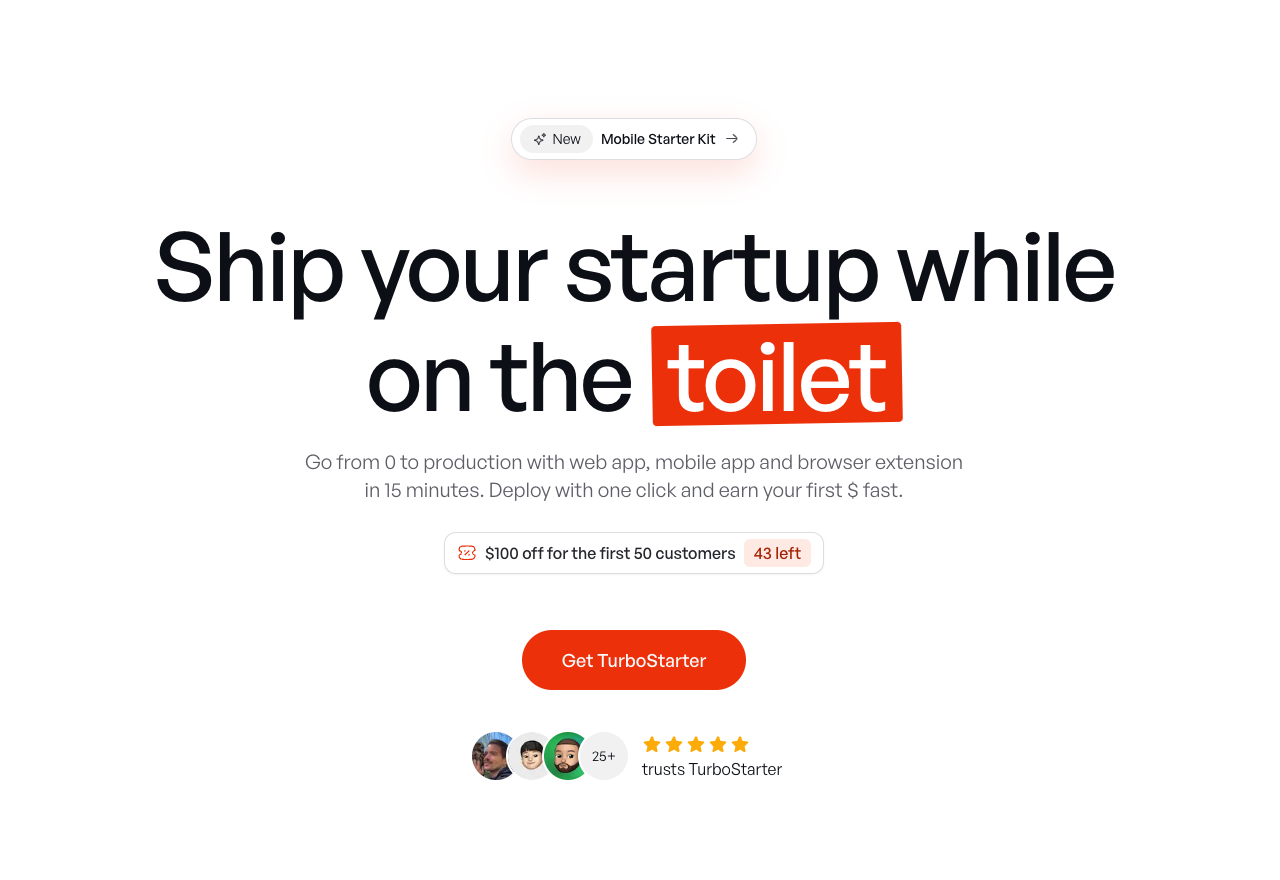
TurboStarter
Ship your startup everywhere. In minutes.
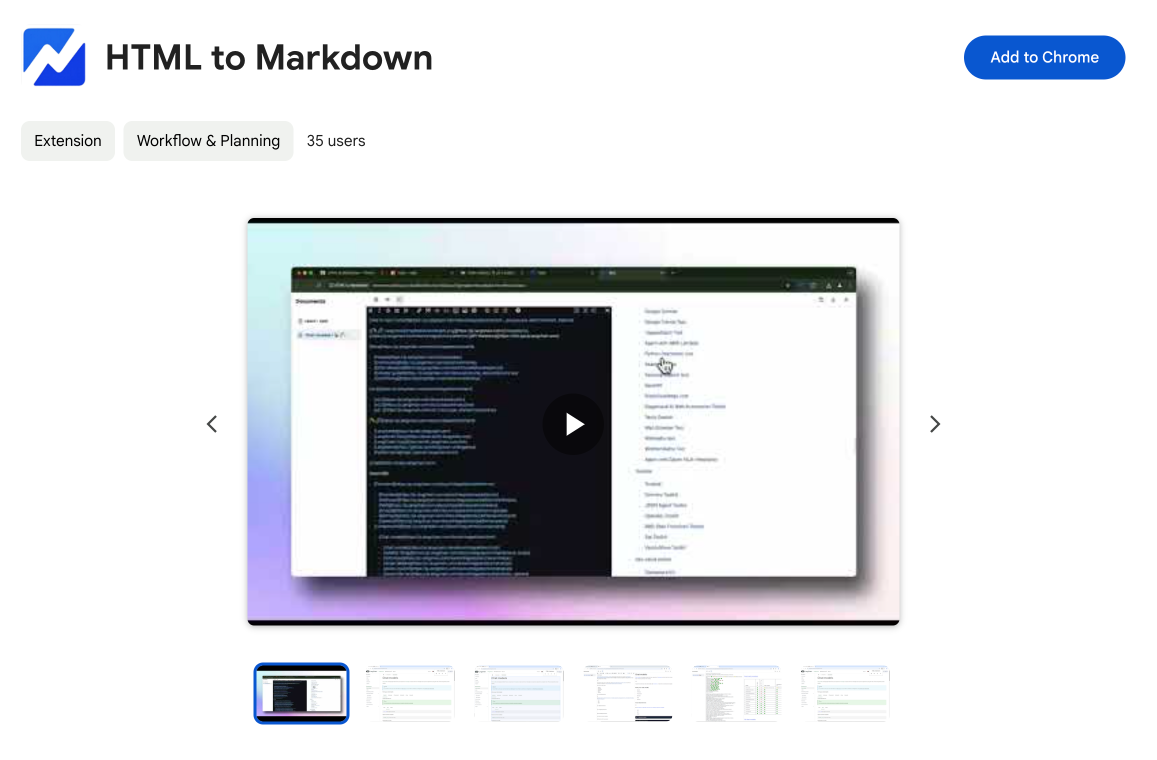
HTML to Markdown
Convert HTML to Markdown with ease, directly in your browser 📄
Dotallio
Personalized AI apps that automate research, data extraction, and content creation without code 🤖
Talk to Santa
Enjoy a magical live video chat or receive a unique AI-generated video greeting from Santa Claus 🎅
pozywka.pl
Scalable blog for food journalist, focused on performance and user experience 🌭
zagrodzki.me
Personal blog and portfolio of Bart Zagrodzki, where he shares his knowledge and work 💼
TurboStarter
Ship your startup everywhere. In minutes.
HTML to Markdown
Convert HTML to Markdown with ease, directly in your browser 📄
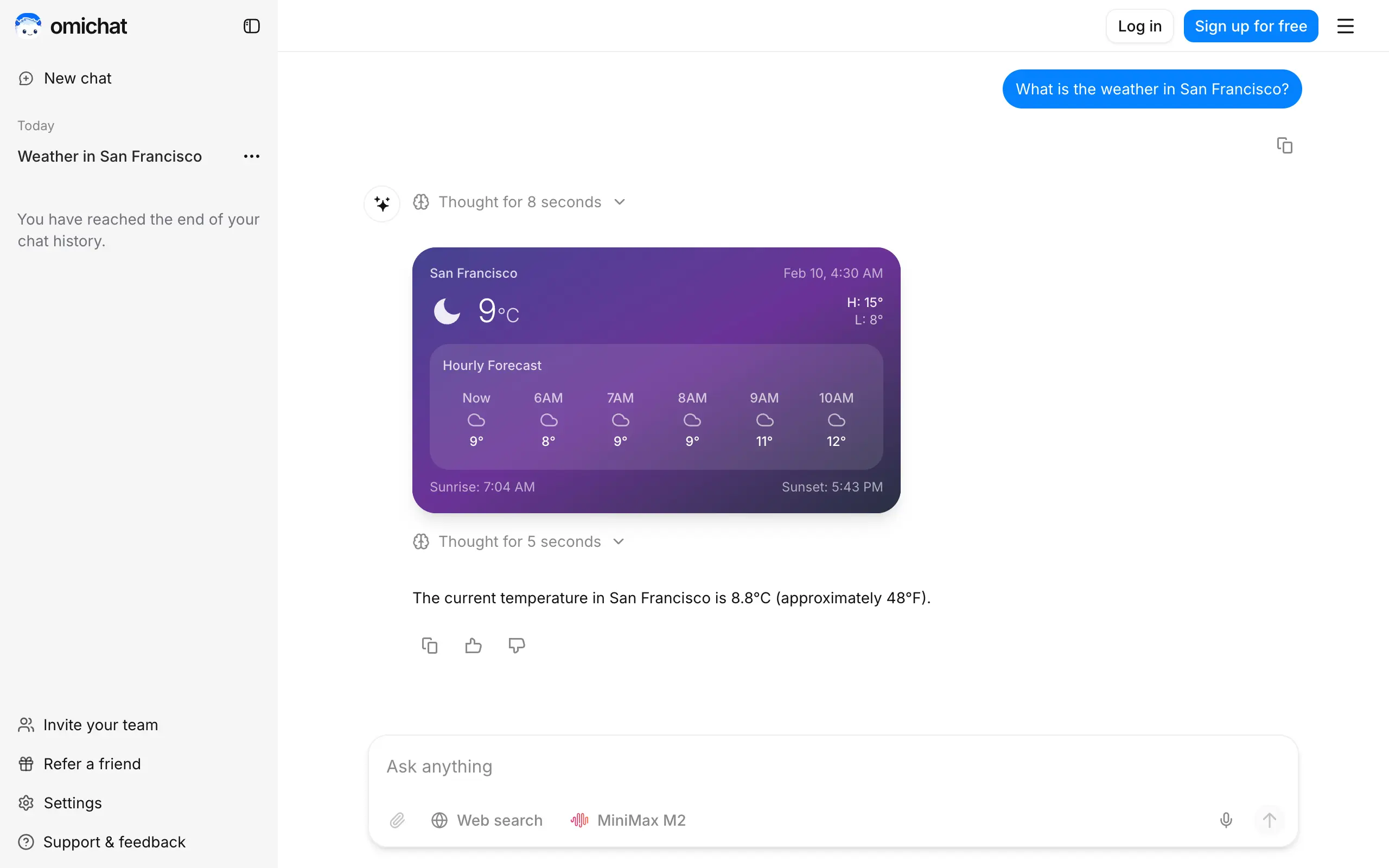
Omichat
Chat with 50+ AI models, including ChatGPT and Claude, in one place - switch models anytime without losing context 🤖
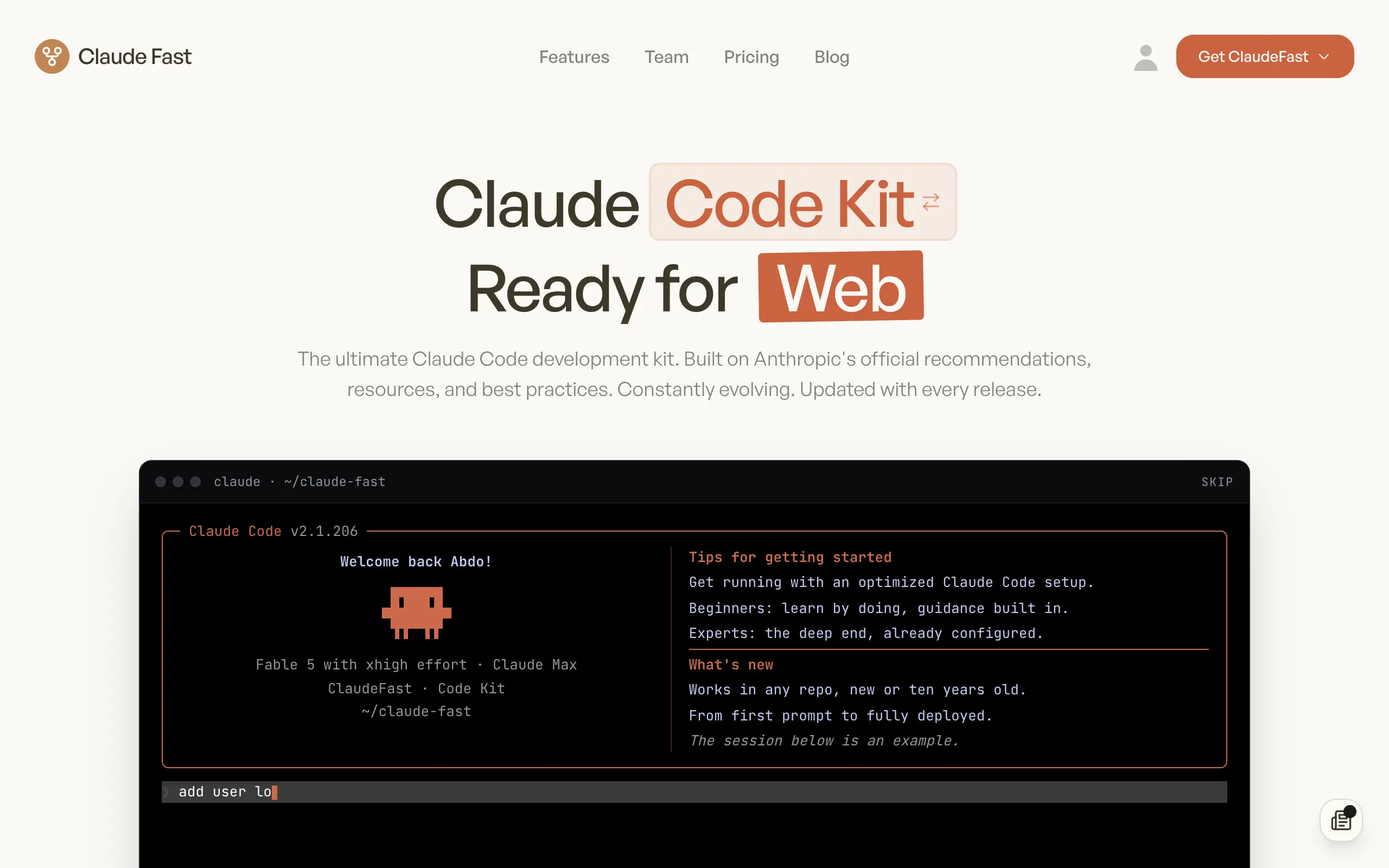
Claude Fast
Supercharge your Claude Code with 6x effective context window and specialized AI agents 🤖
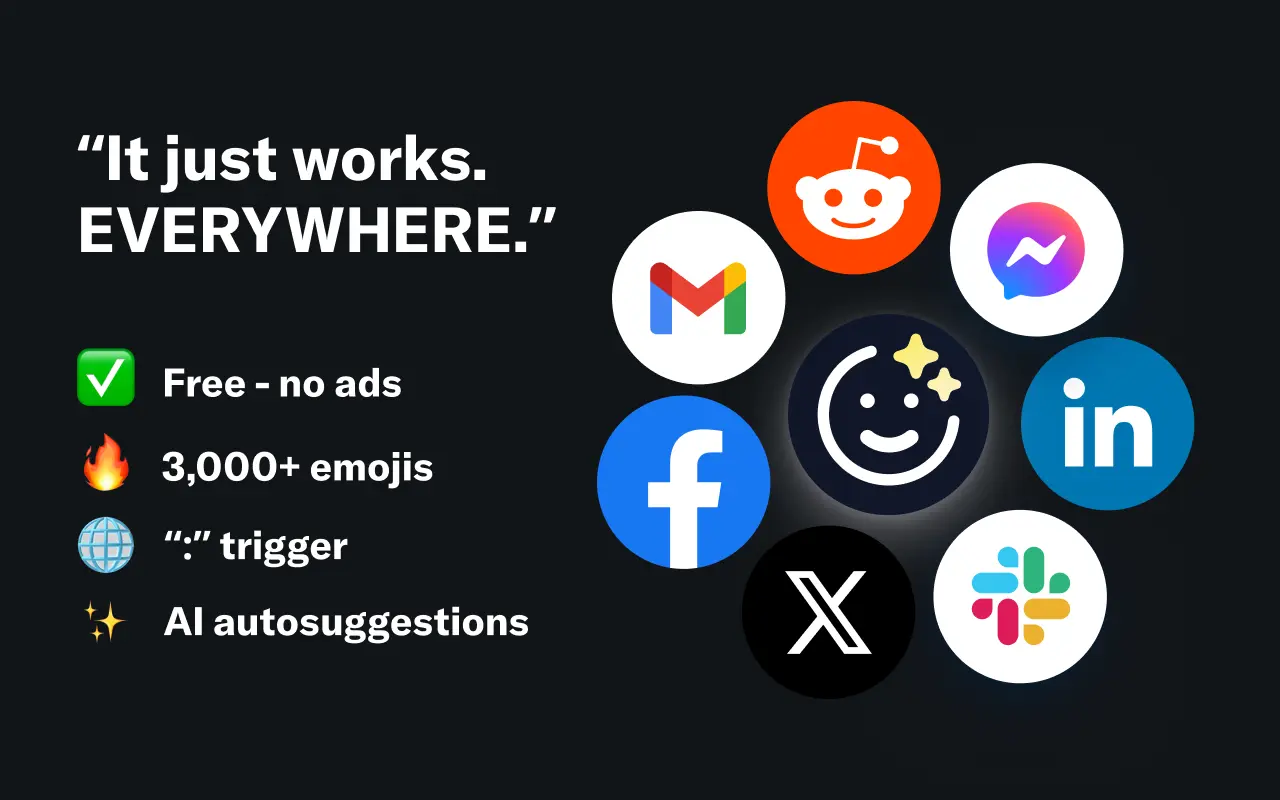
EmojAI
AI-powered emoji picker with smart, context-aware suggestions 🤖
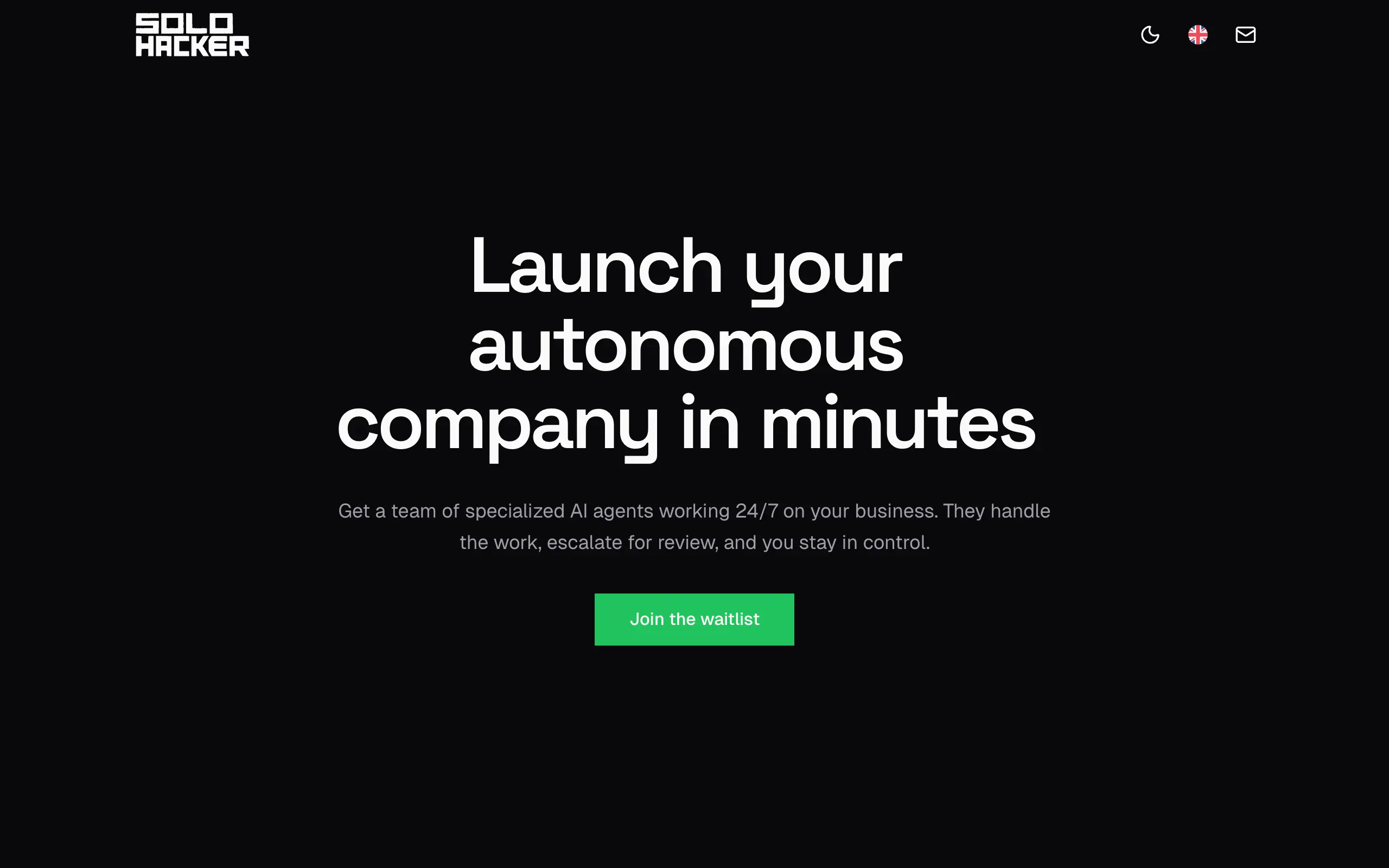
Solohacker
Autonomous company launcher - AI agents work 24/7, escalate what matters, and you stay in control 🤖
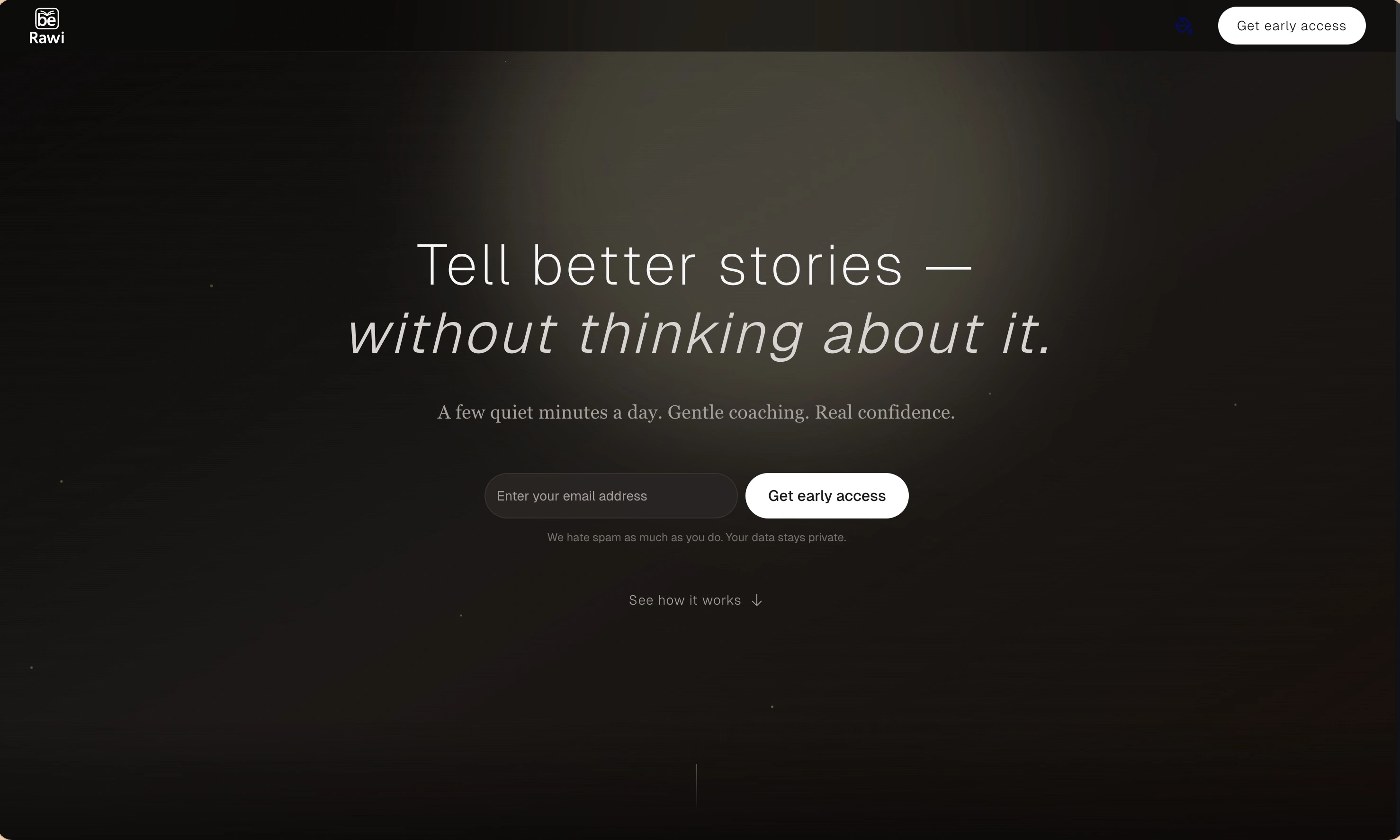
BeRawi: Storytelling Coach
Practice storytelling daily with instant feedback to sound clearer, more engaging, and confident 🎤
Omichat
Chat with 50+ AI models, including ChatGPT and Claude, in one place - switch models anytime without losing context 🤖
Claude Fast
Supercharge your Claude Code with 6x effective context window and specialized AI agents 🤖
EmojAI
AI-powered emoji picker with smart, context-aware suggestions 🤖
Solohacker
Autonomous company launcher - AI agents work 24/7, escalate what matters, and you stay in control 🤖
BeRawi: Storytelling Coach
Practice storytelling daily with instant feedback to sound clearer, more engaging, and confident 🎤

Connect with like-minded people
Join our community to get feedback, support, and grow together with 1,000+ builders on board, let's ship it!
Join usShip your startup everywhere. In minutes.
Don't burn tokens on setup and start building features on day one.