PocketDecider
An AI-powered decision helper that compares options, clarifies priorities, and gives confident recommendations in minutes.
The rise of AI-powered decision helpers in a world of choice overload
We live in an era of unlimited options. From choosing a SaaS tool for your startup, to deciding between job offers, to comparing laptops, insurance plans, or even where to move—modern life is saturated with complex decisions.
Yet, more options rarely mean more clarity.
This is where PocketDecider, an AI-powered decision helper mobile app, steps in. It helps users compare options, clarify priorities, and receive confident recommendations in minutes. Unlike generic note-taking apps or simple pros-and-cons lists, PocketDecider leverages AI to structure thinking, surface trade-offs, and guide users toward decisions aligned with their values and constraints.
This article provides a comprehensive, expert-level breakdown of:
- The target audience and real-world pain points
- Market opportunity and competitive gap
- Core features and AI decision engine design
- Recommended tech stack and architecture
- Monetization strategy and pricing models
- Risks and mitigation strategies
- Clear competitive advantage
- Step-by-step implementation roadmap
If you’re validating this SaaS idea or planning to build it, this guide will help you evaluate its true potential.
Understanding the core user problem: decision fatigue and cognitive overload
Before diving into features, we must define the primary search intent behind tools like an AI decision helper app:
Users are searching for:
- “How to make better decisions”
- “App to compare options”
- “AI tool to help me decide”
- “Best way to weigh pros and cons”
- “How to choose between two options”
The underlying pain is not lack of information. It’s:
- Overwhelm
- Unclear priorities
- Fear of regret
- Analysis paralysis
- Emotional bias
Research in behavioral psychology (e.g., work by Daniel Kahneman and Barry Schwartz on choice overload) suggests that too many options can reduce satisfaction and increase anxiety. An AI-powered decision assistant that structures the decision-making process addresses a deeply rooted cognitive challenge.
PocketDecider is positioned not as a productivity tool—but as a clarity engine.
Target audience analysis
PocketDecider, as a mobile AI decision helper, serves multiple high-value segments.
1. Young professionals (ages 22–35)
Typical decisions:
- Job offers
- Career moves
- Relocation
- Graduate school vs. work
- Buying vs. renting
Pain points:
- High stakes
- Limited experience
- Fear of making irreversible mistakes
- Seeking structured thinking
They are comfortable with mobile apps and AI tools, making them an ideal primary market.
2. Entrepreneurs and founders
Typical decisions:
- Choosing tech stacks
- Hiring candidates
- Pricing models
- Marketing channels
- Feature prioritization
They need:
- Fast decision support
- Clear trade-off visibility
- Structured evaluation frameworks
This segment is highly monetizable (willing to pay for clarity).
3. Consumers making large purchases
Typical decisions:
- Car purchases
- Laptops
- Insurance plans
- Real estate
- Subscription services
They want:
- Objective comparison
- Weighted scoring
- Confidence before spending thousands of dollars
4. Students
Typical decisions:
- College choices
- Major selection
- Internship offers
They are budget-sensitive but represent long-term growth and referral potential.
Market opportunity and competitive gap
The market landscape
Current solutions fall into these categories:
- Generic note apps (Notion, Apple Notes)
- Simple pros-and-cons apps
- Decision matrix spreadsheets
- AI chatbots (ChatGPT, Claude, etc.)
- Comparison websites (for specific industries)
None provide a structured, guided, AI-driven decision framework tailored for personal decision-making across domains.
Where the gap exists
-
Chatbots are unstructured.
Users must guide the conversation. -
Spreadsheets are intimidating.
Most users don’t know how to create a weighted decision matrix properly. -
Pros-and-cons lists lack weighting logic.
-
Comparison sites are niche-specific.
PocketDecider’s opportunity lies in combining:
- Guided questioning
- Priority weighting
- AI-powered trade-off analysis
- Clear recommendation output
- Mobile-first simplicity
That combination is rare.
Core features of PocketDecider
Below are the essential product features that define a powerful AI-powered decision helper app.
1. Guided decision setup
Instead of asking “What are you deciding?”, the app walks users through structured prompts:
- What are your options?
- What factors matter most?
- Are there deal-breakers?
- What constraints exist (budget, time, location)?
- What emotional factors are involved?
This creates clarity before comparison.
2. Dynamic priority weighting
Users assign importance levels:
- Critical
- Very important
- Nice to have
- Irrelevant
Behind the scenes, the AI translates this into weighted scoring.
type Factor = {
  name: string;
  weight: number; // 1-10
};

type Option = {
  name: string;
  scores: Record<string, number>; // factor name -> score
};

function calculateScore(option: Option, factors: Factor[]) {
  return factors.reduce((total, factor) => {
    return total + (option.scores[factor.name] || 0) * factor.weight;
  }, 0);
}
This gives PocketDecider analytical rigor.
3. AI-driven trade-off analysis
Instead of just outputting a score, the app explains:
- Where Option A wins
- Where Option B sacrifices
- Long-term vs. short-term implications
- Emotional alignment signals
This is the difference between data display and decision intelligence.
4. Confidence score
The app can generate:
- A clarity score (based on user certainty)
- Risk flags (based on missing data)
- Sensitivity analysis (what happens if priorities shift?)
This builds trust and transparency.
5. Scenario simulation
“What if salary mattered less?”
“What if location became critical?”
Real-time recalculation makes the tool interactive and educational.
6. Decision journal
Users can:
- Save decisions
- Revisit outcomes
- Reflect on past choices
- Improve decision patterns over time
This builds retention and long-term value.
Competitive comparison
| Feature | ChatGPT | Pros/Cons App | Spreadsheet | PocketDecider |
|---|---|---|---|---|
| Structured framework | ❌ | ❌ | ✅ | ✅ |
| AI trade-off explanation | ✅ | ❌ | ❌ | ✅ |
| Priority weighting | Manual | Basic | ✅ | ✅ |
| Mobile-first UX | ✅ | ✅ | ❌ | ✅ |
PocketDecider’s strength is structured AI + guided clarity + mobile simplicity.
Recommended tech stack for a mobile AI decision helper
Since PocketDecider is a mobile SaaS, here’s a recommended stack:
Frontend (mobile)
- React Native – Cross-platform mobile development
- Expo – Faster iteration and deployment
- TypeScript – Type safety
Backend
Database
- PostgreSQL – Structured decision data
- Redis for caching scenarios
AI layer
- OpenAI API (for reasoning and structured explanation)
- Optional fine-tuning for decision explanation templates
Authentication
- Firebase Authentication
- Or Supabase Auth
Hosting
- Vercel (API)
- AWS or GCP for scalable backend
Trade-offs to consider
Pros:
- Faster development
- Single codebase
- Lower cost
Cons:
- Slight performance limitations
Pros:
- Maximum performance
- Deep platform optimization
Cons:
- Double development cost
- Slower iteration
For MVP validation, React Native is ideal.
Monetization strategy
A decision helper app monetizes best through subscription-based pricing.
1. Freemium model
Free tier:
- 3 decisions per month
- Basic comparison
- Limited AI explanation depth
Pro tier ($9–$19/month):
- Unlimited decisions
- Advanced trade-off analysis
- Scenario simulation
- Decision history
- Export reports
2. Premium features
- AI decision coach mode
- Shared decisions (couples, co-founders)
- PDF export for business decisions
- Priority calibration assessment
3. B2B opportunity
PocketDecider for:
- HR departments (hiring decisions)
- Startup incubators
- Coaching professionals
- Career counseling services
This unlocks higher ARPU.
Unique selling proposition (USP)
PocketDecider is not:
- Just a chatbot
- Just a comparison app
- Just a pros-and-cons list
It is:
A structured AI-powered decision framework that turns ambiguity into clarity within minutes.
Its differentiation comes from:
- Guided structure
- Weighted logic
- Transparent reasoning
- Confidence scoring
- Mobile-first UX
This combination is rare and defensible.
Risks and mitigation strategies
1. Over-reliance on AI
Risk: Users blindly trust recommendations.
Mitigation:
- Always show reasoning
- Provide disclaimers
- Display sensitivity analysis
2. Generic outputs
Risk: Feels like ChatGPT wrapper.
Mitigation:
- Proprietary structured prompts
- Scoring algorithm layer
- Custom UX logic
3. Low retention
Risk: Users only use it occasionally.
Mitigation:
- Decision journaling
- Reflection insights
- Push reminders
- Pattern recognition over time
Building the MVP: step-by-step roadmap
Keep MVP narrow: focus only on comparing 2–4 options with weighted factors.
Why now is the right time
Several trends support this idea:
- Rapid AI adoption in daily life
- Increased career mobility and decision frequency
- Rising cognitive overload
- Growing comfort with AI recommendations
AI is shifting from novelty to cognitive partner.
PocketDecider aligns perfectly with that shift.
Implementation acceleration strategy
To move fast, founders can use a production-ready SaaS starter kit like TurboStarter, which provides:
- Auth system
- Payment integration
- Backend structure
- Scalable architecture
This reduces time-to-market dramatically.
Pro tip
Speed matters more than perfection in early-stage SaaS. Launch a simple, structured AI comparison tool before adding advanced simulation features.
Long-term vision: evolving into a decision intelligence platform
PocketDecider can expand into:
- Team decision tools
- Decision pattern analytics
- Bias detection insights
- Personal growth dashboards
- AI-powered “future regret prediction”
Over time, it becomes a personal clarity OS.
Final thoughts
PocketDecider addresses a universal human problem: uncertainty in decision-making.
By combining:
- Structured frameworks
- AI reasoning
- Priority weighting
- Mobile simplicity
It can become the go-to AI decision helper app for modern professionals.
The opportunity is real. The differentiation is clear. The monetization path is strong.
Now the only question left is:
Will you build it?
More 📱 Mobile App SaaS ideas
Discover more innovative mobile app SaaS ideas that are trending in 2026. Each idea is AI-generated with market validation and growth potential to help you find your next profitable venture faster than competitors.
Your competitors are building with TurboStarter
Below are some of the SaaS ideas that have been generated and built with our starter kit.
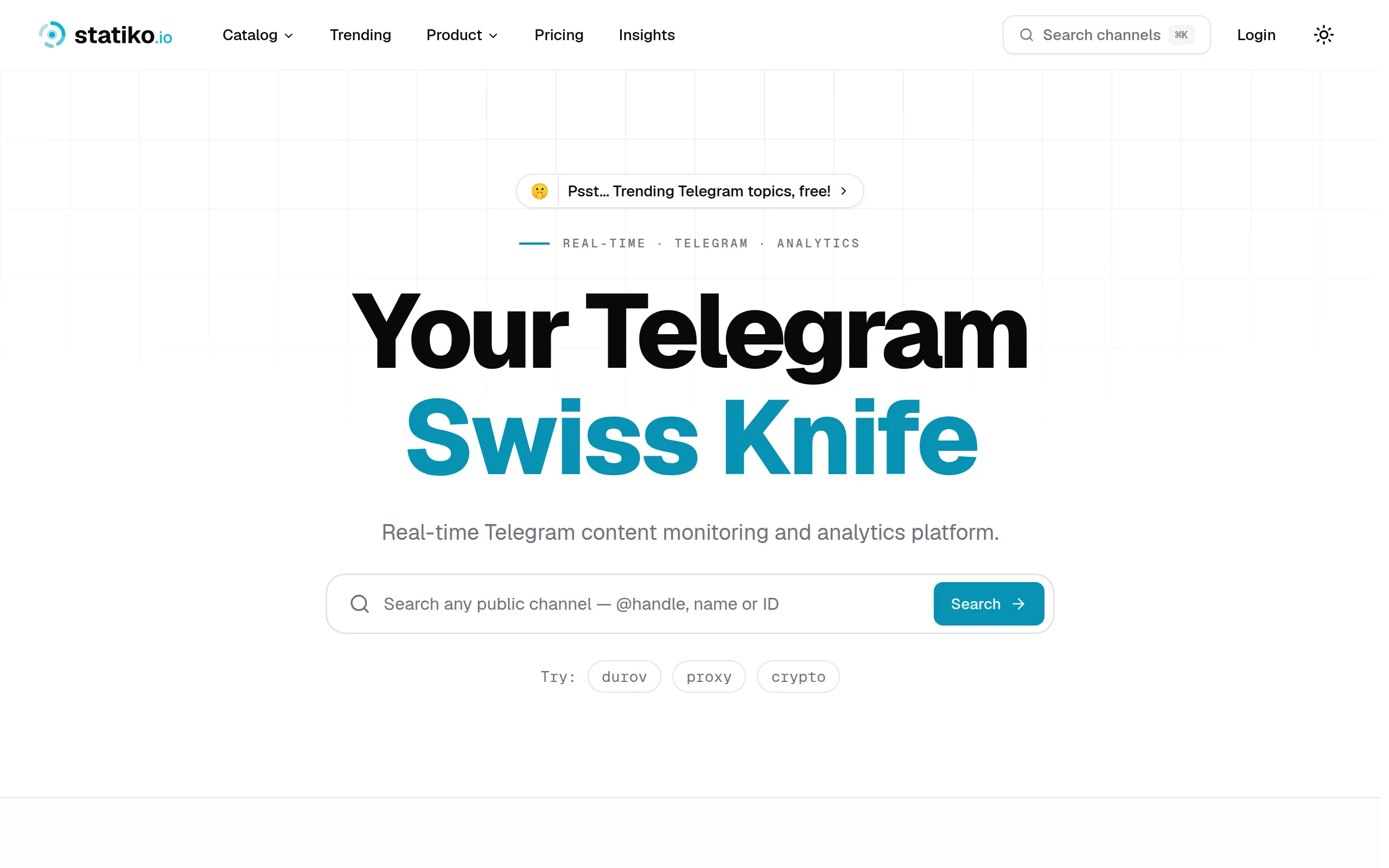
Statiko
Monitor any Telegram channel in real time - track posts, edits, deletions, and growth with AI recaps 📡

Shibui
AI website builder - describe your business, pick a niche template, edit by chatting, and publish instantly ✨

Pro Service
Find verified home service professionals, compare quotes, and pay securely through escrow - built for Brazilians across the US 🏠
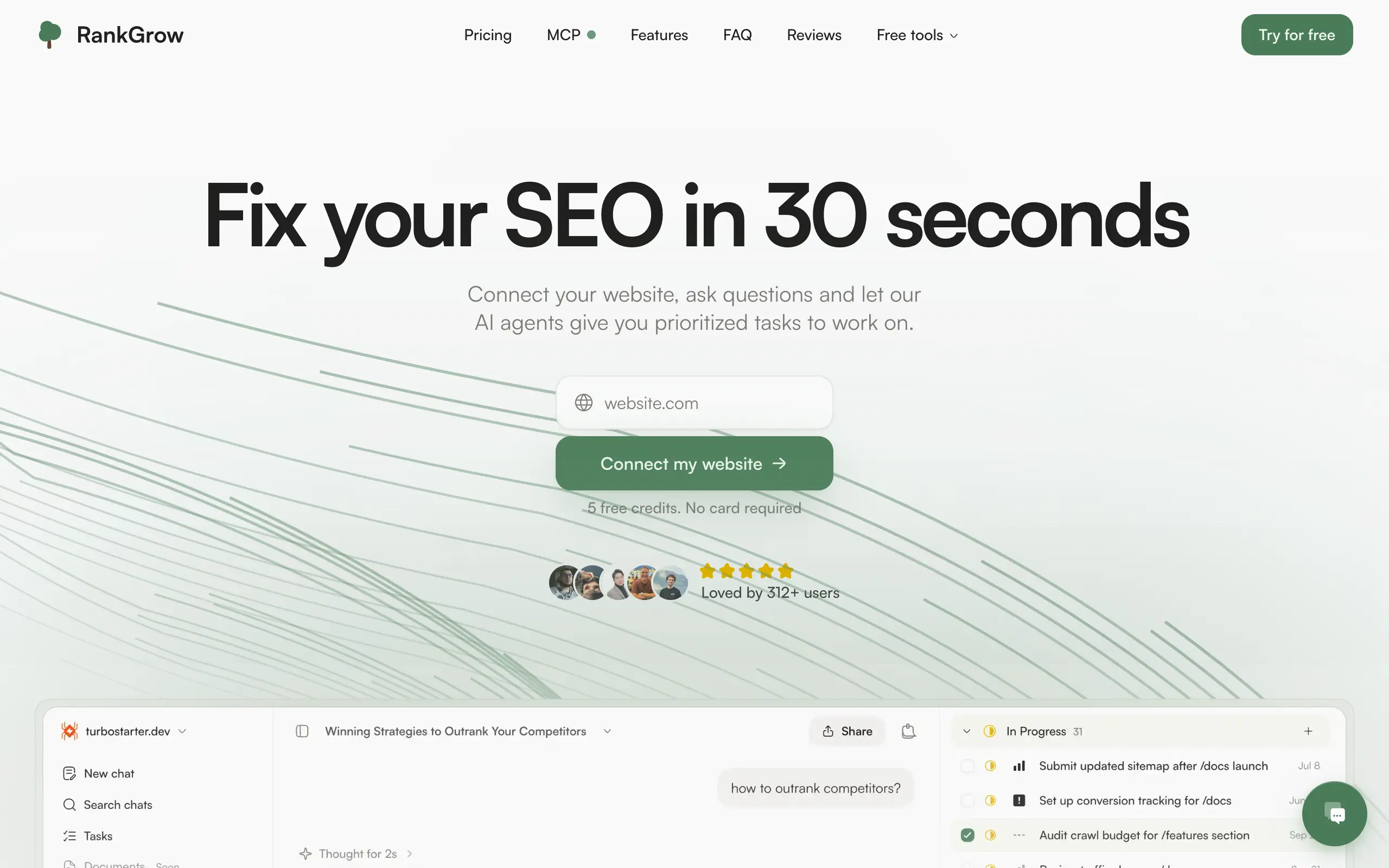
RankGrow
Fix your SEO with AI agents - connect Search Console, get prioritized tasks, and grow organic traffic 📈
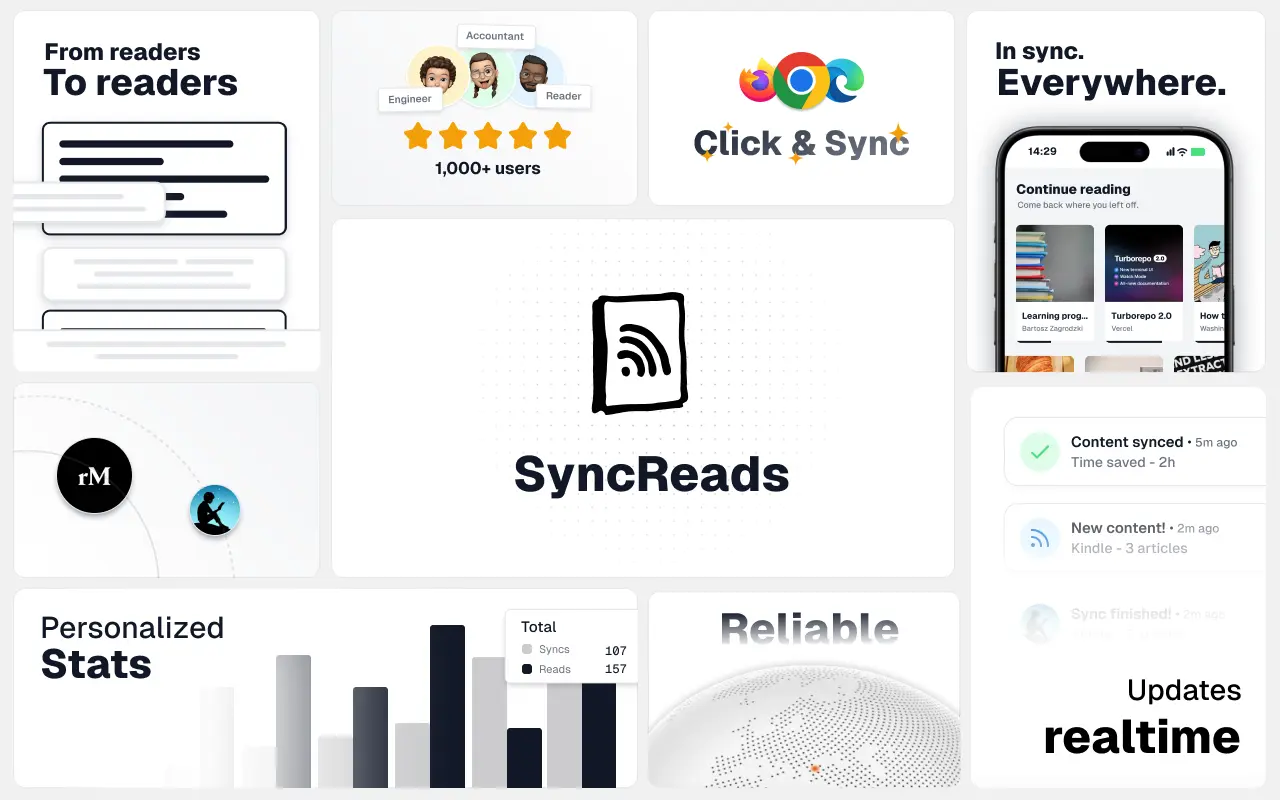
SyncReads
Sync your favorite content for distraction-free reading, save time and replace multiple apps. Anytime, anywhere 🔄
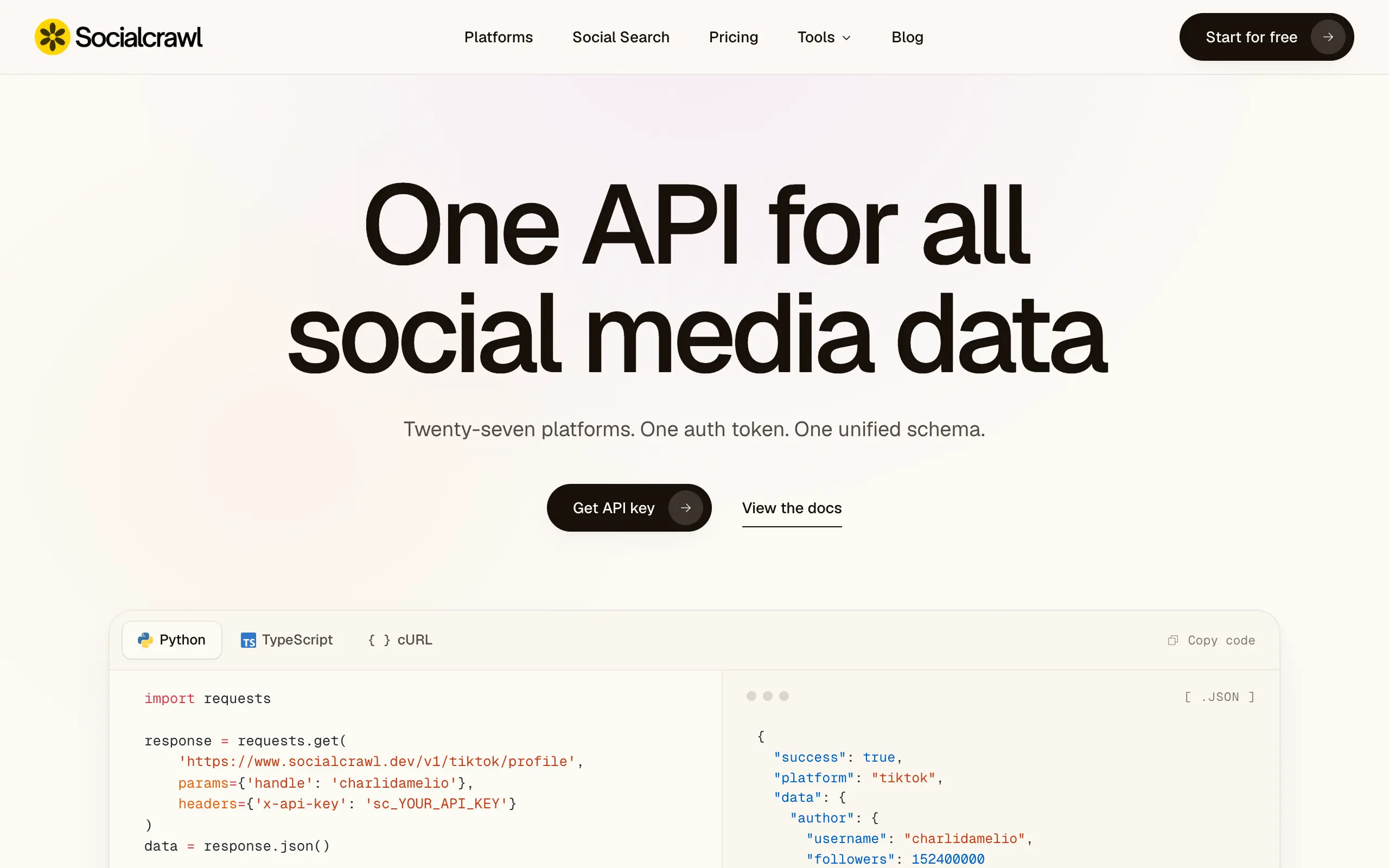
Socialcrawl
Get clean, structured data from 21 platforms like TikTok, Instagram, and YouTube with a single request 📊
Statiko
Monitor any Telegram channel in real time - track posts, edits, deletions, and growth with AI recaps 📡
Shibui
AI website builder - describe your business, pick a niche template, edit by chatting, and publish instantly ✨
Pro Service
Find verified home service professionals, compare quotes, and pay securely through escrow - built for Brazilians across the US 🏠
RankGrow
Fix your SEO with AI agents - connect Search Console, get prioritized tasks, and grow organic traffic 📈
SyncReads
Sync your favorite content for distraction-free reading, save time and replace multiple apps. Anytime, anywhere 🔄
Socialcrawl
Get clean, structured data from 21 platforms like TikTok, Instagram, and YouTube with a single request 📊
Statiko
Monitor any Telegram channel in real time - track posts, edits, deletions, and growth with AI recaps 📡
Shibui
AI website builder - describe your business, pick a niche template, edit by chatting, and publish instantly ✨
Pro Service
Find verified home service professionals, compare quotes, and pay securely through escrow - built for Brazilians across the US 🏠
RankGrow
Fix your SEO with AI agents - connect Search Console, get prioritized tasks, and grow organic traffic 📈
SyncReads
Sync your favorite content for distraction-free reading, save time and replace multiple apps. Anytime, anywhere 🔄
Socialcrawl
Get clean, structured data from 21 platforms like TikTok, Instagram, and YouTube with a single request 📊
Statiko
Monitor any Telegram channel in real time - track posts, edits, deletions, and growth with AI recaps 📡
Shibui
AI website builder - describe your business, pick a niche template, edit by chatting, and publish instantly ✨
Pro Service
Find verified home service professionals, compare quotes, and pay securely through escrow - built for Brazilians across the US 🏠
RankGrow
Fix your SEO with AI agents - connect Search Console, get prioritized tasks, and grow organic traffic 📈
SyncReads
Sync your favorite content for distraction-free reading, save time and replace multiple apps. Anytime, anywhere 🔄
Socialcrawl
Get clean, structured data from 21 platforms like TikTok, Instagram, and YouTube with a single request 📊
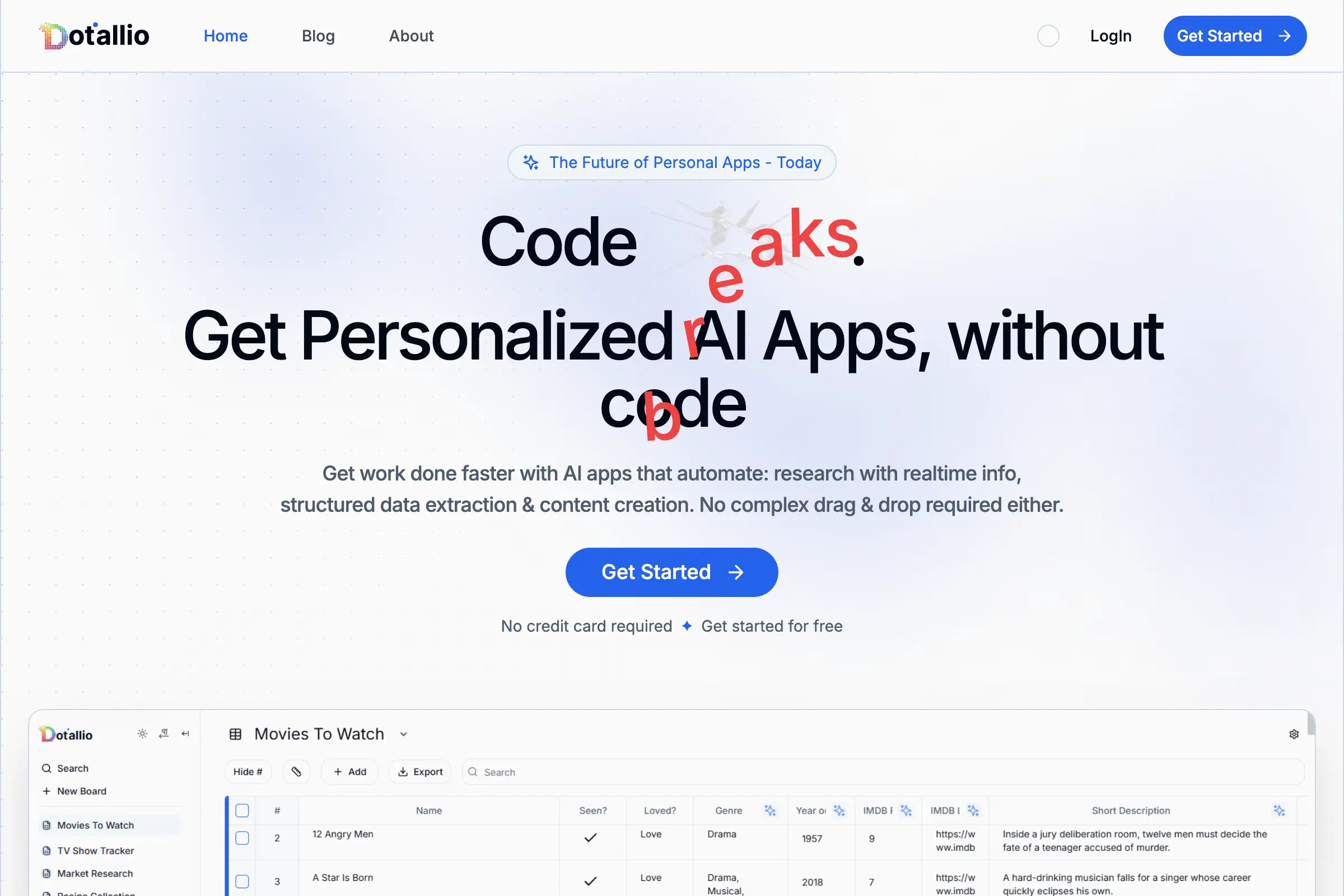
Dotallio
Personalized AI apps that automate research, data extraction, and content creation without code 🤖
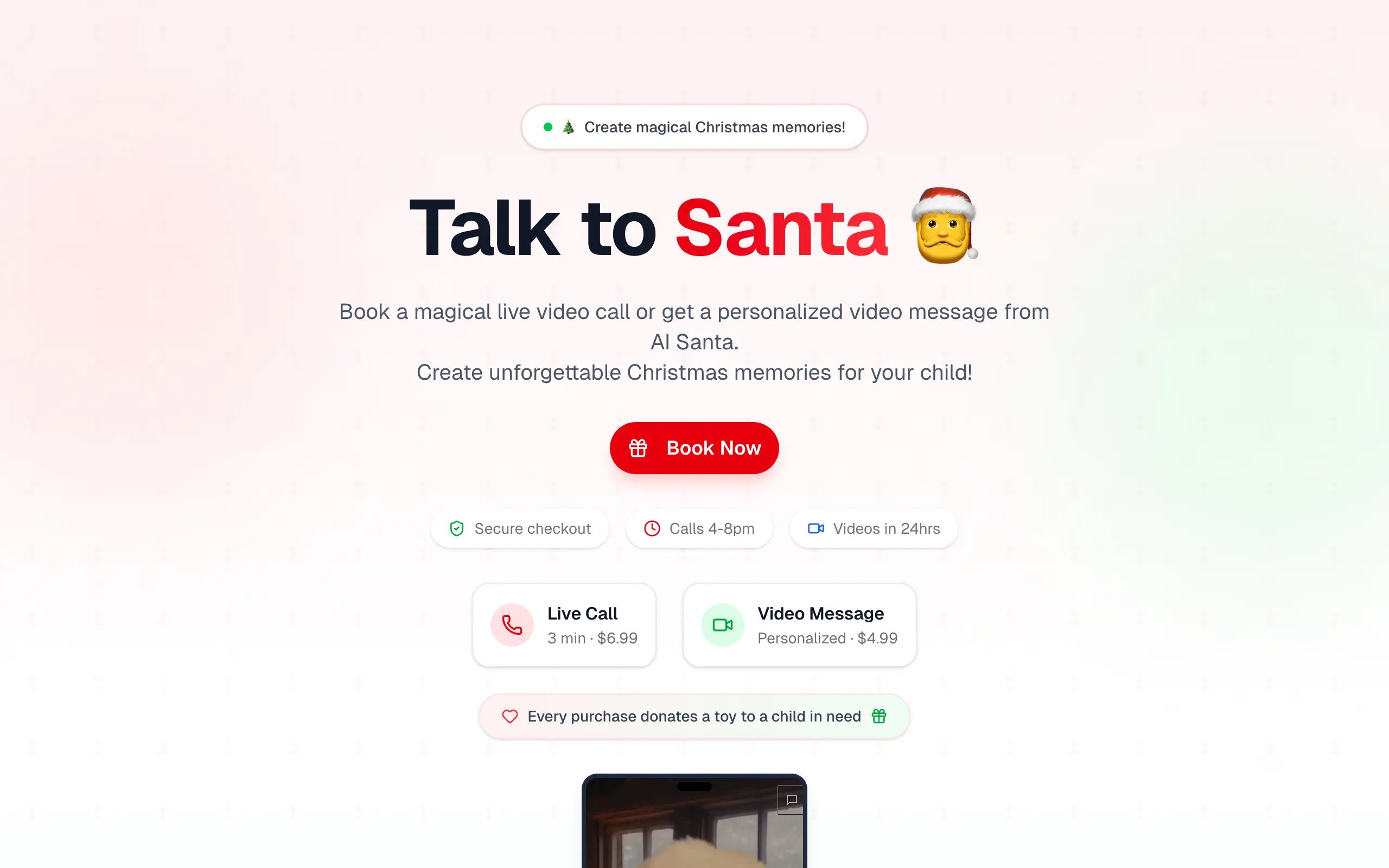
Talk to Santa
Enjoy a magical live video chat or receive a unique AI-generated video greeting from Santa Claus 🎅

pozywka.pl
Scalable blog for food journalist, focused on performance and user experience 🌭
zagrodzki.me
Personal blog and portfolio of Bart Zagrodzki, where he shares his knowledge and work 💼
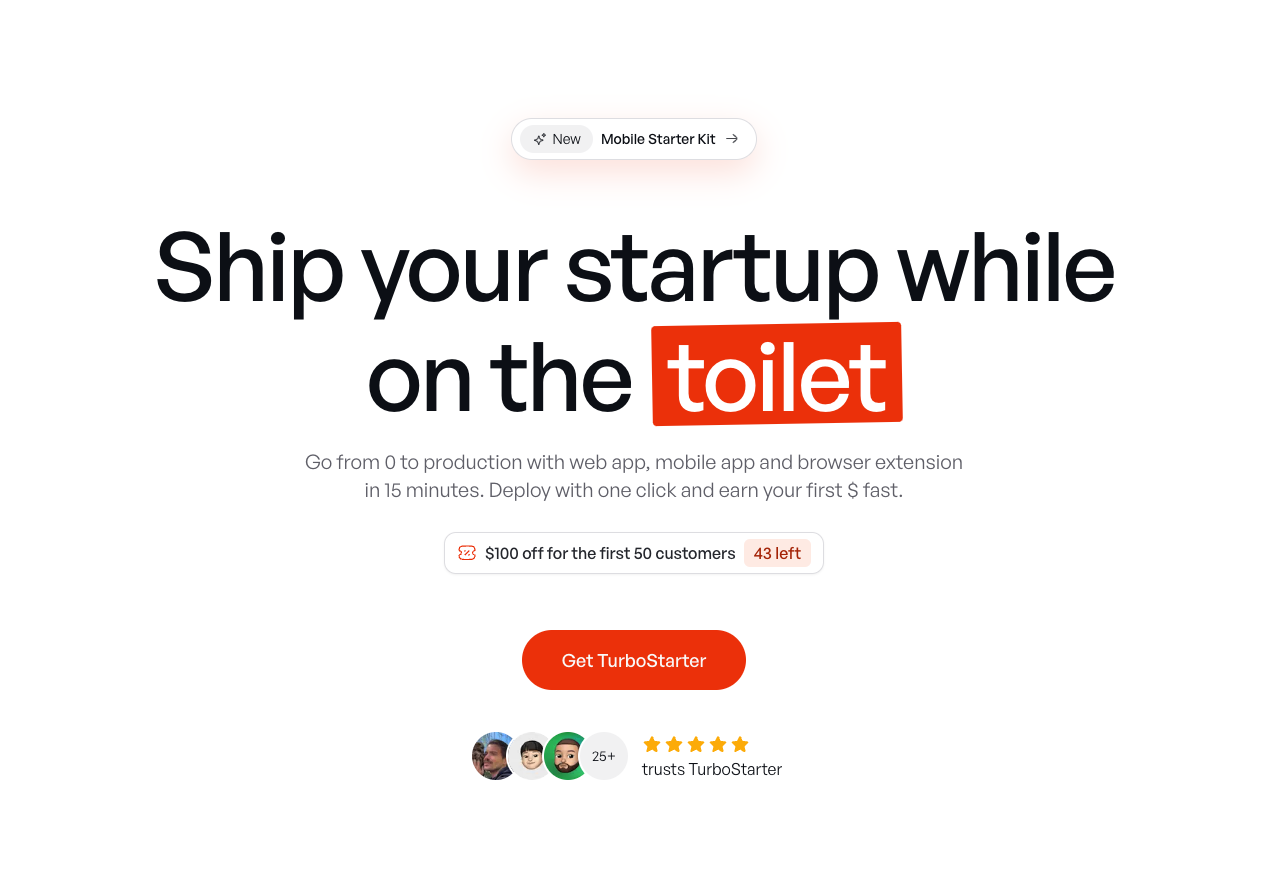
TurboStarter
Ship your startup everywhere. In minutes.
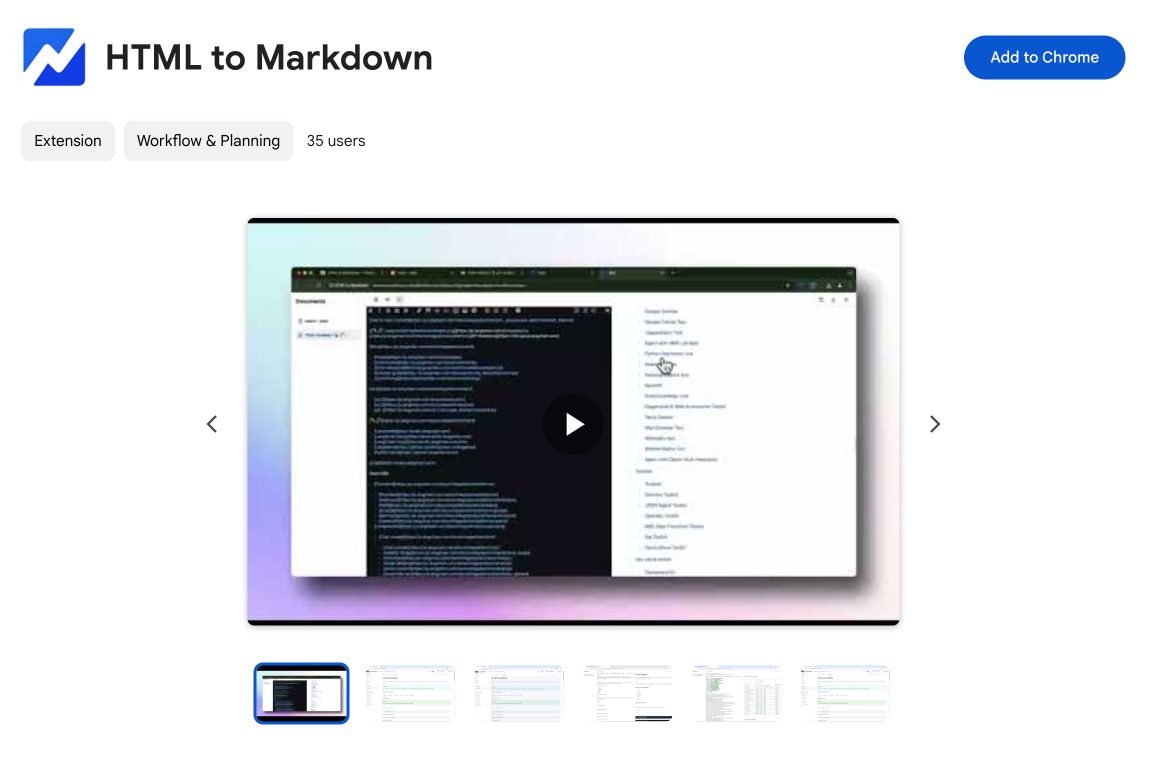
HTML to Markdown
Convert HTML to Markdown with ease, directly in your browser 📄
Dotallio
Personalized AI apps that automate research, data extraction, and content creation without code 🤖
Talk to Santa
Enjoy a magical live video chat or receive a unique AI-generated video greeting from Santa Claus 🎅
pozywka.pl
Scalable blog for food journalist, focused on performance and user experience 🌭
zagrodzki.me
Personal blog and portfolio of Bart Zagrodzki, where he shares his knowledge and work 💼
TurboStarter
Ship your startup everywhere. In minutes.
HTML to Markdown
Convert HTML to Markdown with ease, directly in your browser 📄
Dotallio
Personalized AI apps that automate research, data extraction, and content creation without code 🤖
Talk to Santa
Enjoy a magical live video chat or receive a unique AI-generated video greeting from Santa Claus 🎅
pozywka.pl
Scalable blog for food journalist, focused on performance and user experience 🌭
zagrodzki.me
Personal blog and portfolio of Bart Zagrodzki, where he shares his knowledge and work 💼
TurboStarter
Ship your startup everywhere. In minutes.
HTML to Markdown
Convert HTML to Markdown with ease, directly in your browser 📄
Dotallio
Personalized AI apps that automate research, data extraction, and content creation without code 🤖
Talk to Santa
Enjoy a magical live video chat or receive a unique AI-generated video greeting from Santa Claus 🎅
pozywka.pl
Scalable blog for food journalist, focused on performance and user experience 🌭
zagrodzki.me
Personal blog and portfolio of Bart Zagrodzki, where he shares his knowledge and work 💼
TurboStarter
Ship your startup everywhere. In minutes.
HTML to Markdown
Convert HTML to Markdown with ease, directly in your browser 📄
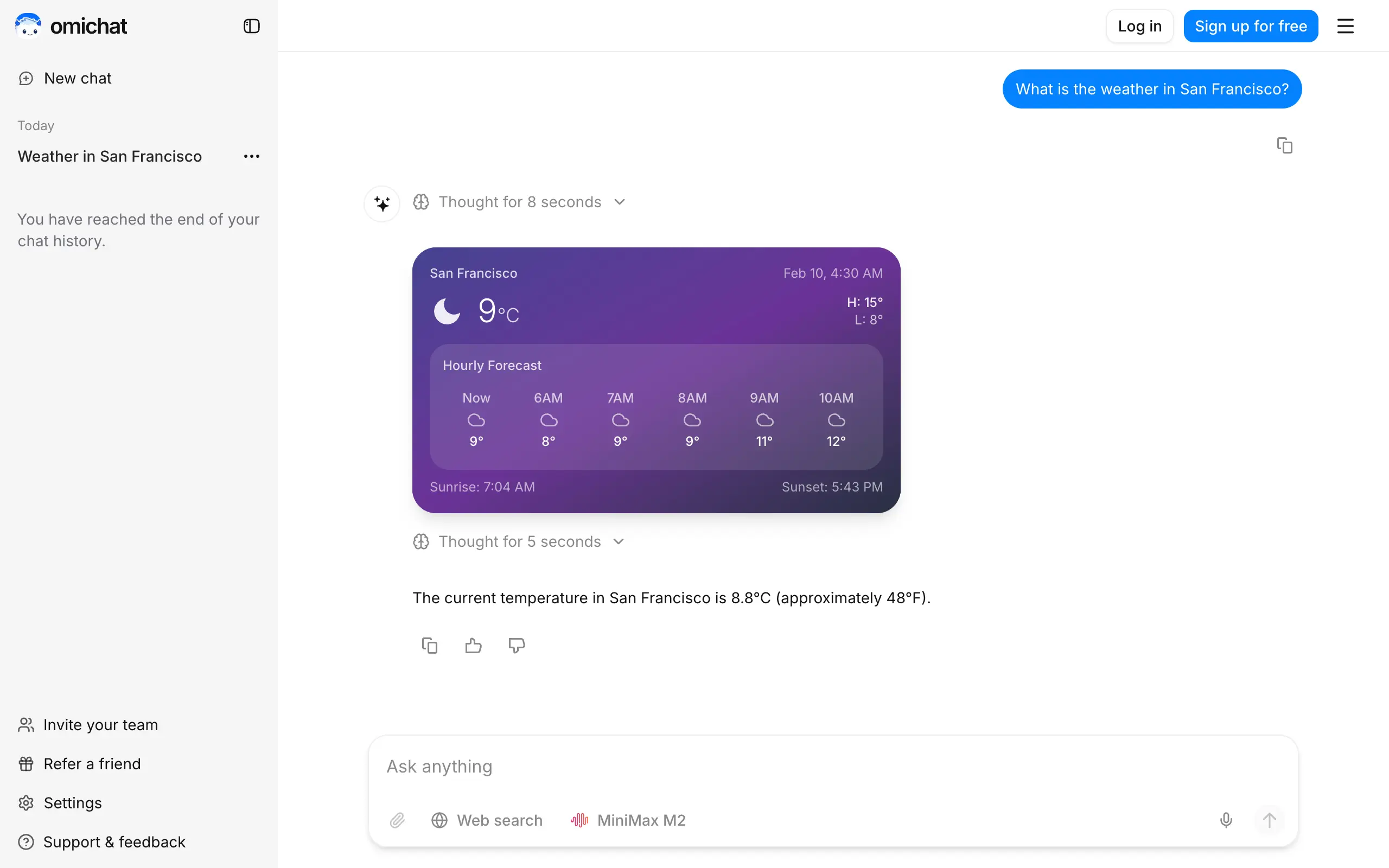
Omichat
Chat with 50+ AI models, including ChatGPT and Claude, in one place - switch models anytime without losing context 🤖
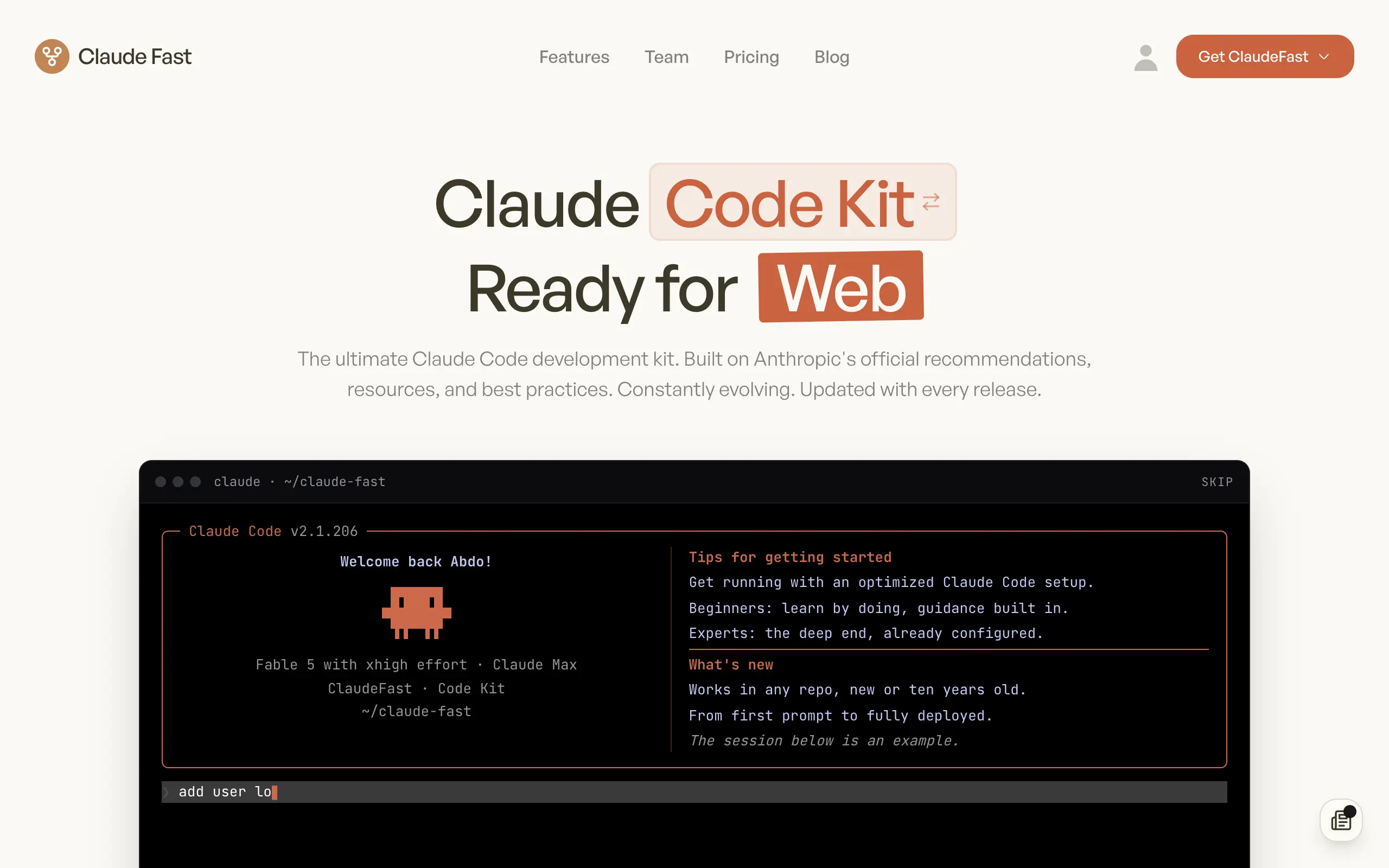
Claude Fast
Supercharge your Claude Code with 6x effective context window and specialized AI agents 🤖
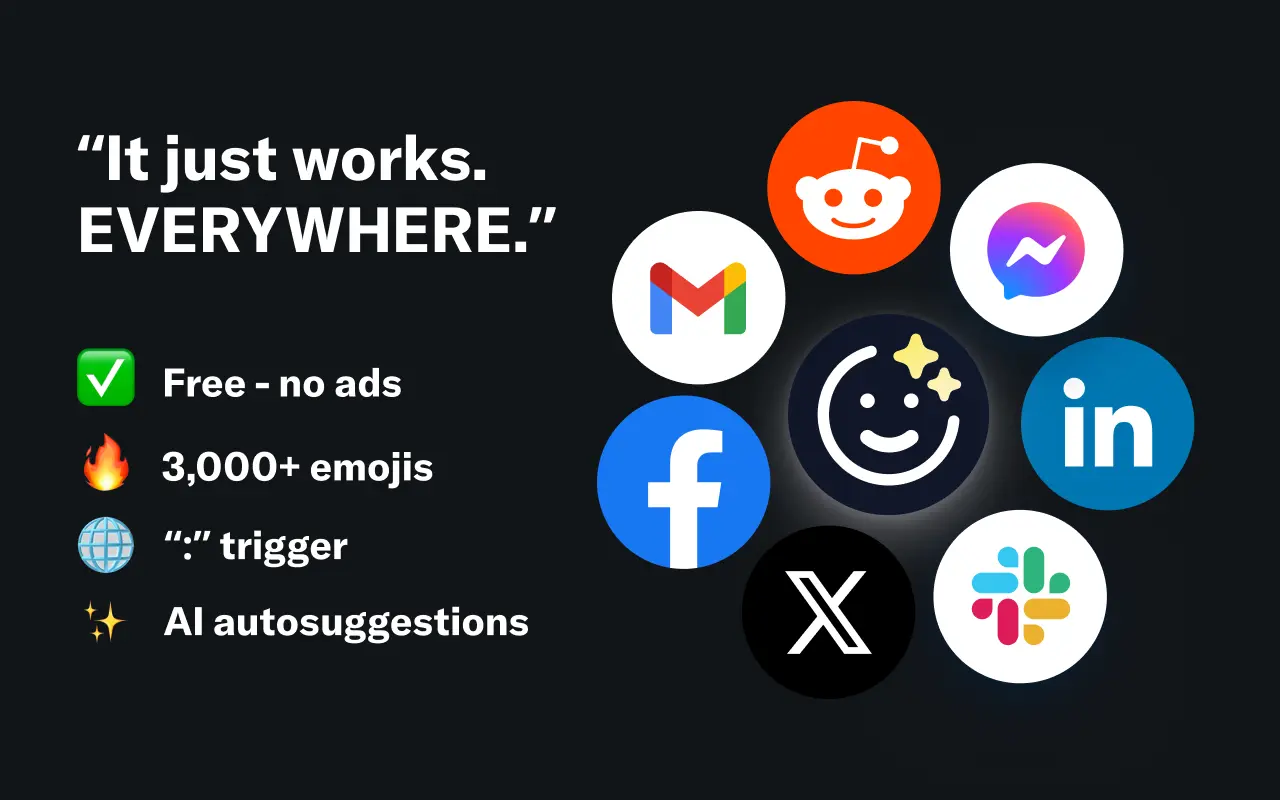
EmojAI
AI-powered emoji picker with smart, context-aware suggestions 🤖
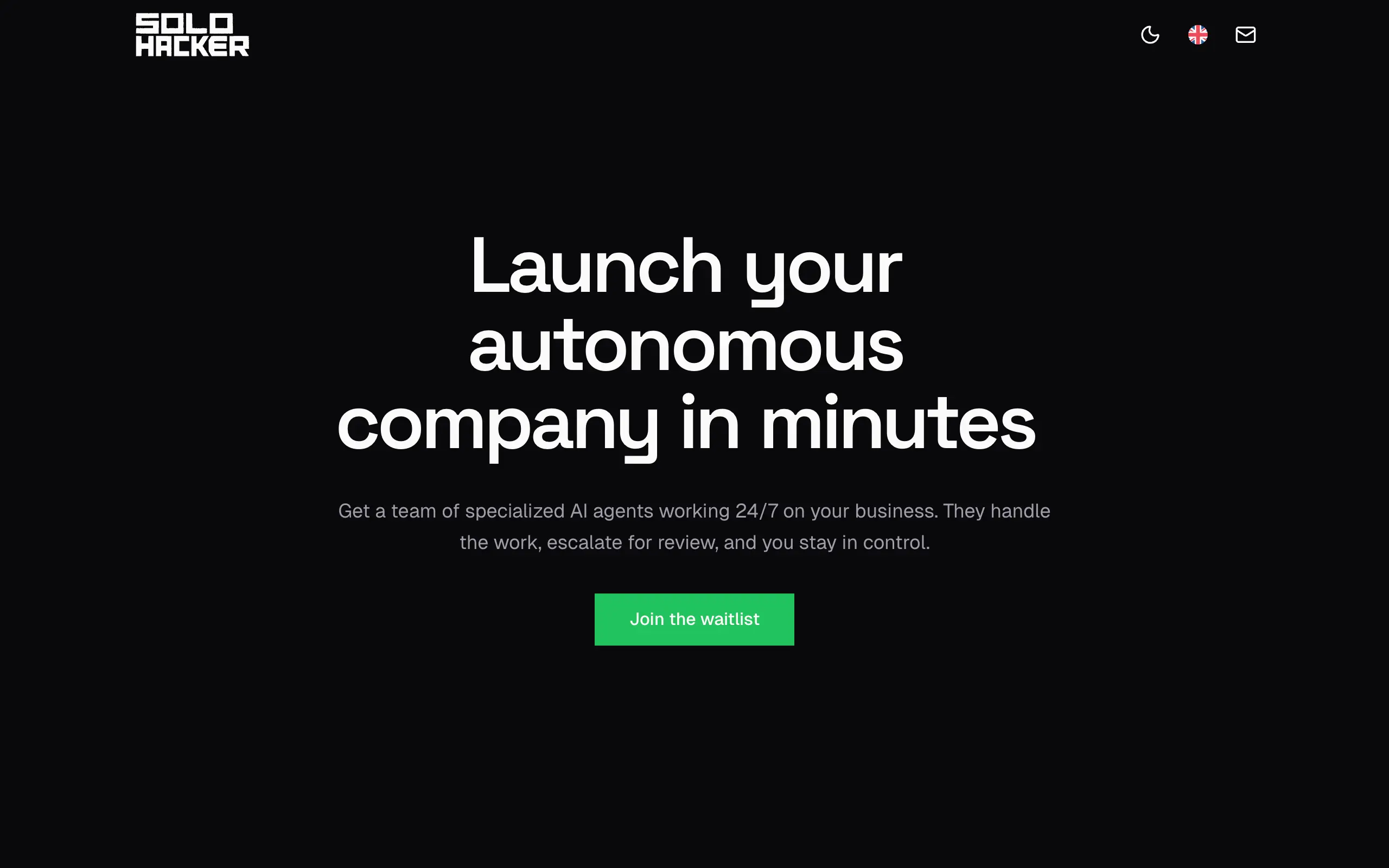
Solohacker
Autonomous company launcher - AI agents work 24/7, escalate what matters, and you stay in control 🤖
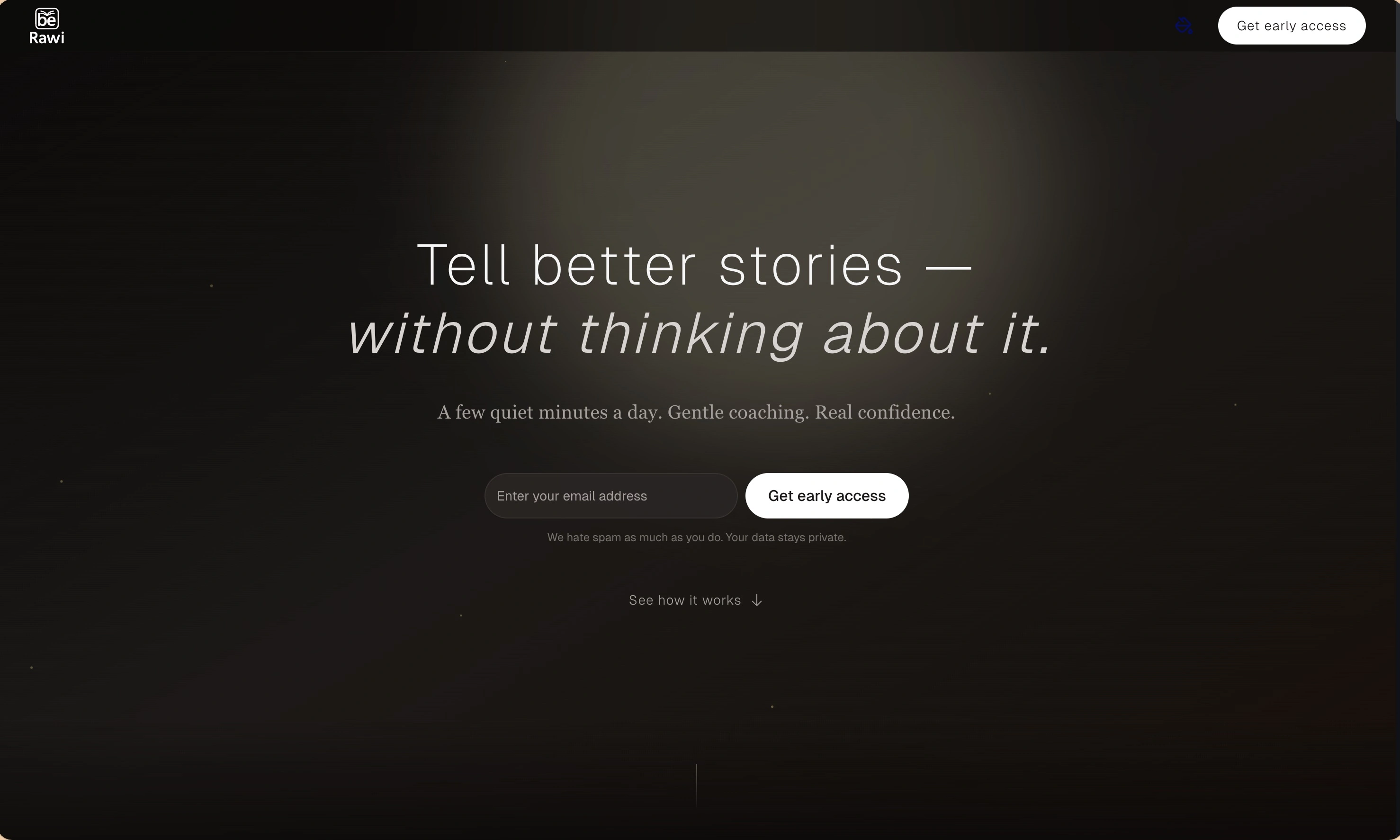
BeRawi: Storytelling Coach
Practice storytelling daily with instant feedback to sound clearer, more engaging, and confident 🎤
Omichat
Chat with 50+ AI models, including ChatGPT and Claude, in one place - switch models anytime without losing context 🤖
Claude Fast
Supercharge your Claude Code with 6x effective context window and specialized AI agents 🤖
EmojAI
AI-powered emoji picker with smart, context-aware suggestions 🤖
Solohacker
Autonomous company launcher - AI agents work 24/7, escalate what matters, and you stay in control 🤖
BeRawi: Storytelling Coach
Practice storytelling daily with instant feedback to sound clearer, more engaging, and confident 🎤
Omichat
Chat with 50+ AI models, including ChatGPT and Claude, in one place - switch models anytime without losing context 🤖
Claude Fast
Supercharge your Claude Code with 6x effective context window and specialized AI agents 🤖
EmojAI
AI-powered emoji picker with smart, context-aware suggestions 🤖
Solohacker
Autonomous company launcher - AI agents work 24/7, escalate what matters, and you stay in control 🤖
BeRawi: Storytelling Coach
Practice storytelling daily with instant feedback to sound clearer, more engaging, and confident 🎤
Omichat
Chat with 50+ AI models, including ChatGPT and Claude, in one place - switch models anytime without losing context 🤖
Claude Fast
Supercharge your Claude Code with 6x effective context window and specialized AI agents 🤖
EmojAI
AI-powered emoji picker with smart, context-aware suggestions 🤖
Solohacker
Autonomous company launcher - AI agents work 24/7, escalate what matters, and you stay in control 🤖
BeRawi: Storytelling Coach
Practice storytelling daily with instant feedback to sound clearer, more engaging, and confident 🎤

Connect with like-minded people
Join our community to get feedback, support, and grow together with 1,000+ builders on board, let's ship it!
Join usShip your startup everywhere. In minutes.
Don't burn tokens on setup and start building features on day one.