Pocket Problem Solver
Snap a photo or describe a problem and get instant, step-by-step solutions. Ideal for everyday challenges, from tech issues to quick DIY fixes.
what is a pocket problem solver app and why it matters
The idea behind a Pocket Problem Solver app is deceptively simple but incredibly powerful: users snap a photo or describe an issue, and the app returns clear, step-by-step solutions instantly. Whether it's fixing a Wi-Fi router, identifying a plant disease, assembling furniture, or troubleshooting a car dashboard light, the app acts like a 24/7 expert in your pocket.
This concept sits at the intersection of several fast-growing trends:
- AI-powered visual recognition
- natural language problem solving
- mobile-first utility apps
- instant, actionable knowledge delivery
As AI models become more multimodal (capable of understanding both text and images), the demand for tools that translate complexity into simple action steps is rising sharply. Users are no longer satisfied with vague answers—they want practical guidance they can follow immediately.
This is exactly where Pocket Problem Solver creates its value.
understanding user intent: who needs this and why
To build a successful SaaS product, understanding user intent is critical. This app targets users who are not just searching for information—they are actively trying to solve a problem right now.
primary user segments
1. everyday consumers
These users encounter small but frustrating issues daily:
- “Why is my sink leaking?”
- “What does this error message mean?”
- “How do I fix this broken hinge?”
They want:
- quick answers
- no technical jargon
- step-by-step instructions
2. DIY enthusiasts
This group actively seeks solutions for:
- home repairs
- electronics troubleshooting
- gardening issues
They value:
- visual guidance
- detailed steps
- tool recommendations
3. non-technical users
People who struggle with technology:
- setting up devices
- resolving app errors
- configuring routers
They need:
- simplified explanations
- zero assumptions about prior knowledge
4. field workers and technicians
Professionals who need quick assistance:
- identifying parts
- diagnosing faults
- referencing procedures
They benefit from:
- fast visual recognition
- contextual solutions
- offline capabilities (optional feature)
the market opportunity and gap
The “problem-solving” space already exists—but it’s fragmented and inefficient.
current alternatives
- Google search (time-consuming, inconsistent results)
- YouTube tutorials (often too long or irrelevant)
- forums like Reddit or Stack Overflow (requires interpretation)
- manuals (hard to access or understand)
the gap
The biggest gap is context-aware, instant, actionable solutions.
Most tools:
- require manual searching
- provide generic answers
- lack personalization
Pocket Problem Solver can fill this gap by offering:
- image-based problem detection
- AI-generated step-by-step instructions
- context-aware recommendations
market trends supporting this idea
- Multimodal AI adoption is accelerating (see OpenAI, Google Gemini developments)
- Mobile-first usage dominates consumer behavior
- DIY culture is growing due to cost-saving trends
- Users prefer “do it for me” guidance over learning theory
Key insight
Users don’t want more information—they want faster solutions. The winning product is the one that reduces friction between problem and resolution.
core features of a pocket problem solver app
To stand out, the app needs more than just basic AI responses. It should deliver high-confidence, actionable solutions.
1. photo-based problem detection
Users can snap a picture of:
- broken objects
- error screens
- plants, tools, appliances
The system uses computer vision to:
- identify the object/problem
- classify the issue
- trigger relevant solution workflows
2. natural language input
Users can type or speak problems like:
- “My laptop won’t turn on”
- “Strange noise in my car engine”
The AI interprets intent and context.
3. step-by-step solutions
Instead of generic answers, the app delivers:
- numbered steps
- required tools/materials
- estimated time to fix
Example output:
4. visual overlays (advanced feature)
For image-based inputs:
- highlight problem areas
- annotate fixes directly on the image
5. confidence scoring
Show how reliable the solution is:
- high confidence → proceed
- low confidence → suggest alternatives or expert help
6. solution history
Users can revisit past problems and fixes.
7. escalation options
If AI cannot solve:
- suggest nearby professionals
- link to deeper resources
feature differentiation compared to competitors
| Feature | YouTube | Forums | Pocket Solver | |
|---|---|---|---|---|
| Instant answers | ❌ | ❌ | ❌ | ✅ |
| Image-based input | ⚠️ | ❌ | ❌ | ✅ |
| Step-by-step guidance | ⚠️ | ✅ | ⚠️ | ✅ |
| Personalized solutions | ❌ | ❌ | ⚠️ | ✅ |
recommended tech stack (with trade-offs)
Building a mobile-first AI SaaS requires careful tech decisions.
frontend (mobile app)
- React Native or Flutter
- Pros: cross-platform, faster development
- Cons: performance trade-offs vs native
backend
- Node.js (NestJS or Express)
- Python (for AI services)
AI & ML layer
- OpenAI or similar multimodal APIs
- Computer vision models (custom or API-based)
storage
- PostgreSQL (structured data)
- Firebase (real-time sync and auth)
cloud infrastructure
- AWS / GCP / Vercel for deployment
trade-offs to consider
-
Using APIs vs training your own models:
- APIs = faster to launch
- Custom models = better long-term differentiation
-
Real-time processing vs cost:
- Faster responses increase user satisfaction
- But also increase compute cost
monetization strategies that actually work
A Pocket Problem Solver app has strong monetization potential if positioned correctly.
freemium model (recommended)
-
Free tier:
- limited queries per day
- basic solutions
-
Premium tier:
- unlimited usage
- advanced diagnostics
- priority processing
subscription pricing ideas
- $5–$10/month for consumers
- higher tiers for professionals
additional revenue streams
- affiliate links (tools, parts, products)
- partnerships with service providers
- API access for businesses
Important
Avoid overloading users with ads. This product depends on trust and usability—ads can quickly degrade both.
competitive advantage and unique selling proposition
The real differentiation lies in execution, not just the idea.
core USP
“From problem to solution in seconds—no searching required.”
defensible advantages
- proprietary solution datasets (learning from user interactions)
- multimodal AI integration
- UX simplicity
- personalization engine
long-term moat
As more users interact:
- the system learns
- solutions improve
- accuracy increases
This creates a data flywheel effect.
potential risks and how to mitigate them
1. incorrect solutions
Risk:
- AI may provide wrong guidance
Mitigation:
- confidence scoring
- disclaimers
- multiple solution options
2. liability concerns
Risk:
- users may follow unsafe instructions
Mitigation:
- safety filters
- avoid high-risk domains (medical/legal initially)
3. high infrastructure costs
Risk:
- AI processing is expensive
Mitigation:
- optimize queries
- cache common solutions
- use tiered pricing
4. user trust
Risk:
- users may not trust AI solutions
Mitigation:
- transparency in answers
- show reasoning steps
- allow feedback
building the MVP: what to include first
Focus on speed to market, not perfection.
MVP feature set
- image upload
- text input
- AI-generated step-by-step solutions
- basic UI/UX
- limited categories (e.g., home + tech)
what to skip initially
- AR overlays
- complex personalization
- offline mode
step-by-step implementation plan
sample architecture flow
// Simplified request flow
async function solveProblem(input) {
  const imageAnalysis = await analyzeImage(input.image);
  const textAnalysis = await processText(input.text);

  const context = combine(imageAnalysis, textAnalysis);

  const solution = await generateSteps(context);

  return solution;
}
go-to-market strategy
phase 1: organic growth
- TikTok demos (“fix anything instantly”)
- YouTube shorts
- Reddit problem-solving communities
phase 2: SEO content
Target keywords like:
- “how to fix [common problem]”
- “AI problem solver app”
- “instant troubleshooting tool”
phase 3: partnerships
- hardware brands
- DIY platforms
- e-commerce stores
future expansion opportunities
Once validated, the platform can expand into:
Professional Mode
Advanced diagnostics for technicians and engineers.
Enterprise API
Allow companies to integrate problem-solving into their products.
AR Assistance
Overlay instructions directly onto real-world objects.
why timing is perfect for this idea
Several converging trends make this idea especially viable now:
- multimodal AI is production-ready
- smartphone cameras are highly advanced
- users expect instant answers
- DIY culture is growing globally
This combination didn’t exist at this level even a few years ago.
actionable next steps to build your pocket problem solver
If you want to turn this into a real SaaS product, here’s the practical path forward:
- Define your niche (start narrow: home repairs or tech issues)
- Build a simple MVP using existing AI APIs
- Test with real users and collect feedback
- Improve accuracy and UX
- Introduce monetization gradually
- Scale categories and features
For faster development, consider using a SaaS starter kit like TurboStarter, which can significantly reduce setup time and help you focus on core product innovation.
final thoughts
Pocket Problem Solver isn’t just another AI app—it addresses a universal, high-frequency need: solving problems quickly and effectively.
The key to success lies in:
- delivering accurate solutions
- minimizing user effort
- building trust through consistency
If executed well, this product has the potential to become an everyday utility app used by millions, much like search engines—but faster, smarter, and far more actionable.
The opportunity is real. The challenge is execution.
More 📱 Mobile App SaaS ideas
Discover more innovative mobile app SaaS ideas that are trending in 2026. Each idea is AI-generated with market validation and growth potential to help you find your next profitable venture faster than competitors.
Your competitors are building with TurboStarter
Below are some of the SaaS ideas that have been generated and built with our starter kit.

Statiko
Monitor any Telegram channel in real time - track posts, edits, deletions, and growth with AI recaps 📡

Shibui
AI website builder - describe your business, pick a niche template, edit by chatting, and publish instantly ✨

Pro Service
Find verified home service professionals, compare quotes, and pay securely through escrow - built for Brazilians across the US 🏠
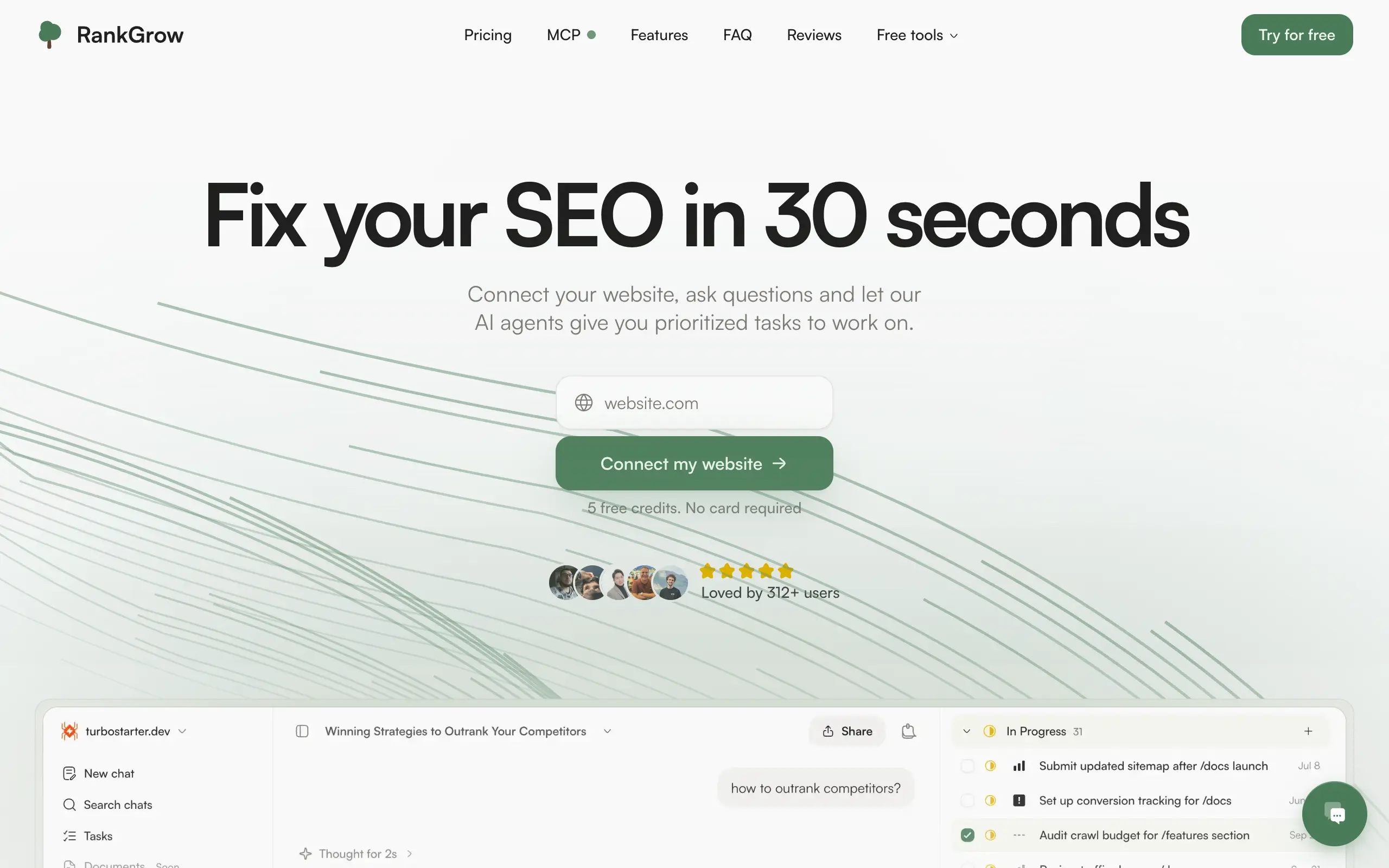
RankGrow
Fix your SEO with AI agents - connect Search Console, get prioritized tasks, and grow organic traffic 📈
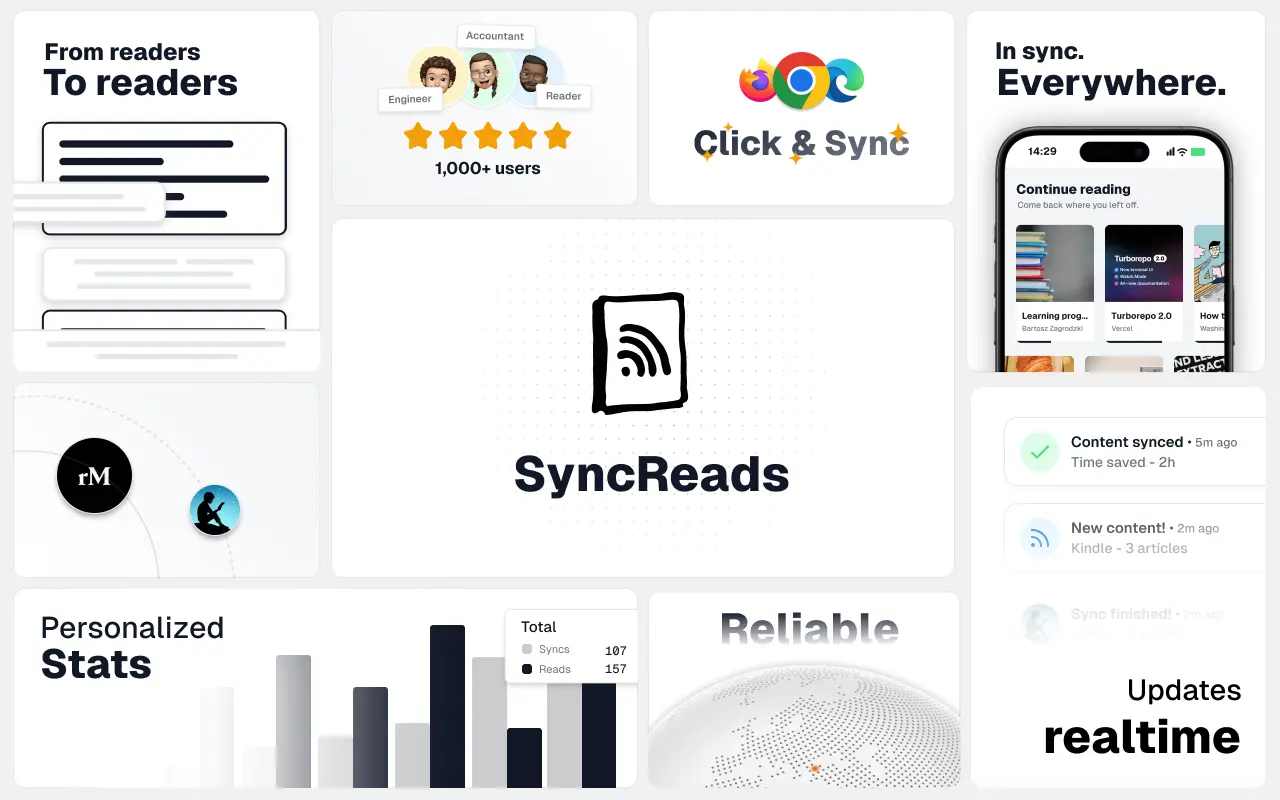
SyncReads
Sync your favorite content for distraction-free reading, save time and replace multiple apps. Anytime, anywhere 🔄
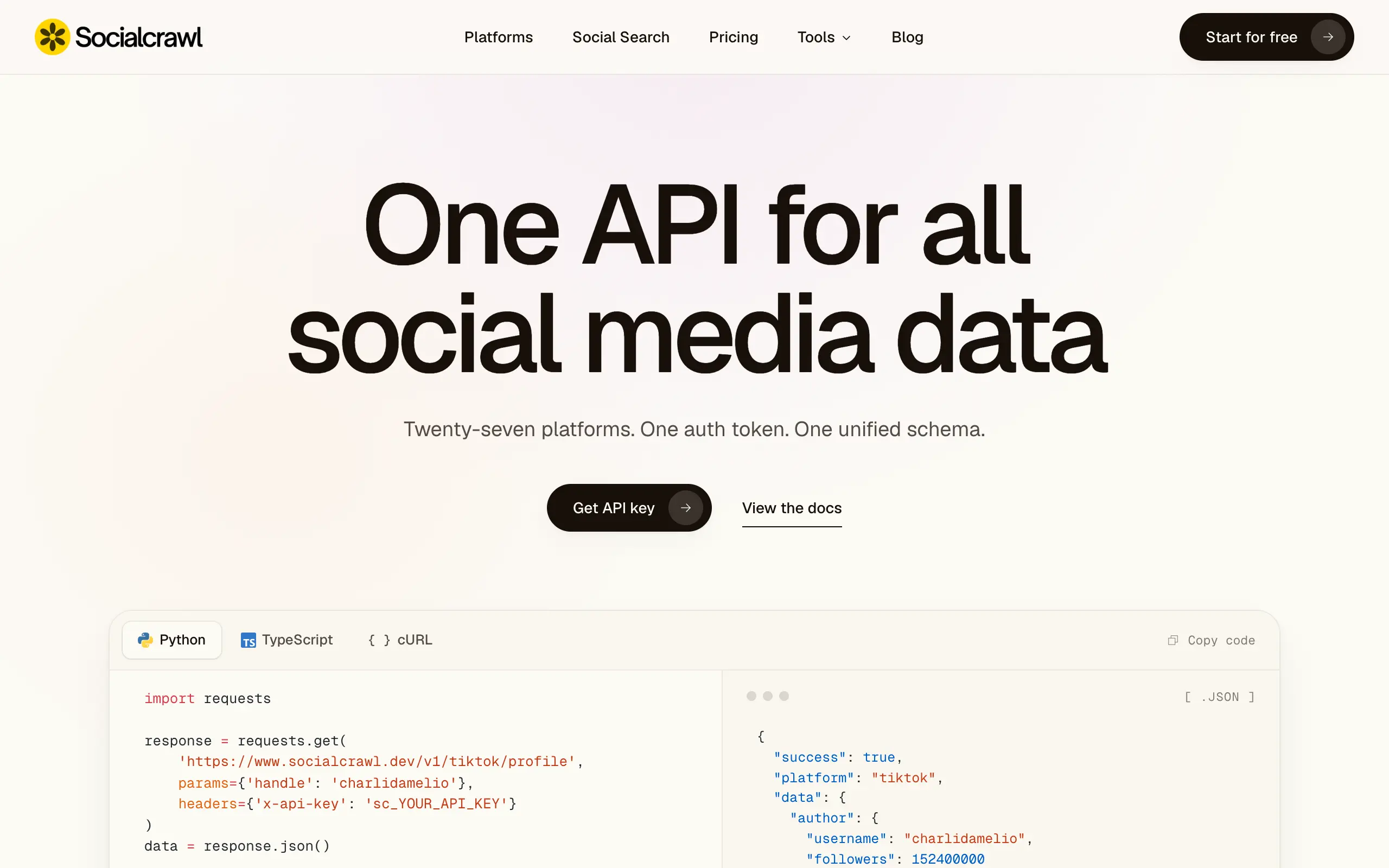
Socialcrawl
Get clean, structured data from 21 platforms like TikTok, Instagram, and YouTube with a single request 📊
Statiko
Monitor any Telegram channel in real time - track posts, edits, deletions, and growth with AI recaps 📡
Shibui
AI website builder - describe your business, pick a niche template, edit by chatting, and publish instantly ✨
Pro Service
Find verified home service professionals, compare quotes, and pay securely through escrow - built for Brazilians across the US 🏠
RankGrow
Fix your SEO with AI agents - connect Search Console, get prioritized tasks, and grow organic traffic 📈
SyncReads
Sync your favorite content for distraction-free reading, save time and replace multiple apps. Anytime, anywhere 🔄
Socialcrawl
Get clean, structured data from 21 platforms like TikTok, Instagram, and YouTube with a single request 📊
Statiko
Monitor any Telegram channel in real time - track posts, edits, deletions, and growth with AI recaps 📡
Shibui
AI website builder - describe your business, pick a niche template, edit by chatting, and publish instantly ✨
Pro Service
Find verified home service professionals, compare quotes, and pay securely through escrow - built for Brazilians across the US 🏠
RankGrow
Fix your SEO with AI agents - connect Search Console, get prioritized tasks, and grow organic traffic 📈
SyncReads
Sync your favorite content for distraction-free reading, save time and replace multiple apps. Anytime, anywhere 🔄
Socialcrawl
Get clean, structured data from 21 platforms like TikTok, Instagram, and YouTube with a single request 📊
Statiko
Monitor any Telegram channel in real time - track posts, edits, deletions, and growth with AI recaps 📡
Shibui
AI website builder - describe your business, pick a niche template, edit by chatting, and publish instantly ✨
Pro Service
Find verified home service professionals, compare quotes, and pay securely through escrow - built for Brazilians across the US 🏠
RankGrow
Fix your SEO with AI agents - connect Search Console, get prioritized tasks, and grow organic traffic 📈
SyncReads
Sync your favorite content for distraction-free reading, save time and replace multiple apps. Anytime, anywhere 🔄
Socialcrawl
Get clean, structured data from 21 platforms like TikTok, Instagram, and YouTube with a single request 📊
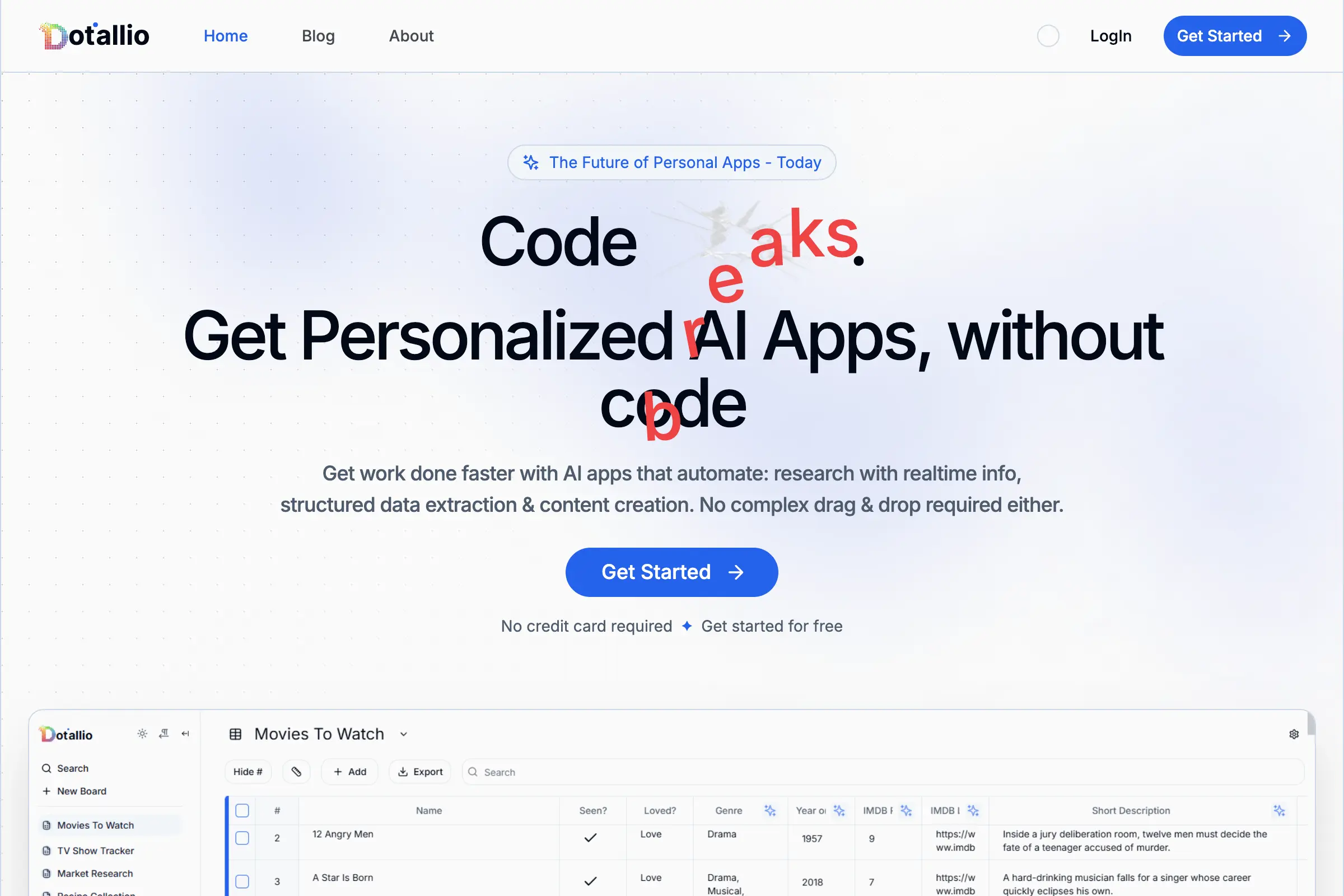
Dotallio
Personalized AI apps that automate research, data extraction, and content creation without code 🤖
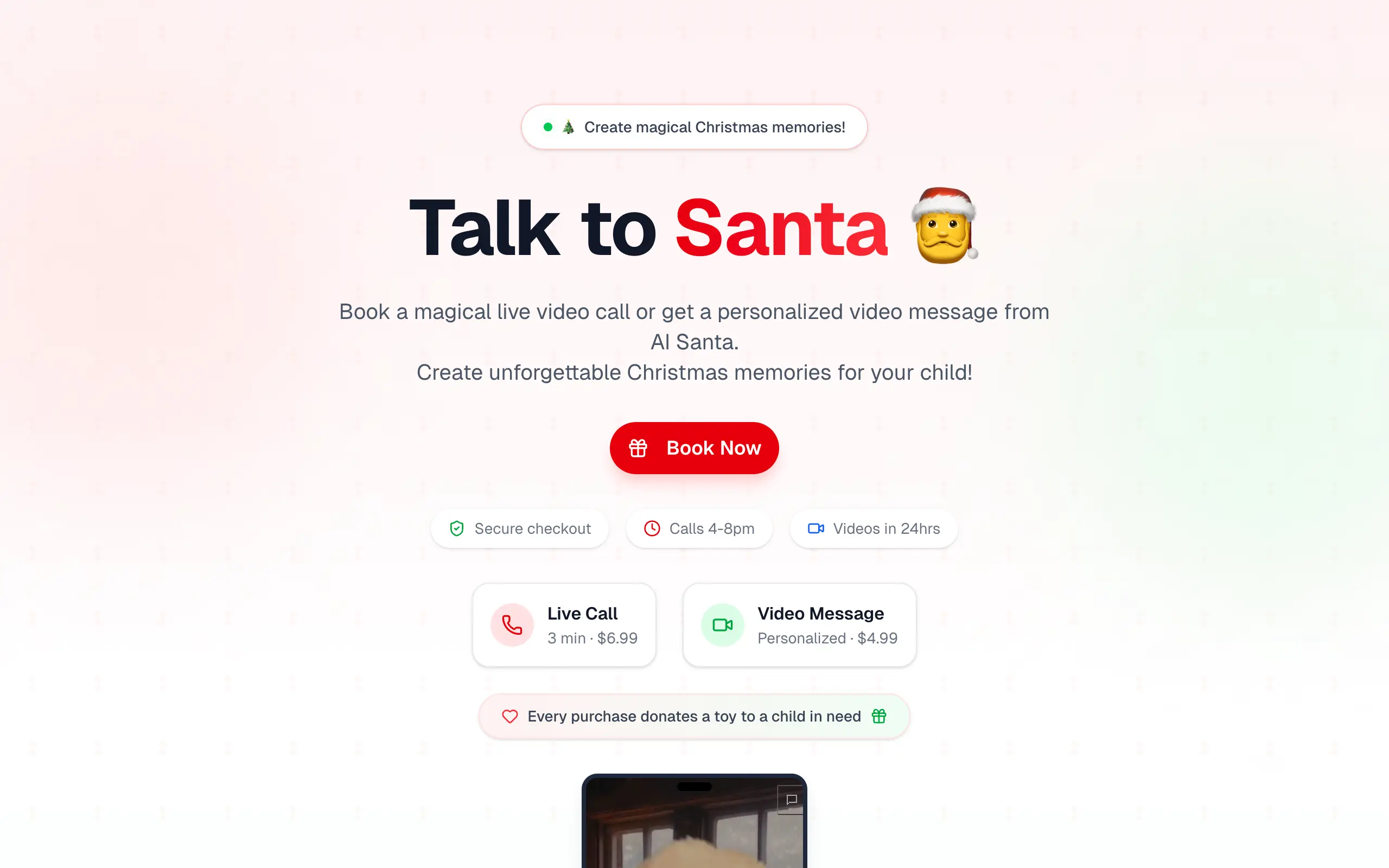
Talk to Santa
Enjoy a magical live video chat or receive a unique AI-generated video greeting from Santa Claus 🎅

pozywka.pl
Scalable blog for food journalist, focused on performance and user experience 🌭
zagrodzki.me
Personal blog and portfolio of Bart Zagrodzki, where he shares his knowledge and work 💼
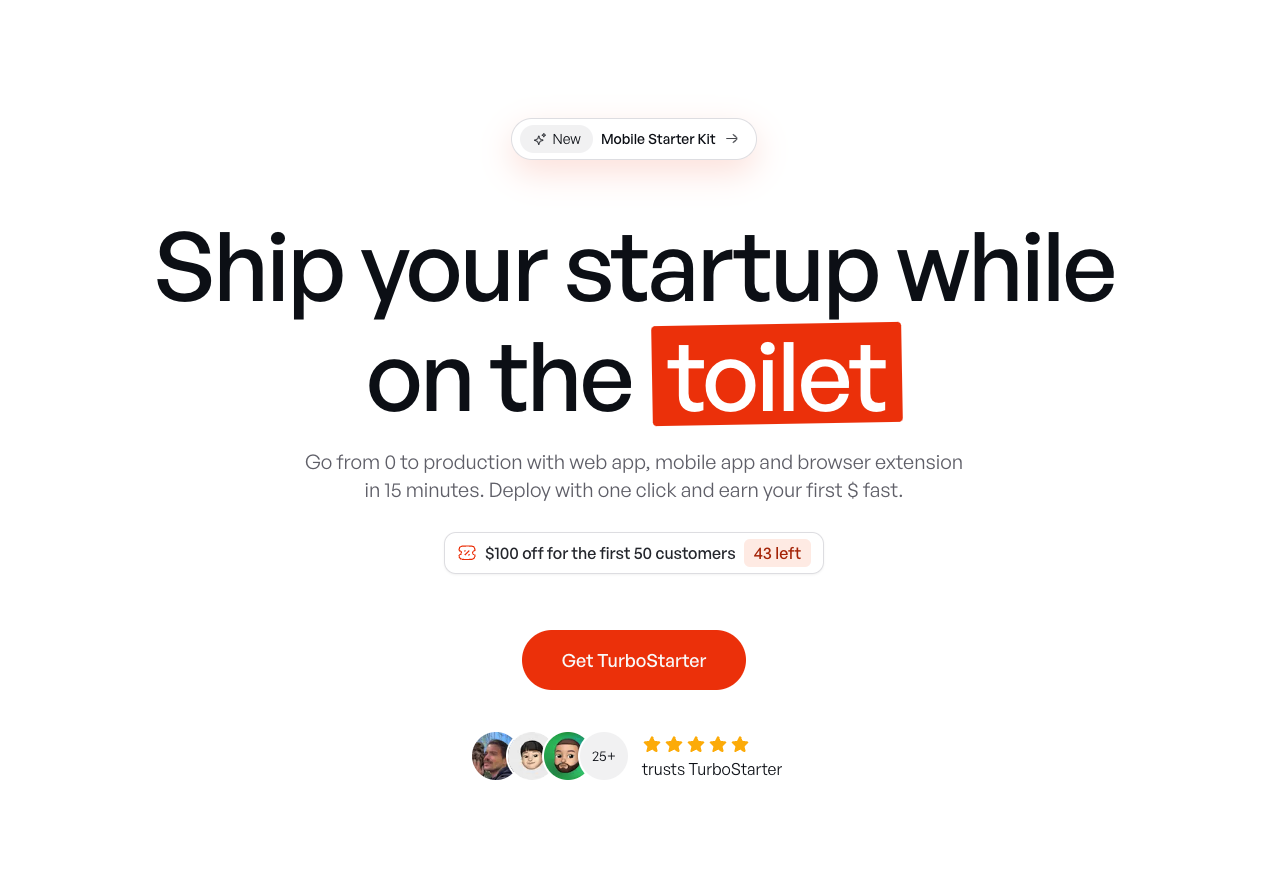
TurboStarter
Ship your startup everywhere. In minutes.
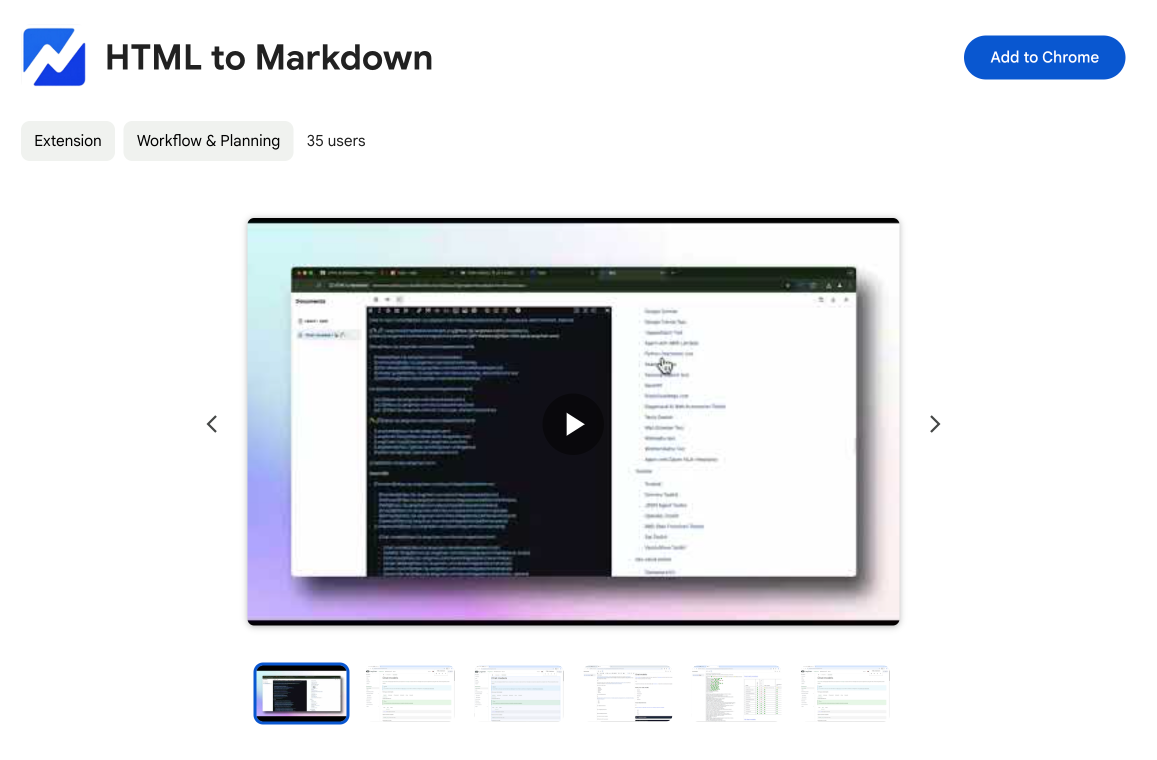
HTML to Markdown
Convert HTML to Markdown with ease, directly in your browser 📄
Dotallio
Personalized AI apps that automate research, data extraction, and content creation without code 🤖
Talk to Santa
Enjoy a magical live video chat or receive a unique AI-generated video greeting from Santa Claus 🎅
pozywka.pl
Scalable blog for food journalist, focused on performance and user experience 🌭
zagrodzki.me
Personal blog and portfolio of Bart Zagrodzki, where he shares his knowledge and work 💼
TurboStarter
Ship your startup everywhere. In minutes.
HTML to Markdown
Convert HTML to Markdown with ease, directly in your browser 📄
Dotallio
Personalized AI apps that automate research, data extraction, and content creation without code 🤖
Talk to Santa
Enjoy a magical live video chat or receive a unique AI-generated video greeting from Santa Claus 🎅
pozywka.pl
Scalable blog for food journalist, focused on performance and user experience 🌭
zagrodzki.me
Personal blog and portfolio of Bart Zagrodzki, where he shares his knowledge and work 💼
TurboStarter
Ship your startup everywhere. In minutes.
HTML to Markdown
Convert HTML to Markdown with ease, directly in your browser 📄
Dotallio
Personalized AI apps that automate research, data extraction, and content creation without code 🤖
Talk to Santa
Enjoy a magical live video chat or receive a unique AI-generated video greeting from Santa Claus 🎅
pozywka.pl
Scalable blog for food journalist, focused on performance and user experience 🌭
zagrodzki.me
Personal blog and portfolio of Bart Zagrodzki, where he shares his knowledge and work 💼
TurboStarter
Ship your startup everywhere. In minutes.
HTML to Markdown
Convert HTML to Markdown with ease, directly in your browser 📄
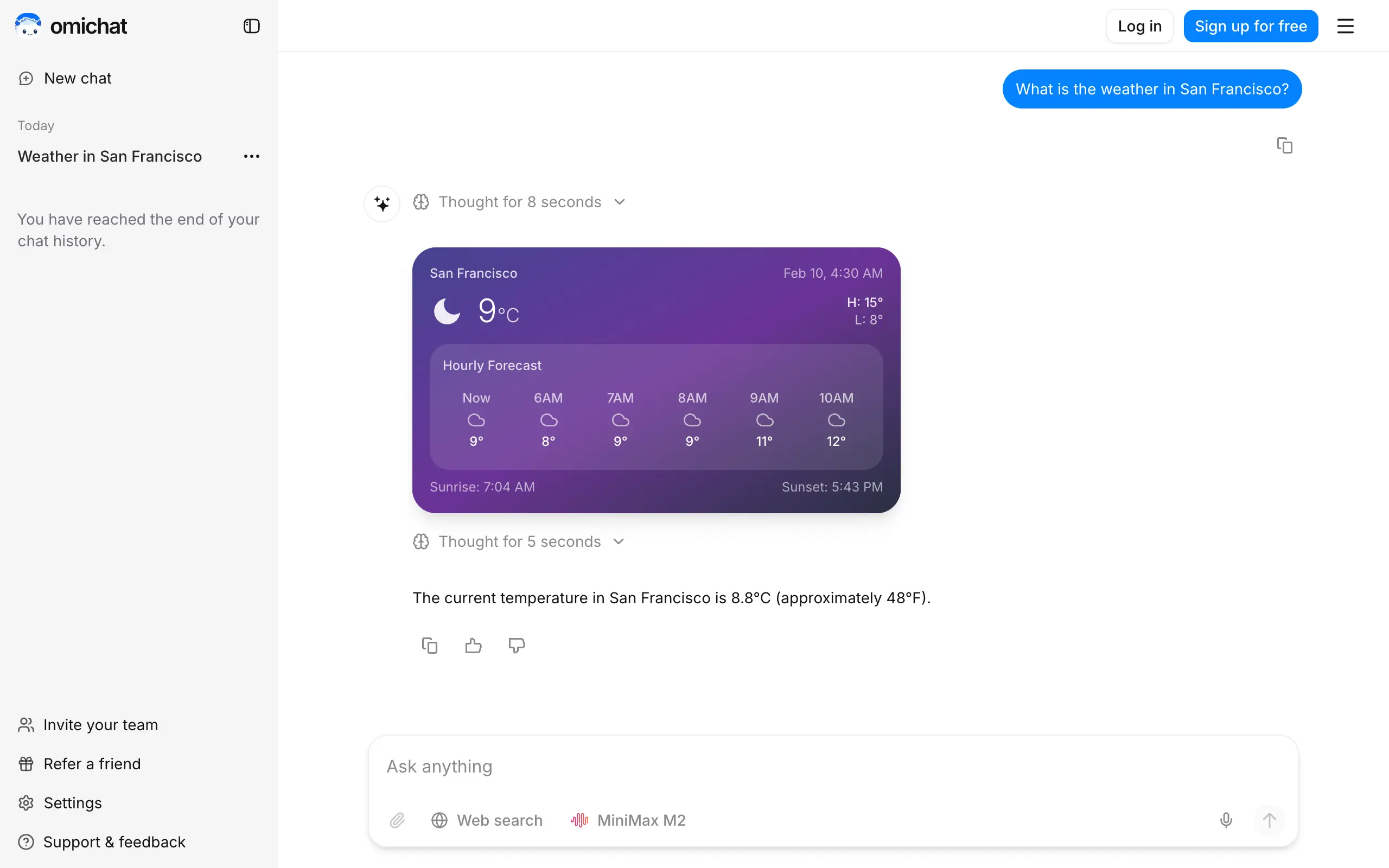
Omichat
Chat with 50+ AI models, including ChatGPT and Claude, in one place - switch models anytime without losing context 🤖
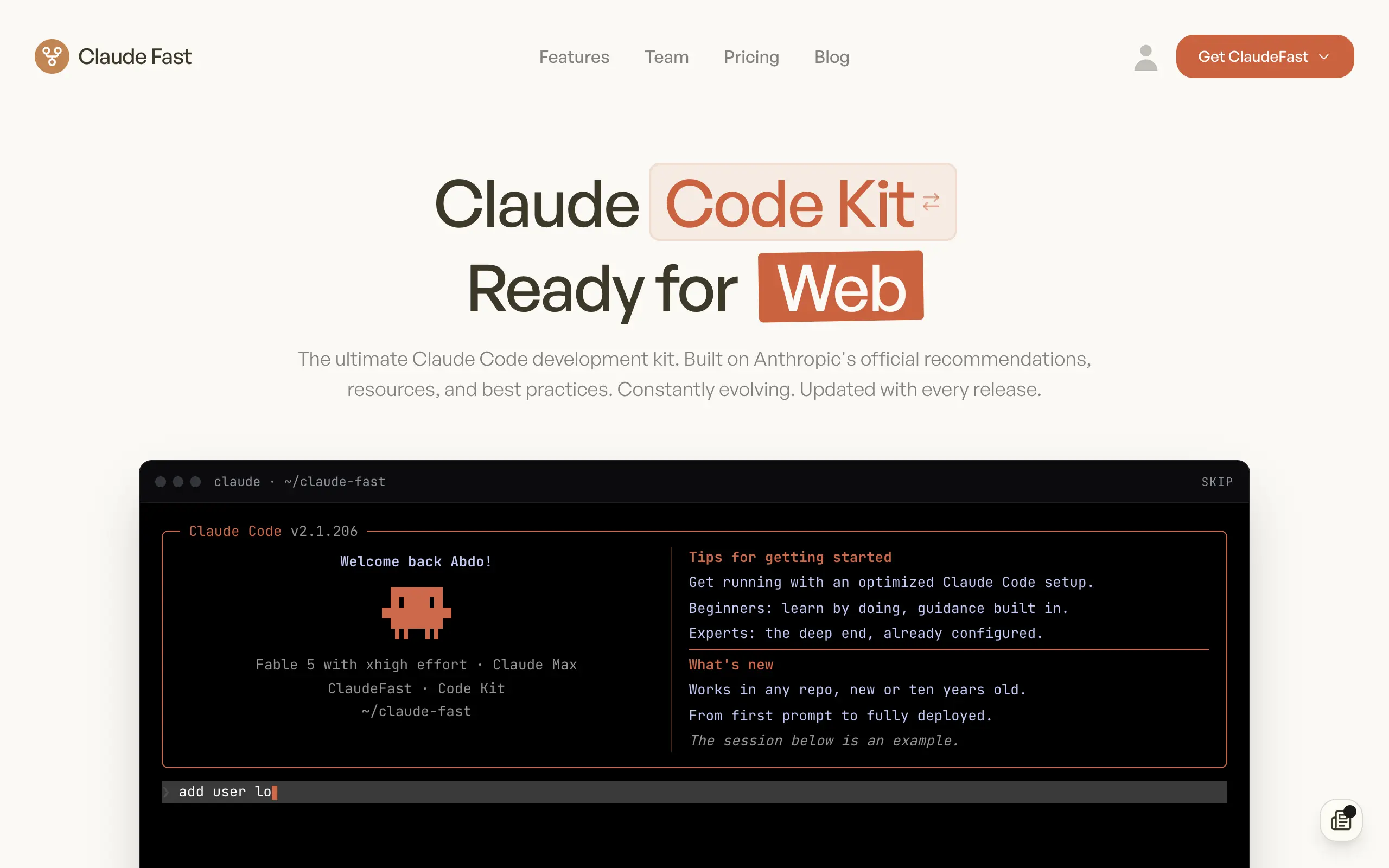
Claude Fast
Supercharge your Claude Code with 6x effective context window and specialized AI agents 🤖
EmojAI
AI-powered emoji picker with smart, context-aware suggestions 🤖
Solohacker
Autonomous company launcher - AI agents work 24/7, escalate what matters, and you stay in control 🤖
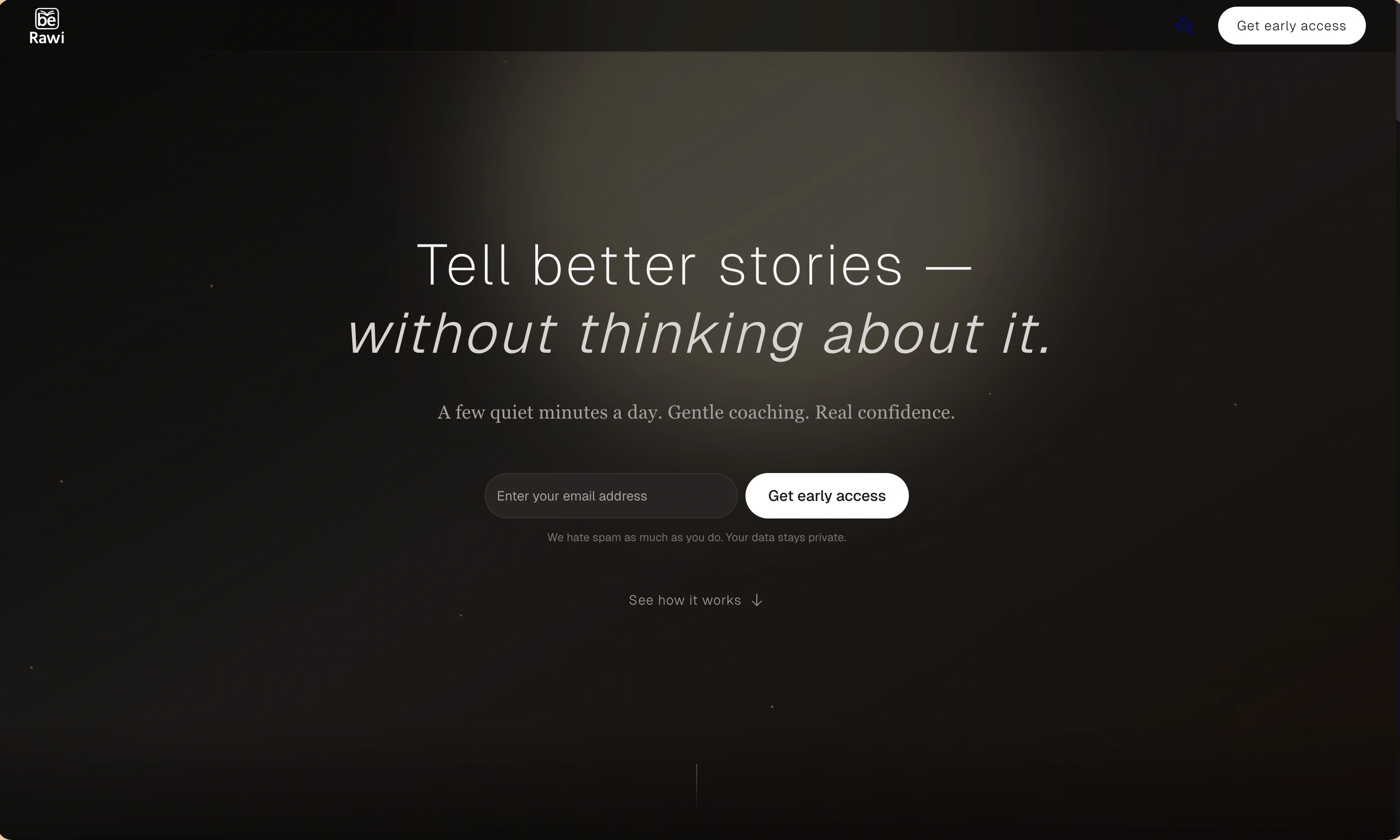
BeRawi: Storytelling Coach
Practice storytelling daily with instant feedback to sound clearer, more engaging, and confident 🎤
Omichat
Chat with 50+ AI models, including ChatGPT and Claude, in one place - switch models anytime without losing context 🤖
Claude Fast
Supercharge your Claude Code with 6x effective context window and specialized AI agents 🤖
EmojAI
AI-powered emoji picker with smart, context-aware suggestions 🤖
Solohacker
Autonomous company launcher - AI agents work 24/7, escalate what matters, and you stay in control 🤖
BeRawi: Storytelling Coach
Practice storytelling daily with instant feedback to sound clearer, more engaging, and confident 🎤
Omichat
Chat with 50+ AI models, including ChatGPT and Claude, in one place - switch models anytime without losing context 🤖
Claude Fast
Supercharge your Claude Code with 6x effective context window and specialized AI agents 🤖
EmojAI
AI-powered emoji picker with smart, context-aware suggestions 🤖
Solohacker
Autonomous company launcher - AI agents work 24/7, escalate what matters, and you stay in control 🤖
BeRawi: Storytelling Coach
Practice storytelling daily with instant feedback to sound clearer, more engaging, and confident 🎤
Omichat
Chat with 50+ AI models, including ChatGPT and Claude, in one place - switch models anytime without losing context 🤖
Claude Fast
Supercharge your Claude Code with 6x effective context window and specialized AI agents 🤖
EmojAI
AI-powered emoji picker with smart, context-aware suggestions 🤖
Solohacker
Autonomous company launcher - AI agents work 24/7, escalate what matters, and you stay in control 🤖
BeRawi: Storytelling Coach
Practice storytelling daily with instant feedback to sound clearer, more engaging, and confident 🎤

Connect with like-minded people
Join our community to get feedback, support, and grow together with 1,000+ builders on board, let's ship it!
Join usShip your startup everywhere. In minutes.
Don't burn tokens on setup and start building features on day one.