PocketBiome
Scan overlooked city wildlife with AI, then collect and evolve it in playful 3D habitats. Turn everyday walks into a living nature quest.
What PocketBiome could become
PocketBiome is a mobile nature-discovery app built around a simple idea: help people notice the wildlife already living around them, then make those discoveries part of a playful, collectible experience.
A user might scan a bird, insect, plant, or other urban organism during a walk. AI suggests an identification, the app explains what makes the organism interesting, and a digital version joins the user’s 3D habitat. As people explore, their collections grow and habitats evolve.
The concept combines several familiar behaviors:
- Nature identification: Recognize and learn about organisms in a real-world setting.
- Location-based exploration: Give users a reason to take a different route or look more closely at a familiar place.
- Collection and progression: Turn observations into a growing personal collection.
- Creative customization: Let users build habitats that reflect their discoveries.
- Citizen science: Where users opt in, contribute useful observations to broader biodiversity efforts.
The strongest version of PocketBiome would not treat nature as a set of prizes to capture. It would help people become more observant, more knowledgeable, and more respectful of the living environment around them. That distinction is both an important product principle and a potential competitive advantage.
PocketBiome’s primary audience
The app should serve more than one audience, but it will be easier to build and market if the first version focuses on a clearly defined core user.
Curious walkers and urban explorers
These users already take walks, commute on foot, visit parks, or explore their neighborhoods. They may not consider themselves naturalists, but they enjoy discovering something unexpected.
PocketBiome can make a familiar route feel new by giving users a reason to notice birdsong, insects on a wall, moss between paving stones, or plants growing in a vacant lot. The app’s value is strongest when opening it feels like an invitation to look more closely—not an obligation to complete a checklist.
Families with children
Parents and caregivers often look for activities that combine outdoor time, learning, and play. PocketBiome could give families a shared activity with a low barrier to entry: take a walk, identify a few organisms, and see them appear in a digital habitat.
The product should support short sessions and different levels of knowledge. A child might be interested in an organism’s appearance or animation, while an adult wants to know how the identification was made and whether the species is common locally.
For this audience, practical details matter. The app should work in areas with limited connectivity, avoid requiring children to publish precise location data, and keep social features safe by default.
Beginner nature enthusiasts
New birdwatchers, gardeners, hikers, and amateur naturalists may use PocketBiome as a learning companion. They want identification help, but they also want to build confidence over time.
A useful product does more than provide a species name. It explains the visible clues, indicates uncertainty, and helps the user distinguish similar organisms. A confident answer with no explanation may be engaging once, but a trustworthy explanation is more likely to earn repeat use.
Educators and community organizations
Teachers, libraries, youth programs, parks groups, and local environmental organizations could use PocketBiome to support guided outdoor activities. These users may value group challenges, curriculum-friendly content, event tools, and ways to explore local ecosystems without requiring specialist equipment.
This audience could become a valuable distribution channel, but it is unlikely to be the best first market unless the team has existing relationships with educators or community groups. Institutional sales often involve longer purchasing cycles, privacy reviews, and administrative requirements.
The best initial customer
A practical first audience is curious adults and families who already take walks in parks or neighborhoods. They are easier to reach through consumer app channels, their need is easy to explain, and their behavior aligns with PocketBiome’s core loop.
The initial product can still be welcoming to educators and experienced naturalists. However, its first-run experience, vocabulary, and progression system should be designed for someone who is interested in nature but does not yet know much about it.
The market opportunity and product gap
PocketBiome sits at the intersection of several established product categories:
- Nature identification and observation apps
- Location-based games
- Digital collecting and progression systems
- Outdoor learning tools
- Community science platforms
That overlap creates an opportunity, but it also creates a product-design challenge. Each category sets different expectations. Nature apps are expected to be useful and accurate. Games are expected to be rewarding and polished. Citizen science tools are expected to handle data responsibly. PocketBiome has to combine these qualities without letting one undermine the others.
The gap between identification and motivation
An identification app can answer, “What is this?” Yet a user who receives an answer may not have a reason to return the next day. A game can encourage exploration, but if its rewards are detached from real learning, the nature theme may feel superficial.
PocketBiome’s opportunity is to connect these steps:
- A person notices something outdoors.
- The app helps them investigate it.
- The user learns why the organism is distinctive.
- The discovery becomes part of a personal collection or habitat.
- The app suggests another meaningful observation.
This is a more durable loop than simply awarding points for scanning objects. It makes the real-world observation the source of the game’s content.
The gap between casual play and credible nature learning
A playful interface can make nature more approachable, but it should not make uncertain AI results seem definitive. A photo may be blurry, the organism may be partly obscured, and several species may look alike. The app must show uncertainty in a way that is understandable to a non-expert.
For example, the interface could offer a likely identification alongside a confidence explanation and a short list of alternatives. It can then invite the user to compare features such as color, shape, size, habitat, or behavior. This turns ambiguity into a learning opportunity rather than a product failure.
The gap between global discovery and local context
Wildlife varies by region, season, habitat, and time of day. A generic identification experience may miss the local context that makes an observation useful. PocketBiome can differentiate by surfacing organisms that are plausible in the user’s area and season, while explaining that location and timing are hints—not proof.
Regional relevance also makes the collection feel personal. A user’s habitat could reflect the ecology of their neighborhood instead of presenting the same generic set of organisms to everyone.
How to validate the opportunity
The concept should be tested before investing heavily in 3D content or custom AI. Product validation should focus on behavior, not just stated enthusiasm.
Useful early questions include:
- Do people notice and scan organisms during ordinary walks?
- Which kinds of organisms do they want to identify?
- Does the habitat feature make them more likely to return?
- Do users trust the identification and understand its limitations?
- Will they take another walk because of the app?
- Which users prefer learning, collecting, sharing, or completing challenges?
- Do users want to keep their observations private, share them with friends, or contribute them to a community project?
Run interviews and small field tests with people in different age groups and levels of nature knowledge. Give testers a working prototype and observe where they hesitate. A person saying “I would use this” is weaker evidence than seeing them open it on a walk, scan something, understand the result, and choose to return.
For market sizing, avoid inventing a total addressable market from loosely related categories. Build a bottom-up estimate using the regions the product can initially support, reachable audience segments, acquisition channels, likely retention, and realistic paid conversion assumptions. If the team later cites market or biodiversity statistics, it should name the original source, publication date, geography, and measurement method.
Core features for a compelling PocketBiome app
1. Fast, approachable organism scanning
The scan flow should be simple enough to use outdoors with one hand. Users should be able to take or select a photo, receive an initial result, and understand what to do next without navigating through a complicated form.
The first version should limit the supported scope intentionally. Identifying every kind of organism worldwide is an expensive and difficult promise. A focused launch might prioritize common urban birds, insects, and plants in one or two regions, then expand based on observed demand and identification quality.
Useful scanning features include:
- Live guidance on focus, lighting, and framing
- The option to submit more than one photo when useful
- A clear result state when the image cannot be identified reliably
- Suggestions to photograph a defining feature
- A manual search or browse option
- An accessible way to correct or dismiss an incorrect result
2. Confidence-aware AI identification
AI should produce a suggestion, not an unquestionable verdict. The interface can communicate confidence with plain-language explanations, such as “This looks most like a common house sparrow, but the image does not show the markings clearly enough to be certain.”
The app should distinguish at least three states:
- Likely match: There is enough visual evidence for a useful suggestion.
- Possible match: Several organisms could fit, so the user should compare alternatives.
- Not enough information: The image or context is insufficient for a responsible identification.
Context such as approximate location, season, habitat, and time can improve candidate ranking. It should not be used to conceal uncertainty. The product should also keep an audit trail of model versions and identification outcomes so the team can investigate systematic errors.
3. Learning cards that explain the result
Every identified organism should have a concise, useful profile. A good card might include:
- Common name and, when appropriate, scientific name
- Visual traits that support the identification
- Typical habitat and seasonal context
- An interesting behavior or ecological role
- Similar species to compare
- A respectful observation tip
- A source or attribution where required
The first screen should avoid overwhelming beginners with dense taxonomy. More detail can be available on demand. The goal is to help users become better observers, not simply to deliver an encyclopedia entry.
4. A collection that rewards observation
The collection should record discoveries in a way that makes progress satisfying without encouraging harmful behavior. Users can earn a digital entry for a confirmed or plausible observation, but the reward should not depend on touching, catching, feeding, or disturbing wildlife.
Collection mechanics could include:
- Regional discovery sets
- Seasonal collections
- Habitat-based collections
- Observation streaks that reward consistency without punishing missed days
- Milestones for learning, such as comparing similar species
- A “first seen” record that users can choose to keep private
The system should reward curiosity and care. For example, a user might earn progress for correctly distinguishing two similar birds or completing an observation without approaching a sensitive habitat.
5. Evolving 3D habitats
The 3D habitat is a major part of PocketBiome’s identity. It gives observations a visible, personal consequence and creates space for creativity. The habitat should feel like a living ecosystem rather than a storage shelf for collectibles.
Potential habitat mechanics include:
- Biomes or neighborhood-inspired environments
- Organisms that have unique animations or behaviors
- Decorations earned through learning activities
- Seasonal visual changes
- Interactions that reveal short educational facts
- Habitat layouts that users can customize
The design should avoid implying that users can freely combine species in ways that are ecologically misleading. A fantasy habitat can be clearly presented as playful, while educational views can show real relationships such as pollination, shelter, or predator-prey interactions.
6. Location-aware exploration
Location features can support local discovery, but they should be opt-in and proportionate. PocketBiome does not need a public map of every user’s exact observations to create a rewarding experience.
A privacy-conscious design could use coarse location for local species suggestions and keep precise coordinates private by default. If users choose to share an observation publicly, explain what location detail will be included and give them a way to remove or generalize it.
The product should not direct crowds toward sensitive nests, rare species, or fragile habitats. For vulnerable observations, the app can suppress precise location details or avoid showing them on public maps.
7. Optional community science
Community science can deepen the product’s value, but it requires more than a submission button. Users need to know what data is collected, why it is useful, who may access it, and whether sharing is optional.
A sensible launch sequence is:
- Keep personal observations private by default.
- Explain the potential scientific value of a record in clear language.
- Let users opt in to sharing selected observations.
- Validate data quality and moderate inappropriate submissions.
- Work with qualified partners before promising research impact.
Do not claim that every scan “helps scientists” unless the data is actually shared through a relevant, documented process and meets the partner’s requirements.
PocketBiome’s unique selling proposition
PocketBiome’s USP is not simply “AI that identifies nature” or “a game about wildlife.” Its distinctive promise is:
A real-world observation becomes a trustworthy learning moment and a living part of a personal 3D nature collection.
That proposition has three connected advantages:
- The real world supplies the content. Users discover organisms where they live, rather than only collecting items in a fictional world.
- Learning is part of progression. The app can reward better observation and understanding, not just volume.
- The digital habitat creates continuity. Each walk contributes to a personal world that develops over time.
This differentiation only holds if all three parts work. If the AI is unreliable, the learning promise weakens. If the habitat is visually generic, the collection loop loses emotional appeal. If progression encourages users to disturb animals, the product contradicts its nature-positive positioning.
Competitive advantage and positioning
PocketBiome will compete for attention with tools that already serve pieces of the experience. It should not assume that adding a game layer automatically makes it better than specialized identification apps or established location-based games.
| Product category | What users come for | PocketBiome’s opportunity |
|---|---|---|
| Nature identification apps | Help naming an organism | Make identification part of an engaging, repeatable outdoor loop |
| Birding and observation tools | Records, checklists, and specialist workflows | Offer a more approachable path for beginners and families |
| Location-based games | Exploration, goals, and rewards | Ground progression in real learning and responsible observation |
| General learning apps | Structured educational content | Connect lessons to organisms users encounter themselves |
The table is a positioning framework, not a claim that every competing product has the same feature set. Before publishing a competitive comparison or making superiority claims, review current product documentation and test the relevant workflows directly.
Where PocketBiome can win
PocketBiome is best positioned for users who want nature discovery to feel playful without becoming frivolous. It can be easier to approach than a specialist field guide and more educational than a purely collectible game.
A defensible advantage could grow from a combination of:
- High-quality, region-specific educational content
- A carefully measured identification experience
- Strong privacy defaults for location and images
- A beautiful and flexible habitat system
- Partnerships with schools, parks, and nature organizations
- A trusted brand that models respectful wildlife observation
- Long-term insight into which product experiences help users keep exploring
The model itself is unlikely to be a durable moat. Competitors can access similar AI services. The stronger moat comes from a trusted product experience, a useful content system, high-quality regional data, and a community that feels safe and worthwhile.
Recommended technology stack for a mobile nature app
The right technology stack depends on the team’s experience, target devices, graphics ambitions, and need for offline use. The first priority should be a reliable mobile experience, not selecting the most fashionable framework.
Mobile application
React Native can be a practical choice for a cross-platform app when the team is experienced with React and wants to share substantial application logic across iOS and Android. Its trade-off is that advanced camera, background location, and 3D features may require native modules or additional platform-specific work.
Expo can simplify development, builds, and access to common mobile capabilities. However, teams should verify that their chosen camera, location, and 3D libraries work with the required native configuration before committing to a particular architecture.
For high-end, real-time 3D scenes, compare a native graphics approach or a dedicated game engine against a lightweight 3D layer. A feature-rich 3D habitat can increase download size, battery use, development cost, and performance risk on older phones. Begin with a small technical prototype that measures frame rate and memory usage on representative devices.
Backend and data storage
A relational database such as PostgreSQL is well suited to users, observations, species references, consent records, collection progress, and moderation workflows. A managed backend platform can accelerate authentication, database operations, file storage, and server-side functions, but the team should understand its pricing model, data residency options, access controls, and migration path.
Store images separately from application records and apply explicit retention policies. Images may contain people, homes, or sensitive location clues even when users intended to photograph only an organism. Do not retain original uploads indefinitely unless there is a clear product or research reason and users have been informed.
AI identification service
The identification pipeline could combine:
- Image quality checks
- A vision model that proposes candidate labels
- Regional and seasonal filtering
- Confidence calibration or an uncertainty threshold
- A species knowledge source for user-facing information
- Feedback capture for later evaluation
A hosted model can accelerate prototyping, while a specialized or self-hosted model may offer more control over cost, latency, privacy, and performance. These choices involve trade-offs. Hosted services may simplify operations but introduce third-party processing and variable usage costs. Self-hosting can improve control but requires model operations expertise, monitoring, and infrastructure.
Do not assume that a model’s general image-recognition ability translates into reliable species identification. Build an evaluation set containing local organisms, difficult lookalikes, poor lighting, partial images, and common non-target objects. Measure both accuracy and the rate of confident mistakes.
Maps and geospatial features
If PocketBiome includes maps, it will need a provider and a clear policy for storing coordinates. Compare providers based on licensing, offline support, pricing, regional coverage, and the team’s ability to control location precision. The app should request location permission only when the user tries a feature that needs it, then explain the benefit in plain language.
A map is not essential to the first release. Local suggestions can be generated with coarse region data, while personal observations can be displayed in a private journal. Delaying public maps reduces privacy and moderation complexity.
Analytics and observability
Use analytics to understand product behavior, not to collect every possible signal. Track events such as scan started, identification result viewed, result corrected, habitat visited, and return session. Avoid putting image content, exact coordinates, or unnecessary personal data into analytics event properties.
Monitor crash rates, scan latency, failed uploads, model timeouts, and user-reported identification issues. A product that works well in a quiet office may perform poorly outdoors on weak cellular service, so include field testing in the release process.
A practical architecture principle
Keep responsibilities separated:
- The mobile app handles camera interaction, offline-friendly screens, collection presentation, and consent flows.
- The backend manages accounts, observations, content, permissions, and application rules.
- The AI service returns candidate identifications and confidence information.
- A content layer supplies reviewed descriptions, learning material, and attribution.
- Analytics measures product health with data minimization.
This separation makes it easier to replace an AI provider, adjust the habitat experience, or expand to a new region without rebuilding the entire product.
Monetization strategies that fit the product
PocketBiome needs a sustainable business model, but monetization should reinforce trust rather than undermine it.
Freemium subscription
The free tier could include core scanning, a limited collection, and a basic habitat. A paid plan might offer additional habitat customization, offline field guides, expanded learning paths, family profiles, or advanced collection tools.
The free experience must remain genuinely useful. If users have to pay simply to understand a common organism they just photographed, the app may feel exploitative.
Family and educator plans
A family subscription could support multiple profiles, shared challenges, and parent-managed privacy settings. An educator plan might include class activities, group progress, and printable or shareable lesson materials.
These products should be built only after validating demand. Schools and youth organizations may require administrative controls, accessibility documentation, privacy terms, and procurement support that are not necessary for a consumer MVP.
Ethical sponsorships and partnerships
Nature organizations, parks, museums, and conservation groups may be potential partners for educational content or local campaigns. Sponsored experiences should be clearly labeled, and commercial sponsors should not influence identification results or access to private user observations.
Cosmetic purchases
Optional visual items, habitat themes, and decorations can support revenue without affecting identification quality. The design should avoid aggressive loot-box mechanics, manipulative timers, or pay-to-win progression, especially if children are part of the audience.
What to avoid
- Selling precise location data
- Making AI certainty appear higher for paid users
- Charging for safety-critical or privacy-critical controls
- Rewarding users for approaching, capturing, feeding, or handling wildlife
- Claiming conservation impact without evidence
- Using advertising formats that compromise children’s privacy or the outdoor experience
Risks and how to mitigate them
Incorrect AI identifications
Risk: A confident mistake can misinform users, damage trust, or create ecological harm if users act on the result.
Mitigation: Show uncertainty, provide alternatives, test against a region-specific evaluation set, and allow corrections. Establish conservative behavior for sensitive or high-consequence categories. Have qualified reviewers check educational content and frequently reported mistakes.
Harmful interactions with wildlife
Risk: A quest or collection goal could encourage users to chase, approach, disturb, or collect organisms.
Mitigation: Design rewards around observation, learning, and habitat care. Add clear field guidance, avoid precise public locations for sensitive species, and review every challenge for unintended incentives.
Location and image privacy
Risk: A photo or coordinate may reveal a home, school, routine, or rare species location.
Mitigation: Use private-by-default observations, minimize location precision, explain sharing choices, provide deletion controls, and set clear image retention policies. Treat children’s data with additional care and seek appropriate legal review for the markets served.
Weak retention after novelty fades
Risk: Users may enjoy the first scan but stop opening the app when the novelty of identification or collecting passes.
Mitigation: Build varied reasons to return, such as seasonal discoveries, short educational goals, evolving habitats, and personal observation journals. Measure repeat walks and meaningful learning behaviors, not only notification opens.
Expensive AI and 3D infrastructure
Risk: Every scan can carry inference and image-storage costs, while detailed 3D content can increase development and device-performance costs.
Mitigation: Prototype usage economics early. Resize images where appropriate, cache non-sensitive content, use clear scan limits if needed, and keep the first habitat visually compelling but technically modest. Track cost per successful identification and cost per retained user.
Misleading claims about scientific value
Risk: Users may believe their data directly supports research when no research partner or validated data pipeline exists.
Mitigation: Describe data use precisely. Separate personal tracking from optional contribution. Work with credible partners before claiming scientific impact, and document what is collected, how it is reviewed, and how it is used.
Accessibility and outdoor usability
Risk: Small text, poor contrast, complex gestures, and unreliable outdoor connectivity can make the product frustrating or exclusionary.
Mitigation: Test in daylight and on small screens. Support readable text, screen readers, clear touch targets, captions for audio, and graceful offline states. Make the central scan flow usable without color alone or precise hand movements.
An actionable implementation plan
A strong launch plan reduces uncertainty in stages. It does not start by building a large global species database or a fully featured 3D world.
1. Define the first user and region
Choose one initial audience and a limited geography. Write down what the user is doing before opening PocketBiome, what the app helps them accomplish, and what a successful first session looks like.
2. Test the core loop with a low-fidelity prototype
Prototype the journey from taking a photo to viewing an identification, learning a fact, and adding the organism to a simple habitat. Test it with real users on real walks. Watch for confusion about confidence, permissions, and what counts as a discovery.
3. Build an identification quality benchmark
Collect representative images for the launch region with proper permissions and documented provenance. Include common species, lookalikes, difficult conditions, and images that should produce “not enough information.” Have knowledgeable reviewers assess the results.
4. Ship a narrow mobile MVP
The first release should focus on account or guest access, scanning, confidence-aware results, a private observation journal, a small reviewed content library, and a lightweight habitat. Defer public maps, complex social features, and broad global coverage until the core experience works.
5. Add privacy and safety controls before growth
Review location handling, photo storage, deletion flows, child-directed features, consent language, and public-sharing defaults. Test the app’s behavior when users decline camera or location permissions.
6. Measure the behaviors that indicate real value
Track whether users complete scans, understand results, return for another walk, correct errors, and explore learning cards. Compare retention across audience segments and acquisition sources. Avoid treating raw scan volume as proof of educational or conservation impact.
7. Expand based on evidence
Use user feedback, model evaluation, operating costs, and regional content readiness to decide whether to add species, locations, habitat features, or partnerships. Expand only when the experience remains useful and trustworthy in the new scope.
For a founder building the first version, TurboStarter can help accelerate the initial SaaS foundation, leaving more time to validate PocketBiome’s distinctive mobile experience, AI quality, and outdoor usability.
The key launch test
PocketBiome is ready to grow when new users can make a useful discovery, understand how certain the identification is, and want to take another walk—without being pushed to disturb wildlife or share more data than they intended.
How to measure whether PocketBiome is working
A useful measurement system should connect product activity to user value and responsible behavior.
Activation metrics
Track the proportion of new users who complete a first meaningful discovery. A meaningful discovery might include viewing an identification, understanding its confidence, and saving it to a private collection.
Break this down by onboarding path and device conditions. If many users start a scan but fail to get a result, the issue may be camera guidance, network reliability, or model latency rather than user motivation.
Retention and habit metrics
Measure return visits over practical time windows, while recognizing that outdoor activity may be seasonal and weather-dependent. Useful indicators include repeat scanning sessions, return visits to the habitat, and users who come back after a successful first walk.
Do not pressure users into daily streaks that punish normal life. Weekly or seasonal progress may fit nature exploration better than a strict daily-use model.
Quality and trust metrics
Monitor:
- Identification correction rates
- “Not sure” and low-confidence result rates
- User reports of incorrect or misleading information
- Scan completion and failure rates
- Time from image submission to usable result
- User understanding of confidence and privacy choices
A low correction rate does not necessarily prove high accuracy; users may not know when an answer is wrong. Periodic expert review and carefully designed user research provide a better picture.
Responsible-use metrics
Measure whether users engage with observation guidance, whether sensitive locations are being exposed, and whether moderation or safety reports increase around particular quests. If PocketBiome eventually supports community science, establish a separate data-quality framework with any research partners.
For published claims, consult primary sources and describe the measurement method. For example, cite the organization, report or dataset title, publication date, and the specific finding. Avoid using generalized biodiversity statistics without explaining their geography and scope.
Frequently asked questions about building PocketBiome
Choose the category that best balances user demand, identification reliability, content readiness, and the team’s access to regional expertise. Birds may be familiar and engaging, while plants and insects can offer many urban discovery moments but may be more difficult to identify from a single image. A small, well-supported launch scope is more trustworthy than a broad catalog with uneven quality.
AI is central to the concept, but the first product test does not need a custom model. A prototype can use a carefully selected service or a constrained identification workflow to test whether users value the scan-to-learning-to-habitat loop. Evaluate accuracy, privacy, latency, and cost before committing to a production provider.
Not by default. Exact locations can expose sensitive species, reveal personal routines, or identify where a user lives or studies. Begin with private records and coarse local recommendations. If public sharing is added later, make it optional and provide ways to hide or generalize location details.
Make the digital collection depend on observation and learning, not physical interaction. Give users guidance on keeping a respectful distance, avoiding nests and fragile habitats, and following local rules. Do not create rewards for touching, capturing, feeding, or relocating organisms.
The opportunity ahead
PocketBiome can make ordinary walks more engaging by giving people a reason to notice the wildlife around them. Its strongest opportunity is the combination of AI-assisted discovery, accessible nature learning, collectible progression, and evolving 3D habitats.
The product’s success will depend on more than its visual polish. It must be honest about identification uncertainty, careful with location and image data, inclusive in outdoor use, and designed to reward respectful observation. Start with a narrow region and a clear audience. Prove that users return because they are learning and exploring—not merely because a novelty animation is compelling. Then expand the species library, habitats, and partnerships as the product earns trust.
That approach gives PocketBiome a credible path from an appealing app idea to a useful, distinctive mobile nature experience.
More 📱 Mobile App SaaS ideas
Discover more innovative mobile app SaaS ideas that are trending in 2026. Each idea is AI-generated with market validation and growth potential to help you find your next profitable venture faster than competitors.
Your competitors are building with TurboStarter
Below are some of the SaaS ideas that have been generated and built with our starter kit.

Statiko
Monitor any Telegram channel in real time - track posts, edits, deletions, and growth with AI recaps 📡

Shibui
AI website builder - describe your business, pick a niche template, edit by chatting, and publish instantly ✨

Pro Service
Find verified home service professionals, compare quotes, and pay securely through escrow - built for Brazilians across the US 🏠
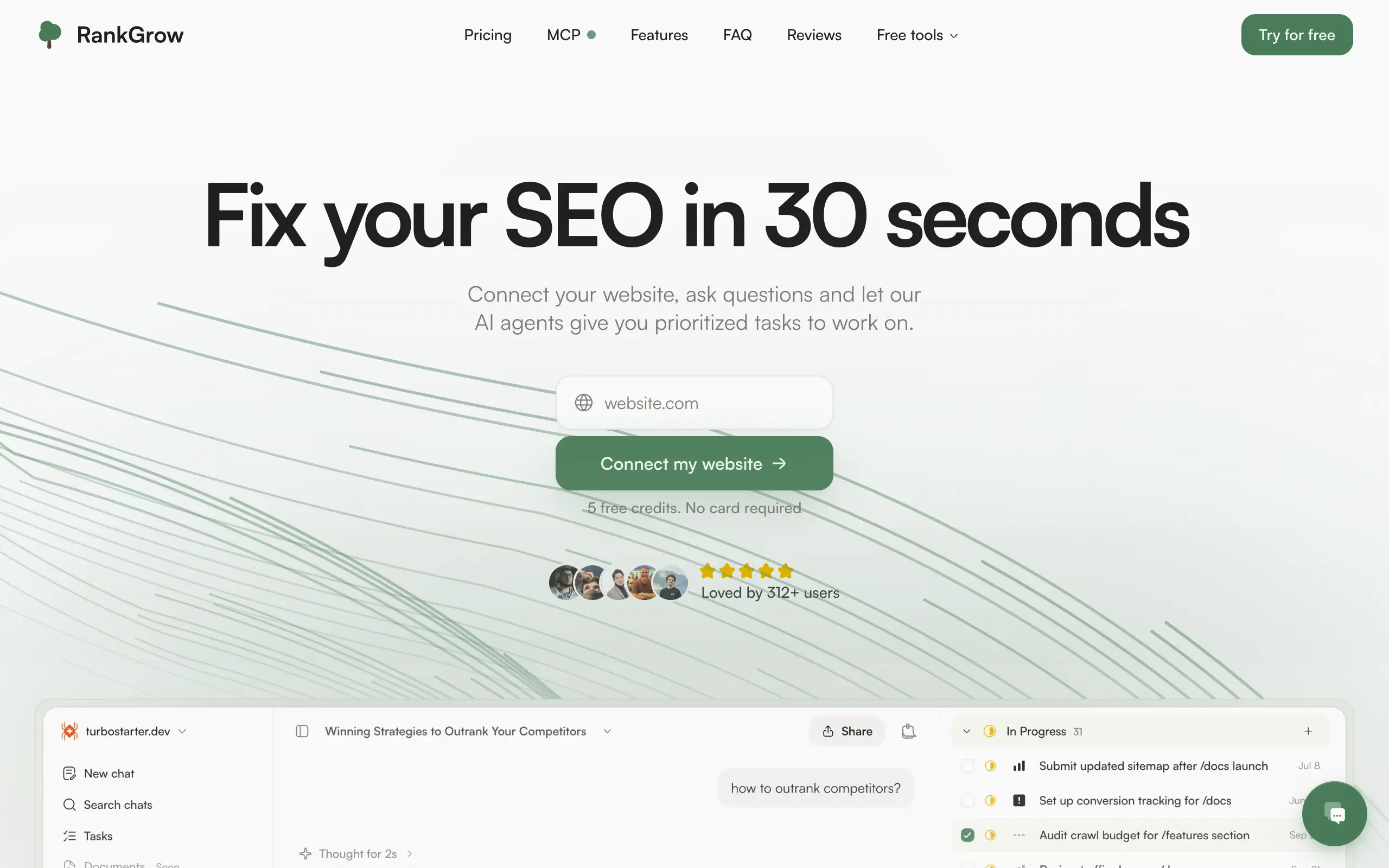
RankGrow
Fix your SEO with AI agents - connect Search Console, get prioritized tasks, and grow organic traffic 📈
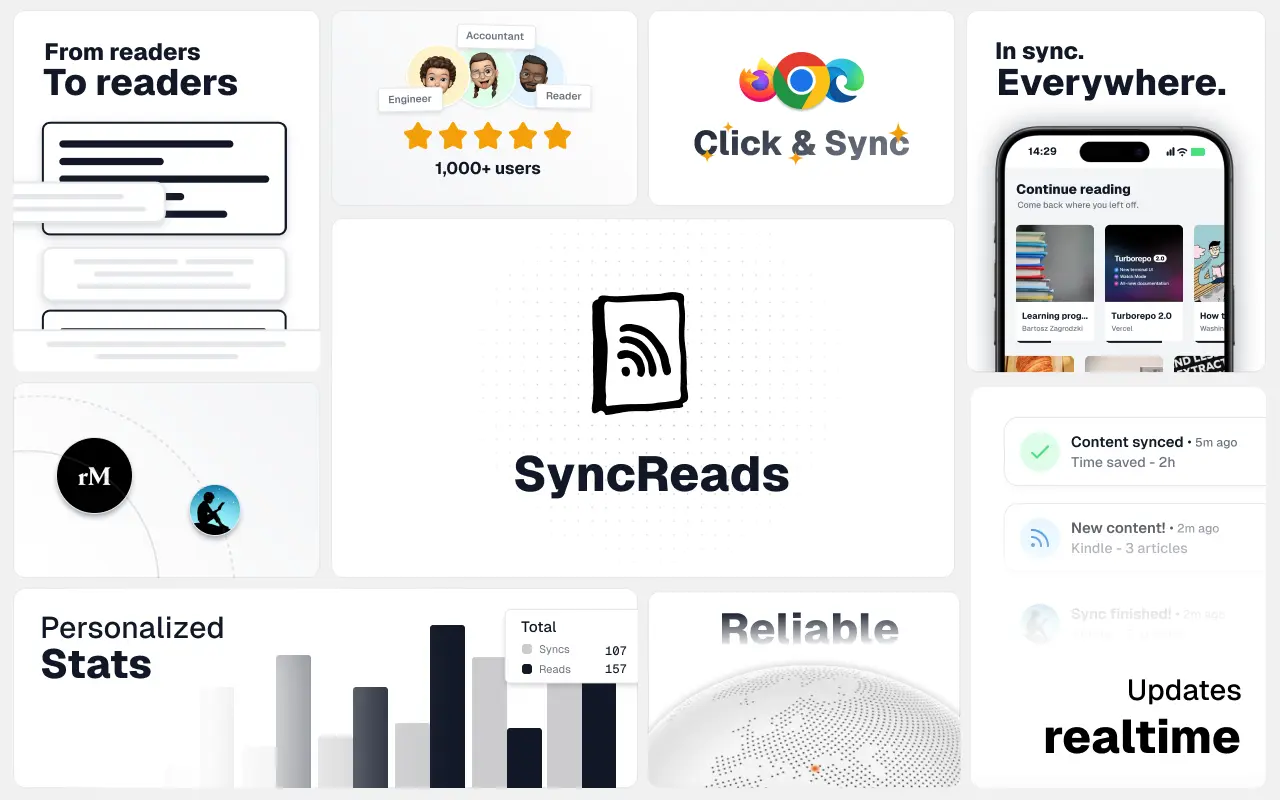
SyncReads
Sync your favorite content for distraction-free reading, save time and replace multiple apps. Anytime, anywhere 🔄
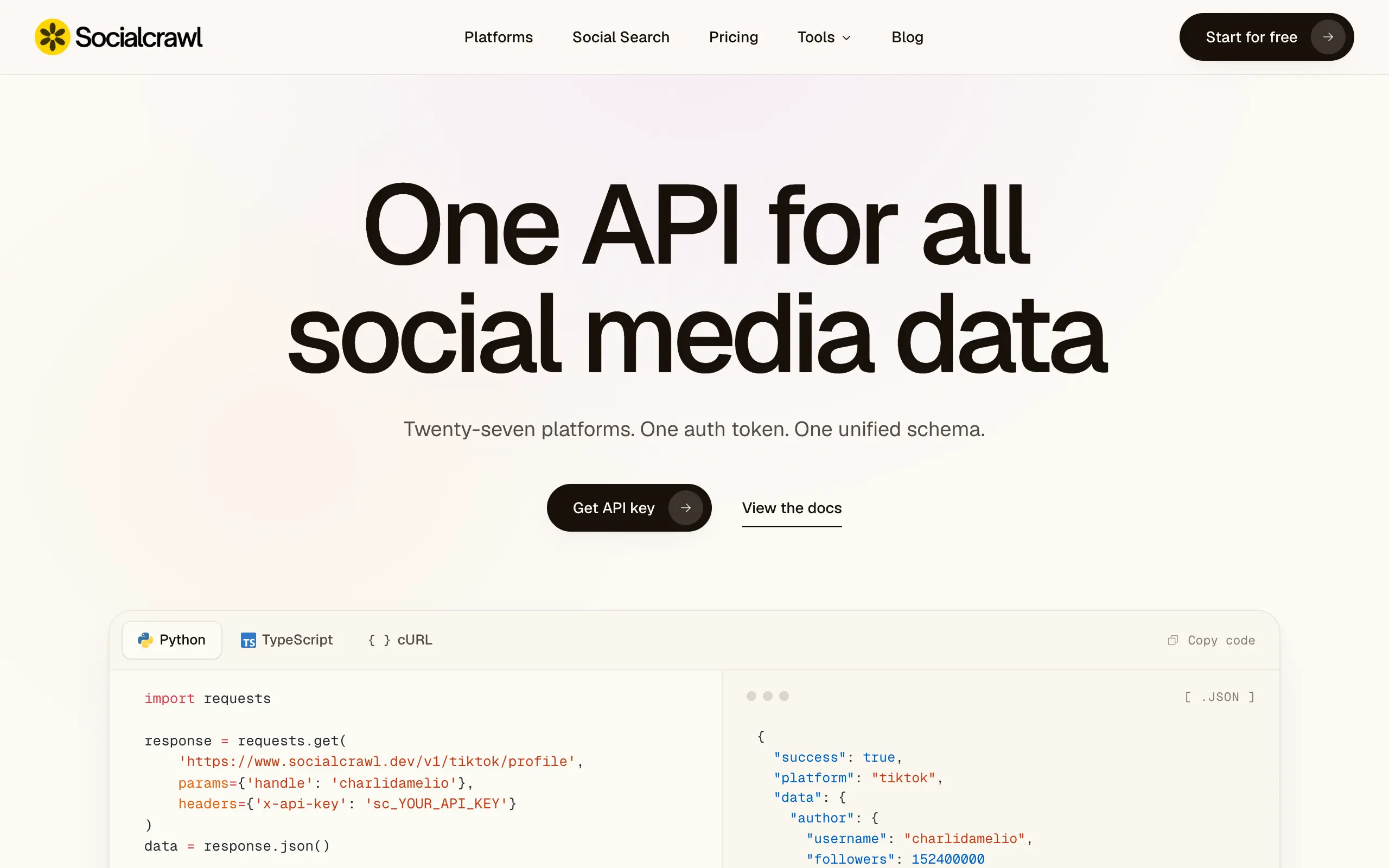
Socialcrawl
Get clean, structured data from 21 platforms like TikTok, Instagram, and YouTube with a single request 📊
Statiko
Monitor any Telegram channel in real time - track posts, edits, deletions, and growth with AI recaps 📡
Shibui
AI website builder - describe your business, pick a niche template, edit by chatting, and publish instantly ✨
Pro Service
Find verified home service professionals, compare quotes, and pay securely through escrow - built for Brazilians across the US 🏠
RankGrow
Fix your SEO with AI agents - connect Search Console, get prioritized tasks, and grow organic traffic 📈
SyncReads
Sync your favorite content for distraction-free reading, save time and replace multiple apps. Anytime, anywhere 🔄
Socialcrawl
Get clean, structured data from 21 platforms like TikTok, Instagram, and YouTube with a single request 📊
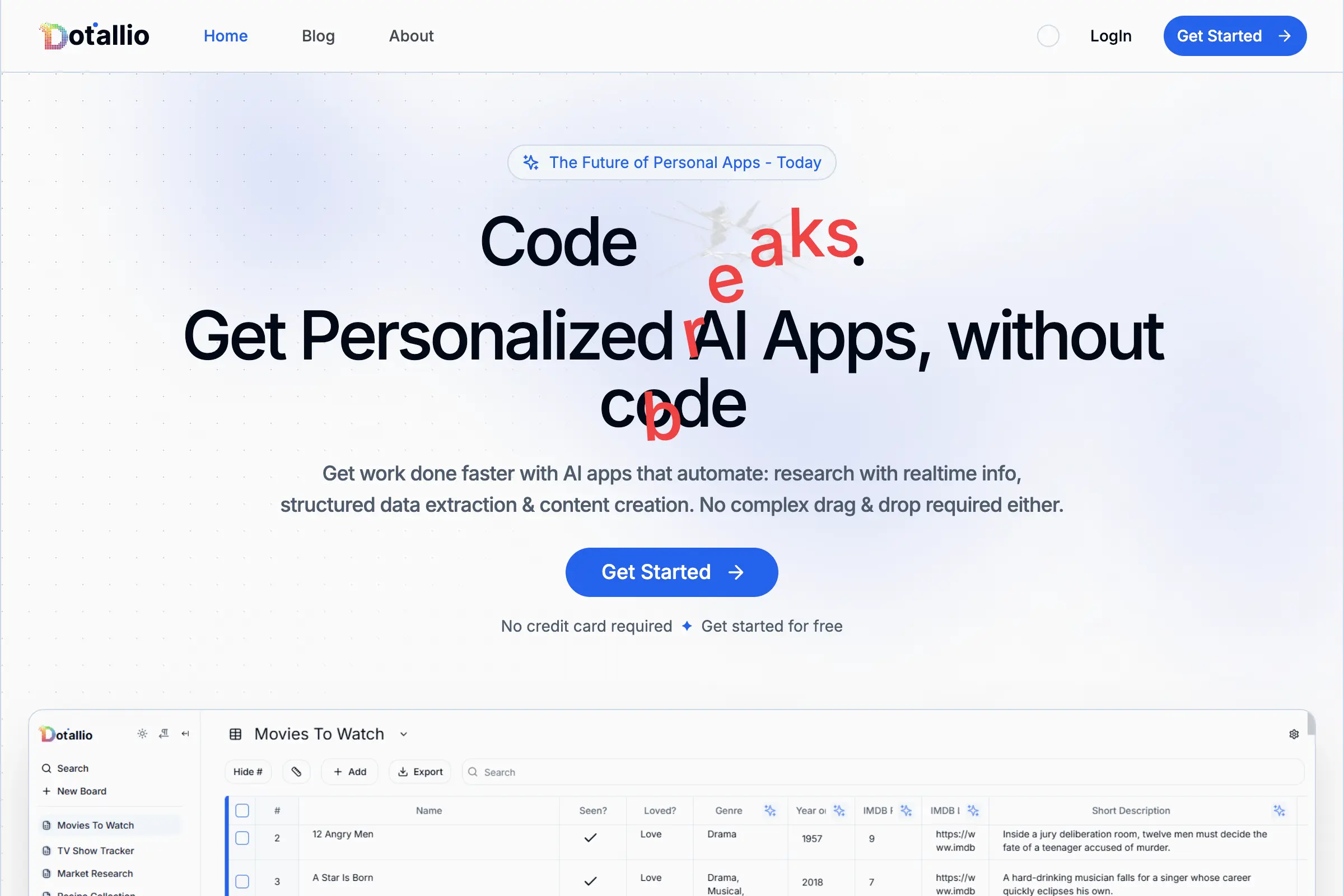
Dotallio
Personalized AI apps that automate research, data extraction, and content creation without code 🤖
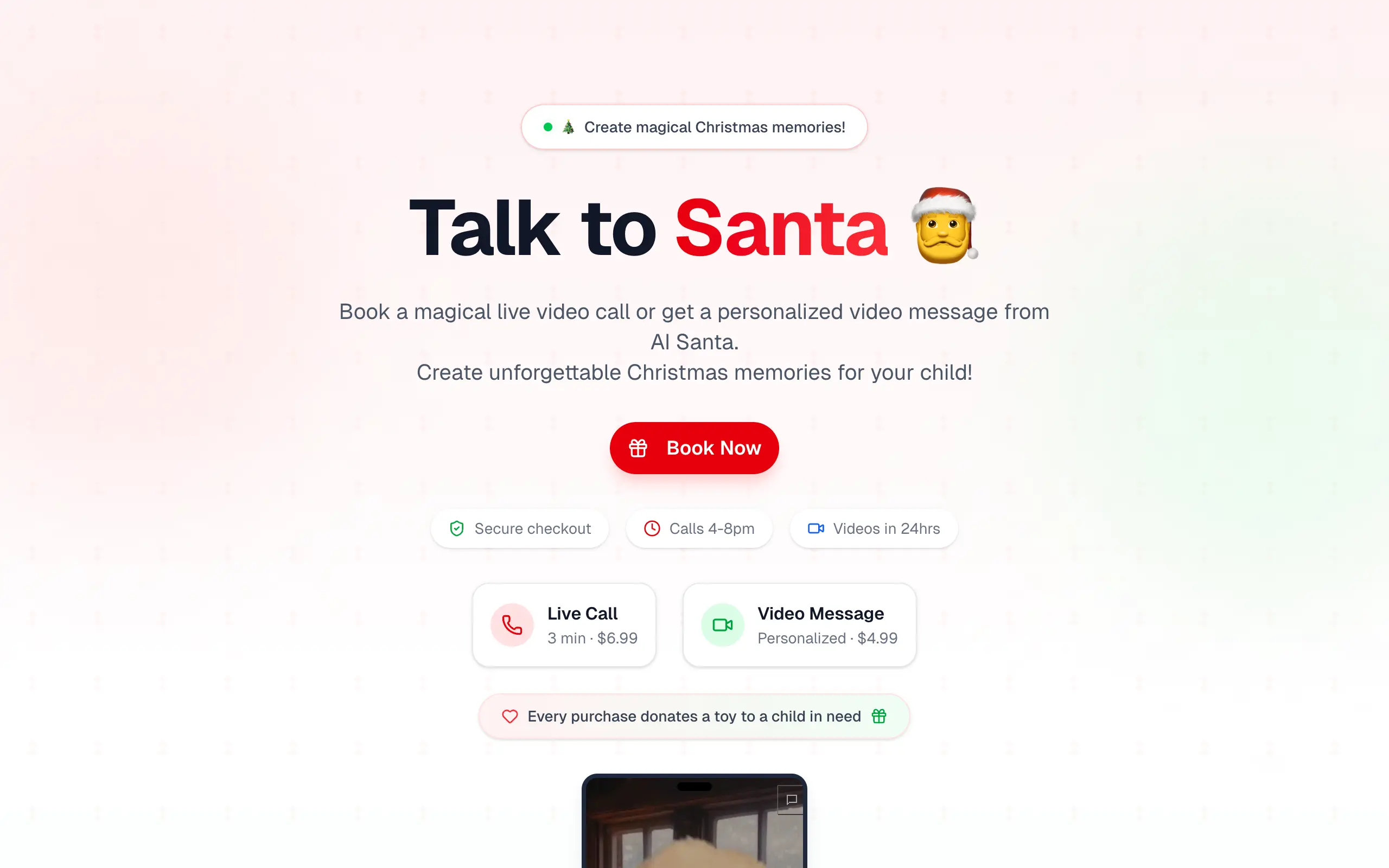
Talk to Santa
Enjoy a magical live video chat or receive a unique AI-generated video greeting from Santa Claus 🎅
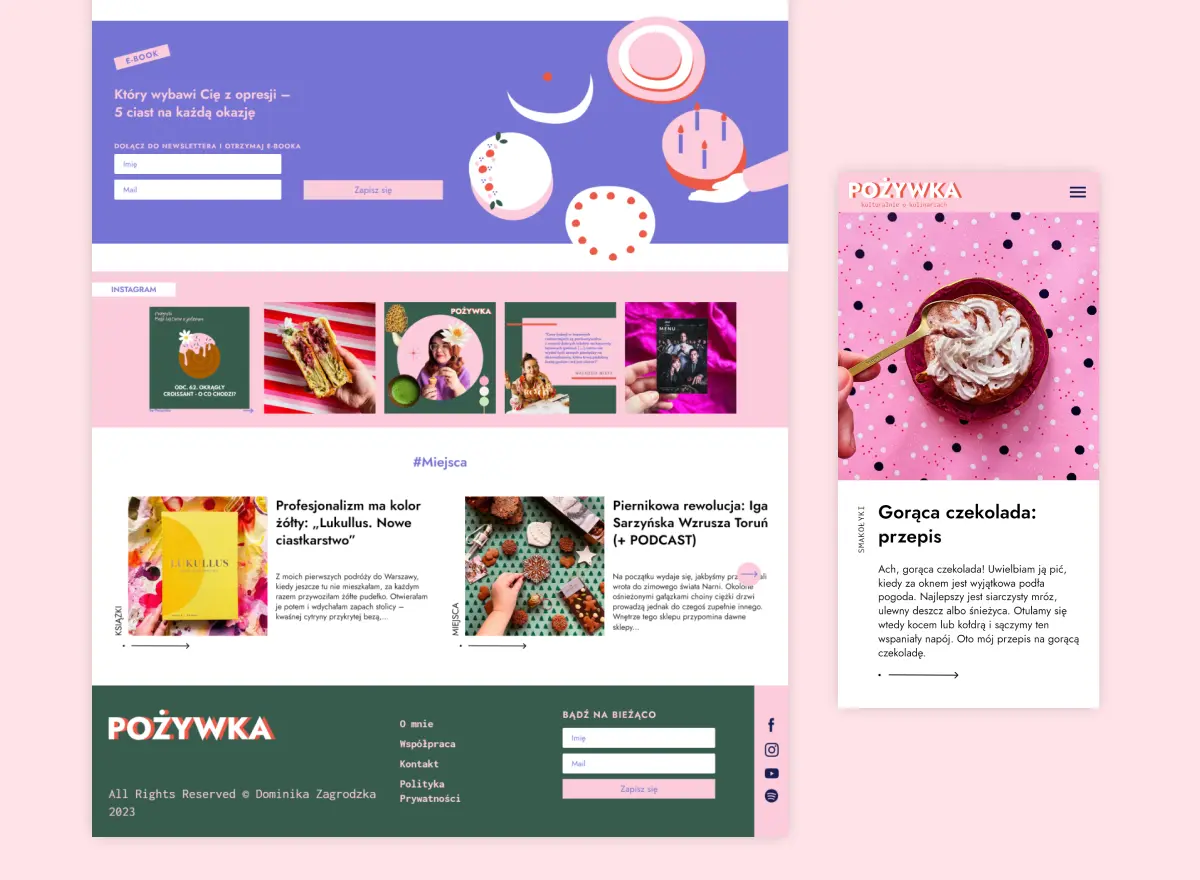
pozywka.pl
Scalable blog for food journalist, focused on performance and user experience 🌭
zagrodzki.me
Personal blog and portfolio of Bart Zagrodzki, where he shares his knowledge and work 💼
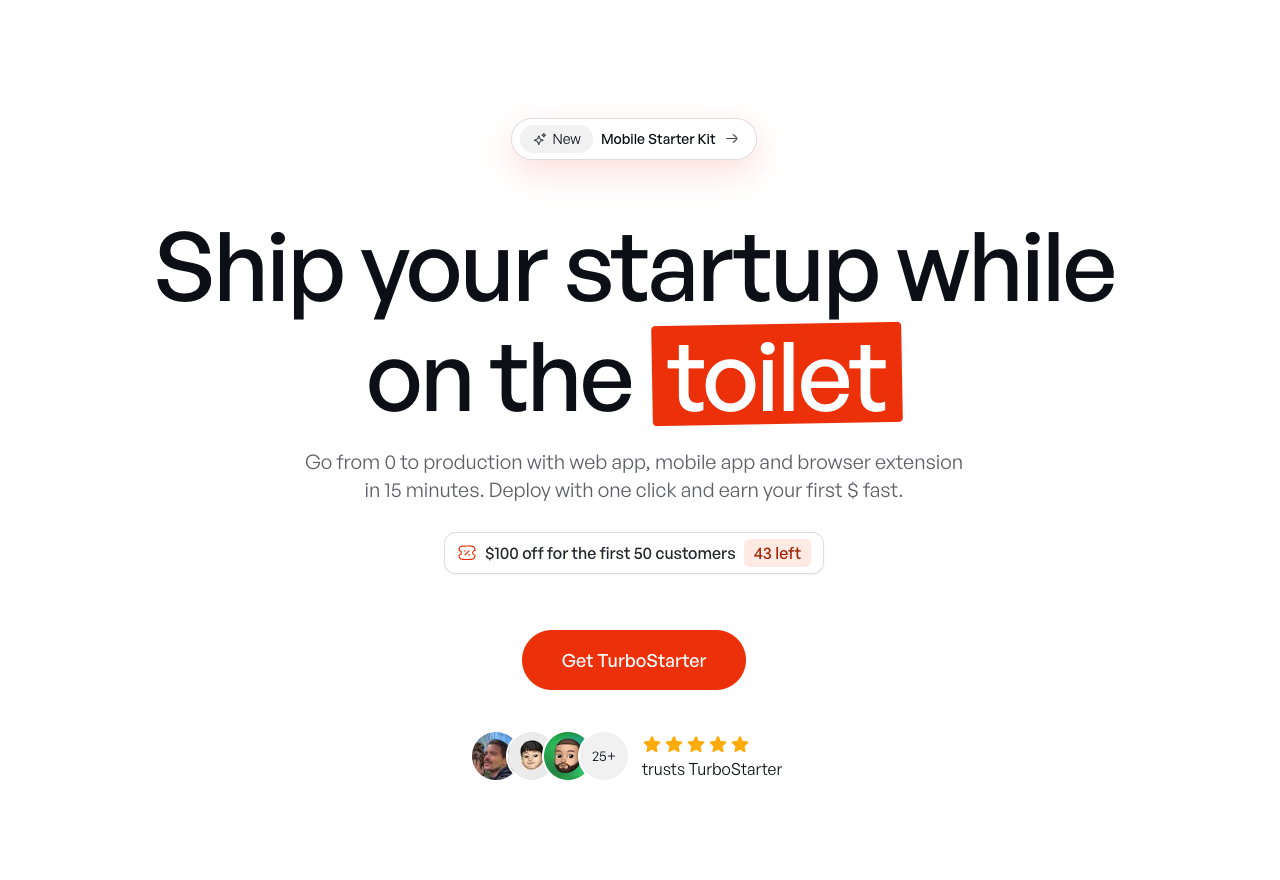
TurboStarter
Ship your startup everywhere. In minutes.
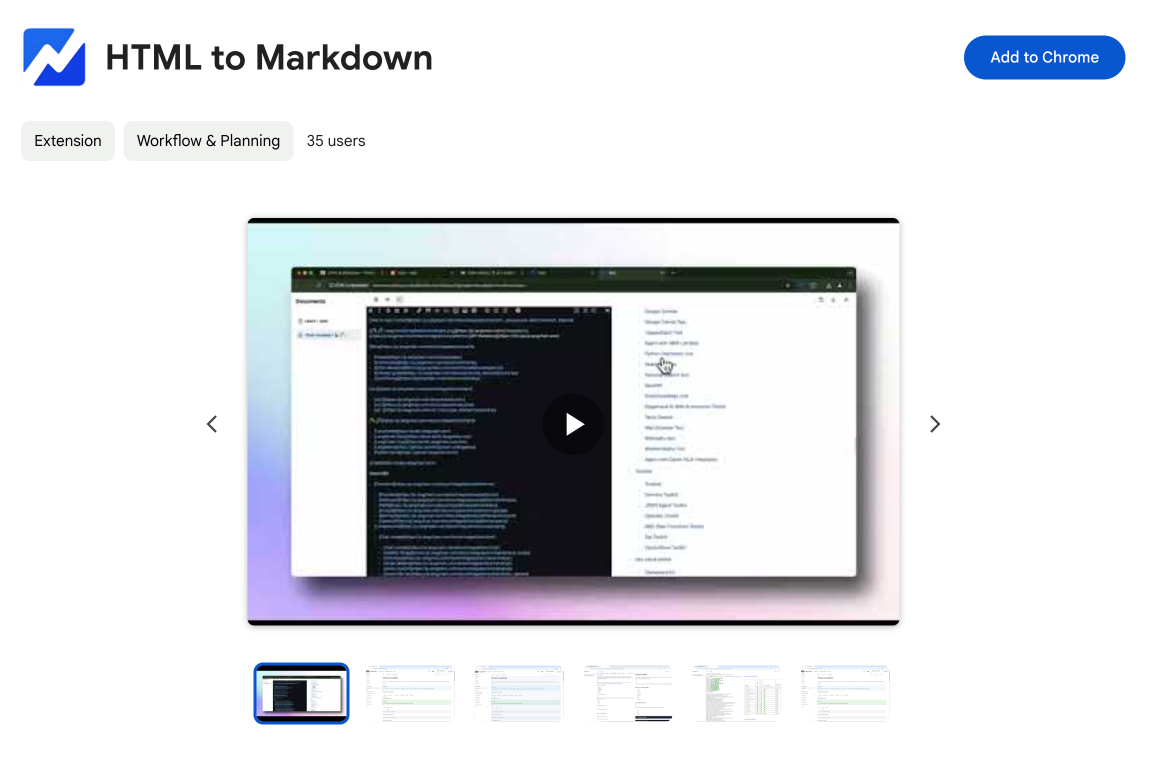
HTML to Markdown
Convert HTML to Markdown with ease, directly in your browser 📄
Dotallio
Personalized AI apps that automate research, data extraction, and content creation without code 🤖
Talk to Santa
Enjoy a magical live video chat or receive a unique AI-generated video greeting from Santa Claus 🎅
pozywka.pl
Scalable blog for food journalist, focused on performance and user experience 🌭
zagrodzki.me
Personal blog and portfolio of Bart Zagrodzki, where he shares his knowledge and work 💼
TurboStarter
Ship your startup everywhere. In minutes.
HTML to Markdown
Convert HTML to Markdown with ease, directly in your browser 📄
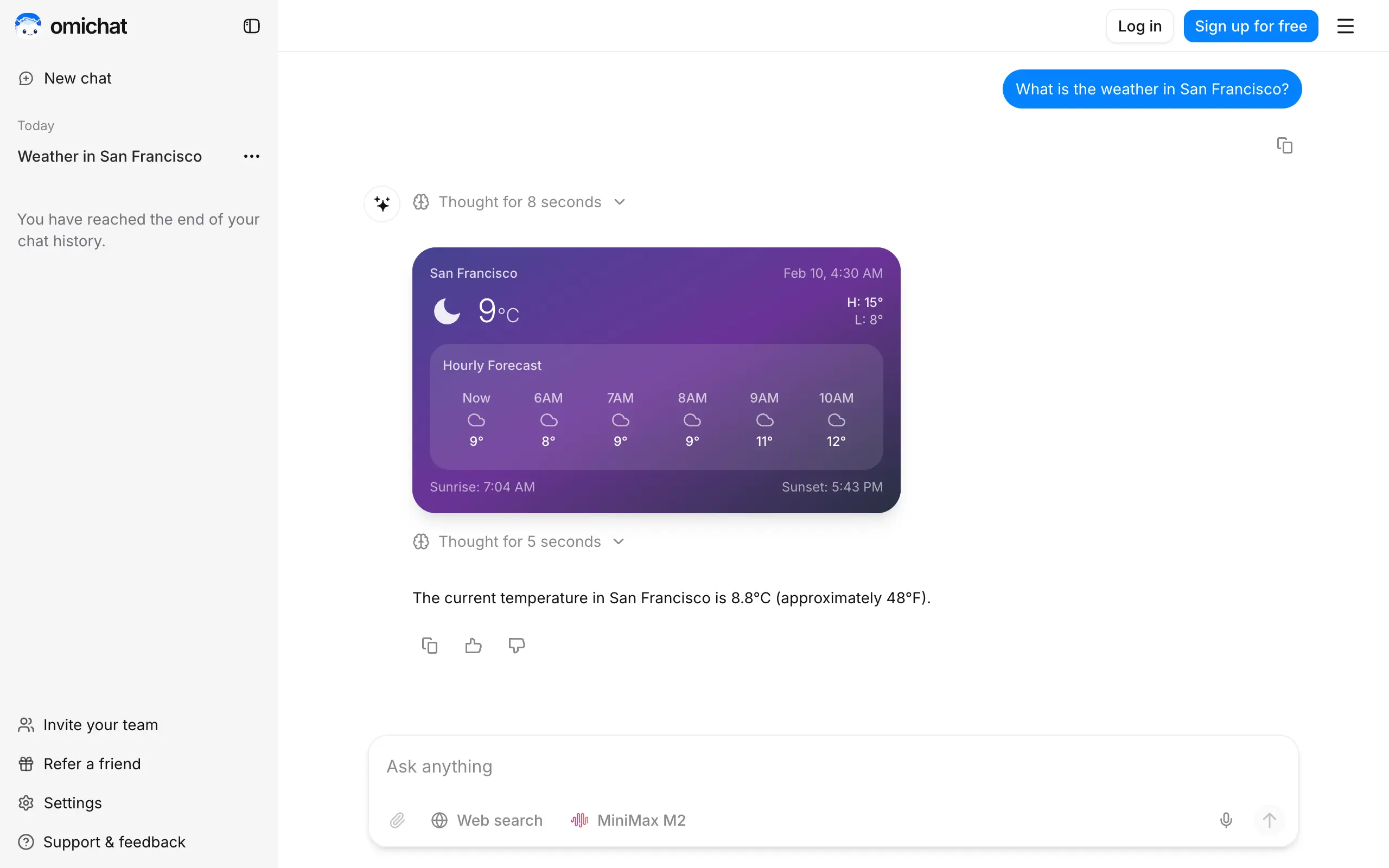
Omichat
Chat with 50+ AI models, including ChatGPT and Claude, in one place - switch models anytime without losing context 🤖
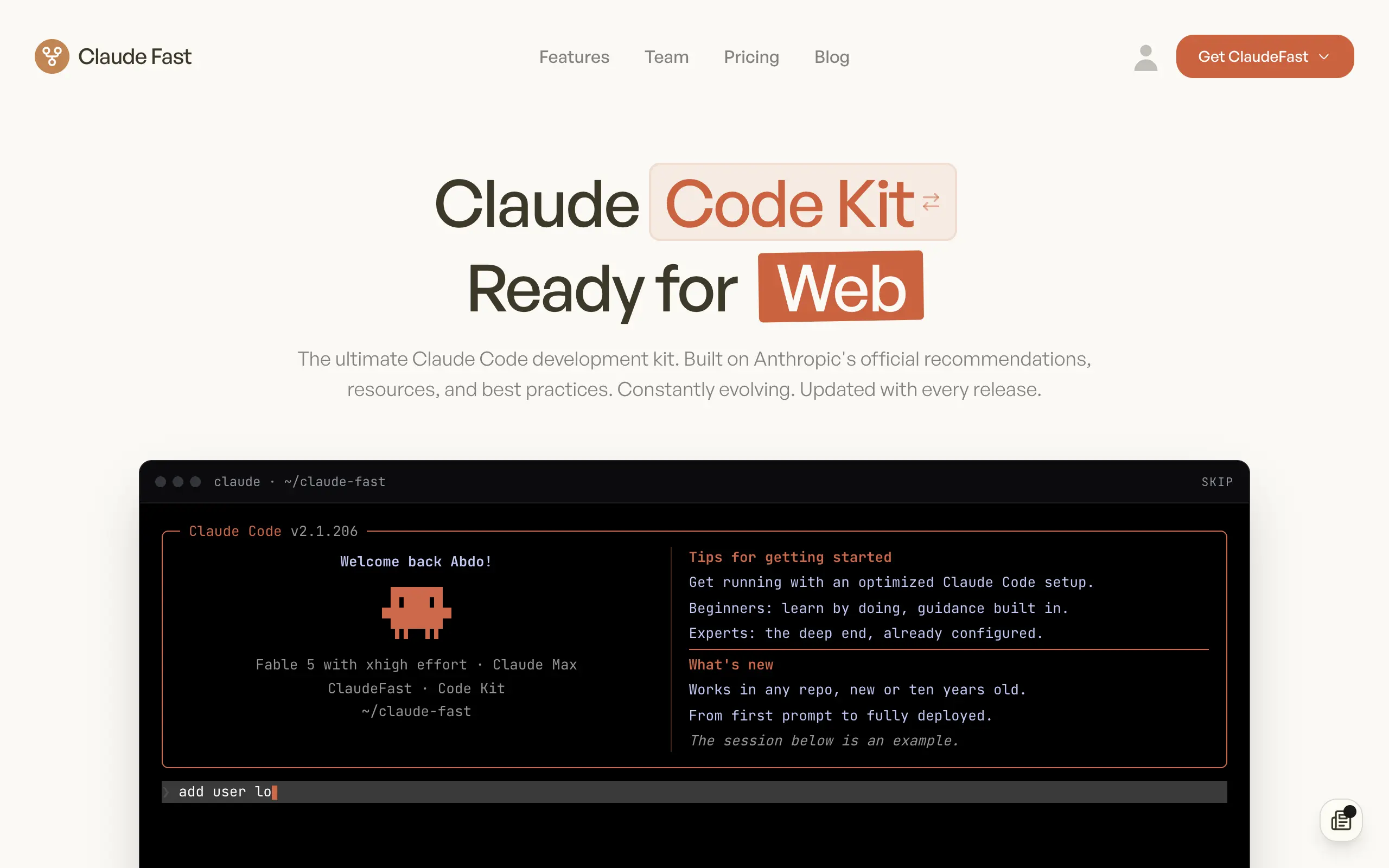
Claude Fast
Supercharge your Claude Code with 6x effective context window and specialized AI agents 🤖
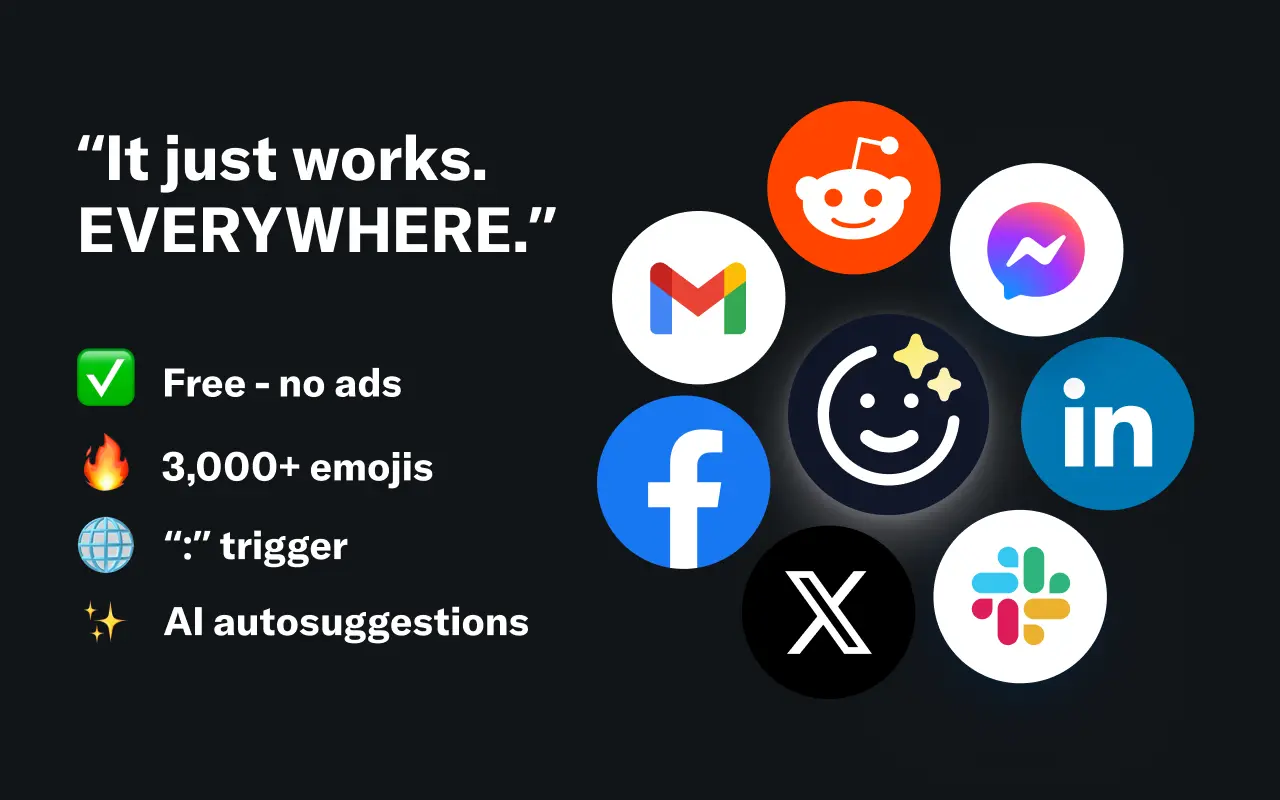
EmojAI
AI-powered emoji picker with smart, context-aware suggestions 🤖

Solohacker
Autonomous company launcher - AI agents work 24/7, escalate what matters, and you stay in control 🤖
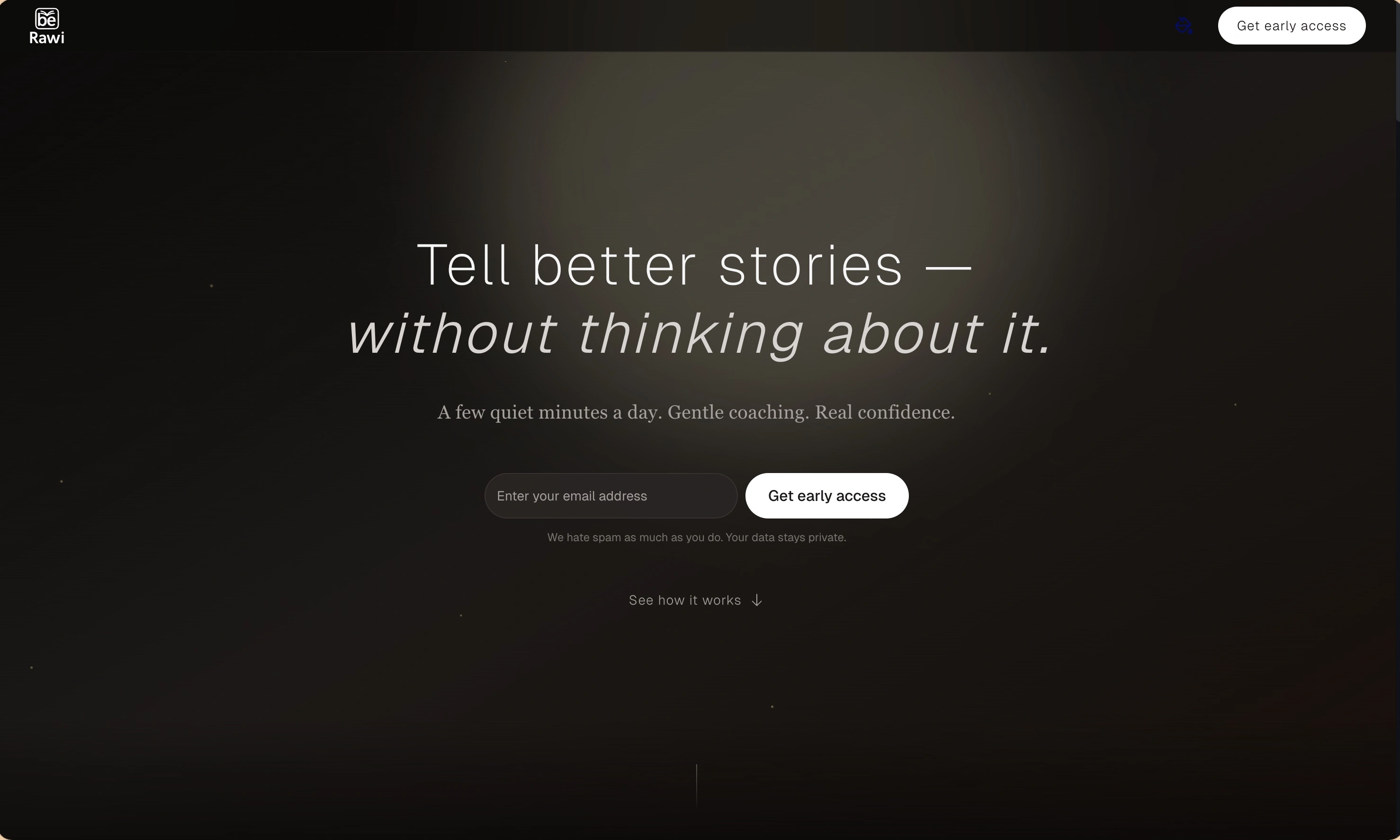
BeRawi: Storytelling Coach
Practice storytelling daily with instant feedback to sound clearer, more engaging, and confident 🎤
Omichat
Chat with 50+ AI models, including ChatGPT and Claude, in one place - switch models anytime without losing context 🤖
Claude Fast
Supercharge your Claude Code with 6x effective context window and specialized AI agents 🤖
EmojAI
AI-powered emoji picker with smart, context-aware suggestions 🤖
Solohacker
Autonomous company launcher - AI agents work 24/7, escalate what matters, and you stay in control 🤖
BeRawi: Storytelling Coach
Practice storytelling daily with instant feedback to sound clearer, more engaging, and confident 🎤

Connect with like-minded people
Join our community to get feedback, support, and grow together with 1,000+ builders on board, let's ship it!
Join usShip your startup everywhere. In minutes.
Don't burn tokens on setup and start building features on day one.