QueueMint
A mobile waitlist and no-show recovery tool for local businesses, using SMS offers and smart fill suggestions to turn cancelled slots into revenue.
Local service businesses lose revenue every time a customer cancels late, does not arrive, or leaves an appointment slot unfilled. For salons, clinics, fitness studios, tutors, restaurants, and repair shops, these empty periods are not just scheduling inconveniences. They represent perishable inventory that cannot be sold again once the time passes.
QueueMint is a mobile waitlist and no-show recovery software concept designed to help local businesses recover that lost revenue. It uses SMS offers, real-time availability alerts, and smart fill suggestions to match newly open slots with customers who are most likely to book quickly.
Unlike a conventional appointment calendar that only records availability, QueueMint would actively help operators monetize cancellations. It gives staff a practical workflow for recovering an empty slot in minutes rather than manually calling customers, posting vague social media updates, or accepting the loss.
This guide evaluates the QueueMint SaaS opportunity, including its target customers, product strategy, feature set, recommended technology stack, pricing model, risks, competitive positioning, and a practical path to launch.
Why mobile waitlist and no-show recovery software matters
Appointment-based businesses operate with a difficult constraint. A haircut at 3 PM, a personal training session at 6 PM, or a same-day dental cleaning has value only if someone occupies that exact time window. After that time passes, the revenue opportunity disappears.
Most local businesses already understand this problem. The gap is that many still manage it through fragmented, manual processes:
- Staff call or text customers one at a time after a cancellation.
- Businesses maintain waitlists in notebooks, spreadsheets, or disconnected booking tools.
- Customers who want an earlier appointment have no easy way to indicate flexibility.
- Operators offer discounts inconsistently and cannot measure whether promotions truly recover revenue.
- Late cancellations and no-shows are tracked poorly, making it difficult to improve policies.
A mobile waitlist app can convert this operational friction into a repeatable revenue recovery system. The core premise is straightforward:
- A slot becomes available because of a cancellation, no-show, or schedule adjustment.
- QueueMint identifies eligible customers based on service type, location, preferred time, past behavior, and booking readiness.
- The system sends a timely SMS offer or alert.
- The first qualified customer who confirms receives the slot.
- The business tracks recovered revenue, response rates, and no-show patterns.
This approach aligns with several durable trends in local business software:
- Consumers increasingly expect immediate confirmation and self-service booking.
- SMS remains highly visible for urgent, time-sensitive messages.
- Small businesses want automation that saves staff time without requiring a complex enterprise rollout.
- Operators are under pressure to maximize utilization while managing labor costs.
- Customers value convenience, especially when they can access earlier appointments or last-minute availability.
The central business insight
A waitlist is not merely a customer service feature. When connected to real-time messaging and booking rules, it becomes a yield-management tool for local businesses with perishable appointment inventory.
The QueueMint market opportunity and underserved gap
The market for scheduling software is crowded, but the market for cancellation recovery and intelligent waitlist automation remains more fragmented. Many scheduling platforms treat waitlists as a secondary feature. QueueMint can instead make revenue recovery the product's core promise.
The opportunity is strongest where the value of each appointment is meaningful, schedules change frequently, and staff do not have time to manually refill empty slots.
High-potential verticals for QueueMint
QueueMint should avoid trying to serve every appointment-based business at launch. A focused initial vertical creates better messaging, cleaner product requirements, and a shorter path to product-market fit.
Beauty and wellness
Salons, barbershops, spas, lash studios, nail salons, and massage practices frequently experience cancellations and can often fill openings with nearby customers.
Fitness and coaching
Personal trainers, boutique studios, sports coaches, and class operators can use last-minute alerts to recover private sessions and limited-capacity classes.
Health and clinics
Dental practices, physiotherapy clinics, chiropractic offices, and private care providers have high-value slots and meaningful cancellation exposure.
Local services
Auto repair, pet grooming, tutoring, home services, and professional consultations can turn schedule changes into fast booking opportunities.
For an initial go-to-market strategy, beauty and wellness is especially compelling. These businesses often have frequent appointment changes, repeat clients, straightforward services, and strong consumer familiarity with text messaging. A salon owner immediately understands the financial impact of an unused chair or treatment room.
Healthcare can be a powerful later segment, but it creates more demanding privacy, compliance, and integration requirements. A startup should generally earn operational maturity in lower-regulation verticals before building for sensitive health data.
The gap between booking calendars and revenue recovery
Traditional booking platforms primarily optimize the booking journey before an appointment exists. QueueMint would optimize the moment after capacity unexpectedly becomes available.
That distinction changes the product design:
- Standard booking software asks customers to browse open times.
- QueueMint proactively surfaces relevant openings to customers likely to accept.
- Standard calendars record cancellations.
- QueueMint triggers recovery workflows after cancellations.
- Standard waitlists may be passive and generic.
- QueueMint prioritizes customers using availability, intent, proximity, service fit, and response behavior.
- Standard reporting highlights booked appointments.
- QueueMint measures revenue that would otherwise have been lost.
The product's unique selling proposition can be expressed simply:
QueueMint helps local businesses turn cancellations and no-shows into booked revenue with mobile-first waitlist automation and smart SMS offers.
That promise is concrete, measurable, and easy for a business owner to understand.
Target audience analysis for QueueMint
The best QueueMint customers are not defined solely by business size. They are defined by the economic cost of empty appointment capacity and the operational difficulty of filling it.
Primary buyer personas
The primary buyer is usually an owner, operator, office manager, or location manager. They control scheduling workflows, feel the daily frustration of cancellations, and can approve a modest SaaS subscription.
| Persona | Main problem | Buying trigger | Desired outcome | Product message |
|---|---|---|---|---|
| Salon owner | Empty chairs and manual texting | Repeated same-day cancellations | More booked services with less admin work | Fill openings before they become lost income |
| Clinic manager | High-value missed visits | Growing waitlist and inconsistent follow-up | Fewer unused practitioner hours | Notify the right patients fast |
| Studio operator | Class and session capacity gaps | Members asking for last-minute spots | Higher occupancy and member satisfaction | Automate last-minute spot offers |
| Front-desk lead | Time-consuming call lists | Frequent schedule changes during shifts | Faster, more consistent recovery workflows | Stop chasing customers one by one |
Customer needs that should shape the product
A successful no-show recovery platform must address practical daily needs rather than only offering impressive automation language.
Users need to:
- Add a customer to a waitlist in seconds.
- Record preferred services, staff members, locations, and time windows.
- Select who receives an offer without exposing private customer data.
- Send messages that feel urgent but not spammy.
- Prevent double booking when several recipients respond at once.
- Offer optional incentives without training customers to wait for discounts.
- See whether the system is genuinely recovering revenue.
- Respect SMS consent and customer communication preferences.
- Work from a phone when staff are away from a desktop.
The mobile-first requirement matters because cancellations often happen while the operator is busy on the floor, moving between rooms, or managing customers in person. The critical actions must be possible in a few taps.
How QueueMint should work
QueueMint should be designed around the cancellation recovery lifecycle. The workflow needs to be fast enough for urgent openings but controlled enough to avoid accidental offers, booking conflicts, or inconsistent discounts.
1. Capture availability from multiple sources
A slot can enter the QueueMint recovery workflow through several paths:
- A staff member manually marks an appointment as cancelled.
- A customer cancels from a booking link.
- An integrated calendar sends a cancellation webhook.
- A staff member creates a last-minute opening because someone finishes early.
- A business marks a no-show after a configurable grace period.
- A recurring class or service still has unsold capacity near its start time.
The early version should support manual slot creation and one or two high-demand calendar integrations. Manual workflows create a dependable fallback and allow QueueMint to launch before building a large integration library.
2. Match open slots with qualified waitlist customers
The matching engine is the product's strategic core. It should not simply notify every person on a generic waitlist. Broad blasts can irritate customers, reduce trust, and create operational chaos.
Instead, QueueMint should generate a candidate list using rules such as:
- Requested service matches the open slot.
- Customer has selected the relevant staff member or accepts any available professional.
- Opening falls inside the customer’s preferred day and time range.
- Customer is eligible for the location.
- Customer has opted into SMS notifications.
- Customer has not received too many alerts recently.
- Customer has a strong historical response or booking rate.
- Customer is unlikely to cancel based on past behavior.
- Customer is close enough to arrive in time when location data is available and consented to.
A simple scoring model is sufficient for an MVP. It can assign points for availability match, service match, prior acceptance, and proximity. Later, this can evolve into machine learning if the business has enough reliable data.
3. Send time-sensitive SMS offers
SMS is appropriate for cancellation recovery because the message has urgency. Email may work for next-week openings, but it is usually too slow for a slot that begins in two hours.
A useful message should include:
- The service or appointment type.
- The available date and time.
- The relevant location or provider when helpful.
- A clear booking action.
- The expiration time for the offer.
- Any incentive in plain language.
- A route to opt out of future messages.
For example, a salon might send:
An opening just became available with Mia today at 4:30 PM. Book your 60-minute color appointment before 3:45 PM to claim it: https://example.com/bookQueueMint should use unique, short-lived booking links. These links need to lock the slot temporarily when a customer begins checkout or confirmation. Without this mechanism, multiple customers can believe they secured the same appointment.
4. Resolve booking conflicts fairly
A central product requirement is preventing race conditions. If 10 customers receive a text offer, QueueMint must handle simultaneous clicks safely.
A robust workflow can follow this pattern:
- The system sends an offer to a selected audience.
- A customer opens the booking link.
- QueueMint verifies that the offer is still active.
- The system places a short hold on the slot.
- The customer completes confirmation, payment, or deposit.
- QueueMint marks the booking as confirmed and closes other active offers.
- Customers who arrive too late see a friendly message and can join the waitlist for another opening.
The user experience should feel transparent. Do not imply a confirmed booking until the slot is actually secured.
5. Measure recovered revenue and operational outcomes
QueueMint needs reporting that maps to business value. Vanity metrics such as messages sent are less important than revenue and time saved.
The core dashboard should display:
- Number of cancellations and no-shows by date range.
- Number and percentage of openings recovered.
- Recovered booking value.
- Average time from opening to rebooking.
- SMS delivery and click-through rates.
- Offer acceptance rate by segment.
- Revenue generated by promotion type.
- Customer response patterns by time of day.
- No-show trends by customer, service, provider, and booking channel.
For trustworthiness, QueueMint should explain how each metric is calculated. For example, “recovered revenue” should refer to confirmed bookings attributed to a recovery campaign, not estimated revenue from messages sent.
Core QueueMint features for an MVP and beyond
The most effective MVP focuses on one urgent job: helping businesses fill an opening quickly. It should avoid becoming a full replacement for every scheduling platform from day one.
Essential MVP capabilities
The first releasable version should include:
- Business accounts with team member access.
- Location, service, staff, and schedule configuration.
- Customer profiles with communication consent records.
- A flexible waitlist with preferred services and time windows.
- Manual opening creation.
- Basic calendar or booking system synchronization.
- Smart candidate recommendations based on configurable rules.
- SMS templates and one-tap offer sending.
- Expiring booking links.
- Slot locking and confirmed booking status.
- Basic revenue recovery reporting.
- Message logs and audit trails.
- Opt-out management and frequency controls.
Features that create stronger differentiation
Once the MVP workflow is reliable, QueueMint can deepen its advantage with features that competitors may treat as afterthoughts.
Smart fill suggestions
The smart fill engine should explain why it recommends each customer. For example, staff might see:
- “Requested this service”
- “Available weekday afternoons”
- “Accepted two prior short-notice offers”
- “Located 1.2 miles away”
- “Has not received a waitlist alert this week”
Explainability matters. Local business operators are more likely to trust recommendations when the reasoning is visible and practical.
Automated offer sequences
Instead of sending an opening to everyone at once, QueueMint could support timed offer waves:
- Send a premium offer to the three highest-scoring candidates.
- Wait 10 minutes for a response.
- Expand to a broader eligible segment.
- Add a small incentive if the appointment remains unfilled.
- Alert staff if the opening is nearing its start time.
This approach protects customer experience, preserves perceived service value, and reduces the risk of oversending.
No-show prevention and recovery policies
QueueMint can offer more than post-cancellation recovery. It can help businesses reduce no-shows before they occur through:
- Configurable appointment reminders.
- Confirm-or-release messages.
- Deposit and card-on-file workflows through supported payment providers.
- Cancellation policy acknowledgements.
- Risk flags for repeat no-shows.
- Staff review queues for high-risk appointments.
- Automatic waitlist activation when an appointment is released.
The product should be careful not to present a risk score as an unquestionable judgment. It is better framed as an operational signal based on observable booking history.
Dynamic incentive controls
Discounting can fill appointments, but indiscriminate discounting harms margins and teaches customers to wait for deals. QueueMint should let businesses choose from multiple recovery tactics:
- No discount, just early access.
- Complimentary add-on service.
- Loyalty points or store credit.
- Fixed-value offer.
- Percentage discount with a minimum spend.
- Staff-selected promotion for a specific opening.
- Member-only or VIP early access.
A good recommendation engine should consider the appointment value, time remaining, customer lifetime value, and historical conversion before suggesting an incentive.
Protect service value
Last-minute offers should not automatically mean lower prices. Many customers will book simply because the opening is convenient. Treat discounts as one tool in a broader recovery strategy, not the default response.
Recommended technology stack for a mobile waitlist platform
QueueMint is a mobile SaaS product with scheduling, messaging, booking, payments, and analytics requirements. The technology stack should prioritize speed to market, reliability, secure customer data handling, and a clean path to scale.
Application architecture recommendation
A practical architecture is a web-based SaaS application with a responsive operator dashboard and mobile-friendly customer booking pages. A native mobile app can come later if usage data proves it adds meaningful value.
A recommended stack includes:
- Next.js for the SaaS dashboard, public booking flows, and server-rendered pages.
- React for interactive interfaces and reusable business components.
- TypeScript for safer application code and clearer API contracts.
- Tailwind CSS for fast, consistent responsive interface development.
- PostgreSQL for transactional data such as slots, bookings, customers, consent records, and audit logs.
- Prisma for database access, schema management, and type-safe queries.
- Twilio for SMS delivery, inbound message handling, and status callbacks.
- Stripe for subscriptions, deposits, cancellation fees, and payment links.
- Vercel for streamlined Next.js deployment and edge-friendly web delivery.
- Sentry for application error monitoring and production diagnostics.
For founders who want to avoid spending weeks building authentication, billing, organization management, and SaaS foundations, TurboStarter can accelerate the initial setup. That lets the product team focus more effort on QueueMint’s scheduling logic, messaging workflows, and customer experience.
Trade-offs to consider
A native app built with React Native may eventually improve staff workflows through push notifications, camera support, contacts, and more persistent mobile behavior. However, native development increases delivery complexity across iOS and Android.
For an MVP, a responsive web application plus SMS notifications is usually the more efficient choice because:
- Operators can access it from any modern mobile browser.
- Customers do not need to download an app to accept an opening.
- Product iteration is faster.
- Acquisition friction is lower.
- Support demands are simpler.
QueueMint may later add a native companion app for high-value business users who need instant cancellation alerts and faster on-the-floor actions.
Data model considerations
The database should model business rules explicitly rather than storing everything as loose calendar events. Important entities include:
- Organization
- Location
- Team member
- Service
- Customer
- Communication consent
- Appointment
- Open slot
- Waitlist preference
- Offer campaign
- Offer recipient
- Booking hold
- Message event
- Incentive rule
- Subscription
- Audit event
The booking_hold entity is particularly important. It allows QueueMint to temporarily reserve a slot while a customer completes a booking flow. The system should use database transactions or optimistic concurrency controls to prevent double confirmation.
Integration strategy
Calendar and booking integrations are a major source of product value but also a major source of implementation complexity. Each third-party platform has different APIs, webhooks, authentication models, and data constraints.
A disciplined roadmap is preferable:
- Build a manual opening workflow that provides immediate standalone value.
- Integrate with one popular scheduling platform used by the initial vertical.
- Add CSV import or lightweight calendar synchronization where appropriate.
- Build a reusable integration layer with normalized appointment and cancellation events.
- Expand integrations only when demand is demonstrated by paying customers.
Do not promise universal synchronization until QueueMint can reliably handle conflict resolution, update delays, and failed webhooks.
Monetization strategies for QueueMint
QueueMint should use pricing that reflects its direct link to recovered revenue while remaining simple enough for local business owners to understand.
Subscription tiers
A tiered subscription model is the most predictable option.
| Plan | Best for | Key limits | Primary value | Pricing logic |
|---|---|---|---|---|
| Starter | Solo operators | One location and limited SMS volume | Basic waitlist recovery | Low monthly entry point |
| Growth | Busy local teams | More staff, automation, and reporting | Smart offers and revenue dashboard | Core revenue tier |
| Multi-location | Small chains and franchises | Advanced roles and consolidated reporting | Standardized recovery across locations | Per-location pricing |
SMS usage and margin protection
SMS has a variable cost, so QueueMint should not offer unlimited messaging without usage controls. A fair model could include monthly message credits with clear overage pricing.
The product should also reduce unnecessary messages through:
- Recipient caps per opening.
- Smart candidate ranking.
- Frequency limits per customer.
- Scheduled quiet hours.
- Automatic campaign stopping after a confirmed booking.
- Template testing to improve conversion without adding volume.
Performance-based pricing
A performance component can be compelling because QueueMint has a measurable impact on recovered bookings. However, it requires precise attribution and can create billing disputes.
Possible models include:
- A small fee per recovered appointment.
- A percentage of confirmed recovered booking value.
- A usage fee per successful SMS booking.
- Performance pricing only for enterprise customers with custom agreements.
For early-stage SaaS, a subscription plus usage model is generally easier to explain and administer. Performance pricing can become an optional premium plan once QueueMint has transparent attribution rules.
Expansion revenue opportunities
As the product matures, QueueMint can create additional revenue streams through:
- SMS credit packages.
- Additional locations and staff seats.
- Advanced integrations.
- White-label messaging for franchises.
- Premium analytics and benchmarking.
- Deposit and payment processing features.
- Done-for-you onboarding and workflow configuration.
- Agency or consultant partner plans.
SMS compliance, privacy, and trust requirements
Messaging software can create real legal and reputational risk when it is implemented carelessly. QueueMint must make consent, transparency, and data security product features rather than legal footnotes.
Consent and communication controls
Businesses need clear records showing how and when customers agreed to receive SMS notifications. QueueMint should support:
- Timestamped consent capture.
- Source tracking for consent.
- Clear message purpose categories.
- Easy opt-out handling.
- Suppression lists.
- Configurable quiet hours.
- Message frequency caps.
- Business-specific sender identification.
- Logs of delivery, failure, and opt-out events.
Businesses should seek legal counsel appropriate to their jurisdiction and messaging use case. QueueMint should avoid presenting generic product settings as universal legal compliance.
Sensitive data and vertical-specific concerns
If QueueMint serves healthcare businesses, it must carefully assess whether its workflows handle protected or sensitive information. SMS content should remain minimal and avoid exposing unnecessary appointment details. Data processing agreements, access controls, vendor agreements, encryption, audit logging, and retention policies may be required depending on geography and the customer’s obligations.
A sensible product rule is to store only the data needed to operate the waitlist and booking workflow. Data minimization reduces both risk and engineering burden.
Competitive advantage analysis
QueueMint will compete indirectly with appointment scheduling platforms, customer relationship management tools, generic SMS platforms, and manual front-desk workflows. The winning strategy is not to claim that every competitor lacks waitlist features. It is to be significantly better at the specific job of recovering revenue from schedule disruptions.
Where QueueMint can win
QueueMint’s competitive advantages should include:
- Recovery-first product design that treats cancellations as monetization opportunities.
- Mobile speed for staff who must respond while serving customers.
- Intelligent candidate matching instead of generic mass messages.
- Offer sequencing that reduces spam and protects pricing power.
- Clear recovered-revenue reporting tied to a business outcome.
- Fast implementation without requiring replacement of a business’s full booking stack.
- Industry-specific templates for salons, studios, clinics, and local services.
- Trust-oriented controls for consent, frequency, audit history, and fair slot allocation.
The most defensible product advantage will likely come from workflow data. Over time, QueueMint can learn which messages, incentives, lead times, customer segments, and services produce the highest fill rates. This creates a feedback loop that improves recommendations for each business.
Positioning against broad scheduling software
Broad scheduling platforms often have more features, larger brands, and established customer bases. QueueMint should not attempt to compete feature-for-feature on calendars, staff payroll, inventory, or full customer relationship management.
Instead, its positioning should be complementary:
Keep your existing booking system. Use QueueMint to fill the gaps it leaves behind.
That message lowers switching anxiety. It also makes QueueMint easier to sell as an add-on with a direct, measurable return.
Risks and mitigation strategies
Every SaaS concept has execution risks. QueueMint’s risks are manageable when they are addressed early in product design and go-to-market planning.
Not every business has enough demand to benefit from automated recovery. Mitigate this by targeting businesses with recurring waitlists, meaningful cancellation volume, and average appointment values that justify the subscription. Include an onboarding assessment that helps prospects estimate potential value before they buy.
Overmessaging can damage the customer relationship. Use explicit opt-in records, frequency caps, quiet hours, personalized preferences, and high-relevance matching. Let recipients pause alerts for a period instead of forcing a permanent opt-out decision.
Calendar and booking APIs can fail, delay, or send incomplete events. Maintain a manual fallback workflow, clear sync-status indicators, idempotent webhook processing, retry queues, and audit logs. Never assume an external event was received exactly once.
Businesses may overuse promotions to fill every opening. Build incentive guardrails, show margin-aware recommendations, and provide a no-discount option as the default. Report whether offers created incremental revenue rather than merely shifting existing demand.
Large platforms can add basic waitlist alerts. QueueMint needs deeper workflow specialization, faster vertical-specific onboarding, superior recovery analytics, and a stronger matching engine. Focus on solving the operational details that generic platforms are less motivated to prioritize.
Go-to-market strategy for a QueueMint MVP
The earliest marketing should focus on clear pain, a measurable business outcome, and a narrow customer profile. Avoid leading with abstract artificial intelligence language. Local operators are more likely to respond to a simple promise such as “fill cancellations without calling down a list.”
Start with customer discovery interviews
Before building extensive automation, interview 20 to 30 operators in one initial vertical. Ask about real behavior, not hypothetical preferences.
Useful interview questions include:
- How many cancellations do you receive in a typical week?
- Which appointments are hardest to refill?
- What happens immediately after someone cancels?
- Who contacts customers and how long does it take?
- Do you already keep a waitlist?
- How do customers currently ask for earlier appointments?
- What booking software do you use?
- Would you offer a last-minute incentive, and under what conditions?
- How do you measure lost revenue from empty slots?
- What would make you distrust an automated texting tool?
The goal is to identify repeatable workflow patterns. If every prospect needs a radically different process, the product scope is too broad.
Offer a concierge pilot
A powerful early validation approach is a concierge pilot. Instead of building every automation feature, QueueMint can initially help businesses run the recovery process with a lightweight dashboard and hands-on support.
The pilot can validate:
- Whether businesses will consistently create openings.
- Whether customers opt into waitlist alerts.
- Which message templates convert.
- How quickly customers respond.
- How often slots are actually recovered.
- Whether businesses will pay for the outcome.
Use pilot results to create credible case studies. For example, a future case study could document changes in recovered appointments, staff time spent on follow-up, and average booking lead time. Any published performance claim should include the date range, sample size, customer context, and methodology.
Actionable implementation steps
QueueMint should be built in stages that prioritize real-world learning over feature volume.
The first release does not need advanced machine learning to create value. A transparent rules-based matching system can outperform manual recovery immediately if it is fast, reliable, and easy for staff to trust.
Final perspective on the QueueMint opportunity
QueueMint addresses a persistent operational problem with a focused, outcome-oriented solution. Local businesses already feel the cost of cancellations and no-shows, but many lack an efficient way to act when capacity opens unexpectedly.
The strongest version of this SaaS idea is not another generic online booking platform. It is a mobile waitlist and no-show recovery system that helps businesses recover revenue at the exact moment it is at risk.
By combining consent-based SMS alerts, intelligent customer matching, expiring offers, reliable booking holds, and transparent recovery analytics, QueueMint can become a valuable layer on top of existing scheduling systems. Its advantage comes from specializing in a painful, time-sensitive workflow that broad platforms often underserve.
The path to validation is clear: target one vertical, prove that businesses can fill more empty slots, demonstrate measurable recovered revenue, and expand the automation only after the core recovery loop works consistently.
More 📱 Mobile App SaaS ideas
Discover more innovative mobile app SaaS ideas that are trending in 2026. Each idea is AI-generated with market validation and growth potential to help you find your next profitable venture faster than competitors.
Your competitors are building with TurboStarter
Below are some of the SaaS ideas that have been generated and built with our starter kit.
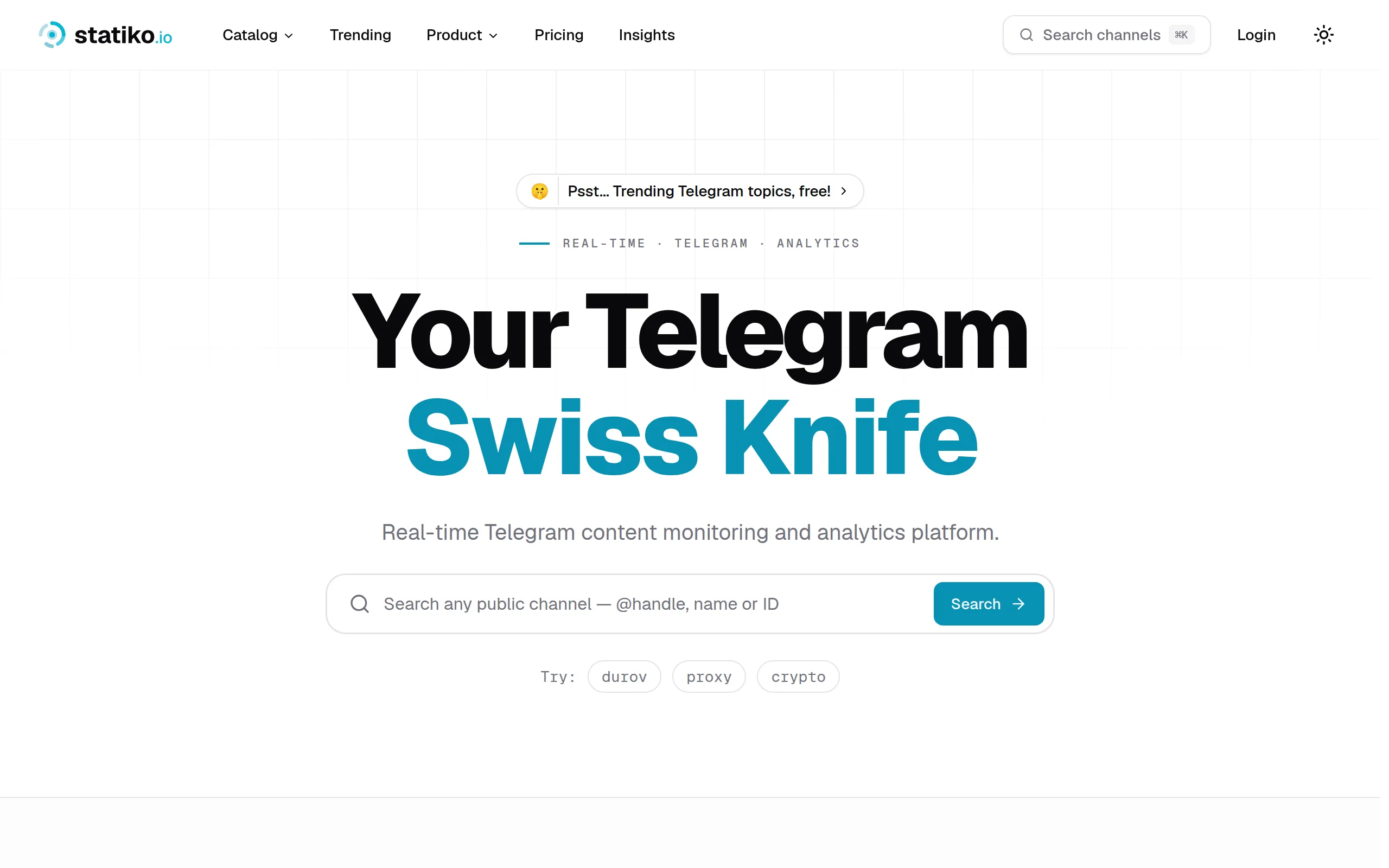
Statiko
Monitor any Telegram channel in real time - track posts, edits, deletions, and growth with AI recaps 📡

Shibui
AI website builder - describe your business, pick a niche template, edit by chatting, and publish instantly ✨
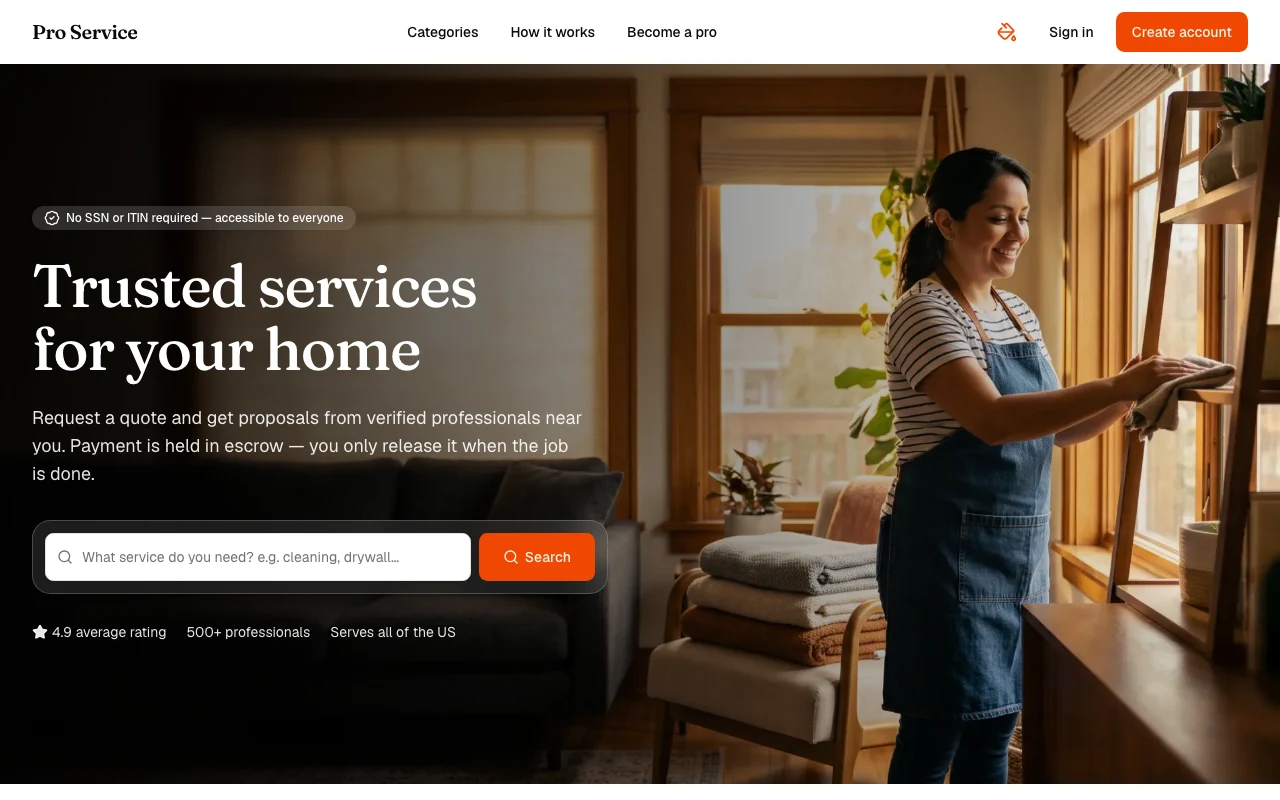
Pro Service
Find verified home service professionals, compare quotes, and pay securely through escrow - built for Brazilians across the US 🏠
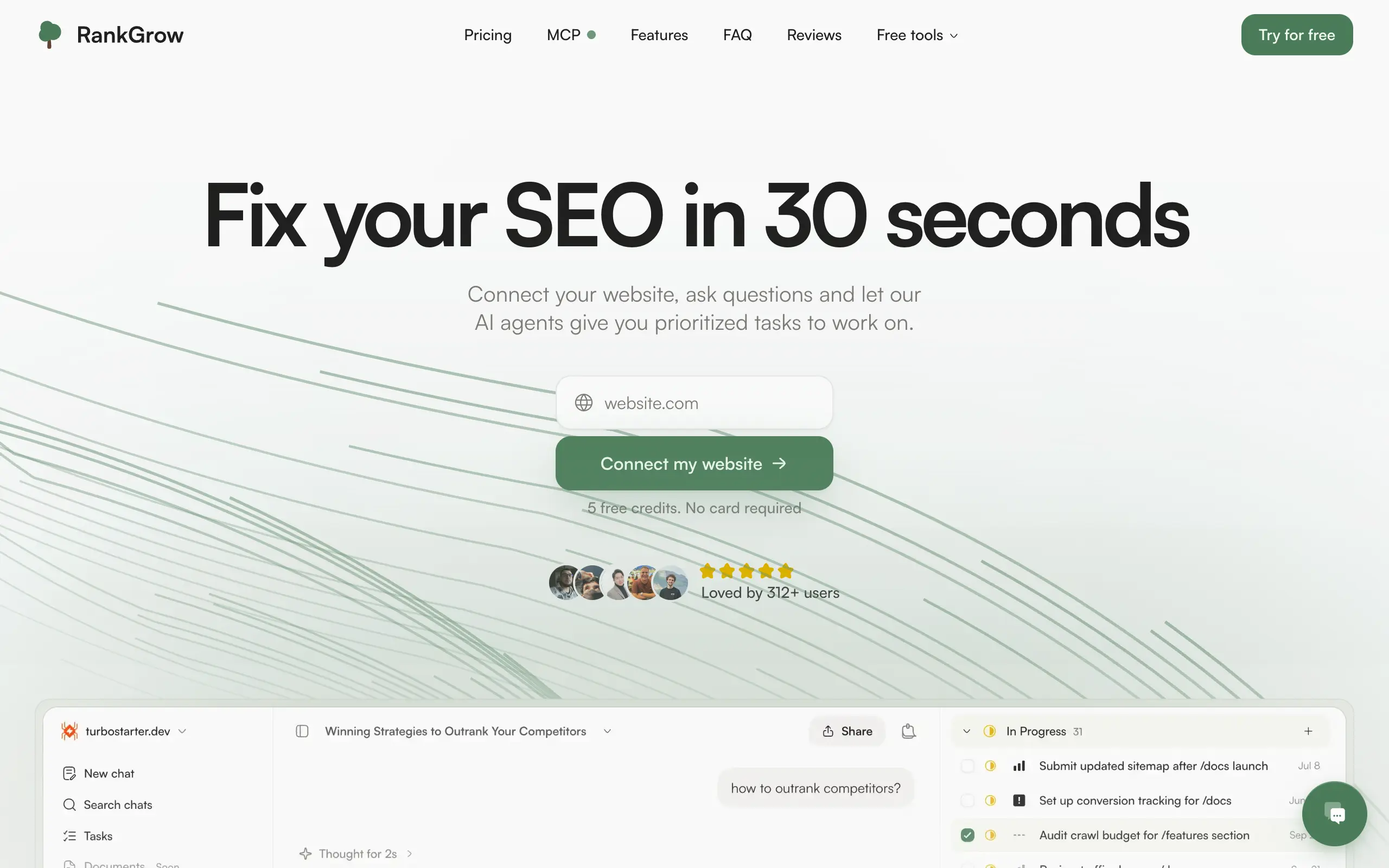
RankGrow
Fix your SEO with AI agents - connect Search Console, get prioritized tasks, and grow organic traffic 📈
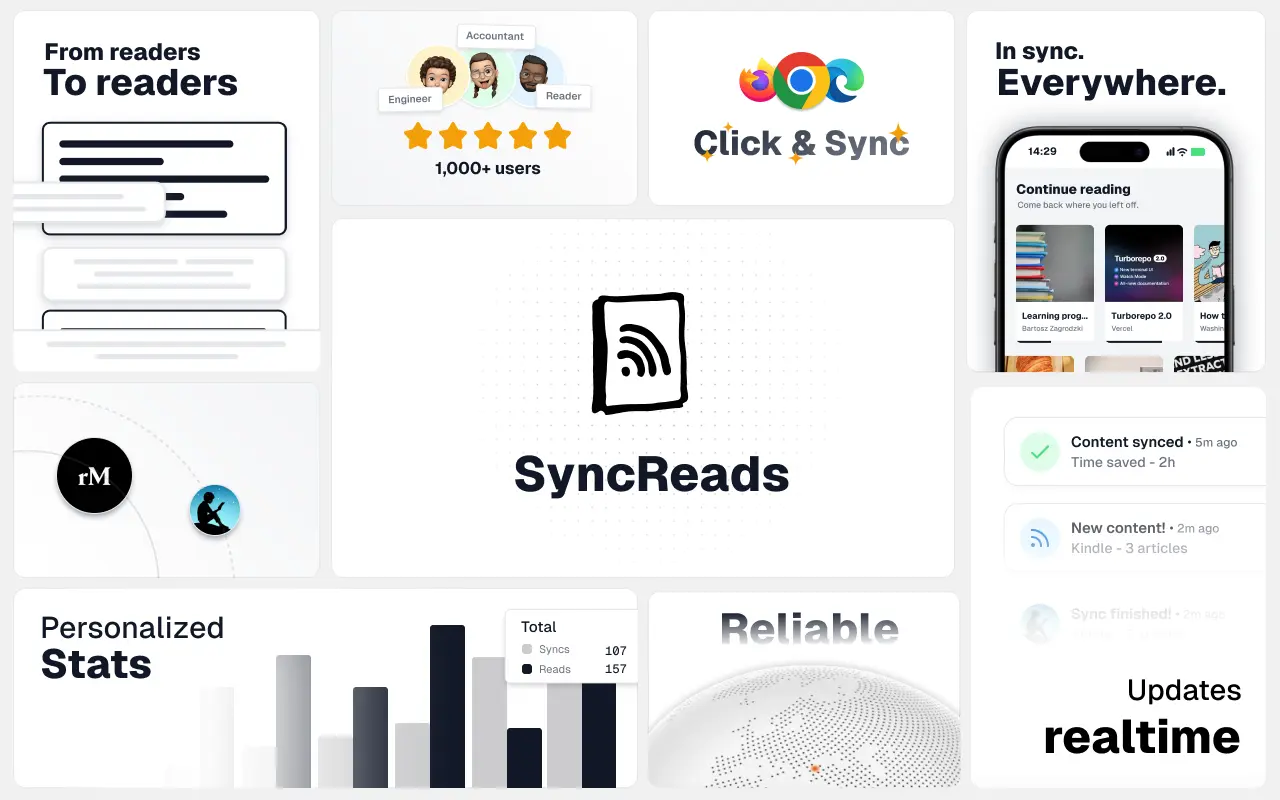
SyncReads
Sync your favorite content for distraction-free reading, save time and replace multiple apps. Anytime, anywhere 🔄
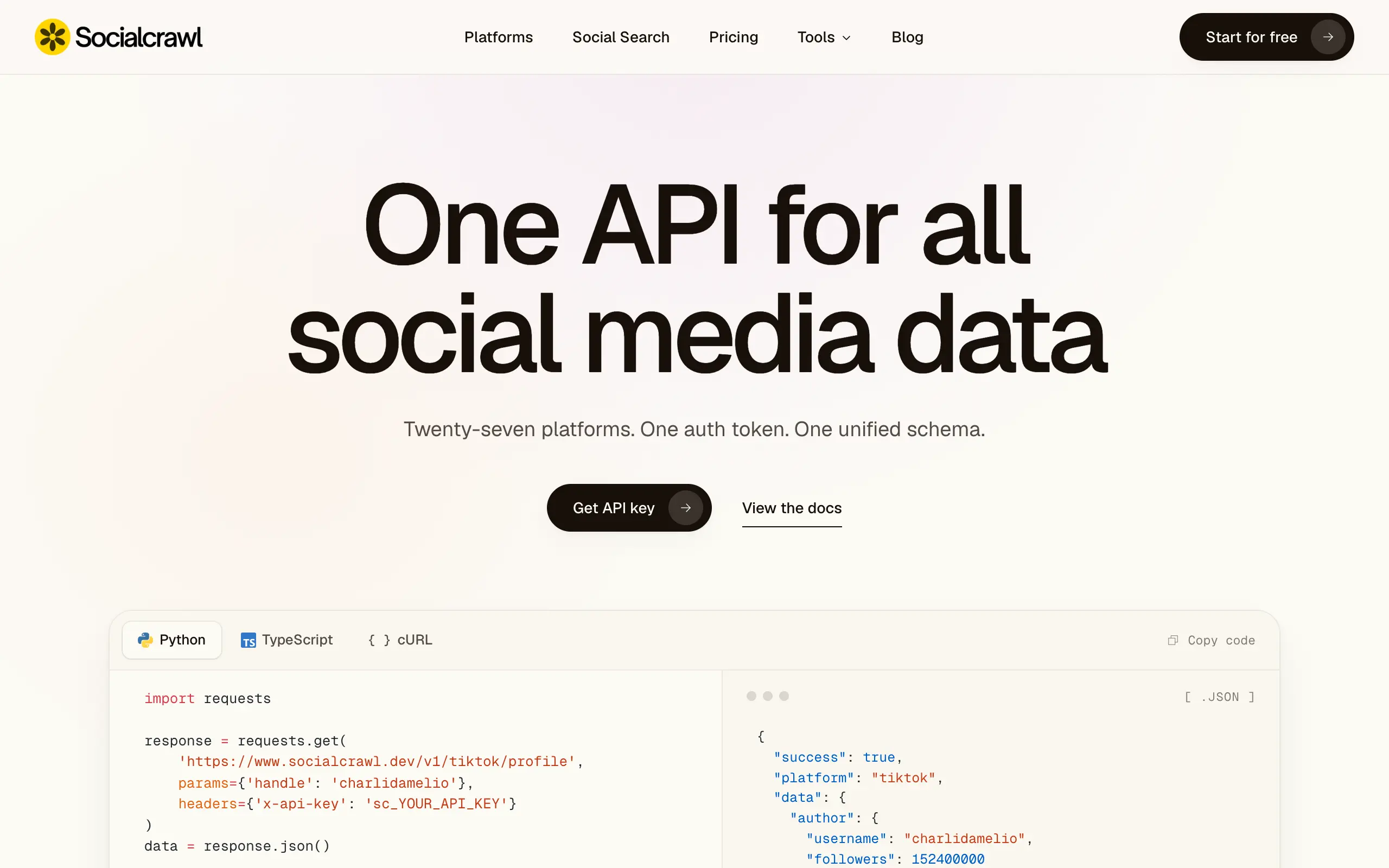
Socialcrawl
Get clean, structured data from 21 platforms like TikTok, Instagram, and YouTube with a single request 📊
Statiko
Monitor any Telegram channel in real time - track posts, edits, deletions, and growth with AI recaps 📡
Shibui
AI website builder - describe your business, pick a niche template, edit by chatting, and publish instantly ✨
Pro Service
Find verified home service professionals, compare quotes, and pay securely through escrow - built for Brazilians across the US 🏠
RankGrow
Fix your SEO with AI agents - connect Search Console, get prioritized tasks, and grow organic traffic 📈
SyncReads
Sync your favorite content for distraction-free reading, save time and replace multiple apps. Anytime, anywhere 🔄
Socialcrawl
Get clean, structured data from 21 platforms like TikTok, Instagram, and YouTube with a single request 📊
Statiko
Monitor any Telegram channel in real time - track posts, edits, deletions, and growth with AI recaps 📡
Shibui
AI website builder - describe your business, pick a niche template, edit by chatting, and publish instantly ✨
Pro Service
Find verified home service professionals, compare quotes, and pay securely through escrow - built for Brazilians across the US 🏠
RankGrow
Fix your SEO with AI agents - connect Search Console, get prioritized tasks, and grow organic traffic 📈
SyncReads
Sync your favorite content for distraction-free reading, save time and replace multiple apps. Anytime, anywhere 🔄
Socialcrawl
Get clean, structured data from 21 platforms like TikTok, Instagram, and YouTube with a single request 📊
Statiko
Monitor any Telegram channel in real time - track posts, edits, deletions, and growth with AI recaps 📡
Shibui
AI website builder - describe your business, pick a niche template, edit by chatting, and publish instantly ✨
Pro Service
Find verified home service professionals, compare quotes, and pay securely through escrow - built for Brazilians across the US 🏠
RankGrow
Fix your SEO with AI agents - connect Search Console, get prioritized tasks, and grow organic traffic 📈
SyncReads
Sync your favorite content for distraction-free reading, save time and replace multiple apps. Anytime, anywhere 🔄
Socialcrawl
Get clean, structured data from 21 platforms like TikTok, Instagram, and YouTube with a single request 📊
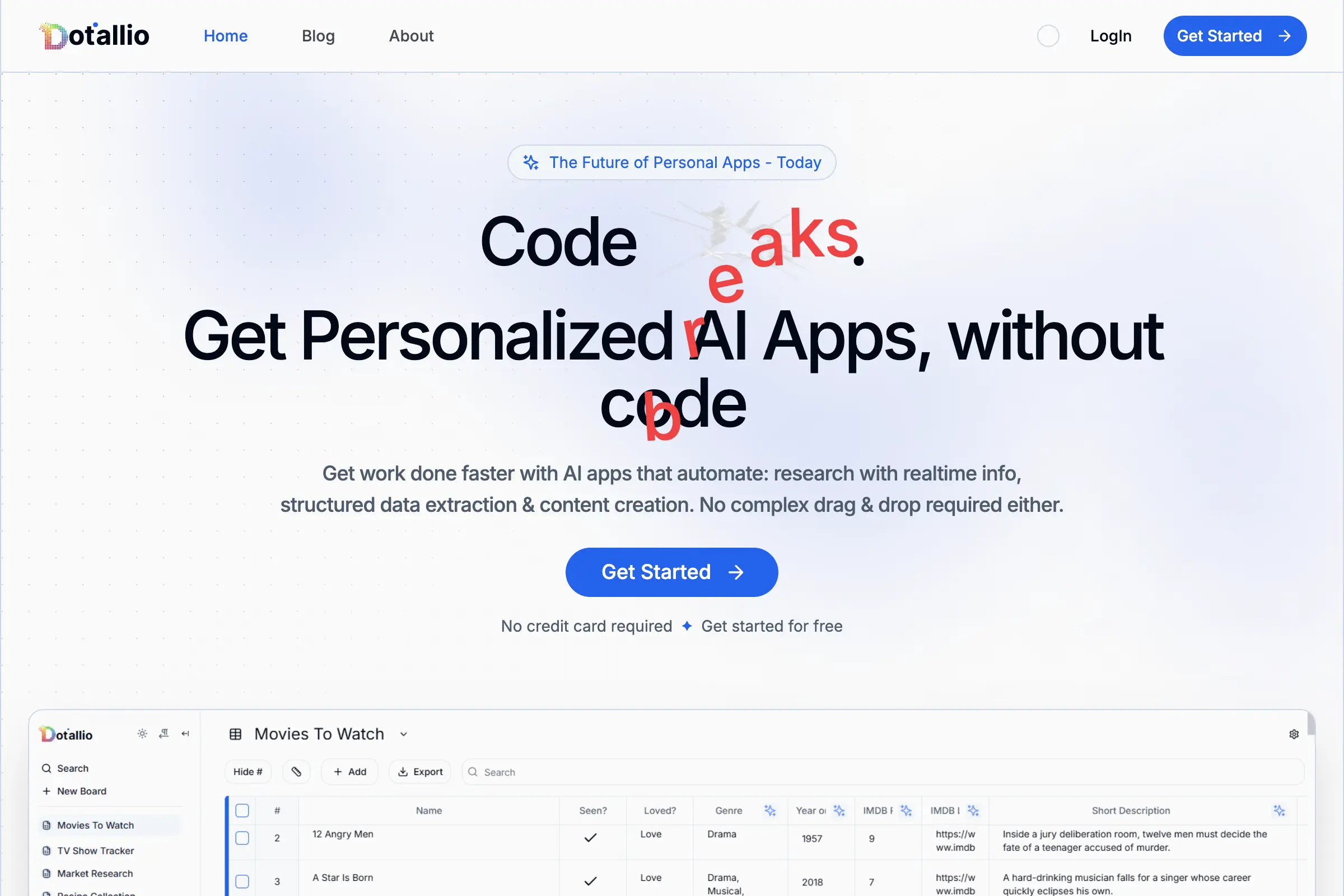
Dotallio
Personalized AI apps that automate research, data extraction, and content creation without code 🤖
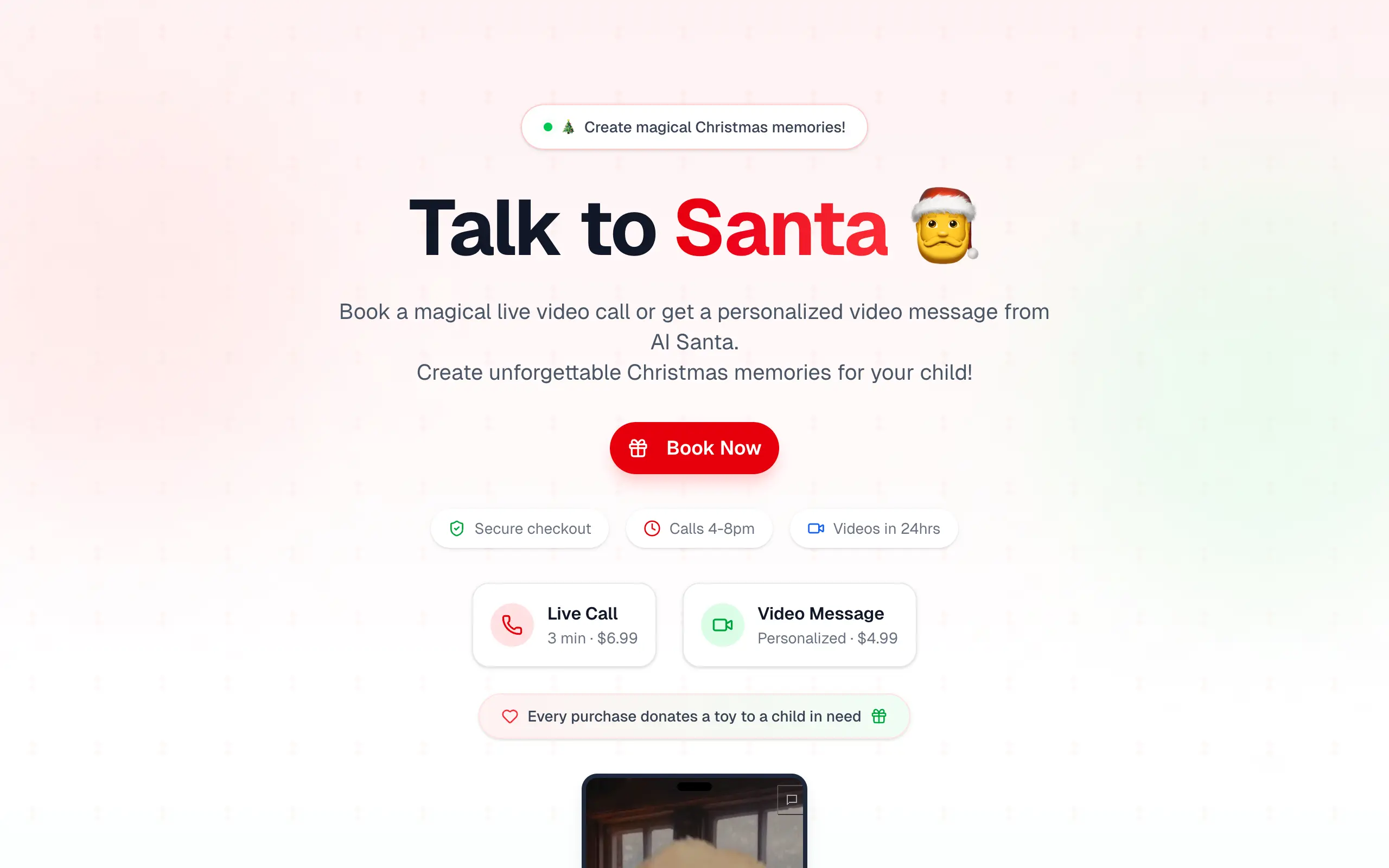
Talk to Santa
Enjoy a magical live video chat or receive a unique AI-generated video greeting from Santa Claus 🎅
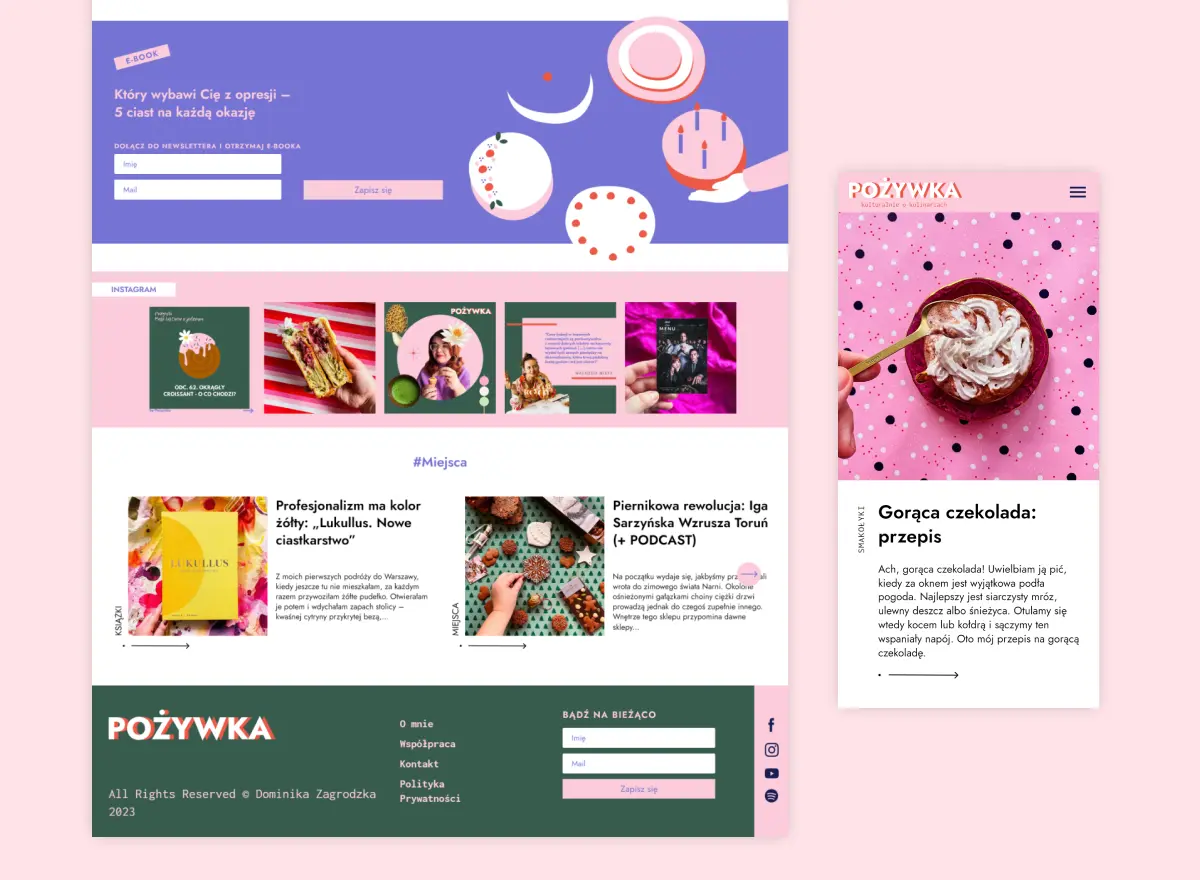
pozywka.pl
Scalable blog for food journalist, focused on performance and user experience 🌭
zagrodzki.me
Personal blog and portfolio of Bart Zagrodzki, where he shares his knowledge and work 💼
TurboStarter
Ship your startup everywhere. In minutes.
HTML to Markdown
Convert HTML to Markdown with ease, directly in your browser 📄
Dotallio
Personalized AI apps that automate research, data extraction, and content creation without code 🤖
Talk to Santa
Enjoy a magical live video chat or receive a unique AI-generated video greeting from Santa Claus 🎅
pozywka.pl
Scalable blog for food journalist, focused on performance and user experience 🌭
zagrodzki.me
Personal blog and portfolio of Bart Zagrodzki, where he shares his knowledge and work 💼
TurboStarter
Ship your startup everywhere. In minutes.
HTML to Markdown
Convert HTML to Markdown with ease, directly in your browser 📄
Dotallio
Personalized AI apps that automate research, data extraction, and content creation without code 🤖
Talk to Santa
Enjoy a magical live video chat or receive a unique AI-generated video greeting from Santa Claus 🎅
pozywka.pl
Scalable blog for food journalist, focused on performance and user experience 🌭
zagrodzki.me
Personal blog and portfolio of Bart Zagrodzki, where he shares his knowledge and work 💼
TurboStarter
Ship your startup everywhere. In minutes.
HTML to Markdown
Convert HTML to Markdown with ease, directly in your browser 📄
Dotallio
Personalized AI apps that automate research, data extraction, and content creation without code 🤖
Talk to Santa
Enjoy a magical live video chat or receive a unique AI-generated video greeting from Santa Claus 🎅
pozywka.pl
Scalable blog for food journalist, focused on performance and user experience 🌭
zagrodzki.me
Personal blog and portfolio of Bart Zagrodzki, where he shares his knowledge and work 💼
TurboStarter
Ship your startup everywhere. In minutes.
HTML to Markdown
Convert HTML to Markdown with ease, directly in your browser 📄
Omichat
Chat with 50+ AI models, including ChatGPT and Claude, in one place - switch models anytime without losing context 🤖
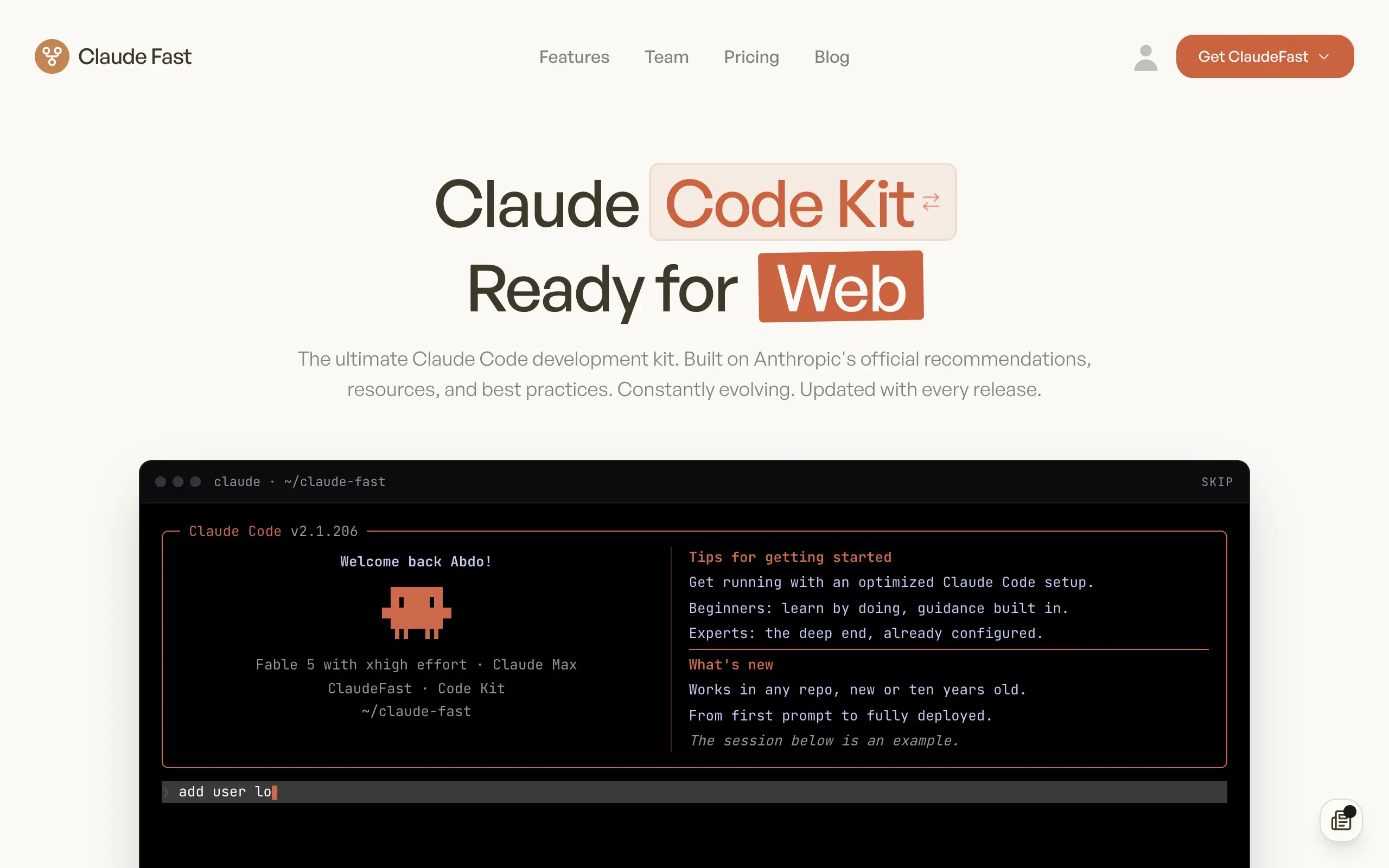
Claude Fast
Supercharge your Claude Code with 6x effective context window and specialized AI agents 🤖
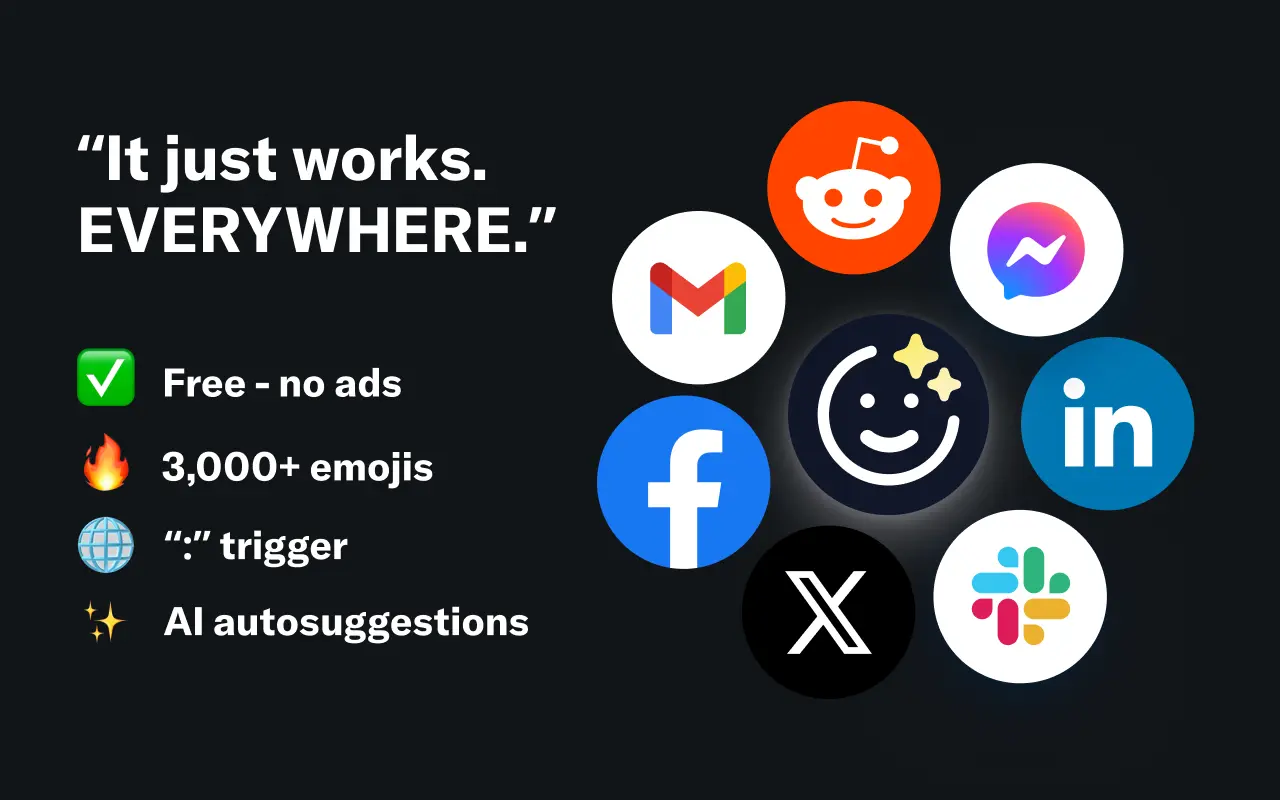
EmojAI
AI-powered emoji picker with smart, context-aware suggestions 🤖
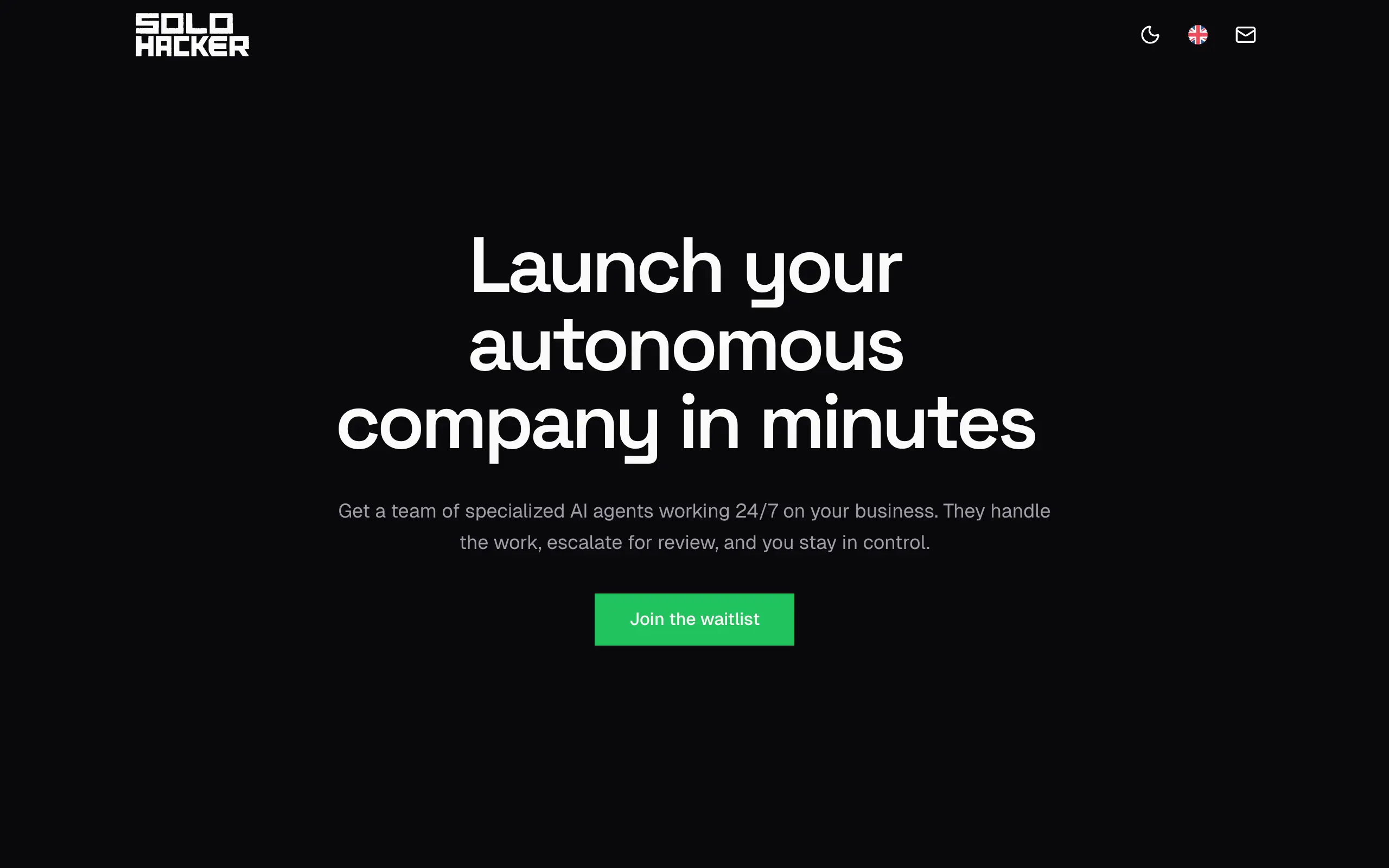
Solohacker
Autonomous company launcher - AI agents work 24/7, escalate what matters, and you stay in control 🤖
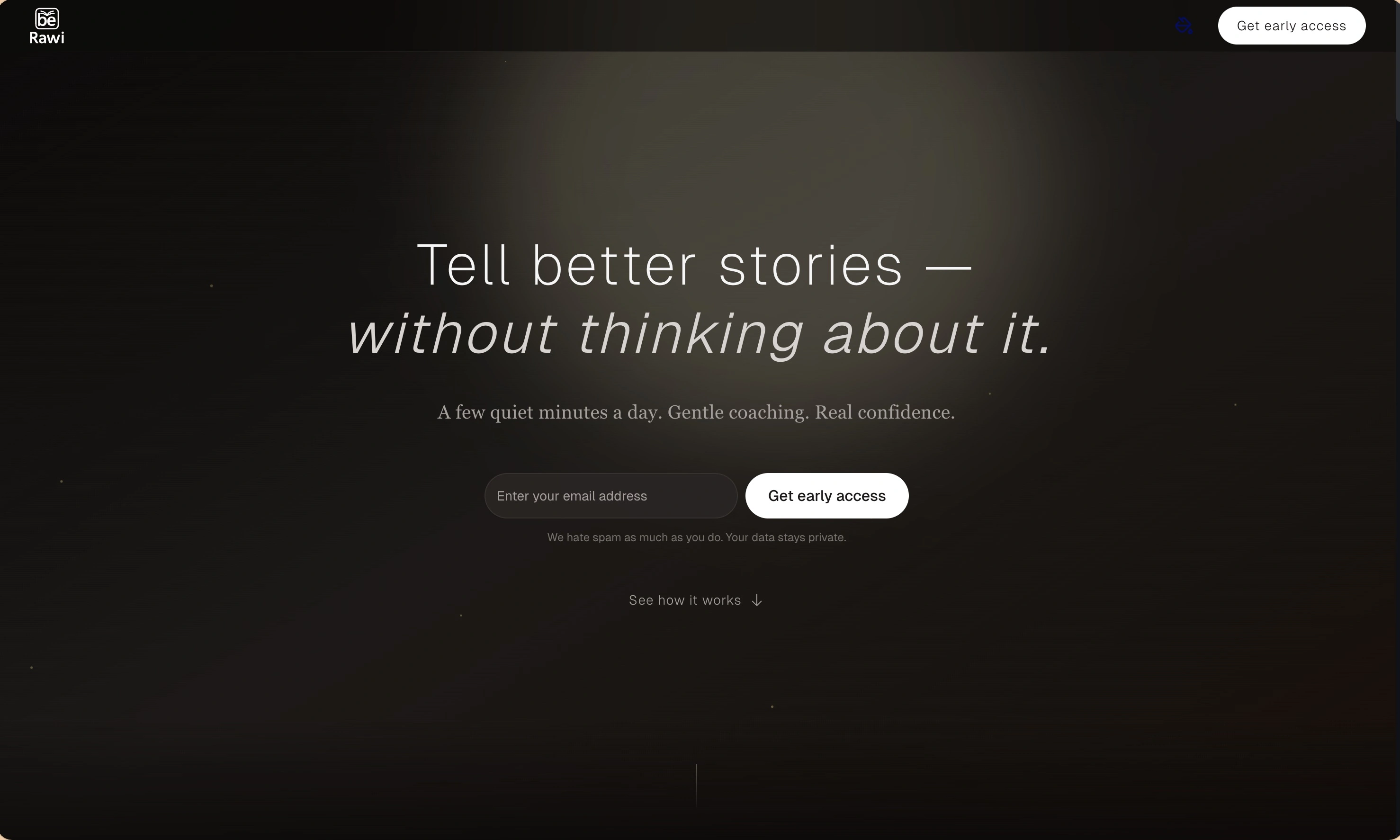
BeRawi: Storytelling Coach
Practice storytelling daily with instant feedback to sound clearer, more engaging, and confident 🎤
Omichat
Chat with 50+ AI models, including ChatGPT and Claude, in one place - switch models anytime without losing context 🤖
Claude Fast
Supercharge your Claude Code with 6x effective context window and specialized AI agents 🤖
EmojAI
AI-powered emoji picker with smart, context-aware suggestions 🤖
Solohacker
Autonomous company launcher - AI agents work 24/7, escalate what matters, and you stay in control 🤖
BeRawi: Storytelling Coach
Practice storytelling daily with instant feedback to sound clearer, more engaging, and confident 🎤
Omichat
Chat with 50+ AI models, including ChatGPT and Claude, in one place - switch models anytime without losing context 🤖
Claude Fast
Supercharge your Claude Code with 6x effective context window and specialized AI agents 🤖
EmojAI
AI-powered emoji picker with smart, context-aware suggestions 🤖
Solohacker
Autonomous company launcher - AI agents work 24/7, escalate what matters, and you stay in control 🤖
BeRawi: Storytelling Coach
Practice storytelling daily with instant feedback to sound clearer, more engaging, and confident 🎤
Omichat
Chat with 50+ AI models, including ChatGPT and Claude, in one place - switch models anytime without losing context 🤖
Claude Fast
Supercharge your Claude Code with 6x effective context window and specialized AI agents 🤖
EmojAI
AI-powered emoji picker with smart, context-aware suggestions 🤖
Solohacker
Autonomous company launcher - AI agents work 24/7, escalate what matters, and you stay in control 🤖
BeRawi: Storytelling Coach
Practice storytelling daily with instant feedback to sound clearer, more engaging, and confident 🎤

Connect with like-minded people
Join our community to get feedback, support, and grow together with 1,000+ builders on board, let's ship it!
Join usShip your startup everywhere. In minutes.
Don't burn tokens on setup and start building features on day one.