QueuePing
A lightweight mobile app that lets small businesses notify customers when it’s their turn, reducing lines and missed appointments.
Why QueuePing solves a costly customer experience problem
QueuePing is a mobile waitlist tracker for salons, clinics, and other appointment-based businesses that need to manage walk-ins, delays, and unpredictable service durations. Its core value is simple: customers receive timely alerts when their place in line is approaching, while staff gain a clearer view of the day’s active queue.
The primary keyword for this SaaS idea is mobile waitlist tracker. Related search terms include:
- salon waitlist software
- clinic queue management system
- virtual waiting room app
- customer turn notification software
- appointment waitlist management
- no-show reduction software
- walk-in queue management
- SMS waitlist alerts
- mobile queue management app
The problem is widespread. A salon might accept walk-ins between booked appointments, but service durations vary. A medical clinic may experience late arrivals, longer consultations, cancellations, and patients who need urgent attention. In both scenarios, customers are often told to “come back in 20 minutes” with no reliable update.
That uncertainty creates avoidable friction:
- Customers remain in crowded waiting areas because they are afraid of losing their place.
- Customers leave and fail to return because there is no clear reminder.
- Reception staff repeatedly answer “How much longer?” questions.
- Businesses lose revenue when customers abandon the queue or miss their turn.
- A poor waiting experience lowers customer satisfaction even when the service itself is excellent.
QueuePing gives businesses a practical middle ground between a fully scheduled appointment system and an unmanaged physical line. It helps customers wait where they are comfortable while keeping the business in control of the queue.
The central product thesis
QueuePing should not position itself as another generic booking platform. Its strongest category position is a mobile waitlist and customer notification layer for businesses where wait times change in real time.
Target audience for a mobile waitlist tracker
A successful go-to-market strategy starts with identifying businesses that feel the queue-management pain frequently enough to pay for a focused solution. QueuePing should prioritize service businesses with walk-ins, same-day demand, variable service durations, and small front-desk teams.
Primary customer segments
The most promising early customer segments are salons, barbershops, beauty studios, and independent clinics.
Salons and barbershops
They handle walk-ins, variable appointment durations, busy weekends, and customers who may leave if wait times are unclear.
Clinics and dental practices
They need a calmer waiting room, better patient communication, and tools that support operational privacy requirements.
Beauty and wellness studios
Spas, nail salons, lash studios, and massage practices can use virtual queues for peak periods and cancellations.
Salon owners are likely to value the operational and revenue benefit. They need a fast system that works during a busy shift without forcing stylists to learn complicated software.
Clinic operators tend to care more about patient experience, lobby congestion, privacy, and reception efficiency. This segment can offer higher average contract value, but it also requires more careful product messaging, security practices, and compliance review.
Secondary customer segments
After validating the core use case, QueuePing can extend into businesses that manage short service queues:
- Auto repair shops and tire centers
- Veterinary practices
- Pharmacies and vaccination clinics
- Government service counters
- University support offices
- Restaurant waitlists for counter-service venues
- Mobile phone repair stores
- Car wash and detailing businesses
The key qualification is not the industry itself. It is whether customers must wait for a limited number of service providers, whether wait times fluctuate, and whether leaving the premises creates missed-turn risk.
The buyer, user, and customer are different people
QueuePing serves three distinct groups. Product decisions should account for each group rather than treating “the business” as one user.
| Audience | Primary goal | Daily frustration | What drives adoption | What creates churn |
|---|---|---|---|---|
| Owner or manager | Increase revenue and retention | No-shows and lost walk-ins | Clear ROI and easy setup | Weak reporting or low staff adoption |
| Reception staff | Keep the queue moving | Repeated status questions and manual texting | Fast, reliable workflow | Too many steps during busy periods |
| Customer or patient | Wait with confidence | Uncertain timing and crowded lobbies | Simple alerts with no app required | Inaccurate estimates or excessive messages |
The market gap in salon and clinic queue management
Many businesses currently rely on a combination of paper lists, phone calls, spreadsheets, generic booking tools, and manually sent text messages. These workarounds are familiar, but they do not scale well during busy periods.
Generic appointment platforms are often optimized for scheduled bookings. They may include waitlist features, but those features frequently focus on filling canceled time slots rather than managing an active, live queue. QueuePing can own the operational gap between a customer checking in and the moment service begins.
Existing alternatives and their limits
Businesses may use several alternatives before they consider dedicated waitlist software.
- "Paper or whiteboard list": inexpensive but error-prone, hard to audit, and invisible to customers.
- "Manual SMS messages": personal but time-consuming, inconsistent, and difficult to measure.
- "Phone calls": useful for exceptions, but customers may not answer unknown numbers.
- "Full appointment software": valuable for booking, but often too broad or costly for a walk-in queue workflow.
- "Physical pager systems": familiar in some industries, but require hardware, maintenance, and proximity.
- "Consumer messaging apps": convenient for staff, but poor for consent, reporting, and professional customer communication.
QueuePing’s opportunity is to reduce the operational burden without demanding a complete software replacement. That is a highly attractive sales message for small businesses that already use a booking calendar they like.
The underserved workflow
The most valuable workflow is not merely “add names to a list.” It is a reliable sequence:
- A customer joins the waitlist at the front desk, via QR code, or through a branded web page.
- Staff assign the customer to a relevant service, provider, location, or queue.
- QueuePing estimates the wait using the business’s available capacity and recent service patterns.
- The customer receives a confirmation with expectations and instructions.
- QueuePing sends an alert when the customer is getting close to the front of the line.
- Staff mark the customer as arrived, in service, complete, canceled, or no-show.
- Managers review wait times, abandonment, response rates, and service bottlenecks.
That operational loop is where QueuePing can demonstrate measurable value.
QueuePing’s unique selling proposition
QueuePing’s unique selling proposition is real-time, low-friction turn alerts for service businesses with variable wait times.
The product should help a business reduce crowded lobbies and lost revenue without requiring every customer to download an app or every business to replace its scheduling stack. A customer should be able to join with a name and phone number, receive a secure alert, and return at the right time.
For a mobile-first SaaS product, the best experience is likely a hybrid model:
- A responsive staff dashboard for tablets, phones, and desktops
- A customer-facing mobile web experience that opens from an SMS link
- Optional native mobile apps later for owners or multi-location operators
- QR code entry for self-service check-in
- SMS as the dependable default notification channel
- Email and push notifications as optional lower-cost channels
This approach is more accessible than an app-only model. Asking a customer to install an app for one salon visit adds friction precisely when the business wants to make waiting easier.
Positioning statement
A concise positioning statement for QueuePing could be:
QueuePing is a mobile waitlist tracker that helps salons and clinics alert customers when their turn is near, reducing no-shows, front-desk interruptions, and crowded waiting areas.
That message is concrete, outcome-driven, and understandable to a non-technical business owner.
Core QueuePing features for an effective MVP
The initial version should prioritize a complete queue workflow over a large set of integrations. Businesses will forgive the absence of advanced analytics in an early product. They will not forgive missing a customer’s turn or sending inaccurate notifications.
Waitlist creation and service routing
Staff need to create a queue entry in seconds. The form should include only the details that improve operations.
Recommended fields include:
- Customer name
- Mobile phone number
- Requested service
- Preferred provider, when applicable
- Party size or number of people
- Estimated service duration
- Notes for staff only
- Consent status for SMS notifications
Businesses should be able to maintain multiple queues. A salon may need separate queues for haircuts, color appointments, and walk-ins. A clinic may need a general queue, a lab queue, and a provider-specific queue.
Customer self-check-in
A QR code displayed at reception, on a storefront sign, or in a confirmation email can let customers join the virtual waiting room themselves. This reduces staff input work and makes QueuePing feel modern without being complicated.
Self-check-in should include clear boundaries. For example, a business can require staff approval before a customer joins the active queue or restrict self-check-in to a configured time window.
Smart wait-time estimates
Wait-time estimation is a major product differentiator, but it must begin conservatively. A misleading estimate can damage trust faster than no estimate at all.
For the MVP, use a transparent rule-based model based on:
- Number of people ahead in the queue
- Average duration of the selected service
- Number of active service providers
- Whether providers are currently available
- Existing appointment blocks
- A configurable buffer for late-running service
Over time, QueuePing can improve estimates with historical operational data. A more advanced model may account for day of week, provider-specific service duration, seasonal demand, service combinations, and real-time delay patterns.
The product should use language such as “approximately 20 to 30 minutes” rather than presenting false precision such as “23 minutes.”
Automated customer alerts
Notification timing should be configurable because different businesses have different customer behavior. A clinic might notify a patient 15 minutes before their turn. A barbershop may prefer 10 people ahead, 3 people ahead, and “please return now” alerts.
A strong notification system should support:
- Confirmation immediately after joining
- Queue position or approximate waiting range
- A “your turn is approaching” alert
- A final return-now alert
- Staff-triggered custom messages
- Two-way responses such as “On my way” or “Need more time”
- Automatic expiration when a customer does not respond
Every message needs a clear sender identity, an opt-out path where required, and careful frequency limits. SMS compliance obligations vary by jurisdiction, so QueuePing should encourage businesses to obtain appropriate consent and consult qualified legal counsel for their circumstances.
Staff queue board
The staff interface is the product’s operational center. It should make the next action obvious.
A useful queue board includes:
- A live ordered customer list
- Color-coded wait status
- Estimated wait and elapsed waiting time
- Drag-and-drop reordering with permission controls
- Provider assignment
- One-click status changes
- Notification history
- Search for customers and past visits
- A clear view of customers who have been alerted but not confirmed
The design should work on a tablet at a reception desk and on a manager’s phone. Large touch targets, offline-aware states, and fast page loads matter more than decorative dashboards.
Performance reporting
Reporting turns QueuePing from a useful daily tool into a system managers keep paying for. Start with a compact dashboard that answers operational questions:
- What was the median wait time this week?
- How many customers left before service?
- How many customers were marked no-show?
- How quickly did customers return after the final alert?
- Which days and hours create the largest queue?
- Which services create the biggest bottlenecks?
Avoid claiming that QueuePing “eliminates no-shows.” Instead, frame reporting as a way to identify and reduce the conditions that contribute to abandonment and missed turns.
Recommended tech stack for QueuePing
The best QueuePing architecture should support real-time updates, reliable notifications, mobile usability, and strong tenant isolation. The technical design must also be proportionate to the stage of the business. A pre-revenue product does not need enterprise-scale infrastructure on day one.
Practical MVP stack
A modern TypeScript-based stack is a strong fit because it supports fast iteration while maintaining shared types across the frontend and backend.
- "Frontend": React with Next.js for responsive dashboards and customer pages.
- "Styling": Tailwind CSS for consistent mobile-first UI development.
- "Database": PostgreSQL for relational queue, user, location, and audit-log data.
- "ORM": Prisma for type-safe database access and schema migrations.
- "Authentication": Auth.js or a managed authentication provider, depending on delivery speed and organizational requirements.
- "Real-time updates": WebSockets, Server-Sent Events, or a managed real-time service.
- "Background jobs": A durable queue for scheduled notification delivery, retries, and escalation workflows.
- "SMS provider": Twilio for messaging capabilities and delivery status webhooks.
- "Payments": Stripe for subscriptions, metered messaging, invoices, and tax-ready billing workflows.
- "Monitoring": Sentry for error tracking, performance monitoring, and production diagnostics.
This stack makes it possible to launch a web-based mobile experience quickly. The internal dashboard can be installed as a progressive web app before investing in separate iOS and Android applications.
Real-time architecture considerations
Queue data changes constantly. When staff move a customer forward, mark a service complete, or send a manual alert, every authorized screen should reflect the change promptly.
A reliable architecture should treat the database as the source of truth. Real-time events should notify clients that a record changed, after which the client can fetch the latest authorized state. This reduces the risk of a stale browser overwriting critical queue changes.
type QueueStatus =
  | "waiting"
  | "notified"
  | "arrived"
  | "in_service"
  | "completed"
  | "no_show"
  | "cancelled";

type QueueEntry = {
  id: string;
  locationId: string;
  customerName: string;
  phoneNumber: string;
  status: QueueStatus;
  estimatedWaitMinutes: number | null;
  notifiedAt: Date | null;
};
Use idempotency keys for notification jobs. If a worker retries after a timeout, QueuePing must not send the same “your turn is now” SMS multiple times. Track every notification request, provider response, delivery status, and user action in an audit log.
Native mobile app versus progressive web app
QueuePing is described as a mobile product, but that does not automatically mean the first release requires native apps.
A progressive web app is faster to build, works across devices, and makes deployment simple. It is ideal for customer links, QR check-in, and staff dashboards. Its main trade-off is more limited background behavior and push notification support on some devices.
A native app can provide stronger push notifications, device integrations, and a more app-like experience for managers. Its trade-off is higher development, QA, release-management, and support cost across iOS and Android.
For the MVP, prioritize responsive web and SMS. Add native apps only after customer research shows that business operators genuinely need them.
Monetization strategy for QueuePing
QueuePing should use a recurring SaaS pricing model, with plans based on location count, active queue volume, staff seats, and messaging usage. The pricing must account for the variable cost of SMS delivery while remaining simple enough for a small-business owner to understand.
Suggested pricing structure
- "Starter plan": one location, core waitlist, QR check-in, limited staff seats, and included monthly notification credits.
- "Growth plan": additional locations, advanced analytics, configurable notification sequences, staff roles, and integrations.
- "Premium plan": multi-location groups, API access, dedicated onboarding, advanced permissions, service-level support, and custom reporting.
- "Usage overages": transparent charges for SMS messages beyond included credits.
A free trial is more suitable than a permanently free plan because QueuePing creates immediate operational value after setup. A 14-day or 30-day trial can allow the owner to test the system during at least one high-demand period.
Add-on revenue opportunities
Potential add-ons should be introduced only after the core product is trusted.
- Branded customer check-in pages
- Custom SMS sender identity where supported
- Additional SMS bundles
- Appointment scheduling integrations
- Advanced data exports
- Multi-location analytics
- White-label tools for franchise operators
- Implementation services for larger clinic groups
The strongest expansion revenue will likely come from additional locations. Design the account model early so a customer can add locations without creating separate accounts or losing cross-location reporting.
Competitive advantage and defensibility
QueuePing should avoid competing feature-for-feature with full practice-management systems or enterprise queue platforms. Instead, it can win through focus, usability, and fast adoption.
How QueuePing can stand out
Its competitive advantage should be built around five pillars:
-
Fast setup for small service businesses
An owner should be able to create a location, configure services, and begin using the queue in one short onboarding session. -
Customer participation without app downloads
SMS and mobile web links reduce friction for customers who will only use the system once. -
Better queue intelligence than manual messaging
QueuePing can provide wait ranges, notification rules, response tracking, and operational reports. -
A calm front-desk workflow
The interface should make staff faster, not turn every customer interaction into a software task. -
Industry-specific templates
A salon template and a clinic template can use the same underlying queue engine while presenting different terminology, alerts, and privacy defaults.
Data becomes a defensible asset
As customers use QueuePing, the platform can build anonymized operational insight at the tenant level. Each business can learn its own service-duration patterns, peak demand windows, notification response rates, and queue abandonment drivers.
That creates a compounding value loop:
- Better historical data improves wait estimates.
- Better estimates create more customer confidence.
- Better customer confidence reduces abandonment.
- More completed visits create better operational data.
This is more defensible than a basic digital list, but it should be built responsibly. Customer data must remain isolated by tenant, access must be controlled, and any aggregated benchmarking must be opt-in and carefully anonymized.
Risks and mitigation for a virtual waiting room app
QueuePing handles operationally important customer data and communication workflows. Product quality, privacy, and reliability are not optional details.
Notification delivery failures
SMS can be delayed, filtered, or undelivered. A customer may also have an outdated phone number or poor signal.
Mitigation measures include:
- Displaying delivery status to staff
- Offering a fallback communication method where appropriate
- Allowing staff to trigger a manual call workflow
- Sending a confirmation message when the customer joins
- Making notification lead time configurable
- Recording failed deliveries for follow-up and reporting
Inaccurate wait estimates
Estimates are useful only if they are appropriately cautious. Service businesses often face unexpected delays that an algorithm cannot predict.
Mitigation measures include:
- Showing wait ranges instead of exact promises
- Letting staff adjust capacity and delays quickly
- Including a configurable buffer
- Explaining that times are estimates
- Tracking estimated versus actual wait time for model improvement
Privacy and health-related information
Clinics may be subject to additional privacy, contractual, and regulatory requirements. QueuePing should not assume that all clinics have the same obligations.
Mitigation measures include:
- Collecting the minimum data required for queue operations
- Avoiding sensitive details in text messages
- Encrypting data in transit and at rest
- Enforcing role-based access controls
- Maintaining audit logs
- Offering configurable retention policies
- Obtaining legal and security guidance before marketing to regulated healthcare organizations
Do not overpromise compliance
Features such as encrypted storage and access controls are important, but they do not by themselves make a product compliant with every healthcare or privacy law. QueuePing should obtain professional legal review before making compliance claims.
Staff resistance to new tools
The front desk is often busy, and staff may resist anything that adds steps.
Mitigation measures include:
- Keeping the add-to-queue flow under a few taps
- Providing industry-specific onboarding templates
- Using sensible defaults
- Offering printable QR codes and signage
- Creating short in-product training prompts
- Measuring time saved through fewer manual status updates
SMS costs and margin pressure
Messaging costs can rise with customer volume. If plans include unlimited SMS, QueuePing may create an unsustainable gross-margin profile.
Mitigation measures include:
- Including a defined monthly message allowance
- Charging transparent usage overages
- Allowing email notifications for lower-priority updates
- Reducing duplicate and unnecessary reminders
- Monitoring cost per active location
Actionable implementation roadmap
QueuePing should launch with a tightly scoped workflow, validate willingness to pay, and expand based on observed behavior rather than assumptions.
For founders who want to move from validation to production faster, TurboStarter can provide a practical foundation for building and launching a modern SaaS application with less boilerplate.
Go-to-market plan for QueuePing
The initial go-to-market strategy should be local, vertical, and evidence-led. Small service businesses often buy based on trust and clear outcomes, not technical novelty.
Start with a narrow geographic and vertical focus
Instead of marketing to every business with a waiting room, begin with independent salons and barbershops in a single city or region. These businesses are easier to reach, often make purchase decisions quickly, and provide frequent feedback.
The first sales motion can combine:
- Direct outreach to local businesses
- In-person demos during non-peak hours
- Partnerships with salon consultants or local business associations
- QR-code signage as a visible product demonstration
- Referral incentives for existing customers
- Short case studies that quantify workflow improvements
Once QueuePing has repeatable success in salons, create a dedicated clinic offering with stronger privacy documentation, role controls, and onboarding support.
Content strategy for organic search
QueuePing’s website should target high-intent searches with useful, non-generic content. Examples include:
- “How to manage salon walk-ins without a crowded lobby”
- “How clinic waitlist software reduces front-desk calls”
- “SMS waitlist alerts for barbershops”
- “Virtual waiting room best practices for small clinics”
- “How to reduce customer abandonment during long waits”
Each article should include practical advice, screenshots or product examples, clear limitations, and internal links to the appropriate product page. When citing market data, customer experience research, or messaging statistics, reference authoritative publications such as government health agencies, telecom regulators, established research firms, or peer-reviewed journals.
Final assessment
QueuePing has a strong SaaS opportunity because it addresses a persistent operational issue with a focused, understandable solution. Salons and clinics do not need another bloated software platform. They need a dependable way to tell customers when to return, keep staff focused, and understand where waiting-time problems originate.
The winning product will be built around trust. Notifications must be reliable, wait estimates must be honest, the staff interface must be fast, and customer data must be handled carefully. By launching with an SMS-first mobile waitlist tracker, validating workflows in one vertical, and expanding through measurable operational results, QueuePing can become an essential customer-flow tool for modern service businesses.
More 📱 Mobile App SaaS ideas
Discover more innovative mobile app SaaS ideas that are trending in 2026. Each idea is AI-generated with market validation and growth potential to help you find your next profitable venture faster than competitors.
Your competitors are building with TurboStarter
Below are some of the SaaS ideas that have been generated and built with our starter kit.
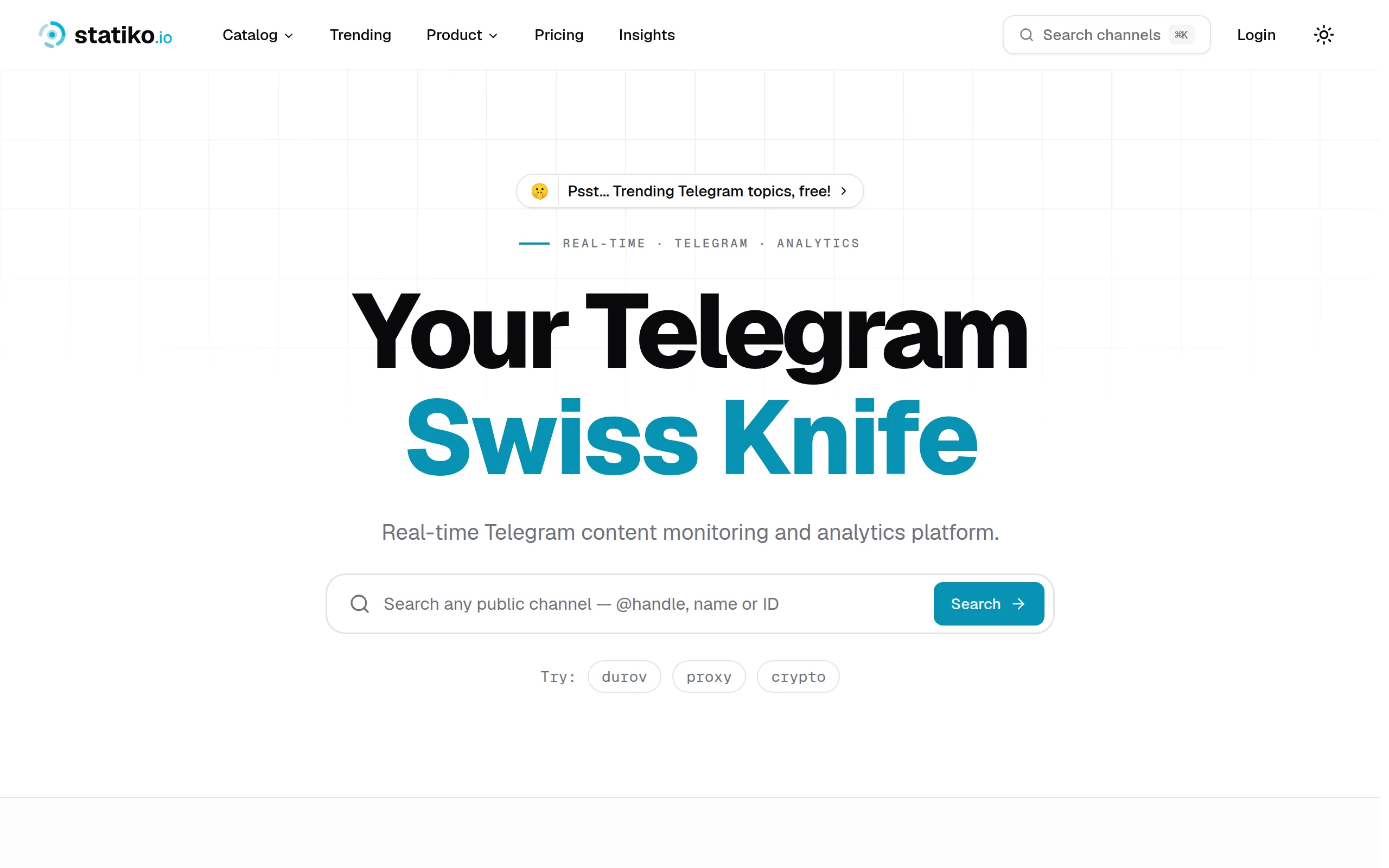
Statiko
Monitor any Telegram channel in real time - track posts, edits, deletions, and growth with AI recaps 📡
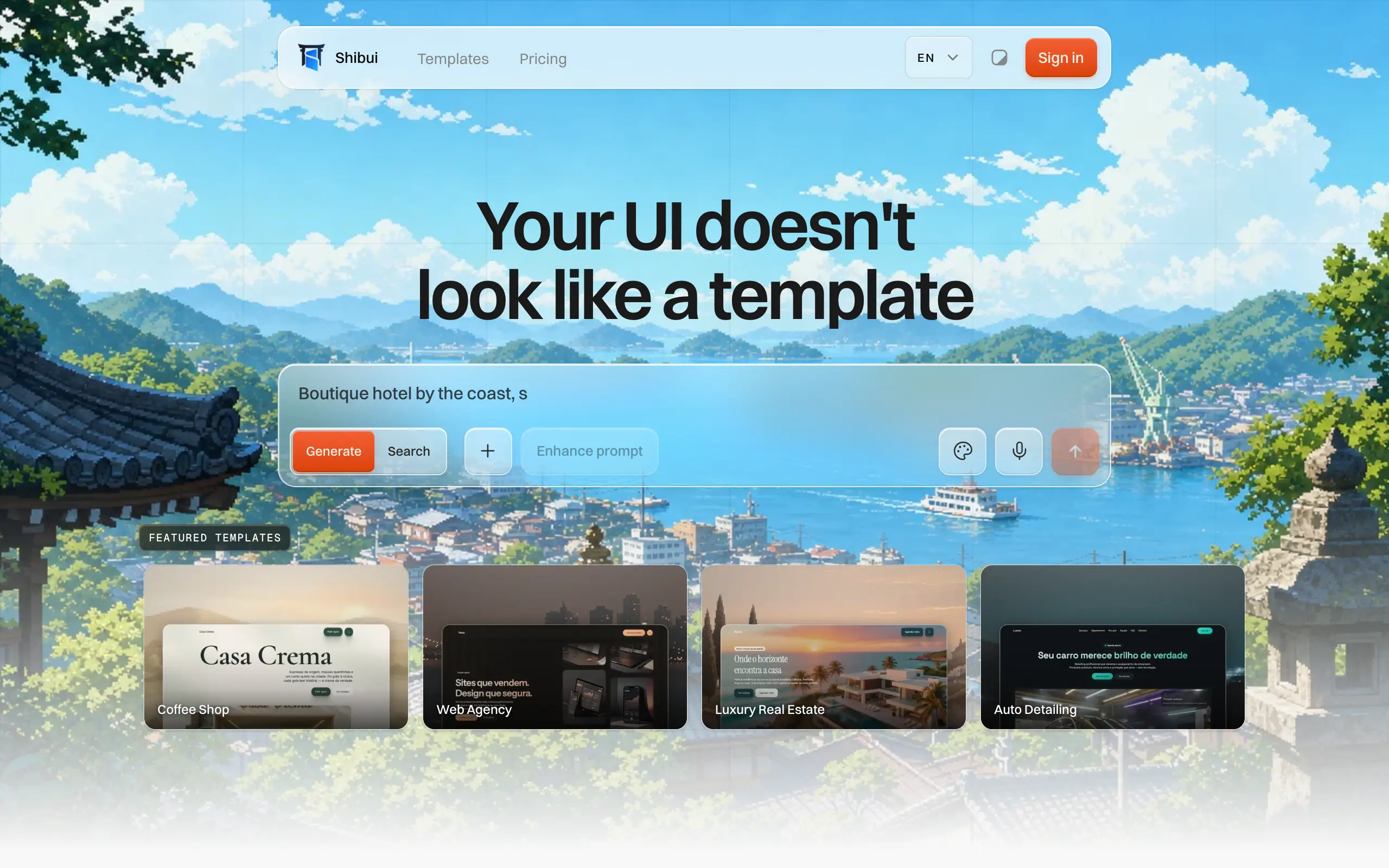
Shibui
AI website builder - describe your business, pick a niche template, edit by chatting, and publish instantly ✨
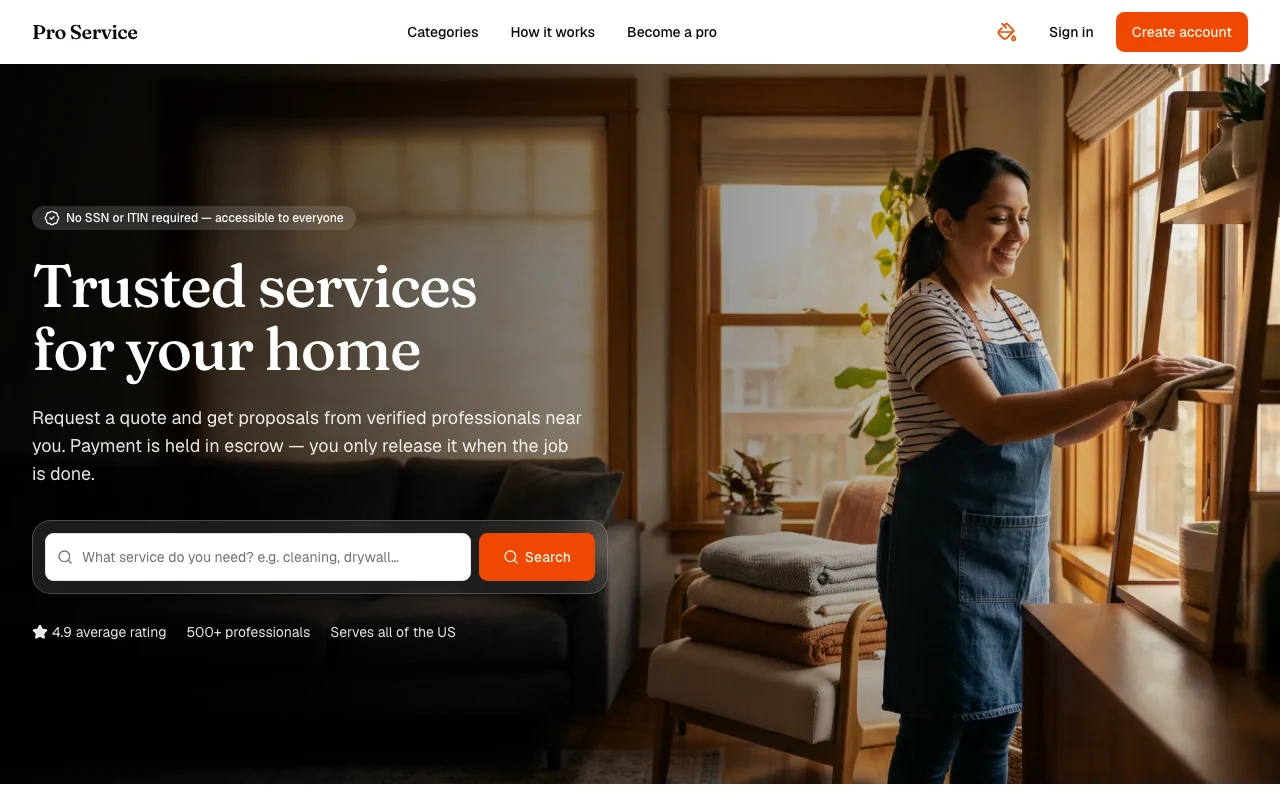
Pro Service
Find verified home service professionals, compare quotes, and pay securely through escrow - built for Brazilians across the US 🏠
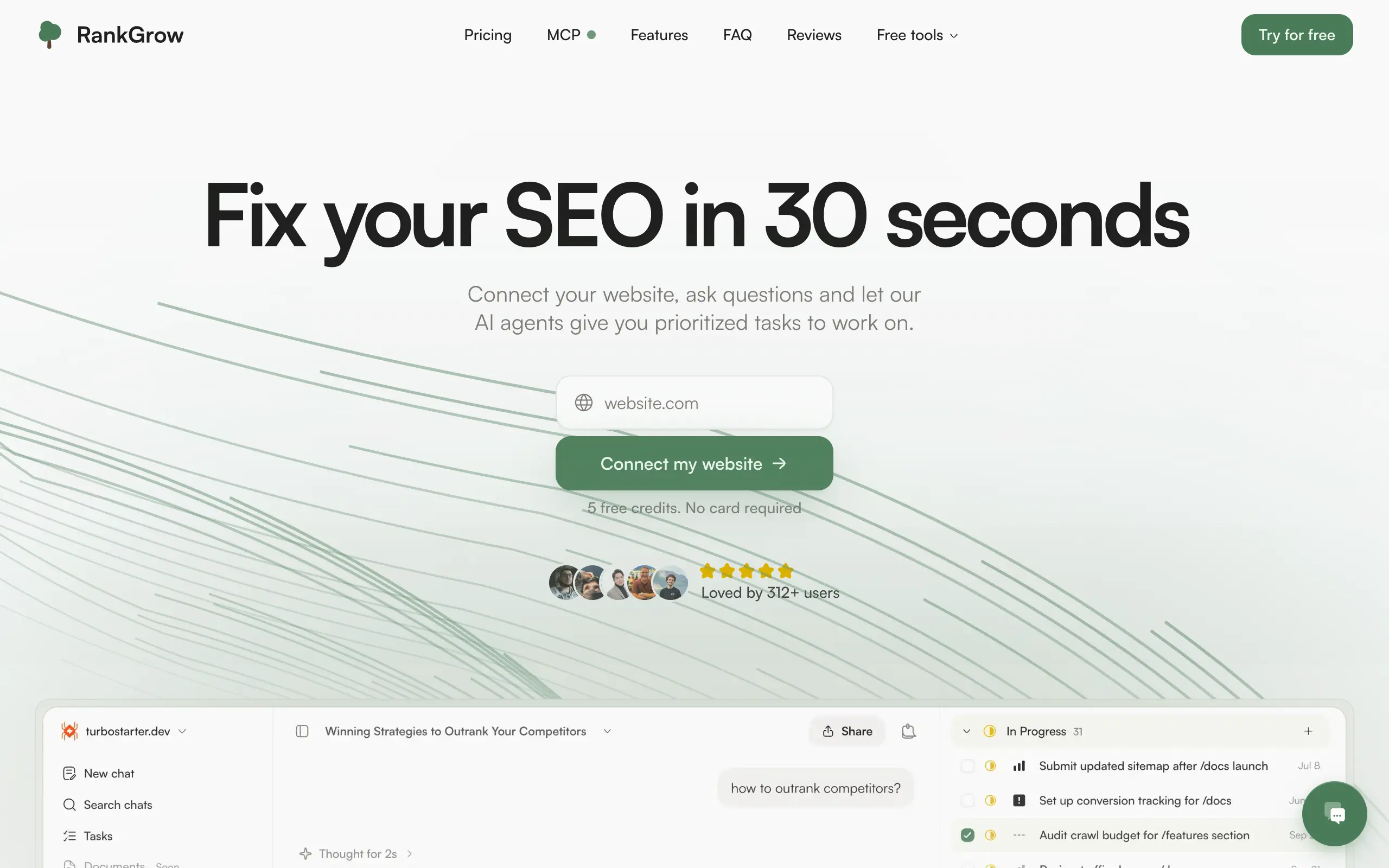
RankGrow
Fix your SEO with AI agents - connect Search Console, get prioritized tasks, and grow organic traffic 📈
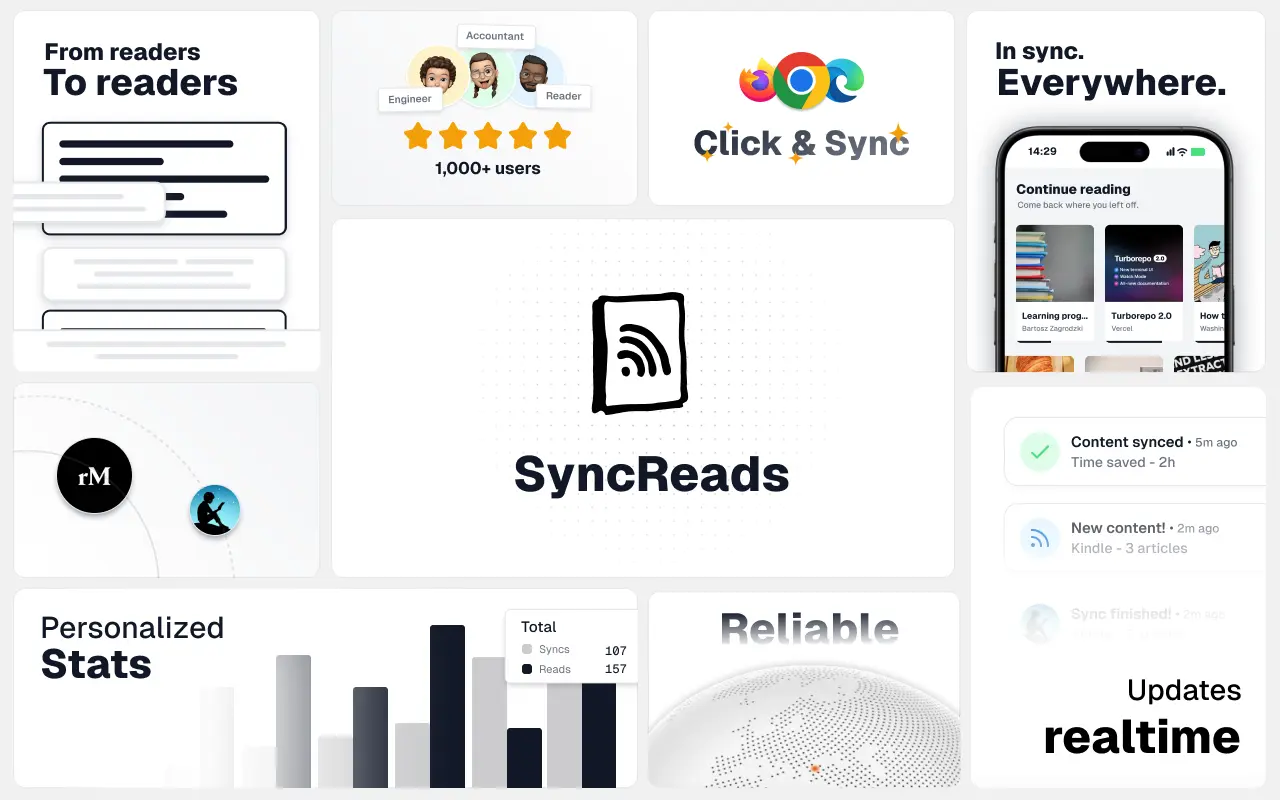
SyncReads
Sync your favorite content for distraction-free reading, save time and replace multiple apps. Anytime, anywhere 🔄
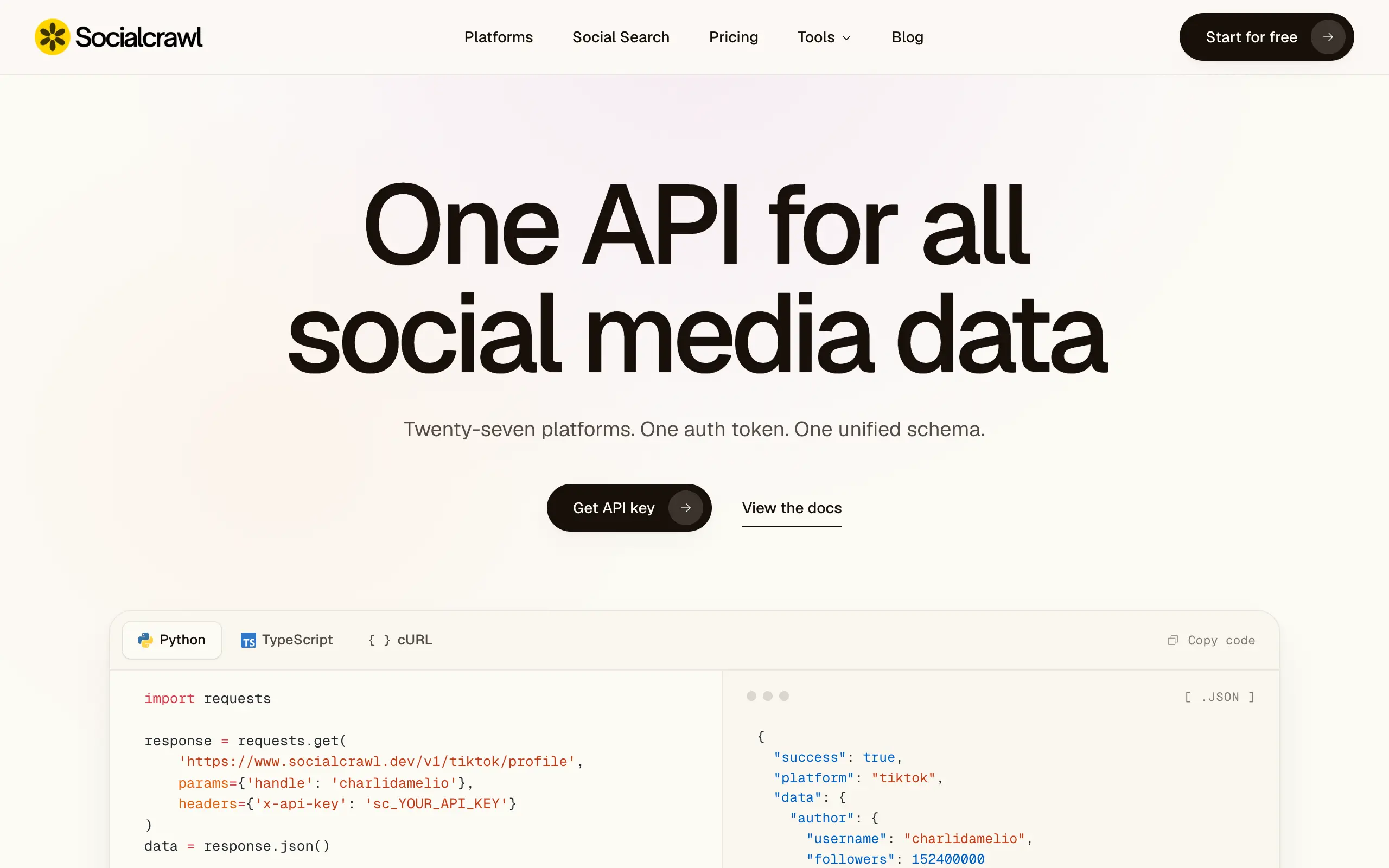
Socialcrawl
Get clean, structured data from 21 platforms like TikTok, Instagram, and YouTube with a single request 📊
Statiko
Monitor any Telegram channel in real time - track posts, edits, deletions, and growth with AI recaps 📡
Shibui
AI website builder - describe your business, pick a niche template, edit by chatting, and publish instantly ✨
Pro Service
Find verified home service professionals, compare quotes, and pay securely through escrow - built for Brazilians across the US 🏠
RankGrow
Fix your SEO with AI agents - connect Search Console, get prioritized tasks, and grow organic traffic 📈
SyncReads
Sync your favorite content for distraction-free reading, save time and replace multiple apps. Anytime, anywhere 🔄
Socialcrawl
Get clean, structured data from 21 platforms like TikTok, Instagram, and YouTube with a single request 📊
Statiko
Monitor any Telegram channel in real time - track posts, edits, deletions, and growth with AI recaps 📡
Shibui
AI website builder - describe your business, pick a niche template, edit by chatting, and publish instantly ✨
Pro Service
Find verified home service professionals, compare quotes, and pay securely through escrow - built for Brazilians across the US 🏠
RankGrow
Fix your SEO with AI agents - connect Search Console, get prioritized tasks, and grow organic traffic 📈
SyncReads
Sync your favorite content for distraction-free reading, save time and replace multiple apps. Anytime, anywhere 🔄
Socialcrawl
Get clean, structured data from 21 platforms like TikTok, Instagram, and YouTube with a single request 📊
Statiko
Monitor any Telegram channel in real time - track posts, edits, deletions, and growth with AI recaps 📡
Shibui
AI website builder - describe your business, pick a niche template, edit by chatting, and publish instantly ✨
Pro Service
Find verified home service professionals, compare quotes, and pay securely through escrow - built for Brazilians across the US 🏠
RankGrow
Fix your SEO with AI agents - connect Search Console, get prioritized tasks, and grow organic traffic 📈
SyncReads
Sync your favorite content for distraction-free reading, save time and replace multiple apps. Anytime, anywhere 🔄
Socialcrawl
Get clean, structured data from 21 platforms like TikTok, Instagram, and YouTube with a single request 📊
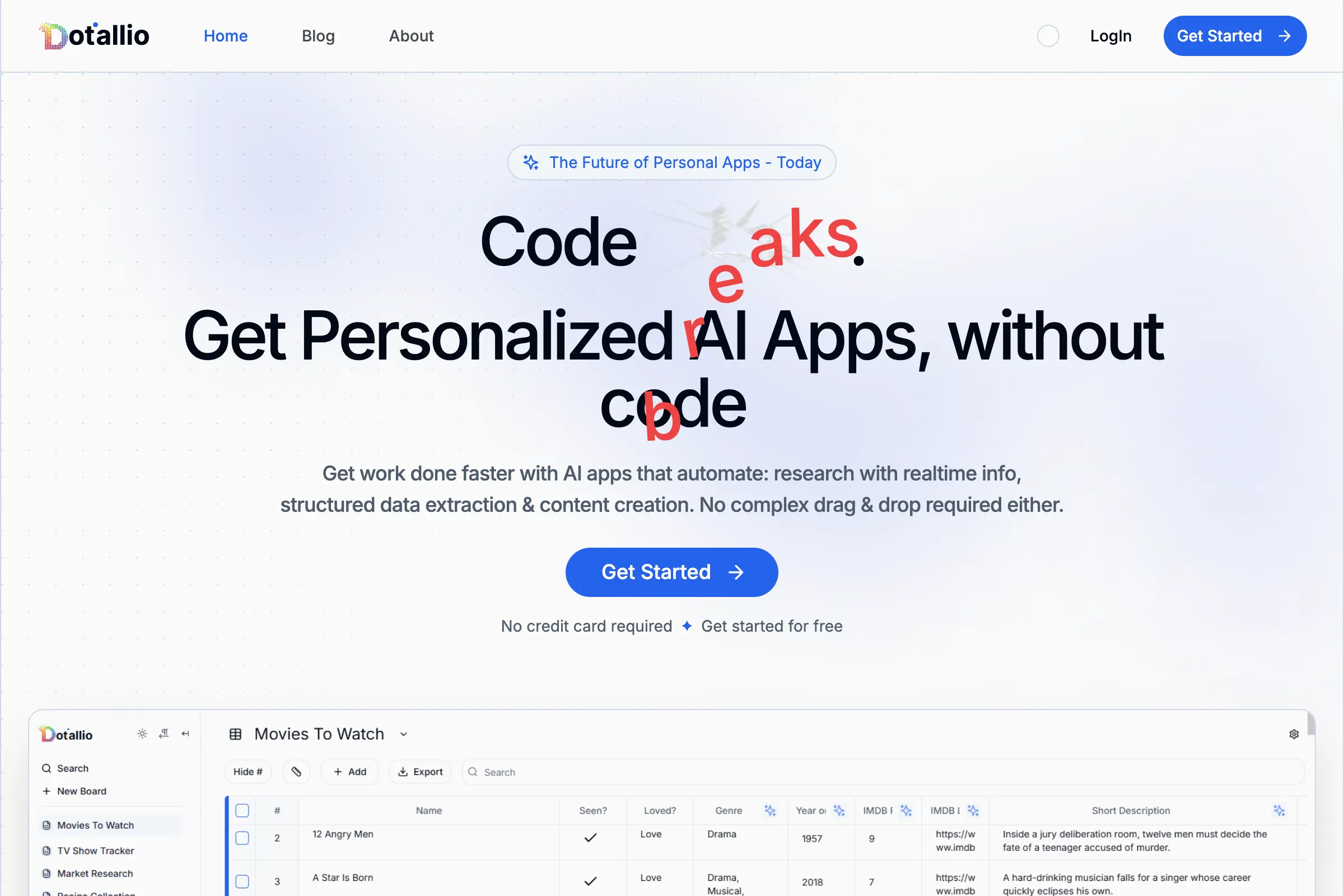
Dotallio
Personalized AI apps that automate research, data extraction, and content creation without code 🤖
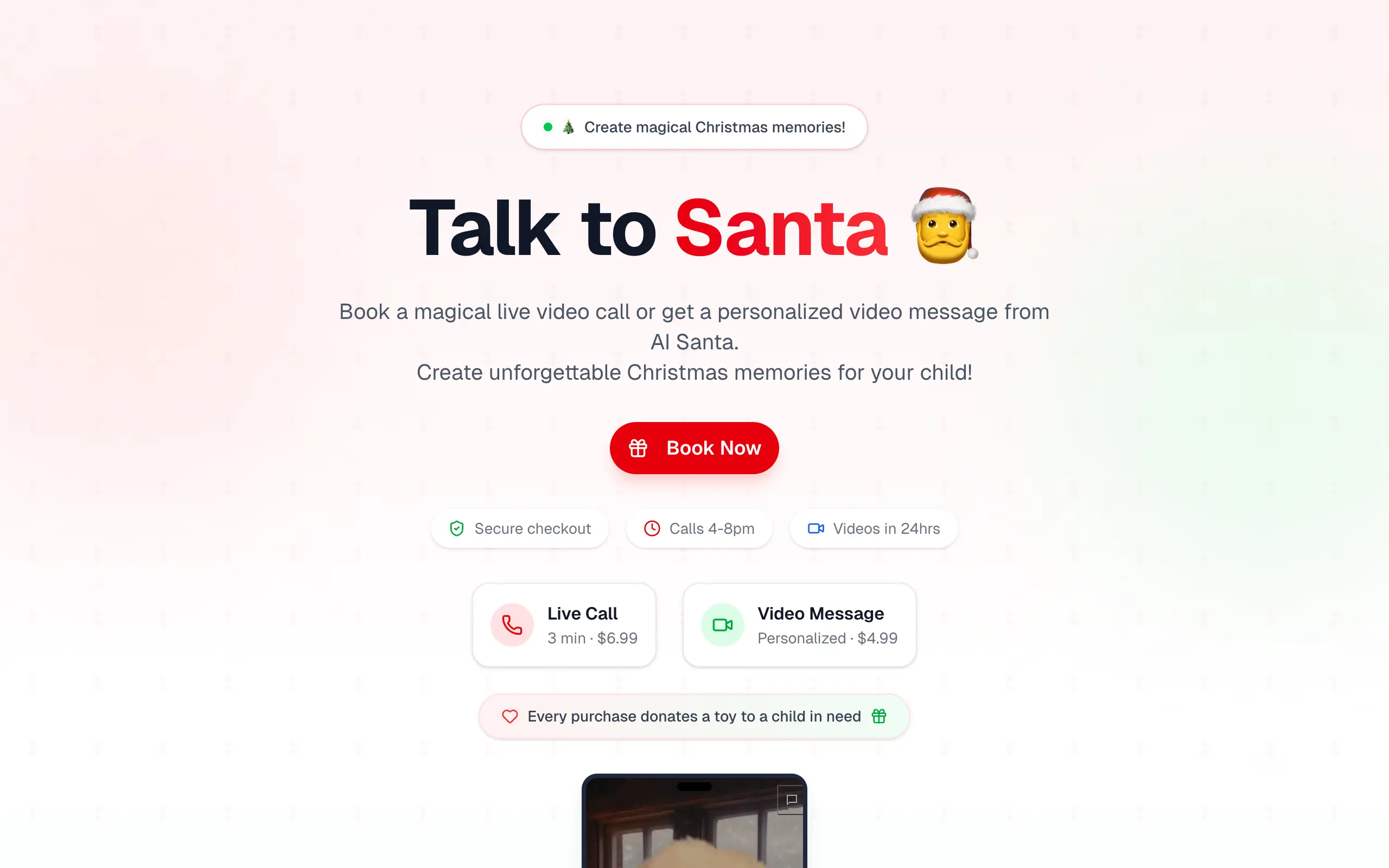
Talk to Santa
Enjoy a magical live video chat or receive a unique AI-generated video greeting from Santa Claus 🎅
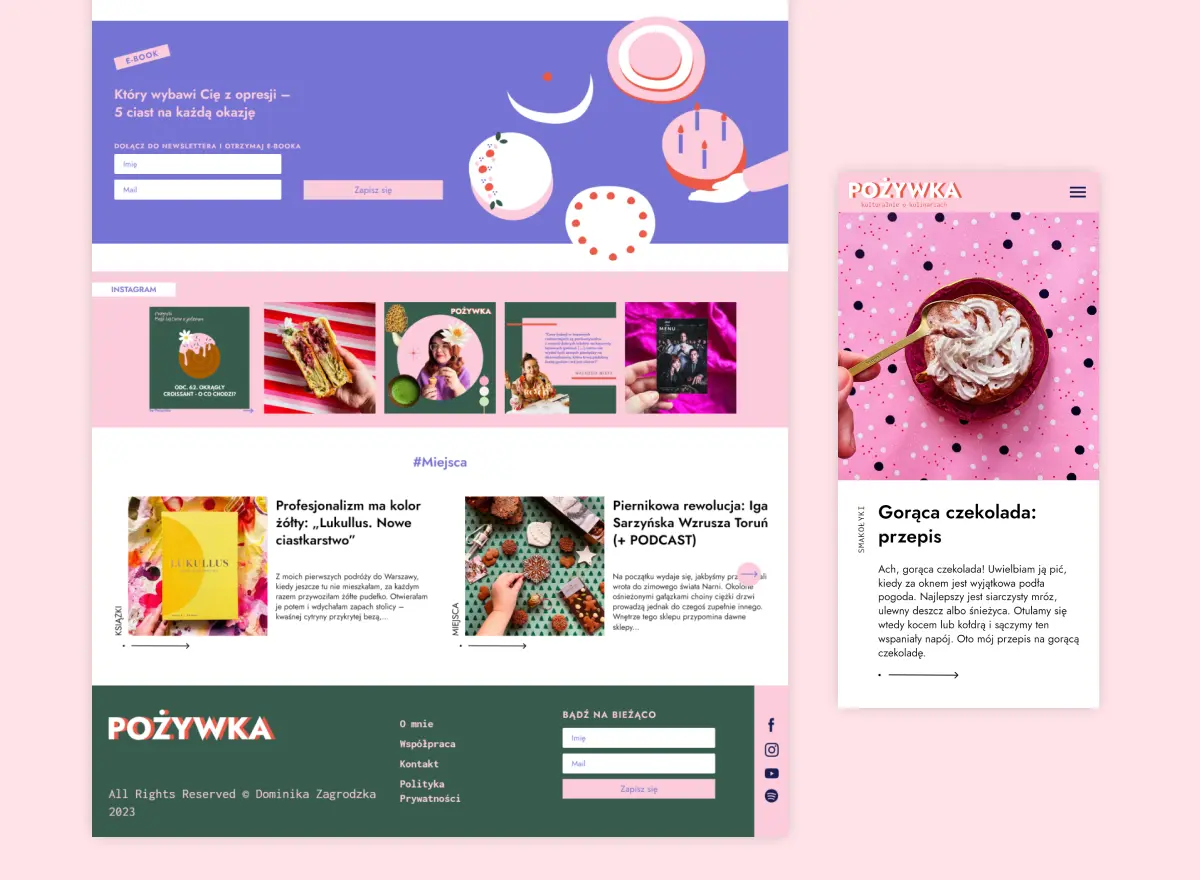
pozywka.pl
Scalable blog for food journalist, focused on performance and user experience 🌭
zagrodzki.me
Personal blog and portfolio of Bart Zagrodzki, where he shares his knowledge and work 💼
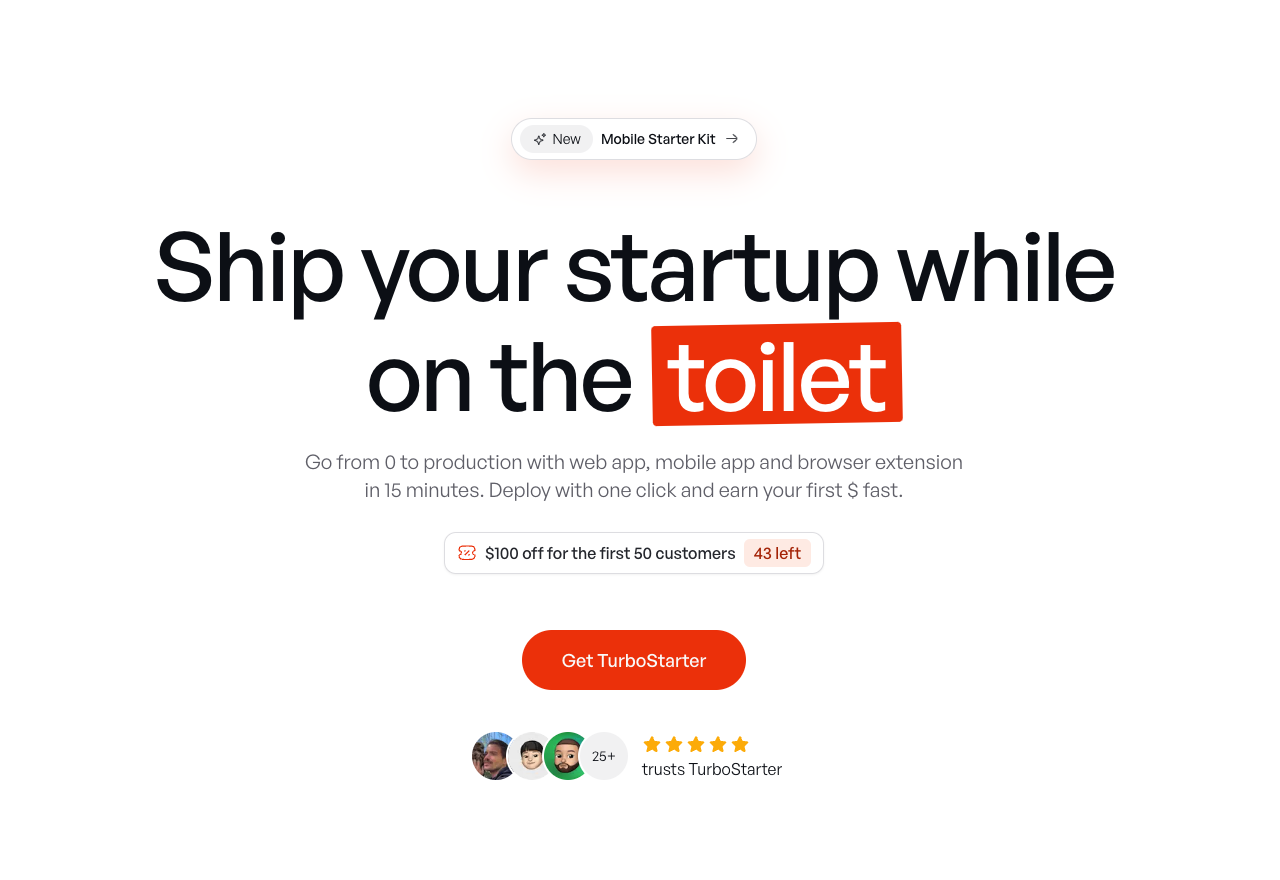
TurboStarter
Ship your startup everywhere. In minutes.
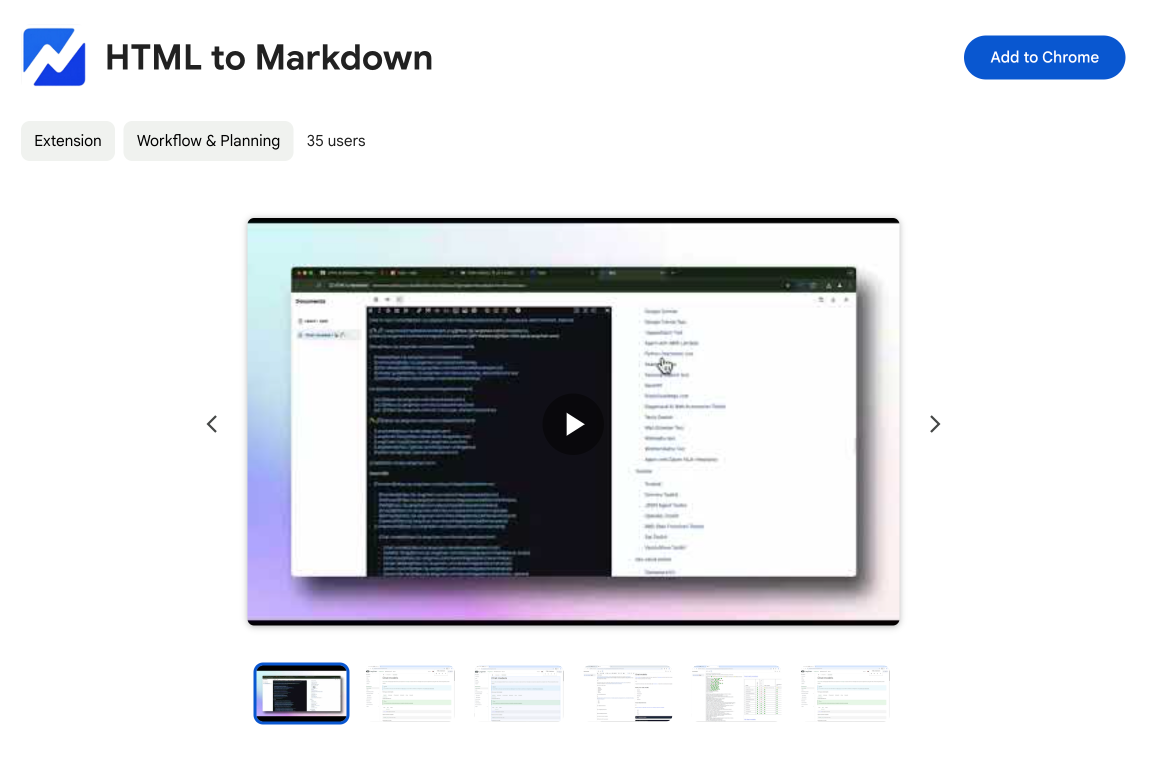
HTML to Markdown
Convert HTML to Markdown with ease, directly in your browser 📄
Dotallio
Personalized AI apps that automate research, data extraction, and content creation without code 🤖
Talk to Santa
Enjoy a magical live video chat or receive a unique AI-generated video greeting from Santa Claus 🎅
pozywka.pl
Scalable blog for food journalist, focused on performance and user experience 🌭
zagrodzki.me
Personal blog and portfolio of Bart Zagrodzki, where he shares his knowledge and work 💼
TurboStarter
Ship your startup everywhere. In minutes.
HTML to Markdown
Convert HTML to Markdown with ease, directly in your browser 📄
Dotallio
Personalized AI apps that automate research, data extraction, and content creation without code 🤖
Talk to Santa
Enjoy a magical live video chat or receive a unique AI-generated video greeting from Santa Claus 🎅
pozywka.pl
Scalable blog for food journalist, focused on performance and user experience 🌭
zagrodzki.me
Personal blog and portfolio of Bart Zagrodzki, where he shares his knowledge and work 💼
TurboStarter
Ship your startup everywhere. In minutes.
HTML to Markdown
Convert HTML to Markdown with ease, directly in your browser 📄
Dotallio
Personalized AI apps that automate research, data extraction, and content creation without code 🤖
Talk to Santa
Enjoy a magical live video chat or receive a unique AI-generated video greeting from Santa Claus 🎅
pozywka.pl
Scalable blog for food journalist, focused on performance and user experience 🌭
zagrodzki.me
Personal blog and portfolio of Bart Zagrodzki, where he shares his knowledge and work 💼
TurboStarter
Ship your startup everywhere. In minutes.
HTML to Markdown
Convert HTML to Markdown with ease, directly in your browser 📄
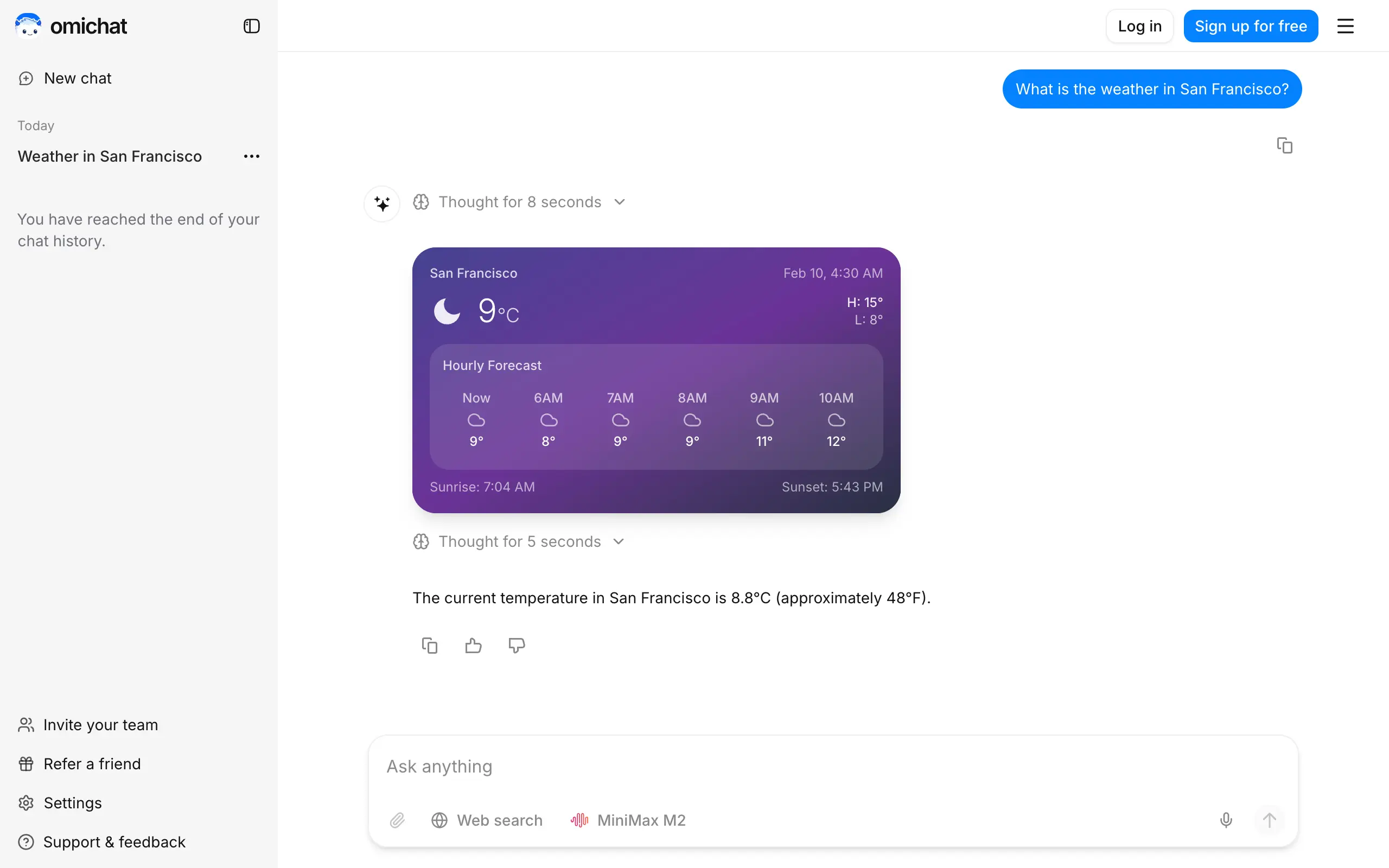
Omichat
Chat with 50+ AI models, including ChatGPT and Claude, in one place - switch models anytime without losing context 🤖
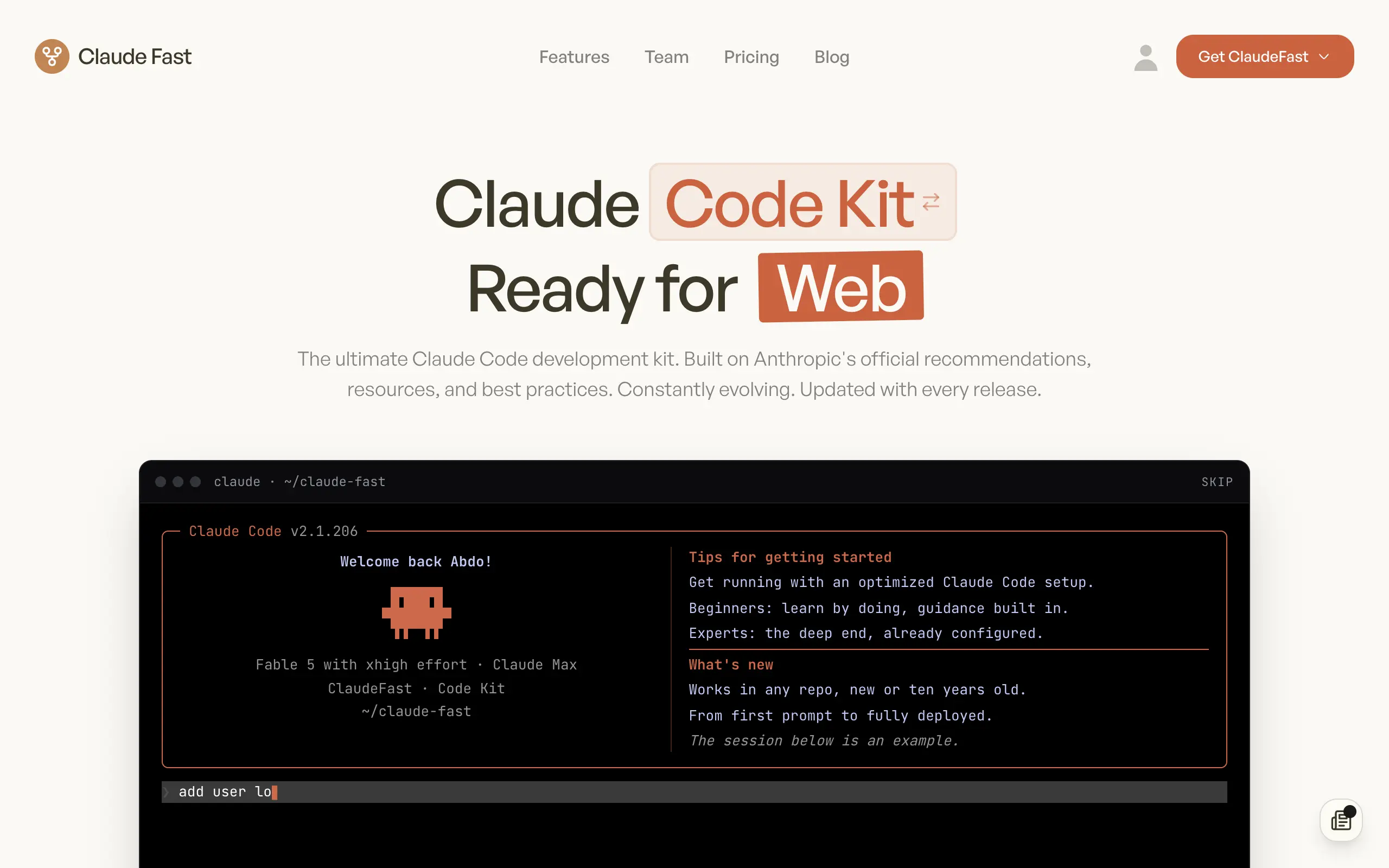
Claude Fast
Supercharge your Claude Code with 6x effective context window and specialized AI agents 🤖
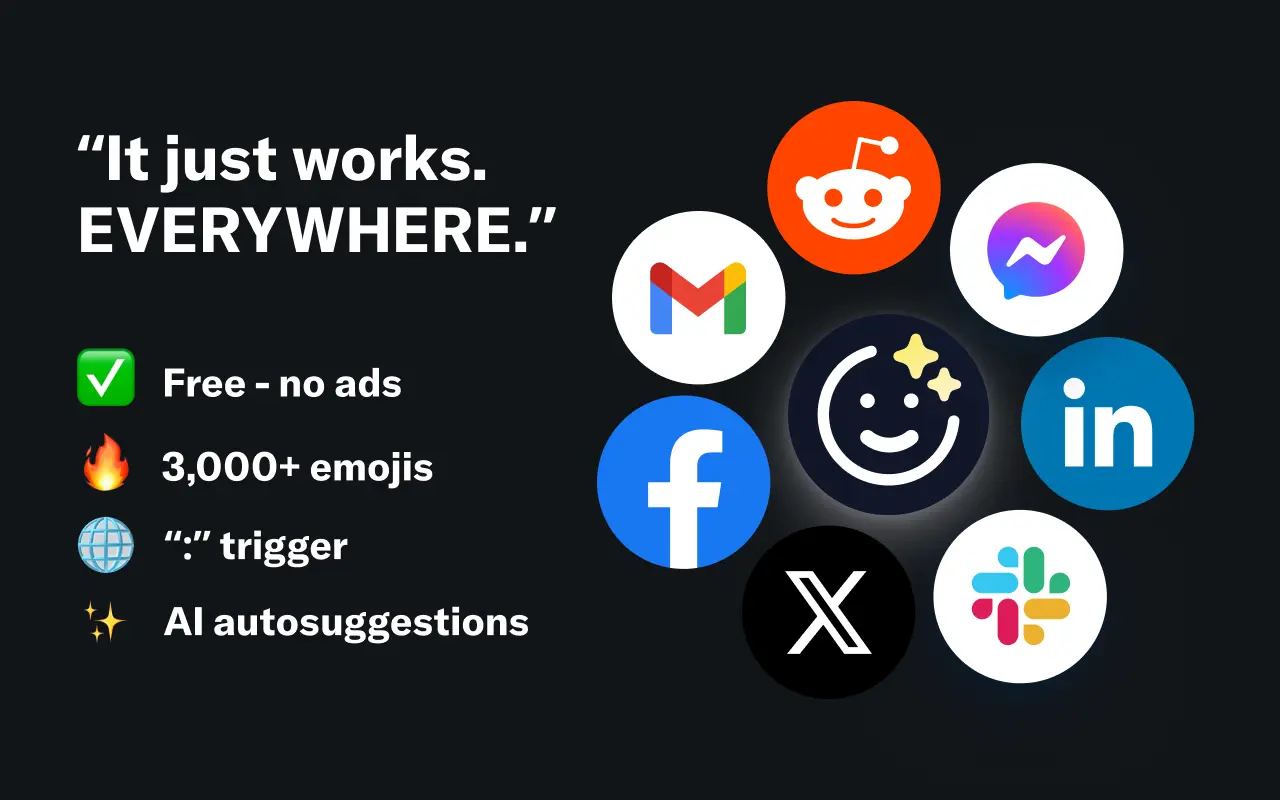
EmojAI
AI-powered emoji picker with smart, context-aware suggestions 🤖
Solohacker
Autonomous company launcher - AI agents work 24/7, escalate what matters, and you stay in control 🤖
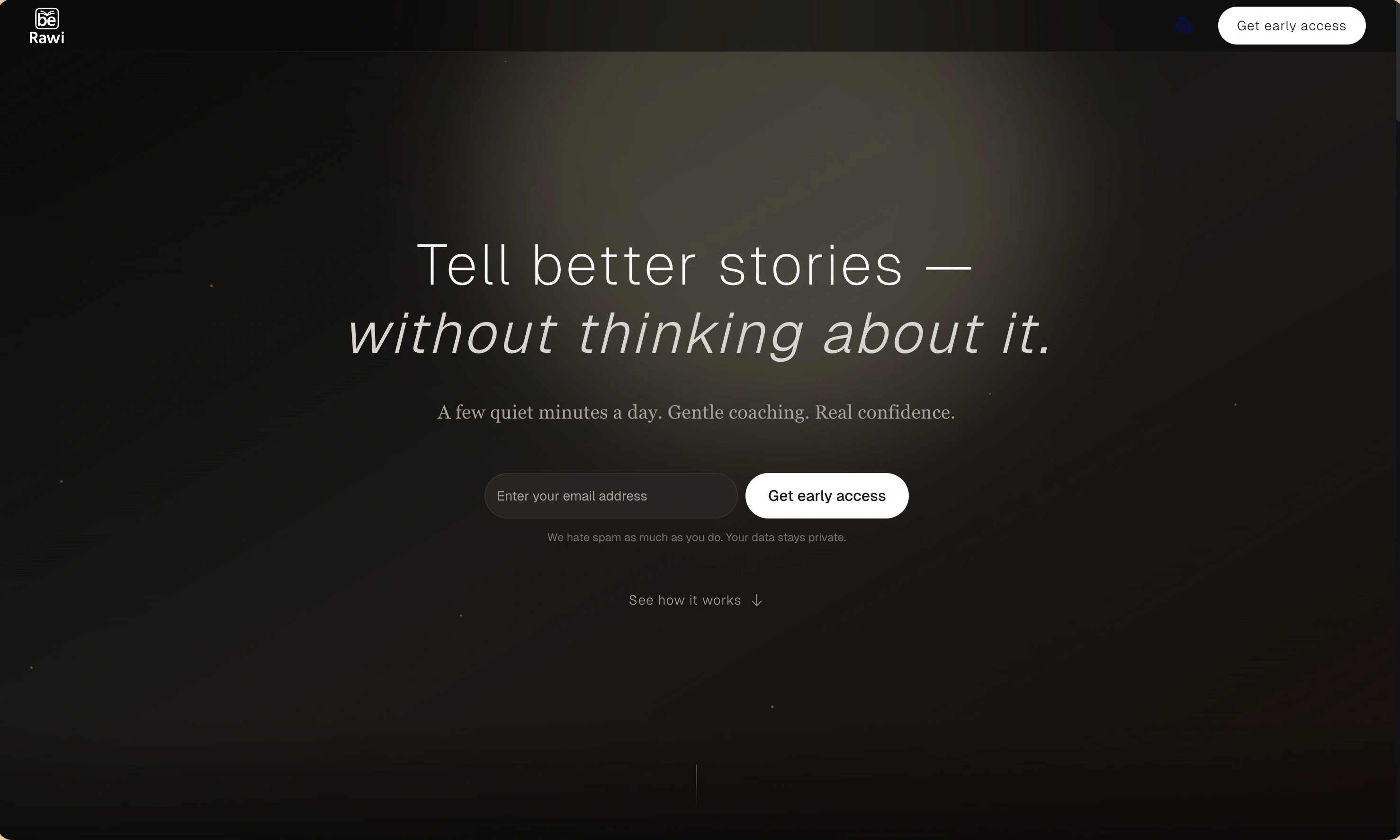
BeRawi: Storytelling Coach
Practice storytelling daily with instant feedback to sound clearer, more engaging, and confident 🎤
Omichat
Chat with 50+ AI models, including ChatGPT and Claude, in one place - switch models anytime without losing context 🤖
Claude Fast
Supercharge your Claude Code with 6x effective context window and specialized AI agents 🤖
EmojAI
AI-powered emoji picker with smart, context-aware suggestions 🤖
Solohacker
Autonomous company launcher - AI agents work 24/7, escalate what matters, and you stay in control 🤖
BeRawi: Storytelling Coach
Practice storytelling daily with instant feedback to sound clearer, more engaging, and confident 🎤
Omichat
Chat with 50+ AI models, including ChatGPT and Claude, in one place - switch models anytime without losing context 🤖
Claude Fast
Supercharge your Claude Code with 6x effective context window and specialized AI agents 🤖
EmojAI
AI-powered emoji picker with smart, context-aware suggestions 🤖
Solohacker
Autonomous company launcher - AI agents work 24/7, escalate what matters, and you stay in control 🤖
BeRawi: Storytelling Coach
Practice storytelling daily with instant feedback to sound clearer, more engaging, and confident 🎤
Omichat
Chat with 50+ AI models, including ChatGPT and Claude, in one place - switch models anytime without losing context 🤖
Claude Fast
Supercharge your Claude Code with 6x effective context window and specialized AI agents 🤖
EmojAI
AI-powered emoji picker with smart, context-aware suggestions 🤖
Solohacker
Autonomous company launcher - AI agents work 24/7, escalate what matters, and you stay in control 🤖
BeRawi: Storytelling Coach
Practice storytelling daily with instant feedback to sound clearer, more engaging, and confident 🎤

Connect with like-minded people
Join our community to get feedback, support, and grow together with 1,000+ builders on board, let's ship it!
Join usShip your startup everywhere. In minutes.
Don't burn tokens on setup and start building features on day one.