QuietQuest
Discover quiet, low-crowd spots nearby for work, relaxation, or study with real-time noise and crowd data from users and sensors.
quiet places finder app: a smarter way to discover calm spaces with QuietQuest
In a world that’s increasingly noisy, crowded, and overstimulating, the demand for calm, distraction-free environments is rising fast. Whether you’re a remote worker searching for focus, a student preparing for exams, or simply someone needing a mental reset, finding a quiet place nearby can feel surprisingly difficult.
This is where QuietQuest, a mobile SaaS platform for discovering low-noise, low-crowd spaces in real time, fills a critical gap.
Unlike generic location apps or review platforms, QuietQuest focuses on real-time environmental intelligence—combining user-generated data, sensor inputs, and predictive algorithms to surface the calmest spots around you.
This article breaks down the full opportunity behind QuietQuest—from market demand and core features to monetization, technical architecture, and go-to-market strategy.
understanding the search intent behind “quiet places near me”
Users searching for quiet places are not just browsing—they have immediate, situational intent. Common motivations include:
- Finding a quiet place to work remotely
- Studying without distractions
- Escaping crowded environments
- Managing sensory sensitivity or anxiety
- Seeking relaxation or mindfulness spaces
The problem? Most existing tools fail to deliver real-time accuracy.
current solutions fall short
- Google Maps: Shows popularity trends, but not actual noise levels
- Yelp: Reviews are static and subjective
- Coworking apps: Limited to paid spaces
- Noise apps: Focus on white noise, not real environments
QuietQuest bridges this gap by offering live, actionable insights.
target audience analysis for QuietQuest
Understanding the user base is essential for both product design and growth.
primary segments
Remote workers & freelancers
Need consistent, quiet environments for deep work outside the home.
Students
Looking for study-friendly locations with minimal distractions.
Digital nomads
Require reliable quiet spaces in unfamiliar cities.
Neurodivergent individuals
Sensitive to noise and crowds; need predictable environments.
secondary segments
- Travelers seeking peaceful stops
- Creatives needing inspiration without noise
- Professionals taking calls or meetings on the go
behavioral traits
These users:
- Value real-time accuracy
- Are mobile-first
- Prefer data-driven decisions
- Often act on urgency
market opportunity and gap analysis
The convergence of several trends makes QuietQuest particularly timely:
1. rise of remote and hybrid work
According to sources like McKinsey and Gallup (cite appropriately), a significant portion of the workforce now operates remotely at least part-time. This creates demand for third spaces beyond home and office.
2. mental wellness awareness
Apps like Calm and Headspace have normalized mindfulness, but physical environments still play a crucial role.
3. urban overcrowding
Cities are becoming denser, making quiet spaces rarer—and more valuable.
4. sensor and IoT advancements
Affordable decibel sensors and smartphone capabilities enable real-time environmental data collection.
Market insight
QuietQuest doesn’t just compete with apps—it creates a new category: real-time environmental discovery.
core features of QuietQuest
To succeed, QuietQuest must deliver both precision and simplicity.
1. real-time noise level tracking
- Decibel readings from:
- Smartphone microphones (opt-in)
- Installed sensors in partner locations
- Visual indicators:
- Green (quiet)
- Yellow (moderate)
- Red (noisy)
2. crowd density insights
- User check-ins
- Passive location signals (privacy-first)
- Predictive modeling based on time/day patterns
3. personalized recommendations
- Based on:
- Time of day
- User preferences
- Past behavior
4. map-based discovery
- Interactive map showing:
- Quiet zones
- Trending spots
- Hidden gems
5. filtering options
Users can filter by:
- Noise level
- WiFi availability
- Seating comfort
- Power outlets
- Indoor vs outdoor
6. community contributions
- Users can:
- Rate noise levels
- Upload tips
- Flag changes
7. predictive quiet windows
Using historical data, QuietQuest can suggest:
- “This café is quiet between 2–4 PM”
- “Avoid this park on weekends”
how QuietQuest works: system architecture overview
data sources
- User-submitted noise levels
- Check-ins and reviews
- Behavioral patterns
- IoT decibel sensors
- Venue integrations
- Environmental APIs
processing pipeline
// simplified data flow
function getQuietScore(location) {
  const noise = getNoiseLevel(location);
  const crowd = getCrowdDensity(location);
  const historical = getHistoricalTrends(location);

  return (noise * 0.5) + (crowd * 0.3) + (historical * 0.2);
}
output
- Quiet score (0–100)
- Real-time status
- Predictions
recommended tech stack for QuietQuest
Choosing the right stack is critical for scalability and performance.
frontend (mobile)
- React Native — cross-platform efficiency
- Expo — faster prototyping
backend
- Node.js with NestJS
- GraphQL for flexible queries
database
- PostgreSQL — structured data
- Redis — real-time caching
real-time layer
- WebSockets (Socket.IO)
- Firebase for push notifications
machine learning
- Python microservices
- TensorFlow Lite for mobile predictions
maps & geolocation
- Mapbox or Google Maps API
IoT integration
- MQTT protocol for sensor communication
Trade-off consideration
Using real-time data streams increases infrastructure cost significantly. Efficient caching and batching strategies are essential.
monetization strategies for QuietQuest
A strong SaaS model requires diversified revenue streams.
1. freemium model
- Free tier:
- Basic search
- Limited filters
- Premium tier:
- Advanced filters
- Predictive insights
- Ad-free experience
2. location partnerships
Businesses can:
- Promote their “quiet hours”
- Pay for featured placement
3. B2B API access
Offer APIs for:
- Coworking platforms
- Travel apps
- Smart city dashboards
4. subscription tiers
| Feature | Free | Pro | Business | Enterprise |
|---|---|---|---|---|
| Real-time data | ✅ | ✅ | ✅ | ✅ |
| Predictive insights | ❌ | ✅ | ✅ | ✅ |
competitive landscape and differentiation
key competitors
- Google Maps
- Yelp
- Workfrom
- Croissant (coworking)
QuietQuest’s unique advantages
- Real-time noise + crowd data
- Predictive quiet windows
- Sensor + community hybrid model
- Focused niche (not generic discovery)
QuietQuest wins by specializing. It doesn’t try to be everything—it solves one problem exceptionally well.
potential risks and mitigation strategies
1. data accuracy issues
Risk: Inconsistent or inaccurate user input
Mitigation:
- Weighted scoring system
- Sensor validation
- Reputation-based contributions
2. privacy concerns
Risk: Users may hesitate to share location/audio data
Mitigation:
- Transparent policies
- On-device processing
- Opt-in features only
3. network effects challenge
Risk: Low initial data density
Mitigation:
- Seed data in major cities
- Partner with venues
- Incentivize early users
4. hardware dependency
Risk: Sensor rollout is expensive
Mitigation:
- Start with user-generated data
- Expand sensors gradually
go-to-market strategy
phase 1: launch in dense urban areas
Target cities like:
- New York
- London
- Tokyo
These locations maximize:
- User density
- Data richness
phase 2: niche communities
- Students (universities)
- Remote work communities
- Neurodivergent groups
phase 3: partnerships
- Cafés and libraries
- Coworking spaces
- Smart city initiatives
actionable steps to build QuietQuest
MVP feature checklist
- Map interface
- Noise level input
- Basic filtering
- User accounts
- Simple scoring algorithm
growth strategies and scalability
user acquisition
- SEO targeting “quiet places near me”
- TikTok and Instagram demos
- Reddit communities (r/digitalnomad, r/study)
retention
- Notifications:
- “Quiet now near you”
- Personalization
- Gamification (badges for contributors)
expansion
- Add indoor navigation
- Integrate AR overlays
- Smartwatch support
future opportunities
QuietQuest can evolve into a broader environmental intelligence platform:
- Air quality tracking
- Lighting conditions
- Temperature comfort scores
This opens doors to:
- Smart city integrations
- Workplace analytics
- Health and wellness ecosystems
why QuietQuest stands out in the SaaS landscape
QuietQuest is not just another app—it’s a context-aware decision engine for physical spaces.
Its strength lies in:
- Real-time insights
- Clear user value
- Strong network effects
- Scalable data model
Unlike saturated SaaS categories, this idea taps into a behavioral need that is growing, underserved, and monetizable.
building QuietQuest faster with the right tools
Speed matters. Instead of building everything from scratch, using a modern SaaS starter kit can drastically reduce development time.
TurboStarter provides:
- Authentication
- Billing integration
- Scalable architecture
- Prebuilt UI components
This allows you to focus on core differentiation, not boilerplate.
final thoughts: should you build QuietQuest?
If you’re looking for a SaaS idea with:
- Clear user pain point
- Strong retention potential
- Real-world impact
- Scalable data advantage
QuietQuest checks all the boxes.
The key to success lies in execution:
- Start small
- Focus on accuracy
- Build trust early
The demand for calm spaces isn’t going away—in fact, it’s accelerating. QuietQuest positions itself at the intersection of technology, wellness, and urban living.
And that’s a powerful place to be.
More 📱 Mobile App SaaS ideas
Discover more innovative mobile app SaaS ideas that are trending in 2026. Each idea is AI-generated with market validation and growth potential to help you find your next profitable venture faster than competitors.
Your competitors are building with TurboStarter
Below are some of the SaaS ideas that have been generated and built with our starter kit.
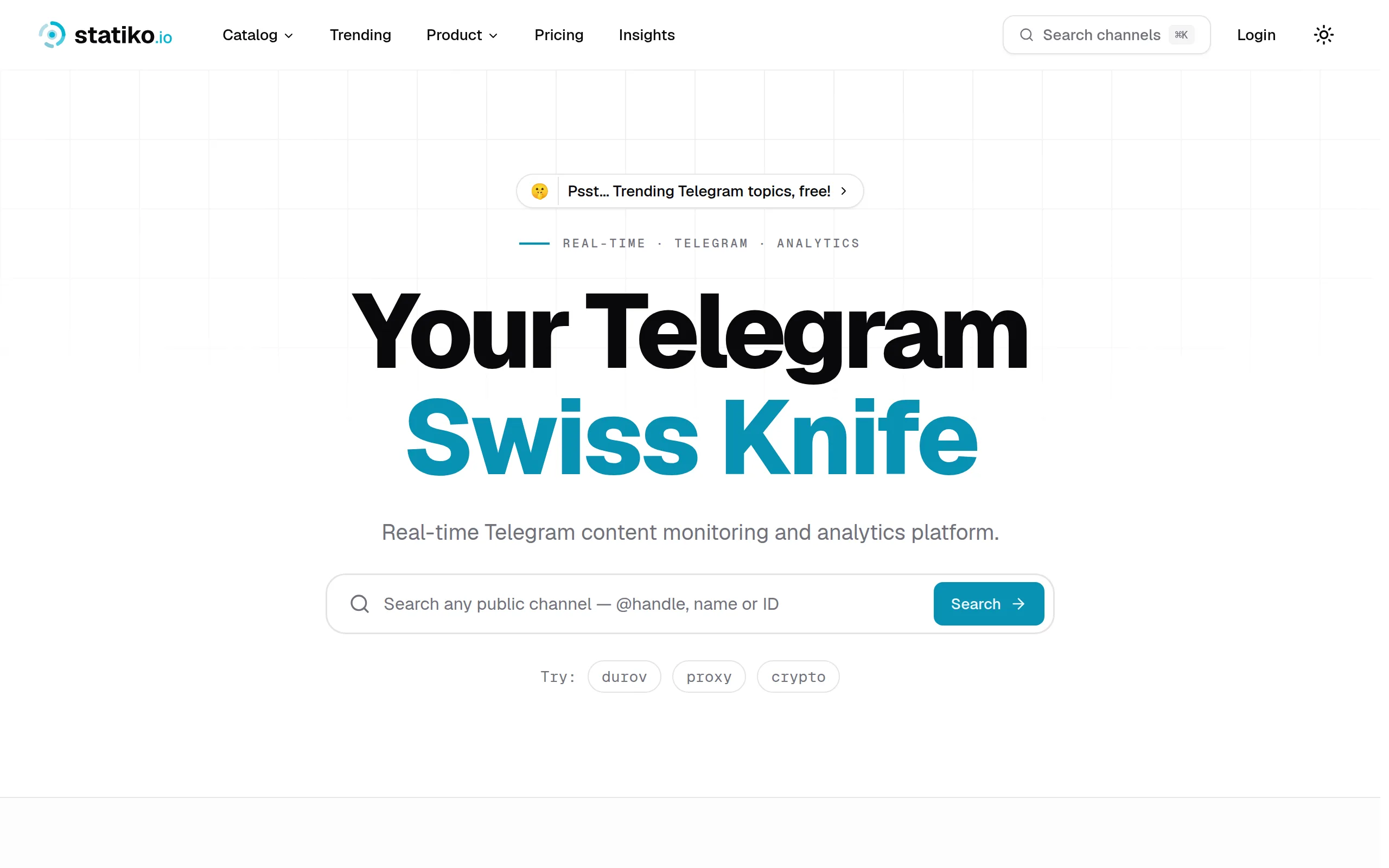
Statiko
Monitor any Telegram channel in real time - track posts, edits, deletions, and growth with AI recaps 📡
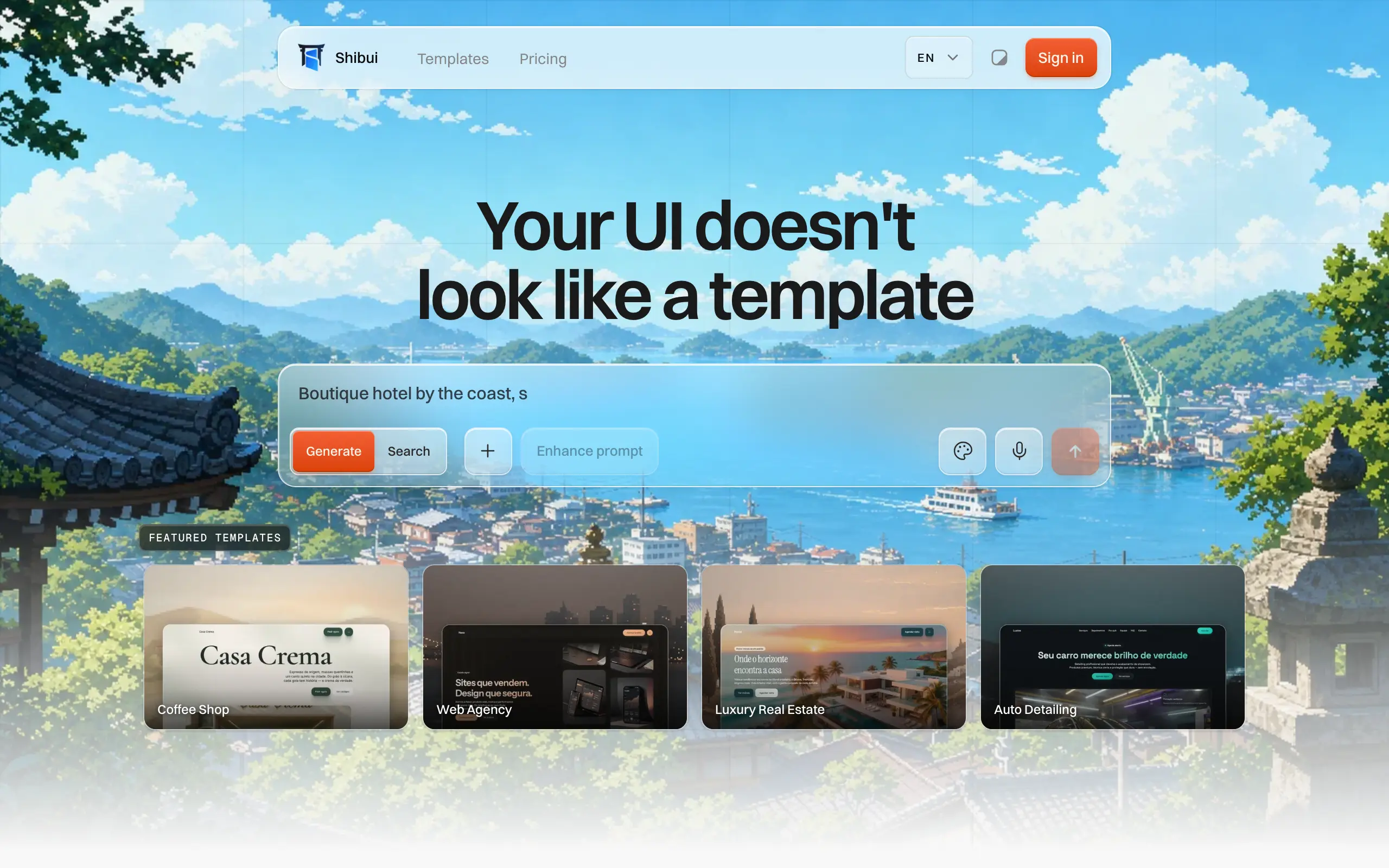
Shibui
AI website builder - describe your business, pick a niche template, edit by chatting, and publish instantly ✨

Pro Service
Find verified home service professionals, compare quotes, and pay securely through escrow - built for Brazilians across the US 🏠
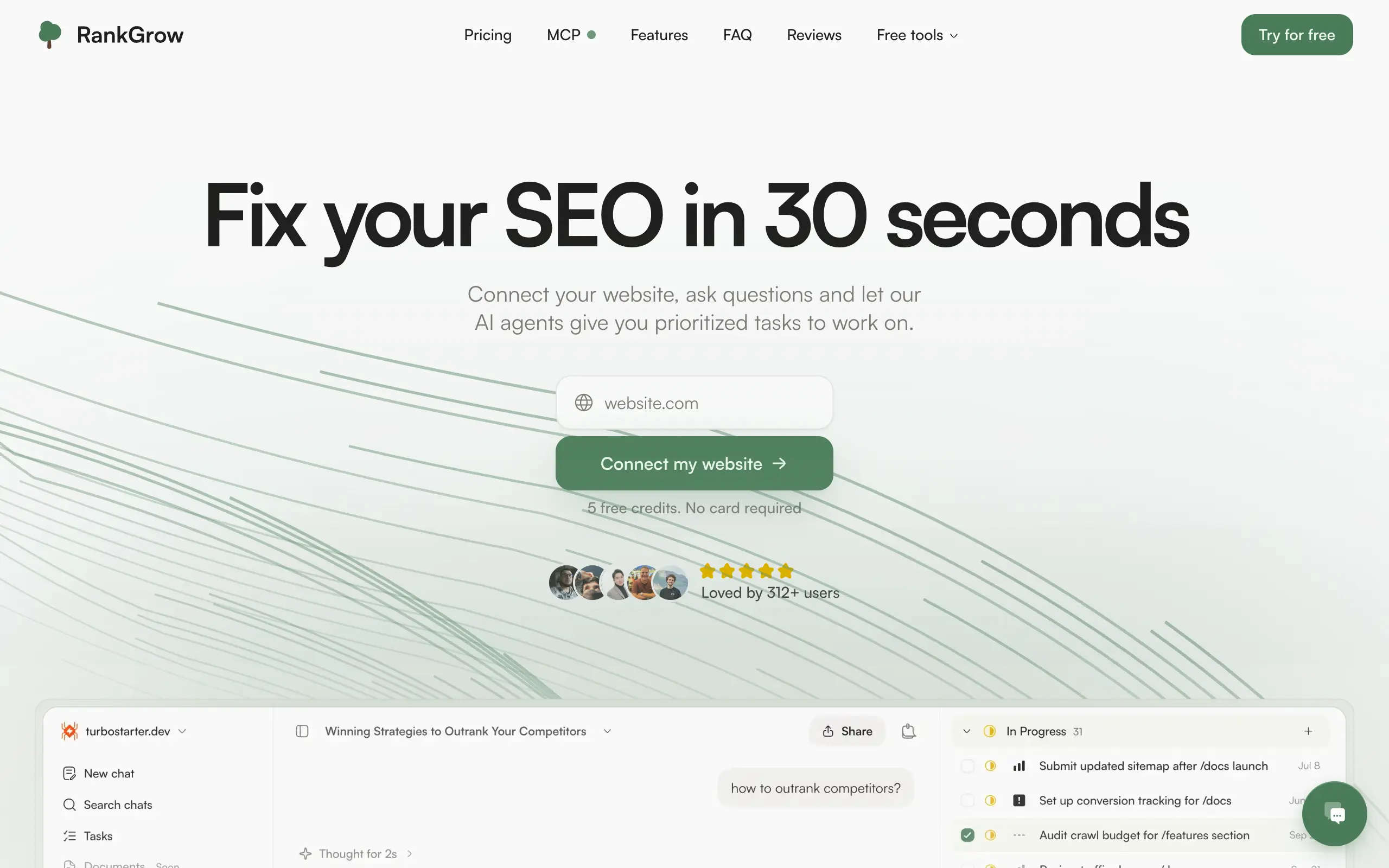
RankGrow
Fix your SEO with AI agents - connect Search Console, get prioritized tasks, and grow organic traffic 📈
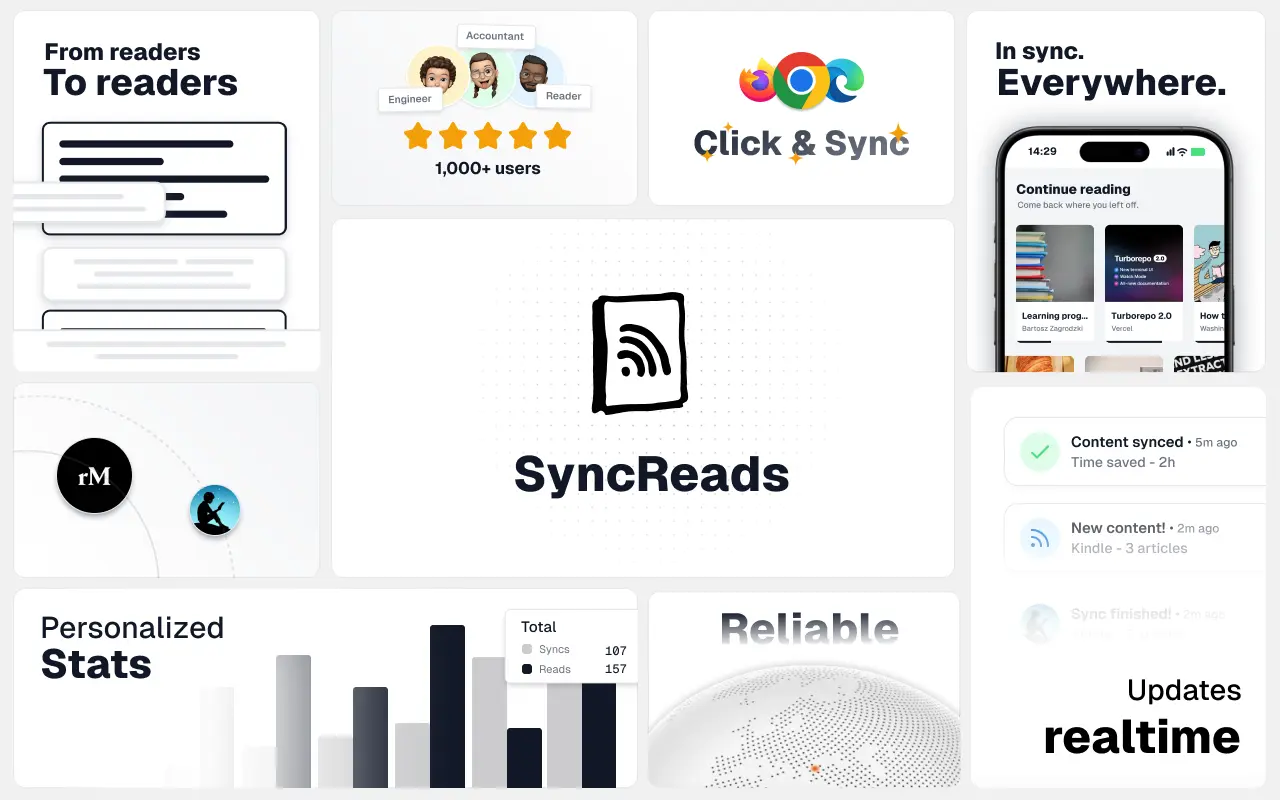
SyncReads
Sync your favorite content for distraction-free reading, save time and replace multiple apps. Anytime, anywhere 🔄
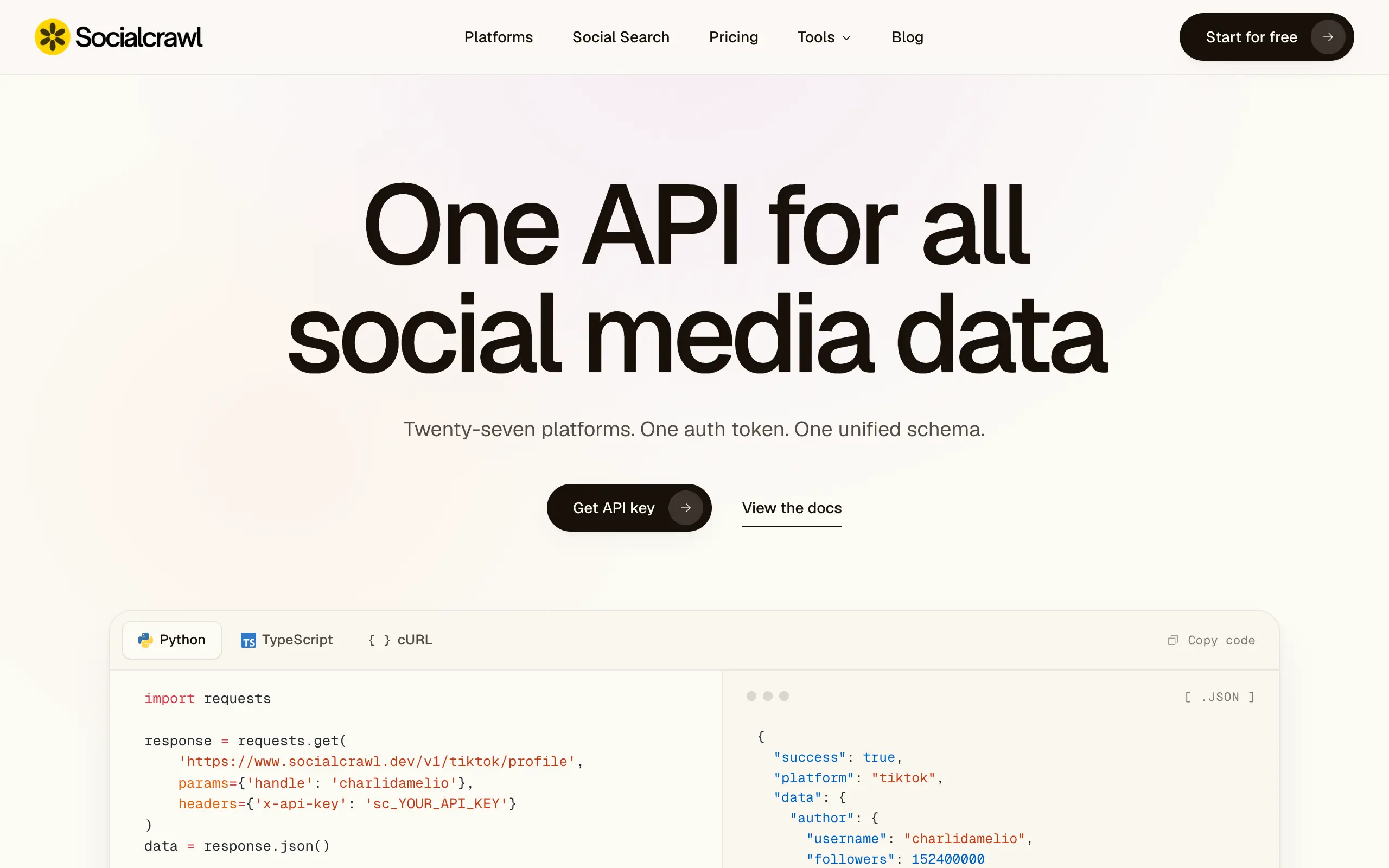
Socialcrawl
Get clean, structured data from 21 platforms like TikTok, Instagram, and YouTube with a single request 📊
Statiko
Monitor any Telegram channel in real time - track posts, edits, deletions, and growth with AI recaps 📡
Shibui
AI website builder - describe your business, pick a niche template, edit by chatting, and publish instantly ✨
Pro Service
Find verified home service professionals, compare quotes, and pay securely through escrow - built for Brazilians across the US 🏠
RankGrow
Fix your SEO with AI agents - connect Search Console, get prioritized tasks, and grow organic traffic 📈
SyncReads
Sync your favorite content for distraction-free reading, save time and replace multiple apps. Anytime, anywhere 🔄
Socialcrawl
Get clean, structured data from 21 platforms like TikTok, Instagram, and YouTube with a single request 📊
Statiko
Monitor any Telegram channel in real time - track posts, edits, deletions, and growth with AI recaps 📡
Shibui
AI website builder - describe your business, pick a niche template, edit by chatting, and publish instantly ✨
Pro Service
Find verified home service professionals, compare quotes, and pay securely through escrow - built for Brazilians across the US 🏠
RankGrow
Fix your SEO with AI agents - connect Search Console, get prioritized tasks, and grow organic traffic 📈
SyncReads
Sync your favorite content for distraction-free reading, save time and replace multiple apps. Anytime, anywhere 🔄
Socialcrawl
Get clean, structured data from 21 platforms like TikTok, Instagram, and YouTube with a single request 📊
Statiko
Monitor any Telegram channel in real time - track posts, edits, deletions, and growth with AI recaps 📡
Shibui
AI website builder - describe your business, pick a niche template, edit by chatting, and publish instantly ✨
Pro Service
Find verified home service professionals, compare quotes, and pay securely through escrow - built for Brazilians across the US 🏠
RankGrow
Fix your SEO with AI agents - connect Search Console, get prioritized tasks, and grow organic traffic 📈
SyncReads
Sync your favorite content for distraction-free reading, save time and replace multiple apps. Anytime, anywhere 🔄
Socialcrawl
Get clean, structured data from 21 platforms like TikTok, Instagram, and YouTube with a single request 📊
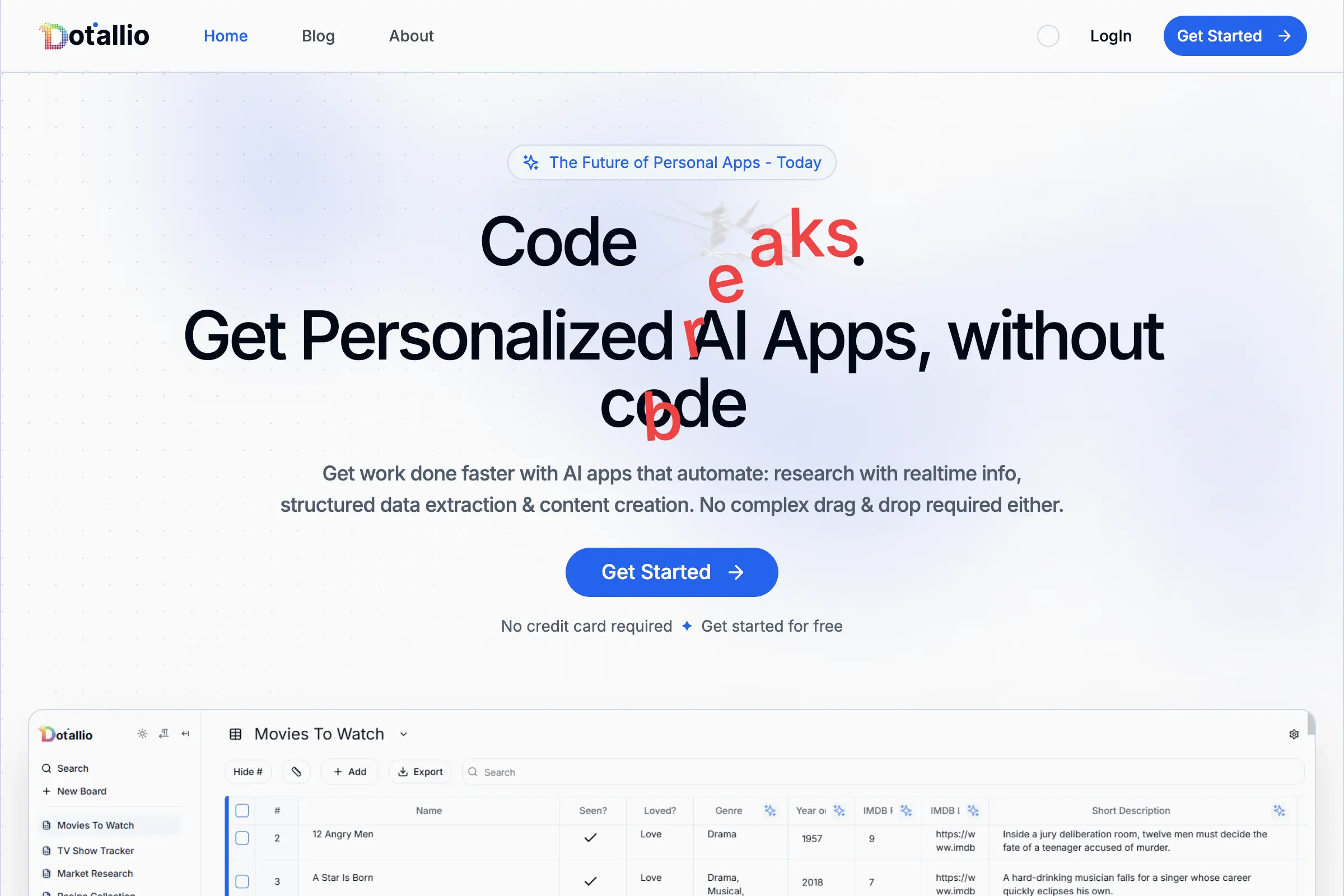
Dotallio
Personalized AI apps that automate research, data extraction, and content creation without code 🤖
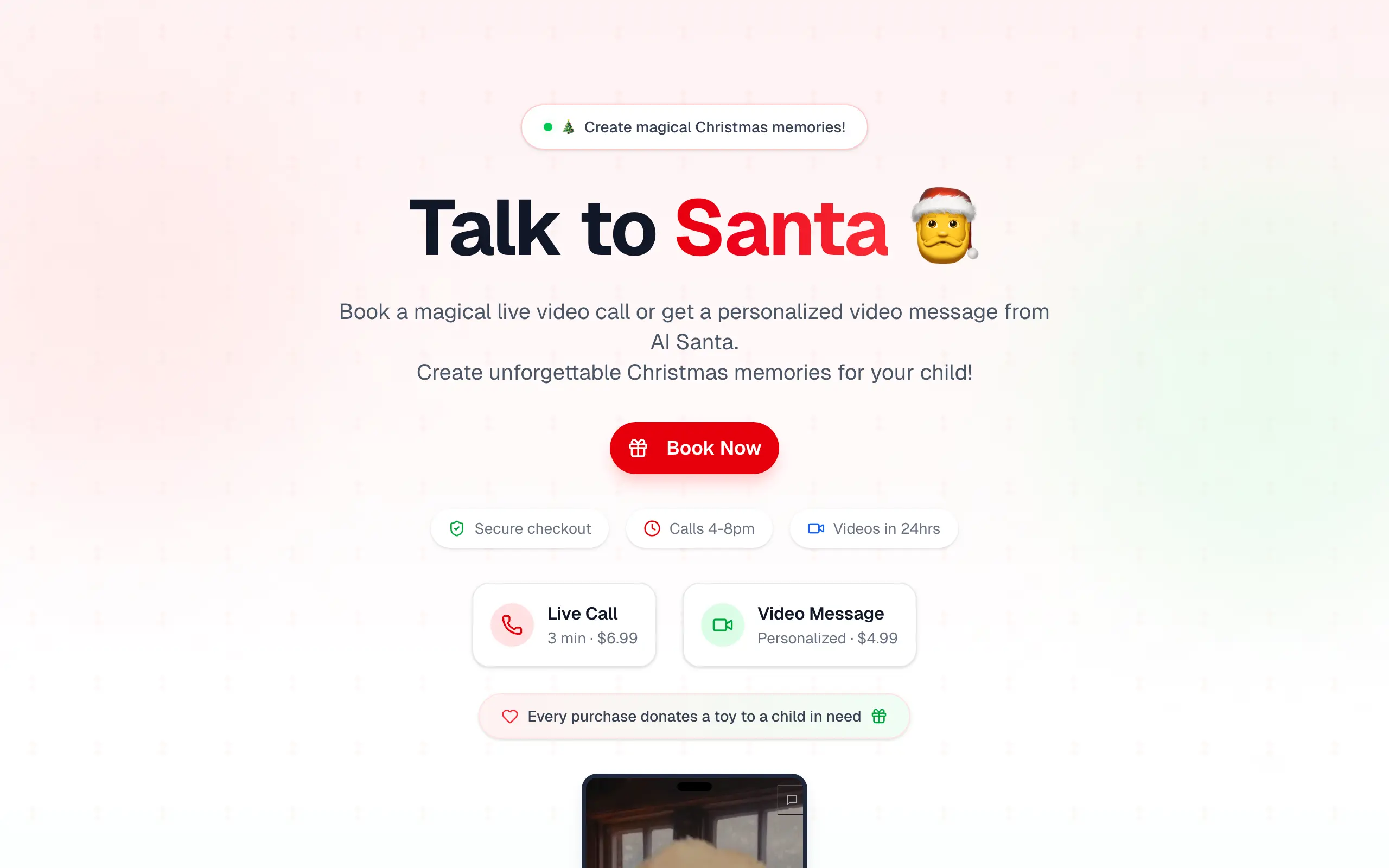
Talk to Santa
Enjoy a magical live video chat or receive a unique AI-generated video greeting from Santa Claus 🎅
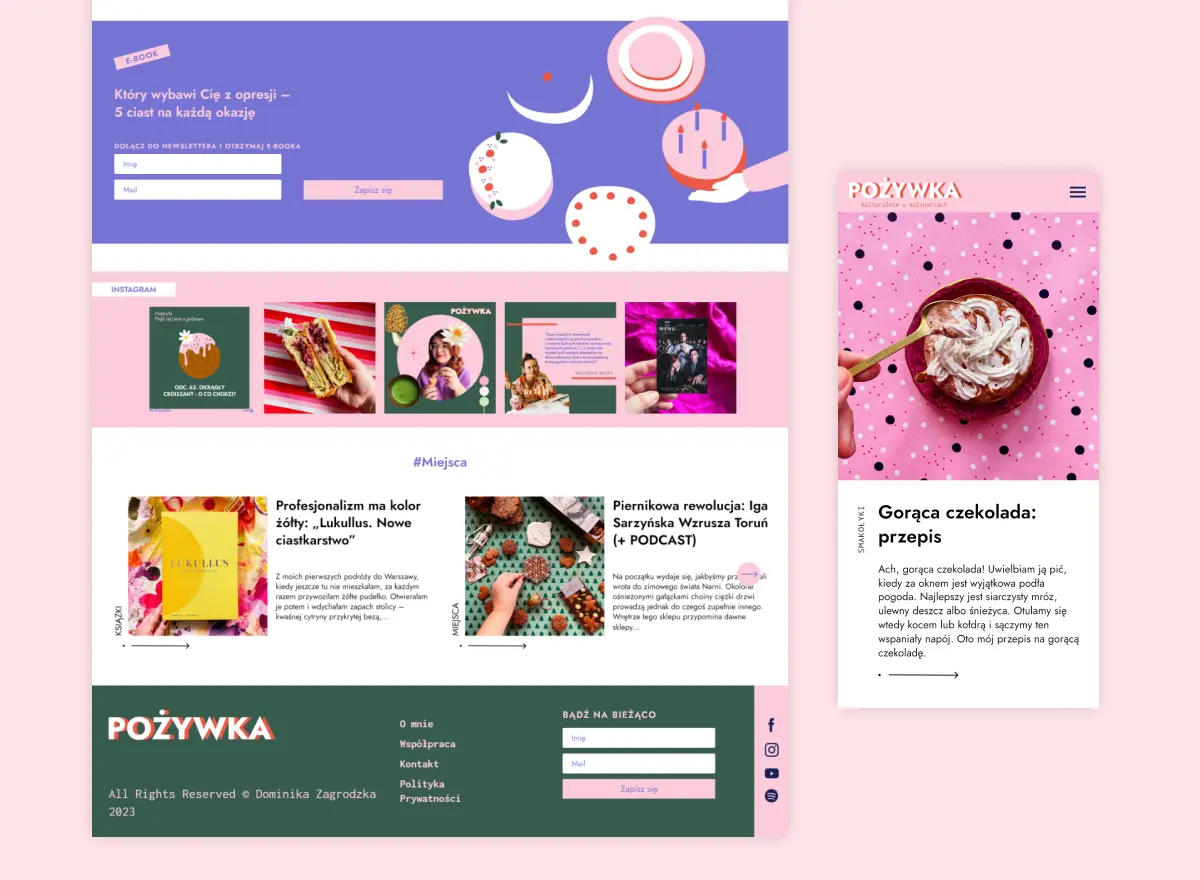
pozywka.pl
Scalable blog for food journalist, focused on performance and user experience 🌭
zagrodzki.me
Personal blog and portfolio of Bart Zagrodzki, where he shares his knowledge and work 💼
TurboStarter
Ship your startup everywhere. In minutes.
HTML to Markdown
Convert HTML to Markdown with ease, directly in your browser 📄
Dotallio
Personalized AI apps that automate research, data extraction, and content creation without code 🤖
Talk to Santa
Enjoy a magical live video chat or receive a unique AI-generated video greeting from Santa Claus 🎅
pozywka.pl
Scalable blog for food journalist, focused on performance and user experience 🌭
zagrodzki.me
Personal blog and portfolio of Bart Zagrodzki, where he shares his knowledge and work 💼
TurboStarter
Ship your startup everywhere. In minutes.
HTML to Markdown
Convert HTML to Markdown with ease, directly in your browser 📄
Dotallio
Personalized AI apps that automate research, data extraction, and content creation without code 🤖
Talk to Santa
Enjoy a magical live video chat or receive a unique AI-generated video greeting from Santa Claus 🎅
pozywka.pl
Scalable blog for food journalist, focused on performance and user experience 🌭
zagrodzki.me
Personal blog and portfolio of Bart Zagrodzki, where he shares his knowledge and work 💼
TurboStarter
Ship your startup everywhere. In minutes.
HTML to Markdown
Convert HTML to Markdown with ease, directly in your browser 📄
Dotallio
Personalized AI apps that automate research, data extraction, and content creation without code 🤖
Talk to Santa
Enjoy a magical live video chat or receive a unique AI-generated video greeting from Santa Claus 🎅
pozywka.pl
Scalable blog for food journalist, focused on performance and user experience 🌭
zagrodzki.me
Personal blog and portfolio of Bart Zagrodzki, where he shares his knowledge and work 💼
TurboStarter
Ship your startup everywhere. In minutes.
HTML to Markdown
Convert HTML to Markdown with ease, directly in your browser 📄
Omichat
Chat with 50+ AI models, including ChatGPT and Claude, in one place - switch models anytime without losing context 🤖
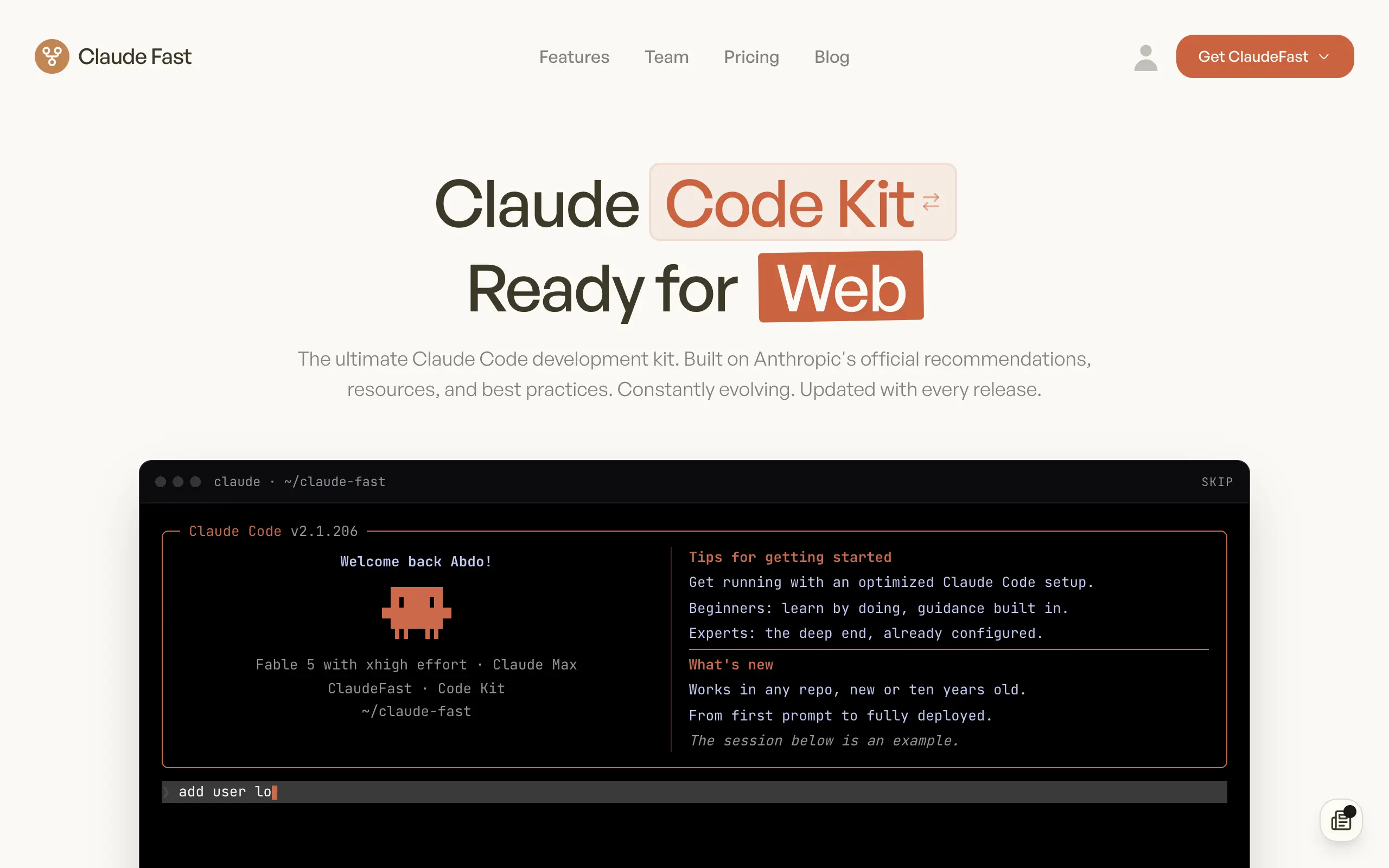
Claude Fast
Supercharge your Claude Code with 6x effective context window and specialized AI agents 🤖
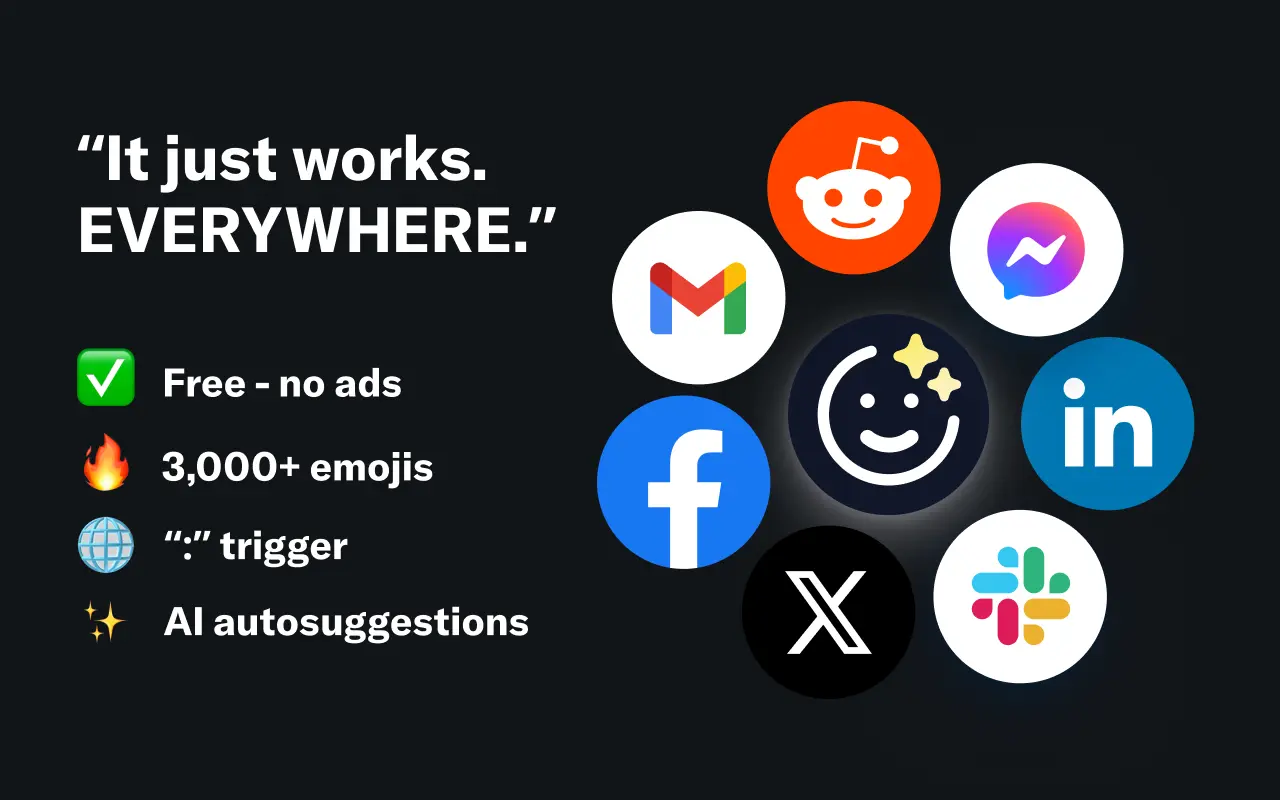
EmojAI
AI-powered emoji picker with smart, context-aware suggestions 🤖
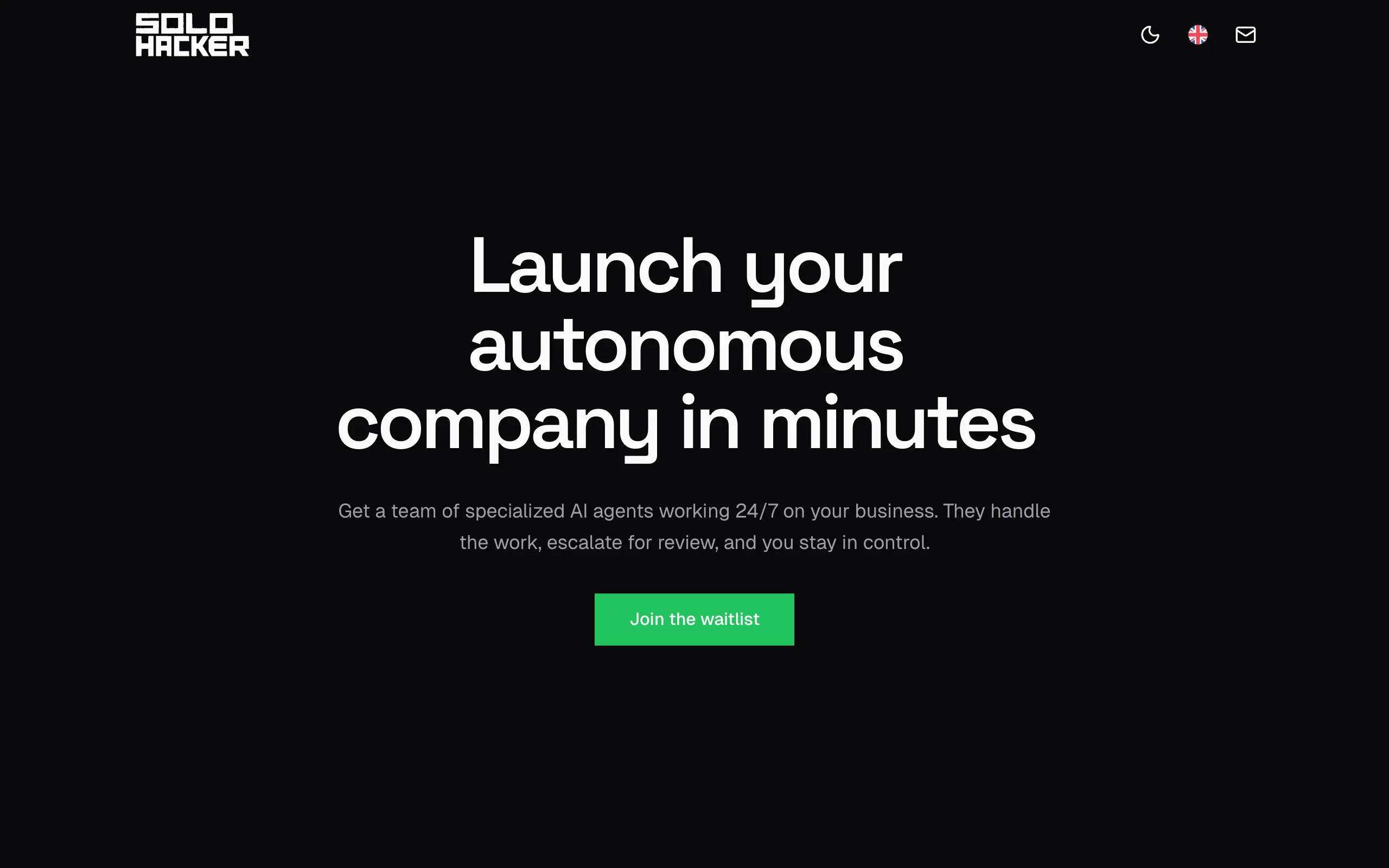
Solohacker
Autonomous company launcher - AI agents work 24/7, escalate what matters, and you stay in control 🤖
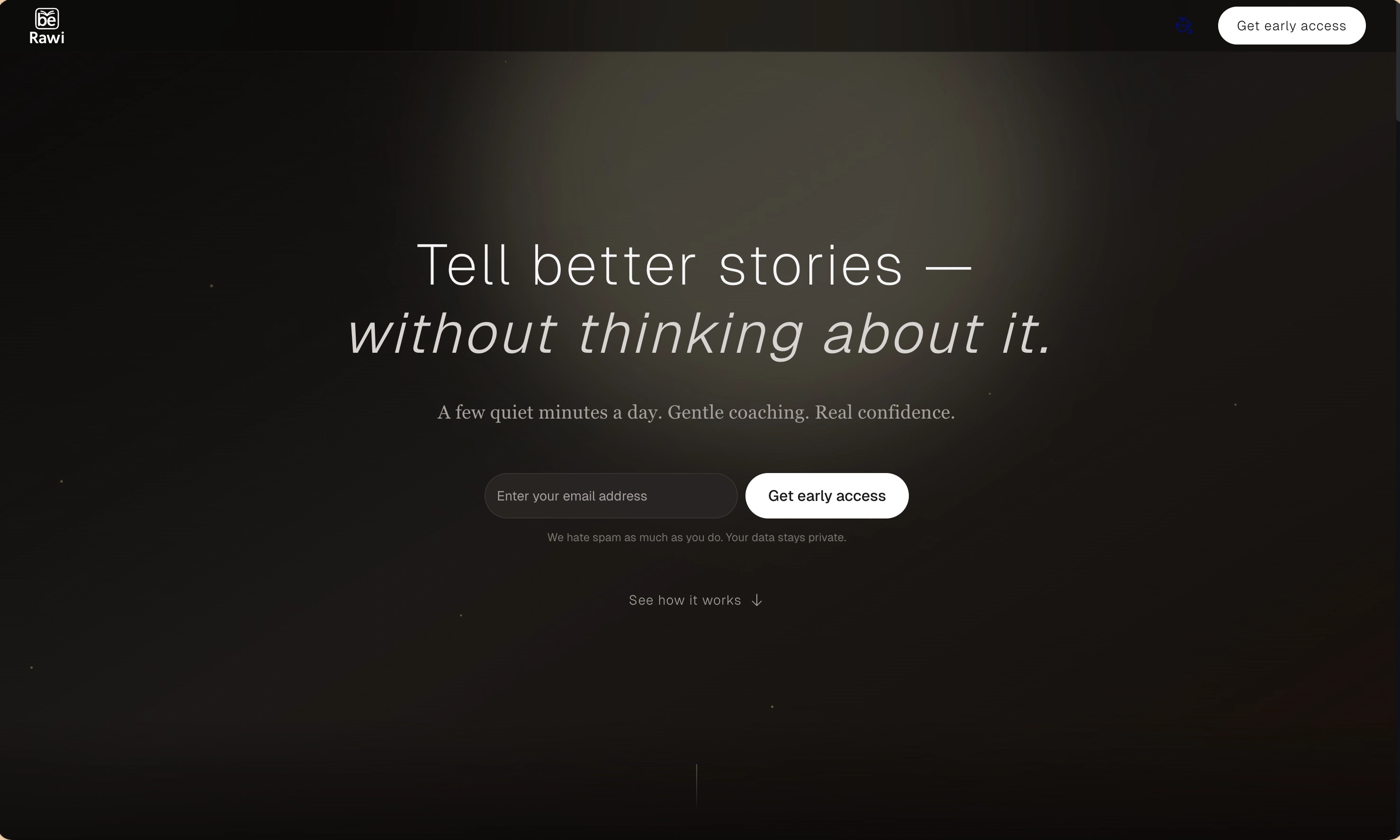
BeRawi: Storytelling Coach
Practice storytelling daily with instant feedback to sound clearer, more engaging, and confident 🎤
Omichat
Chat with 50+ AI models, including ChatGPT and Claude, in one place - switch models anytime without losing context 🤖
Claude Fast
Supercharge your Claude Code with 6x effective context window and specialized AI agents 🤖
EmojAI
AI-powered emoji picker with smart, context-aware suggestions 🤖
Solohacker
Autonomous company launcher - AI agents work 24/7, escalate what matters, and you stay in control 🤖
BeRawi: Storytelling Coach
Practice storytelling daily with instant feedback to sound clearer, more engaging, and confident 🎤
Omichat
Chat with 50+ AI models, including ChatGPT and Claude, in one place - switch models anytime without losing context 🤖
Claude Fast
Supercharge your Claude Code with 6x effective context window and specialized AI agents 🤖
EmojAI
AI-powered emoji picker with smart, context-aware suggestions 🤖
Solohacker
Autonomous company launcher - AI agents work 24/7, escalate what matters, and you stay in control 🤖
BeRawi: Storytelling Coach
Practice storytelling daily with instant feedback to sound clearer, more engaging, and confident 🎤
Omichat
Chat with 50+ AI models, including ChatGPT and Claude, in one place - switch models anytime without losing context 🤖
Claude Fast
Supercharge your Claude Code with 6x effective context window and specialized AI agents 🤖
EmojAI
AI-powered emoji picker with smart, context-aware suggestions 🤖
Solohacker
Autonomous company launcher - AI agents work 24/7, escalate what matters, and you stay in control 🤖
BeRawi: Storytelling Coach
Practice storytelling daily with instant feedback to sound clearer, more engaging, and confident 🎤

Connect with like-minded people
Join our community to get feedback, support, and grow together with 1,000+ builders on board, let's ship it!
Join usShip your startup everywhere. In minutes.
Don't burn tokens on setup and start building features on day one.