RecallLoop
A mobile retention tool that helps local businesses launch QR-based loyalty campaigns and recover customers with timely offers.
Why QR-based loyalty campaigns are a strong local retention opportunity
Local businesses do not usually lose customers because their product suddenly becomes irrelevant. They lose customers because there is no reliable reason, reminder, or relationship that brings people back after the first transaction.
A neighborhood café may serve hundreds of customers every week but have no practical way to identify regulars. A salon may deliver an excellent appointment experience, then wait six to ten weeks hoping clients remember to rebook. A quick-service restaurant can run a discount campaign, but without customer-level retention data, it cannot tell whether the offer created a repeat visit or simply reduced revenue from people who would have returned anyway.
This is the problem RecallLoop is designed to solve. RecallLoop is a mobile retention platform for local businesses that lets merchants launch QR-based loyalty programs, collect permission-based customer details, and send timely offers that encourage customers to return.
The core idea is powerful because it replaces an outdated retention pattern:
- A customer visits.
- The business provides good service.
- The business hopes the customer returns.
With a measurable, repeatable retention loop:
- A customer scans a QR code at checkout, on packaging, or at a table.
- They join a lightweight digital loyalty experience.
- The business recognizes their visit behavior and preferences.
- RecallLoop triggers a relevant reward, reminder, or win-back offer.
- The customer returns and starts the cycle again.
For small and midsize local businesses, this is often more valuable than adding another acquisition channel. Paid social ads, local search ads, and marketplace fees can help bring in new customers, but retention increases the value of every customer already acquired.
The strategic insight
For many local operators, the highest-leverage growth move is not finding more first-time visitors. It is creating a simple system that turns first-time visitors into recognizable, returning customers.
Who needs a mobile retention platform like RecallLoop
RecallLoop should focus on local businesses with repeat purchase potential, limited marketing resources, and a clear opportunity to influence the timing of the next visit. The best early customers are not necessarily the largest businesses. They are operators who feel the pain of customer churn every week and can see a direct connection between repeat visits and revenue.
Primary audience: owner-operators and location managers
The primary buyer is likely an owner, general manager, franchise operator, or marketing manager at a local consumer business. They are typically responsible for both customer experience and commercial performance, yet they may lack a dedicated CRM team or sophisticated lifecycle marketing stack.
They want practical answers to questions such as:
- How do we get first-time customers to come back?
- Can we replace paper stamp cards without adding checkout friction?
- Which regulars have not visited recently?
- What offer should we send to recover inactive customers?
- Can we run loyalty marketing without building a custom app?
- How do we measure whether a promotion actually drives a return visit?
RecallLoop needs to position itself as a simple customer retention system, not merely as a QR code generator or a digital punch-card app. QR codes are the enrollment mechanism. The business outcome is repeat revenue.
Best initial verticals for QR loyalty campaigns
Several business categories are particularly suited to QR-based loyalty and customer win-back campaigns.
Cafés and quick-service restaurants
High visit frequency makes rewards, visit streaks, and lapsed-customer offers easy to understand and measure.
Salons, barbers, and beauty studios
Service cycles create natural windows for rebooking reminders and return incentives.
Fitness and wellness businesses
Studios, yoga spaces, and recovery clinics benefit from engagement reminders between visits.
Retail boutiques and specialty stores
Seasonal drops, VIP access, and replenishment prompts can bring customers back without broad discounting.
Other attractive segments include car washes, pet groomers, bakeries, tattoo studios, neighborhood bars, flower shops, and independent pharmacies where regulations permit outreach.
Secondary audience: agencies and multi-location operators
A second meaningful audience includes marketing agencies, local commerce consultants, and regional multi-location groups. These buyers need a reusable way to deploy campaigns across several brands or locations while preserving local control.
For this audience, RecallLoop should support:
- Location-level reporting
- Brand templates and campaign libraries
- Role-based permissions
- Central billing with local user access
- Multi-location QR asset generation
- Agency workspaces with client switching
- Benchmark reporting across locations
This creates a potential expansion path from single-location subscription revenue to higher-value accounts with multiple seats, locations, or managed clients.
The market gap: local businesses need retention without enterprise complexity
The local business technology market contains many point solutions. There are POS systems, booking platforms, email tools, SMS platforms, digital wallets, review management services, ordering platforms, and traditional loyalty providers. Yet the typical local business still has a fragmented customer retention process.
A merchant may use a point-of-sale system for transactions, a booking system for appointments, Instagram for announcements, and a spreadsheet for customer outreach. The result is often inconsistent marketing, weak customer identification, and no clear reactivation process.
The gap is not a lack of tools. The gap is a lack of accessible lifecycle marketing built for in-person local commerce.
Why traditional loyalty programs often fail
Traditional loyalty solutions can fail for several predictable reasons:
- They require customers to download a dedicated app.
- They depend on staff to remember complicated enrollment steps.
- They offer generic rewards that do not match visit patterns.
- They report points issued but not meaningful retention outcomes.
- They are expensive or overbuilt for a single location.
- They create a database but do not automate recovery campaigns.
- They make merchants manage segmentation manually.
A physical stamp card avoids the app-download issue, but it gives businesses very little usable customer data. It can encourage repeat purchases, yet it cannot tell a merchant who has disappeared, who redeemed a reward, or which campaign brought a customer back.
RecallLoop can occupy the middle ground. It should offer the ease of a printed loyalty card with the automation and measurement expected from modern retention marketing.
The shift toward frictionless, mobile-first participation
Consumers are increasingly comfortable interacting with QR codes in physical spaces. QR codes are familiar on restaurant tables, receipts, product packaging, posters, and storefront displays. This makes them a low-friction entry point for a loyalty program.
The real product experience must remain lightweight. A customer should not feel they are beginning a tedious registration flow just to earn a small reward. The ideal journey is:
- Scan a visible QR code.
- See the value immediately.
- Enter only essential information.
- Receive a digital pass, confirmation, or reward status.
- Return with a clear reason to scan or identify themselves again.
A mobile loyalty platform wins when joining feels easier than declining.
RecallLoop’s unique value proposition
RecallLoop’s unique selling proposition is straightforward:
It helps local businesses turn anonymous walk-in traffic into repeat customers through QR-based loyalty enrollment and timely, behavior-aware recovery offers.
This is more specific and commercially useful than promising “better marketing.” The platform should help merchants create a measurable recall loop: capture, recognize, reward, remind, recover, and repeat.
The RecallLoop retention loop
A strong product narrative can be built around six stages.
The phrase “timely offers” is critical. A 10% discount sent randomly to every customer is not retention strategy. A reactivation reward sent when a normally frequent customer misses their expected return window is much closer to lifecycle marketing.
What makes the product distinct
RecallLoop can stand out by combining four capabilities that are often separated across tools:
- QR-based enrollment for low-friction in-store acquisition
- Digital loyalty mechanics such as stamps, visits, points, and rewards
- Automated win-back campaigns based on customer inactivity
- Retention analytics that connect campaigns to return behavior
The product should prioritize decisions that owners can understand quickly. A merchant should be able to open the dashboard and see:
- Customers acquired this week
- Loyalty members who returned
- Customers approaching a reward
- Customers at risk of lapsing
- Revenue attributed to recovery campaigns
- Best-performing offers by location or time period
That clarity is a competitive advantage in a market where business owners are overwhelmed by dashboards that show activity but not actions.
Core features for a QR code loyalty app
The right product scope matters. RecallLoop should avoid trying to become a complete POS, CRM, marketing suite, and ordering platform from day one. Its initial product should solve the retention problem exceptionally well.
QR campaign creation and physical activation
The merchant needs a fast campaign setup flow. This should let them create branded QR assets without needing design software or marketing expertise.
Core QR campaign capabilities should include:
- Branded QR code generation
- Printable counter cards, table tents, stickers, and receipt inserts
- Campaign-specific URLs for tracking placement performance
- Location-specific QR codes for multi-site businesses
- UTM support for QR codes used in social posts or email
- Optional staff-facing verification flow
- Dynamic destination links that can change without reprinting materials
The ability to distinguish “counter QR” from “receipt QR” is more useful than it may seem. It allows merchants to learn which physical touchpoint produces the best enrollment rate.
Mobile-first loyalty wallet
The customer experience should feel native to a phone browser. It should not require an app download for the initial version.
Key loyalty features may include:
- Digital stamp cards
- Visit-based rewards
- Points-based reward programs
- Milestone rewards
- Birthday offers, where consent and data collection support it
- Referral incentives
- QR or short-code customer identification
- Apple Wallet and Google Wallet pass support in later iterations
- A customer-facing history of visits and redeemed rewards
For a café, a simple “buy 8, get 1 free” structure may outperform a complex points economy. For a salon, a “return within eight weeks and receive a complimentary treatment add-on” campaign may be more compelling. RecallLoop should support templates tailored to the business model rather than forcing every merchant into the same program.
Customer profiles and consent management
Every customer record should be built with consent, clarity, and minimum necessary data collection in mind. The platform should make it easy for merchants to explain why they are collecting information and what messages customers may receive.
The profile system should capture data such as:
- Preferred name
- Mobile number or email address
- Consent status and channel preference
- Enrollment source
- First and most recent visit
- Visit count
- Reward status
- Last campaign interaction
- Location affiliation
- Optional tags such as vegetarian menu interest or service category
Use progressive profiling. Asking for a phone number, email, birthday, full address, and preferences during the first scan can reduce completion. Start with the minimum required for the loyalty action and collect additional details when there is a clear customer benefit.
Consent is a product feature, not a legal footnote
SMS, email, and push-style communications require careful permission handling. Build explicit opt-in records, unsubscribe controls, message logs, and channel preferences into the product from the beginning. Merchants should also be encouraged to seek qualified legal advice for the regions where they operate.
Segmentation and retention automation
Automation is where RecallLoop becomes more than a digital loyalty card. Merchants need prebuilt segments and campaign triggers that reduce manual work.
High-value automated segments include:
- New members who have not made a second visit
- Regular customers who are overdue for their normal return window
- Members one visit away from a reward
- Customers with an unused reward
- Customers inactive for 30, 60, or 90 days
- High-frequency customers eligible for VIP recognition
- Customers who opted in but never redeemed an offer
- Customers acquired from a specific QR placement or local event
A campaign builder should let merchants select a trigger, audience, incentive, delivery channel, and expiry period. The UI should translate technical conditions into understandable language.
For example:
Send a “We miss you” offer to customers who visited at least twice in the last 90 days but have not visited in the previous 30 days.
This is a far more practical workflow than asking a local business owner to define behavioral queries from scratch.
Offer creation and redemption controls
Offers should be flexible enough to fit diverse local businesses while retaining clear fraud protection and measurement.
Useful offer types include:
- Percentage discounts
- Fixed-value credits
- Free item rewards
- Complimentary upgrades
- Bonus points or extra stamps
- Time-limited return incentives
- VIP event invitations
- Bundle offers
- “Bring a friend” rewards
Redemption controls should include unique codes, one-time QR validation, staff confirmation, expiration dates, location restrictions, and usage limits. For restaurants and high-volume stores, the staff flow must take seconds. A reward program that creates a line at checkout will not be adopted.
Retention analytics that owners can act on
RecallLoop should report on outcomes, not vanity metrics alone. QR scans and message opens are useful leading indicators, but merchant value comes from return behavior and revenue.
The dashboard should surface metrics such as:
| Metric | Why it matters | Recommended view | Owner action | Retention impact |
|---|---|---|---|---|
| QR enrollment rate | Shows whether in-store activation works | Scans compared with transactions | Improve signage or incentive | More identifiable customers |
| Second-visit rate | Measures early loyalty formation | First-time customers returning within a set window | Launch a new-member follow-up | Higher customer lifetime value |
| Win-back conversion | Tests recovery campaign effectiveness | Recipients who return and redeem | Refine timing and offer value | Recovered dormant revenue |
| Reward liability | Tracks outstanding program commitments | Unredeemed points or rewards | Adjust reward thresholds | Protects program margins |
Where possible, RecallLoop should explain attribution methodology. A merchant should know whether a return was directly tied to an offer redemption, occurred after a message without redemption, or cannot be confidently attributed.
Designing campaigns that recover customers without training them to wait for discounts
A significant product and strategy challenge is avoiding discount dependency. If every inactive customer receives a large promotion, they may learn that inactivity is rewarded. The business can erode margins and create a cycle where customers wait for offers.
RecallLoop should therefore help merchants use a broader campaign library.
Better alternatives to blanket discounting
Effective retention campaigns do not always need to reduce price. Consider offer types based on exclusivity, convenience, recognition, or added value.
- Early access to a seasonal menu or collection
- A complimentary add-on with a normal purchase
- Double loyalty stamps during a specific slow period
- A reward for completing a visit streak
- An invitation to a local event or member-only preview
- A reminder that an earned reward is waiting
- A personalized rebooking prompt
- A “welcome back” message paired with a modest, short-expiry incentive
The best campaign depends on the customer’s relationship with the business. A customer who is one stamp away from a free coffee may only need a reminder. A customer absent for 90 days may require a more meaningful reason to return.
Recommended campaign templates for an MVP
RecallLoop can reduce time-to-value by providing opinionated templates.
New-member return campaign
Send 7 days after enrollment if no second visit is recorded. Offer double stamps on the next purchase, valid for 72 hours.
Lapsed regular campaign
Send after 21 days of inactivity to customers who previously visited three or more times. Offer a free pastry with any beverage purchase rather than a broad discount.
Rebooking reminder
Send based on the customer’s prior service cycle, such as 5 to 7 weeks after a haircut. Offer preferred booking times or a complimentary add-on.
VIP recognition campaign
Send to high-value customers before peak booking periods. Offer early appointment access instead of a price reduction.
New collection reminder
Send to prior customers when a relevant product category is restocked or a seasonal collection launches.
Dormant customer recovery
Send after 60 days without a purchase. Invite the customer to return with a small store credit that expires quickly.
Recommended tech stack for building RecallLoop
RecallLoop is a mobile product, but the initial customer-facing experience does not necessarily need a native iOS and Android application. A responsive web app or progressive web app can reduce friction and speed up launch.
Suggested application architecture
A modern SaaS architecture can include:
- React for responsive merchant and customer interfaces
- Next.js for full-stack web delivery, routing, server rendering, and API endpoints
- TypeScript for safer application code and shared data models
- Tailwind CSS for a consistent, fast design system
- PostgreSQL for transactional business, customer, campaign, and redemption data
- Prisma for type-safe database access and schema management
- Stripe for subscriptions, billing, and usage-based plan upgrades
- Twilio for SMS delivery where appropriate
- Resend for transactional and lifecycle email delivery
- Sentry for error monitoring and production diagnostics
- Vercel for scalable web deployment
For teams seeking a faster SaaS foundation, TurboStarter can reduce setup time by providing a production-oriented starting point for authentication, billing, application structure, and common SaaS workflows.
Web app versus native mobile app trade-offs
A progressive web app is usually the better early choice for RecallLoop’s customer experience.
| Approach | Best advantage | Main drawback | Best use case | Recommendation |
|---|---|---|---|---|
| Responsive web app | Fastest QR-to-enrollment flow | Limited device-level engagement | Initial loyalty enrollment and merchant dashboard | Start here |
| Progressive web app | Can feel more app-like without app-store friction | Push support varies by device and browser | Returning loyalty members | Strong early option |
| Native mobile app | Deeper notifications and wallet-like engagement | Higher acquisition and maintenance cost | Later-stage consumer experience for engaged users | Validate demand first |
The merchant dashboard can remain web-based even if a native consumer companion app is introduced later. Local business owners often manage operations from a desktop, tablet, or phone browser depending on the time of day.
Data model essentials
The data model should be designed around events and tenancy from the beginning. Every record must belong to the correct organization and, where relevant, location.
Core entities include:
- Organizations
- Users and roles
- Locations
- Campaigns
- QR codes and placements
- Customers
- Consent records
- Loyalty programs
- Loyalty balances or visit counts
- Offers
- Messages
- Visit events
- Redemptions
- Attribution events
- Subscription plans
An event-driven design makes future segmentation much easier. Rather than updating only a customer’s current stamp count, record events such as customer_enrolled, qr_scanned, visit_recorded, reward_earned, offer_sent, and offer_redeemed.
type RetentionEvent =
  | {
      type: "customer_enrolled"
      customerId: string
      locationId: string
      source: "counter_qr" | "receipt_qr" | "social_qr"
      occurredAt: Date
    }
  | {
      type: "visit_recorded"
      customerId: string
      locationId: string
      campaignId?: string
      occurredAt: Date
    }
  | {
      type: "offer_redeemed"
      customerId: string
      offerId: string
      redemptionValueCents?: number
      occurredAt: Date
    }
This structure supports future features such as predictive churn scoring, cohort analysis, and campaign experimentation without requiring a disruptive database redesign.
Monetization strategy for RecallLoop
RecallLoop has a clear recurring revenue model because retention is an ongoing business need rather than a one-time project. Pricing should feel proportional to merchant value and avoid overwhelming smaller operators.
Subscription tiers
A practical pricing structure may include three core plans.
- Starter plan for one location, a basic loyalty program, QR assets, customer profiles, and limited monthly messaging.
- Growth plan for automation, advanced segments, custom branding, campaign templates, and higher messaging allowances.
- Multi-location plan for centralized reporting, location controls, additional team seats, and priority support.
Pricing should be tested against the economics of each target vertical. A high-frequency café may accept a lower monthly price plus message usage. A salon or wellness business with higher average order value may support a larger subscription if RecallLoop clearly improves rebooking.
Usage-based revenue
Messaging creates a logical usage-based component, especially for SMS. Rather than hiding communication costs inside every plan, RecallLoop can include an allowance and charge for additional usage.
Potential usage-based items include:
- Additional SMS messages
- Additional locations
- Higher customer profile limits
- Premium automation workflows
- White-label agency access
- Dedicated onboarding or campaign services
Be transparent about usage costs. Local businesses dislike surprise bills, particularly when they cannot connect them to revenue.
Service-led revenue during the early stage
In the earliest phase, a light implementation or campaign-design service can improve adoption and create valuable learning. This should not become a long-term dependency, but it can help identify which templates and onboarding steps should be productized.
Examples include:
- QR signage design and print coordination
- Loyalty program strategy session
- First win-back campaign setup
- Historical customer import and cleanup
- Staff training for reward redemption
Competitive advantage and positioning strategy
RecallLoop will compete indirectly with loyalty software, POS add-ons, customer messaging platforms, booking systems, and generic CRM tools. Winning does not require being better than every category. It requires being the most useful retention tool for a defined merchant segment.
Position RecallLoop around outcomes, not software categories
Avoid leading with technical labels such as “customer data platform” or “omnichannel marketing automation.” Those phrases may be accurate in a broad sense but are not how an independent café owner or salon manager typically describes their problem.
Lead with outcome-oriented positioning:
- Turn walk-in customers into repeat customers
- Replace paper punch cards with measurable loyalty
- Recover customers before they disappear
- Launch a QR loyalty campaign in minutes
- Bring back regulars with automatic, timely offers
This framing has stronger search intent alignment for terms related to local business loyalty programs, QR code loyalty cards, customer retention software, digital stamp cards, and customer win-back campaigns.
Build defensibility through data and workflow
QR codes themselves are not defensible. Any competitor can generate a QR code. RecallLoop’s defensibility should come from the quality of its retention engine and the merchant workflow around it.
Over time, the platform can build advantages through:
- Vertical-specific campaign benchmarks
- Better predicted return windows by business category
- High-converting QR enrollment templates
- A library of proven offer structures
- Rich, consented customer behavior data
- POS, booking, and payment integrations
- Embedded workflows that become part of staff operations
- Multi-location retention intelligence
The long-term product moat is the ability to recommend the next best retention action with credible context. For example, a merchant should eventually receive guidance like:
Customers who visit three times within 30 days are likely to become regulars. Invite 42 recently enrolled members to earn double stamps this week.
That is far more differentiated than simply showing a list of inactive customers.
Risks and how to mitigate them
Every local commerce SaaS product faces operational and adoption risks. RecallLoop should address them through product design, clear onboarding, and disciplined go-to-market focus.
Low staff adoption
Staff may forget to mention the QR code or may see redemption as extra work.
Mitigation includes:
- Use prominent physical signage with a clear customer incentive.
- Keep staff actions to one scan or one tap.
- Provide a short staff training mode with a simple script.
- Give managers visibility into enrollment by shift or location.
- Reward internal adoption during the launch period.
Weak customer enrollment rates
A QR code alone is not enough. Customers need a reason to scan.
Mitigation includes:
- Make the first reward tangible and immediate.
- Test placement at checkout, tables, packaging, and receipts.
- Use clear copy such as “Join in 10 seconds and earn your first stamp.”
- Reduce initial form fields.
- Make the value proposition visible before requesting personal data.
Offer abuse and fraudulent redemptions
Any digital reward system can be exploited through screenshots, reused codes, or staff errors.
Mitigation includes:
- Use server-validated, single-use redemption tokens.
- Add short expiration windows for sensitive offers.
- Require staff confirmation for high-value rewards.
- Log every redemption with staff, location, and timestamp data.
- Flag unusual patterns automatically.
Privacy and compliance complexity
Marketing consent requirements differ by channel and jurisdiction. Data protection standards also vary.
Mitigation includes:
- Store consent source, timestamp, language, and policy version.
- Make opt-out immediate and accessible.
- Separate operational messages from promotional messages.
- Apply data retention controls.
- Offer merchant-facing compliance guidance without presenting it as legal advice.
- Conduct regular security reviews and engage qualified counsel before expanding regions.
Integration dependence
Merchants may expect RecallLoop to integrate with their POS or booking tool. Building too many integrations early can slow product delivery.
Mitigation includes:
- Begin with a reliable standalone visit and redemption workflow.
- Prioritize integrations based on active customer demand.
- Create a stable internal event model before building connectors.
- Support CSV import and export for early flexibility.
- Focus initial go-to-market on segments that can operate without deep POS integration.
A practical implementation roadmap
The fastest route to product-market fit is to validate the entire retention loop with a narrow audience. Do not begin by building every possible loyalty feature.
Phase one: validate the enrollment and return loop
Choose one or two verticals, such as independent cafés and salons. Recruit a small number of design partners willing to run real campaigns and share operational feedback.
Build only what is necessary to answer these questions:
- Will customers scan and enroll?
- Will staff use the redemption flow?
- Will merchants send retention offers?
- Do those offers produce measurable repeat visits?
- Will merchants pay monthly for this outcome?
The initial MVP should include QR generation, mobile enrollment, a simple visit-based program, customer profiles, manual offer sending, redemption validation, and a basic retention dashboard.
Phase two: automate the highest-value campaigns
Once manual campaigns demonstrate which segments and incentives work, add automation. Start with a small library rather than a fully open-ended workflow builder.
Prioritize:
- New member with no second visit
- Customer one visit away from a reward
- Unused reward reminder
- Lapsed regular win-back
- Birthday or anniversary offer where appropriate
Phase three: deepen data, integrations, and multi-location support
After establishing repeatable value for individual locations, add POS and booking integrations, richer campaign attribution, multi-location controls, agency accounts, and vertical-specific playbooks.
Focus on QR scans, enrollment completion rate, first-to-second visit conversion, reward redemption rate, win-back campaign conversion, message opt-out rate, and merchant activation. The most important metric is whether enrolled customers return more often than comparable non-enrolled customers.
SMS can be highly effective for time-sensitive local offers, but it adds cost and consent responsibilities. Start with SMS if the founding team can implement compliant opt-in, opt-out, delivery logging, and merchant safeguards. Otherwise, begin with email and add SMS after the core retention workflow is proven.
Use founder-led outreach to a single local vertical, partner with local marketing agencies, offer hands-on onboarding, and turn early measurable outcomes into case studies. In-person QR activation makes local pilots especially useful because the team can directly observe customer and staff behavior.
Action plan for launching RecallLoop
RecallLoop has a credible opportunity because it addresses a visible and expensive problem for local businesses: customers leave, and merchants have no structured way to bring them back. The winning product will not be the one with the most elaborate loyalty mechanics. It will be the one that makes retention easy to launch, easy for customers to join, easy for staff to operate, and easy for owners to measure.
Use the following implementation sequence:
The strongest version of RecallLoop becomes the operating system for local customer recall. It gives merchants a practical way to recognize regulars, reward loyalty, and act before valuable customers become forgotten customers.
More 📱 Mobile App SaaS ideas
Discover more innovative mobile app SaaS ideas that are trending in 2026. Each idea is AI-generated with market validation and growth potential to help you find your next profitable venture faster than competitors.
Your competitors are building with TurboStarter
Below are some of the SaaS ideas that have been generated and built with our starter kit.
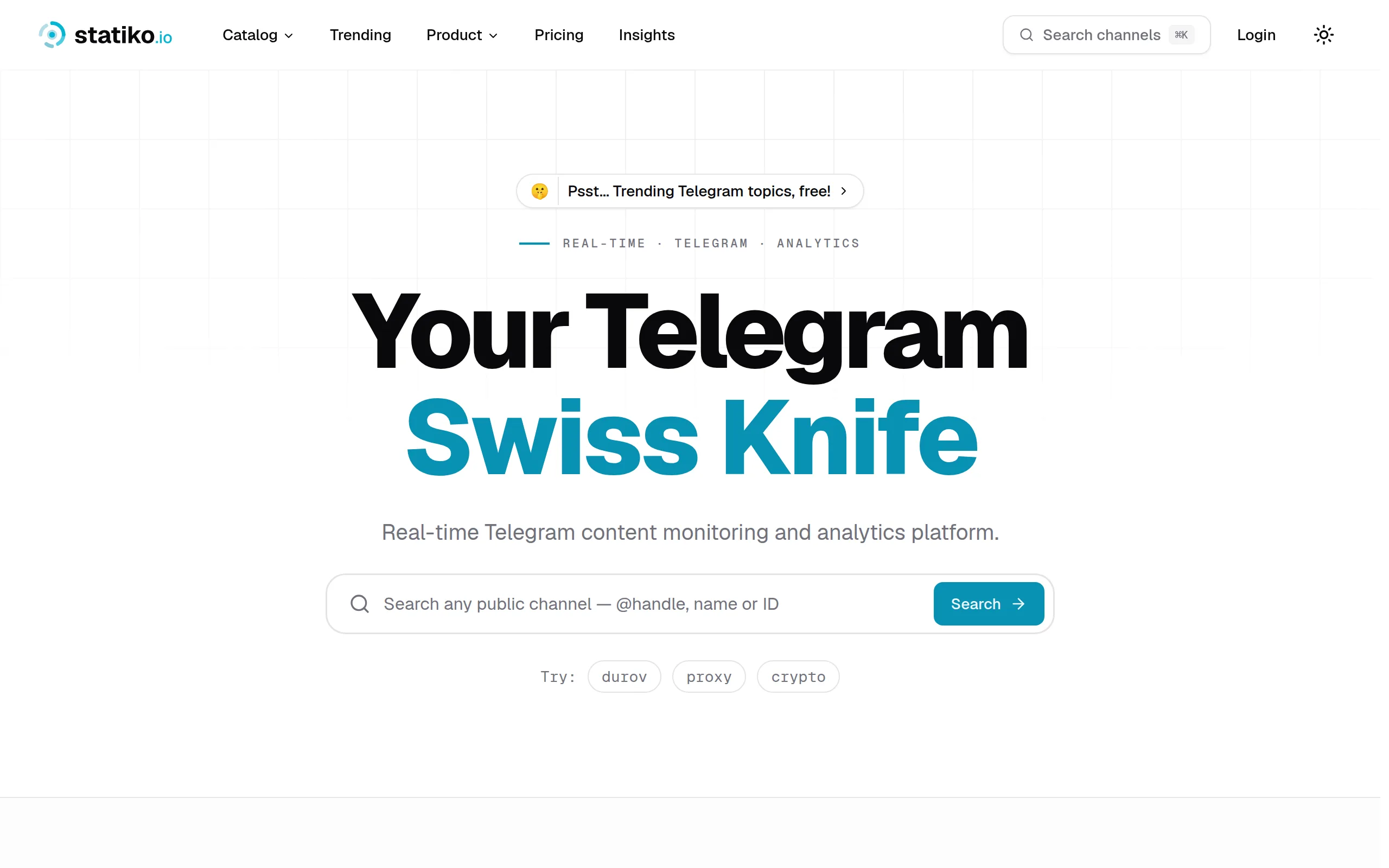
Statiko
Monitor any Telegram channel in real time - track posts, edits, deletions, and growth with AI recaps 📡
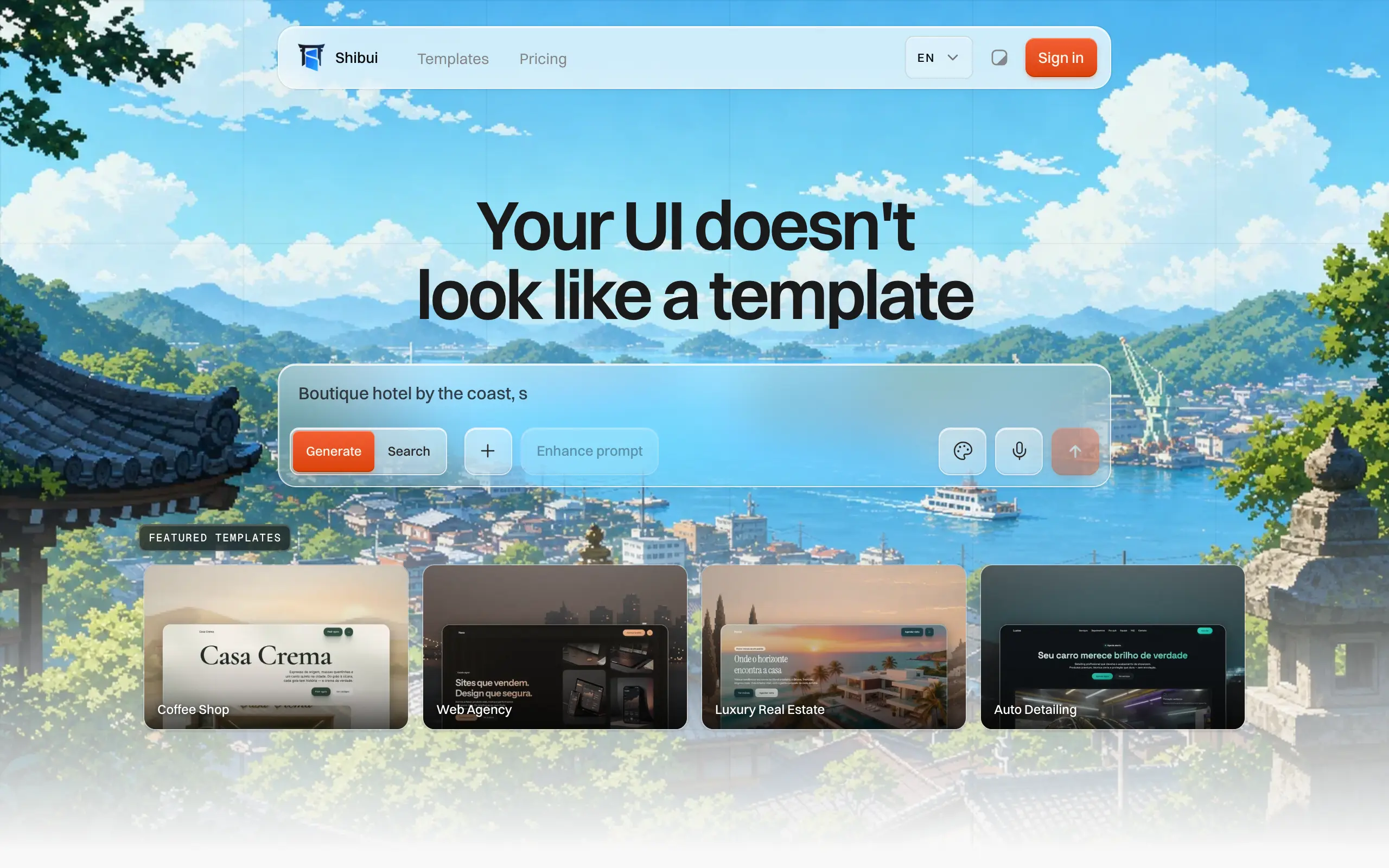
Shibui
AI website builder - describe your business, pick a niche template, edit by chatting, and publish instantly ✨
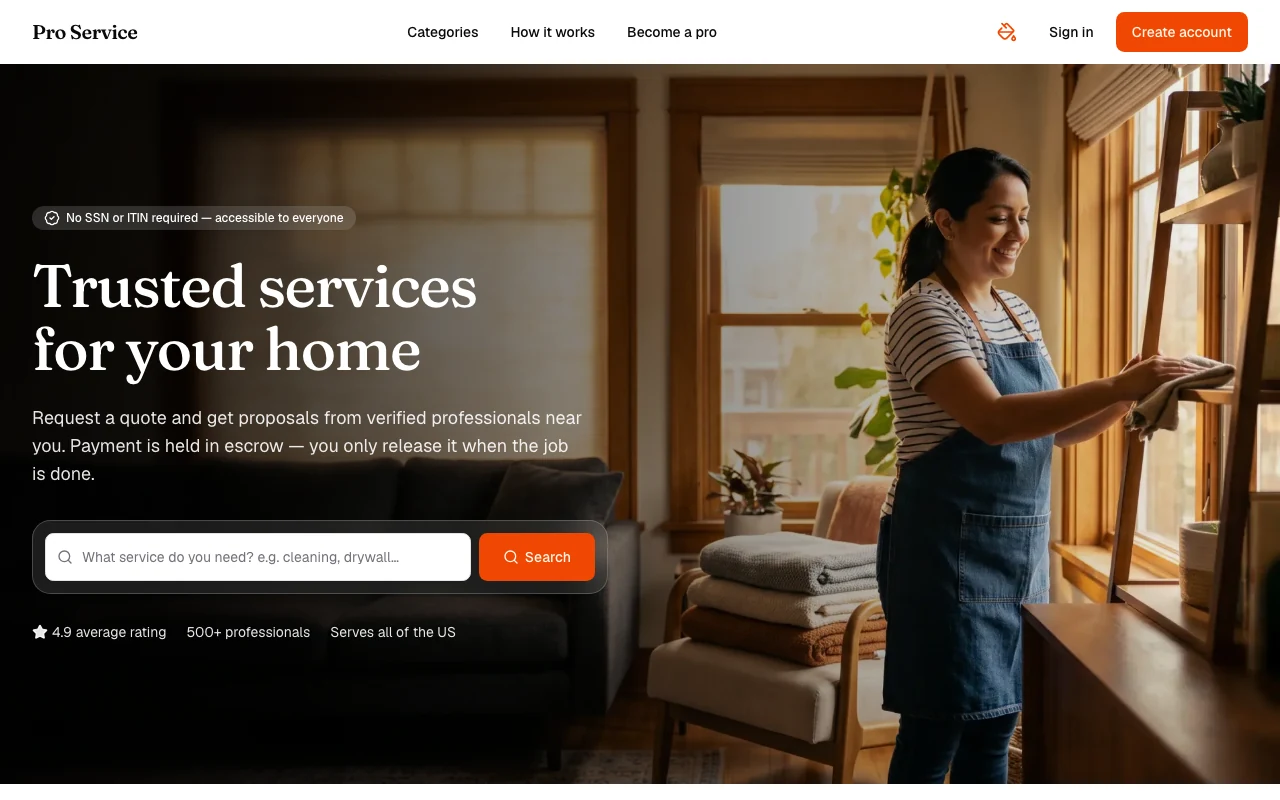
Pro Service
Find verified home service professionals, compare quotes, and pay securely through escrow - built for Brazilians across the US 🏠
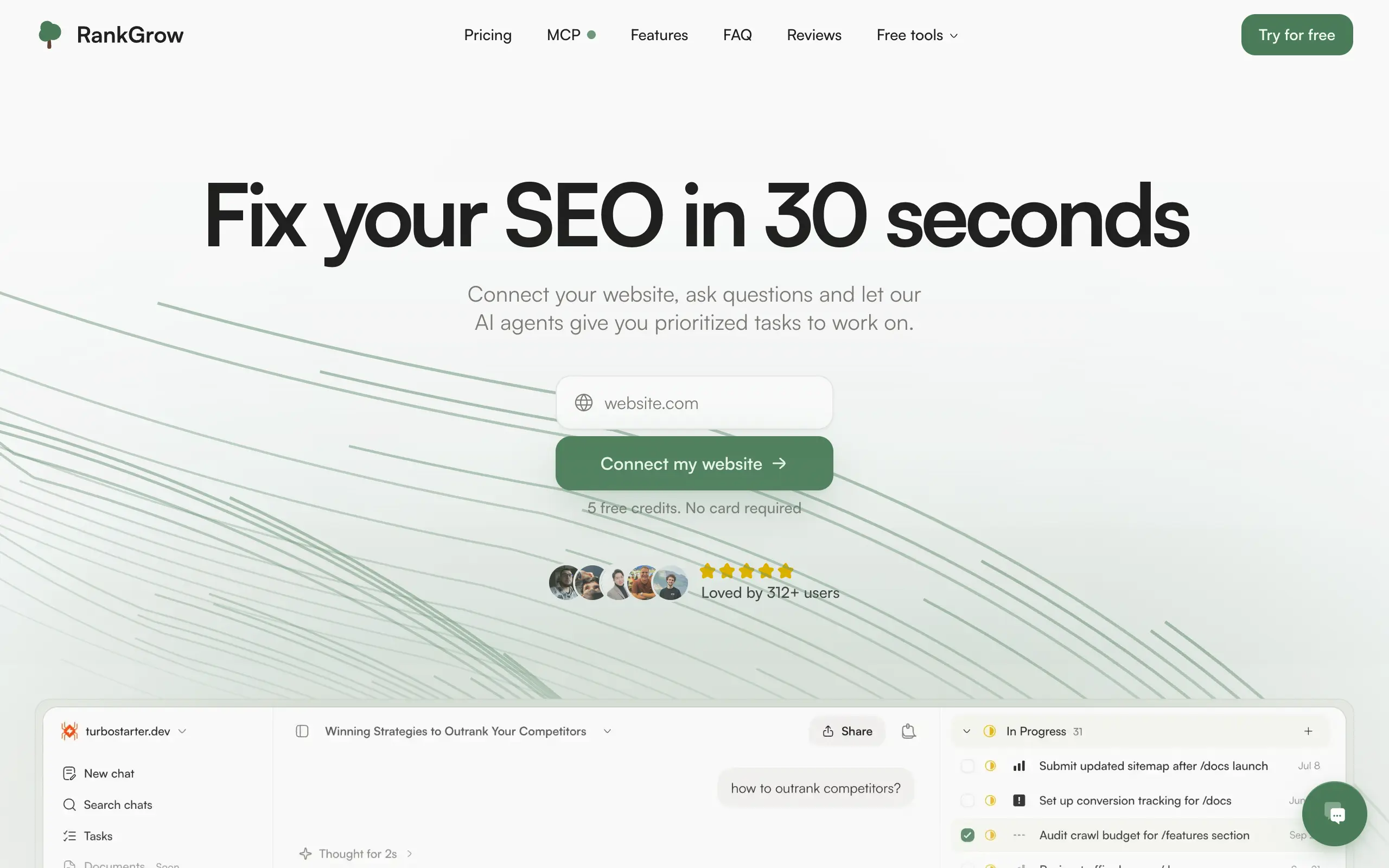
RankGrow
Fix your SEO with AI agents - connect Search Console, get prioritized tasks, and grow organic traffic 📈
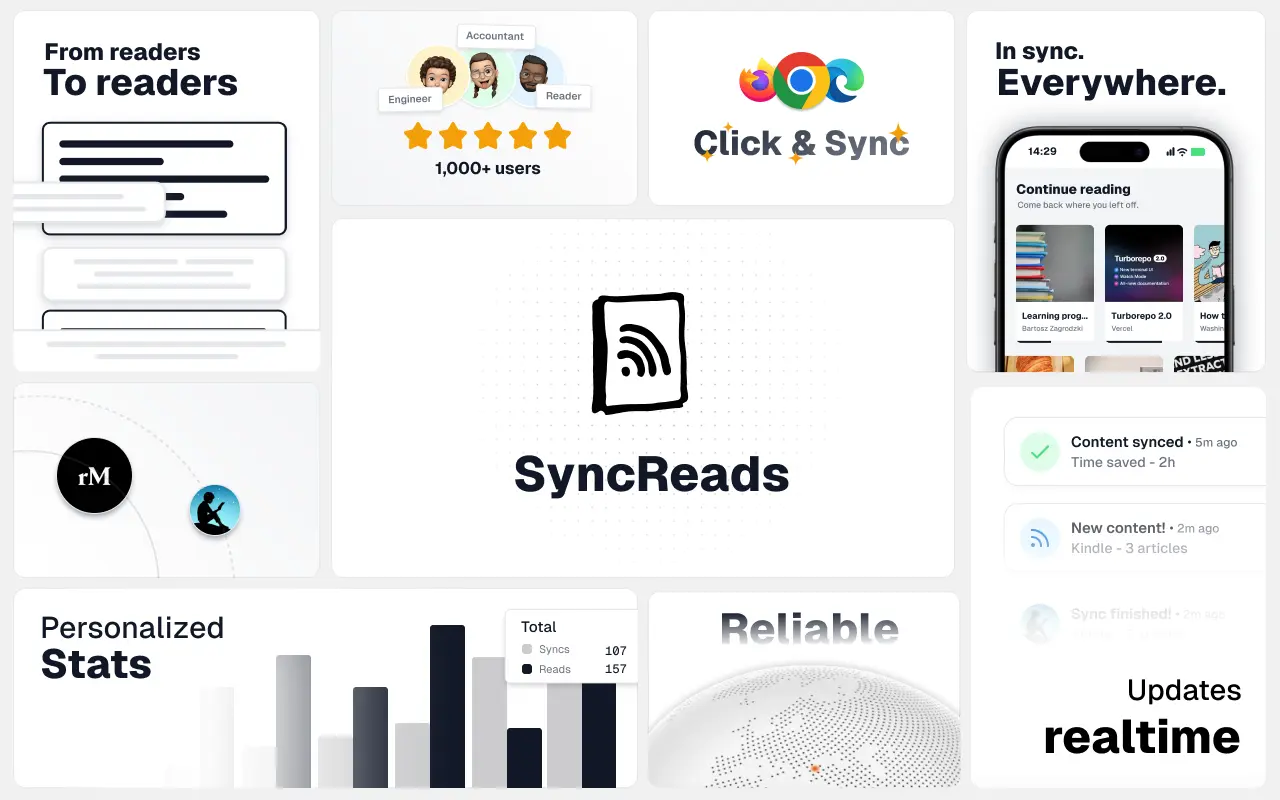
SyncReads
Sync your favorite content for distraction-free reading, save time and replace multiple apps. Anytime, anywhere 🔄
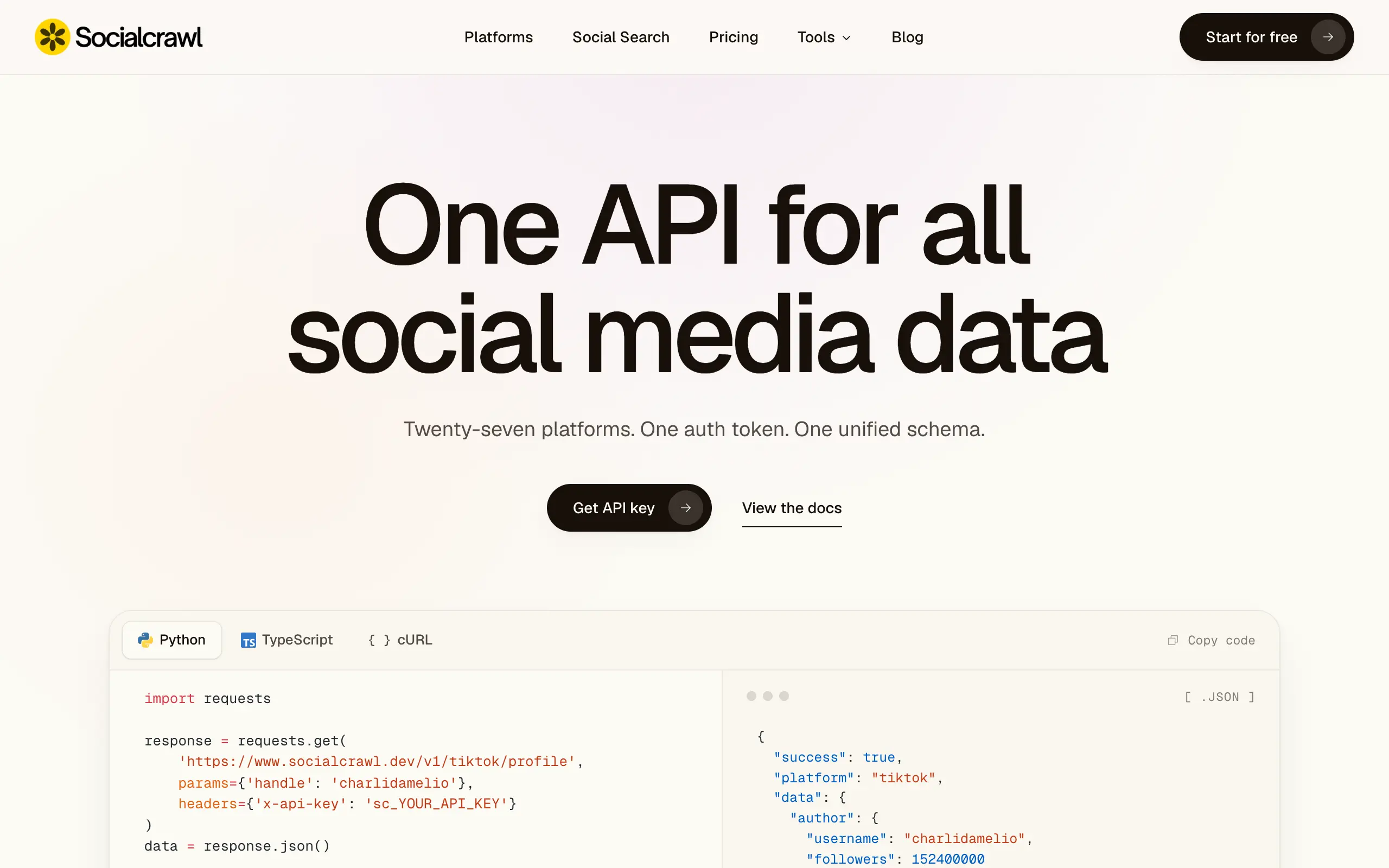
Socialcrawl
Get clean, structured data from 21 platforms like TikTok, Instagram, and YouTube with a single request 📊
Statiko
Monitor any Telegram channel in real time - track posts, edits, deletions, and growth with AI recaps 📡
Shibui
AI website builder - describe your business, pick a niche template, edit by chatting, and publish instantly ✨
Pro Service
Find verified home service professionals, compare quotes, and pay securely through escrow - built for Brazilians across the US 🏠
RankGrow
Fix your SEO with AI agents - connect Search Console, get prioritized tasks, and grow organic traffic 📈
SyncReads
Sync your favorite content for distraction-free reading, save time and replace multiple apps. Anytime, anywhere 🔄
Socialcrawl
Get clean, structured data from 21 platforms like TikTok, Instagram, and YouTube with a single request 📊
Statiko
Monitor any Telegram channel in real time - track posts, edits, deletions, and growth with AI recaps 📡
Shibui
AI website builder - describe your business, pick a niche template, edit by chatting, and publish instantly ✨
Pro Service
Find verified home service professionals, compare quotes, and pay securely through escrow - built for Brazilians across the US 🏠
RankGrow
Fix your SEO with AI agents - connect Search Console, get prioritized tasks, and grow organic traffic 📈
SyncReads
Sync your favorite content for distraction-free reading, save time and replace multiple apps. Anytime, anywhere 🔄
Socialcrawl
Get clean, structured data from 21 platforms like TikTok, Instagram, and YouTube with a single request 📊
Statiko
Monitor any Telegram channel in real time - track posts, edits, deletions, and growth with AI recaps 📡
Shibui
AI website builder - describe your business, pick a niche template, edit by chatting, and publish instantly ✨
Pro Service
Find verified home service professionals, compare quotes, and pay securely through escrow - built for Brazilians across the US 🏠
RankGrow
Fix your SEO with AI agents - connect Search Console, get prioritized tasks, and grow organic traffic 📈
SyncReads
Sync your favorite content for distraction-free reading, save time and replace multiple apps. Anytime, anywhere 🔄
Socialcrawl
Get clean, structured data from 21 platforms like TikTok, Instagram, and YouTube with a single request 📊
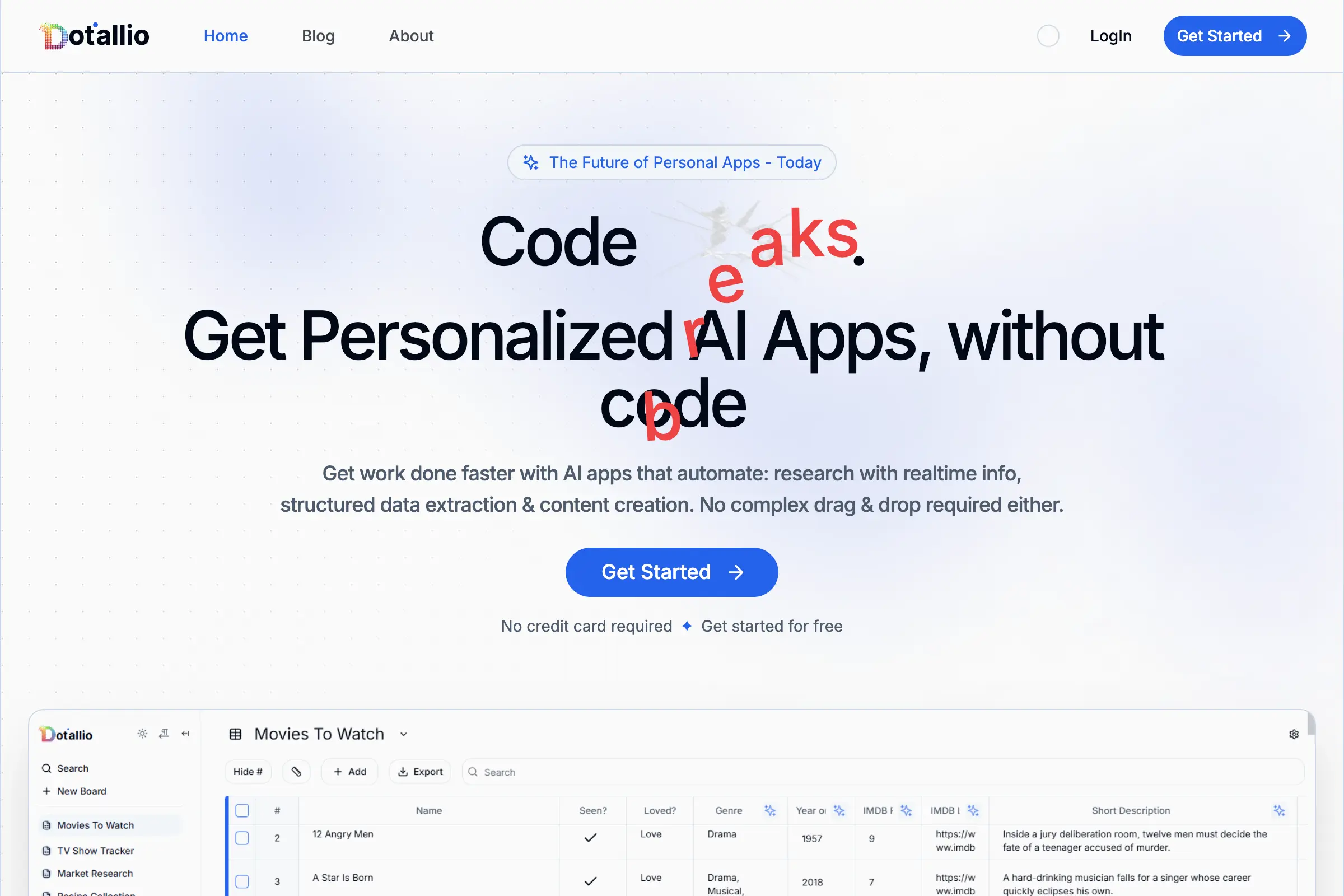
Dotallio
Personalized AI apps that automate research, data extraction, and content creation without code 🤖
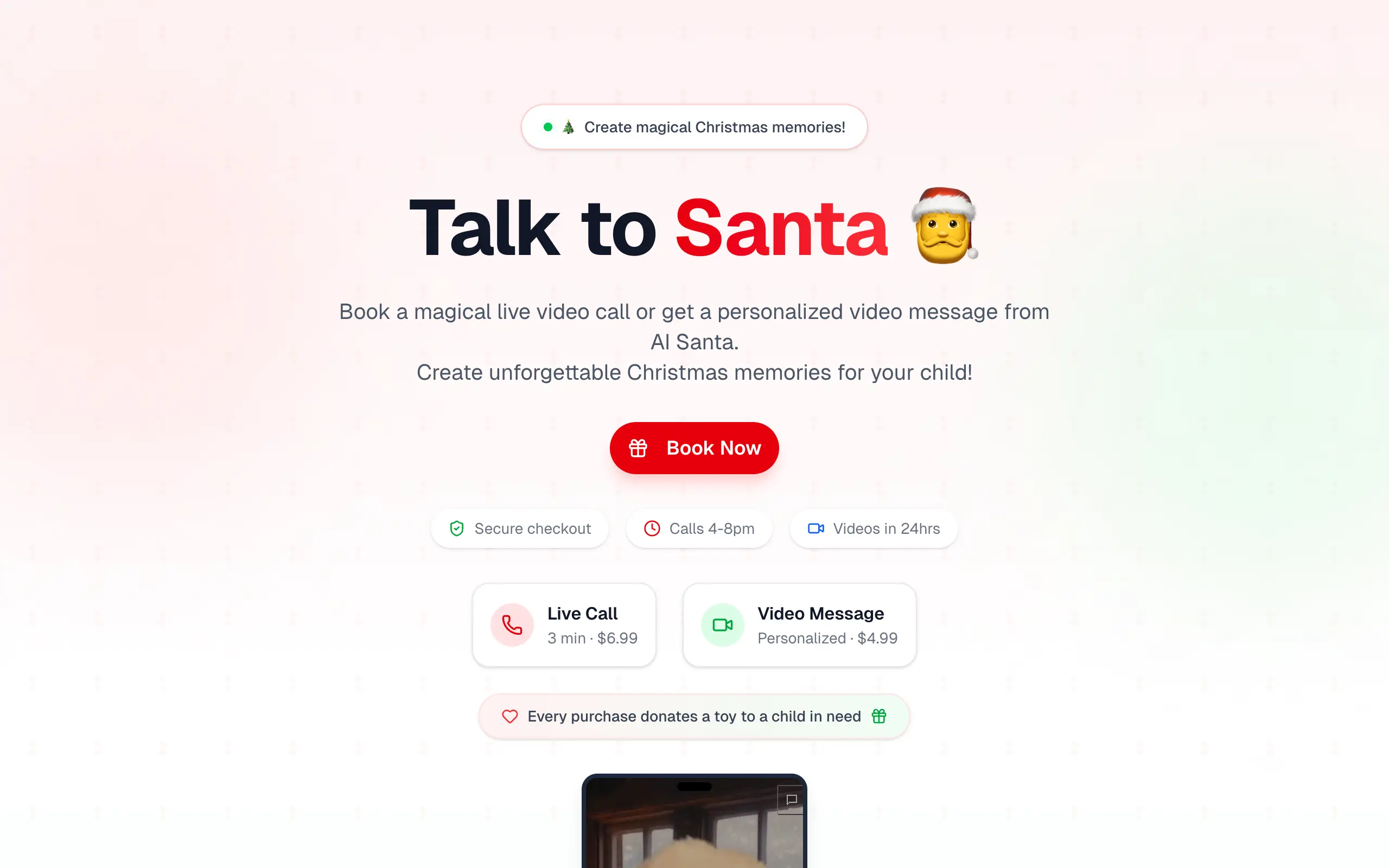
Talk to Santa
Enjoy a magical live video chat or receive a unique AI-generated video greeting from Santa Claus 🎅
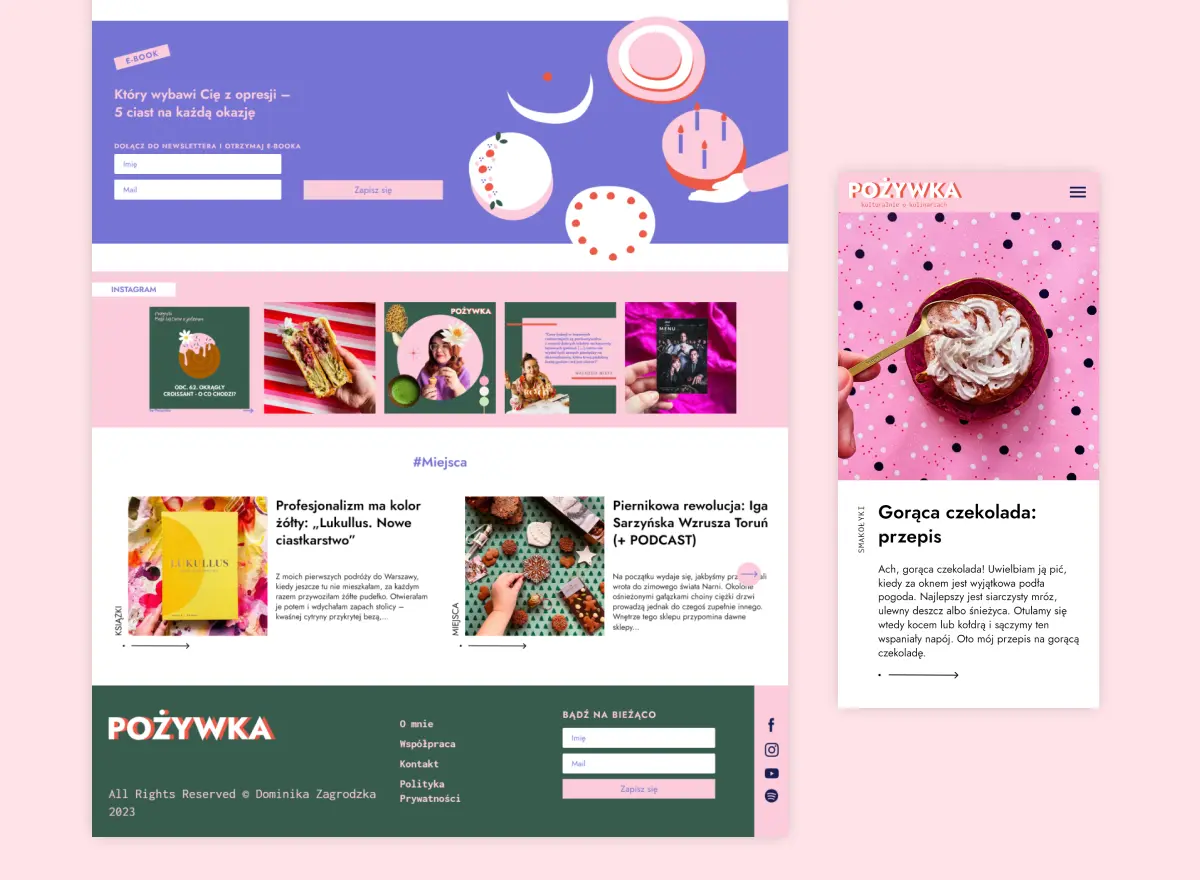
pozywka.pl
Scalable blog for food journalist, focused on performance and user experience 🌭
zagrodzki.me
Personal blog and portfolio of Bart Zagrodzki, where he shares his knowledge and work 💼
TurboStarter
Ship your startup everywhere. In minutes.
HTML to Markdown
Convert HTML to Markdown with ease, directly in your browser 📄
Dotallio
Personalized AI apps that automate research, data extraction, and content creation without code 🤖
Talk to Santa
Enjoy a magical live video chat or receive a unique AI-generated video greeting from Santa Claus 🎅
pozywka.pl
Scalable blog for food journalist, focused on performance and user experience 🌭
zagrodzki.me
Personal blog and portfolio of Bart Zagrodzki, where he shares his knowledge and work 💼
TurboStarter
Ship your startup everywhere. In minutes.
HTML to Markdown
Convert HTML to Markdown with ease, directly in your browser 📄
Dotallio
Personalized AI apps that automate research, data extraction, and content creation without code 🤖
Talk to Santa
Enjoy a magical live video chat or receive a unique AI-generated video greeting from Santa Claus 🎅
pozywka.pl
Scalable blog for food journalist, focused on performance and user experience 🌭
zagrodzki.me
Personal blog and portfolio of Bart Zagrodzki, where he shares his knowledge and work 💼
TurboStarter
Ship your startup everywhere. In minutes.
HTML to Markdown
Convert HTML to Markdown with ease, directly in your browser 📄
Dotallio
Personalized AI apps that automate research, data extraction, and content creation without code 🤖
Talk to Santa
Enjoy a magical live video chat or receive a unique AI-generated video greeting from Santa Claus 🎅
pozywka.pl
Scalable blog for food journalist, focused on performance and user experience 🌭
zagrodzki.me
Personal blog and portfolio of Bart Zagrodzki, where he shares his knowledge and work 💼
TurboStarter
Ship your startup everywhere. In minutes.
HTML to Markdown
Convert HTML to Markdown with ease, directly in your browser 📄
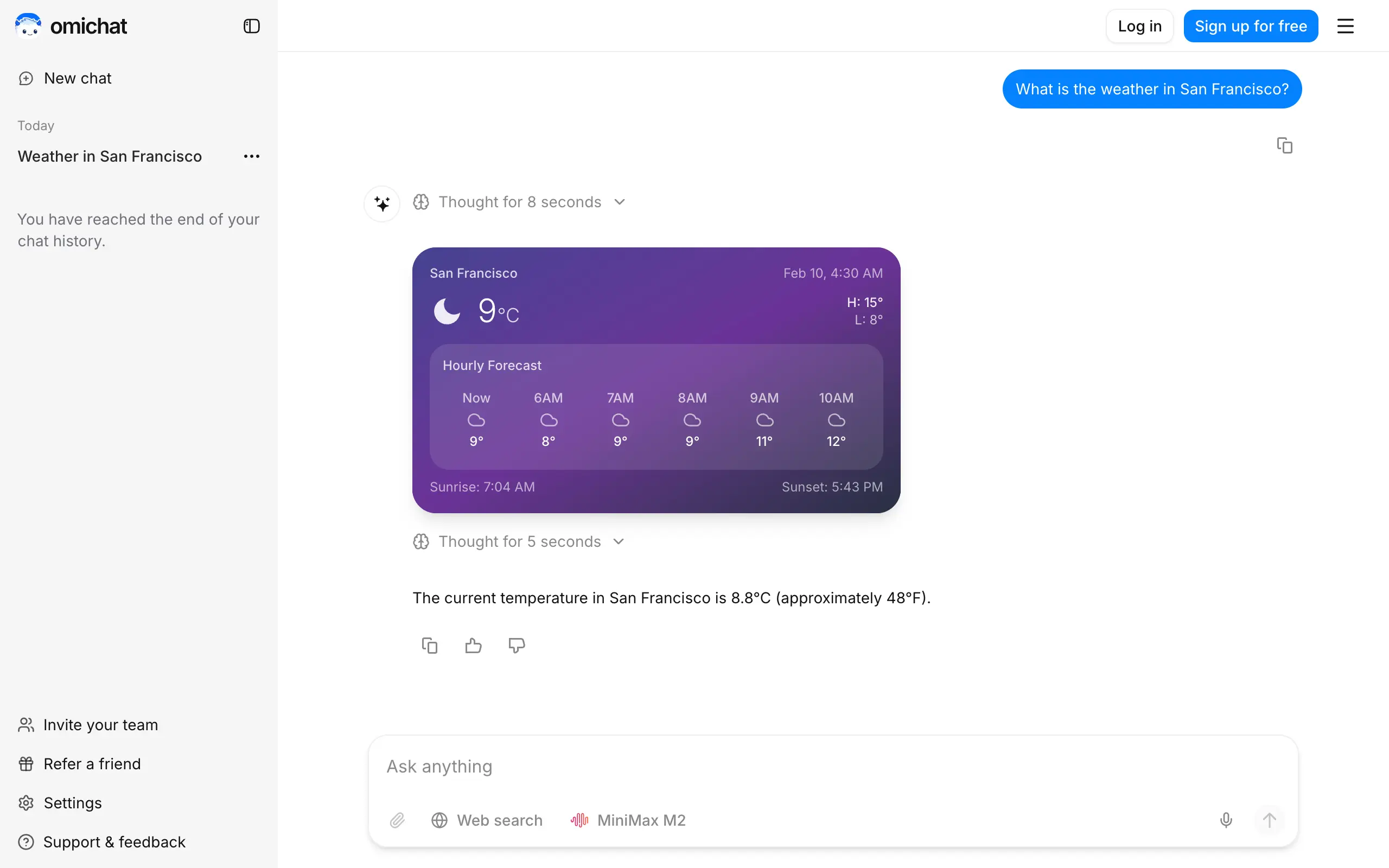
Omichat
Chat with 50+ AI models, including ChatGPT and Claude, in one place - switch models anytime without losing context 🤖
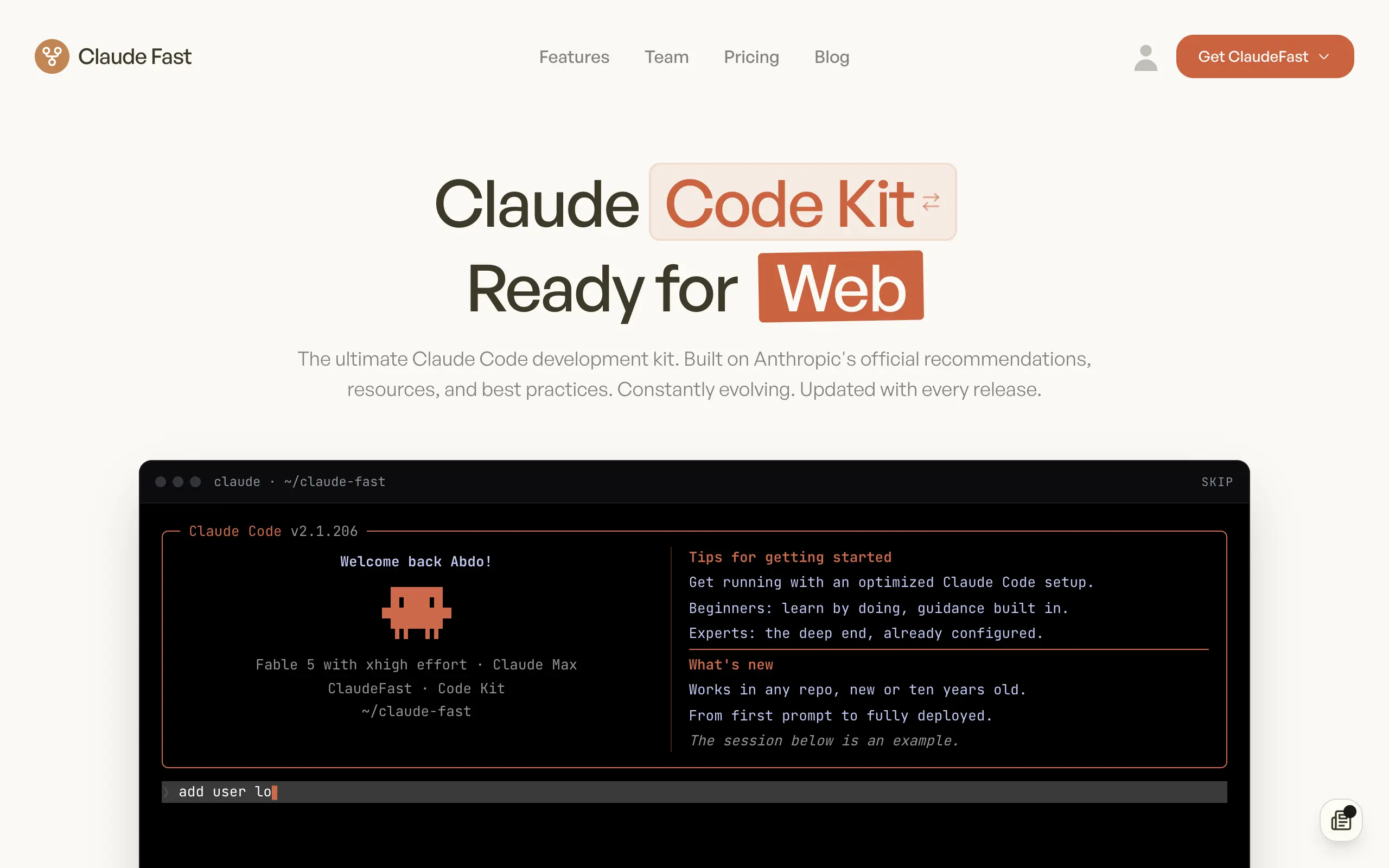
Claude Fast
Supercharge your Claude Code with 6x effective context window and specialized AI agents 🤖
EmojAI
AI-powered emoji picker with smart, context-aware suggestions 🤖
Solohacker
Autonomous company launcher - AI agents work 24/7, escalate what matters, and you stay in control 🤖
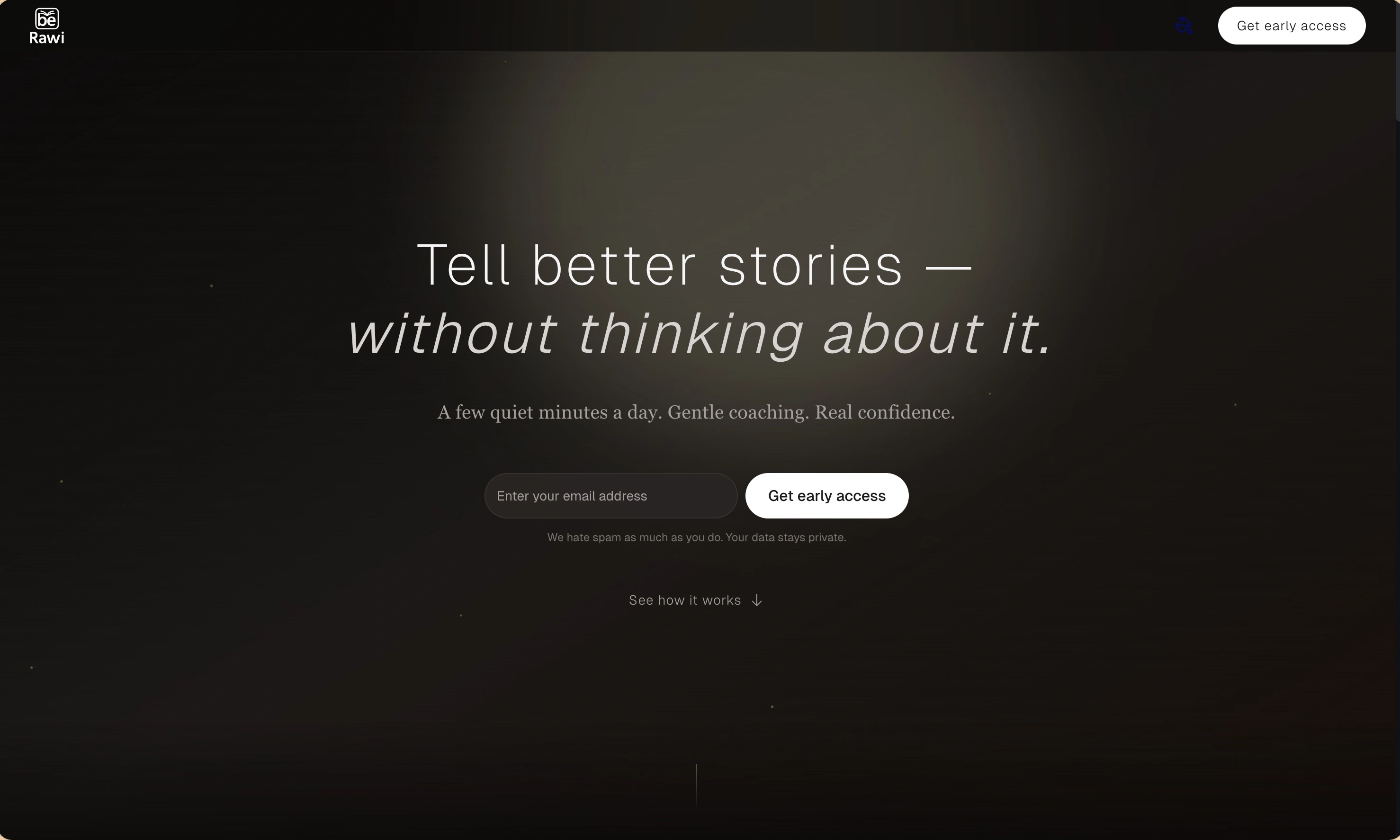
BeRawi: Storytelling Coach
Practice storytelling daily with instant feedback to sound clearer, more engaging, and confident 🎤
Omichat
Chat with 50+ AI models, including ChatGPT and Claude, in one place - switch models anytime without losing context 🤖
Claude Fast
Supercharge your Claude Code with 6x effective context window and specialized AI agents 🤖
EmojAI
AI-powered emoji picker with smart, context-aware suggestions 🤖
Solohacker
Autonomous company launcher - AI agents work 24/7, escalate what matters, and you stay in control 🤖
BeRawi: Storytelling Coach
Practice storytelling daily with instant feedback to sound clearer, more engaging, and confident 🎤
Omichat
Chat with 50+ AI models, including ChatGPT and Claude, in one place - switch models anytime without losing context 🤖
Claude Fast
Supercharge your Claude Code with 6x effective context window and specialized AI agents 🤖
EmojAI
AI-powered emoji picker with smart, context-aware suggestions 🤖
Solohacker
Autonomous company launcher - AI agents work 24/7, escalate what matters, and you stay in control 🤖
BeRawi: Storytelling Coach
Practice storytelling daily with instant feedback to sound clearer, more engaging, and confident 🎤
Omichat
Chat with 50+ AI models, including ChatGPT and Claude, in one place - switch models anytime without losing context 🤖
Claude Fast
Supercharge your Claude Code with 6x effective context window and specialized AI agents 🤖
EmojAI
AI-powered emoji picker with smart, context-aware suggestions 🤖
Solohacker
Autonomous company launcher - AI agents work 24/7, escalate what matters, and you stay in control 🤖
BeRawi: Storytelling Coach
Practice storytelling daily with instant feedback to sound clearer, more engaging, and confident 🎤

Connect with like-minded people
Join our community to get feedback, support, and grow together with 1,000+ builders on board, let's ship it!
Join usShip your startup everywhere. In minutes.
Don't burn tokens on setup and start building features on day one.