RoamRaid
Plan group trips through a game-like map where friends vote on places, complete travel missions, and split costs effortlessly.
Why a game-like group trip planning app solves a real travel problem
Planning a trip with friends is rarely difficult because people lack destination ideas. It becomes difficult because every decision requires coordination across different preferences, budgets, schedules, and communication styles.
One person sends social media videos. Another creates a shared spreadsheet. Someone else maintains a group chat with hundreds of messages. Eventually, the most organized traveler becomes an unpaid project manager responsible for comparing flights, finding accommodation, organizing activities, and chasing everyone for payments.
RoamRaid is positioned as a mobile group trip planning app that turns this fragmented process into a collaborative game-like experience. Friends explore a shared map, vote on places, complete travel missions, build a collective itinerary, and split expenses without moving between multiple disconnected tools.
The core opportunity is not simply another travel itinerary app. It is a social coordination product for a category where group decision-making is consistently painful.
A strong RoamRaid experience should make travelers feel that planning is part of the trip rather than a frustrating administrative task.
Primary positioning
RoamRaid should lead with collaborative trip planning for friend groups, then reinforce the product’s differentiators: visual map voting, lightweight travel missions, and integrated group expense splitting.
The target audience for RoamRaid
The ideal RoamRaid customer is not every traveler. Broad travel positioning often produces vague messaging and feature bloat. The strongest early market is made up of travelers who already travel socially, use mobile-first tools, and feel the friction of coordinating with multiple people.
Primary audience: friend groups aged 22 to 40
RoamRaid’s primary audience includes friend groups planning city breaks, beach holidays, road trips, festivals, ski trips, bachelor or bachelorette weekends, and milestone celebrations.
These users often share several characteristics:
- They coordinate primarily through mobile messaging apps.
- They discover travel inspiration through social content, maps, and recommendations.
- They want input into the itinerary but do not want to manage the logistics.
- They are price-sensitive enough to care about fair expense splitting.
- They value memorable, shareable activities over generic sightseeing.
- They are accustomed to voting, reacting, and collaborating in digital products.
Their central pain point is not that they cannot find a restaurant or tourist attraction. It is that group consensus is slow, unclear, and emotionally draining.
Secondary audience: trip organizers and social planners
Every friend group tends to have one person who naturally organizes. This person is an especially important acquisition target because they feel the pain most acutely and are most likely to invite the rest of the group.
They typically need to answer questions such as:
- Where should we go?
- Which hotel fits everyone’s budget?
- Who actually wants to do this activity?
- Which ideas are confirmed versus merely suggested?
- Has everyone paid their share?
- What happens when someone drops out?
RoamRaid should make this organizer look competent without requiring them to become a travel agent or spreadsheet expert.
High-value expansion audiences
Once the core product has traction, RoamRaid can expand into adjacent segments.
Couples and small groups
A simpler planning flow for two to four travelers who want a shared itinerary and fair expense tracking.
Remote teams
Team offsites and work retreats need structured logistics, attendee voting, and accountability for booking tasks.
Student travel groups
Students have high coordination needs, limited budgets, and strong interest in social, gamified experiences.
Travel communities
Group tour leaders, hostel communities, and local travel clubs can use collaborative itinerary templates.
The group travel planning market gap
Travel technology is crowded, but the user journey remains fragmented. Travelers commonly use a booking site for flights, a map product for saved places, a group chat for discussion, a document for itineraries, and a peer-to-peer payments app for settling costs.
Each tool can work well independently. The failure happens between tools.
A saved restaurant does not show whether the group wants to visit it. A payment request does not explain which shared purchase it relates to. A spreadsheet may be organized but does not make destination research engaging. A group chat contains valuable context, but that context quickly becomes hard to search, prioritize, or convert into decisions.
This creates an opening for a collaborative travel planning app designed around the full group coordination workflow.
The existing alternatives and their limitations
| Alternative | What it does well | Where groups struggle | RoamRaid opportunity | Primary user value |
|---|---|---|---|---|
| Group chat | Fast conversation | Decisions disappear in message volume | Turn discussion into structured votes and tasks | Less confusion |
| Shared spreadsheet | Detailed budgeting | High effort and low engagement | Offer simple mobile collaboration and expense status | Less admin work |
| Map saving tools | Place discovery | No consensus layer or itinerary commitment | Connect pins to voting, missions, and schedule slots | Better decisions |
| Expense apps | Debt calculation | Disconnected from trip planning context | Attach costs to travel days, bookings, and activities | Fairer settlements |
The key market gap is a product that treats trip planning as a shared, evolving experience rather than a collection of static lists.
Why gamification can improve travel planning
Gamification is useful when it supports a real task rather than becoming a novelty. In RoamRaid, travel missions should encourage the behaviors that make group trips better planned:
- Researching destinations and adding useful places
- Making decisions before deadlines
- Completing booking or packing tasks
- Encouraging participation from quieter group members
- Discovering local experiences beyond the obvious tourist list
- Keeping the group engaged between the initial idea and departure date
For example, a mission could ask members to add one local food spot under a chosen price point, vote on three neighborhood options, or complete their passport and emergency contact information before booking confirmation.
The reward should be primarily social and progress-based. Digital badges, trip milestones, friendly leaderboards, and unlockable map themes can add energy. However, RoamRaid should avoid making users feel forced to compete over travel decisions. The product must remain useful even for users who never engage with the game layer.
RoamRaid’s unique value proposition
RoamRaid’s USP is that it combines map-based group trip planning, social voting, travel missions, and cost splitting in one mobile experience.
That combination matters because it follows the natural sequence of planning a group trip:
- People discover and save ideas.
- The group discusses and votes on those ideas.
- Decisions become itinerary items.
- Members complete planning tasks.
- The group tracks shared costs and settles balances.
- The itinerary becomes useful during the trip itself.
Most travel products focus heavily on one stage. RoamRaid can own the handoff between every stage.
A clear positioning statement
A concise positioning statement for marketing pages, app store listings, and paid acquisition campaigns could be:
RoamRaid helps friends plan unforgettable trips together with map voting, shared travel missions, collaborative itineraries, and effortless expense splitting.
This messaging speaks to the user’s desired outcome, while the product details explain why RoamRaid is different.
The emotional advantage
The functional value is organization. The emotional value is avoiding the common frustration of being ignored, overruled, overcharged, or forced to coordinate everyone.
RoamRaid should help users feel:
- Heard during destination and activity decisions
- Excited by the journey before departure
- Confident about the itinerary
- Protected from awkward payment conversations
- Connected to their travel group
That emotional layer is especially valuable in social travel, where poor planning can damage relationships as much as it damages a schedule.
Core features for a group trip planning app
RoamRaid should not launch with every possible travel feature. A focused MVP needs to solve the highest-frequency planning problems exceptionally well.
Shared trip spaces
Every trip should have a dedicated, invitation-only shared space containing the map, itinerary, participant list, votes, task progress, and expenses.
A trip creation flow should collect only the information needed to personalize the initial experience:
- Trip name
- Potential destination or region
- Approximate dates
- Estimated group size
- Travel style preferences
- Budget range
- Planning stage
For example, a group still choosing between Lisbon and Barcelona should see a different flow from a group that already booked flights to Tokyo.
Interactive collaborative map
The interactive map is RoamRaid’s most visually distinctive feature. Users should be able to save and categorize places such as restaurants, attractions, nightlife venues, accommodation options, transport stations, and hidden gems.
Each pin should include contextual details:
- Place name and location
- Category
- Price indicator where available
- Notes from the contributor
- Link or source reference
- Photos where permitted
- Vote total
- Itinerary status
- Open hours and practical information when available from approved data providers
The map should not become a dumping ground. Product design needs clear states such as suggested, under review, shortlisted, confirmed, and completed.
Group voting and consensus tools
Simple upvotes are helpful, but group travel decisions often need more nuance. RoamRaid should support several voting patterns.
Quick reactions work best for restaurants, bars, viewpoints, and spontaneous activity ideas. Members can vote quickly without opening a long form.
Ranked choices work better for high-stakes decisions such as destinations, accommodation, or day trips. Users rank options rather than selecting only one favorite.
Decision deadlines prevent endless indecision. The organizer can set a closing time, a quorum, or a vote threshold before an item becomes confirmed.
To preserve trust, the app should clearly show who voted, what decision rule applies, and whether a decision is final. Hidden logic will cause conflict, particularly when the group is spending money.
Travel missions and planning quests
Travel missions are RoamRaid’s engagement engine. They should be tied to practical planning objectives rather than superficial point accumulation.
Useful mission categories include:
- Discovery missions that encourage members to add places aligned with the group’s interests
- Decision missions that ask the group to vote before a deadline
- Logistics missions that confirm passport, transport, or accommodation details
- Budget missions that help members set a daily spending target
- Local culture missions that encourage finding independent businesses, food, or neighborhood experiences
- During-trip missions that turn the itinerary into an optional shared challenge
A mission system should support templates. For example, a “three-day city break” template could automatically create missions for choosing one must-do activity, one local food destination, one rainy-day option, and one evening plan.
Collaborative itinerary builder
The itinerary should translate saved ideas into a practical daily schedule. It needs to balance structure with flexibility.
Core itinerary functions should include:
- Drag-and-drop day planning
- Time blocks and duration estimates
- Map-aware route suggestions
- Group confirmation status
- Notes and meeting points
- Booking references
- Offline access for key trip details
- Open slots for spontaneous decisions
- Conflict alerts for overlapping activities
A useful differentiator is showing the group’s confidence level for a day. If a schedule contains multiple unconfirmed pins or no transport plan, RoamRaid can surface a gentle warning before the trip begins.
Group expense splitting
Expense splitting is one of the most valuable retention features because it remains useful during and after the trip.
The experience should support:
- Equal splits
- Unequal shares
- Percentage-based splits
- Itemized expenses
- Expenses paid by different group members
- Multi-currency recording
- Participant exclusions
- Settlement summaries
- Exportable records
The first version should prioritize transparent calculations over complex financial integrations. People need to understand what they owe and why. If RoamRaid later supports payment processing, it must address regional availability, identity verification, fraud prevention, refunds, and regulatory obligations.
Avoid payment complexity too early
Directly moving money between users can introduce licensing, compliance, chargeback, and support burdens. An MVP can calculate balances and link users to their preferred payment method before pursuing embedded payments.
Smart recommendations without losing user control
AI can improve the product when it reduces planning work. It should not make opaque choices for the group.
Potential AI-assisted features include:
- Turning scattered saved pins into a draft day itinerary
- Detecting duplicate venue suggestions
- Suggesting nearby alternatives when a place is closed
- Summarizing group preferences from votes
- Recommending a balanced schedule based on travel time and budget
- Drafting packing lists based on destination, season, and mission type
- Identifying expense anomalies or incomplete repayments
Any recommendation should explain its reasoning. For example, “This route groups four highly voted places within a 20-minute walk” is more trustworthy than an unexplained itinerary.
Recommended technical architecture for RoamRaid
RoamRaid is a mobile-first product with real-time collaboration requirements. The stack should prioritize rapid iteration, stable location features, secure authentication, and predictable operational costs.
Mobile application framework
For an early-stage product, React Native is a strong choice because it supports iOS and Android from a shared codebase. Using Expo can further reduce build and deployment complexity during the MVP stage.
The trade-off is that certain highly specialized native map interactions, background location behaviors, or animation-heavy game experiences may eventually require custom native modules. That is usually an acceptable trade-off when validating demand.
Flutter is a credible alternative for teams that prioritize highly consistent UI rendering and have Dart expertise. Native iOS and Android applications offer maximum platform control, but they substantially increase engineering cost and delivery time.
Frontend and design system
A practical web companion and internal admin dashboard can use Next.js and React. Even though RoamRaid is primarily mobile, a web surface is useful for shared itinerary viewing, SEO-friendly destination content, support operations, and organizer workflows.
For dashboard styling, Tailwind CSS provides fast design consistency. The mobile application should use a token-based design system that aligns colors, spacing, typography, and component states across platforms.
Backend, database, and real-time collaboration
RoamRaid needs real-time updates for votes, itinerary changes, chat-adjacent activity, and expense balances. A PostgreSQL-based backend is well suited to the relational nature of trips, members, places, votes, tasks, and expenses.
Recommended building blocks include:
- PostgreSQL for transactional data and reliable relational queries
- Supabase for authentication, database tooling, storage, and real-time capabilities
- Prisma for type-safe database access if using a custom Node.js backend
- Node.js for API services and background workers
- Redis for caching, rate limiting, queues, and temporary collaboration state
Supabase can accelerate an MVP significantly. The trade-off is that teams must still design row-level security carefully, especially because trip data may include location plans, payment-related notes, booking references, and personal contact details.
Maps, places, and travel data
Map and place data will heavily shape the product experience. The implementation needs an established mapping provider with reliable mobile support, autocomplete, geocoding, place metadata, and clear commercial terms.
Mapbox is a strong option for customizable map experiences. Google Maps Platform offers broad place coverage and familiar user interactions. The final choice should be based on geographic coverage, pricing at expected usage levels, required place details, caching restrictions, and branding flexibility.
Do not underestimate map provider costs. Place autocomplete and details requests can become expensive if the product repeatedly fetches data for every pin, search interaction, or map refresh. Cache permitted data, debounce searches, and monitor usage from the first beta cohort.
Security and privacy foundations
RoamRaid handles socially sensitive data. Travel dates can imply when a user is away from home. Location pins may reveal habits, accommodation details, and meeting places. Expense information can also create interpersonal conflict when displayed carelessly.
The product should include:
- Private trips by default
- Invitation controls and role-based permissions
- Encryption in transit and at rest
- Minimal collection of sensitive personal data
- Account deletion and data export workflows
- Audit logs for important group changes
- Rate limits for invitations and public sharing
- Strong authentication with optional passkeys or multi-factor authentication
- Clear privacy controls for profile visibility and activity history
For best-practice security guidance, product and engineering teams can use the OWASP application security resources as a baseline.
Monetization strategies for RoamRaid
The best RoamRaid business model should align with user value. Charging users before they have coordinated a real trip will create friction. Monetization should appear when a group receives obvious ongoing utility or when RoamRaid creates measurable booking value.
Freemium subscription model
A free tier can include a limited number of active trips, standard voting, basic expense splitting, and a simple itinerary.
A paid RoamRaid Plus plan could unlock:
- Unlimited trips and trip archives
- Advanced voting rules
- AI itinerary generation
- Custom missions and trip themes
- Enhanced expense reporting
- Offline itinerary packs
- Premium map layers
- Priority support
- Larger group sizes
- Shared packing lists and booking document storage
This model is straightforward, but subscription willingness may be limited if users only take a few group trips per year. Position the subscription around organizers, frequent travelers, or groups that repeatedly travel together.
Booking affiliate revenue
Travel booking partnerships can generate revenue when users book accommodation, activities, insurance, transport, or local experiences through RoamRaid.
This approach has strong strategic alignment because the app already captures travel intent. However, it must protect user trust. Recommendations should be useful even when they do not generate affiliate revenue, and sponsored placement must be clearly labeled.
Affiliate programs, commission policies, availability, and legal disclosures vary by region. Before forecasting revenue, validate current partner terms directly with each provider and seek legal guidance regarding disclosure requirements.
Group premium trip packs
RoamRaid can sell one-time themed packs for specific trip types:
- Festival weekend planning pack
- Ski trip coordination pack
- European city break pack
- Road trip mission pack
- Bachelor or bachelorette trip pack
- Remote work retreat pack
This model avoids a recurring subscription decision and gives users a clear reason to pay for a specific event.
B2B and community licensing
Over time, RoamRaid could offer a branded version or organizer dashboard for travel communities, university societies, corporate retreat planners, hostels, and group tour operators.
B2B revenue tends to involve longer sales cycles, but it can increase average contract value and reduce dependence on consumer subscription retention.
Competitive advantage and defensibility
A map alone is not defensible. Voting alone is not defensible. Expense splitting alone is not defensible. RoamRaid becomes more difficult to copy when these components produce a unique and useful collaboration loop.
The RoamRaid collaboration loop
- A member adds a place or activity.
- The group reacts or votes.
- The most supported ideas become a draft itinerary.
- Missions motivate members to fill important gaps.
- The group records costs against real plans.
- The completed trip creates memories, recommendations, and reusable templates.
- The group returns for its next trip.
This loop creates compounding value because each completed trip can produce better planning templates, destination insights, and mission patterns.
Data advantage with responsible use
RoamRaid can learn aggregated patterns such as:
- Which types of activities groups vote for at different budget levels
- How far travelers are willing to move between itinerary stops
- Which planning tasks are commonly missed
- Which trip templates produce high completion rates
- Which expense categories create the most settlement friction
This data should be used responsibly and aggregated wherever possible. The objective is to improve the planning experience, not to expose individual travel behavior.
Brand advantage
The name RoamRaid supports an energetic, social identity. “Roam” signals exploration, while “Raid” signals teamwork, momentum, and a shared mission.
This gives the product a more memorable personality than a purely utilitarian itinerary tool. The brand should lean into collaborative adventure, but the interface must remain calm and reliable when users need to find a booking reference, confirm a meeting point, or resolve an expense.
Risks and mitigation strategies
Every travel SaaS idea has product, operational, and market risks. A credible launch plan acknowledges them early.
Reduce onboarding friction with magic-link invites, lightweight guest access, deep links, and a useful web preview. The first invited member should be able to vote or view a plan within seconds.
Make missions optional, practical, and customizable. Use progress mechanics to encourage planning behavior rather than forcing points, streaks, or competition.
Set usage budgets, cache allowed responses, debounce search requests, and choose a provider only after modeling expected requests per active trip.
Show transparent calculations, immutable change history, participant-level split details, and clear controls for editing or disputing an expense.
Build trip archives, photo recaps, reusable templates, destination wishlists, referral incentives, and a simple way to duplicate a previous trip.
Use private-by-default trips, granular sharing permissions, minimal data retention, and clear user controls for deleting trip information.
A practical MVP roadmap for RoamRaid
The most important launch principle is to validate the collaboration loop before building a full travel marketplace or a complex game engine.
Phase one: validate the core planning behavior
The initial MVP should include:
- Account creation and trip invitations
- Shared trip spaces
- Collaborative map pins
- Place categories and notes
- Group voting
- Basic itinerary building
- Simple tasks or missions
- Manual expense tracking and split calculations
- Push notifications for decisions and changes
Avoid building direct booking, payment processing, advanced AI planning, extensive social feeds, or complex reward economies in the first release.
Phase two: measure product-market fit
The key metrics should focus on collaboration rather than vanity downloads.
- Activation rate based on a trip with at least three members
- Invite acceptance rate
- Number of votes per active trip
- Percentage of saved places that reach a decision state
- Mission completion rate
- Expense settlement completion rate
- Weekly active groups rather than only weekly active users
- Repeat trip creation rate
- Organizer retention after the first completed trip
A valuable north-star metric could be weekly active trips with at least three members completing a planning action. This measures real group collaboration, not passive browsing.
Phase three: enhance intelligence and monetization
Once users repeatedly complete planning flows, prioritize improvements based on observed friction:
- AI-assisted itinerary drafting
- Better route and timing suggestions
- Premium group planning features
- Destination templates
- Affiliate booking integrations
- Shared media recaps
- Advanced organizer controls
- Payment partner integrations where legally and commercially appropriate
Interview 20 to 30 recent group-trip organizers. Ask them to walk through their actual planning artifacts, including chats, spreadsheets, saved maps, and payment records.
Create an interactive prototype centered on map saving, voting, itinerary confirmation, and expense visibility. Test it with complete friend groups rather than isolated individual users.
Build the mobile MVP with a cross-platform stack, private trip spaces, real-time voting, map pins, missions, and transparent expense calculations.
Launch a closed beta around one narrow use case, such as friend-group city breaks or long-weekend trips, and measure collaborative activation.
Use behavioral data and qualitative interviews to identify where groups abandon planning, then improve that workflow before adding marketplace or payment complexity.
A lightweight example of the data model for a transparent expense split might look like this:
type Expense = {
  id: string;
  tripId: string;
  title: string;
  amountCents: number;
  currency: string;
  paidByUserId: string;
  participantIds: string[];
  createdAt: string;
};

function calculateEqualShare(expense: Expense) {
  return Math.ceil(expense.amountCents / expense.participantIds.length);
}
In production, expense calculations need more robust rounding logic, currency handling, amendment history, and validation. The principle remains the same: users should always be able to understand the balance calculation.
Building RoamRaid efficiently
A product like RoamRaid benefits from starting with proven SaaS infrastructure instead of spending early engineering cycles rebuilding authentication, billing foundations, dashboards, and deployment workflows.
TurboStarter can help teams accelerate the surrounding SaaS foundation, leaving more time to focus on RoamRaid’s distinctive mobile collaboration experience, map interactions, voting system, mission engine, and travel-specific workflows.
Final recommendation
RoamRaid has a compelling opportunity because group travel planning remains deeply fragmented despite the abundance of travel apps. The product should not try to replace every booking platform, map provider, or payment service on day one. Its advantage is becoming the social coordination layer that brings those workflows together.
The strongest version of RoamRaid will make a group feel that it is planning with one another rather than planning around one overworked organizer.
Start with a focused mobile MVP for friend groups. Make the shared map useful, make voting decisive, keep missions practical, and make expense splitting transparent. If RoamRaid can consistently turn chaotic group chats into confirmed plans, it can earn repeat usage, meaningful referrals, and a defensible place in the collaborative travel planning market.
More 📱 Mobile App SaaS ideas
Discover more innovative mobile app SaaS ideas that are trending in 2026. Each idea is AI-generated with market validation and growth potential to help you find your next profitable venture faster than competitors.
Your competitors are building with TurboStarter
Below are some of the SaaS ideas that have been generated and built with our starter kit.
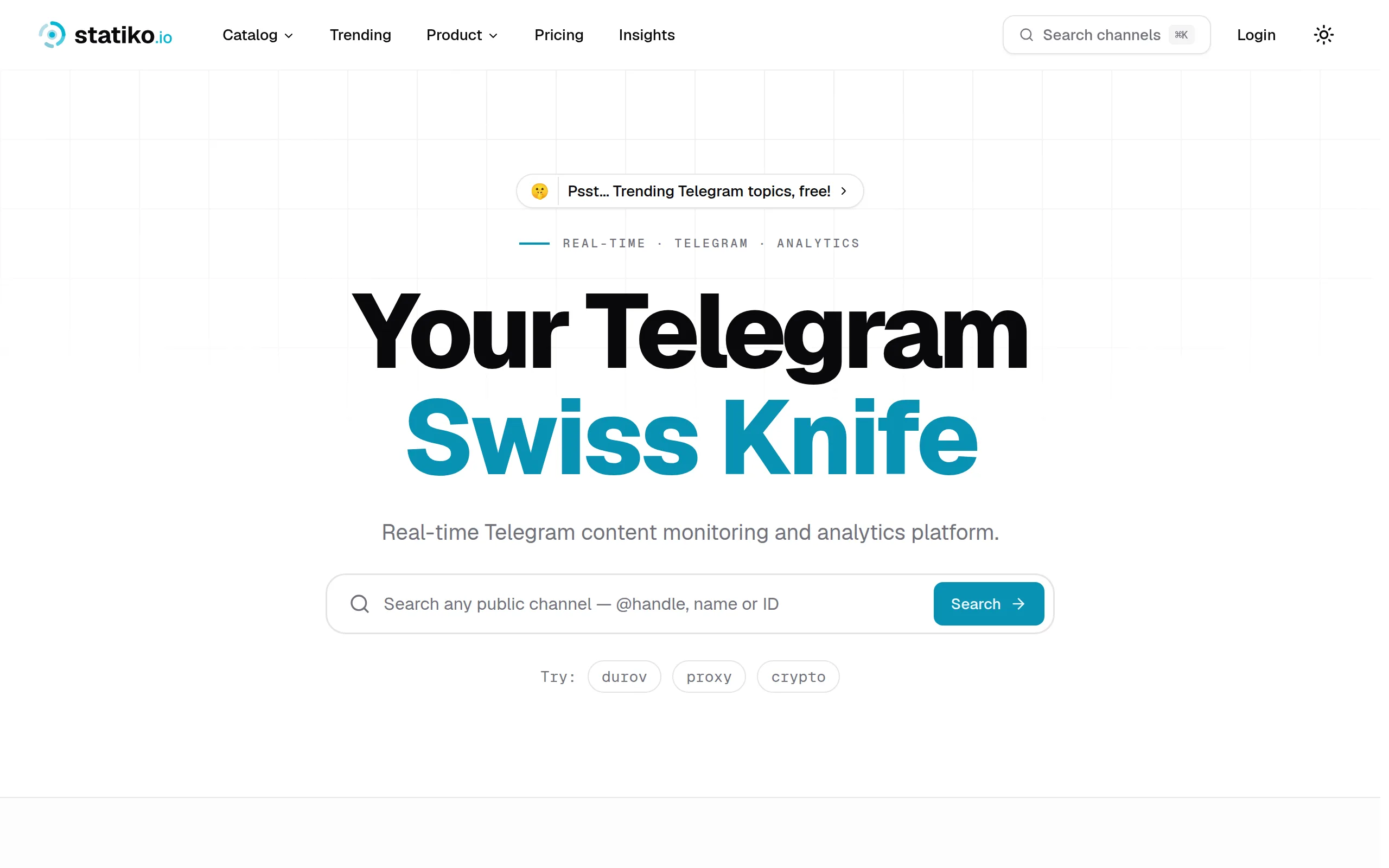
Statiko
Monitor any Telegram channel in real time - track posts, edits, deletions, and growth with AI recaps 📡
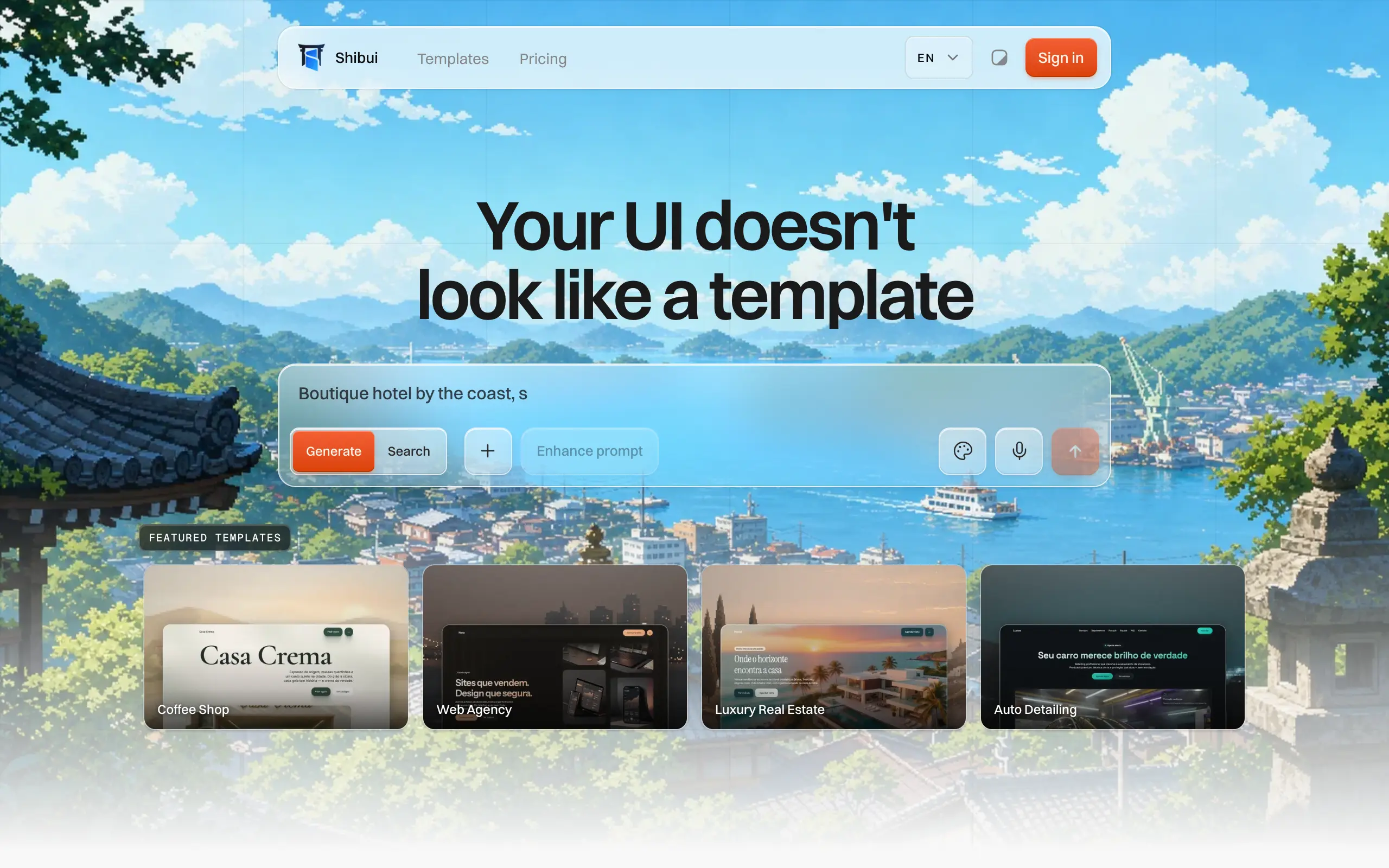
Shibui
AI website builder - describe your business, pick a niche template, edit by chatting, and publish instantly ✨

Pro Service
Find verified home service professionals, compare quotes, and pay securely through escrow - built for Brazilians across the US 🏠
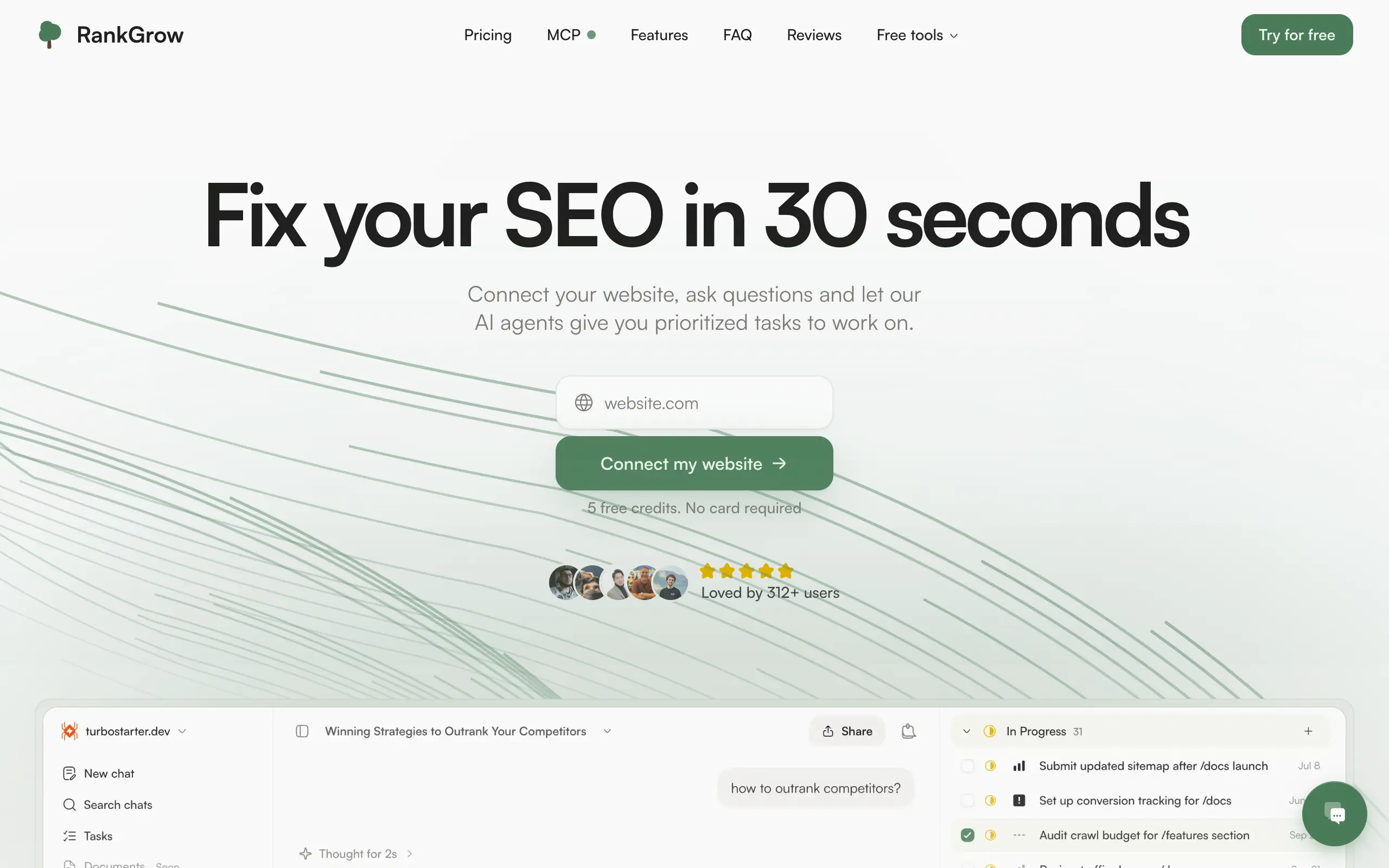
RankGrow
Fix your SEO with AI agents - connect Search Console, get prioritized tasks, and grow organic traffic 📈
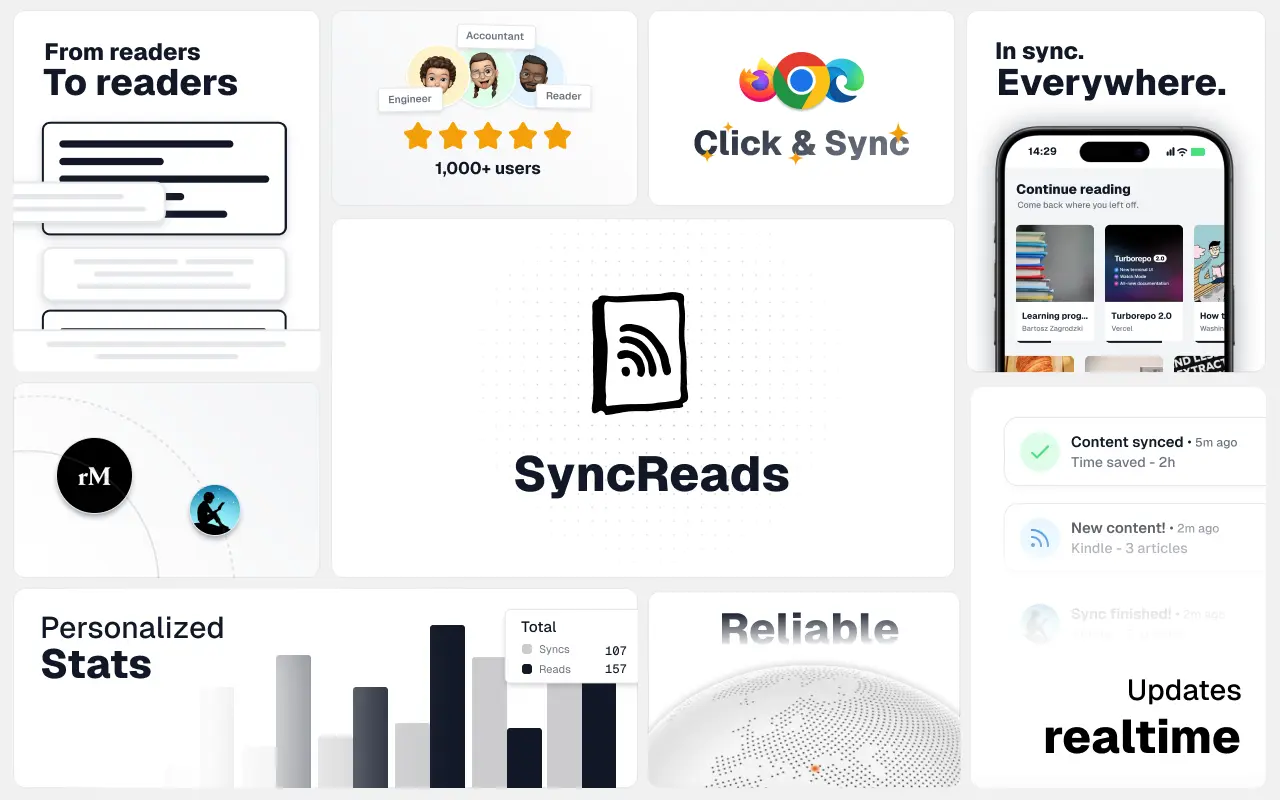
SyncReads
Sync your favorite content for distraction-free reading, save time and replace multiple apps. Anytime, anywhere 🔄
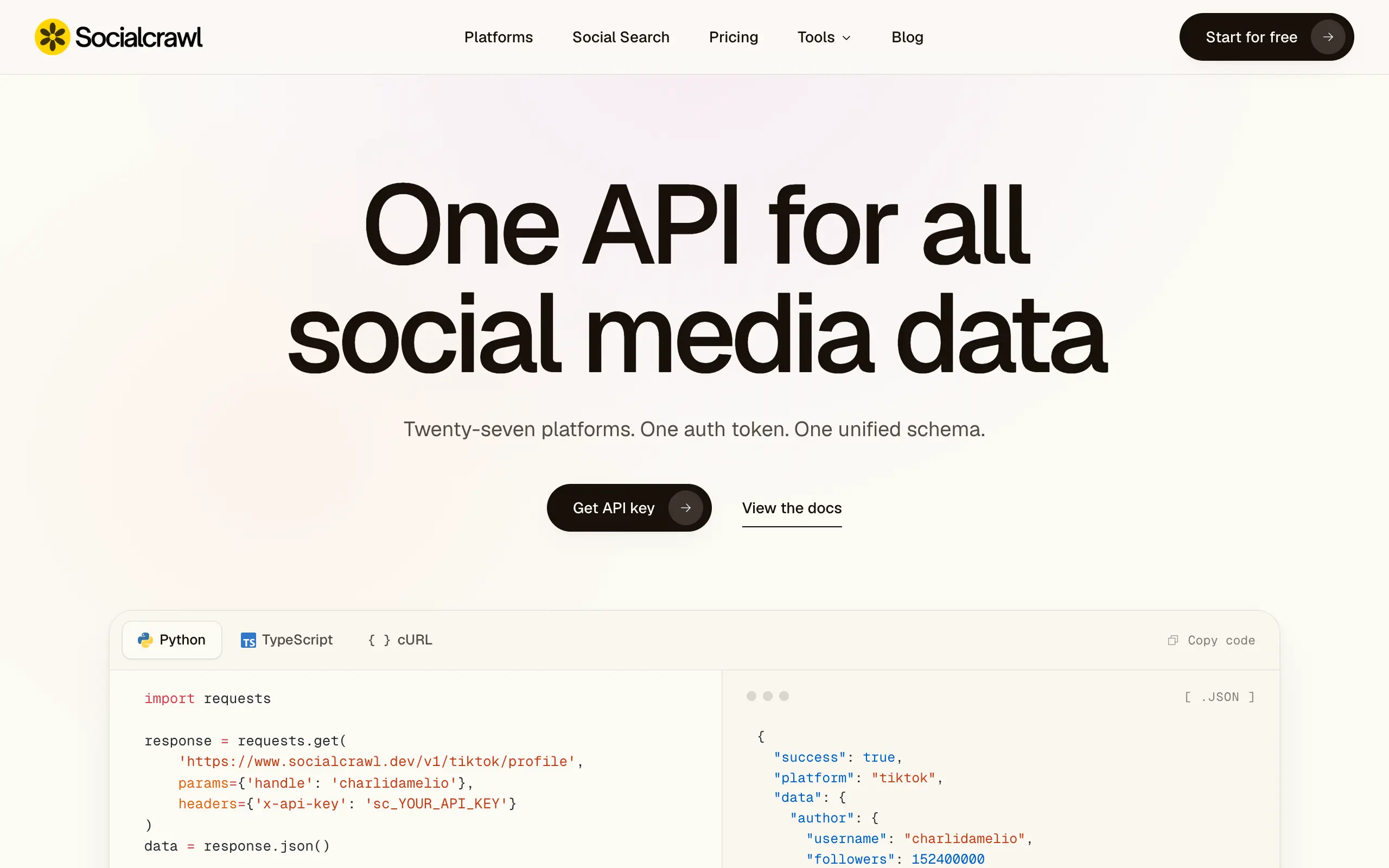
Socialcrawl
Get clean, structured data from 21 platforms like TikTok, Instagram, and YouTube with a single request 📊
Statiko
Monitor any Telegram channel in real time - track posts, edits, deletions, and growth with AI recaps 📡
Shibui
AI website builder - describe your business, pick a niche template, edit by chatting, and publish instantly ✨
Pro Service
Find verified home service professionals, compare quotes, and pay securely through escrow - built for Brazilians across the US 🏠
RankGrow
Fix your SEO with AI agents - connect Search Console, get prioritized tasks, and grow organic traffic 📈
SyncReads
Sync your favorite content for distraction-free reading, save time and replace multiple apps. Anytime, anywhere 🔄
Socialcrawl
Get clean, structured data from 21 platforms like TikTok, Instagram, and YouTube with a single request 📊
Statiko
Monitor any Telegram channel in real time - track posts, edits, deletions, and growth with AI recaps 📡
Shibui
AI website builder - describe your business, pick a niche template, edit by chatting, and publish instantly ✨
Pro Service
Find verified home service professionals, compare quotes, and pay securely through escrow - built for Brazilians across the US 🏠
RankGrow
Fix your SEO with AI agents - connect Search Console, get prioritized tasks, and grow organic traffic 📈
SyncReads
Sync your favorite content for distraction-free reading, save time and replace multiple apps. Anytime, anywhere 🔄
Socialcrawl
Get clean, structured data from 21 platforms like TikTok, Instagram, and YouTube with a single request 📊
Statiko
Monitor any Telegram channel in real time - track posts, edits, deletions, and growth with AI recaps 📡
Shibui
AI website builder - describe your business, pick a niche template, edit by chatting, and publish instantly ✨
Pro Service
Find verified home service professionals, compare quotes, and pay securely through escrow - built for Brazilians across the US 🏠
RankGrow
Fix your SEO with AI agents - connect Search Console, get prioritized tasks, and grow organic traffic 📈
SyncReads
Sync your favorite content for distraction-free reading, save time and replace multiple apps. Anytime, anywhere 🔄
Socialcrawl
Get clean, structured data from 21 platforms like TikTok, Instagram, and YouTube with a single request 📊
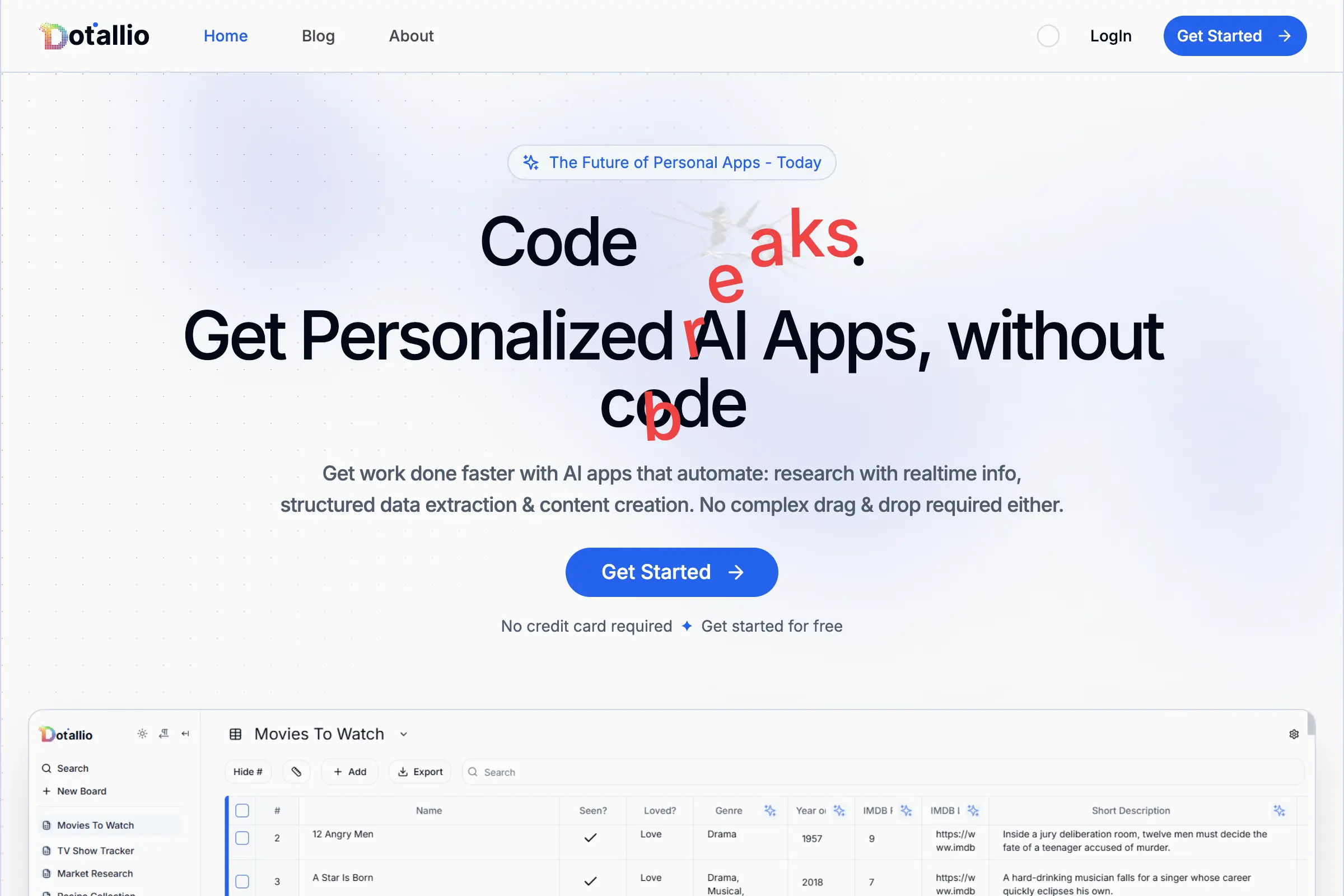
Dotallio
Personalized AI apps that automate research, data extraction, and content creation without code 🤖
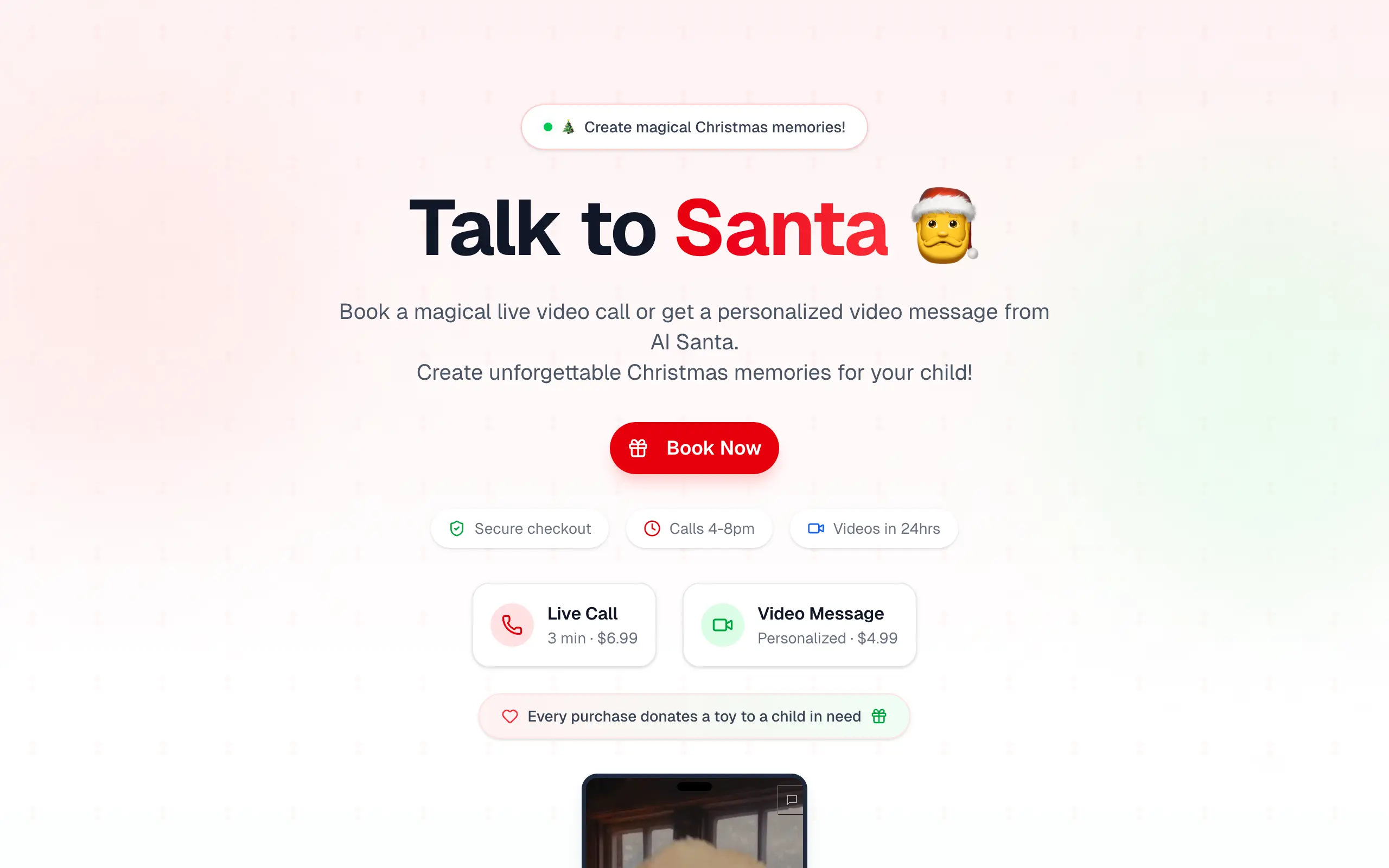
Talk to Santa
Enjoy a magical live video chat or receive a unique AI-generated video greeting from Santa Claus 🎅
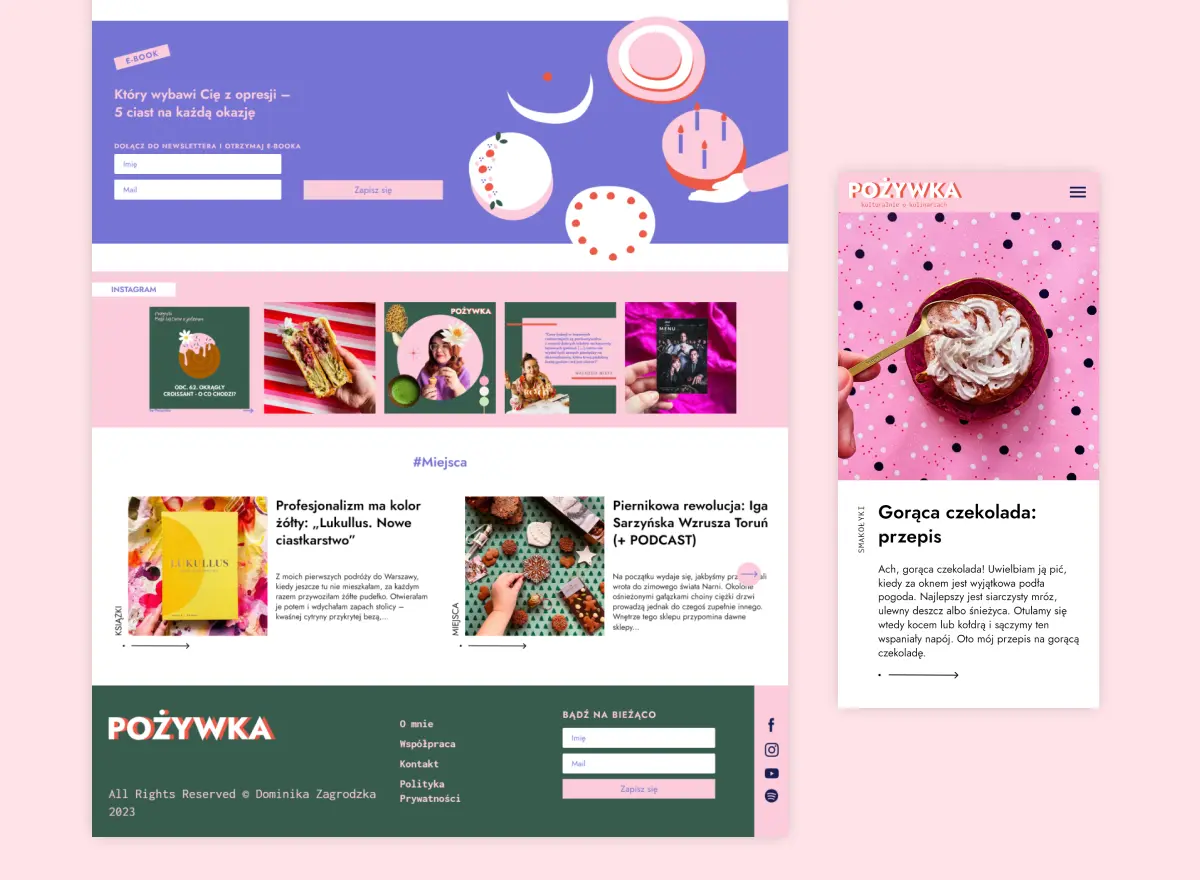
pozywka.pl
Scalable blog for food journalist, focused on performance and user experience 🌭
zagrodzki.me
Personal blog and portfolio of Bart Zagrodzki, where he shares his knowledge and work 💼
TurboStarter
Ship your startup everywhere. In minutes.
HTML to Markdown
Convert HTML to Markdown with ease, directly in your browser 📄
Dotallio
Personalized AI apps that automate research, data extraction, and content creation without code 🤖
Talk to Santa
Enjoy a magical live video chat or receive a unique AI-generated video greeting from Santa Claus 🎅
pozywka.pl
Scalable blog for food journalist, focused on performance and user experience 🌭
zagrodzki.me
Personal blog and portfolio of Bart Zagrodzki, where he shares his knowledge and work 💼
TurboStarter
Ship your startup everywhere. In minutes.
HTML to Markdown
Convert HTML to Markdown with ease, directly in your browser 📄
Dotallio
Personalized AI apps that automate research, data extraction, and content creation without code 🤖
Talk to Santa
Enjoy a magical live video chat or receive a unique AI-generated video greeting from Santa Claus 🎅
pozywka.pl
Scalable blog for food journalist, focused on performance and user experience 🌭
zagrodzki.me
Personal blog and portfolio of Bart Zagrodzki, where he shares his knowledge and work 💼
TurboStarter
Ship your startup everywhere. In minutes.
HTML to Markdown
Convert HTML to Markdown with ease, directly in your browser 📄
Dotallio
Personalized AI apps that automate research, data extraction, and content creation without code 🤖
Talk to Santa
Enjoy a magical live video chat or receive a unique AI-generated video greeting from Santa Claus 🎅
pozywka.pl
Scalable blog for food journalist, focused on performance and user experience 🌭
zagrodzki.me
Personal blog and portfolio of Bart Zagrodzki, where he shares his knowledge and work 💼
TurboStarter
Ship your startup everywhere. In minutes.
HTML to Markdown
Convert HTML to Markdown with ease, directly in your browser 📄
Omichat
Chat with 50+ AI models, including ChatGPT and Claude, in one place - switch models anytime without losing context 🤖
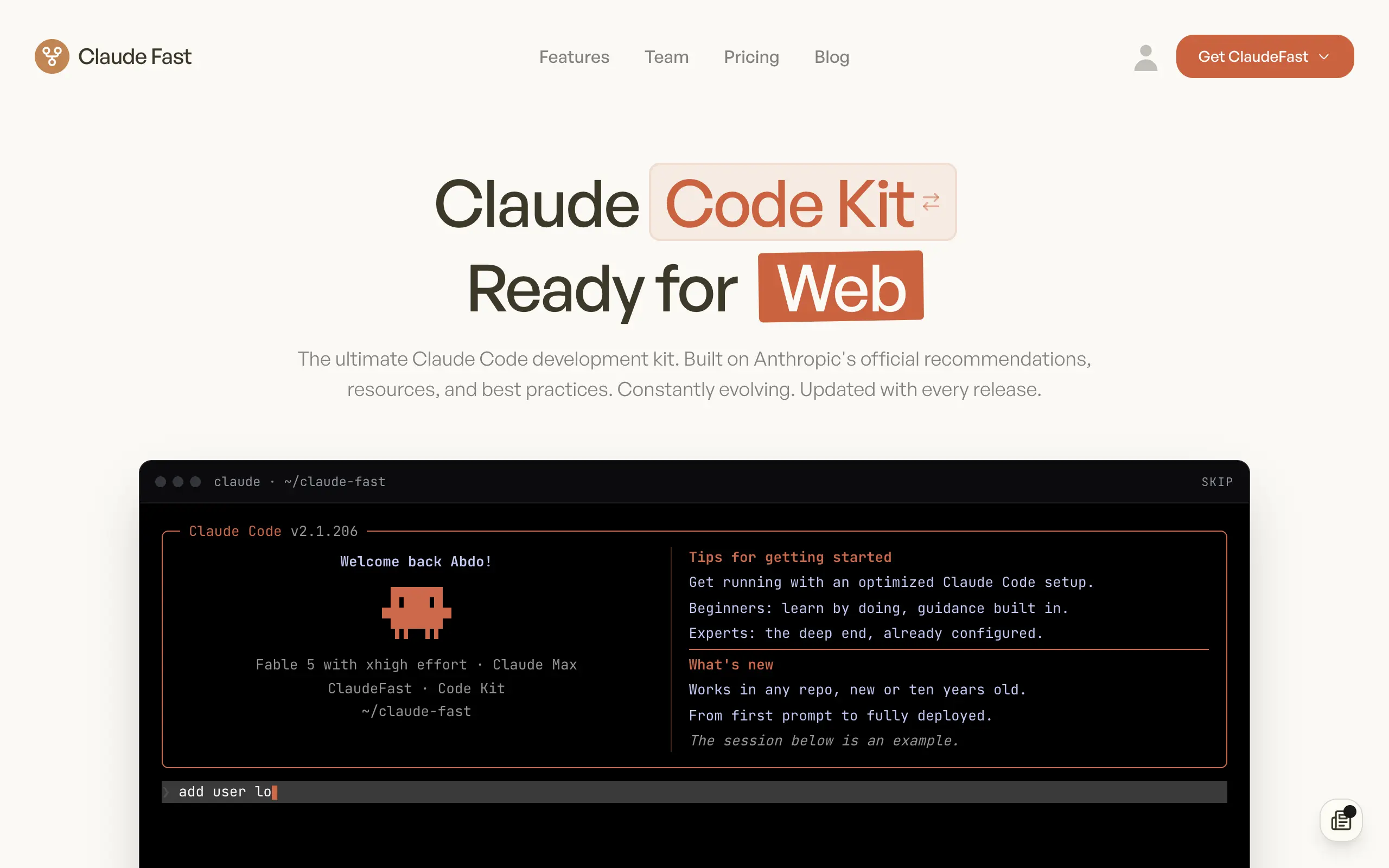
Claude Fast
Supercharge your Claude Code with 6x effective context window and specialized AI agents 🤖
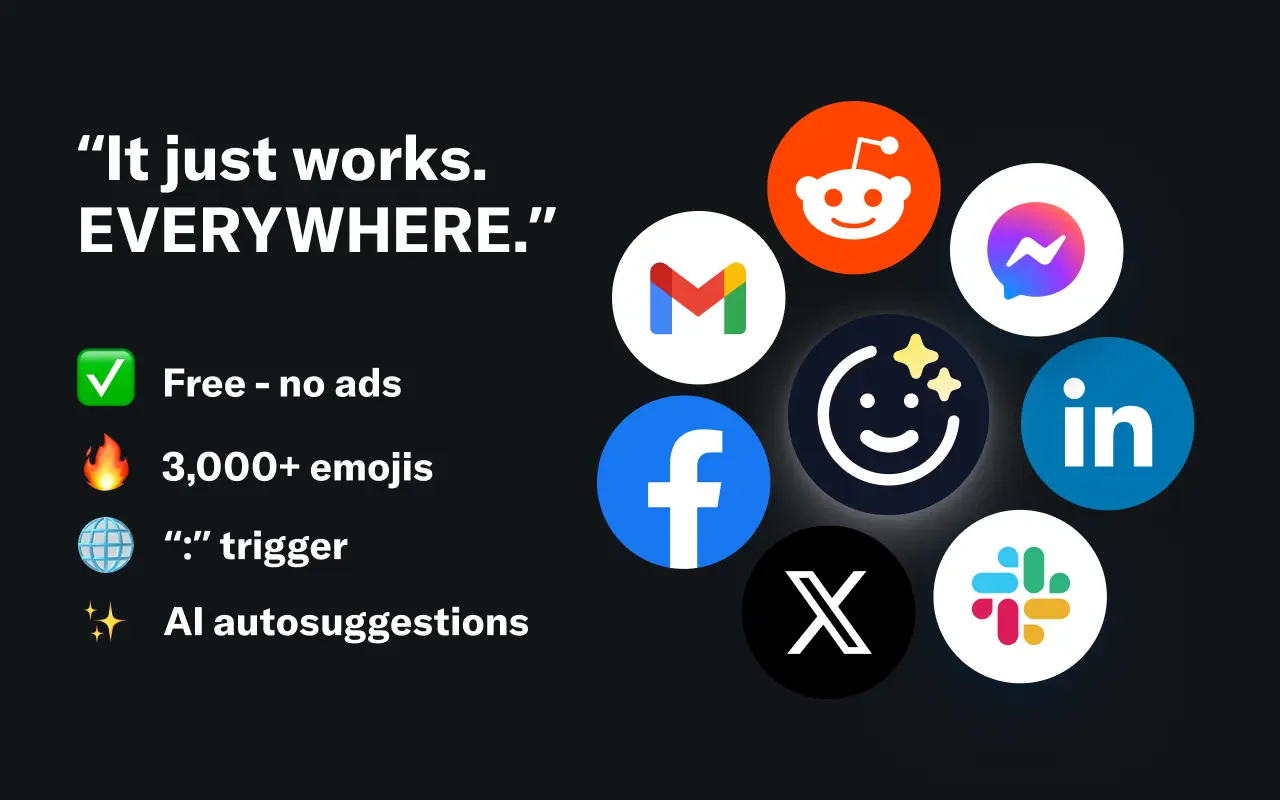
EmojAI
AI-powered emoji picker with smart, context-aware suggestions 🤖
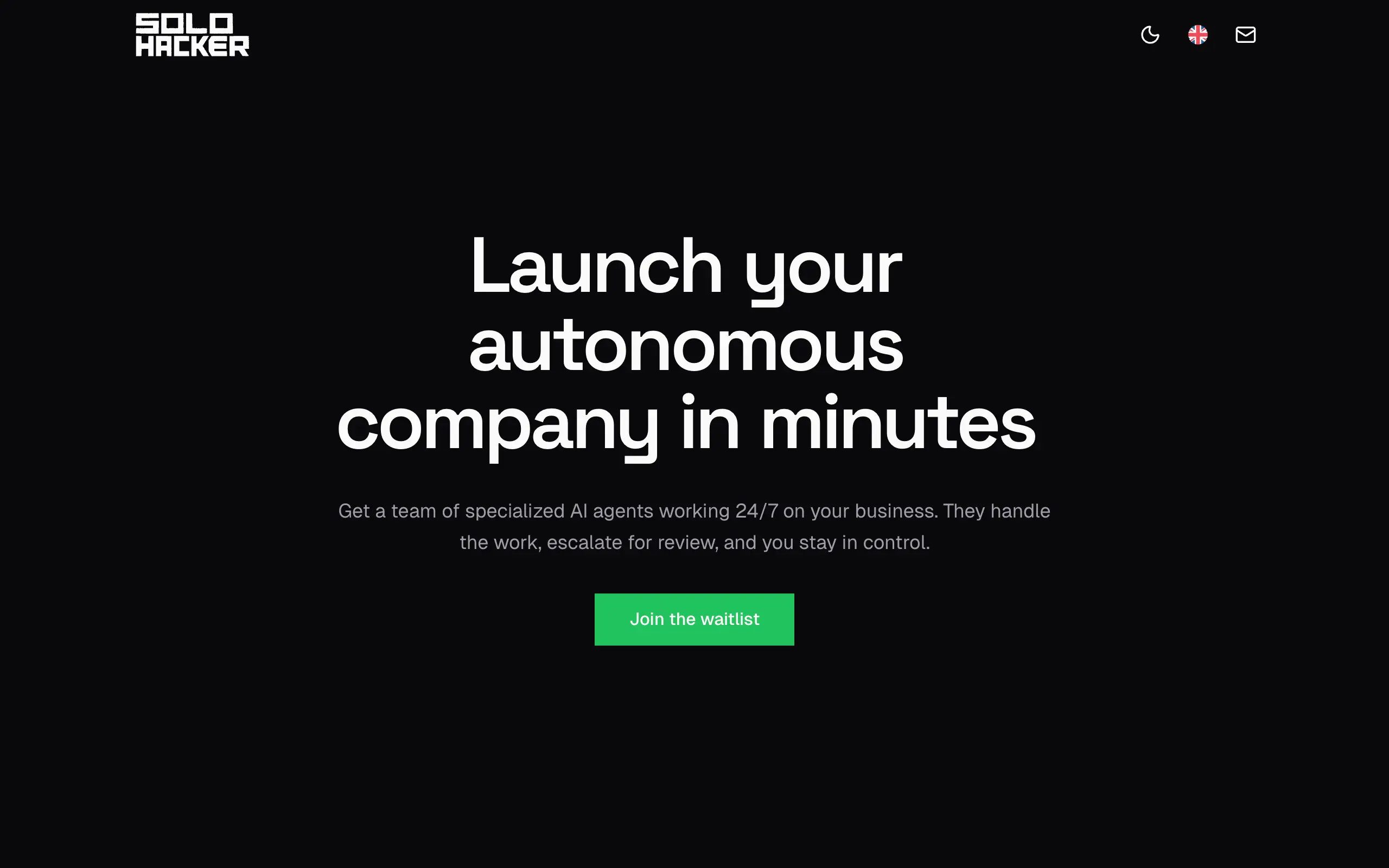
Solohacker
Autonomous company launcher - AI agents work 24/7, escalate what matters, and you stay in control 🤖
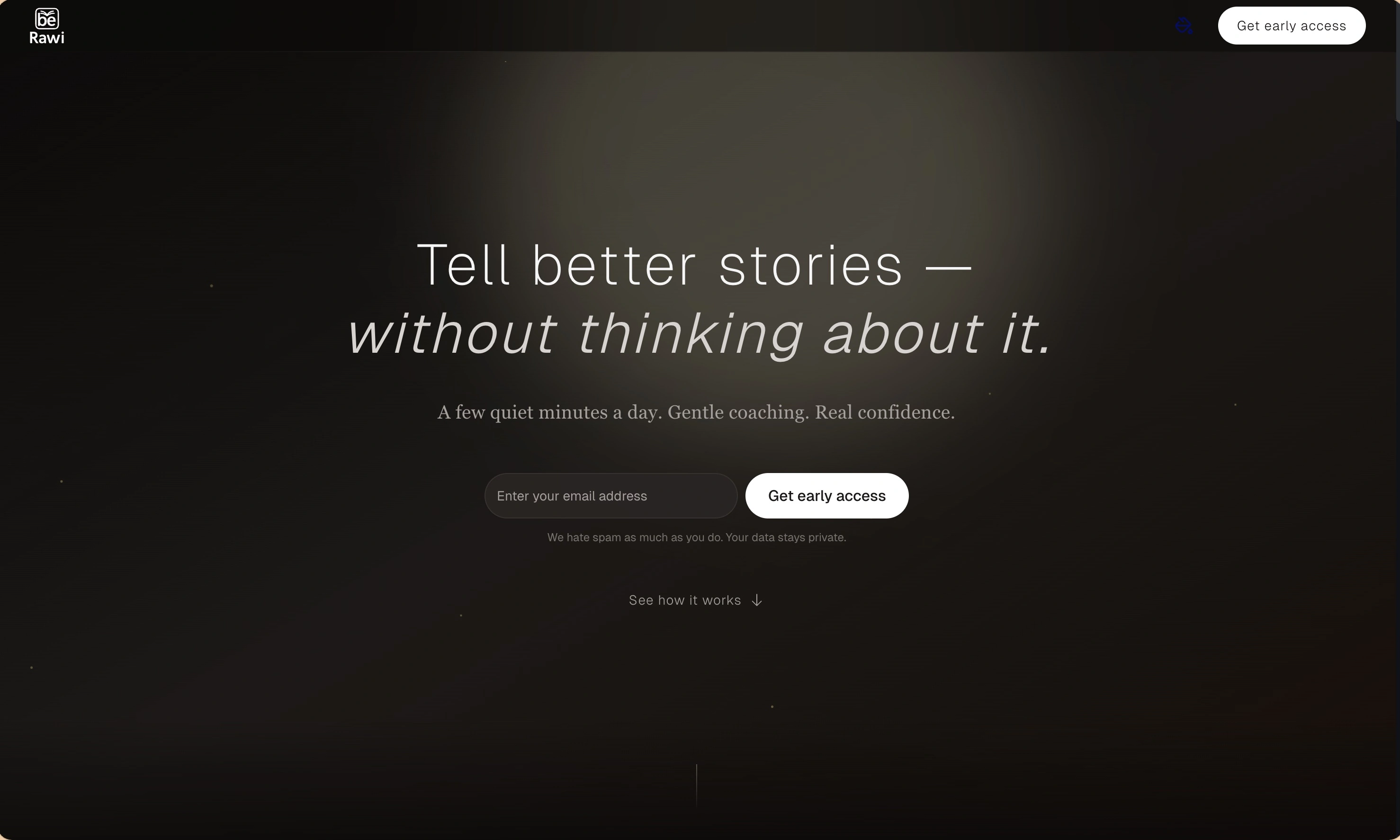
BeRawi: Storytelling Coach
Practice storytelling daily with instant feedback to sound clearer, more engaging, and confident 🎤
Omichat
Chat with 50+ AI models, including ChatGPT and Claude, in one place - switch models anytime without losing context 🤖
Claude Fast
Supercharge your Claude Code with 6x effective context window and specialized AI agents 🤖
EmojAI
AI-powered emoji picker with smart, context-aware suggestions 🤖
Solohacker
Autonomous company launcher - AI agents work 24/7, escalate what matters, and you stay in control 🤖
BeRawi: Storytelling Coach
Practice storytelling daily with instant feedback to sound clearer, more engaging, and confident 🎤
Omichat
Chat with 50+ AI models, including ChatGPT and Claude, in one place - switch models anytime without losing context 🤖
Claude Fast
Supercharge your Claude Code with 6x effective context window and specialized AI agents 🤖
EmojAI
AI-powered emoji picker with smart, context-aware suggestions 🤖
Solohacker
Autonomous company launcher - AI agents work 24/7, escalate what matters, and you stay in control 🤖
BeRawi: Storytelling Coach
Practice storytelling daily with instant feedback to sound clearer, more engaging, and confident 🎤
Omichat
Chat with 50+ AI models, including ChatGPT and Claude, in one place - switch models anytime without losing context 🤖
Claude Fast
Supercharge your Claude Code with 6x effective context window and specialized AI agents 🤖
EmojAI
AI-powered emoji picker with smart, context-aware suggestions 🤖
Solohacker
Autonomous company launcher - AI agents work 24/7, escalate what matters, and you stay in control 🤖
BeRawi: Storytelling Coach
Practice storytelling daily with instant feedback to sound clearer, more engaging, and confident 🎤

Connect with like-minded people
Join our community to get feedback, support, and grow together with 1,000+ builders on board, let's ship it!
Join usShip your startup everywhere. In minutes.
Don't burn tokens on setup and start building features on day one.