RunStack
A developer-friendly running tracker with open APIs, customizable metrics, and Go-powered performance insights for data-driven athletes.
what is a developer-first running tracker and why it matters
The fitness app market is saturated with polished consumer apps like Strava, Nike Run Club, and Garmin Connect. But there’s a growing segment of users that these platforms consistently underserve: developers, data enthusiasts, and performance-driven athletes who want full control over their running data.
This is where a developer-first running tracker like RunStack stands out.
RunStack is not just another running app—it’s a programmable fitness platform. It combines mobile-first run tracking with open APIs, customizable metrics, and backend performance analytics powered by Go, enabling users to deeply understand and manipulate their training data.
The primary keyword here—developer-friendly running tracker—reflects a rising trend: people want ownership, flexibility, and extensibility in their tools. This article explores the opportunity, architecture, features, monetization, and strategic roadmap for building a SaaS like RunStack.
understanding the target audience
A product like RunStack is not for everyone—and that’s a good thing. Its strength lies in focus.
core audience segments
1. developer-athletes
These are engineers who run regularly and want:
- API access to their running data
- Custom dashboards and visualizations
- Integration with tools like Notion, Grafana, or personal apps
- Automation via scripts
They are underserved by traditional apps that lock data behind proprietary systems.
2. data-driven endurance athletes
These users care about:
- Advanced metrics (VO2 max trends, fatigue modeling, HR zones)
- Exporting data for analysis
- Training optimization
They often use tools like TrainingPeaks but find them expensive or closed.
3. indie hackers and builders
They want:
- A base platform to build fitness-related products
- White-label or API-first infrastructure
- Event streams and webhook integrations
RunStack becomes a fitness backend-as-a-service for them.
4. quantified-self enthusiasts
People obsessed with tracking everything:
- Sleep
- Recovery
- Nutrition
- Running performance
They need customizable schemas and integrations beyond rigid apps.
market gap and opportunity
the problem with current running apps
Most popular running apps share common limitations:
- Closed ecosystems (limited APIs or paid access)
- Fixed metrics (pace, distance, calories—but little flexibility)
- Poor extensibility (no plugins or scripting)
- Minimal developer tooling
Even when APIs exist (e.g., Strava), they are:
- Rate-limited
- Restricted in scope
- Not designed for deep customization
Key insight
There is a clear gap between consumer fitness apps and developer tooling. RunStack bridges that gap by treating running data as a programmable asset rather than a static record.
macro trends supporting this idea
- Growth of the quantified self movement
- Increased demand for API-first platforms
- Rising popularity of open data ownership
- Developers building personal analytics dashboards
- Wearables generating more complex data streams
These trends make a developer-friendly running tracker not just viable—but inevitable.
core features of runstack
To succeed, RunStack must balance usability for runners with power for developers.
1. mobile-first run tracking
Essential features:
- GPS tracking (distance, pace, elevation)
- Real-time stats during runs
- Offline mode
- Integration with wearables (Apple Watch, Garmin)
2. open API and developer platform
This is the core differentiator.
Capabilities:
- REST + GraphQL APIs
- Webhooks for real-time events
- OAuth authentication
- SDKs (JavaScript, Python, Go)
Example API endpoint:
GET /api/v1/runs
Authorization: Bearer YOUR_API_KEY

Response:
[
  {
    "distance": 5.2,
    "duration": 1500,
    "avg_pace": "4:48",
    "heart_rate_avg": 152
  }
]
3. customizable metrics engine
Users can define their own metrics:
- Fatigue score
- Training load
- Efficiency ratio
- Custom pace zones
This requires:
- Formula builder (UI + code-based)
- Historical recalculation engine
- Metric versioning
4. Go-powered performance insights
Why Go?
- High-performance data processing
- Efficient concurrency for time-series analysis
- Ideal for backend analytics pipelines
Insights engine features:
- Predictive performance modeling
- Training recommendations
- Injury risk detection
- Trend analysis
5. integrations ecosystem
Support integrations with:
- Wearables (Garmin, Apple Health, Fitbit)
- Developer tools (Zapier, webhooks)
- Data platforms (Notion, Airtable)
6. advanced data visualization
- Interactive charts
- Custom dashboards
- Export to CSV/JSON
- Embed widgets
feature comparison with competitors
| Feature | RunStack | Strava | Garmin | TrainingPeaks |
|---|---|---|---|---|
| Open API | ✅ Full access | ⚠️ Limited | ❌ | ⚠️ Restricted |
| Custom metrics | ✅ Fully customizable | ❌ | ❌ | ✅ Partial |
| Developer SDKs | ✅ | ❌ | ❌ | ❌ |
| Real-time insights | ✅ | ⚠️ Basic | ✅ | ✅ |
| Data ownership | ✅ User-first | ❌ | ❌ | ⚠️ Limited |
recommended tech stack
A developer-first product must be built on a modern, scalable stack.
frontend (mobile + web)
- React Native (React) for cross-platform mobile
- Next.js for web dashboards
- TailwindCSS (TailwindCSS) for UI consistency
backend
- Go for analytics engine
- Node.js for API layer (or Go if unified)
- PostgreSQL for relational data
- TimescaleDB for time-series metrics
infrastructure
- AWS or GCP
- Kubernetes for scaling
- Redis for caching
- Kafka for event streaming
developer platform
- GraphQL gateway
- API rate limiting
- Developer dashboard
- SDK generation
Trade-off to consider
Using Go for everything increases performance but slows down frontend-heavy teams. A hybrid approach (Node.js + Go microservices) often balances speed and developer experience better.
monetization strategy
RunStack can monetize in multiple ways without alienating its core audience.
freemium model
- Free tier:
- Basic tracking
- Limited API calls
- Paid tier:
- Advanced analytics
- Unlimited API access
- Custom metrics
developer pricing
- API usage tiers
- Pay-per-request model
- Enterprise plans for startups building on top
marketplace revenue
- Sell plugins or integrations
- Revenue share with developers
coaching and analytics add-ons
- AI-based training plans
- Advanced performance reports
competitive advantage and USP
RunStack’s differentiation lies in programmability + performance.
unique strengths
- API-first architecture
- Developer-centric UX
- Fully customizable metrics
- High-performance analytics (Go backend)
- Data ownership and portability
positioning statement
RunStack is to running apps what Stripe is to payments: a developer-first platform that abstracts complexity while enabling deep customization.
potential risks and mitigation
1. niche audience limitation
Risk: Too narrow (developers only)
Mitigation:
- Build a simple UI for non-technical users
- Offer templates for metrics
2. complexity overload
Risk: Too complicated for average runners
Mitigation:
- Progressive onboarding
- Pre-built dashboards
3. competition from incumbents
Risk: Strava adds APIs or similar features
Mitigation:
- Focus on developer ecosystem early
- Build strong community
4. data privacy concerns
Risk: Sensitive health data misuse
Mitigation:
- Transparent policies
- GDPR compliance
- End-to-end encryption
go-to-market strategy
phase 1: developer community
- Launch on Product Hunt
- Share on Hacker News
- Engage on GitHub
phase 2: content marketing
Target SEO keywords:
- developer running tracker
- open API fitness app
- customizable running metrics
- running data analytics platform
Publish:
- tutorials
- API examples
- performance case studies
phase 3: partnerships
- Wearable companies
- Fitness influencers (technical niche)
- Indie hacker tools
implementation roadmap
sample architecture flow
User runs → Mobile App → API Gateway → Event Stream (Kafka)
→ Processing Service (Go) → Database (TimescaleDB)
→ Insights Engine → Dashboard + API responses
future expansion opportunities
AI-powered coaching
- Personalized plans
- Adaptive training based on fatigue
social layer (optional)
- Developer communities
- Shared dashboards
hardware integrations
- Smart shoes
- Advanced wearables
FAQs about building a developer-friendly running tracker
Developers are early adopters who create ecosystems. If they build on your platform, you gain distribution and innovation for free.
Not strictly, but it excels in performance-heavy analytics and concurrency, making it ideal for real-time insights.
Use optimized GPS polling, background processing, and platform-specific optimizations in React Native.
Yes, the architecture supports cycling, swimming, and general fitness tracking with minimal changes.
actionable steps to build runstack today
If you want to bring this idea to life, focus on execution over perfection.
-
validate demand
- Talk to developer-athletes
- Analyze Strava API complaints
-
build a focused MVP
- Run tracking
- API access
- Simple dashboard
-
launch fast
- Target niche communities
- Offer early API access
-
iterate based on usage
- Watch how developers use your API
- Expand features accordingly
-
scale infrastructure
- Optimize analytics
- Improve reliability
final thoughts
RunStack represents a powerful shift in how fitness apps are built and used. Instead of locking users into rigid systems, it embraces openness, customization, and performance.
This approach aligns perfectly with modern software trends—API-first design, user ownership, and composability.
For founders, this is a rare opportunity to build a product that:
- Solves a real pain point
- Targets a passionate niche
- Has strong expansion potential
If executed well, RunStack could define a new category: developer-native fitness platforms.
build faster with the right foundation
Shipping a SaaS product like RunStack requires more than just a good idea—it demands speed, scalability, and solid architecture from day one.
Instead of building everything from scratch, you can accelerate your development using a proven starter kit like TurboStarter.
It helps you:
- Launch faster with prebuilt SaaS infrastructure
- Focus on core features instead of boilerplate
- Scale efficiently as your user base grows
The sooner you move from idea to execution, the faster you’ll discover what truly resonates with users.
More 📱 Mobile App SaaS ideas
Discover more innovative mobile app SaaS ideas that are trending in 2026. Each idea is AI-generated with market validation and growth potential to help you find your next profitable venture faster than competitors.
Your competitors are building with TurboStarter
Below are some of the SaaS ideas that have been generated and built with our starter kit.
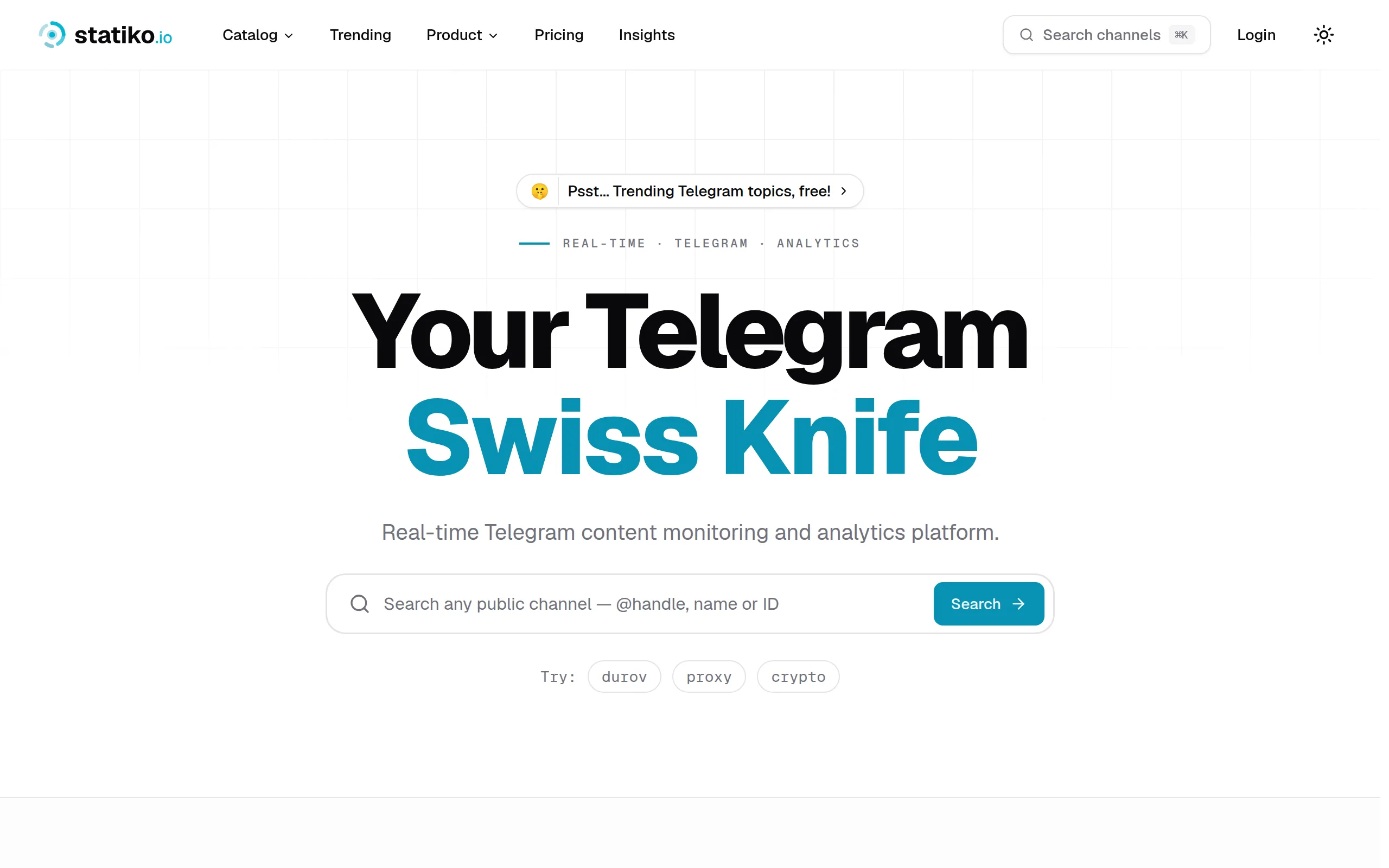
Statiko
Monitor any Telegram channel in real time - track posts, edits, deletions, and growth with AI recaps 📡

Shibui
AI website builder - describe your business, pick a niche template, edit by chatting, and publish instantly ✨

Pro Service
Find verified home service professionals, compare quotes, and pay securely through escrow - built for Brazilians across the US 🏠
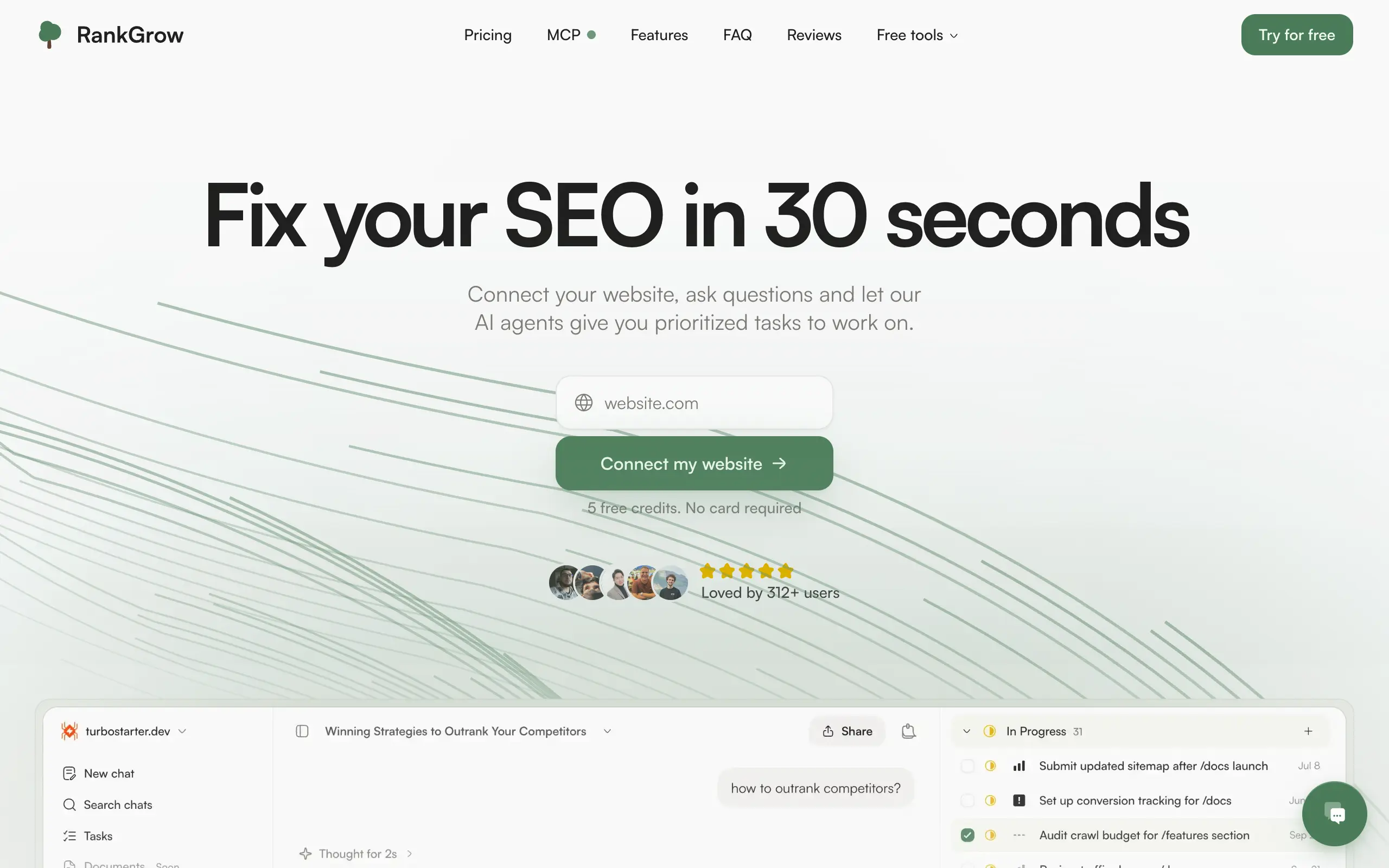
RankGrow
Fix your SEO with AI agents - connect Search Console, get prioritized tasks, and grow organic traffic 📈
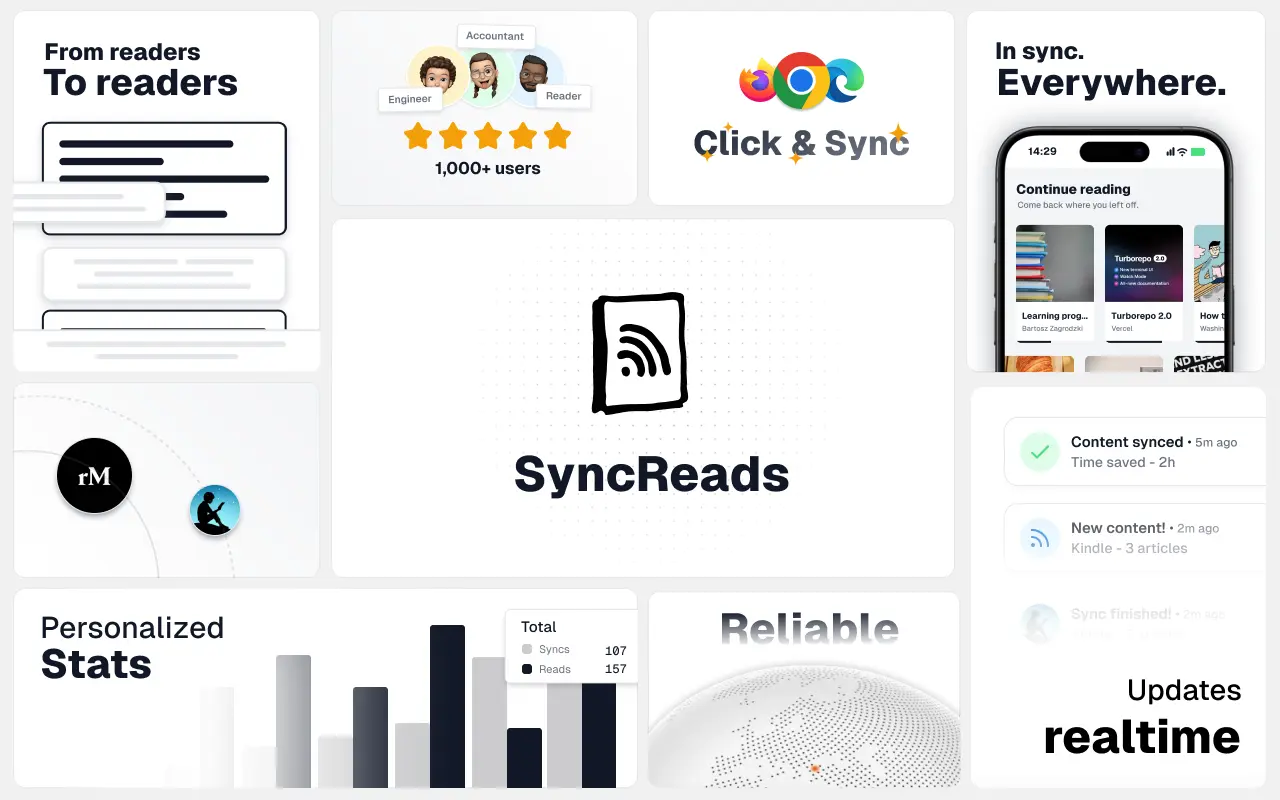
SyncReads
Sync your favorite content for distraction-free reading, save time and replace multiple apps. Anytime, anywhere 🔄
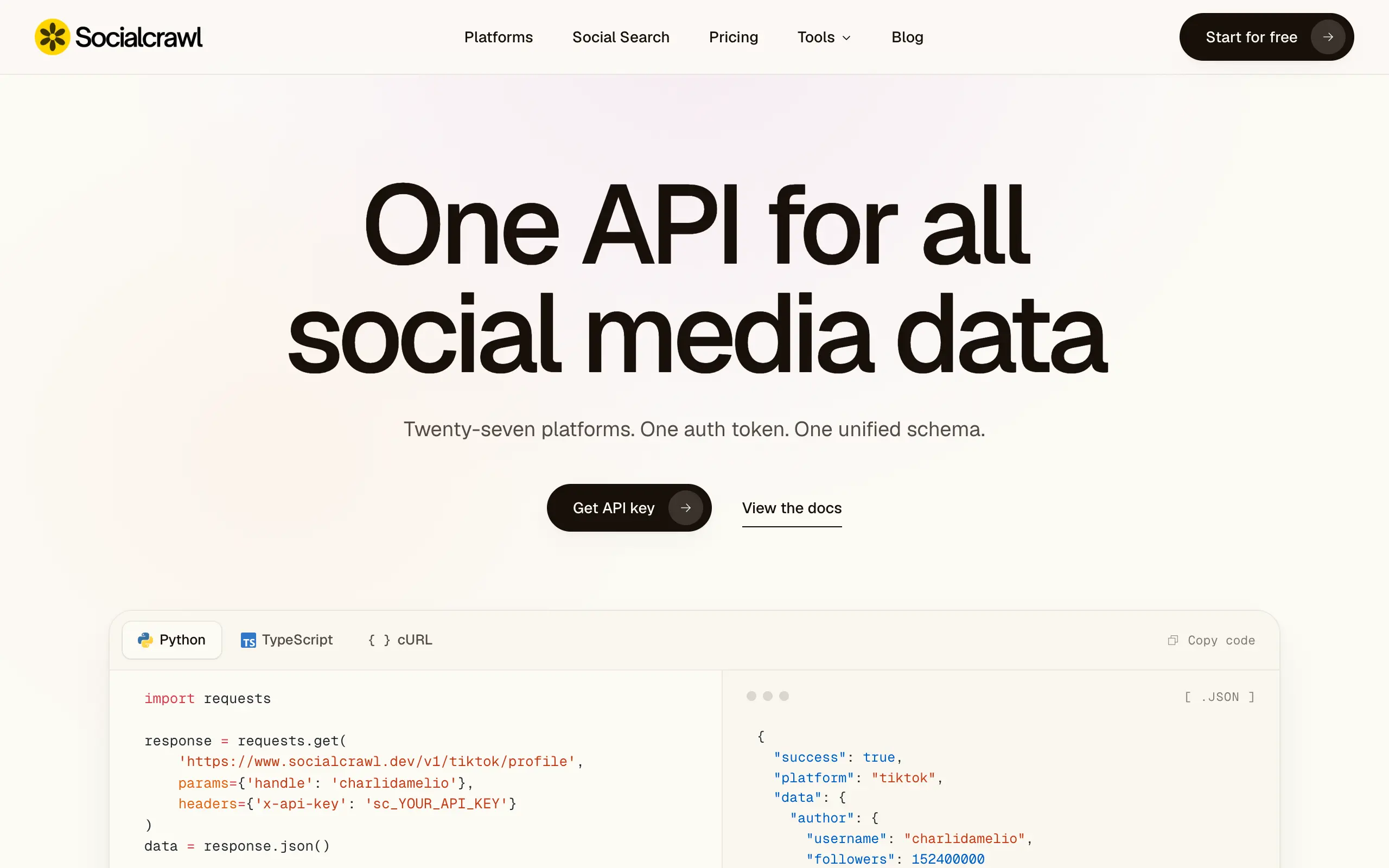
Socialcrawl
Get clean, structured data from 21 platforms like TikTok, Instagram, and YouTube with a single request 📊
Statiko
Monitor any Telegram channel in real time - track posts, edits, deletions, and growth with AI recaps 📡
Shibui
AI website builder - describe your business, pick a niche template, edit by chatting, and publish instantly ✨
Pro Service
Find verified home service professionals, compare quotes, and pay securely through escrow - built for Brazilians across the US 🏠
RankGrow
Fix your SEO with AI agents - connect Search Console, get prioritized tasks, and grow organic traffic 📈
SyncReads
Sync your favorite content for distraction-free reading, save time and replace multiple apps. Anytime, anywhere 🔄
Socialcrawl
Get clean, structured data from 21 platforms like TikTok, Instagram, and YouTube with a single request 📊
Statiko
Monitor any Telegram channel in real time - track posts, edits, deletions, and growth with AI recaps 📡
Shibui
AI website builder - describe your business, pick a niche template, edit by chatting, and publish instantly ✨
Pro Service
Find verified home service professionals, compare quotes, and pay securely through escrow - built for Brazilians across the US 🏠
RankGrow
Fix your SEO with AI agents - connect Search Console, get prioritized tasks, and grow organic traffic 📈
SyncReads
Sync your favorite content for distraction-free reading, save time and replace multiple apps. Anytime, anywhere 🔄
Socialcrawl
Get clean, structured data from 21 platforms like TikTok, Instagram, and YouTube with a single request 📊
Statiko
Monitor any Telegram channel in real time - track posts, edits, deletions, and growth with AI recaps 📡
Shibui
AI website builder - describe your business, pick a niche template, edit by chatting, and publish instantly ✨
Pro Service
Find verified home service professionals, compare quotes, and pay securely through escrow - built for Brazilians across the US 🏠
RankGrow
Fix your SEO with AI agents - connect Search Console, get prioritized tasks, and grow organic traffic 📈
SyncReads
Sync your favorite content for distraction-free reading, save time and replace multiple apps. Anytime, anywhere 🔄
Socialcrawl
Get clean, structured data from 21 platforms like TikTok, Instagram, and YouTube with a single request 📊
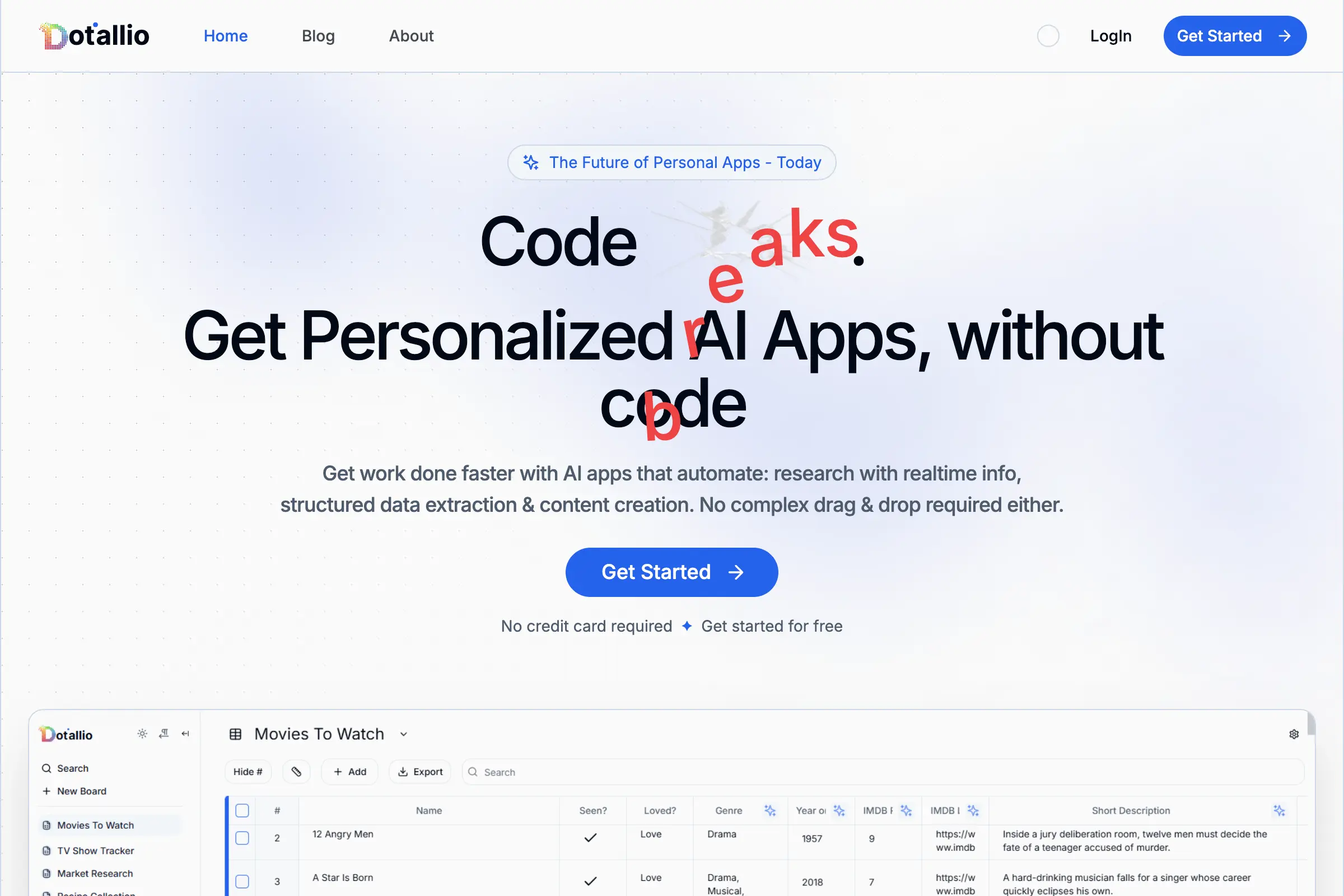
Dotallio
Personalized AI apps that automate research, data extraction, and content creation without code 🤖
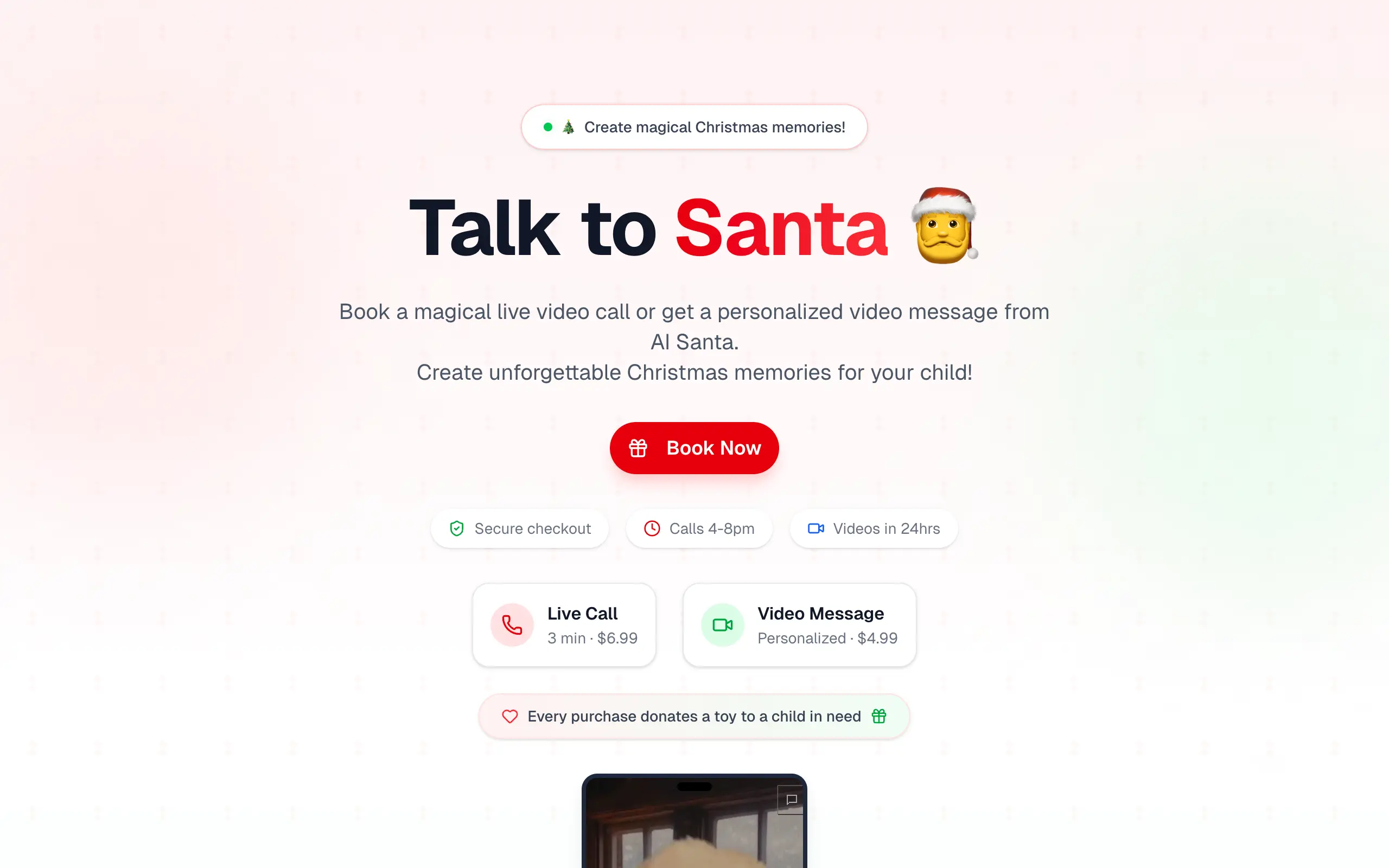
Talk to Santa
Enjoy a magical live video chat or receive a unique AI-generated video greeting from Santa Claus 🎅
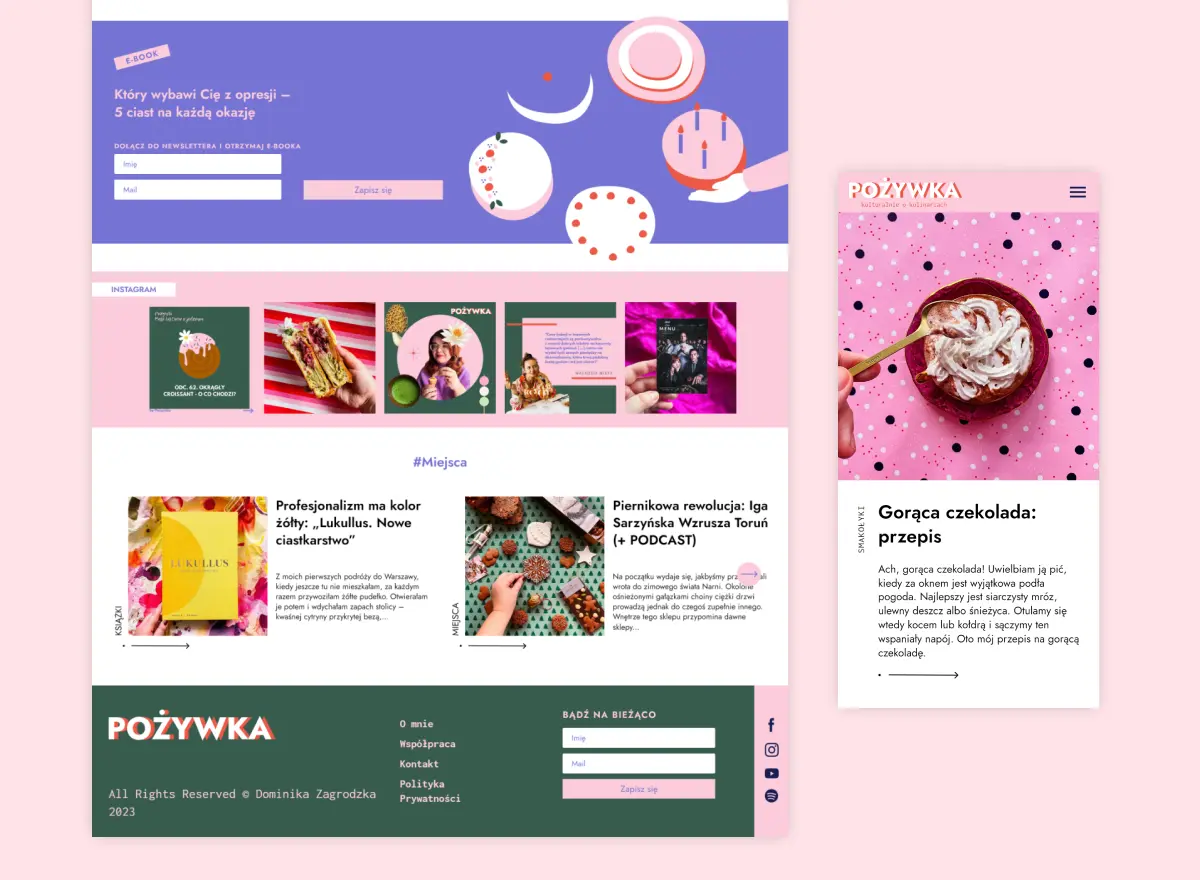
pozywka.pl
Scalable blog for food journalist, focused on performance and user experience 🌭
zagrodzki.me
Personal blog and portfolio of Bart Zagrodzki, where he shares his knowledge and work 💼
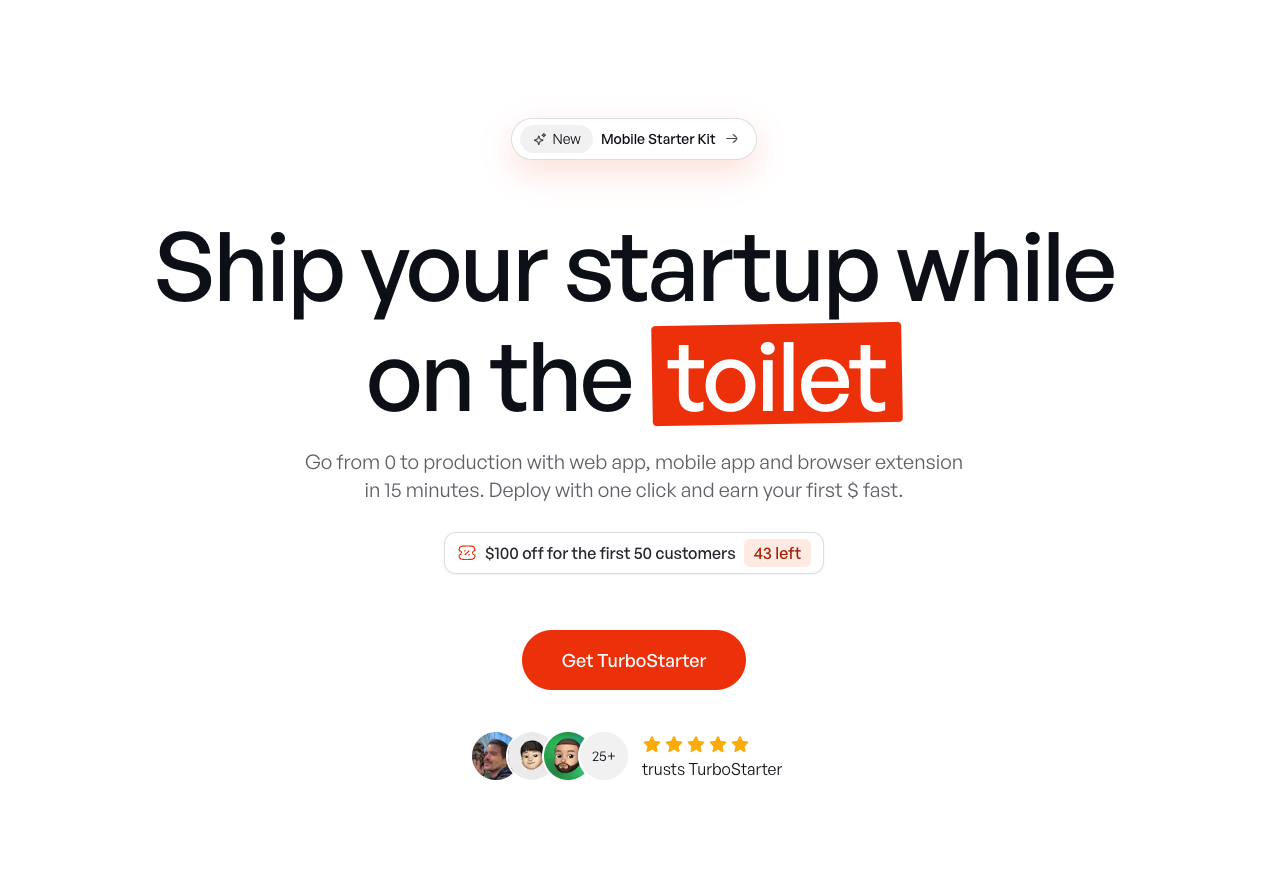
TurboStarter
Ship your startup everywhere. In minutes.
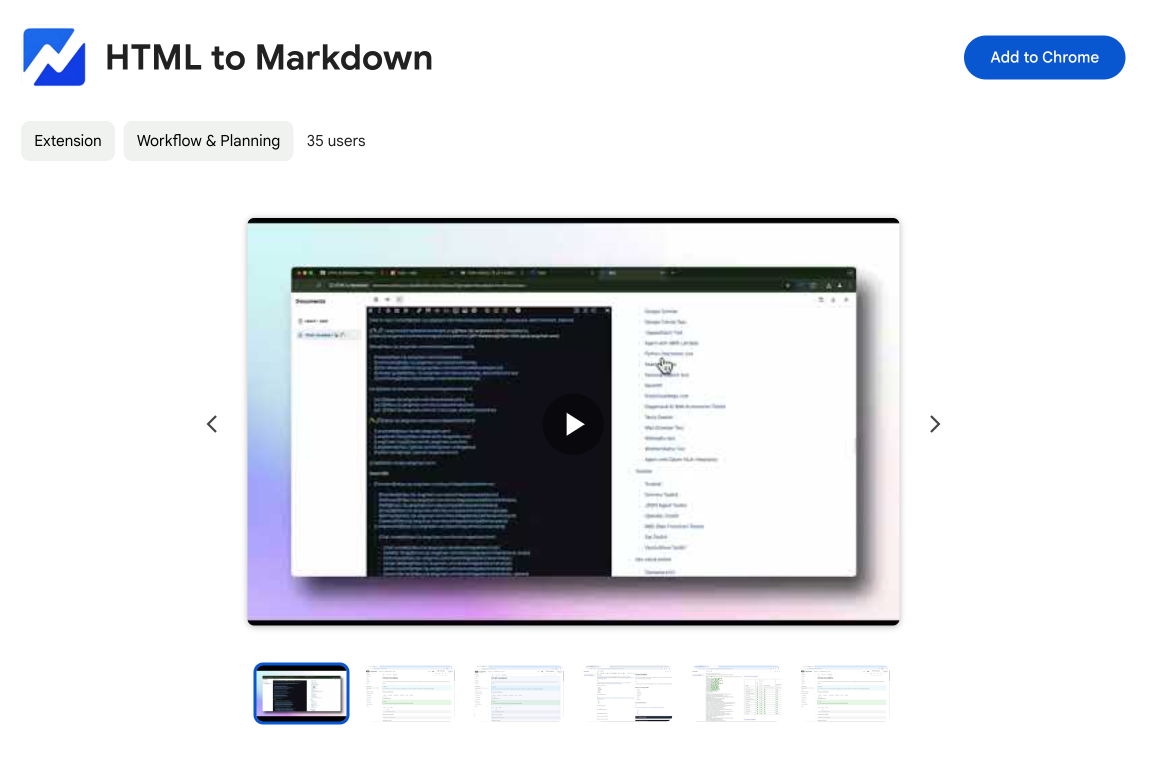
HTML to Markdown
Convert HTML to Markdown with ease, directly in your browser 📄
Dotallio
Personalized AI apps that automate research, data extraction, and content creation without code 🤖
Talk to Santa
Enjoy a magical live video chat or receive a unique AI-generated video greeting from Santa Claus 🎅
pozywka.pl
Scalable blog for food journalist, focused on performance and user experience 🌭
zagrodzki.me
Personal blog and portfolio of Bart Zagrodzki, where he shares his knowledge and work 💼
TurboStarter
Ship your startup everywhere. In minutes.
HTML to Markdown
Convert HTML to Markdown with ease, directly in your browser 📄
Dotallio
Personalized AI apps that automate research, data extraction, and content creation without code 🤖
Talk to Santa
Enjoy a magical live video chat or receive a unique AI-generated video greeting from Santa Claus 🎅
pozywka.pl
Scalable blog for food journalist, focused on performance and user experience 🌭
zagrodzki.me
Personal blog and portfolio of Bart Zagrodzki, where he shares his knowledge and work 💼
TurboStarter
Ship your startup everywhere. In minutes.
HTML to Markdown
Convert HTML to Markdown with ease, directly in your browser 📄
Dotallio
Personalized AI apps that automate research, data extraction, and content creation without code 🤖
Talk to Santa
Enjoy a magical live video chat or receive a unique AI-generated video greeting from Santa Claus 🎅
pozywka.pl
Scalable blog for food journalist, focused on performance and user experience 🌭
zagrodzki.me
Personal blog and portfolio of Bart Zagrodzki, where he shares his knowledge and work 💼
TurboStarter
Ship your startup everywhere. In minutes.
HTML to Markdown
Convert HTML to Markdown with ease, directly in your browser 📄
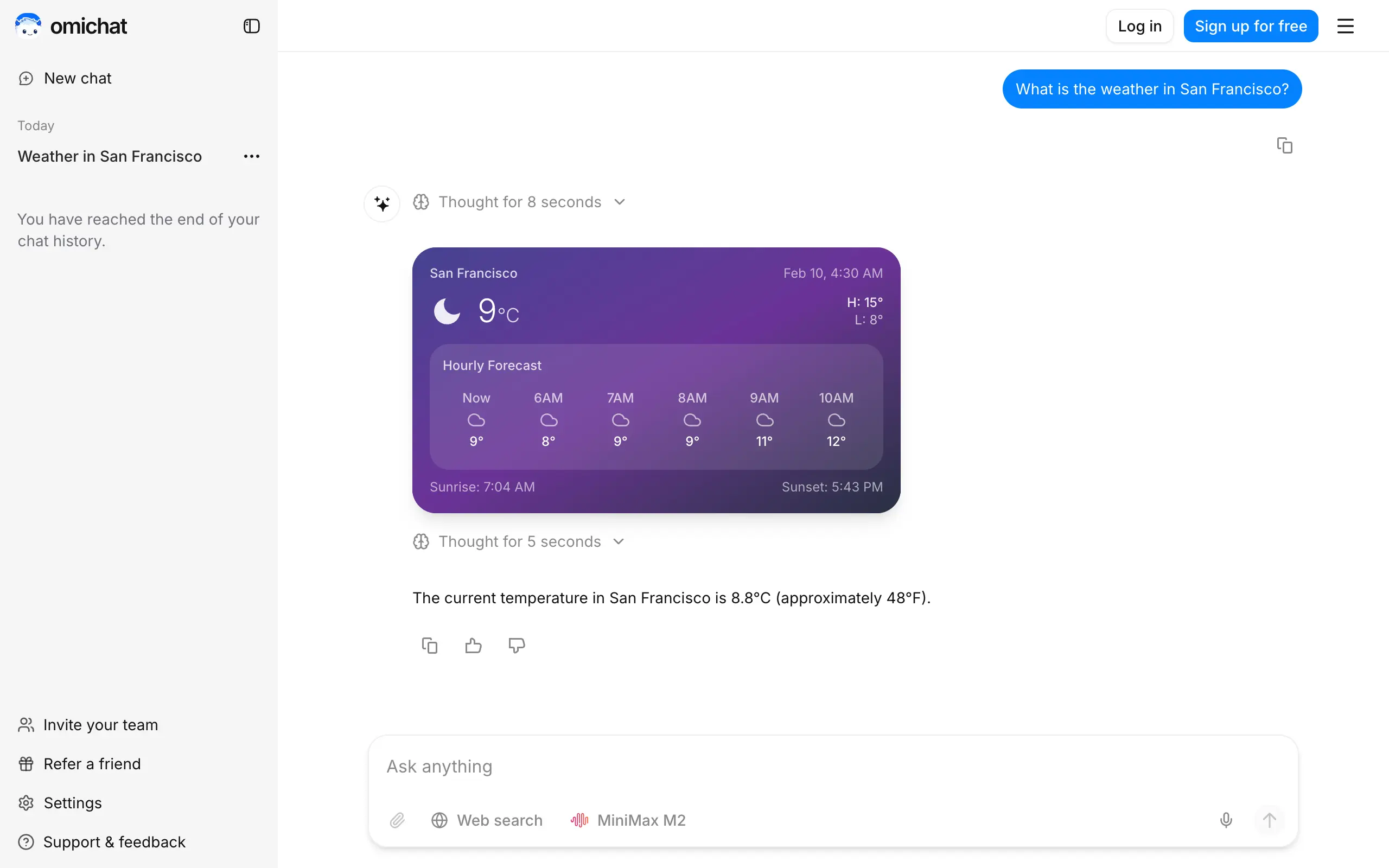
Omichat
Chat with 50+ AI models, including ChatGPT and Claude, in one place - switch models anytime without losing context 🤖
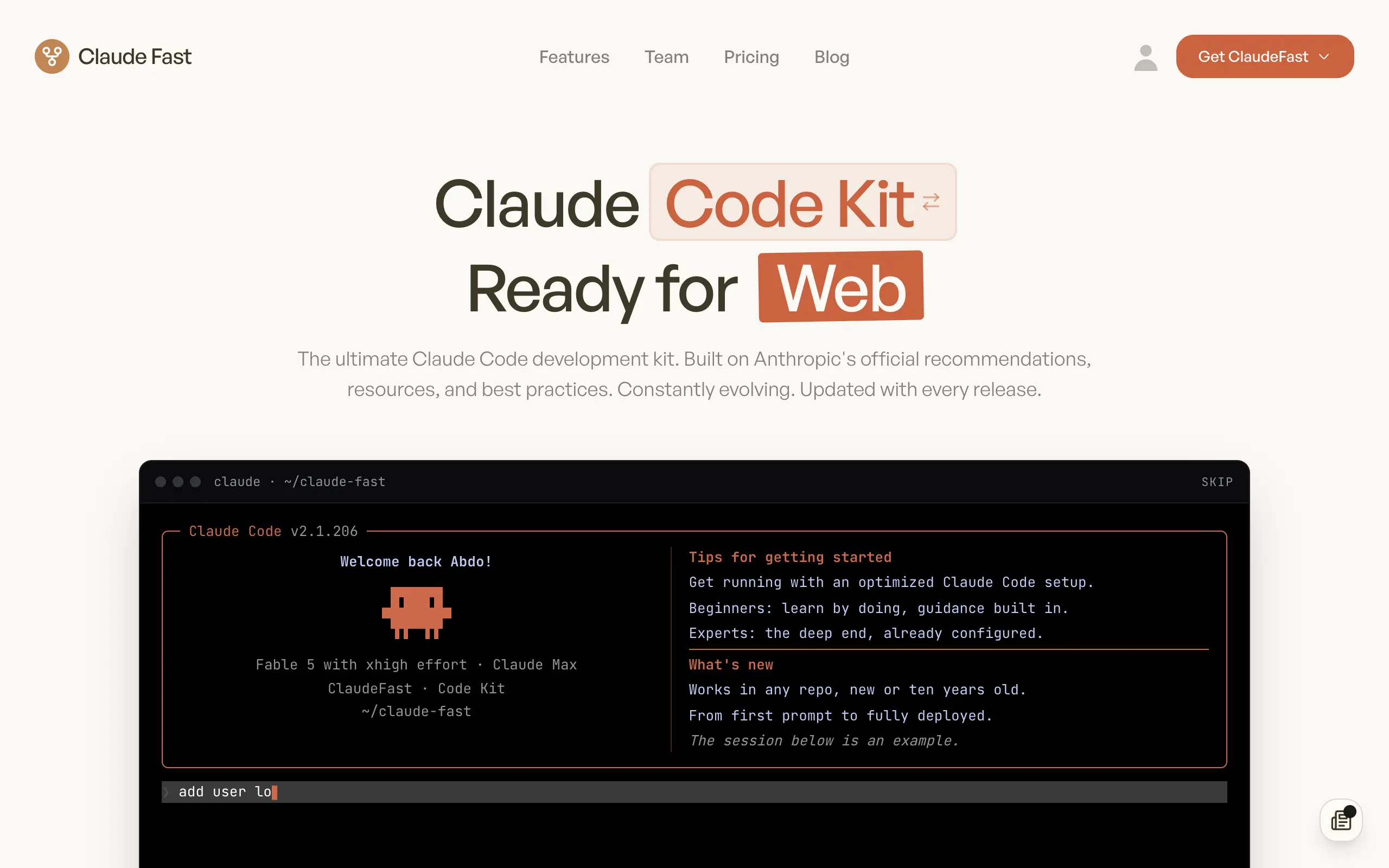
Claude Fast
Supercharge your Claude Code with 6x effective context window and specialized AI agents 🤖
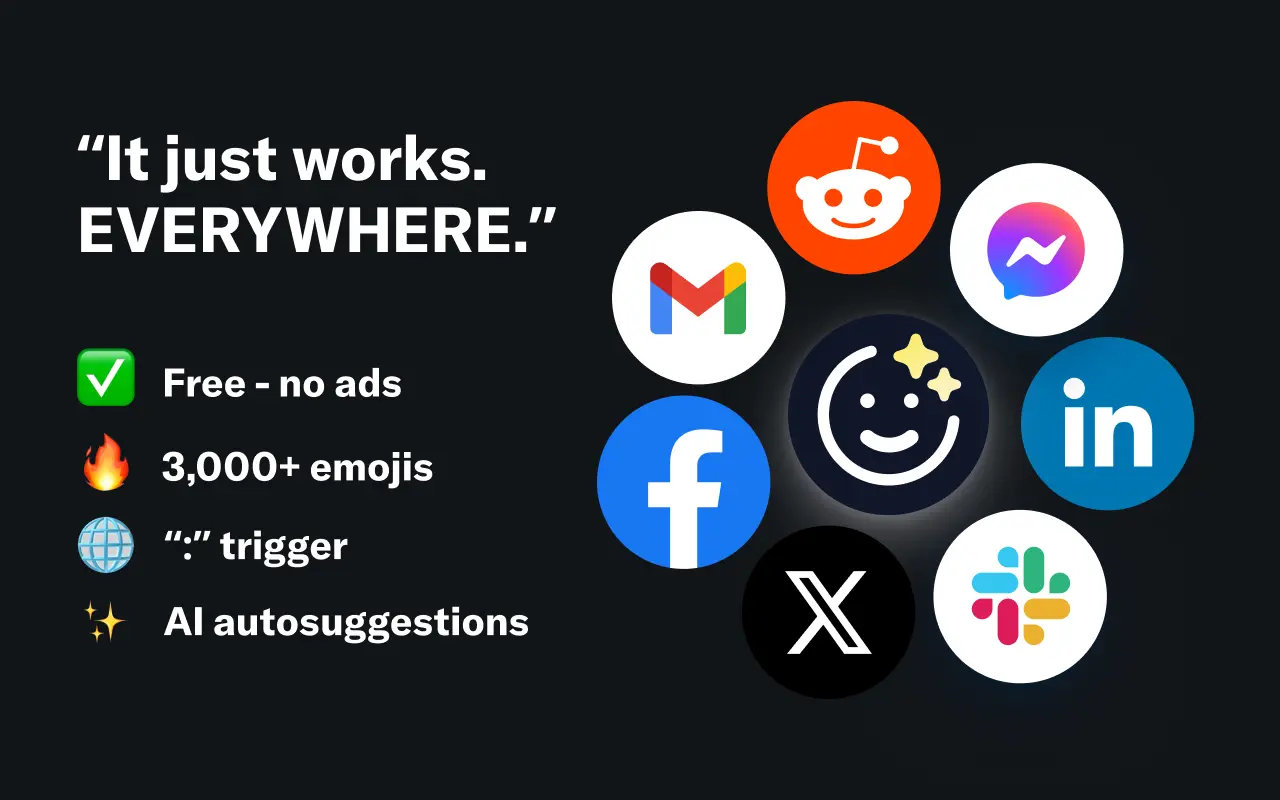
EmojAI
AI-powered emoji picker with smart, context-aware suggestions 🤖
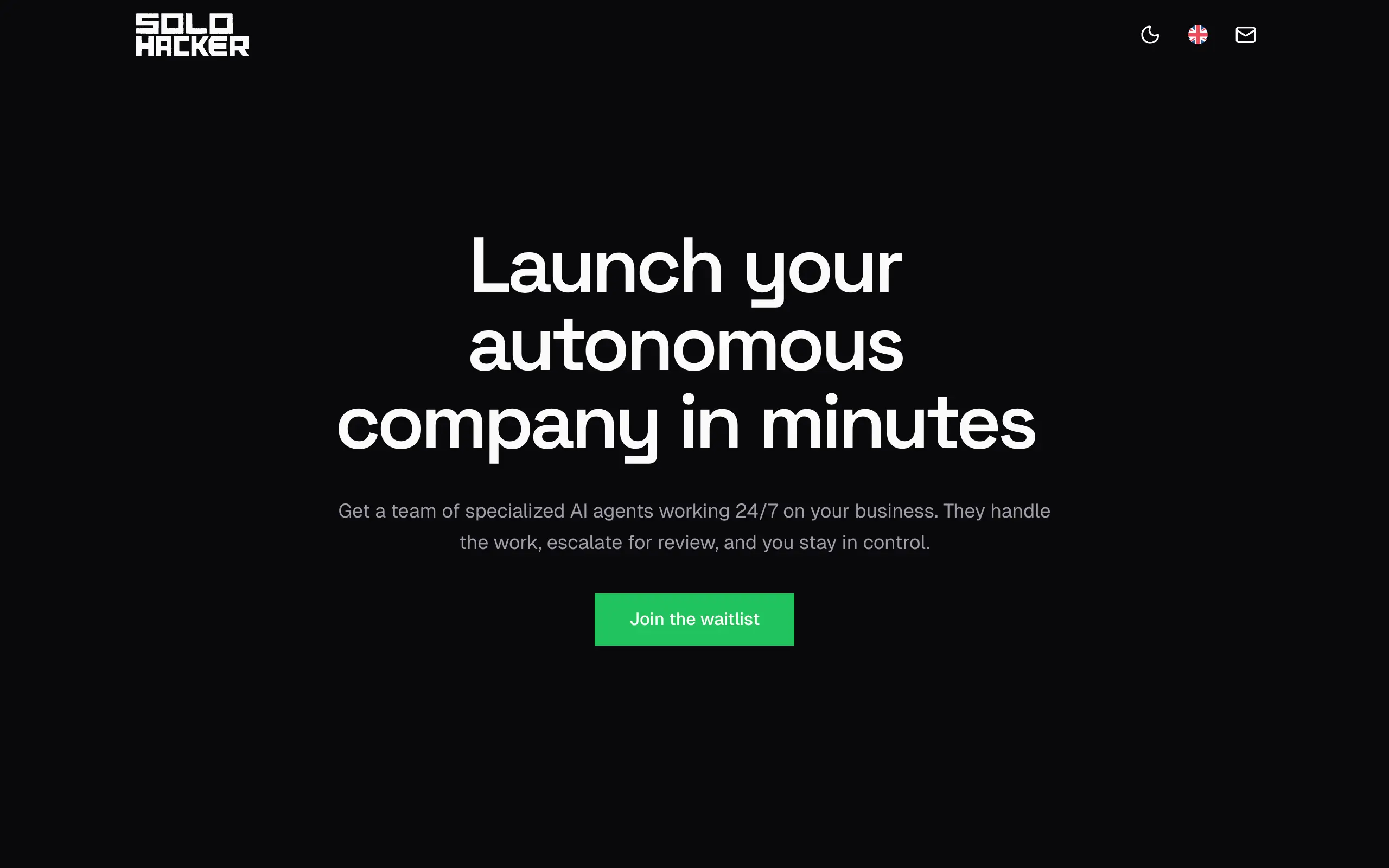
Solohacker
Autonomous company launcher - AI agents work 24/7, escalate what matters, and you stay in control 🤖
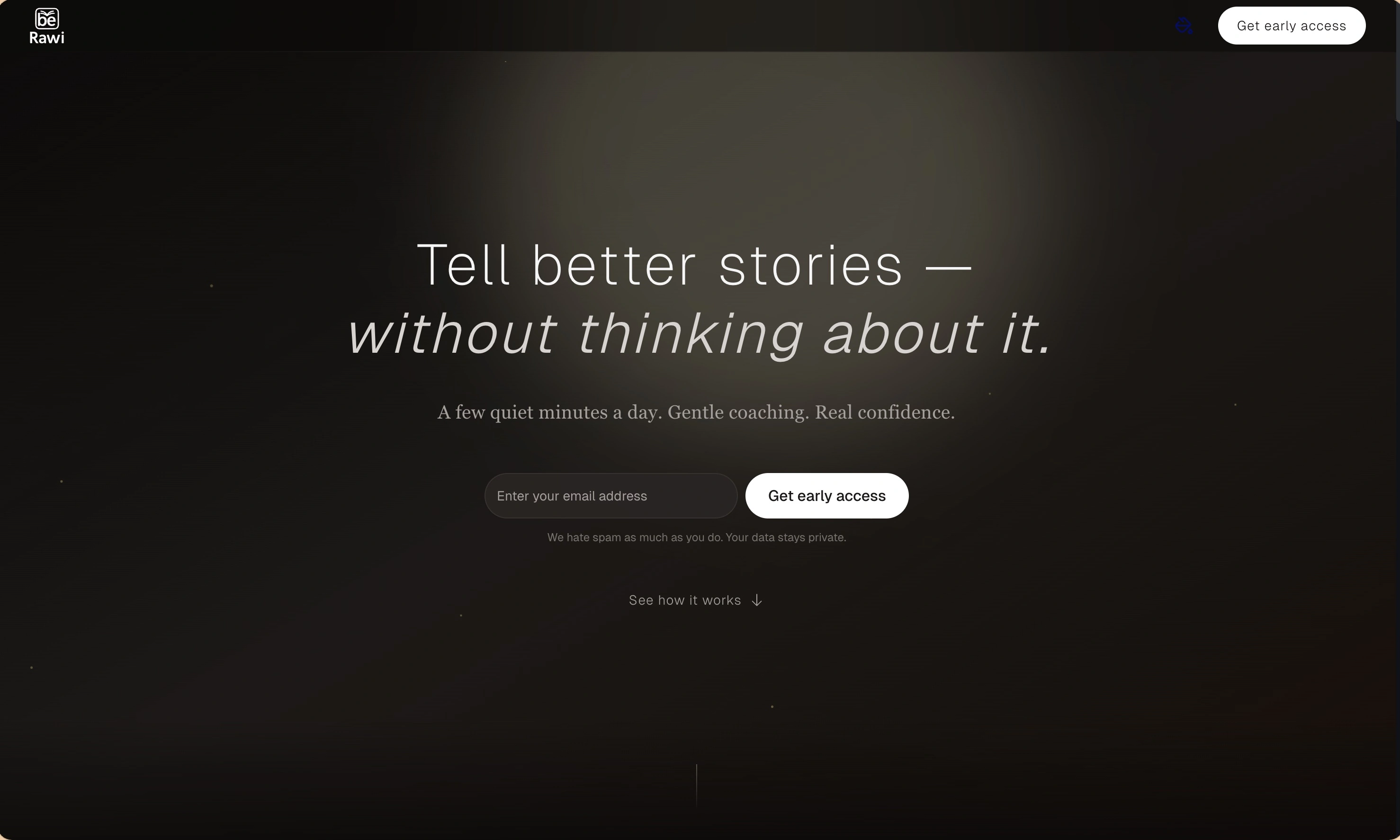
BeRawi: Storytelling Coach
Practice storytelling daily with instant feedback to sound clearer, more engaging, and confident 🎤
Omichat
Chat with 50+ AI models, including ChatGPT and Claude, in one place - switch models anytime without losing context 🤖
Claude Fast
Supercharge your Claude Code with 6x effective context window and specialized AI agents 🤖
EmojAI
AI-powered emoji picker with smart, context-aware suggestions 🤖
Solohacker
Autonomous company launcher - AI agents work 24/7, escalate what matters, and you stay in control 🤖
BeRawi: Storytelling Coach
Practice storytelling daily with instant feedback to sound clearer, more engaging, and confident 🎤
Omichat
Chat with 50+ AI models, including ChatGPT and Claude, in one place - switch models anytime without losing context 🤖
Claude Fast
Supercharge your Claude Code with 6x effective context window and specialized AI agents 🤖
EmojAI
AI-powered emoji picker with smart, context-aware suggestions 🤖
Solohacker
Autonomous company launcher - AI agents work 24/7, escalate what matters, and you stay in control 🤖
BeRawi: Storytelling Coach
Practice storytelling daily with instant feedback to sound clearer, more engaging, and confident 🎤
Omichat
Chat with 50+ AI models, including ChatGPT and Claude, in one place - switch models anytime without losing context 🤖
Claude Fast
Supercharge your Claude Code with 6x effective context window and specialized AI agents 🤖
EmojAI
AI-powered emoji picker with smart, context-aware suggestions 🤖
Solohacker
Autonomous company launcher - AI agents work 24/7, escalate what matters, and you stay in control 🤖
BeRawi: Storytelling Coach
Practice storytelling daily with instant feedback to sound clearer, more engaging, and confident 🎤

Connect with like-minded people
Join our community to get feedback, support, and grow together with 1,000+ builders on board, let's ship it!
Join usShip your startup everywhere. In minutes.
Don't burn tokens on setup and start building features on day one.