ScopeSnap
Mobile estimating software for contractors that converts annotated photos and voice walkthroughs into polished scopes and quotes.
Why mobile estimating software for contractors is becoming essential
Contractors lose time and margin when field observations live in scattered photos, handwritten notes, text messages, and memory. A site visit may capture the facts needed for a profitable job, but turning those facts into a complete scope of work and a customer-ready quote often happens later, under pressure, and with incomplete context.
ScopeSnap is a mobile estimating software concept for contractors that solves this workflow gap. It turns annotated jobsite photos and voice walkthroughs into organized, polished scopes and quotes. Instead of forcing estimators to reconstruct a property visit at the end of the day, ScopeSnap captures evidence while the contractor is standing in the space.
The primary opportunity is not simply “AI quote writing.” It is a better field-to-office workflow for trade professionals who need to document job conditions accurately, communicate scope clearly, and produce estimates faster without sacrificing margin protection.
For contractors, restoration teams, remodelers, roofers, painters, HVAC companies, landscapers, and specialty trades, the business value is straightforward:
- Reduce time spent writing estimates after site visits
- Create clearer scopes that minimize customer confusion
- Preserve jobsite evidence with photos, notes, and annotations
- Improve consistency between salespeople, estimators, and crews
- Send quotes while the customer’s intent is still high
- Create a defensible record when disputes or change orders arise
The core positioning
ScopeSnap should be positioned as a field documentation and estimating assistant, not merely a generic AI writing tool. Its value comes from transforming real jobsite evidence into practical, reviewable contractor documents.
The target audience for contractor estimating software
The best initial market is not every construction company. ScopeSnap should focus on contractors with frequent site visits, relatively repeatable work categories, and a clear need to turn visual conditions into labor and material estimates.
Primary customer segments
The strongest early adopters are likely small and mid-sized service contractors. These businesses tend to have enough estimating volume to feel administrative pain, but not enough operational scale to justify a dedicated estimating department or a complex enterprise platform.
Residential remodeling contractors
Need clear scopes, room-by-room documentation, allowances, exclusions, and change-order protection.
Restoration and mitigation companies
Need fast photo documentation, condition notes, line-item consistency, and records for insurers or property managers.
Roofing and exterior contractors
Need visual evidence, damage annotations, measurements, customer-ready proposals, and fast follow-up.
Painting, flooring, and specialty trades
Need repeatable estimating templates with job-specific notes and photo evidence.
Key buyer personas
ScopeSnap has several users, but the buyer and the daily operator may be different people.
- "Owner-operator": wants to quote faster, avoid missed details, and appear more professional without adding office staff.
- "Sales estimator": wants a fast way to document a walkthrough, generate a first draft, and follow up before a prospect requests competing bids.
- "Project manager": wants scope clarity that reduces handoff mistakes between sales and production.
- "Office administrator": wants standardized documents, easier quote review, and fewer unclear notes arriving from the field.
- "Operations leader": wants visibility into estimate quality, turnaround time, close rates, and margin leakage.
The initial product should prioritize the owner-operator and field estimator. These users experience the pain most directly and can validate value quickly. Enterprise workflows, multi-level approvals, and complex integrations can follow after the core capture-to-quote experience is proven.
Jobs to be done
The central customer job is:
When I am walking a property with a prospect, I want to capture every important condition and convert it into a professional scope quickly, so I can send an accurate quote, win the job, and avoid disputes later.
That broader job breaks into smaller tasks:
- Capture photos tied to a room, area, or work item.
- Mark visible damage, measurements, or exclusions directly on photos.
- Record spoken observations without stopping to type.
- Organize evidence into a logical work scope.
- Apply pricing rules, templates, labor rates, and markups.
- Review the quote before it is shared with the customer.
- Preserve a job record that supports production handoff and change orders.
The market gap ScopeSnap can own
Many contractors already use some combination of photo apps, spreadsheets, proposal software, customer relationship management tools, and messaging apps. The problem is that these systems do not begin where the work begins: at the jobsite.
Traditional estimating software can be powerful, but it may be slow to use on a phone, difficult to configure, or overly focused on office-based takeoff and pricing workflows. Generic AI assistants can summarize voice notes, but they lack contractor-specific scope structures, pricing logic, evidence traceability, and approval safeguards.
ScopeSnap can occupy the space between lightweight field documentation tools and heavyweight estimating platforms.
| Workflow capability | Phone photos | Voice walkthroughs | Contractor scope output | Quote pricing controls |
|---|---|---|---|---|
| Generic notes app | ✅ | ✅ | ❌ | ❌ |
| Spreadsheet workflow | ❌ | ❌ | Partial | ✅ |
| Traditional estimating suite | Partial | Partial | ✅ | ✅ |
| ScopeSnap | ✅ | ✅ | ✅ | ✅ |
The competitive advantage is not that ScopeSnap produces text. A contractor can already dictate notes into a phone. The advantage is that it transforms unstructured field inputs into a structured estimating workflow with evidence, rules, human review, and exportable customer documents.
Why now is the right time for AI estimating workflows
Several technology changes make a mobile-first estimating platform more viable than it was a few years ago:
- Speech-to-text quality has improved significantly for conversational dictation.
- Multimodal AI systems can interpret images alongside text and voice transcripts.
- Mobile devices now capture high-resolution photos, location data, and timestamps by default.
- Contractors increasingly expect same-day digital proposals.
- Labor shortages make administrative efficiency more valuable for trade businesses.
- Customers expect clearer communication, visual proof, and faster response times.
Market claims should be supported with current references from sources such as the U.S. Bureau of Labor Statistics, Associated General Contractors of America, industry research firms, and contractor software benchmark reports. Avoid presenting broad industry statistics without a date, geography, and methodology.
How ScopeSnap should work from jobsite capture to quote
The product experience should feel simple in the field while maintaining robust controls behind the scenes. A successful workflow reduces typing, supports imperfect jobsite conditions, and makes it obvious what the user should do next.
Capture jobsite evidence on a mobile device
A user starts a project by entering basic customer and property details. Then they create a walkthrough session.
During the walkthrough, they can:
- Take photos of affected areas, defects, materials, access limitations, and existing conditions
- Draw arrows, circles, labels, and measurements on photos
- Record voice notes by room, area, or work category
- Add typed notes when precision matters
- Tag observations with categories such as demolition, preparation, repair, installation, cleanup, exclusion, or allowance
- Flag photos as customer-facing, internal-only, or required for scope review
- Capture signatures or acknowledgement when appropriate
The app should make it easy to group inputs by location. A remodeling estimate may use kitchen, hall bath, primary bedroom, and exterior. A roofing project may use front elevation, rear elevation, ridge, gutters, chimney, and garage. Location grouping is critical because it gives the AI and the estimator context.
Convert voice notes into structured observations
Raw transcriptions are not enough. The system should convert a contractor’s spoken walkthrough into structured, editable observations.
For example, a contractor might say:
The vanity needs to come out. There is water damage behind the baseboard near the shower. We will replace about six feet of drywall, install cement board around the tub, and customer is supplying the tile.
ScopeSnap should identify likely work items, conditions, quantities, assumptions, and customer-supplied materials. It should not silently treat its interpretation as final truth. Instead, it should present a reviewable draft.
The vanity needs to come out. There is water damage behind the baseboard near the shower. We will replace about six feet of drywall, install cement board around the tub, and customer is supplying the tile.
Remove and dispose of existing vanity. Inspect and repair water-damaged wall area behind baseboard. Replace approximately six linear feet of affected drywall, subject to concealed-condition review. Install cement backer board at tub surround. Tile material supplied by customer. Include standard jobsite protection and debris removal.
The draft should preserve uncertainty. Phrases such as “approximately,” “subject to concealed conditions,” and “pending field verification” are not weaknesses when used appropriately. They help contractors manage risk and set accurate expectations.
Generate scope sections instead of one long narrative
A polished estimate should be organized into logical sections. ScopeSnap can generate a consistent document structure such as:
- Project summary
- Existing conditions
- Included work
- Materials and allowances
- Exclusions
- Assumptions
- Schedule expectations
- Pricing summary
- Customer acceptance terms
This structure improves readability for customers and gives contractors a reusable operational handoff. The scope should also connect each line item to source evidence where needed. A project manager should be able to see why a repair item exists and which image or voice note informed it.
Apply templates and pricing rules
AI-generated text is useful only when paired with contractor-specific estimating logic. ScopeSnap should allow each company to build or import a pricing catalog with:
- Labor rates by trade, technician level, or region
- Material cost assumptions
- Markup rules
- Tax treatment
- Disposal and mobilization charges
- Minimum job pricing
- Allowance templates
- Unit-based line items
- Standard exclusions and warranty language
- Custom scope templates for common job types
A painting contractor should not see a restoration-oriented template. A roofer should not need to configure bathroom demolition line items. Vertical-specific templates are one of the clearest ways to create relevance and improve quote quality.
Core features for a high-value contractor estimating app
The MVP should focus on a narrow, complete workflow rather than trying to replace every contractor system on day one.
Essential MVP features
Features that create a stronger second release
Once the core capture-to-quote workflow has traction, prioritize features that drive retention and team adoption.
- "Company knowledge base": approved scope language, standard exclusions, warranty terms, and trade-specific terminology.
- "Estimate comparison": compare original scope, revisions, and customer-approved versions.
- "Change-order builder": create new scope items from additional photos and notes during production.
- "Team review": allow office staff or senior estimators to approve drafts before customer delivery.
- "Customer approvals": capture acceptance, selections, and signatures.
- "CRM integrations": sync project data with existing contractor sales tools.
- "Accounting integrations": push approved estimate totals and job information into financial workflows.
- "Offline capture": queue photos and recordings when cell service is unreliable.
- "Analytics": track time to quote, win rate, average estimate value, and revision frequency.
The AI guardrails that build trust
A major product risk is asking AI to make unsupported assumptions about construction conditions, materials, quantities, or compliance requirements. ScopeSnap should position its AI as a drafting assistant, not an autonomous estimator.
Useful safeguards include:
- Require user review before a quote can be sent.
- Label AI-derived suggestions clearly.
- Link generated scope items back to photo and voice evidence.
- Highlight missing information such as dimensions, material grade, permit requirements, or access constraints.
- Let companies lock approved language and pricing logic.
- Create audit logs for changes to price, scope, assumptions, and approval status.
- Avoid generating code compliance guarantees or trade-specific safety advice without a qualified reviewer.
Do not automate professional judgment
A photo may reveal visible damage, but it cannot reliably determine concealed conditions, local code requirements, structural adequacy, or final quantities. ScopeSnap should surface uncertainty and prompt verification rather than implying certainty.
Recommended tech stack for ScopeSnap
A mobile estimating SaaS needs reliable media capture, a responsive app experience, secure cloud storage, asynchronous AI processing, document generation, and strong multi-tenant controls.
Recommended application architecture
For a fast, maintainable launch, build ScopeSnap as a TypeScript-based product with a mobile client and a web-based office portal.
- "Mobile app": React Native with Expo for rapid iOS and Android delivery.
- "Web application": Next.js for the operations portal, marketing pages, authenticated quote review, and server-rendered workflows.
- "UI system": Tailwind CSS for consistent, fast interface development.
- "Database": PostgreSQL for relational project, user, pricing, approval, and audit data.
- "Backend data layer": Supabase can accelerate authentication, storage, database access, and row-level security.
- "File storage": secure object storage for photos, audio recordings, generated PDFs, and exports.
- "Async processing": a queue-based worker system for transcription, image processing, AI drafting, PDF rendering, and notifications.
- "Observability": Sentry for application error monitoring and production diagnostics.
For founders who want a production-ready SaaS foundation rather than assembling baseline infrastructure from scratch, TurboStarter can reduce setup time for authentication, billing, database patterns, application structure, and deployment workflows.
AI and media processing design
ScopeSnap needs a pipeline that is reliable, traceable, and cost-conscious.
type EstimateDraftRequest = {
  projectId: string;
  trade: "remodeling" | "roofing" | "painting" | "restoration";
  photos: Array<{
    url: string;
    annotations: string[];
    location: string;
  }>;
  voiceTranscript: string;
  pricingTemplateId: string;
};

async function createEstimateDraft(input: EstimateDraftRequest) {
  const evidence = await normalizeProjectEvidence(input);
  const draft = await generateStructuredScope(evidence);
  const pricedEstimate = await applyCompanyPricingRules(
    draft,
    input.pricingTemplateId
  );

  return saveDraftForHumanReview(pricedEstimate);
}
The important architectural pattern is separation:
- Store original evidence unchanged.
- Create transcripts and normalized observations.
- Generate a structured scope draft.
- Apply deterministic pricing rules where possible.
- Present an editable result to a human reviewer.
- Record every change before customer delivery.
This separation improves explainability. It also makes debugging easier when a customer says a scope item is missing or pricing appears wrong.
Tech stack trade-offs
A cross-platform mobile app is usually the best first choice because contractors use both iOS and Android devices. React Native offers speed and shared code, but native development may become necessary for advanced camera controls, offline synchronization, background uploads, or highly specialized annotation performance.
A managed backend can shorten time to market, but companies with strict compliance requirements may later need more control over data residency, identity management, and enterprise infrastructure. Start managed when speed matters, but keep the data model and storage abstraction portable.
AI vendors should also be abstracted behind a service layer. This reduces dependency on one model provider, lets the company compare quality and cost, and makes it easier to use specialized transcription or vision services later.
Monetization strategies for ScopeSnap
The best monetization model combines predictable subscription revenue with usage economics that protect gross margins as AI processing grows.
Recommended pricing model
A tiered subscription based on users, projects, or included AI credits is likely the most understandable model for contractors.
| Plan | Ideal customer | Core offer | Pricing approach | Expansion path |
|---|---|---|---|---|
| Starter | Owner-operator | Single user and limited projects | Low monthly subscription | More AI credits |
| Team | Growing contractor | Multiple users, templates, approvals | Per-seat or bundled pricing | CRM and accounting sync |
| Business | Multi-crew operator | Advanced permissions and analytics | Annual contract | Additional locations |
| Enterprise | Large contractor network | Custom workflow and support | Custom agreement | API and implementation services |
Avoid charging only per quote if that discourages daily documentation. ScopeSnap benefits when contractors capture more complete project information, because that behavior improves product value and retention. A monthly plan with a generous included processing allowance is usually easier to adopt.
Additional revenue opportunities
- Premium vertical templates for restoration, roofing, remodeling, or exterior trades
- Branded proposal themes and custom document packages
- Implementation services for larger teams
- Pricing catalog setup and data migration
- White-label or franchise-level accounts
- API access for contractor software ecosystems
- Benchmark reporting for enterprise customers, using aggregated and privacy-safe data
Competitive advantage and differentiation
ScopeSnap should not attempt to beat established estimating software solely through feature count. It should win by being the fastest path from real jobsite evidence to a trustworthy first draft.
The unique selling proposition can be stated clearly:
ScopeSnap helps contractors turn annotated photos and voice walkthroughs into reviewable scopes and quotes, so they can estimate faster, document better, and protect margins before work begins.
This positioning has four defensible elements.
Evidence-first estimating
Unlike a blank estimate form, ScopeSnap starts with what the contractor sees and says on site. Photos, annotations, location tags, and voice notes become the source material for the estimate.
Contractor-specific structure
The output is not a generic summary. It is a scope organized around labor, materials, exclusions, assumptions, and customer communication.
Human-reviewed AI
The system accelerates drafting but preserves contractor control. This is important in a category where pricing, safety, quality, and scope definitions have real financial consequences.
Field-to-office continuity
The same evidence collected in the field can support sales, estimating, production handoff, change orders, and dispute resolution. That continuity creates a stronger retention loop than a one-time quote generator.
Risks and practical mitigation strategies
Every construction technology startup faces adoption, accuracy, workflow, and trust risks. Addressing these early makes the product more credible.
Mitigate this with mandatory review states, completeness checklists, trade-specific templates, confidence flags, and prompts for missing measurements or unknown materials. Treat AI output as a draft, never a final estimate.
Make capture faster than their current process. Support photo upload, voice-first input, PDF export, and simple templates before requiring deep integrations or complex setup.
Use encryption in transit and at rest, role-based access, clear retention settings, audit logs, secure media URLs, and contractual data-processing terms. Obtain legal guidance for regional privacy obligations.
Compress media appropriately, process asynchronously, cache transcripts, limit repeated generations, use plan-based credits, and track cost per completed estimate.
Start with one trade and one high-value use case. A focused promise such as faster restoration scopes or photo-to-quote roofing estimates is easier to sell than a generic construction AI platform.
Go-to-market strategy for ScopeSnap
A vertical-first launch is more likely to create traction than broad outreach to all contractors. Choose one trade based on access to customers, repeatable estimating patterns, and urgency.
Restoration is attractive because field documentation is central to the workflow. Roofing is attractive because photos and visual evidence are already common in sales. Residential remodeling is attractive because unclear scope and change orders are persistent pain points.
A practical early-market playbook
- Recruit 10 to 20 design partners in one trade.
- Observe real site visits and collect anonymized examples of existing estimates.
- Build templates around the language these contractors already use.
- Measure minutes from walkthrough completion to first estimate draft.
- Compare AI-assisted scopes with current scopes for completeness and edit time.
- Collect before-and-after proof points for sales materials.
- Use local trade associations, supplier relationships, contractor coaches, and vertical social communities to find early customers.
Early sales should focus on outcomes rather than AI novelty:
- Send estimates while leads are warm.
- Avoid returning to a property for forgotten details.
- Give crews clearer scopes.
- Create better records for change orders.
- Reduce time spent writing repetitive proposal language.
Actionable implementation steps for launching ScopeSnap
The fastest path is to validate the workflow before building a broad software suite.
Final perspective on mobile estimating software for contractors
ScopeSnap has a compelling SaaS opportunity because it addresses an expensive, frequent, and highly visible contractor workflow problem. Estimating is not just paperwork. It influences win rate, project margin, customer trust, operational handoff, and change-order exposure.
The strongest version of ScopeSnap will not promise to replace professional judgment. Instead, it will give contractors a faster way to preserve jobsite context and turn it into an accurate, polished, and reviewable scope of work.
By combining mobile photo annotation, voice walkthrough capture, structured AI drafting, contractor-specific templates, and human-controlled pricing, ScopeSnap can become the field-to-quote system contractors reach for after every walkthrough.
More 📱 Mobile App SaaS ideas
Discover more innovative mobile app SaaS ideas that are trending in 2026. Each idea is AI-generated with market validation and growth potential to help you find your next profitable venture faster than competitors.
Your competitors are building with TurboStarter
Below are some of the SaaS ideas that have been generated and built with our starter kit.

Statiko
Monitor any Telegram channel in real time - track posts, edits, deletions, and growth with AI recaps 📡

Shibui
AI website builder - describe your business, pick a niche template, edit by chatting, and publish instantly ✨
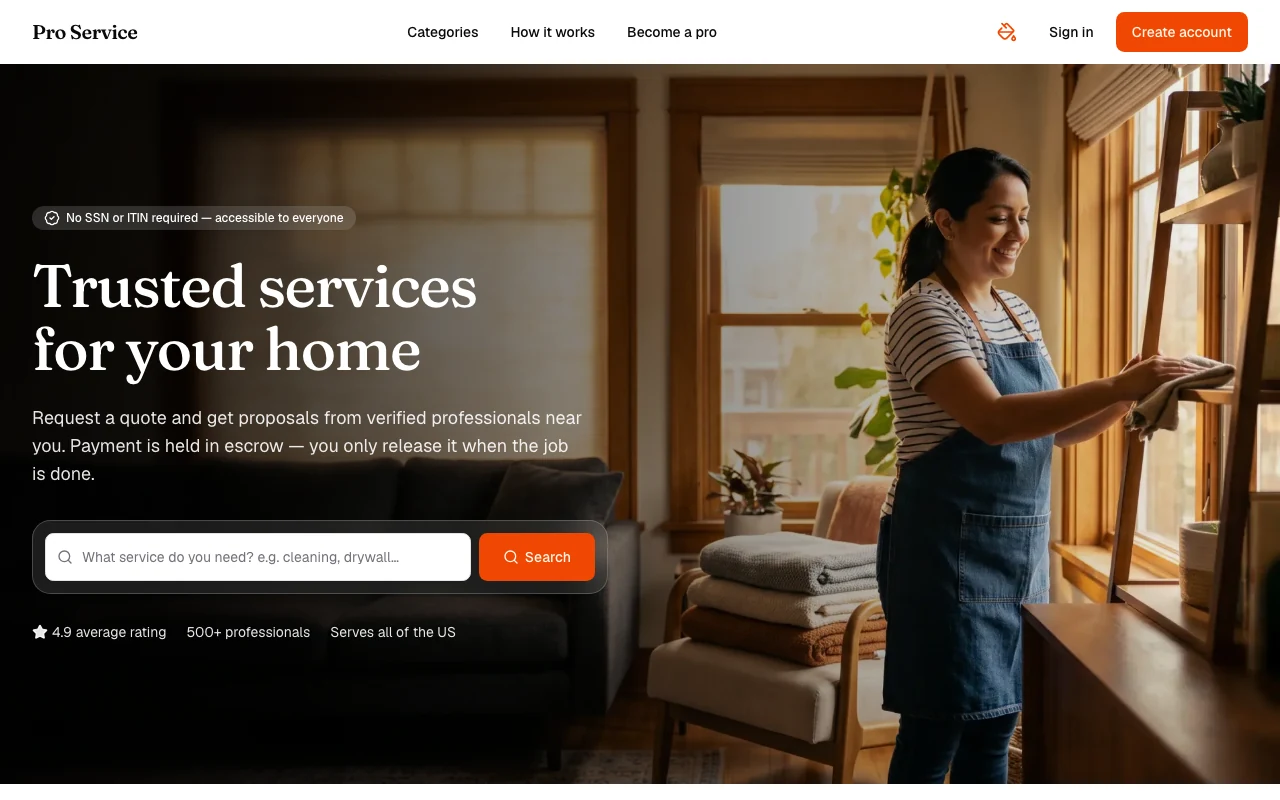
Pro Service
Find verified home service professionals, compare quotes, and pay securely through escrow - built for Brazilians across the US 🏠
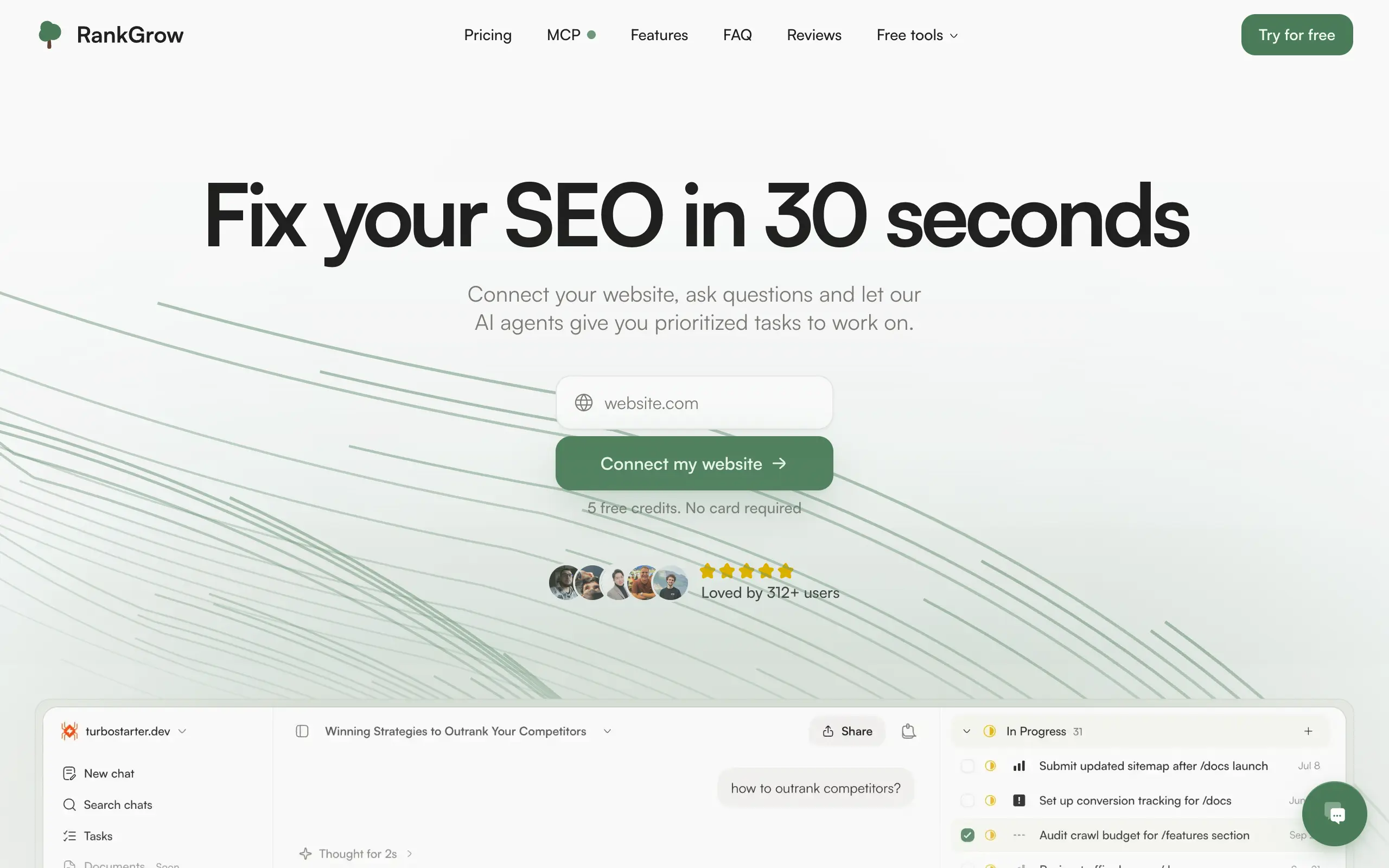
RankGrow
Fix your SEO with AI agents - connect Search Console, get prioritized tasks, and grow organic traffic 📈
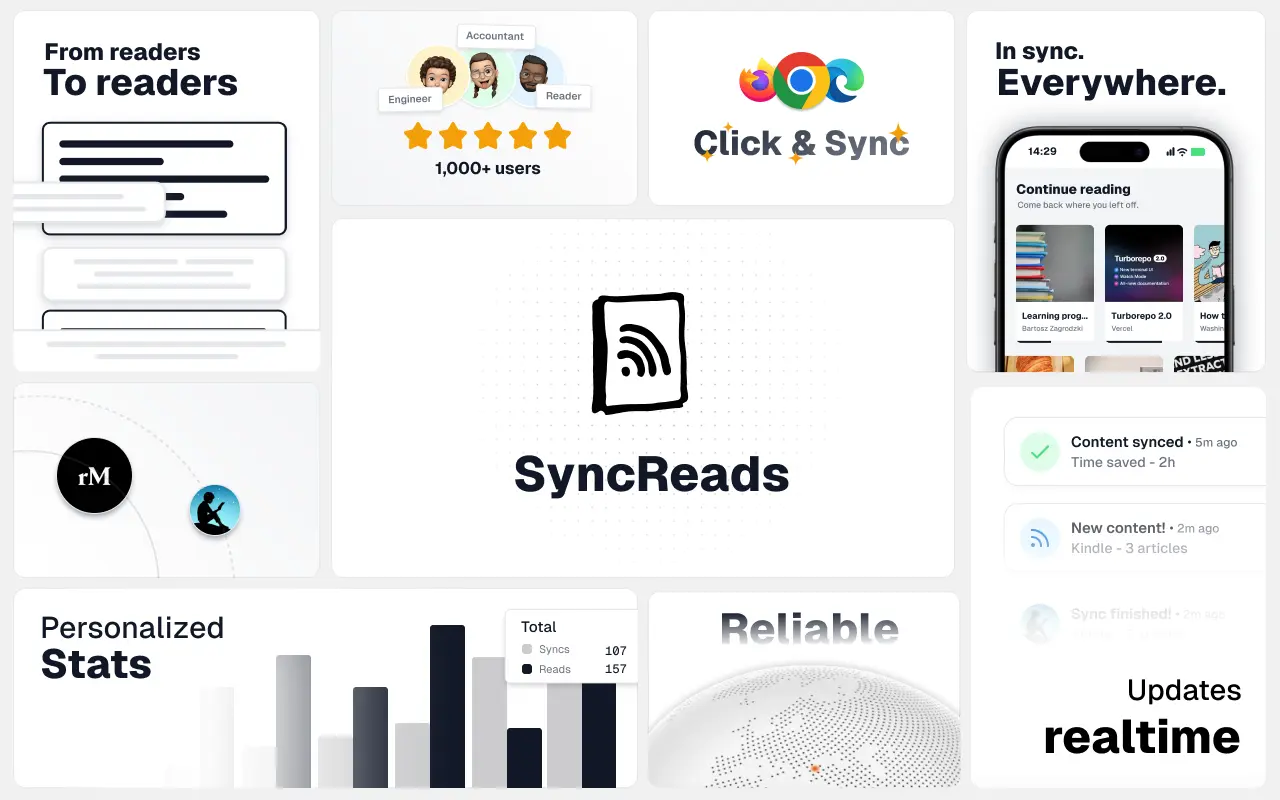
SyncReads
Sync your favorite content for distraction-free reading, save time and replace multiple apps. Anytime, anywhere 🔄
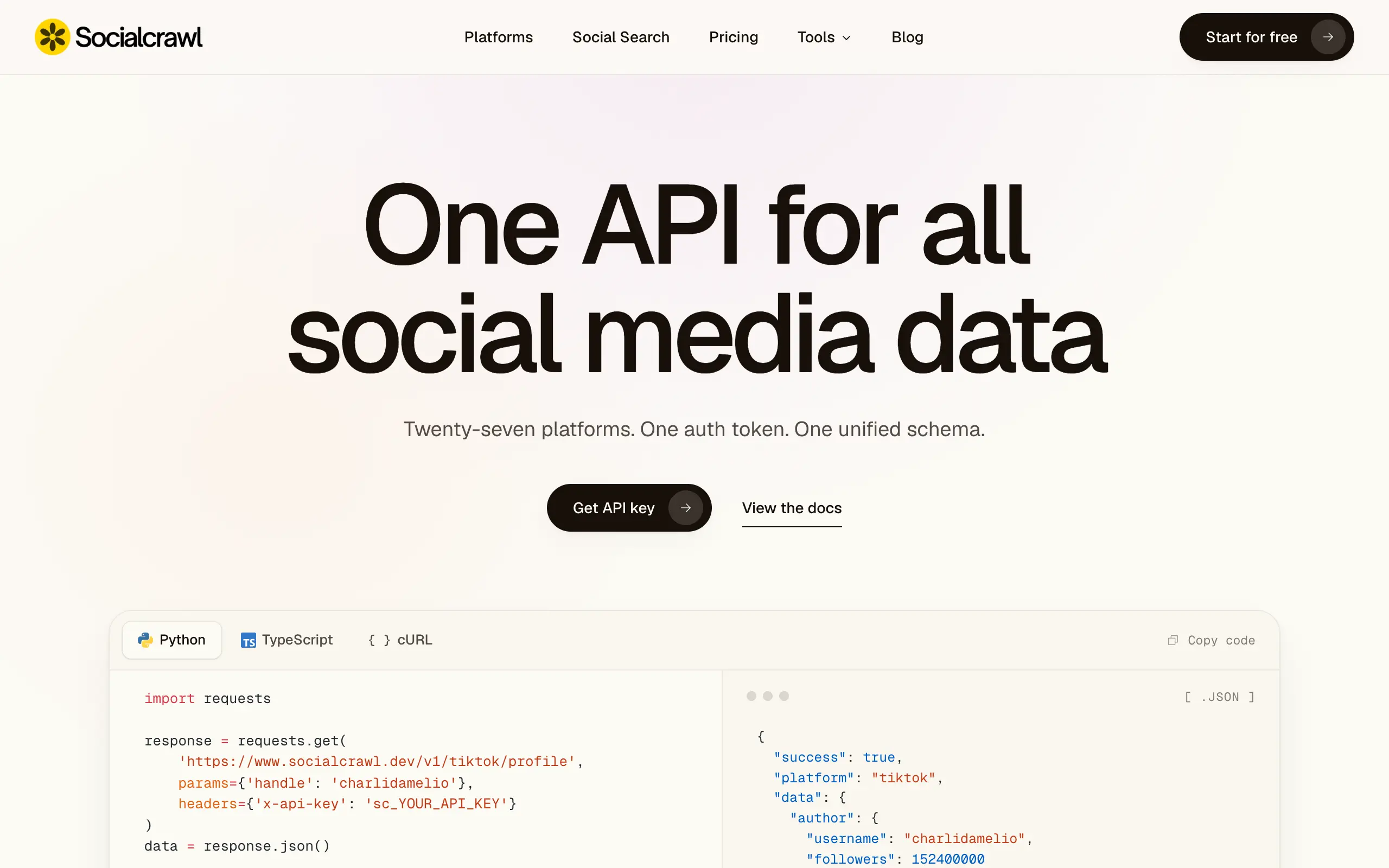
Socialcrawl
Get clean, structured data from 21 platforms like TikTok, Instagram, and YouTube with a single request 📊
Statiko
Monitor any Telegram channel in real time - track posts, edits, deletions, and growth with AI recaps 📡
Shibui
AI website builder - describe your business, pick a niche template, edit by chatting, and publish instantly ✨
Pro Service
Find verified home service professionals, compare quotes, and pay securely through escrow - built for Brazilians across the US 🏠
RankGrow
Fix your SEO with AI agents - connect Search Console, get prioritized tasks, and grow organic traffic 📈
SyncReads
Sync your favorite content for distraction-free reading, save time and replace multiple apps. Anytime, anywhere 🔄
Socialcrawl
Get clean, structured data from 21 platforms like TikTok, Instagram, and YouTube with a single request 📊
Statiko
Monitor any Telegram channel in real time - track posts, edits, deletions, and growth with AI recaps 📡
Shibui
AI website builder - describe your business, pick a niche template, edit by chatting, and publish instantly ✨
Pro Service
Find verified home service professionals, compare quotes, and pay securely through escrow - built for Brazilians across the US 🏠
RankGrow
Fix your SEO with AI agents - connect Search Console, get prioritized tasks, and grow organic traffic 📈
SyncReads
Sync your favorite content for distraction-free reading, save time and replace multiple apps. Anytime, anywhere 🔄
Socialcrawl
Get clean, structured data from 21 platforms like TikTok, Instagram, and YouTube with a single request 📊
Statiko
Monitor any Telegram channel in real time - track posts, edits, deletions, and growth with AI recaps 📡
Shibui
AI website builder - describe your business, pick a niche template, edit by chatting, and publish instantly ✨
Pro Service
Find verified home service professionals, compare quotes, and pay securely through escrow - built for Brazilians across the US 🏠
RankGrow
Fix your SEO with AI agents - connect Search Console, get prioritized tasks, and grow organic traffic 📈
SyncReads
Sync your favorite content for distraction-free reading, save time and replace multiple apps. Anytime, anywhere 🔄
Socialcrawl
Get clean, structured data from 21 platforms like TikTok, Instagram, and YouTube with a single request 📊
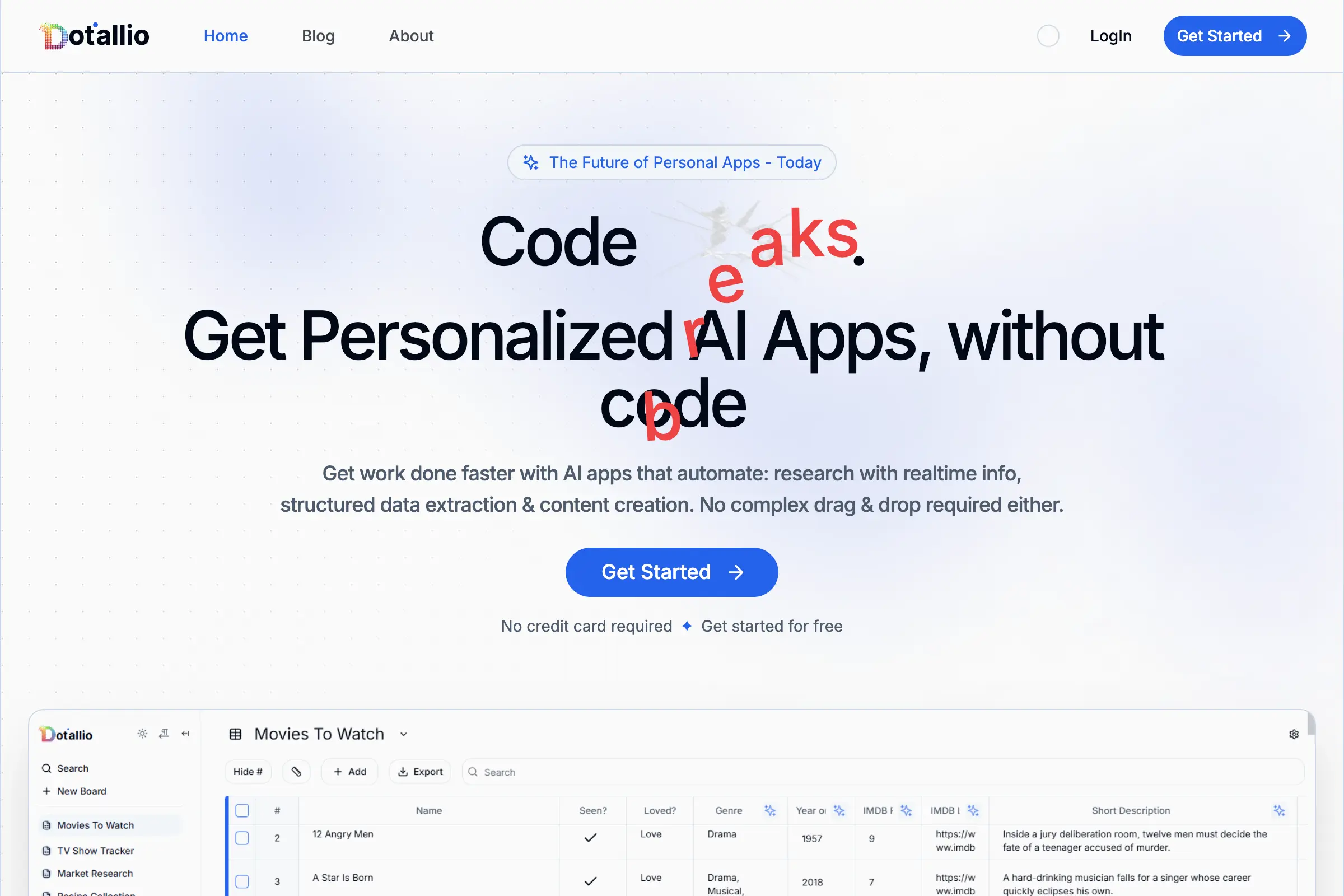
Dotallio
Personalized AI apps that automate research, data extraction, and content creation without code 🤖
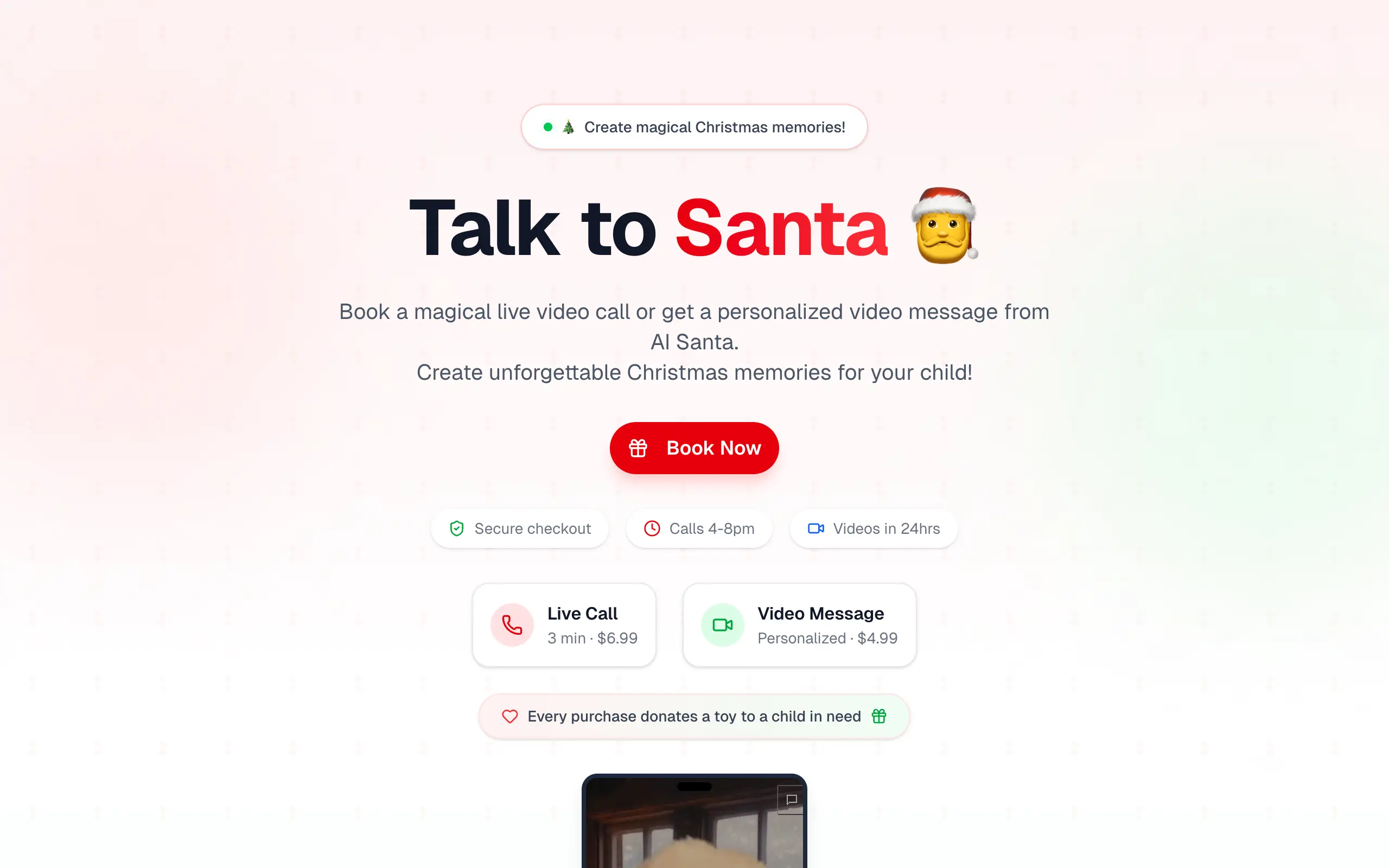
Talk to Santa
Enjoy a magical live video chat or receive a unique AI-generated video greeting from Santa Claus 🎅

pozywka.pl
Scalable blog for food journalist, focused on performance and user experience 🌭
zagrodzki.me
Personal blog and portfolio of Bart Zagrodzki, where he shares his knowledge and work 💼
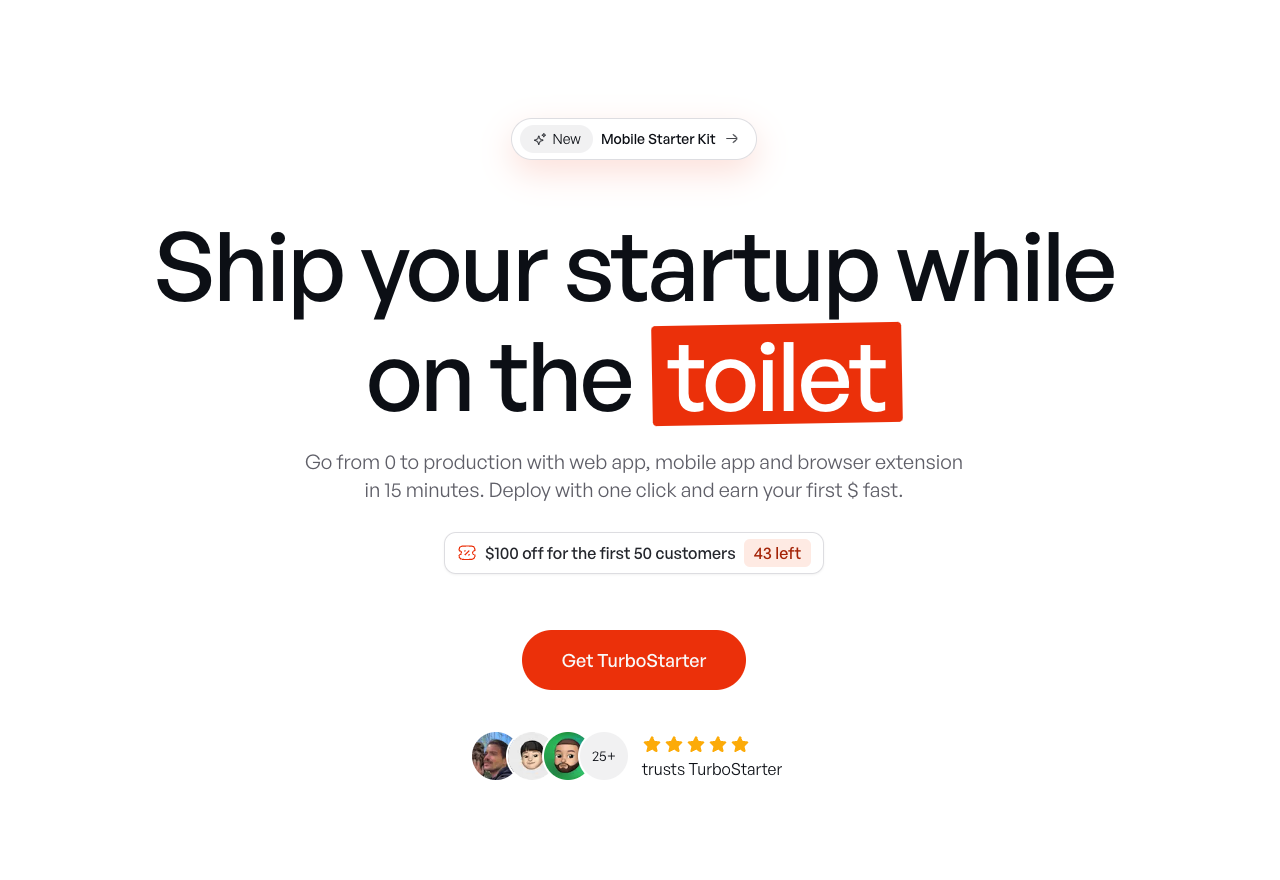
TurboStarter
Ship your startup everywhere. In minutes.
HTML to Markdown
Convert HTML to Markdown with ease, directly in your browser 📄
Dotallio
Personalized AI apps that automate research, data extraction, and content creation without code 🤖
Talk to Santa
Enjoy a magical live video chat or receive a unique AI-generated video greeting from Santa Claus 🎅
pozywka.pl
Scalable blog for food journalist, focused on performance and user experience 🌭
zagrodzki.me
Personal blog and portfolio of Bart Zagrodzki, where he shares his knowledge and work 💼
TurboStarter
Ship your startup everywhere. In minutes.
HTML to Markdown
Convert HTML to Markdown with ease, directly in your browser 📄
Dotallio
Personalized AI apps that automate research, data extraction, and content creation without code 🤖
Talk to Santa
Enjoy a magical live video chat or receive a unique AI-generated video greeting from Santa Claus 🎅
pozywka.pl
Scalable blog for food journalist, focused on performance and user experience 🌭
zagrodzki.me
Personal blog and portfolio of Bart Zagrodzki, where he shares his knowledge and work 💼
TurboStarter
Ship your startup everywhere. In minutes.
HTML to Markdown
Convert HTML to Markdown with ease, directly in your browser 📄
Dotallio
Personalized AI apps that automate research, data extraction, and content creation without code 🤖
Talk to Santa
Enjoy a magical live video chat or receive a unique AI-generated video greeting from Santa Claus 🎅
pozywka.pl
Scalable blog for food journalist, focused on performance and user experience 🌭
zagrodzki.me
Personal blog and portfolio of Bart Zagrodzki, where he shares his knowledge and work 💼
TurboStarter
Ship your startup everywhere. In minutes.
HTML to Markdown
Convert HTML to Markdown with ease, directly in your browser 📄
Omichat
Chat with 50+ AI models, including ChatGPT and Claude, in one place - switch models anytime without losing context 🤖
Claude Fast
Supercharge your Claude Code with 6x effective context window and specialized AI agents 🤖
EmojAI
AI-powered emoji picker with smart, context-aware suggestions 🤖
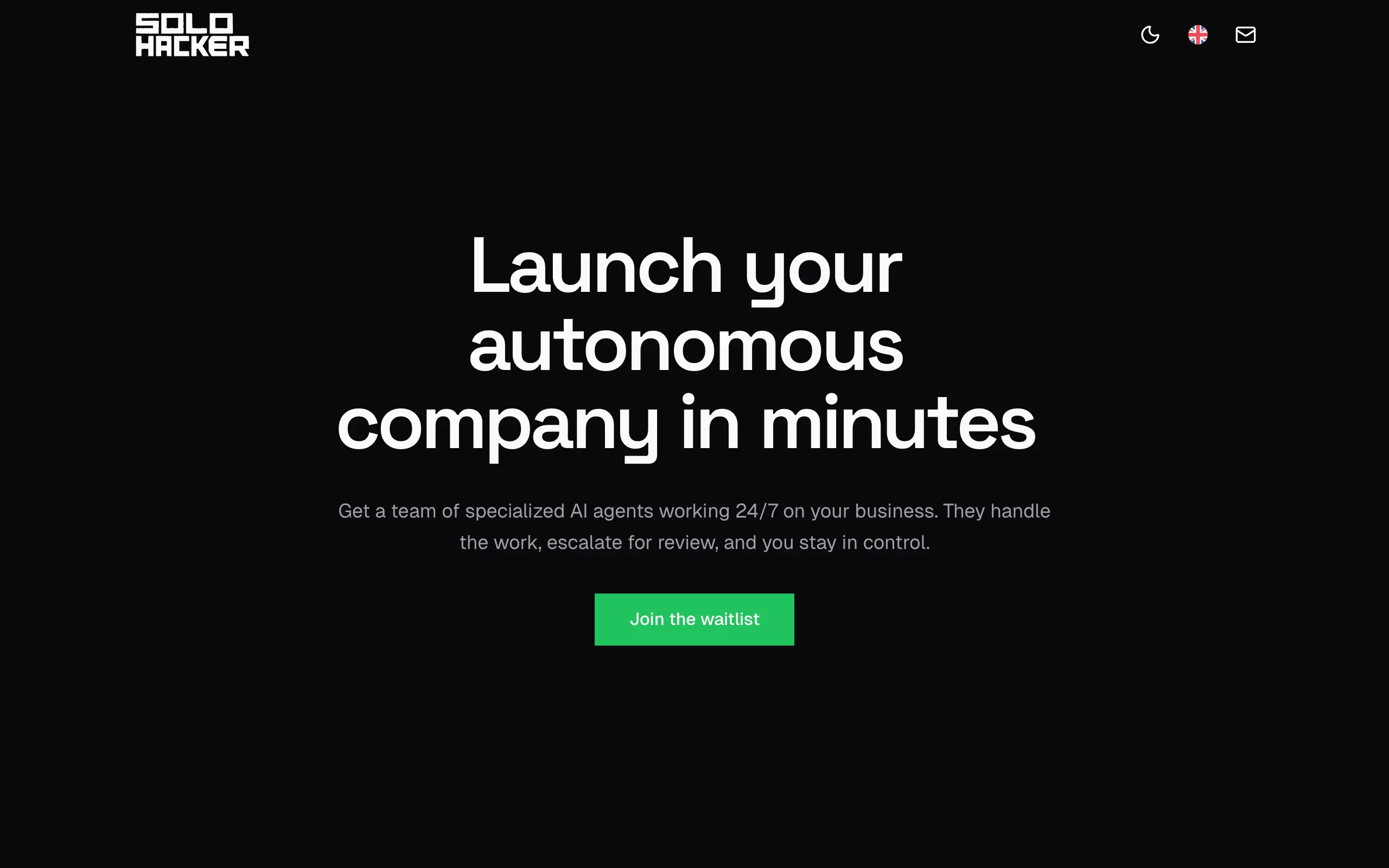
Solohacker
Autonomous company launcher - AI agents work 24/7, escalate what matters, and you stay in control 🤖
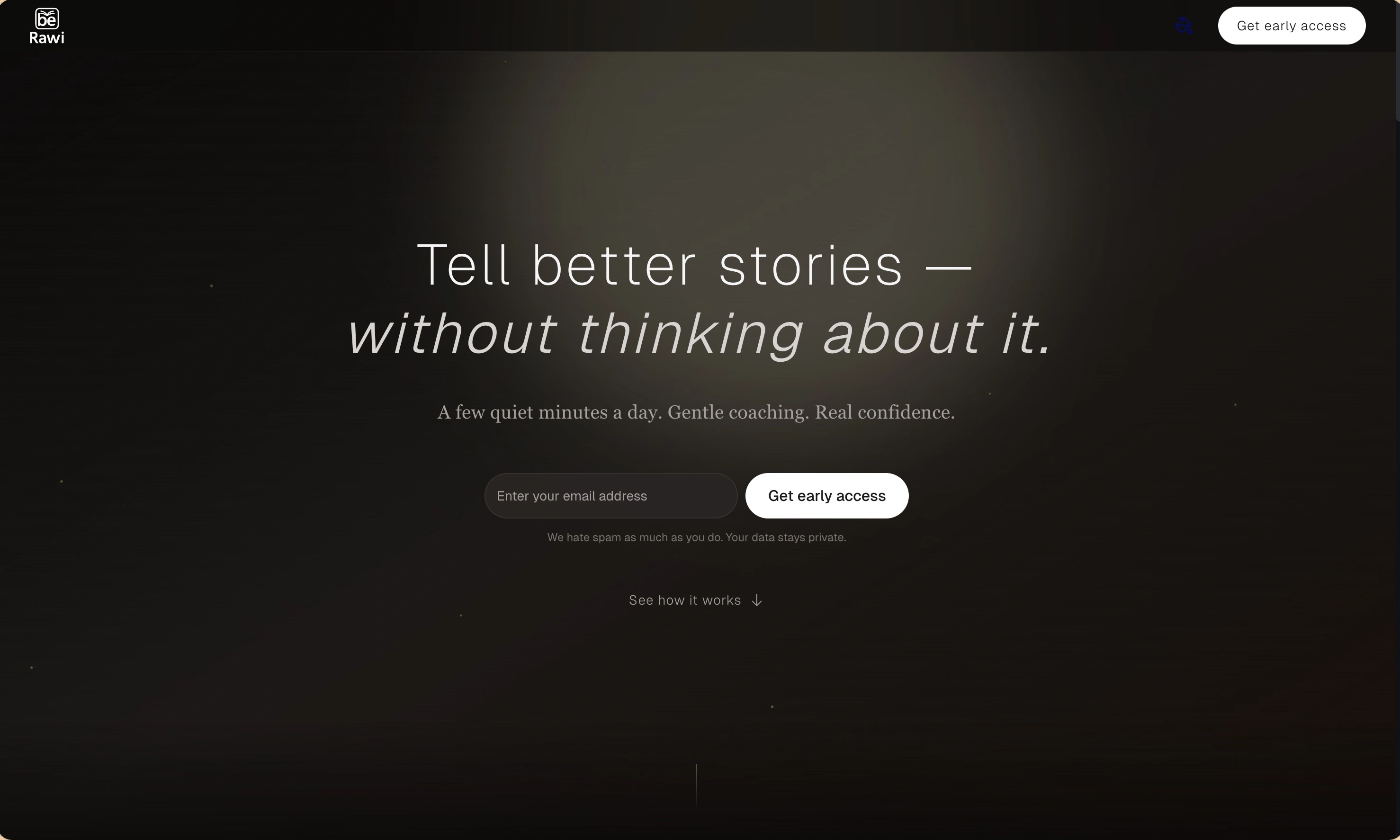
BeRawi: Storytelling Coach
Practice storytelling daily with instant feedback to sound clearer, more engaging, and confident 🎤
Omichat
Chat with 50+ AI models, including ChatGPT and Claude, in one place - switch models anytime without losing context 🤖
Claude Fast
Supercharge your Claude Code with 6x effective context window and specialized AI agents 🤖
EmojAI
AI-powered emoji picker with smart, context-aware suggestions 🤖
Solohacker
Autonomous company launcher - AI agents work 24/7, escalate what matters, and you stay in control 🤖
BeRawi: Storytelling Coach
Practice storytelling daily with instant feedback to sound clearer, more engaging, and confident 🎤
Omichat
Chat with 50+ AI models, including ChatGPT and Claude, in one place - switch models anytime without losing context 🤖
Claude Fast
Supercharge your Claude Code with 6x effective context window and specialized AI agents 🤖
EmojAI
AI-powered emoji picker with smart, context-aware suggestions 🤖
Solohacker
Autonomous company launcher - AI agents work 24/7, escalate what matters, and you stay in control 🤖
BeRawi: Storytelling Coach
Practice storytelling daily with instant feedback to sound clearer, more engaging, and confident 🎤
Omichat
Chat with 50+ AI models, including ChatGPT and Claude, in one place - switch models anytime without losing context 🤖
Claude Fast
Supercharge your Claude Code with 6x effective context window and specialized AI agents 🤖
EmojAI
AI-powered emoji picker with smart, context-aware suggestions 🤖
Solohacker
Autonomous company launcher - AI agents work 24/7, escalate what matters, and you stay in control 🤖
BeRawi: Storytelling Coach
Practice storytelling daily with instant feedback to sound clearer, more engaging, and confident 🎤

Connect with like-minded people
Join our community to get feedback, support, and grow together with 1,000+ builders on board, let's ship it!
Join usShip your startup everywhere. In minutes.
Don't burn tokens on setup and start building features on day one.