ShiftSpark
Train frontline teams with interactive 3D equipment walkthroughs, an AI coach, and bite-size skill quests that reward progress.
Frontline teams learn best when training is practical, brief, and connected to the work they do every day. But many organizations still rely on slide decks, paper checklists, or one-time classroom sessions to teach employees how to use equipment and follow procedures. These formats can communicate information without proving that a worker can perform a task confidently or safely.
ShiftSpark is a concept for a mobile frontline employee training app that combines interactive 3D equipment walkthroughs, an AI coach, and bite-size skill quests. Its opportunity is to turn operational knowledge into practice employees can access on a phone, complete in short sessions, and revisit when a real task calls for it.
This article evaluates the ShiftSpark SaaS idea: who it serves, where it could fit in the market, which features matter most, how to build a credible first version, and what risks to address before launch.
What is ShiftSpark?
ShiftSpark is a mobile training platform for organizations with employees who work on the frontline: in warehouses, factories, hotels, hospitals, retail stores, restaurants, field service teams, and other hands-on environments.
Instead of treating training as a single course to complete, ShiftSpark would help organizations create a continuous learning loop:
- Employees explore how equipment or a process works.
- They practice a skill through a short guided activity.
- An AI coach answers questions or offers contextual help.
- Skill quests reinforce learning over time.
- Managers review progress and identify where more coaching is needed.
The product’s central promise is not simply to make training more entertaining. It is to make essential skills easier to understand, practice, and reinforce in the flow of work.
A useful positioning statement might be:
ShiftSpark helps frontline organizations teach equipment and procedures through interactive mobile practice, conversational coaching, and measurable skill progress.
That statement keeps the product focused on employee capability and training outcomes. The 3D visuals, AI, and rewards are valuable when they support that promise—not as features in search of a use case.
Why frontline training is difficult
Frontline training has constraints that standard learning management systems do not always handle well. Employees may have limited time away from their role, work different shifts, speak different languages, or have inconsistent access to a desktop computer. Some tasks are also difficult to teach through text alone.
A written procedure can explain what to do, but it may not show where a control is located, how a component moves, or what a safe sequence looks like. A video can demonstrate a task, but it may be hard to navigate to one specific step or check whether the learner understood it. In-person instruction can be effective, but it can require trainer availability and take experienced workers away from production.
These constraints create an opportunity for training that is:
- Mobile-first, so an employee can access it on an approved device.
- Task-oriented, so training maps to real work rather than abstract course completion.
- Short and repeatable, so employees can learn or refresh a skill in manageable sessions.
- Interactive, so employees do more than watch or read.
- Trackable, so managers can see who has practiced, passed an assessment, or needs support.
- Adaptable, so organizations can update lessons as equipment or procedures change.
ShiftSpark’s strongest product insight is that it can connect learning content to the physical task being learned. That can make a mobile training experience more relevant than a generic course library.
Target audience for ShiftSpark
ShiftSpark should not initially market itself to every organization with employees. The product will be easier to build, sell, and validate if it starts with a specific segment whose training problem is frequent and costly.
Primary users
The daily users are frontline employees who need to learn or refresh operational skills. Their needs may include:
- Understanding equipment parts and controls.
- Learning a procedure without sitting through a long course.
- Practicing a task before performing it independently.
- Reviewing a specific step during a shift.
- Getting help in plain language when a trainer is unavailable.
- Seeing a clear sense of progress as they complete required skills.
The experience should account for varied reading levels, language preferences, accessibility needs, and digital confidence. A polished 3D walkthrough is not useful if it loads slowly on a shared device or depends on small text that is difficult to read in a busy workplace.
Buyers and decision-makers
The buyer is usually not the employee. Potential buyers and internal champions include:
- Learning and development leaders who need to improve training reach and consistency.
- Operations managers responsible for productivity, quality, and procedural compliance.
- Safety leaders who need employees to understand and practice safe methods.
- Human resources teams coordinating onboarding and role readiness.
- Franchise or multi-site operators who need consistent training across locations.
- Training managers who want to reduce repetitive instructor-led demonstrations.
Each buyer cares about different outcomes. A safety leader may prioritize demonstrated competency and auditability. An operations leader may care about faster onboarding and fewer avoidable errors. A learning leader may focus on participation, retention, and course administration.
ShiftSpark should therefore let organizations connect learning activity to operational goals without claiming that training alone will guarantee a particular safety or productivity result.
Best early customer profiles
Good first customers are likely to have repeatable tasks, recurring hiring or onboarding, and a clear reason to standardize how work is taught. For example:
- A warehouse operator onboarding workers to common material-handling equipment.
- A hotel group training staff on room-turnover procedures and specialized tools.
- A manufacturer teaching routine equipment inspections and changeover steps.
- A restaurant group standardizing food-preparation or cleaning procedures.
- A field-service organization refreshing technicians on equipment setup.
- A retail chain training employees on point-of-sale hardware or store processes.
These are hypotheses to test, not proof of product-market fit. Discovery interviews should determine which tasks are frequent enough to justify digital practice and which can be taught effectively through a mobile experience.
Market opportunity and the gap ShiftSpark could fill
Workplace learning software includes learning management systems, course-authoring platforms, video libraries, digital adoption tools, and specialized safety or compliance products. ShiftSpark would enter a busy category, so it needs a precise position rather than a broad claim that “training is broken.”
The clearest gap is the space between content delivery and demonstrated task understanding. Many platforms help organizations assign and track courses. ShiftSpark could focus on helping an employee interact with a representation of equipment, make decisions, practice a sequence, and receive coaching.
That difference matters most when a task is spatial, procedural, or difficult to explain in a static document. An interactive 3D walkthrough may help a learner locate a component or explore a sequence. A skill quest may turn a procedure into a series of observable actions. An AI coach may clarify a step using approved training materials.
Where current approaches may fall short
Traditional methods still have important uses, but each has limitations that ShiftSpark could address:
- Paper manuals can be reliable references but are difficult to search and rarely provide guided practice.
- Videos are accessible and familiar but generally offer limited interaction and personalization.
- Classroom sessions support questions and discussion but can be difficult to schedule across shifts and locations.
- Generic learning management systems can handle enrollment and completion tracking but may not provide task-specific simulation.
- Virtual reality programs can create immersive practice but may require dedicated hardware, setup, and a larger production budget.
- Informal peer training transfers practical knowledge but can result in inconsistent instruction and dependence on a few experienced employees.
ShiftSpark can occupy a middle ground: more interactive than a video, more accessible than a dedicated VR deployment, and more task-specific than a general course catalog.
Trends worth monitoring
Several technology and workplace shifts make the concept timely, while also creating implementation considerations:
- Mobile-first work tools are increasingly expected to support employees who do not spend their day at a computer.
- Generative AI makes conversational assistance easier to prototype, but responses need strong grounding, clear boundaries, and evaluation.
- Real-time 3D on mobile devices can support interactive product and equipment experiences, though performance varies across devices.
- Skills-based workforce development encourages organizations to think about demonstrated capabilities, not only course attendance.
- Multilingual digital content can help distributed workforces, but translation quality and regional terminology require human review.
When publishing market claims, support any statistics with current primary research or reputable industry reports. For example, cite the report title, publisher, publication date, and the specific figure being referenced. Do not use an old statistic as evidence of current demand without checking its methodology and date.
Core features for a frontline training app
ShiftSpark’s feature set should be built around an end-to-end learning workflow. The product should not try to launch with a large collection of loosely connected features.
Interactive 3D equipment walkthroughs
The 3D walkthrough is the most distinctive part of the concept. A learner might rotate a piece of equipment, select a component, reveal a label, and follow a guided sequence that explains what to inspect or operate.
A strong walkthrough should:
- Highlight one learning objective at a time.
- Let users explore without losing the guided path.
- Use clear labels and visual cues that are understandable on a small screen.
- Include a fallback image, animation, or text mode for slower devices or limited connectivity.
- Avoid implying that a simulation replaces formal authorization or supervised practice.
- Allow content owners to update models and instructions when equipment changes.
The first version should focus on one or two high-value tasks rather than attempting to model an entire facility. A realistic-looking model is not automatically an effective learning tool. The interaction should help learners understand a task more clearly than a well-made video or annotated diagram would.
Bite-size skill quests
Quests can turn training into a sequence of short, purposeful activities. A quest might ask an employee to identify a control, choose the correct next step, locate a safety feature, or complete a simulated inspection.
Effective quests should connect to workplace competencies, not just points or streaks. For example:
- A learner completes an equipment orientation.
- A learner practices a procedure in the correct order.
- A learner answers scenario questions about what to do when a condition changes.
- A supervisor observes a real-world demonstration and records sign-off.
The last example illustrates an important product distinction: digital practice can prepare an employee, but some skills still require in-person observation or formal certification. ShiftSpark should make that distinction visible in the learning record.
An AI coach grounded in approved content
The AI coach could answer questions about a lesson, restate a procedure in simpler language, or help a learner review a missed concept. Its answers should be grounded in organization-approved materials rather than generated freely from general knowledge.
A safe design would:
- Restrict answers to the relevant training content when possible.
- Show which lesson or source supports an answer.
- Say when it does not know, instead of guessing.
- Escalate safety-critical or ambiguous questions to a supervisor or approved procedure.
- Avoid giving instructions that contradict the organization’s official process.
- Log appropriate interaction data while respecting privacy policies.
For high-risk tasks, an AI coach should not act as an unsupervised authority. It can support learning, but an organization must define which guidance requires review by a qualified person.
Learning paths and role-based assignments
Managers should be able to assign training by role, location, equipment, or onboarding stage. A new employee may need a foundational path, while an experienced worker may need a refresher or a new-equipment module.
Assignments should include clear due dates, completion rules, and prerequisites. If an employee changes roles, the platform should make it easy to update required learning without erasing the history of previous completions.
Progress and competency reporting
A manager dashboard should answer practical questions:
- Who has been assigned this training?
- Who has started or completed it?
- Which questions or steps cause repeated difficulty?
- Which employees need an in-person assessment?
- Is a particular location falling behind?
- Has content been updated since an employee completed it?
Reports should distinguish between completion, practice, and verified competency. Treating these as interchangeable can mislead managers and weaken trust in the product.
Content management and version control
The people who understand a procedure should be able to review and maintain its learning content. A useful content workflow includes draft, review, approval, publication, and retirement states.
ShiftSpark should also track:
- Who changed a lesson.
- What changed and when.
- Which version an employee completed.
- Whether a material update requires retraining.
- Whether a model, instruction, or translation is awaiting approval.
This audit trail is especially important when procedures relate to regulated work or safety.
Competitive advantage and positioning
ShiftSpark’s defensible advantage will not come from using 3D or AI alone. Competitors can add similar technologies. A stronger advantage would combine a specific user experience, practical authoring workflows, measurable learning outcomes, and integrations that fit how frontline organizations operate.
Potential differentiation
| Product dimension | ShiftSpark opportunity | What the product must prove |
|---|---|---|
| Frontline accessibility | Mobile lessons designed for short sessions and shift-based work | Employees can use it reliably on approved devices |
| Task visualization | Interactive 3D walkthroughs for spatial or procedural learning | 3D improves understanding compared with simpler media |
| Practice and reinforcement | Quests and refreshers tied to job skills | Practice supports meaningful learning, not just engagement |
| AI assistance | A coach grounded in approved training material | Answers are reliable, bounded, and useful |
| Manager visibility | Reporting that distinguishes completion from competency | Reports help leaders take appropriate action |
| Content operations | Versioning, approvals, and reusable lesson templates | Content remains accurate without excessive production effort |
The key strategic test is whether ShiftSpark can make a high-value training task easier to create and more effective to learn than the customer’s existing alternative.
A focused USP
A compelling unique selling proposition could be:
ShiftSpark turns equipment and procedure training into mobile, interactive practice—then helps managers see what employees have learned and where they still need support.
This is more credible than promising to eliminate accidents, guarantee retention, or replace trainers. It also links the product’s three defining features to a single customer outcome: better-supported skill development.
Recommended technology stack
The right stack depends on the first target customer, device environment, offline requirements, and 3D complexity. A mobile-first product can use native mobile development, a cross-platform framework, or a web application optimized for phones. Each has trade-offs.
Mobile application
A cross-platform approach can reduce the cost of supporting both iOS and Android. React Native is a candidate if the team has JavaScript or TypeScript experience. Expo can simplify development, testing, and distribution for many React Native projects.
Trade-offs include:
- Cross-platform code can speed up delivery, but some device features may require native modules.
- A mobile web app can be easier to access, but may have limitations around device capabilities and offline behavior.
- Native apps can offer deeper platform integration, but usually require more specialized development and maintenance.
Validate the customer’s device policy before choosing. Some employers allow personal devices; others require company-managed devices, shared tablets, or kiosk-style access.
3D and content rendering
Three.js is a widely used JavaScript library for displaying 3D graphics in web experiences. It may suit an early browser-based prototype or some cross-platform approaches, depending on device performance and rendering needs.
The trade-off is that 3D content can increase download size, battery use, and development complexity. A practical plan is to:
- Use compressed and optimized assets.
- Test on the lowest-end devices used by target customers.
- Provide a non-3D alternative for essential instructions.
- Load models only when needed.
- Measure startup time, frame rate, and data use in real conditions.
- Consider whether a 3D view materially improves a specific learning objective.
The team may also evaluate a dedicated 3D engine if the product requires advanced interactions or high-fidelity simulation. That decision should follow validated customer needs, not precede them.
Backend and data storage
A conventional SaaS backend needs authentication, organizations, roles, assignments, content records, completion events, and reporting. PostgreSQL is a strong relational database option for structured data and reporting. Supabase can accelerate development by providing managed database, authentication, storage, and related services.
For enterprise readiness, design the data model around tenant isolation from the beginning. Define how organizations, locations, teams, users, courses, lessons, assessments, and versions relate to one another. Apply authorization checks on the server, not only in the client interface.
AI services
An AI coach can use a language model with retrieval over approved learning materials. The retrieval layer should return relevant source passages, and the user-facing answer should make it possible to inspect its supporting content.
Before deployment, test representative questions, including:
- Questions directly answered in a lesson.
- Questions with incomplete or ambiguous source material.
- Questions that request unsafe actions.
- Questions unrelated to the company’s approved training.
- Questions in different languages or with spelling errors.
A useful AI implementation should include evaluation, monitoring, a fallback response, and a clear escalation path. Do not treat a model’s fluent output as evidence that it is correct.
Analytics and integrations
The initial analytics system should capture events that help improve the product and support customer reporting. Examples include lesson started, step completed, assessment attempted, hint requested, and lesson version completed.
For future enterprise use, customers may request single sign-on, HR information system connections, learning management system interoperability, or exports to internal reporting tools. Avoid building every integration before interviews confirm the demand. Start by documenting the systems used by pilot customers and the data they need to exchange.
Building efficiently
If the team wants a prebuilt foundation for a SaaS product, TurboStarter can be considered as a way to accelerate common application setup. Evaluate any starter kit against ShiftSpark’s requirements for mobile delivery, tenant isolation, authentication, billing, and data governance before committing to it.
Monetization strategy
ShiftSpark could use a business-to-business SaaS model. Pricing should reflect the value delivered, the complexity of deployment, and the customer’s preferred purchasing process.
Per-seat subscription
A per-active-employee or per-assigned-user price is straightforward and scales with customer use. The challenge is that frontline staffing can change frequently, and some customers may resist paying for accounts that are not used every month.
A transparent definition of a billable user is essential. Consider whether pricing is based on active learners, enrolled employees, or a fixed number of seats.
Site-based pricing
A location-based plan may appeal to multi-site operators that budget by facility. It can be easier to forecast, but it may not reflect the difference between a small site and a large one.
Platform fee plus usage
A base platform fee with a usage component can support different customer sizes. For example, a plan could include a set number of users, locations, or published training modules, with higher tiers for additional usage.
Enterprise contracts
Larger customers may expect annual agreements, security reviews, service commitments, onboarding support, custom integrations, and multi-location administration. These contracts can generate meaningful revenue but add sales and implementation costs. The product should not claim enterprise readiness until the security, support, and operational processes are in place.
Paid implementation and content services
The first customers may need help converting existing procedures, manuals, and videos into interactive modules. A one-time content setup fee or professional services package can fund that work.
However, ShiftSpark should avoid becoming a bespoke 3D production studio. Reusable templates, structured source content, and a clear boundary between standard configuration and custom work can preserve software margins.
A sensible early pricing test could compare a paid pilot, a per-location plan, and a per-user plan. The right model is the one customers understand, can approve, and associate with measurable value—not necessarily the one that appears simplest in a spreadsheet.
Risks and mitigation
ShiftSpark combines training, AI, 3D content, employee data, and workplace processes. Each area creates product and trust risks that should be addressed early.
Inaccurate or outdated training
An interactive lesson can make an incorrect instruction feel authoritative. Establish content owners, review dates, approval workflows, and version histories. Let customers retire content quickly and identify which learners completed a previous version.
For safety-related training, align the product workflow with the customer’s existing review and approval process. ShiftSpark should support responsible training; it should not claim to certify that a workplace is safe.
AI errors and overreliance
An AI coach may invent details or answer beyond its source material. Restrict it to approved content where possible, test high-risk prompts, record relevant sources, and provide a clear “contact a supervisor” response when the information is missing or sensitive.
Low adoption
Employees may ignore training if it feels slow, confusing, or unrelated to their work. Pilot with actual frontline users, test the experience during realistic shift conditions, and ask whether the lesson can be completed on the devices employees have.
Give managers tools to introduce the product, but avoid making engagement mechanics feel punitive. Quests should reinforce learning, not create an unnecessary contest among workers.
3D production cost
Creating a detailed model for every piece of equipment can be expensive. Begin with tasks where spatial interaction adds meaningful value. Reuse components and templates where appropriate, and compare the production cost of a 3D walkthrough with a diagram, annotated photo, or short video.
Connectivity and device limitations
Workplaces may have weak network coverage or restrict personal phones. Test offline or low-connectivity workflows if customer interviews show they are necessary. Provide clear behavior when a lesson cannot load, and ensure essential instructions are not available only through a large 3D asset.
Privacy and employee monitoring concerns
Training analytics can be perceived as employee surveillance if the purpose and access rules are unclear. Collect only the data needed to deliver and improve training. Document retention, access, and deletion policies. Explain to customers and employees what is recorded and how managers use it.
Long enterprise sales cycles
Security reviews, procurement, integrations, and stakeholder alignment can delay adoption. Reduce friction with a focused pilot package, a clear data-processing explanation, and a short description of required devices and setup. Avoid spending heavily on long enterprise sales before proving the product with a narrow customer segment.
How to measure whether ShiftSpark works
A training product should measure more than downloads, lesson starts, and completion rates. Those are useful engagement signals, but they do not demonstrate that a learner can perform a task.
A practical measurement framework includes:
- Activation: Did the organization publish a first module and assign it to a real team?
- Access: Can employees reliably open the training on their workplace devices?
- Completion: Are learners finishing the required activities?
- Knowledge: Are assessment results improving after practice?
- Confidence: Do learners report that they understand the task and know where to get help?
- Competency: Can a qualified supervisor verify the task when hands-on assessment is required?
- Content quality: Which steps lead to repeated confusion, incorrect answers, or help requests?
- Business relevance: Does the customer observe a meaningful change in a chosen operational measure?
For any business outcome, establish a baseline and consider other factors that might explain a change. Training may contribute to an improvement, but a before-and-after comparison alone does not prove causation.
Actionable implementation steps
The most effective way to build ShiftSpark is to validate a narrow learning problem before investing in a broad platform.
Interview frontline teams and buyers
Speak with employees, supervisors, training leaders, and the person who controls the budget. Ask how a specific task is taught today, where learners get stuck, how often the task is performed, and what happens when training is incomplete.
Avoid asking only whether they like the idea. Ask them to describe the last time training failed or had to be repeated.
Choose one high-value training use case
Select a task that is common, repeatable, and difficult enough that current training leaves room for improvement. Prefer a task where an interactive walkthrough could clearly outperform a document or video.
Prototype the learning experience
Create a simple lesson using the least expensive media that can test the concept. This may be an interactive diagram, a short simulation, or a limited 3D model. Test whether employees understand the task better and whether they can complete the experience in realistic conditions.
Run a paid or tightly scoped pilot
Set clear success criteria with the customer before launch. Define the user group, content owner, device requirements, pilot duration, data collected, and how results will be reviewed. A paid pilot can be a stronger signal of willingness to buy than a positive interview.
Build the minimum viable SaaS workflow
The first product should support the essentials: organization setup, user roles, a small number of learning modules, assignments, progress reporting, and a content review process. Add AI coaching or 3D complexity only when the pilot demonstrates that it improves learning or usability.
Evaluate results and refine positioning
Compare the agreed measures with the baseline. Ask what employees used, what managers acted on, what content was difficult to maintain, and what would prevent the customer from renewing. Use those findings to refine the product, pricing, and target segment.
What a strong MVP should include
A ShiftSpark MVP should prove a coherent workflow, not showcase every planned capability. A practical first release could include:
- Organization and role setup.
- One focused training path for a specific job task.
- A mobile-friendly interactive lesson.
- Short assessments with clear feedback.
- Basic assignments and completion reporting.
- A content review and version history.
- A safe, limited AI coach only if approved content can ground its answers.
- A fallback for devices or connections that cannot support the richest experience.
Do not start with a large content marketplace, elaborate reward economy, complex analytics suite, or extensive integrations unless pilot customers make those requirements urgent. The MVP’s job is to reveal whether organizations will adopt and pay for the learning workflow.
Frequently asked questions
ShiftSpark is intended for organizations that train employees on practical tasks, equipment, procedures, or recurring operational skills. Early customers should be selected by the frequency and importance of their training needs, not simply by industry size.
Not necessarily. ShiftSpark could complement an existing learning management system by providing interactive task practice and reporting. Whether it should replace any LMS functionality depends on customer needs, integration requirements, and the scope of the product.
AI can support learning when it is grounded in approved material, evaluated, and designed to acknowledge uncertainty. It should not be treated as the final authority for safety-critical instructions or as a substitute for a qualified trainer or supervisor.
No. 3D is most useful when spatial understanding or interaction with equipment parts matters. Some lessons are better delivered through photographs, diagrams, video, or text. The product should select the format that best supports the learning objective.
Start with a customer-defined baseline and measure relevant outcomes such as learning access, assessment performance, supervisor-verified skills, or reduced training friction. Distinguish observed correlation from proven causation and avoid guarantees that the product cannot substantiate.
The opportunity for ShiftSpark
ShiftSpark has a credible opportunity if it focuses on a real gap in frontline learning: helping employees practice operational skills in an accessible, task-specific format while giving managers a clearer view of progress.
Its strongest differentiation is the combination of mobile-first learning, interactive equipment walkthroughs, contextual AI assistance, and short skill quests. But these features only matter when they make a particular task easier to learn and maintain. The product must also earn trust through accurate content, careful AI boundaries, practical device support, privacy-conscious reporting, and a clear distinction between course completion and verified competency.
The next step is not to build a broad training platform. It is to select one customer segment, identify one costly or frequently repeated training task, and test whether a focused ShiftSpark experience improves the way that task is taught. If the evidence is strong, expand from that workflow into a dependable frontline training system.
More 📱 Mobile App SaaS ideas
Discover more innovative mobile app SaaS ideas that are trending in 2026. Each idea is AI-generated with market validation and growth potential to help you find your next profitable venture faster than competitors.
Your competitors are building with TurboStarter
Below are some of the SaaS ideas that have been generated and built with our starter kit.
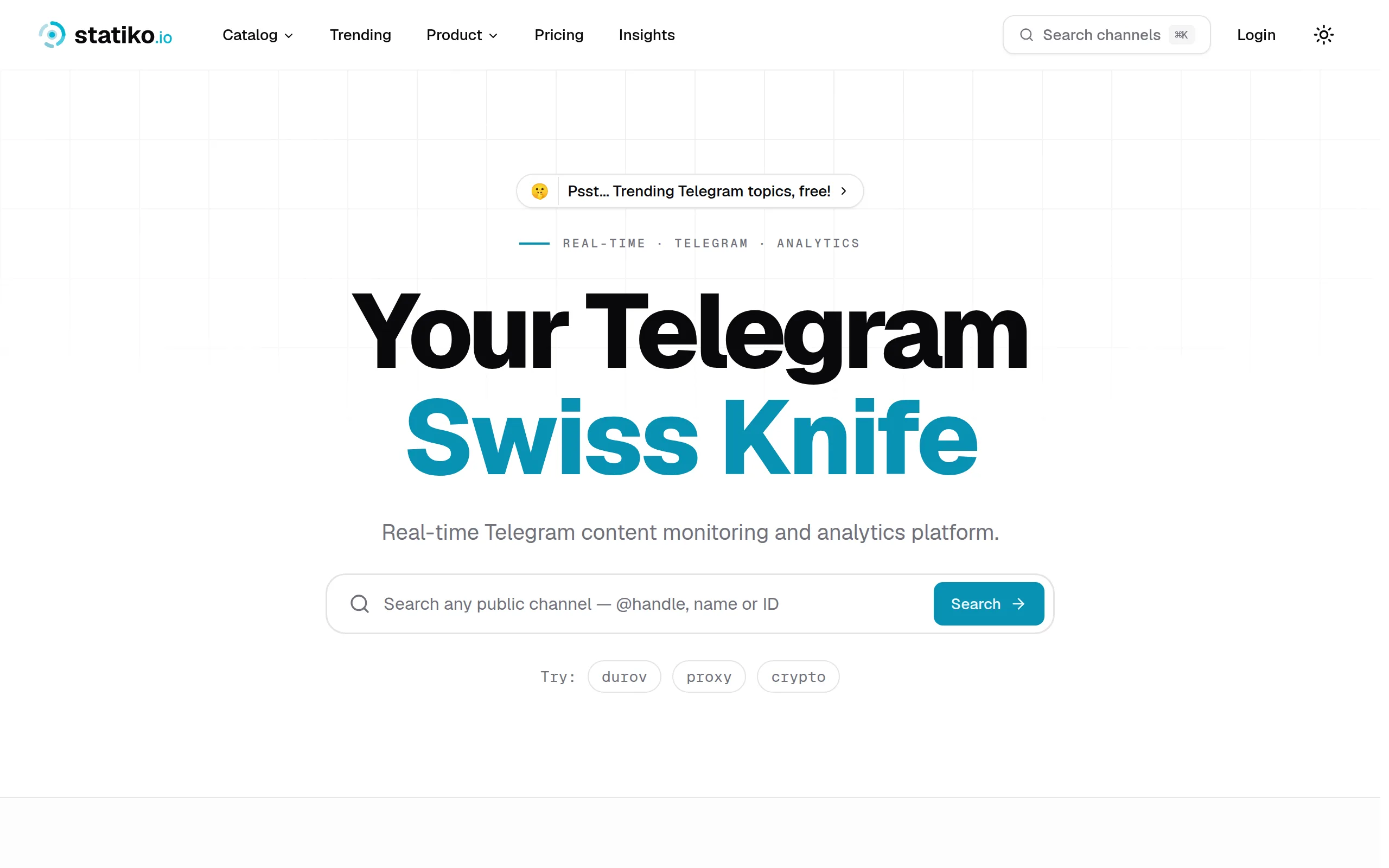
Statiko
Monitor any Telegram channel in real time - track posts, edits, deletions, and growth with AI recaps 📡

Shibui
AI website builder - describe your business, pick a niche template, edit by chatting, and publish instantly ✨

Pro Service
Find verified home service professionals, compare quotes, and pay securely through escrow - built for Brazilians across the US 🏠
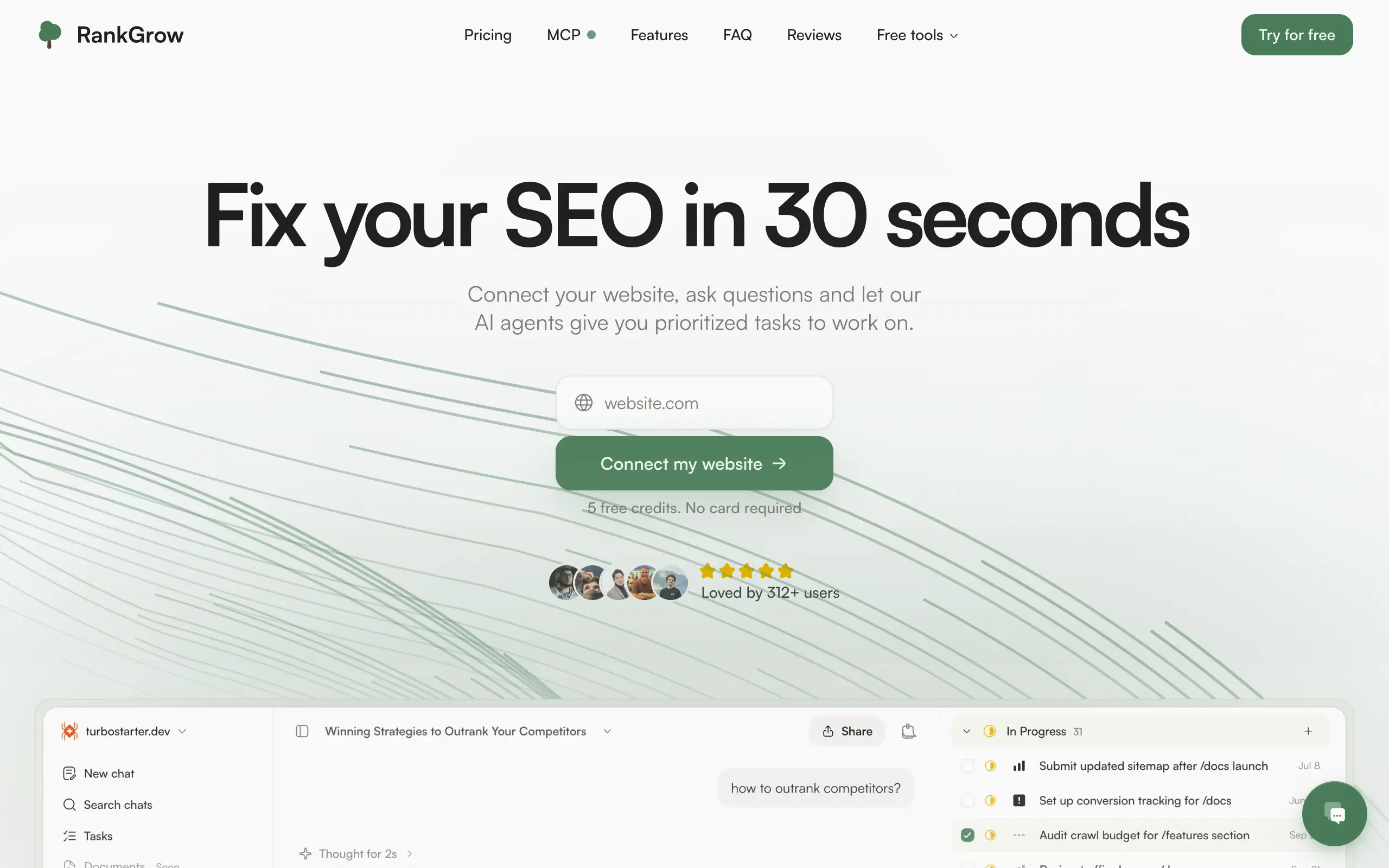
RankGrow
Fix your SEO with AI agents - connect Search Console, get prioritized tasks, and grow organic traffic 📈
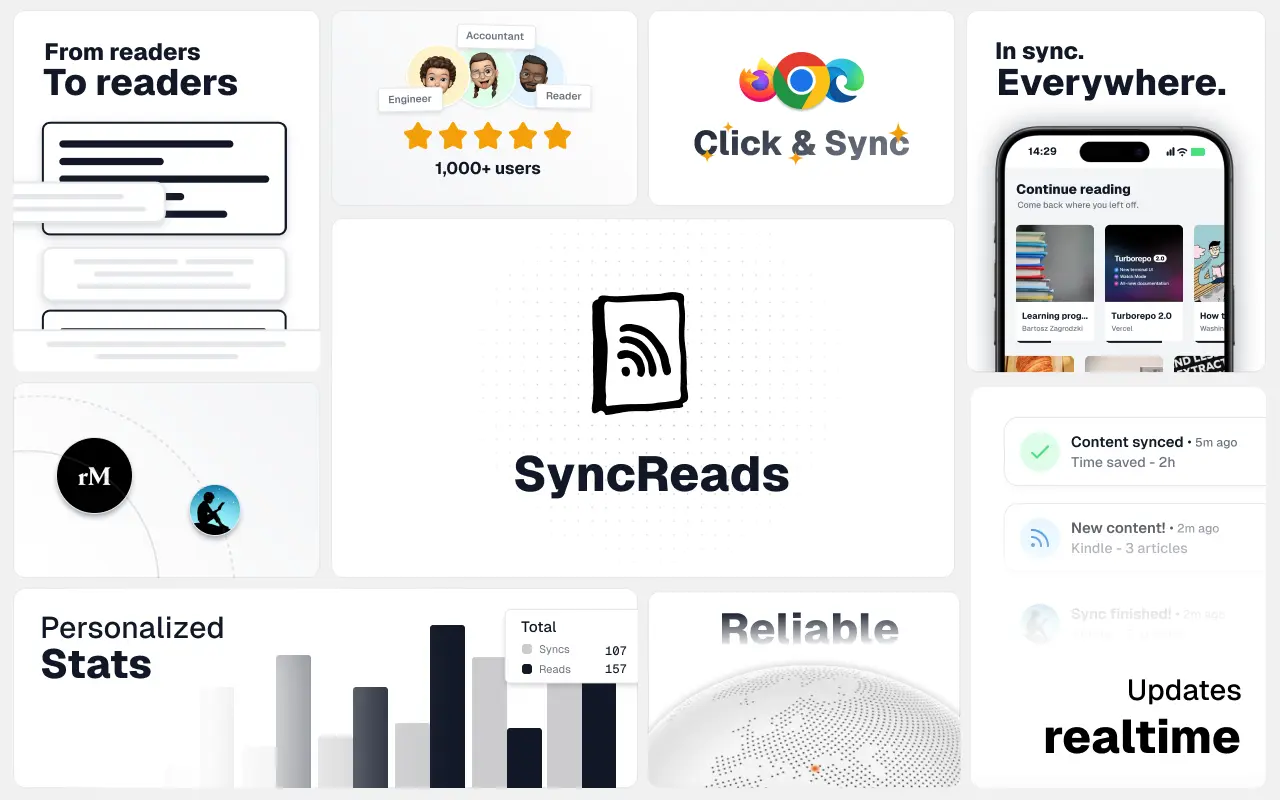
SyncReads
Sync your favorite content for distraction-free reading, save time and replace multiple apps. Anytime, anywhere 🔄
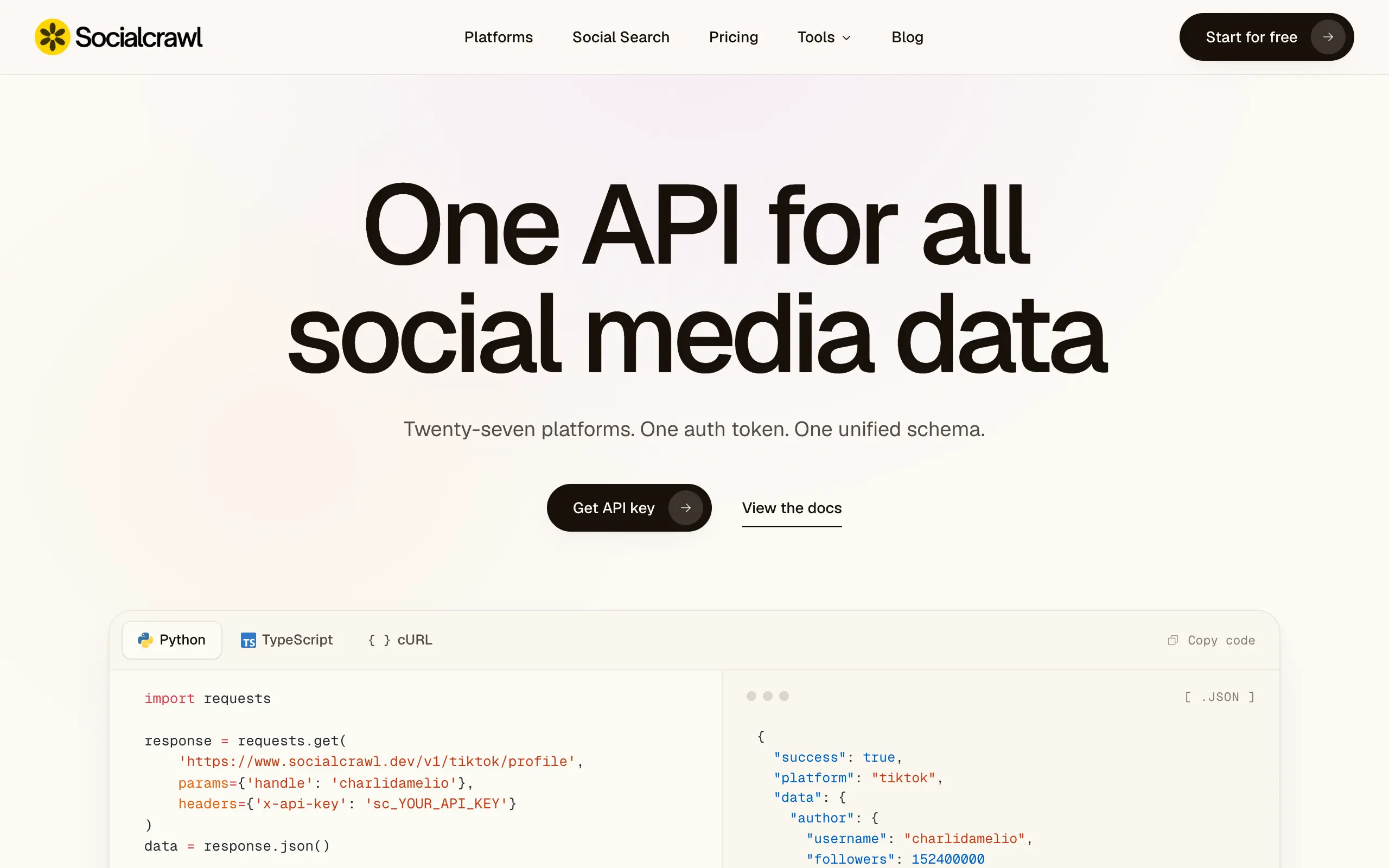
Socialcrawl
Get clean, structured data from 21 platforms like TikTok, Instagram, and YouTube with a single request 📊
Statiko
Monitor any Telegram channel in real time - track posts, edits, deletions, and growth with AI recaps 📡
Shibui
AI website builder - describe your business, pick a niche template, edit by chatting, and publish instantly ✨
Pro Service
Find verified home service professionals, compare quotes, and pay securely through escrow - built for Brazilians across the US 🏠
RankGrow
Fix your SEO with AI agents - connect Search Console, get prioritized tasks, and grow organic traffic 📈
SyncReads
Sync your favorite content for distraction-free reading, save time and replace multiple apps. Anytime, anywhere 🔄
Socialcrawl
Get clean, structured data from 21 platforms like TikTok, Instagram, and YouTube with a single request 📊
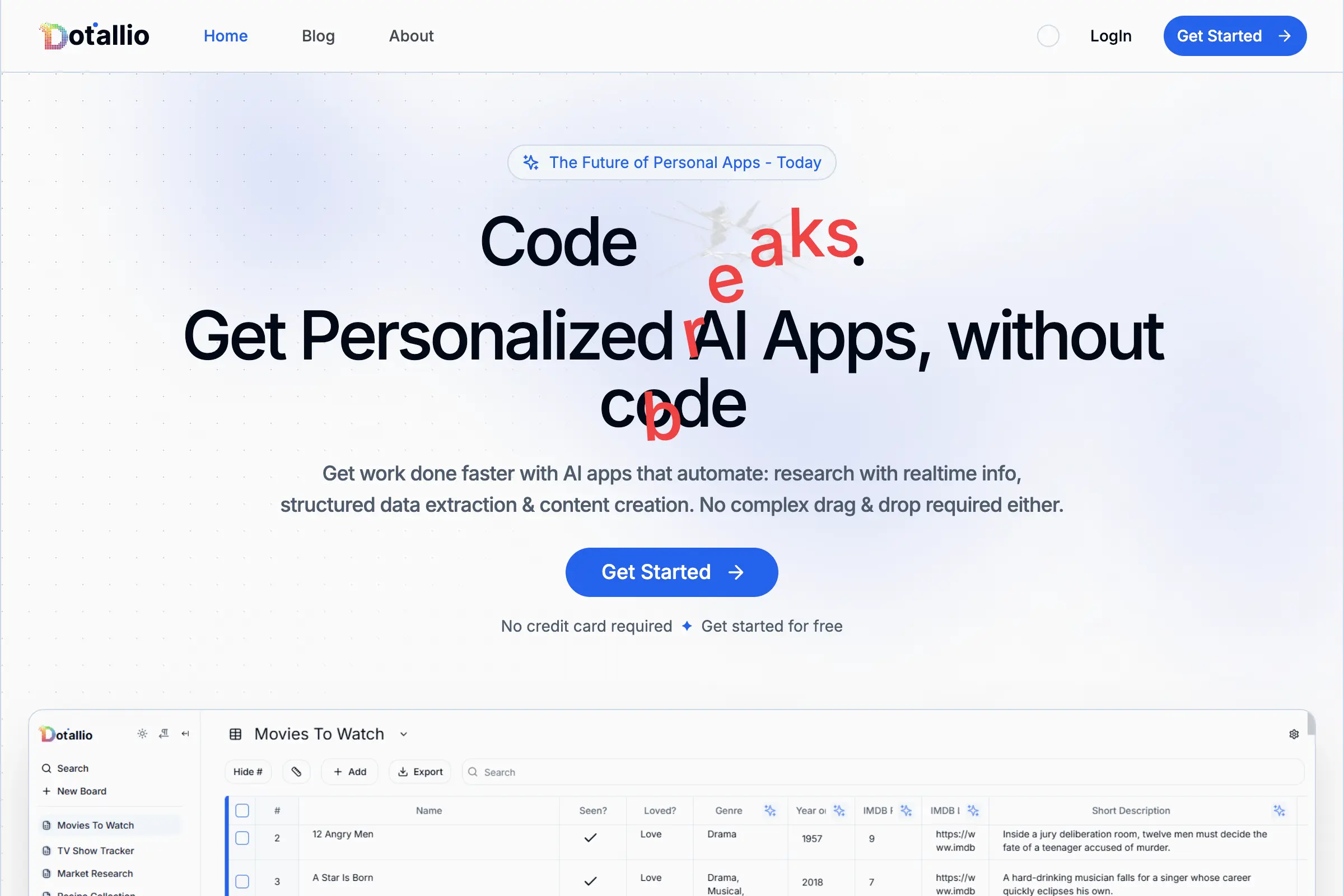
Dotallio
Personalized AI apps that automate research, data extraction, and content creation without code 🤖
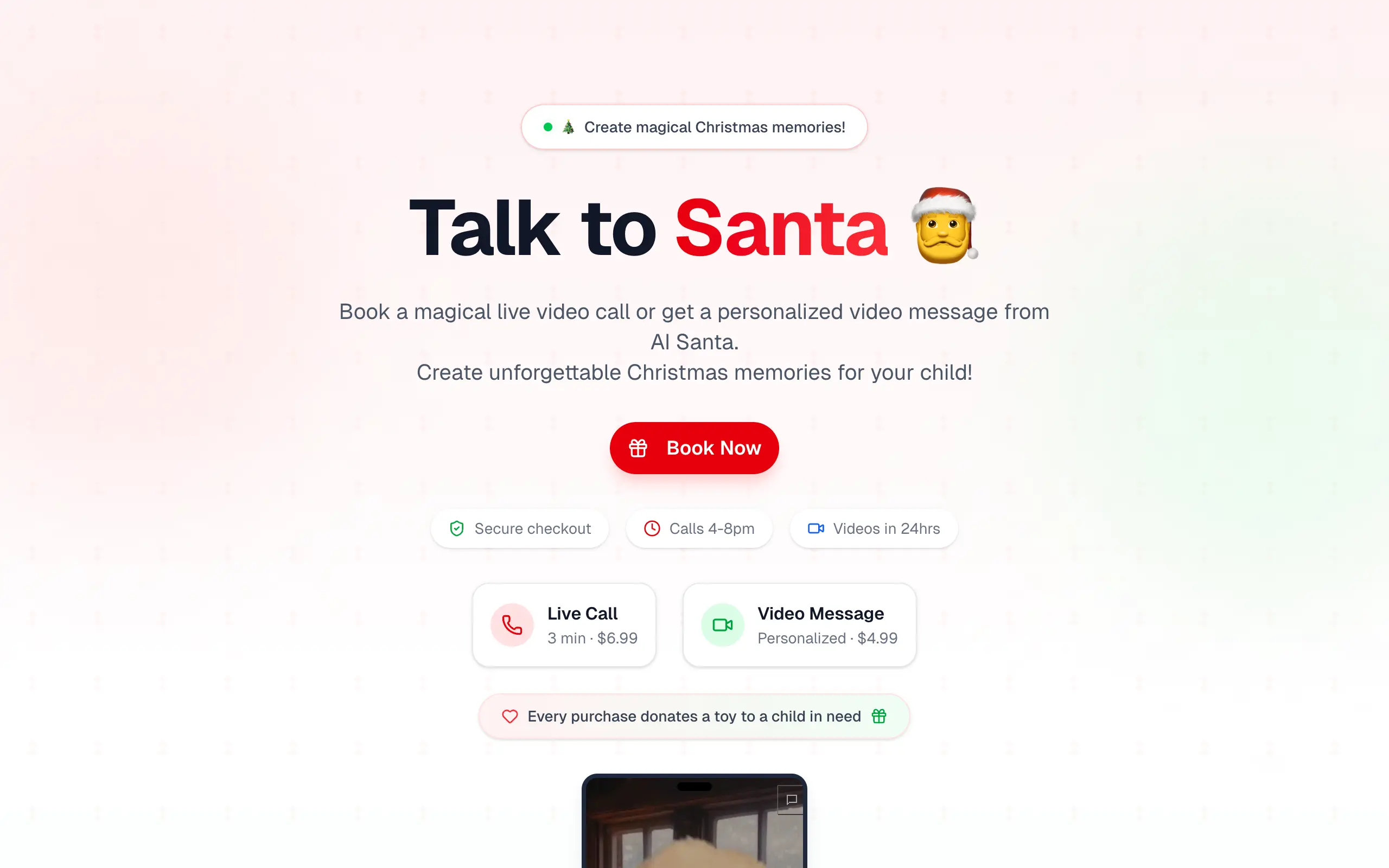
Talk to Santa
Enjoy a magical live video chat or receive a unique AI-generated video greeting from Santa Claus 🎅
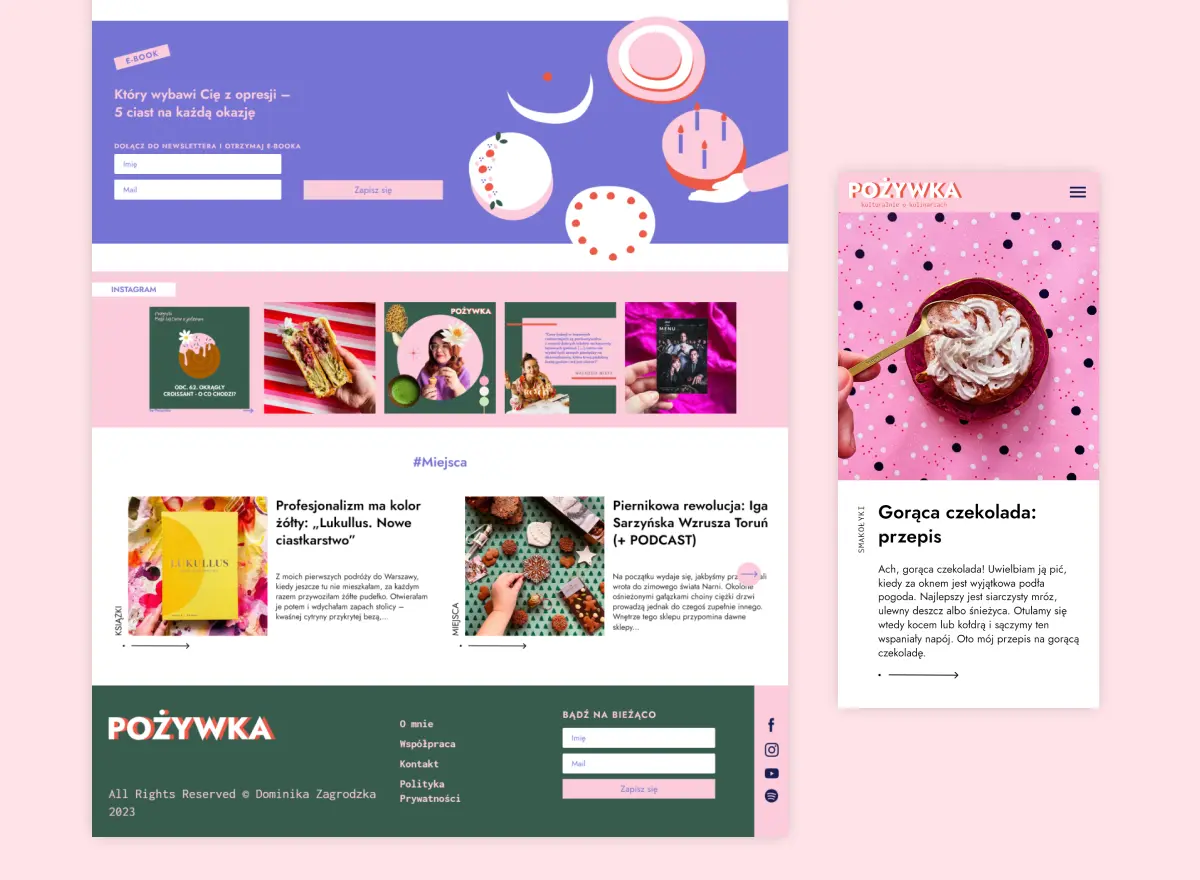
pozywka.pl
Scalable blog for food journalist, focused on performance and user experience 🌭
zagrodzki.me
Personal blog and portfolio of Bart Zagrodzki, where he shares his knowledge and work 💼
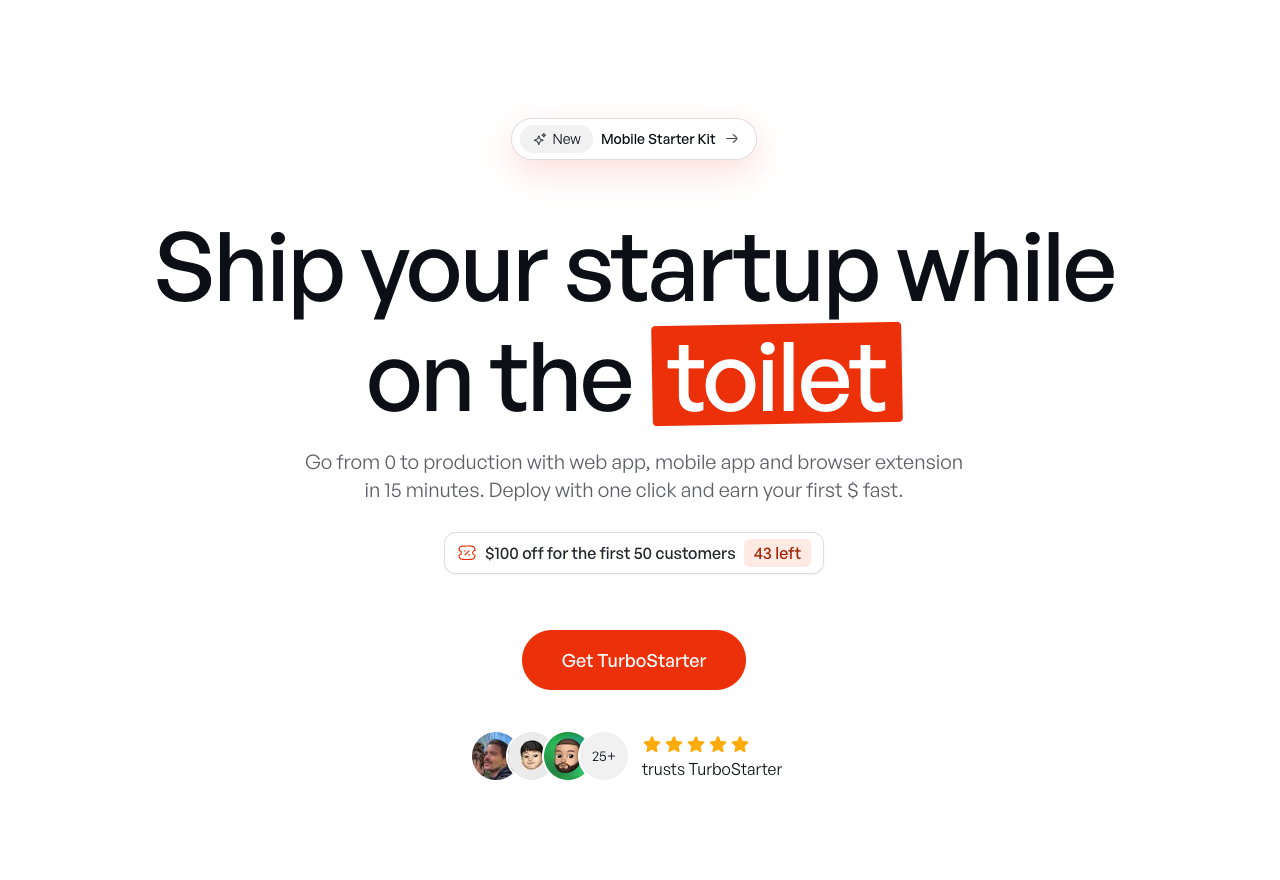
TurboStarter
Ship your startup everywhere. In minutes.
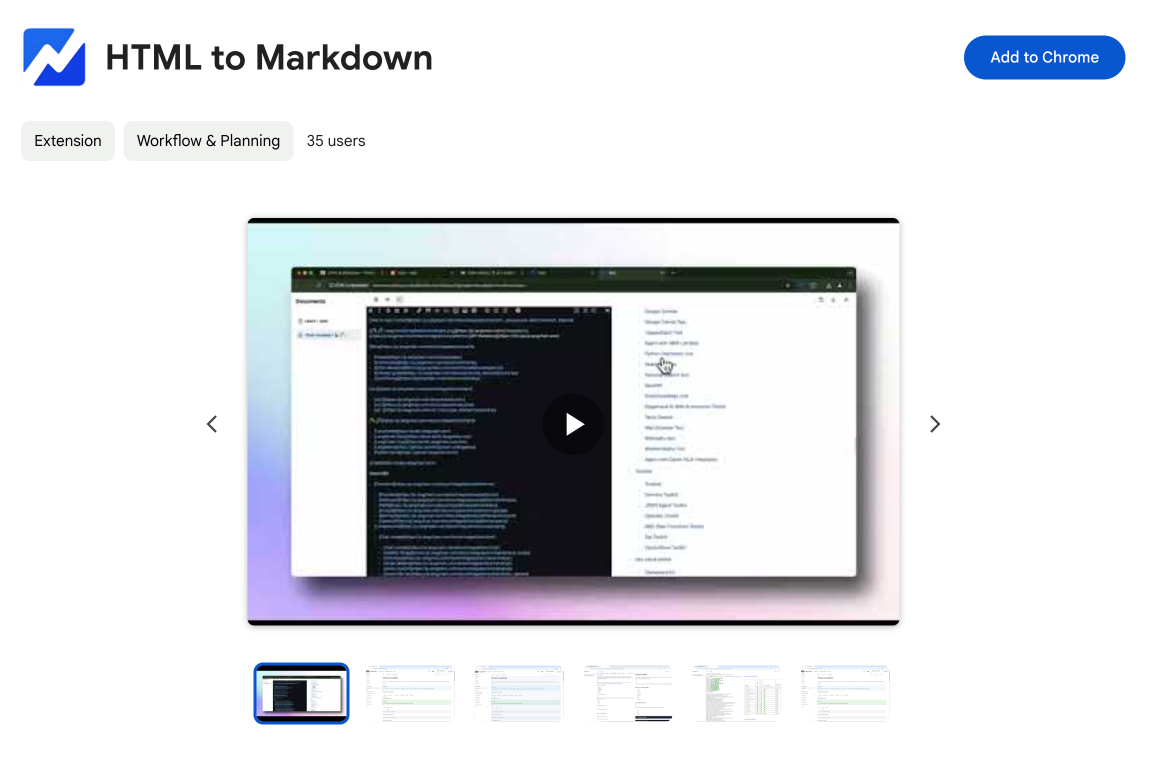
HTML to Markdown
Convert HTML to Markdown with ease, directly in your browser 📄
Dotallio
Personalized AI apps that automate research, data extraction, and content creation without code 🤖
Talk to Santa
Enjoy a magical live video chat or receive a unique AI-generated video greeting from Santa Claus 🎅
pozywka.pl
Scalable blog for food journalist, focused on performance and user experience 🌭
zagrodzki.me
Personal blog and portfolio of Bart Zagrodzki, where he shares his knowledge and work 💼
TurboStarter
Ship your startup everywhere. In minutes.
HTML to Markdown
Convert HTML to Markdown with ease, directly in your browser 📄
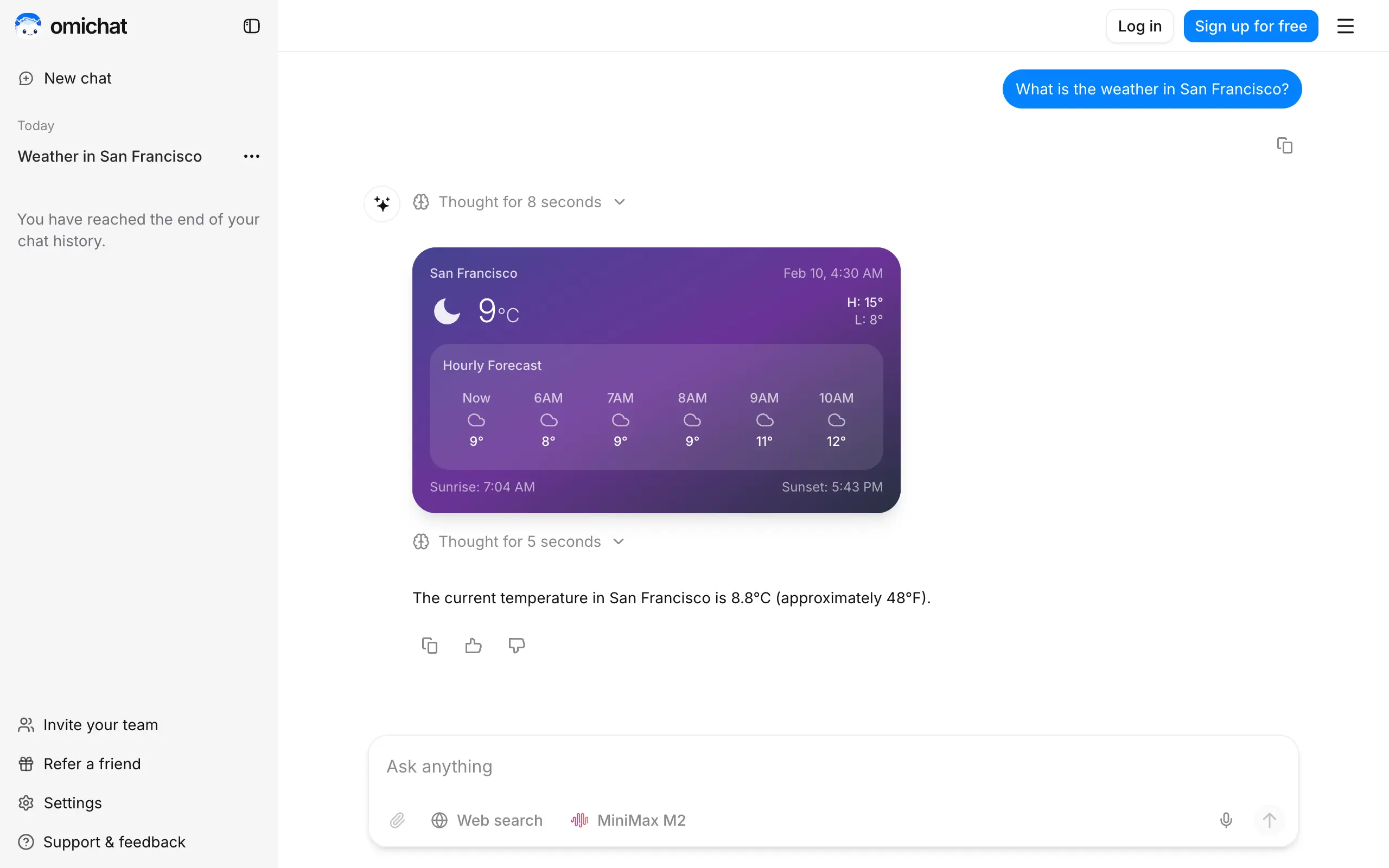
Omichat
Chat with 50+ AI models, including ChatGPT and Claude, in one place - switch models anytime without losing context 🤖
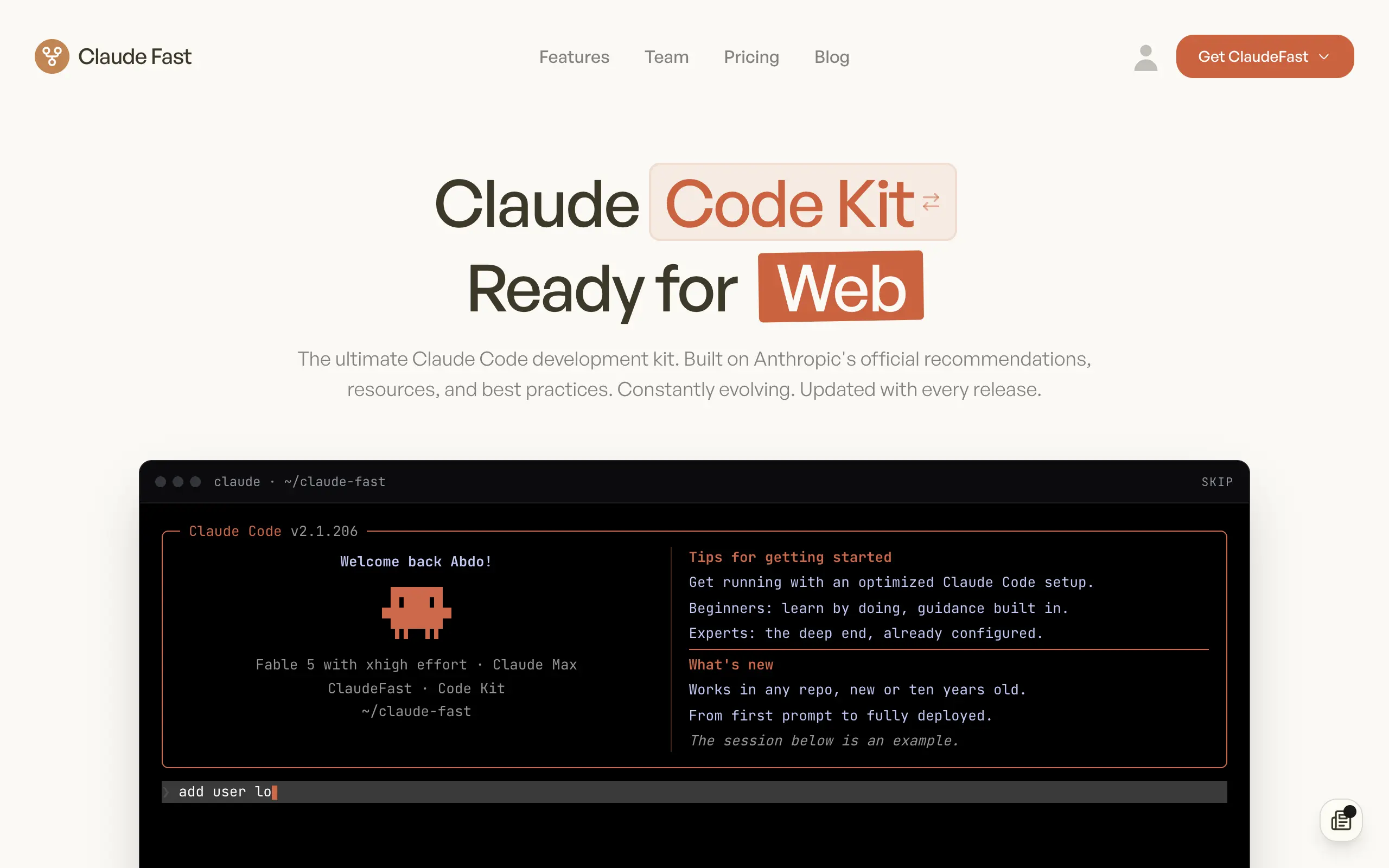
Claude Fast
Supercharge your Claude Code with 6x effective context window and specialized AI agents 🤖
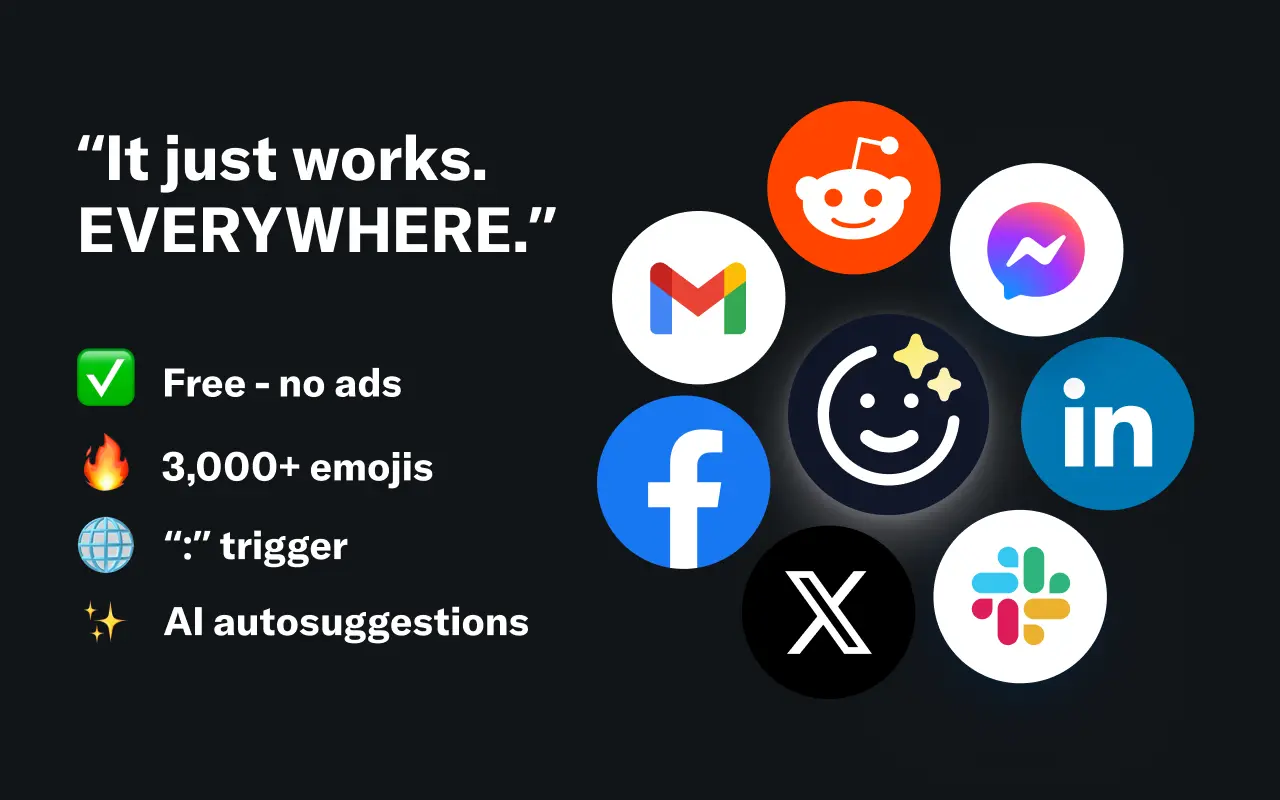
EmojAI
AI-powered emoji picker with smart, context-aware suggestions 🤖
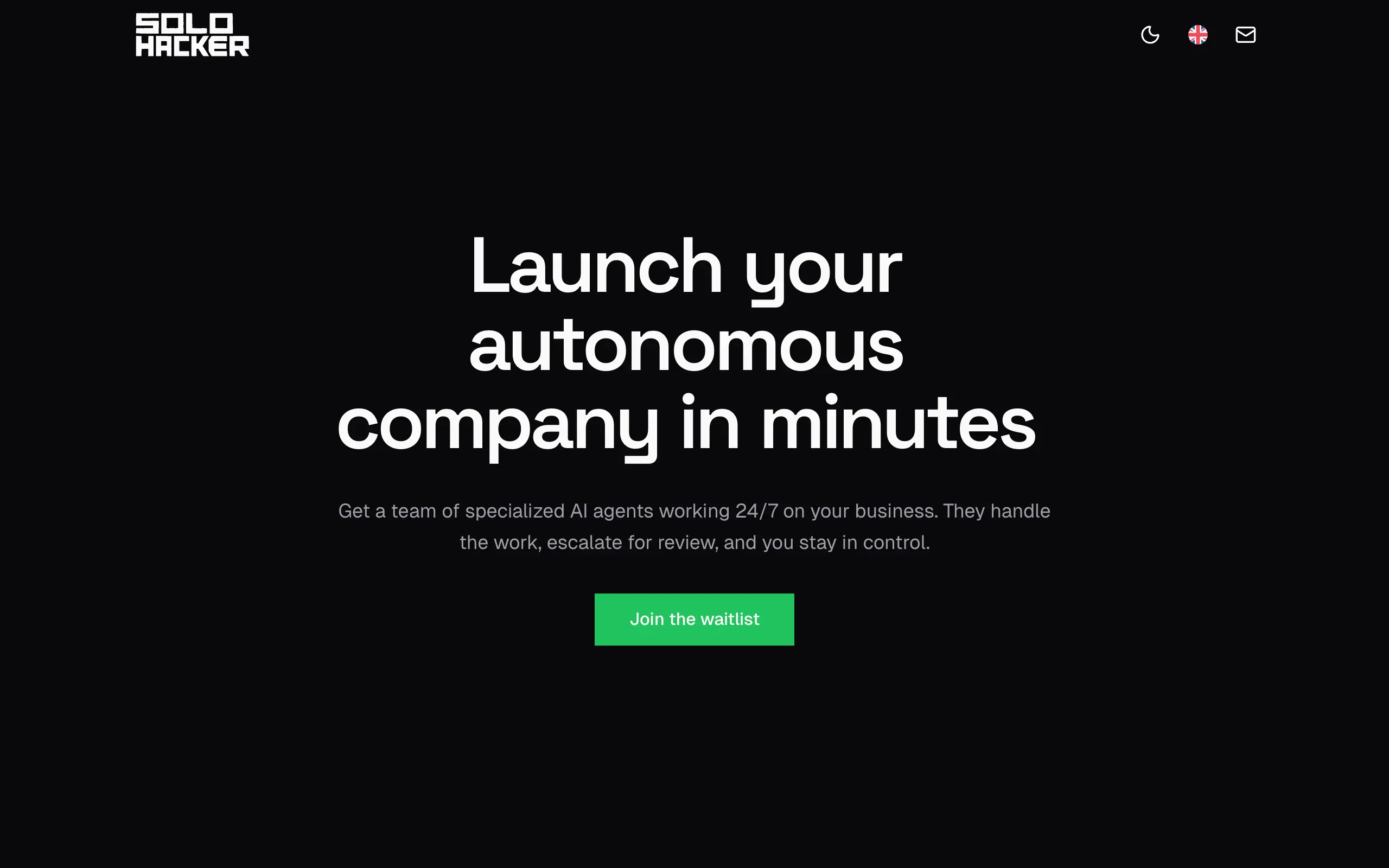
Solohacker
Autonomous company launcher - AI agents work 24/7, escalate what matters, and you stay in control 🤖
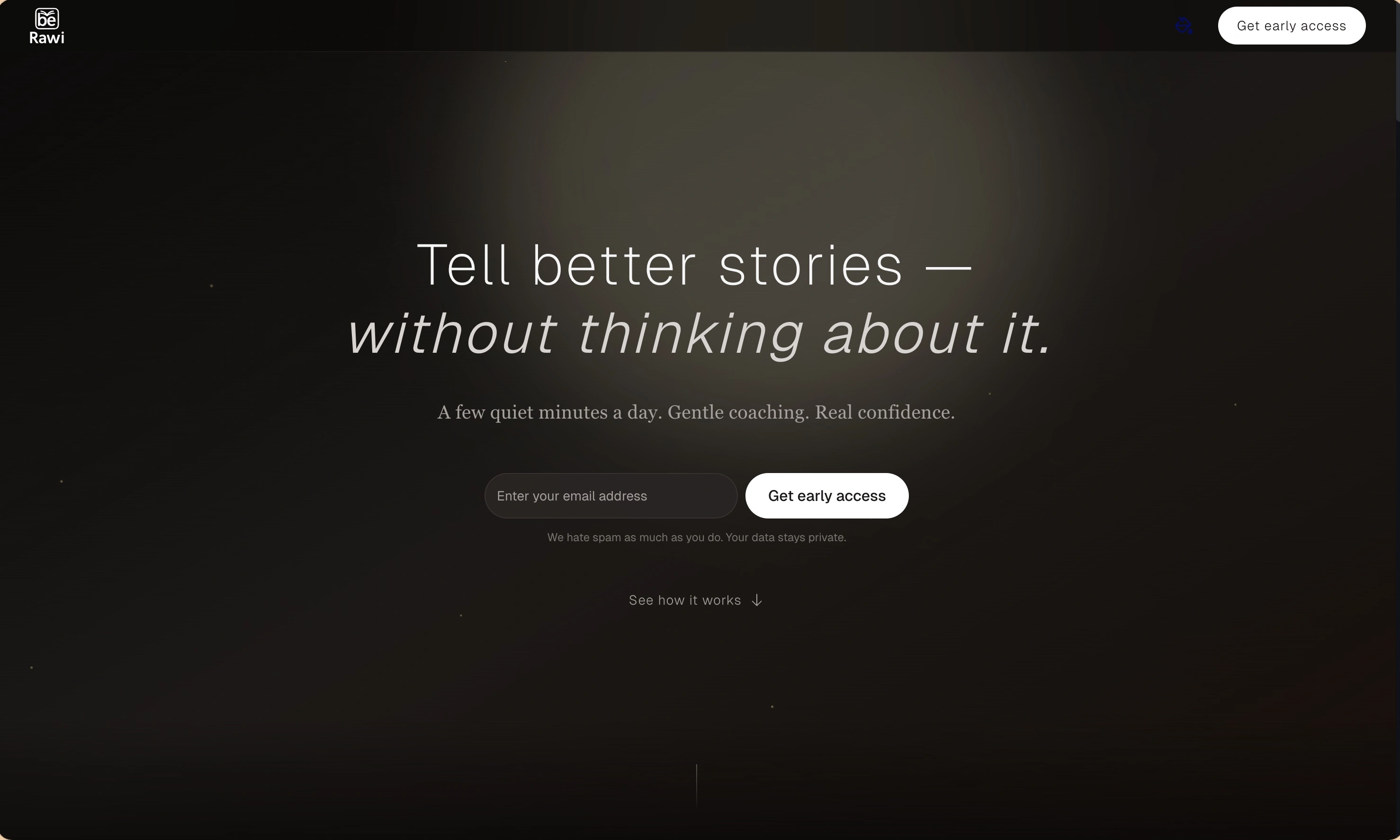
BeRawi: Storytelling Coach
Practice storytelling daily with instant feedback to sound clearer, more engaging, and confident 🎤
Omichat
Chat with 50+ AI models, including ChatGPT and Claude, in one place - switch models anytime without losing context 🤖
Claude Fast
Supercharge your Claude Code with 6x effective context window and specialized AI agents 🤖
EmojAI
AI-powered emoji picker with smart, context-aware suggestions 🤖
Solohacker
Autonomous company launcher - AI agents work 24/7, escalate what matters, and you stay in control 🤖
BeRawi: Storytelling Coach
Practice storytelling daily with instant feedback to sound clearer, more engaging, and confident 🎤

Connect with like-minded people
Join our community to get feedback, support, and grow together with 1,000+ builders on board, let's ship it!
Join usShip your startup everywhere. In minutes.
Don't burn tokens on setup and start building features on day one.