SkillSwap Builder
Help people build ideas together by matching complementary skills, creating micro-project teams, and tracking fair contribution credits.
Building an idea is rarely a solo problem. A designer may have a strong product concept but no developer. A developer may need a marketer, researcher, or content strategist. Students, freelancers, makers, and early-stage founders often have useful skills but lack trusted collaborators who are willing to work on small, clearly scoped projects.
SkillSwap Builder is a mobile-first skill swap app designed to solve that gap. It matches people with complementary skills, helps them form micro-project teams, and introduces a transparent contribution credit system so collaboration feels fair from the first conversation to the final handoff.
Unlike broad freelancer marketplaces or casual networking communities, this concept focuses on the practical moment between “I have an idea” and “I need a small, capable team to make it real.” That positioning creates a compelling opportunity in the growing creator economy, indie hacker ecosystem, remote work market, and peer-to-peer learning space.
The core opportunity
The strongest version of SkillSwap Builder is not a generic professional network. It is a structured collaboration marketplace for small, outcome-driven projects where people exchange skills, build portfolio evidence, and earn visible contribution credits.
Why a skill swap app solves a real collaboration problem
Most people do not need a full-time cofounder, agency, or employee to validate an idea. They need one or two qualified people for a defined sprint.
Examples include:
- A product designer who needs a React developer to turn a prototype into a landing page
- A developer who needs a copywriter to improve onboarding and messaging
- A student founder who needs a marketer to test demand for a campus app
- A creator who needs a video editor for a short course launch
- A nonprofit organizer who needs a data analyst to visualize survey findings
- A junior professional who wants real portfolio work but cannot access meaningful projects
Existing options create friction.
- Freelance marketplaces prioritize paid transactions, bidding, client-vendor dynamics, and often high platform fees.
- Professional networks are excellent for visibility but weak at forming small, accountable project teams.
- Online communities create introductions but rarely provide scopes, contribution records, accountability, or fair exchange mechanisms.
- Hackathon platforms are event-centered rather than designed for continuous, everyday collaboration.
- Founder matching tools usually focus on long-term cofounder relationships instead of short, practical projects.
A skill exchange app can occupy the space between casual networking and formal hiring. The user is not necessarily asking, “Who can I employ?” They are asking, “Who can help me make progress this week, and what can I offer in return?”
That distinction matters because the product experience should optimize for trust, scope clarity, reciprocity, and completion rather than résumés, job applications, or open-ended chats.
Target audience for SkillSwap Builder
SkillSwap Builder should launch with a narrow audience before expanding into a broad collaboration network. The marketplace challenge is real: a platform needs enough skilled participants, enough relevant projects, and enough trust to create repeat matches. Starting with a focused segment makes liquidity easier to build.
Primary audience: early-stage builders and indie creators
The core audience includes people who regularly create small digital products, content projects, community initiatives, and portfolio pieces.
Typical users include:
- Indie hackers validating SaaS ideas
- No-code builders and product designers
- Freelance developers, designers, and marketers
- Startup-curious professionals
- Content creators building digital products
- Bootcamp graduates seeking practical experience
- Students with entrepreneurial projects
- Community builders organizing local or online initiatives
These users often have three things in common:
- They possess at least one valuable, tradable skill.
- They need complementary skills to make progress.
- They are comfortable working asynchronously in short, defined project cycles.
Secondary audience: career switchers and emerging talent
Career switchers frequently need credible portfolio examples, references, and real collaboration experience. SkillSwap Builder can give them access to projects that are more meaningful than isolated tutorials.
For this group, the value proposition is not only skill exchange. It is proof of work.
A completed micro-project can create:
- A portfolio case study
- A verified contribution history
- Peer endorsements
- Practical team experience
- Reusable professional relationships
- A pathway to paid freelance work
This audience may be especially receptive to guided project templates and skill verification. They need structure, not just access.
Tertiary audience: communities and educational programs
Universities, startup incubators, coding bootcamps, coworking spaces, and professional communities can use a skill swap platform to increase member engagement.
A community administrator could launch private matching spaces for:
- A university entrepreneurship club
- A product design cohort
- A women-in-tech community
- A regional startup network
- A creator academy
- A corporate innovation program
This business-to-community angle can later become an important B2B revenue stream, especially once the consumer marketplace has proven engagement and matching quality.
Builders
Need complementary skills to validate, ship, and market small ideas faster.
Emerging talent
Need real projects, evidence of contribution, and trusted collaborators.
Communities
Need structured ways to turn member directories into useful collaboration.
Market gap: why existing collaboration tools fall short
The market opportunity is not simply “people want to network.” People already have many ways to network. The gap is that most platforms do not convert an introduction into a fair, trackable working relationship.
A strong SkillSwap Builder product should address four persistent failures in peer collaboration.
Discovery is too vague
Most networking platforms emphasize titles, companies, and broad interests. Those signals do not answer the questions that matter for a short project:
- What specific skills can this person contribute right now?
- What kind of work do they enjoy?
- How much availability do they have this week?
- Have they completed similar work successfully?
- What do they need in return?
- Are their communication style and time zone compatible?
A collaboration marketplace needs structured profiles built around capability, availability, goals, and working preferences.
Projects are underspecified
Many partnerships fail before they begin because the project request is unclear. “Looking for a developer” is not a useful scope. A better request explains the problem, intended outcome, effort level, timeline, required skill, and what the requester can contribute.
SkillSwap Builder should turn vague requests into structured micro-project briefs. This both improves matches and reduces disputes.
Fairness is invisible
In informal collaborations, one person often contributes more time than another. That imbalance can create frustration, ghosting, resentment, or abandoned work.
The contribution credit system is therefore more than a gamification feature. It is the product’s trust infrastructure.
Credits can document:
- Time or effort commitments
- Completed tasks
- Peer-confirmed delivery
- Revisions and follow-up work
- Reciprocal support earned and owed
- Reliability over time
The system should avoid pretending that every skill has an identical market value. Instead, it should provide transparent expectations and agreed-upon exchange terms before work starts.
Existing workflows are fragmented
A project team may discover each other in one app, negotiate in direct messages, organize tasks elsewhere, store files in another tool, and later struggle to explain who contributed what.
SkillSwap Builder does not need to replace every project management tool. It needs to own the workflow that is missing from most platforms:
match → scope → agree → contribute → verify → build reputation
That focused workflow is the clearest route to product-market fit.
The unique value proposition of SkillSwap Builder
The primary keyword for this concept is skill swap app. However, positioning matters more than repeating a phrase. SkillSwap Builder should be described as a mobile collaboration platform for people who want to exchange skills and build real projects with clear expectations.
Its unique selling proposition is:
SkillSwap Builder helps people turn complementary skills into completed micro-projects through intelligent matching, structured collaboration scopes, and fair contribution credits.
This is different from a conventional freelancer marketplace because payment is not the only source of value. Users can exchange effort, build portfolios, gain trusted references, and create momentum around early ideas.
It is also different from a social community because every key interaction is designed to lead toward an actionable project outcome.
A five-star rating tells future users whether someone was broadly satisfactory. Contribution credits can show what was agreed, what was delivered, how consistently the person followed through, and whether both collaborators considered the exchange balanced. This creates more actionable trust signals for short-term project work.
Micro-projects have lower commitment, faster feedback loops, and clearer outcomes. A successful two-week collaboration can naturally lead to a longer partnership, while forcing users into cofounder-level commitments too early increases friction and reduces marketplace activity.
Yes. The platform should support negotiated exchanges based on complexity, urgency, rarity, and value. A user might agree to create a brand kit in exchange for a landing page and analytics setup, even if the work is not measured in identical hours.
Core features for a skill exchange app MVP
The first release should solve one workflow exceptionally well rather than trying to become a complete professional network. The MVP should help users find one relevant collaborator, agree on a small project, and complete it with a visible record of contribution.
Skill-based onboarding and profiles
Onboarding should ask users to describe both what they can offer and what they need.
Useful profile fields include:
- Primary and secondary skills
- Skill level and tools used
- Sample work or portfolio links
- Industries and project categories of interest
- Weekly availability
- Preferred collaboration format
- Time zone and languages
- Causes or topics they care about
- Skills they want to learn or receive
- Collaboration goals such as portfolio building, idea validation, or networking
Avoid making users fill out a long professional résumé. The profile should be optimized for quick matching decisions.
A designer, for example, might state that they offer user flows, visual identity, and Figma prototypes. They may be looking for React development, growth strategy, or user research support. This dual-sided profile creates stronger matches than a single list of capabilities.
Structured micro-project creation
A project posting should guide users through a concise brief. The app can use templates to improve scope quality.
A useful project brief includes:
- The problem being solved
- The expected deliverable
- Required and optional skills
- Estimated effort range
- Collaboration window
- What the creator will contribute
- Proposed credit split or exchange terms
- Communication expectations
- Success criteria
- Whether the project can be public in a portfolio
Common templates could include:
- Landing page launch
- Brand identity sprint
- Mobile app prototype
- User interview study
- Content campaign
- Data dashboard
- E-commerce product listing refresh
- Community event launch
- Technical proof of concept
Structured briefs protect both parties. They also generate better data for the matching engine.
Complementary skill matching
The matching system should not only identify users with the same interests. It should prioritize complementary capabilities and project compatibility.
A practical matching score can consider:
- Skill fit against project requirements
- Stated goals and exchange needs
- Availability overlap
- Geographic or time-zone compatibility
- Reliability and completion history
- Preferred project duration
- Communication preferences
- Prior collaboration ratings
- Portfolio relevance
- Diversity of team skills
At launch, do not overbuild machine learning. A rules-based matching engine with transparent explanations is usually more useful than an opaque AI recommendation model with insufficient training data.
For example, the app can tell a user:
This match is recommended because they have shipped three landing pages, are available for six hours this week, and are seeking product design support for a project similar in scope.
Transparency builds trust and gives users a reason to act on recommendations.
Contribution credit ledger
The fair contribution credit ledger is the most differentiating feature. It should function as a shared agreement system rather than a speculative platform currency.
Each project can begin with a collaboration agreement that includes:
- Defined deliverables
- Planned contribution credits
- Milestones
- Due dates
- Review windows
- Adjustment rules
- Cancellation terms
- Final confirmation process
Credits can be released when milestones are marked complete and accepted by the relevant collaborator. If a disagreement occurs, the platform can offer a structured resolution flow.
A simple early model may use non-transferable internal credits. This reduces financial regulation concerns and makes the credit system primarily reputational and reciprocal.
Later, the product could offer optional paid escrow, marketplace payments, or credit top-ups. Those features should only be introduced after legal, tax, consumer protection, and payment compliance requirements have been reviewed in the jurisdictions served.
Team workspace and lightweight accountability
A team workspace should remain focused. The goal is not to compete with full project management software.
The mobile app can include:
- Project overview and shared agreement
- Milestone checklist
- Simple task assignments
- In-app chat
- File links or integrations
- Weekly check-in prompts
- Contribution activity log
- Completion confirmation
- Peer feedback
A weekly prompt can be especially valuable. Ask each participant:
- What did you complete?
- What is blocked?
- Is the agreed scope still accurate?
- Does the contribution balance still feel fair?
This small workflow helps surface problems before a project is abandoned.
Reputation and portfolio evidence
A reputation system should reward dependable collaboration rather than popularity.
Useful trust signals include:
- Completed project count
- On-time delivery rate
- Contribution confirmation rate
- Repeat collaborator rate
- Skills validated through project outcomes
- Peer feedback themes
- Dispute frequency
- Response time range
- Verified identity status
Users should also be able to transform completed projects into portfolio cards. With permission from all collaborators, a project card could show the project objective, role, deliverables, team members, and evidence of work.
Comparing the SkillSwap Builder model with alternatives
| Platform model | Best for | Primary exchange | Trust mechanism | Key limitation |
|---|---|---|---|---|
| SkillSwap Builder | Small collaborative projects | Skills, credits, portfolio value | Scoped milestones and contribution records | Needs marketplace liquidity |
| Freelance marketplace | Paid outsourced work | Money | Reviews, payments, platform policies | Can feel transactional and expensive |
| Professional network | Career visibility and introductions | Connections and attention | Profiles and social proof | Weak project accountability |
| Online community | Discussion and informal support | Knowledge and relationships | Moderation and community norms | Matching and follow-through are inconsistent |
Recommended tech stack for a mobile collaboration platform
SkillSwap Builder is categorized as a mobile product, so the technical strategy should prioritize a fast cross-platform experience, reliable notifications, secure identity handling, and a backend that supports matching and collaboration data.
Mobile application layer
A strong default choice is React Native with Expo.
This combination is well suited to an MVP because it supports iOS and Android from one codebase while providing mature tooling for push notifications, device permissions, updates, and development workflows.
Advantages
- Faster cross-platform launch than separate native apps
- Large developer ecosystem
- Shared TypeScript knowledge with web tooling
- Expo simplifies builds, updates, and device integrations
- Good fit for a startup iterating rapidly on product behavior
Trade-offs
- Deeply custom animations or highly specialized native capabilities may eventually require native modules
- Performance tuning can become more important as real-time collaboration features grow
- Teams with existing Swift and Kotlin expertise may prefer fully native apps for a mature product
For the earliest version, speed of learning matters more than premature platform optimization.
Backend and data layer
A pragmatic backend stack could include Supabase with PostgreSQL, authentication, row-level security, real-time features, and file storage.
This is particularly useful for a marketplace-style app because the data is relational. Users, skills, projects, applications, agreements, milestones, credits, reviews, and disputes all have relationships that are easier to model in a relational database than in an unstructured document model.
Recommended backend capabilities include:
- PostgreSQL database for core transactional records
- Secure authentication with email, social login, or passkeys
- Row-level security for private project and credit data
- Server-side functions for matching and credit updates
- Object storage for portfolio assets
- Real-time updates for team workspaces
- Event logging for auditability
For more complex workflows, a dedicated backend built with NestJS or Node.js can sit alongside the database. This may become worthwhile when the app requires advanced matching, anti-fraud systems, moderation queues, payment processing, or multi-organization administration.
Matching and AI-assisted workflows
AI should improve user experience without becoming the product’s only differentiator.
Good early uses include:
- Turning a rough idea into a clearer micro-project brief
- Suggesting missing scope details
- Recommending fairer credit splits based on similar project patterns
- Extracting skills from portfolio descriptions
- Summarizing project check-ins
- Detecting vague requests before they are published
- Helping users write respectful collaboration proposals
Use AI cautiously for ranking people. Automated recommendations should be explainable, reviewable, and monitored for bias. Never let an AI score become an unexplained gatekeeper that prevents qualified users from seeing opportunities.
Product analytics and observability
The app should measure marketplace health from the first cohort. Track:
- Profile completion rate
- Project creation rate
- Match acceptance rate
- Time to first meaningful conversation
- Agreement creation rate
- Milestone completion rate
- Project completion rate
- Repeat collaboration rate
- Credit dispute rate
- Retention by skill category
- Supply-demand imbalance by skill
For infrastructure monitoring, tools such as Sentry can help catch mobile errors and backend exceptions before they become widespread trust problems.
Monetization options for SkillSwap Builder
The best monetization model depends on whether the platform’s central value is access, workflow, trust, or transactions. A layered model is likely stronger than relying on a single revenue source.
Freemium subscriptions
A free plan can allow users to create a profile, join a limited number of projects, and access basic matching.
A premium individual plan could include:
- More active project applications
- Advanced filters
- Priority matching visibility
- Enhanced portfolio pages
- AI-assisted project briefs
- Detailed collaboration analytics
- Higher file storage limits
- Access to premium project templates
This approach works when users receive ongoing value, not just a one-time introduction.
Community and organization plans
Organizations may pay for private, branded collaboration spaces.
Potential customers include:
- Universities
- Bootcamps
- Incubators
- Coworking spaces
- Professional associations
- Creator communities
- Enterprise innovation teams
Organization features could include member onboarding, private project boards, cohort analytics, moderation controls, custom credit rules, and outcome reporting.
This model can create predictable revenue while also solving the cold-start problem. A university or cohort provides an existing group of participants with shared context and a reason to collaborate.
Transaction fees for optional paid projects
Once trust and usage are established, SkillSwap Builder can support hybrid projects where some contribution is exchanged through credits and some is paid.
For example, a founder might contribute product strategy and pay a smaller cash fee for specialized animation work. The platform can charge a transaction fee for facilitated payments or escrow.
This creates revenue potential, but it also adds compliance obligations. Payment flows should be designed with legal counsel, appropriate payment providers, clear refund policies, tax considerations, and transparent dispute processes.
Talent discovery and hiring upgrades
High-performing collaborators may eventually want to turn completed projects into paid freelance engagements or job opportunities.
A hiring product could let companies pay to:
- Search verified project contributors
- Contact candidates with proven skills
- Post paid opportunities
- Sponsor skill-specific challenges
- Access team formation analytics
This should remain secondary to the core peer collaboration experience. If the platform becomes too recruitment-focused too early, users may stop sharing ideas openly.
Risks and mitigation strategies
A skill swap marketplace can be valuable, but it has meaningful operational risks. Addressing them directly will improve product trust and investor credibility.
The marketplace cold-start problem
A matching marketplace fails when users cannot find relevant collaborators quickly enough.
Mitigation
- Launch in one geography, community, or skill vertical
- Recruit supply before demand in scarce categories
- Start with active partner communities
- Use concierge matching for early users
- Seed project templates and starter challenges
- Build waitlists by skill category
- Invite successful teams to bring collaborators
A focused launch might target “designers, developers, and marketers building portfolio projects in one city” rather than trying to serve every professional globally.
Unequal contribution and disputes
People may disagree about effort, quality, scope changes, or whether a deliverable is complete.
Mitigation
- Require milestone-based agreements
- Make credit splits visible before work starts
- Use lightweight check-ins
- Allow scope adjustments with mutual approval
- Maintain a tamper-evident activity history
- Provide guided resolution options
- Avoid irreversible credit release until review periods expire
The platform should not promise perfect fairness. It should provide a better process for discussing and recording fairness.
Low-quality profiles and spam
Open marketplaces attract vague profiles, unsolicited pitches, and potentially fraudulent users.
Mitigation
- Add identity and portfolio verification options
- Rate-limit outreach
- Require structured project requests
- Use reporting and moderation systems
- Detect repetitive spam patterns
- Give users granular privacy controls
- Restrict sensitive contact information until mutual interest exists
Intellectual property concerns
Users may worry that ideas will be copied or that their work will be used without permission.
Mitigation
- Clarify platform terms and ownership defaults
- Let teams define project visibility
- Offer optional mutual confidentiality templates
- Record contributor roles and timestamps
- Encourage users to avoid publishing sensitive information in public briefs
- Provide private project modes for trusted matches
Legal templates should be reviewed by qualified legal professionals. The app can offer education and workflow support, but it should not present generalized templates as legal advice.
Algorithmic bias and exclusion
Matching systems can unintentionally favor users with stronger existing portfolios, popular skills, or more polished profiles.
Mitigation
- Explain why matches are recommended
- Avoid using opaque popularity as the dominant ranking signal
- Give emerging users structured ways to demonstrate capability
- Audit outcomes across user groups
- Include discovery modes beyond algorithmic ranking
- Let users control preferences and search directly
Building a defensible competitive advantage
The long-term advantage of SkillSwap Builder will not come from the basic ability to create profiles and send messages. Those features are easy to copy.
Defensibility comes from a compounding collaboration graph.
Each completed micro-project creates useful structured data:
- Which skills work well together
- What project scopes are realistic
- Which users reliably complete work
- What exchange structures lead to satisfaction
- Which templates reduce disputes
- Which communities produce high-quality teams
- How contributors grow from beginner to trusted collaborator
Over time, this data can improve matching quality, project scoping, contribution fairness recommendations, and talent discovery. That makes the platform more useful as participation grows.
The second advantage is behavioral. If users build a visible history of fair, successful collaboration, they have a reason to return. Their profile becomes more valuable than a static résumé because it shows how they work with others.
The third advantage is community distribution. Partner communities can create dense local or niche networks where members have shared trust, shared goals, and repeated opportunities to work together.
A practical implementation roadmap
The fastest path is to validate behavior before investing heavily in complex automation, payments, or AI.
Define one launch niche with a clear collaboration need. Good examples include startup bootcamp participants, local maker communities, early-career product professionals, or creators building digital products.
Interview at least 20 potential users from both sides of the exchange. Ask about their last failed collaboration, how they currently find help, what made them hesitate, and what they consider a fair exchange.
Run a concierge pilot before building the full app. Collect profiles through a simple form, manually match users, provide a project brief template, and track whether teams actually complete work.
Build the mobile MVP around profiles, project briefs, matching, agreements, milestone tracking, and contribution confirmations. Defer complex social feeds, advanced AI, and payment rails.
Measure completion rather than vanity metrics. A smaller group that completes projects is more valuable than a large group that only browses profiles.
Introduce verification, moderation, and dispute workflows as usage grows. Trust features should expand alongside marketplace activity, not after problems become systemic.
Test monetization with community partners and premium workflow features before charging broad transaction fees.
A lean MVP can begin with a small backend architecture and a manually supported matching process. The product team should treat every early project as research. Why did users match? Where did the scope become unclear? Did they agree with the credit split? Did both parties want to collaborate again?
Those answers will reveal whether SkillSwap Builder is creating genuine value.
What success should look like in the first year
The most meaningful early success metric is not total signups. It is the number of users who complete a valuable project with someone they would not have met otherwise.
Strong early indicators include:
- Users create complete skill profiles without heavy prompting
- Project creators receive relevant match suggestions within a short period
- A meaningful share of accepted matches create written collaboration agreements
- Teams complete at least one milestone within their first collaboration cycle
- Users describe contribution credits as fair and understandable
- Completed projects become portfolio evidence
- Successful collaborators return for another project
- Community partners renew because members become more active
For external validation, future versions of this article can cite marketplace, creator economy, remote work, and skills-based hiring research from credible sources such as industry analyst reports, academic research, government labor data, and annual workforce reports. Any specific market-size or growth statistic should include a current source, publication date, methodology context, and region covered.
Final recommendation
SkillSwap Builder has potential because it addresses a practical, underserved need: people with useful skills want to build, learn, and validate ideas together, but informal collaboration is often too unstructured to succeed.
The winning product should not try to replace every freelance marketplace, social network, or project management tool. It should become the trusted place where a person can find a complementary collaborator, agree on a small project, track fair contributions, and leave with evidence of work.
Start narrow. Make matching useful. Make expectations explicit. Make contribution visible. Then let completed projects become the engine for trust, retention, and marketplace growth.
TurboStarter can help accelerate the product development phase with a production-ready foundation, allowing the team to focus more of its time on SkillSwap Builder’s differentiated matching, credit, and collaboration workflows.
More 📱 Mobile App SaaS ideas
Discover more innovative mobile app SaaS ideas that are trending in 2026. Each idea is AI-generated with market validation and growth potential to help you find your next profitable venture faster than competitors.
Your competitors are building with TurboStarter
Below are some of the SaaS ideas that have been generated and built with our starter kit.
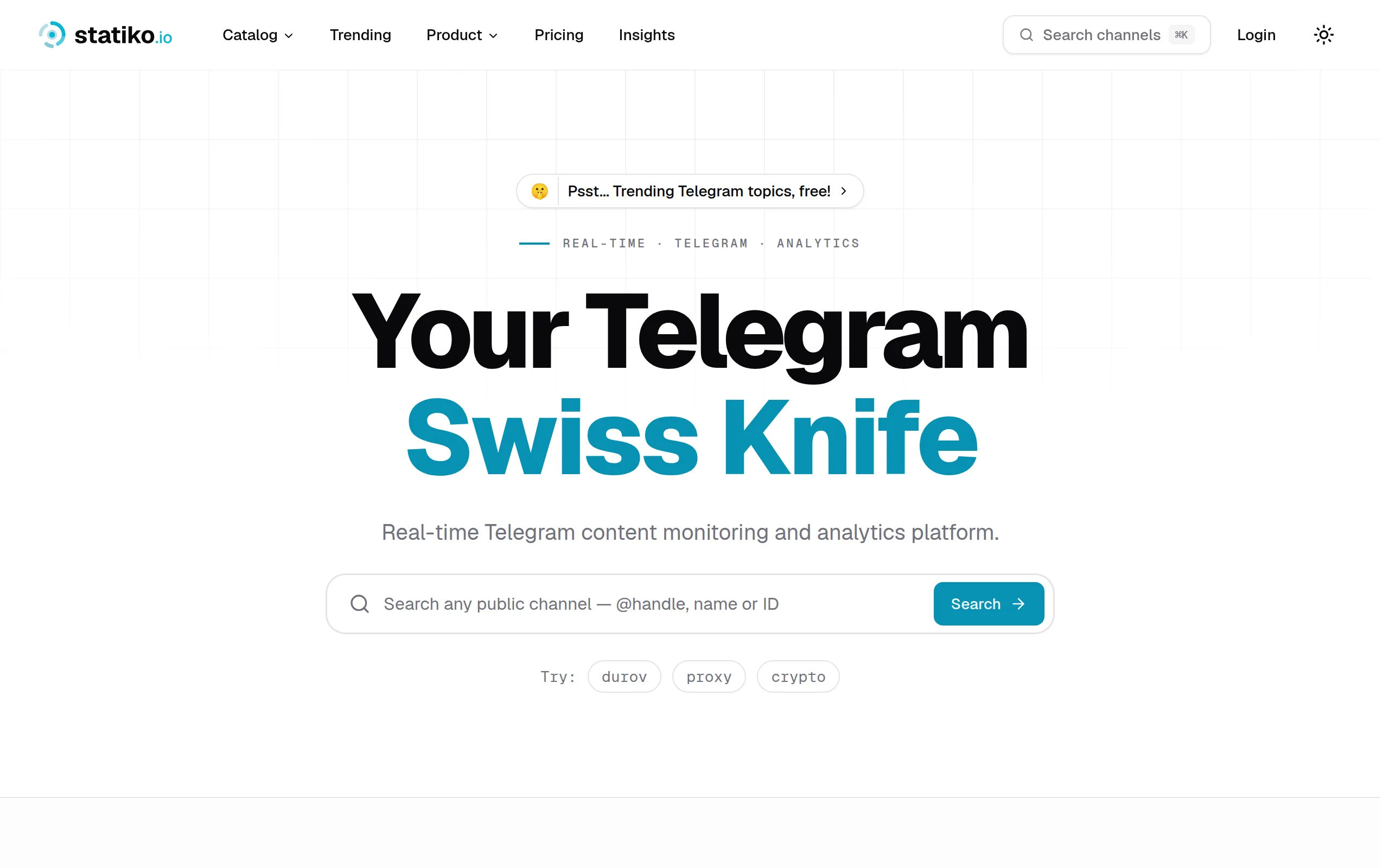
Statiko
Monitor any Telegram channel in real time - track posts, edits, deletions, and growth with AI recaps 📡

Shibui
AI website builder - describe your business, pick a niche template, edit by chatting, and publish instantly ✨

Pro Service
Find verified home service professionals, compare quotes, and pay securely through escrow - built for Brazilians across the US 🏠
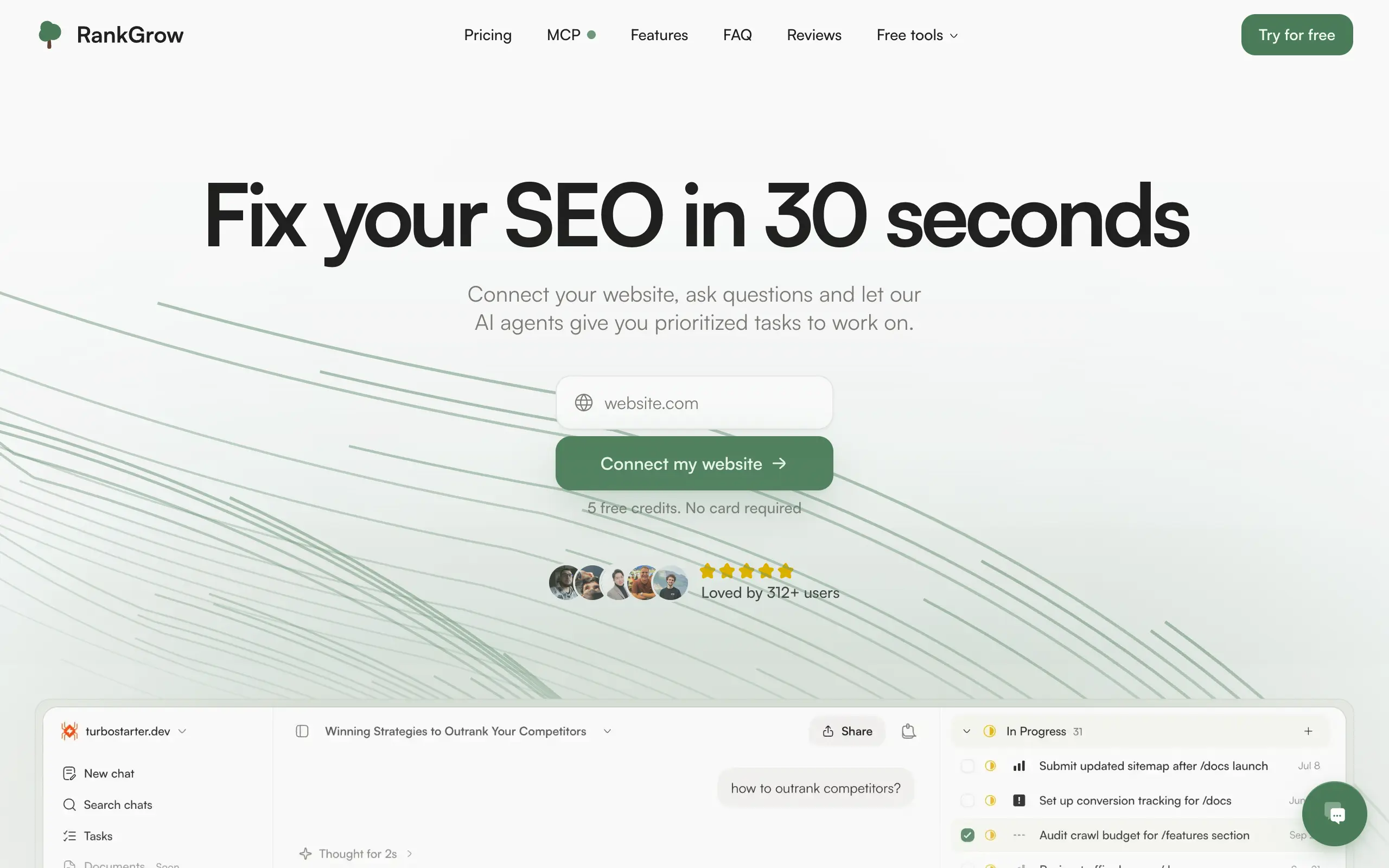
RankGrow
Fix your SEO with AI agents - connect Search Console, get prioritized tasks, and grow organic traffic 📈
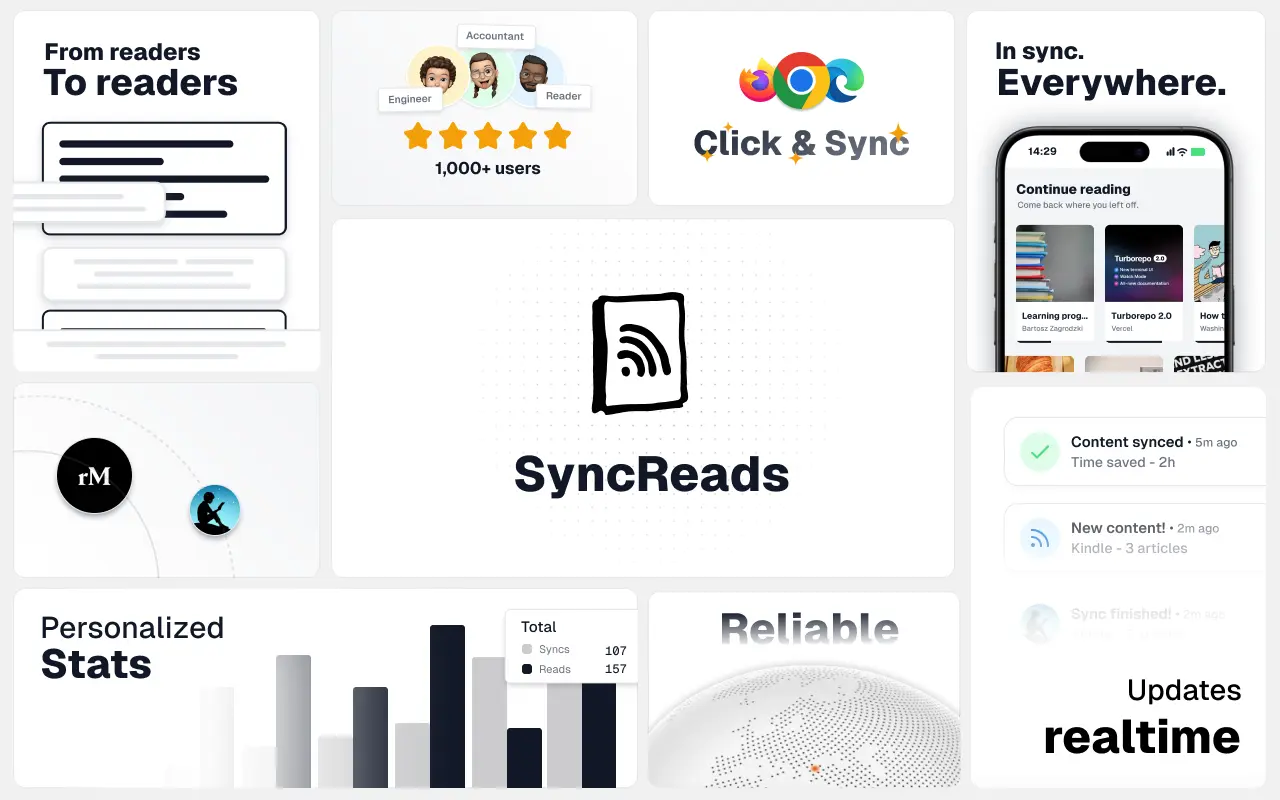
SyncReads
Sync your favorite content for distraction-free reading, save time and replace multiple apps. Anytime, anywhere 🔄
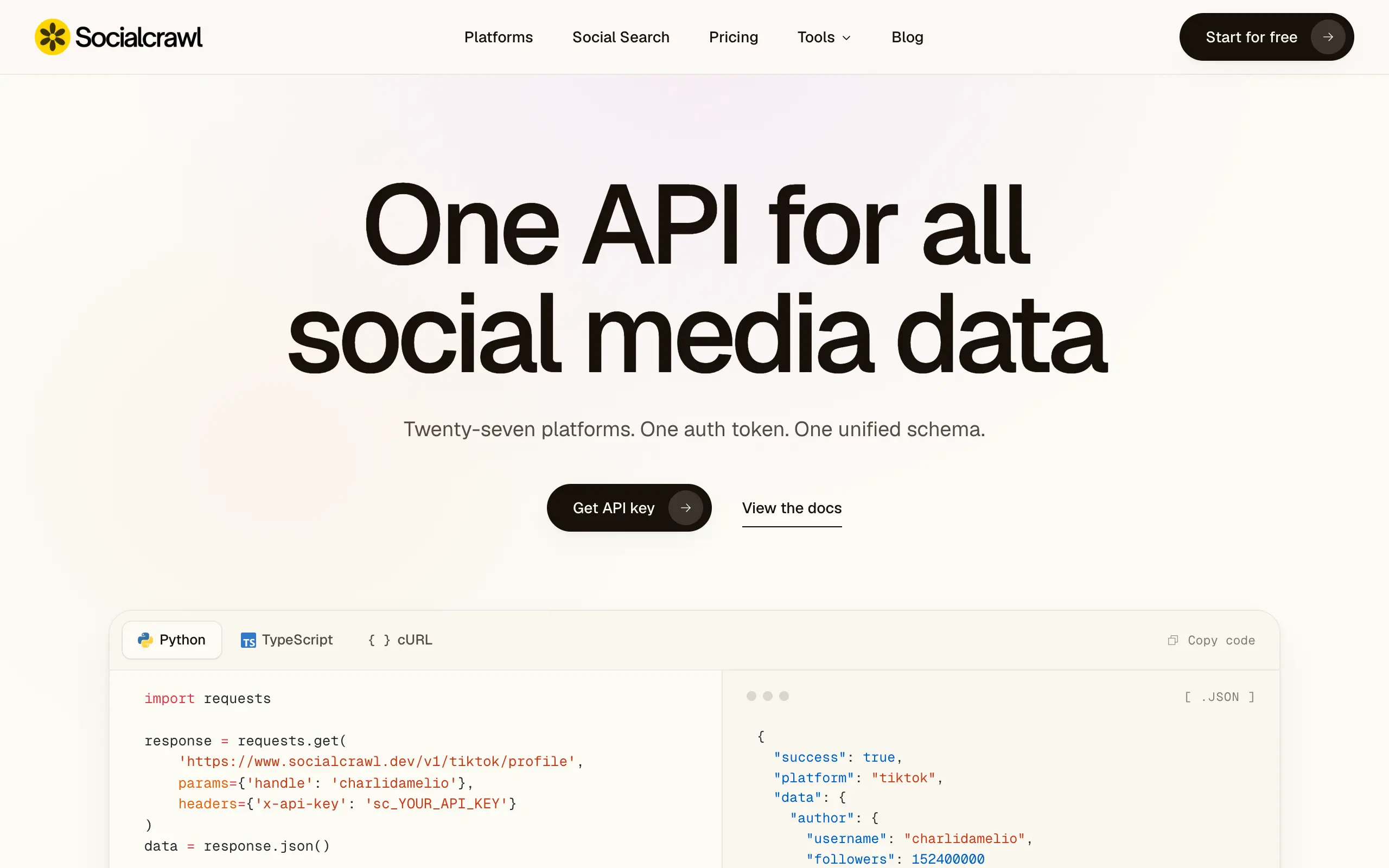
Socialcrawl
Get clean, structured data from 21 platforms like TikTok, Instagram, and YouTube with a single request 📊
Statiko
Monitor any Telegram channel in real time - track posts, edits, deletions, and growth with AI recaps 📡
Shibui
AI website builder - describe your business, pick a niche template, edit by chatting, and publish instantly ✨
Pro Service
Find verified home service professionals, compare quotes, and pay securely through escrow - built for Brazilians across the US 🏠
RankGrow
Fix your SEO with AI agents - connect Search Console, get prioritized tasks, and grow organic traffic 📈
SyncReads
Sync your favorite content for distraction-free reading, save time and replace multiple apps. Anytime, anywhere 🔄
Socialcrawl
Get clean, structured data from 21 platforms like TikTok, Instagram, and YouTube with a single request 📊
Statiko
Monitor any Telegram channel in real time - track posts, edits, deletions, and growth with AI recaps 📡
Shibui
AI website builder - describe your business, pick a niche template, edit by chatting, and publish instantly ✨
Pro Service
Find verified home service professionals, compare quotes, and pay securely through escrow - built for Brazilians across the US 🏠
RankGrow
Fix your SEO with AI agents - connect Search Console, get prioritized tasks, and grow organic traffic 📈
SyncReads
Sync your favorite content for distraction-free reading, save time and replace multiple apps. Anytime, anywhere 🔄
Socialcrawl
Get clean, structured data from 21 platforms like TikTok, Instagram, and YouTube with a single request 📊
Statiko
Monitor any Telegram channel in real time - track posts, edits, deletions, and growth with AI recaps 📡
Shibui
AI website builder - describe your business, pick a niche template, edit by chatting, and publish instantly ✨
Pro Service
Find verified home service professionals, compare quotes, and pay securely through escrow - built for Brazilians across the US 🏠
RankGrow
Fix your SEO with AI agents - connect Search Console, get prioritized tasks, and grow organic traffic 📈
SyncReads
Sync your favorite content for distraction-free reading, save time and replace multiple apps. Anytime, anywhere 🔄
Socialcrawl
Get clean, structured data from 21 platforms like TikTok, Instagram, and YouTube with a single request 📊
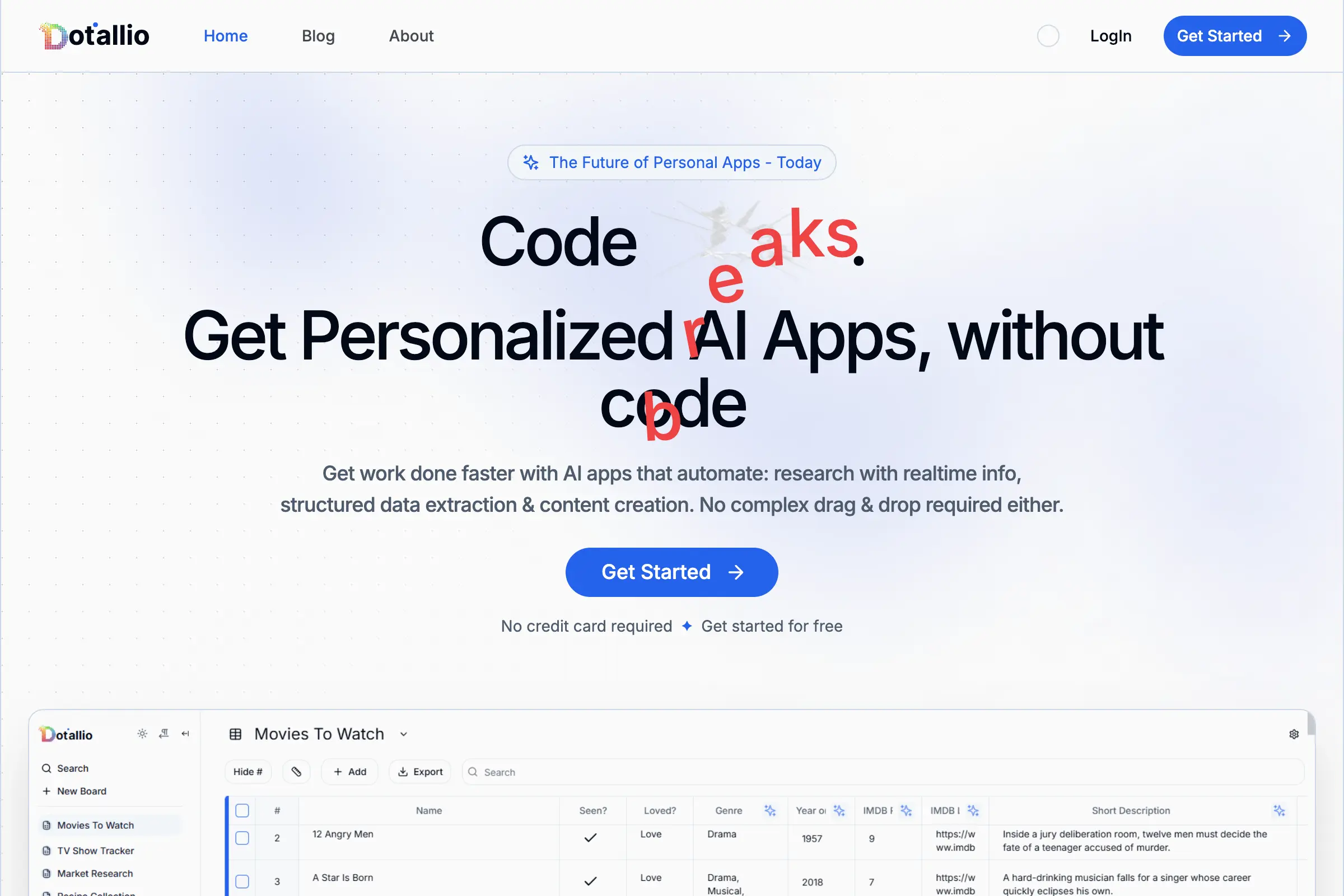
Dotallio
Personalized AI apps that automate research, data extraction, and content creation without code 🤖
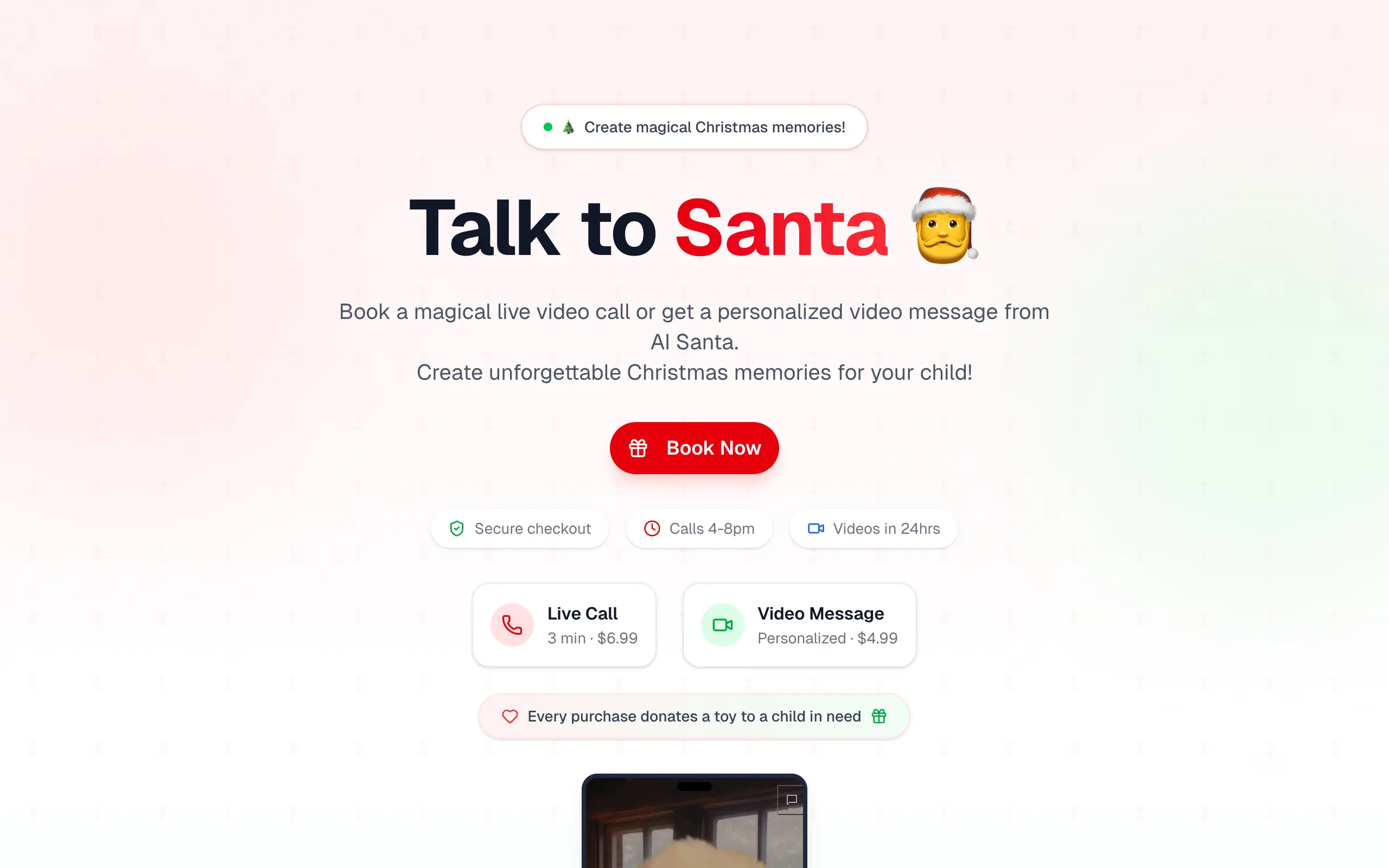
Talk to Santa
Enjoy a magical live video chat or receive a unique AI-generated video greeting from Santa Claus 🎅
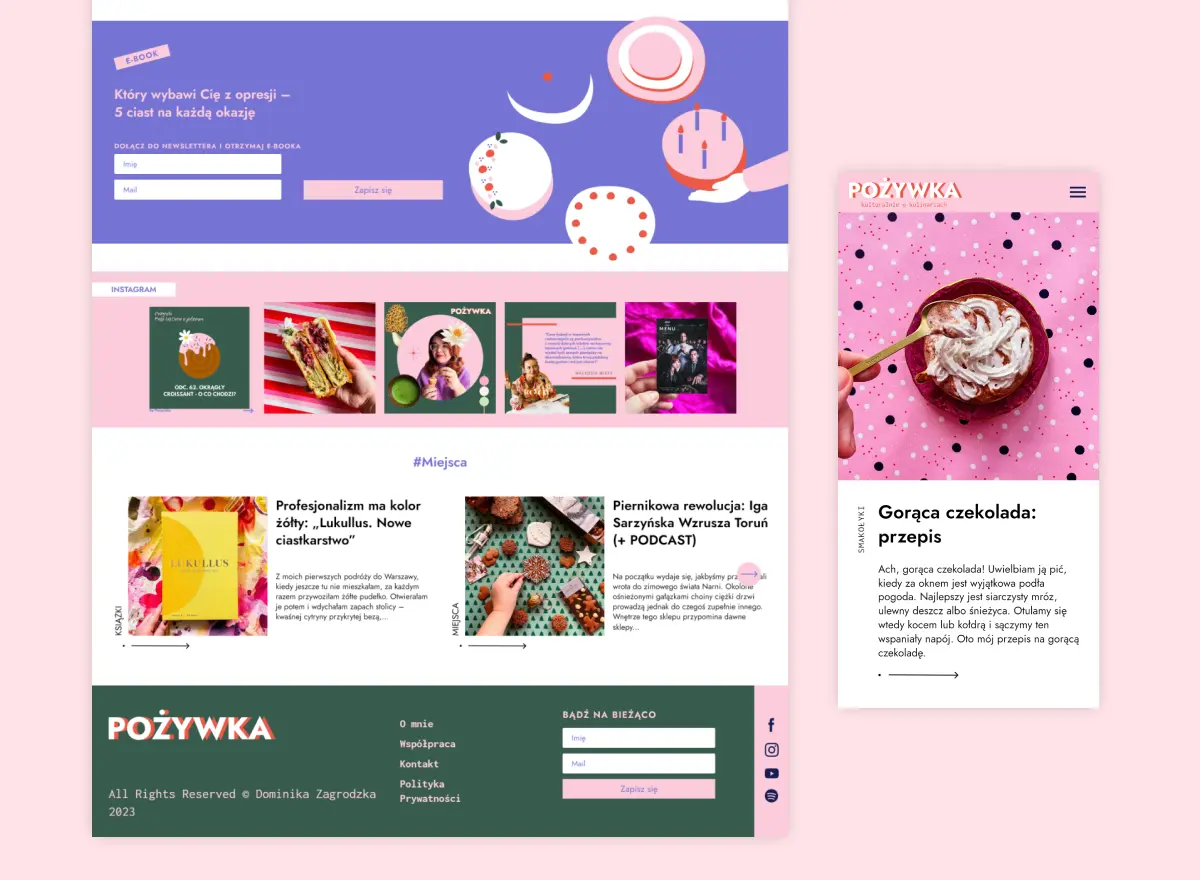
pozywka.pl
Scalable blog for food journalist, focused on performance and user experience 🌭
zagrodzki.me
Personal blog and portfolio of Bart Zagrodzki, where he shares his knowledge and work 💼
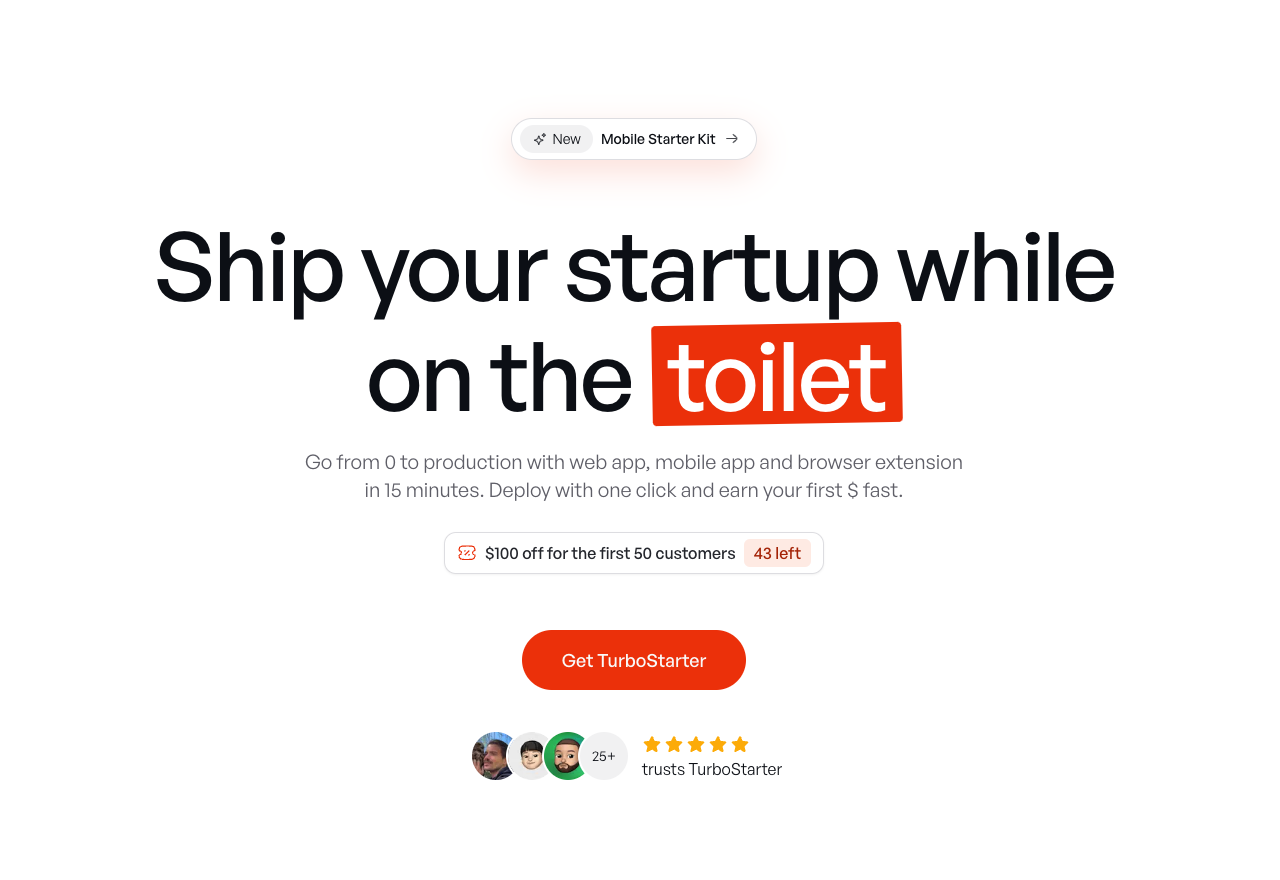
TurboStarter
Ship your startup everywhere. In minutes.
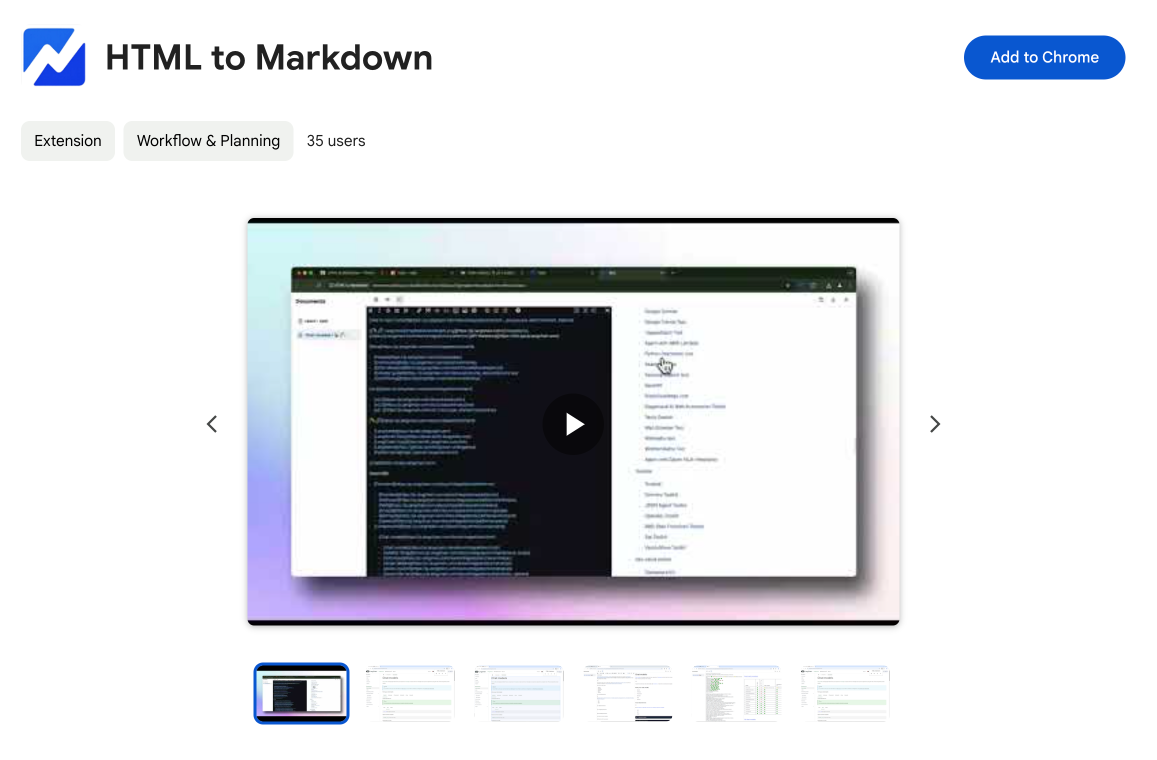
HTML to Markdown
Convert HTML to Markdown with ease, directly in your browser 📄
Dotallio
Personalized AI apps that automate research, data extraction, and content creation without code 🤖
Talk to Santa
Enjoy a magical live video chat or receive a unique AI-generated video greeting from Santa Claus 🎅
pozywka.pl
Scalable blog for food journalist, focused on performance and user experience 🌭
zagrodzki.me
Personal blog and portfolio of Bart Zagrodzki, where he shares his knowledge and work 💼
TurboStarter
Ship your startup everywhere. In minutes.
HTML to Markdown
Convert HTML to Markdown with ease, directly in your browser 📄
Dotallio
Personalized AI apps that automate research, data extraction, and content creation without code 🤖
Talk to Santa
Enjoy a magical live video chat or receive a unique AI-generated video greeting from Santa Claus 🎅
pozywka.pl
Scalable blog for food journalist, focused on performance and user experience 🌭
zagrodzki.me
Personal blog and portfolio of Bart Zagrodzki, where he shares his knowledge and work 💼
TurboStarter
Ship your startup everywhere. In minutes.
HTML to Markdown
Convert HTML to Markdown with ease, directly in your browser 📄
Dotallio
Personalized AI apps that automate research, data extraction, and content creation without code 🤖
Talk to Santa
Enjoy a magical live video chat or receive a unique AI-generated video greeting from Santa Claus 🎅
pozywka.pl
Scalable blog for food journalist, focused on performance and user experience 🌭
zagrodzki.me
Personal blog and portfolio of Bart Zagrodzki, where he shares his knowledge and work 💼
TurboStarter
Ship your startup everywhere. In minutes.
HTML to Markdown
Convert HTML to Markdown with ease, directly in your browser 📄
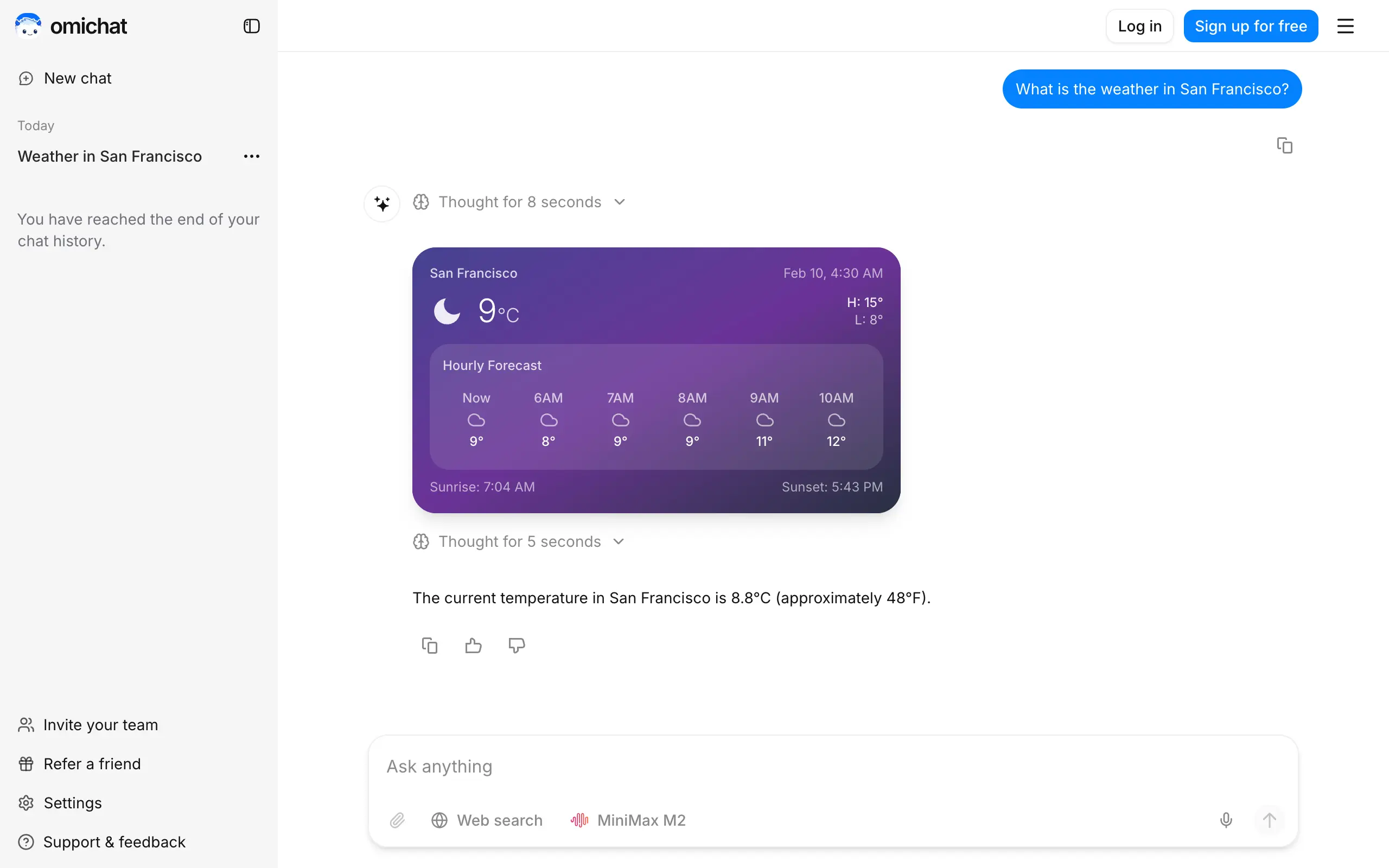
Omichat
Chat with 50+ AI models, including ChatGPT and Claude, in one place - switch models anytime without losing context 🤖
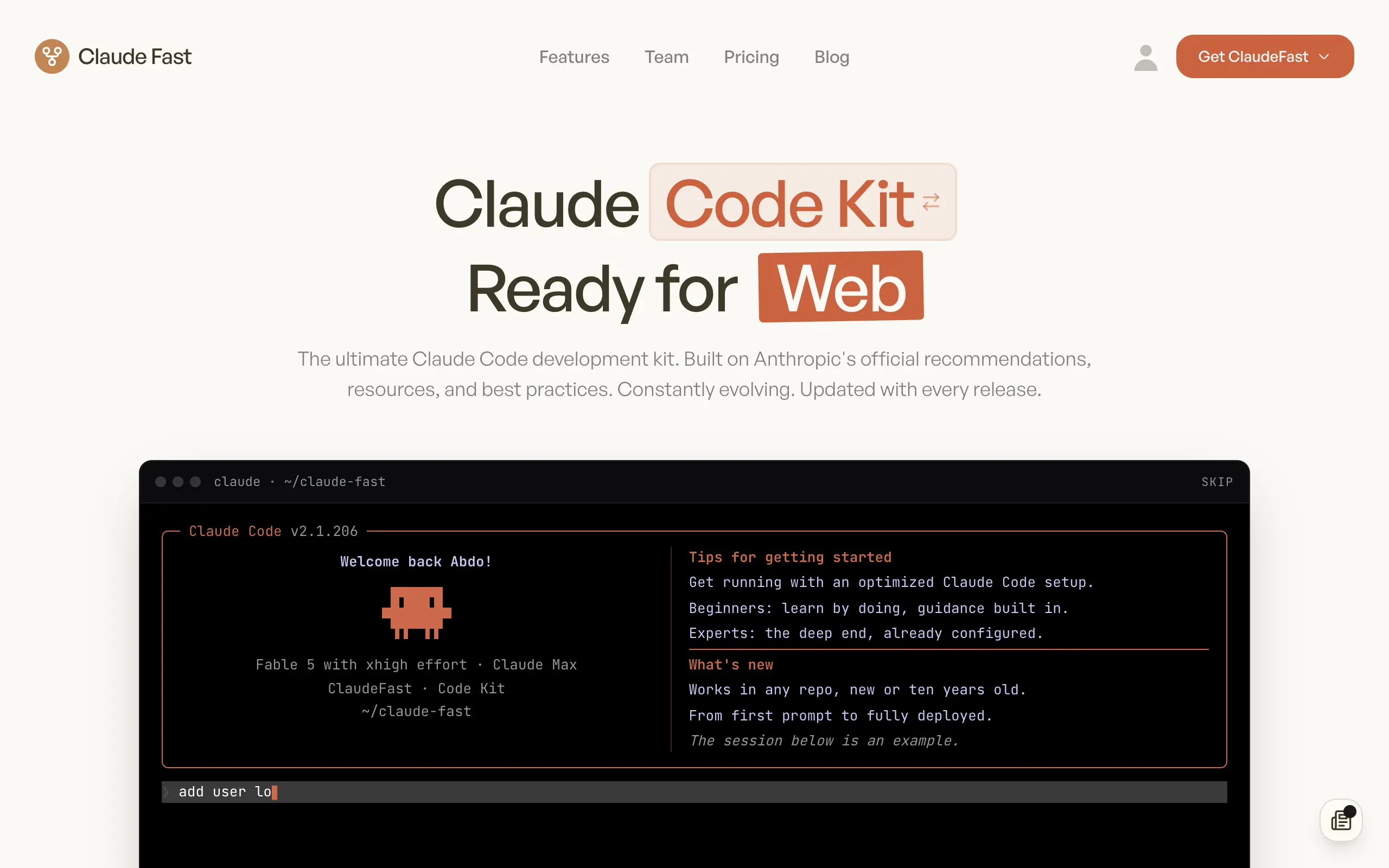
Claude Fast
Supercharge your Claude Code with 6x effective context window and specialized AI agents 🤖
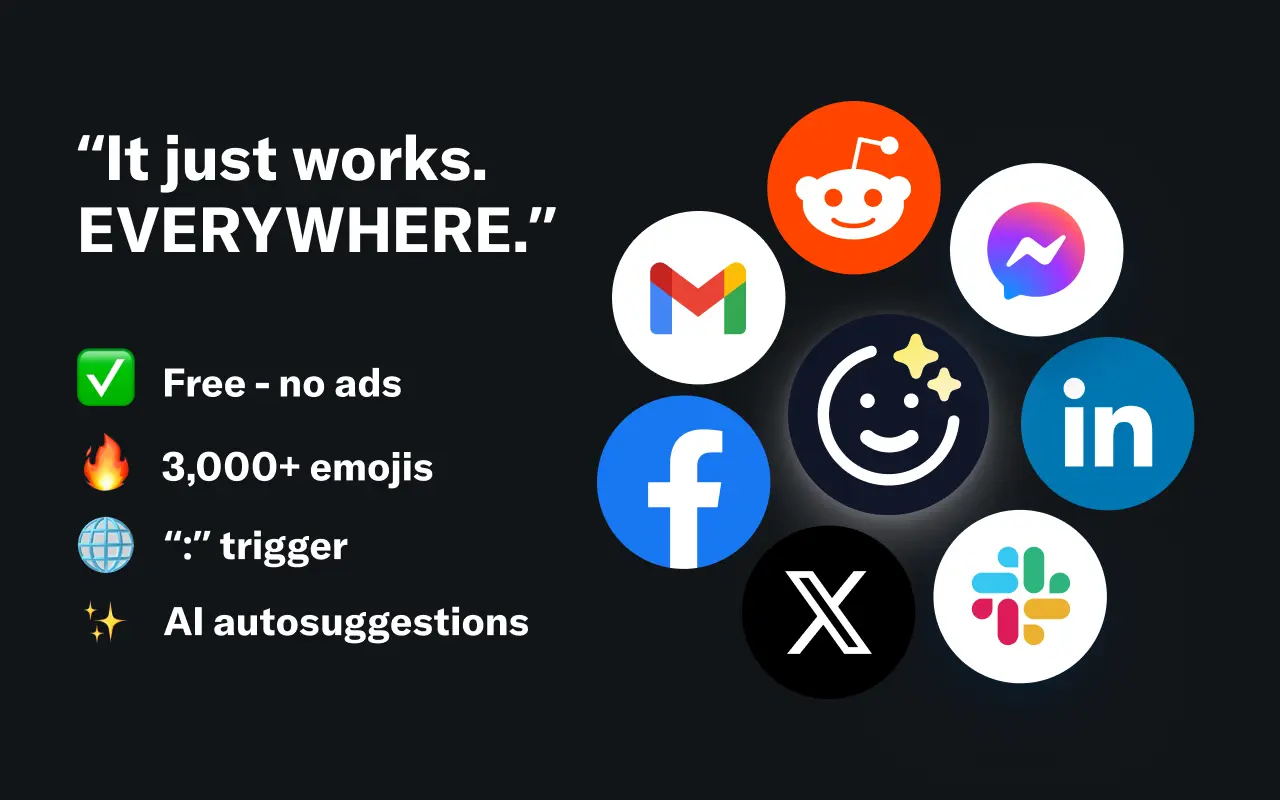
EmojAI
AI-powered emoji picker with smart, context-aware suggestions 🤖
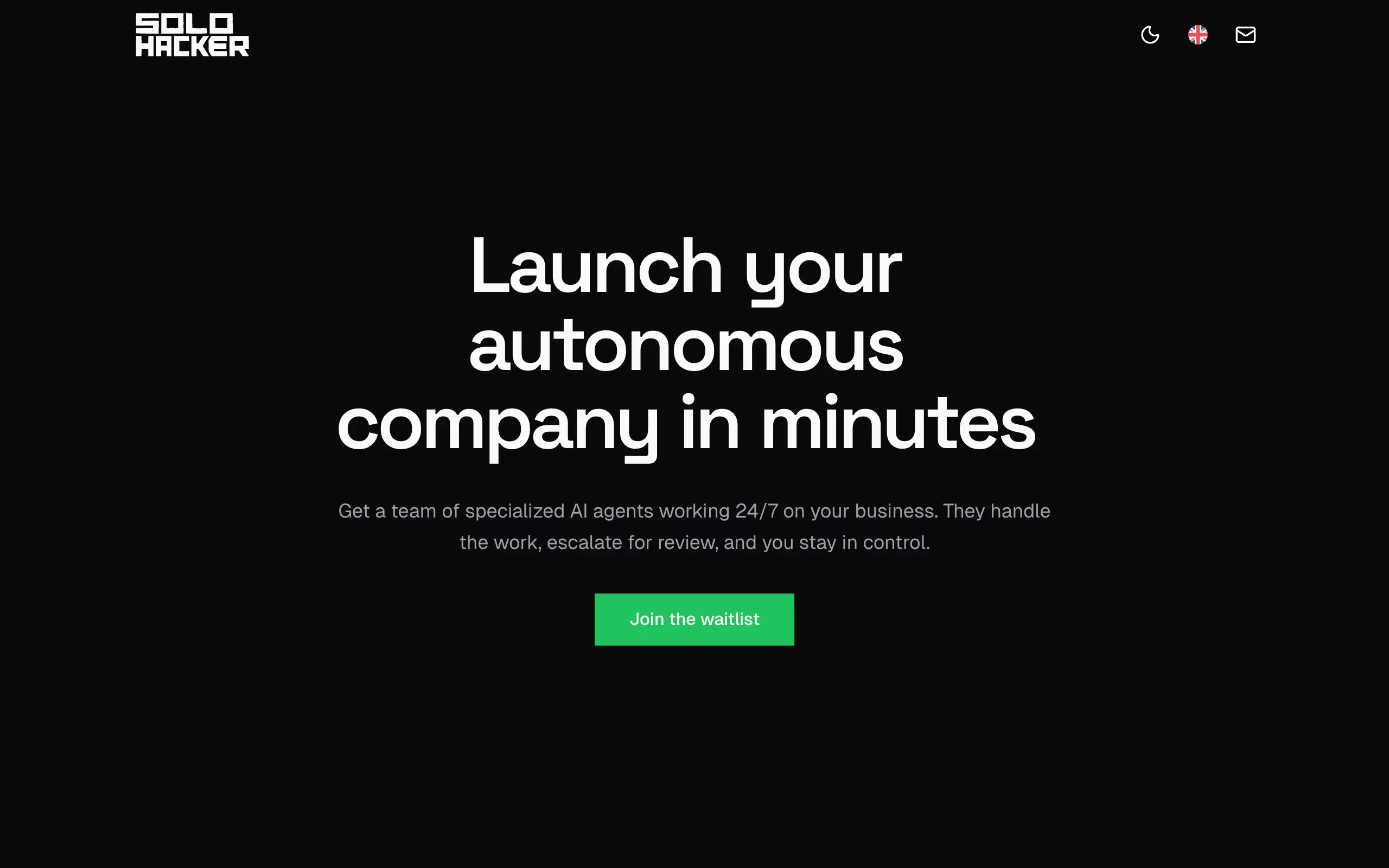
Solohacker
Autonomous company launcher - AI agents work 24/7, escalate what matters, and you stay in control 🤖
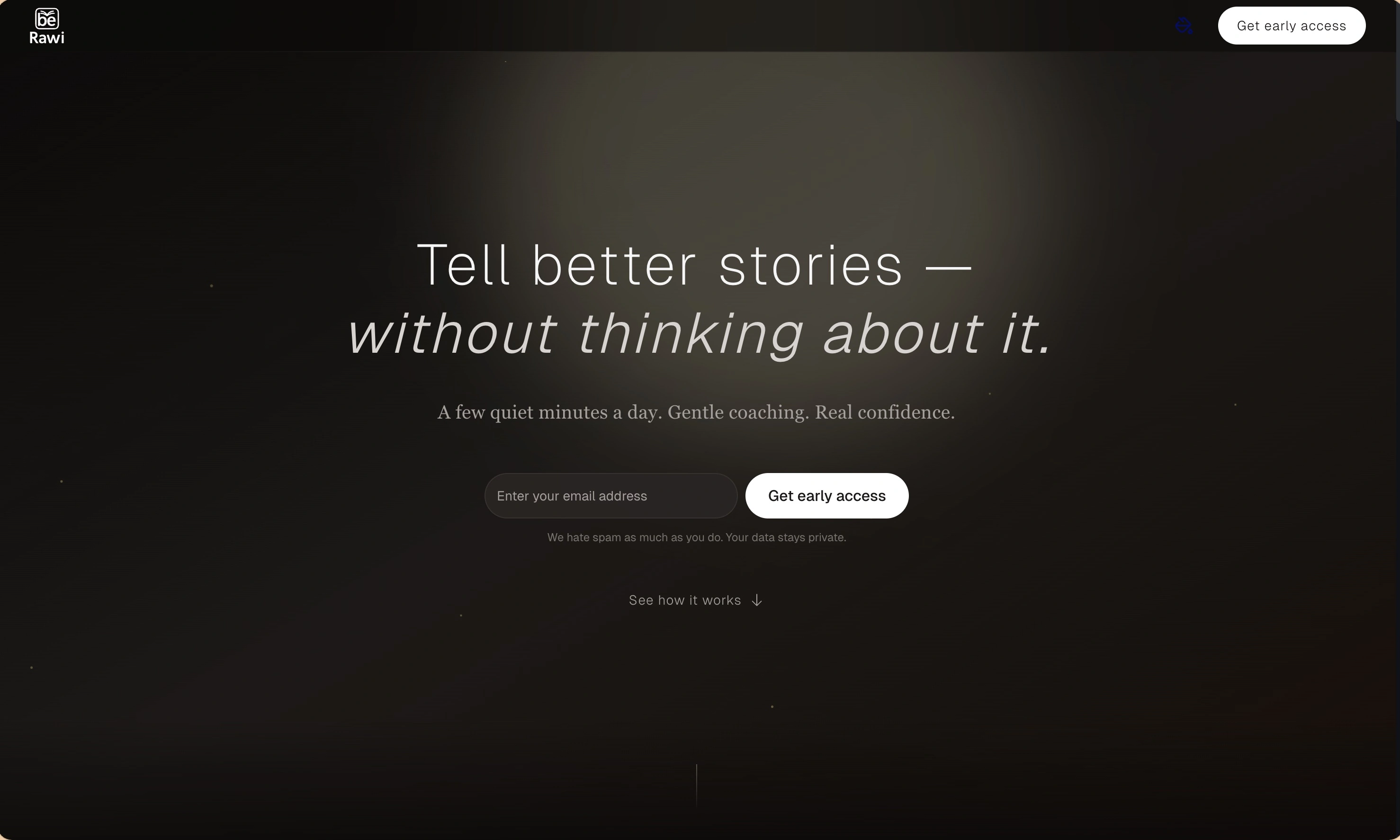
BeRawi: Storytelling Coach
Practice storytelling daily with instant feedback to sound clearer, more engaging, and confident 🎤
Omichat
Chat with 50+ AI models, including ChatGPT and Claude, in one place - switch models anytime without losing context 🤖
Claude Fast
Supercharge your Claude Code with 6x effective context window and specialized AI agents 🤖
EmojAI
AI-powered emoji picker with smart, context-aware suggestions 🤖
Solohacker
Autonomous company launcher - AI agents work 24/7, escalate what matters, and you stay in control 🤖
BeRawi: Storytelling Coach
Practice storytelling daily with instant feedback to sound clearer, more engaging, and confident 🎤
Omichat
Chat with 50+ AI models, including ChatGPT and Claude, in one place - switch models anytime without losing context 🤖
Claude Fast
Supercharge your Claude Code with 6x effective context window and specialized AI agents 🤖
EmojAI
AI-powered emoji picker with smart, context-aware suggestions 🤖
Solohacker
Autonomous company launcher - AI agents work 24/7, escalate what matters, and you stay in control 🤖
BeRawi: Storytelling Coach
Practice storytelling daily with instant feedback to sound clearer, more engaging, and confident 🎤
Omichat
Chat with 50+ AI models, including ChatGPT and Claude, in one place - switch models anytime without losing context 🤖
Claude Fast
Supercharge your Claude Code with 6x effective context window and specialized AI agents 🤖
EmojAI
AI-powered emoji picker with smart, context-aware suggestions 🤖
Solohacker
Autonomous company launcher - AI agents work 24/7, escalate what matters, and you stay in control 🤖
BeRawi: Storytelling Coach
Practice storytelling daily with instant feedback to sound clearer, more engaging, and confident 🎤

Connect with like-minded people
Join our community to get feedback, support, and grow together with 1,000+ builders on board, let's ship it!
Join usShip your startup everywhere. In minutes.
Don't burn tokens on setup and start building features on day one.