SomoniSteps
Turn everyday money habits into clear goals with Tajikistan-friendly budgeting, remittance tracking, and practical saving challenges for families.
Why a Tajikistan budgeting app is a timely opportunity
Tajikistan’s household finances are often shaped by realities that generic personal finance products do not handle well. Families may receive money from relatives working abroad, manage earnings in cash, share expenses across several adults, and save toward practical milestones such as school supplies, home repairs, weddings, medical care, or winter heating.
A conventional budgeting app assumes users have stable monthly salaries, connected bank accounts, credit cards, and individual financial decision-making. Those assumptions create friction for many Tajik households.
SomoniSteps is positioned as a Tajikistan budgeting app built around local financial behavior. Rather than forcing people into rigid budgeting templates, it helps them turn everyday spending into clear goals, track remittances, coordinate household finances, and build savings through small, achievable challenges.
The core opportunity is not simply to build another expense tracker. It is to create a trusted mobile budgeting app for Tajikistan that feels practical for households using somoni, cash, family support, and irregular income.
Core product thesis
SomoniSteps should help users answer four daily questions. How much money came in, where did it go, what must be paid next, and what small step can the family take toward a meaningful goal?
Who SomoniSteps should serve
A strong financial wellness product starts with a precise understanding of who experiences the problem most intensely. SomoniSteps should not try to serve every possible consumer on day one. Its first version should focus on groups with frequent budgeting pressure and a clear need for local relevance.
Families receiving remittances
Remittances can be essential to household stability, but the timing and amount of transfers may vary. A family can know that money is coming without knowing exactly when it will arrive, how much will be received after exchange or transfer fees, or how long the amount must last.
For this audience, a remittance tracking app needs to do more than record income. It should help households plan responsibly around uncertain transfers.
Key needs include:
- Expected transfer dates and expected amounts
- A clear distinction between expected and received remittances
- Fee and exchange-rate notes where relevant
- Family allocation plans for necessities, debt, education, and savings
- Alerts when a remittance is late or when essential spending exceeds the available balance
- A simple history that shows how household income has changed over time
This segment is especially valuable because the pain is recurring. If SomoniSteps becomes the trusted place where a family plans each incoming transfer, it can build meaningful retention.
Cash-first households
Many budgeting tools are designed around bank transaction syncing. For users who primarily spend cash, automatic categorization may not be available or trustworthy. Manual entry therefore cannot feel like administrative work.
SomoniSteps should make cash logging extremely fast. A user should be able to record an expense in a few taps, select a familiar category, and continue with their day.
The app should prioritize:
- One-tap amounts for common spending ranges
- Recent categories and favorite expenses
- Offline-first expense capture
- A visible cash balance that updates immediately
- Simple language and visual cues
- Optional voice input where device support and language quality make it useful
The design principle is straightforward. A budgeting habit must be easier than forgetting to track the expense.
Young adults building financial independence
Students, early-career workers, and young couples may want to save but lack a repeatable system. They are often motivated by specific goals rather than abstract financial metrics.
For this audience, saving challenges can be more compelling than a traditional budget spreadsheet. Examples include:
- Saving a set amount over 30 days
- Building an emergency fund gradually
- Reducing non-essential mobile and food spending for one week
- Setting aside a percentage of each incoming payment
- Saving toward a course, phone, family event, or travel objective
Young adults are likely to respond well to progress visuals, streaks, gentle reminders, and achievement-based saving journeys. However, the product should avoid turning money stress into a game. The tone must remain respectful, supportive, and practical.
Household decision-makers
In many homes, financial decisions are shared. One person may receive remittances, another may purchase food and household goods, and an elder may approve major expenses. A single-user model can fail if it ignores this shared context.
SomoniSteps can provide a privacy-conscious household workspace where family members contribute without exposing unnecessary details.
Possible roles include:
- "Owner": manages household settings and invitations
- "Contributor": adds expenses and income
- "Viewer": sees agreed summaries and goal progress
- "Goal partner": can contribute to a specific shared savings target
Permission controls matter. Household finance visibility should be intentional, never assumed.
Primary user
A household member managing variable income, regular cash expenses, and family savings priorities.
Primary job
Make the next financial decision with confidence, even when income is irregular.
Primary outcome
Build a realistic plan for essentials, goals, and emergencies without relying on complex spreadsheets.
The market gap in personal finance tools for Tajikistan
The broad personal finance market is crowded, but local usability remains a substantial gap. Global budget apps are often excellent at serving users with card-linked accounts, predictable salaries, and a financial vocabulary shaped by Western banking systems. These products may be technically sophisticated while still being poorly aligned with Tajik household realities.
A Tajikistan budgeting app can differentiate by recognizing five structural gaps.
Local currency and familiar financial language
SomoniSteps should make Tajik somoni the default currency, using familiar formatting and language throughout the experience. Currency is not only a display preference. It shapes whether users perceive a product as made for them.
The app should also avoid jargon such as “discretionary cash flow,” “envelope allocation,” or “liquidity ratio” in its consumer experience. These concepts can be useful internally, but the product language should use plain, action-oriented terms such as:
- “Money received”
- “Money spent”
- “Bills and essentials”
- “Family goal”
- “This week’s plan”
- “Money left to use”
Remittances are not a secondary feature
For many global budgeting apps, remittances would be categorized as generic income. That misses the actual planning problem.
A transfer may be irregular, split across essential needs, affected by fees, or expected from a particular sender. It may also be emotionally sensitive because it represents labor and sacrifice by a family member abroad.
SomoniSteps can treat remittances as a dedicated workflow with expected arrivals, actual receipts, sender notes, and allocation plans. This is a stronger product wedge than simply adding a “remittance” category.
Financial goals are often family goals
Savings products commonly frame goals around individual consumption. A locally relevant financial wellness app should support shared and practical goals, including:
- Education costs
- Home improvement
- Winter supplies
- Healthcare reserve
- Wedding preparation
- Agricultural inputs
- Small business inventory
- Travel and document costs
The product should let users name goals in their own words and attach a target date only when it is meaningful. Not every family goal has a fixed deadline.
Trust, privacy, and low-data operation are essential
Personal finance software asks users to disclose sensitive information. In a market where users may be unfamiliar with digital financial tools or skeptical of how data is used, trust is a product feature, not merely a legal requirement.
SomoniSteps should clearly explain:
- What data is collected
- Why the app needs it
- Whether data is encrypted
- How a user can export or delete their data
- Whether the product sells personal financial data
- What happens when the user changes devices
Offline access and low-data usage are equally important. A user must be able to log spending without a constant network connection.
Existing alternatives are fragmented
Today, many households may rely on memory, notebooks, chat messages, calculators, or informal conversations. These methods are understandable but do not provide a complete view of income, spending, and savings progress.
SomoniSteps can unite these behaviors in one approachable mobile experience.
| Need | Notebook | Generic budget app | SomoniSteps opportunity | Retention value |
|---|---|---|---|---|
| Cash expense tracking | Manual but fragmented | Often card-first | Fast offline cash logging | High |
| Remittance planning | Informal notes | Generic income category | Expected and received transfer workflow | High |
| Shared family goals | Hard to coordinate | Often individual-first | Permission-based household goals | Medium to high |
| Savings education | Inconsistent | May be too complex | Small practical challenges | High |
The SomoniSteps product vision
The best version of SomoniSteps is a financial wellness app for Tajik families, not a digital ledger that merely lists transactions. It should help users move from uncertainty to a manageable next action.
Its unique selling proposition is clear:
SomoniSteps combines somoni-based budgeting, remittance planning, household goals, and culturally practical saving challenges in a mobile-first experience designed for cash-first and variable-income households.
This positioning is stronger than “expense tracker” because it connects the product to a visible outcome. Users do not want to categorize every purchase. They want to keep money available for essentials, avoid painful surprises, and make progress toward important family goals.
Core feature set for a focused MVP
A first release should solve the highest-frequency financial actions exceptionally well. Avoid building direct financial services, credit products, or complicated bank integrations before the core budgeting habit is validated.
The recommended MVP includes the following capabilities.
Simple income and expense tracking
Users need an immediate way to record money in and money out.
Each transaction should support:
- Amount in somoni
- Category
- Date
- Optional note
- Payment source such as cash, bank balance, or mobile wallet
- Optional household member attribution
- Repeat option for recurring costs
Useful categories should be localized and editable. Default categories might include food, transport, utilities, education, health, phone and internet, debt payments, gifts, household, farming, and savings.
Remittance planner
The remittance feature should distinguish between what the user expects and what has actually arrived.
A remittance record can contain:
- Sender label
- Expected date
- Expected amount
- Received amount
- Transfer channel note
- Fee note
- Status such as expected, received, delayed, or partially received
- Planned allocation across categories and goals
A small but valuable workflow is to prompt the household after receiving a transfer. The app can ask, “What should this money do first?” and offer options for essentials, upcoming bills, debt, savings goals, and flexible spending.
Flexible budgeting without rigid monthly assumptions
Fixed monthly budgeting is a poor fit for irregular income. SomoniSteps should use a flexible “money available until the next expected income” model.
Instead of requiring users to forecast every month, the app can show:
- Total money available
- Essential spending planned
- Amount reserved for goals
- Flexible spending remaining
- Days until the next expected income or remittance
- Suggested daily spending limit when users choose to enable it
This approach keeps the product useful for both salary earners and households receiving variable transfers.
Savings goals and challenges
Goals create the emotional reason to return. A goal should show the target amount, contributions, progress, and a short explanation of why it matters.
Challenges provide a small behavioral structure, such as:
- “Save 5 somoni for seven days”
- “Record every expense for five days”
- “Set aside money before the next market trip”
- “Make one no-spend day this week”
- “Add one emergency-fund contribution”
Challenges should be optional. Users should never be penalized or shamed for missing a day, particularly in situations where income is uncertain.
Household collaboration
A household view is a differentiated feature, but it should be introduced carefully. The MVP can begin with simple invitations and shared goals rather than full account-level financial sharing.
Start with:
- Shared goals
- Shared selected categories
- A family summary page
- Clear invite acceptance
- Role-based permissions
- The ability to leave a household at any time
More detailed pooled budgeting can follow after user research confirms that families want it.
Weekly money check-in
A short weekly summary can turn raw transaction data into action. The app should explain what happened in plain language.
For example:
You received 1,200 somoni this week. You spent 670 somoni, reserved 150 somoni for school costs, and have 380 somoni available before your next planned income date.
The check-in should end with one useful suggestion, not a long list of warnings.
Avoid building lending, investment advice, cryptocurrency features, complex credit scoring, automatic bank connection promises, or a marketplace of financial products. These introduce regulatory, trust, and operational complexity before SomoniSteps has proven its core budgeting value.
Good challenges are small, optional, specific, and achievable. They help a person practice a behavior, such as recording an expense or setting aside a small amount, rather than promising unrealistic financial transformation.
Test labels and onboarding copy with real households in Tajik and Russian, then use feedback to remove jargon. Ask users to explain features back in their own words. If they cannot, simplify the interface.
Designing a trusted mobile budgeting app for Tajikistan
Financial products are judged by their reliability during stressful moments. A polished interface is important, but clarity and trustworthiness are more important.
Make the onboarding earn its questions
Do not ask users for every detail before they see value. A lightweight onboarding flow can start with:
- Preferred language
- Household or individual mode
- Primary income pattern
- One current savings goal
- The amount currently available to manage
The app can then immediately show a useful starting screen. Optional details, such as family invitations or detailed categories, can be collected later.
Design for low literacy and low attention
Every screen should communicate one clear task. Use recognizable icons alongside text, keep labels short, and avoid dense dashboards. A user should be able to record a common expense in seconds, even while shopping or traveling.
Helpful mobile UX patterns include:
- Large touch targets
- Prominent add-transaction button
- Recent transaction shortcuts
- Clear empty states
- Confirmation after a saved transaction
- Accessible color contrast
- Explanations that do not depend on color alone
- Gentle reminders that users can easily adjust or disable
Build privacy into the experience
Privacy is especially important when family members share devices. SomoniSteps should offer app-level protection through a PIN, biometric unlock where available, and control over sensitive notification content.
A notification should say “Your weekly money summary is ready” rather than displaying the user’s balance on a lock screen by default.
The privacy policy should be written in plain language. It should answer practical questions rather than hiding behind broad legal wording.
Avoid misleading financial guidance
SomoniSteps can provide budgeting guidance, but it should not represent itself as a bank, lender, investment adviser, or guarantee of financial outcomes. Savings suggestions must be framed as optional planning tools.
When creating educational content, use qualified expert review. For example, content about debt, emergency savings, or fraud prevention should be reviewed by a financial educator or legal professional familiar with the applicable market.
For market claims and behavioral statistics, cite authoritative sources in the publishing workflow. A reference format such as “Source: World Bank remittances data, accessed Month Year” is preferable to inventing unsupported numbers.
Recommended technology stack for SomoniSteps
A mobile product handling financial information needs a stack that balances speed, reliability, offline capability, and maintainability. The best initial architecture is not necessarily the most complex one.
Mobile application layer
React Native is a strong option for building Android and iOS applications from a shared TypeScript codebase. It helps a small team move quickly while still delivering a native mobile experience.
Expo can accelerate the first release with managed build tooling, over-the-air updates, secure storage integrations, and developer-friendly workflows.
Recommended mobile choices include:
- React Native with TypeScript
- Expo for builds and deployment workflows
- React Navigation for predictable navigation
- TanStack Query for server-state synchronization
- Zustand or a similarly lightweight store for local UI state
- SQLite for durable local transaction storage
- Device secure storage for encrypted tokens and sensitive local secrets
The main trade-off is that some advanced native functionality may eventually require custom native modules. For an MVP focused on budgeting, offline records, and notifications, this trade-off is usually worthwhile.
Backend and data layer
A relational database fits financial records well because transactions, household members, goals, reminders, and permissions have clear relationships. PostgreSQL is a proven choice for this kind of structured data.
A pragmatic backend stack could include:
- Next.js for an admin console and API endpoints
- PostgreSQL for persistent financial records
- Prisma for type-safe database access
- Supabase for managed Postgres, authentication, storage, and row-level security
- Sentry for error monitoring and production diagnostics
Supabase can shorten time to market, especially for authentication and row-level security. The trade-off is service dependency and the need for careful policy design. Financial data access rules should be tested as rigorously as application logic.
Offline synchronization strategy
Offline-first behavior is a requirement, not a polish item. The product should treat the local device database as the immediate source of truth for newly created transactions.
A robust flow looks like this:
- Save a transaction locally first.
- Mark the record as pending synchronization.
- Sync when the device reconnects.
- Receive a server acknowledgement.
- Resolve conflicts based on transparent rules.
- Show the user that their data is safely synchronized.
For an MVP, conflict handling can remain simple. Transactions are generally append-only, while edits use server timestamps and version numbers. Higher-risk operations, such as deleting shared household data, should require explicit confirmation.
type MoneyTransaction = {
  id: string;
  householdId: string;
  type: "income" | "expense";
  amountTjs: number;
  categoryId: string;
  occurredAt: string;
  syncStatus: "pending" | "synced" | "failed";
  createdAt: string;
};

function remainingBudget(
  availableTjs: number,
  essentialPlannedTjs: number,
  goalReservedTjs: number
) {
  return Math.max(0, availableTjs - essentialPlannedTjs - goalReservedTjs);
}
Store money values as integer minor units where the currency model requires it, or use a carefully defined decimal approach. Do not rely on floating-point arithmetic for financial calculations without a documented rounding strategy.
Security requirements from the beginning
SomoniSteps should follow a security-by-design approach.
Minimum safeguards include:
- Encryption in transit with HTTPS
- Encryption at rest through managed infrastructure controls
- Authenticated API requests
- Row-level authorization checks for every household record
- Rate limiting on login and password-reset flows
- Audit logs for sensitive account actions
- Secure session storage on devices
- Regular dependency updates
- Backups and restore testing
- Clear incident-response procedures
Before production launch, commission an independent security review or penetration test appropriate to the app’s risk level. If the app later integrates with regulated payment providers, obtain legal and compliance advice before handling payment credentials or moving money.
Monetization strategies that preserve trust
A budgeting app for families must avoid monetization models that make users question whether the product benefits from their financial stress.
The most sustainable strategy is likely a freemium model with a useful free tier and an affordable premium household plan.
Freemium subscriptions
The free plan should include essential budgeting, cash tracking, basic remittance records, one or two active goals, and weekly summaries. It must be genuinely useful.
A premium plan could unlock:
- Unlimited savings goals
- Advanced household collaboration
- Custom reports
- Multiple remittance schedules
- Exportable history
- Personalized challenge tracks
- Priority support
- Advanced reminders and planning tools
Pricing should be researched locally and tested carefully. A low monthly price, discounted annual plan, or household bundle may be more appropriate than premium pricing modeled on high-income markets.
Partner-supported distribution
SomoniSteps could eventually partner with organizations that benefit from stronger household financial resilience, such as employers, NGOs, community groups, financial educators, mobile operators, or remittance-adjacent service providers.
The critical rule is separation of trust. Partners should not gain access to individual user financial data without explicit, informed consent. Aggregated, privacy-preserving insights may be possible later, but should never be an early monetization shortcut.
Financial education programs
A business-to-business or business-to-organization offering could provide co-branded financial wellness challenges, educational content, or aggregated program reporting. This may diversify revenue while keeping the consumer app affordable.
Avoid referral schemes that push unsuitable loans, high-fee services, or speculative products. Short-term affiliate revenue can damage the credibility that a financial wellness app needs to survive.
Competitive advantage and defensibility
SomoniSteps will not win solely because it has a budget calculator. Larger international apps can build generic expense tracking quickly. The defensible advantage comes from local workflows, trust, and behavior-based product learning.
Local financial context becomes product intelligence
Over time, SomoniSteps can learn which categories, goal types, reminder timings, and savings challenges help users succeed. This insight can improve the experience in ways that generic apps are unlikely to prioritize.
For example, the app may learn that households prefer to allocate a received remittance in a particular sequence, or that certain seasonal goals become relevant at predictable times. These patterns should be used ethically, with privacy protections and without making invasive assumptions.
Household workflows create retention
When one person uses an expense tracker, switching costs are low. When a family has shared goals, trusted habits, historical progress, and permission-based collaboration in one place, the product becomes more embedded in daily life.
The goal is not to make data hard to leave. Users must always be able to export it. The goal is to make the product genuinely valuable enough that leaving means losing a helpful routine.
Trust compounds slowly and matters deeply
A clear privacy model, reliable data synchronization, useful support, and transparent pricing can become meaningful brand advantages. In financial products, a single breach of trust can outweigh many clever features.
| Competitive factor | Generic expense tracker | Banking app | SomoniSteps advantage | Why it matters |
|---|---|---|---|---|
| Somoni-first budgeting | Sometimes available | Account-focused | Built into every flow | Improves relevance |
| Remittance planning | Rarely specialized | May show receipts only | Plan, receive, allocate, review | Addresses a recurring need |
| Family savings goals | Often individual | Not a core feature | Collaborative and permission-based | Supports household behavior |
| Offline cash tracking | Variable quality | Usually limited | Designed as a primary workflow | Fits real spending behavior |
Risks and practical mitigation plans
Every fintech-adjacent product has risks. SomoniSteps should treat these as design constraints early rather than issues to address after growth.
Risk of low engagement after onboarding
Budgeting apps often struggle with retention because repeated manual entry feels tedious.
Mitigation approaches include:
- Minimize the number of taps required to log common expenses
- Use recent categories and smart defaults
- Deliver useful weekly insights rather than generic notifications
- Tie tracking to visible goals and challenges
- Let users choose reminder frequency
- Measure time to first value and transaction logging completion rates
The key retention metric is not downloads. It is the number of users who complete a meaningful weekly financial check-in after several weeks.
Risk of inaccurate or incomplete data
Manual tracking can produce incomplete records. Users may stop logging expenses and then lose trust in their dashboard.
Mitigation should focus on recovery, not blame. Let users add a quick balance adjustment, create a catch-up entry, or restart a weekly plan without feeling that they have “failed” the system.
Risk of privacy concerns
Financial data is highly sensitive, especially in shared-device environments.
Mitigation includes privacy-by-default notifications, transparent policies, account security controls, minimal data collection, and easy data deletion. The product team should conduct usability testing specifically around shared phone use and household permissions.
Risk of regulatory complexity
The risk increases if SomoniSteps processes payments, stores regulated financial credentials, facilitates transfers, or offers credit-related guidance.
The mitigation is disciplined scope. Start as a personal financial management and financial education product. Seek local legal guidance before expanding into regulated activities.
Risk of localization errors
A product can claim to be local while still using inappropriate categories, confusing translations, or unrealistic advice.
Mitigation requires continuous user research. Interview households, test prototypes, review terminology with native speakers, and compensate research participants fairly. Local product insight cannot be replaced by translation alone.
A practical implementation roadmap
The right launch strategy is to validate the core behavior before investing in broad feature coverage. Start with a narrow promise and measure whether people use the product repeatedly.
A rapid but maintainable launch is easier when the team begins with proven SaaS foundations rather than assembling authentication, billing, dashboards, and deployment tooling from scratch. TurboStarter can help founders accelerate the web and SaaS infrastructure around a product while the mobile team focuses on the financial workflows that make SomoniSteps distinctive.
How to measure whether SomoniSteps is working
Vanity metrics can hide product problems. Thousands of installs do not matter if users abandon the app after recording one expense. SomoniSteps should track measures tied directly to user value.
Important product metrics include:
- Activation rate for users who add income, log an expense, and create a goal
- Percentage of active users completing a weekly money check-in
- Number of users recording a remittance as expected and then received
- Savings goal contribution frequency
- Four-week and eight-week retention
- Household invitation acceptance rate
- Average time required to add a transaction
- Support tickets related to privacy, missing data, or synchronization
- Premium conversion after users experience repeated value
Qualitative signals are equally important. During research and support interactions, listen for statements such as “I finally know where the money goes,” “We planned the transfer before spending it,” or “My family can see our goal.” These responses reveal whether the app is delivering genuine financial clarity.
Final perspective
SomoniSteps has the potential to become more than a Tajikistan expense tracker. Its strongest opportunity is to become a trusted daily financial companion for households balancing cash expenses, remittances, shared responsibilities, and meaningful savings goals.
The winning product will not overwhelm people with charts or assume perfect financial discipline. It will respect variable income, make cash tracking simple, help families plan each transfer, and turn small savings actions into visible progress.
By launching with an offline-first mobile experience, localized language, transparent privacy practices, remittance-aware planning, and practical challenges, SomoniSteps can address a real gap in the personal finance app market. The path to traction is clear: build trust, reduce friction, prove the budgeting habit, and expand only when user behavior confirms what families genuinely need.
More 📱 Mobile App SaaS ideas
Discover more innovative mobile app SaaS ideas that are trending in 2026. Each idea is AI-generated with market validation and growth potential to help you find your next profitable venture faster than competitors.
Your competitors are building with TurboStarter
Below are some of the SaaS ideas that have been generated and built with our starter kit.
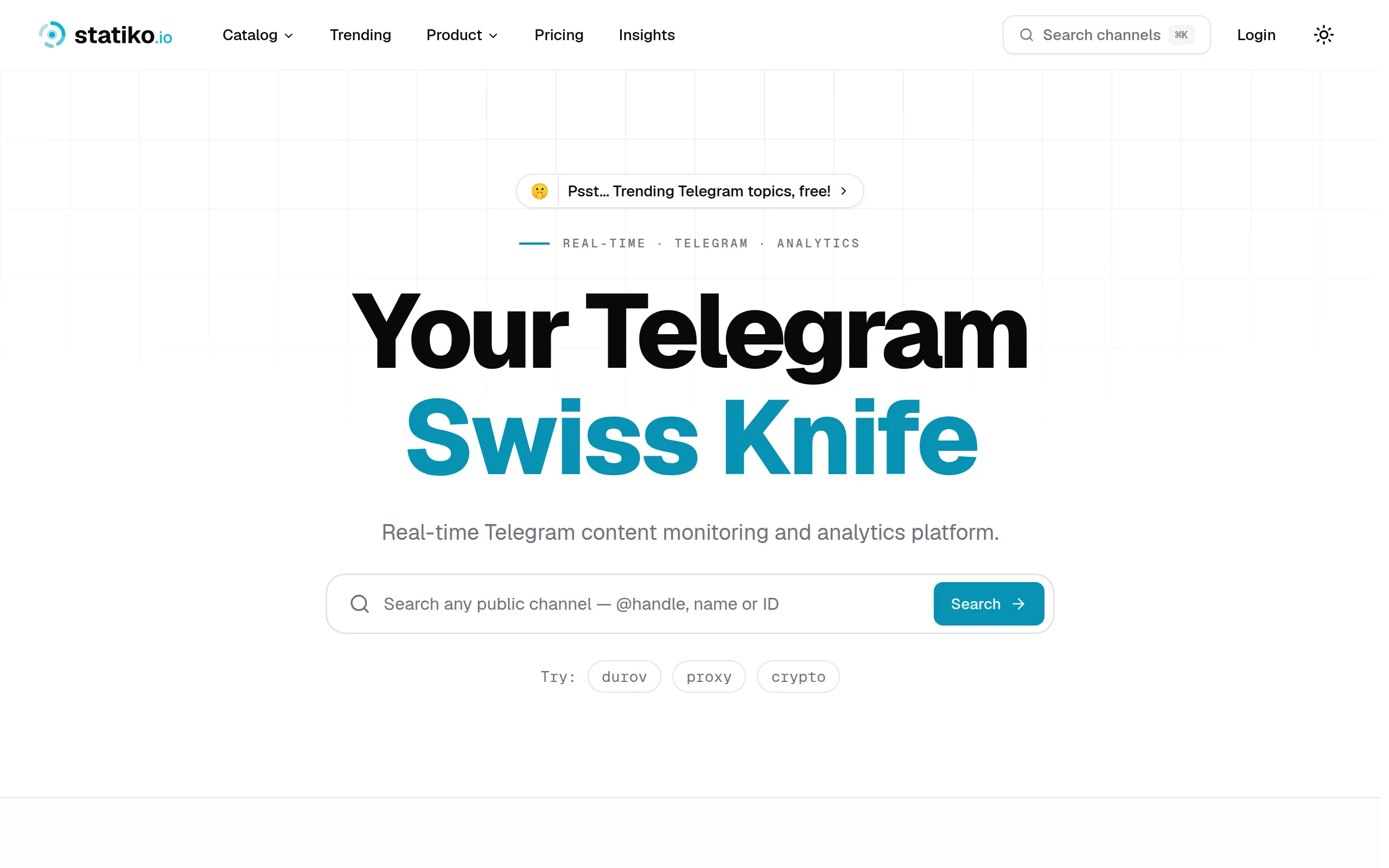
Statiko
Monitor any Telegram channel in real time - track posts, edits, deletions, and growth with AI recaps 📡

Shibui
AI website builder - describe your business, pick a niche template, edit by chatting, and publish instantly ✨

Pro Service
Find verified home service professionals, compare quotes, and pay securely through escrow - built for Brazilians across the US 🏠
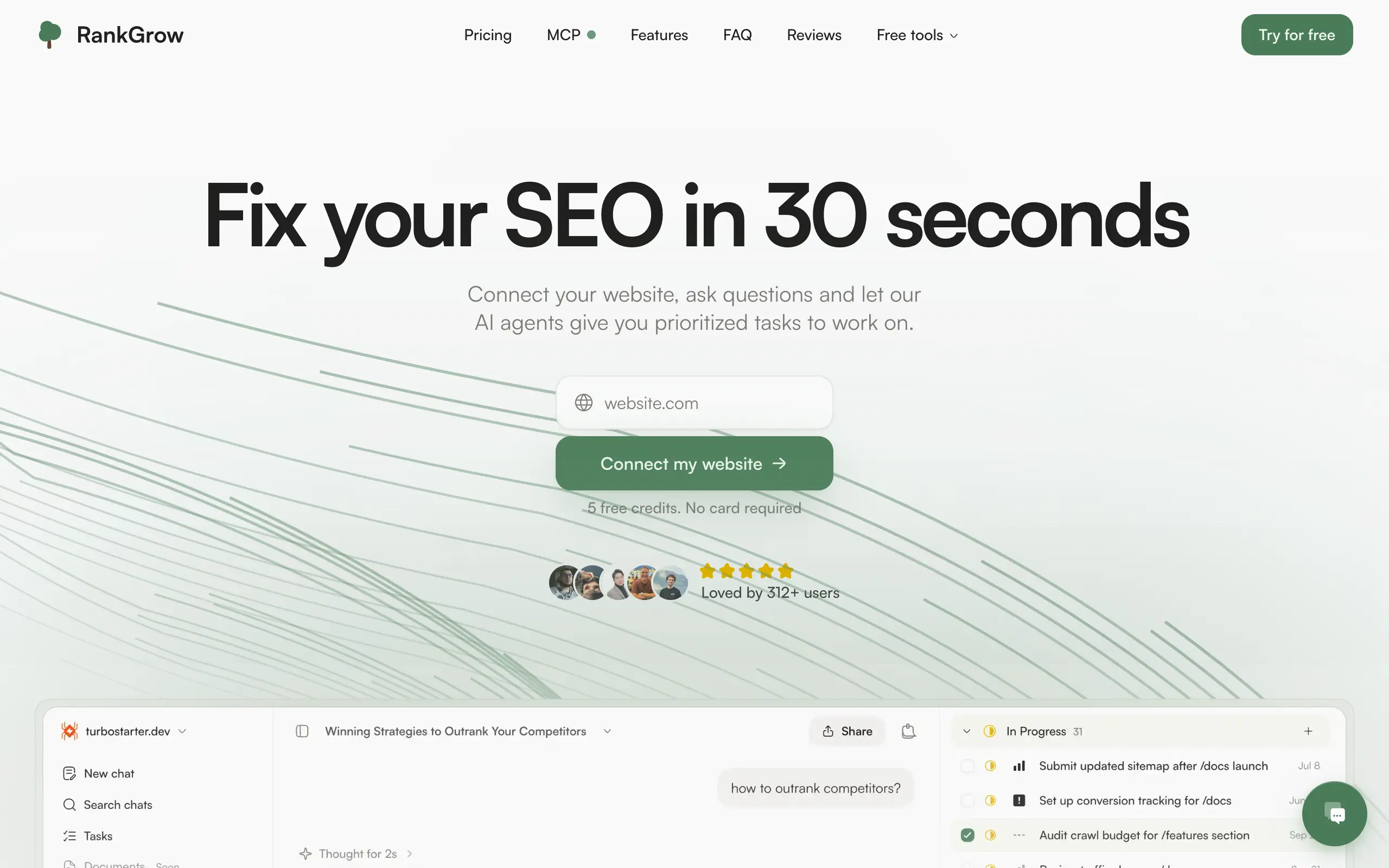
RankGrow
Fix your SEO with AI agents - connect Search Console, get prioritized tasks, and grow organic traffic 📈
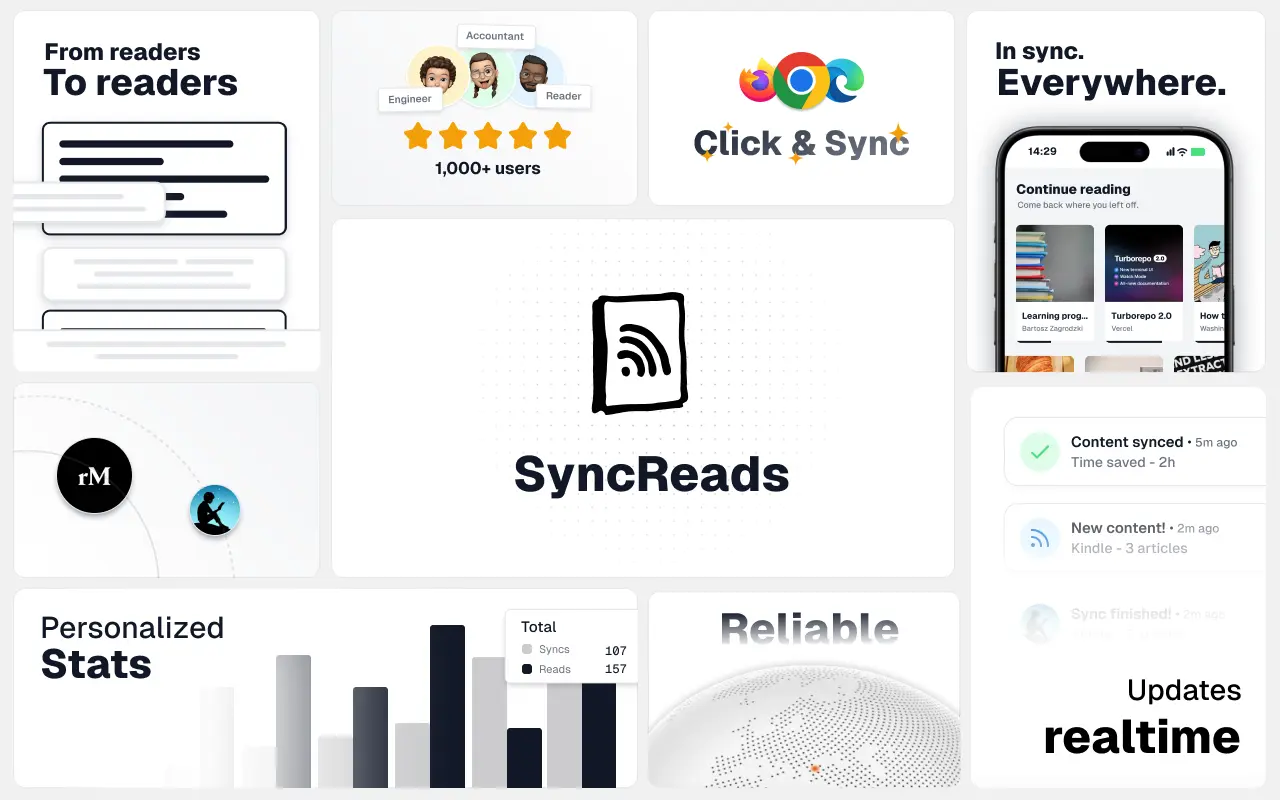
SyncReads
Sync your favorite content for distraction-free reading, save time and replace multiple apps. Anytime, anywhere 🔄
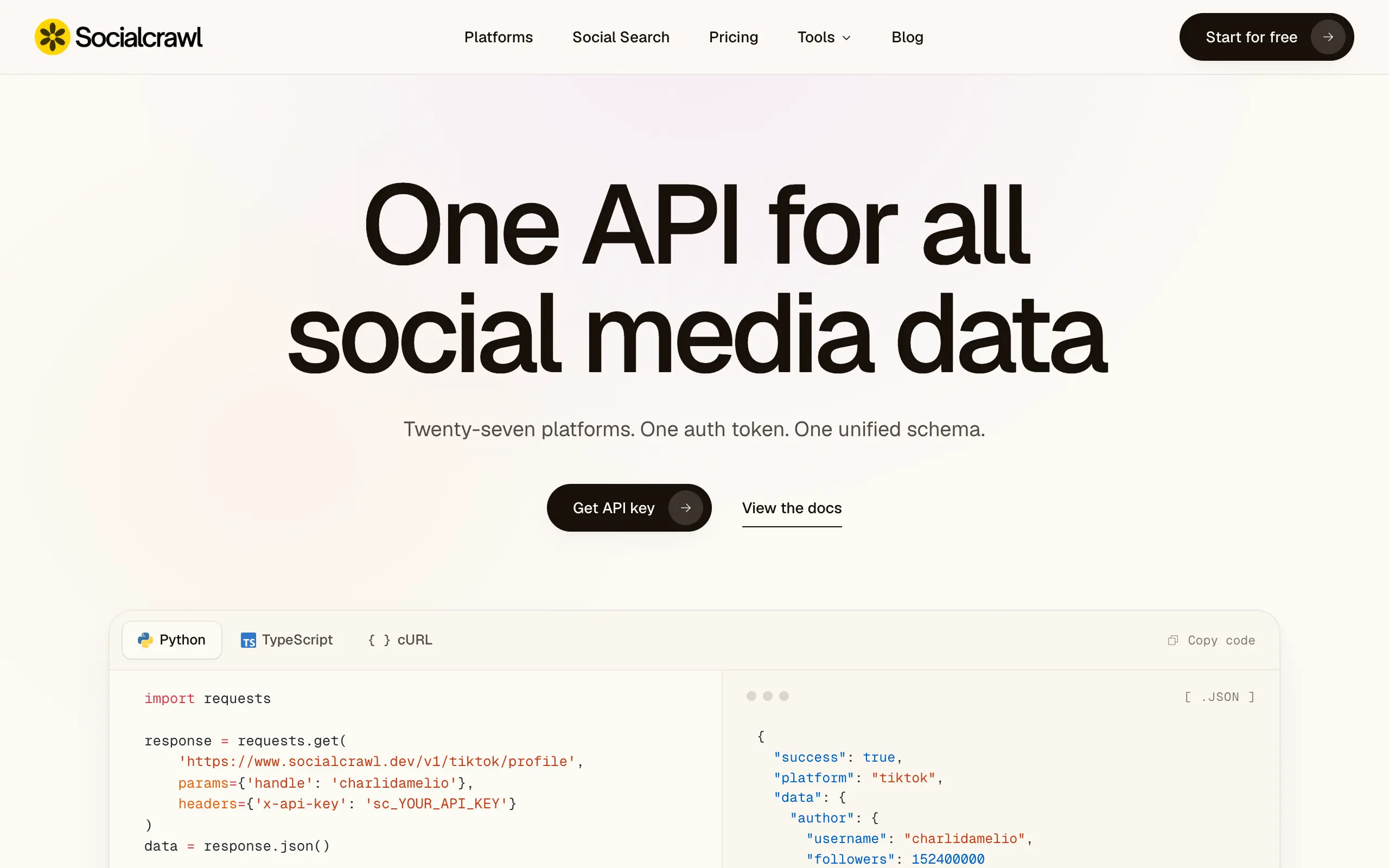
Socialcrawl
Get clean, structured data from 21 platforms like TikTok, Instagram, and YouTube with a single request 📊
Statiko
Monitor any Telegram channel in real time - track posts, edits, deletions, and growth with AI recaps 📡
Shibui
AI website builder - describe your business, pick a niche template, edit by chatting, and publish instantly ✨
Pro Service
Find verified home service professionals, compare quotes, and pay securely through escrow - built for Brazilians across the US 🏠
RankGrow
Fix your SEO with AI agents - connect Search Console, get prioritized tasks, and grow organic traffic 📈
SyncReads
Sync your favorite content for distraction-free reading, save time and replace multiple apps. Anytime, anywhere 🔄
Socialcrawl
Get clean, structured data from 21 platforms like TikTok, Instagram, and YouTube with a single request 📊
Statiko
Monitor any Telegram channel in real time - track posts, edits, deletions, and growth with AI recaps 📡
Shibui
AI website builder - describe your business, pick a niche template, edit by chatting, and publish instantly ✨
Pro Service
Find verified home service professionals, compare quotes, and pay securely through escrow - built for Brazilians across the US 🏠
RankGrow
Fix your SEO with AI agents - connect Search Console, get prioritized tasks, and grow organic traffic 📈
SyncReads
Sync your favorite content for distraction-free reading, save time and replace multiple apps. Anytime, anywhere 🔄
Socialcrawl
Get clean, structured data from 21 platforms like TikTok, Instagram, and YouTube with a single request 📊
Statiko
Monitor any Telegram channel in real time - track posts, edits, deletions, and growth with AI recaps 📡
Shibui
AI website builder - describe your business, pick a niche template, edit by chatting, and publish instantly ✨
Pro Service
Find verified home service professionals, compare quotes, and pay securely through escrow - built for Brazilians across the US 🏠
RankGrow
Fix your SEO with AI agents - connect Search Console, get prioritized tasks, and grow organic traffic 📈
SyncReads
Sync your favorite content for distraction-free reading, save time and replace multiple apps. Anytime, anywhere 🔄
Socialcrawl
Get clean, structured data from 21 platforms like TikTok, Instagram, and YouTube with a single request 📊
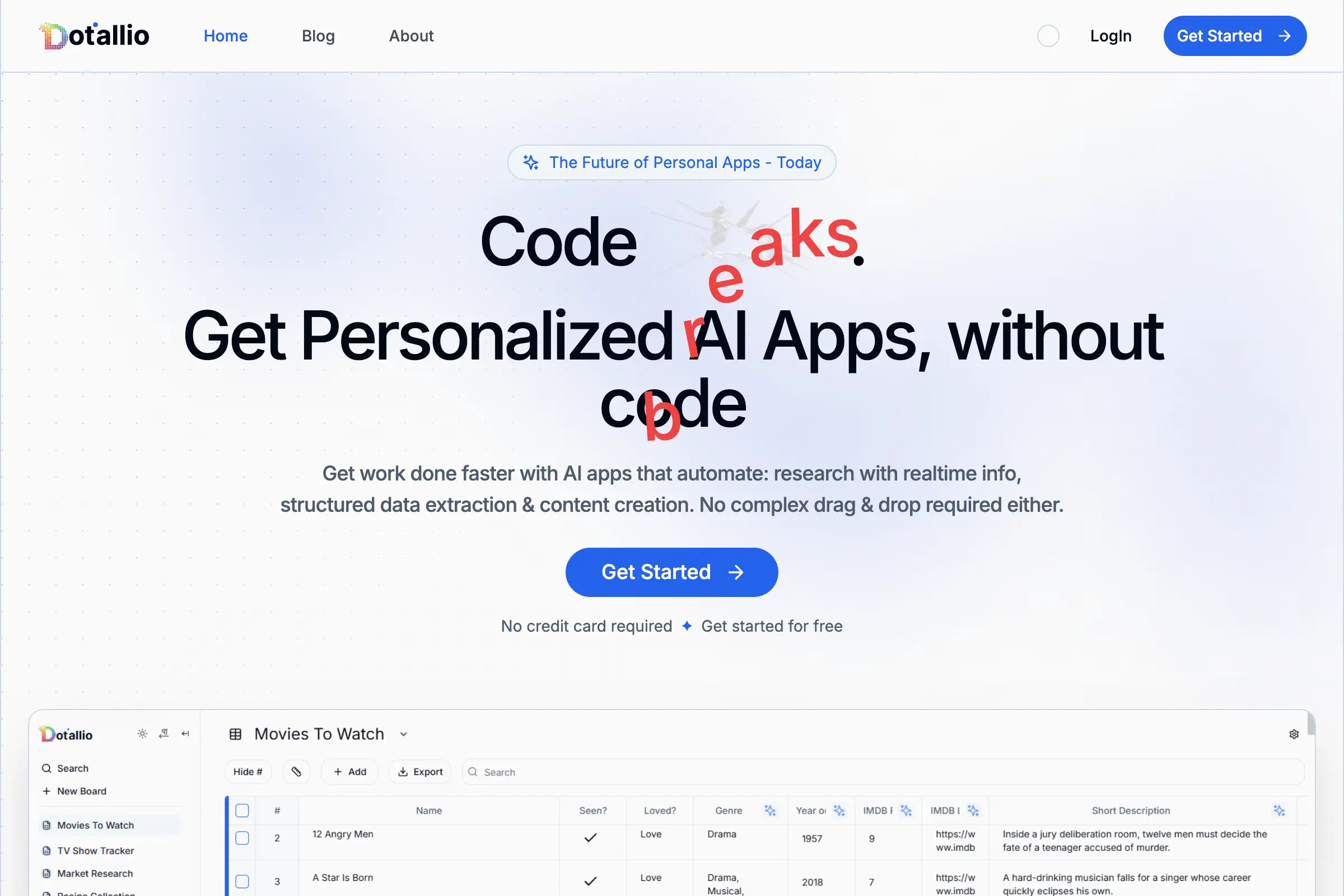
Dotallio
Personalized AI apps that automate research, data extraction, and content creation without code 🤖
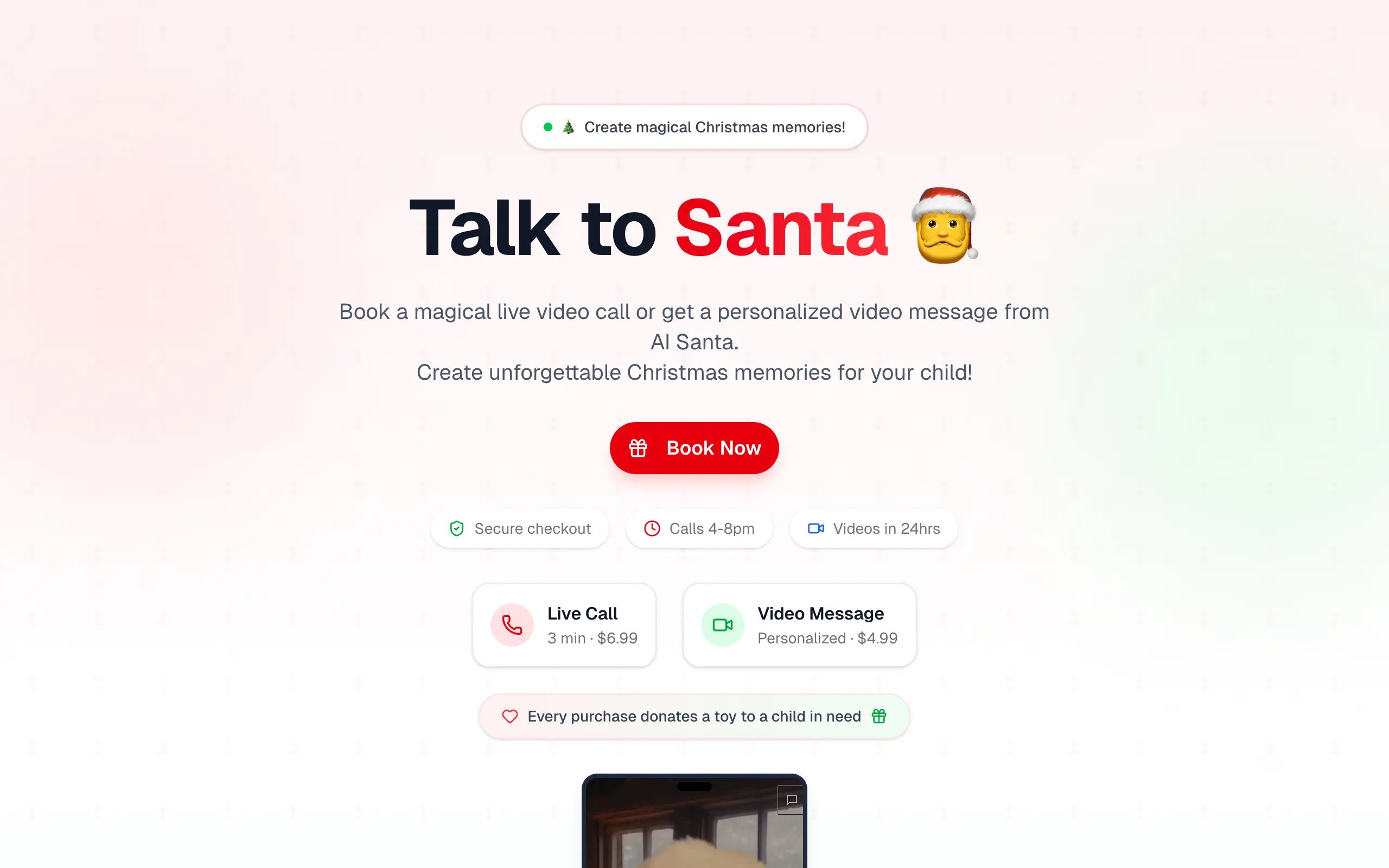
Talk to Santa
Enjoy a magical live video chat or receive a unique AI-generated video greeting from Santa Claus 🎅
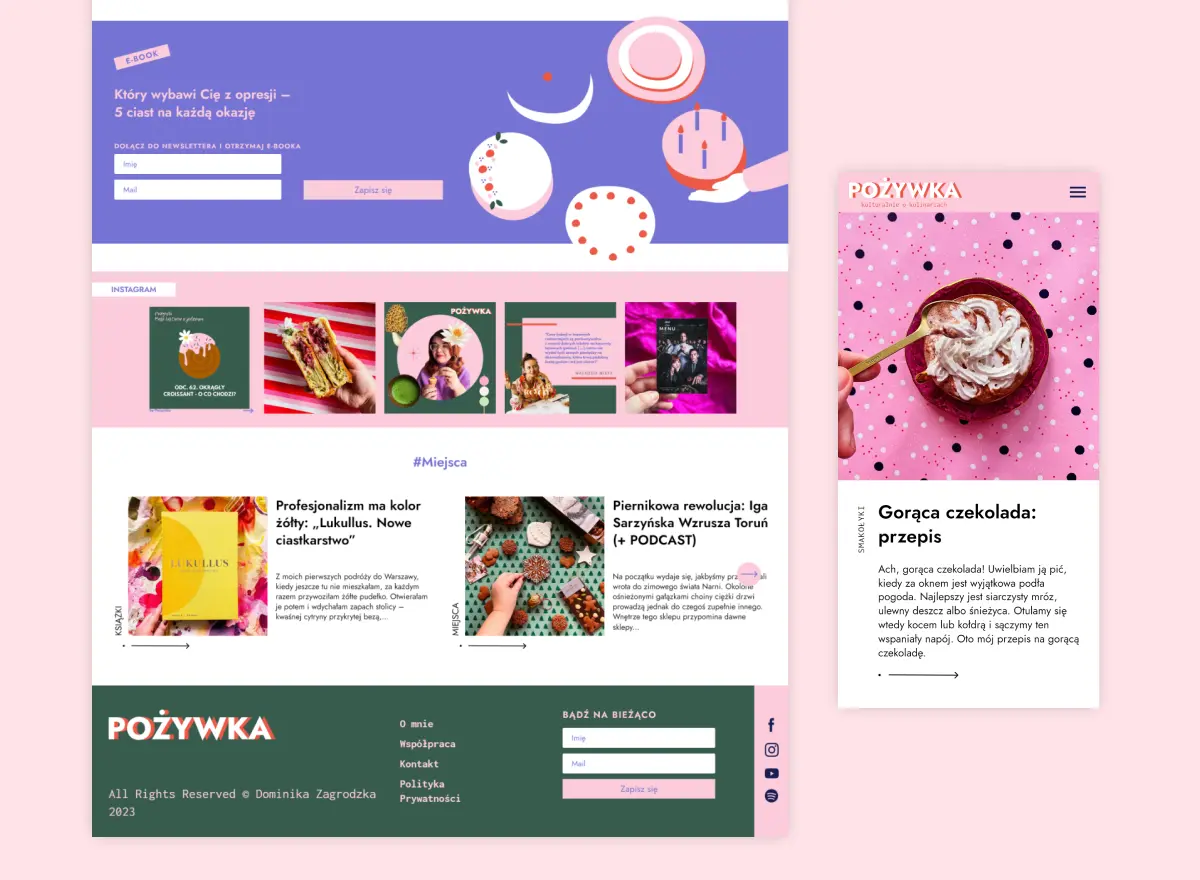
pozywka.pl
Scalable blog for food journalist, focused on performance and user experience 🌭
zagrodzki.me
Personal blog and portfolio of Bart Zagrodzki, where he shares his knowledge and work 💼
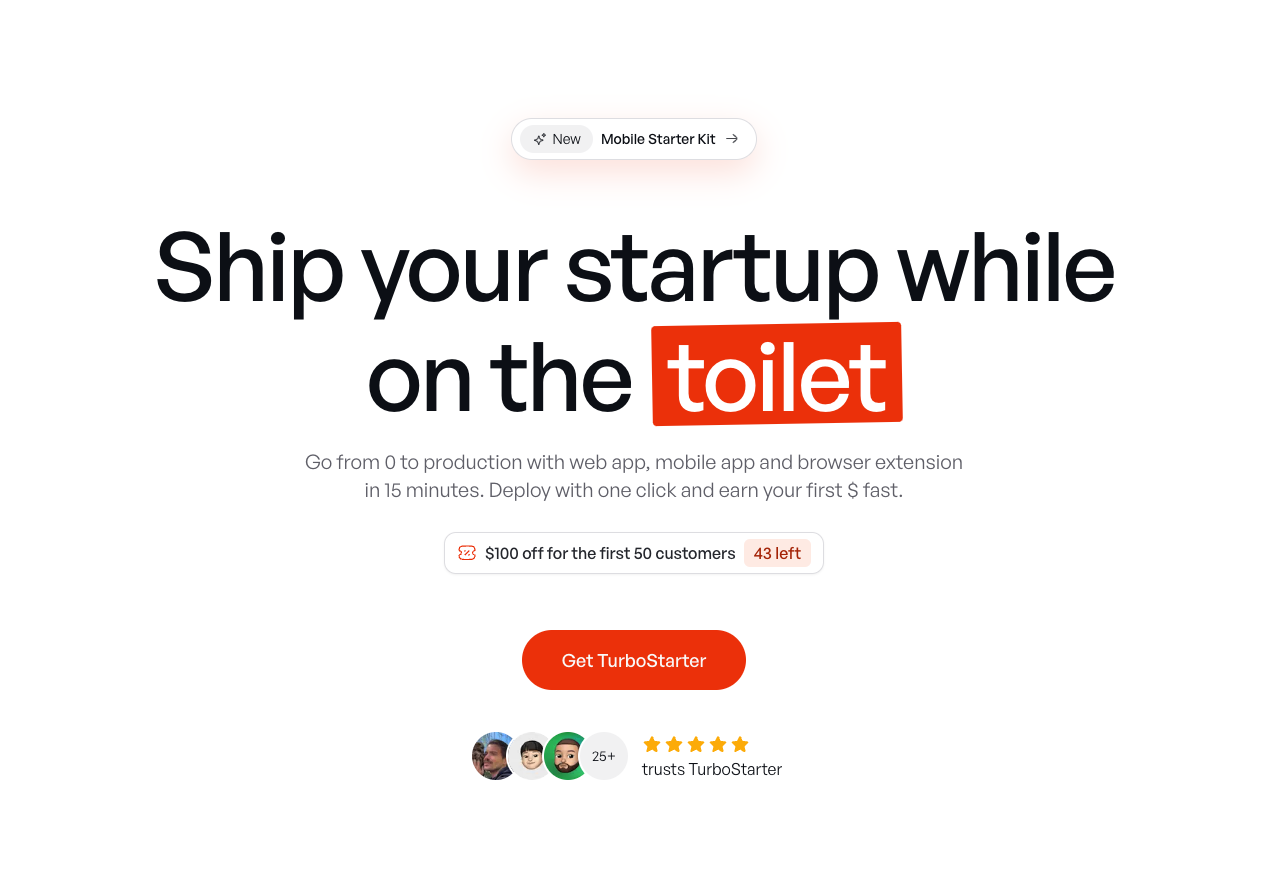
TurboStarter
Ship your startup everywhere. In minutes.
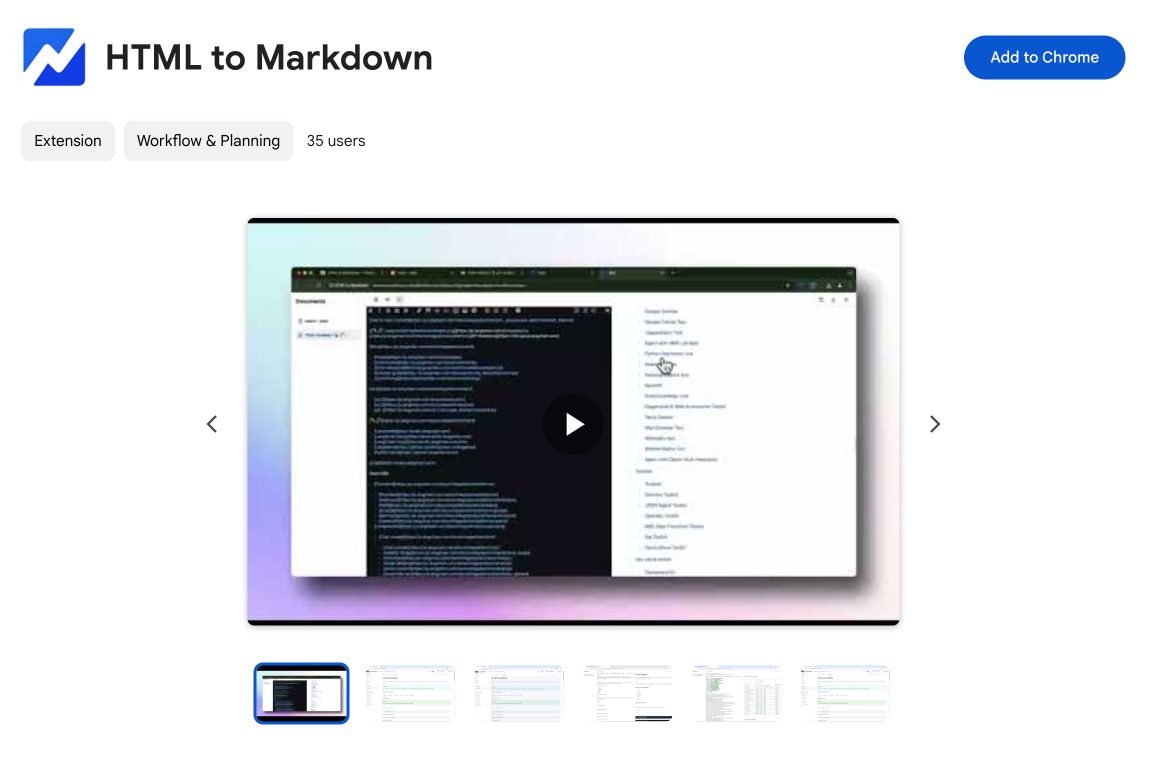
HTML to Markdown
Convert HTML to Markdown with ease, directly in your browser 📄
Dotallio
Personalized AI apps that automate research, data extraction, and content creation without code 🤖
Talk to Santa
Enjoy a magical live video chat or receive a unique AI-generated video greeting from Santa Claus 🎅
pozywka.pl
Scalable blog for food journalist, focused on performance and user experience 🌭
zagrodzki.me
Personal blog and portfolio of Bart Zagrodzki, where he shares his knowledge and work 💼
TurboStarter
Ship your startup everywhere. In minutes.
HTML to Markdown
Convert HTML to Markdown with ease, directly in your browser 📄
Dotallio
Personalized AI apps that automate research, data extraction, and content creation without code 🤖
Talk to Santa
Enjoy a magical live video chat or receive a unique AI-generated video greeting from Santa Claus 🎅
pozywka.pl
Scalable blog for food journalist, focused on performance and user experience 🌭
zagrodzki.me
Personal blog and portfolio of Bart Zagrodzki, where he shares his knowledge and work 💼
TurboStarter
Ship your startup everywhere. In minutes.
HTML to Markdown
Convert HTML to Markdown with ease, directly in your browser 📄
Dotallio
Personalized AI apps that automate research, data extraction, and content creation without code 🤖
Talk to Santa
Enjoy a magical live video chat or receive a unique AI-generated video greeting from Santa Claus 🎅
pozywka.pl
Scalable blog for food journalist, focused on performance and user experience 🌭
zagrodzki.me
Personal blog and portfolio of Bart Zagrodzki, where he shares his knowledge and work 💼
TurboStarter
Ship your startup everywhere. In minutes.
HTML to Markdown
Convert HTML to Markdown with ease, directly in your browser 📄
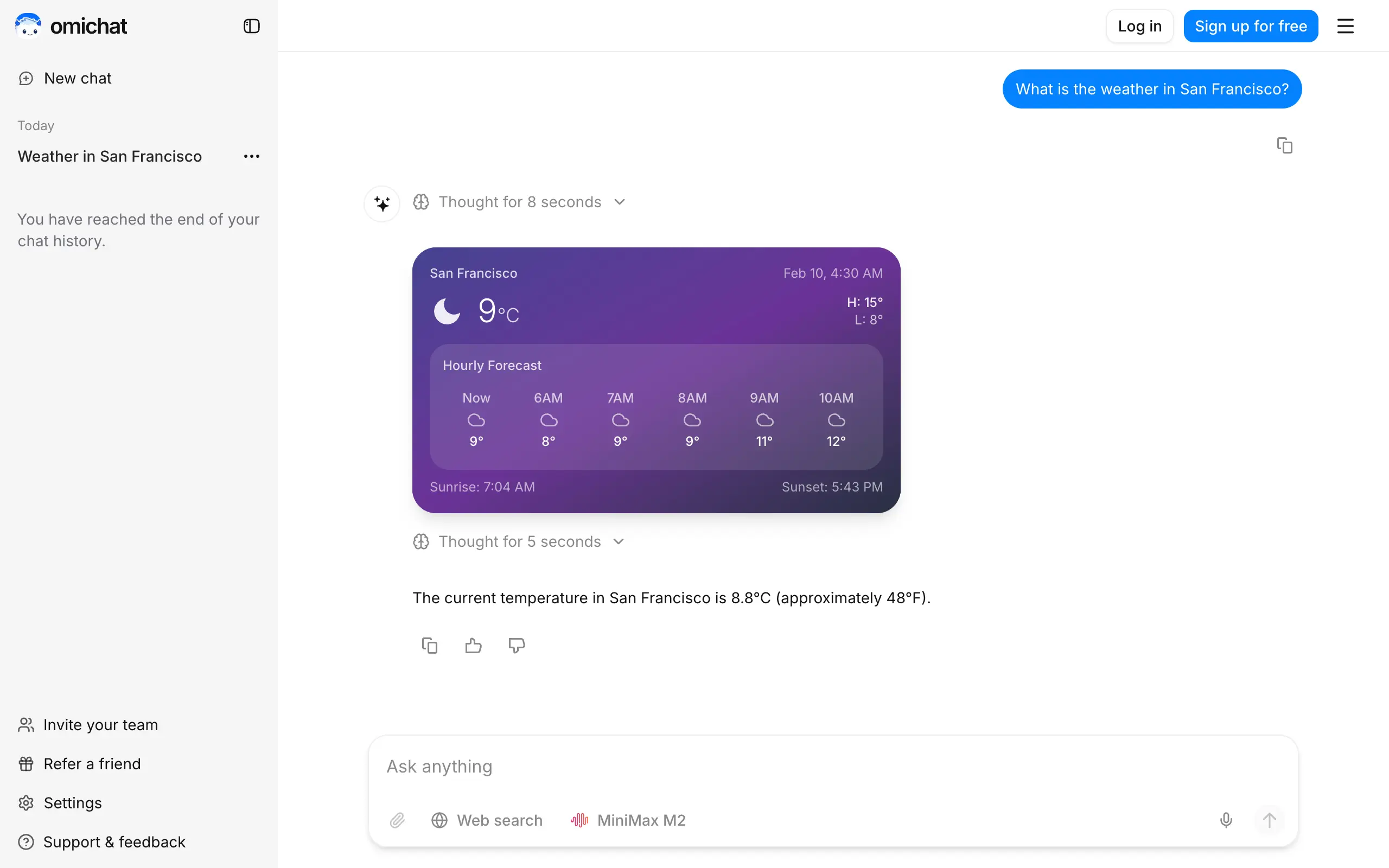
Omichat
Chat with 50+ AI models, including ChatGPT and Claude, in one place - switch models anytime without losing context 🤖
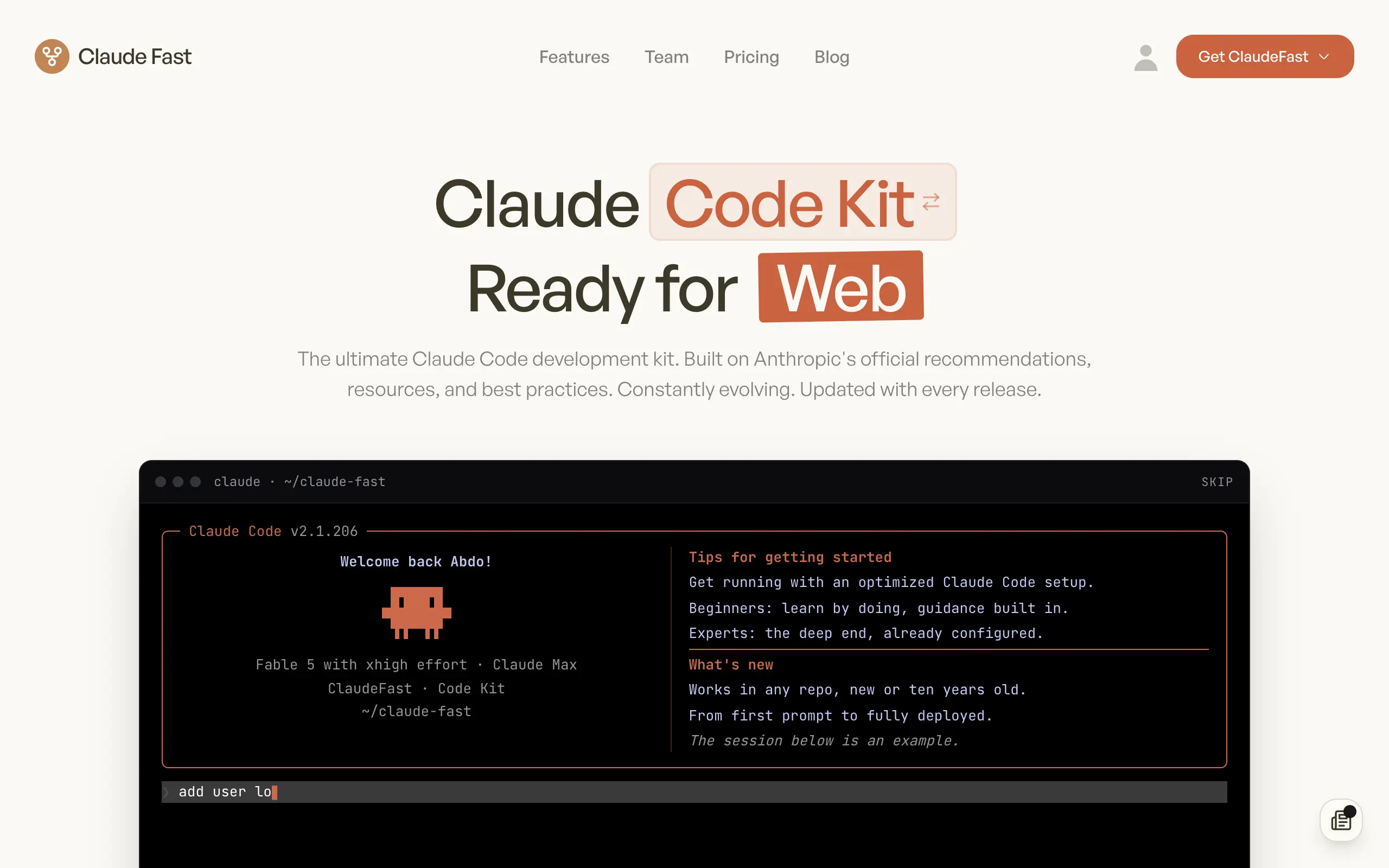
Claude Fast
Supercharge your Claude Code with 6x effective context window and specialized AI agents 🤖
EmojAI
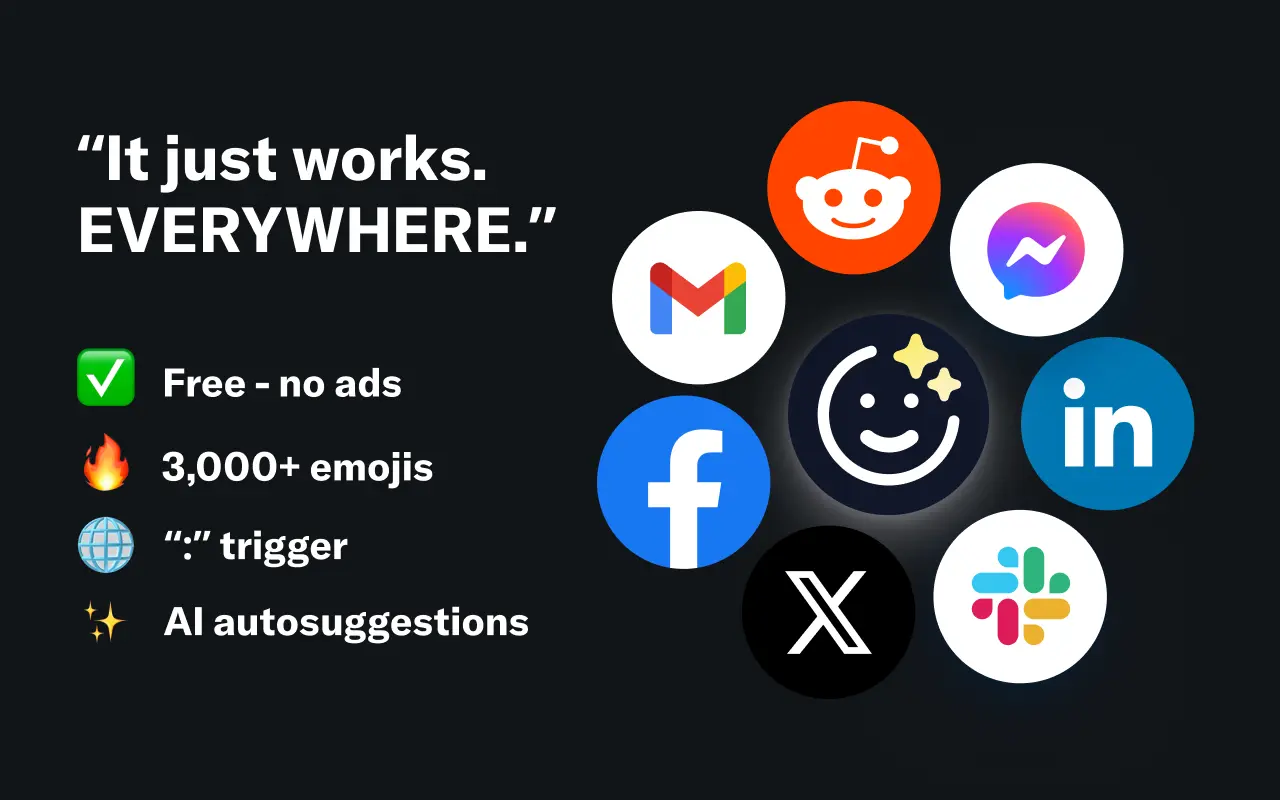
AI-powered emoji picker with smart, context-aware suggestions 🤖

Solohacker
Autonomous company launcher - AI agents work 24/7, escalate what matters, and you stay in control 🤖
BeRawi: Storytelling Coach
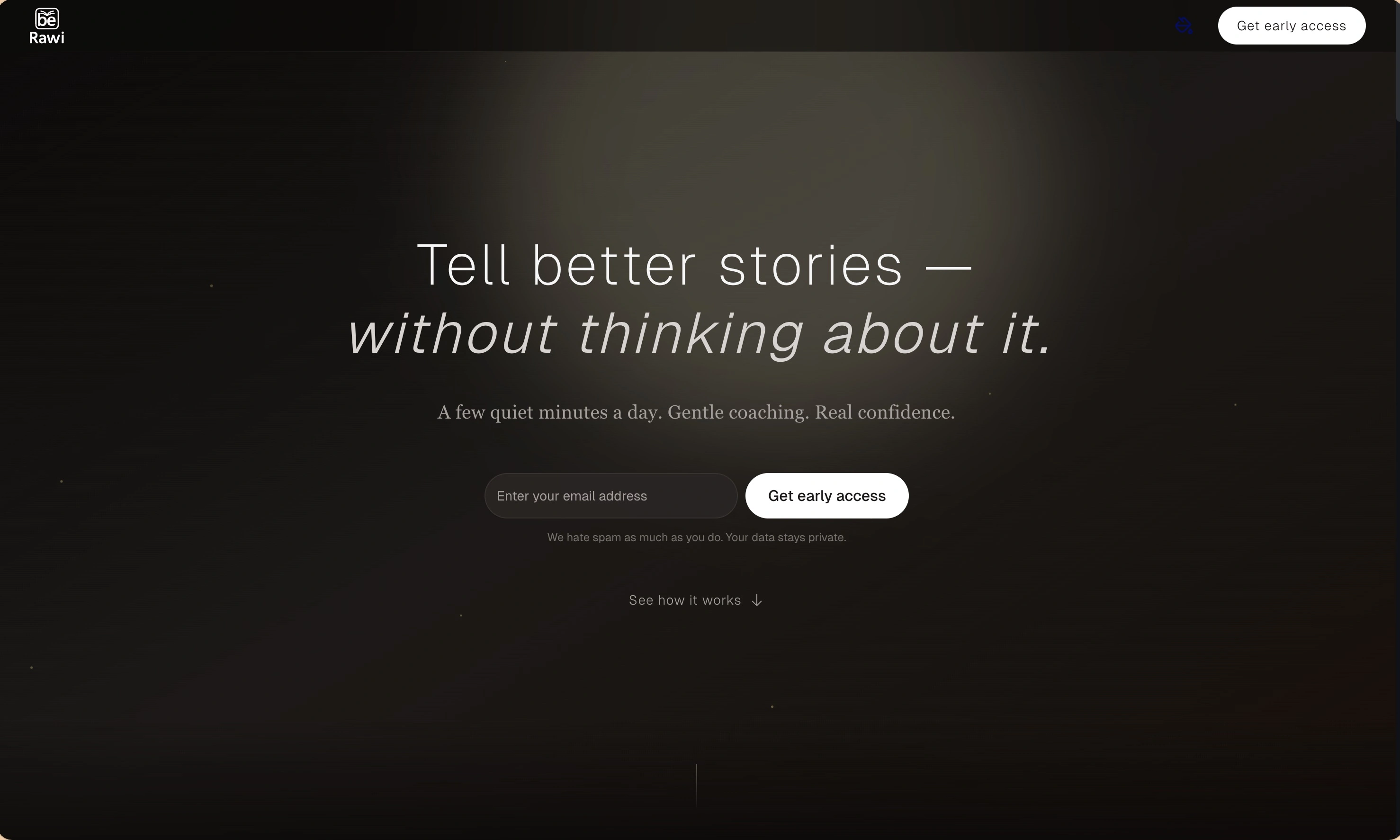
Practice storytelling daily with instant feedback to sound clearer, more engaging, and confident 🎤
Omichat
Chat with 50+ AI models, including ChatGPT and Claude, in one place - switch models anytime without losing context 🤖
Claude Fast
Supercharge your Claude Code with 6x effective context window and specialized AI agents 🤖
EmojAI
AI-powered emoji picker with smart, context-aware suggestions 🤖
Solohacker
Autonomous company launcher - AI agents work 24/7, escalate what matters, and you stay in control 🤖
BeRawi: Storytelling Coach
Practice storytelling daily with instant feedback to sound clearer, more engaging, and confident 🎤
Omichat
Chat with 50+ AI models, including ChatGPT and Claude, in one place - switch models anytime without losing context 🤖
Claude Fast
Supercharge your Claude Code with 6x effective context window and specialized AI agents 🤖
EmojAI
AI-powered emoji picker with smart, context-aware suggestions 🤖
Solohacker
Autonomous company launcher - AI agents work 24/7, escalate what matters, and you stay in control 🤖
BeRawi: Storytelling Coach
Practice storytelling daily with instant feedback to sound clearer, more engaging, and confident 🎤
Omichat
Chat with 50+ AI models, including ChatGPT and Claude, in one place - switch models anytime without losing context 🤖
Claude Fast
Supercharge your Claude Code with 6x effective context window and specialized AI agents 🤖
EmojAI
AI-powered emoji picker with smart, context-aware suggestions 🤖
Solohacker
Autonomous company launcher - AI agents work 24/7, escalate what matters, and you stay in control 🤖
BeRawi: Storytelling Coach
Practice storytelling daily with instant feedback to sound clearer, more engaging, and confident 🎤

Connect with like-minded people
Join our community to get feedback, support, and grow together with 1,000+ builders on board, let's ship it!
Join usShip your startup everywhere. In minutes.
Don't burn tokens on setup and start building features on day one.