Stridelytics
Advanced gait and stride analysis via phone sensors and AI, helping runners reduce injury risk and optimize efficiency without wearables.
What is a phone-based gait analysis app and why it matters now
Running is one of the most accessible forms of exercise, yet it comes with a frustrating paradox: it’s simple to start, but surprisingly easy to do wrong. Poor running mechanics lead to injuries, inefficiency, and plateaus that discourage even the most motivated runners. Traditionally, analyzing gait and stride required expensive lab equipment, motion capture systems, or wearable sensors—barriers that excluded most people.
A new category of mobile-first tools is changing that. A phone-based gait analysis app like Stridelytics leverages smartphone sensors and AI to deliver real-time biomechanical insights without requiring wearables. This shift aligns with broader trends in edge computing, on-device AI, and the increasing sophistication of smartphone hardware.
The core promise is powerful: turn any smartphone into a personal running coach and biomechanics lab.
This article explores how such a SaaS/mobile product can succeed—from market opportunity and target users to technical architecture, monetization, and competitive positioning.
Understanding the target audience
To build a successful product like Stridelytics, you need a sharp understanding of who actually cares about gait analysis—and why.
Primary audience segments
1. Recreational runners (largest market)
These users:
- Run 2–5 times per week
- Track workouts via apps like Strava or Nike Run Club
- Experience recurring injuries or inefficiencies
- Want improvement without complexity
Pain points:
- Don’t understand why they get injured
- Lack access to professional coaching
- Overwhelmed by conflicting advice online
2. Performance-focused runners
These include:
- Marathoners and half-marathoners
- Amateur competitive runners
- Data-driven athletes
Pain points:
- Marginal gains are hard to identify
- Wearables provide limited biomechanical insights
- Coaching is expensive or generic
3. Injury-prone or recovering runners
- Runners coming back from injury
- Users referred by physiotherapists
Pain points:
- Fear of reinjury
- Lack of feedback on form corrections
- Limited access to continuous monitoring
4. Coaches and trainers (secondary audience)
- Running coaches managing multiple athletes
- Physical therapists
Pain points:
- Limited ability to monitor clients remotely
- Lack of scalable analysis tools
Market opportunity and timing
The timing for a mobile-first gait analysis SaaS is exceptionally strong due to converging trends:
1. Explosion of recreational running
Running surged globally post-2020, with millions adopting it as a primary fitness activity. Platforms like Strava report continuous growth in active users year over year (suggest citing Strava annual reports).
2. Smartphone sensor capabilities
Modern smartphones include:
- Accelerometers
- Gyroscopes
- GPS
- High-frame-rate cameras
These sensors can approximate motion capture when combined with AI.
3. AI-driven motion analysis maturity
Advancements in:
- Computer vision
- Pose estimation models (e.g., MediaPipe, OpenPose)
- On-device inference
…make real-time biomechanical feedback viable without cloud latency.
4. Wearable fatigue
While devices like Garmin and Apple Watch are popular, users increasingly:
- Avoid wearing multiple devices
- Seek simpler setups
- Prefer software-first solutions
Market gap
Despite many running apps, few deliver actionable biomechanical insights without hardware dependencies.
That gap is exactly where Stridelytics fits.
The core value proposition of Stridelytics
Stridelytics differentiates itself with a clear promise:
“Advanced gait and stride analysis using only your phone.”
This translates into three pillars:
1. Zero hardware friction
- No wearables required
- No calibration devices
- Just a smartphone
2. AI-powered insights
- Real-time stride analysis
- Personalized recommendations
- Continuous learning from user data
3. Injury prevention + performance optimization
- Detect asymmetries
- Highlight inefficient movement patterns
- Provide actionable corrections
Key features that drive adoption and retention
To succeed, Stridelytics must go beyond novelty and deliver consistent, high-value features.
Core feature set
1. real-time gait analysis
Using phone sensors and/or camera:
- Stride length
- Cadence
- Ground contact time (estimated)
- Vertical oscillation
- Symmetry
2. AI-powered form feedback
Instead of raw data:
- “You’re overstriding—shorten your step by ~5%”
- “Your left leg shows reduced stability”
3. injury risk scoring
A dynamic score based on:
- Historical patterns
- Sudden changes in load
- Asymmetry trends
4. guided form correction
- Audio cues during runs
- Visual drills post-run
- Progressive improvement plans
5. run playback and visualization
- Overlay stride metrics on route
- Visualize inefficiencies across segments
Advanced features (differentiators)
AI running coach
Personalized coaching plans that adapt based on biomechanics and fatigue signals.
Camera-based posture analysis
Use phone camera to analyze running form in motion or treadmill sessions.
Injury prediction models
Predict likelihood of common injuries like IT band syndrome or shin splints.
How the technology works
Building Stridelytics requires combining mobile engineering, AI, and data processing.
Sensor-based analysis
Smartphone sensors provide:
- Acceleration data (3-axis)
- Rotation data (gyroscope)
- GPS speed and distance
These can be transformed into:
- Step detection algorithms
- Cadence estimation
- Motion variability metrics
Camera-based pose estimation
Using frameworks like:
You can:
- Detect joint positions
- Analyze angles (knee, hip, ankle)
- Identify asymmetry
Example: basic step detection (simplified)
function detectSteps(accelerometerData: number[]): number {
  let steps = 0;
  const threshold = 1.2;

  for (let i = 1; i < accelerometerData.length; i++) {
    if (
      accelerometerData[i - 1] < threshold &&
      accelerometerData[i] >= threshold
    ) {
      steps++;
    }
  }

  return steps;
}
In production, this becomes far more sophisticated with filtering, smoothing, and ML classification.
Recommended tech stack (with trade-offs)
Mobile app
- React Native or Swift/Kotlin
- React Native: faster development, shared codebase
- Native: better sensor access and performance
AI and data processing
-
On-device:
- TensorFlow Lite
- Core ML (iOS)
-
Cloud (optional):
- Model training pipelines
- Historical analytics
Backend
- Node.js or Python (FastAPI)
- PostgreSQL for structured data
- Time-series DB (optional)
Infrastructure
- AWS or Google Cloud
- Edge processing to reduce latency
Trade-offs to consider
-
On-device vs cloud AI
- On-device: faster, private, offline
- Cloud: more powerful, easier to update
-
Battery usage vs accuracy
- High-frequency sampling improves accuracy
- But drains battery quickly
-
Camera vs sensor reliance
- Camera: more precise, but intrusive
- Sensors: passive, but less detailed
Monetization strategies
A SaaS/mobile hybrid like Stridelytics benefits from multiple revenue streams.
1. freemium model (recommended)
Free tier:
- Basic metrics
- Limited history
Premium ($8–$20/month):
- Advanced analysis
- AI coaching
- Injury predictions
2. coaching marketplace
- Connect users with coaches
- Take a commission
3. B2B partnerships
- Gyms
- Physiotherapy clinics
- Corporate wellness programs
4. data insights (ethical + anonymized)
Aggregate data for:
- Research institutions
- Sports science studies
Privacy is critical
Biomechanical and health-related data is sensitive. Ensure strict compliance with GDPR and other data protection regulations. Transparency and user control are essential.
Competitive landscape
Let’s position Stridelytics against existing solutions.
| Feature | Stridelytics | Garmin | Strava | RunScribe |
|---|---|---|---|---|
| No wearable required | ✅ | ❌ | ✅ | ❌ |
| Advanced gait analysis | ✅ | ✅ | ❌ | ✅ |
Key takeaway
Stridelytics wins on:
- Accessibility
- Cost efficiency
- Simplicity
Unique selling proposition (USP)
The strongest differentiator is:
“Lab-grade insights without lab-grade equipment.”
More specifically:
- No wearable dependency
- Real-time, actionable insights (not just data)
- AI-driven personalization
This positions Stridelytics not just as a tracking app, but as a performance and injury prevention platform.
Risks and how to mitigate them
1. accuracy skepticism
Users may doubt phone-based analysis.
Mitigation:
- Publish validation studies
- Compare results with lab data
- Partner with sports scientists
2. sensor limitations
Phones aren’t perfect measurement tools.
Mitigation:
- Combine multiple signals (sensor fusion)
- Use ML to compensate for noise
- Offer optional camera mode
3. user friction
Holding or positioning a phone can be awkward.
Mitigation:
- Design passive modes (pocket-based tracking)
- Offer flexible usage options
4. competition from big players
Apple or Garmin could expand features.
Mitigation:
- Move faster
- Focus on niche depth
- Build strong brand trust
SEO strategy for growth
To rank for keywords like “gait analysis app,” “running form analysis,” and “stride analysis without wearables,” focus on:
Content clusters
- “How to improve running form”
- “Common running injuries and prevention”
- “Cadence vs stride length explained”
Programmatic SEO
- Pages for:
- “Running cadence calculator”
- “Stride length by height”
App store optimization (ASO)
- Keywords:
- “running form”
- “gait analysis”
- “injury prevention running”
Go-to-market strategy
Phase 1: niche dominance
Target:
- Amateur runners
- Reddit running communities
- Strava users
Phase 2: credibility building
- Partner with coaches
- Publish case studies
- Collaborate with physiotherapists
Phase 3: scale
- Influencer partnerships
- YouTube education content
- Corporate wellness programs
Implementation roadmap
Example product flow
- User opens app
- Starts run
- Phone collects sensor data
- Real-time feedback via audio
- Post-run analysis displayed
- Sensor data collected
- Preprocessing and filtering
- Feature extraction
- ML model inference
- Insights generated
Building faster with the right tools
If you're launching a SaaS/mobile product like Stridelytics, speed matters.
Using a starter framework like TurboStarter can help you:
- Skip boilerplate setup
- Focus on core features
- Launch faster with best practices baked in
This is especially valuable when combining:
- Mobile apps
- Backend APIs
- Subscription billing
Final thoughts
Stridelytics sits at the intersection of fitness, AI, and accessibility—a powerful combination. The real opportunity isn’t just analyzing gait, but democratizing performance insights that were previously locked behind expensive equipment and expert supervision.
The winning formula is clear:
- Make it effortless (no wearables)
- Make it actionable (not just data)
- Make it trustworthy (validated insights)
If executed well, this type of product doesn’t just compete with running apps—it redefines what runners expect from them.
And in a world where millions of people run but very few understand how they run, that’s a meaningful gap worth solving.
More 📱 Mobile App SaaS ideas
Discover more innovative mobile app SaaS ideas that are trending in 2026. Each idea is AI-generated with market validation and growth potential to help you find your next profitable venture faster than competitors.
Your competitors are building with TurboStarter
Below are some of the SaaS ideas that have been generated and built with our starter kit.

Statiko
Monitor any Telegram channel in real time - track posts, edits, deletions, and growth with AI recaps 📡

Shibui
AI website builder - describe your business, pick a niche template, edit by chatting, and publish instantly ✨

Pro Service
Find verified home service professionals, compare quotes, and pay securely through escrow - built for Brazilians across the US 🏠
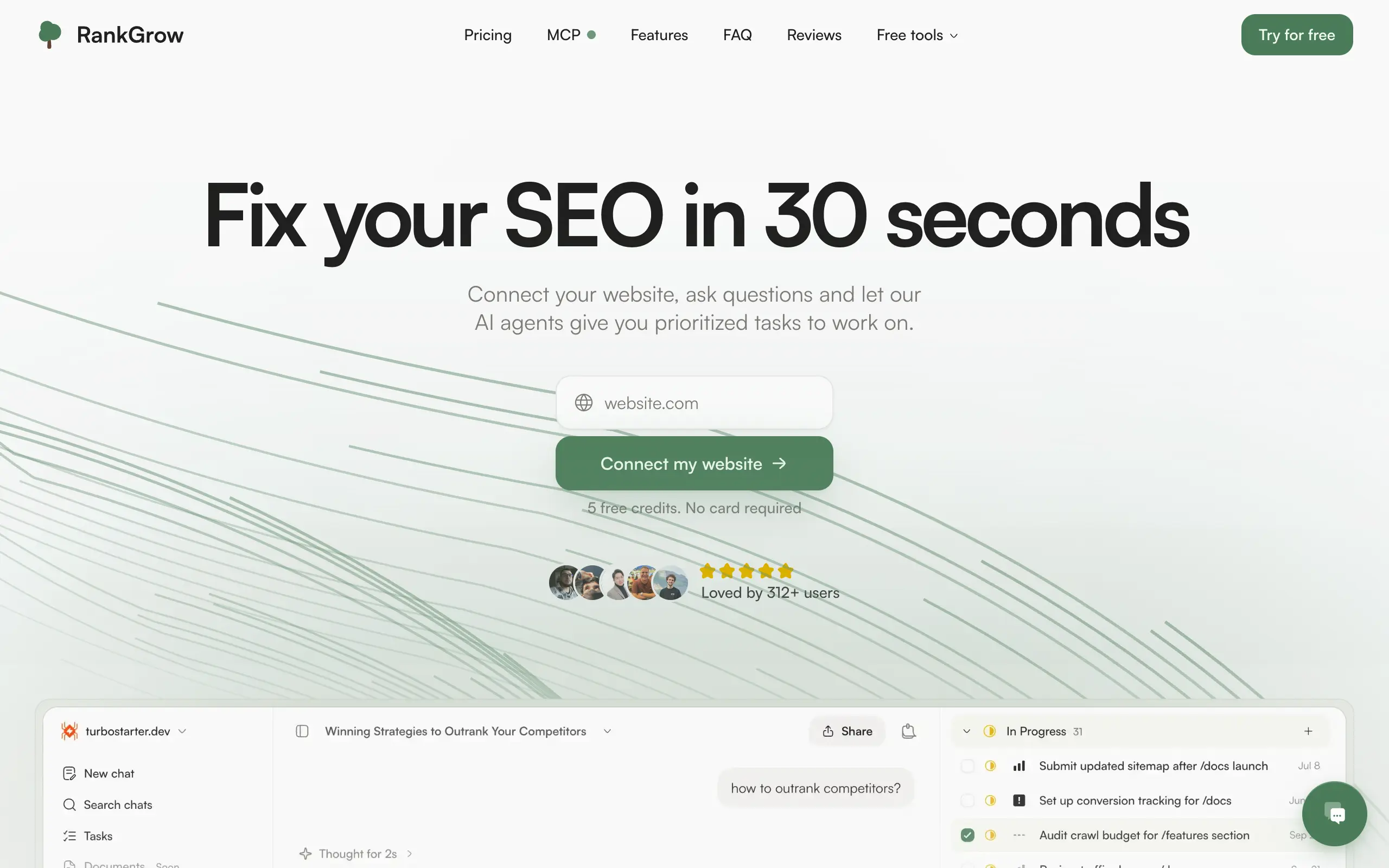
RankGrow
Fix your SEO with AI agents - connect Search Console, get prioritized tasks, and grow organic traffic 📈
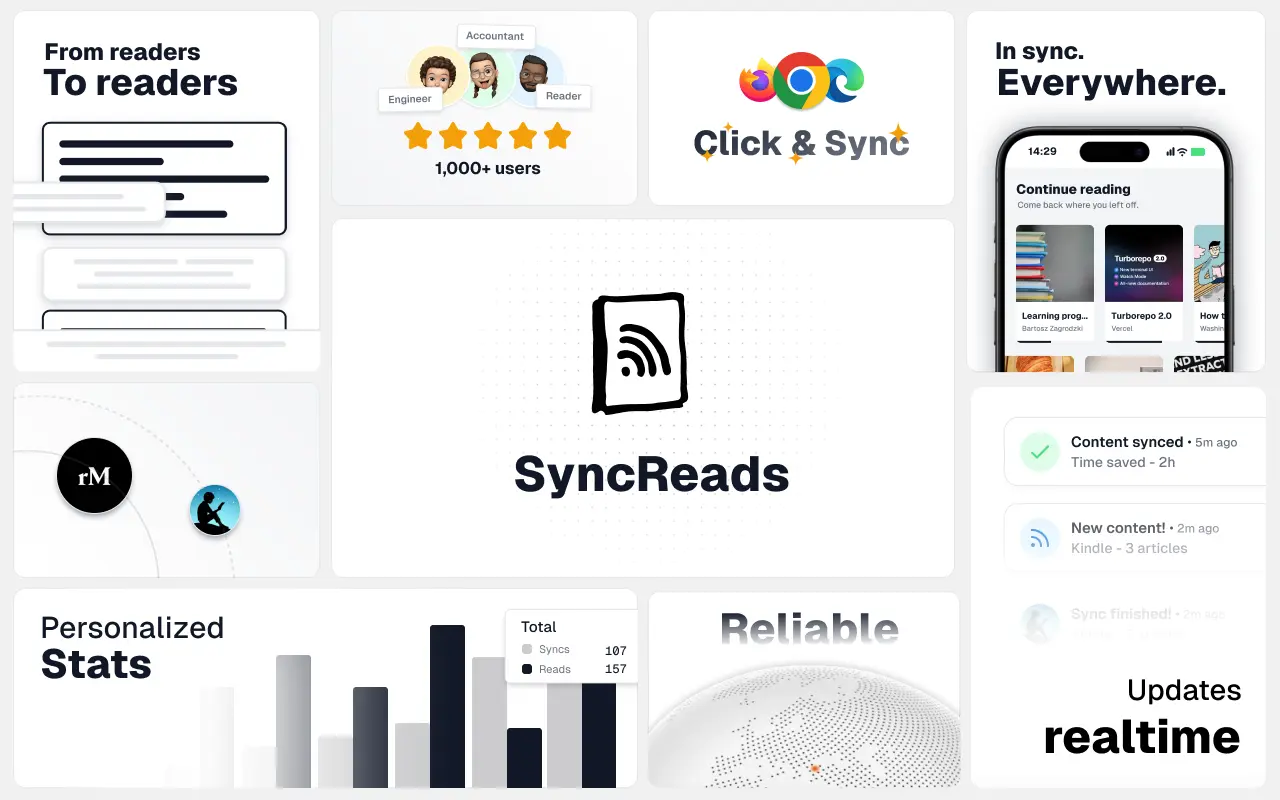
SyncReads
Sync your favorite content for distraction-free reading, save time and replace multiple apps. Anytime, anywhere 🔄
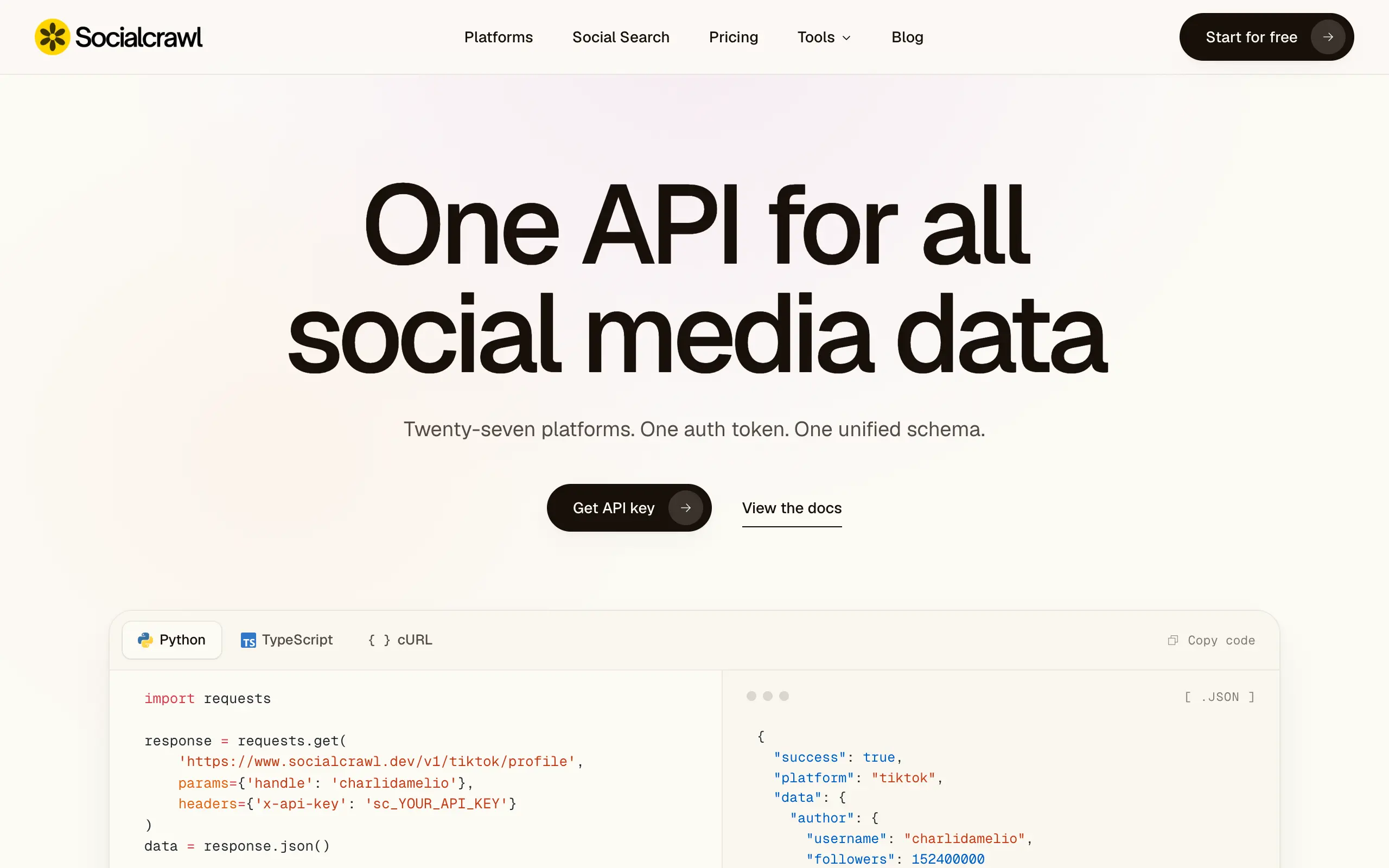
Socialcrawl
Get clean, structured data from 21 platforms like TikTok, Instagram, and YouTube with a single request 📊
Statiko
Monitor any Telegram channel in real time - track posts, edits, deletions, and growth with AI recaps 📡
Shibui
AI website builder - describe your business, pick a niche template, edit by chatting, and publish instantly ✨
Pro Service
Find verified home service professionals, compare quotes, and pay securely through escrow - built for Brazilians across the US 🏠
RankGrow
Fix your SEO with AI agents - connect Search Console, get prioritized tasks, and grow organic traffic 📈
SyncReads
Sync your favorite content for distraction-free reading, save time and replace multiple apps. Anytime, anywhere 🔄
Socialcrawl
Get clean, structured data from 21 platforms like TikTok, Instagram, and YouTube with a single request 📊
Statiko
Monitor any Telegram channel in real time - track posts, edits, deletions, and growth with AI recaps 📡
Shibui
AI website builder - describe your business, pick a niche template, edit by chatting, and publish instantly ✨
Pro Service
Find verified home service professionals, compare quotes, and pay securely through escrow - built for Brazilians across the US 🏠
RankGrow
Fix your SEO with AI agents - connect Search Console, get prioritized tasks, and grow organic traffic 📈
SyncReads
Sync your favorite content for distraction-free reading, save time and replace multiple apps. Anytime, anywhere 🔄
Socialcrawl
Get clean, structured data from 21 platforms like TikTok, Instagram, and YouTube with a single request 📊
Statiko
Monitor any Telegram channel in real time - track posts, edits, deletions, and growth with AI recaps 📡
Shibui
AI website builder - describe your business, pick a niche template, edit by chatting, and publish instantly ✨
Pro Service
Find verified home service professionals, compare quotes, and pay securely through escrow - built for Brazilians across the US 🏠
RankGrow
Fix your SEO with AI agents - connect Search Console, get prioritized tasks, and grow organic traffic 📈
SyncReads
Sync your favorite content for distraction-free reading, save time and replace multiple apps. Anytime, anywhere 🔄
Socialcrawl
Get clean, structured data from 21 platforms like TikTok, Instagram, and YouTube with a single request 📊
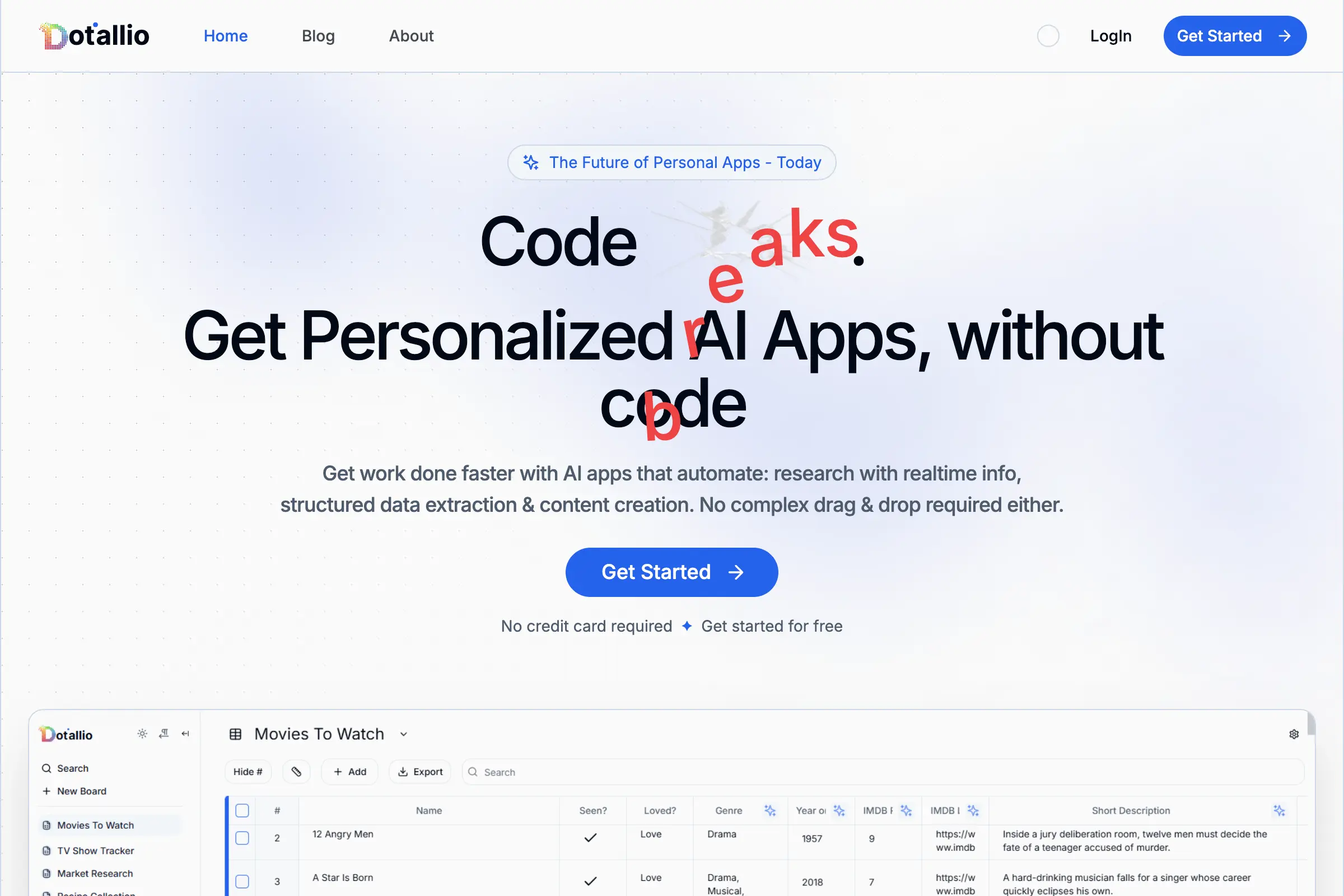
Dotallio
Personalized AI apps that automate research, data extraction, and content creation without code 🤖
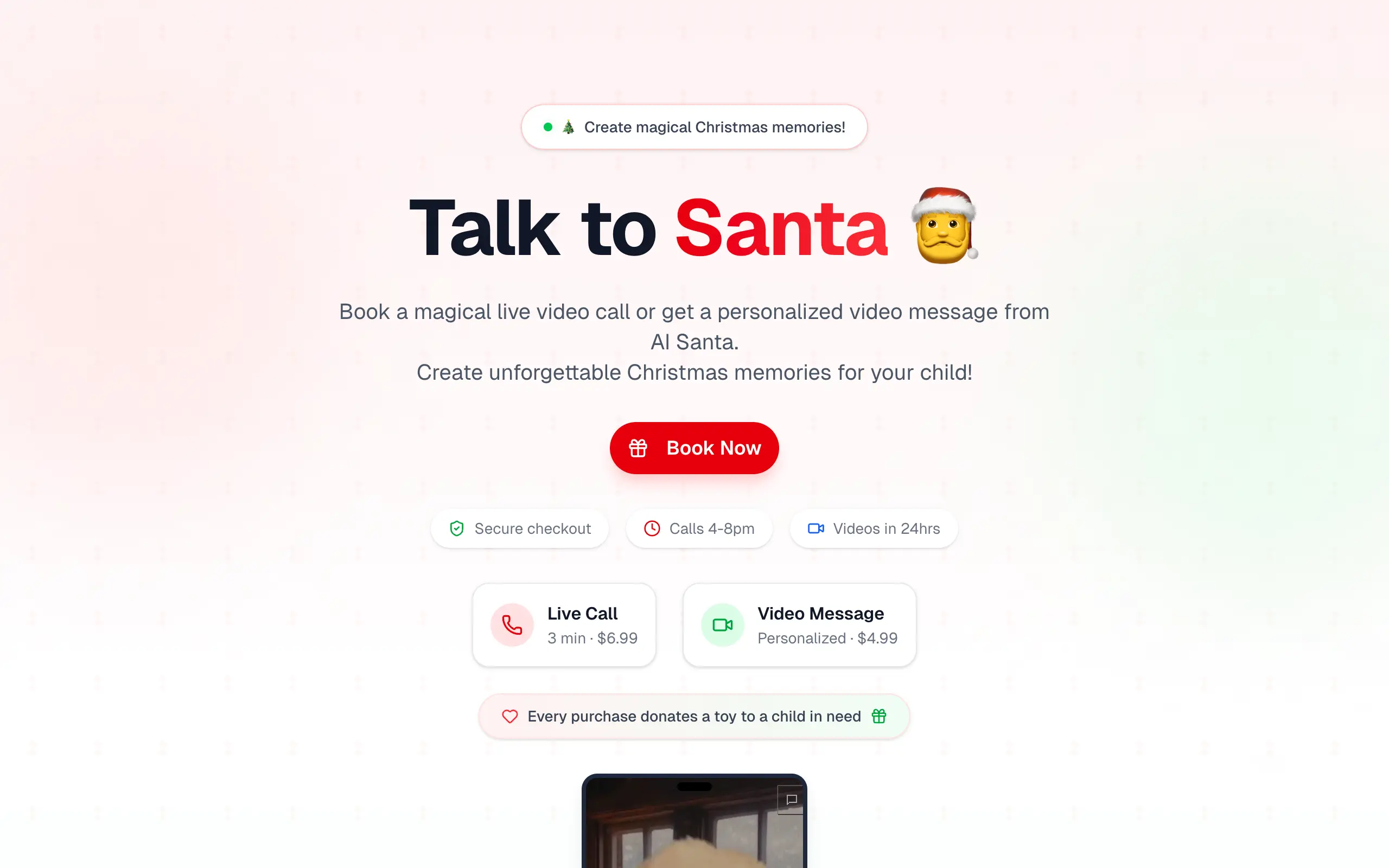
Talk to Santa
Enjoy a magical live video chat or receive a unique AI-generated video greeting from Santa Claus 🎅

pozywka.pl
Scalable blog for food journalist, focused on performance and user experience 🌭
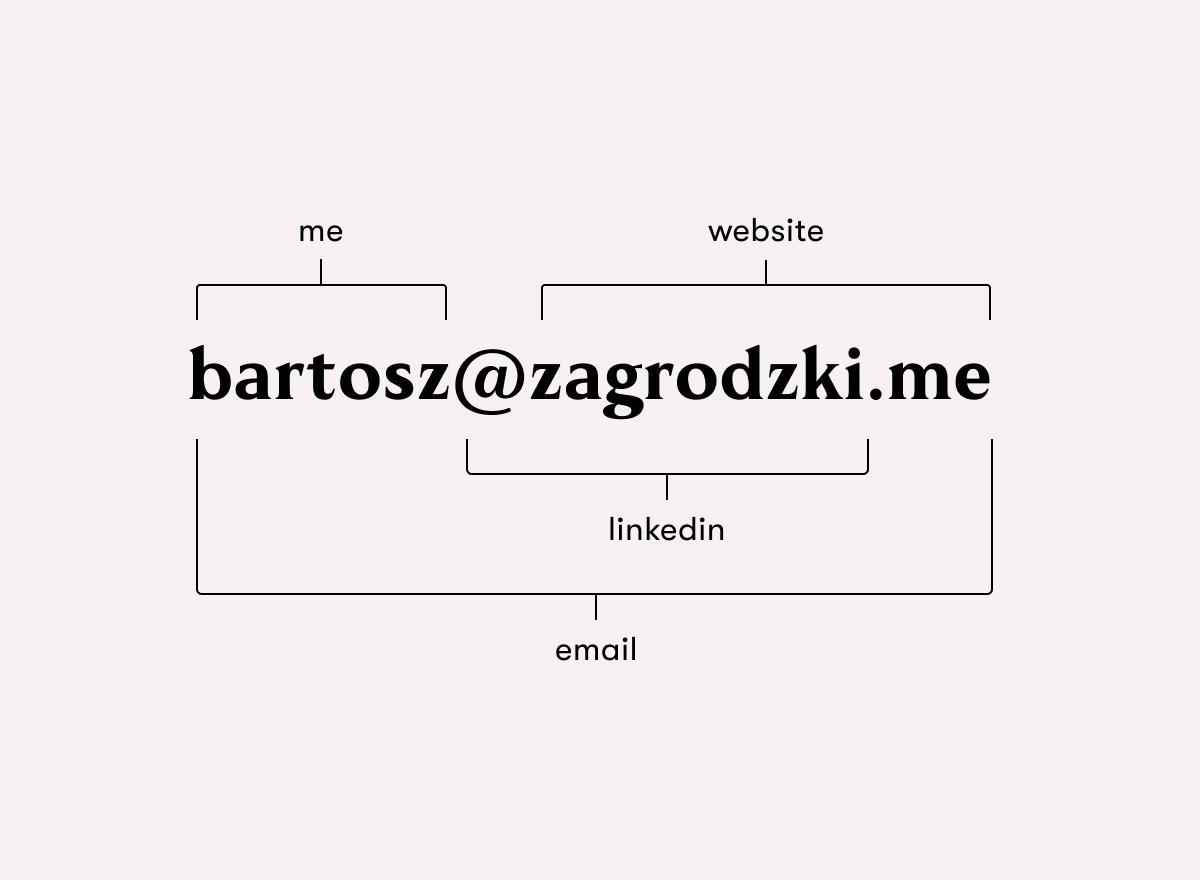
zagrodzki.me
Personal blog and portfolio of Bart Zagrodzki, where he shares his knowledge and work 💼
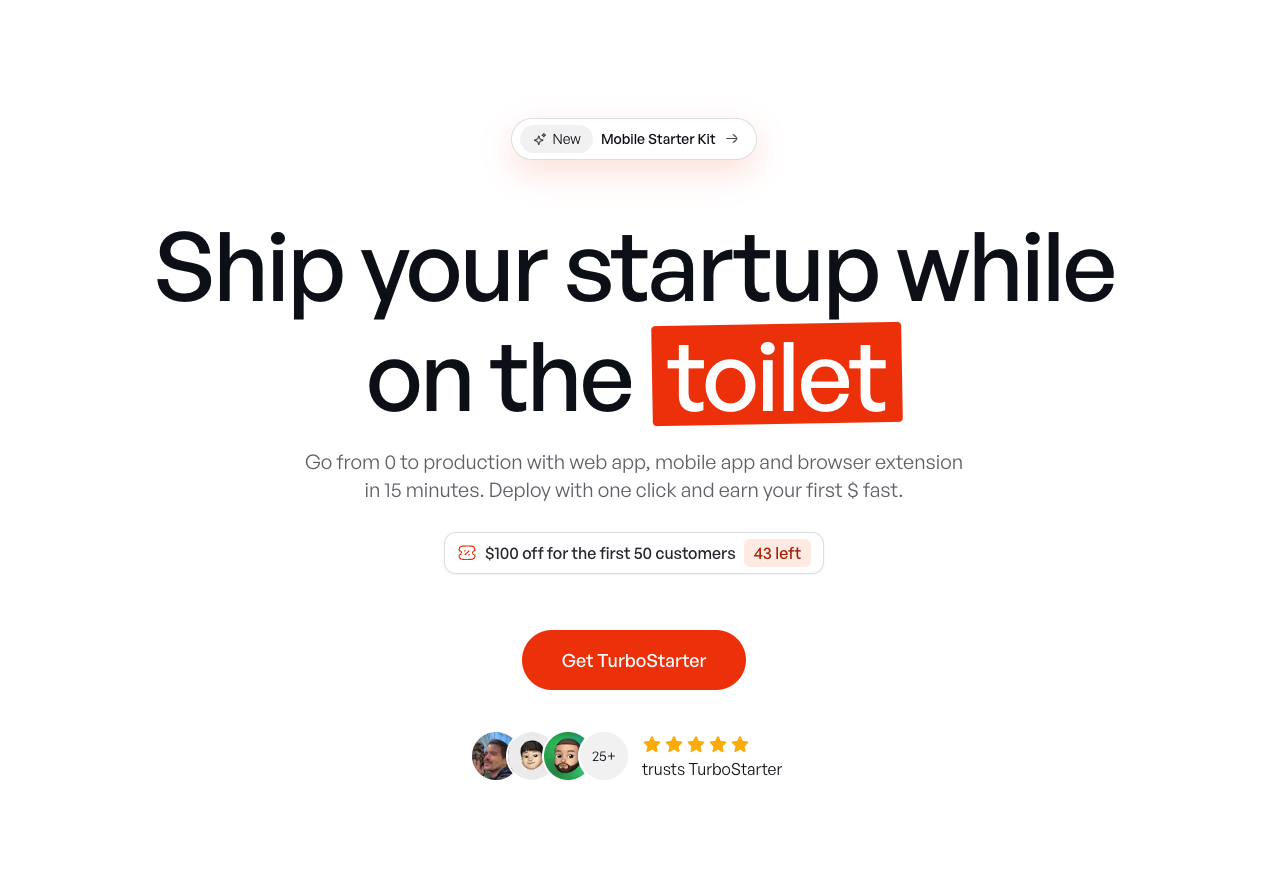
TurboStarter
Ship your startup everywhere. In minutes.
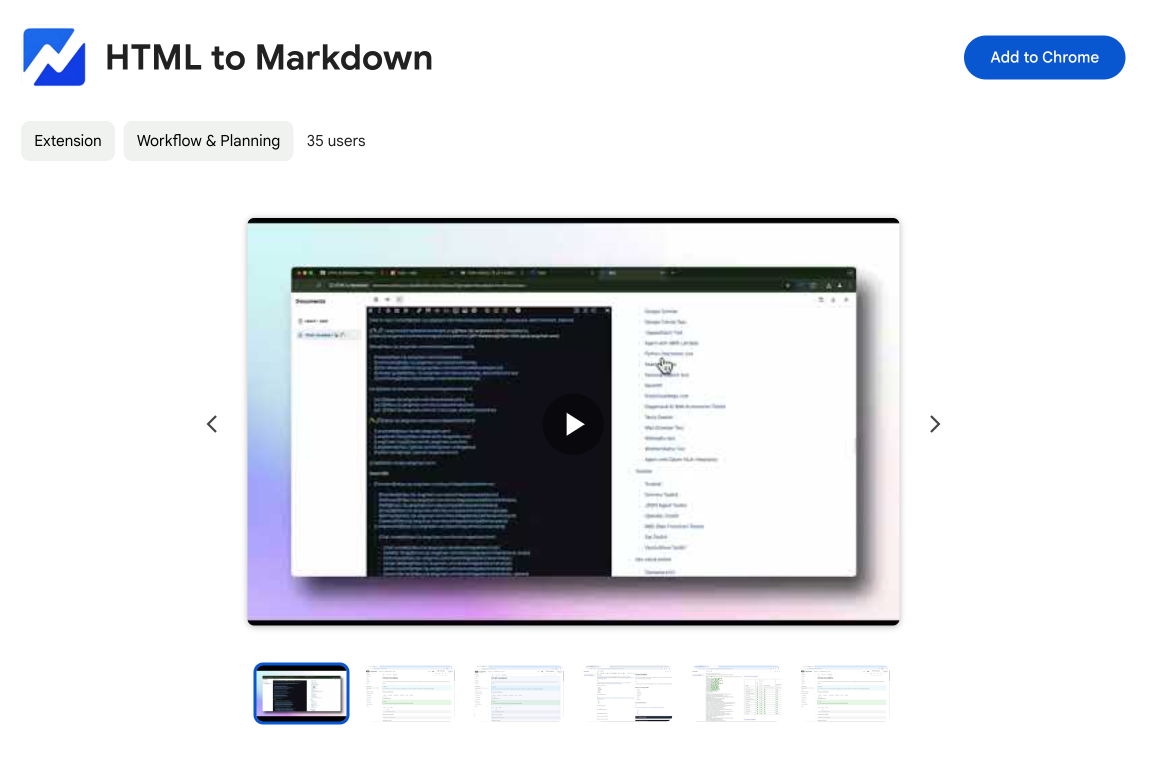
HTML to Markdown
Convert HTML to Markdown with ease, directly in your browser 📄
Dotallio
Personalized AI apps that automate research, data extraction, and content creation without code 🤖
Talk to Santa
Enjoy a magical live video chat or receive a unique AI-generated video greeting from Santa Claus 🎅
pozywka.pl
Scalable blog for food journalist, focused on performance and user experience 🌭
zagrodzki.me
Personal blog and portfolio of Bart Zagrodzki, where he shares his knowledge and work 💼
TurboStarter
Ship your startup everywhere. In minutes.
HTML to Markdown
Convert HTML to Markdown with ease, directly in your browser 📄
Dotallio
Personalized AI apps that automate research, data extraction, and content creation without code 🤖
Talk to Santa
Enjoy a magical live video chat or receive a unique AI-generated video greeting from Santa Claus 🎅
pozywka.pl
Scalable blog for food journalist, focused on performance and user experience 🌭
zagrodzki.me
Personal blog and portfolio of Bart Zagrodzki, where he shares his knowledge and work 💼
TurboStarter
Ship your startup everywhere. In minutes.
HTML to Markdown
Convert HTML to Markdown with ease, directly in your browser 📄
Dotallio
Personalized AI apps that automate research, data extraction, and content creation without code 🤖
Talk to Santa
Enjoy a magical live video chat or receive a unique AI-generated video greeting from Santa Claus 🎅
pozywka.pl
Scalable blog for food journalist, focused on performance and user experience 🌭
zagrodzki.me
Personal blog and portfolio of Bart Zagrodzki, where he shares his knowledge and work 💼
TurboStarter
Ship your startup everywhere. In minutes.
HTML to Markdown
Convert HTML to Markdown with ease, directly in your browser 📄
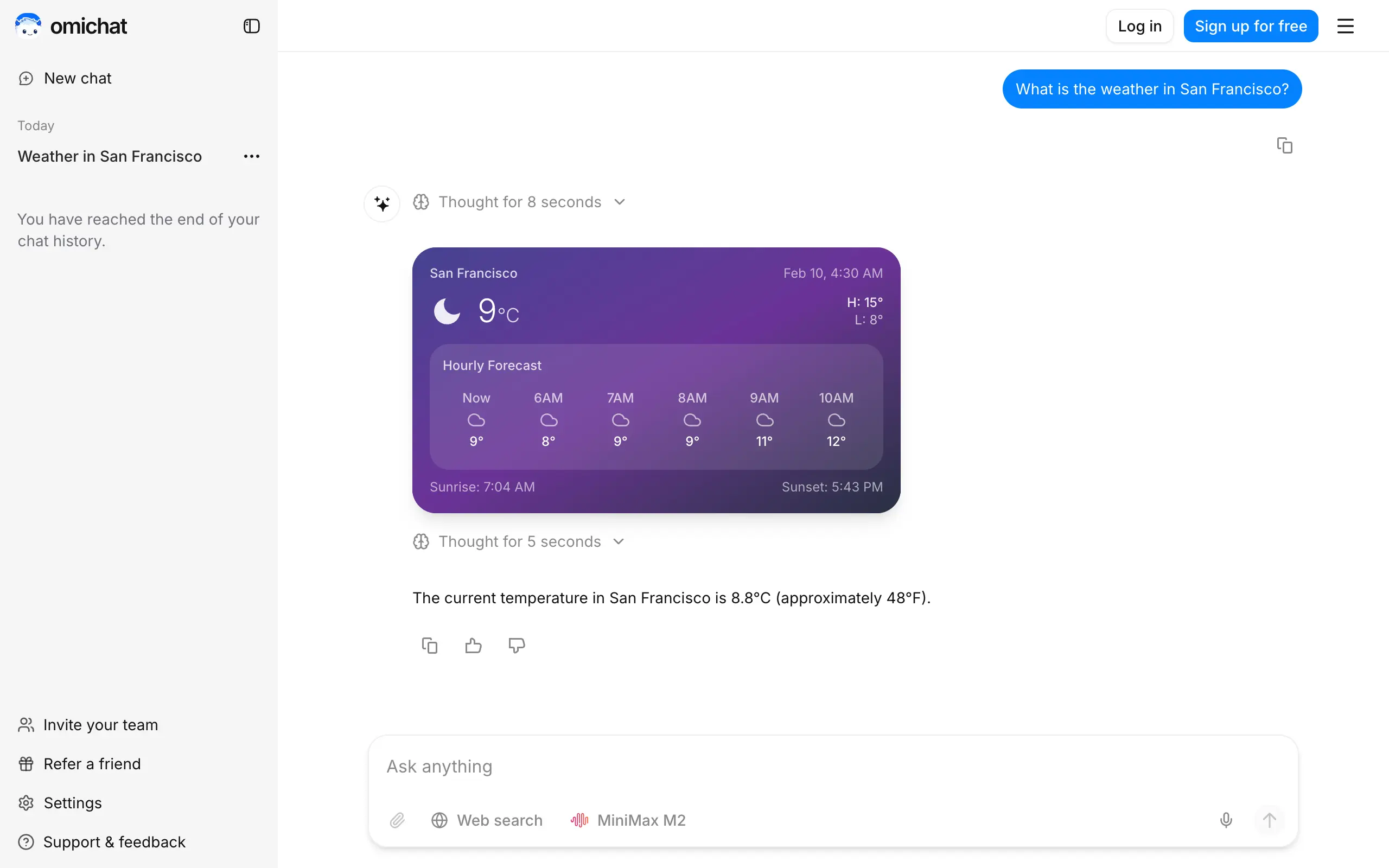
Omichat
Chat with 50+ AI models, including ChatGPT and Claude, in one place - switch models anytime without losing context 🤖
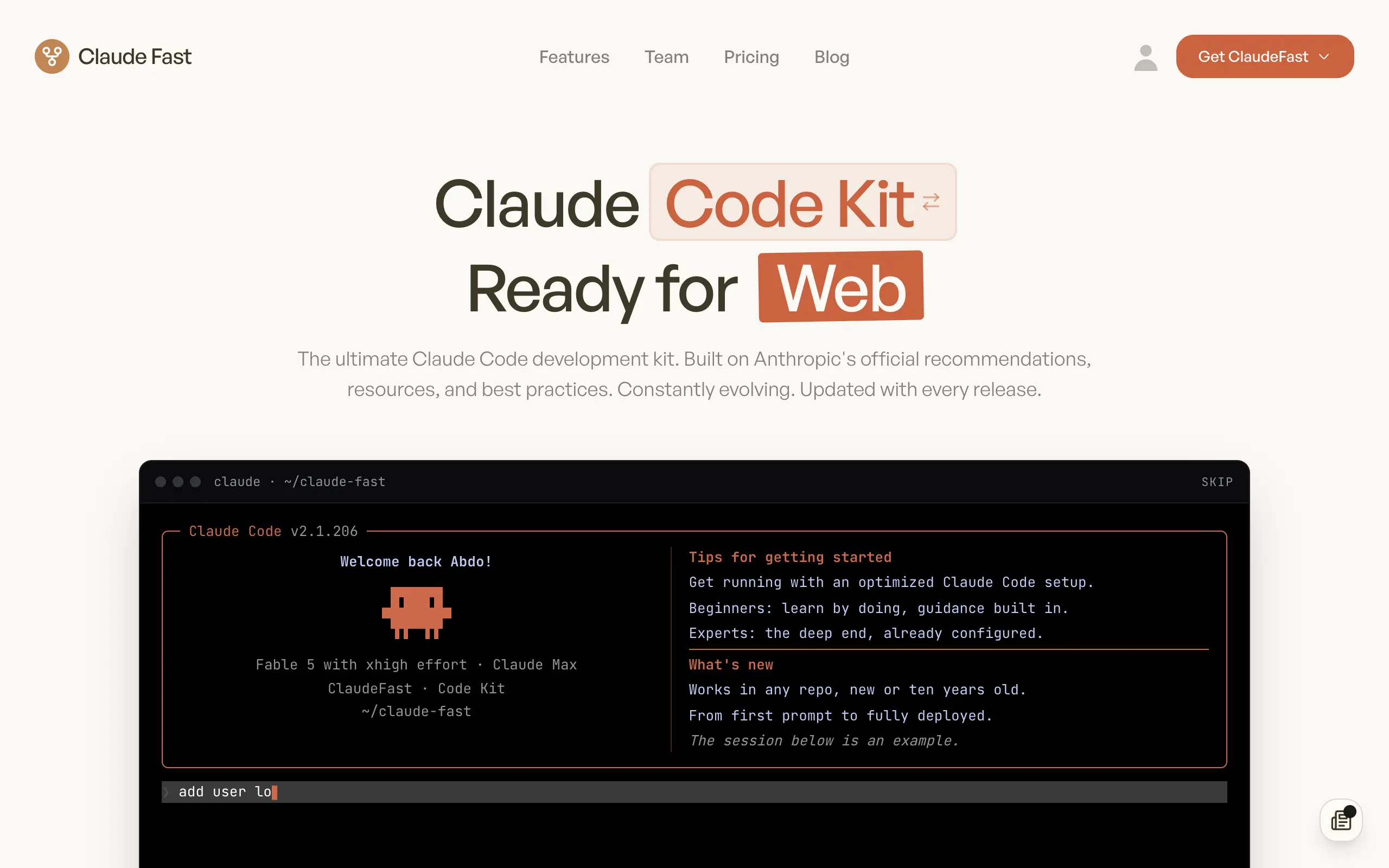
Claude Fast
Supercharge your Claude Code with 6x effective context window and specialized AI agents 🤖
EmojAI
AI-powered emoji picker with smart, context-aware suggestions 🤖
Solohacker
Autonomous company launcher - AI agents work 24/7, escalate what matters, and you stay in control 🤖
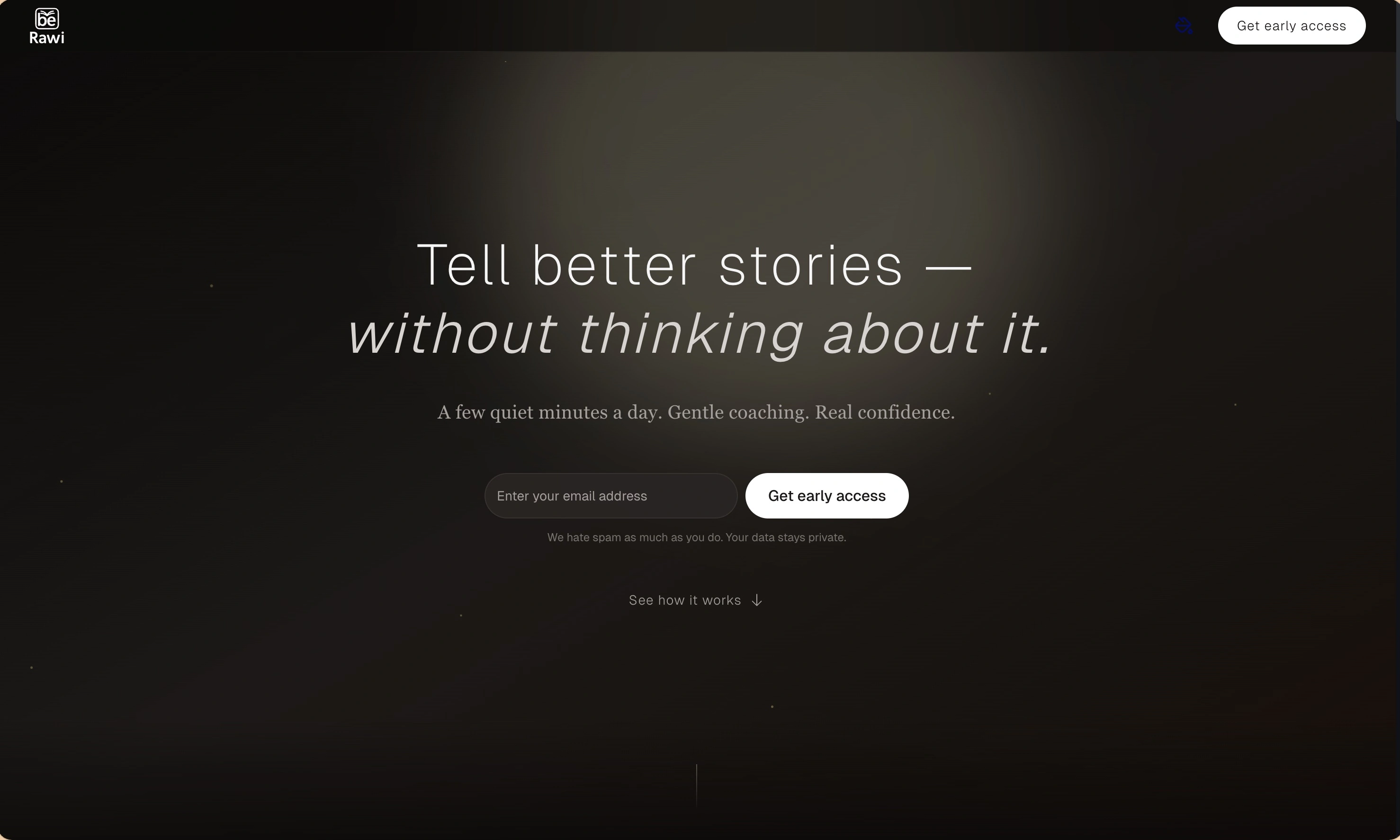
BeRawi: Storytelling Coach
Practice storytelling daily with instant feedback to sound clearer, more engaging, and confident 🎤
Omichat
Chat with 50+ AI models, including ChatGPT and Claude, in one place - switch models anytime without losing context 🤖
Claude Fast
Supercharge your Claude Code with 6x effective context window and specialized AI agents 🤖
EmojAI
AI-powered emoji picker with smart, context-aware suggestions 🤖
Solohacker
Autonomous company launcher - AI agents work 24/7, escalate what matters, and you stay in control 🤖
BeRawi: Storytelling Coach
Practice storytelling daily with instant feedback to sound clearer, more engaging, and confident 🎤
Omichat
Chat with 50+ AI models, including ChatGPT and Claude, in one place - switch models anytime without losing context 🤖
Claude Fast
Supercharge your Claude Code with 6x effective context window and specialized AI agents 🤖
EmojAI
AI-powered emoji picker with smart, context-aware suggestions 🤖
Solohacker
Autonomous company launcher - AI agents work 24/7, escalate what matters, and you stay in control 🤖
BeRawi: Storytelling Coach
Practice storytelling daily with instant feedback to sound clearer, more engaging, and confident 🎤
Omichat
Chat with 50+ AI models, including ChatGPT and Claude, in one place - switch models anytime without losing context 🤖
Claude Fast
Supercharge your Claude Code with 6x effective context window and specialized AI agents 🤖
EmojAI
AI-powered emoji picker with smart, context-aware suggestions 🤖
Solohacker
Autonomous company launcher - AI agents work 24/7, escalate what matters, and you stay in control 🤖
BeRawi: Storytelling Coach
Practice storytelling daily with instant feedback to sound clearer, more engaging, and confident 🎤

Connect with like-minded people
Join our community to get feedback, support, and grow together with 1,000+ builders on board, let's ship it!
Join usShip your startup everywhere. In minutes.
Don't burn tokens on setup and start building features on day one.