StudyMint
Turn revision notes into polished flashcards, planners, and printable study packs, then sell them through a simple mobile storefront.
What StudyMint is and why it could work
StudyMint is a mobile-first platform for turning revision notes into polished flashcards, study planners, and printable study packs that students can buy through a simple storefront. It combines three jobs that are usually handled separately: creating study materials, organizing revision, and selling educational products.
The core promise is straightforward: help learners turn useful knowledge into a repeatable study routine, while helping creators package and sell resources they already know how to make.
That positioning matters. StudyMint is not simply another flashcard app, nor is it just a digital download shop. Its opportunity is to connect the creation of learning materials with the practical work of studying and the commercial work of distributing them.
For students, the product can reduce the effort between “I have notes” and “I know what to study next.” For tutors, teachers, and student creators, it can provide a lightweight way to turn expertise into reusable resources and earn revenue without setting up a full ecommerce business.
A compelling version of StudyMint should make one workflow feel exceptionally easy:
- Add or paste revision notes.
- Turn those notes into useful study assets.
- Review, edit, and personalize the assets.
- Study with them or package them into a product.
- Share or sell the finished pack through a mobile storefront.
The strongest product strategy is not to promise that artificial intelligence can replace learning. It is to make the repetitive parts of preparing, organizing, and distributing study materials faster, while keeping accuracy and learner control at the center.
The search intent behind StudyMint
People searching for products like StudyMint may have different needs. Understanding those needs helps shape product features, landing-page messaging, and acquisition channels.
Students looking for better revision tools
A student may search for a flashcard maker, a study planner, printable revision resources, or a way to convert class notes into quizzes. They want to learn more effectively, but may be overwhelmed by scattered documents, generic templates, or the time required to create good materials.
For this audience, the key questions are practical:
- Can I make useful flashcards quickly?
- Can I edit the cards before I study?
- Can I organize materials by subject, course, or exam?
- Can I use the app offline or print my resources?
- Can I trust the content to be accurate?
Tutors and educators looking to package their expertise
A tutor or teacher may already create revision guides, practice questions, and exam-preparation materials. The problem is often not a lack of expertise. It is the effort involved in formatting resources, managing updates, and finding a straightforward way to distribute them.
StudyMint can appeal to these creators if it helps them produce polished, reusable packs and gives them a clear storefront without requiring ecommerce or design expertise.
Student creators looking for a small business platform
Some students and subject specialists sell study notes, templates, or digital guides through social platforms and download marketplaces. They may want a branded mobile storefront, product analytics, and a more organized customer experience.
These creators need more than a file-upload tool. They need confidence that their products are easy to discover, purchase, access, and update.
Target audience analysis
StudyMint should avoid treating “students” as a single audience. Different users have different motivations, budgets, study habits, and buying authority.
Secondary and high school students
Younger learners may benefit from guided study plans, simple flashcard workflows, and print-friendly resources. Their purchasing decisions may involve parents or guardians, and their privacy needs deserve particular attention.
Product design for this group should prioritize clarity, age-appropriate onboarding, accessible language, and strong default privacy settings. The app should avoid unnecessary public profiles or social features unless there is a clear educational benefit and a safe moderation model.
University and college students
Higher education students often manage multiple courses, deadlines, and assessment formats. They may want to create materials from lecture notes, organize flashcards by module, and prepare for exams with a structured plan.
This group can be a strong initial segment because students often understand digital subscriptions and are accustomed to using mobile tools as part of their study routines. However, they are also price-sensitive. A useful free tier and transparent paid plans may be more effective than forcing an early subscription.
Tutors and independent educators
Tutors can use StudyMint to create subject-specific resources for clients, standardize recurring lesson materials, and sell packs to a wider audience. Their willingness to pay may be higher when the product saves preparation time or supports revenue generation.
For this audience, useful features include reusable templates, branded product pages, version updates, and simple customer support tools.
Teachers and small education businesses
Schools, tutoring centers, and small education providers may need team access, shared libraries, and consistent formatting. They may also have procurement, privacy, and accessibility requirements that individual users do not.
StudyMint should initially validate whether these organizations are a real buying segment before building complex administration features. A self-serve creator product can be easier to launch than an enterprise learning platform.
Study-resource creators
This audience includes student influencers, subject experts, and people who already publish educational content. They may value mobile product creation, creator analytics, discounts, and a clean way to share product links with their audiences.
Their success depends on more than a storefront. They need a reason for customers to trust a resource, understand what is included, and know whether it fits their course or exam.
The market opportunity and product gap
StudyMint sits at the intersection of several familiar product categories:
- Flashcard and quiz applications
- Digital note-taking and study organization tools
- Printable study resources
- Digital product storefronts
- Creator monetization platforms
The opportunity is not necessarily that existing products fail at every one of these jobs. Many tools are effective within their category. The gap is the handoff between them.
A learner may make notes in one app, create flashcards in another, plan revision in a calendar, and buy printable resources from a marketplace or individual creator. Each transition adds friction. StudyMint can create value by connecting these steps in one focused mobile workflow.
That does not mean it should attempt to replace every learning platform. The initial product should focus on a narrow and credible use case: convert study material into useful, editable resources and make those resources easy to study or sell.
Where existing workflows can fall short
Common points of friction include:
- Notes are difficult to turn into structured practice questions.
- Flashcard creation can be repetitive and time-consuming.
- Study plans may be disconnected from the resources being studied.
- Download marketplaces can make it hard to evaluate whether a product is relevant.
- Creators may need separate tools for design, payments, delivery, and customer communication.
- Generic AI-generated content can contain errors or lack the specificity of a course or exam.
StudyMint’s market gap is strongest when it reduces these workflow costs without pretending to guarantee academic outcomes.
How to validate the opportunity
Before building a broad marketplace, the team should test whether users will complete and value the core workflow.
Useful validation questions include:
- What source material do students most often want to convert?
- Do they want flashcards, plans, printable packs, or a combination?
- What edits do users make to automatically generated content?
- Would creators pay for a storefront, a creation tool, or both?
- How do buyers decide whether a study pack is trustworthy?
- Which subjects or exam types create the most repeat demand?
Use interviews, prototype tests, and small paid pilots to answer these questions. In particular, observe users completing the task rather than relying only on stated interest. A student saying “I would use this” is less informative than seeing whether they upload notes, review the results, and return to study.
For market-size estimates, avoid inventing a headline figure. Build a bottom-up model using the number of reachable learners or creators in a target segment, a defensible conversion assumption, and expected revenue per paying account. Document the source and date for every input. If publishing market statistics, cite the original research organization and report title rather than repeating an unsourced number.
Core StudyMint features and how they should work
The product should be organized around a short path from source material to useful study activity. Each feature should support that path rather than adding complexity for its own sake.
1. Study material import
Users need a convenient way to bring their content into StudyMint. An MVP might support:
- Pasting text
- Typing notes directly
- Uploading common document formats
- Adding a title, subject, and course or exam label
- Organizing content into folders or collections
Import should include clear guidance on supported formats and file limits. If the platform later supports photos or scanned pages, it should explain how image processing works and what happens to uploaded files.
A good import flow also sets expectations. The user should know whether the system will create a summary, a set of questions, flashcards, or another output before starting.
2. Flashcard and quiz generation
Generated cards should be treated as a draft, not as authoritative course content. The user should be able to:
- Edit the question and answer
- Delete, reorder, and regenerate cards
- Flag uncertain or incomplete material
- Add their own examples and explanations
- Group cards into decks by topic
- Mark cards for later review
Quality matters more than volume. A small set of clear, focused cards is often more useful than a large deck of vague prompts. StudyMint should encourage questions that test one idea at a time and answers that are concise enough to review.
Where AI is used, the interface should disclose that generated content can be inaccurate. The product can improve trust by showing which source material informed each card and making it easy to compare the card with the original notes.
3. Study planner
A planner can help users translate a goal into manageable study sessions. Useful inputs might include a target exam date, topics to cover, estimated availability, and preferred session length.
The planner should make recommendations understandable and editable. If a student has three topics left and five days to study, they should be able to see why the app proposed a particular schedule and adjust it when life changes.
Avoid presenting a schedule as a guaranteed path to a grade. Instead, frame it as a flexible plan that helps the learner allocate time and track progress.
4. Printable study packs
Printable outputs are a meaningful differentiator because learners do not always want to study on a screen. StudyMint could let users combine flashcards, topic summaries, checklists, and planning pages into a consistent PDF pack.
Important product details include:
- Print-friendly typography and contrast
- Clear page breaks and margins
- Consistent headers and page numbers
- A preview before export
- A choice of paper-friendly layouts
- A way to update or regenerate a pack after editing its contents
The printable experience should not be treated as a secondary export button. For some learners, especially those who prefer handwritten study, print quality may be a core reason to use the product.
5. Creator storefront
The storefront should help creators explain what they are selling and help buyers make an informed choice. A product page might include:
- Product title and subject
- A clear description of what is included
- Course, exam, or curriculum alignment where applicable
- Sample pages or preview cards
- Last-updated date
- Creator information
- File format and accessibility details
- Refund and support policies
For marketplace trust, StudyMint should have a reporting process and clear rules about plagiarism, copyrighted course materials, misleading claims, and low-quality products.
6. Study and purchase experience
Buyers should be able to understand whether a resource meets their needs before purchasing. After purchase, access should be reliable, with clear instructions for viewing, downloading, or printing the product.
The app should distinguish between a resource the user created for personal study and a product they bought from a creator. That distinction helps avoid confusion about licensing, sharing, and future updates.
7. Progress and product analytics
Study analytics should be useful without creating false certainty. For learners, useful signals include completed sessions, cards reviewed, topics marked as difficult, and upcoming planned work.
For creators, useful signals may include product views, purchases, refunds, and repeat purchases. Avoid presenting vanity metrics without context. A creator needs to know whether a product page converts, but should not be encouraged to make unsupported claims about student outcomes.
A practical MVP scope
The first version should test the product’s central promise, not every possible feature. A reasonable MVP could include:
- Account creation and basic profile settings
- Text-based note entry or upload
- Editable flashcard generation
- Manual flashcard creation
- Simple decks and study sessions
- PDF export for a basic study pack
- A limited creator profile and product page
- Purchase and file delivery, if payment and platform rules permit
- Basic reporting and customer support processes
Some features can wait:
- Social feeds and public study groups
- Complex school administration
- Advanced adaptive learning algorithms
- Multi-currency creator payouts across many regions
- Extensive content-generation modes
- Sophisticated affiliate programs
A focused MVP makes it easier to discover whether users value the creation-to-study workflow or the creator storefront more. That evidence should determine the next product investment.
Recommended technology stack for StudyMint
A mobile-first product needs a stack that supports fast iteration, reliable file handling, secure payments, and a pleasant experience on both major mobile platforms. The right stack depends on team expertise and the balance between native functionality and launch speed.
Mobile application
React Native can support iOS and Android development with a shared application codebase. It is a reasonable choice for a product with forms, content libraries, study sessions, and storefront browsing.
Expo can simplify the React Native development workflow, including building and distributing mobile applications. Its managed approach can reduce operational overhead early, although a team should confirm that its required native integrations are supported before committing.
Trade-off: A cross-platform codebase can accelerate feature development, but platform-specific behavior still needs careful testing. Push notifications, file downloads, accessibility, and in-app purchase flows may require platform-specific implementation or review.
Backend and database
A relational database is a good fit for users, study collections, generated cards, products, purchases, and creator records. PostgreSQL is suitable for these structured relationships.
Supabase offers managed database and application services that may suit an early-stage product. It can help a small team avoid building every backend capability from scratch.
Trade-off: Managed services can speed up development, but the team remains responsible for data modeling, access control, backups, and understanding service limits. Sensitive user data should never rely on client-side checks alone. Enforce authorization on the server and test that users cannot access another user’s materials.
AI and content processing
AI-powered generation can help convert notes into draft flashcards, summaries, or practice questions. The model provider should be selected based on output quality, latency, cost, data-handling terms, and the team’s ability to evaluate results.
A robust generation pipeline should:
- Validate and normalize the input.
- Send only the necessary content to the model.
- Request structured output.
- Validate that output against a schema.
- Save a traceable record of the source and generated content.
- Let users review and edit before using or publishing it.
Do not treat syntactically valid output as educationally correct. Build an evaluation process using representative materials, subject-matter review, and user feedback. For sensitive or high-stakes subjects, provide stronger review and labeling.
Payments and mobile commerce
Payment design needs special attention because StudyMint includes both subscriptions and digital study products. Mobile platform rules for digital goods can vary by platform, region, and business model, and these rules can change.
Before selecting a checkout flow, review the current Apple and Google developer policies for the exact products being sold and the countries where the app will be available. Confirm whether transactions must use platform billing or whether an alternative is permitted. A service such as Stripe may support web payments and some marketplace payment workflows, but it should not be assumed to replace required in-app billing.
For marketplace sales, clarify who is the merchant of record, how refunds are handled, how creators are paid, and what tax obligations apply. Get qualified legal and tax advice for the operating regions rather than relying on a generic payment integration.
Web presence and creator tools
A lightweight web presence can support marketing, product previews, creator onboarding, support, and search discovery. A web storefront may also be useful for sharing product links, depending on applicable mobile platform requirements and the business model.
Teams building the product from scratch can use TurboStarter to accelerate SaaS development. It can help reduce boilerplate work, but the team should still review its architecture, authentication, billing assumptions, and fit for a mobile-first marketplace before using it as the foundation.
File storage, search, and observability
Study packs and source documents require secure storage, access controls, and a retention policy. Use signed or otherwise controlled file access rather than publicly exposing private uploads.
Search can begin with structured filters such as subject, level, exam, and format. More advanced semantic search may be useful later, but only after the marketplace has enough high-quality content to justify it.
From the first release, monitor crashes, failed uploads, generation errors, payment failures, and file-delivery problems. These are not merely engineering metrics. They directly affect whether a student can complete a study session or a creator can serve a customer.
Monetization strategy options
StudyMint can monetize learners, creators, or both. The best model depends on which side receives the most immediate value and how much ongoing cost the product incurs.
Freemium subscription
A free plan can let learners create a limited number of decks or use basic planning features. A paid plan might provide higher limits, advanced organization, additional export formats, or enhanced study tools.
This model works best when users return regularly and can clearly understand the difference between free and paid capabilities. Avoid making the free experience so constrained that a learner cannot evaluate the product.
Creator subscription
Creators could pay for features such as multiple product listings, branded storefront customization, analytics, or customer-management tools. This may create predictable recurring revenue, but only if creators see consistent value beyond the initial setup.
A subscription should not be introduced before there is evidence that creators are using the storefront and generating sales or meaningful audience engagement.
Marketplace transaction fee
StudyMint could earn a fee from each completed sale. This aligns revenue with creator success and may be easier to try than a recurring creator subscription.
The trade-off is operational complexity. The platform needs a clear approach to payment processing, creator payouts, refunds, fraud prevention, taxes, and disputes. Fees should be transparent before a creator publishes a product.
Hybrid pricing
A hybrid model could combine free learner access, optional study subscriptions, and transaction fees for creator sales. This provides multiple revenue streams but may make pricing confusing.
If StudyMint adopts a hybrid model, explain each charge in plain language. A learner should understand whether they are paying for the app, a particular resource, or both.
Institutional plans
Schools, tutoring centers, or educational organizations may eventually pay for shared libraries, team administration, or managed creator accounts. This opportunity should be validated separately because institutional sales often involve longer decision cycles, support expectations, and privacy requirements.
Competitive advantage and positioning
StudyMint’s competitive advantage should be built around a coherent workflow rather than a long feature checklist.
| Capability | Flashcard apps | Note-taking tools | Digital marketplaces | StudyMint opportunity |
|---|---|---|---|---|
| Create study materials | Often focused on cards or quizzes | Usually requires manual work | Depends on creator | Turn notes into editable study assets |
| Plan revision | Varies by product | Often general-purpose | Not usually included | Connect plans to study materials |
| Print study packs | Varies | Often requires manual formatting | May offer downloads | Produce consistent, print-ready packs |
| Sell resources | Usually not the main focus | Usually not the main focus | Core capability | Combine creation and storefront workflows |
| Creator discovery | Limited or product-specific | Not typically available | Often available | Use relevant subject and exam context |
The table describes broad category patterns, not a claim about every competitor. StudyMint should conduct direct competitor research before using comparative claims in marketing.
The unique selling proposition
A strong USP could be:
StudyMint turns revision material into editable flashcards, flexible study plans, and print-ready packs, with a simple path for creators to sell their resources.
This differentiates the product through the connection between learning and distribution. A generic AI flashcard maker can generate cards; a generic marketplace can list files. StudyMint’s opportunity is to make the entire journey feel coherent.
Potential defensibility
The product should not rely on AI access alone as its moat. Model capabilities can be copied or substituted. More durable advantages may come from:
- A high-quality library of subject-specific resources
- Creator relationships and reputation
- Strong curriculum and exam tagging
- A trusted quality and moderation process
- A well-designed note-to-study workflow
- Repeat usage data that improves planning and content organization, with privacy protections
- A reliable creator-to-buyer experience
These advantages take time to build. The earliest priority should be user trust and workflow quality, not claims of proprietary technology.
Risks and how to mitigate them
Inaccurate generated learning content
An incorrect flashcard can actively harm learning. Clearly label generated material as a draft, preserve links to source notes where possible, and make review easy. Measure error reports and run regular quality checks on representative content.
Copyright infringement and academic misconduct
Users may upload or sell material they do not own, including textbooks, course packs, or copyrighted exam content. StudyMint needs terms of service, content rules, a takedown process, repeat-offender handling, and a way for rights holders to report suspected infringement.
The product should also avoid encouraging cheating, impersonation, or unauthorized access to assessment material. Position it around learning and revision, not bypassing academic work.
Privacy and protection of younger users
Study notes can contain personal information, school details, or sensitive content. Collect only what is needed, explain data use clearly, set appropriate retention rules, and provide secure account controls. If younger users are part of the target market, assess relevant child privacy laws and platform requirements before launch.
Marketplace quality and trust
Low-quality, misleading, or outdated products can damage buyer confidence. Require clear product descriptions, previews, creator identity information, and reporting tools. Consider a lightweight review process for new creators or products, especially in the early marketplace.
Platform and payment policy changes
Mobile storefront and digital-content rules can change, and policies may differ by region. Design payment architecture so the team can adapt where necessary. Review current platform policies before launch and whenever the business model changes.
Cold-start marketplace dynamics
A marketplace needs both buyers and creators. Launching with many low-quality products can be worse than launching with a smaller, curated selection.
Start with a focused subject area, exam type, or learner group. Recruit a small number of credible creators, review their initial products, and learn what buyers need before expanding catalog breadth.
AI cost and abuse
Content generation can create variable costs, particularly if users submit long files or repeatedly regenerate results. Use file limits, usage quotas, caching where appropriate, and transparent paid limits. Add abuse monitoring and avoid sending unnecessary personal data to AI services.
Accessibility and learning differences
A study product should support readable typography, sufficient contrast, screen-reader use, keyboard access where relevant, and alternatives to time-based interactions. Printable exports should also be legible and structured.
Accessibility is not only a compliance consideration. It can improve usability for a broader range of learners.
Key metrics to track
StudyMint should measure whether users reach meaningful outcomes in the product, not just whether they install it.
Learner activation and retention
- Percentage of new users who create or import their first study set
- Time from signup to first completed study session
- Number of users who return to a deck or planner
- Study-plan completion and adjustment patterns
- Export and print usage
Content quality
- Percentage of generated cards edited before use
- Card deletion and regeneration rates
- User-reported error frequency
- Source-to-output traceability
- Support requests related to inaccurate or confusing material
A high edit rate is not automatically bad; editing can be part of personalization. Interpret the metric alongside user feedback and completion behavior.
Marketplace health
- Creator activation and product publication
- Product views that lead to purchases
- Refund and dispute rates
- Repeat buyer behavior
- Creator retention and earnings distribution
- Time required to resolve content reports
Do not optimize only for gross sales. Sustainable marketplace health depends on buyer trust, creator success, and fair handling of complaints.
Actionable implementation steps
A disciplined launch plan can reduce the risk of building a broad product before the central value proposition is proven.
Choose one initial audience
Select a specific learner or creator segment, such as university students preparing for a defined exam type or independent tutors selling subject resources. Write down the segment’s current workflow and the most costly friction point.
Interview users and observe real tasks
Speak with students and creators separately. Ask them to show how they currently prepare materials, plan revision, and share or sell resources. Look for repeated behavior rather than relying on hypothetical feature requests.
Prototype the core workflow
Create a clickable prototype that covers note entry, flashcard review, a simple plan, and a printable output. Test whether users understand each step and whether they trust the generated result enough to edit and use it.
Test the creator proposition independently
Recruit a small group of potential creators. Ask them to prepare a real product and observe where they struggle with formatting, pricing, previews, or distribution. Validate whether they want a storefront, a creation tool, or both.
Define safety, privacy, and content policies
Before public uploads or sales, establish rules for copyright, academic integrity, user data, refunds, reporting, and moderation. Decide what information is collected, who can access it, and how long it is retained.
Build the smallest useful release
Develop the minimum set of features needed to test the core promise. Prioritize reliable import, editable flashcards, a simple study session, and a polished export. Add marketplace transactions only when payment policy, support, and creator payout requirements are understood.
Instrument the product and test quality
Track activation, study completion, generation errors, export failures, and support issues. Test generated content across realistic subjects and document where it fails. Treat privacy and authorization checks as release requirements.
Launch with a narrow catalog
Invite a limited group of learners and creators, offer a curated selection of resources, and collect feedback through actual usage. Improve product quality and trust before expanding to more subjects or adding social features.
Expand based on evidence
Use retention, product quality, creator activity, and support costs to decide what to build next. If learners return but creators do not publish, prioritize the study workflow. If creators sell but buyers struggle to judge quality, invest in previews, metadata, and trust signals.
The long-term opportunity for StudyMint
StudyMint can stand out by joining two needs that are usually separated: making study resources useful for personal learning and making them easy for knowledgeable creators to share or sell.
That opportunity depends on execution. The app must produce editable, trustworthy materials; make planning flexible rather than prescriptive; provide a genuinely useful printable experience; and protect both learners and creators in the marketplace.
The most promising strategy is to begin with one audience and one clear workflow, then expand only when usage shows where the strongest value lies. For an early-stage team, a fast foundation can help make that process more efficient. TurboStarter is one option to evaluate for accelerating SaaS development, alongside a stack that fits the team’s mobile, data, and payment requirements.
StudyMint’s best first milestone is not a large catalog or a long feature list. It is a small group of learners who repeatedly turn their own materials into study resources they trust, alongside creators who can publish useful products without unnecessary friction. If the product earns that behavior, it has a credible foundation for a larger learning and creator platform.
More 📱 Mobile App SaaS ideas
Discover more innovative mobile app SaaS ideas that are trending in 2026. Each idea is AI-generated with market validation and growth potential to help you find your next profitable venture faster than competitors.
Your competitors are building with TurboStarter
Below are some of the SaaS ideas that have been generated and built with our starter kit.
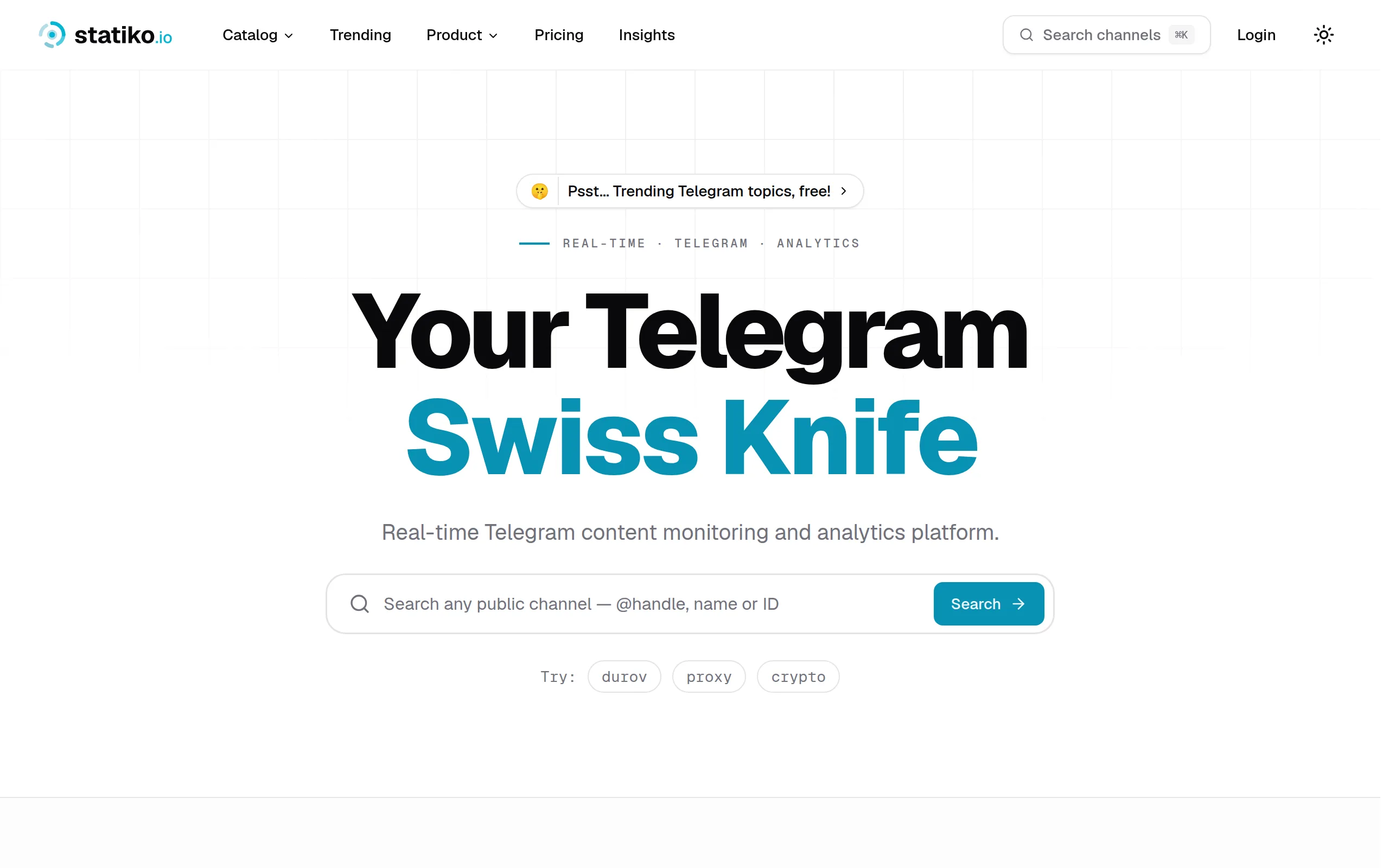
Statiko
Monitor any Telegram channel in real time - track posts, edits, deletions, and growth with AI recaps 📡

Shibui
AI website builder - describe your business, pick a niche template, edit by chatting, and publish instantly ✨

Pro Service
Find verified home service professionals, compare quotes, and pay securely through escrow - built for Brazilians across the US 🏠
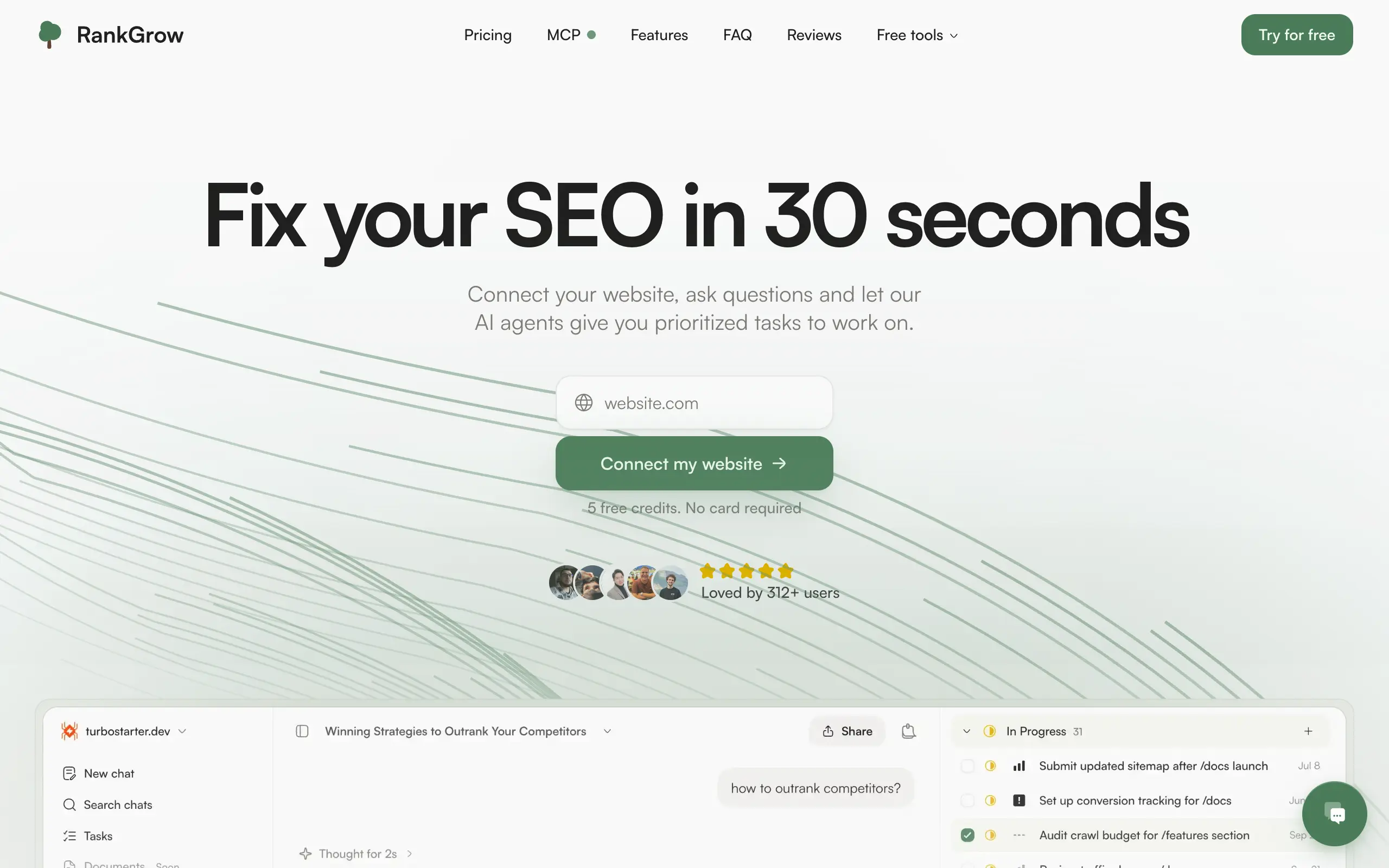
RankGrow
Fix your SEO with AI agents - connect Search Console, get prioritized tasks, and grow organic traffic 📈
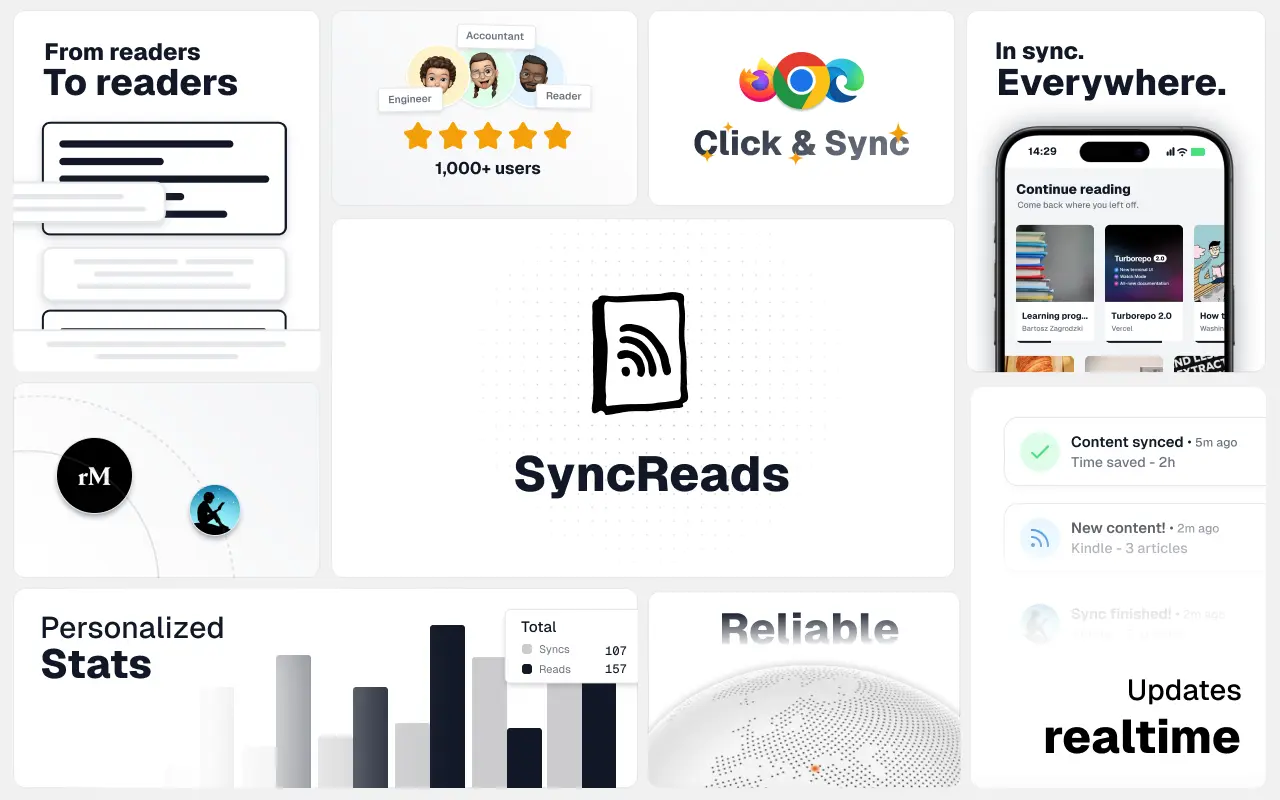
SyncReads
Sync your favorite content for distraction-free reading, save time and replace multiple apps. Anytime, anywhere 🔄
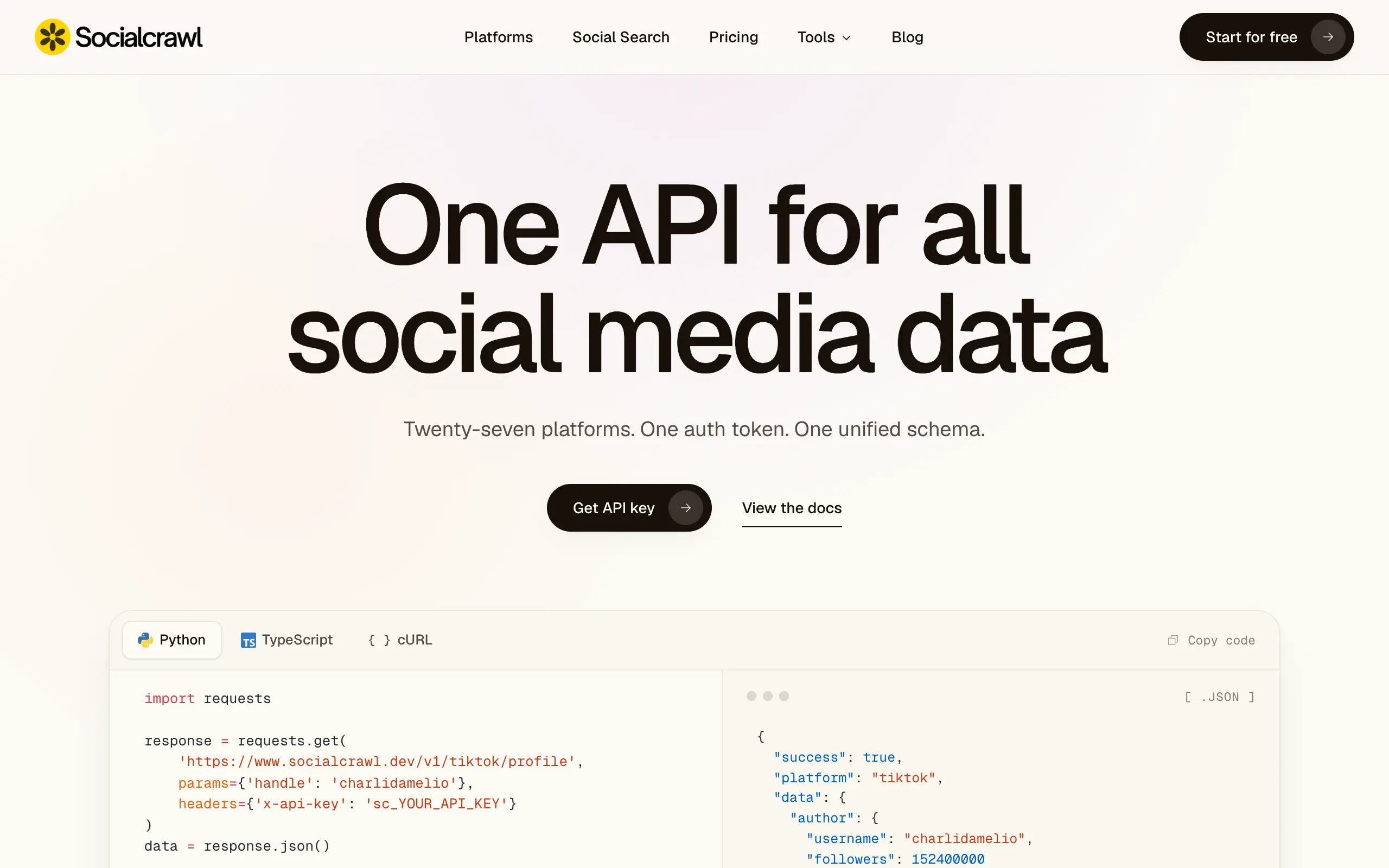
Socialcrawl
Get clean, structured data from 21 platforms like TikTok, Instagram, and YouTube with a single request 📊
Statiko
Monitor any Telegram channel in real time - track posts, edits, deletions, and growth with AI recaps 📡
Shibui
AI website builder - describe your business, pick a niche template, edit by chatting, and publish instantly ✨
Pro Service
Find verified home service professionals, compare quotes, and pay securely through escrow - built for Brazilians across the US 🏠
RankGrow
Fix your SEO with AI agents - connect Search Console, get prioritized tasks, and grow organic traffic 📈
SyncReads
Sync your favorite content for distraction-free reading, save time and replace multiple apps. Anytime, anywhere 🔄
Socialcrawl
Get clean, structured data from 21 platforms like TikTok, Instagram, and YouTube with a single request 📊
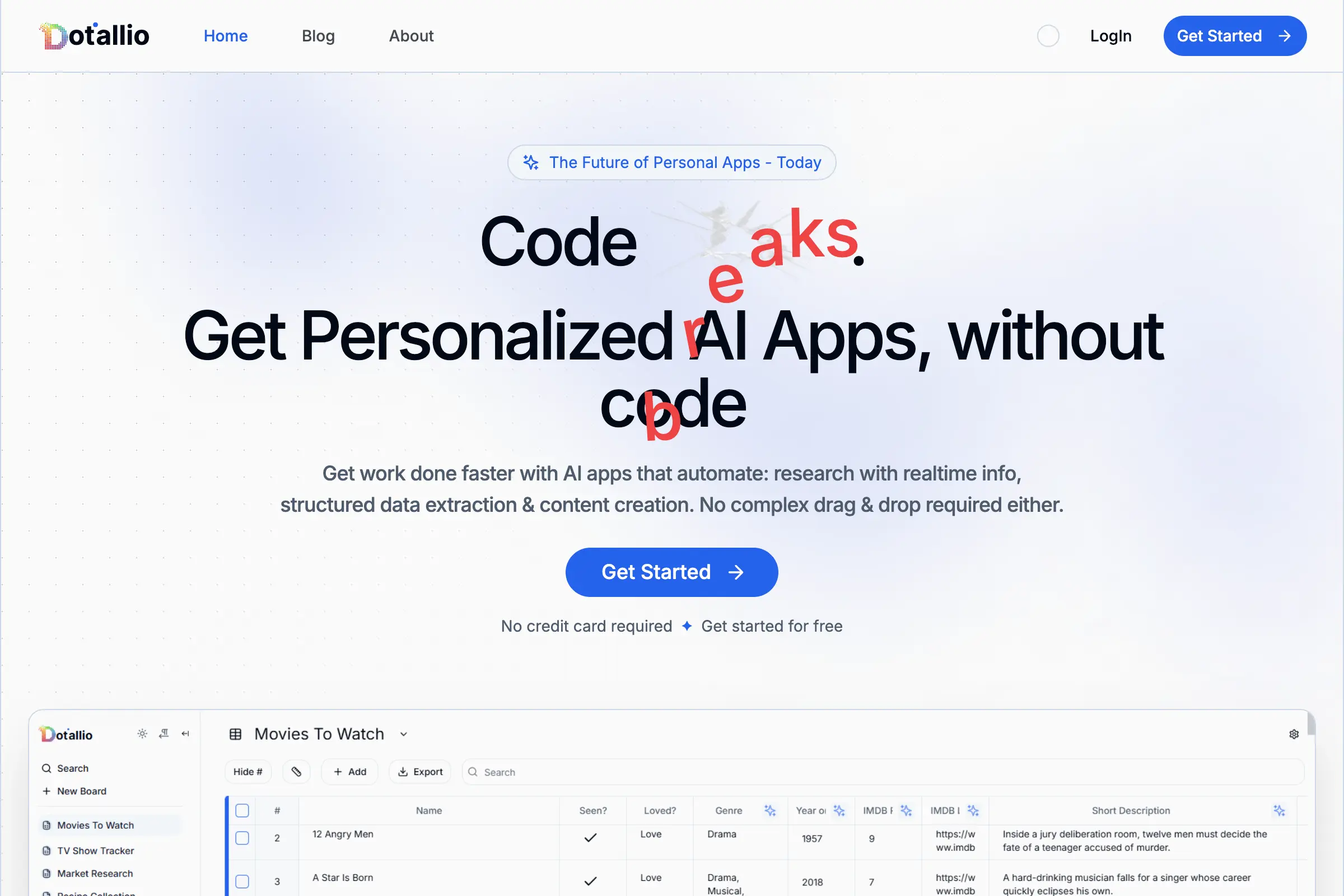
Dotallio
Personalized AI apps that automate research, data extraction, and content creation without code 🤖
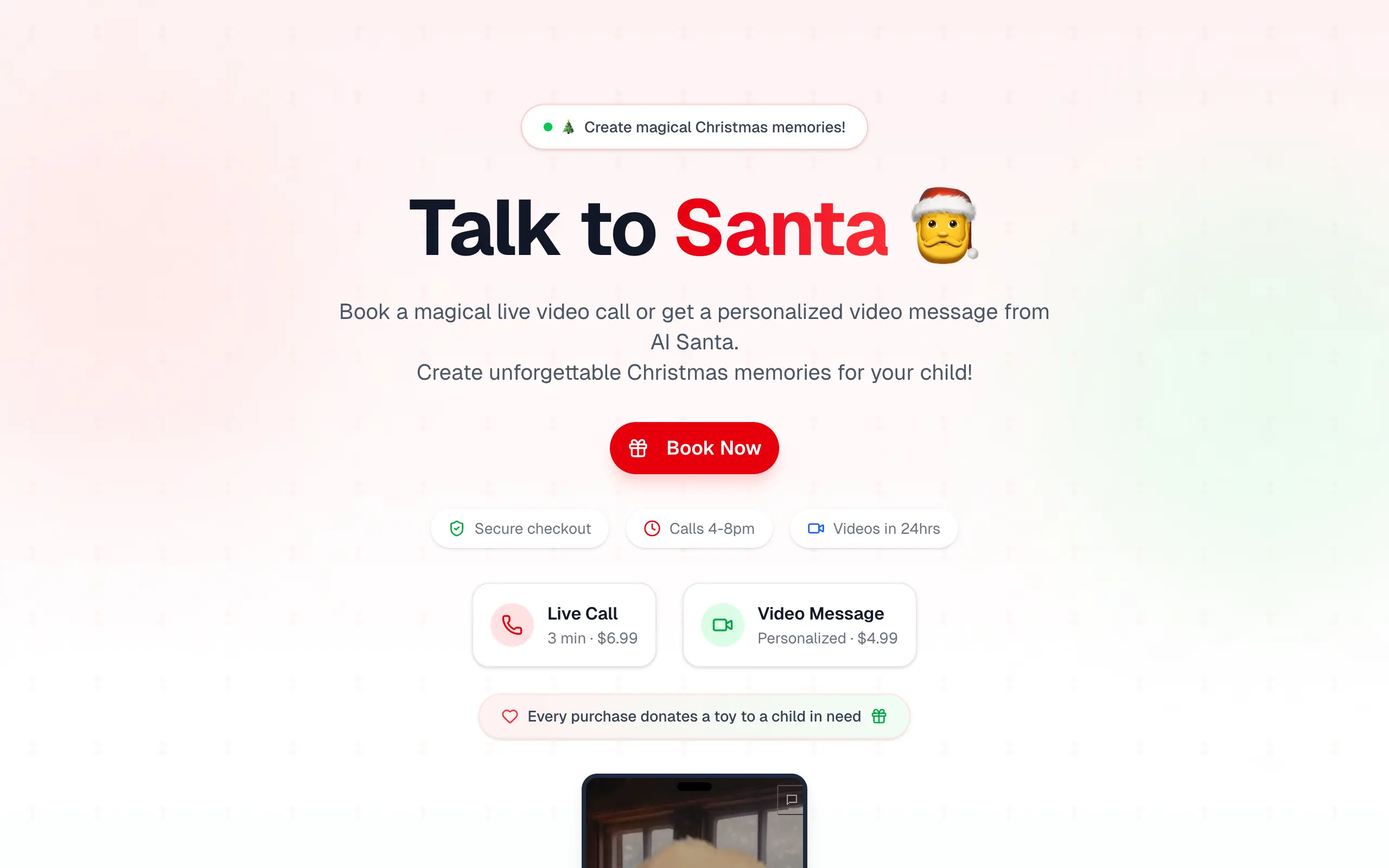
Talk to Santa
Enjoy a magical live video chat or receive a unique AI-generated video greeting from Santa Claus 🎅
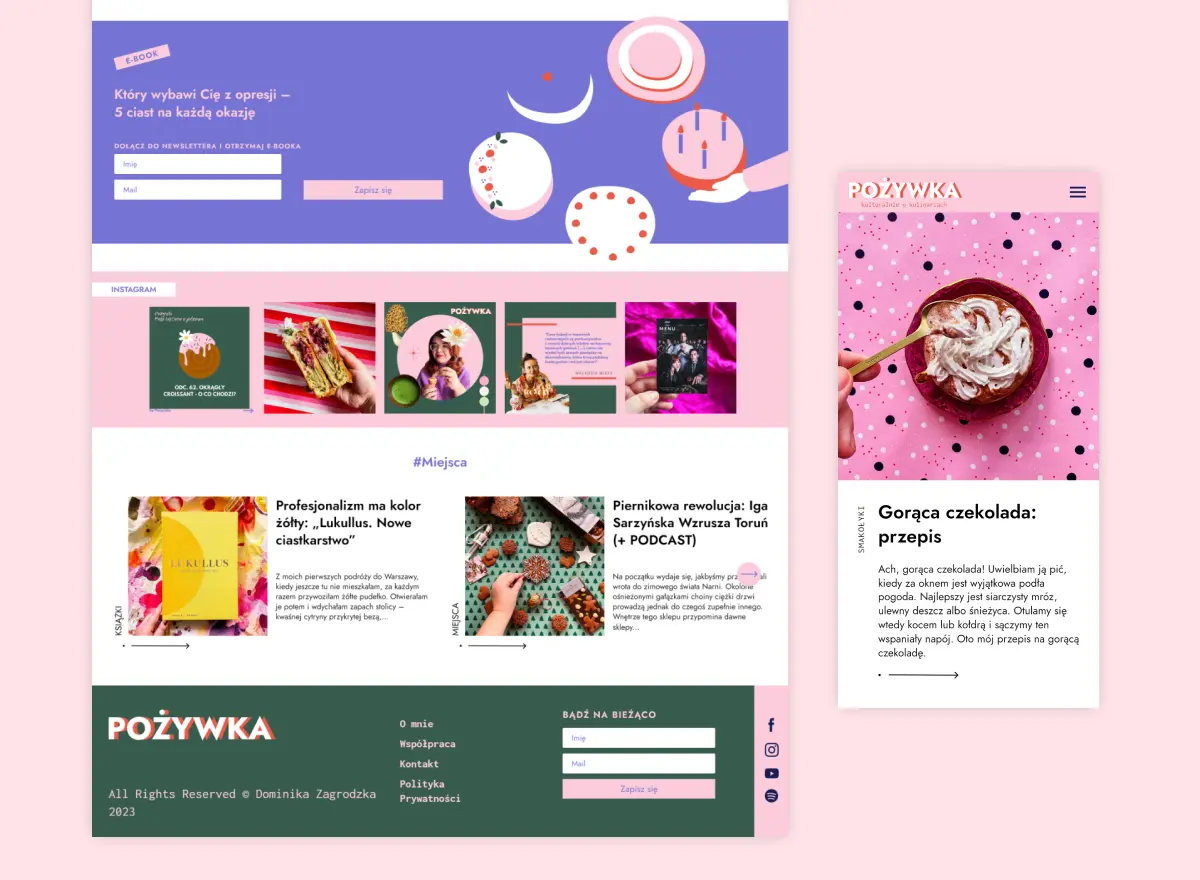
pozywka.pl
Scalable blog for food journalist, focused on performance and user experience 🌭
zagrodzki.me
Personal blog and portfolio of Bart Zagrodzki, where he shares his knowledge and work 💼
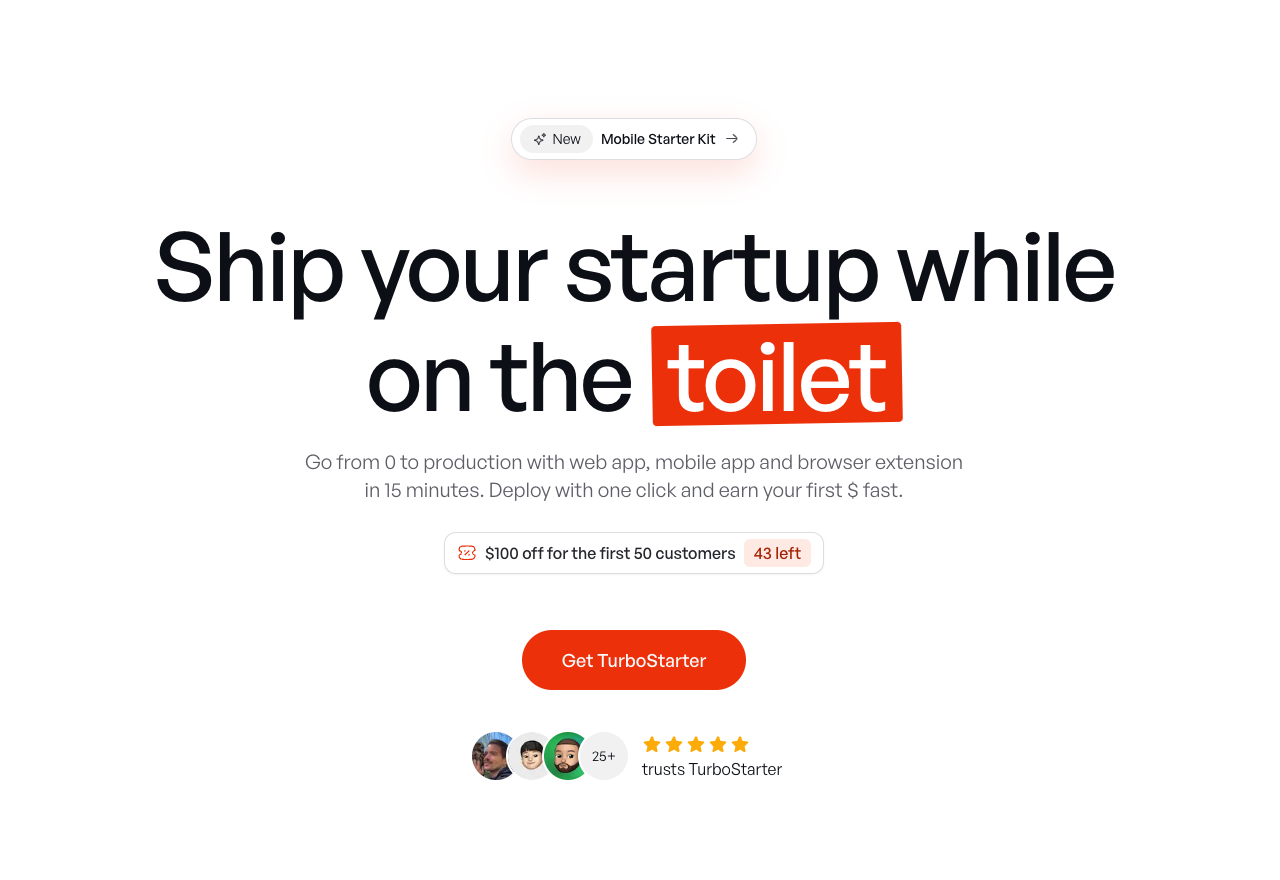
TurboStarter
Ship your startup everywhere. In minutes.
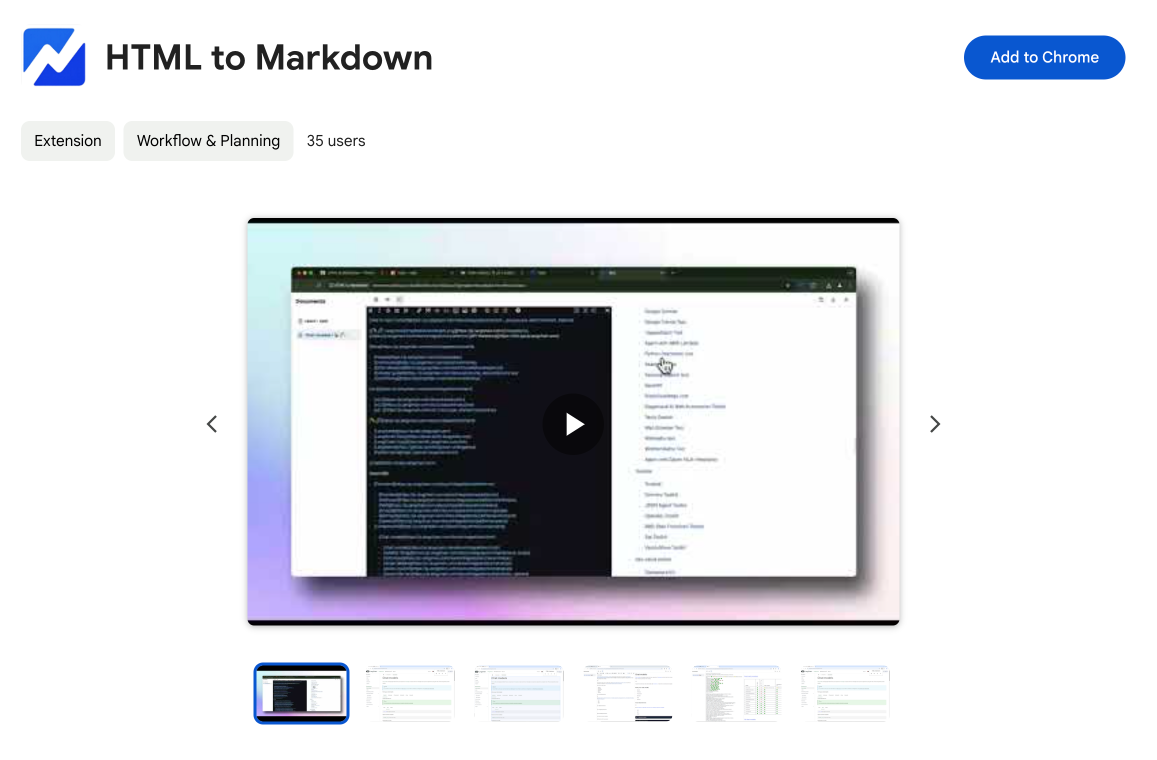
HTML to Markdown
Convert HTML to Markdown with ease, directly in your browser 📄
Dotallio
Personalized AI apps that automate research, data extraction, and content creation without code 🤖
Talk to Santa
Enjoy a magical live video chat or receive a unique AI-generated video greeting from Santa Claus 🎅
pozywka.pl
Scalable blog for food journalist, focused on performance and user experience 🌭
zagrodzki.me
Personal blog and portfolio of Bart Zagrodzki, where he shares his knowledge and work 💼
TurboStarter
Ship your startup everywhere. In minutes.
HTML to Markdown
Convert HTML to Markdown with ease, directly in your browser 📄
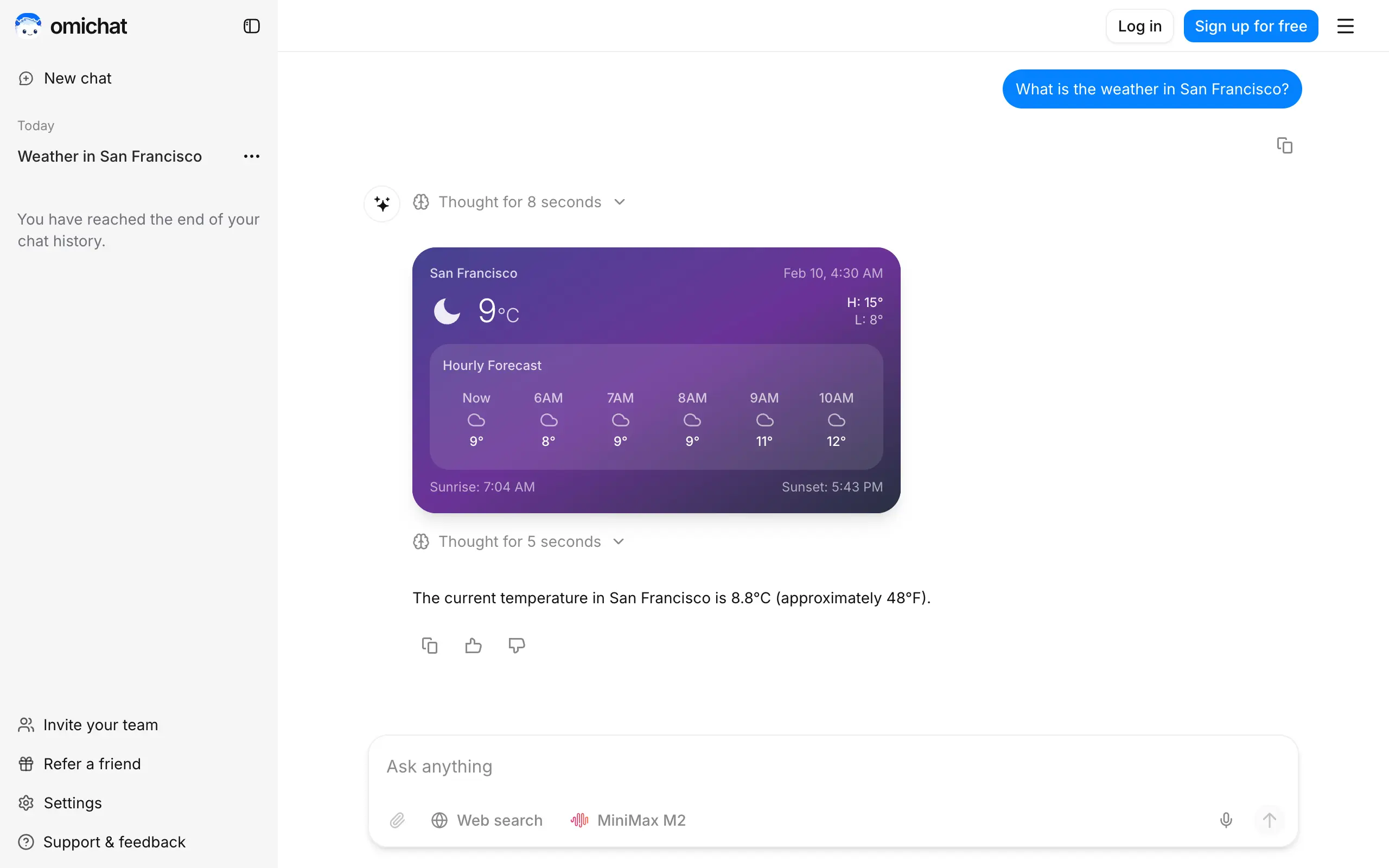
Omichat
Chat with 50+ AI models, including ChatGPT and Claude, in one place - switch models anytime without losing context 🤖
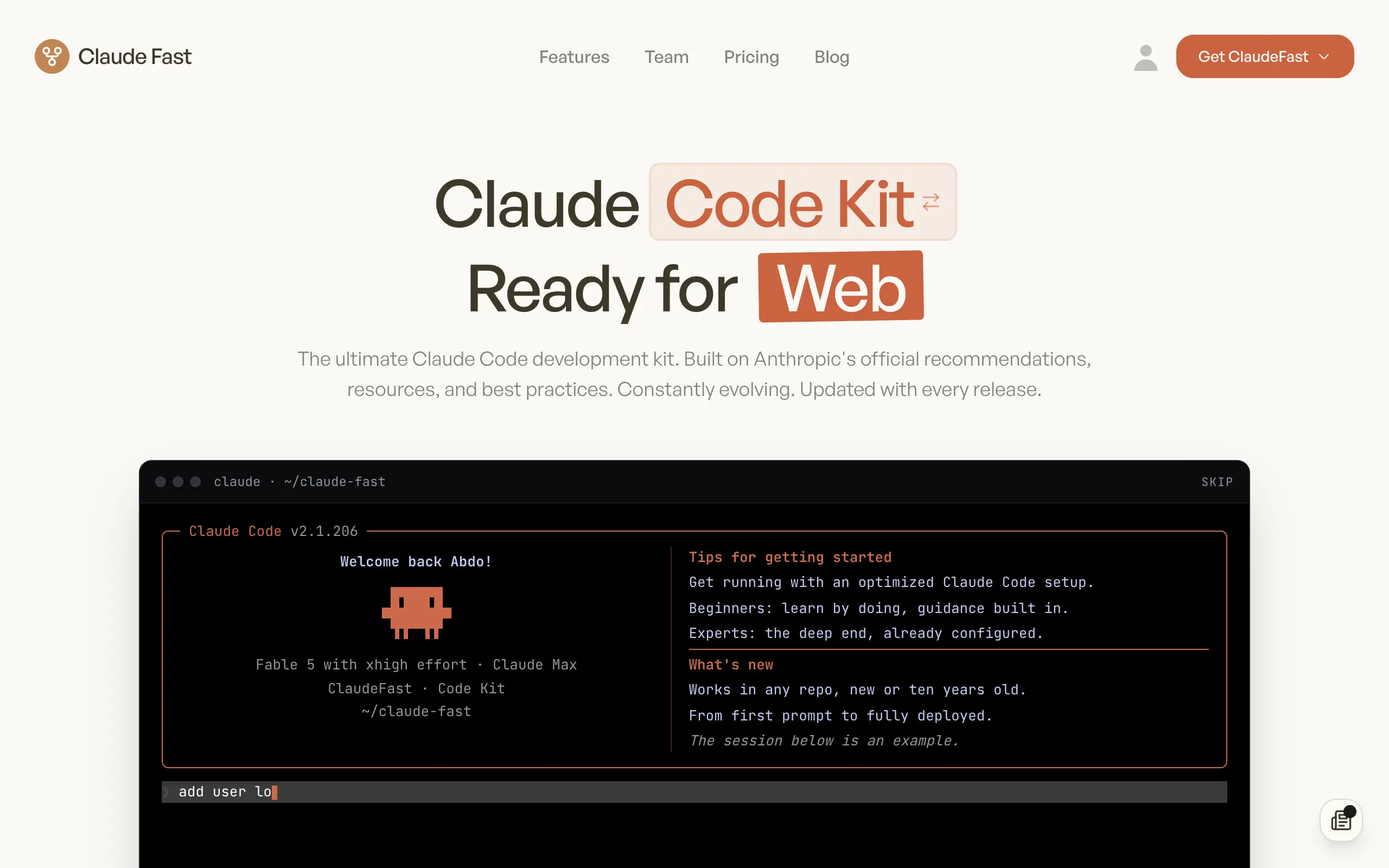
Claude Fast
Supercharge your Claude Code with 6x effective context window and specialized AI agents 🤖
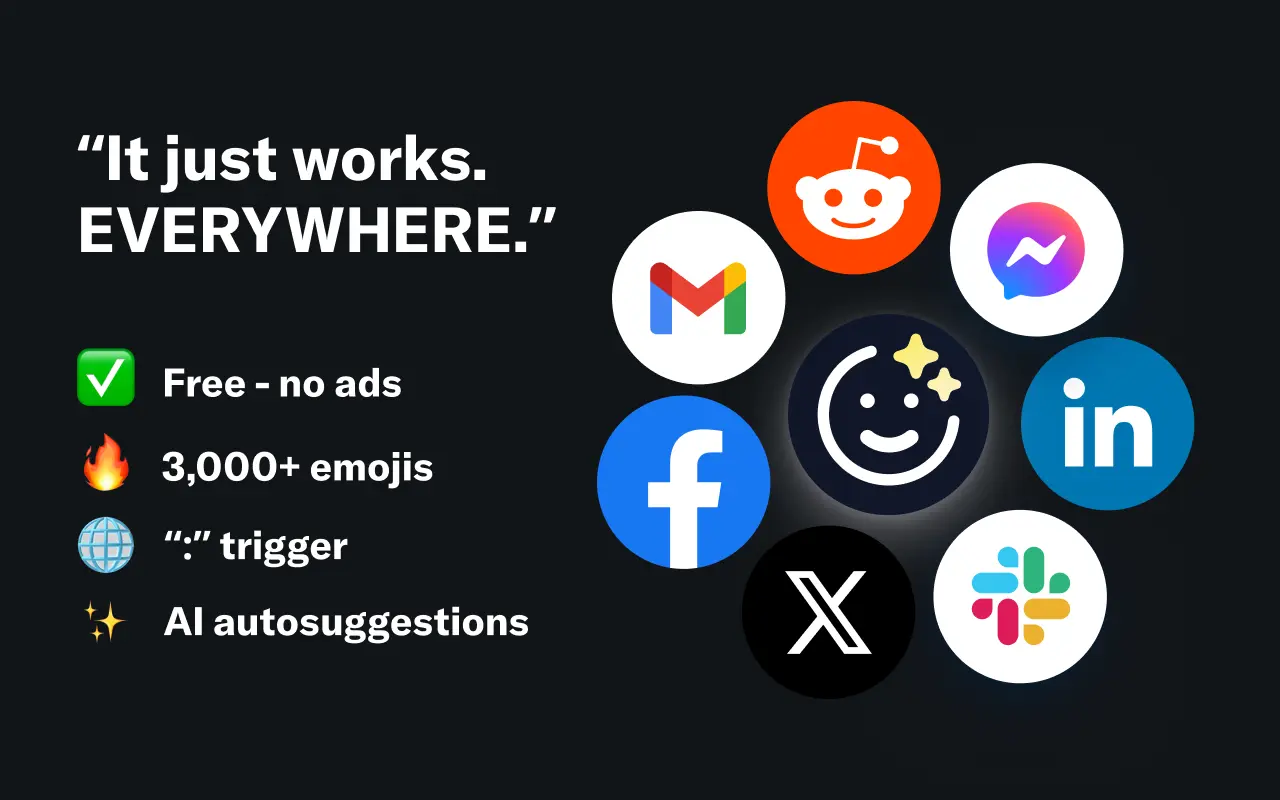
EmojAI
AI-powered emoji picker with smart, context-aware suggestions 🤖
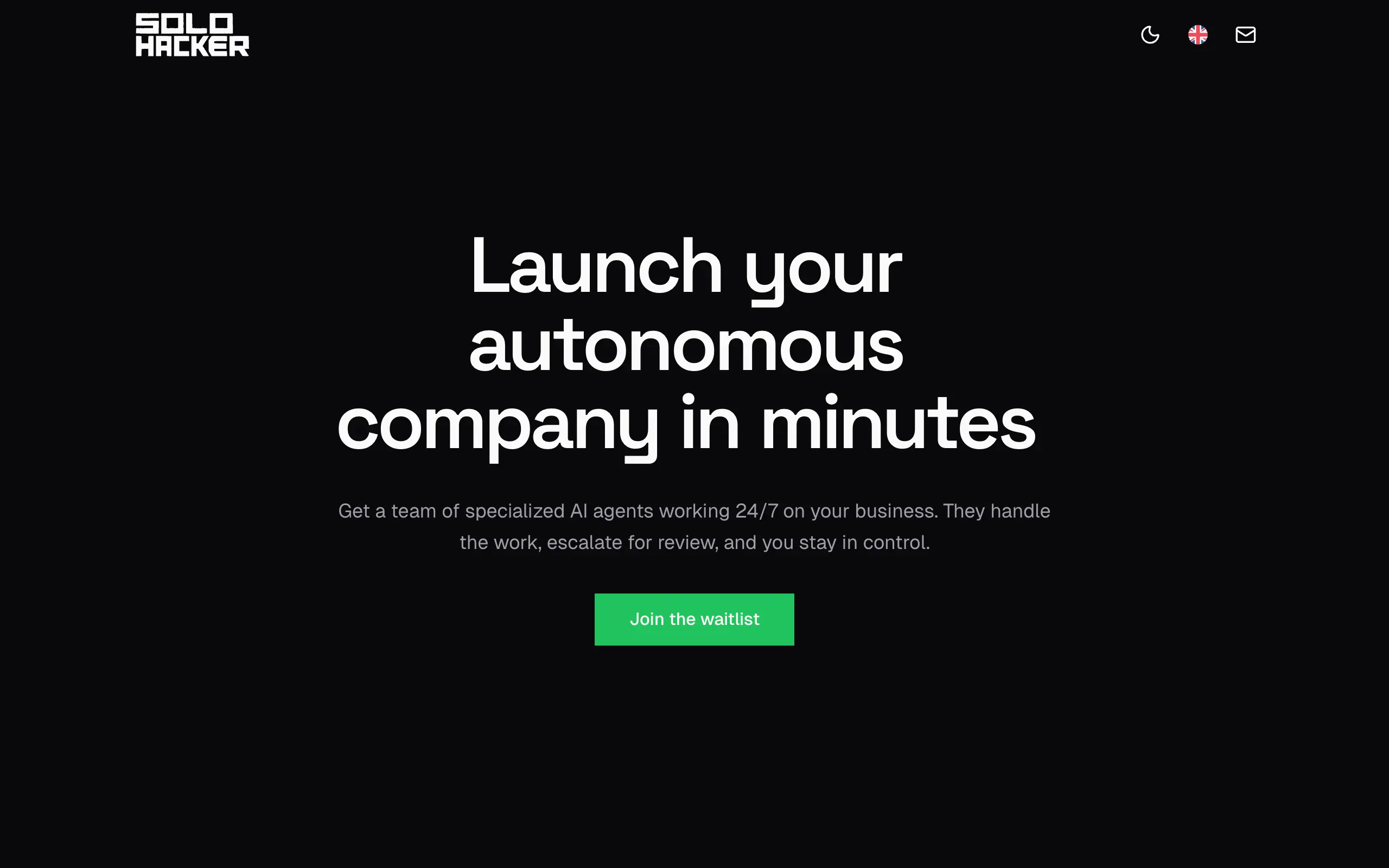
Solohacker
Autonomous company launcher - AI agents work 24/7, escalate what matters, and you stay in control 🤖
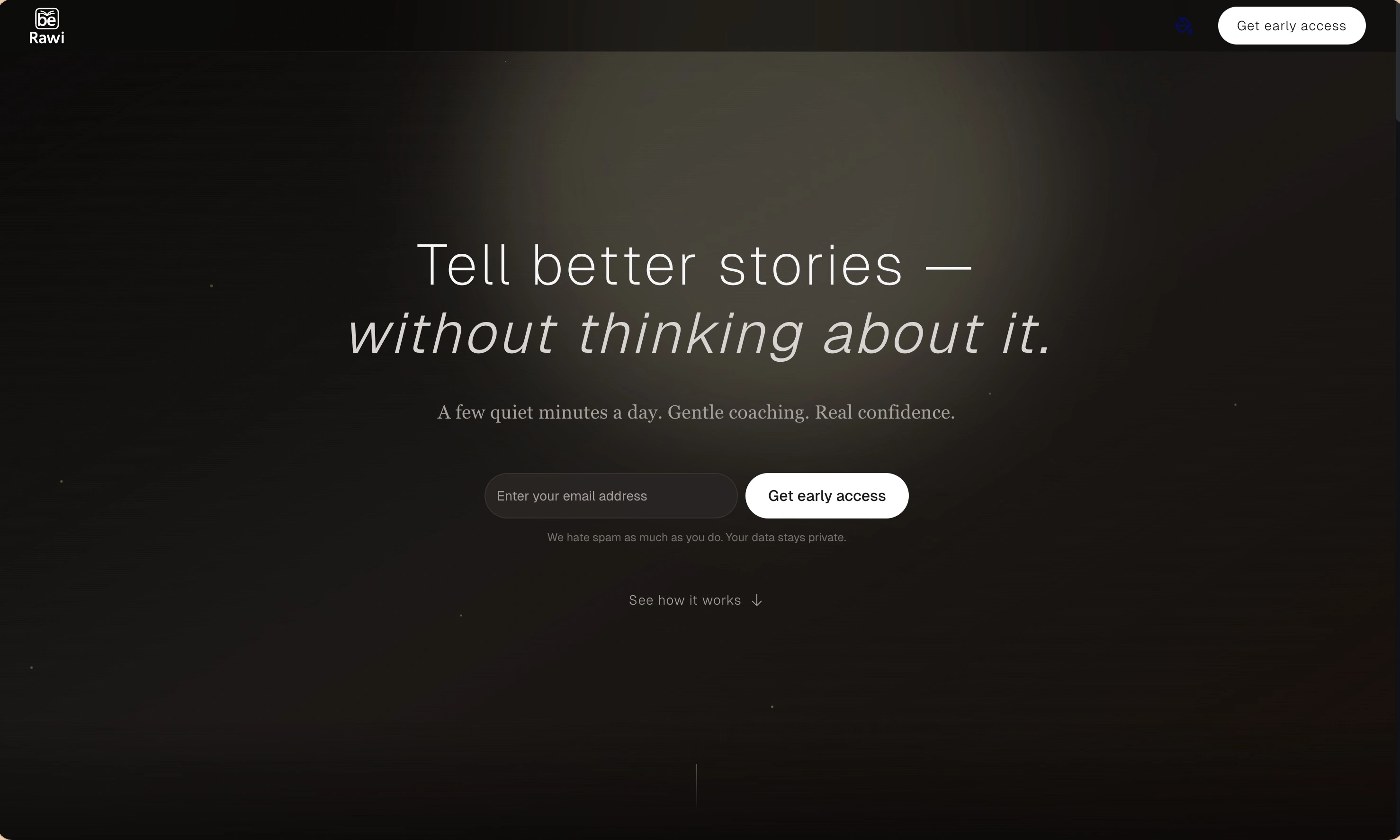
BeRawi: Storytelling Coach
Practice storytelling daily with instant feedback to sound clearer, more engaging, and confident 🎤
Omichat
Chat with 50+ AI models, including ChatGPT and Claude, in one place - switch models anytime without losing context 🤖
Claude Fast
Supercharge your Claude Code with 6x effective context window and specialized AI agents 🤖
EmojAI
AI-powered emoji picker with smart, context-aware suggestions 🤖
Solohacker
Autonomous company launcher - AI agents work 24/7, escalate what matters, and you stay in control 🤖
BeRawi: Storytelling Coach
Practice storytelling daily with instant feedback to sound clearer, more engaging, and confident 🎤

Connect with like-minded people
Join our community to get feedback, support, and grow together with 1,000+ builders on board, let's ship it!
Join usShip your startup everywhere. In minutes.
Don't burn tokens on setup and start building features on day one.