TapTest
Get real users to test vibe-coded apps on their phones, capture screen recordings, and send structured bug reports before launch.
What TapTest is and why it matters
TapTest is a mobile app user testing platform for teams that want real people to test an app on their phones before launch. It helps a product team recruit or invite testers, give them clear tasks, capture their screen recordings, and turn observations into structured bug reports.
The concept addresses a common gap between building an app and knowing whether it works in real-world use. A build can pass internal checks and still confuse first-time users, behave differently on particular devices, or break when network conditions change. TapTest would make it easier to uncover those problems while they are still inexpensive to fix.
The opportunity is not simply to record a phone screen. Screen recording tools already exist, as do usability testing platforms and bug trackers. TapTest’s potential differentiator is a connected workflow built around mobile app testing: get a test build onto a real device, guide a tester through a task, capture useful evidence, and give the product team a report they can act on.
That focus gives the product a clear promise: help teams find and understand mobile usability and functional issues before release, without requiring every tester to be a QA specialist.
The problem TapTest should solve
Mobile testing has several sources of friction that are easy to underestimate.
App behavior depends on the device and context
A mobile app is experienced through more than its code. Device size, operating system version, keyboard behavior, permissions, network quality, notification settings, and accessibility preferences all influence what a user sees. An app that works on a developer’s phone may fail or feel confusing on another device.
Internal testing often misses these differences because employees tend to use a narrow set of devices and already understand how the product is supposed to work. External testers can expose assumptions the team did not know it was making.
Feedback is often too vague to act on
A comment such as “I couldn’t find the settings” is useful as a signal, but it does not explain what the tester expected, where they looked, what they tapped, or what appeared on screen.
A useful mobile test report needs enough context to reproduce and prioritize the issue. That can include:
- The task the tester was attempting
- The steps they took
- The point where they became confused or encountered an error
- A screen recording or screenshot
- Device and operating system details
- The tester’s description of the expected result
- The actual result and its impact
TapTest can make feedback more actionable by collecting these details as part of the testing flow rather than asking a busy team to reconstruct them later.
Testing tools can be disconnected
Teams may use one service to recruit participants, another to record a session, a form to collect written feedback, and a project management tool to track defects. Moving evidence between systems creates extra work and can strip away context.
TapTest should aim to connect the steps that matter most. It does not need to replace every tool a team already uses. It should make the journey from test task to reproducible report dramatically simpler.
Who TapTest should serve first
“Anyone building a mobile app” is too broad to be a useful starting market. TapTest will have a stronger product and clearer marketing if it begins with teams that feel the pain frequently and can make a buying decision without a long procurement process.
Indie developers and small app teams
Solo developers and small teams often have limited access to a dedicated QA department. They may already test their apps themselves, but they have less confidence that they have covered enough devices, user types, or onboarding paths.
TapTest could help these teams:
- Invite a small group of testers without creating a complex research project
- Verify onboarding, signup, checkout, or core workflows
- Collect recordings and reports in one place
- Catch confusing interactions before publishing an update
This audience is attractive for self-serve adoption, but many indie developers have limited budgets. A free tier or low-cost plan could encourage experimentation, while paid plans would need to offer clear value through more tests, collaborators, or integrations.
Startups preparing a mobile launch
Early-stage startups face pressure to ship quickly while proving that their product solves a real problem. Founders and product managers may need feedback from people outside the company, but they may not have established research processes.
For these teams, TapTest can support a repeatable pre-launch ritual: define high-risk user journeys, recruit appropriate testers, review recordings, and fix the most consequential issues before release.
The strongest initial customers are likely to have a live or near-launch app, a small product team, and a meaningful reason to reduce launch risk. A team with only a prototype may need a different product experience than one distributing installable builds.
Product managers and UX designers
Product managers and designers need more than a list of crashes. They need to know whether users understand the product, whether a flow matches expectations, and where friction appears.
TapTest can make it easier for them to answer questions such as:
- Can a new user complete onboarding without help?
- Do people understand the value proposition on the first screen?
- Can users find and complete a key action?
- Which parts of a flow cause repeated hesitation or mistakes?
- Do changes to the interface improve task completion?
These questions point to an important product decision. TapTest should support both functional bug reporting and usability feedback, while clearly distinguishing the two.
QA teams at growing companies
Established QA teams may already use test management systems, device farms, or crash reporting tools. They are less likely to replace a mature workflow solely to obtain screen recordings.
They may still value TapTest if it provides a complementary way to gather exploratory feedback from people outside the QA team. To serve them, the product should support repeatable tasks, structured issue details, export options, and integrations with existing engineering workflows.
Market opportunity and the product gap
TapTest sits at the intersection of several established categories: usability testing, mobile QA, participant recruitment, session recording, and bug reporting. That is promising because customers already understand the underlying problems. It also means TapTest must explain precisely where it fits.
A practical market analysis should compare current workflows rather than assume that no alternatives exist. Potential alternatives include:
- General-purpose usability testing and research platforms
- Mobile-focused testing and device access services
- Session replay and product analytics tools
- Bug tracking platforms
- Informal methods such as sending a build to friends and collecting feedback in chat
Each category solves part of the problem. TapTest’s opportunity is to make real-user mobile testing and structured follow-up work as one focused process.
A key gap may be between “watch a user test” and “give engineering a report they can reproduce.” Research platforms can be useful for observing behavior, while issue trackers are designed to manage work after an issue is known. TapTest can differentiate by making the handoff from observed behavior to actionable mobile issue the center of the product.
Validate the gap before building
The product team should test whether this gap is genuinely painful for a specific audience. Interview potential users about their last mobile testing effort, rather than asking whether they like the idea.
Useful questions include:
- How did you last test a mobile app with people outside your team?
- What was difficult about getting the app onto their phones?
- How did you collect recordings and written feedback?
- What information was missing when someone reported a bug?
- How did you decide what to fix?
- What did the process cost in time, money, or delayed releases?
- What tools would TapTest need to work with rather than replace?
Look for repeated evidence of costly workarounds: manual test instructions, scattered recordings, unclear reports, repeated follow-up questions, or dependence on a small circle of internal testers. A willingness to pay is more credible when a team already spends time or money addressing the problem.
For market sizing, avoid relying on an unsupported headline estimate. Build a bottom-up model using a clearly defined initial customer profile, an estimate of reachable teams, and realistic conversion assumptions. If the article or future product materials include market statistics, cite the original report, its publication date, and the methodology. Relevant sources to investigate include mobile app publishing data, developer surveys, and reports from established research firms. Do not present a broad mobile market number as TapTest’s addressable market without explaining the connection.
TapTest’s core product workflow
The product should organize around a simple loop:
- A team creates a test.
- A tester receives instructions and access to the app.
- The tester completes tasks on a real phone.
- TapTest captures observations and evidence.
- The team reviews, labels, and shares actionable reports.
- The team fixes issues and validates the experience again.
This workflow is more valuable than a standalone recording feature because each step preserves context for the next one.
Test creation and task design
A test creator should let a team specify the app version, audience, tasks, and success criteria. The initial experience should be guided enough to help non-researchers write clear tasks without forcing them to learn formal research methods.
For example, a task could ask a participant to create an account and locate a particular feature. The wording should avoid giving away the correct path. TapTest can offer practical prompts and flag common task-writing problems, such as instructions that tell participants exactly where to tap.
A useful test setup may include:
- A test name and app version
- A short screening questionnaire
- Participant eligibility criteria
- A task list with optional follow-up questions
- A consent and recording disclosure
- A deadline and estimated completion time
Tester onboarding and app access
Getting a test build onto a phone can be one of the most frustrating parts of mobile research. TapTest should reduce installation confusion with platform-specific instructions and clear troubleshooting.
The best setup will depend on the customer’s distribution method. A team might provide a beta distribution invitation, a private download, or a link to a publicly available app. TapTest should avoid promising that one installation path works for every app or operating system version.
Before implementation, investigate the current requirements and limitations of Apple’s and Google’s distribution systems. Those requirements can change, and the product should make the supported setup explicit rather than imply universal compatibility.
Recording and structured feedback
Screen recordings can show what happened, but they do not automatically explain why it happened. TapTest should pair recordings with lightweight prompts that capture the tester’s intent and reaction without interrupting every interaction.
Potential capture options include:
- Screen recording with clear participant consent
- Optional voice narration
- Task completion status
- Tester comments at important points
- Screenshots or annotations
- Device model and operating system version
- App build identifier
- Timestamped notes
Recording must be designed around platform privacy and permission requirements. Recording behavior varies across operating systems and app configurations, so TapTest should test its capture approach on real devices and document limitations. It should never record sensitive content without clear disclosure and appropriate consent.
Bug reports that engineers can use
The report is where TapTest can demonstrate its value. A strong report should make it possible to understand the problem without watching an entire session.
A report could include:
- A concise issue summary
- The related task
- Steps to reproduce
- Expected and actual behavior
- Severity or user impact
- Device and app version details
- A relevant video segment or screenshot
- The tester’s own explanation
- Internal notes and status
TapTest should help separate a verified functional defect from a usability observation or a participant preference. That distinction helps teams prioritize consistently and avoids turning every subjective comment into an engineering ticket.
Review, collaboration, and integrations
Teams need a shared review space with comments, labels, assignments, and status changes. At launch, the platform should focus on making reports easy to inspect and export. Integrations with tools such as issue trackers can follow once customer interviews confirm which destinations matter most.
The product should also support efficient evidence review. Useful capabilities might include video timestamps, bookmarks, task-level summaries, and a way to link an issue to the exact moment it occurred. Avoid building elaborate analytics before proving that teams can consistently complete the basic test-and-review loop.
Competitive advantage and positioning
TapTest’s USP should be narrow and memorable:
A mobile app testing platform that turns real-phone user sessions into structured, reproducible reports.
That position is stronger than describing TapTest as “a tool for user feedback,” which could mean surveys, reviews, analytics, or customer support.
Potential competitive advantages include:
- Mobile-first workflow: The product is designed around real phones and app-specific tasks, not adapted from generic website testing.
- Evidence attached to reports: Recordings, task context, and device details stay connected to the issue.
- Accessible to small teams: A founder or designer can create a test without setting up a research operation.
- Useful handoff to engineering: Reports are structured for follow-up rather than being isolated research artifacts.
- Fast learning cycle: Teams can run focused tests before a release and validate changes afterward.
A feature comparison can help clarify positioning, but it should be based on verified product research. Avoid claiming that a competitor lacks a capability unless the team has checked its current product and plan details.
| Alternative | Typical strength | Potential TapTest distinction |
|---|---|---|
| General user research platform | Research planning and participant feedback | A workflow centered on mobile app access and actionable issue reports |
| Device testing service | Testing across device and OS combinations | Feedback from real people attempting realistic tasks |
| Session replay tool | Reviewing behavior in an instrumented product | Moderated or guided pre-launch testing with structured context |
| Bug tracker | Assigning and tracking engineering work | Collecting the user evidence that makes a report reproducible |
| Informal friend testing | Fast and familiar | Consistent tasks, consent, organized evidence, and repeatable follow-up |
This table is a positioning framework, not a claim that every product in each category has the same capabilities. Before using specific competitor names or comparisons in sales materials, verify feature availability, pricing, and target users directly.
Recommended technology stack for TapTest
The right stack depends on the hardest product risk. For TapTest, that risk is likely not the marketing website. It is reliably coordinating mobile test sessions, collecting recordings with consent, and preserving useful context across a range of devices.
A pragmatic early stack could include:
- Web application: React with a framework such as Next.js for the dashboard, test creation, and report review.
- Styling: A utility-first system such as Tailwind CSS for fast iteration on the web interface.
- Mobile companion or SDK: Expo can speed up development for a cross-platform tester app, while native modules may be needed for platform-specific capture or distribution workflows.
- Backend and database: A managed service such as Supabase can provide a fast path to authentication, relational data, and storage. A custom backend may offer more control as requirements mature.
- Analytics: Product analytics can help measure setup completion, test starts, task completion, and report usefulness. PostHog is one option to evaluate; the team should review its data controls and deployment model before selecting it.
- Payments: Stripe is a common option for subscription billing, but the team should confirm that its supported billing model and regions fit the business.
- Video storage and processing: Use object storage with access controls, signed delivery, retention policies, and a processing pipeline designed for large files.
These are starting points, not endorsements or a one-size-fits-all architecture. Verify current product documentation, pricing, regional availability, and security requirements during technical selection.
Build versus buy decisions
A small team should avoid building infrastructure that is not part of TapTest’s advantage. Managed authentication, billing, email, and object storage can speed up validation. The most product-specific engineering effort should go toward tester onboarding, mobile capture reliability, evidence review, and structured reports.
The trade-offs are real:
- A managed backend reduces operational work but can create vendor dependence.
- A cross-platform framework speeds up interface development but may require native code for specific recording capabilities.
- A browser-only tester flow is easier to ship but cannot necessarily deliver a strong in-app testing experience.
- A native companion app provides more control but adds installation friction and ongoing platform maintenance.
A sensible MVP may use a web dashboard and a narrowly scoped mobile recording workflow. The team should test capture feasibility on representative iOS and Android devices before committing to a broad promise.
A simple data model
The system should preserve relationships between tests, sessions, tasks, recordings, and reports. For example:
type Test = {
  id: string;
  name: string;
  appVersion: string;
  status: "draft" | "active" | "complete";
};

type Session = {
  id: string;
  testId: string;
  participantId: string;
  deviceModel?: string;
  osVersion?: string;
  consentedAt: string;
};

type TaskResult = {
  id: string;
  sessionId: string;
  taskId: string;
  status: "completed" | "blocked" | "skipped";
  notes?: string;
  recordingStartMs?: number;
  recordingEndMs?: number;
};

type IssueReport = {
  id: string;
  sessionId: string;
  summary: string;
  category: "usability" | "functional" | "accessibility" | "other";
  severity: "low" | "medium" | "high";
  status: "new" | "triaged" | "resolved";
};
This is illustrative rather than production-ready. A real schema should account for retention, access control, participant identity, deletion requests, data residency, and the possibility that one session produces multiple reports.
Privacy, consent, and trust
TapTest handles recordings that may contain personal information. Trust cannot be treated as a legal checkbox added after launch; it is part of the product experience.
The platform should:
- Explain what will be recorded and why, before a session begins.
- Collect consent in a clear, affirmative way.
- Let teams configure retention periods and delete recordings.
- Restrict access to recordings based on team roles.
- Use secure storage and controlled playback links.
- Warn testers not to enter passwords, payment details, or sensitive personal information unless the test explicitly requires it and appropriate safeguards are in place.
- Provide a process for data access and deletion requests.
- Document what data is collected, where it is processed, and how long it is retained.
Recording rules, privacy obligations, and app-store policies depend on jurisdiction, platform, and use case. TapTest should get qualified legal and security advice before handling customer recordings at scale. For public-facing claims about compliance, use only standards and certifications the company has actually achieved.
Monetization strategies
TapTest can monetize based on the costs and value drivers customers understand. The company should test pricing with early users rather than assuming that a particular billing unit will feel natural.
Subscription by team or workspace
A monthly or annual subscription provides predictable revenue. Plans could differ by number of tests, active projects, collaborators, storage, or integrations.
This model is easy to explain to teams that test regularly. It may be less compelling to an indie developer who only needs a few sessions before launch, so a free or pay-as-you-go option could complement it.
Usage-based testing
Pricing per completed session, tester, or recording can align revenue with actual usage. This model is useful for teams with seasonal testing needs, but it can make costs harder to predict.
If using usage-based pricing, show estimated costs before a test begins and explain what counts as a billable session. Unexpected charges can damage trust quickly.
Participant recruitment add-on
Some customers will already have access to testers; others will want help finding participants. TapTest could offer recruitment as a paid service or partner with research panels.
This can increase customer value but introduces operational complexity, including participant quality, screening, scheduling, geography, and payment. It may be wiser to validate the core testing workflow before taking on recruitment operations.
Enterprise plans
Larger teams may pay for centralized administration, single sign-on, audit logs, custom retention, security reviews, and advanced integrations. These features should be built in response to real enterprise requirements rather than added speculatively.
A potential plan structure might include:
- A free or trial tier for a limited number of tests
- A self-serve team plan for recurring testing
- Usage add-ons for additional sessions or storage
- An enterprise plan for governance and security requirements
The key pricing question is not merely what competitors charge. It is how much time, risk, and coordination TapTest saves, and how frequently each customer encounters that problem.
Risks and how to reduce them
Recording is technically unreliable
Screen recording behavior can differ across device models and operating system versions. If recordings fail or miss important context, customers may lose confidence in the product.
Mitigation: Prototype capture early, test on a representative device matrix, monitor failure rates, and communicate supported configurations. Do not wait until after the dashboard is polished to discover that the central workflow is unreliable.
App installation creates drop-off
A participant may abandon a test if installing a build requires too many steps or confusing permissions.
Mitigation: Offer clear platform-specific onboarding, keep instructions current, test the process with people unfamiliar with beta distribution, and measure the percentage of invited testers who successfully start a session.
Feedback quality varies
Some participants provide thoughtful explanations; others rush through tasks or submit vague comments.
Mitigation: Improve task wording, set expectations, use lightweight follow-up prompts, and give teams tools to screen or review submissions. If paid participants are introduced, establish clear quality standards and transparent incentive policies.
Customers may use existing tools instead
A customer may already have a research platform, a QA process, and a bug tracker.
Mitigation: Position TapTest as a focused workflow and integrate with existing systems where demand is proven. Make exporting reports easy so adoption does not require a complete tool migration.
The product becomes too broad
It may be tempting to add analytics, recruitment, device farms, test automation, surveys, and project management before the core experience is validated.
Mitigation: Keep the product centered on the test-to-report loop. Evaluate each feature by whether it improves test completion, evidence quality, report usefulness, or repeat usage.
Sensitive information is exposed
Recordings could unintentionally include personal messages, account details, or other sensitive content.
Mitigation: Make consent and recording notices prominent, minimize data collection, implement access controls and retention settings, and give teams guidance for creating safe test tasks. Design for deletion and incident response from the beginning.
Metrics that show whether TapTest is working
Avoid relying only on signups or the number of recordings uploaded. Those figures can increase while customers fail to get useful results.
More meaningful metrics include:
- Time to first completed test: Measures whether setup is understandable.
- Invite-to-session conversion: Shows whether participant onboarding works.
- Session completion rate: Indicates whether tasks and recording flows are usable.
- Report usefulness rating: Captures whether teams can act on submitted findings.
- Time from report to triage: Measures the quality of the handoff.
- Repeat test rate: Shows whether teams return for another testing cycle.
- Issues confirmed or fixed: Connects activity to product outcomes, while recognizing that not every observation becomes a defect.
- Recording failure rate: Tracks reliability in the product’s most important technical workflow.
These metrics should be interpreted by customer segment and device type. A single average can hide a serious problem affecting one platform or a particular installation path.
Actionable implementation plan
A disciplined rollout can reduce the risk of building a large product before confirming the core demand.
Interview a narrow customer segment
Start with one audience, such as early-stage teams preparing to launch a consumer mobile app. Speak with teams that have recently tested an app and ask them to describe the actual process, tools, delays, and follow-up work. Record repeated problems and the language customers use to describe them.
Test the recording and distribution assumptions
Build a technical prototype before investing in a broad feature set. Confirm how testers will install the app, grant permissions, record a session, and submit evidence on representative devices. Document limitations and identify fallback paths.
Define the smallest valuable test workflow
The first release should let a team create a test, share it with a tester, guide that tester through a few tasks, collect consented evidence, and review a structured report. Defer features that do not strengthen this loop.
Run a concierge pilot
Help a small group of design partners set up their first tests. Observe where they get stuck, what information they wish the reports contained, and whether they would run another test. Manual support is acceptable during this stage if it reveals what should eventually be automated.
Measure outcomes and refine positioning
Track test completion, report usefulness, and repeat usage. Refine the message around the most valuable result customers experience, such as finding confusing onboarding steps or getting reproducible bug reports—not around a generic promise to “improve quality.”
Add integrations and paid plans after validation
Once teams complete the core workflow repeatedly, introduce the integrations and pricing model that match their existing processes. Test willingness to pay with real proposals and pilot conversions rather than relying only on positive interview feedback.
Prioritize test creation, tester instructions, consent, a dependable recording flow, structured reports, basic collaboration, and secure access to evidence.
Add task templates, report exports, team roles, configurable retention, usage limits, and the integrations requested most often by paying users.
Consider participant recruitment, advanced analytics, enterprise controls, broader device coverage, and workflow automation once the core product has repeat usage.
Why TapTest could stand out
TapTest has a credible opportunity if it focuses on the messy handoff between mobile user behavior and engineering action. It should not try to win by claiming to be the most comprehensive research suite or the largest device farm. Its strength can be a simpler, sharper product experience for teams that need to test an app with real people and turn what they observe into useful next steps.
The product’s success will depend on proving three things:
- Teams can get testers through the mobile setup process.
- The evidence collected is reliable and sufficiently contextual.
- The resulting reports help teams make better product decisions or fix issues faster.
If those assumptions hold, TapTest can expand carefully into deeper integrations, recruitment, and enterprise workflows. If they do not, the team will have learned where the real friction lies before committing to a complex platform.
For founders moving from validated concept to implementation, TurboStarter can help accelerate the SaaS foundation so more effort can go toward TapTest’s differentiated mobile testing workflow.
Final takeaway
TapTest is best understood as a mobile app user testing platform that connects real-phone sessions with structured, actionable bug reports. The opportunity is not simply to record more video. It is to help teams get high-quality feedback from people outside the company, preserve the context behind that feedback, and make it easier to decide what to fix before launch.
The strongest path forward is to validate a narrow customer segment, test the technical recording assumptions early, and build only the workflow needed to turn a test into a useful report. If TapTest can make that loop reliable, safe, and repeatable, it can earn a differentiated place among the tools teams already use to build and improve mobile apps.
More 📱 Mobile App SaaS ideas
Discover more innovative mobile app SaaS ideas that are trending in 2026. Each idea is AI-generated with market validation and growth potential to help you find your next profitable venture faster than competitors.
Your competitors are building with TurboStarter
Below are some of the SaaS ideas that have been generated and built with our starter kit.
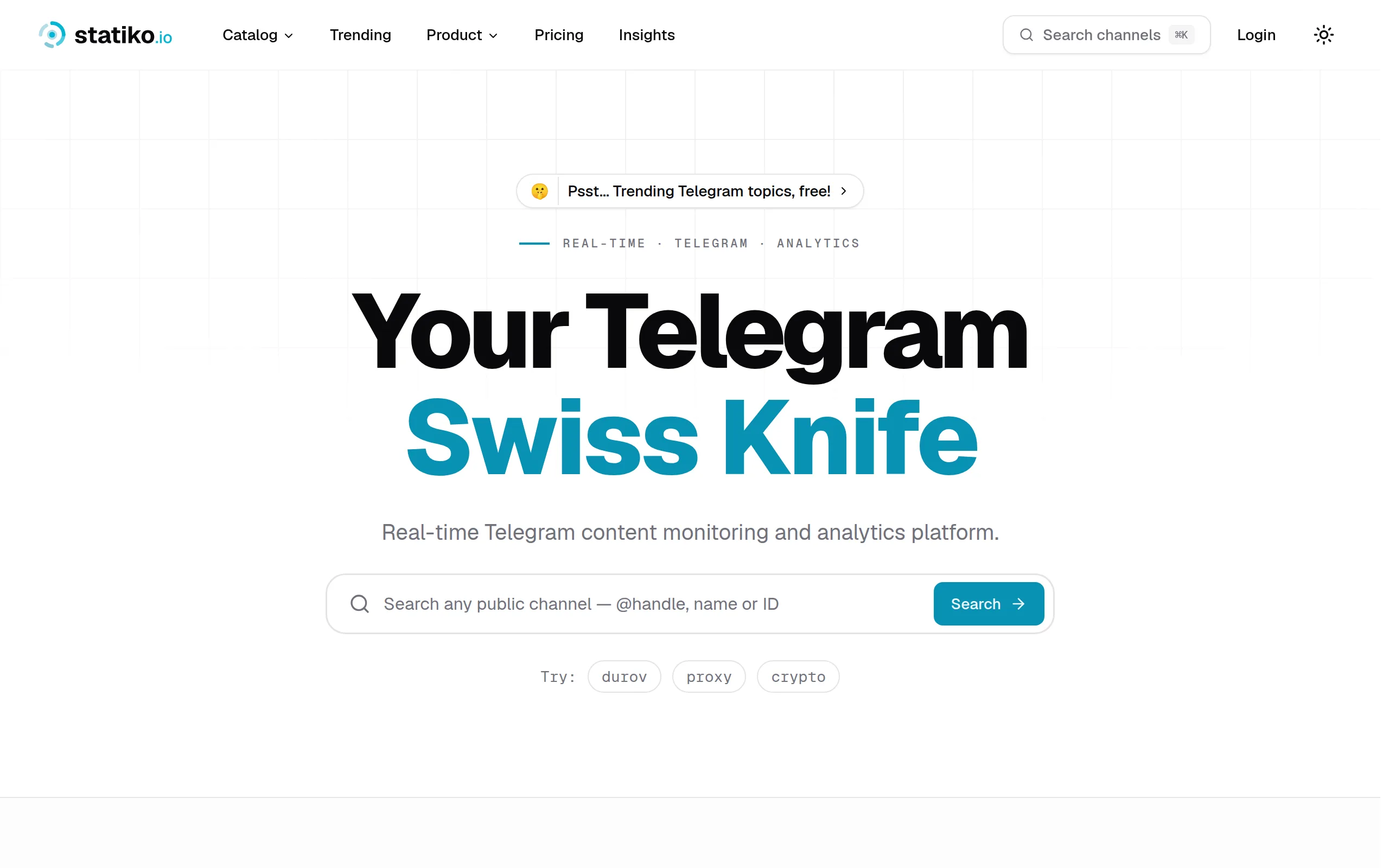
Statiko
Monitor any Telegram channel in real time - track posts, edits, deletions, and growth with AI recaps 📡
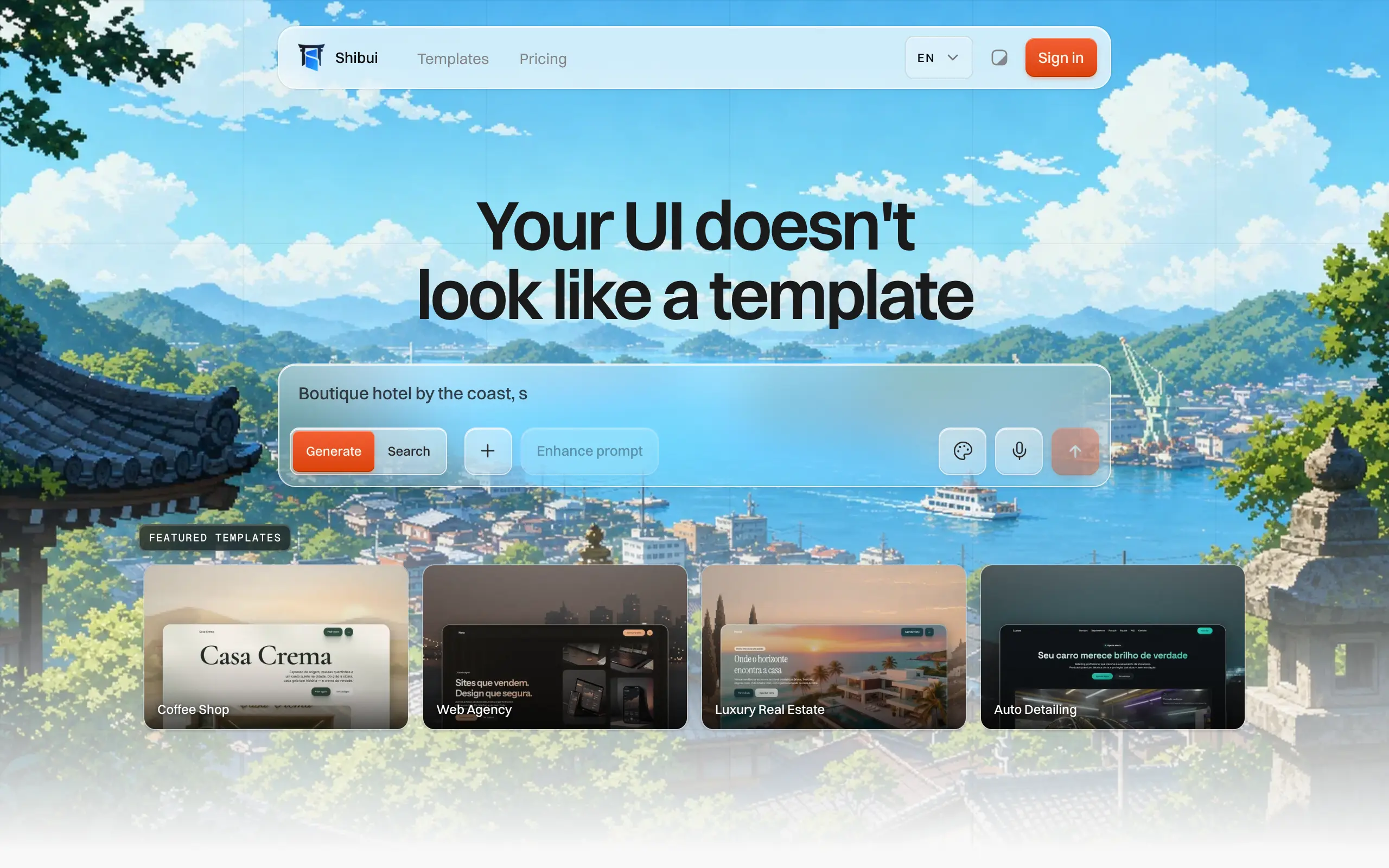
Shibui
AI website builder - describe your business, pick a niche template, edit by chatting, and publish instantly ✨
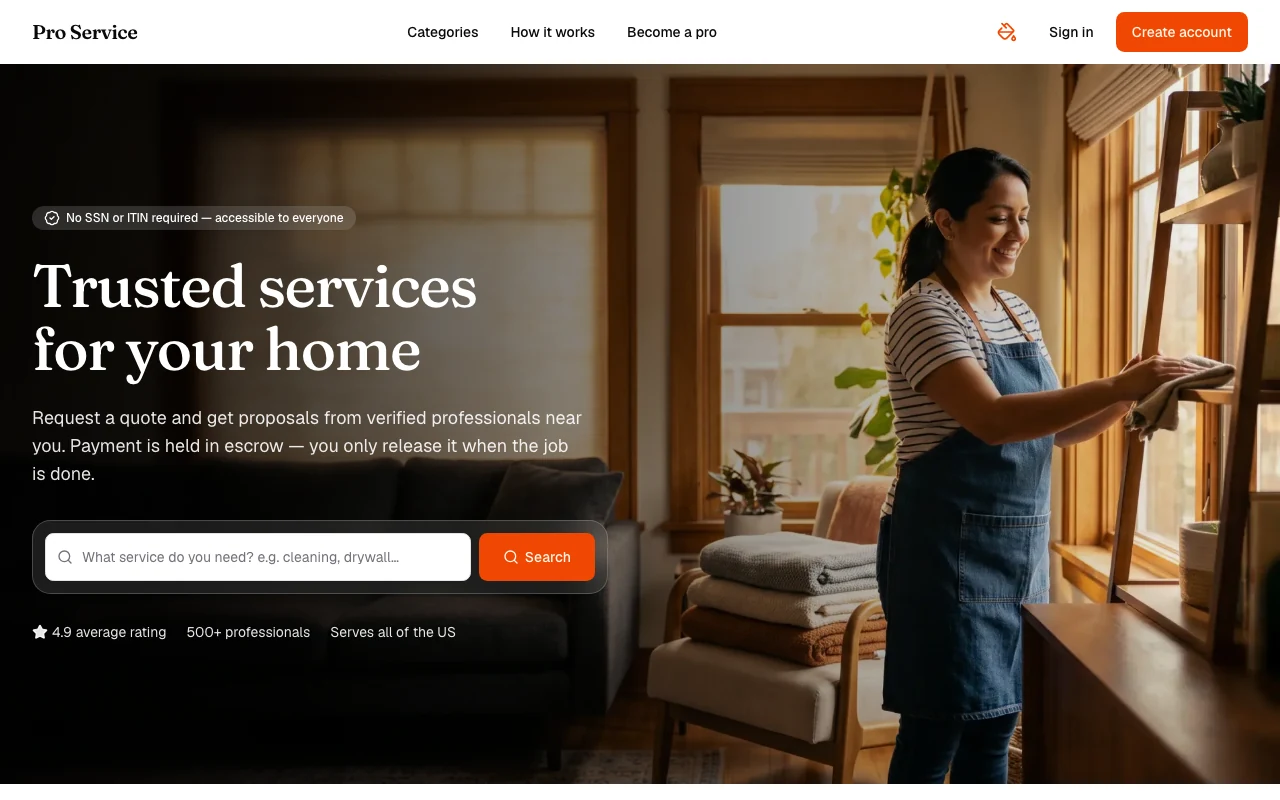
Pro Service
Find verified home service professionals, compare quotes, and pay securely through escrow - built for Brazilians across the US 🏠
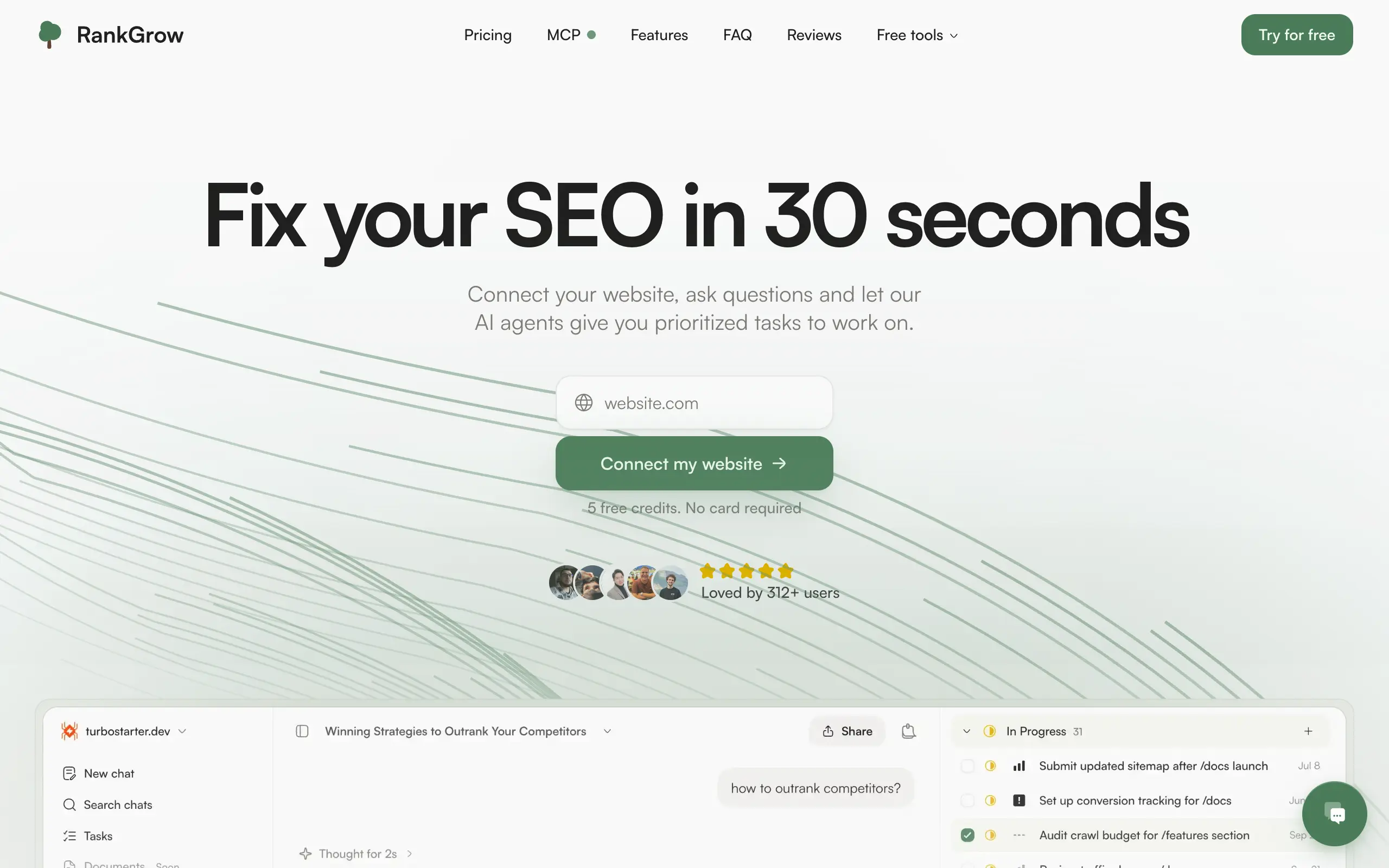
RankGrow
Fix your SEO with AI agents - connect Search Console, get prioritized tasks, and grow organic traffic 📈
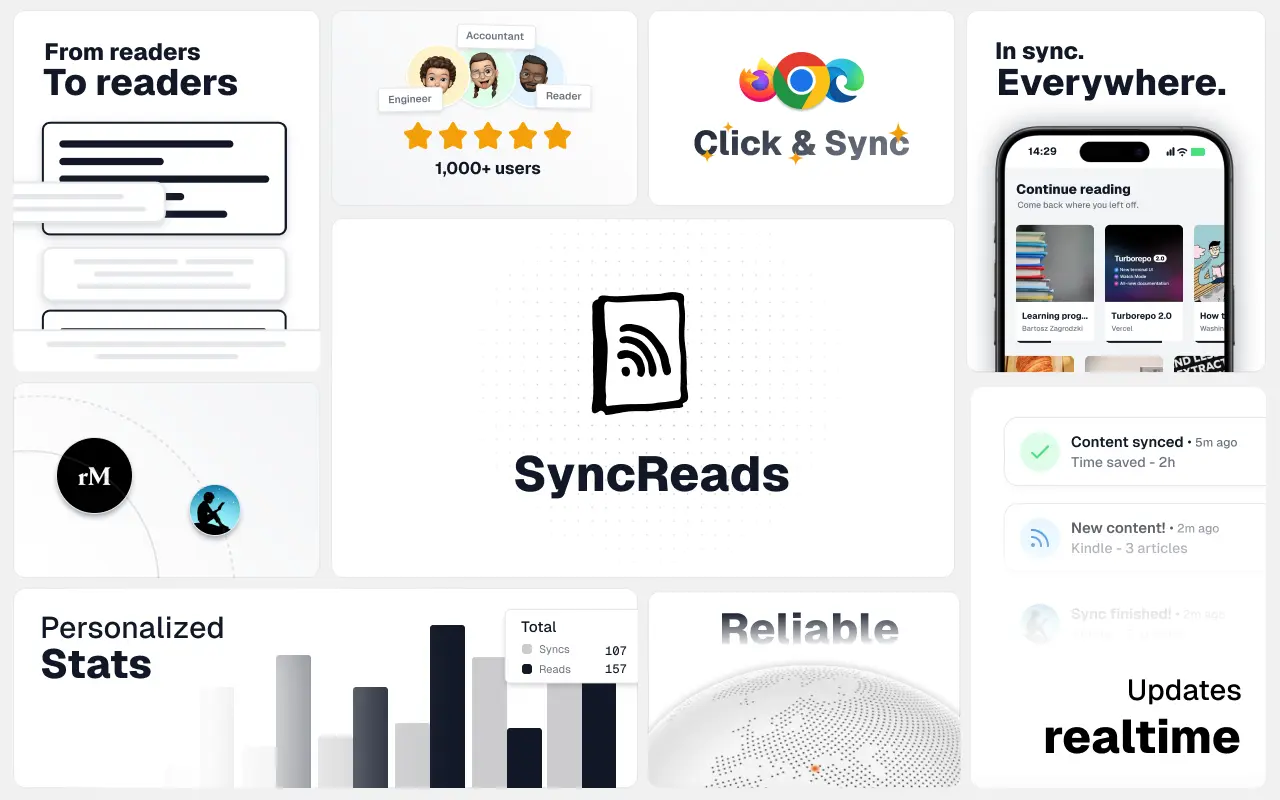
SyncReads
Sync your favorite content for distraction-free reading, save time and replace multiple apps. Anytime, anywhere 🔄
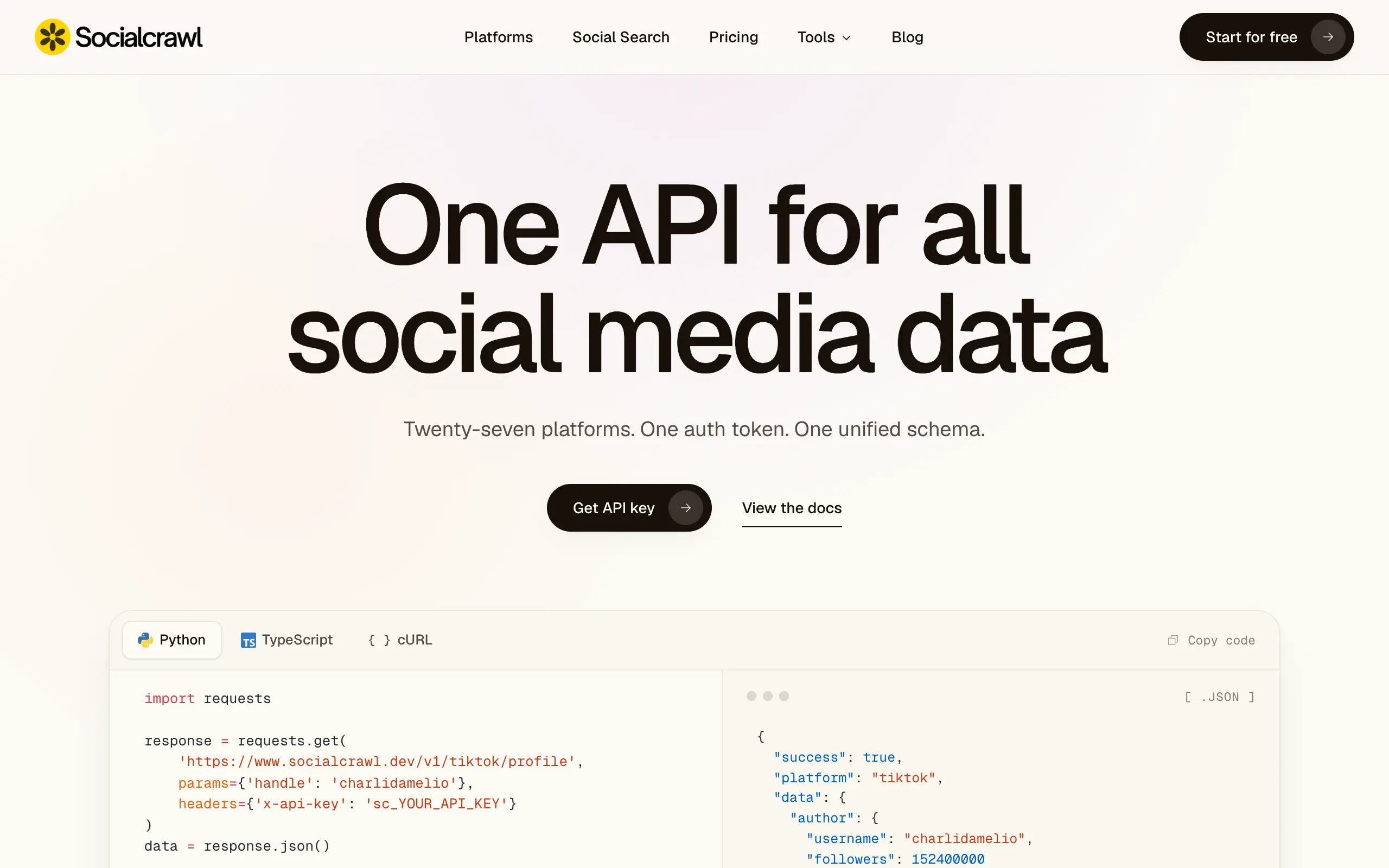
Socialcrawl
Get clean, structured data from 21 platforms like TikTok, Instagram, and YouTube with a single request 📊
Statiko
Monitor any Telegram channel in real time - track posts, edits, deletions, and growth with AI recaps 📡
Shibui
AI website builder - describe your business, pick a niche template, edit by chatting, and publish instantly ✨
Pro Service
Find verified home service professionals, compare quotes, and pay securely through escrow - built for Brazilians across the US 🏠
RankGrow
Fix your SEO with AI agents - connect Search Console, get prioritized tasks, and grow organic traffic 📈
SyncReads
Sync your favorite content for distraction-free reading, save time and replace multiple apps. Anytime, anywhere 🔄
Socialcrawl
Get clean, structured data from 21 platforms like TikTok, Instagram, and YouTube with a single request 📊
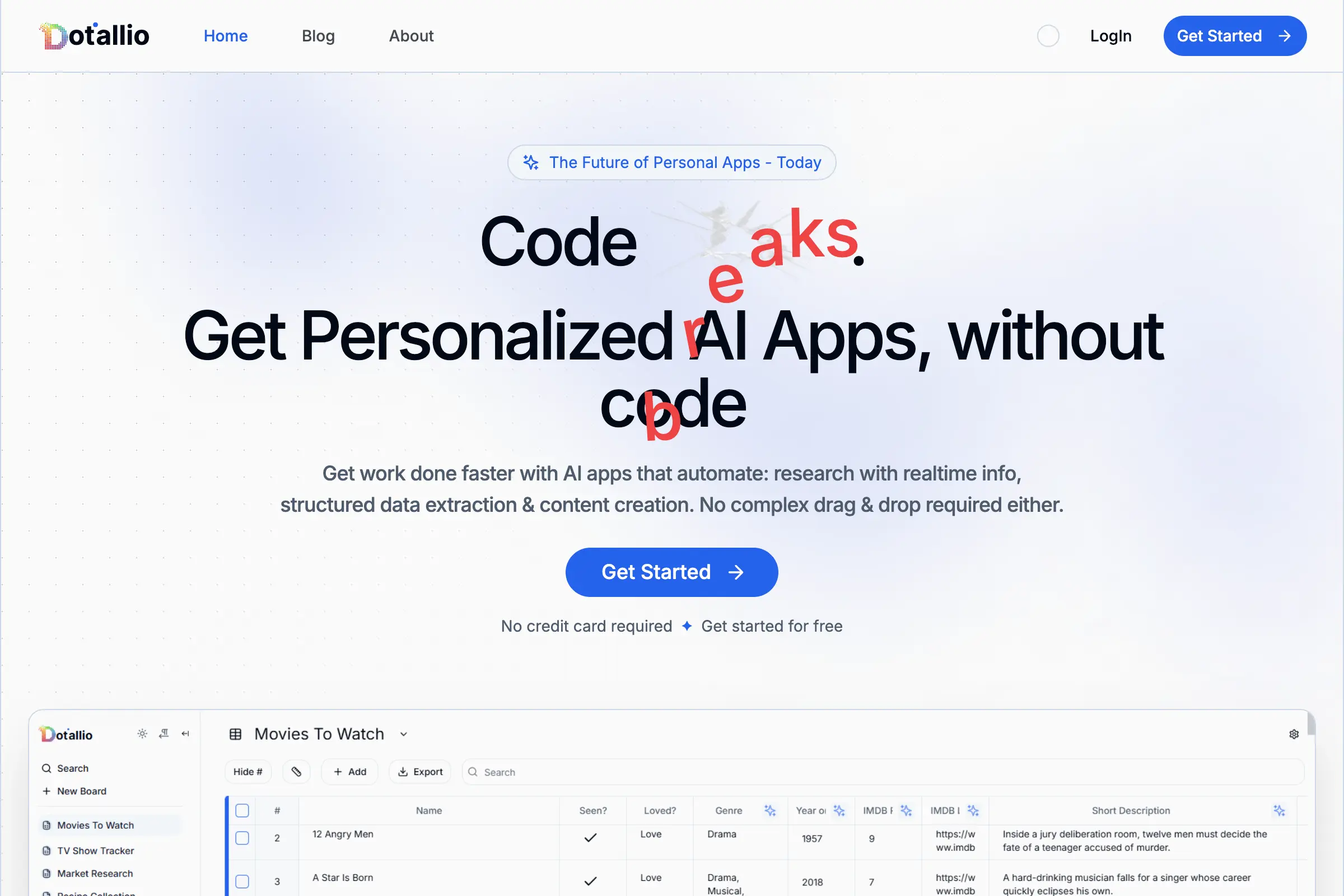
Dotallio
Personalized AI apps that automate research, data extraction, and content creation without code 🤖
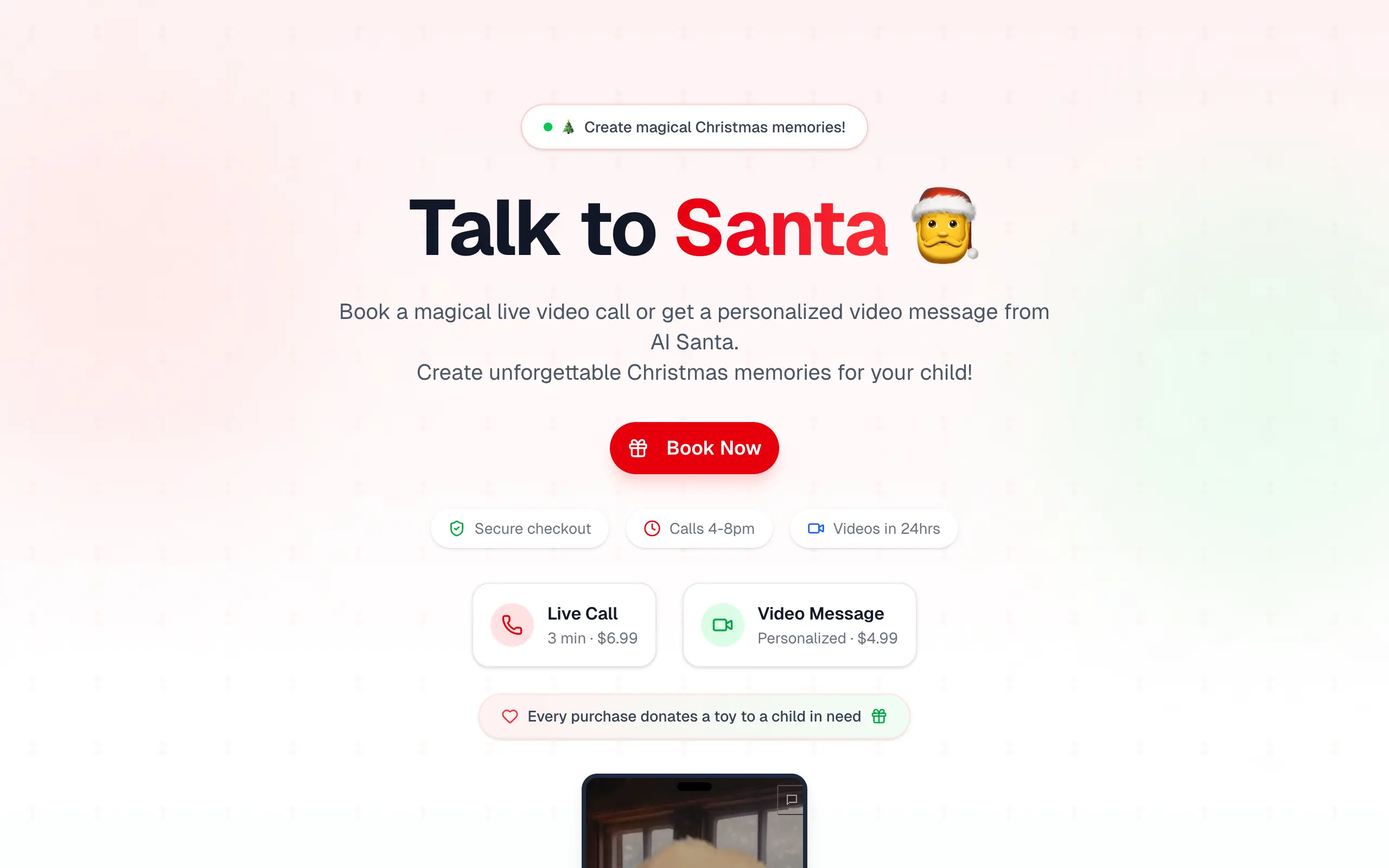
Talk to Santa
Enjoy a magical live video chat or receive a unique AI-generated video greeting from Santa Claus 🎅
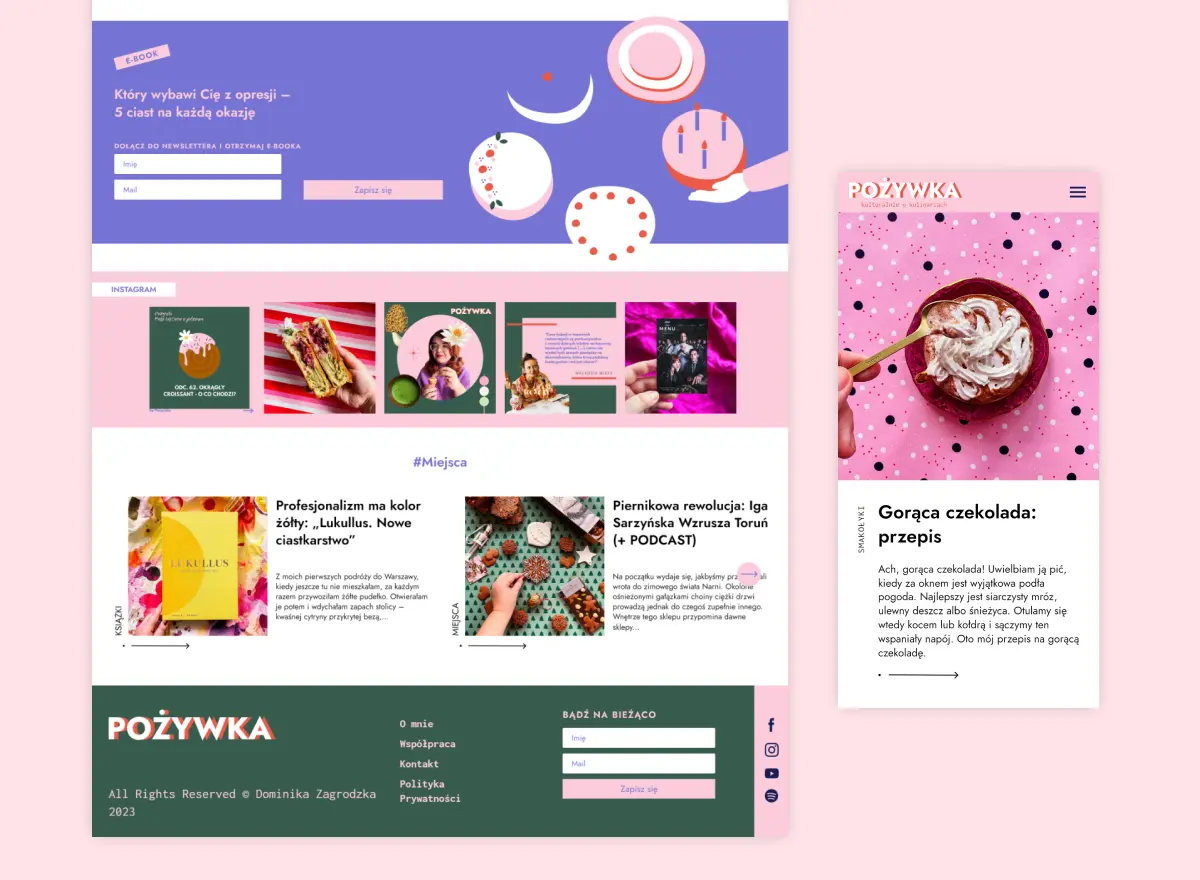
pozywka.pl
Scalable blog for food journalist, focused on performance and user experience 🌭
zagrodzki.me
Personal blog and portfolio of Bart Zagrodzki, where he shares his knowledge and work 💼
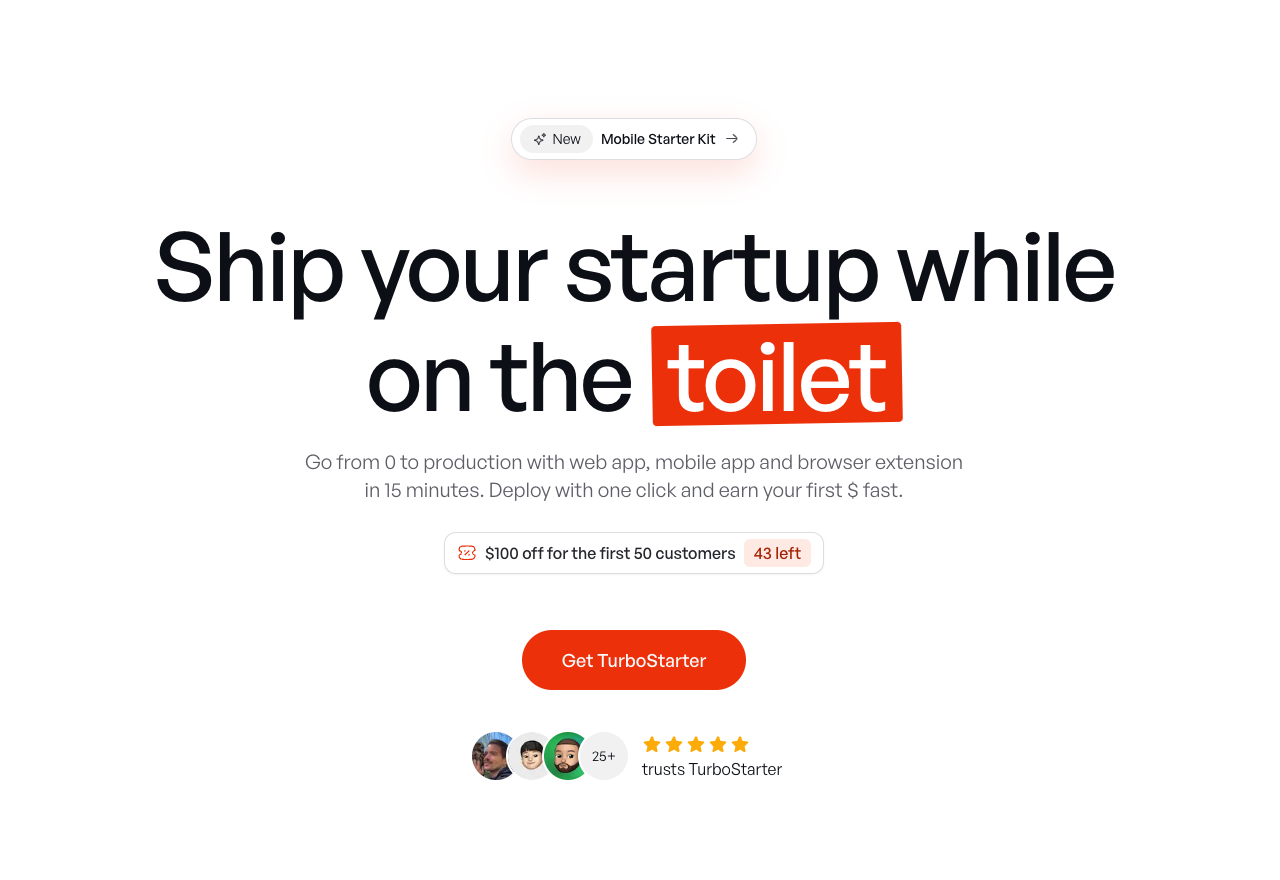
TurboStarter
Ship your startup everywhere. In minutes.
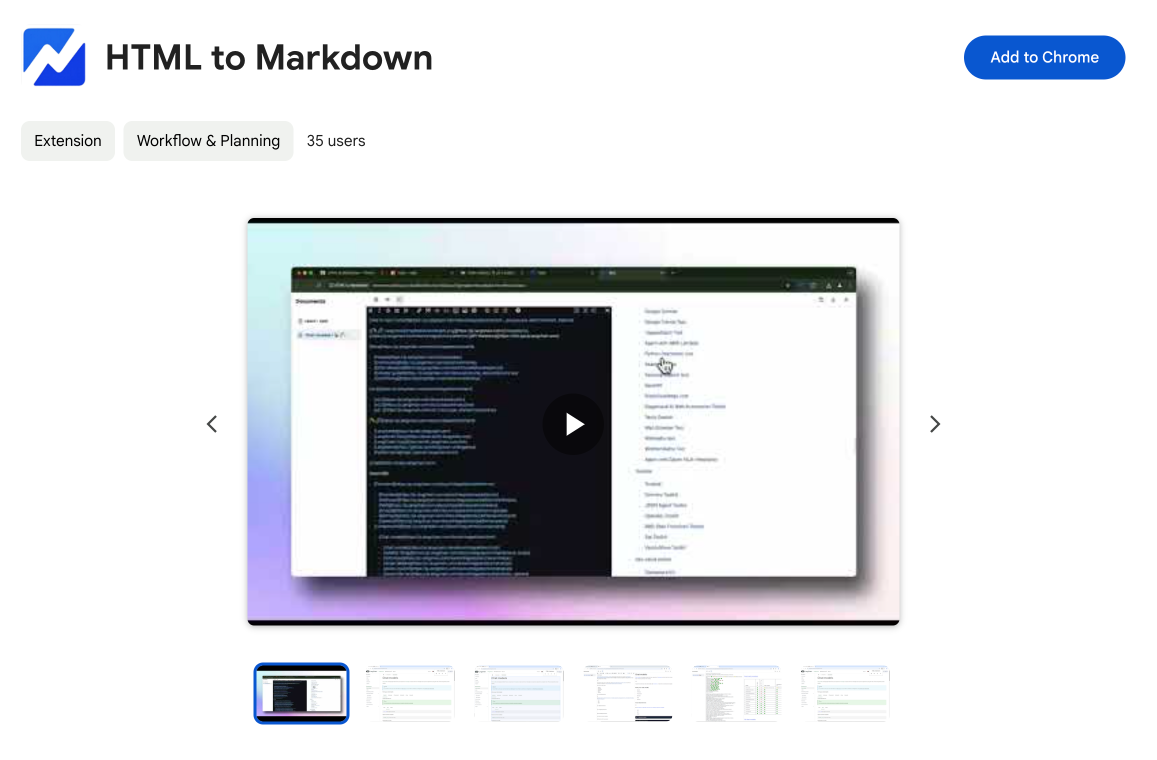
HTML to Markdown
Convert HTML to Markdown with ease, directly in your browser 📄
Dotallio
Personalized AI apps that automate research, data extraction, and content creation without code 🤖
Talk to Santa
Enjoy a magical live video chat or receive a unique AI-generated video greeting from Santa Claus 🎅
pozywka.pl
Scalable blog for food journalist, focused on performance and user experience 🌭
zagrodzki.me
Personal blog and portfolio of Bart Zagrodzki, where he shares his knowledge and work 💼
TurboStarter
Ship your startup everywhere. In minutes.
HTML to Markdown
Convert HTML to Markdown with ease, directly in your browser 📄
Omichat
Chat with 50+ AI models, including ChatGPT and Claude, in one place - switch models anytime without losing context 🤖
Claude Fast
Supercharge your Claude Code with 6x effective context window and specialized AI agents 🤖
EmojAI
AI-powered emoji picker with smart, context-aware suggestions 🤖
Solohacker
Autonomous company launcher - AI agents work 24/7, escalate what matters, and you stay in control 🤖
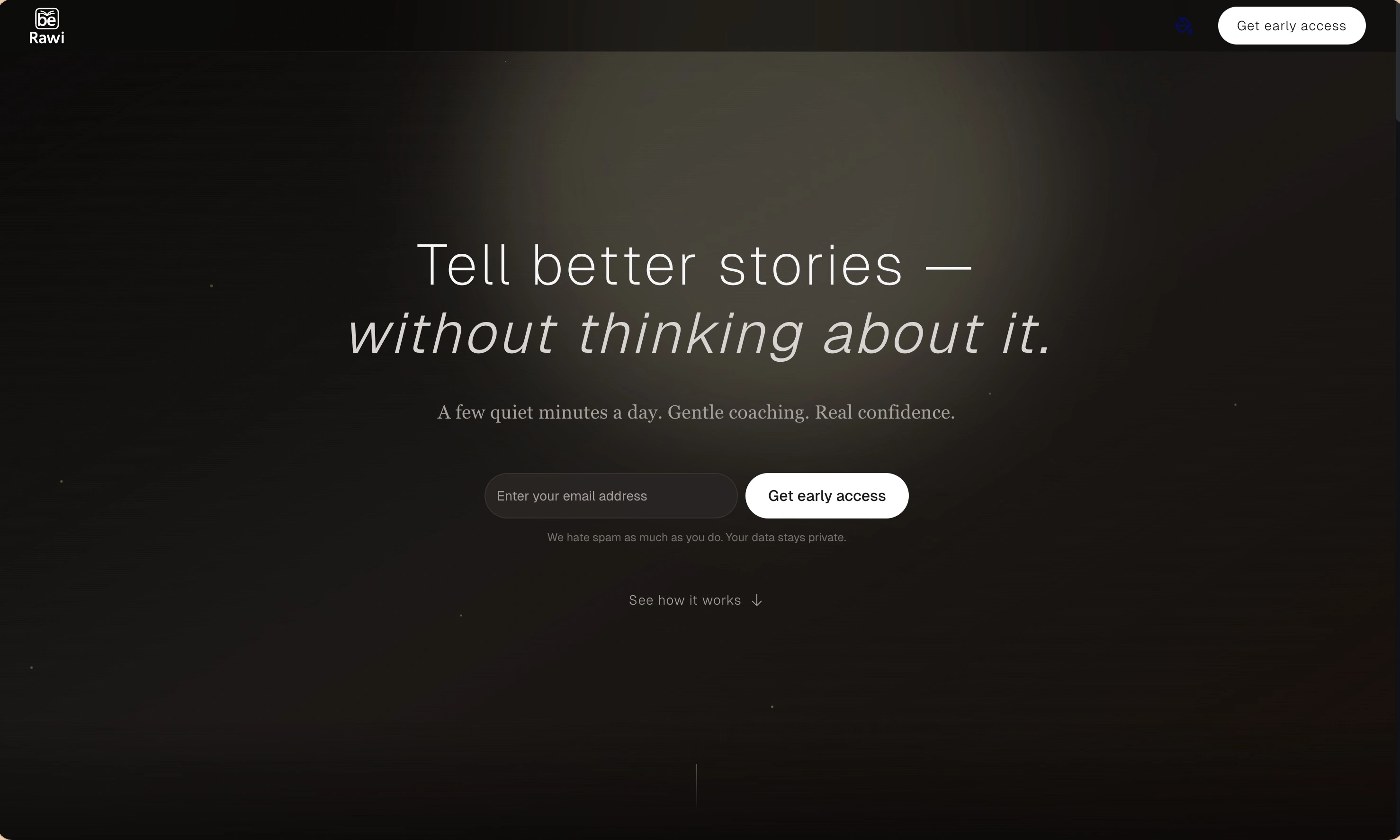
BeRawi: Storytelling Coach
Practice storytelling daily with instant feedback to sound clearer, more engaging, and confident 🎤
Omichat
Chat with 50+ AI models, including ChatGPT and Claude, in one place - switch models anytime without losing context 🤖
Claude Fast
Supercharge your Claude Code with 6x effective context window and specialized AI agents 🤖
EmojAI
AI-powered emoji picker with smart, context-aware suggestions 🤖
Solohacker
Autonomous company launcher - AI agents work 24/7, escalate what matters, and you stay in control 🤖
BeRawi: Storytelling Coach
Practice storytelling daily with instant feedback to sound clearer, more engaging, and confident 🎤

Connect with like-minded people
Join our community to get feedback, support, and grow together with 1,000+ builders on board, let's ship it!
Join usShip your startup everywhere. In minutes.
Don't burn tokens on setup and start building features on day one.