TrailPulse
A mobile app that analyzes trail runs using GPS and terrain data to predict fatigue and optimize pacing for trail runners in real time.
Understanding the opportunity behind a trail running optimization app
Trail running has exploded in popularity over the past decade, fueled by growing interest in outdoor fitness, endurance sports, and adventure racing. Unlike road running, trail running introduces unpredictable variables—terrain, elevation, weather, and footing—that make pacing far more complex.
This is where a trail running optimization app like TrailPulse creates a compelling opportunity. By leveraging GPS data, terrain analysis, and predictive modeling, TrailPulse aims to deliver real-time fatigue prediction and pacing optimization, solving one of the biggest pain points for trail runners: knowing how hard to push without burning out.
The primary keyword for this article is trail running pacing app, supported by related terms like:
- trail running analytics
- fatigue prediction running app
- GPS trail running tracker
- AI running coach for trails
- elevation-based pacing strategy
This guide breaks down the business, product, and technical strategy required to build and scale a SaaS product like TrailPulse.
The problem: why trail runners struggle with pacing
Trail runners face a fundamentally different challenge compared to road runners:
- Constant elevation changes (ascents and descents)
- Variable terrain (rocks, mud, roots)
- Weather and altitude shifts
- Limited visibility into future trail segments
Most existing apps—like Strava or Garmin Connect—focus on post-run analytics, not real-time decision-making.
Key pain points
- Overexertion early in runs leading to fatigue crashes later
- Poor pacing on climbs vs descents
- Lack of terrain-aware guidance
- No predictive fatigue modeling
- Manual planning that doesn’t adapt mid-run
Key insight
Trail runners don’t just need tracking—they need adaptive guidance based on terrain and physiological load in real time.
Target audience analysis
TrailPulse targets a highly engaged and growing niche within endurance sports.
Primary audience segments
1. Competitive trail runners
- Ultra marathoners (50K, 100K, 100-mile races)
- Highly data-driven
- Already using wearables like Garmin, COROS, or Apple Watch
- Willing to pay for performance optimization
2. Intermediate enthusiasts
- Run trails regularly but lack advanced pacing strategies
- Interested in improving performance and avoiding burnout
- Likely to adopt coaching tools
3. Adventure athletes
- Participate in multi-day hikes, mountain races, or hybrid events
- Value predictive fatigue modeling for safety and endurance
4. Coaches and trainers
- Want tools to analyze athletes and prescribe pacing strategies
- Potential B2B or team-based SaaS extension
Market opportunity and gap analysis
The global fitness app market continues to grow rapidly, with projections often cited in reports from firms like Statista and Grand View Research.
However, the trail running niche remains underserved.
Existing players
- Strava – strong social + tracking, weak real-time coaching
- Garmin Connect – powerful data, limited predictive insights
- Komoot – excellent route planning, no fatigue modeling
- TrainingPeaks – advanced coaching, not terrain-adaptive in real time
The gap TrailPulse fills
- Static pacing plans
- Post-run analysis
- Limited terrain awareness
- No fatigue prediction
- Real-time adaptive pacing
- Terrain-aware predictions
- AI-driven fatigue modeling
- Live feedback during runs
This creates a strong opportunity for category creation: “real-time trail performance optimization.”
Core product features and solution design
TrailPulse should focus on delivering actionable, real-time intelligence, not just data.
1. Real-time fatigue prediction engine
- Uses GPS, elevation gain, heart rate, and pace
- Applies predictive models to estimate fatigue levels
- Alerts runners before overexertion occurs
2. Terrain-aware pacing recommendations
- Adjusts pacing based on:
- Gradient (incline/decline)
- Terrain difficulty
- Altitude
- Suggests optimal speed zones dynamically
3. Smart route preview and simulation
- Upload or select a trail route
- Simulate fatigue curve and pacing plan
- Visualize “effort zones” along the trail
4. Wearable integration
- Sync with:
- Apple Watch
- Garmin devices
- COROS
- Real-time biometrics ingestion
5. Voice or haptic feedback
- Audio cues like:
- “Slow down—fatigue risk increasing”
- “You can push harder on this descent”
- Haptic feedback for minimal distraction
6. Post-run analytics dashboard
- Compare predicted vs actual fatigue
- Identify pacing mistakes
- Suggest improvements for future runs
Example: fatigue prediction logic (simplified)
type RunMetrics = {
  heartRate: number;
  pace: number;
  elevationGain: number;
  distance: number;
};

function calculateFatigueScore(metrics: RunMetrics): number {
  const effortFactor = metrics.heartRate / 180;
  const elevationFactor = metrics.elevationGain / 100;
  const paceFactor = 1 / metrics.pace;

  return effortFactor * 0.5 + elevationFactor * 0.3 + paceFactor * 0.2;
}
In production, this would evolve into a machine learning model trained on historical run data.
Recommended tech stack (with trade-offs)
Mobile app development
-
React Native
Pros: cross-platform, faster development
Cons: performance limitations for heavy real-time processing -
Swift (iOS) / Kotlin (Android)
Pros: better performance and hardware integration
Cons: higher development cost
Backend infrastructure
-
Node.js (Express or NestJS)
Great for real-time APIs and scalable architecture -
Python (for ML models)
Ideal for fatigue prediction algorithms
Data processing & analytics
- Apache Kafka or WebSockets for real-time streaming
- PostgreSQL + TimescaleDB for time-series data
- AWS or GCP for scalable infrastructure
Mapping and terrain data
- Mapbox (https://www.mapbox.com)
- Elevation APIs and GPX file parsing
AI/ML layer
- TensorFlow or PyTorch
- Personalized models based on user history
Important trade-off
Real-time predictions require balancing accuracy vs battery consumption. Overly complex models may degrade user experience.
Monetization strategy
TrailPulse fits well into a freemium SaaS model.
Free tier
- Basic run tracking
- Limited fatigue insights
- Basic route planning
Premium subscription ($8–$15/month)
- Real-time fatigue prediction
- Advanced analytics
- Route simulation
- Wearable integrations
Additional revenue streams
- Coaching marketplace (take a % fee)
- Sponsored trail recommendations
- Data insights for brands (aggregated, anonymized)
Competitive advantage and moat
TrailPulse’s defensibility comes from data + intelligence, not just features.
Key differentiators
- Proprietary fatigue prediction models
- Terrain-aware pacing engine
- Personalized performance profiles
- Real-time decision support
Long-term moat
- Accumulated user data improves predictions
- Network effects with coaches and athletes
- Integration ecosystem with wearables
Risks and mitigation strategies
1. Data accuracy issues
- Risk: incorrect predictions reduce trust
- Mitigation: continuous model training and user feedback loops
2. Battery drain
- Risk: users abandon app
- Mitigation: optimize sampling rates and edge processing
3. Hardware dependency
- Risk: inconsistent data across devices
- Mitigation: standardize integrations and fallback logic
4. Competition from big players
- Risk: Strava or Garmin replicate features
- Mitigation: move faster, specialize deeply in trail running
Go-to-market strategy
Phase 1: niche domination
- Target ultra runners and trail communities
- Partner with trail races and events
- Collaborate with influencers in trail running
Phase 2: expansion
- Broaden to hikers and adventure athletes
- Add social features
- Launch coaching marketplace
Phase 3: platform ecosystem
- API for coaches and training platforms
- Integration with fitness SaaS tools
Implementation roadmap
Feature prioritization matrix
| Feature | User Value | Complexity | Revenue Impact | Priority |
|---|---|---|---|---|
| Real-time fatigue alerts | ✅ | ✅ | ✅ | High |
| Route simulation | ✅ | ❌ | ✅ | Medium |
Future trends shaping trail running apps
- AI-driven personalized coaching
- On-device machine learning (edge AI)
- Integration with AR glasses for navigation
- Advanced biometrics (lactate threshold estimation)
TrailPulse is well-positioned to ride these trends by focusing on predictive intelligence rather than passive tracking.
Building faster with modern SaaS tooling
Launching a product like TrailPulse doesn’t have to take years.
Using a SaaS starter kit like TurboStarter, you can accelerate development with:
- Prebuilt authentication
- Subscription billing integration
- Scalable backend architecture
- Clean UI components
This allows you to focus on your core innovation: fatigue prediction and pacing algorithms.
Final thoughts and actionable next steps
TrailPulse represents a powerful intersection of fitness, AI, and real-time analytics. The opportunity lies not just in building another running app, but in redefining how athletes interact with their environment during performance.
To move forward:
- Start with a focused MVP centered on fatigue prediction
- Target serious trail runners first
- Prioritize accuracy and usability over feature breadth
- Build a data advantage early
If executed well, TrailPulse can become the go-to trail running pacing app—a category-defining tool that transforms how runners approach endurance in unpredictable environments.
More 📱 Mobile App SaaS ideas
Discover more innovative mobile app SaaS ideas that are trending in 2026. Each idea is AI-generated with market validation and growth potential to help you find your next profitable venture faster than competitors.
Your competitors are building with TurboStarter
Below are some of the SaaS ideas that have been generated and built with our starter kit.

Statiko
Monitor any Telegram channel in real time - track posts, edits, deletions, and growth with AI recaps 📡

Shibui
AI website builder - describe your business, pick a niche template, edit by chatting, and publish instantly ✨

Pro Service
Find verified home service professionals, compare quotes, and pay securely through escrow - built for Brazilians across the US 🏠
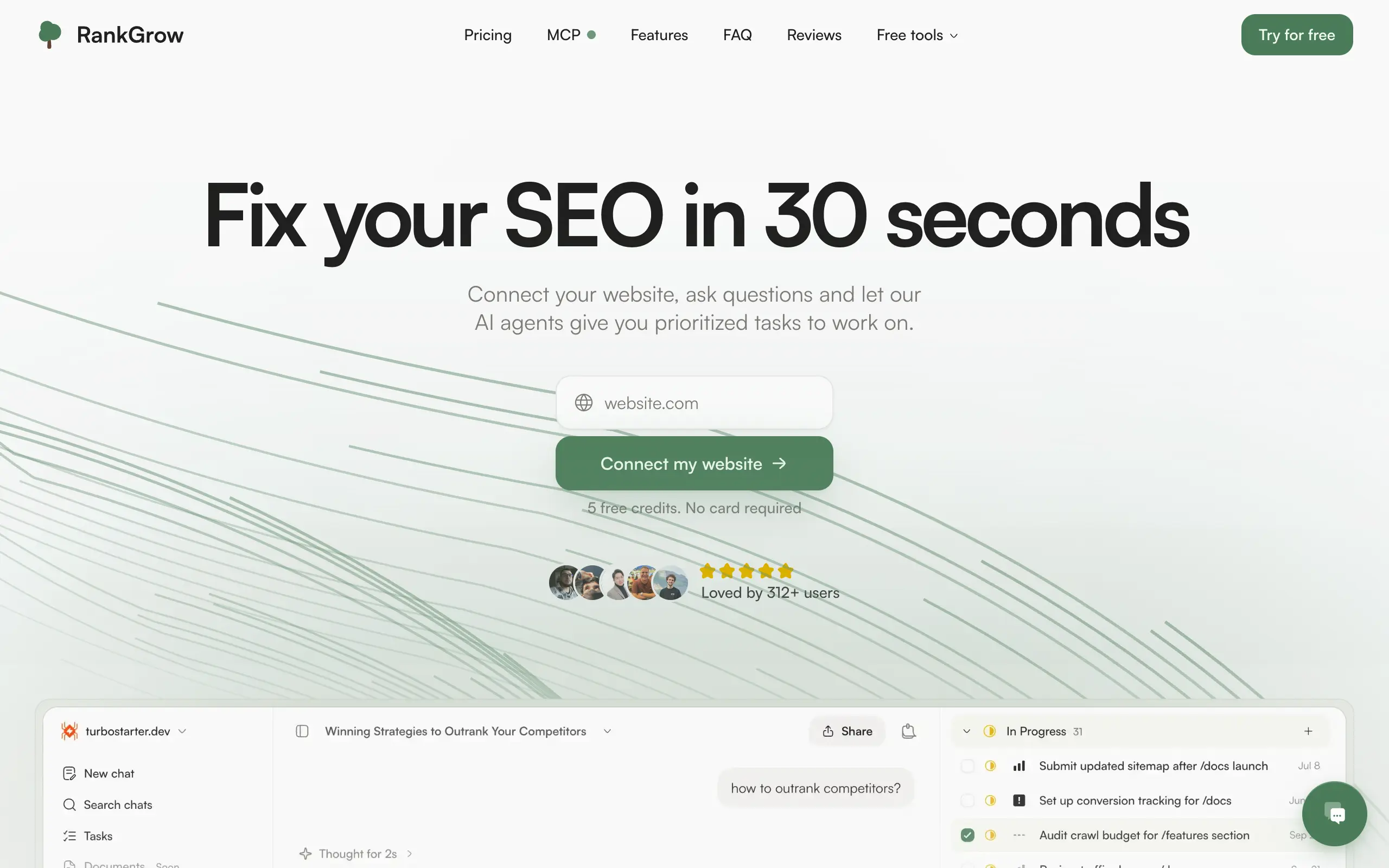
RankGrow
Fix your SEO with AI agents - connect Search Console, get prioritized tasks, and grow organic traffic 📈
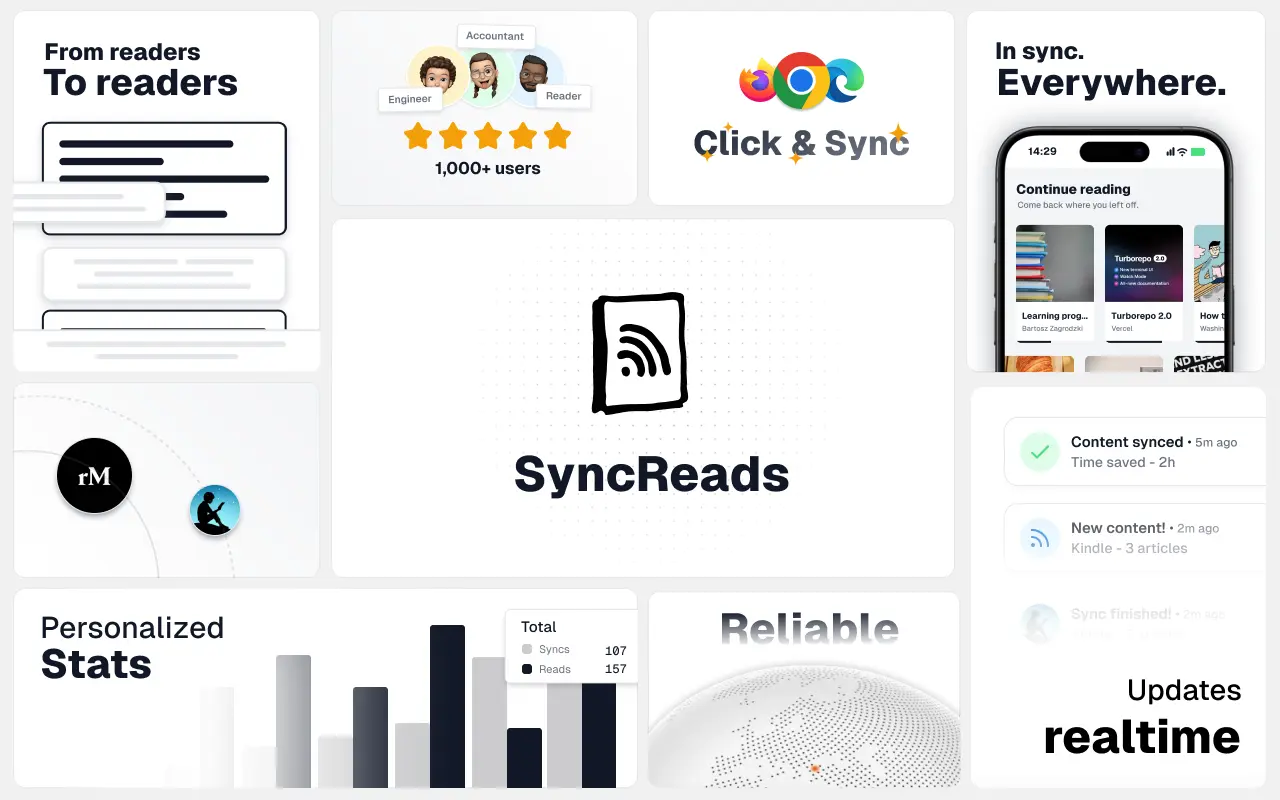
SyncReads
Sync your favorite content for distraction-free reading, save time and replace multiple apps. Anytime, anywhere 🔄
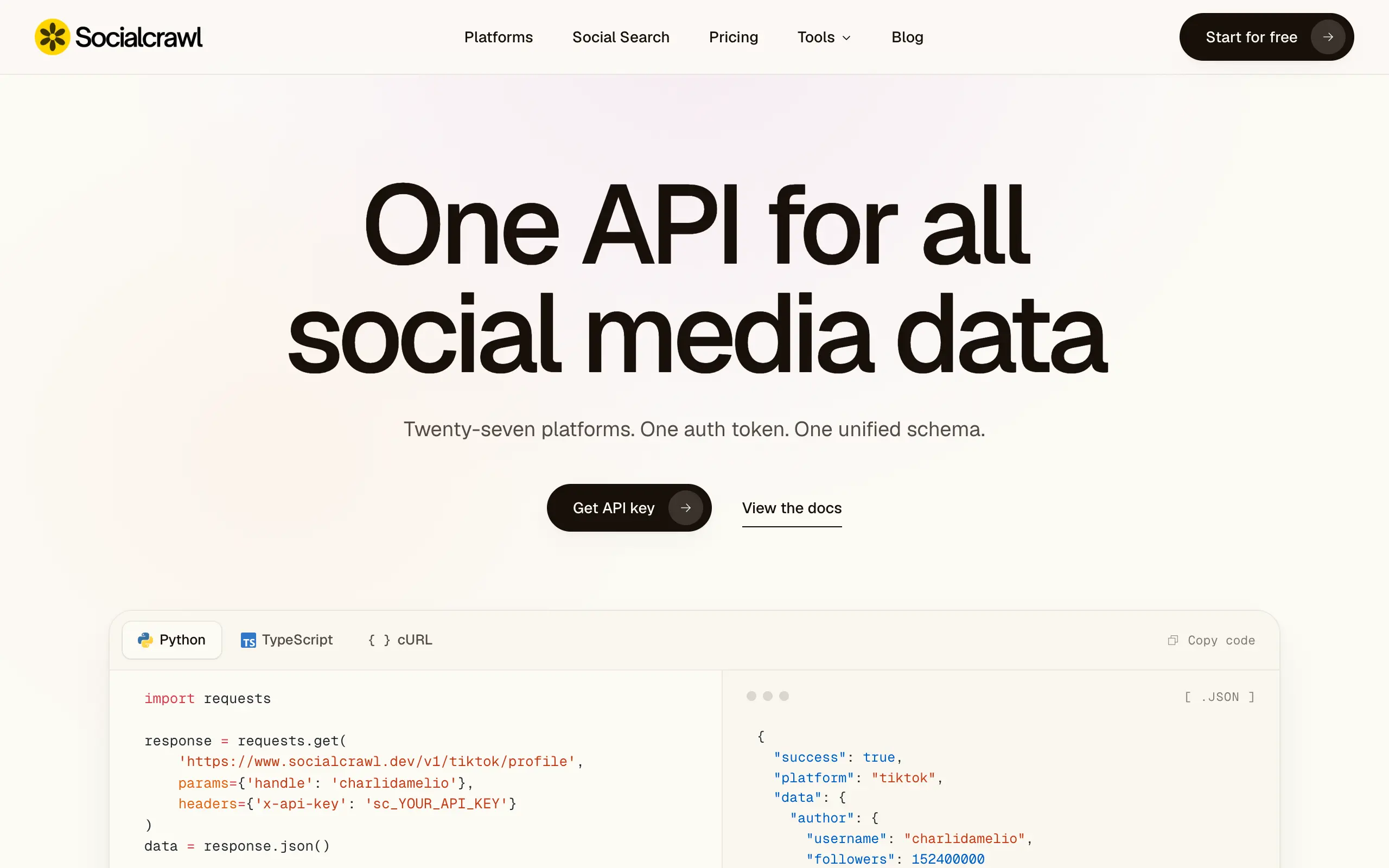
Socialcrawl
Get clean, structured data from 21 platforms like TikTok, Instagram, and YouTube with a single request 📊
Statiko
Monitor any Telegram channel in real time - track posts, edits, deletions, and growth with AI recaps 📡
Shibui
AI website builder - describe your business, pick a niche template, edit by chatting, and publish instantly ✨
Pro Service
Find verified home service professionals, compare quotes, and pay securely through escrow - built for Brazilians across the US 🏠
RankGrow
Fix your SEO with AI agents - connect Search Console, get prioritized tasks, and grow organic traffic 📈
SyncReads
Sync your favorite content for distraction-free reading, save time and replace multiple apps. Anytime, anywhere 🔄
Socialcrawl
Get clean, structured data from 21 platforms like TikTok, Instagram, and YouTube with a single request 📊
Statiko
Monitor any Telegram channel in real time - track posts, edits, deletions, and growth with AI recaps 📡
Shibui
AI website builder - describe your business, pick a niche template, edit by chatting, and publish instantly ✨
Pro Service
Find verified home service professionals, compare quotes, and pay securely through escrow - built for Brazilians across the US 🏠
RankGrow
Fix your SEO with AI agents - connect Search Console, get prioritized tasks, and grow organic traffic 📈
SyncReads
Sync your favorite content for distraction-free reading, save time and replace multiple apps. Anytime, anywhere 🔄
Socialcrawl
Get clean, structured data from 21 platforms like TikTok, Instagram, and YouTube with a single request 📊
Statiko
Monitor any Telegram channel in real time - track posts, edits, deletions, and growth with AI recaps 📡
Shibui
AI website builder - describe your business, pick a niche template, edit by chatting, and publish instantly ✨
Pro Service
Find verified home service professionals, compare quotes, and pay securely through escrow - built for Brazilians across the US 🏠
RankGrow
Fix your SEO with AI agents - connect Search Console, get prioritized tasks, and grow organic traffic 📈
SyncReads
Sync your favorite content for distraction-free reading, save time and replace multiple apps. Anytime, anywhere 🔄
Socialcrawl
Get clean, structured data from 21 platforms like TikTok, Instagram, and YouTube with a single request 📊
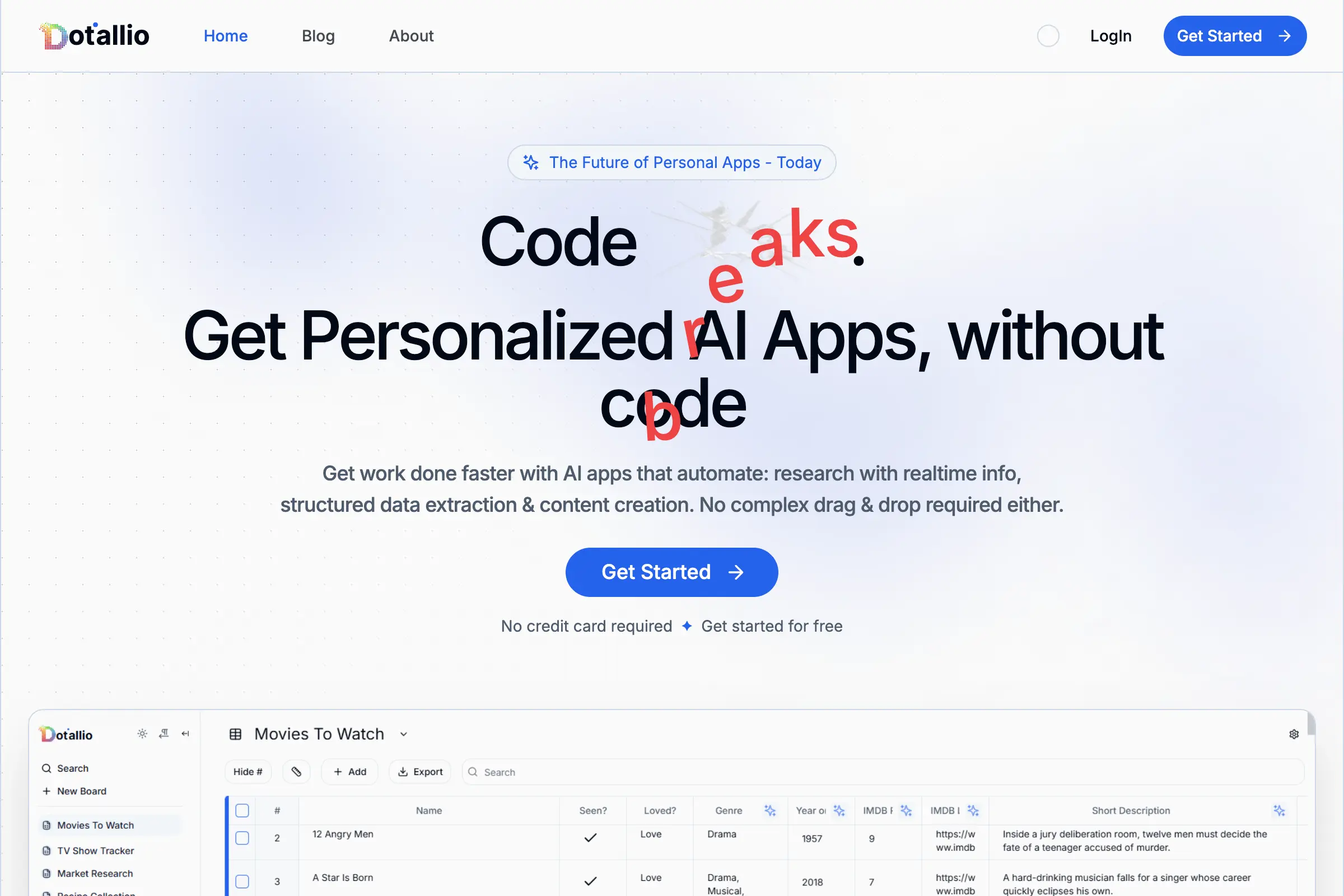
Dotallio
Personalized AI apps that automate research, data extraction, and content creation without code 🤖

Talk to Santa
Enjoy a magical live video chat or receive a unique AI-generated video greeting from Santa Claus 🎅

pozywka.pl
Scalable blog for food journalist, focused on performance and user experience 🌭
zagrodzki.me
Personal blog and portfolio of Bart Zagrodzki, where he shares his knowledge and work 💼
TurboStarter
Ship your startup everywhere. In minutes.
HTML to Markdown
Convert HTML to Markdown with ease, directly in your browser 📄
Dotallio
Personalized AI apps that automate research, data extraction, and content creation without code 🤖
Talk to Santa
Enjoy a magical live video chat or receive a unique AI-generated video greeting from Santa Claus 🎅
pozywka.pl
Scalable blog for food journalist, focused on performance and user experience 🌭
zagrodzki.me
Personal blog and portfolio of Bart Zagrodzki, where he shares his knowledge and work 💼
TurboStarter
Ship your startup everywhere. In minutes.
HTML to Markdown
Convert HTML to Markdown with ease, directly in your browser 📄
Dotallio
Personalized AI apps that automate research, data extraction, and content creation without code 🤖
Talk to Santa
Enjoy a magical live video chat or receive a unique AI-generated video greeting from Santa Claus 🎅
pozywka.pl
Scalable blog for food journalist, focused on performance and user experience 🌭
zagrodzki.me
Personal blog and portfolio of Bart Zagrodzki, where he shares his knowledge and work 💼
TurboStarter
Ship your startup everywhere. In minutes.
HTML to Markdown
Convert HTML to Markdown with ease, directly in your browser 📄
Dotallio
Personalized AI apps that automate research, data extraction, and content creation without code 🤖
Talk to Santa
Enjoy a magical live video chat or receive a unique AI-generated video greeting from Santa Claus 🎅
pozywka.pl
Scalable blog for food journalist, focused on performance and user experience 🌭
zagrodzki.me
Personal blog and portfolio of Bart Zagrodzki, where he shares his knowledge and work 💼
TurboStarter
Ship your startup everywhere. In minutes.
HTML to Markdown
Convert HTML to Markdown with ease, directly in your browser 📄
Omichat
Chat with 50+ AI models, including ChatGPT and Claude, in one place - switch models anytime without losing context 🤖
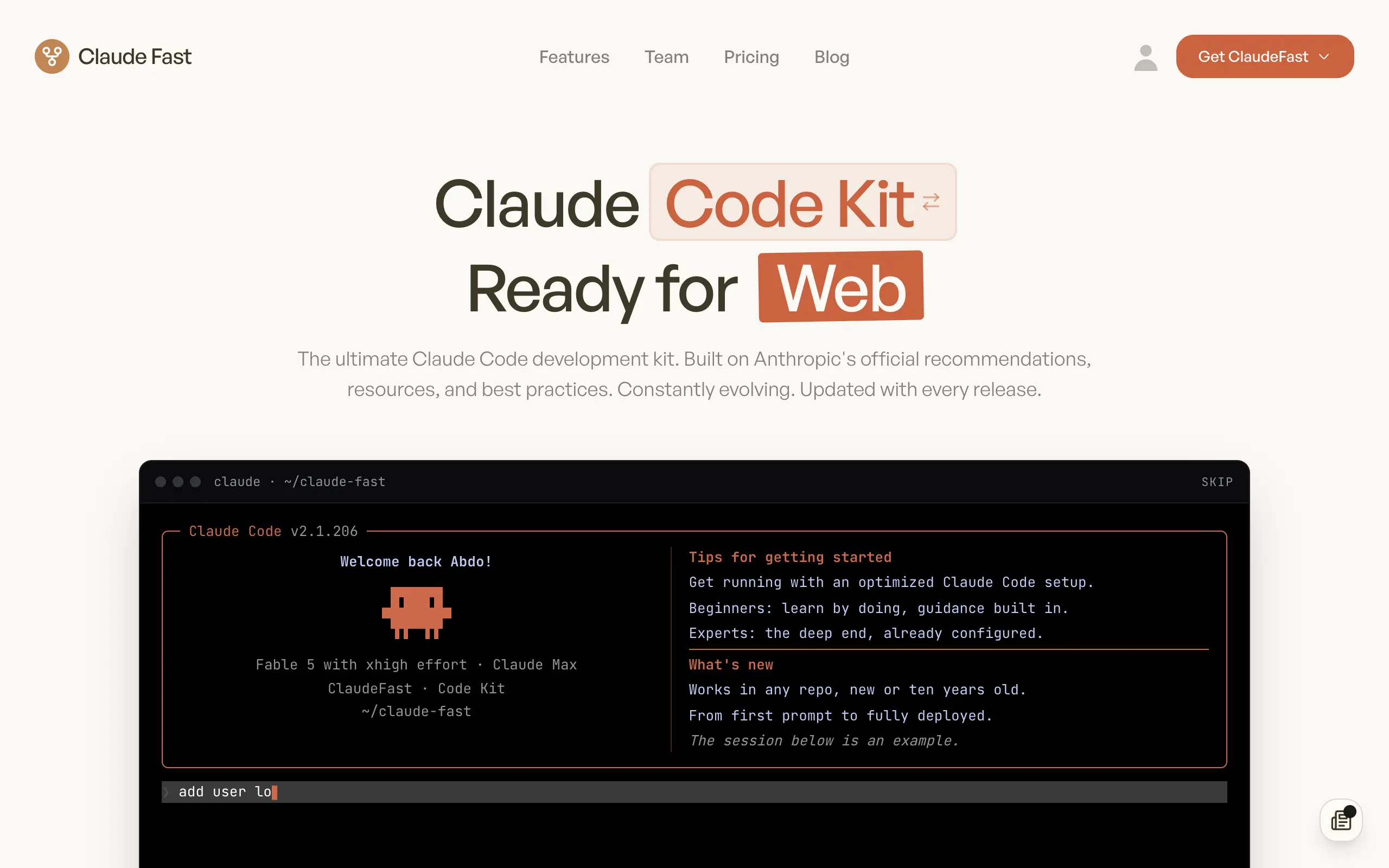
Claude Fast
Supercharge your Claude Code with 6x effective context window and specialized AI agents 🤖
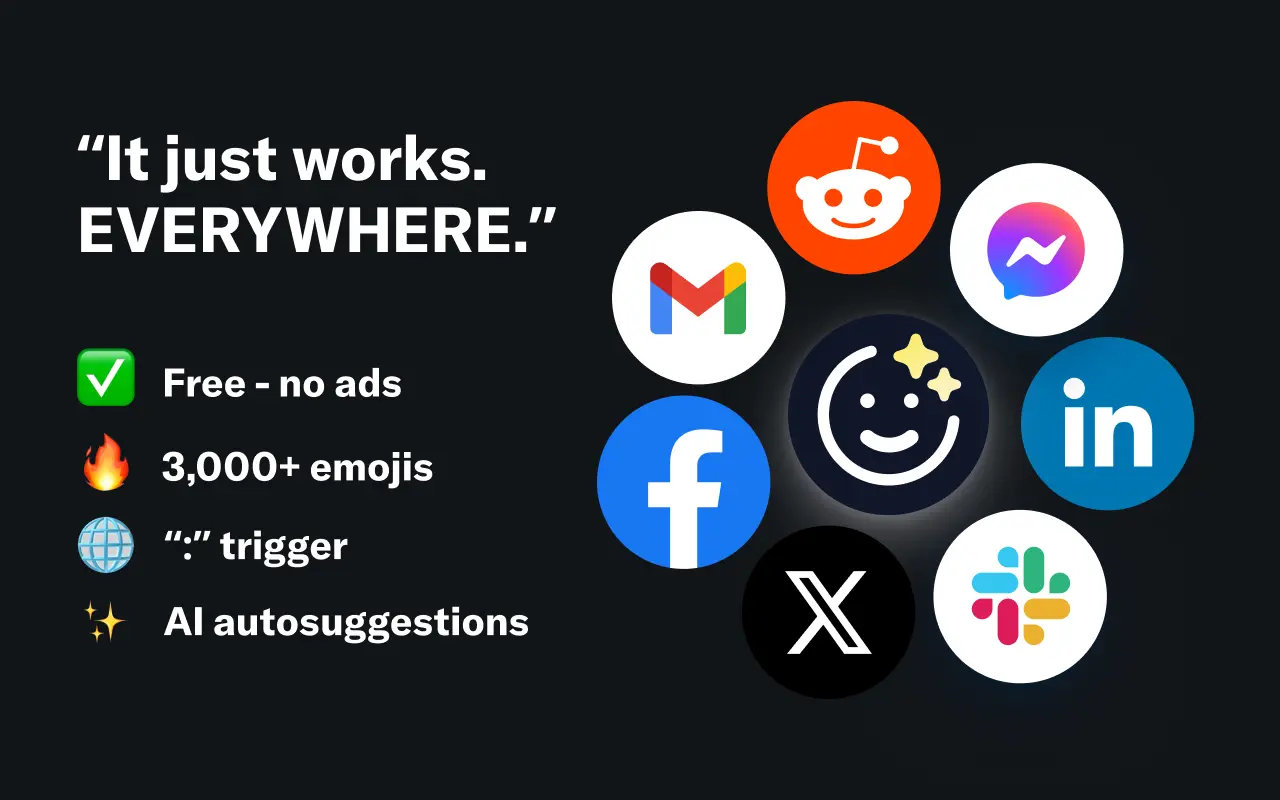
EmojAI
AI-powered emoji picker with smart, context-aware suggestions 🤖

Solohacker
Autonomous company launcher - AI agents work 24/7, escalate what matters, and you stay in control 🤖

BeRawi: Storytelling Coach
Practice storytelling daily with instant feedback to sound clearer, more engaging, and confident 🎤
Omichat
Chat with 50+ AI models, including ChatGPT and Claude, in one place - switch models anytime without losing context 🤖
Claude Fast
Supercharge your Claude Code with 6x effective context window and specialized AI agents 🤖
EmojAI
AI-powered emoji picker with smart, context-aware suggestions 🤖
Solohacker
Autonomous company launcher - AI agents work 24/7, escalate what matters, and you stay in control 🤖
BeRawi: Storytelling Coach
Practice storytelling daily with instant feedback to sound clearer, more engaging, and confident 🎤
Omichat
Chat with 50+ AI models, including ChatGPT and Claude, in one place - switch models anytime without losing context 🤖
Claude Fast
Supercharge your Claude Code with 6x effective context window and specialized AI agents 🤖
EmojAI
AI-powered emoji picker with smart, context-aware suggestions 🤖
Solohacker
Autonomous company launcher - AI agents work 24/7, escalate what matters, and you stay in control 🤖
BeRawi: Storytelling Coach
Practice storytelling daily with instant feedback to sound clearer, more engaging, and confident 🎤
Omichat
Chat with 50+ AI models, including ChatGPT and Claude, in one place - switch models anytime without losing context 🤖
Claude Fast
Supercharge your Claude Code with 6x effective context window and specialized AI agents 🤖
EmojAI
AI-powered emoji picker with smart, context-aware suggestions 🤖
Solohacker
Autonomous company launcher - AI agents work 24/7, escalate what matters, and you stay in control 🤖
BeRawi: Storytelling Coach
Practice storytelling daily with instant feedback to sound clearer, more engaging, and confident 🎤

Connect with like-minded people
Join our community to get feedback, support, and grow together with 1,000+ builders on board, let's ship it!
Join usShip your startup everywhere. In minutes.
Don't burn tokens on setup and start building features on day one.