TrailSync Coach
AI-powered trail running coach that adapts training plans using terrain, elevation, and recovery data for safer, smarter performance gains.
what is an AI trail running coach and why it matters
Trail running is no longer a niche sport. With the explosive growth of endurance sports, outdoor recreation, and wearable technology, runners are moving off pavement and onto unpredictable terrain. But training for trails is fundamentally different from road running. Elevation gain, technical terrain, weather variability, and recovery demands introduce complexity that generic training apps simply can’t handle.
This is where an AI trail running coach like TrailSync Coach creates a meaningful shift.
TrailSync Coach is designed to adapt training plans dynamically based on:
- Terrain difficulty (technical vs smooth trails)
- Elevation gain and descent stress
- Recovery signals (sleep, HRV, fatigue)
- Environmental conditions (heat, altitude, weather)
Unlike static plans from traditional apps, this system evolves daily—optimizing for performance and injury prevention.
Why this matters now
The intersection of wearable data (Garmin, Apple Watch), AI-driven personalization, and the booming outdoor fitness market creates a perfect window for a specialized trail coaching platform.
target audience analysis for TrailSync Coach
Understanding the user segments is critical for product-market fit. TrailSync Coach targets a spectrum of athletes, but each group has distinct needs and motivations.
core user segments
1. intermediate trail runners
These runners have transitioned from road running and want to improve safely.
Pain points:
- Unsure how to train for elevation
- Overtraining due to poor recovery tracking
- Lack of terrain-specific guidance
What they want:
- Structured plans that adapt to their local trails
- Injury prevention insights
- Confidence in progressing distance and difficulty
2. advanced and ultra runners
These users are data-driven and performance-focused.
Pain points:
- Plateauing performance
- Manual planning complexity
- Difficulty balancing intensity vs recovery
What they want:
- Deep analytics
- AI-based optimization
- Race-specific training plans
3. beginner trail runners
A fast-growing segment fueled by outdoor lifestyle trends.
Pain points:
- Intimidation from technical terrain
- Lack of knowledge about pacing and elevation
- Fear of injury
What they want:
- Simple onboarding
- Gradual progression
- Safety-first training plans
market opportunity and gap analysis
The fitness app market is saturated—but trail-specific intelligent coaching remains underserved.
current landscape
Apps like MyFitnessPal or Nike Training Club focus on general fitness, not specialized endurance training.
They lack:
- Terrain awareness
- Elevation-based load calculation
- Outdoor-specific adaptation
Apps like Strava and Runkeeper track runs effectively but are not true coaches.
They offer:
- Data tracking
- Social features
But lack:
- Personalized adaptation
- Predictive injury prevention
This is where TrailSync Coach stands out.
There is a clear gap for:
- AI-driven trail coaching
- Terrain-aware training plans
- Recovery-integrated decision making
industry trends supporting growth
- Wearable adoption continues to rise (Apple Watch, Garmin, WHOOP)
- Outdoor recreation participation surged post-2020 and remains strong
- AI personalization is becoming a baseline expectation in fitness apps
- Endurance sports (especially ultra running) are growing globally
For validation, you can reference reports from sources like Statista or McKinsey on fitness tech adoption and wearable usage trends.
core features of TrailSync Coach
A strong SaaS product needs a focused yet powerful feature set. TrailSync Coach should prioritize intelligence, usability, and actionable insights.
1. adaptive AI training plans
The core engine dynamically adjusts workouts based on:
- Recent activity load
- Elevation gain history
- Terrain difficulty
- Recovery metrics (HRV, sleep)
Key differentiator: Plans are recalculated daily, not weekly.
2. terrain-aware workout generation
Instead of generic “5-mile runs,” users receive:
- Trail-specific route suggestions
- Elevation targets (e.g., 800m climb)
- Technical difficulty ratings
This can integrate with mapping APIs and GPX data.
3. recovery intelligence system
Recovery is where most runners fail.
TrailSync Coach uses:
- Heart rate variability (HRV)
- Sleep data
- Resting heart rate trends
To determine:
- Whether to push, maintain, or rest
- Injury risk levels
4. elevation load modeling
Traditional training apps ignore downhill stress.
TrailSync Coach calculates:
- Muscular strain from descents
- Fatigue from climbs
- Cumulative load over time
This prevents overtraining in mountainous terrain.
5. race-specific optimization
Users preparing for races get:
- Course simulation training
- Terrain-specific preparation
- Tapering strategies based on recovery data
6. safety and injury prevention alerts
- Overtraining warnings
- Fatigue thresholds
- Environmental alerts (heat, altitude)
feature comparison vs competitors
| Feature | Strava | Garmin Coach | Generic Apps | TrailSync Coach |
|---|---|---|---|---|
| AI adaptive plans | ❌ | ✅ (limited) | ❌ | ✅ |
| Terrain awareness | ❌ | ❌ | ❌ | ✅ |
| Recovery integration | ❌ | ✅ | ❌ | ✅ |
| Elevation modeling | ❌ | ❌ | ❌ | ✅ |
recommended tech stack for building TrailSync Coach
Choosing the right tech stack is critical for scalability, performance, and data processing.
frontend (mobile-first approach)
- React Native for cross-platform mobile development
- Expo for faster iteration and deployment
Trade-off: Slight performance limitations vs native, but much faster development.
backend and AI infrastructure
- Node.js (API layer)
- Python (AI/ML models)
- FastAPI for ML endpoints
data processing and storage
- PostgreSQL for structured user data
- TimescaleDB for time-series performance data
- Redis for caching
AI and analytics layer
- TensorFlow or PyTorch for modeling
- Feature engineering pipelines for:
- Elevation load
- Fatigue modeling
- Recovery prediction
integrations
- Apple HealthKit
- Google Fit
- Garmin API
These integrations are essential for real-time data ingestion.
deployment
- AWS or GCP for scalable infrastructure
- Docker for containerization
rapid SaaS development
To accelerate development, you can leverage a production-ready SaaS starter like TurboStarter, which helps handle:
- Authentication
- Billing systems
- Scalable architecture
monetization strategy
TrailSync Coach has strong monetization potential due to its niche specialization.
subscription model (primary)
-
Free tier:
- Basic tracking
- Limited AI recommendations
-
Premium tier ($12–$25/month):
- Full AI coaching
- Advanced analytics
- Race plans
add-on revenue streams
- Personalized coaching upgrades (human + AI hybrid)
- Race-specific premium plans
- Affiliate partnerships (gear, nutrition brands)
enterprise opportunities
- Partnerships with trail race organizers
- Integration with outdoor fitness platforms
potential risks and mitigation strategies
Every SaaS product has risks. The key is anticipating them early.
1. data accuracy issues
Risk: Poor data leads to incorrect recommendations.
Mitigation:
- Use multiple data sources
- Build confidence scoring for inputs
2. user trust in AI decisions
Risk: Users may not trust automated training changes.
Mitigation:
- Provide explanations for every adjustment
- Offer manual override options
3. competition from big players
Risk: Companies like Garmin or Strava could expand.
Mitigation:
- Focus on niche specialization
- Build a strong brand in trail running
4. injury liability concerns
Risk: Users may blame the app for injuries.
Mitigation:
- Include disclaimers
- Emphasize guidance, not medical advice
- Provide conservative defaults
unique selling proposition (USP)
TrailSync Coach stands out because it combines three elements rarely integrated together:
- Terrain intelligence — training that understands the trail, not just distance
- Recovery-driven adaptation — daily adjustments based on real physiology
- AI personalization at scale — replacing static plans with evolving strategies
Most competitors offer one or two of these—but not all three.
implementation roadmap
Building TrailSync Coach requires a phased approach.
sample AI adaptation logic
function adjustTrainingPlan(userData) {
  const { hrv, sleepScore, elevationLoad, fatigue } = userData;

  if (fatigue > 80 || hrv < 40) {
    return "Rest or active recovery";
  }

  if (elevationLoad > 1000) {
    return "خفض intensity, focus on flat terrain";
  }

  if (sleepScore > 85 && fatigue < 50) {
    return "High intensity trail session";
  }

  return "Moderate endurance run";
}
This simplified example shows how multiple variables influence daily recommendations.
go-to-market strategy
early traction channels
- Trail running communities (Reddit, forums)
- Instagram and YouTube creators in endurance sports
- Partnerships with local trail events
content marketing strategy
SEO is a major acquisition lever.
Target keywords like:
- AI trail running coach
- trail running training plan app
- elevation training for runners
- ultra marathon training app
community-led growth
- Leaderboards
- Shared routes
- Training challenges
future expansion opportunities
Once validated, TrailSync Coach can expand into:
- Hiking and mountaineering optimization
- Cycling and multi-sport training
- Real-time coaching via audio cues
- Predictive race performance modeling
frequently asked questions
AI offers scalability and real-time adaptation, but human coaches provide emotional and contextual understanding. The best approach may combine both.
While not required, wearables significantly improve accuracy by providing recovery and physiological data.
Accuracy depends on data quality. With strong integrations and continuous learning, AI can outperform static plans.
final thoughts and next steps
TrailSync Coach is positioned at the intersection of AI, fitness, and outdoor adventure—a space that is growing rapidly but still underserved in terms of intelligent, specialized tools.
The key to success lies in:
- Deep personalization
- Trust through transparency
- A clear niche focus on trail runners
If executed correctly, this isn’t just another fitness app—it becomes a performance partner.
If you're building in this space, focus on solving real runner problems, not just adding features. Trail runners don’t need more data—they need better decisions.
More 📱 Mobile App SaaS ideas
Discover more innovative mobile app SaaS ideas that are trending in 2026. Each idea is AI-generated with market validation and growth potential to help you find your next profitable venture faster than competitors.
Your competitors are building with TurboStarter
Below are some of the SaaS ideas that have been generated and built with our starter kit.

Statiko
Monitor any Telegram channel in real time - track posts, edits, deletions, and growth with AI recaps 📡

Shibui
AI website builder - describe your business, pick a niche template, edit by chatting, and publish instantly ✨

Pro Service
Find verified home service professionals, compare quotes, and pay securely through escrow - built for Brazilians across the US 🏠
RankGrow
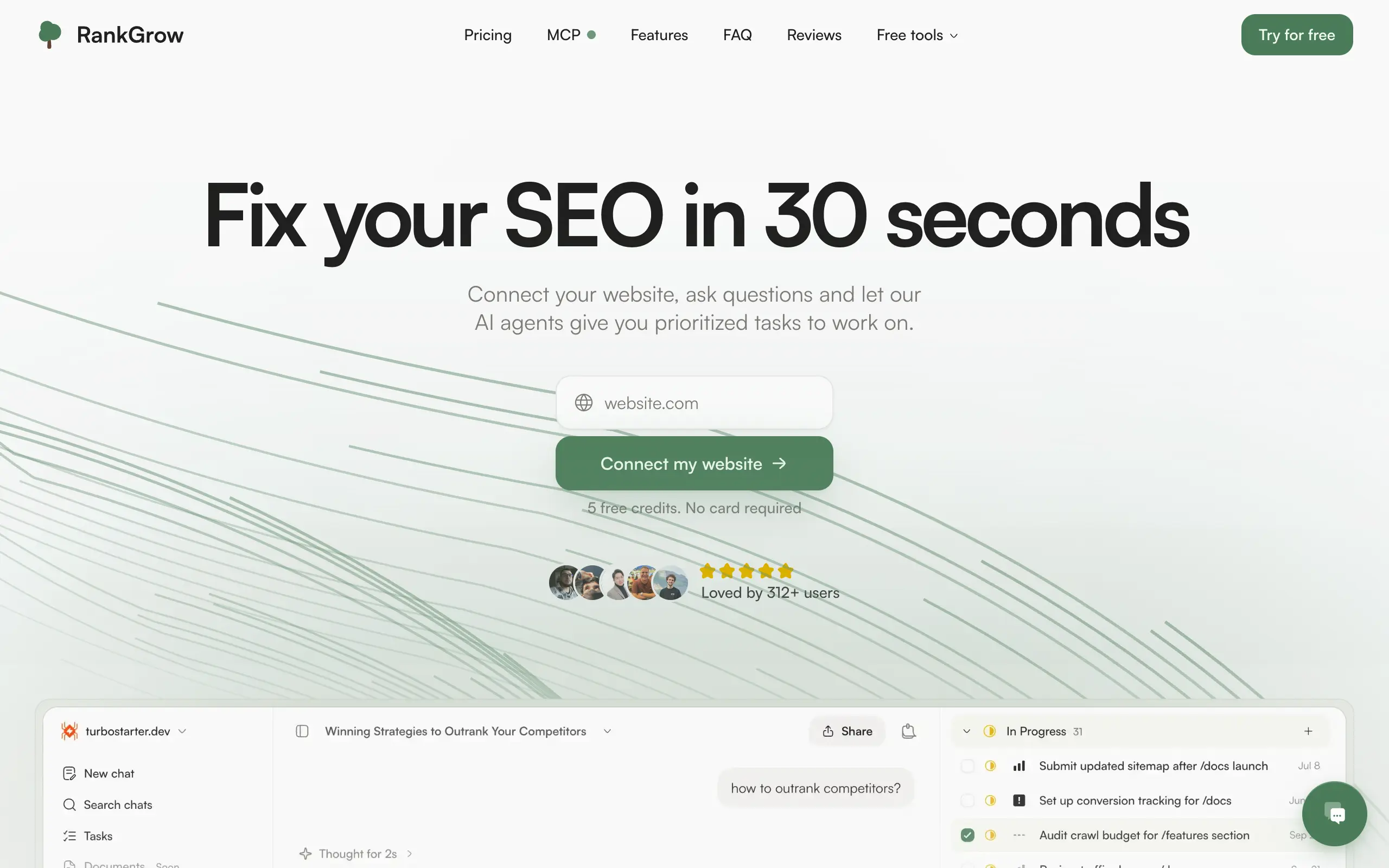
Fix your SEO with AI agents - connect Search Console, get prioritized tasks, and grow organic traffic 📈
SyncReads
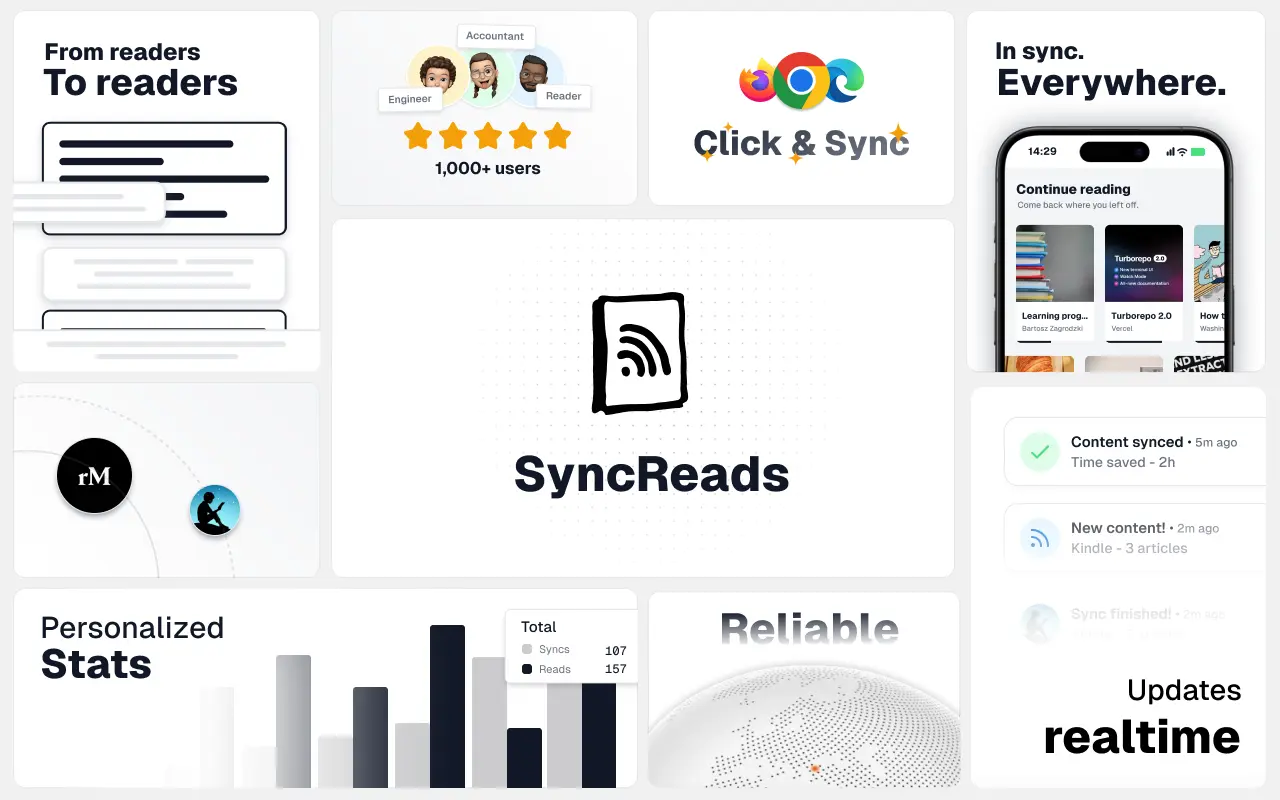
Sync your favorite content for distraction-free reading, save time and replace multiple apps. Anytime, anywhere 🔄
Socialcrawl
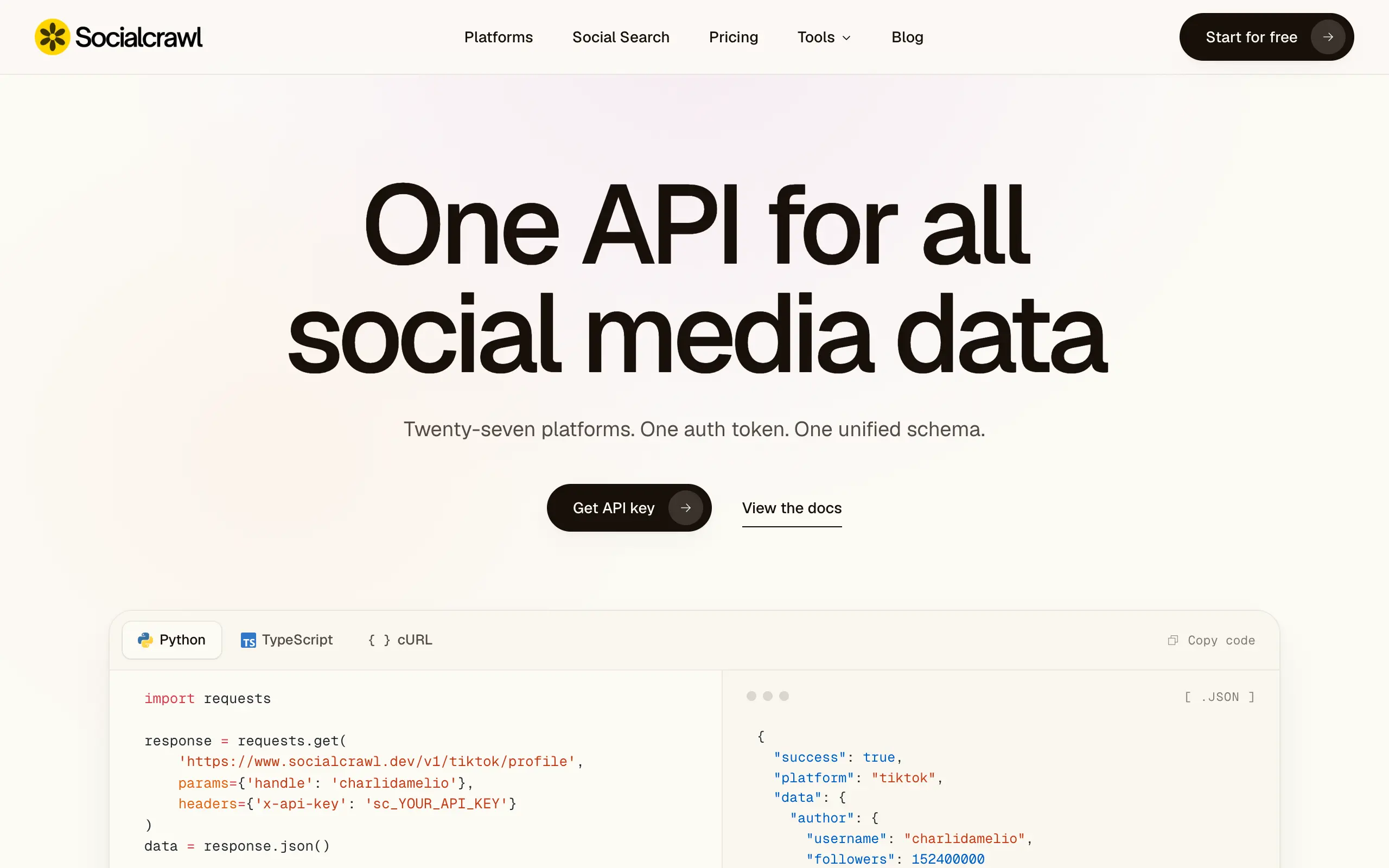
Get clean, structured data from 21 platforms like TikTok, Instagram, and YouTube with a single request 📊
Statiko
Monitor any Telegram channel in real time - track posts, edits, deletions, and growth with AI recaps 📡
Shibui
AI website builder - describe your business, pick a niche template, edit by chatting, and publish instantly ✨
Pro Service
Find verified home service professionals, compare quotes, and pay securely through escrow - built for Brazilians across the US 🏠
RankGrow
Fix your SEO with AI agents - connect Search Console, get prioritized tasks, and grow organic traffic 📈
SyncReads
Sync your favorite content for distraction-free reading, save time and replace multiple apps. Anytime, anywhere 🔄
Socialcrawl
Get clean, structured data from 21 platforms like TikTok, Instagram, and YouTube with a single request 📊
Statiko
Monitor any Telegram channel in real time - track posts, edits, deletions, and growth with AI recaps 📡
Shibui
AI website builder - describe your business, pick a niche template, edit by chatting, and publish instantly ✨
Pro Service
Find verified home service professionals, compare quotes, and pay securely through escrow - built for Brazilians across the US 🏠
RankGrow
Fix your SEO with AI agents - connect Search Console, get prioritized tasks, and grow organic traffic 📈
SyncReads
Sync your favorite content for distraction-free reading, save time and replace multiple apps. Anytime, anywhere 🔄
Socialcrawl
Get clean, structured data from 21 platforms like TikTok, Instagram, and YouTube with a single request 📊
Statiko
Monitor any Telegram channel in real time - track posts, edits, deletions, and growth with AI recaps 📡
Shibui
AI website builder - describe your business, pick a niche template, edit by chatting, and publish instantly ✨
Pro Service
Find verified home service professionals, compare quotes, and pay securely through escrow - built for Brazilians across the US 🏠
RankGrow
Fix your SEO with AI agents - connect Search Console, get prioritized tasks, and grow organic traffic 📈
SyncReads
Sync your favorite content for distraction-free reading, save time and replace multiple apps. Anytime, anywhere 🔄
Socialcrawl
Get clean, structured data from 21 platforms like TikTok, Instagram, and YouTube with a single request 📊
Dotallio
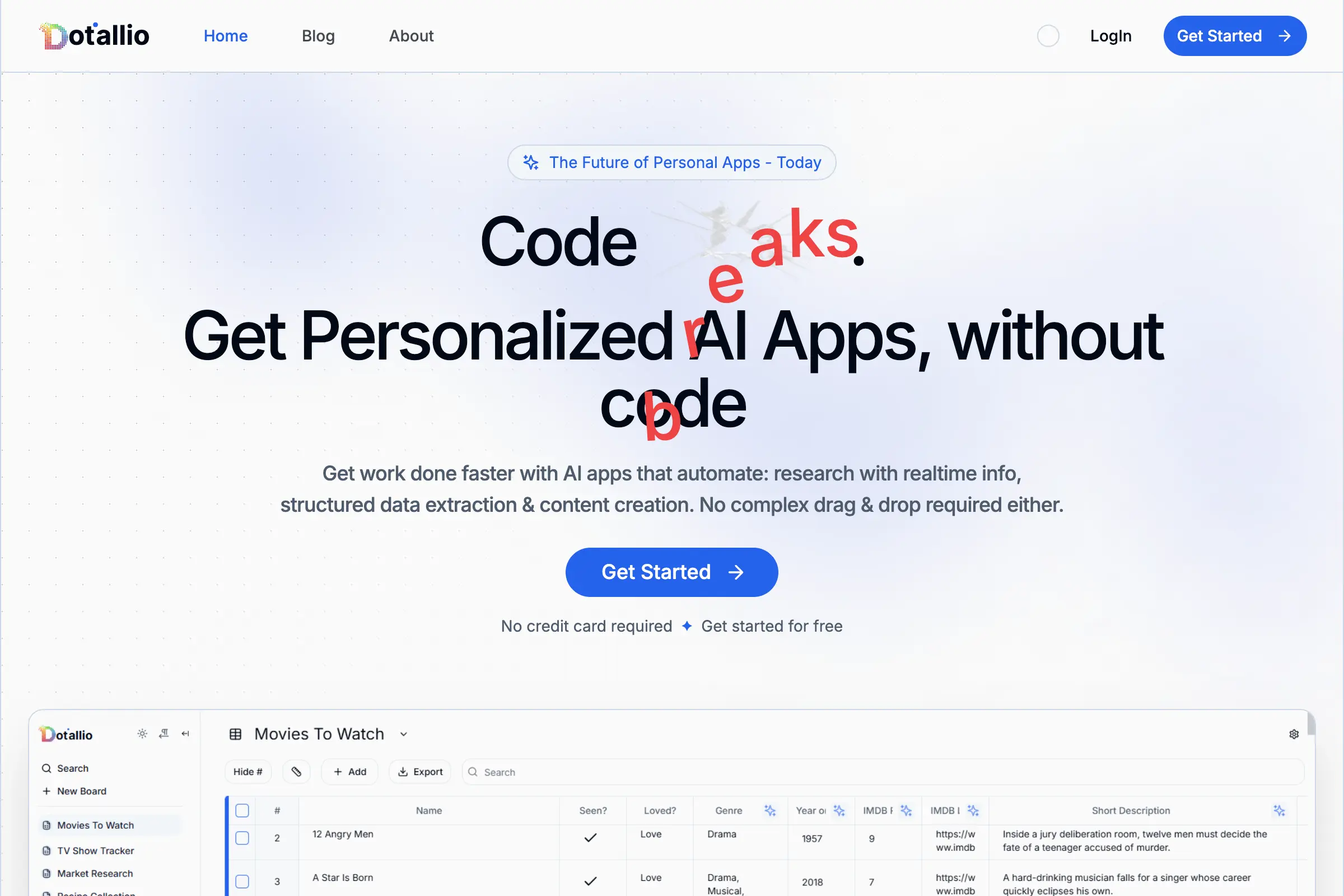
Personalized AI apps that automate research, data extraction, and content creation without code 🤖

Talk to Santa
Enjoy a magical live video chat or receive a unique AI-generated video greeting from Santa Claus 🎅

pozywka.pl
Scalable blog for food journalist, focused on performance and user experience 🌭
zagrodzki.me
Personal blog and portfolio of Bart Zagrodzki, where he shares his knowledge and work 💼
TurboStarter
Ship your startup everywhere. In minutes.
HTML to Markdown
Convert HTML to Markdown with ease, directly in your browser 📄
Dotallio
Personalized AI apps that automate research, data extraction, and content creation without code 🤖
Talk to Santa
Enjoy a magical live video chat or receive a unique AI-generated video greeting from Santa Claus 🎅
pozywka.pl
Scalable blog for food journalist, focused on performance and user experience 🌭
zagrodzki.me
Personal blog and portfolio of Bart Zagrodzki, where he shares his knowledge and work 💼
TurboStarter
Ship your startup everywhere. In minutes.
HTML to Markdown
Convert HTML to Markdown with ease, directly in your browser 📄
Dotallio
Personalized AI apps that automate research, data extraction, and content creation without code 🤖
Talk to Santa
Enjoy a magical live video chat or receive a unique AI-generated video greeting from Santa Claus 🎅
pozywka.pl
Scalable blog for food journalist, focused on performance and user experience 🌭
zagrodzki.me
Personal blog and portfolio of Bart Zagrodzki, where he shares his knowledge and work 💼
TurboStarter
Ship your startup everywhere. In minutes.
HTML to Markdown
Convert HTML to Markdown with ease, directly in your browser 📄
Dotallio
Personalized AI apps that automate research, data extraction, and content creation without code 🤖
Talk to Santa
Enjoy a magical live video chat or receive a unique AI-generated video greeting from Santa Claus 🎅
pozywka.pl
Scalable blog for food journalist, focused on performance and user experience 🌭
zagrodzki.me
Personal blog and portfolio of Bart Zagrodzki, where he shares his knowledge and work 💼
TurboStarter
Ship your startup everywhere. In minutes.
HTML to Markdown
Convert HTML to Markdown with ease, directly in your browser 📄
Omichat
Chat with 50+ AI models, including ChatGPT and Claude, in one place - switch models anytime without losing context 🤖
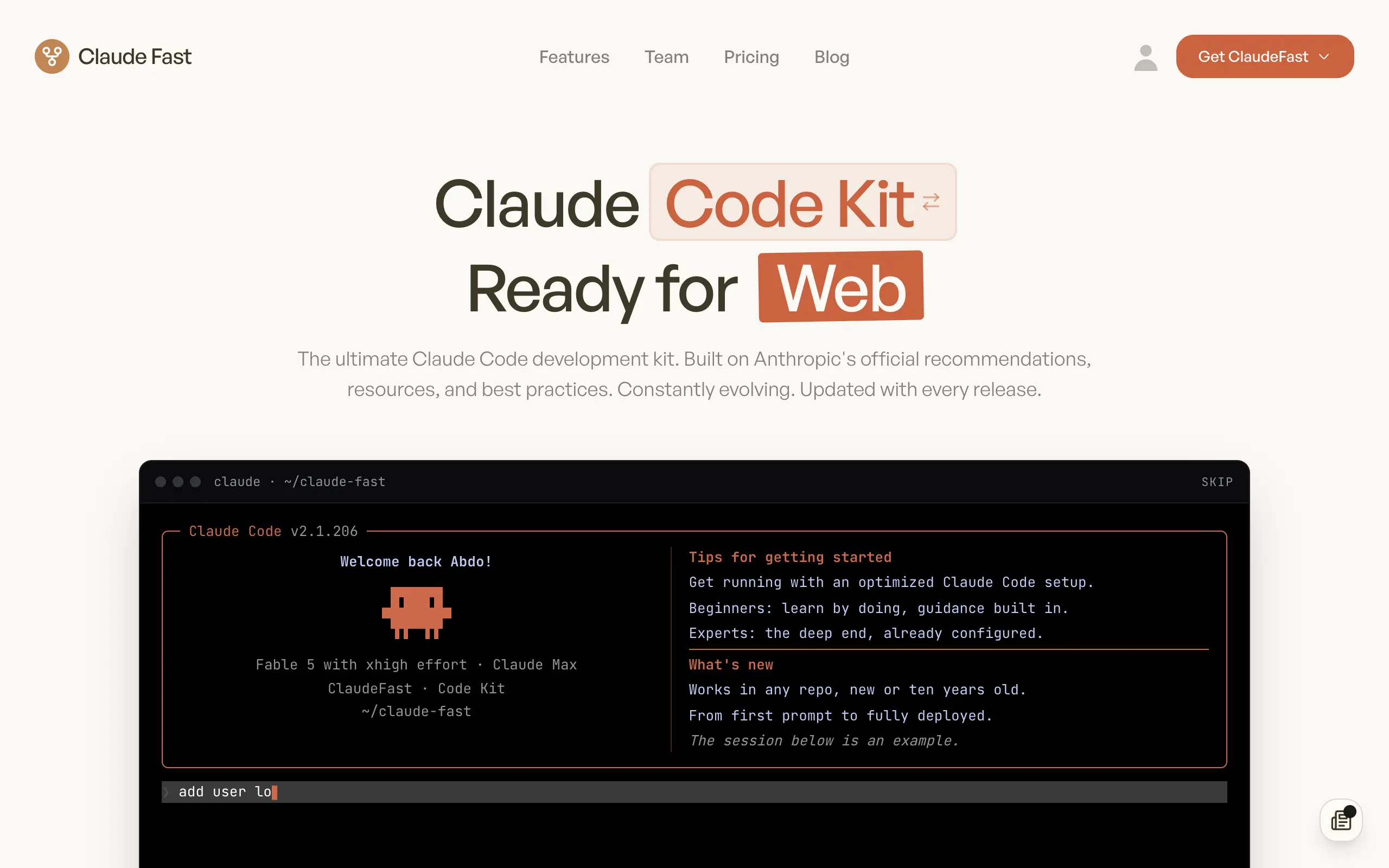
Claude Fast
Supercharge your Claude Code with 6x effective context window and specialized AI agents 🤖
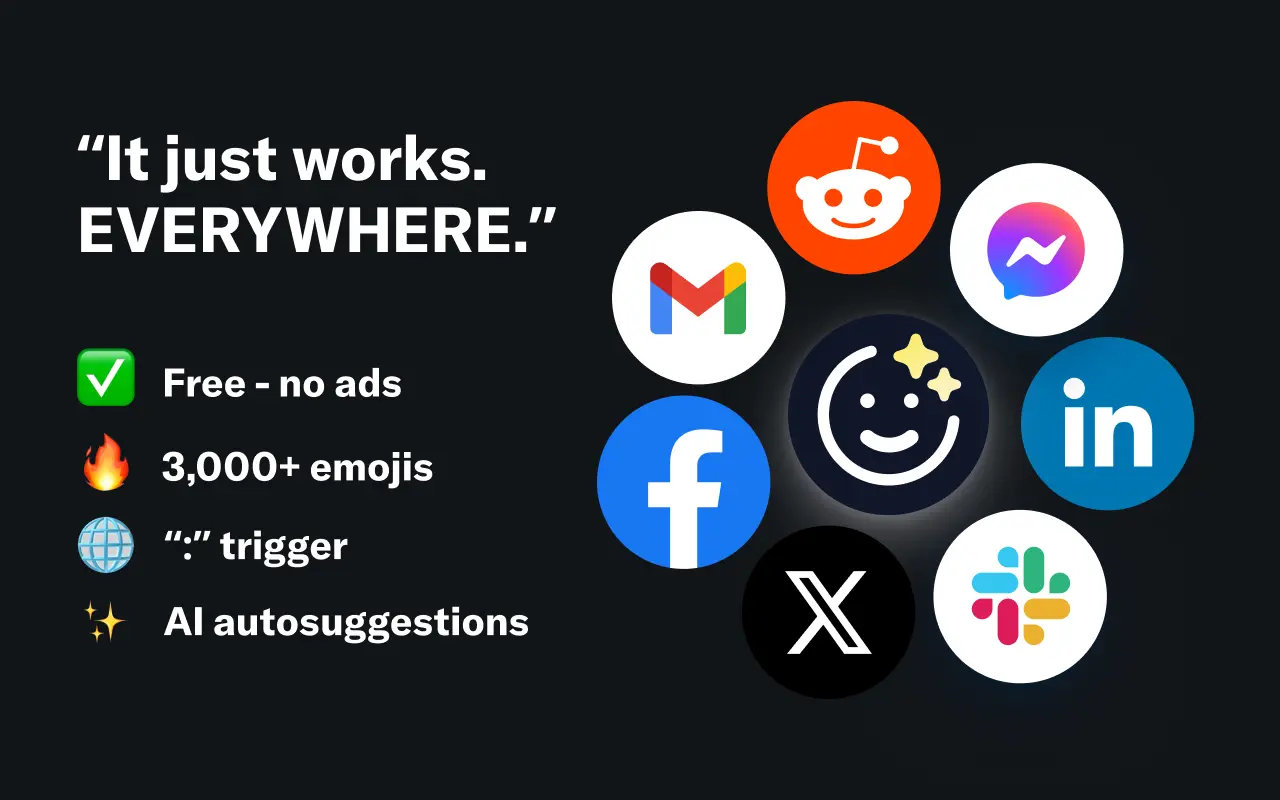
EmojAI
AI-powered emoji picker with smart, context-aware suggestions 🤖
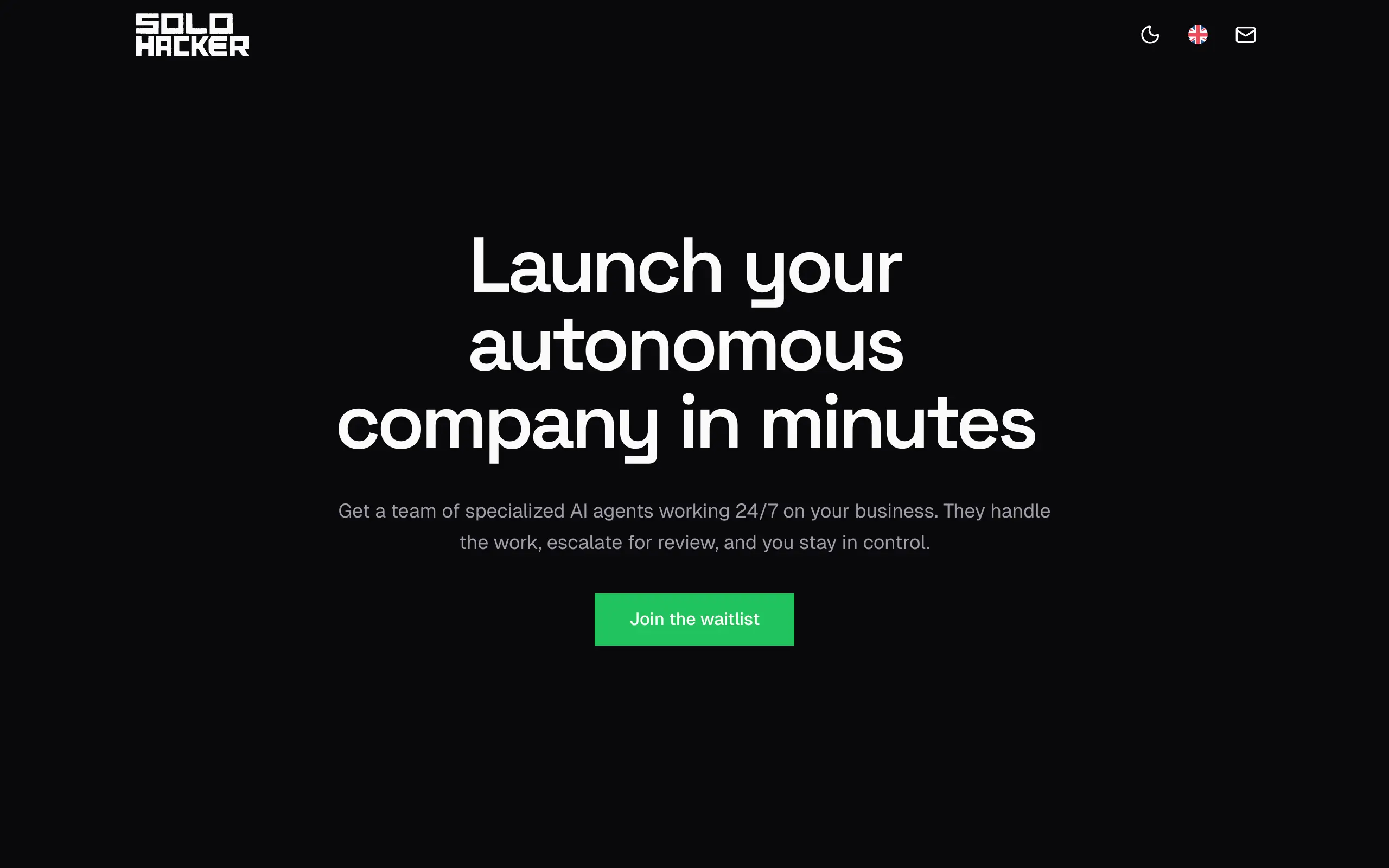
Solohacker
Autonomous company launcher - AI agents work 24/7, escalate what matters, and you stay in control 🤖
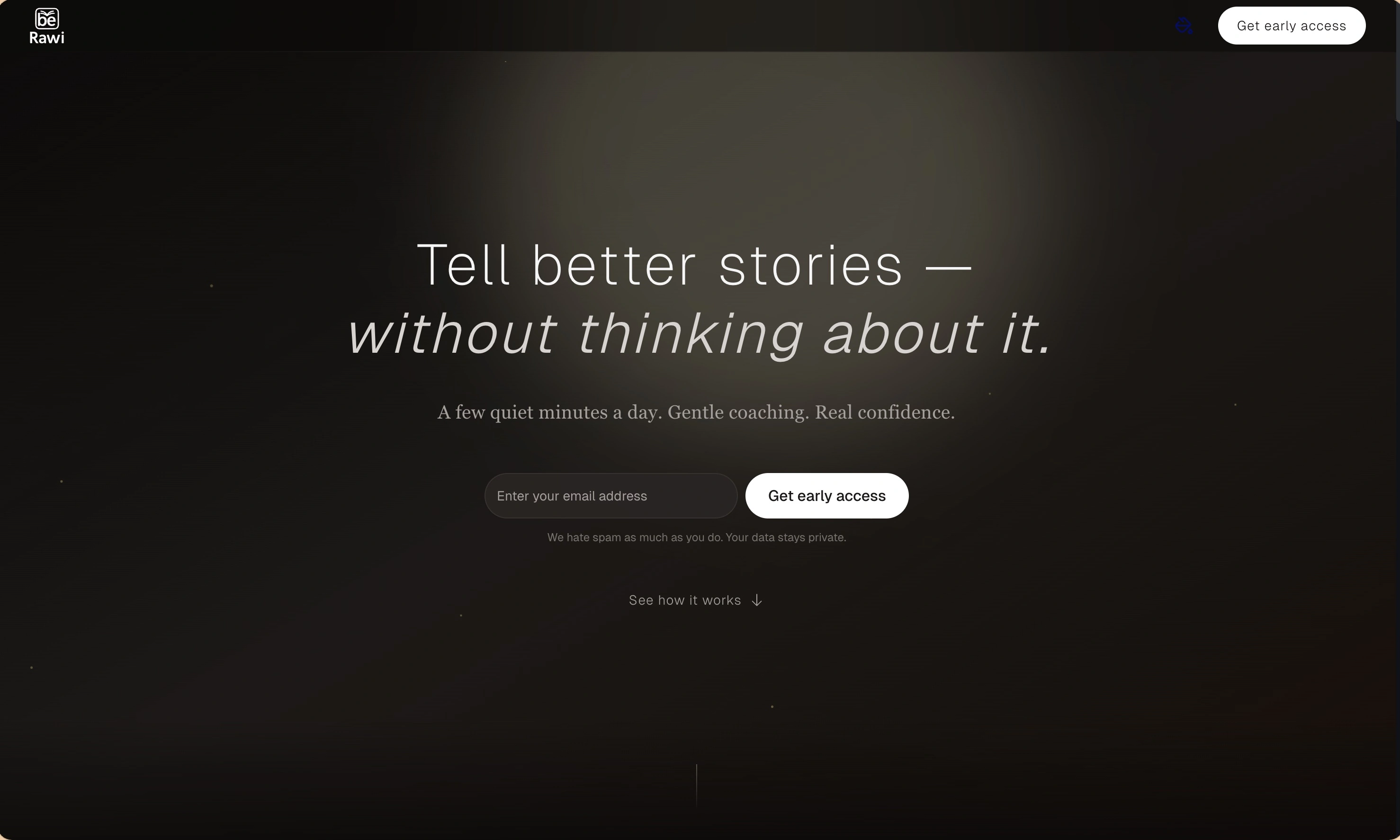
BeRawi: Storytelling Coach
Practice storytelling daily with instant feedback to sound clearer, more engaging, and confident 🎤
Omichat
Chat with 50+ AI models, including ChatGPT and Claude, in one place - switch models anytime without losing context 🤖
Claude Fast
Supercharge your Claude Code with 6x effective context window and specialized AI agents 🤖
EmojAI
AI-powered emoji picker with smart, context-aware suggestions 🤖
Solohacker
Autonomous company launcher - AI agents work 24/7, escalate what matters, and you stay in control 🤖
BeRawi: Storytelling Coach
Practice storytelling daily with instant feedback to sound clearer, more engaging, and confident 🎤
Omichat
Chat with 50+ AI models, including ChatGPT and Claude, in one place - switch models anytime without losing context 🤖
Claude Fast
Supercharge your Claude Code with 6x effective context window and specialized AI agents 🤖
EmojAI
AI-powered emoji picker with smart, context-aware suggestions 🤖
Solohacker
Autonomous company launcher - AI agents work 24/7, escalate what matters, and you stay in control 🤖
BeRawi: Storytelling Coach
Practice storytelling daily with instant feedback to sound clearer, more engaging, and confident 🎤
Omichat
Chat with 50+ AI models, including ChatGPT and Claude, in one place - switch models anytime without losing context 🤖
Claude Fast
Supercharge your Claude Code with 6x effective context window and specialized AI agents 🤖
EmojAI
AI-powered emoji picker with smart, context-aware suggestions 🤖
Solohacker
Autonomous company launcher - AI agents work 24/7, escalate what matters, and you stay in control 🤖
BeRawi: Storytelling Coach
Practice storytelling daily with instant feedback to sound clearer, more engaging, and confident 🎤

Connect with like-minded people
Join our community to get feedback, support, and grow together with 1,000+ builders on board, let's ship it!
Join usShip your startup everywhere. In minutes.
Don't burn tokens on setup and start building features on day one.