TripQuest
A gamified travel companion for students to discover local spots, complete group challenges, and turn every trip into shared memories.
Why a gamified travel companion app is a strong student travel opportunity
TripQuest is a gamified travel companion app for students that turns group trips into collaborative local adventures. Rather than functioning only as another map, itinerary, or travel journal, it gives students a reason to explore: discover interesting local spots, complete location-based challenges, earn shared rewards, and preserve memories with the people they traveled with.
The timing is favorable. Students increasingly organize short city breaks, study-abroad weekends, society trips, festival travel, graduation trips, and budget-friendly group adventures through mobile-first channels. Yet the typical travel experience is fragmented across group chats, map pins, short-form video recommendations, ticketing sites, photo libraries, and payment apps.
That fragmentation creates a clear product gap.
A conventional travel planner can tell a group where to go. A gamified travel companion app can give the group a reason to go together, choose an activity, capture proof of the experience, and remember the moment afterward.
TripQuest’s core proposition is simple:
Make local exploration social, affordable, and memorable by transforming a student trip into a shared quest.
This positioning makes TripQuest more than a student travel app. It is a lightweight social activity layer that sits between trip planning and memory sharing.
The central product insight
Students do not only want travel recommendations. They want low-friction ways to answer questions such as what should we do now, where can our group go nearby, how can we make this trip feel special, and how do we avoid everyone scrolling separately?
The target audience for TripQuest
A successful gamified travel app must be designed around the behavior of real groups, not an idealized solo traveler. TripQuest should begin with a focused audience and expand through adjacent use cases once product-market fit is established.
Primary users: student group travelers
The primary audience is students aged roughly 18 to 26 who travel with friends, classmates, student societies, or study-abroad peers. They are likely to take frequent but relatively short trips, often spanning a day, weekend, or several days.
Their trips may include:
- City breaks with friends
- University society trips
- Study-abroad excursions
- Interrail or backpacking segments
- Freshers’ week and orientation activities
- Festival and event weekends
- Graduation trips
- Exchange-student exploration
- Campus visits and open-day travel
These users are mobile-native and socially motivated. They often discover locations through social platforms but may struggle to convert inspiration into a cohesive group plan.
Their constraints are equally important:
- Limited budgets
- Different interests within the same group
- Unclear leadership around planning
- Short attention spans during the trip
- Data roaming and connectivity concerns
- Safety considerations in unfamiliar areas
- A desire for spontaneous experiences without wasting time
Secondary users: student organizers and hosts
TripQuest can also serve people who create experiences for students rather than only the travelers themselves.
This includes:
- University societies and clubs
- Student union activity teams
- Study-abroad coordinators
- Youth hostels and student accommodation providers
- Local tour operators
- City tourism organizations
- Event organizers
- University orientation teams
These organizations need ways to make participants engage with a destination, meet peers, and feel part of an organized experience. A branded quest pack can make a self-guided activity feel structured without requiring a guide to be present at every stop.
Future expansion audiences
Once TripQuest proves it can motivate student groups, the same gamified local discovery engine could serve other audiences.
Young professionals
Friends taking weekend city breaks who want a more social and structured alternative to saving random map pins.
Hostel travelers
Solo travelers who want low-pressure ways to meet others and explore a neighborhood together.
Families
Parents looking for educational, age-appropriate location challenges that make sightseeing more engaging.
The product should not attempt to serve every traveler from day one. Students are an especially attractive initial market because they are highly social, price-sensitive, comfortable with mobile gamification, and likely to invite friends.
The market gap in student travel planning and local discovery
The travel technology market is crowded, but the student group travel experience remains poorly served. Most available tools solve one isolated task well while leaving the social experience disconnected.
Users may rely on:
- Map apps for finding places
- Group chats for coordination
- Short-form videos for inspiration
- Online travel agencies for booking
- Spreadsheet itineraries for planning
- Photo-sharing platforms for memories
- Split-bill apps for expenses
- Review platforms for evaluating venues
The problem is not that students lack travel tools. The problem is that they lack a single engaging layer that connects discovery, movement, participation, and shared memory.
Why maps and lists are not enough
Maps are useful for utility. They help a traveler find directions, opening hours, reviews, and nearby businesses. But a map does not naturally create a shared sense of momentum.
A saved list of ten attractions often leads to choice paralysis. A group may spend more time deciding what to do than actually exploring. Meanwhile, a generic “things to do” list rarely adapts to group energy, weather, budget, time available, or the desire to do something worth remembering.
TripQuest can solve this by replacing passive browsing with active prompts:
- A nearby low-cost challenge when the group has 30 minutes
- A food quest for a rainy afternoon
- A cultural challenge that rewards visiting overlooked local landmarks
- A photo challenge that encourages playful group participation
- A collaborative route that lets each person contribute a stop
- A final recap that turns the trip into a shareable story
The missing social layer
Most travel apps are optimized for individual decision-making. Student trips are group decisions, and group decisions have different dynamics.
One person may want museums, another wants nightlife, another wants cheap food, and another wants scenic photos. TripQuest can create missions that balance these preferences without forcing one person to become the trip planner.
The app’s differentiator is not merely points or badges. It is shared motivation.
A well-designed group challenge changes the interaction from “What do you want to do?” to “Can we finish this quest before dinner?”
The opportunity in local partnerships
Local venues, tourism boards, museums, cafes, independent retailers, and event organizers all have an incentive to attract student footfall. However, traditional student marketing can be difficult to measure and expensive to target.
TripQuest could offer partners a more measurable alternative:
- Sponsored destination quests
- Student-only rewards
- Verified check-in campaigns
- Event-related challenge packs
- Neighborhood discovery trails
- Analytics on quest starts, completions, and redemptions
This creates a two-sided opportunity. Students receive a better local experience, while partners gain a channel for discoverable, trackable engagement.
TripQuest’s unique selling proposition
TripQuest should be positioned as a social quest engine for student travel, not simply a travel guide with badges.
Its strongest unique selling proposition is:
TripQuest helps student groups turn unplanned local exploration into shared challenges, authentic discoveries, and lasting trip memories.
This combines four product jobs that competitors usually separate:
- Discover local places
- Decide what to do as a group
- Participate in a fun shared activity
- Save and share the story afterward
The key is to make those four jobs feel like one continuous experience.
What makes the product defensible
Gamification alone is easy to copy. A durable competitive advantage comes from how TripQuest combines data, community behavior, local partnerships, and group mechanics.
The defensibility can come from:
- A high-quality library of destination-specific quests
- Student-focused challenge design and tone
- Group completion data that improves recommendations
- Local partner relationships and exclusive rewards
- Community moderation systems for user-generated challenges
- Social graph effects from inviting friends into trips
- A growing archive of shared trip recaps and memories
- City-specific operational knowledge, including safe routes and opening-hour accuracy
A competitor can replicate a points system. It is much harder to replicate an active local quest ecosystem that students trust.
Core features for a gamified travel companion app
TripQuest should prioritize features that make the first group session successful. The initial product does not need every booking, payment, or social networking capability. It needs to reliably create a great “we did something together” moment.
Personalized trip spaces
Every journey should begin with a shared trip space. A user can create a trip, choose a destination, set dates, invite friends, and select interests.
Useful setup inputs include:
- Destination and trip duration
- Group size
- Budget preference
- Mobility needs
- Interests such as food, culture, nightlife, nature, art, sports, and photography
- Preferred challenge intensity
- Daytime or evening availability
- Accessibility requirements
- Whether the group is under the legal drinking age in the destination
The product should avoid making onboarding feel like a travel survey. Progressive profiling works better. Ask for the minimum needed to start a quest and collect more preferences through usage.
Location-based quests and challenge packs
Location-based quests are the product’s central interaction. Each quest should consist of a meaningful objective, a clear completion method, an estimated duration, and an appropriate reward.
Quest categories could include:
- Hidden gem discovery quests
- Local food missions
- Public art and architecture trails
- Campus-area orientation challenges
- Photo scavenger hunts
- Budget-friendly date or friend-group activities
- Museum and culture challenges
- Evening entertainment quests
- Seasonal city events
- Sustainable travel challenges
- Accessibility-friendly exploration routes
A quest should be more interesting than “visit this place.” It needs a story, constraint, or creative action.
For example:
- Find a local dish that is under a chosen budget and rate it as a group.
- Recreate a historical scene at a landmark using a group photo.
- Visit three independent businesses in a neighborhood and collect a clue at each stop.
- Find the best viewpoint before sunset and complete a timed photo challenge.
- Build a “local favorites” route by having each member choose one stop.
Group challenge mechanics
Group mechanics are essential because TripQuest is designed for shared travel. The app should reward collaboration rather than turning friends into overly competitive individuals.
Strong group mechanics include:
- Shared team scores
- Collaborative progress bars
- Roles such as navigator, photographer, researcher, or storyteller
- Vote-based quest selection
- Streaks for completing activities together
- Group milestones that unlock themed rewards
- Split objectives that require more than one person
- Friendly group-versus-group challenges for student societies
The best group challenge design lets people contribute in different ways. Someone who does not enjoy posting photos may still enjoy navigating, answering a trivia question, or finding the next clue.
Proof of completion and anti-cheat design
Location-based gamification requires thoughtful verification. If rewards have value, users may attempt to spoof their location or upload unrelated content.
TripQuest can use a layered verification approach:
- Geofenced check-ins
- Time-window validation
- QR codes from approved partners
- Photo submissions with light moderation
- Short challenge questions tied to the location
- Group confirmation from multiple devices
- Device integrity and fraud signals where appropriate
The app should not over-police casual play. For low-stakes social quests, friction can damage engagement. Stronger verification should be reserved for quests connected to partner rewards, major leaderboard rankings, or paid offers.
Shared memory vault and trip recap
The experience should not end when the quest is completed. A trip recap feature creates emotional value and supports organic acquisition.
At the end of a trip, TripQuest could generate a recap containing:
- Completed quests
- Places explored
- Distance traveled
- Group photos and captions
- Favorite local discoveries
- Fun group statistics
- Earned badges and milestone moments
- A visual route summary
- A shareable recap card or video format
This feature turns the app from a utility that is deleted after a weekend into a memory product users return to.
Local recommendations with context
TripQuest’s local recommendations should be useful in the moment, not broad directories.
Instead of displaying hundreds of nearby venues, use contextual recommendation cards:
- “You have 45 minutes before your reservation”
- “It is raining near you”
- “Your group has completed two culture quests”
- “You are close to unlocking the neighborhood explorer badge”
- “This activity fits your remaining budget”
- “This venue offers a student reward today”
Recommendations should be transparent. If a place is sponsored, mark it clearly. Trust is especially important when the app is influencing travel choices.
A practical MVP for TripQuest
The initial TripQuest MVP should prove one hypothesis: will student groups repeatedly complete local quests together and invite others to join?
Do not begin with a massive global city database, complex booking engine, or extensive marketplace. Start with a limited number of cities and exceptionally good quest experiences.
MVP feature priorities
What to postpone until validation
The following features may be valuable later, but they can distract from early validation:
- In-app travel booking
- Complex real-time chat
- Global user-generated quest publishing
- Cryptocurrency or token-based rewards
- Large public leaderboards
- Full expense-splitting workflows
- AI-generated city guides without editorial review
- Deep loyalty program integrations
The earliest version should optimize for a complete user loop: create a group, choose a quest, complete it, receive a reward, and share the result.
Recommended tech stack for TripQuest
A mobile-first product benefits from a stack that supports rapid iteration, reliable geolocation, push notifications, media uploads, and real-time group state.
Mobile application framework
For the client app, React Native is a strong choice. It enables one JavaScript or TypeScript codebase for iOS and Android while retaining access to platform capabilities such as location permissions, camera functionality, notifications, and deep links.
Using Expo can accelerate the early development lifecycle, especially for a lean SaaS team. Expo simplifies builds, over-the-air updates, push notification setup, and many native integrations.
The trade-off is that highly specialized native modules or advanced background location behavior may eventually require custom native configuration. For an MVP, the speed advantage is usually worth it.
Backend and database
A practical backend architecture could include:
- Supabase for PostgreSQL, authentication, storage, real-time subscriptions, and row-level security
- PostgreSQL as the relational source of truth for users, trips, quests, completions, rewards, and partner records
- Node.js or serverless functions for verification logic, integrations, and scheduled jobs
- Redis later for rate limiting, queues, caching, and real-time leaderboard performance
Supabase is particularly appealing for an MVP because TripQuest will manage relational data with important permission boundaries. For example, a student should only access their own private trip media, while a partner should only access campaign analytics relevant to their venue.
Mapping and location services
TripQuest needs mapping, place search, geocoding, route guidance, and geofencing. A provider such as Mapbox is often a good fit for custom travel experiences because it provides flexible map styling and location tooling.
The main trade-off is usage-based cost. Mapping requests, route calculations, and place-search APIs can become expensive at scale if the product does not cache intelligently or limit unnecessary refreshes.
Cost controls should include:
- Caching place details
- Minimizing background location requests
- Loading map data only when a user needs it
- Using approximate location where exact precision is unnecessary
- Setting usage alerts before launch
- Auditing API calls by feature and city
Content management for quests
Quest content will become a core operational asset. Initially, a headless CMS such as Sanity can help editorial teams create and manage quests without engineering involvement.
A quest content model should include:
- Title and short description
- City and neighborhood
- Coordinates or geofence polygon
- Estimated duration
- Cost range
- Difficulty level
- Safety notes
- Weather suitability
- Opening-hour dependencies
- Completion instructions
- Reward rules
- Partner status
- Moderation status
- Seasonal availability
- Localized language versions
As the product matures, selected partners could submit quest proposals through a controlled portal. Human editorial approval should remain part of the workflow to protect quality and safety.
Analytics and experimentation
TripQuest should instrument analytics from the first prototype. The most important behavior is not downloads; it is group quest completion.
Use an event taxonomy that captures the full user journey:
track("trip_created", {
  city: "Barcelona",
  group_size: 4,
  trip_length_days: 3,
});

track("quest_started", {
  quest_id: "local-food-trail-01",
  category: "food",
  group_size: 4,
});

track("quest_completed", {
  quest_id: "local-food-trail-01",
  completion_method: "geofence_photo",
  elapsed_minutes: 42,
});

track("trip_recap_shared", {
  trip_id: "trip_123",
  share_channel: "social",
});
Useful product analytics tools include PostHog for event analytics, funnels, feature flags, and session insights. Ensure analytics implementation follows applicable privacy requirements and does not collect precise location data unnecessarily.
Suggested stack summary
| Product layer | Recommended option | Why it fits | Main trade-off | MVP priority |
|---|---|---|---|---|
| Mobile app | React Native with Expo | Fast cross-platform delivery | Advanced native needs may add complexity | High |
| Backend | Supabase and PostgreSQL | Auth, relational data, storage, real-time features | Requires careful database policy design | High |
| Maps | Mapbox | Custom mapping and location experiences | Usage costs need monitoring | High |
| Quest content | Sanity | Editorial flexibility and structured content | Content workflow needs governance | High |
| Analytics | PostHog | Funnels, experimentation, feature flags | Event planning takes discipline | High |
Monetization strategies for TripQuest
TripQuest should avoid undermining the student experience with intrusive advertising or paywalls that block the core social loop. A freemium model with partner revenue and optional premium upgrades is likely the strongest long-term approach.
Freemium subscriptions
The free tier should allow a student group to create trips, complete a reasonable number of quests, and generate basic recaps. Users need enough value to make invitations and sharing feel natural.
A premium tier could offer:
- Unlimited premium quest packs
- Advanced trip recaps
- Offline quest access
- Exclusive themed routes
- Detailed group travel statistics
- Custom group challenges
- Ad-free browsing
- Priority access to partner offers
- Enhanced media storage
Student pricing should be low, transparent, and potentially discounted through verified student status.
Sponsored local quests
Sponsored quests can be the most natural B2B revenue model if they preserve editorial integrity.
For example, a local museum could sponsor a cultural challenge, or a cafe district could sponsor a student food trail. The sponsorship should not mean that the app recommends poor-fit venues. It should mean the partner has funded a relevant, transparent, and valuable quest experience.
Good sponsored quest rules include:
- Clearly label paid placement
- Require a genuine student benefit
- Set quality thresholds for participating venues
- Never hide negative safety or accessibility information
- Keep sponsored content proportionate to organic quests
- Measure meaningful outcomes beyond clicks
Partner reward commissions
TripQuest can earn commissions when users redeem offers from selected partners. This is suitable for activities such as tours, events, attractions, food experiences, and local workshops.
The product should avoid over-optimizing for commissions. If every recommendation is a paid offer, students will quickly feel manipulated. A healthy content mix is essential.
White-label and institutional licenses
Universities, student housing operators, youth tour providers, and destination marketing organizations may pay for branded challenge packs.
Potential institutional packages include:
- Orientation week campus quests
- International student city discovery routes
- Freshers’ social challenges
- Sustainability week trails
- Conference or event engagement quests
- Student accommodation neighborhood guides
This channel can produce higher-value contracts and reduce reliance on consumer subscription revenue.
Competitive advantage analysis
TripQuest will compete indirectly with mapping products, social media discovery, travel itinerary apps, scavenger hunt platforms, and local activity marketplaces. Its advantage depends on choosing a narrow and compelling wedge.
Where TripQuest can win
Most travel apps treat collaboration as an add-on. TripQuest should make group voting, shared progress, cooperative challenges, and collective memories central to the product.
A list of places is passive. Quests create urgency, narrative, and a clear next action, which is especially useful when groups are indecisive.
Student-friendly filters for budget, time, transport, accessibility, and group size make recommendations more useful than generic city guides.
Curated city quests, trusted venue relationships, completion data, and quality controls become increasingly valuable as TripQuest expands city by city.
The competitive positioning statement
A useful positioning statement for marketing and investor conversations could be:
For students traveling with friends, TripQuest is the gamified travel companion app that transforms local discovery into collaborative quests and shared memories, unlike maps and itinerary apps that only help people find places.
This statement clearly identifies the audience, category, benefit, and contrast.
Key risks and how to mitigate them
Travel products face operational, safety, privacy, and marketplace risks. TripQuest should address them as part of product strategy rather than treating them as legal cleanup after launch.
User safety and location privacy
Precise location data is sensitive. The app should collect the minimum data necessary, explain why permissions are requested, and allow users to control their sharing preferences.
Recommended safeguards include:
- Request location permission only when a feature clearly needs it
- Allow users to complete some quests without continuous tracking
- Avoid publicly exposing real-time student locations by default
- Use private trip spaces as the default sharing model
- Establish clear data retention policies
- Provide account deletion and data export options where required
- Add safety guidance for nighttime and unfamiliar-area quests
- Prevent quests from encouraging trespassing or unsafe behavior
For regulatory direction, the team should consult qualified privacy counsel and use authoritative guidance such as the official GDPR portal as an educational starting point.
Low content quality in new cities
A quest app is only as good as its local content. Expanding too quickly can create generic experiences and damage trust.
Mitigation tactics include:
- Launching with a small number of high-quality pilot cities
- Recruiting local student ambassadors
- Establishing editorial standards for every quest
- Reviewing opening hours and seasonal relevance regularly
- Adding report-an-issue workflows
- Measuring abandonment by quest and location
- Retiring underperforming content quickly
Weak retention after the trip ends
Travel is episodic. A user may love TripQuest for one weekend and then disappear for months.
TripQuest can improve retention through:
- Local quests in the user’s home city
- Monthly themed challenges
- Friend-group streaks
- Study-abroad and campus community packs
- Personalized future trip suggestions
- Memory resurfacing, such as one-year trip anniversaries
- Referral rewards tied to new group trips
The product should not depend exclusively on daily active use. Its success may be better measured through repeat trips, group invitations, and annual customer value.
Reward fraud and gaming
If rewards become valuable, users may exploit the system through GPS spoofing, fake uploads, or coordinated cheating.
Mitigation should be proportional to reward value. Use lightweight social verification for casual quests and stronger validation for partner-funded offers. Rate limits, anomaly detection, QR verification, and manual review queues can handle higher-risk campaigns.
Metrics that validate product-market fit
TripQuest should not define success by downloads alone. A large installation count with low group participation is not evidence of a viable gamified travel app.
Track metrics across acquisition, activation, engagement, retention, and monetization.
Essential early metrics
- "Trip creation rate": percentage of new users who create or join a trip
- "Invite conversion rate": percentage of invited friends who join a trip
- "First quest start rate": percentage of trips that begin a quest
- "Quest completion rate": percentage of started quests completed successfully
- "Group completion rate": percentage of group trips where multiple members contribute
- "Time to first value": time from signup to first quest start or completion
- "Recap share rate": percentage of completed trips that generate an external share
- "Repeat trip rate": percentage of users returning for another trip
- "Partner redemption rate": percentage of eligible users redeeming an offer
- "Content quality score": combination of completion, ratings, reports, and abandonment signals
A strong early sign of product-market fit would be groups inviting friends organically, completing multiple quests per trip, and asking for TripQuest in additional destinations.
Go-to-market strategy for a student travel app
The most efficient go-to-market model is city-by-city, community-first expansion. Do not market TripQuest as a generic global travel app before local quest quality is high enough to support the promise.
Start with concentrated launch markets
Choose pilot cities that have several of the following characteristics:
- Large student populations
- Walkable or transit-friendly central areas
- Strong tourist and local activity density
- Affordable attractions and food options
- Active university societies
- Good potential for local partnerships
- A clear identity that lends itself to themed exploration
A city with dense, distinctive neighborhoods is often a better launch choice than a geographically spread-out destination.
Student ambassador program
Student ambassadors can help validate quests, recruit groups, produce authentic social content, and identify local trends.
A successful ambassador program should reward real outcomes, not vanity metrics. Compensation can combine a small fixed benefit with rewards tied to verified trip creations, quest completions, and high-quality local content submissions.
Campus and society distribution
University societies already organize groups around shared interests. Partnering with them gives TripQuest an immediate context for use.
Examples include:
- Photography society city challenges
- International student welcome quests
- Food society tasting trails
- Sports club away-trip activities
- Entrepreneurship society conference city exploration
- Freshers’ orientation challenges
This approach helps TripQuest reach groups rather than isolated users, which is critical for the product’s network effects.
Actionable implementation plan
The best way to build TripQuest is to validate the behavioral loop before investing heavily in broad destination coverage or complex monetization.
Phase one: validate the experience
Interview 20 to 30 student travelers across different trip types. Focus on recent trips rather than hypothetical preferences.
Ask questions such as:
- How did the group decide what to do?
- What caused delays or disagreements?
- What apps did everyone use?
- Which moments became the best memories?
- Would a shared challenge have made the trip better?
- What would feel embarrassing, childish, unsafe, or intrusive in a travel game?
Then build clickable prototypes for the trip creation, quest selection, completion, and recap flows.
Phase two: launch a concierge MVP
Before building an extensive automated content system, test two or three cities with manually curated quests. Recruit student groups and observe real behavior.
The goal is to learn:
- Which quest categories get selected
- Whether groups finish challenges
- What completion proof feels natural
- Whether participants invite others
- How much curation is required
- Whether students value rewards, memories, competition, or discovery most
Phase three: build the product foundation
Build the mobile app around the core loop, using structured quest content, privacy-first permissions, analytics, and a reliable trip-group model.
A launch-ready foundation should include:
- Secure authentication
- Private group trips
- Location-aware quest browsing
- Completion verification
- Shared rewards
- Media upload handling
- Trip recaps
- Reporting and moderation tools
- Analytics dashboards
Phase four: establish repeatable city expansion
Once one or two cities show reliable completion and repeat usage, create a repeatable launch playbook for new locations.
That playbook should define:
- Quest quality criteria
- Ambassador recruitment
- Local partner outreach
- Safety checks
- Editorial review
- Seasonal updates
- Launch event strategy
- Success metrics for the first 30, 60, and 90 days
For founders who want to move from validation to a production-ready SaaS foundation faster, TurboStarter can reduce time spent on common application infrastructure so the team can focus on TripQuest’s differentiated travel, location, and gamification workflows.
Final thoughts
TripQuest has the potential to create a distinct category within student travel technology: a gamified travel companion app that makes local exploration feel collaborative rather than chaotic.
Its biggest opportunity is not to replace maps, social media, or booking platforms. It is to connect the moments between them. When a group has arrived in a new place and asks what to do next, TripQuest can provide a fun, relevant, low-cost answer that gets everyone moving in the same direction.
The winning product will prioritize meaningful group experiences over shallow gamification. It will curate local quests carefully, respect user privacy, keep recommendations trustworthy, and make every completed challenge feel like a memory worth sharing.
If the team can consistently turn “we have no plan” into “let’s do this quest,” TripQuest can become an essential companion for student trips, city breaks, study-abroad experiences, and local adventures.
More 📱 Mobile App SaaS ideas
Discover more innovative mobile app SaaS ideas that are trending in 2026. Each idea is AI-generated with market validation and growth potential to help you find your next profitable venture faster than competitors.
Your competitors are building with TurboStarter
Below are some of the SaaS ideas that have been generated and built with our starter kit.
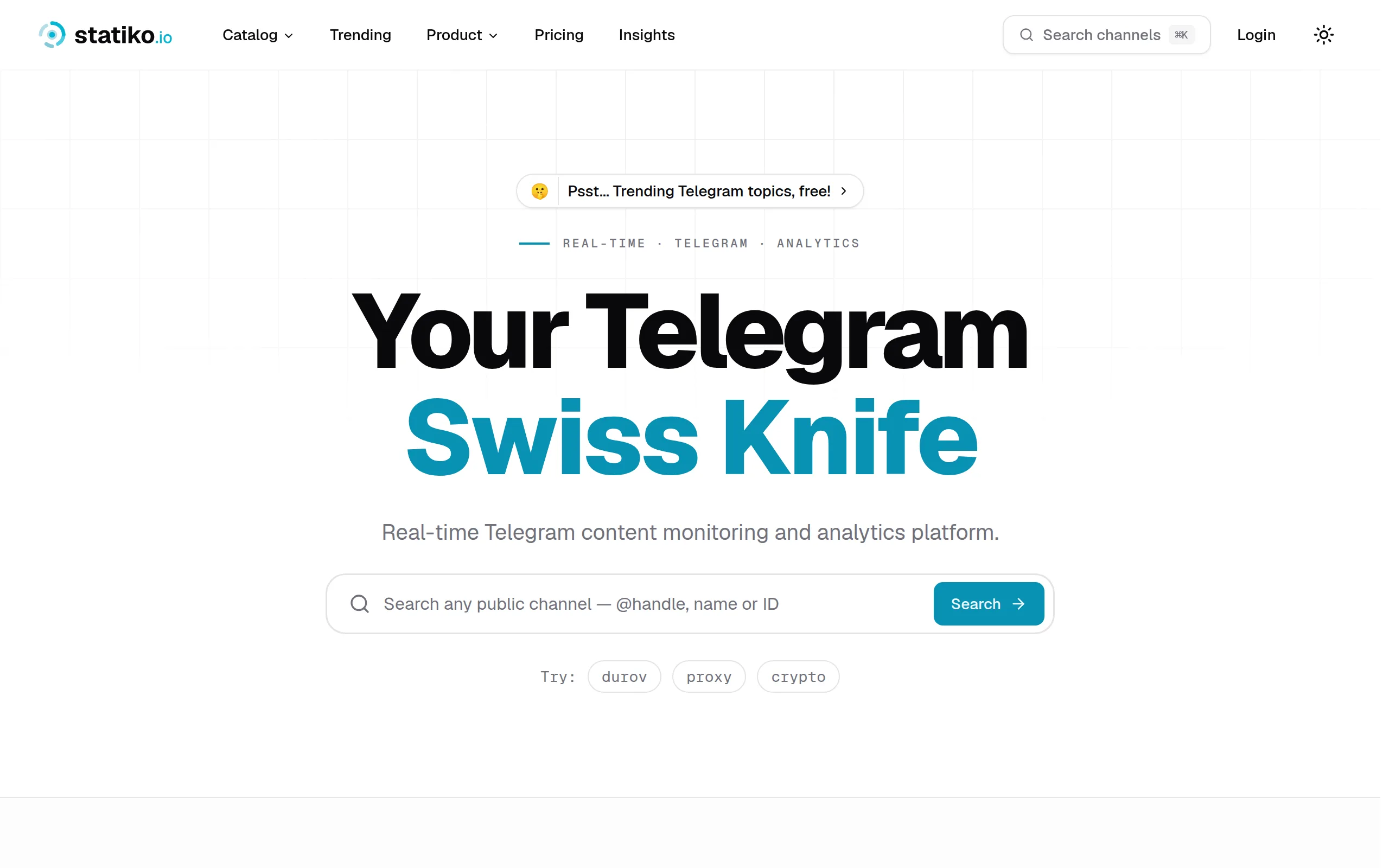
Statiko
Monitor any Telegram channel in real time - track posts, edits, deletions, and growth with AI recaps 📡
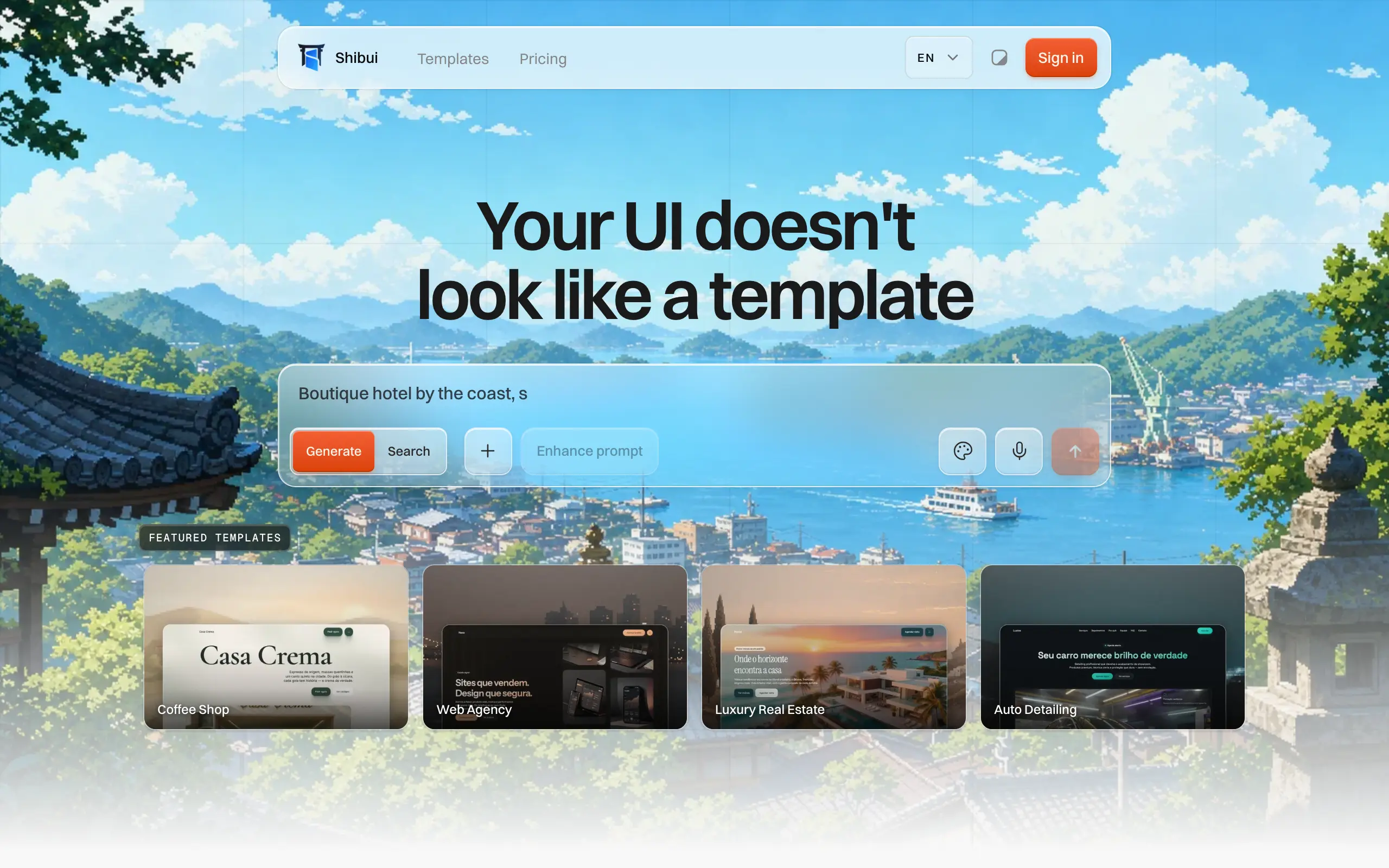
Shibui
AI website builder - describe your business, pick a niche template, edit by chatting, and publish instantly ✨
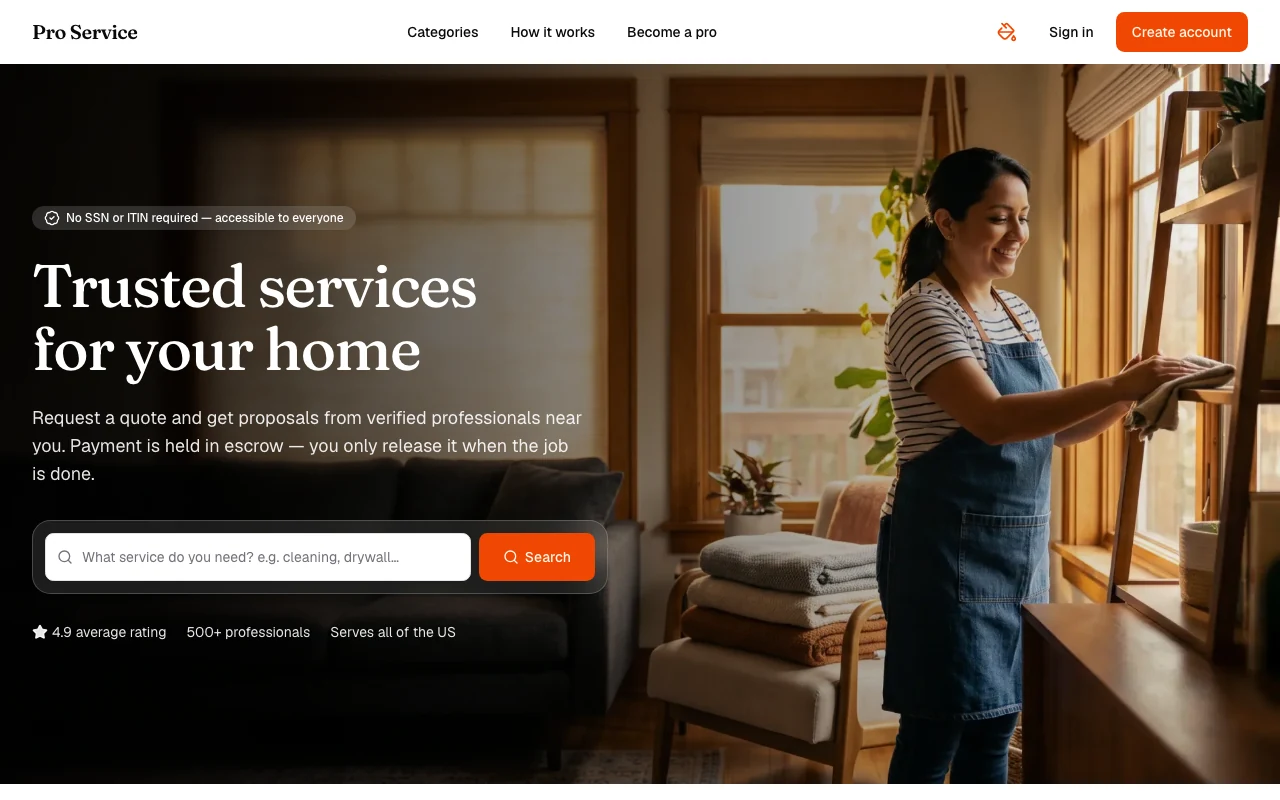
Pro Service
Find verified home service professionals, compare quotes, and pay securely through escrow - built for Brazilians across the US 🏠
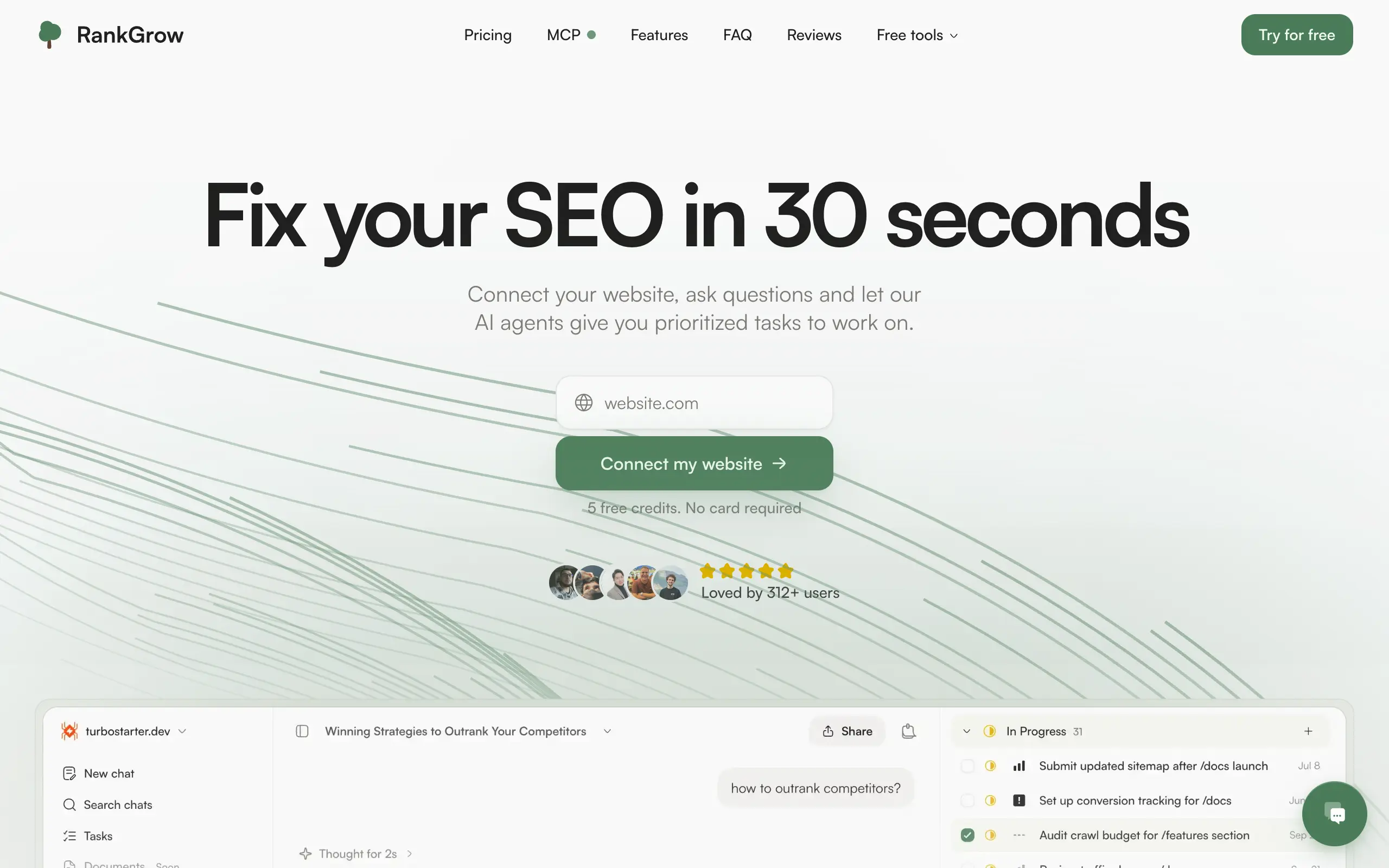
RankGrow
Fix your SEO with AI agents - connect Search Console, get prioritized tasks, and grow organic traffic 📈
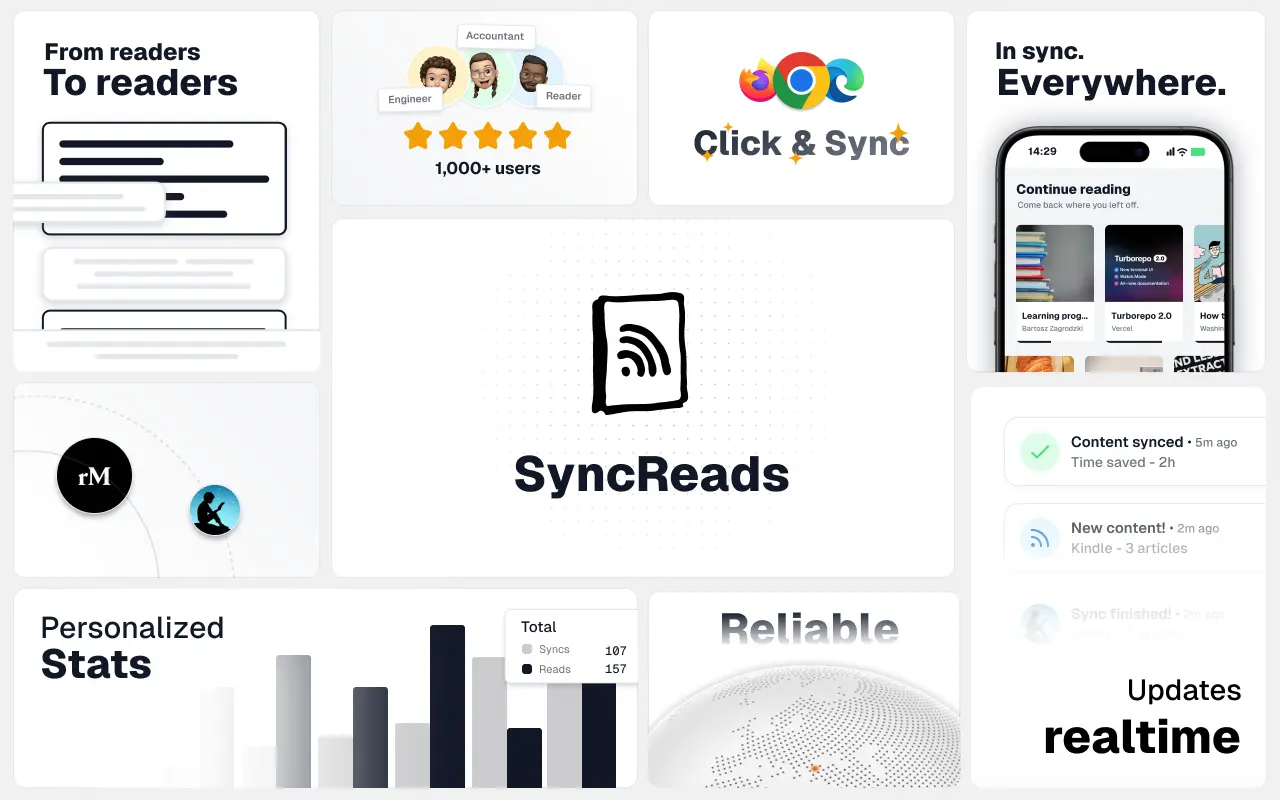
SyncReads
Sync your favorite content for distraction-free reading, save time and replace multiple apps. Anytime, anywhere 🔄
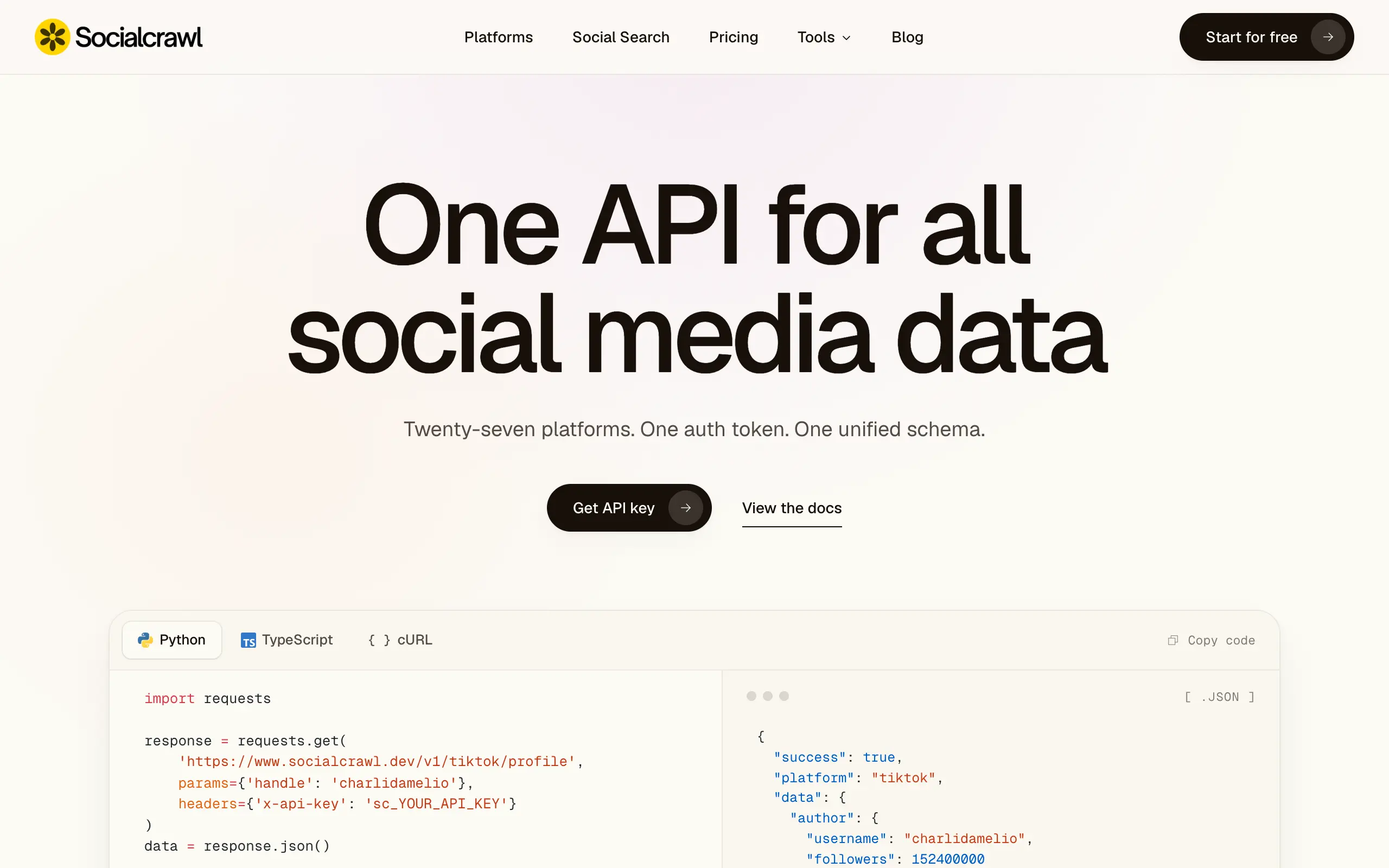
Socialcrawl
Get clean, structured data from 21 platforms like TikTok, Instagram, and YouTube with a single request 📊
Statiko
Monitor any Telegram channel in real time - track posts, edits, deletions, and growth with AI recaps 📡
Shibui
AI website builder - describe your business, pick a niche template, edit by chatting, and publish instantly ✨
Pro Service
Find verified home service professionals, compare quotes, and pay securely through escrow - built for Brazilians across the US 🏠
RankGrow
Fix your SEO with AI agents - connect Search Console, get prioritized tasks, and grow organic traffic 📈
SyncReads
Sync your favorite content for distraction-free reading, save time and replace multiple apps. Anytime, anywhere 🔄
Socialcrawl
Get clean, structured data from 21 platforms like TikTok, Instagram, and YouTube with a single request 📊
Statiko
Monitor any Telegram channel in real time - track posts, edits, deletions, and growth with AI recaps 📡
Shibui
AI website builder - describe your business, pick a niche template, edit by chatting, and publish instantly ✨
Pro Service
Find verified home service professionals, compare quotes, and pay securely through escrow - built for Brazilians across the US 🏠
RankGrow
Fix your SEO with AI agents - connect Search Console, get prioritized tasks, and grow organic traffic 📈
SyncReads
Sync your favorite content for distraction-free reading, save time and replace multiple apps. Anytime, anywhere 🔄
Socialcrawl
Get clean, structured data from 21 platforms like TikTok, Instagram, and YouTube with a single request 📊
Statiko
Monitor any Telegram channel in real time - track posts, edits, deletions, and growth with AI recaps 📡
Shibui
AI website builder - describe your business, pick a niche template, edit by chatting, and publish instantly ✨
Pro Service
Find verified home service professionals, compare quotes, and pay securely through escrow - built for Brazilians across the US 🏠
RankGrow
Fix your SEO with AI agents - connect Search Console, get prioritized tasks, and grow organic traffic 📈
SyncReads
Sync your favorite content for distraction-free reading, save time and replace multiple apps. Anytime, anywhere 🔄
Socialcrawl
Get clean, structured data from 21 platforms like TikTok, Instagram, and YouTube with a single request 📊
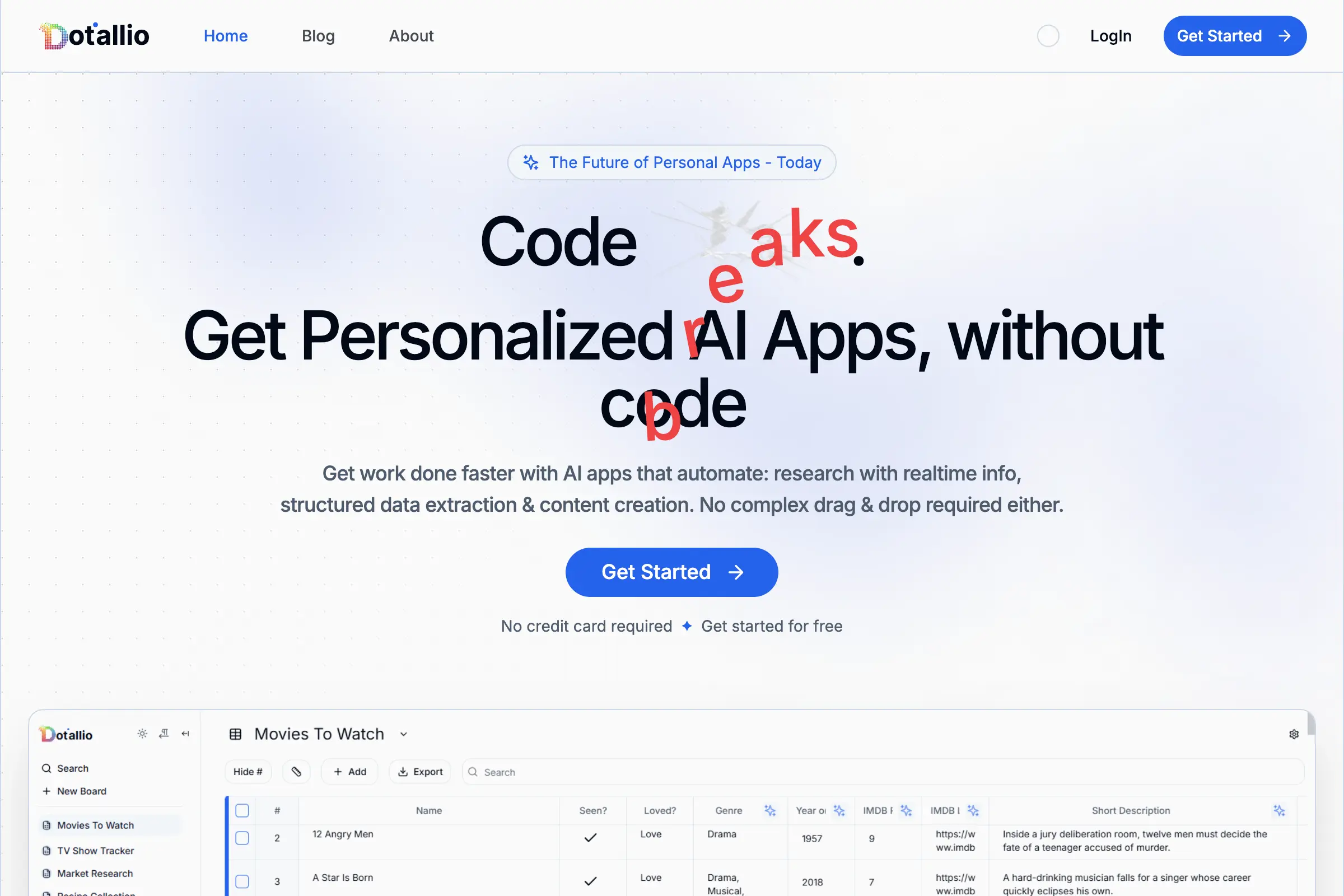
Dotallio
Personalized AI apps that automate research, data extraction, and content creation without code 🤖
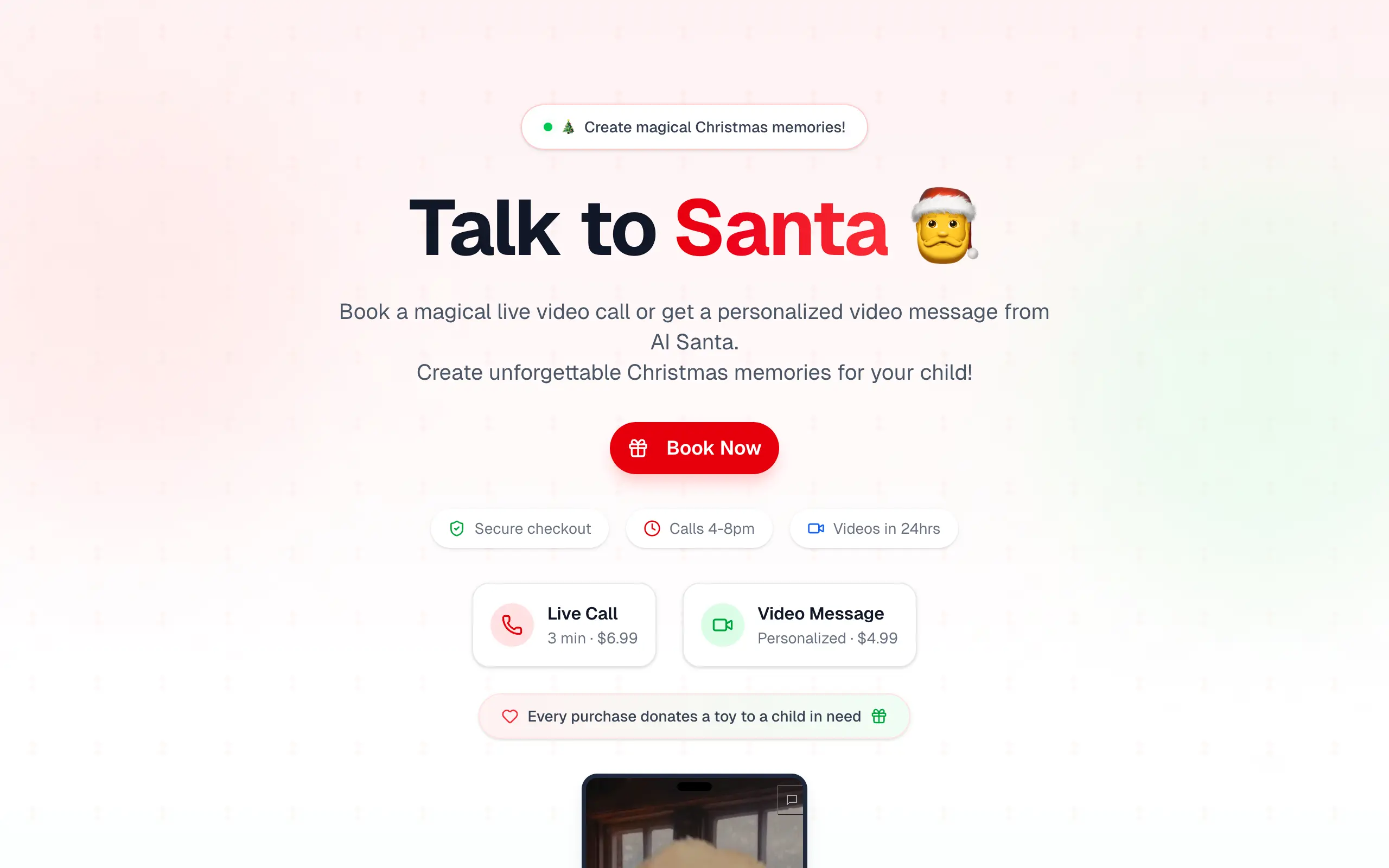
Talk to Santa
Enjoy a magical live video chat or receive a unique AI-generated video greeting from Santa Claus 🎅
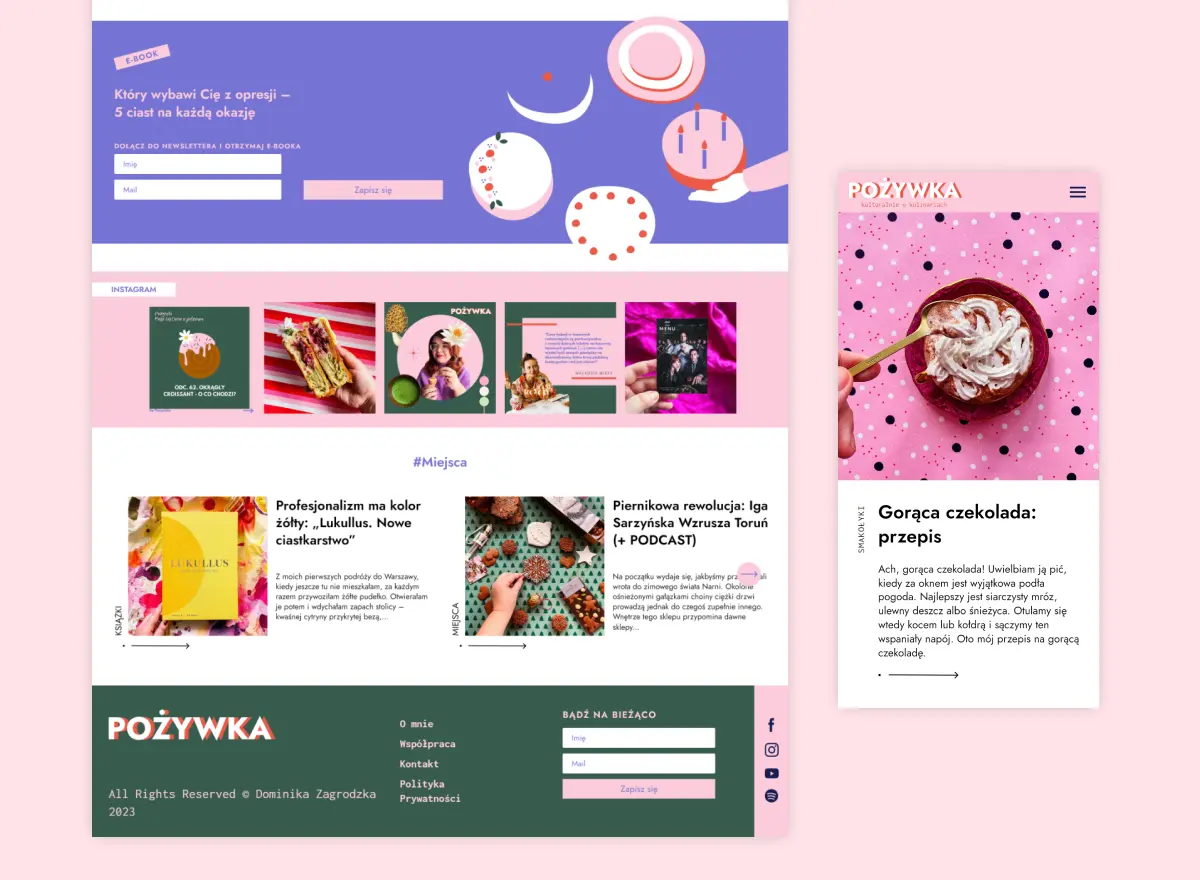
pozywka.pl
Scalable blog for food journalist, focused on performance and user experience 🌭
zagrodzki.me
Personal blog and portfolio of Bart Zagrodzki, where he shares his knowledge and work 💼
TurboStarter
Ship your startup everywhere. In minutes.
HTML to Markdown
Convert HTML to Markdown with ease, directly in your browser 📄
Dotallio
Personalized AI apps that automate research, data extraction, and content creation without code 🤖
Talk to Santa
Enjoy a magical live video chat or receive a unique AI-generated video greeting from Santa Claus 🎅
pozywka.pl
Scalable blog for food journalist, focused on performance and user experience 🌭
zagrodzki.me
Personal blog and portfolio of Bart Zagrodzki, where he shares his knowledge and work 💼
TurboStarter
Ship your startup everywhere. In minutes.
HTML to Markdown
Convert HTML to Markdown with ease, directly in your browser 📄
Dotallio
Personalized AI apps that automate research, data extraction, and content creation without code 🤖
Talk to Santa
Enjoy a magical live video chat or receive a unique AI-generated video greeting from Santa Claus 🎅
pozywka.pl
Scalable blog for food journalist, focused on performance and user experience 🌭
zagrodzki.me
Personal blog and portfolio of Bart Zagrodzki, where he shares his knowledge and work 💼
TurboStarter
Ship your startup everywhere. In minutes.
HTML to Markdown
Convert HTML to Markdown with ease, directly in your browser 📄
Dotallio
Personalized AI apps that automate research, data extraction, and content creation without code 🤖
Talk to Santa
Enjoy a magical live video chat or receive a unique AI-generated video greeting from Santa Claus 🎅
pozywka.pl
Scalable blog for food journalist, focused on performance and user experience 🌭
zagrodzki.me
Personal blog and portfolio of Bart Zagrodzki, where he shares his knowledge and work 💼
TurboStarter
Ship your startup everywhere. In minutes.
HTML to Markdown
Convert HTML to Markdown with ease, directly in your browser 📄
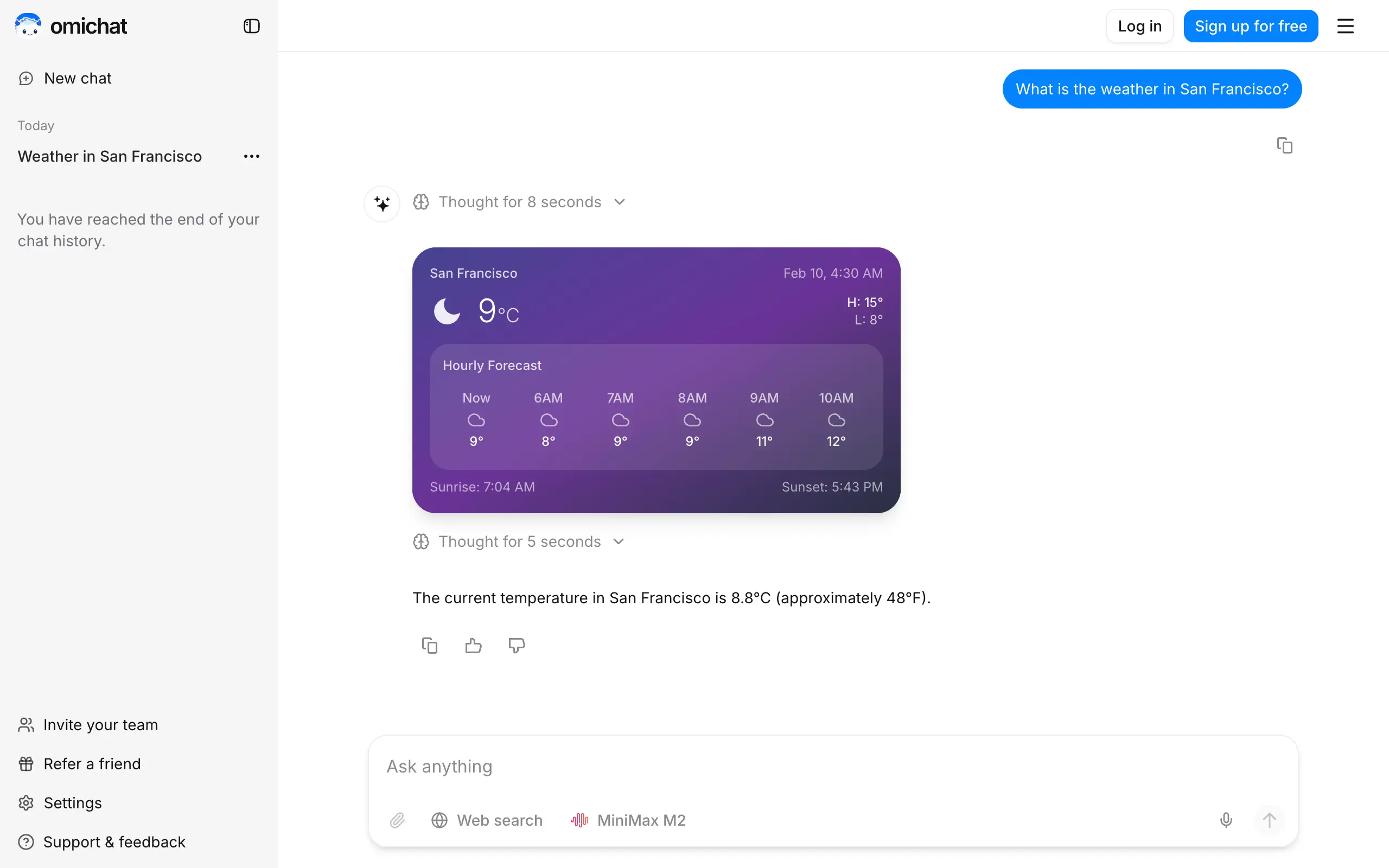
Omichat
Chat with 50+ AI models, including ChatGPT and Claude, in one place - switch models anytime without losing context 🤖
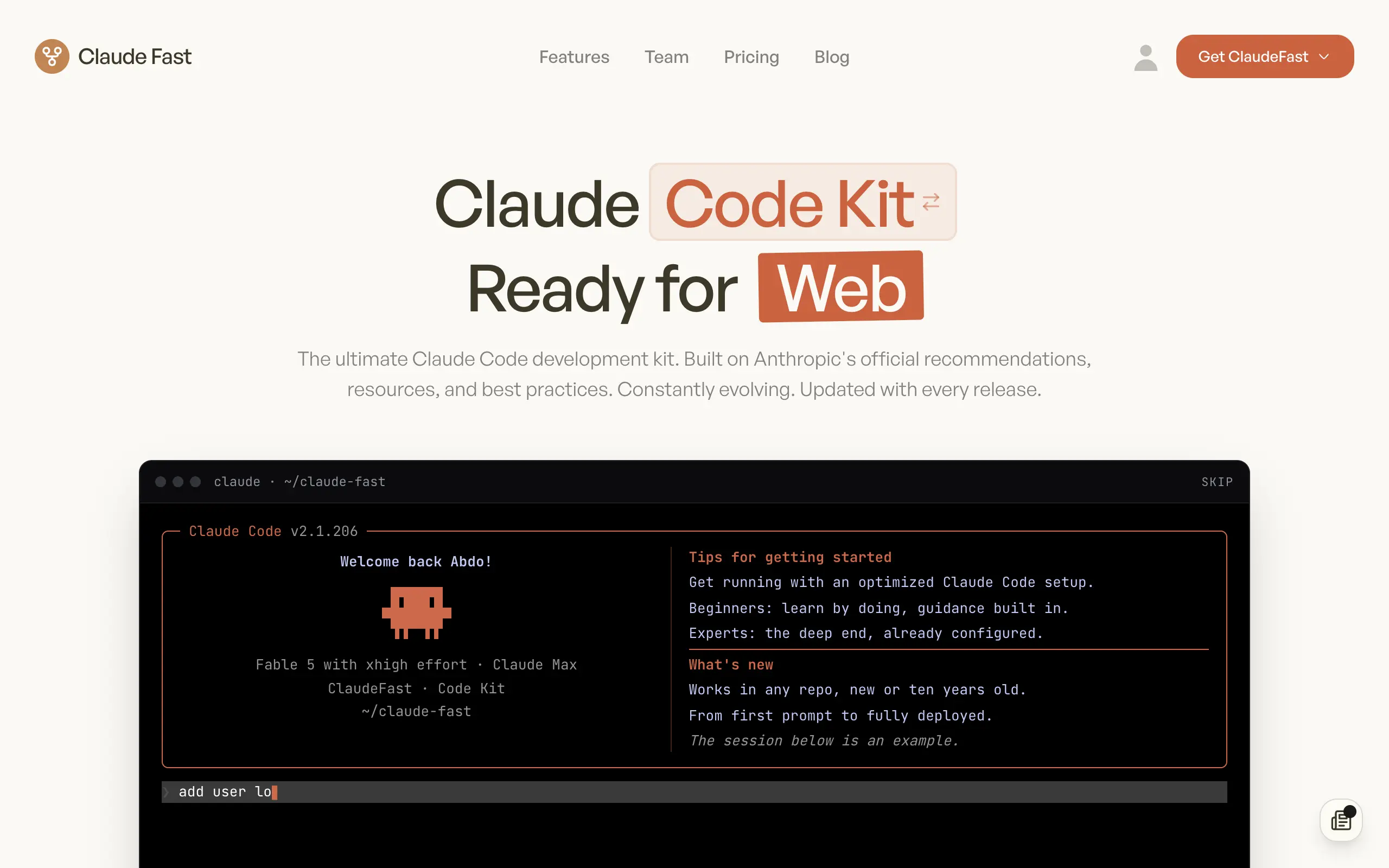
Claude Fast
Supercharge your Claude Code with 6x effective context window and specialized AI agents 🤖
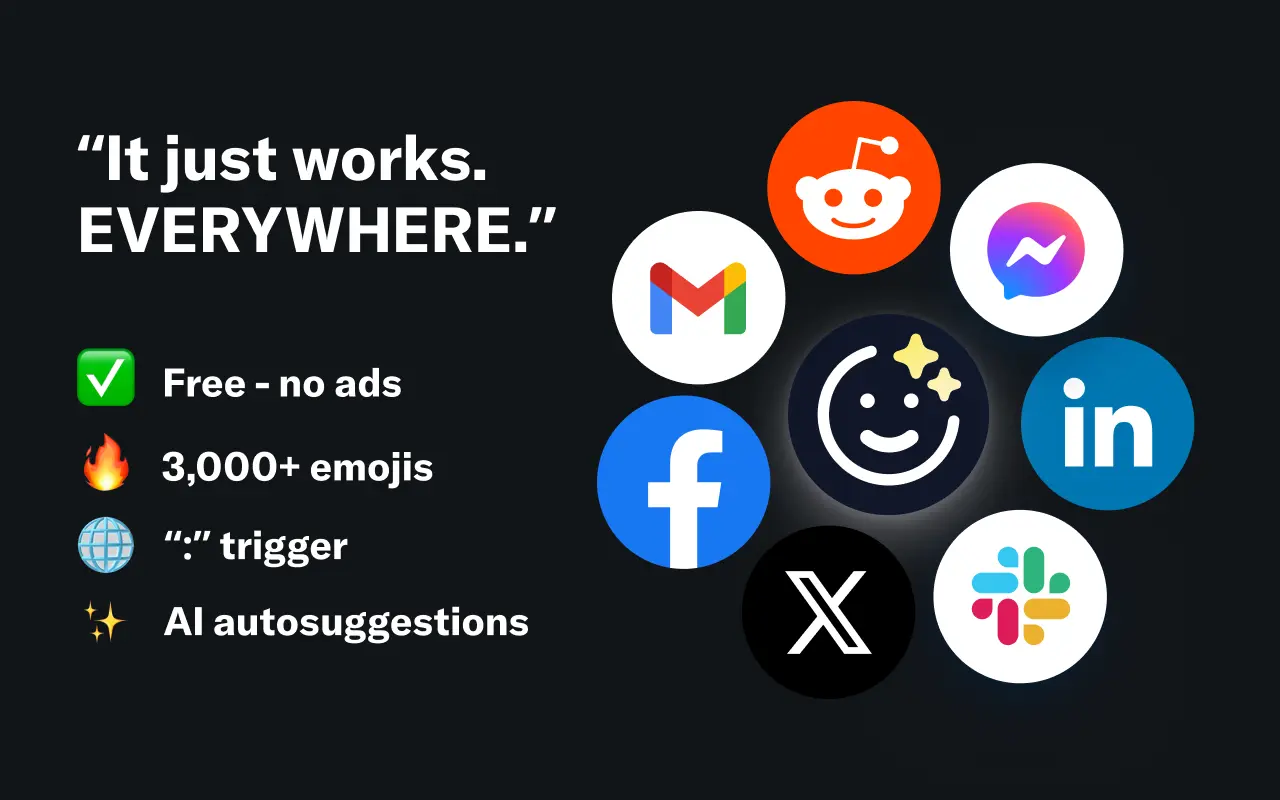
EmojAI
AI-powered emoji picker with smart, context-aware suggestions 🤖
Solohacker
Autonomous company launcher - AI agents work 24/7, escalate what matters, and you stay in control 🤖
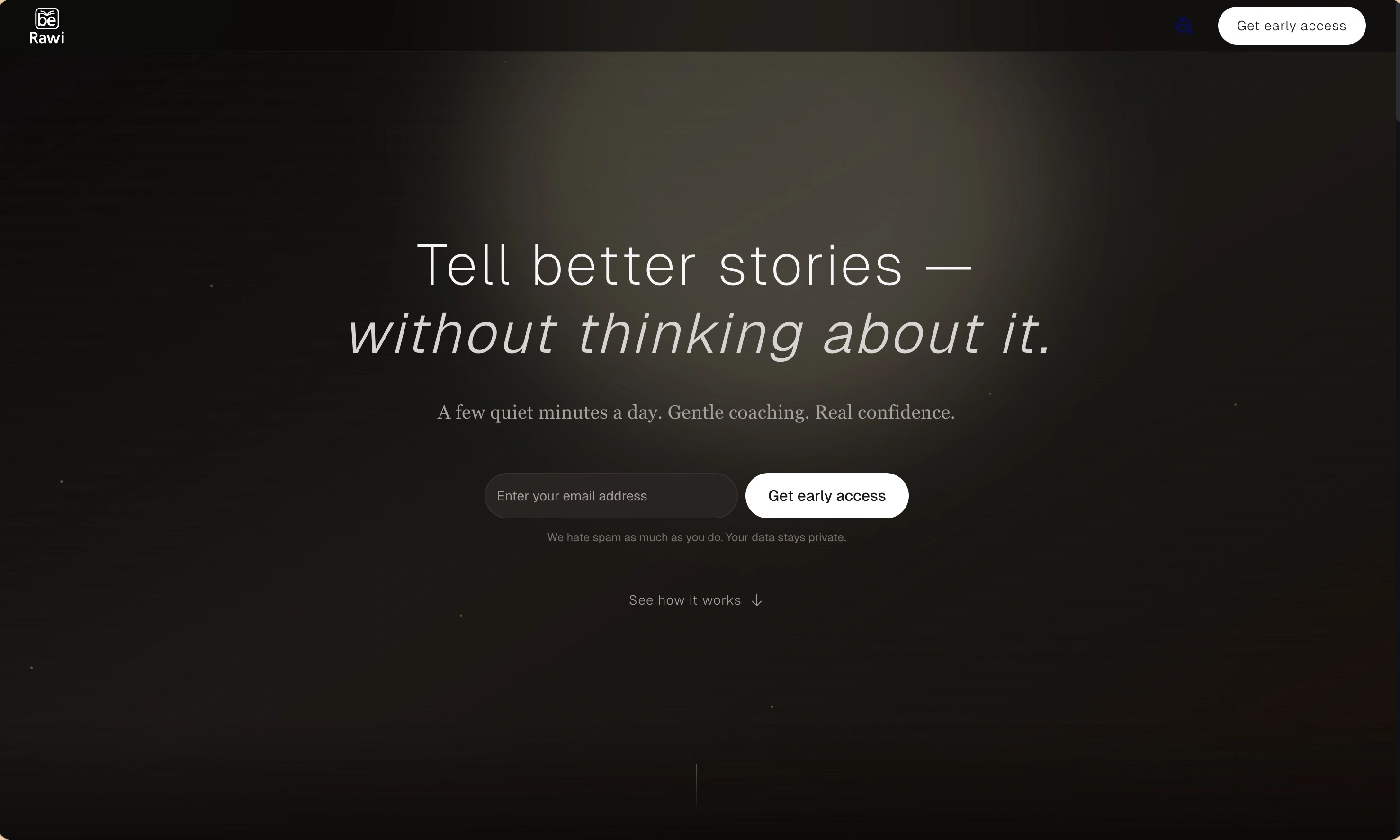
BeRawi: Storytelling Coach
Practice storytelling daily with instant feedback to sound clearer, more engaging, and confident 🎤
Omichat
Chat with 50+ AI models, including ChatGPT and Claude, in one place - switch models anytime without losing context 🤖
Claude Fast
Supercharge your Claude Code with 6x effective context window and specialized AI agents 🤖
EmojAI
AI-powered emoji picker with smart, context-aware suggestions 🤖
Solohacker
Autonomous company launcher - AI agents work 24/7, escalate what matters, and you stay in control 🤖
BeRawi: Storytelling Coach
Practice storytelling daily with instant feedback to sound clearer, more engaging, and confident 🎤
Omichat
Chat with 50+ AI models, including ChatGPT and Claude, in one place - switch models anytime without losing context 🤖
Claude Fast
Supercharge your Claude Code with 6x effective context window and specialized AI agents 🤖
EmojAI
AI-powered emoji picker with smart, context-aware suggestions 🤖
Solohacker
Autonomous company launcher - AI agents work 24/7, escalate what matters, and you stay in control 🤖
BeRawi: Storytelling Coach
Practice storytelling daily with instant feedback to sound clearer, more engaging, and confident 🎤
Omichat
Chat with 50+ AI models, including ChatGPT and Claude, in one place - switch models anytime without losing context 🤖
Claude Fast
Supercharge your Claude Code with 6x effective context window and specialized AI agents 🤖
EmojAI
AI-powered emoji picker with smart, context-aware suggestions 🤖
Solohacker
Autonomous company launcher - AI agents work 24/7, escalate what matters, and you stay in control 🤖
BeRawi: Storytelling Coach
Practice storytelling daily with instant feedback to sound clearer, more engaging, and confident 🎤

Connect with like-minded people
Join our community to get feedback, support, and grow together with 1,000+ builders on board, let's ship it!
Join usShip your startup everywhere. In minutes.
Don't burn tokens on setup and start building features on day one.