TripQuest
Turn every trip into a multiplayer adventure with location quests, friend challenges, and rewards for exploring hidden local spots.
Why TripQuest can win in the social travel app market
TripQuest is a multiplayer travel app that turns ordinary trips into shared adventures. Instead of asking travelers to simply save places, write reviews, or follow generic itineraries, it gives them location-based quests, friend challenges, exploration rewards, and a reason to discover overlooked local spots together.
The central product promise is simple: travel becomes more memorable when exploration feels like a game and can be shared with other people.
That positioning matters because the travel planning market is crowded, but much of it remains fragmented. Travelers use one app for maps, another for bookings, another for restaurant reviews, another for trip documents, and group chats to coordinate friends. Most products optimize planning and logistics. Far fewer optimize the actual emotional experience of being somewhere new.
TripQuest can occupy that gap by combining:
- Location-based travel quests
- Social competition and collaboration
- Local discovery beyond obvious tourist attractions
- Reward loops that encourage real-world exploration
- Shared memories, photos, and achievements
- Community-created routes and city challenges
The primary SEO opportunity is around phrases such as social travel app, multiplayer travel app, travel quest app, location-based travel game, travel challenge app, and gamified travel app. These keywords map to audiences looking for more engaging ways to travel with friends, meet people, and discover authentic local experiences.
The strongest product thesis
TripQuest should not position itself as another travel guide. It should position itself as the social layer that makes a destination feel interactive, personal, and worth exploring beyond the standard checklist.
The problem with traditional travel discovery
Travelers have more information than ever, but information abundance has created a new problem: decision fatigue.
A visitor arriving in a new city can search for museums, coffee shops, viewpoints, food markets, nightlife, walking tours, and local events within seconds. Yet many still follow the same heavily promoted routes because the experience of finding something different takes time, confidence, and local knowledge.
Traditional travel tools also have several weaknesses.
- "Static recommendations": A list of things to do does not create momentum or help groups decide what to do next.
- "Generic rankings": Highly rated venues often receive the most attention, while hidden neighborhood gems remain difficult to find.
- "Weak group coordination": Friends may be traveling together but still spend time negotiating plans through scattered messages.
- "No sense of progression": Checking places off a list rarely creates the satisfaction of completing a meaningful adventure.
- "Limited social memory": Photos live in camera rolls, travel plans disappear in chats, and trips lose their narrative once people return home.
- "Overtourism reinforcement": Conventional recommendation engines can repeatedly push visitors toward the same popular locations.
A location-based travel game can solve these issues by giving exploration a structure. Instead of presenting a traveler with hundreds of options, TripQuest can offer a small, context-aware mission such as:
Find a family-run bakery within a 15-minute walk, try the regional specialty, and unlock the neighborhood’s “Morning Explorer” badge.
That mission is actionable, memorable, and naturally social. It also gives local businesses and destination partners a new channel for attracting visitors without relying entirely on paid listings.
Target audience for a social travel app
TripQuest should not initially try to serve every type of traveler. The strongest go-to-market strategy is to start with segments that already value novelty, group activity, mobile engagement, and shareable experiences.
| Audience | Primary motivation | TripQuest value | Best launch message | Monetization fit |
|---|---|---|---|---|
| Friend groups | Make a shared trip more fun | Team quests, challenges, scoreboards | Turn the weekend into an adventure | Premium group packs |
| Gen Z and young millennials | Discover unique, shareable places | Badges, photo missions, local drops | Find places your feed has not seen yet | Subscriptions and partners |
| Solo travelers | Structure and connection | Personal quests and public events | Never run out of things to explore | City packs |
| Families | Keep everyone engaged | Age-aware scavenger hunts | Make sightseeing feel like play | Family bundles |
| Destination organizations | Distribute visitors and support local commerce | Branded trails and analytics | Create better visitor journeys | B2B licensing |
Friend groups and weekend travelers
The first consumer wedge should be groups traveling for city breaks, birthdays, reunions, festivals, bachelor or bachelorette weekends, road trips, and short holidays. These users already have a social context, which reduces the cold-start challenge of asking strangers to interact.
Their main pain point is not necessarily planning. It is avoiding the familiar pattern where everyone says, “What do you want to do?” and nobody chooses.
TripQuest can make decisions lighter through:
- Shared itineraries built from quests rather than static bookmarks
- Quick voting on the next mission
- Team-based or competitive mini-challenges
- Streaks for completing activities together
- Collaborative trip journals
- Group rewards unlocked when every member participates
The product should emphasize friendly competition, not intense gaming mechanics. A traveler should feel encouraged to explore, not pressured to optimize a leaderboard.
Solo travelers seeking structure
Solo travelers often want freedom, but they also benefit from a gentle framework. A gamified travel app can give them direction without forcing them into a rigid guided tour.
For this group, TripQuest can offer:
- Personalized quests based on interests, budget, walking tolerance, and time available
- Safe daytime exploration routes
- Optional public challenges at vetted venues
- Cultural and historical prompts that enrich visits
- Progress tracking across cities and countries
- Ways to share a completed adventure with friends back home
Safety and privacy must be especially strong for this audience. Public-facing features should be opt-in, location sharing should be granular, and user-generated meetups should not be part of the first release unless there is a robust moderation and verification system.
Local explorers and staycation users
TripQuest should not depend only on international tourism. Locals and nearby residents can become a reliable source of year-round engagement, especially during off-seasons.
A resident may use the app to explore a new neighborhood, host visiting friends, complete weekend challenges, or discover independent businesses. This creates a valuable flywheel: locals can validate quests, submit recommendations, and generate authentic content that makes the platform more useful for visitors.
Tourism boards and local businesses
The B2B audience is strategically important because it creates a path beyond consumer subscriptions. Destination marketing organizations, hotels, hostels, museums, food halls, event organizers, and independent businesses all benefit when travelers discover and visit them intentionally.
However, TripQuest must protect user trust. Sponsored quests should be clearly labeled, and local business inclusion should not require payment. The product’s editorial quality and local relevance must remain more important than commercial placement.
Market gap and opportunity for gamified travel
The travel technology market contains powerful incumbents, but their incentives and product models leave room for TripQuest.
Maps products focus on navigation. Review platforms focus on search and ratings. Booking platforms focus on transactions. Social platforms focus on content distribution. Fitness apps have proven that location, progress, streaks, and social reinforcement can drive repeat behavior, but those mechanics are still underused in mainstream travel discovery.
TripQuest’s opportunity is to combine the best elements of these categories:
Navigation context
Use a traveler’s location, available time, weather, and mobility preferences to surface relevant quests.
Social momentum
Give friends a lightweight reason to decide, move, participate, and create shared memories.
Local storytelling
Make quests teach travelers why a place matters rather than treating destinations as checkboxes.
Rewarded discovery
Recognize exploration through badges, collections, partner perks, and trip recaps.
The broader trend supports this concept. Travelers increasingly look for experiences that feel personal, local, and memorable rather than purely transactional. At the same time, destination organizations are under pressure to manage visitor distribution, encourage longer stays, and direct spending toward local businesses.
When researching investor materials or market validation, cite current reports from established tourism bodies, app intelligence firms, and travel industry research organizations. Avoid presenting uncited market-size claims as fact. A useful reference format is:
Source suggestion: cite a current report from UN Tourism, a national tourism authority, or a recognized travel research provider for destination trends, traveler behavior, and tourism demand data.
TripQuest’s unique selling proposition
The unique selling proposition for TripQuest is:
A social travel app that transforms real-world exploration into collaborative, location-aware quests that help travelers discover meaningful local experiences together.
This is stronger than “find hidden gems” alone. Many products claim to surface hidden places. TripQuest creates a reason to go there now, a social context for doing it, and a reward for completing the experience.
A strong positioning statement could be:
TripQuest turns every city into a multiplayer adventure. Complete local quests, challenge your friends, uncover overlooked spots, and build a travel story worth sharing.
What makes TripQuest defensible
The initial feature set is easy to imitate. The long-term advantage comes from the data, community, and operational system behind it.
TripQuest can build defensibility through:
- A proprietary quest graph connecting places, neighborhoods, themes, and traveler behavior
- High-quality local curation with structured safety and accessibility data
- Community reputation systems for quest creators and verifiers
- Destination-specific content partnerships
- Social groups, trip history, shared achievements, and collectible city progress
- Personalization models that learn which quests users complete and enjoy
- A trusted brand for exploration that balances adventure with responsible tourism
The product moat is not the badge. It is the ability to reliably deliver the right real-world mission to the right traveler at the right moment.
Core features for the TripQuest mobile app
A successful MVP should focus on the core loop: discover a quest, complete it in the real world, share or verify the experience, receive a reward, and choose the next adventure.
Location-based quests
Quests are the heart of the product. Each quest needs a clear action, an estimated duration, a location boundary, a difficulty level, and a reason why it is worth doing.
Examples include:
- Visit an independent bookstore and find a title by a regional author
- Photograph a public artwork from a specific perspective
- Try a local dish from a verified independent vendor
- Walk a historic street and answer a location-based trivia question
- Complete three waterfront stops before sunset
- Find a quiet green space within a 20-minute walk
- Visit a museum and unlock a themed cultural collection
Every quest should include useful context:
- "Time required": Five minutes, 30 minutes, two hours, or half day
- "Mobility level": Accessible, low walking, moderate walking, or active
- "Cost expectation": Free, low cost, paid entry, or variable
- "Best time": Morning, afternoon, evening, or weather dependent
- "Social mode": Solo, cooperative, competitive, family-friendly, or date-friendly
- "Verification type": GPS, photo, QR code, staff confirmation, or self-attestation
Friend challenges and cooperative play
Multiplayer mechanics should be simple enough for travelers who do not identify as gamers.
Useful modes include:
- Co-op quests where a group must complete multiple linked tasks
- Head-to-head challenges where friends race to finish a short route
- Split-team adventures where groups explore separate areas and regroup
- Trip scoreboards that highlight participation without punishing slower travelers
- Photo prompts that create amusing, authentic shared memories
- Surprise quests unlocked after a group completes a milestone
Avoid monetizing competitive advantage. Paid users can access deeper content or planning tools, but they should not be able to buy leaderboard dominance.
Dynamic recommendations
The most useful travel quest app does not merely show nearby missions. It understands context.
TripQuest’s recommendation engine should eventually consider:
- Current location and distance
- Opening hours and venue availability
- Weather conditions
- Time remaining in the day
- Group size and selected travel style
- Dietary needs and accessibility needs
- Budget preferences
- Prior quest completions
- Crowd levels where reliable data is available
- Local events and seasonal experiences
The first version does not need sophisticated machine learning. Rules-based ranking can produce excellent results when the content taxonomy is strong. For example, a traveler who has 45 minutes, is near a historic district, and has selected “low cost” should see a short free cultural quest rather than a distant paid attraction.
Rewards, collections, and trip memories
Rewards should reinforce meaningful behavior, not become a gimmick.
TripQuest can use a layered reward system:
- Instant rewards such as XP, stamps, or visual unlocks after a quest
- Collection rewards for completing neighborhood, food, art, nature, or history sets
- Group rewards for collective milestones
- Partner rewards such as optional discounts, small upgrades, or local perks
- Trip recap rewards such as a shareable route map, photo story, and achievement summary
Digital collectibles should be useful and emotionally resonant. A “Lisbon After Dark” collection, for example, is more compelling than a generic number next to a profile.
Quest creation and local curation
User-generated content can accelerate supply, but open publishing too early creates quality, safety, copyright, and spam risks. Start with an editorial workflow.
A sensible progression is:
The best local content will often come from people who know a city deeply: neighborhood writers, walking tour guides, students, chefs, photographers, historians, and independent business owners.
Recommended tech stack for TripQuest
TripQuest is a mobile-first, geospatial, social product. The stack should prioritize fast iteration, reliable location features, real-time state, secure authentication, and manageable operational complexity.
Mobile application layer
For an MVP, React Native with Expo is a strong choice. It allows a small team to build for iOS and Android from a shared codebase while retaining access to native capabilities.
Recommended client-side components include:
- React Native for cross-platform UI
- Expo for builds, updates, permissions, and device APIs
- TypeScript for safer domain models
- A server-state library such as TanStack Query for caching and synchronization
- Offline-friendly local persistence for active quests and saved trips
- Push notifications for challenge invitations, reminders, and time-sensitive drops
The key trade-off is that highly specialized background geolocation, advanced AR, and certain native integrations may eventually need custom native modules or a move beyond managed Expo workflows. That is not a reason to over-engineer the first release. Validate the quest loop before investing in technically ambitious features.
Backend and database architecture
Supabase is a practical early-stage option because it combines PostgreSQL, authentication, storage, real-time capabilities, and row-level security. PostgreSQL is especially appropriate because TripQuest needs structured relationships and geospatial queries.
Use PostGIS capabilities to support:
- Radius and polygon geofencing
- Nearby quest discovery
- Neighborhood boundaries
- Route and distance calculations
- Geographic clustering
- City-level content operations
A core data model should include users, groups, trips, quests, quest stops, venue references, completions, submissions, rewards, media, reports, and partner campaigns.
create table quest_completions (
  id uuid primary key,
  user_id uuid not null,
  quest_id uuid not null,
  trip_id uuid,
  completed_at timestamptz not null default now(),
  verification_method text not null,
  verification_status text not null,
  latitude numeric,
  longitude numeric,
  created_at timestamptz not null default now()
);
Store only the minimum location data needed to verify a quest and improve product functionality. Exact location history is sensitive personal data and should not be retained indefinitely without a clear user benefit and explicit consent.
Maps, places, and routing
Mapbox is a strong option for mapping, geocoding, custom visual styling, and geospatial user experiences. Its flexible map presentation is valuable for a brand where the map is part of the game board.
For place data, evaluate providers based on licensing, coverage, cost, update frequency, and permitted display use. Do not assume that a place API permits storing, redistributing, or combining venue data in every way a product might need. Review current terms with legal counsel before implementation.
Payments, analytics, and operations
Stripe can support subscriptions, premium city packs, group purchases, partner invoices, and future marketplace payouts. Begin with simple consumer payments rather than a complex multi-sided marketplace.
For product analytics, PostHog is a useful choice for tracking activation, quest funnels, retention cohorts, feature flags, and experimentation.
A practical startup stack could look like this:
Use React Native with Expo, Supabase with PostgreSQL and PostGIS, Mapbox, Stripe, PostHog, cloud object storage, and a moderation dashboard. This minimizes infrastructure work and keeps the team focused on content quality and retention.
As usage grows, separate recommendation workloads, add a dedicated event pipeline, introduce a search service, build internal content operations tools, and use background workers for notifications, verification, and partner reporting.
Building quickly without sacrificing foundations
A SaaS starter kit can significantly reduce setup time for authentication, billing, database patterns, dashboards, and production-ready workflows. TurboStarter is particularly useful when the founding team needs to move from concept validation to a maintainable product foundation without rebuilding common infrastructure.
The goal is not to launch every feature at once. It is to establish a clean foundation so the team can measure the most important question: do users repeatedly complete quests and invite friends?
Monetization strategies for TripQuest
TripQuest should use a hybrid monetization model. Relying only on consumer subscriptions may limit adoption, while relying only on sponsored content can harm trust.
Freemium consumer subscriptions
The free product should make a trip genuinely better. Users should be able to discover nearby quests, complete core challenges, invite friends, and view basic trip recaps.
A premium plan can include:
- Unlimited premium quests and themed collections
- Advanced trip planning and itinerary generation
- Offline city packs
- Exclusive seasonal challenges
- Enhanced trip recap exports
- Family profiles and kid-friendly filtering
- Personal stats and long-term collections
- Early access to new destinations
Pricing should reflect travel frequency. Monthly subscriptions can work for active urban explorers, but annual plans and one-time city packs may better match occasional travelers.
Paid city packs and themed adventures
A traveler may hesitate to subscribe before a single weekend trip. A one-time purchase can reduce that friction.
Examples include:
- A 48-hour food quest pack
- A rainy-day museum adventure
- A couples’ date-night city challenge
- A family scavenger hunt
- A historic district audio quest
- A holiday market collection
- A self-guided architecture trail
The quality bar must be high. Paid content should be designed as a coherent experience, not a bundle of ordinary recommendations behind a paywall.
B2B destination partnerships
Tourism organizations can pay TripQuest to create branded but editorially credible campaigns. These can promote under-visited neighborhoods, seasonal events, sustainable transport, cultural institutions, or local business districts.
The strongest B2B offer is not merely “sponsored placement.” It is a measurable visitor engagement platform.
Potential deliverables include:
- Branded quest campaigns
- Destination-specific onboarding
- Visitor journey analytics
- Completion rates by neighborhood
- Opt-in sentiment and feedback surveys
- Local business discovery reporting
- Seasonal trail management
- Accessibility-focused and sustainability-focused routes
Clearly disclose all paid campaigns to users. Trust is more valuable than short-term sponsor revenue.
Local business partnerships
Local business monetization should be handled carefully. Businesses may pay for campaign participation, offer redemption-based rewards, or sponsor a themed route. But TripQuest should avoid becoming a pay-to-play directory.
A better model is selective participation:
- Businesses meet baseline quality and safety requirements
- Offers are optional, not required to complete a quest
- Sponsored status is transparent
- User feedback influences continued eligibility
- The app does not sell or expose personal traveler data to businesses without consent
Competitive advantage analysis
TripQuest will compete indirectly with maps, review products, itinerary planners, scavenger hunt providers, local tour companies, travel social networks, and generic gaming platforms.
Its advantage comes from focusing on the intersection of real-world place discovery, social play, and local storytelling.
| Category | Primary strength | Typical limitation | TripQuest differentiation | Strategic lesson |
|---|---|---|---|---|
| Maps apps | Navigation and nearby search | Limited narrative and group play | Turns nearby places into missions | Integrate navigation rather than replace it |
| Review platforms | Large volume of opinions | Choice overload and popularity bias | Curated, contextual next actions | Prioritize relevance over endless lists |
| Guided tours | Expert storytelling | Fixed time and schedule | Flexible self-guided progression | Partner with guides for premium content |
| Scavenger hunt apps | Game mechanics | Often shallow or event-specific | Persistent social travel identity | Build lasting city collections |
The most important competitive decision is to avoid trying to outperform major platforms at their core jobs. TripQuest does not need to become the best map, booking engine, or review database. It needs to become the most engaging way to decide what to explore next with other people.
Risks and mitigation for a location-based travel app
Location products require deliberate risk management. A great experience can quickly lose trust if a quest is inaccurate, unsafe, inaccessible, or overly intrusive.
Use explicit consent, explain why location access is needed, provide approximate location options where possible, and let users delete location-linked activity. Do not expose real-time user locations to others by default. Implement data minimization, retention limits, and clear privacy controls from the earliest release.
Create editorial safety guidelines, exclude dangerous routes and restricted areas, add daylight and weather considerations, and enable fast reporting. Avoid quests that encourage trespassing, risky driving, excessive alcohol consumption, or disruptive behavior around residents.
Begin with curation and trusted contributors. Add reputation scoring, moderation queues, duplicate detection, report handling, and periodic revalidation. A smaller catalog of excellent quests is better than a large catalog users cannot trust.
Design recommendation logic to distribute demand, rotate comparable quests, cap certain popular challenges, and collaborate with local stakeholders. Do not reward behavior that treats residential neighborhoods as entertainment zones.
Use trip recaps, city collections, future destination wishlists, friend rematches, local weekend missions, and seasonal campaigns. The product should remain useful between major vacations.
Trust and safety requirements
For a social travel app, trust is a product feature. The app should include:
- Clear community guidelines
- Place and quest reporting
- Moderation workflows with response targets
- Content review history for editors
- Age-appropriate experiences and parental controls where relevant
- Accessibility metadata
- Transparent sponsor disclosures
- Consent controls for photos and social sharing
- Security reviews for authentication and payment flows
Security practices should follow established guidance such as the OWASP application security resources. Before launch, conduct threat modeling around account takeover, location exposure, fraudulent reward redemption, abusive content, and partner dashboard access.
Metrics that validate the TripQuest business model
Vanity metrics such as downloads and total registered users are not enough. TripQuest should measure whether users experience real value quickly and whether quests create repeat behavior.
The most important product metrics include:
- Activation rate, measured by users who complete a first quest within 24 hours
- Quest completion rate
- Average quests completed per active trip
- Friend invite rate
- Group formation rate
- Seven-day and 30-day retention
- Percentage of users who start a second trip or local adventure
- Repeat destination pack purchases
- User-generated content submission quality
- Report rate per 1,000 quests
- Partner campaign completion and redemption rates
A strong north-star metric could be:
Weekly completed quests by users who are traveling with at least one friend or group member.
This metric captures the core behavioral value: real-world exploration with social participation.
A practical 90-day implementation roadmap
The first 90 days should be about proving the core loop in one tightly defined market, not expanding to dozens of cities.
Days 1 to 30: validate the behavior
Choose one compact, tourist-friendly, walkable city or district. Interview travelers, local guides, hostel managers, independent businesses, and destination stakeholders.
Build a clickable prototype and test:
- Whether users understand quests immediately
- Which quest categories feel exciting rather than childish
- Whether friends prefer cooperation or competition
- What makes someone trust a local recommendation
- How much users will share after completion
- Which verification methods feel least intrusive
Create an initial catalog of 30 to 50 high-quality quests. That is enough to test variety without creating an unsustainable content operation.
Days 31 to 60: launch the MVP
Build only the essential product loop:
- Account creation and travel preferences
- Nearby quest feed and map
- Quest detail pages
- GPS or lightweight photo verification
- Friend invitations and simple group trips
- Completion rewards and a trip recap
- Reporting and moderation tools
- Basic analytics instrumentation
Do not launch public chat, open social feeds, marketplace payouts, complex AI trip planners, or unrestricted quest publishing in the MVP. Each adds meaningful moderation or operational overhead.
Days 61 to 90: test retention and willingness to pay
Recruit real pilot users through hostels, local event communities, study-abroad groups, city ambassadors, and travel creators with local credibility.
Run structured experiments:
- Compare co-op quests against individual quests
- Test free versus paid themed quest packs
- Measure whether partner perks increase completion
- Evaluate morning, afternoon, and evening notification timing
- Test which category drives the most repeat sessions
- Ask users whether they would use the app in their home city
At this stage, the goal is not growth at all costs. The goal is evidence that users find TripQuest memorable enough to use again and recommend.
Final recommendation
TripQuest has a compelling opportunity because it addresses a genuine travel problem: people do not need more lists of places; they need better reasons to explore, decide, and share experiences together.
The winning version of this product will be selective rather than bloated. It will offer trustworthy quests, intuitive social mechanics, thoughtful location privacy, and local recommendations that feel like discoveries instead of advertisements.
Start with one city, one traveler segment, and one memorable quest loop. Build a high-quality content operation before opening the platform broadly. Measure completed quests, group participation, and repeat exploration relentlessly. Once the core loop is proven, TripQuest can expand into premium city packs, destination partnerships, local creator networks, and a durable social travel ecosystem.
More 📱 Mobile App SaaS ideas
Discover more innovative mobile app SaaS ideas that are trending in 2026. Each idea is AI-generated with market validation and growth potential to help you find your next profitable venture faster than competitors.
Your competitors are building with TurboStarter
Below are some of the SaaS ideas that have been generated and built with our starter kit.
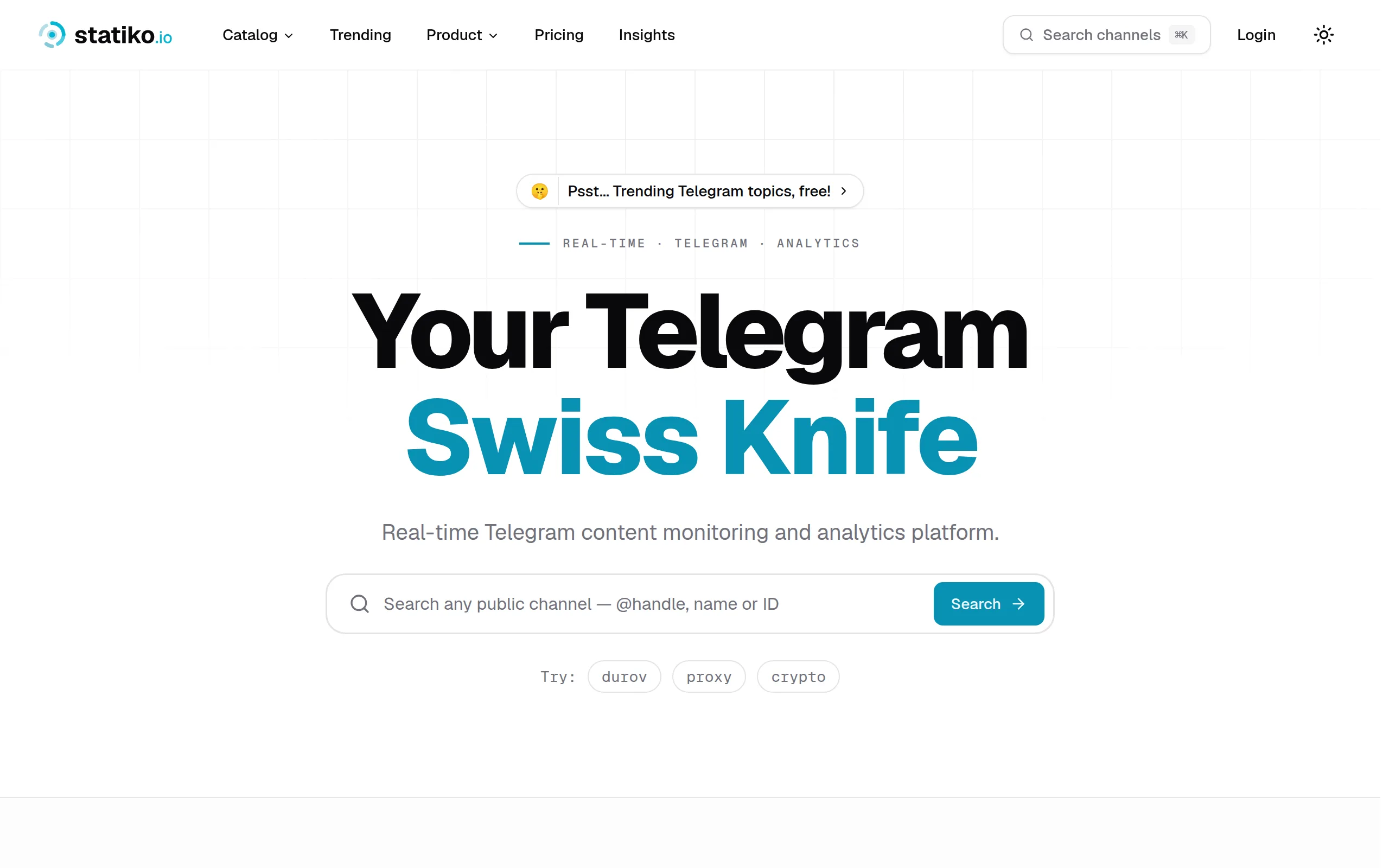
Statiko
Monitor any Telegram channel in real time - track posts, edits, deletions, and growth with AI recaps 📡
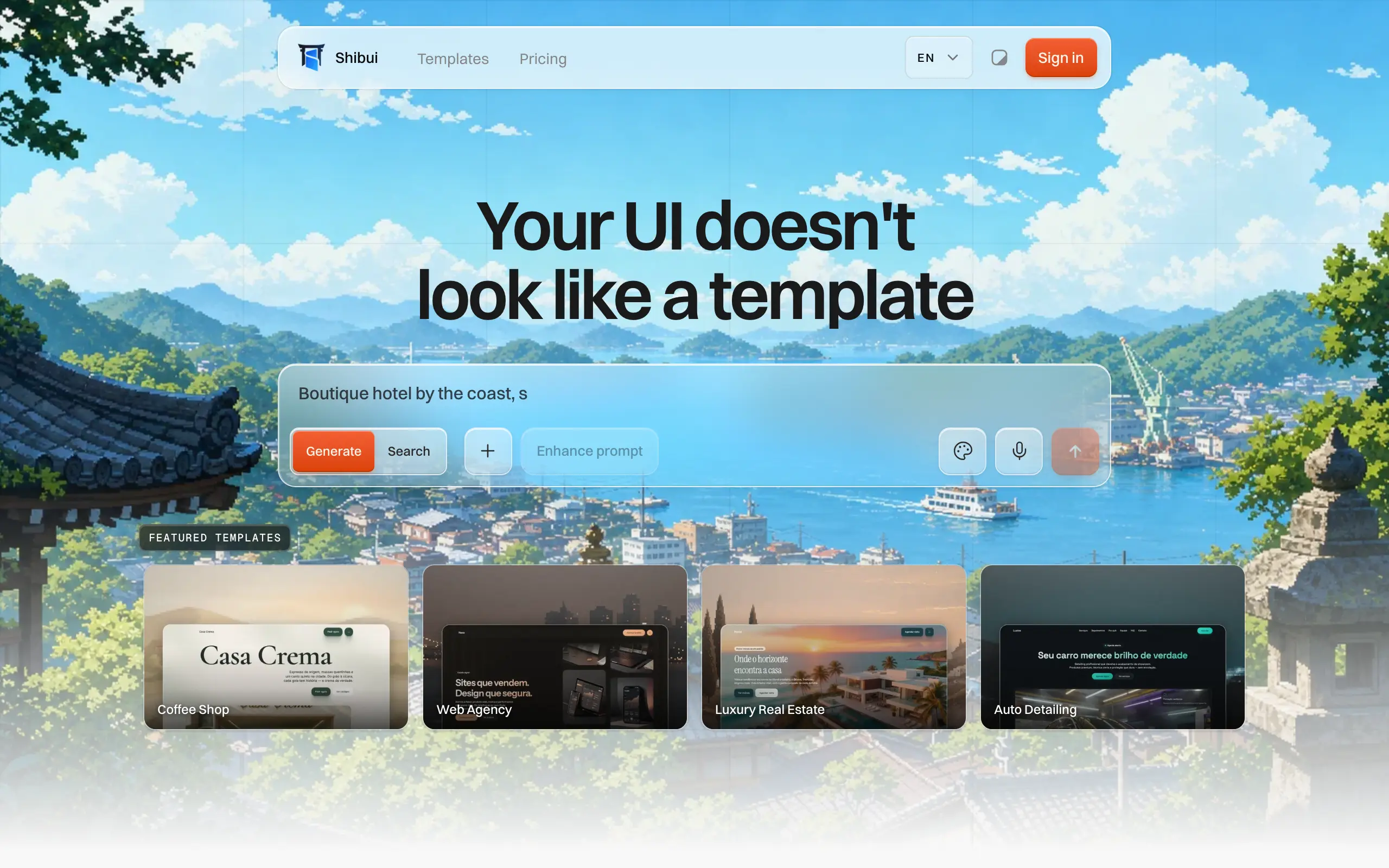
Shibui
AI website builder - describe your business, pick a niche template, edit by chatting, and publish instantly ✨
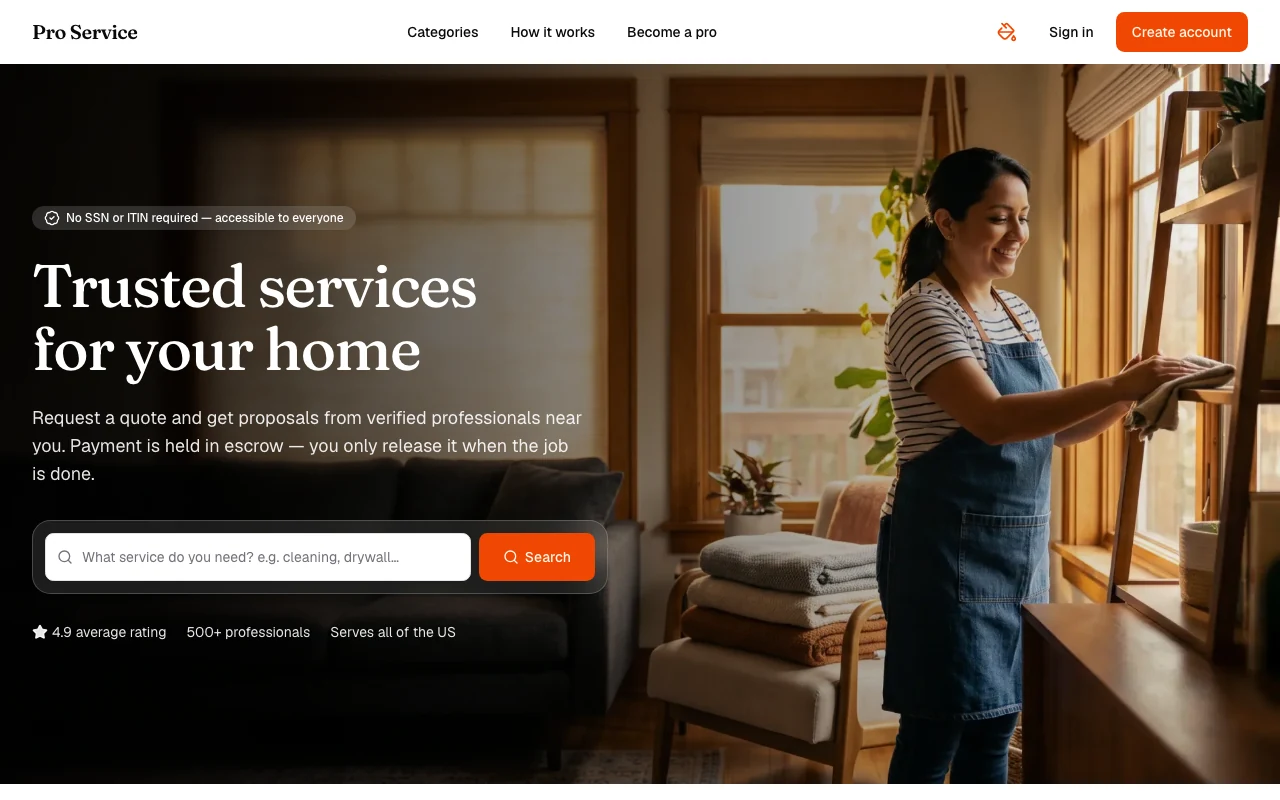
Pro Service
Find verified home service professionals, compare quotes, and pay securely through escrow - built for Brazilians across the US 🏠
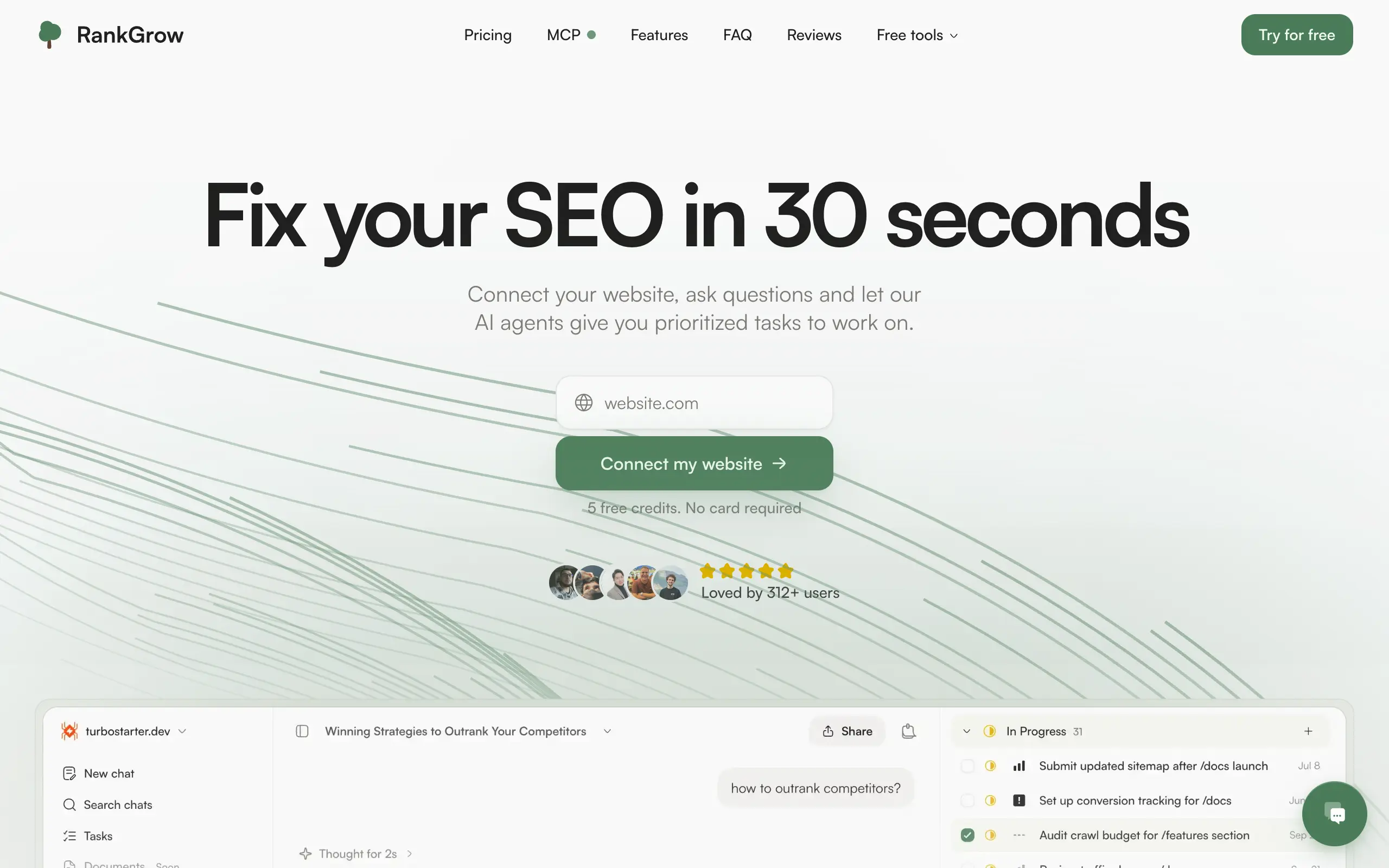
RankGrow
Fix your SEO with AI agents - connect Search Console, get prioritized tasks, and grow organic traffic 📈
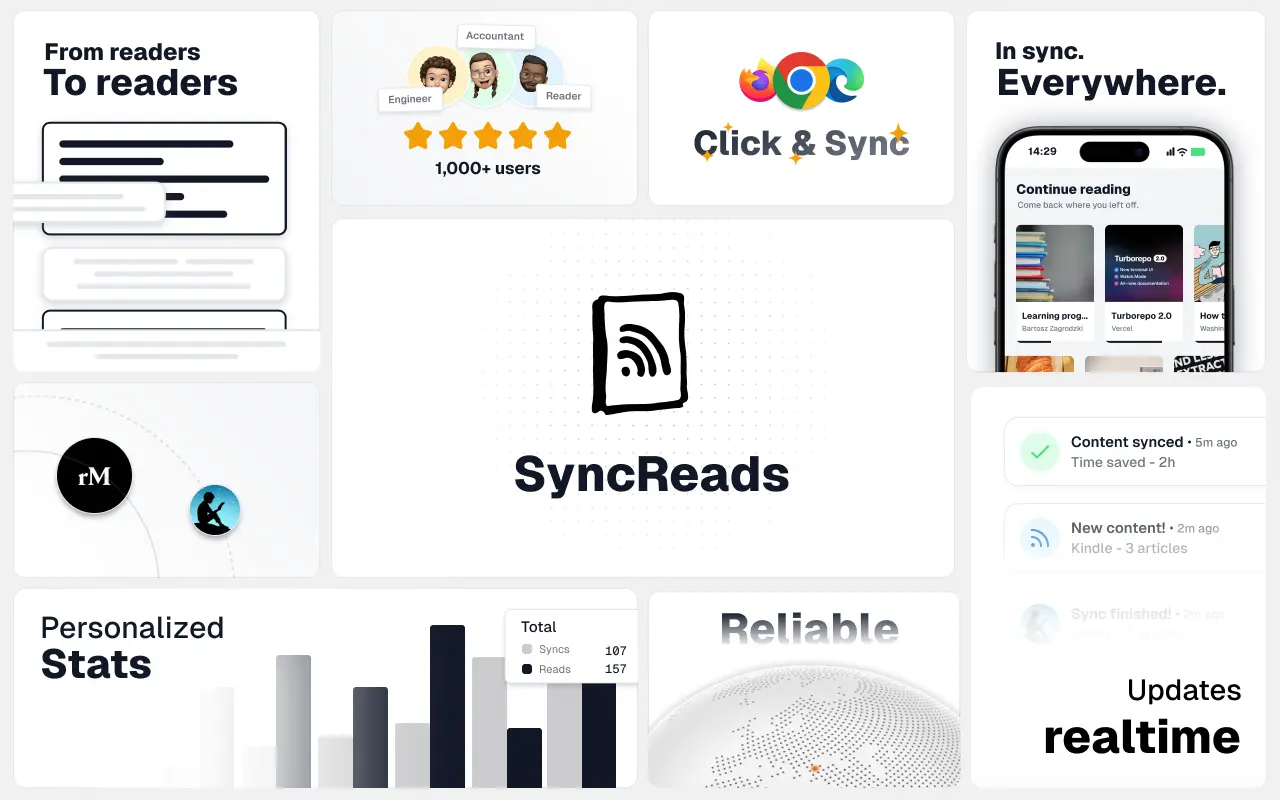
SyncReads
Sync your favorite content for distraction-free reading, save time and replace multiple apps. Anytime, anywhere 🔄
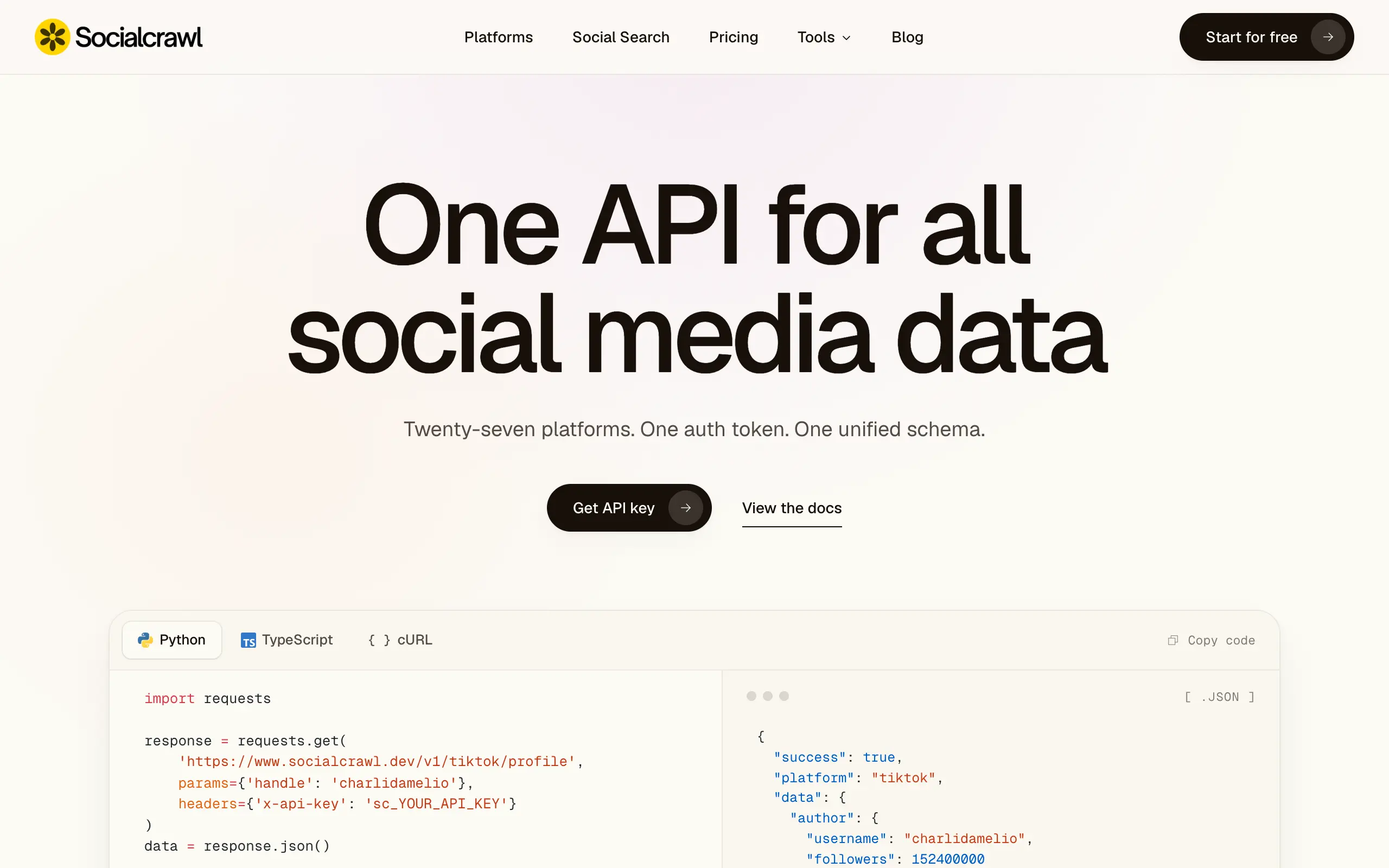
Socialcrawl
Get clean, structured data from 21 platforms like TikTok, Instagram, and YouTube with a single request 📊
Statiko
Monitor any Telegram channel in real time - track posts, edits, deletions, and growth with AI recaps 📡
Shibui
AI website builder - describe your business, pick a niche template, edit by chatting, and publish instantly ✨
Pro Service
Find verified home service professionals, compare quotes, and pay securely through escrow - built for Brazilians across the US 🏠
RankGrow
Fix your SEO with AI agents - connect Search Console, get prioritized tasks, and grow organic traffic 📈
SyncReads
Sync your favorite content for distraction-free reading, save time and replace multiple apps. Anytime, anywhere 🔄
Socialcrawl
Get clean, structured data from 21 platforms like TikTok, Instagram, and YouTube with a single request 📊
Statiko
Monitor any Telegram channel in real time - track posts, edits, deletions, and growth with AI recaps 📡
Shibui
AI website builder - describe your business, pick a niche template, edit by chatting, and publish instantly ✨
Pro Service
Find verified home service professionals, compare quotes, and pay securely through escrow - built for Brazilians across the US 🏠
RankGrow
Fix your SEO with AI agents - connect Search Console, get prioritized tasks, and grow organic traffic 📈
SyncReads
Sync your favorite content for distraction-free reading, save time and replace multiple apps. Anytime, anywhere 🔄
Socialcrawl
Get clean, structured data from 21 platforms like TikTok, Instagram, and YouTube with a single request 📊
Statiko
Monitor any Telegram channel in real time - track posts, edits, deletions, and growth with AI recaps 📡
Shibui
AI website builder - describe your business, pick a niche template, edit by chatting, and publish instantly ✨
Pro Service
Find verified home service professionals, compare quotes, and pay securely through escrow - built for Brazilians across the US 🏠
RankGrow
Fix your SEO with AI agents - connect Search Console, get prioritized tasks, and grow organic traffic 📈
SyncReads
Sync your favorite content for distraction-free reading, save time and replace multiple apps. Anytime, anywhere 🔄
Socialcrawl
Get clean, structured data from 21 platforms like TikTok, Instagram, and YouTube with a single request 📊
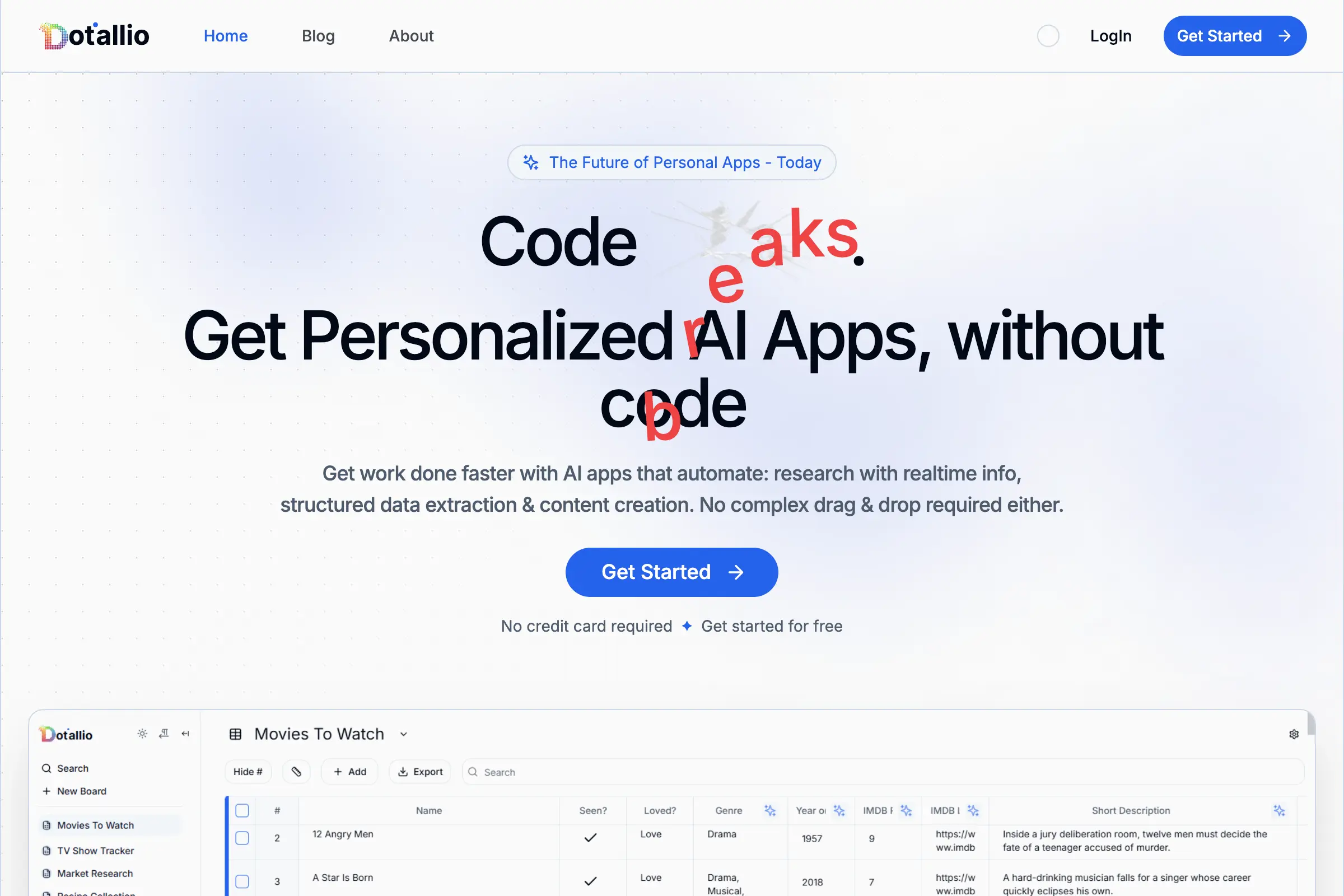
Dotallio
Personalized AI apps that automate research, data extraction, and content creation without code 🤖
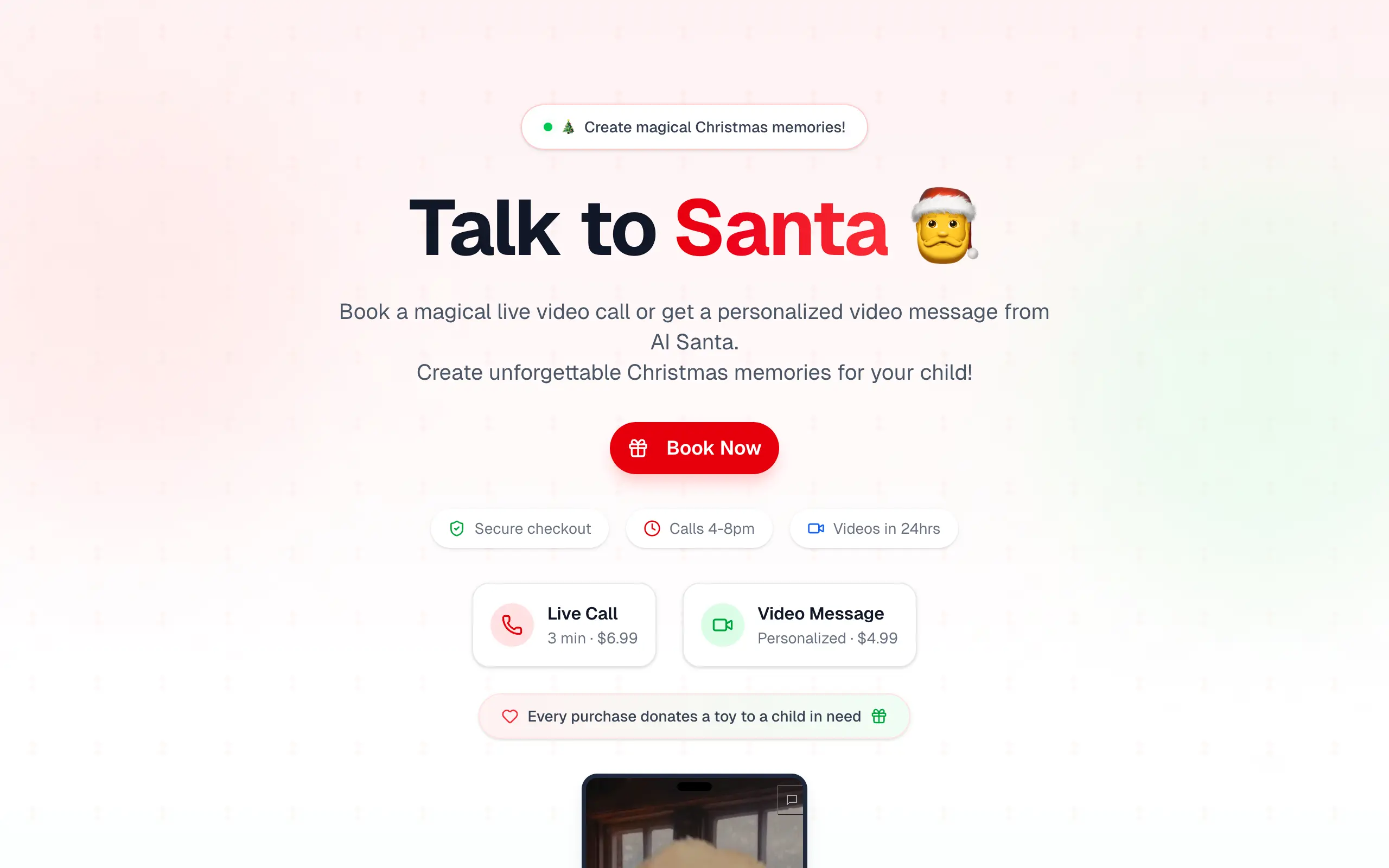
Talk to Santa
Enjoy a magical live video chat or receive a unique AI-generated video greeting from Santa Claus 🎅
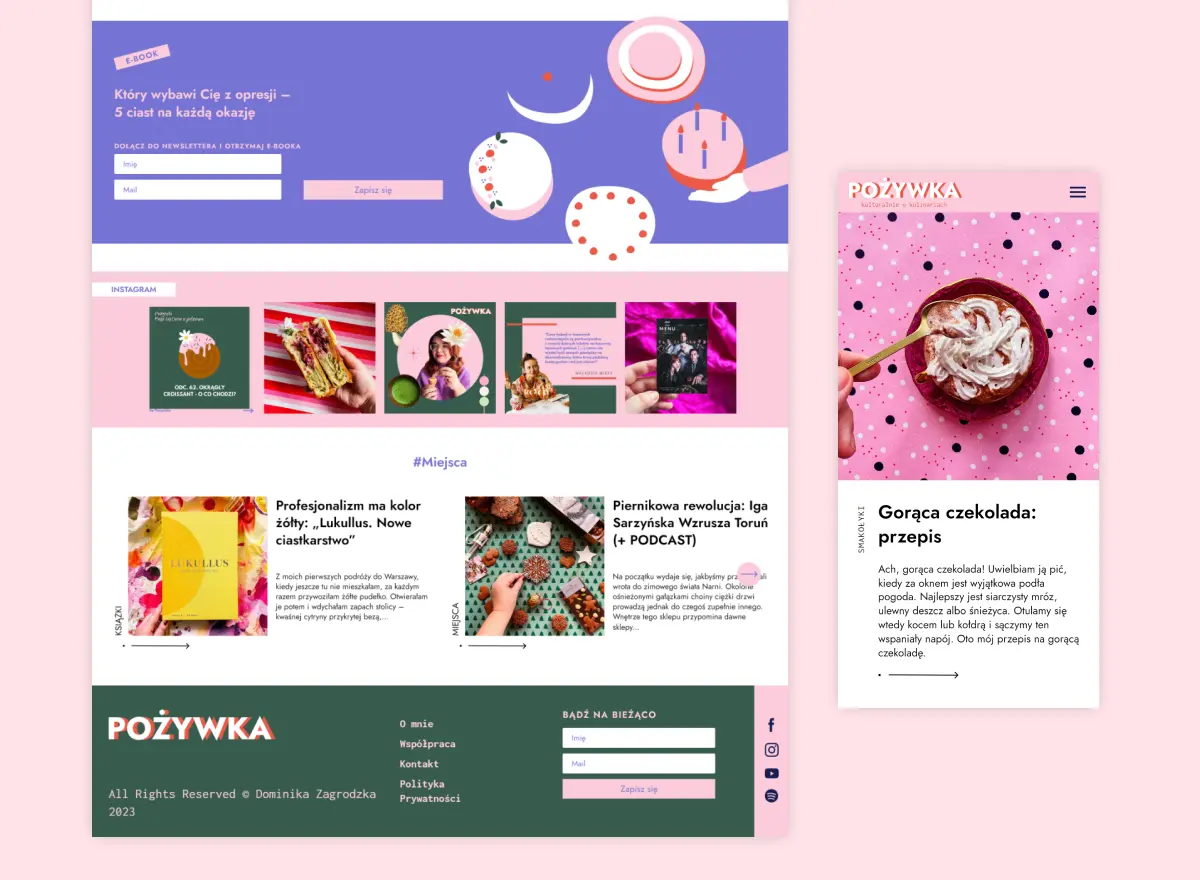
pozywka.pl
Scalable blog for food journalist, focused on performance and user experience 🌭
zagrodzki.me
Personal blog and portfolio of Bart Zagrodzki, where he shares his knowledge and work 💼
TurboStarter
Ship your startup everywhere. In minutes.
HTML to Markdown
Convert HTML to Markdown with ease, directly in your browser 📄
Dotallio
Personalized AI apps that automate research, data extraction, and content creation without code 🤖
Talk to Santa
Enjoy a magical live video chat or receive a unique AI-generated video greeting from Santa Claus 🎅
pozywka.pl
Scalable blog for food journalist, focused on performance and user experience 🌭
zagrodzki.me
Personal blog and portfolio of Bart Zagrodzki, where he shares his knowledge and work 💼
TurboStarter
Ship your startup everywhere. In minutes.
HTML to Markdown
Convert HTML to Markdown with ease, directly in your browser 📄
Dotallio
Personalized AI apps that automate research, data extraction, and content creation without code 🤖
Talk to Santa
Enjoy a magical live video chat or receive a unique AI-generated video greeting from Santa Claus 🎅
pozywka.pl
Scalable blog for food journalist, focused on performance and user experience 🌭
zagrodzki.me
Personal blog and portfolio of Bart Zagrodzki, where he shares his knowledge and work 💼
TurboStarter
Ship your startup everywhere. In minutes.
HTML to Markdown
Convert HTML to Markdown with ease, directly in your browser 📄
Dotallio
Personalized AI apps that automate research, data extraction, and content creation without code 🤖
Talk to Santa
Enjoy a magical live video chat or receive a unique AI-generated video greeting from Santa Claus 🎅
pozywka.pl
Scalable blog for food journalist, focused on performance and user experience 🌭
zagrodzki.me
Personal blog and portfolio of Bart Zagrodzki, where he shares his knowledge and work 💼
TurboStarter
Ship your startup everywhere. In minutes.
HTML to Markdown
Convert HTML to Markdown with ease, directly in your browser 📄
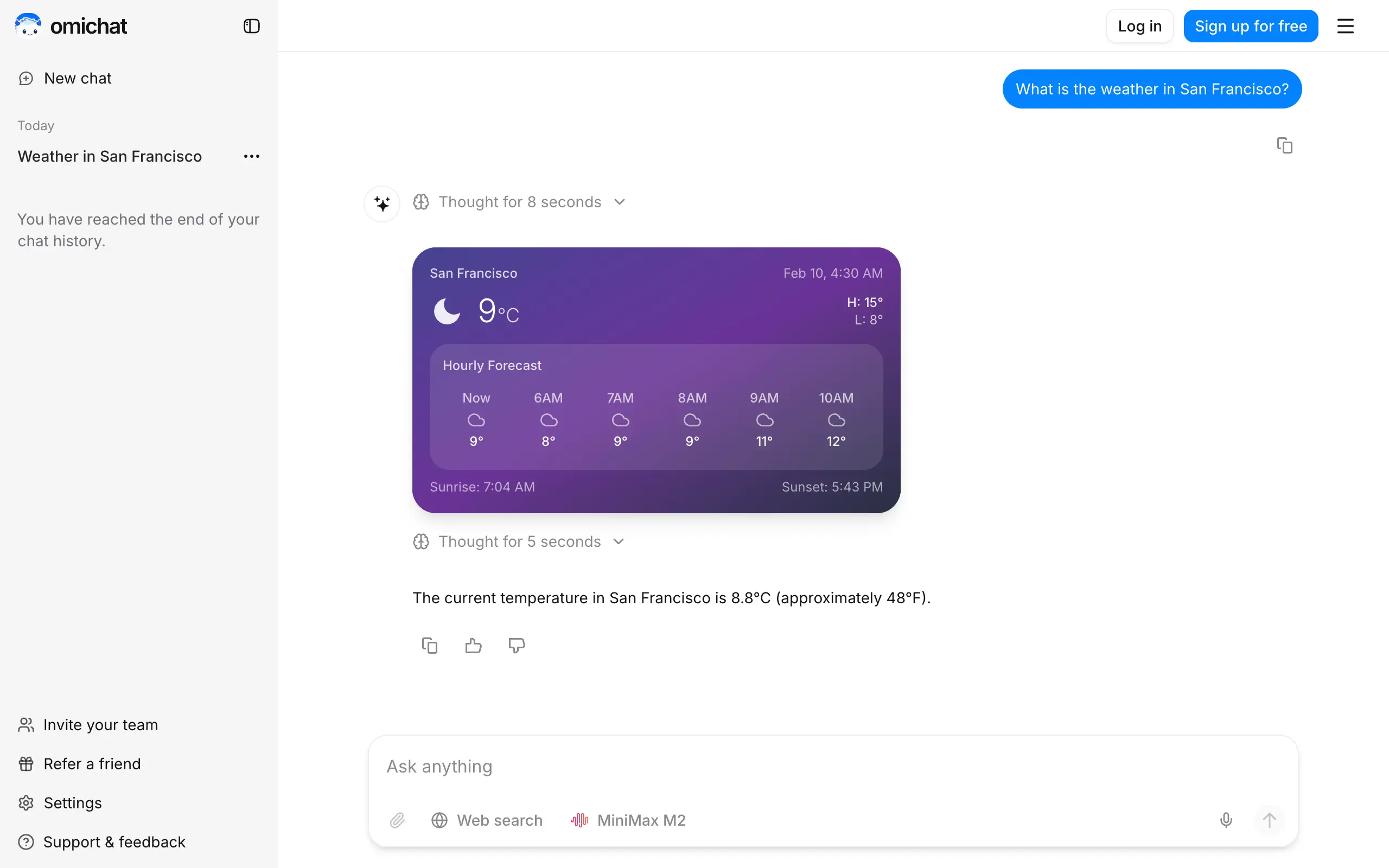
Omichat
Chat with 50+ AI models, including ChatGPT and Claude, in one place - switch models anytime without losing context 🤖
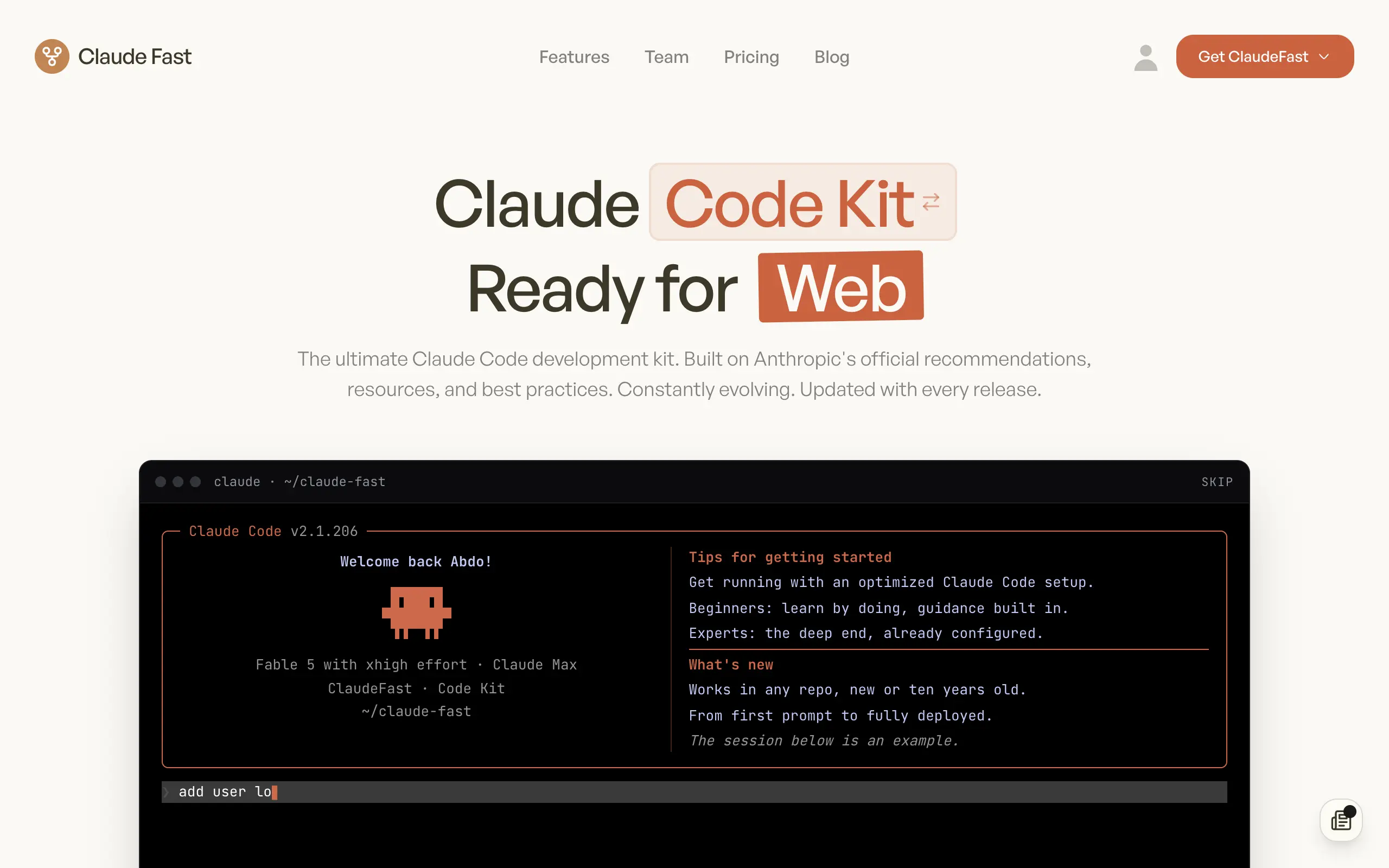
Claude Fast
Supercharge your Claude Code with 6x effective context window and specialized AI agents 🤖
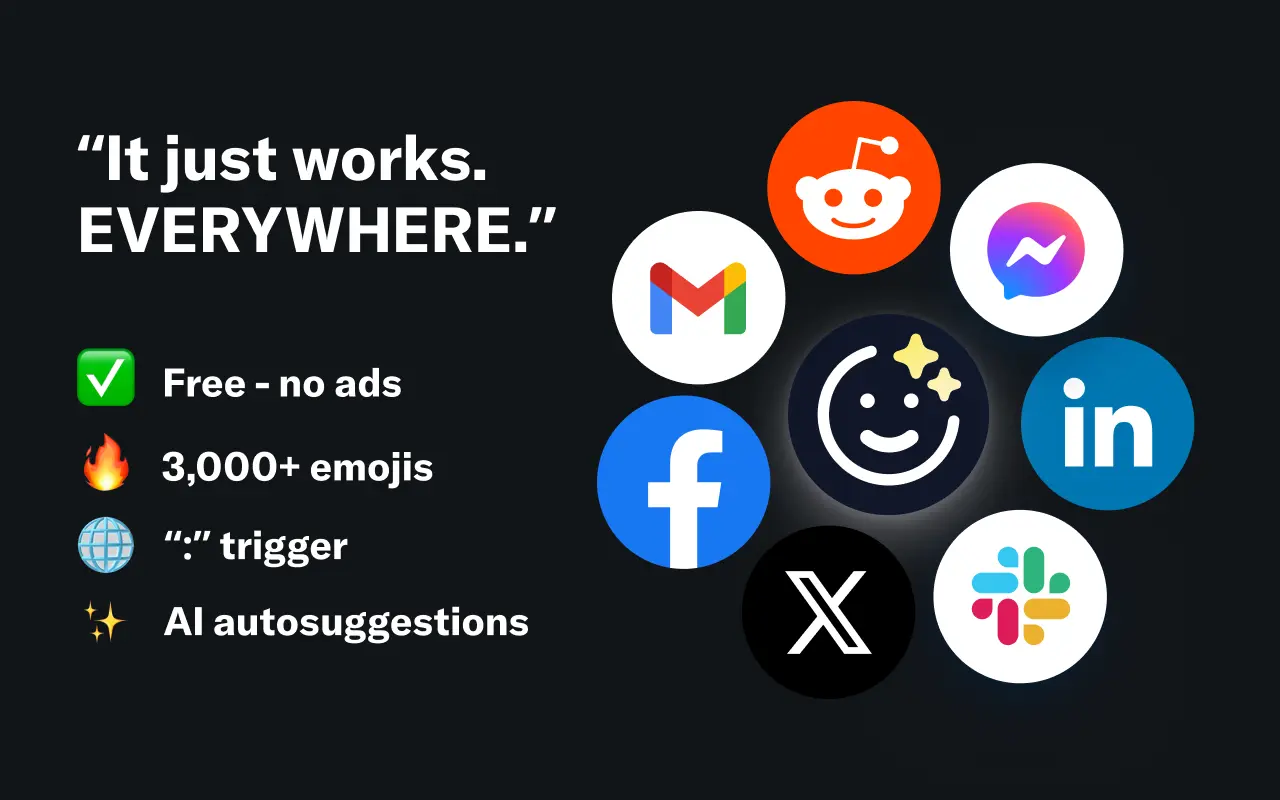
EmojAI
AI-powered emoji picker with smart, context-aware suggestions 🤖
Solohacker
Autonomous company launcher - AI agents work 24/7, escalate what matters, and you stay in control 🤖
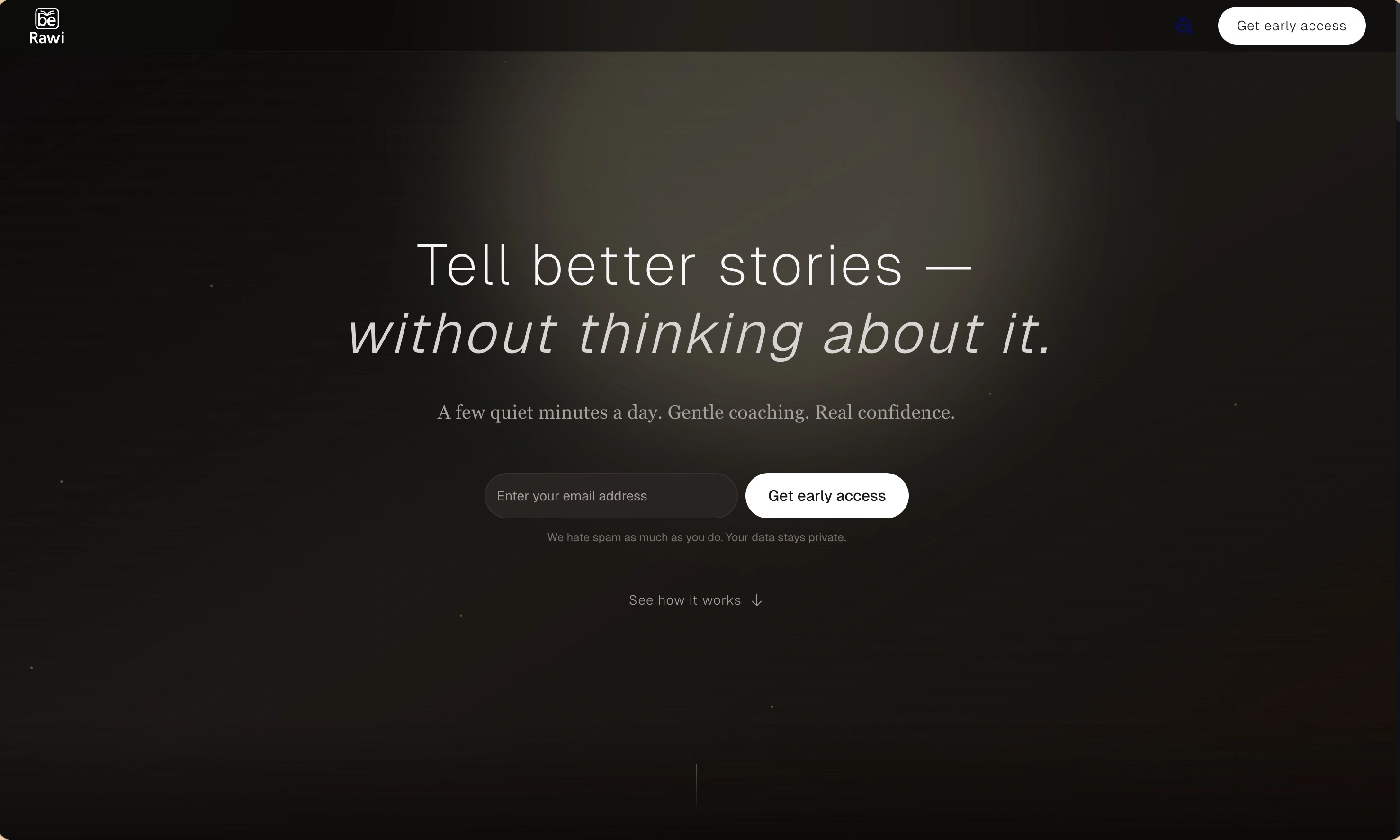
BeRawi: Storytelling Coach
Practice storytelling daily with instant feedback to sound clearer, more engaging, and confident 🎤
Omichat
Chat with 50+ AI models, including ChatGPT and Claude, in one place - switch models anytime without losing context 🤖
Claude Fast
Supercharge your Claude Code with 6x effective context window and specialized AI agents 🤖
EmojAI
AI-powered emoji picker with smart, context-aware suggestions 🤖
Solohacker
Autonomous company launcher - AI agents work 24/7, escalate what matters, and you stay in control 🤖
BeRawi: Storytelling Coach
Practice storytelling daily with instant feedback to sound clearer, more engaging, and confident 🎤
Omichat
Chat with 50+ AI models, including ChatGPT and Claude, in one place - switch models anytime without losing context 🤖
Claude Fast
Supercharge your Claude Code with 6x effective context window and specialized AI agents 🤖
EmojAI
AI-powered emoji picker with smart, context-aware suggestions 🤖
Solohacker
Autonomous company launcher - AI agents work 24/7, escalate what matters, and you stay in control 🤖
BeRawi: Storytelling Coach
Practice storytelling daily with instant feedback to sound clearer, more engaging, and confident 🎤
Omichat
Chat with 50+ AI models, including ChatGPT and Claude, in one place - switch models anytime without losing context 🤖
Claude Fast
Supercharge your Claude Code with 6x effective context window and specialized AI agents 🤖
EmojAI
AI-powered emoji picker with smart, context-aware suggestions 🤖
Solohacker
Autonomous company launcher - AI agents work 24/7, escalate what matters, and you stay in control 🤖
BeRawi: Storytelling Coach
Practice storytelling daily with instant feedback to sound clearer, more engaging, and confident 🎤

Connect with like-minded people
Join our community to get feedback, support, and grow together with 1,000+ builders on board, let's ship it!
Join usShip your startup everywhere. In minutes.
Don't burn tokens on setup and start building features on day one.