UrbanAlert
Hyperlocal, real-time alerts for transit, outages, emergencies, and critical city news. Stay ahead with instant updates that keep daily life running smoothly.
Understanding UrbanAlert: Hyperlocal, Real-Time Alerts for Smart City Living
In today's fast-moving urban environments, real-time information is power. Urban residents struggle daily with unexpected transit delays, sudden outages, flooding streets, or last-minute emergency situations that disrupt routines and even risk safety. UrbanAlert steps in to close this information gap, offering hyperlocal, real-time alerts about transit disruptions, utility outages, emergencies, and other critical city news—all conveniently delivered via your mobile device. This article breaks down the market need, unique positioning, core technology choices, monetization strategies, and actionable steps to successfully launch and scale UrbanAlert as a mobile SaaS product.
Target Audience Analysis: Who Needs UrbanAlert?
Identifying the right user segments is crucial for any SaaS product. UrbanAlert’s primary keyword—real-time urban alerts app—directly reflects the needs of city dwellers who are always on-the-move and demand current city updates.
Core Target Segments
- Commuters: Individuals who rely on public transit for daily commuting require rapid notifications about service interruptions, cancellations, or delays.
- Urban Professionals: Employees working in dense business districts, often needing to navigate power outages, roadblocks, or citywide emergencies.
- Families & Parents: Caregivers monitoring school alerts, safety warnings, or weather emergencies impacting their children and loved ones.
- Elderly & Vulnerable Populations: Those requiring timely alerts for medical emergencies, weather advisories, and service outages (e.g., elevators, water, electricity).
- Local Businesses: Owners and managers impacted by localized disruptions, who need to inform customers or shift operations accordingly.
- City Administrators: While not end-users, municipal departments may integrate UrbanAlert for broader public communication.
Everyday Commuters
Stay ahead of delays and transit disruptions in real-time.
Families in the City
Receive critical school outages, safety alerts, or weather warnings instantly.
Businesses & Stakeholders
Adapt all operations through up-to-the-second notifications on outages or city events.
Semantic LSI keywords: city updates app, emergency notification system, smart city alerts, local outage alerts, transit delay app, city news notifications.
User Pain Points Addressed
- Fragmentation: Most city alerts are available through scattered sources—news sites, social media, or hard-to-find government portals.
- Delay & Inaccuracy: Notifications are often late or unreliable, leveraging outdated channels.
- Relevance: General, city-wide alerts miss hyperlocal (neighborhood-level) details critical to routines and personal safety.
UrbanAlert is engineered to solve these with location-based mobile alerts that are fast, accurate, and relevant to your daily path.
Market Opportunity & UrbanAlert’s Unique Gap
The global digital notification market is expected to surpass $25 billion by 2027 ([reference suggested: Fortune Business Insights, 2023]). Existing systems (like SMS weather alerts or city Twitter accounts) lack hyperlocal precision, modern push technology, or unified delivery.
Market Gaps UrbanAlert Bridges
- Hyperlocal Precision: Notifying users about disruptions, outages, and emergencies within blocks, not just city districts.
- Unified Communication: A mobile-first platform centralizing all time-sensitive city alerts.
- Bidirectional Flow: Allowing verified reports from users, doubling both coverage and authenticity.
- Smart Personalization: Custom alerts based on daily routines, saved locations, or work/home routes.
Core Competitors
- State/city emergency SMS systems (generic, often delayed)
- City authority websites/news feeds (not real-time, not push-based)
- Social media scan tools (false positives, lack context)
- Niche apps for specific alerts (weather, traffic only)
UrbanAlert stands out by providing all critical updates in one mobile-first, real-time solution, tuned for the urban dweller’s daily needs.
Core Features of UrbanAlert: What Sets It Apart?
Essential UrbanAlert Features
Users receive instant, location-specific alerts based on verified data sources, city feeds, and user-generated confirmations.
Set home, work, or commute corridors and only get relevant notifications that impact your chosen spots.
Push notifications, SMS fallback for major emergencies, and integration with wearable devices for accessibility.
Allow users to verify or submit local outages, emergencies, or disruptions—enhancing coverage and credibility.
Data pulled from city APIs, utility providers, transit authorities, and community reports.
An interactive feed with map overlays for quick context and actionability.
Filtering and de-duplication to prevent “alert fatigue” and ensure quality.
Anonymized location data, opt-in controls, and compliance with privacy best practices like GDPR/CCPA.
Example: How Notifications Work
// Example pseudo-code for sending localized push notifications
const sendLocalizedAlert = (userLocation, alertData) => {
  if (isInAlertRadius(userLocation, alertData.location, alertData.radius)) {
    pushNotification(user.id, alertData.message);
  }
}
Recommended Tech Stack for UrbanAlert Mobile App
When choosing a tech stack for a real-time alerts SaaS mobile app, you must balance speed, scalability, and cross-platform reach.
Frontend (Mobile)
- React Native: Cross-platform codebase (iOS & Android), rapid deployment, access to native device features (push, maps).
- Expo: Eases build/test pipeline for React Native, but trade-off is less native code customization compared to bare React Native.
- Mapbox: Powerful for hyperlocal geospatial visualizations.
- Redux: For consistent, predictable state management.
Backend & Real-Time Engine
- Node.js: Fast, event-driven backend enabling fast response to alerts.
- Socket.IO: Seamless real-time communication between backend and app.
- PostgreSQL: Reliable for managing user preferences, locations, and historical alerts.
- Redis: Caching hot events for ultra-fast delivery and deduplication.
Data Sources & Integrations
- Open City APIs: Connect to real-time feeds from city transit, power utilities, and emergency management (often via Open311).
- ML Service: Use cloud ML (e.g., Google Cloud AI) to filter and prioritize alerts.
Push Notification Platform
- Firebase Cloud Messaging (FCM): Reliable and scalable solution for mobile push delivery; integrates well with React Native.
Data Security & Compliance
- OAuth 2.0: Standard for user authentication.
- Cloudflare: DDoS protection/security.
- GDPR/CCPA compliance: Essential for user trust.
Tech Stack Comparison Table
| Cross-platform | Real-time | Mapping | Scalability | Data privacy |
|---|---|---|---|---|
| ✅ | ❌ | ❌ | ✅ | ❌ |
| ✅ | ❌ | ✅ | ✅ | ❌ |
Tech trade-offs:
- React Native is faster for MVP, but pure native (Swift/Kotlin) may be considered later for performance-critical features.
- Socket.IO is excellent for real-time, but solutions like Firebase Realtime Database could simplify backend for rapid prototypes.
Monetization Strategy Options for UrbanAlert
A sustainable SaaS must blend value to end-users with credible revenue streams:
Freemium & Premium Model
- Free tier:
- Access to all standard city alerts and basic location notifications.
- Premium subscription:
- Advanced personalization (multiple alert zones, historical feeds, SMS fallback, wearable integration).
- Ad-free experience.
Additional Monetization Avenues
- B2B Partnerships:
City authorities, corporates, or insurers can pay for dedicated dashboards or white-labeled alerting systems. - Branded/Sponsored alerts:
Local businesses can sponsor non-emergency service alerts (e.g., sponsored outage restoration updates). - Data/API Access:
Analytical dashboards for urban planners or emergency agencies (respecting anonymized, aggregate-level data privacy).
Sample Pricing Approach
Industry Trends & The Need for Modern Hyperlocal Alert Systems
Urbanization continues at record pace: By 2050, 68% of the world’s population will live in urban areas ([suggest reference: United Nations, 2019]). With worsening extreme weather, aging urban infrastructure, and increasing reliance on digital mobility, resilient city living is impossible without real-time, reliable digital alerts.
Relevant trends:
- IoT integration: Cities increasingly roll out sensors, open APIs, and smart infrastructure for more data sources (Smart Cities Dive, recommended).
- User-generated intelligence: Crowdsourced information is recognized for rapid incident detection (Waze, Citizen App).
- AI-powered curation: Modern platforms are using AI to filter noise and prioritize urgent, verified alerts.
- Data privacy: Cities and users are demanding stricter location data controls.
UrbanAlert rides these trends with its mobile-first, privacy-centered, and crowdsourced-plus-official alert model.
TurboStarter for Accelerated SaaS Development
If you're looking to build and launch UrbanAlert quickly, consider TurboStarter for robust boilerplate, authentication, and scalable deployment services tailored for SaaS startups.
Risks and Challenges: What Can Go Wrong and How to Mitigate
No new SaaS is without risk. For UrbanAlert, the key challenges and how to mitigate them include:
Data Quality & Alert Fatigue
- Risk: Too many false or redundant alerts can drive users away.
- Mitigation: Rely on machine learning for de-duplication, allow user feedback to improve future alerts, and let users customize notification frequency/types.
Privacy & Security
- Risk: Handling location data can raise concerns.
- Mitigation: Strong privacy policy, opt-in/opt-out at all points, store only anonymized or minimal data, and regular third-party audits.
Regulatory Barriers
- Risk: City authorities may limit access to certain data.
- Mitigation: Develop public/private feeds, partner with open-data advocacy groups, and always comply with city frameworks.
Scaling and Reliability
- Risk: Notification delays during major city events (e.g., storms or blackouts) could break trust.
- Mitigation: Use elastic scaling via serverless cloud, edge delivery for latency reduction, and real-time multi-path delivery (push, SMS, email fallback).
UrbanAlert's Competitive Advantage
UrbanAlert is not “just another city alerts app.” It's uniquely positioned to:
- Deliver the most accurate, granular, and trusted city updates for personal safety and convenience.
- Reach users instantly on their preferred mobile device and channel.
- Leverage both verified city sources and real-world localized eyewitness reporting for unparalleled coverage.
- Protect user trust by placing privacy and user control at the forefront.
Unlike fragmented, single-purpose apps or slow legacy city systems, UrbanAlert’s core innovation is its hyperlocal, real-time, and multi-source approach—making it the ideal notification SaaS for the next phase of smart city living.
Actionable Steps to Build and Launch UrbanAlert
Launching a highly scalable and reliable mobile SaaS like UrbanAlert requires methodical planning and execution:
Conclusion: Bringing Smart Urban Living Within Reach
Hyperlocal, real-time urban alerting isn’t just a convenience—it's a necessity for responsive, resilient city life. By closing the gap between city disruption and citizen awareness, UrbanAlert stands to revolutionize how urbanites navigate, respond, and thrive each day. Combining a robust technology stack, ethics-forward privacy design, smart market entry, and scalable monetization, UrbanAlert is poised to become a must-have SaaS for modern cities.
- Focus your MVP on real value: accuracy, speed, and relevance.
- Prioritize user trust through data privacy and transparency.
- Grow through partnerships, genuine local insights, and iterative design.
For those seeking rapid MVP prototyping with best-in-class SaaS frameworks, check out TurboStarter as a launchpad for your next mobile SaaS venture.
More 📱 Mobile App SaaS ideas
Discover more innovative mobile app SaaS ideas that are trending in 2026. Each idea is AI-generated with market validation and growth potential to help you find your next profitable venture faster than competitors.
Your competitors are building with TurboStarter
Below are some of the SaaS ideas that have been generated and built with our starter kit.
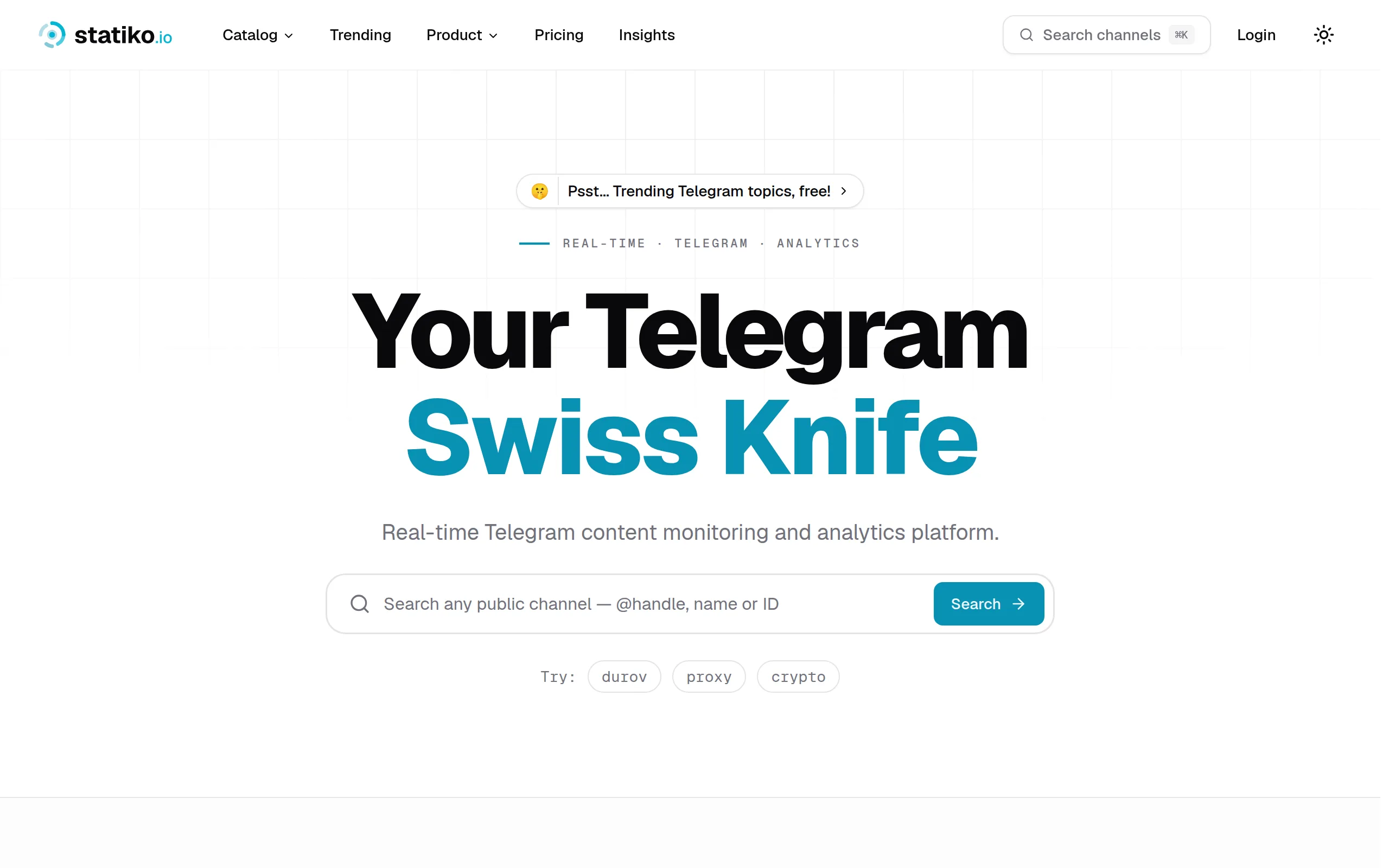
Statiko
Monitor any Telegram channel in real time - track posts, edits, deletions, and growth with AI recaps 📡

Shibui
AI website builder - describe your business, pick a niche template, edit by chatting, and publish instantly ✨

Pro Service
Find verified home service professionals, compare quotes, and pay securely through escrow - built for Brazilians across the US 🏠
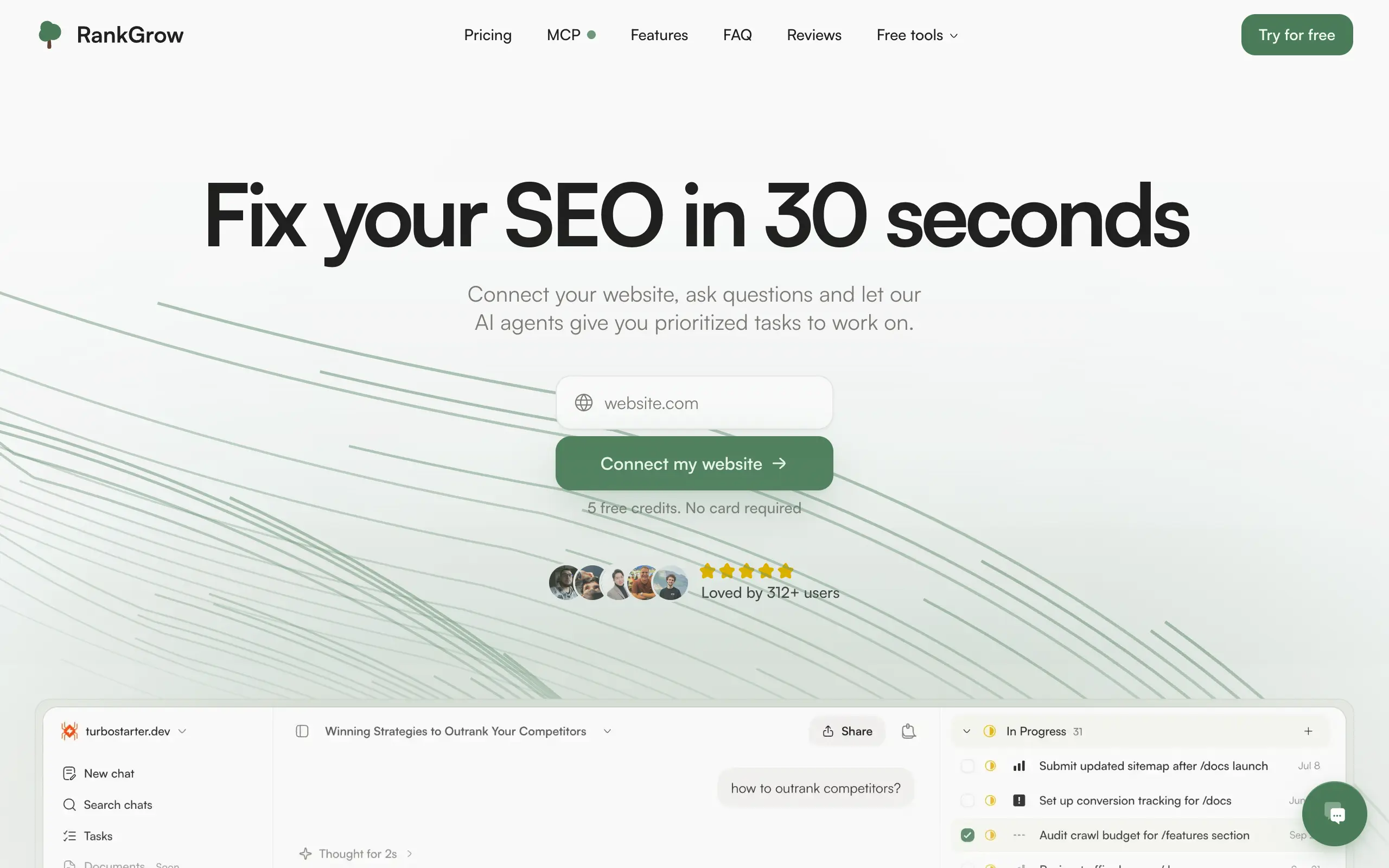
RankGrow
Fix your SEO with AI agents - connect Search Console, get prioritized tasks, and grow organic traffic 📈
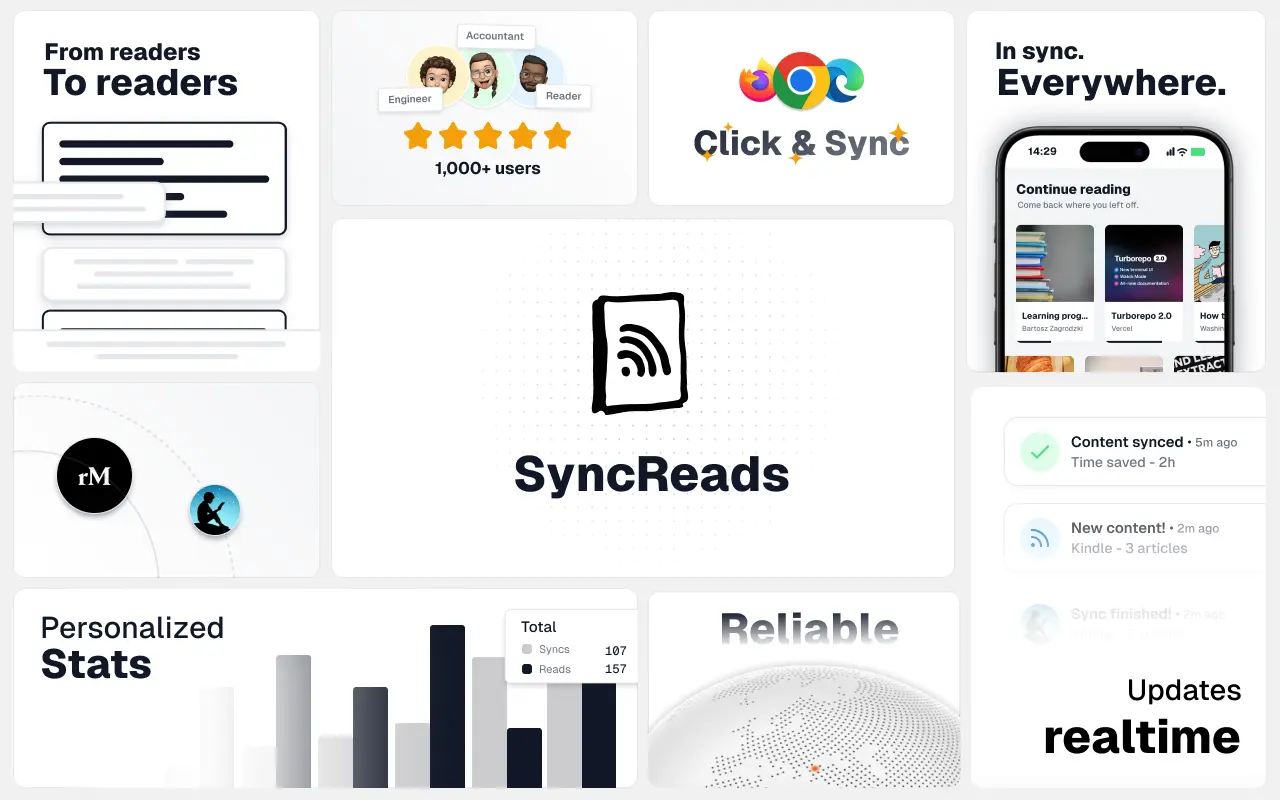
SyncReads
Sync your favorite content for distraction-free reading, save time and replace multiple apps. Anytime, anywhere 🔄
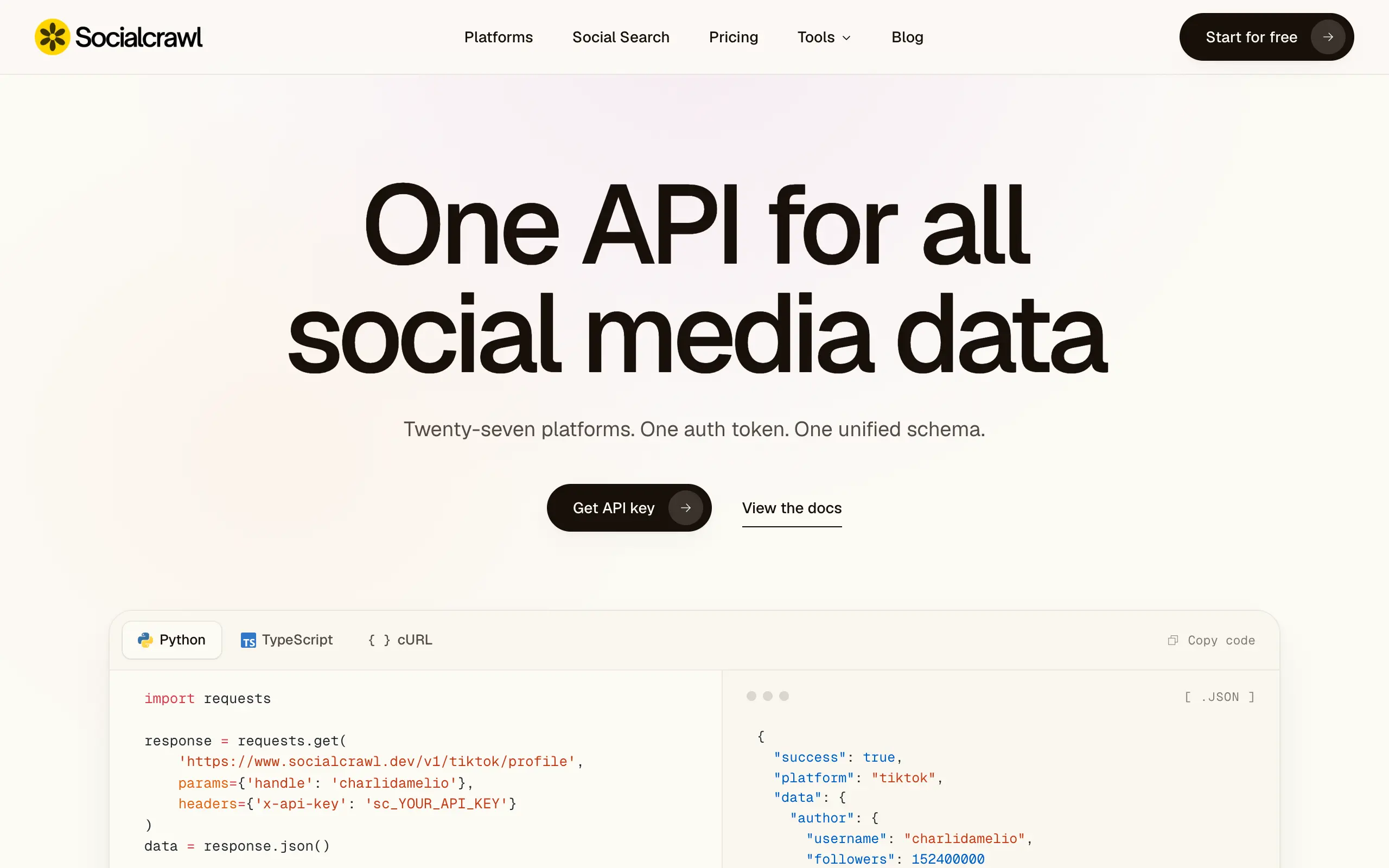
Socialcrawl
Get clean, structured data from 21 platforms like TikTok, Instagram, and YouTube with a single request 📊
Statiko
Monitor any Telegram channel in real time - track posts, edits, deletions, and growth with AI recaps 📡
Shibui
AI website builder - describe your business, pick a niche template, edit by chatting, and publish instantly ✨
Pro Service
Find verified home service professionals, compare quotes, and pay securely through escrow - built for Brazilians across the US 🏠
RankGrow
Fix your SEO with AI agents - connect Search Console, get prioritized tasks, and grow organic traffic 📈
SyncReads
Sync your favorite content for distraction-free reading, save time and replace multiple apps. Anytime, anywhere 🔄
Socialcrawl
Get clean, structured data from 21 platforms like TikTok, Instagram, and YouTube with a single request 📊
Statiko
Monitor any Telegram channel in real time - track posts, edits, deletions, and growth with AI recaps 📡
Shibui
AI website builder - describe your business, pick a niche template, edit by chatting, and publish instantly ✨
Pro Service
Find verified home service professionals, compare quotes, and pay securely through escrow - built for Brazilians across the US 🏠
RankGrow
Fix your SEO with AI agents - connect Search Console, get prioritized tasks, and grow organic traffic 📈
SyncReads
Sync your favorite content for distraction-free reading, save time and replace multiple apps. Anytime, anywhere 🔄
Socialcrawl
Get clean, structured data from 21 platforms like TikTok, Instagram, and YouTube with a single request 📊
Statiko
Monitor any Telegram channel in real time - track posts, edits, deletions, and growth with AI recaps 📡
Shibui
AI website builder - describe your business, pick a niche template, edit by chatting, and publish instantly ✨
Pro Service
Find verified home service professionals, compare quotes, and pay securely through escrow - built for Brazilians across the US 🏠
RankGrow
Fix your SEO with AI agents - connect Search Console, get prioritized tasks, and grow organic traffic 📈
SyncReads
Sync your favorite content for distraction-free reading, save time and replace multiple apps. Anytime, anywhere 🔄
Socialcrawl
Get clean, structured data from 21 platforms like TikTok, Instagram, and YouTube with a single request 📊
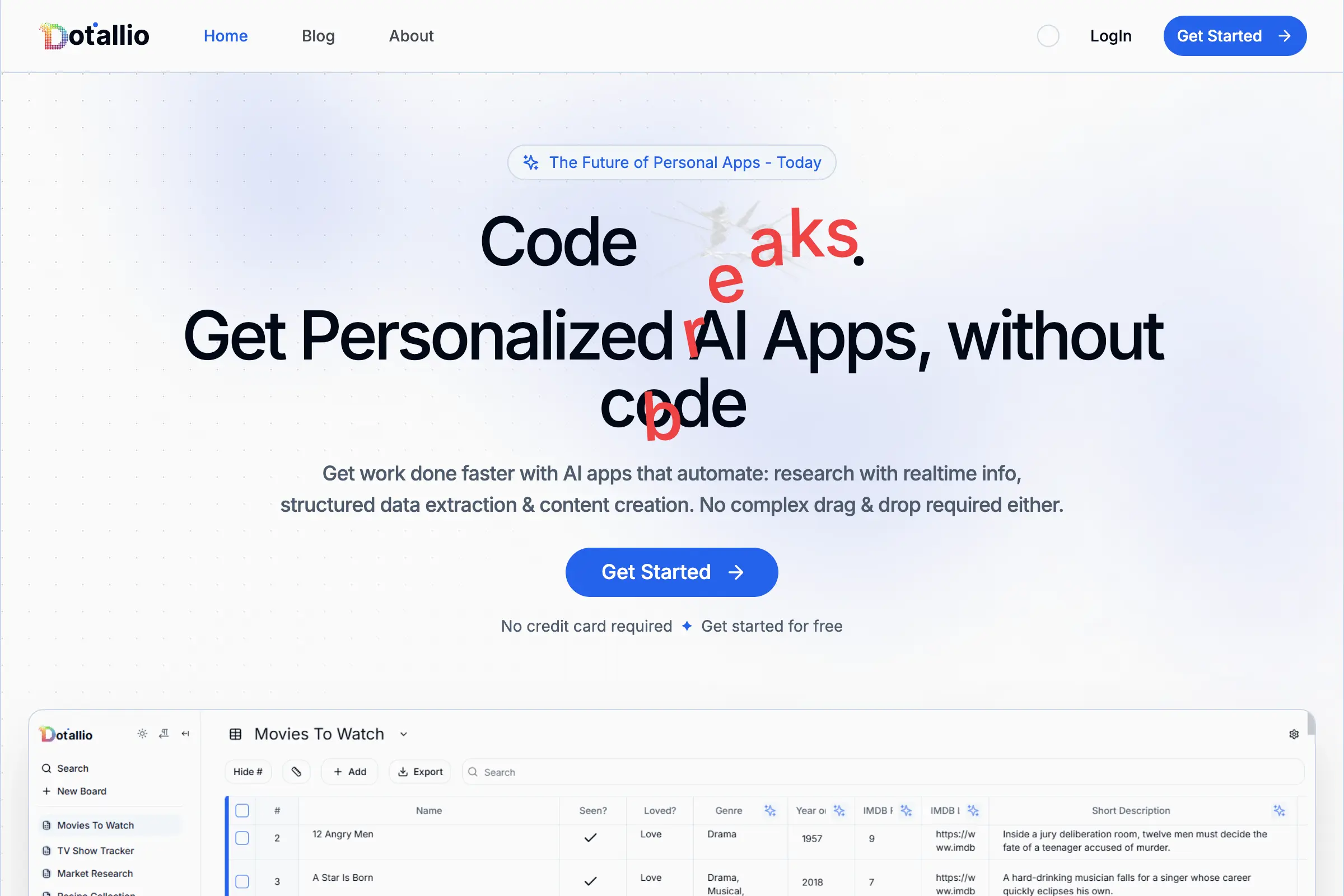
Dotallio
Personalized AI apps that automate research, data extraction, and content creation without code 🤖
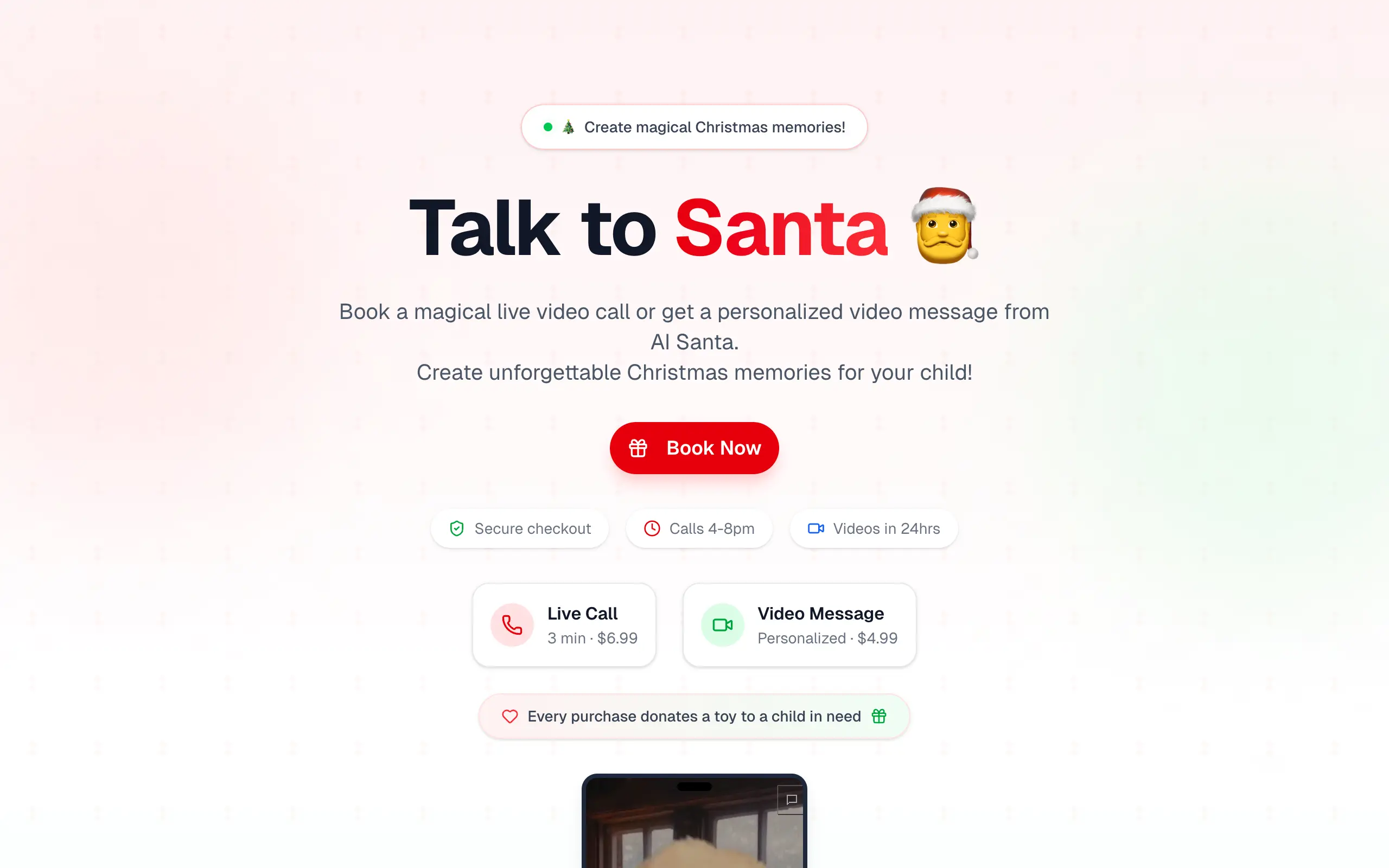
Talk to Santa
Enjoy a magical live video chat or receive a unique AI-generated video greeting from Santa Claus 🎅

pozywka.pl
Scalable blog for food journalist, focused on performance and user experience 🌭
zagrodzki.me
Personal blog and portfolio of Bart Zagrodzki, where he shares his knowledge and work 💼
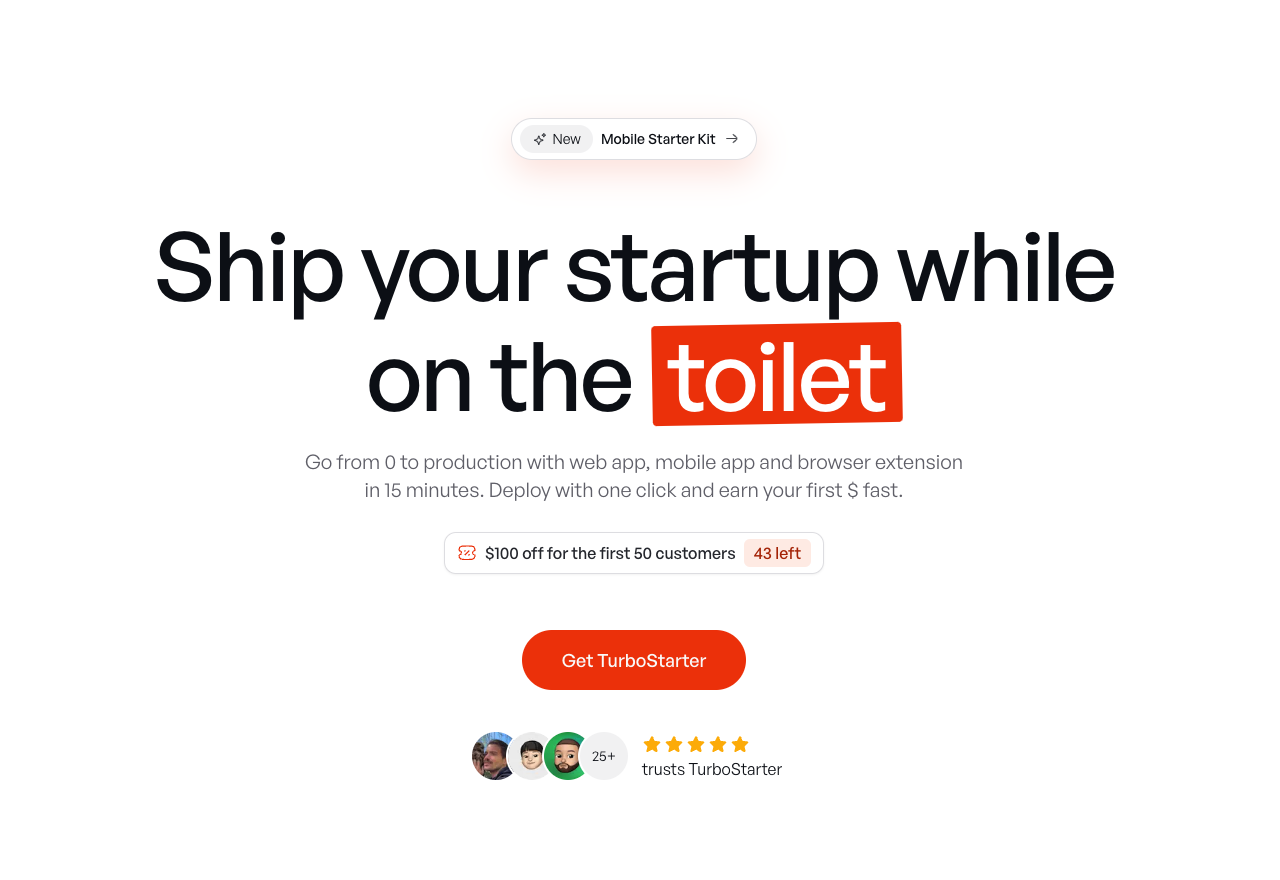
TurboStarter
Ship your startup everywhere. In minutes.
HTML to Markdown
Convert HTML to Markdown with ease, directly in your browser 📄
Dotallio
Personalized AI apps that automate research, data extraction, and content creation without code 🤖
Talk to Santa
Enjoy a magical live video chat or receive a unique AI-generated video greeting from Santa Claus 🎅
pozywka.pl
Scalable blog for food journalist, focused on performance and user experience 🌭
zagrodzki.me
Personal blog and portfolio of Bart Zagrodzki, where he shares his knowledge and work 💼
TurboStarter
Ship your startup everywhere. In minutes.
HTML to Markdown
Convert HTML to Markdown with ease, directly in your browser 📄
Dotallio
Personalized AI apps that automate research, data extraction, and content creation without code 🤖
Talk to Santa
Enjoy a magical live video chat or receive a unique AI-generated video greeting from Santa Claus 🎅
pozywka.pl
Scalable blog for food journalist, focused on performance and user experience 🌭
zagrodzki.me
Personal blog and portfolio of Bart Zagrodzki, where he shares his knowledge and work 💼
TurboStarter
Ship your startup everywhere. In minutes.
HTML to Markdown
Convert HTML to Markdown with ease, directly in your browser 📄
Dotallio
Personalized AI apps that automate research, data extraction, and content creation without code 🤖
Talk to Santa
Enjoy a magical live video chat or receive a unique AI-generated video greeting from Santa Claus 🎅
pozywka.pl
Scalable blog for food journalist, focused on performance and user experience 🌭
zagrodzki.me
Personal blog and portfolio of Bart Zagrodzki, where he shares his knowledge and work 💼
TurboStarter
Ship your startup everywhere. In minutes.
HTML to Markdown
Convert HTML to Markdown with ease, directly in your browser 📄
Omichat
Chat with 50+ AI models, including ChatGPT and Claude, in one place - switch models anytime without losing context 🤖
Claude Fast
Supercharge your Claude Code with 6x effective context window and specialized AI agents 🤖
EmojAI
AI-powered emoji picker with smart, context-aware suggestions 🤖
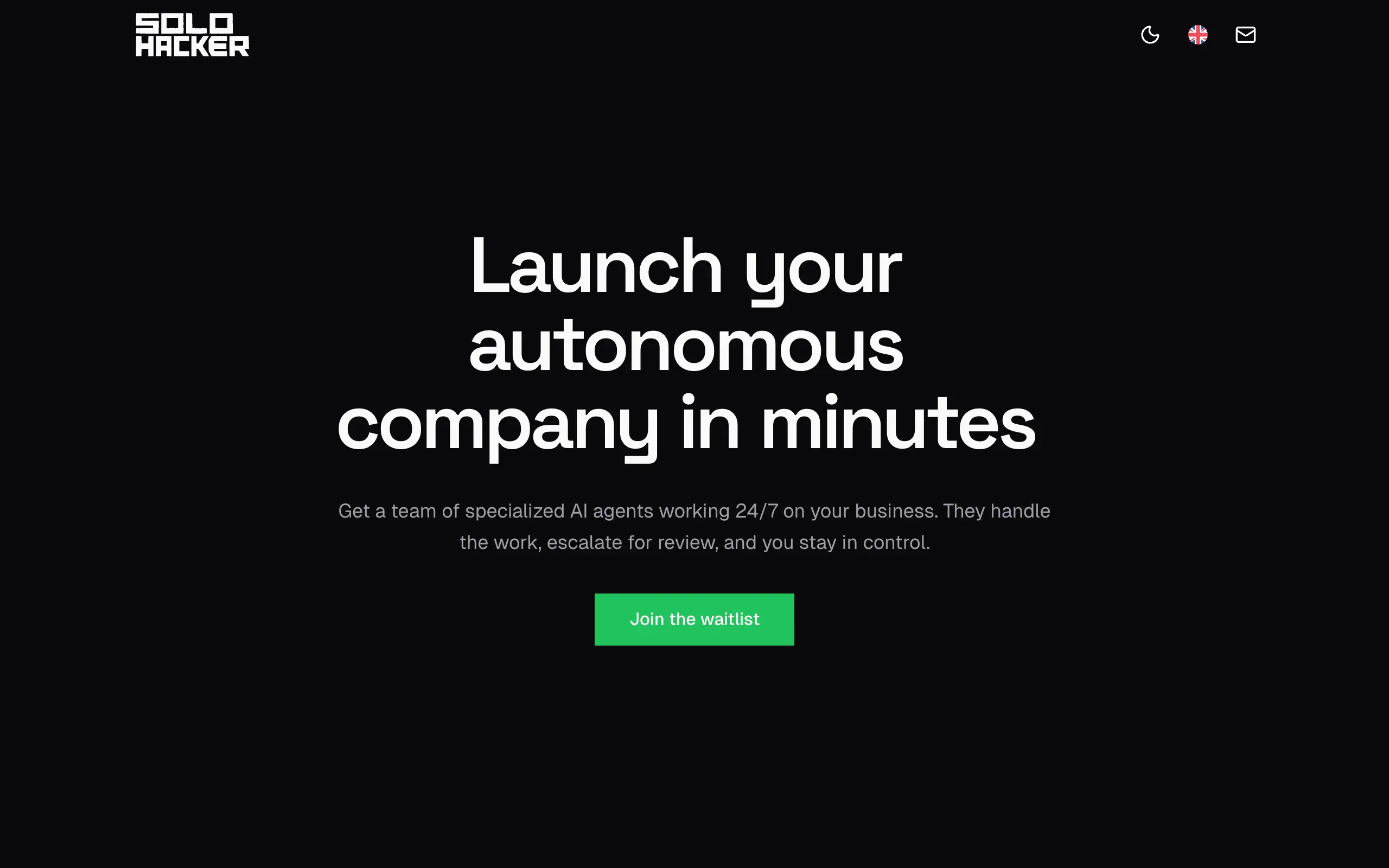
Solohacker
Autonomous company launcher - AI agents work 24/7, escalate what matters, and you stay in control 🤖
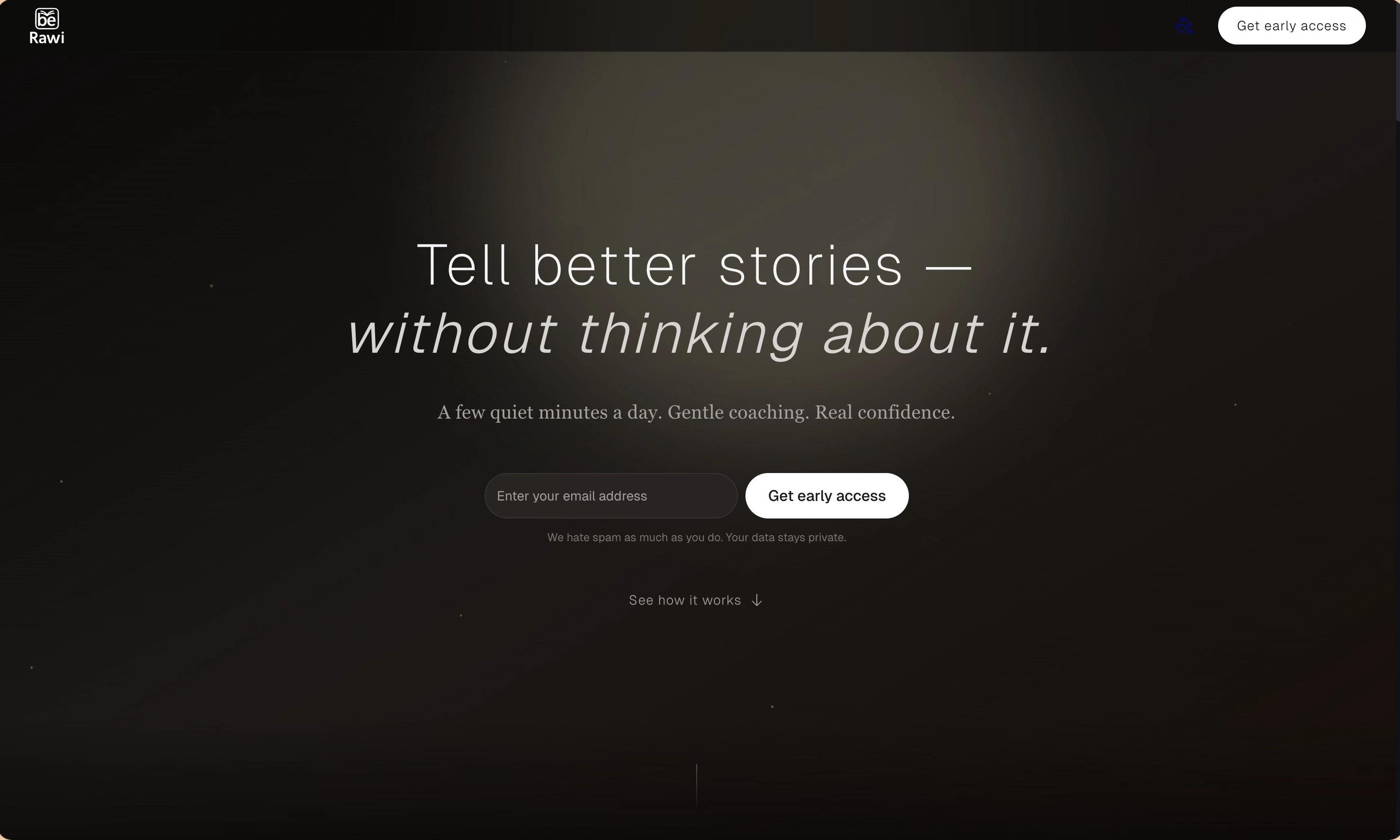
BeRawi: Storytelling Coach
Practice storytelling daily with instant feedback to sound clearer, more engaging, and confident 🎤
Omichat
Chat with 50+ AI models, including ChatGPT and Claude, in one place - switch models anytime without losing context 🤖
Claude Fast
Supercharge your Claude Code with 6x effective context window and specialized AI agents 🤖
EmojAI
AI-powered emoji picker with smart, context-aware suggestions 🤖
Solohacker
Autonomous company launcher - AI agents work 24/7, escalate what matters, and you stay in control 🤖
BeRawi: Storytelling Coach
Practice storytelling daily with instant feedback to sound clearer, more engaging, and confident 🎤
Omichat
Chat with 50+ AI models, including ChatGPT and Claude, in one place - switch models anytime without losing context 🤖
Claude Fast
Supercharge your Claude Code with 6x effective context window and specialized AI agents 🤖
EmojAI
AI-powered emoji picker with smart, context-aware suggestions 🤖
Solohacker
Autonomous company launcher - AI agents work 24/7, escalate what matters, and you stay in control 🤖
BeRawi: Storytelling Coach
Practice storytelling daily with instant feedback to sound clearer, more engaging, and confident 🎤
Omichat
Chat with 50+ AI models, including ChatGPT and Claude, in one place - switch models anytime without losing context 🤖
Claude Fast
Supercharge your Claude Code with 6x effective context window and specialized AI agents 🤖
EmojAI
AI-powered emoji picker with smart, context-aware suggestions 🤖
Solohacker
Autonomous company launcher - AI agents work 24/7, escalate what matters, and you stay in control 🤖
BeRawi: Storytelling Coach
Practice storytelling daily with instant feedback to sound clearer, more engaging, and confident 🎤

Connect with like-minded people
Join our community to get feedback, support, and grow together with 1,000+ builders on board, let's ship it!
Join usShip your startup everywhere. In minutes.
Don't burn tokens on setup and start building features on day one.