VertLog
Track elevation gain, compare climbs, and benchmark trail segments with a community-driven mobile app built for serious trail runners.
understanding the rise of elevation-focused tracking apps
Trail running has evolved far beyond simple distance tracking. Today’s serious runners care deeply about elevation gain, vertical speed, climb efficiency, and terrain difficulty. While apps like Strava and AllTrails provide broad tracking capabilities, they often treat elevation as a secondary metric.
That’s where a specialized solution like a trail running elevation tracking app comes into play.
VertLog is positioned to serve a fast-growing niche: athletes who want to track elevation gain, compare climbs, and benchmark trail segments with precision. This shift reflects a broader trend in fitness tech—moving from general-purpose tracking to hyper-specialized performance analytics.
In this guide, we’ll break down exactly how VertLog can succeed as a SaaS product, from market opportunity to technical implementation and monetization strategy.
why elevation tracking is a massive opportunity
the gap in existing running apps
Most fitness apps are built for mass appeal. That creates several limitations:
- Elevation data is often inaccurate or smoothed
- No standardized way to compare climbs across regions
- Lack of segment-specific vertical performance metrics
- Minimal tooling for serious trail athletes and mountain runners
Strava does offer segments, but:
- It prioritizes speed over vertical effort
- It lacks granular climb analytics
- Community data can be noisy or inconsistent
This creates a clear opportunity for a vertical-first platform.
growing popularity of trail running
Trail running is one of the fastest-growing fitness segments globally. Industry reports (e.g., from organizations like the Outdoor Industry Association) consistently show:
- Increased participation in trail and ultra running events
- Rising interest in mountain sports and endurance challenges
- Demand for data-driven training tools
Modern runners aren’t just logging miles—they’re optimizing performance across terrain, elevation, and effort zones.
target audience breakdown
primary audience: serious trail runners
These users are highly engaged and data-driven:
- Ultra runners and mountain athletes
- Trail runners training for vertical-heavy races
- Athletes tracking VO2 max, vertical gain per hour, and power output
They value:
- Precision
- Performance insights
- Competitive benchmarking
secondary audience: adventure athletes
- Hikers transitioning into trail running
- Ski mountaineers and vertical endurance athletes
- Outdoor enthusiasts who track elevation as a core metric
tertiary audience: fitness enthusiasts upgrading from basic apps
- Users frustrated with inaccurate elevation data
- People seeking more advanced analytics than Apple Fitness or Garmin Connect
core problem VertLog solves
At its core, VertLog addresses a simple but overlooked issue:
Elevation is treated as secondary data when it should be the primary performance metric for trail athletes.
key pain points
- Difficulty comparing climbs across locations
- No standardized “difficulty score” for elevation segments
- Poor visualization of vertical progress over time
- Limited community-driven climb benchmarking
VertLog flips the model by making vertical performance the centerpiece.
core features that define VertLog
elevation-first activity tracking
Unlike traditional apps, VertLog prioritizes:
- Total elevation gain/loss
- Vertical speed (meters/hour or feet/hour)
- Grade-adjusted effort
climb segmentation engine
Users can:
- Automatically detect climbs during activities
- Manually define climb segments
- Compare performance across attempts
community-driven climb database
Think “Strava segments,” but optimized for elevation:
- Ranked climbs by difficulty
- Leaderboards based on vertical metrics
- Community validation for accuracy
benchmarking and analytics
Users can answer questions like:
- How does my climb compare to others?
- Am I improving my vertical speed?
- What’s my best effort on a specific ascent?
terrain intelligence
Advanced features could include:
- Gradient heatmaps
- Surface type classification
- Altitude-adjusted performance metrics
product architecture and technical stack
Building a high-performance mobile-first SaaS app like VertLog requires thoughtful choices.
frontend (mobile)
- React Native for cross-platform development
- Expo for rapid iteration and deployment
- TailwindCSS (via NativeWind) for styling
Trade-offs:
- React Native speeds up development
- Native Swift/Kotlin may offer better GPS precision and performance tuning
backend
- Node.js with a framework like NestJS
- PostgreSQL with PostGIS for geospatial queries
- Redis for caching leaderboard data
geospatial processing
Elevation tracking requires:
- GPS smoothing algorithms
- Elevation correction via APIs (e.g., SRTM or Mapbox terrain data)
- Segment detection logic
cloud infrastructure
- AWS or GCP for scalability
- Serverless functions for activity processing
- CDN for fast global performance
authentication and user data
- OAuth (Google, Apple)
- Secure storage of health data (GDPR compliance)
feature comparison with competitors
| Feature | VertLog | Strava | AllTrails | Garmin Connect |
|---|---|---|---|---|
| Elevation-first analytics | ✅ | ❌ | ❌ | ✅ |
| Climb benchmarking | ✅ | ⚠️ | ❌ | ❌ |
| Community climb rankings | ✅ | ✅ | ❌ | ❌ |
| Advanced vertical metrics | ✅ | ❌ | ❌ | ✅ |
monetization strategies
freemium model (recommended)
Offer basic tracking for free, with premium features like:
- Advanced analytics dashboards
- Historical performance trends
- Custom climb comparisons
- Exportable reports
subscription tiers
- Basic: Free
- Pro ($5–$10/month): Advanced metrics and benchmarking
- Elite ($15–$20/month): Coaching insights and predictive analytics
additional revenue streams
- Sponsored challenges (e.g., brand partnerships)
- Gear integrations (affiliate revenue)
- Race/event partnerships
unique selling proposition (USP)
VertLog stands out by doing one thing exceptionally well:
It transforms elevation from a secondary metric into the core performance language of trail running.
why this matters
- Serious athletes care about vertical gain more than distance
- Existing apps are too generalized
- Community-driven climb benchmarking creates network effects
potential risks and mitigation strategies
risk: GPS and elevation inaccuracies
Mitigation:
- Use hybrid elevation correction (GPS + terrain data)
- Allow community corrections for climbs
risk: network effect dependency
Mitigation:
- Seed initial climb database manually
- Partner with trail organizations
risk: competition from Strava
Mitigation:
- Focus deeply on niche features
- Build a loyal community before expanding
advanced features for future expansion
AI-powered performance insights
- Predict fatigue based on climb history
- Suggest optimal training routes
wearable integrations
- Garmin, Apple Watch, Coros
- Real-time vertical performance feedback
gamification
- Vertical challenges (e.g., “Everest challenge”)
- Seasonal climb leaderboards
go-to-market strategy
phase 1: niche domination
- Target ultra runners and mountain athletes
- Partner with trail running communities
phase 2: influencer adoption
- Collaborate with elite trail runners
- Showcase real performance improvements
phase 3: content-driven growth
- SEO articles targeting:
- “track elevation gain app”
- “best trail running apps”
- “how to measure vertical gain”
implementation roadmap
sample elevation processing logic
function calculateElevationGain(elevations: number[]): number {
  let gain = 0;

  for (let i = 1; i < elevations.length; i++) {
    const diff = elevations[i] - elevations[i - 1];
    if (diff > 0) gain += diff;
  }

  return gain;
}
This basic logic would be enhanced with smoothing algorithms and noise filtering for real-world use.
building faster with modern SaaS tools
Speed matters when launching a product like VertLog. Instead of building everything from scratch, using a starter framework can significantly reduce development time.
TurboStarter provides a solid foundation for:
- Authentication
- Billing systems
- Scalable architecture
- SaaS best practices
This allows you to focus on your core differentiator: elevation analytics.
long-term vision
VertLog has the potential to evolve into:
- The Strava for vertical performance
- A data platform for endurance athletes
- A training tool used by professional runners
The key is staying focused on the niche while gradually expanding capabilities.
frequently asked questions
Because specialization creates differentiation. Elevation is the defining metric for trail runners, yet it’s underrepresented in mainstream apps.
By combining GPS data with terrain models and applying smoothing algorithms to remove noise and spikes.
Yes, by targeting a niche that Strava doesn’t serve deeply. Specialized tools often outperform general platforms in specific domains.
final thoughts
VertLog is more than just another fitness app—it’s a category-defining product for elevation-focused athletes.
By centering the experience around vertical performance, leveraging community-driven data, and delivering precise analytics, it fills a real and growing gap in the market.
The opportunity is clear:
- A passionate and underserved audience
- A measurable performance metric (elevation)
- A strong foundation for network effects
The execution challenge lies in accuracy, usability, and community building—but if done right, VertLog could become an essential tool for trail runners worldwide.
More 📱 Mobile App SaaS ideas
Discover more innovative mobile app SaaS ideas that are trending in 2026. Each idea is AI-generated with market validation and growth potential to help you find your next profitable venture faster than competitors.
Your competitors are building with TurboStarter
Below are some of the SaaS ideas that have been generated and built with our starter kit.

Statiko
Monitor any Telegram channel in real time - track posts, edits, deletions, and growth with AI recaps 📡

Shibui
AI website builder - describe your business, pick a niche template, edit by chatting, and publish instantly ✨

Pro Service
Find verified home service professionals, compare quotes, and pay securely through escrow - built for Brazilians across the US 🏠

RankGrow
Fix your SEO with AI agents - connect Search Console, get prioritized tasks, and grow organic traffic 📈

SyncReads
Sync your favorite content for distraction-free reading, save time and replace multiple apps. Anytime, anywhere 🔄
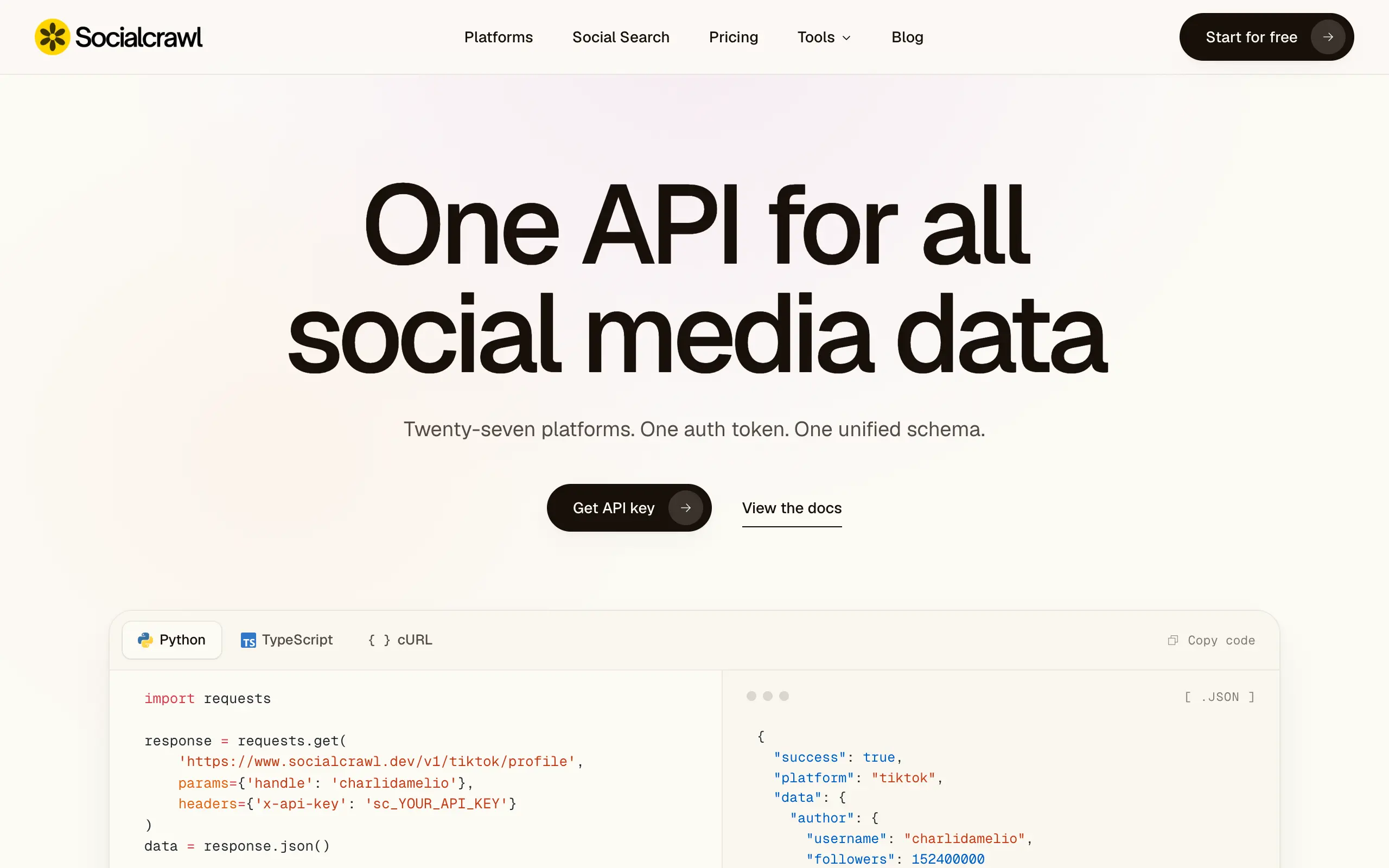
Socialcrawl
Get clean, structured data from 21 platforms like TikTok, Instagram, and YouTube with a single request 📊
Statiko
Monitor any Telegram channel in real time - track posts, edits, deletions, and growth with AI recaps 📡
Shibui
AI website builder - describe your business, pick a niche template, edit by chatting, and publish instantly ✨
Pro Service
Find verified home service professionals, compare quotes, and pay securely through escrow - built for Brazilians across the US 🏠
RankGrow
Fix your SEO with AI agents - connect Search Console, get prioritized tasks, and grow organic traffic 📈
SyncReads
Sync your favorite content for distraction-free reading, save time and replace multiple apps. Anytime, anywhere 🔄
Socialcrawl
Get clean, structured data from 21 platforms like TikTok, Instagram, and YouTube with a single request 📊
Statiko
Monitor any Telegram channel in real time - track posts, edits, deletions, and growth with AI recaps 📡
Shibui
AI website builder - describe your business, pick a niche template, edit by chatting, and publish instantly ✨
Pro Service
Find verified home service professionals, compare quotes, and pay securely through escrow - built for Brazilians across the US 🏠
RankGrow
Fix your SEO with AI agents - connect Search Console, get prioritized tasks, and grow organic traffic 📈
SyncReads
Sync your favorite content for distraction-free reading, save time and replace multiple apps. Anytime, anywhere 🔄
Socialcrawl
Get clean, structured data from 21 platforms like TikTok, Instagram, and YouTube with a single request 📊
Statiko
Monitor any Telegram channel in real time - track posts, edits, deletions, and growth with AI recaps 📡
Shibui
AI website builder - describe your business, pick a niche template, edit by chatting, and publish instantly ✨
Pro Service
Find verified home service professionals, compare quotes, and pay securely through escrow - built for Brazilians across the US 🏠
RankGrow
Fix your SEO with AI agents - connect Search Console, get prioritized tasks, and grow organic traffic 📈
SyncReads
Sync your favorite content for distraction-free reading, save time and replace multiple apps. Anytime, anywhere 🔄
Socialcrawl
Get clean, structured data from 21 platforms like TikTok, Instagram, and YouTube with a single request 📊
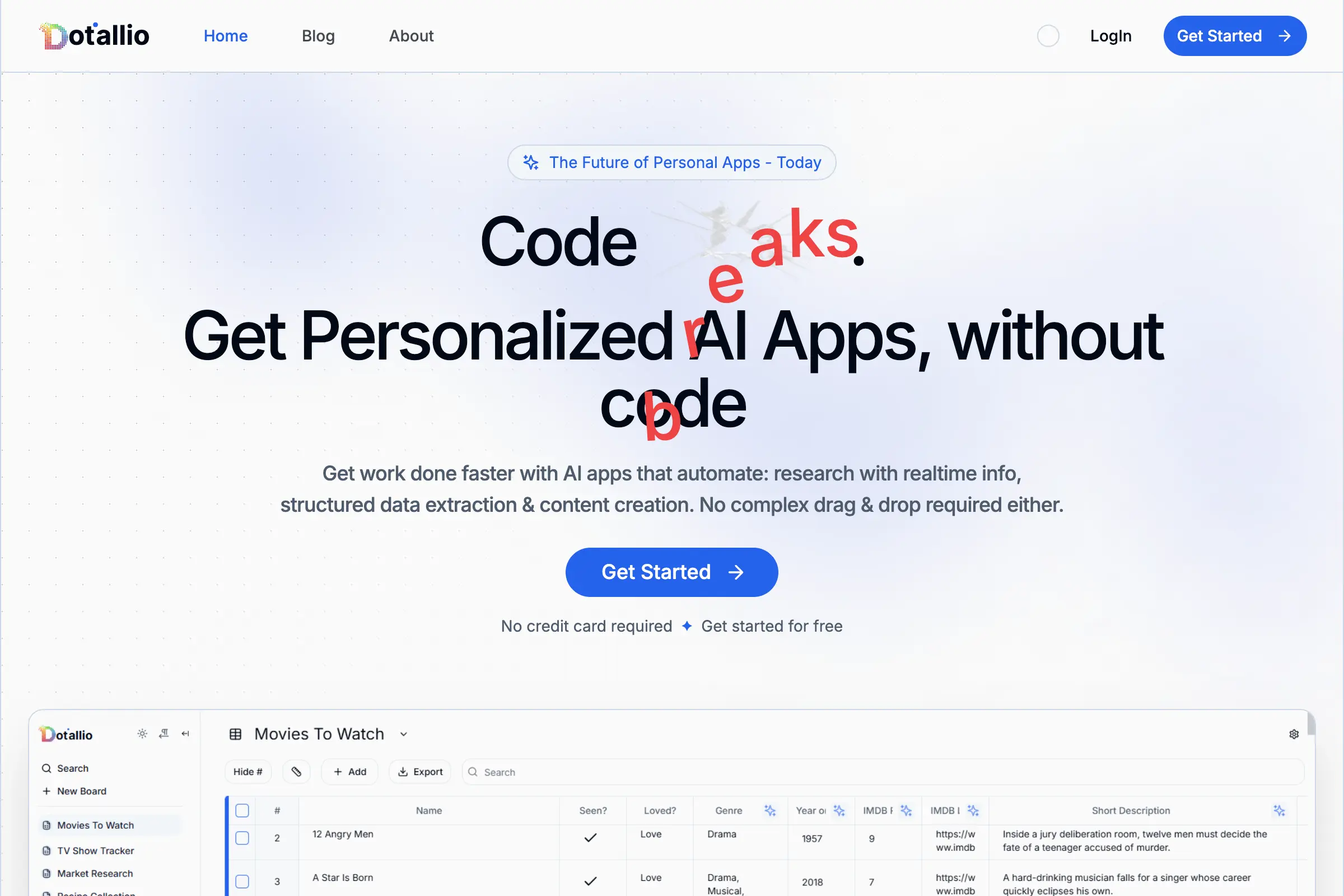
Dotallio
Personalized AI apps that automate research, data extraction, and content creation without code 🤖

Talk to Santa
Enjoy a magical live video chat or receive a unique AI-generated video greeting from Santa Claus 🎅

pozywka.pl
Scalable blog for food journalist, focused on performance and user experience 🌭
zagrodzki.me
Personal blog and portfolio of Bart Zagrodzki, where he shares his knowledge and work 💼
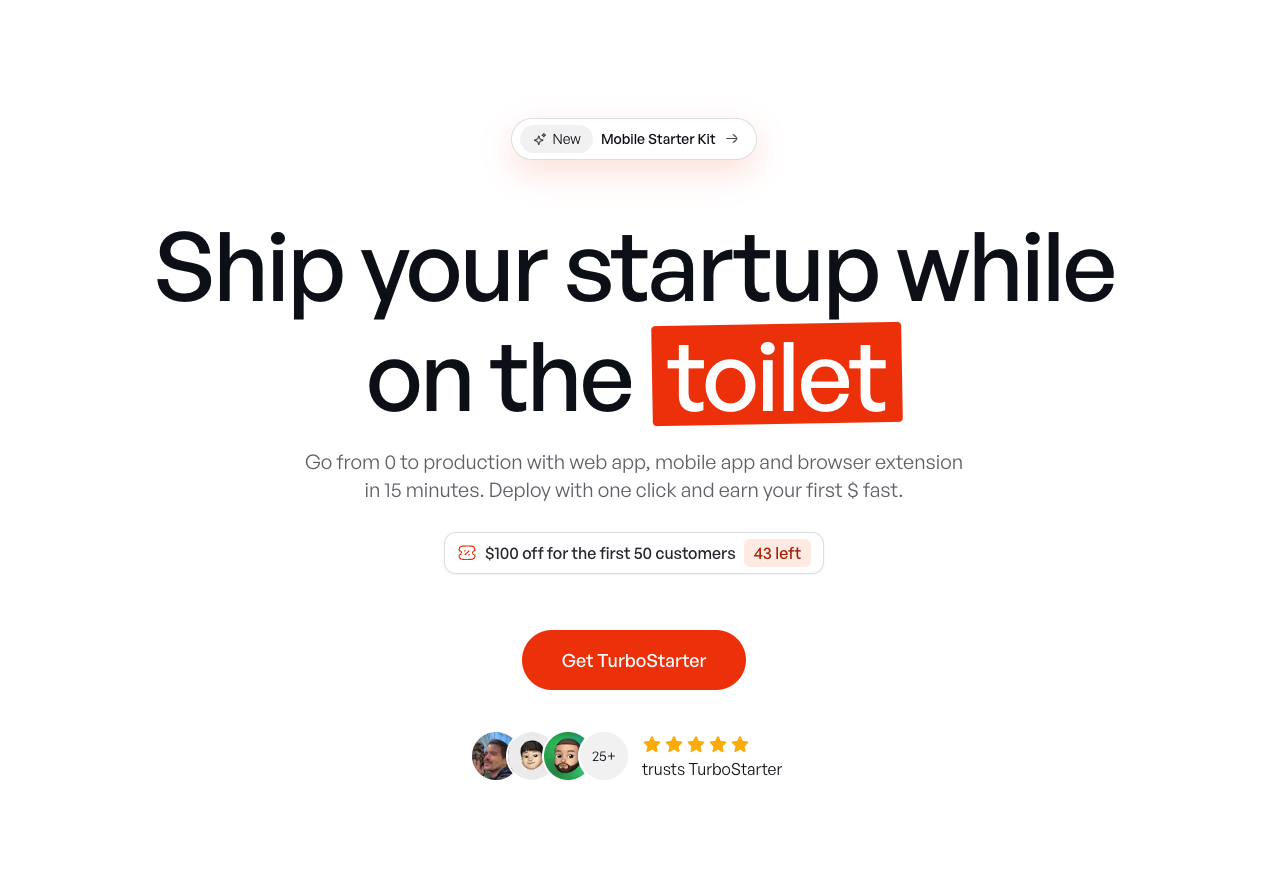
TurboStarter
Ship your startup everywhere. In minutes.
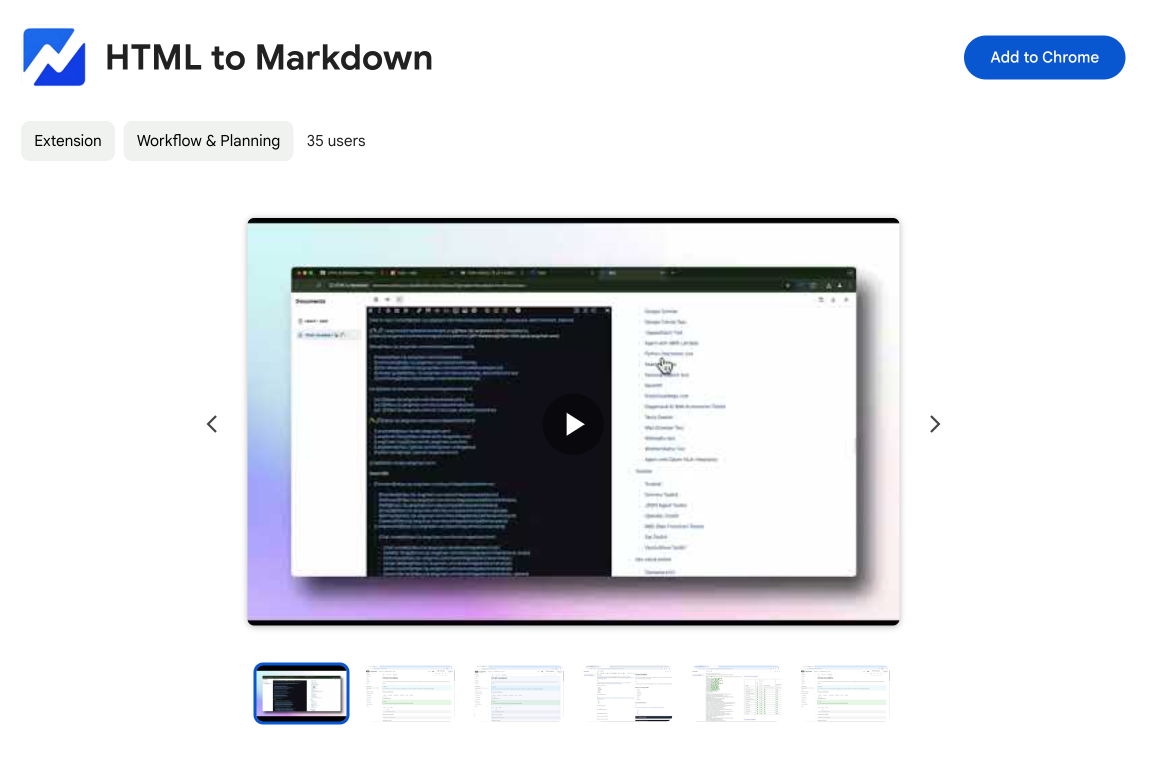
HTML to Markdown
Convert HTML to Markdown with ease, directly in your browser 📄
Dotallio
Personalized AI apps that automate research, data extraction, and content creation without code 🤖
Talk to Santa
Enjoy a magical live video chat or receive a unique AI-generated video greeting from Santa Claus 🎅
pozywka.pl
Scalable blog for food journalist, focused on performance and user experience 🌭
zagrodzki.me
Personal blog and portfolio of Bart Zagrodzki, where he shares his knowledge and work 💼
TurboStarter
Ship your startup everywhere. In minutes.
HTML to Markdown
Convert HTML to Markdown with ease, directly in your browser 📄
Dotallio
Personalized AI apps that automate research, data extraction, and content creation without code 🤖
Talk to Santa
Enjoy a magical live video chat or receive a unique AI-generated video greeting from Santa Claus 🎅
pozywka.pl
Scalable blog for food journalist, focused on performance and user experience 🌭
zagrodzki.me
Personal blog and portfolio of Bart Zagrodzki, where he shares his knowledge and work 💼
TurboStarter
Ship your startup everywhere. In minutes.
HTML to Markdown
Convert HTML to Markdown with ease, directly in your browser 📄
Dotallio
Personalized AI apps that automate research, data extraction, and content creation without code 🤖
Talk to Santa
Enjoy a magical live video chat or receive a unique AI-generated video greeting from Santa Claus 🎅
pozywka.pl
Scalable blog for food journalist, focused on performance and user experience 🌭
zagrodzki.me
Personal blog and portfolio of Bart Zagrodzki, where he shares his knowledge and work 💼
TurboStarter
Ship your startup everywhere. In minutes.
HTML to Markdown
Convert HTML to Markdown with ease, directly in your browser 📄
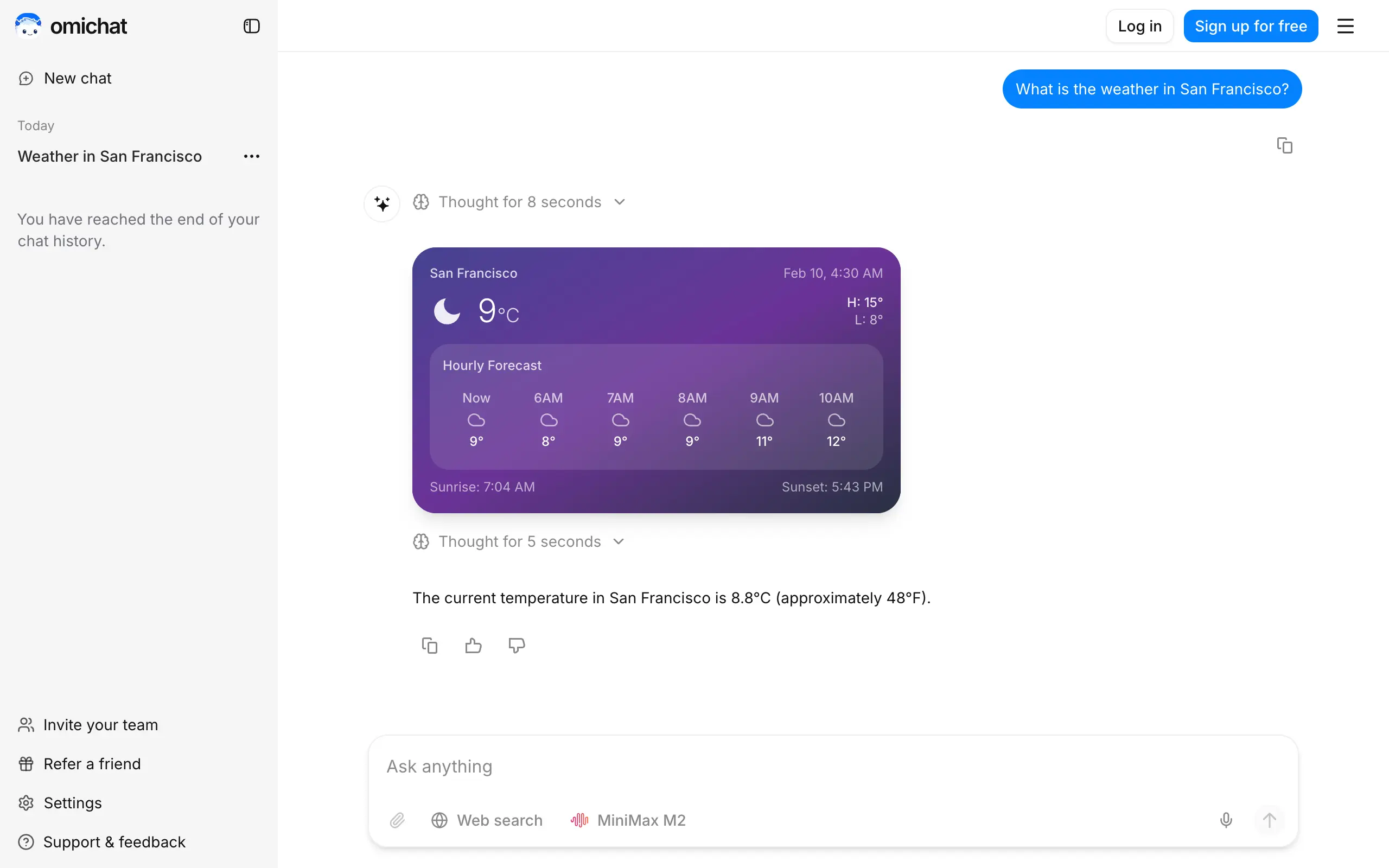
Omichat
Chat with 50+ AI models, including ChatGPT and Claude, in one place - switch models anytime without losing context 🤖
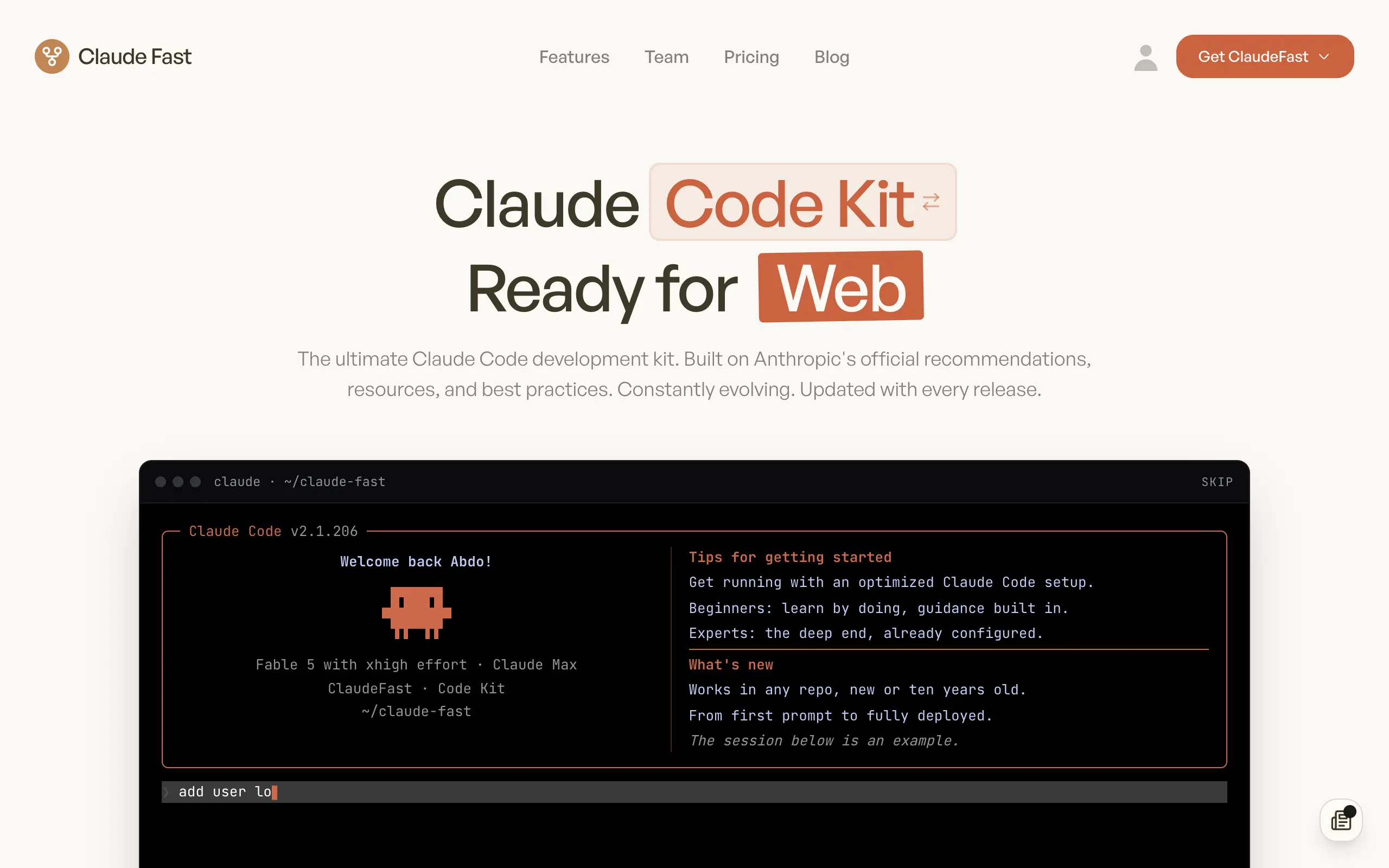
Claude Fast
Supercharge your Claude Code with 6x effective context window and specialized AI agents 🤖

EmojAI
AI-powered emoji picker with smart, context-aware suggestions 🤖

Solohacker
Autonomous company launcher - AI agents work 24/7, escalate what matters, and you stay in control 🤖

BeRawi: Storytelling Coach
Practice storytelling daily with instant feedback to sound clearer, more engaging, and confident 🎤
Omichat
Chat with 50+ AI models, including ChatGPT and Claude, in one place - switch models anytime without losing context 🤖
Claude Fast
Supercharge your Claude Code with 6x effective context window and specialized AI agents 🤖
EmojAI
AI-powered emoji picker with smart, context-aware suggestions 🤖
Solohacker
Autonomous company launcher - AI agents work 24/7, escalate what matters, and you stay in control 🤖
BeRawi: Storytelling Coach
Practice storytelling daily with instant feedback to sound clearer, more engaging, and confident 🎤
Omichat
Chat with 50+ AI models, including ChatGPT and Claude, in one place - switch models anytime without losing context 🤖
Claude Fast
Supercharge your Claude Code with 6x effective context window and specialized AI agents 🤖
EmojAI
AI-powered emoji picker with smart, context-aware suggestions 🤖
Solohacker
Autonomous company launcher - AI agents work 24/7, escalate what matters, and you stay in control 🤖
BeRawi: Storytelling Coach
Practice storytelling daily with instant feedback to sound clearer, more engaging, and confident 🎤
Omichat
Chat with 50+ AI models, including ChatGPT and Claude, in one place - switch models anytime without losing context 🤖
Claude Fast
Supercharge your Claude Code with 6x effective context window and specialized AI agents 🤖
EmojAI
AI-powered emoji picker with smart, context-aware suggestions 🤖
Solohacker
Autonomous company launcher - AI agents work 24/7, escalate what matters, and you stay in control 🤖
BeRawi: Storytelling Coach
Practice storytelling daily with instant feedback to sound clearer, more engaging, and confident 🎤

Connect with like-minded people
Join our community to get feedback, support, and grow together with 1,000+ builders on board, let's ship it!
Join usShip your startup everywhere. In minutes.
Don't burn tokens on setup and start building features on day one.