VibeIsometric
Turn marked-up P&IDs and voice notes into shareable mobile isometrics, clash lists and constructability tasks for piping teams.
What VibeIsometric solves for piping teams
VibeIsometric is a mobile isometric app for piping teams that converts marked-up P&IDs and voice notes into shareable piping isometrics, clash lists, and constructability tasks. It is designed for the practical reality of industrial projects, where the most useful engineering information is often created away from a desk: on a scaffold, in a process unit, during a walkdown, or in a construction coordination meeting.
Traditional piping workflows frequently break down between design intent and field execution. A designer may issue a P&ID, a supervisor may mark it up after identifying a routing issue, and the field team may communicate the actual problem through calls, photos, handwritten annotations, or informal messages. By the time the issue is converted into an engineering action, details can be lost, duplicated, delayed, or misunderstood.
A purpose-built piping isometric software platform can close that gap. VibeIsometric gives piping engineers, construction supervisors, designers, inspectors, and fabricators a shared operational layer for converting field observations into structured, traceable deliverables.
The core opportunity is not simply to generate prettier drawings. It is to make piping coordination faster, more accountable, and easier to act on.
The product thesis
The strongest version of VibeIsometric is not a replacement for plant design systems. It is a mobile-first field collaboration layer that turns unstructured constructability input into engineering-ready outputs.
Why mobile piping isometric software matters now
Piping projects have long relied on powerful engineering systems for process design, 3D modeling, material management, and document control. These platforms are valuable, but they are often optimized for trained office users, formal revision cycles, and controlled desktop environments.
Field teams face different constraints:
- They need to capture observations quickly while standing beside the asset.
- They need to communicate with people who may not be in the same location or time zone.
- They need to distinguish a minor installation concern from a safety-critical clash.
- They need visual context, not only written issue descriptions.
- They need decisions and ownership to remain traceable after handover.
A mobile isometric workflow addresses these constraints by allowing teams to create structured records at the point of work. A marked-up P&ID can become the input. A spoken note can add immediate context. Photos, tags, location metadata, and discipline assignments can turn a vague observation into a usable constructability task.
The broader industry trend supports this approach. Capital projects are increasingly adopting connected-worker software, digital field management tools, mobile quality control systems, and AI-assisted documentation. A VibeIsometric-style product sits at the intersection of those trends, with a much sharper focus on piping execution.
For market sizing claims or adoption statistics, use primary research from organizations such as construction industry associations, EPC annual reports, and digital transformation studies. In a published article or investor deck, cite the source, publication date, survey sample size, and geographic scope rather than relying on generic statistics.
Target users for a mobile isometric app
The best SaaS products begin with a narrow workflow and a clear economic buyer. VibeIsometric has several user groups, but they do not all need the same features or experience.
Field piping supervisors and foremen
Piping supervisors are likely to be among the highest-frequency users. They deal with installation constraints, material availability, access restrictions, interferences, and crew coordination every day.
Their primary job is not document administration. It is removing blockers so work can proceed safely and correctly.
They benefit from a mobile piping isometric app that lets them:
- Capture a problem with a photo, markup, voice note, and exact area reference.
- Identify whether the issue affects fabrication, installation, testing, insulation, or commissioning.
- Assign the issue to a responsible discipline or engineer.
- See whether an issue is waiting for clarification, approved for field change, or blocked.
- Share a concise visual brief with crews and subcontractors.
The product must be exceptionally fast for this audience. If issue capture takes longer than sending a message in a group chat, adoption will be difficult.
Piping engineers and designers
Piping engineers need better field feedback without losing engineering control. They need an auditable path from observed issue to reviewed disposition.
For this group, VibeIsometric should provide:
- Structured issue metadata.
- Revision-aware P&ID markup.
- Constructability decision records.
- Clash severity and discipline routing.
- Exportable issue registers.
- Links back to source documents, line numbers, and relevant model references.
- Approval and closeout workflows.
The value is reduced time spent interpreting incomplete field reports and fewer repeated clarification cycles.
Construction managers and project controls teams
Construction leadership needs visibility into patterns, not merely individual issues. They want to know which areas are accumulating clashes, which packages are repeatedly delayed, and whether unresolved piping constraints are creating schedule exposure.
For these users, the product should include project-level dashboards for:
- Open constructability tasks by area.
- Clash aging by severity.
- Responsible party and overdue task trends.
- Repeat issues by line class, unit, contractor, or work package.
- Time from field capture to engineering disposition.
- Time from disposition to verified closure.
This turns VibeIsometric from a capture tool into a project intelligence product.
Quality, inspection, and commissioning teams
Inspection and commissioning staff frequently discover issues that were not visible during early construction. Missing supports, inaccessible valves, clearance concerns, drainability problems, incorrect slope, or test boundary inconsistencies can all affect readiness.
For these users, the platform can support a structured punch-list-like process that preserves piping context rather than treating every issue as a generic defect.
The market gap in piping constructability management
The current workflow is typically fragmented across several tools:
- PDF markup software for drawing annotations.
- Messaging applications for urgent questions.
- Spreadsheets for issue registers.
- Email for approvals and formal correspondence.
- Document control systems for drawing revisions.
- 3D coordination tools for model-based clash detection.
- Paper notes or phone recordings for site observations.
Each tool may work independently, but the handoff between them creates the real operational problem.
A field supervisor may send a photo and audio explanation. An engineer may respond in email. A coordinator may manually create a spreadsheet row. A formal revision may appear weeks later. During that time, another crew can encounter the same condition and raise the same question again.
VibeIsometric can establish a single workflow that starts with a field observation and ends with a verified resolution.
| Workflow area | Common current-state method | Typical gap | VibeIsometric opportunity | Business impact |
|---|---|---|---|---|
| Field capture | Phone photos and messages | Missing asset context | Guided mobile issue capture | Faster triage |
| P&ID markups | Standalone PDF comments | Weak task traceability | Markup-to-task conversion | Fewer missed actions |
| Clash management | Manual registers and email | Unclear ownership | Severity, owner, due date, closeout | Reduced issue aging |
| Constructability review | Meeting notes | Decisions are hard to retrieve | Decision log linked to drawings | Better auditability |
The clearest market gap is between heavyweight engineering systems and generic field task apps. Generic task management software lacks piping-specific context. Enterprise engineering platforms can be difficult to deploy for lightweight, high-frequency field collaboration.
VibeIsometric can win by being specific enough for piping professionals and simple enough for field adoption.
Core VibeIsometric features and product workflow
The product should center on a simple promise: capture the issue once, enrich it automatically, and route it to the right person with enough context to resolve it.
Marked-up P&ID ingestion
The first major capability is P&ID ingestion. Users should be able to upload or access approved P&IDs from a controlled document repository, then mark them up using mobile-friendly tools.
Useful markup capabilities include:
- Freehand drawing for quick field annotations.
- Arrows, clouds, callouts, and shape tools.
- Text labels with optional voice-to-text transcription.
- Pin markers tied to equipment, lines, or coordinate regions.
- Revision identifiers and drawing status indicators.
- Color-coded status markers for clashes, RFIs, constructability concerns, and completed work.
- Offline markup support with deferred synchronization.
A P&ID markup should never become an isolated visual artifact. Each markup object should be capable of creating or connecting to a structured task.
Voice note capture and transcription
Voice capture is a strong differentiator because piping observations are often easier to explain verbally than type while wearing PPE or navigating a crowded worksite.
For example, a supervisor might say:
“The two-inch drain line clashes with the structural member at grid B-14. We need a routing decision before hydrotest because access to the low-point drain is blocked.”
The product can transcribe this note, preserve the original recording, and extract suggested structured fields such as:
- Line size.
- Line service.
- Grid or area.
- Issue type.
- Suggested severity.
- Required discipline.
- Work impact.
AI should assist, not silently decide. The user must be able to review and correct extracted values before submission.
Mobile isometric generation
The most distinctive feature is transforming P&ID context and field input into a shareable mobile isometric.
This does not need to begin as full automated fabrication-grade isometric generation. In an initial product version, the output can be a structured, simplified isometric view built from:
- Manually selected line segments.
- Directional routing annotations.
- Elevation values where available.
- Fittings and component symbols.
- Tie-in points.
- Field measurements.
- Photos and linked markup references.
The goal is a clear, mobile-readable communication artifact that helps the team understand what must change or be installed.
Over time, the product can incorporate richer extraction from source documents, 3D model integrations, and rule-based routing suggestions.
Clash lists and severity management
A clash list should be more than a spreadsheet exported from a model coordination tool. It should help users decide what needs attention first.
Each clash record should include:
- A unique issue identifier.
- Project, unit, area, and work package.
- Related drawing and revision.
- Pipe line number and equipment references.
- Clash type.
- Severity.
- Safety and schedule impact.
- Assigned owner.
- Due date.
- Supporting media.
- Review comments.
- Disposition decision.
- Closure evidence.
A useful severity model can distinguish between:
- Critical issues that affect safety, code compliance, commissioning, or a near-term schedule milestone.
- Major issues that prevent installation or create significant rework risk.
- Moderate issues that require clarification but may not stop current work.
- Minor issues that can be incorporated into normal work planning.
Constructability task management
Constructability tasks should be the operational heartbeat of the platform. They convert discovered problems into accountable work.
Tasks need a defined lifecycle:
This workflow protects against a common failure mode in construction SaaS: collecting lots of observations without creating reliable resolution.
Shareable outputs for different stakeholders
Not everyone needs the same format. VibeIsometric should generate role-appropriate outputs from the same underlying record.
Field share card
A concise mobile view with the issue image, voice transcript, location, owner, status, and required action.
Engineering review pack
A detailed package with P&ID markups, technical context, revision information, comments, and disposition history.
Management summary
A dashboard-ready view of open risks, aging issues, trend categories, and schedule-sensitive constraints.
The unique selling proposition of VibeIsometric
The VibeIsometric USP is the combination of field-first capture, piping-specific context, and actionable isometric communication.
Many products can store photos. Many products can annotate PDFs. Many enterprise platforms can manage formal drawings. Few products are designed around the everyday handoff from a field piping observation to a decision-ready, shareable, and traceable isometric task.
That positioning creates several competitive advantages:
-
Piping-native data model
The product can understand line numbers, equipment tags, tie-ins, supports, test packages, spool references, areas, and construction status rather than forcing teams into generic task fields. -
Mobile-first speed
The workflow begins with the person closest to the issue. Capturing context on site is more accurate than reconstructing it hours later at a desk. -
Voice-led usability
Voice notes reduce friction for busy field users and can preserve nuance that is lost in short text descriptions. -
Traceable constructability loop
Markups, tasks, decisions, and closure evidence live in one connected record. -
Shareable isometric outputs
The product improves cross-functional understanding without requiring every recipient to open a complex model viewer or engineering system.
Recommended technology stack for VibeIsometric
A mobile industrial SaaS product needs to prioritize reliability, offline behavior, secure access, document handling, and maintainable integrations.
Mobile application architecture
For the mobile client, React with Expo is a practical starting point.
React Native through Expo offers strong advantages:
- A shared TypeScript codebase for iOS and Android.
- Faster iteration for an early-stage product.
- Good support for camera access, local storage, push notifications, and file uploads.
- Easier hiring compared with fully native platform-specific teams.
- A mature ecosystem for mobile UI and API integration.
The key trade-off is that advanced PDF rendering, highly specialized drawing interactions, and offline synchronization may require native modules or custom development. This is manageable, but it should be recognized early in the product architecture.
Web application and administrative workspace
A web application is essential for engineering review, project administration, reporting, and document management. A React-based web stack can provide consistency with the mobile application while allowing richer screen layouts and keyboard-driven workflows.
The web workspace should support:
- Project setup.
- User and permission management.
- P&ID uploads and revision control.
- Task triage.
- Constructability review.
- Exports.
- Analytics dashboards.
- Integration configuration.
Backend and data layer
A relational database is a strong fit because piping projects depend on relationships among users, projects, drawings, revisions, equipment, line references, tasks, comments, and approvals.
Supabase can be a compelling early-stage choice because it combines a PostgreSQL database, authentication, storage, real-time capabilities, and row-level security. It can help a small product team ship a secure prototype quickly.
A more custom backend approach may be appropriate when requirements expand around enterprise identity, complex document processing, dedicated regional hosting, or high-volume integration jobs.
A robust backend architecture should include:
- PostgreSQL for transactional project data.
- Object storage for drawings, photos, audio, and generated exports.
- Background job processing for transcription, PDF processing, notifications, and report generation.
- An API layer with versioning and tenant-aware authorization.
- Immutable audit events for key actions such as approvals, status changes, and document revisions.
AI and document intelligence
AI should be deployed carefully in high-consequence industrial workflows.
Strong early AI use cases include:
- Speech-to-text transcription.
- Voice note summarization.
- Suggested issue categorization.
- Extraction of potential tags, line numbers, or locations from notes.
- Duplicate issue detection.
- Drafting clearer task descriptions.
- Searching across past issues and decisions.
Avoid presenting AI outputs as verified engineering conclusions. The system should clearly label AI-generated suggestions, show the evidence used, and require human approval for safety, design, or constructability decisions.
Use managed transcription, a relational database, managed object storage, and human-in-the-loop task classification. Optimize for speed to validation and a disciplined pilot program.
Add customer-managed identity, configurable retention policies, regional data controls, advanced audit exports, integration middleware, and formal validation workflows for regulated environments.
Security, compliance, and trust requirements
Industrial customers will evaluate VibeIsometric not only on usability but also on whether they can trust it with project documentation and field evidence.
Security requirements should be treated as product requirements from the beginning:
- Role-based access control by organization, project, package, and discipline.
- Secure document storage and encryption in transit and at rest.
- Audit logs for document access, task assignment, approvals, and closure.
- Controlled sharing links with expiration and access restrictions.
- Clear retention and deletion policies.
- Backups and tested recovery procedures.
- Offline data encryption on managed mobile devices where feasible.
- Support for enterprise single sign-on as the product moves upmarket.
For customers in safety-sensitive or regulated sectors, provide transparent documentation of controls, data residency options, incident response procedures, and third-party security testing plans. Do not claim certifications until they have been independently achieved.
Monetization strategy for piping constructability software
The most suitable monetization model is likely a combination of subscription pricing and project-based usage.
Seat-based SaaS pricing
Seat-based pricing is familiar, but not every field worker should need a full paid license. A tiered structure can reduce adoption friction.
Possible tiers include:
- Viewer access for read-only field teams and external stakeholders.
- Contributor access for users who create markups, voice notes, and tasks.
- Reviewer access for engineers and managers who assign, approve, and close work.
- Administrator access for project configuration and governance.
Project or asset-based pricing
EPCs and owner-operators often budget around projects, plants, units, or work packages rather than individual employees. Project-based pricing may align better with their procurement model.
Examples include:
- A monthly price per active project.
- An annual price per facility or business unit.
- A price tier based on active drawings, packages, or managed tasks.
- An enterprise agreement with volume commitments.
Implementation and integration services
Early enterprise revenue can include professional services, especially for:
- Historical data migration.
- P&ID repository setup.
- User training.
- Workflow configuration.
- Integration with document control or model systems.
- Custom reporting.
Services should accelerate adoption, but the core business should remain software-led. Avoid building a model that depends on high-touch manual conversion of every customer drawing.
Go-to-market strategy and early customer validation
The first buyers should be teams with recurring piping coordination pain and a measurable cost of delay.
Strong early customer profiles include:
- Mid-market EPC contractors managing active industrial projects.
- Specialty mechanical and piping contractors.
- Brownfield maintenance and turnaround teams.
- Owner-operators with recurring modification work.
- Fabrication and installation organizations coordinating complex spool packages.
Start with a narrow pilot. The best pilot is not “use the product everywhere.” It is a defined workflow in a defined project area, such as a congested unit, turnaround work package, or piping installation scope with known coordination challenges.
Measure outcomes such as:
- Time from observation to assigned owner.
- Time from task creation to engineering response.
- Percentage of issues closed with evidence.
- Number of duplicate issues.
- Rework events connected to unresolved clashes.
- User adoption by role.
- Number of field-created records versus office-created records.
The pilot should prove that field teams can capture useful issues quickly, engineering can make decisions with less back-and-forth, and project leadership can see a credible reduction in unresolved constructability risk.
Avoid large-scale CAD replacement capabilities, deeply custom analytics, broad integration catalogs, and fully autonomous drawing interpretation before validating the core capture-to-resolution workflow.
Interview supervisors, piping engineers, planners, document controllers, and construction managers separately. Ask about their last real issue, how it was captured, how long resolution took, where information was lost, and what evidence was needed to close it.
Risks and mitigation for VibeIsometric
Every vertical SaaS opportunity has execution risks. The advantage comes from identifying them before they become product constraints.
Risk: field users resist another app
Field teams may continue using text messages, paper notes, or existing communication channels if the product feels slow or administrative.
Mitigation: Make the initial capture experience extremely fast. Support camera-first capture, voice input, offline access, templates, and minimal required fields. Use progressive disclosure so users see only the fields relevant to their role.
Risk: document quality is inconsistent
P&IDs may be scanned, outdated, incomplete, or distributed in inconsistent formats. Automatic extraction will not be equally reliable across all inputs.
Mitigation: Support manual workflows from day one. Treat document intelligence as an assistive capability. Preserve source files, revision metadata, and human review checkpoints.
Risk: enterprise sales cycles are long
Industrial buyers may require security review, legal review, IT approval, and a project sponsor before buying software.
Mitigation: Offer a focused paid pilot, create security documentation early, identify a business champion with measurable pain, and develop a clear ROI narrative around reduced rework and faster decision cycles.
Risk: safety-critical decisions are misunderstood
Users could mistake a task management record or AI suggestion for approved engineering instruction.
Mitigation: Build explicit workflow states, approval roles, disclaimers, and clear labels for draft versus approved dispositions. Maintain immutable decision history and prevent unauthorized users from issuing controlled instructions.
Risk: integrations become a custom-development trap
Every large customer may request different document repositories, model tools, or identity providers.
Mitigation: Start with export/import workflows and a small set of high-value integrations. Build an API and integration framework before committing to many one-off connectors.
A practical MVP roadmap
The MVP should focus on a complete and credible loop, not broad feature coverage.
Phase one: field capture and structured tasks
Build the essential workflow:
- Organization and project setup.
- Mobile authentication and role-based access.
- P&ID upload and viewing.
- Mobile drawing markup.
- Photo and voice-note attachment.
- Voice transcription.
- Structured constructability task creation.
- Assignment, comments, status, and notifications.
- Basic web-based review dashboard.
- CSV and PDF task exports.
The product should work well even if the isometric output is initially template-driven and partially manual.
Phase two: shareable mobile isometrics and clash intelligence
After validating active use, expand into the differentiating capabilities:
- Simplified isometric builder.
- Reusable piping component symbols.
- Line and equipment tagging.
- Clash severity rules.
- Duplicate detection.
- Area-based issue maps.
- Task aging dashboards.
- Offline synchronization improvements.
- Shareable read-only issue packs.
Phase three: enterprise readiness and integrations
Only after product-market fit signals appear should the roadmap emphasize:
- Single sign-on.
- Advanced permissions.
- Document control integrations.
- Model coordination integrations.
- Webhooks and API access.
- Configurable workflows.
- Audit exports.
- Advanced analytics.
- Customer-specific data retention controls.
How to build and launch VibeIsometric efficiently
A fast launch does not mean cutting corners on workflow quality. It means using proven SaaS foundations so the team can spend its time on the hard, differentiated problem: piping field collaboration.
TurboStarter can help accelerate the SaaS foundation with reusable patterns for application structure, authentication, billing, dashboards, and production-ready development workflows. That allows the VibeIsometric team to focus product engineering effort on P&ID markup, mobile capture, offline behavior, task orchestration, and industrial-grade traceability.
Final recommendation
VibeIsometric has a credible opportunity to become a category-defining mobile piping isometric and constructability management platform if it remains focused on the gap between field observations and engineering resolution.
The winning product will not try to replace every engineering design tool. Instead, it will become the fastest and most trusted way for piping teams to capture issues, create understandable visual context, assign accountable actions, and prove closure.
The immediate next steps are clear:
- Interview at least 15 users across field supervision, piping engineering, construction management, and quality.
- Validate the most frequent issue types and the current handoff methods.
- Prototype the mobile capture flow around a real marked-up P&ID and voice note.
- Run a narrowly scoped pilot on one active piping work package.
- Measure response time, closure rate, duplicate reduction, and user adoption.
- Use pilot evidence to refine the mobile isometric output and develop an ROI-led sales story.
The product’s long-term defensibility will come from more than software features. It will come from accumulated piping-specific workflow knowledge, structured issue data, trusted decision history, and a user experience that field teams genuinely prefer over informal communication channels.
More 📱 Mobile App SaaS ideas
Discover more innovative mobile app SaaS ideas that are trending in 2026. Each idea is AI-generated with market validation and growth potential to help you find your next profitable venture faster than competitors.
Your competitors are building with TurboStarter
Below are some of the SaaS ideas that have been generated and built with our starter kit.
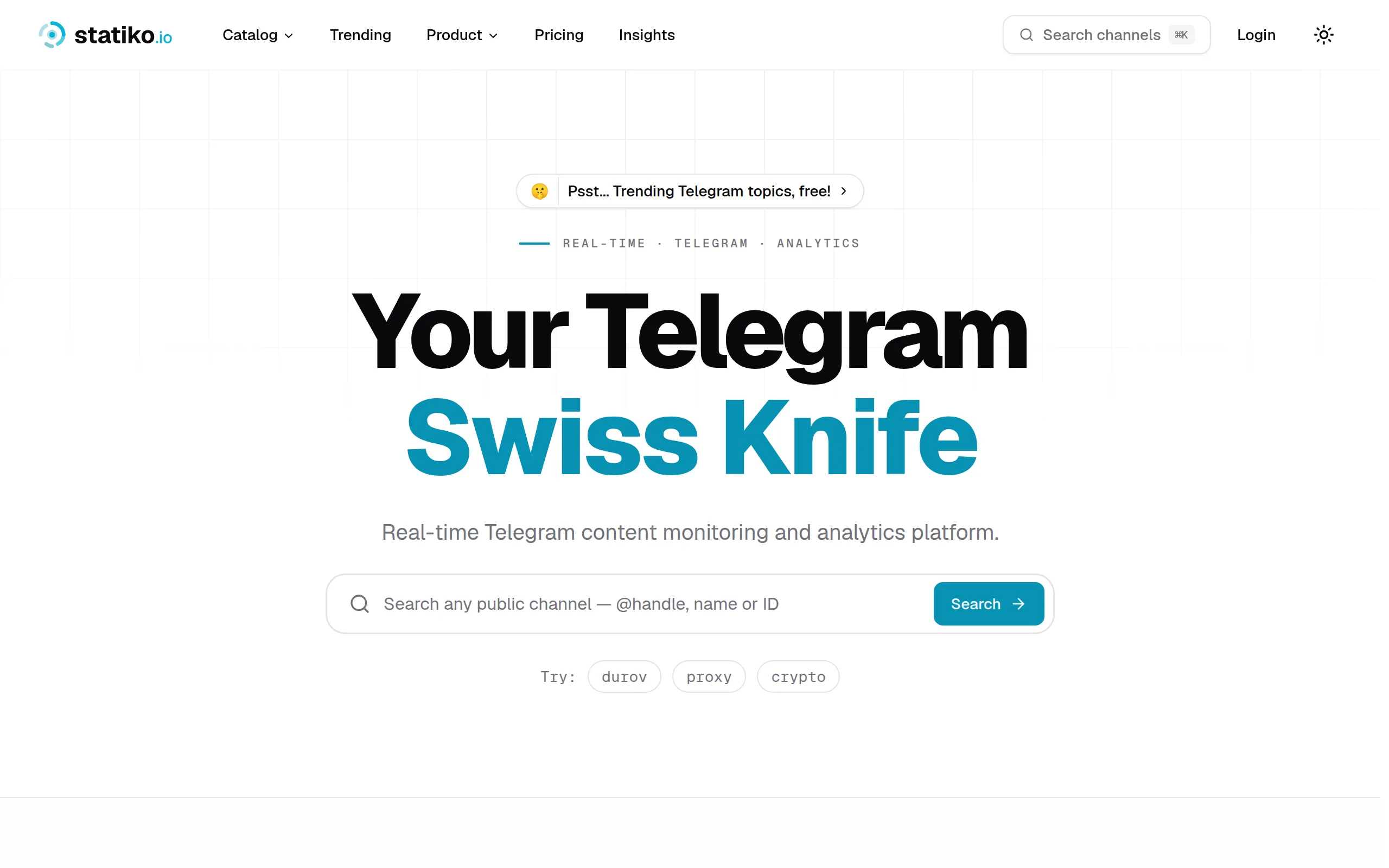
Statiko
Monitor any Telegram channel in real time - track posts, edits, deletions, and growth with AI recaps 📡
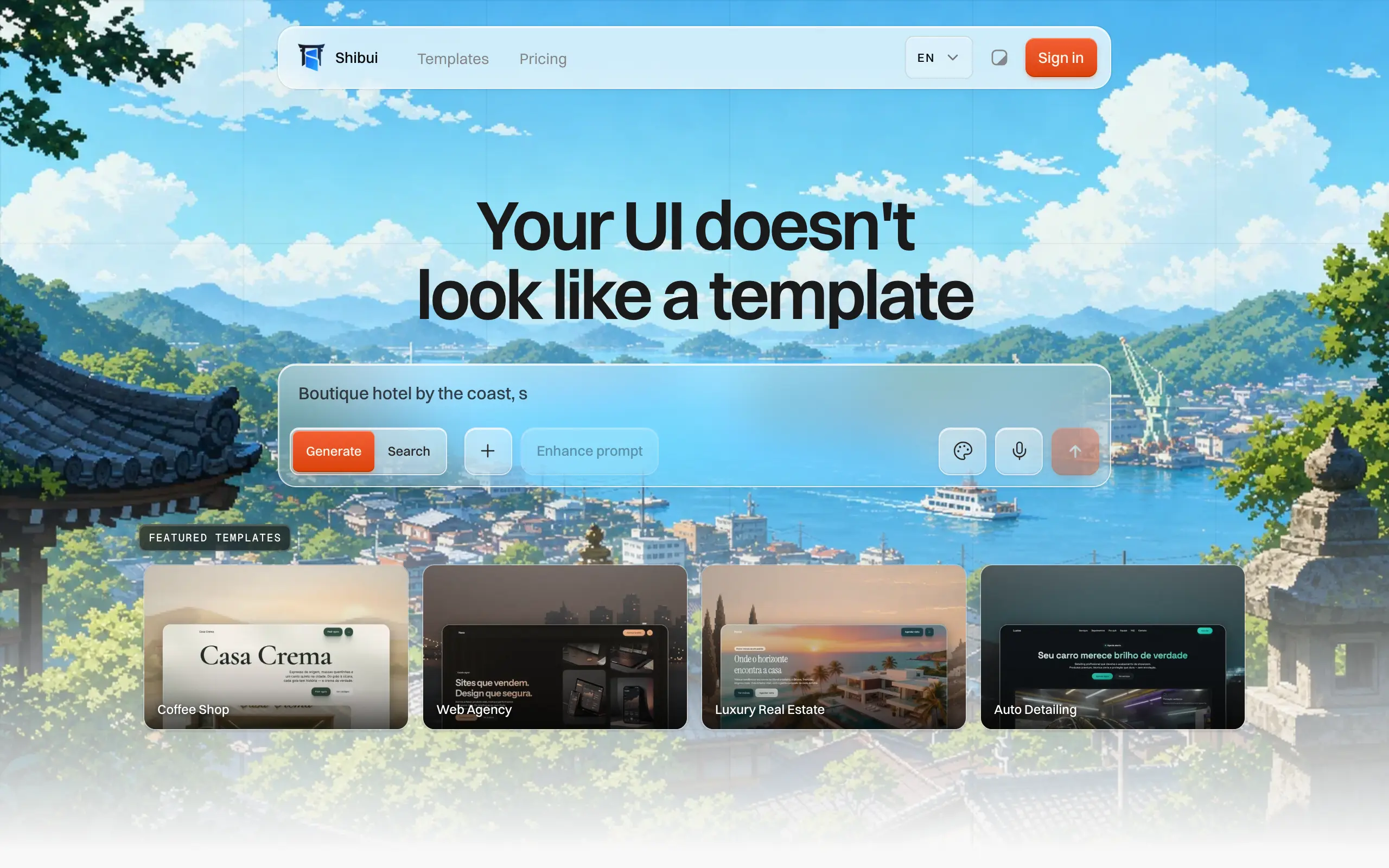
Shibui
AI website builder - describe your business, pick a niche template, edit by chatting, and publish instantly ✨

Pro Service
Find verified home service professionals, compare quotes, and pay securely through escrow - built for Brazilians across the US 🏠
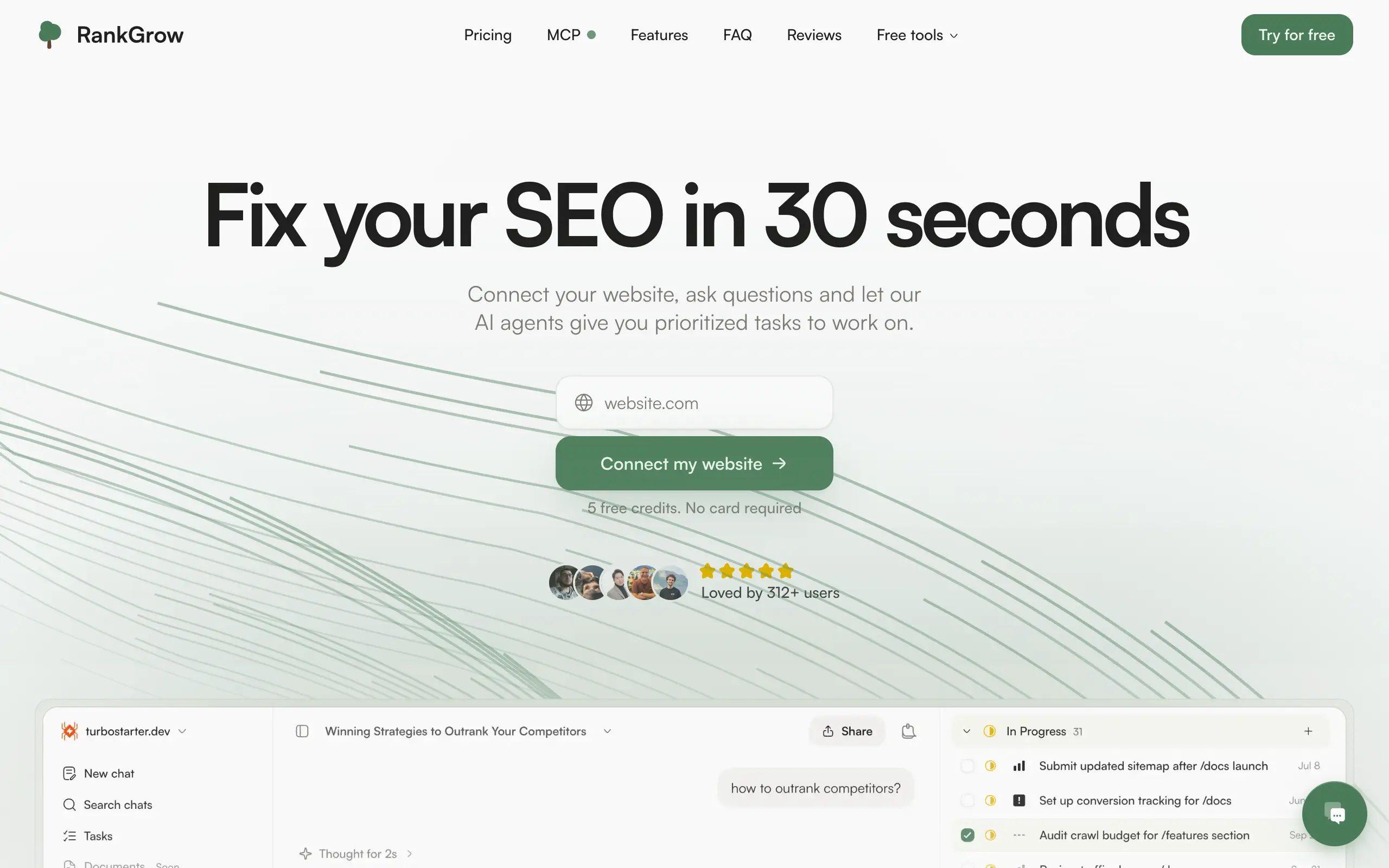
RankGrow
Fix your SEO with AI agents - connect Search Console, get prioritized tasks, and grow organic traffic 📈
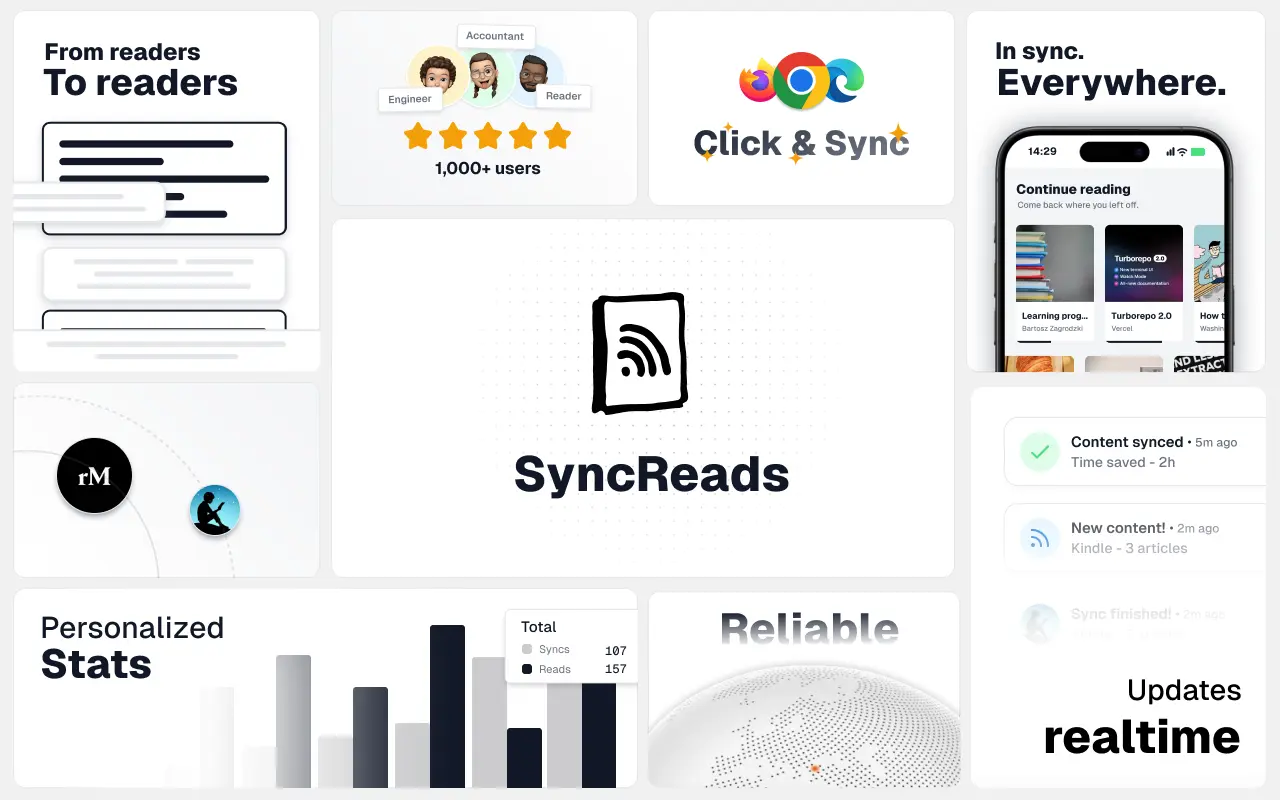
SyncReads
Sync your favorite content for distraction-free reading, save time and replace multiple apps. Anytime, anywhere 🔄
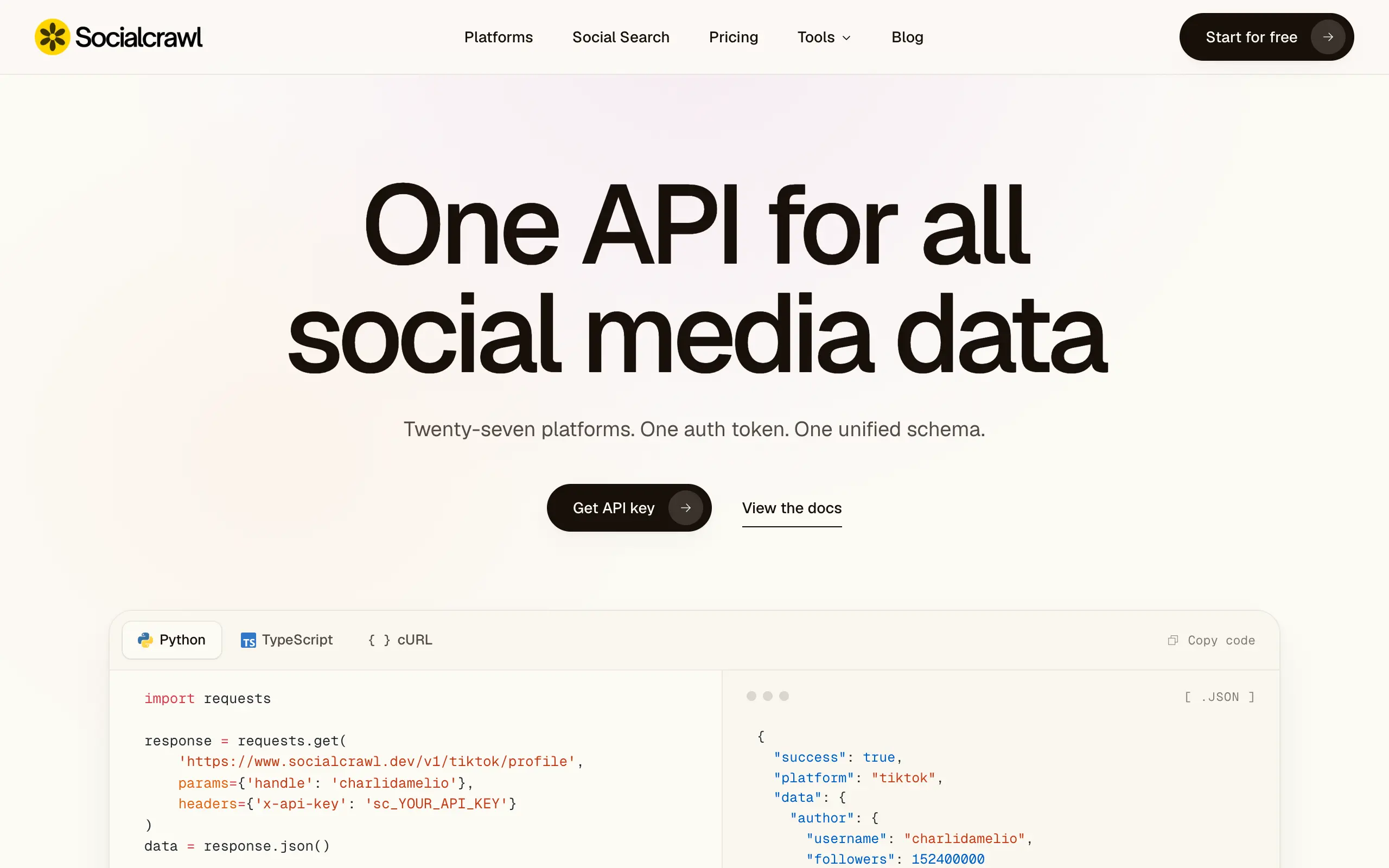
Socialcrawl
Get clean, structured data from 21 platforms like TikTok, Instagram, and YouTube with a single request 📊
Statiko
Monitor any Telegram channel in real time - track posts, edits, deletions, and growth with AI recaps 📡
Shibui
AI website builder - describe your business, pick a niche template, edit by chatting, and publish instantly ✨
Pro Service
Find verified home service professionals, compare quotes, and pay securely through escrow - built for Brazilians across the US 🏠
RankGrow
Fix your SEO with AI agents - connect Search Console, get prioritized tasks, and grow organic traffic 📈
SyncReads
Sync your favorite content for distraction-free reading, save time and replace multiple apps. Anytime, anywhere 🔄
Socialcrawl
Get clean, structured data from 21 platforms like TikTok, Instagram, and YouTube with a single request 📊
Statiko
Monitor any Telegram channel in real time - track posts, edits, deletions, and growth with AI recaps 📡
Shibui
AI website builder - describe your business, pick a niche template, edit by chatting, and publish instantly ✨
Pro Service
Find verified home service professionals, compare quotes, and pay securely through escrow - built for Brazilians across the US 🏠
RankGrow
Fix your SEO with AI agents - connect Search Console, get prioritized tasks, and grow organic traffic 📈
SyncReads
Sync your favorite content for distraction-free reading, save time and replace multiple apps. Anytime, anywhere 🔄
Socialcrawl
Get clean, structured data from 21 platforms like TikTok, Instagram, and YouTube with a single request 📊
Statiko
Monitor any Telegram channel in real time - track posts, edits, deletions, and growth with AI recaps 📡
Shibui
AI website builder - describe your business, pick a niche template, edit by chatting, and publish instantly ✨
Pro Service
Find verified home service professionals, compare quotes, and pay securely through escrow - built for Brazilians across the US 🏠
RankGrow
Fix your SEO with AI agents - connect Search Console, get prioritized tasks, and grow organic traffic 📈
SyncReads
Sync your favorite content for distraction-free reading, save time and replace multiple apps. Anytime, anywhere 🔄
Socialcrawl
Get clean, structured data from 21 platforms like TikTok, Instagram, and YouTube with a single request 📊
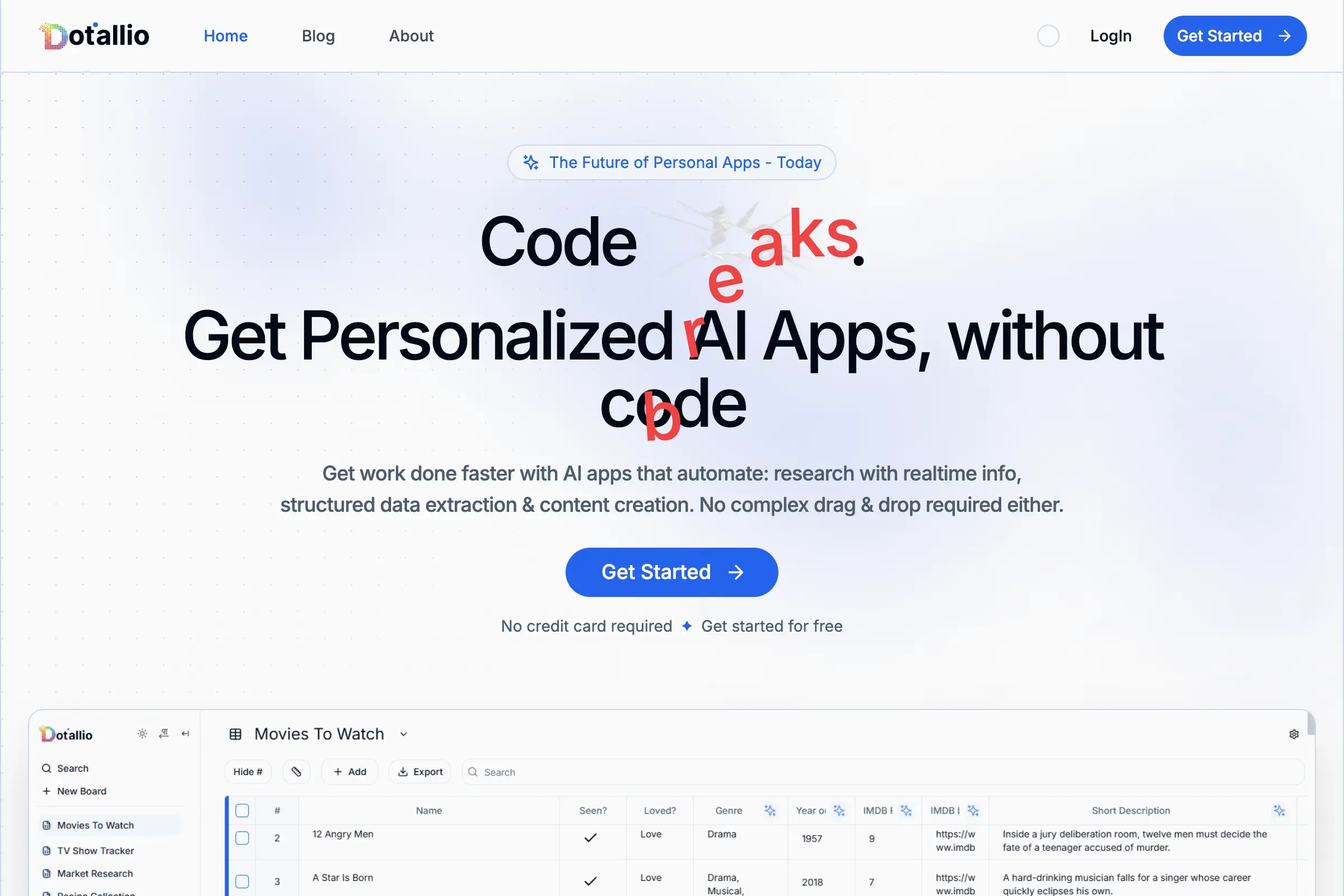
Dotallio
Personalized AI apps that automate research, data extraction, and content creation without code 🤖
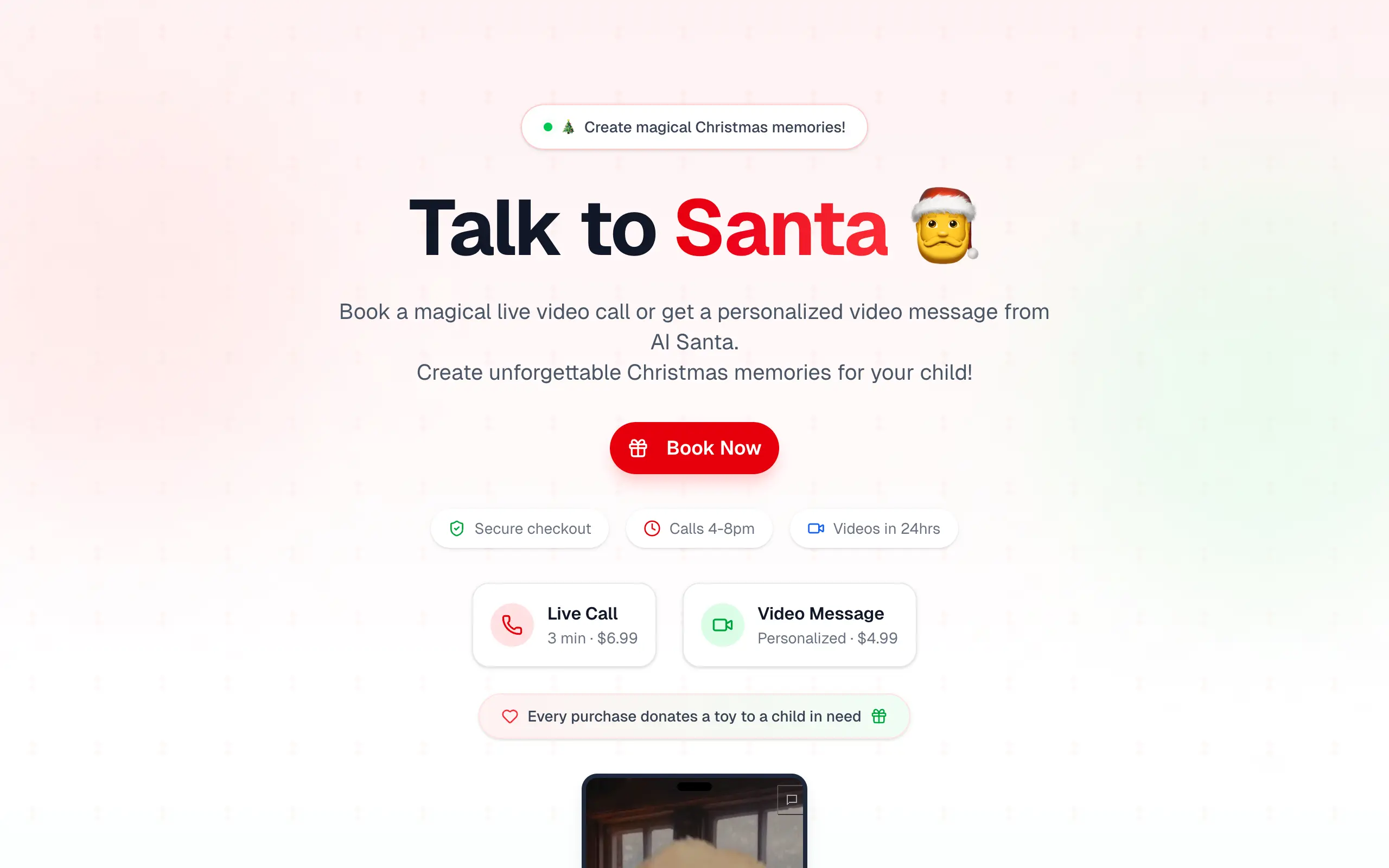
Talk to Santa
Enjoy a magical live video chat or receive a unique AI-generated video greeting from Santa Claus 🎅
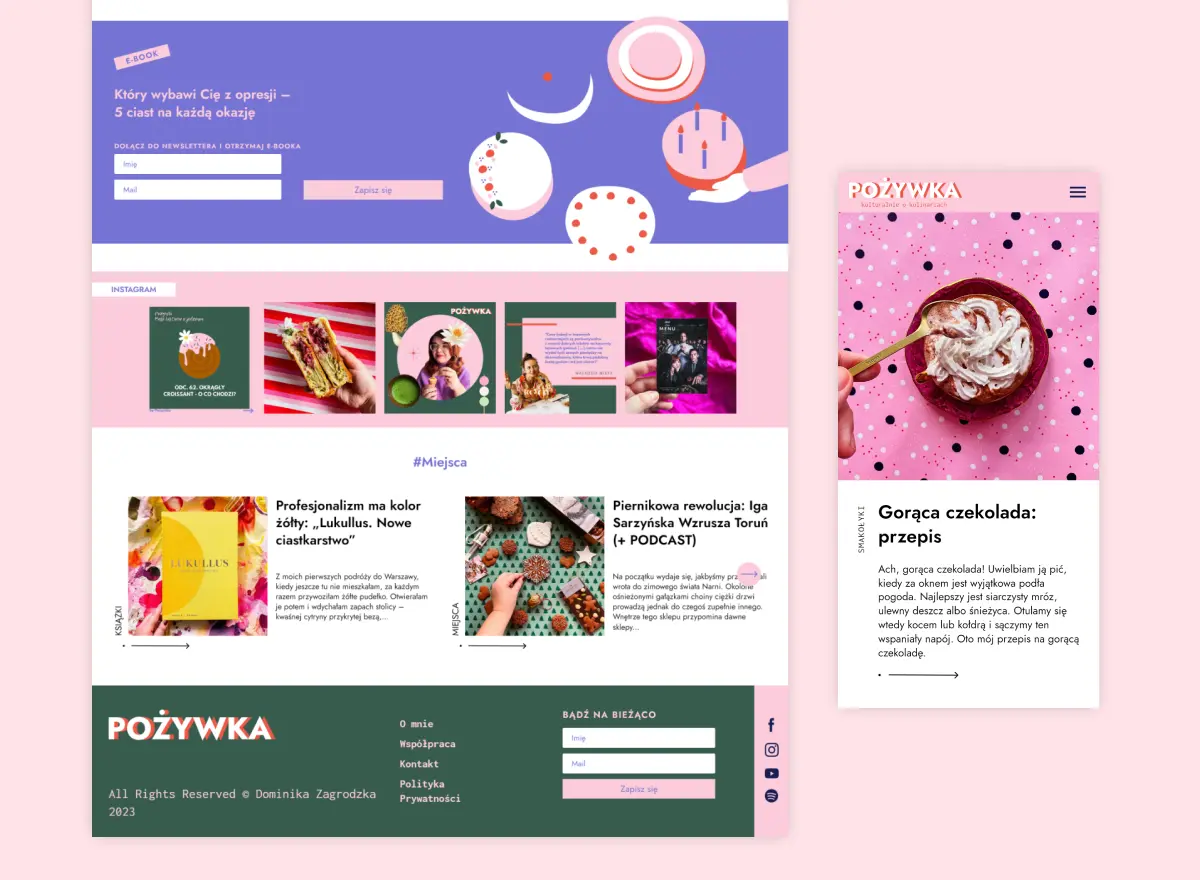
pozywka.pl
Scalable blog for food journalist, focused on performance and user experience 🌭
zagrodzki.me
Personal blog and portfolio of Bart Zagrodzki, where he shares his knowledge and work 💼
TurboStarter
Ship your startup everywhere. In minutes.
HTML to Markdown
Convert HTML to Markdown with ease, directly in your browser 📄
Dotallio
Personalized AI apps that automate research, data extraction, and content creation without code 🤖
Talk to Santa
Enjoy a magical live video chat or receive a unique AI-generated video greeting from Santa Claus 🎅
pozywka.pl
Scalable blog for food journalist, focused on performance and user experience 🌭
zagrodzki.me
Personal blog and portfolio of Bart Zagrodzki, where he shares his knowledge and work 💼
TurboStarter
Ship your startup everywhere. In minutes.
HTML to Markdown
Convert HTML to Markdown with ease, directly in your browser 📄
Dotallio
Personalized AI apps that automate research, data extraction, and content creation without code 🤖
Talk to Santa
Enjoy a magical live video chat or receive a unique AI-generated video greeting from Santa Claus 🎅
pozywka.pl
Scalable blog for food journalist, focused on performance and user experience 🌭
zagrodzki.me
Personal blog and portfolio of Bart Zagrodzki, where he shares his knowledge and work 💼
TurboStarter
Ship your startup everywhere. In minutes.
HTML to Markdown
Convert HTML to Markdown with ease, directly in your browser 📄
Dotallio
Personalized AI apps that automate research, data extraction, and content creation without code 🤖
Talk to Santa
Enjoy a magical live video chat or receive a unique AI-generated video greeting from Santa Claus 🎅
pozywka.pl
Scalable blog for food journalist, focused on performance and user experience 🌭
zagrodzki.me
Personal blog and portfolio of Bart Zagrodzki, where he shares his knowledge and work 💼
TurboStarter
Ship your startup everywhere. In minutes.
HTML to Markdown
Convert HTML to Markdown with ease, directly in your browser 📄
Omichat
Chat with 50+ AI models, including ChatGPT and Claude, in one place - switch models anytime without losing context 🤖
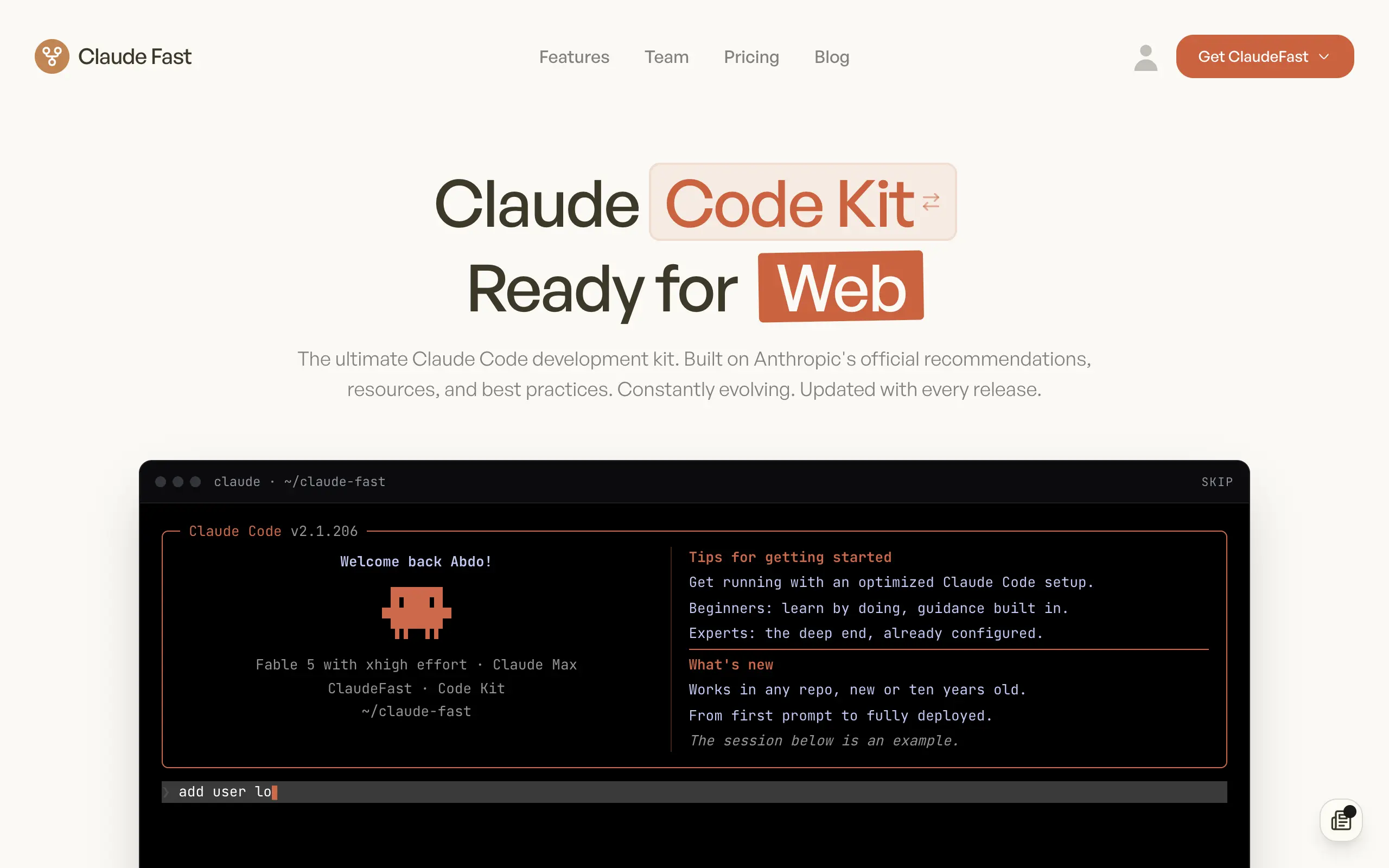
Claude Fast
Supercharge your Claude Code with 6x effective context window and specialized AI agents 🤖
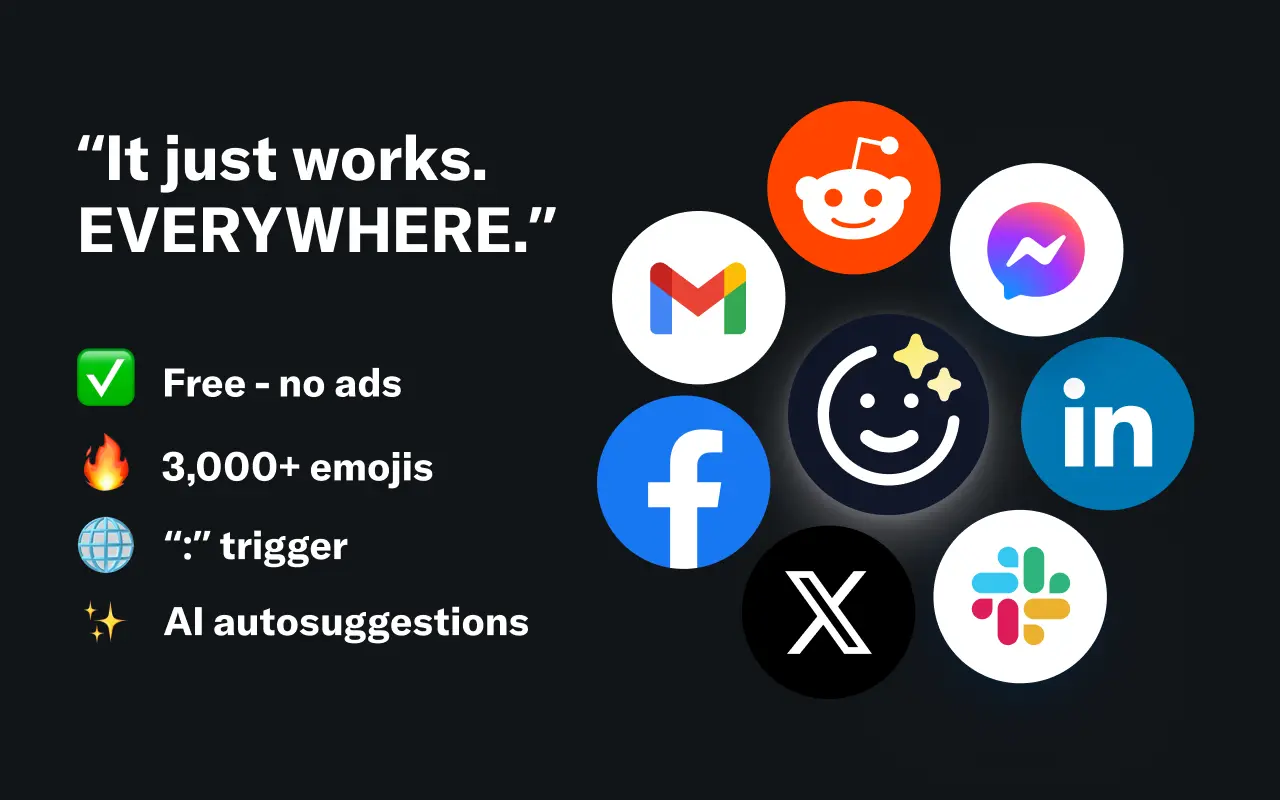
EmojAI
AI-powered emoji picker with smart, context-aware suggestions 🤖
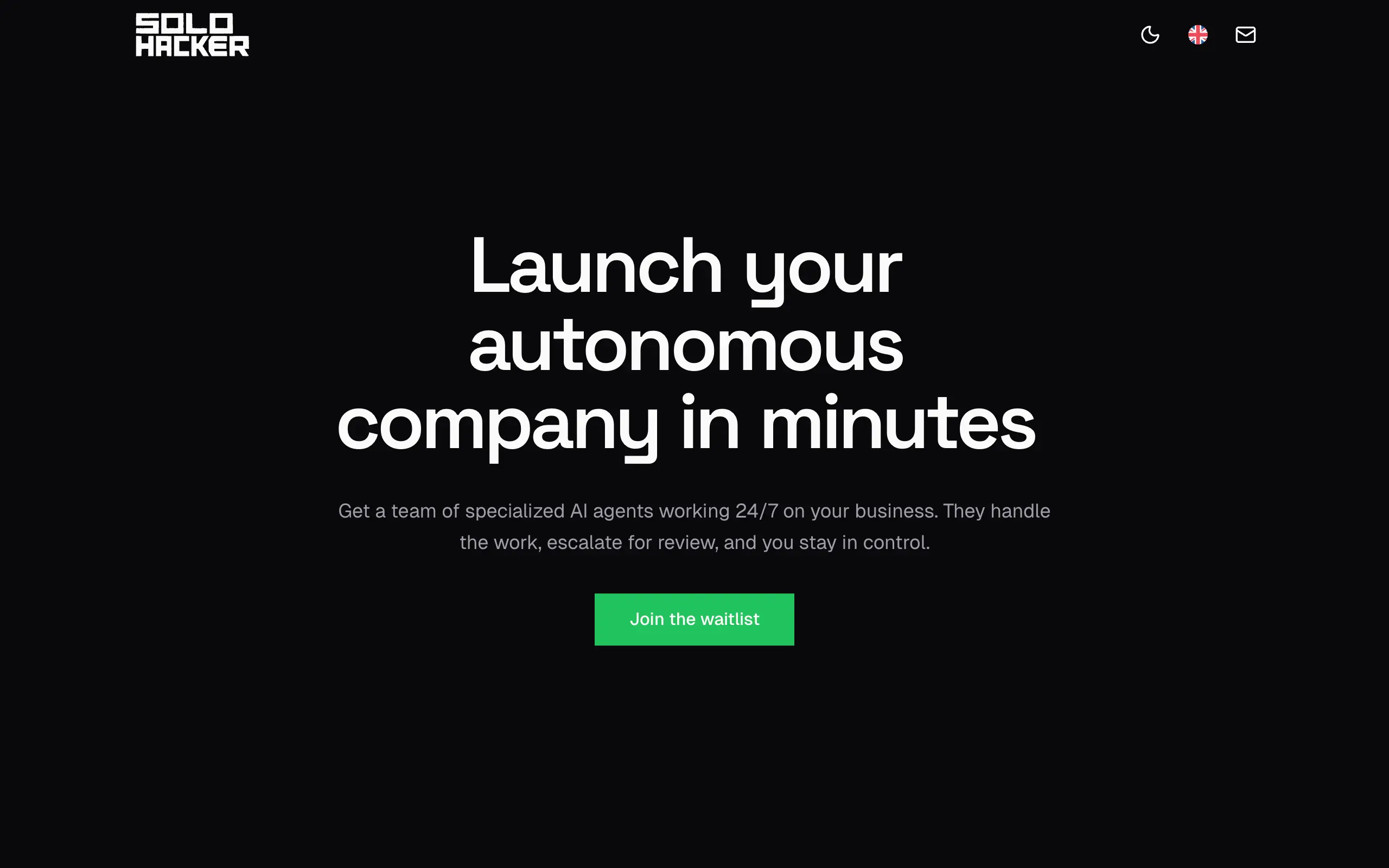
Solohacker
Autonomous company launcher - AI agents work 24/7, escalate what matters, and you stay in control 🤖
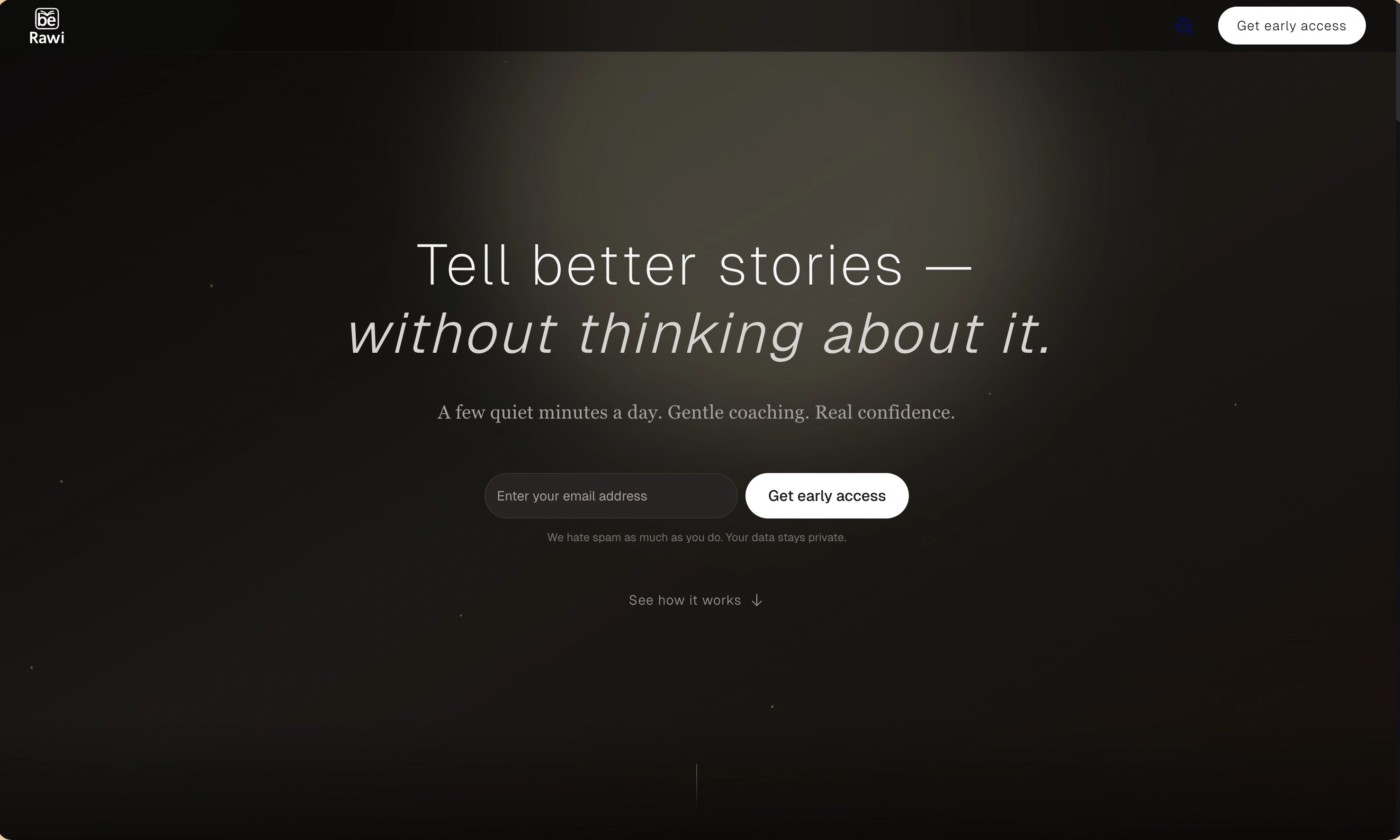
BeRawi: Storytelling Coach
Practice storytelling daily with instant feedback to sound clearer, more engaging, and confident 🎤
Omichat
Chat with 50+ AI models, including ChatGPT and Claude, in one place - switch models anytime without losing context 🤖
Claude Fast
Supercharge your Claude Code with 6x effective context window and specialized AI agents 🤖
EmojAI
AI-powered emoji picker with smart, context-aware suggestions 🤖
Solohacker
Autonomous company launcher - AI agents work 24/7, escalate what matters, and you stay in control 🤖
BeRawi: Storytelling Coach
Practice storytelling daily with instant feedback to sound clearer, more engaging, and confident 🎤
Omichat
Chat with 50+ AI models, including ChatGPT and Claude, in one place - switch models anytime without losing context 🤖
Claude Fast
Supercharge your Claude Code with 6x effective context window and specialized AI agents 🤖
EmojAI
AI-powered emoji picker with smart, context-aware suggestions 🤖
Solohacker
Autonomous company launcher - AI agents work 24/7, escalate what matters, and you stay in control 🤖
BeRawi: Storytelling Coach
Practice storytelling daily with instant feedback to sound clearer, more engaging, and confident 🎤
Omichat
Chat with 50+ AI models, including ChatGPT and Claude, in one place - switch models anytime without losing context 🤖
Claude Fast
Supercharge your Claude Code with 6x effective context window and specialized AI agents 🤖
EmojAI
AI-powered emoji picker with smart, context-aware suggestions 🤖
Solohacker
Autonomous company launcher - AI agents work 24/7, escalate what matters, and you stay in control 🤖
BeRawi: Storytelling Coach
Practice storytelling daily with instant feedback to sound clearer, more engaging, and confident 🎤

Connect with like-minded people
Join our community to get feedback, support, and grow together with 1,000+ builders on board, let's ship it!
Join usShip your startup everywhere. In minutes.
Don't burn tokens on setup and start building features on day one.