VibePatch
Mobile-first tool that turns rough “vibe coded” snippets into clean, structured patches with instant previews and commit-ready diffs.
Introduction: the rise of vibe coding and the need for structure
Modern developers are increasingly experimenting with what many now call “vibe coding” — quickly sketching ideas, snippets, or rough logic without worrying about structure, syntax perfection, or production readiness. This approach is powerful for creativity and speed, but it introduces a clear bottleneck: turning those rough ideas into clean, structured, reviewable, and deployable code.
This is exactly where a mobile-first tool like VibePatch becomes compelling.
VibePatch is designed to transform raw, unstructured snippets into clean patches with previews and commit-ready diffs, directly addressing a growing gap in developer workflows. As coding becomes more conversational (AI-assisted, mobile-friendly, async), the need for structured refinement tools becomes critical.
This article explores the full potential of this SaaS idea—from market positioning to technical architecture—while providing actionable insights for building and scaling it successfully.
Understanding the target audience
A strong SaaS product starts with a clearly defined audience. VibePatch sits at the intersection of several emerging developer behaviors.
Primary audience segments
1. Indie developers and hackers
- Frequently jot down rough ideas on mobile devices
- Use tools like GitHub, VS Code, and AI copilots
- Need quick ways to refine snippets into usable code
2. AI-assisted developers
- Use tools like ChatGPT, Copilot, or Claude to generate “first drafts”
- Struggle with cleaning and integrating generated code into existing repos
- Need structured diffs and patch previews
3. Mobile-first developers
- Increasingly coding, reviewing, or ideating on phones/tablets
- Lack powerful tooling for code refinement on mobile
- Want Git-like workflows without full IDE complexity
4. Engineering teams (async workflows)
- Share rough snippets in Slack/Notion
- Need standardized ways to convert ideas into patches
- Value consistency and traceability
Secondary audience
- Technical product managers
- Startup founders prototyping quickly
- Open-source contributors submitting patches
The core problem: from messy ideas to clean commits
Developers are generating more code than ever—but much of it is:
- Unstructured
- Incomplete
- Inconsistent with codebase standards
- Hard to review or integrate
Key pain points
- Snippet chaos: rough ideas live in notes, chats, or AI outputs
- Manual cleanup: converting snippets into proper diffs is tedious
- Context loss: snippets lack file structure and repository awareness
- Review friction: unstructured contributions slow down teams
Why this matters now
The rise of AI-generated code has dramatically increased the volume of “almost usable” code. Tools that refine and structure this output are becoming essential infrastructure.
The VibePatch solution
VibePatch bridges the gap between raw code and production-ready changes.
Core value proposition
Turn “vibe-coded” snippets into clean, structured, commit-ready patches with instant previews—all from a mobile-first interface.
Core features breakdown
1. snippet-to-patch transformation
Users paste or input rough code snippets, and VibePatch:
- Detects language and structure
- Suggests file placement
- Formats code properly
- Wraps changes into a patch/diff format
2. live preview engine
- Visual rendering for frontend code (React, HTML, CSS)
- Output preview for backend logic (where applicable)
- Real-time updates as code is refined
3. commit-ready diffs
- Generates Git-compatible diffs
- Highlights additions/removals
- Allows export to GitHub/GitLab workflows
4. mobile-first UX
- Gesture-based editing
- Quick paste-and-refine workflow
- Optimized for small screens
5. AI-assisted cleanup
- Refactors messy code into best practices
- Suggests improvements
- Fixes syntax issues
Feature comparison snapshot
| Capability | VibePatch | VS Code Mobile | GitHub App | Notion | ChatGPT |
|---|---|---|---|---|---|
| Snippet to diff | ✅ | ❌ | ❌ | ❌ | ❌ |
| Mobile-first coding UX | ✅ | ⚠️ | ✅ | ✅ | ✅ |
| AI cleanup | ✅ | ❌ | ❌ | ❌ | ✅ |
| Commit-ready output | ✅ | ✅ | ✅ | ❌ | ❌ |
Market opportunity and timing
Key trends supporting VibePatch
1. AI-generated code explosion
- Tools like GitHub Copilot and ChatGPT are widely adopted
- Developers increasingly rely on generated drafts
2. Mobile productivity shift
- Developers are no longer tied to desktops
- Quick edits, reviews, and ideation happen on phones
3. Async development workflows
- Remote teams rely on lightweight contributions
- Code often starts as shared snippets
4. Rise of micro-contributions
- Small patches dominate modern development
- Tools that streamline patch creation have leverage
Market gap
There is currently no dominant tool that:
- Starts from raw snippets
- Works mobile-first
- Outputs structured diffs
- Integrates preview + commit workflow
This gap is precisely where VibePatch can establish authority.
Product architecture and tech stack
Building VibePatch requires balancing performance, mobile UX, and AI capabilities.
Recommended frontend stack
- React
- TailwindCSS
- React Native or Expo for mobile
- Monaco Editor (lightweight adaptation)
Backend stack
- Node.js (fast iteration)
- Edge functions (for real-time transformations)
- WebSockets for live preview updates
AI layer
- LLM APIs for:
- Code cleanup
- Diff generation
- Refactoring suggestions
Git integration
- GitHub API for:
- Repo access
- Pull request creation
- Diff validation
Example: diff generation logic
function generateDiff(original: string, updated: string): string {
  const diff = require('diff');
  return diff.createPatch('file.ts', original, updated);
}
Infrastructure considerations
- Low latency is critical (especially for previews)
- Use edge computing where possible
- Cache transformations aggressively
Performance warning
Live previews and AI transformations can introduce latency. Without careful optimization, the mobile experience will degrade quickly.
Monetization strategy
VibePatch lends itself well to a freemium SaaS model.
Free tier
- Limited snippet transformations
- Basic diff generation
- Watermarked previews
Paid tiers
Pro ($10–$20/month)
- Unlimited transformations
- Advanced AI cleanup
- Export to GitHub
Team ($30–$60/month per team)
- Shared workspaces
- Collaboration features
- Team-level patch history
Enterprise
- Private hosting
- Custom integrations
- Security compliance
Additional revenue streams
- API access for other tools
- White-label integrations
- Marketplace for templates
Competitive advantage (USP)
VibePatch’s differentiation comes from combining three layers:
- Snippet ingestion
- AI transformation
- Patch output
Most tools only cover one or two.
Why VibePatch stands out
Mobile-first experience
Built specifically for phones, not adapted from desktop tools.
Diff-native output
Outputs code in a format developers can immediately use.
AI-powered refinement
Transforms messy code into production-quality patches.
Risks and mitigation strategies
1. AI reliability issues
Risk: Poor transformations reduce trust
Mitigation:
- Allow manual edits
- Provide multiple suggestions
- Show confidence scores
2. Competition from large platforms
Risk: GitHub or IDEs replicate features
Mitigation:
- Focus on mobile-first niche
- Build strong UX moat
- Integrate deeply rather than compete directly
3. Performance bottlenecks
Risk: Slow previews kill adoption
Mitigation:
- Edge rendering
- Incremental updates
- Lightweight parsing
4. Developer skepticism
Risk: Developers resist new tools
Mitigation:
- Open-source components
- Transparent logic
- Strong onboarding
Step-by-step implementation plan
Go-to-market strategy
Early traction channels
- Indie hacker communities
- Twitter/X developer circles
- Product Hunt launch
- GitHub discussions
Content strategy
- “Before vs after” code transformations
- Tutorials on patch workflows
- Case studies with real developers
Viral loop
- Shareable patch previews
- Public snippet transformations
- Community templates
Future expansion opportunities
1. IDE plugins
- VS Code extension
- JetBrains integration
2. Browser extensions
- Capture snippets from anywhere
- One-click patch generation
3. AI pair programming
- Real-time collaboration
- Patch suggestions during coding
Frequently asked questions
No. It complements Git by making it easier to generate structured changes from rough ideas.
Accuracy depends on input quality, but users can review and edit all outputs before committing.
Core features may work offline, but AI transformations and previews require connectivity.
Why now is the perfect time to build VibePatch
Several forces are converging:
- AI is generating more raw code than ever
- Developers are increasingly mobile
- Async workflows demand lightweight tools
This creates a unique window where a tool like VibePatch can become foundational infrastructure rather than just another utility.
Actionable next steps
If you're building this SaaS:
- Start with a narrow MVP (snippet → diff)
- Prioritize mobile UX above all else
- Use AI strategically, not as a crutch
- Integrate with GitHub early
- Focus on speed and reliability
Final thoughts
VibePatch is not just another developer tool—it represents a shift in how code moves from idea → structure → production.
By focusing on:
- mobile-first workflows
- AI-assisted refinement
- commit-ready outputs
…it positions itself at a critical junction in modern development.
The opportunity is real, but execution will determine success. Nail the UX, keep performance tight, and stay focused on real developer workflows—not hypothetical ones.
If you’re serious about building and launching this idea quickly, tools like TurboStarter can dramatically accelerate your development process with a production-ready SaaS foundation.
More 📱 Mobile App SaaS ideas
Discover more innovative mobile app SaaS ideas that are trending in 2026. Each idea is AI-generated with market validation and growth potential to help you find your next profitable venture faster than competitors.
Your competitors are building with TurboStarter
Below are some of the SaaS ideas that have been generated and built with our starter kit.
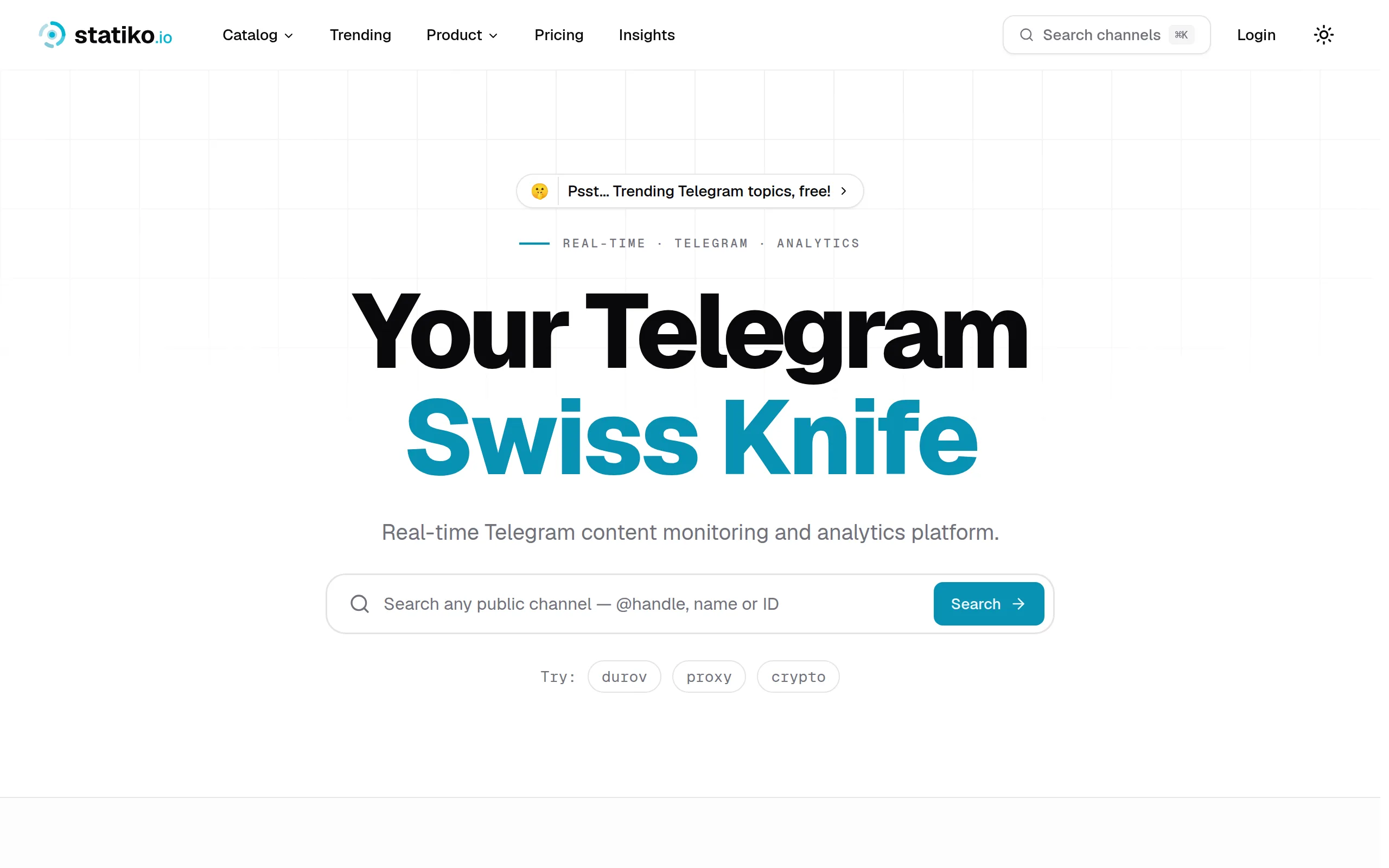
Statiko
Monitor any Telegram channel in real time - track posts, edits, deletions, and growth with AI recaps 📡

Shibui
AI website builder - describe your business, pick a niche template, edit by chatting, and publish instantly ✨

Pro Service
Find verified home service professionals, compare quotes, and pay securely through escrow - built for Brazilians across the US 🏠
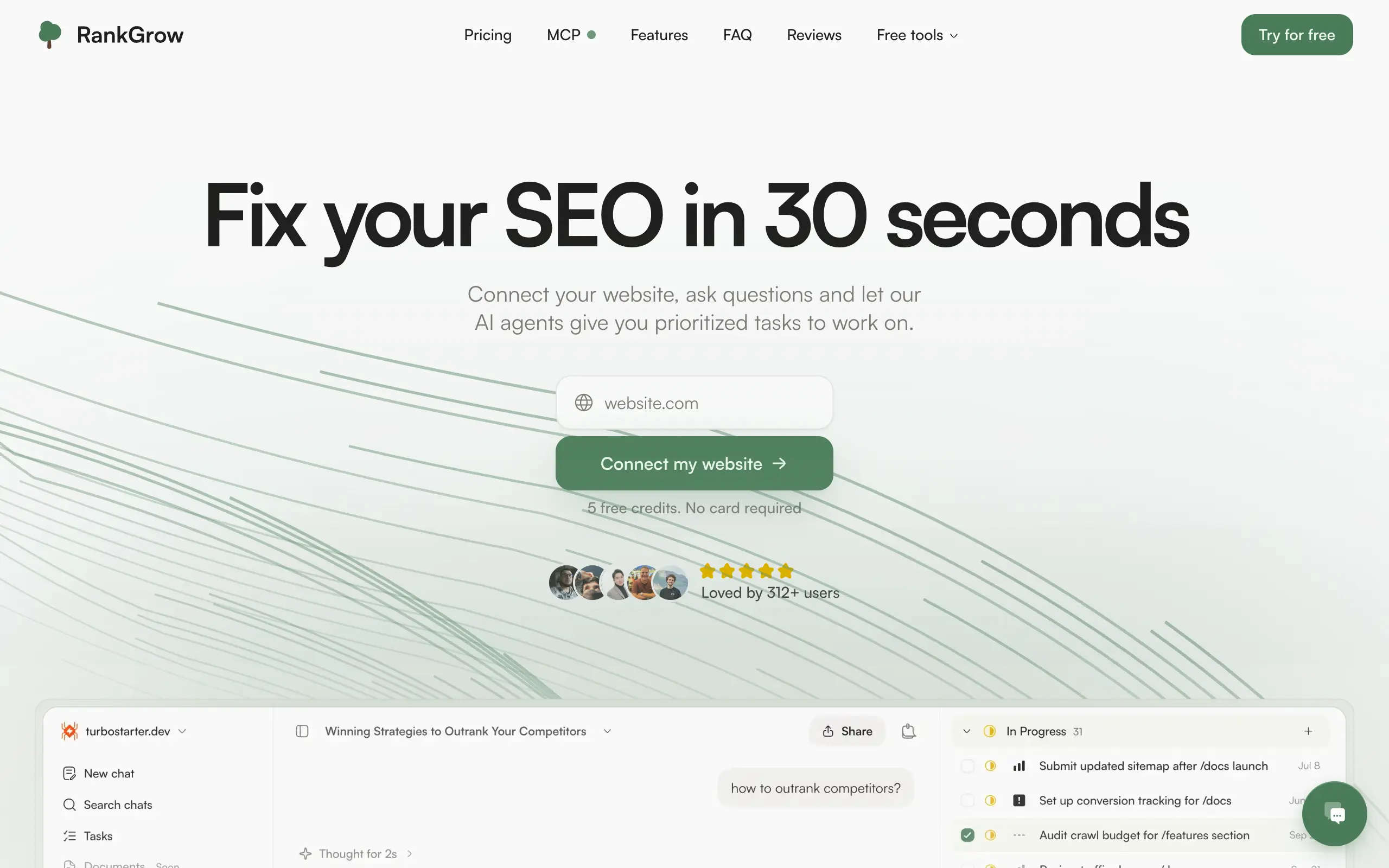
RankGrow
Fix your SEO with AI agents - connect Search Console, get prioritized tasks, and grow organic traffic 📈
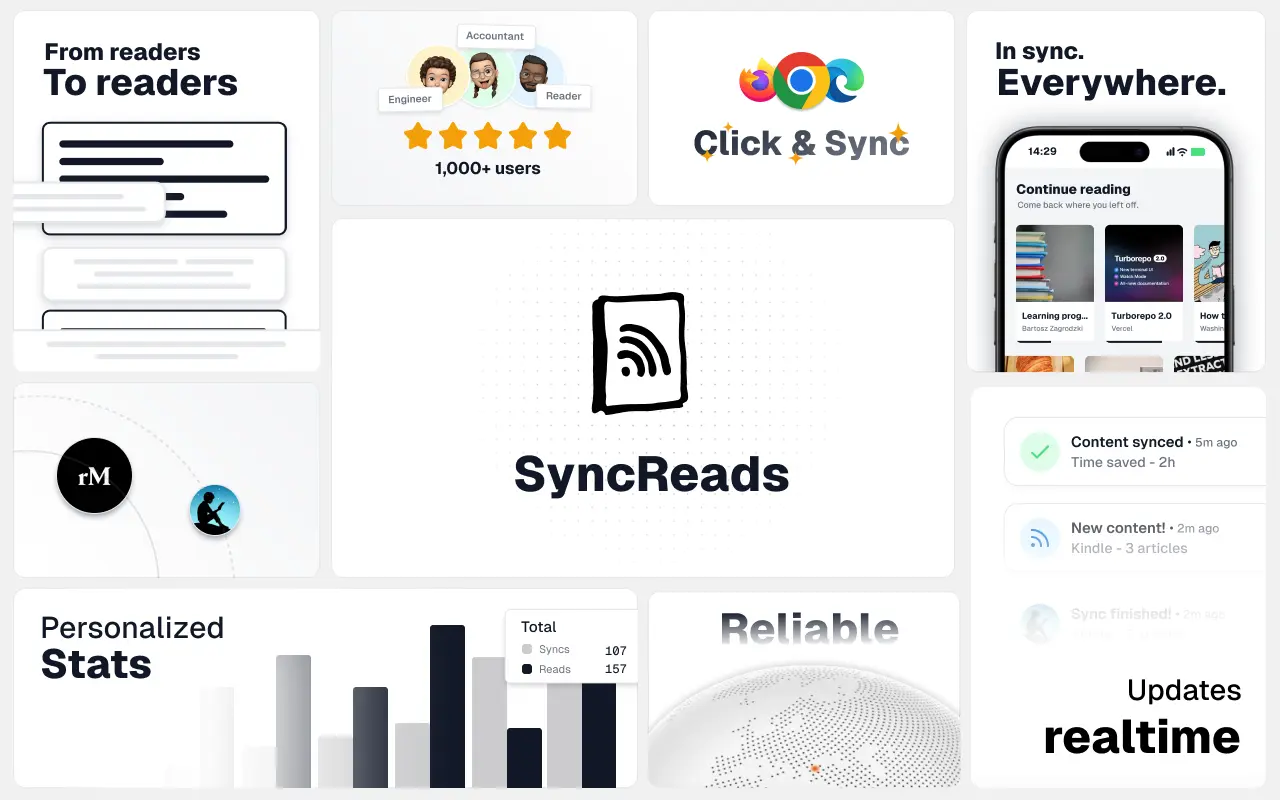
SyncReads
Sync your favorite content for distraction-free reading, save time and replace multiple apps. Anytime, anywhere 🔄
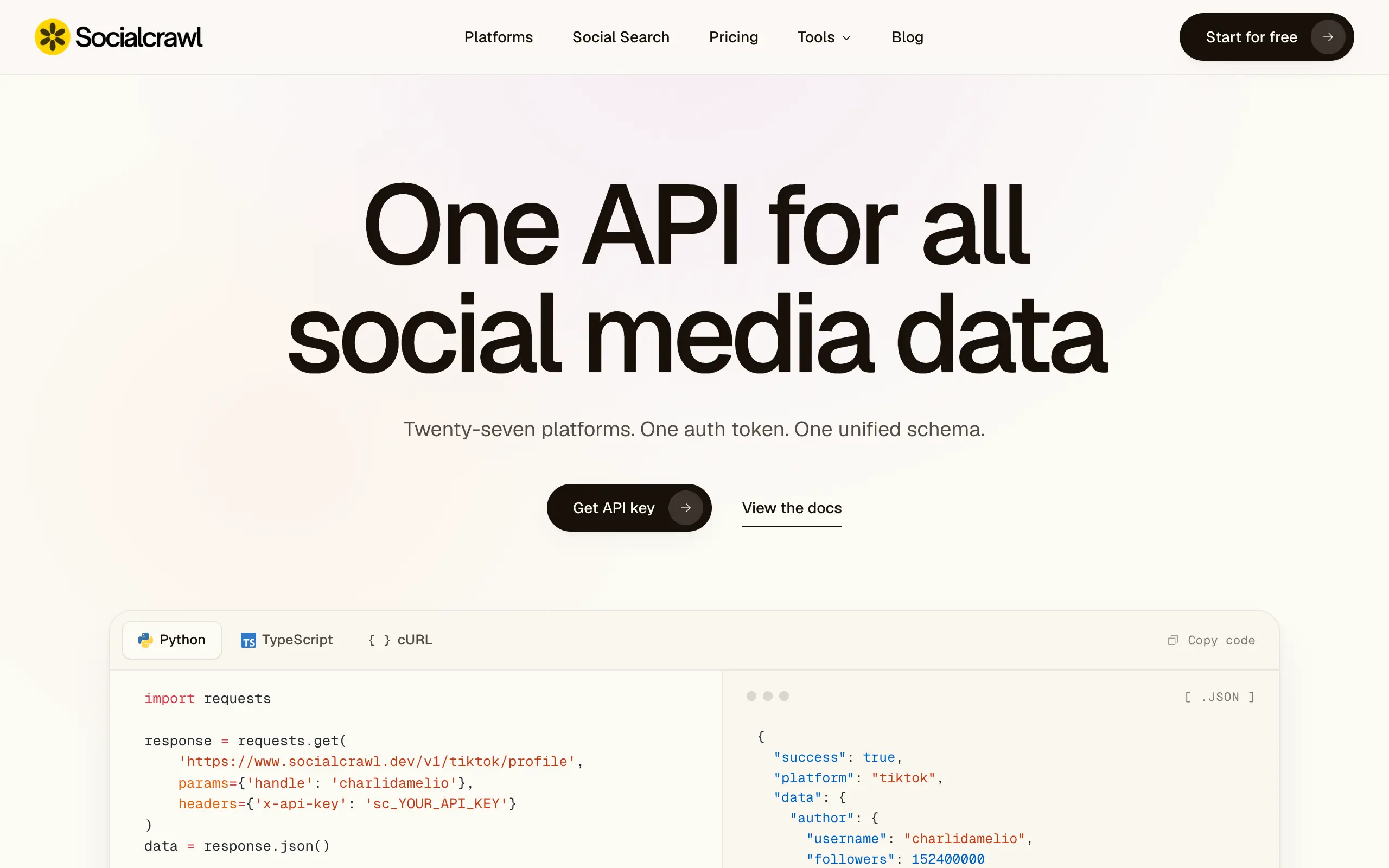
Socialcrawl
Get clean, structured data from 21 platforms like TikTok, Instagram, and YouTube with a single request 📊
Statiko
Monitor any Telegram channel in real time - track posts, edits, deletions, and growth with AI recaps 📡
Shibui
AI website builder - describe your business, pick a niche template, edit by chatting, and publish instantly ✨
Pro Service
Find verified home service professionals, compare quotes, and pay securely through escrow - built for Brazilians across the US 🏠
RankGrow
Fix your SEO with AI agents - connect Search Console, get prioritized tasks, and grow organic traffic 📈
SyncReads
Sync your favorite content for distraction-free reading, save time and replace multiple apps. Anytime, anywhere 🔄
Socialcrawl
Get clean, structured data from 21 platforms like TikTok, Instagram, and YouTube with a single request 📊
Statiko
Monitor any Telegram channel in real time - track posts, edits, deletions, and growth with AI recaps 📡
Shibui
AI website builder - describe your business, pick a niche template, edit by chatting, and publish instantly ✨
Pro Service
Find verified home service professionals, compare quotes, and pay securely through escrow - built for Brazilians across the US 🏠
RankGrow
Fix your SEO with AI agents - connect Search Console, get prioritized tasks, and grow organic traffic 📈
SyncReads
Sync your favorite content for distraction-free reading, save time and replace multiple apps. Anytime, anywhere 🔄
Socialcrawl
Get clean, structured data from 21 platforms like TikTok, Instagram, and YouTube with a single request 📊
Statiko
Monitor any Telegram channel in real time - track posts, edits, deletions, and growth with AI recaps 📡
Shibui
AI website builder - describe your business, pick a niche template, edit by chatting, and publish instantly ✨
Pro Service
Find verified home service professionals, compare quotes, and pay securely through escrow - built for Brazilians across the US 🏠
RankGrow
Fix your SEO with AI agents - connect Search Console, get prioritized tasks, and grow organic traffic 📈
SyncReads
Sync your favorite content for distraction-free reading, save time and replace multiple apps. Anytime, anywhere 🔄
Socialcrawl
Get clean, structured data from 21 platforms like TikTok, Instagram, and YouTube with a single request 📊
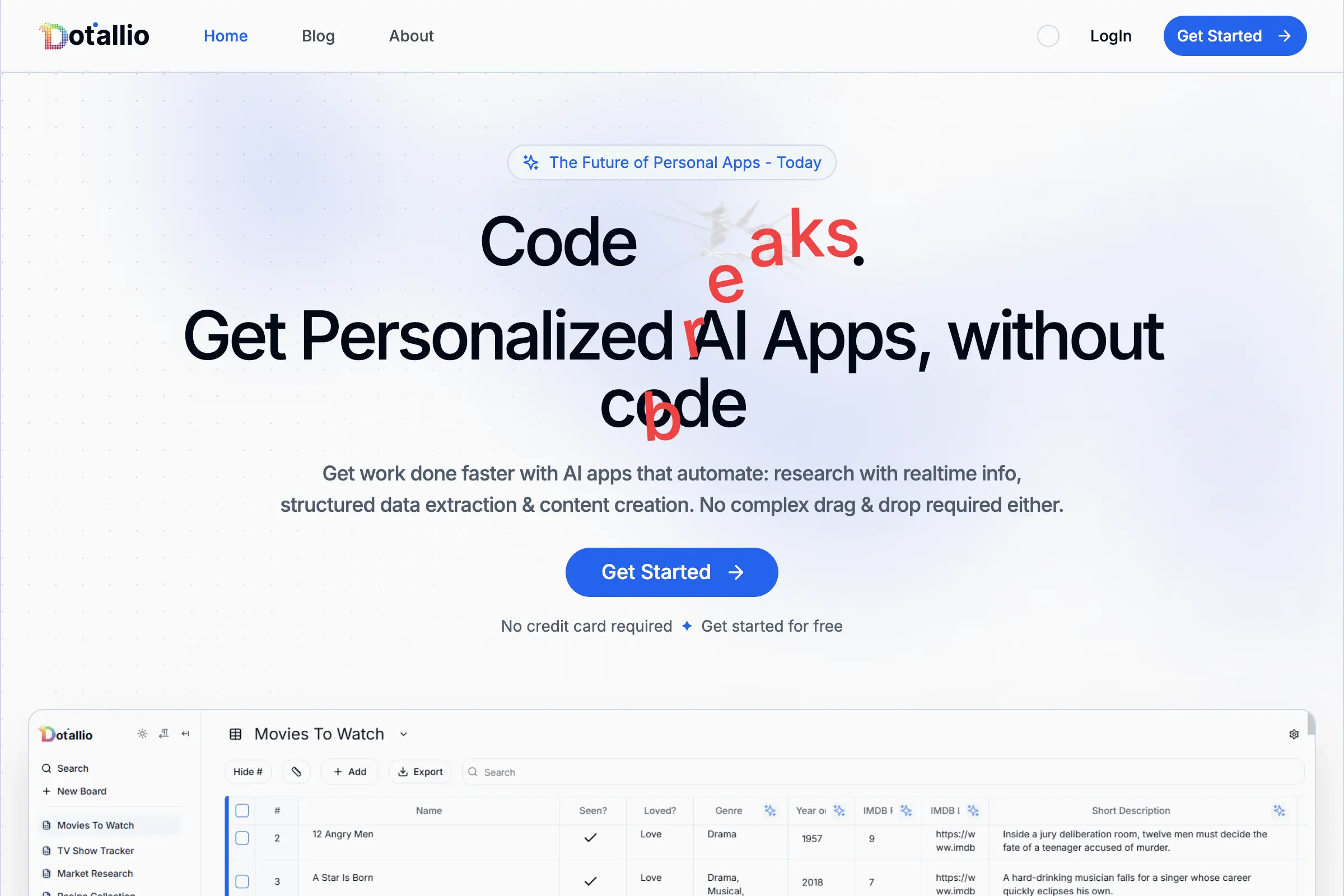
Dotallio
Personalized AI apps that automate research, data extraction, and content creation without code 🤖

Talk to Santa
Enjoy a magical live video chat or receive a unique AI-generated video greeting from Santa Claus 🎅
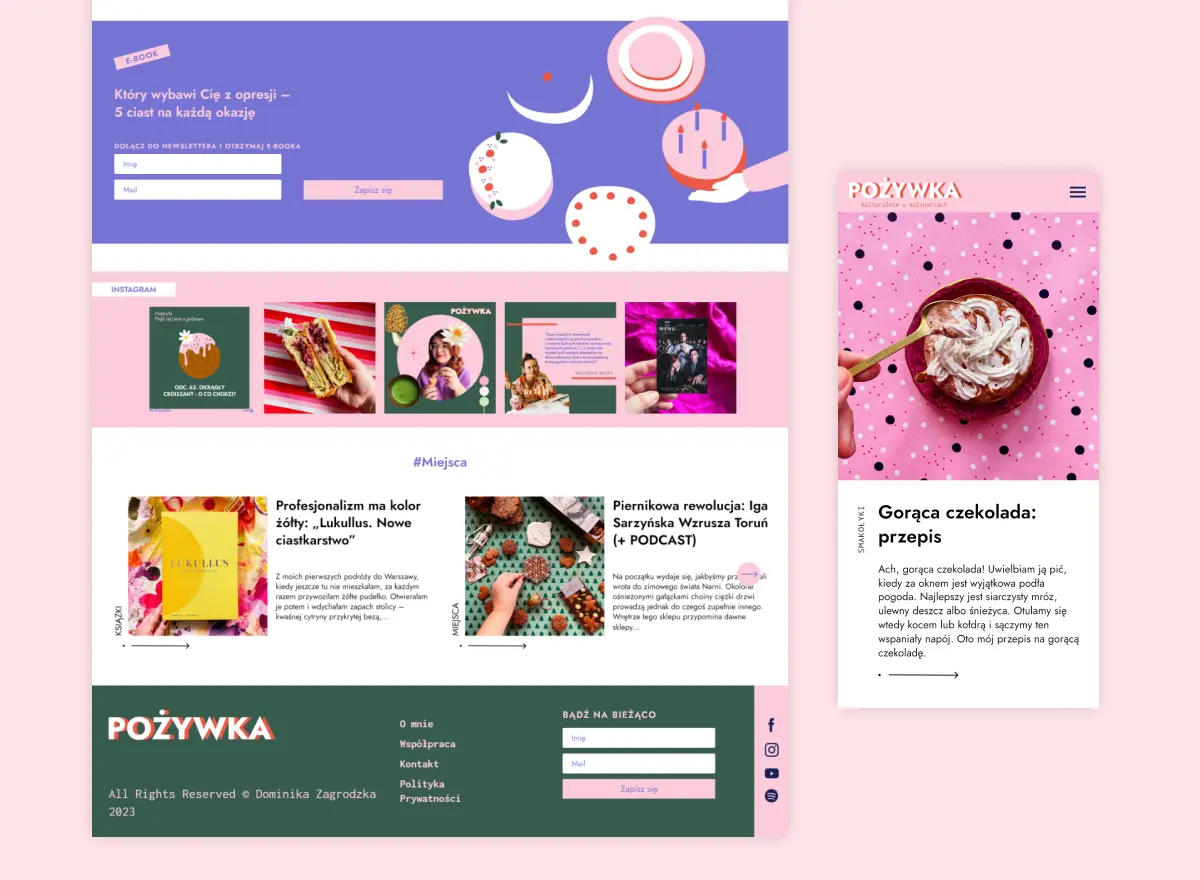
pozywka.pl
Scalable blog for food journalist, focused on performance and user experience 🌭
zagrodzki.me
Personal blog and portfolio of Bart Zagrodzki, where he shares his knowledge and work 💼
TurboStarter
Ship your startup everywhere. In minutes.
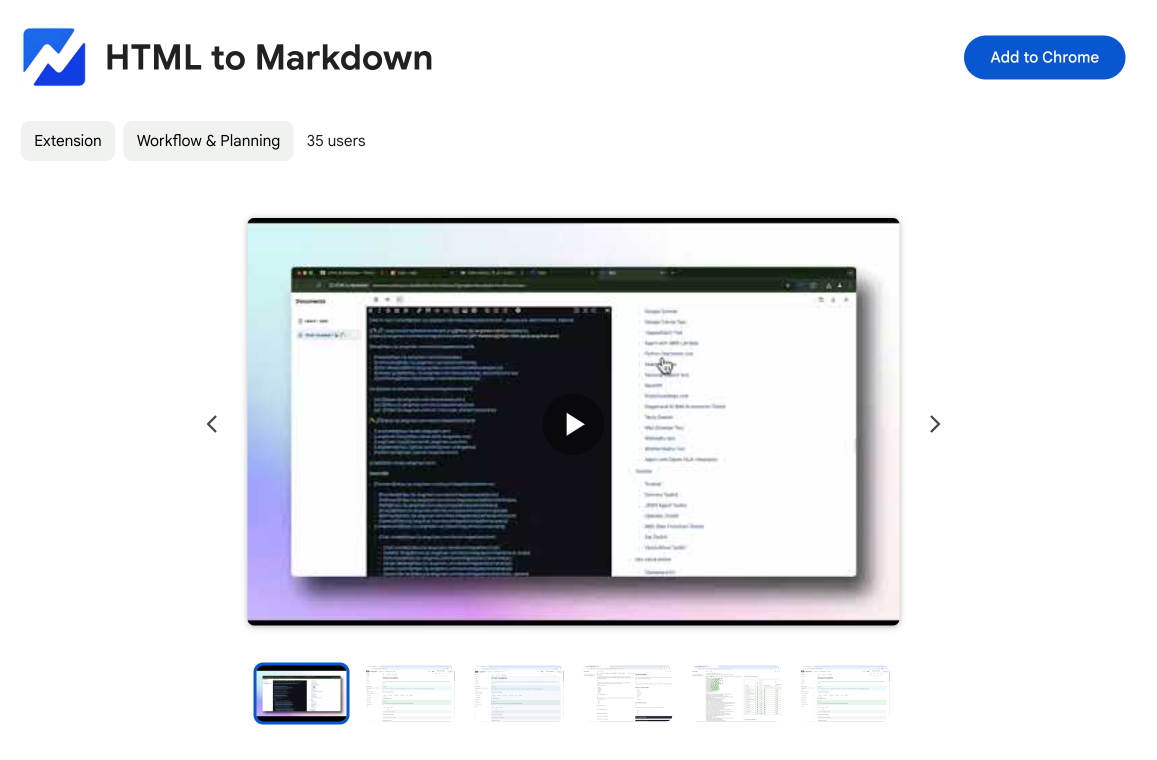
HTML to Markdown
Convert HTML to Markdown with ease, directly in your browser 📄
Dotallio
Personalized AI apps that automate research, data extraction, and content creation without code 🤖
Talk to Santa
Enjoy a magical live video chat or receive a unique AI-generated video greeting from Santa Claus 🎅
pozywka.pl
Scalable blog for food journalist, focused on performance and user experience 🌭
zagrodzki.me
Personal blog and portfolio of Bart Zagrodzki, where he shares his knowledge and work 💼
TurboStarter
Ship your startup everywhere. In minutes.
HTML to Markdown
Convert HTML to Markdown with ease, directly in your browser 📄
Dotallio
Personalized AI apps that automate research, data extraction, and content creation without code 🤖
Talk to Santa
Enjoy a magical live video chat or receive a unique AI-generated video greeting from Santa Claus 🎅
pozywka.pl
Scalable blog for food journalist, focused on performance and user experience 🌭
zagrodzki.me
Personal blog and portfolio of Bart Zagrodzki, where he shares his knowledge and work 💼
TurboStarter
Ship your startup everywhere. In minutes.
HTML to Markdown
Convert HTML to Markdown with ease, directly in your browser 📄
Dotallio
Personalized AI apps that automate research, data extraction, and content creation without code 🤖
Talk to Santa
Enjoy a magical live video chat or receive a unique AI-generated video greeting from Santa Claus 🎅
pozywka.pl
Scalable blog for food journalist, focused on performance and user experience 🌭
zagrodzki.me
Personal blog and portfolio of Bart Zagrodzki, where he shares his knowledge and work 💼
TurboStarter
Ship your startup everywhere. In minutes.
HTML to Markdown
Convert HTML to Markdown with ease, directly in your browser 📄
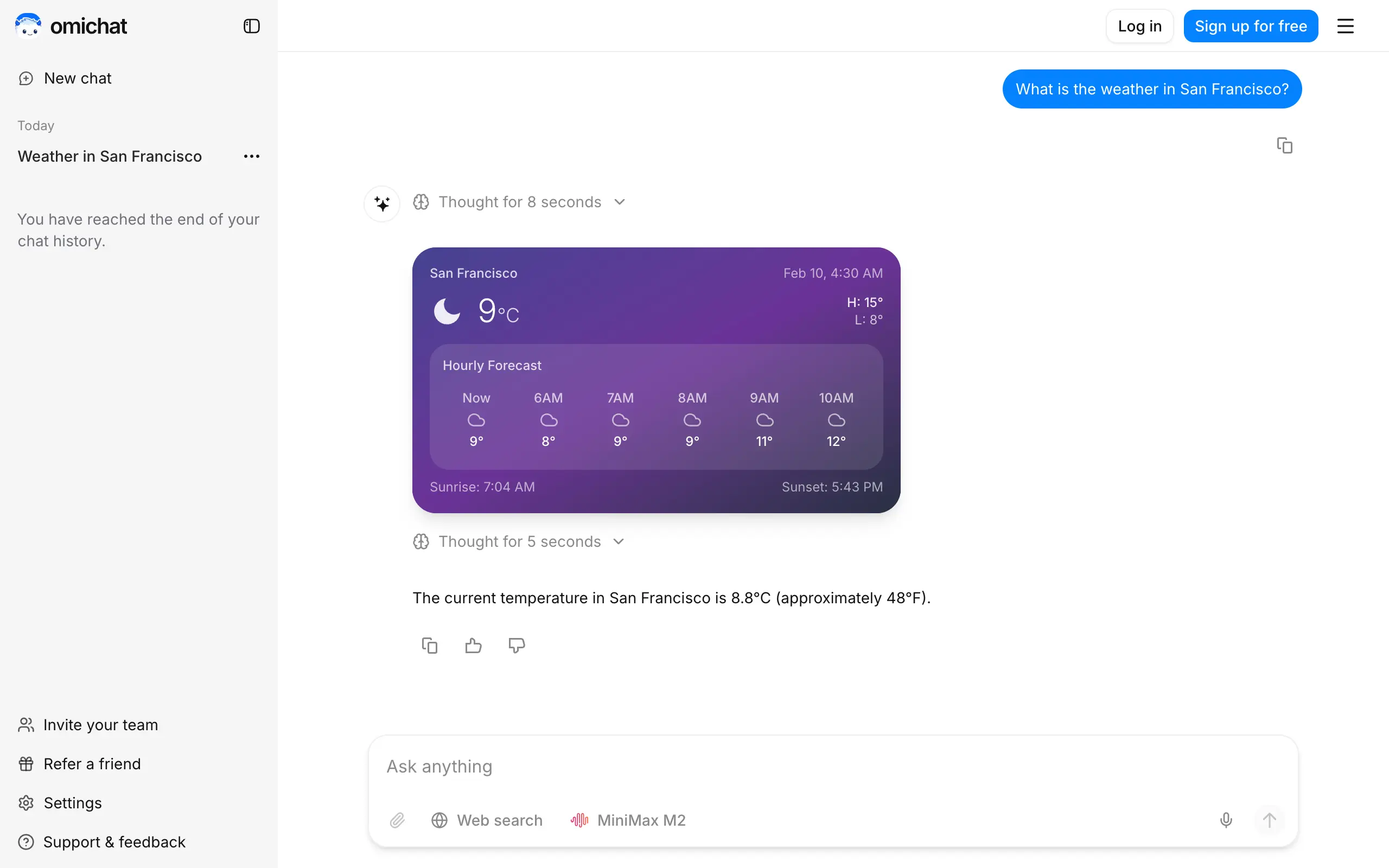
Omichat
Chat with 50+ AI models, including ChatGPT and Claude, in one place - switch models anytime without losing context 🤖
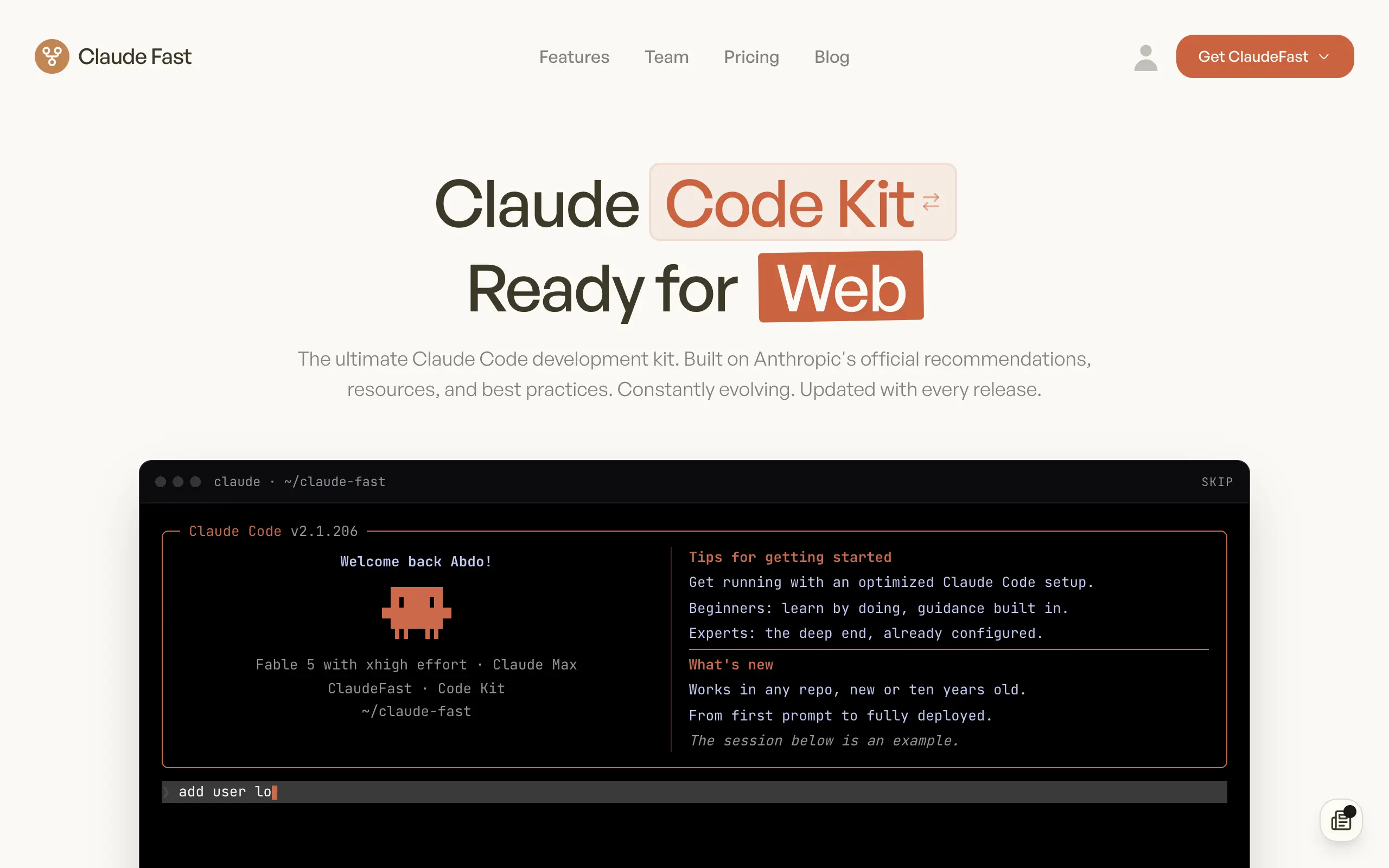
Claude Fast
Supercharge your Claude Code with 6x effective context window and specialized AI agents 🤖
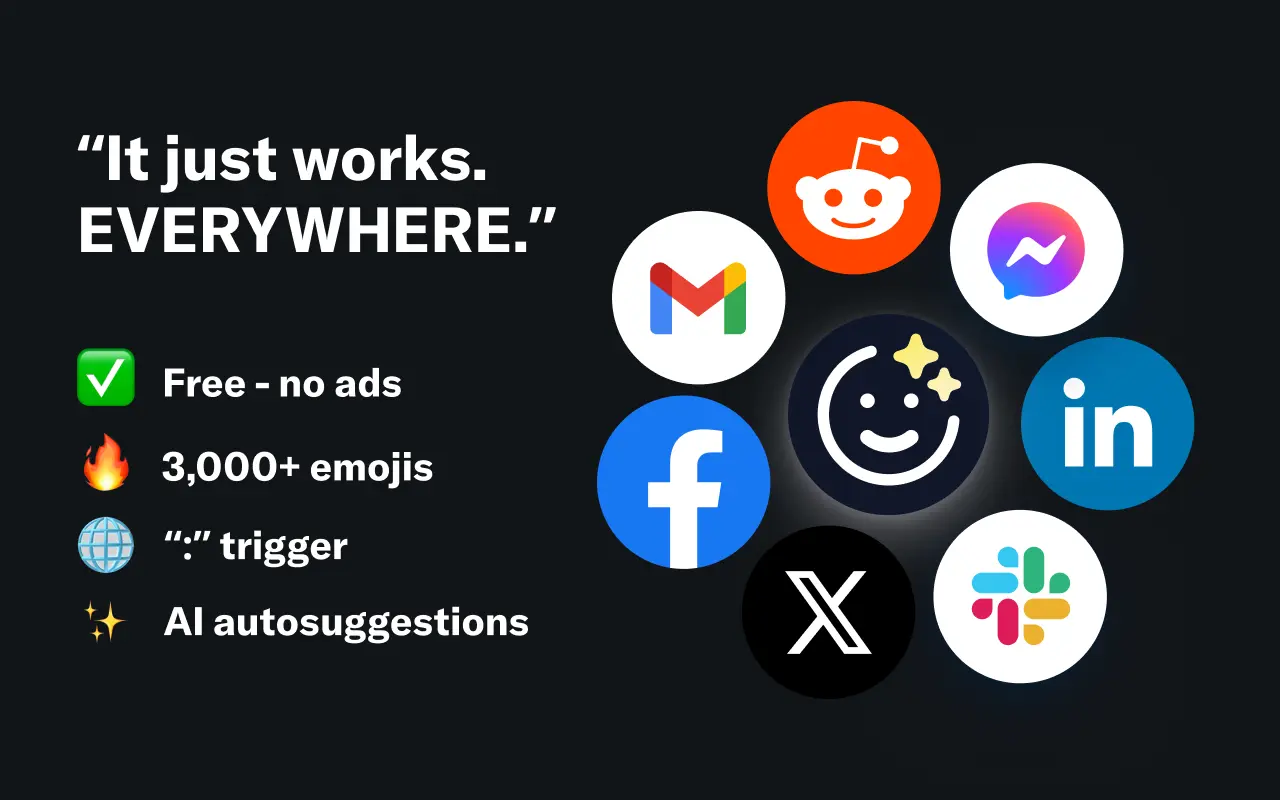
EmojAI
AI-powered emoji picker with smart, context-aware suggestions 🤖
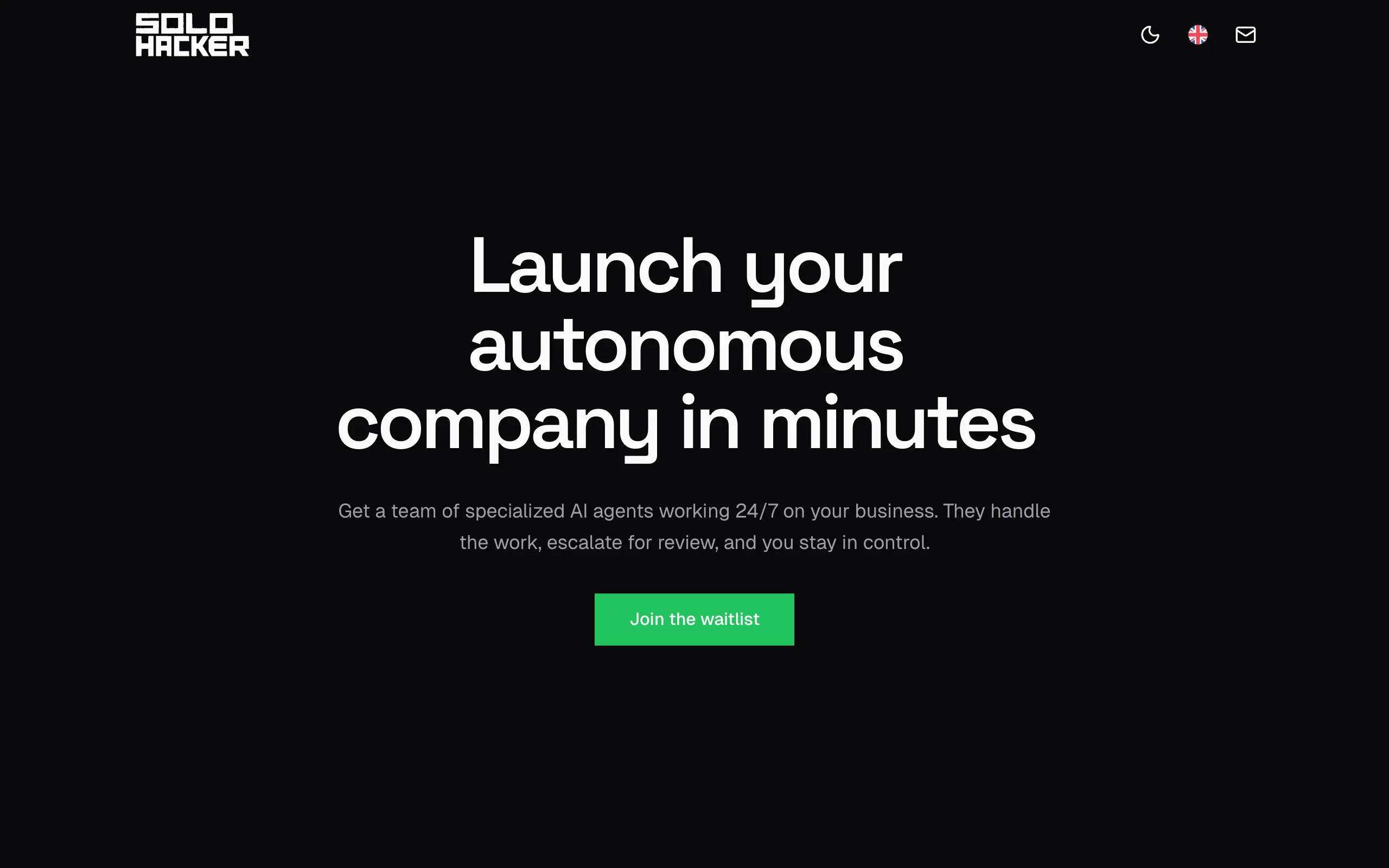
Solohacker
Autonomous company launcher - AI agents work 24/7, escalate what matters, and you stay in control 🤖
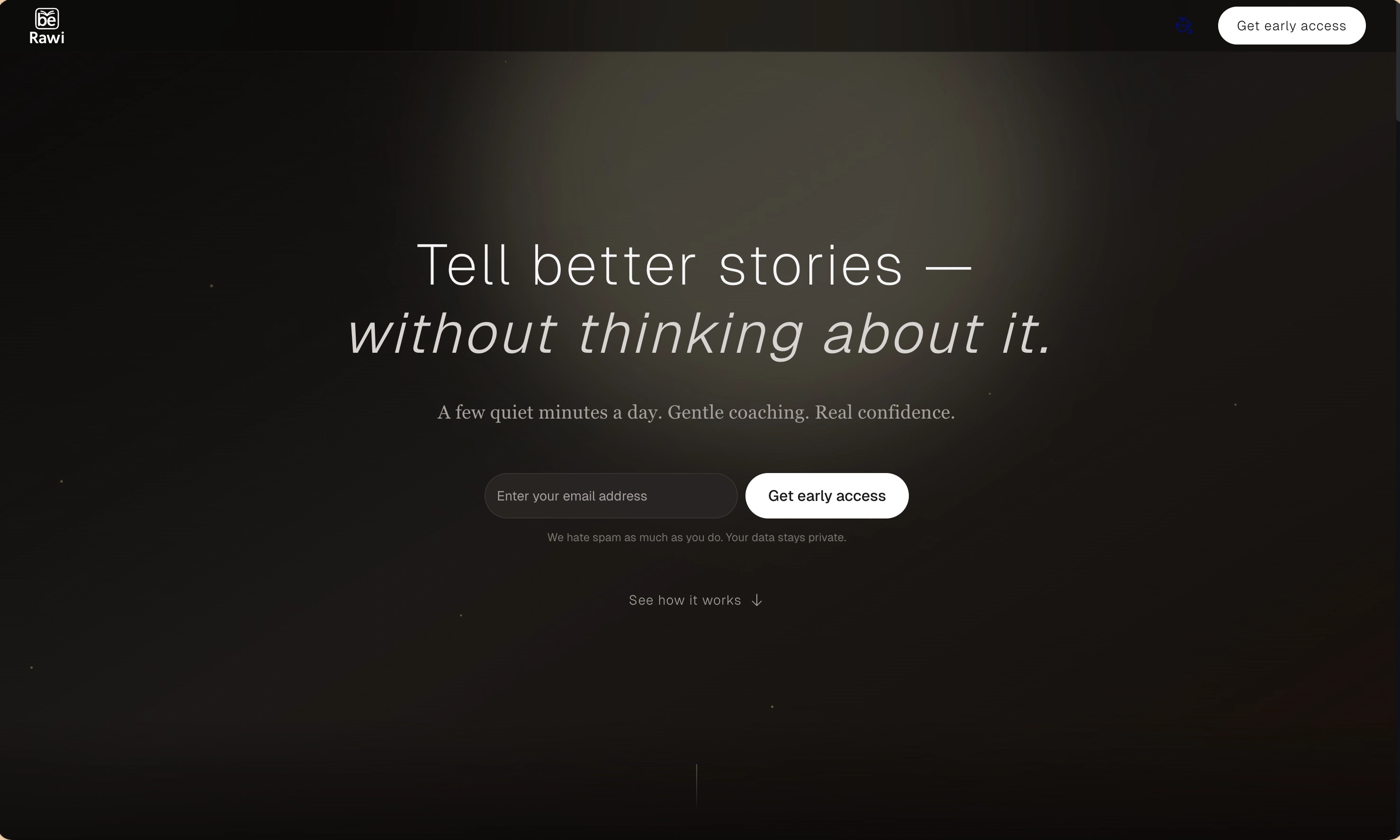
BeRawi: Storytelling Coach
Practice storytelling daily with instant feedback to sound clearer, more engaging, and confident 🎤
Omichat
Chat with 50+ AI models, including ChatGPT and Claude, in one place - switch models anytime without losing context 🤖
Claude Fast
Supercharge your Claude Code with 6x effective context window and specialized AI agents 🤖
EmojAI
AI-powered emoji picker with smart, context-aware suggestions 🤖
Solohacker
Autonomous company launcher - AI agents work 24/7, escalate what matters, and you stay in control 🤖
BeRawi: Storytelling Coach
Practice storytelling daily with instant feedback to sound clearer, more engaging, and confident 🎤
Omichat
Chat with 50+ AI models, including ChatGPT and Claude, in one place - switch models anytime without losing context 🤖
Claude Fast
Supercharge your Claude Code with 6x effective context window and specialized AI agents 🤖
EmojAI
AI-powered emoji picker with smart, context-aware suggestions 🤖
Solohacker
Autonomous company launcher - AI agents work 24/7, escalate what matters, and you stay in control 🤖
BeRawi: Storytelling Coach
Practice storytelling daily with instant feedback to sound clearer, more engaging, and confident 🎤
Omichat
Chat with 50+ AI models, including ChatGPT and Claude, in one place - switch models anytime without losing context 🤖
Claude Fast
Supercharge your Claude Code with 6x effective context window and specialized AI agents 🤖
EmojAI
AI-powered emoji picker with smart, context-aware suggestions 🤖
Solohacker
Autonomous company launcher - AI agents work 24/7, escalate what matters, and you stay in control 🤖
BeRawi: Storytelling Coach
Practice storytelling daily with instant feedback to sound clearer, more engaging, and confident 🎤

Connect with like-minded people
Join our community to get feedback, support, and grow together with 1,000+ builders on board, let's ship it!
Join usShip your startup everywhere. In minutes.
Don't burn tokens on setup and start building features on day one.