Wallify AI
Transform your home screen with AI-generated wallpapers tailored to your mood and preferences. Discover endless unique designs daily.
Target Audience for Personalized Mobile Wallpaper Experiences
In today's fast-paced digital world, people crave personalized experiences that speak to their moods, interests, and lifestyles. Users of modern smartphones are no exception—they want every pixel on their home screens to reflect who they are. This solution is designed with urban professionals, creative individuals, and tech-savvy consumers in mind. These users appreciate:
- Customization in their digital experiences.
- Seamless, AI-powered design features.
- A steady refresh of content that keeps their mobile UI dynamic and fresh.
- A visually pleasing interface that enhances the overall user experience.
The idea caters to those who love aesthetics and want their home screens to be a canvas for self-expression. With a flood of available mobile applications, this approach stands out by focusing specifically on visual personalization supported by artificial intelligence.
Market Opportunity in the Mobile Aesthetic Space
As mobile usage continues to surge worldwide, the demand for innovative, engaging, and personalized user interfaces has never been higher. The mobile personalisation market is experiencing robust growth due to increased digital consumption and the need for customization across consumer devices.
Key Market Insights
- Booming Smartphone Industry: With billions of smartphone users globally, the potential reach of a personalized wallpaper app is enormous.
- Trend Toward Customization: Users are increasingly opting for personalized experiences that adapt to their mood, style, and preferences.
- Leveraging AI: Artificial intelligence is rapidly becoming a cornerstone in designing user interfaces. Consumers are excited by the potential for smart features that learn and adapt over time.
- Increasing App Engagement: Apps that offer dynamic content see increased engagement and higher retention rates—key metrics in determining the success of digital products.
Innovative market trends indicate that an AI-generated wallpaper solution is entering the market at a time of significant opportunity, meeting a need that bridges aesthetics, technology, and personal empowerment.
Tech Stack: Empowering Rapid Development
When considering the technical implementation, the chosen tech stack is pivotal to delivering a smooth and responsive user experience. The technology underpinning this concept is both robust and versatile, allowing rapid iteration and scalability.
Core Technologies
- React Native or Flutter: For building the modern, mobile-first user experience with smooth animations and dynamic components.
- Node.js and Express: To build the backend infrastructure that supports AI-driven content generation.
- Python & TensorFlow/PyTorch: For creating and optimizing the AI models that generate the personalized wallpapers.
- GraphQL: To manage efficient data queries between the client and server.
- Cloud Services: Such as AWS or Google Cloud, ensuring high availability and scalability for a global user base.
Alongside these technologies, developers might consider using a starter kit like TurboStarter to accelerate the development process. TurboStarter provides a solid framework for building web, mobile, and browser extension products, making it an ideal choice for teams looking to deploy quickly without sacrificing quality.
Here is a sample code snippet outlining a basic API endpoint using Node.js:
const express = require("express");
const app = express();

app.get("/api/wallpapers", (req, res) => {
  res.json({ message: "AI-generated wallpapers are coming your way!" });
});

app.listen(3000, () => {
  console.log("Server is running on port 3000");
});
This snippet illustrates the simplicity of building scalable endpoints that integrate seamlessly with AI systems. With clear separation of concerns between the frontend and backend, the development process remains clean and maintainable.
Monetization Strategies for Sustainable Growth
Monetization is a critical aspect of any mobile application, and a personalized wallpaper solution offers multiple revenue pathways. Designing a model that aligns with both user needs and business objectives is paramount.
Revenue Streams
- Freemium Model: Offer basic features for free while providing premium, exclusive designs and advanced customization options for a subscription fee.
- In-App Advertisements: Integrate non-intrusive ads that complement the visual aesthetic of the app without diminishing user experience.
- One-Time Purchases: Allow users to purchase exclusive wallpaper packs or seasonal themes.
- Affiliate Partnerships: Collaborate with design or tech companies to feature branded content.
- Crowd-Sourced Contributions: Enable users to contribute designs and earn from their creations, fostering a community-driven approach.
A balanced monetization strategy will ensure consistent revenue while enhancing value for users. It's imperative to maintain a careful balance between monetization and user experience to avoid oversaturation, ensuring that the design remains at the forefront of the product's appeal.
Potential Risks and Mitigations
Every innovative idea comes with its own set of potential risks. Identifying these challenges early can help in devising strategies to minimize their impact.
Key Risks
- AI Accuracy and Reliability: The system must constantly learn and improve to ensure the generated designs match user preferences. Failure to deliver on this could lead to user dissatisfaction.
- User Privacy Concerns: Leveraging user data to personalize experiences requires robust data security measures. Any breaches or misuse of data can severely damage trust.
- Market Saturation: With numerous design and wallpaper apps flooding the market, establishing a unique value proposition becomes crucial.
- Technological Complexity: Integrating AI with real-time customization can be resource-intensive and may face scalability issues if not architected correctly.
- Monetization Balancing Act: Over-monetizing can lead to a negative user experience, whereas under-monetizing may result in unsustainable operations.
Important Tip
Ensure robust privacy protocols and regularly update the AI models to maintain user relevance and system integrity.
Mitigation Strategies
- Continuous Testing and Feedback Loops: Implement rigorous QA processes and regular user testing sessions.
- Invest in Scalable Infrastructure: Use cloud platforms and microservices to ensure high uptime and quick scaling.
- User-Centric Design: Listen to user feedback and make iterative improvements to both the AI models and the UI/UX.
- Balanced Monetization: Monitor user behavior and revenue analytics to fine-tune monetization strategies over time.
By proactively addressing these challenges, the solution not only mitigates potential issues but also builds a more resilient and robust product ecosystem.
Competitive Advantages in the Personalization Landscape
The competitive landscape is dynamic and heavily saturated with various applications. However, by leveraging unique selling propositions, this solution can differentiate itself significantly from competitors.
Unique Value Propositions
- AI-Driven Personalization: At the heart of the product is an AI engine that evolves with user behavior, offering truly personalized wallpaper designs.
- Seamless Integration: With a focus on lightweight, mobile-first functionalities, the solution integrates fluidly with users' everyday mobile applications.
- Community Engagement: Potential exists to incorporate crowd-sourced contributions, creating a vibrant community of designers and enthusiasts.
- Rapid Deployment and Iterative Improvements: Leveraging starter kits like TurboStarter can significantly shorten development cycles, allowing rapid deployment of updates and new features.
Consider the experience of a user exploring multiple options on a mobile interface. The following interactive component showcases how versatile and user-friendly the personalization options can be:
The AI tailors your wallpaper based on your mood, providing calm, energetic, or creative themes dynamically as you use your device.
Choose from an array of styles—minimalist, abstract, or nature-inspired—to refine your home screen aesthetic.
This level of customization not only enhances user satisfaction but also creates a competitive moat, distinguishing the product in a crowded marketplace.
Path to Implementation: Roadmap and Best Practices
A well-structured implementation roadmap is essential for transforming the idea into a market-ready product. Here's a detailed, step-by-step guide to realize this ambitious project.
Conduct comprehensive market research to further understand target demographics and user behavior.
Define technical requirements and design user-centric wireframes and prototypes.
Assemble a cross-functional team of developers, designers, and data scientists, ensuring agile frameworks are in place.
Leverage rapid development tools such as TurboStarter for platform setup and initial scaffolding.
Build and test the core AI models using Python and established libraries like TensorFlow or PyTorch.
Develop the mobile application interface using React Native or Flutter for a seamless user experience.
Integrate backend APIs (built on Node.js/Express) with the mobile front end, ensuring smooth data flow and real-time updates.
Implement rigorous testing protocols, including unit, integration, and UX testing.
Launch a beta version to a select group of users and gather detailed feedback.
Iterate based on feedback, refine monetization strategies, and prepare for a full-scale launch.
Throughout the development process, ensure that data privacy and user experience remain at the forefront of every decision. Regular syncs with stakeholders and periodic updates on performance metrics will keep the project on track.
Code Snippet: Component Integration Example
To highlight how flexible and scalable the architecture can be, here is an example of integrating a simple component that showcases wallpaper options:
import React from "react";

const WallpaperOption = ({ mood, style }) => {
  return (
    <div>
      <h3>{mood} - {style}</h3>
      <p>This wallpaper is curated to match the {mood} mood with a {style} touch.</p>
    </div>
  );
};

export default WallpaperOption;
This component demonstrates a modular approach to developing a customizable user interface. Each part of the application is designed to stand alone yet integrate smoothly with the overall structure of the product.
Competitive Landscape Analysis
Taking a closer look at the competitive landscape, it's clear that this product's innovative use of AI for personalization sets it apart from traditional wallpaper apps. Many competitors rely on static images or user-uploaded content, but the dynamic generation of imagery based on user mood is a game-changer.
- Traditional Wallpaper Apps: Often lack the ability to dynamically adapt to users' changing moods.
- User-Generated Content Platforms: May offer personalization, but they lack the computational power to deliver truly unique, responsive designs.
- Other AI-Driven Solutions: Usually focus on broader personalization goals, missing the niche appeal of customized wallpapers specifically tuned for mobile homescreens.
By fine-tuning the product’s value proposition and focusing carefully on the user experience, the solution achieves a significant competitive advantage in terms of innovation, user engagement, and scalability.
Community Building and User Engagement
A vibrant community can transform the product from a one-time app installation into an ecosystem of continuous interaction. Here are some ways to build and maintain community engagement:
- User Forums and Feedback Spaces: Encourage discussions, feature requests, and user-generated content submissions.
- In-App Social Sharing: Enable users to share their unique wallpaper designs on social media platforms.
- Regular Design Contests: Engage the community by offering rewards and recognition for the most creative designs.
- Tutorials and Insider Tips: Provide guides on maximizing personalization features, ensuring every user feels empowered to customize their experience.
Such community-driven initiatives not only foster a loyal user base but also generate valuable insights that can drive future innovation.
Monetization Deep Dive: Balancing Free and Premium Experiences
The freemium model remains a cornerstone strategy for mobile applications that aim to attract a wide user base while generating revenue. Here’s how the balance might be struck:
- Free Tier: Offer a set of daily, AI-generated wallpapers that refresh automatically, ensuring a satisfying experience without any cost.
- Premium Tier: Unlock exclusive features such as high-resolution downloads, ad-free experiences, access to archive themes, and seasonal customization packs.
- Ad Integration: Implement minimal, well-placed ads to maintain revenue without detracting from the user experience.
- Seasonal Offers: Offer limited-time packs or exclusive designs during major holidays or events to drive both engagement and revenue spikes.
The key is to build trust with the user base while providing meaningful incentives for premium upgrades. This balanced approach ensures sustained revenue flow and a growing user community.
Advantages for Developers and Investors
For developers, this project offers a unique opportunity to work at the intersection of art and technology. The integration of AI into mobile UX pushes the boundaries of conventional app development and opens doors for learning and innovation.
For investors, the product represents a confluence of several high-growth sectors: AI technology, mobile applications, and personalized content. The scalability and adaptability of such a solution make it an attractive investment proposition with ample room for future expansion and diversification.
Feature highlight
Dynamic AI-driven personalization that evolves with each user's preferences.
Forward-Looking Prospects and Future Enhancements
As the user base grows, the roadmap for future updates includes a variety of exciting features:
- Integration with Wearables: Extend personalization to smartwatches and other mobile devices for a cohesive digital identity.
- Advanced Mood Detection: Utilize more sophisticated emotion recognition technologies to fine-tune wallpaper recommendations even further.
- AR and VR Experiences: Explore immersive technologies to create dynamic environments around mobile devices.
- Localized and Cultural Themes: Provide region-specific palettes and design motifs to resonate with global audiences, tapping into local cultural nuances.
- User-Curated Playlists: Allow users to create their own collections of favorite wallpapers, blending personal taste with AI smart recommendations.
Such continuous innovation will keep the product relevant and exciting, ensuring long-term user retention and engagement.
Implementation Steps and Call to Action
Successfully launching this product requires a methodical, step-by-step approach. To wrap up the discussion, let’s review the final implementation steps that allow teams to move from concept to execution.
Begin with in-depth market research to validate user needs and identify potential niches.
Define the project scope, technical architecture, and resource allocation aligned with agile methodologies.
Set up the development environment using rapid development kits like TurboStarter to accelerate initial setup.
Develop the backend APIs, integrate AI models, and build intuitive front-end components.
Implement robust testing phases, ensuring each component meets quality and performance benchmarks.
Roll out a phased beta release to gather user feedback, fix issues, and iterate.
Launch the full product with a comprehensive marketing and community engagement strategy.
Continuously monitor performance, gather analytics, and plan for future iterative updates.
Taking these steps thoroughly will set a strong foundation, ensuring the product not only enters the market successfully but grows into a beloved digital experience.
In conclusion, this innovative approach to personalizing mobile devices with AI-generated wallpapers opens a world of aesthetic possibilities. The fusion of advanced AI, modern design principles, and robust monetization strategies creates an application that is both user-centric and commercially viable. With a clear understanding of the target audience, market trends, and technical requirements, teams can confidently move forward with this project—transforming everyday mobile screens into dynamic art canvases that reflect each user's unique personality and mood.
More 📱 Mobile App SaaS ideas
Discover more innovative mobile app SaaS ideas that are trending in 2026. Each idea is AI-generated with market validation and growth potential to help you find your next profitable venture faster than competitors.
Your competitors are building with TurboStarter
Below are some of the SaaS ideas that have been generated and built with our starter kit.
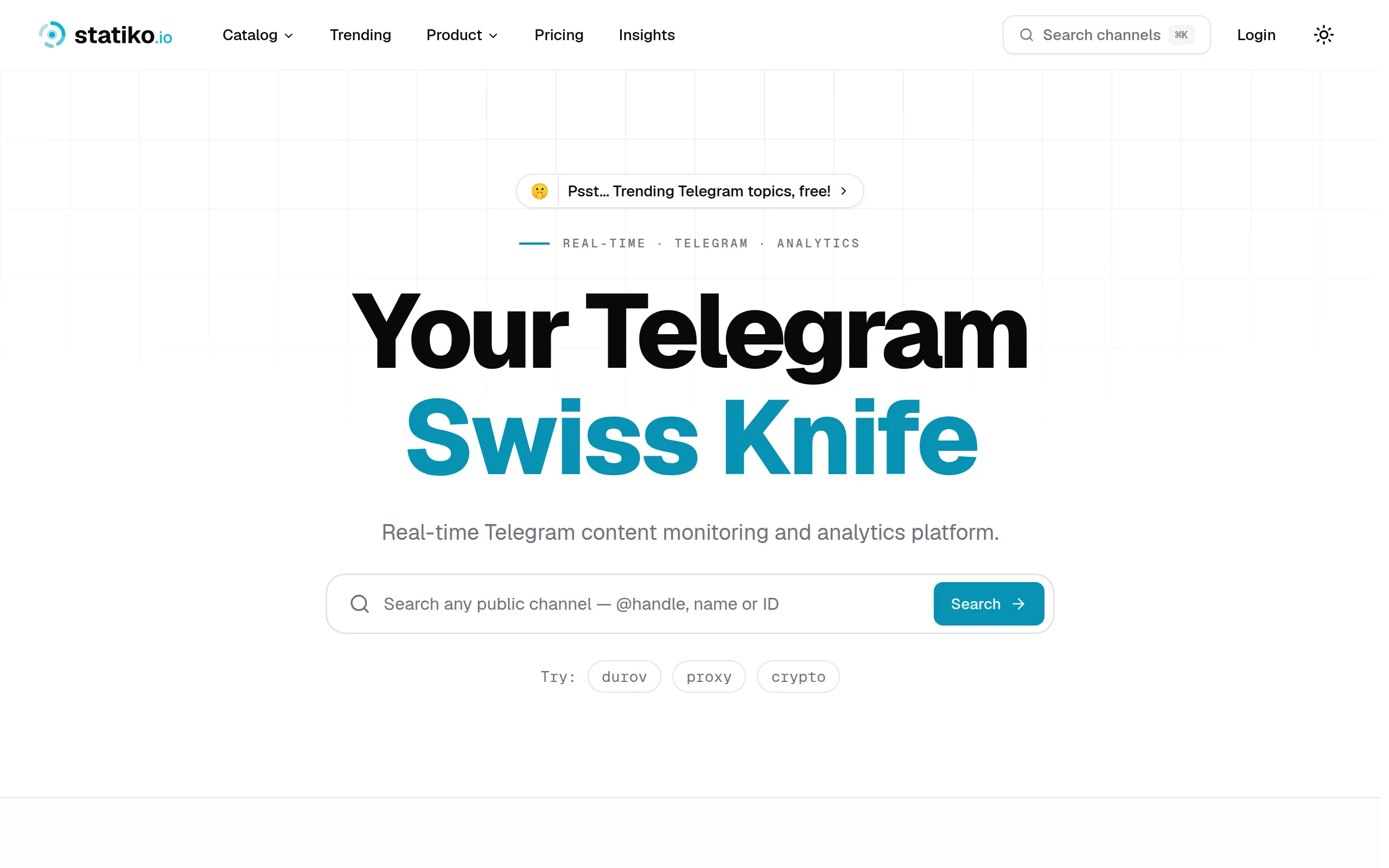
Statiko
Monitor any Telegram channel in real time - track posts, edits, deletions, and growth with AI recaps 📡
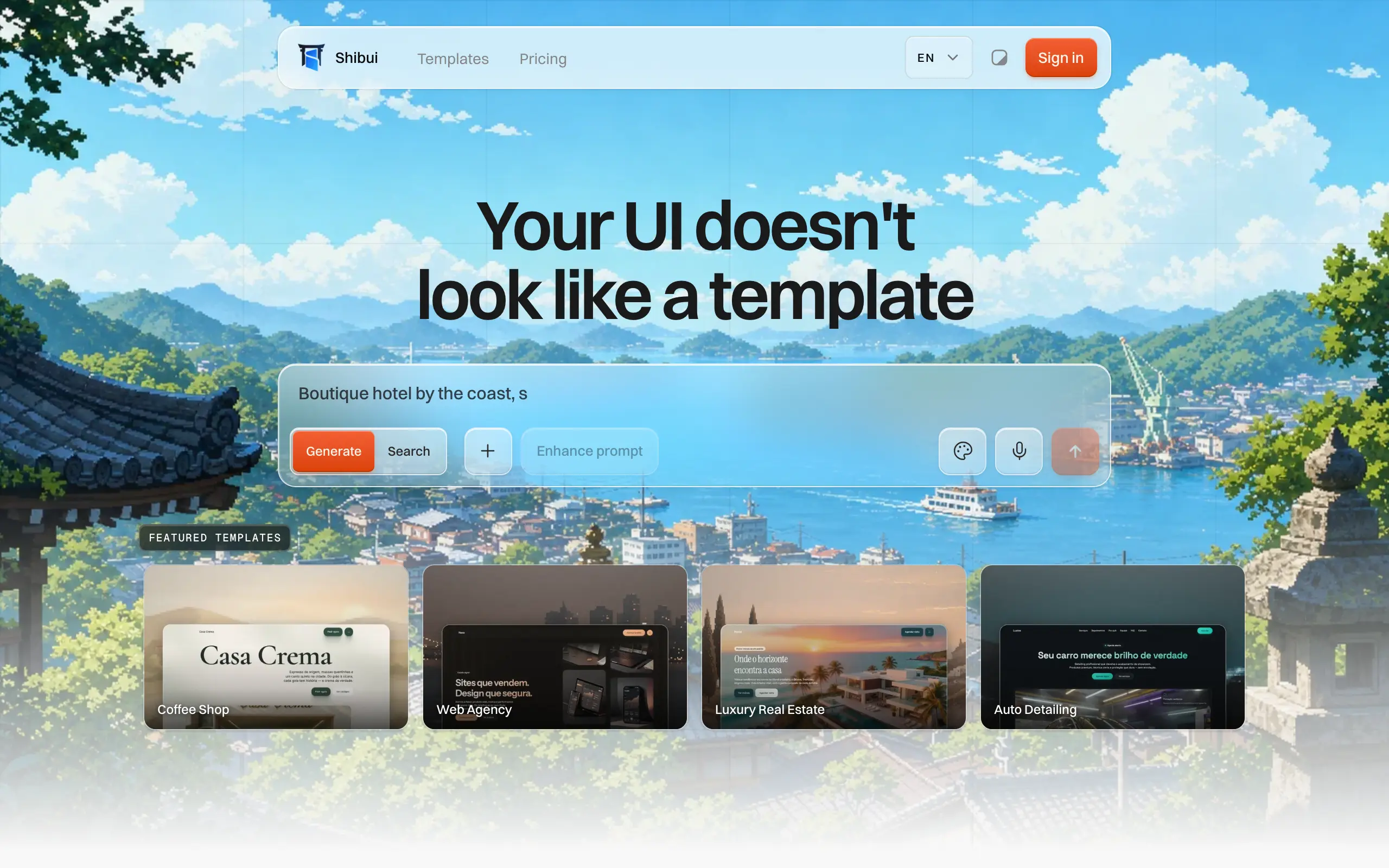
Shibui
AI website builder - describe your business, pick a niche template, edit by chatting, and publish instantly ✨
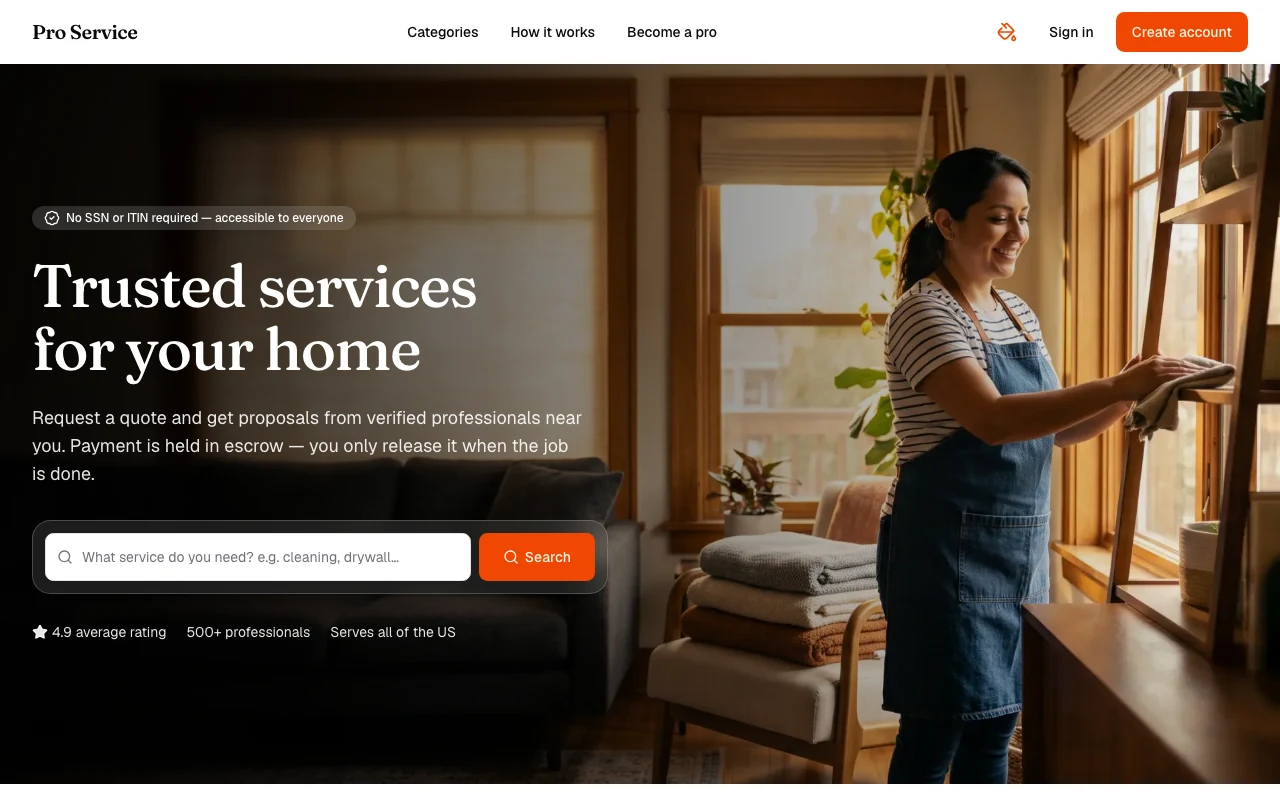
Pro Service
Find verified home service professionals, compare quotes, and pay securely through escrow - built for Brazilians across the US 🏠
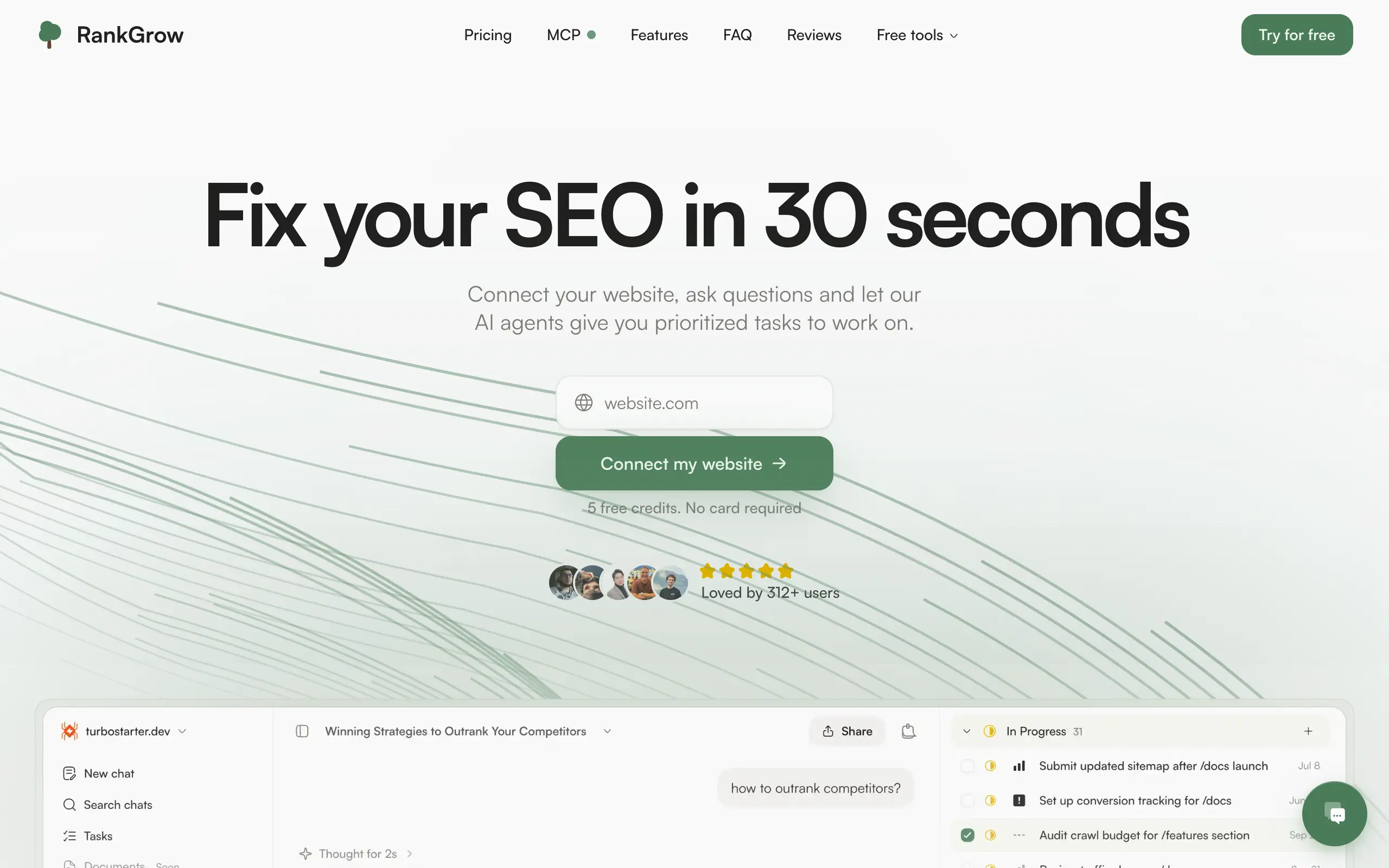
RankGrow
Fix your SEO with AI agents - connect Search Console, get prioritized tasks, and grow organic traffic 📈
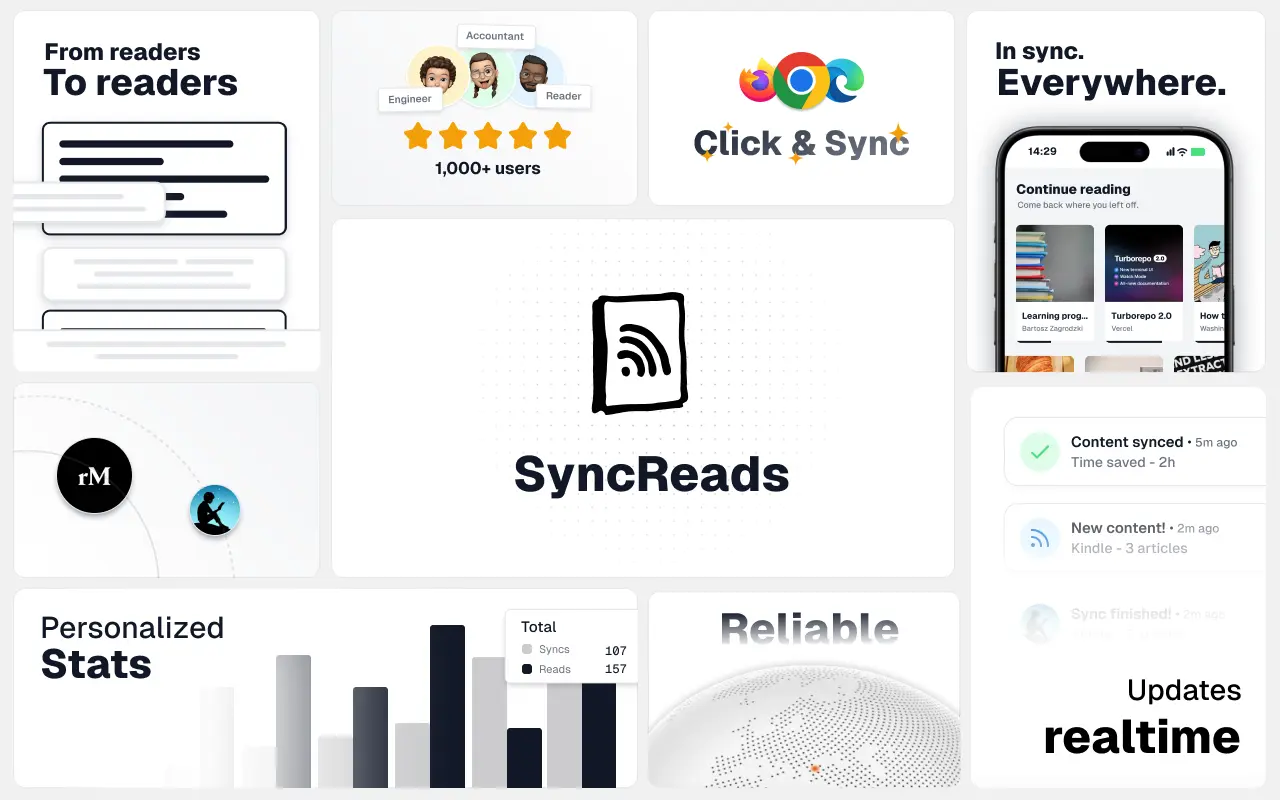
SyncReads
Sync your favorite content for distraction-free reading, save time and replace multiple apps. Anytime, anywhere 🔄
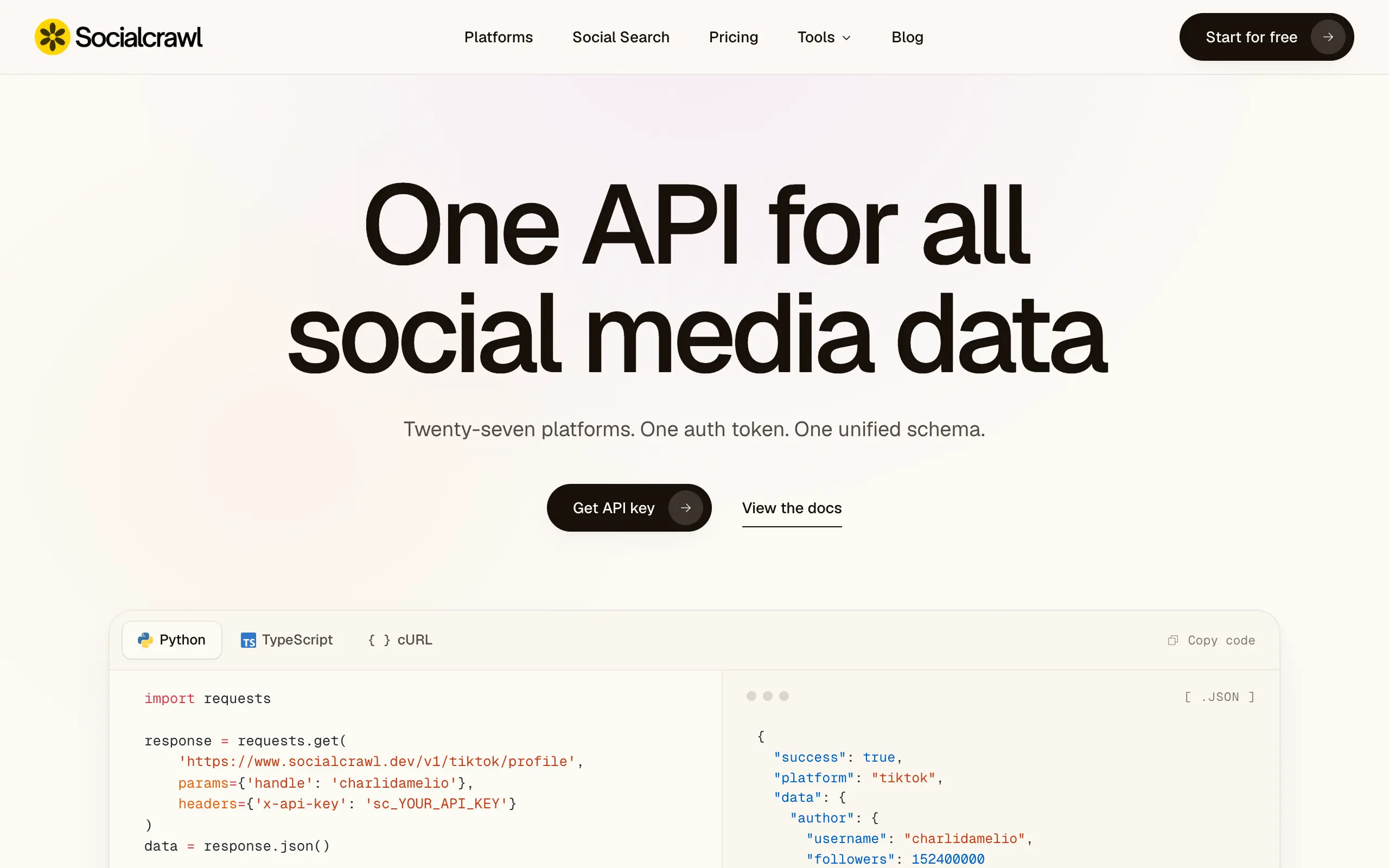
Socialcrawl
Get clean, structured data from 21 platforms like TikTok, Instagram, and YouTube with a single request 📊
Statiko
Monitor any Telegram channel in real time - track posts, edits, deletions, and growth with AI recaps 📡
Shibui
AI website builder - describe your business, pick a niche template, edit by chatting, and publish instantly ✨
Pro Service
Find verified home service professionals, compare quotes, and pay securely through escrow - built for Brazilians across the US 🏠
RankGrow
Fix your SEO with AI agents - connect Search Console, get prioritized tasks, and grow organic traffic 📈
SyncReads
Sync your favorite content for distraction-free reading, save time and replace multiple apps. Anytime, anywhere 🔄
Socialcrawl
Get clean, structured data from 21 platforms like TikTok, Instagram, and YouTube with a single request 📊
Statiko
Monitor any Telegram channel in real time - track posts, edits, deletions, and growth with AI recaps 📡
Shibui
AI website builder - describe your business, pick a niche template, edit by chatting, and publish instantly ✨
Pro Service
Find verified home service professionals, compare quotes, and pay securely through escrow - built for Brazilians across the US 🏠
RankGrow
Fix your SEO with AI agents - connect Search Console, get prioritized tasks, and grow organic traffic 📈
SyncReads
Sync your favorite content for distraction-free reading, save time and replace multiple apps. Anytime, anywhere 🔄
Socialcrawl
Get clean, structured data from 21 platforms like TikTok, Instagram, and YouTube with a single request 📊
Statiko
Monitor any Telegram channel in real time - track posts, edits, deletions, and growth with AI recaps 📡
Shibui
AI website builder - describe your business, pick a niche template, edit by chatting, and publish instantly ✨
Pro Service
Find verified home service professionals, compare quotes, and pay securely through escrow - built for Brazilians across the US 🏠
RankGrow
Fix your SEO with AI agents - connect Search Console, get prioritized tasks, and grow organic traffic 📈
SyncReads
Sync your favorite content for distraction-free reading, save time and replace multiple apps. Anytime, anywhere 🔄
Socialcrawl
Get clean, structured data from 21 platforms like TikTok, Instagram, and YouTube with a single request 📊
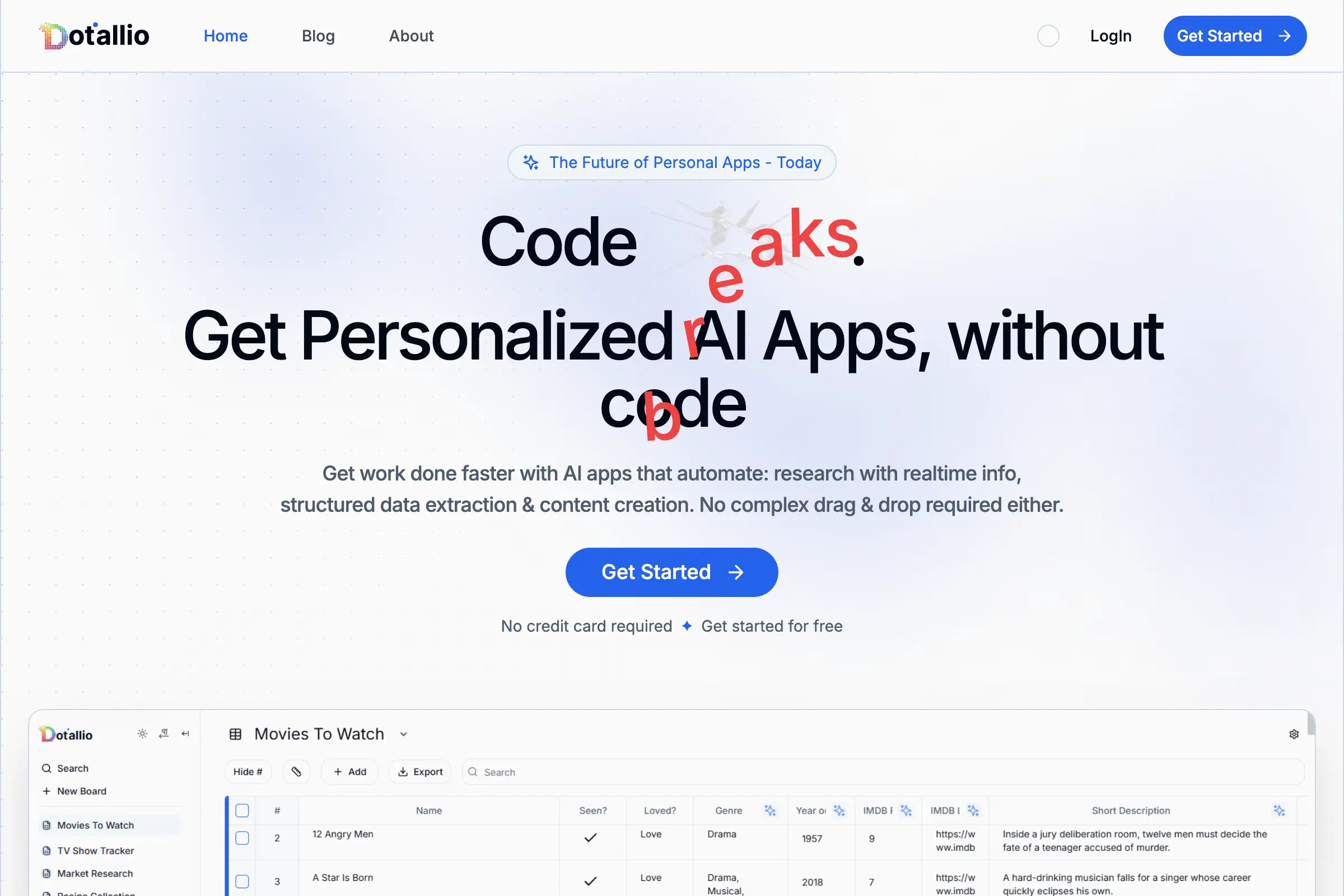
Dotallio
Personalized AI apps that automate research, data extraction, and content creation without code 🤖
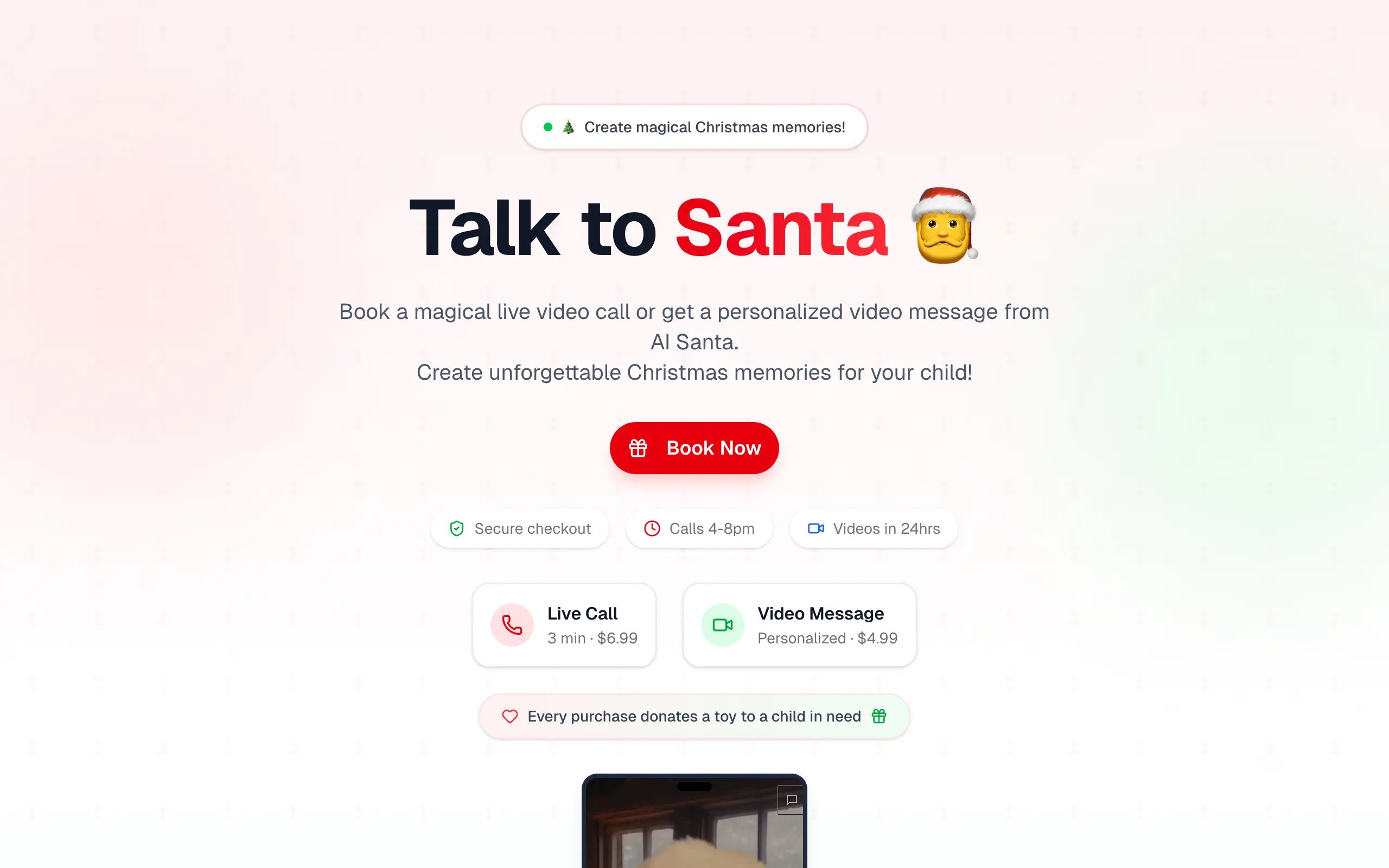
Talk to Santa
Enjoy a magical live video chat or receive a unique AI-generated video greeting from Santa Claus 🎅
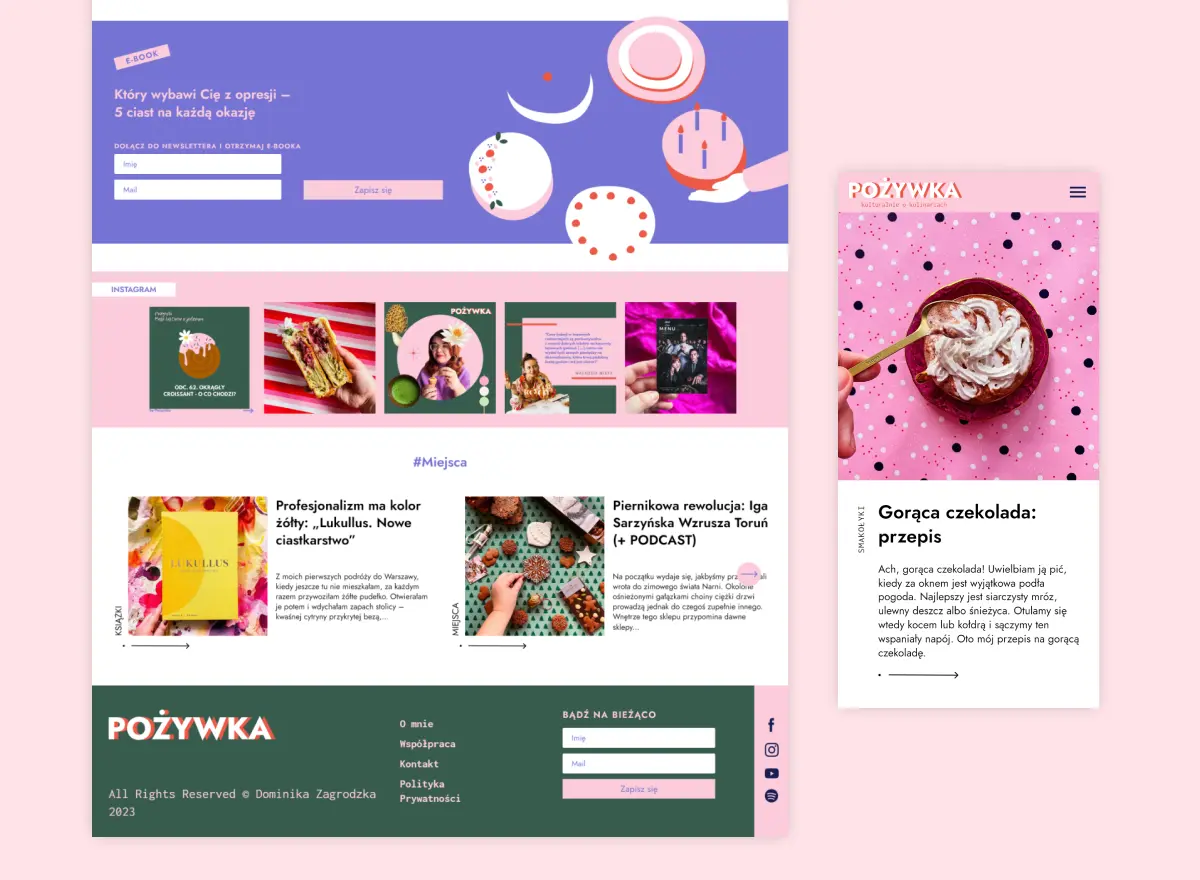
pozywka.pl
Scalable blog for food journalist, focused on performance and user experience 🌭
zagrodzki.me
Personal blog and portfolio of Bart Zagrodzki, where he shares his knowledge and work 💼
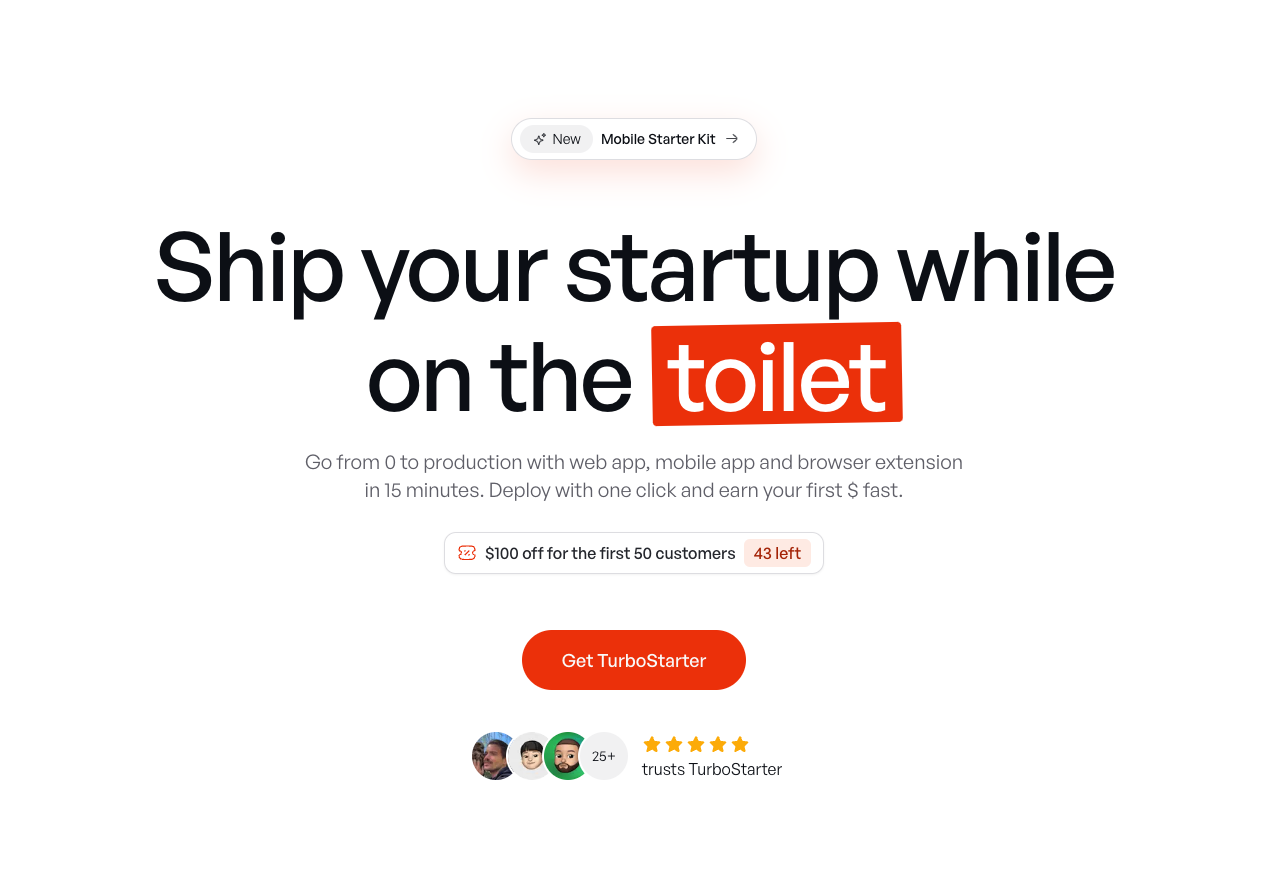
TurboStarter
Ship your startup everywhere. In minutes.
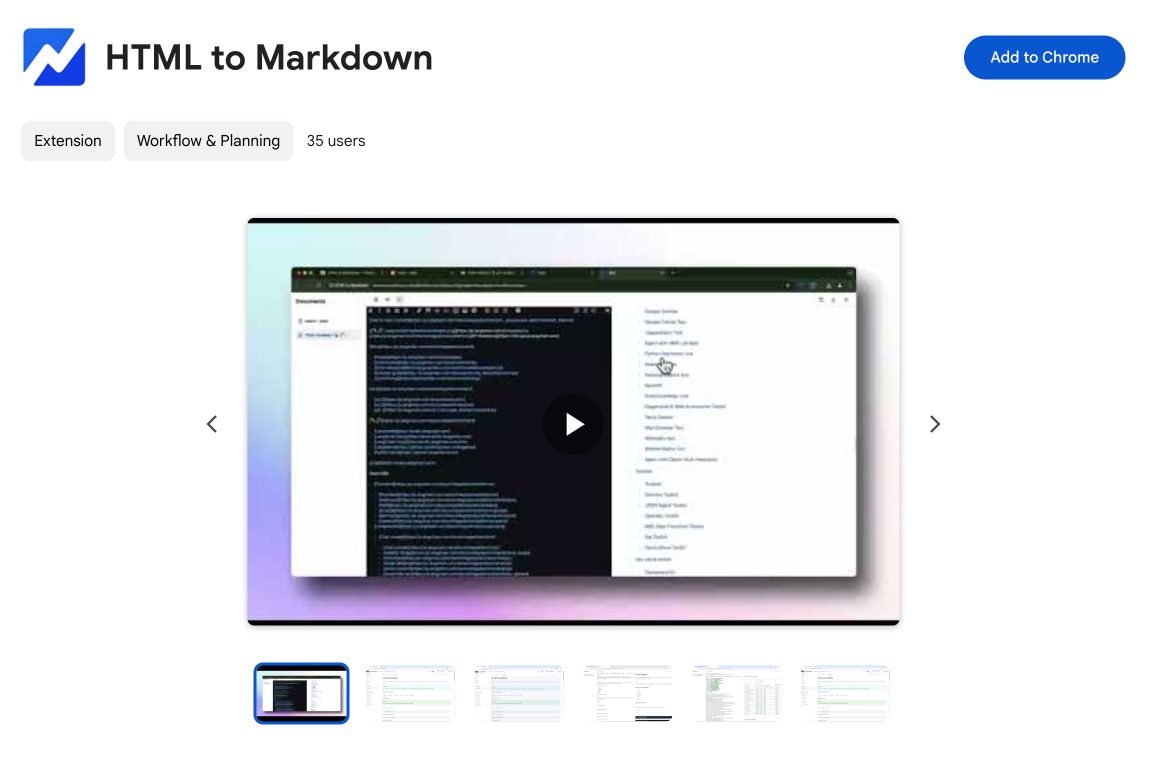
HTML to Markdown
Convert HTML to Markdown with ease, directly in your browser 📄
Dotallio
Personalized AI apps that automate research, data extraction, and content creation without code 🤖
Talk to Santa
Enjoy a magical live video chat or receive a unique AI-generated video greeting from Santa Claus 🎅
pozywka.pl
Scalable blog for food journalist, focused on performance and user experience 🌭
zagrodzki.me
Personal blog and portfolio of Bart Zagrodzki, where he shares his knowledge and work 💼
TurboStarter
Ship your startup everywhere. In minutes.
HTML to Markdown
Convert HTML to Markdown with ease, directly in your browser 📄
Dotallio
Personalized AI apps that automate research, data extraction, and content creation without code 🤖
Talk to Santa
Enjoy a magical live video chat or receive a unique AI-generated video greeting from Santa Claus 🎅
pozywka.pl
Scalable blog for food journalist, focused on performance and user experience 🌭
zagrodzki.me
Personal blog and portfolio of Bart Zagrodzki, where he shares his knowledge and work 💼
TurboStarter
Ship your startup everywhere. In minutes.
HTML to Markdown
Convert HTML to Markdown with ease, directly in your browser 📄
Dotallio
Personalized AI apps that automate research, data extraction, and content creation without code 🤖
Talk to Santa
Enjoy a magical live video chat or receive a unique AI-generated video greeting from Santa Claus 🎅
pozywka.pl
Scalable blog for food journalist, focused on performance and user experience 🌭
zagrodzki.me
Personal blog and portfolio of Bart Zagrodzki, where he shares his knowledge and work 💼
TurboStarter
Ship your startup everywhere. In minutes.
HTML to Markdown
Convert HTML to Markdown with ease, directly in your browser 📄
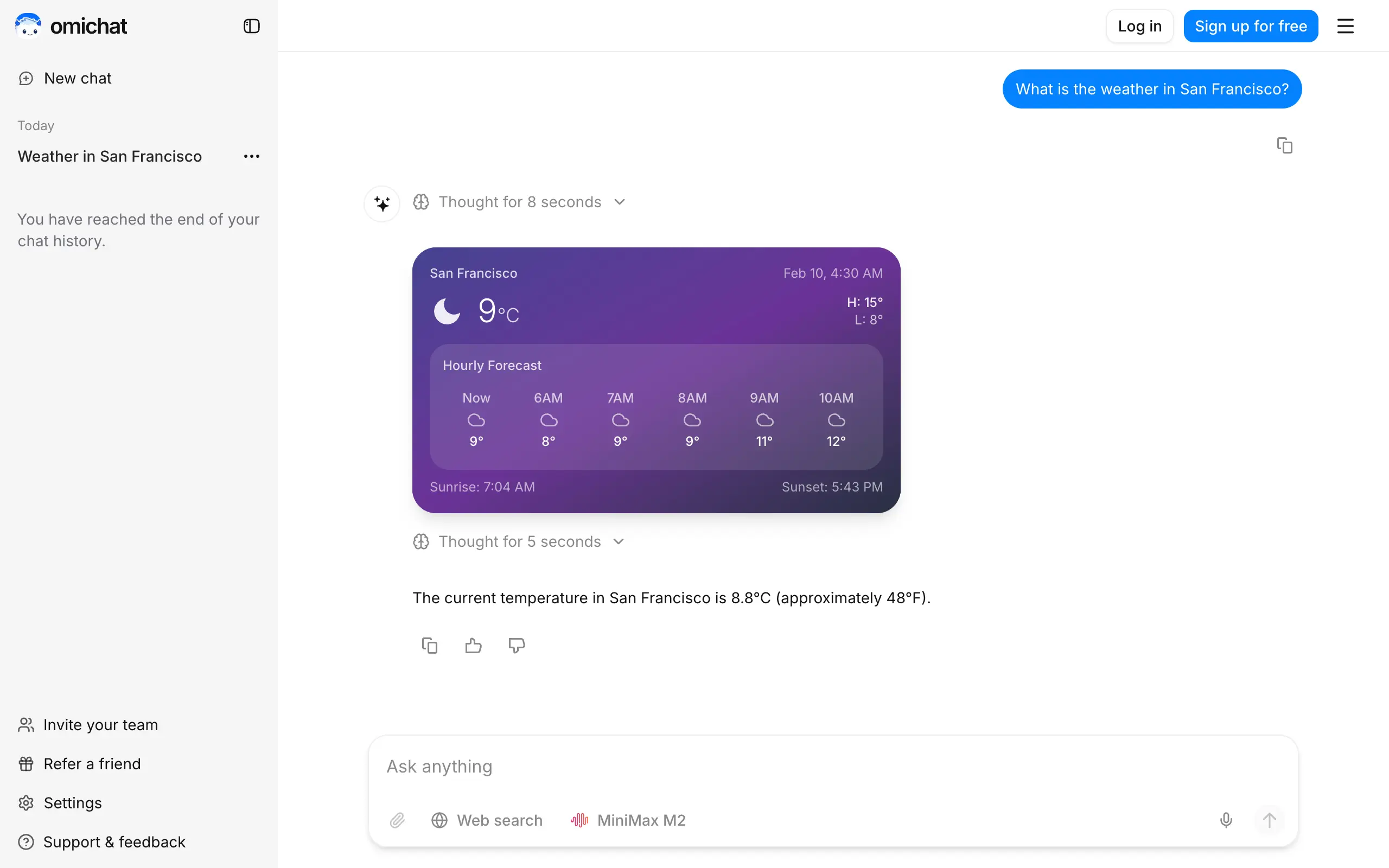
Omichat
Chat with 50+ AI models, including ChatGPT and Claude, in one place - switch models anytime without losing context 🤖
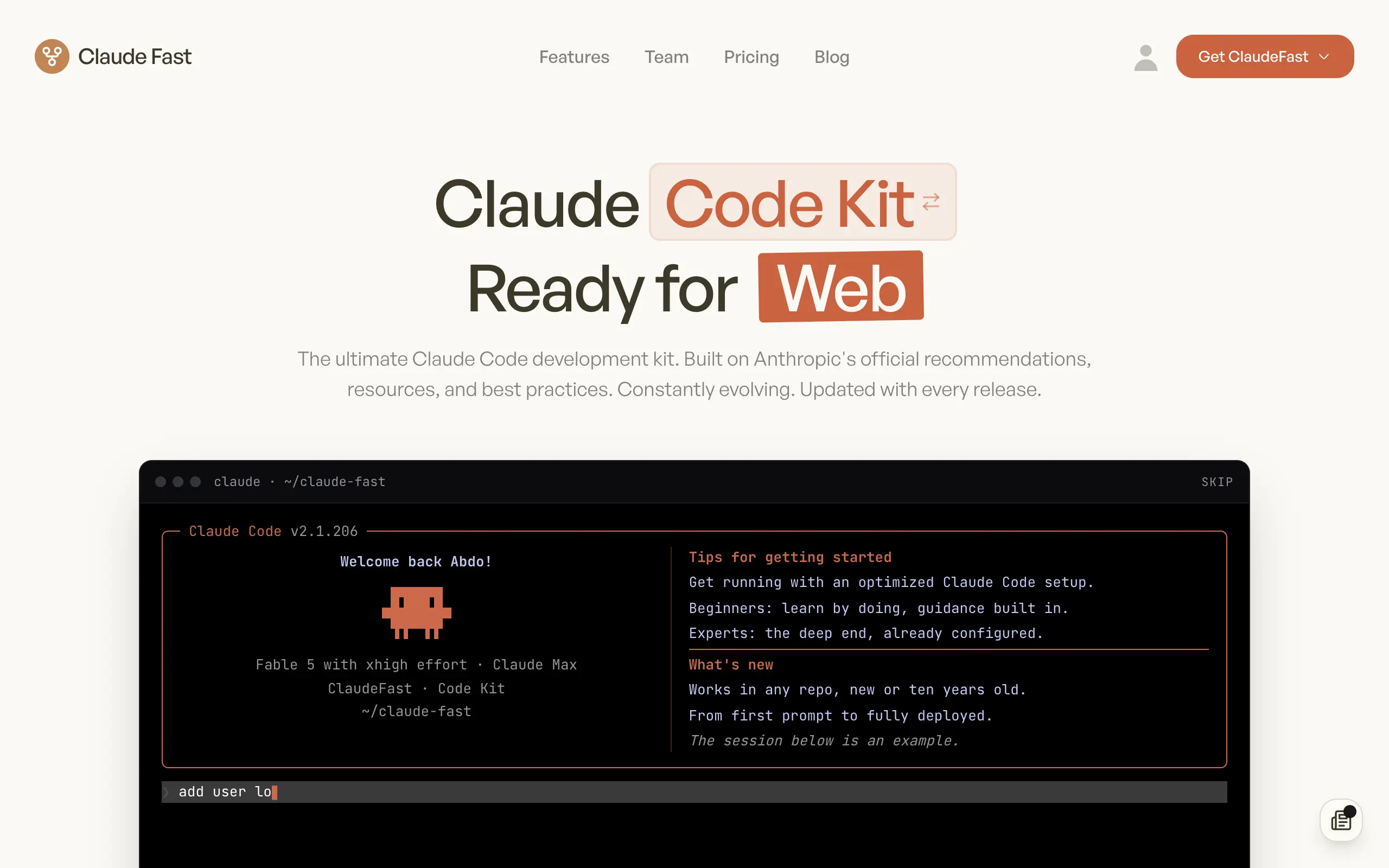
Claude Fast
Supercharge your Claude Code with 6x effective context window and specialized AI agents 🤖
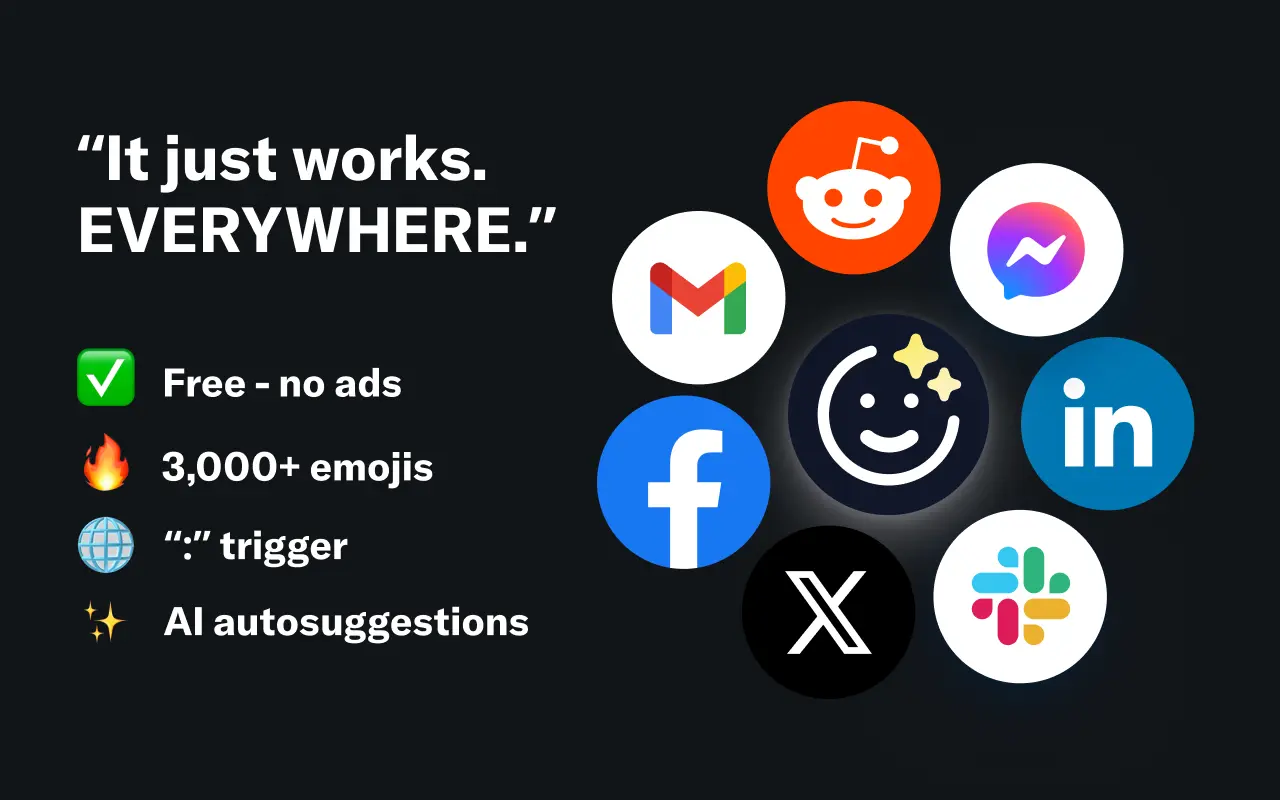
EmojAI
AI-powered emoji picker with smart, context-aware suggestions 🤖

Solohacker
Autonomous company launcher - AI agents work 24/7, escalate what matters, and you stay in control 🤖
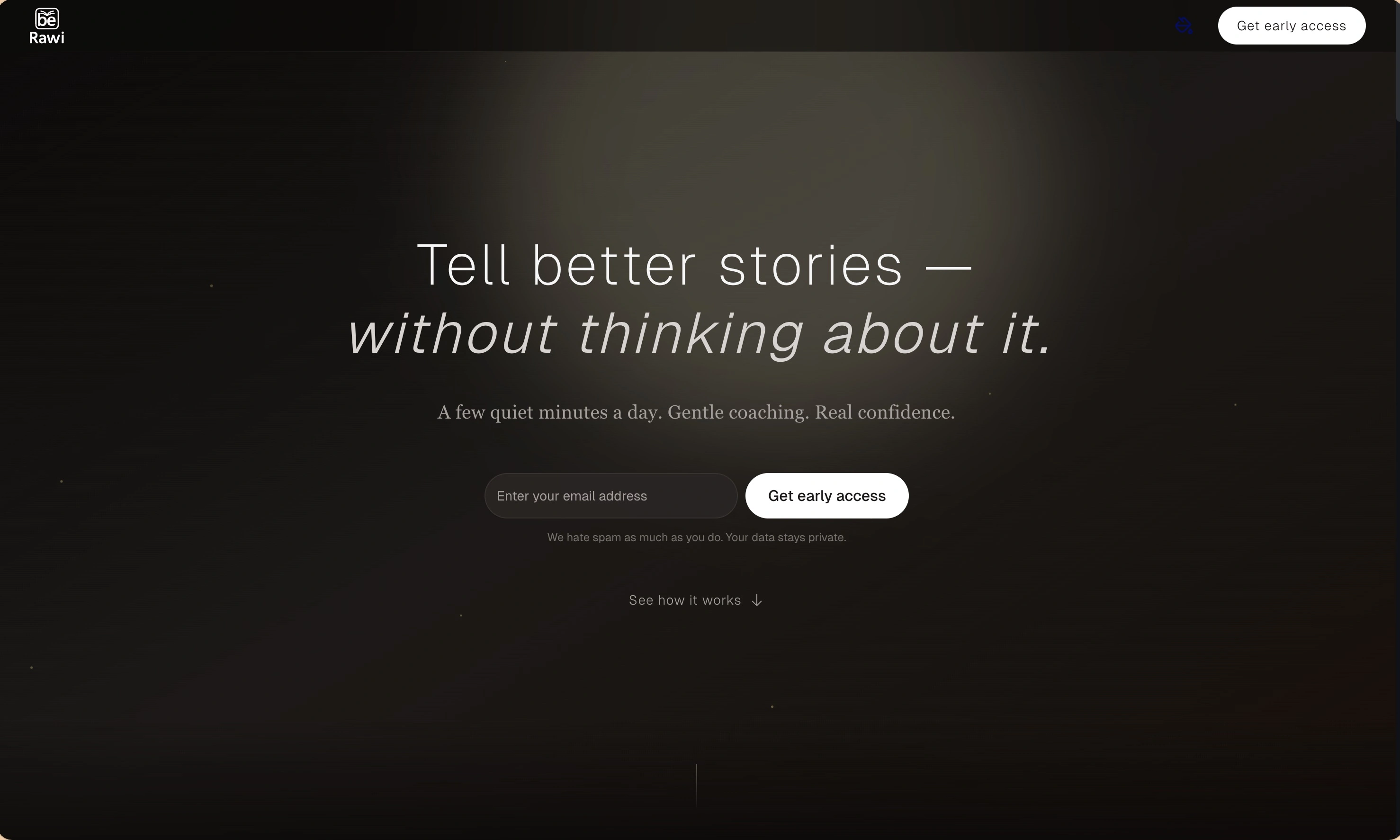
BeRawi: Storytelling Coach
Practice storytelling daily with instant feedback to sound clearer, more engaging, and confident 🎤
Omichat
Chat with 50+ AI models, including ChatGPT and Claude, in one place - switch models anytime without losing context 🤖
Claude Fast
Supercharge your Claude Code with 6x effective context window and specialized AI agents 🤖
EmojAI
AI-powered emoji picker with smart, context-aware suggestions 🤖
Solohacker
Autonomous company launcher - AI agents work 24/7, escalate what matters, and you stay in control 🤖
BeRawi: Storytelling Coach
Practice storytelling daily with instant feedback to sound clearer, more engaging, and confident 🎤
Omichat
Chat with 50+ AI models, including ChatGPT and Claude, in one place - switch models anytime without losing context 🤖
Claude Fast
Supercharge your Claude Code with 6x effective context window and specialized AI agents 🤖
EmojAI
AI-powered emoji picker with smart, context-aware suggestions 🤖
Solohacker
Autonomous company launcher - AI agents work 24/7, escalate what matters, and you stay in control 🤖
BeRawi: Storytelling Coach
Practice storytelling daily with instant feedback to sound clearer, more engaging, and confident 🎤
Omichat
Chat with 50+ AI models, including ChatGPT and Claude, in one place - switch models anytime without losing context 🤖
Claude Fast
Supercharge your Claude Code with 6x effective context window and specialized AI agents 🤖
EmojAI
AI-powered emoji picker with smart, context-aware suggestions 🤖
Solohacker
Autonomous company launcher - AI agents work 24/7, escalate what matters, and you stay in control 🤖
BeRawi: Storytelling Coach
Practice storytelling daily with instant feedback to sound clearer, more engaging, and confident 🎤

Connect with like-minded people
Join our community to get feedback, support, and grow together with 1,000+ builders on board, let's ship it!
Join usShip your startup everywhere. In minutes.
Don't burn tokens on setup and start building features on day one.