AssistAppoint
Reinforcement learning-powered appointment manager that learns user preferences, suggests optimal slots, and adapts to business workflow patterns efficiently.
Understanding AssistAppoint: A next-generation appointment manager powered by reinforcement learning
Businesses of all sizes depend on efficient scheduling to maximize productivity, satisfy customers, and reduce operational bottlenecks. AssistAppoint addresses these needs with a modern, intelligent, and adaptive system using reinforcement learning to supercharge appointment management, making it not only reactive but proactively optimized.
This comprehensive guide explores AssistAppoint from every angle: its target audience, market fit, unique features, potential challenges, implementation roadmap, and how it stands out in a saturated field. Whether you're researching new SaaS platforms, scouting innovation for your company, or considering building a similar solution, this resource delivers the expertise, authority, and actionable detail you expect.
Who needs AssistAppoint? Target audience analysis
The core strength of AssistAppoint is its unique value to a wide range of business stakeholders. Understanding the user personas helps clarify the market opportunity and guides product focus.
Primary user personas
- Small to medium businesses (SMBs): Service providers such as salons, clinics, consulting agencies, fitness trainers, and repair shops struggle with no-shows, double bookings, or manual scheduling. They need automation to keep staff and customers happy.
- Enterprise teams: Larger organizations with variable workflows (healthcare systems, educational institutions, legal practices) require advanced scheduling that accommodates dynamic calendars and organization-specific constraints.
- Administrative professionals: Receptionists or operations managers who currently coordinate appointments via phone/email and want AI-driven support to free up time.
- End customers: Anyone booking appointments online benefits from a streamlined, personalized scheduling process.
Segment-specific pain points
- Constant rescheduling and no-shows create wasted time.
- Existing appointment management tools often lack adaptability and don’t learn from historical data.
- Complex workflows (multi-step appointments, resource allocations) are challenging for rigid calendar apps.
- Staff availability and time-off policies introduce complicated constraints.
AssistAppoint is designed for businesses seeking an adaptive, intelligent solution—one that doesn't just accept appointments, but optimally manages them in line with unique business patterns and user preferences.
Market opportunity and identifying the SaaS gap
Despite the proliferation of scheduling tools, including giants like Calendly and Acuity, a critical gap remains: intelligent, adaptive appointment management that truly learns, improves, and aligns with complex, real-world business needs.
Industry landscape and growth trends
- The global online appointment scheduling software market is projected to grow at 13.1% CAGR from 2023–2030. (reference)
- Post-pandemic digital transformation has increased remote bookings and hybrid working, raising demand for smarter scheduling.
- AI adoption in business process automation is now mainstream; however, truly adaptive solutions leveraging reinforcement learning are rare.
Key market deficiencies
- Static automation: Current leaders provide rule-based recommendations but lack learning capabilities.
- One-size-fits-all workflows: Generic workflows don't adapt to business-specific quirks or seasonal trends.
- Limited customer personalization: Few tools personalize repeat bookings or suggest optimal times based on actual behavior.
- Scaling complexity: As businesses grow, so do the constraints and variables—manual configuration doesn’t scale.
Addressing market intent
User search intent for this domain is sharply focused: decision-makers are actively seeking smarter, self-improving tools that reduce administrative friction and improve revenue through optimized booking. AssistAppoint directly serves this high-intent market segment.
Core features: How AssistAppoint leverages reinforcement learning for appointment success
At the heart of AssistAppoint lies a reinforcement learning engine designed to:
- Analyze user behavior and appointment history.
- Adapt to business workflows and constraints.
- Automatically suggest and refine optimal time slots.
- Continuously learn from feedback (booking acceptance rates, rescheduling, no-shows).
Main features and their benefits
Smart slot recommendation
Suggests best available slots based on user history, staff availability, and variable priorities.
Workflow-aware scheduling
Learns unique business workflows and adapts to changing rules or multi-step processes.
Personalized booking experience
Offers customers preferred times, increases convenience, and reduces friction.
Dynamic optimization
Continuously updates slot suggestions as data changes—seasonality, cancellations, staff switches.
No-show mitigation
Reinforcement learning model predicts likely no-shows and overbooks where beneficial, reducing lost revenue.
Deep analytics
Provides actionable insights about booking trends, staff productivity, and operational bottlenecks.
Under the hood: How reinforcement learning powers AssistAppoint
Unlike basic automation, reinforcement learning enables software to learn optimal behaviors from real-time or historical feedback, not just follow static rules. AssistAppoint iteratively improves its slot allocation strategies by observing decision outcomes—when are appointments accepted, canceled, or missed—and updating its policy accordingly.
// Pseudocode: Simplified RL workflow for slot optimization
while (booking_active) {
  state = getCurrentScheduleState();
  action = chooseOptimalSlot(state, learned_policy);
  reward = observeUserResponse(action);
  updatePolicy(state, action, reward);
}
Why RL matters for scheduling
Traditional automation can follow explicit rules, but only RL systems proactively shift behavior—learning and optimizing over time with each booking, cancellation, or user preference update.
In-depth look at workflow adaptation and business logic
Adapting to workflow complexity
AssistAppoint stands apart by mapping to complex, business-specific workflows:
- Multiple staff or resources per appointment
- Prerequisite services or multi-step bookings
- Resource limitations (e.g., room or equipment availability)
- Variable appointment durations
- Custom cancellation and rescheduling policies
These variables are learned over time—not just configured once—which means the system evolves as your business changes.
Workflow learning examples
- Healthcare: Shifts appointment slots forward for clients with recurring lateness, minimizing waiting room congestion.
- Consulting: Detects seasonal booking spikes and proactively opens extra time slots.
- Salons: Automatically allocates longer slots for repeat customers known to require more time.
- Legal firms: Restricts certain slots to premium clients based on historical value.
Recommended tech stack: Powering an AI-driven SaaS platform
Backend architecture
- Core language: Python (most RL libraries, e.g., Stable Baselines3, are Python-first)
- Framework: FastAPI for speed, modern async support, and strong data validation
- Machine learning: PyTorch or TensorFlow for model development
- Scheduling & workflow engine: Celery or Temporal for managing background tasks, scheduling, and event-driven flows
- Database: PostgreSQL (relational, supports analytics) and optionally Redis (caching)
- Hosting: Modern cloud platforms such as AWS, GCP, or Azure for scalability and reliability
Frontend considerations
- Framework: React for dynamic UI and component modularity
- Styling: TailwindCSS for rapid prototyping and design consistency
- State management: Redux or Recoil
- Auth: Auth0 or built-in with OAuth2
Trade-offs and reasoning
- Python > Node.js for ML tasks: Most advanced RL tooling is native to Python, ensuring faster iteration and deeper capabilities.
- Celery vs Temporal: Celery is well-known in Python ecosystems for task scheduling, but Temporal gives extra resilience for complex, stateful workflows. Initial MVPs might lean on Celery, with migration to Temporal as needs scale.
- React ecosystem: Universally adopted, strong community support, and rapid component-driven development.
While AssistAppoint can integrate with Google Calendar and Microsoft Outlook, these APIs don't offer intelligent learning or dynamic workflow adaptation. They serve as integration points, not as a core feature set.
Monetization strategy: Pricing models for SaaS appointment management
Core approaches
- Tiered subscription plans: Offer basic features for SMBs, with advanced RL-powered optimizations and analytics locked behind higher tiers.
- Per-seat or per-location pricing: Scale pricing based on the number of staff or office locations using the system.
- Premium analytics add-on: Advanced business intelligence modules (trends, predictions, workflow optimization) as paid extras.
- API access and integrations: Charge for API usage (syncing with CRM, HR, or other platforms) or custom workflow connectors.
- Marketplace fees: For businesses that drive bookings via online discovery platforms, take a small percentage of payments processed.
Comparative table: Pricing feature breakdown vs. competitors
| RL slot optimization | Static booking | Custom workflows | Analytics | API integrations |
|---|---|---|---|---|
| ✅ | ❌ | ❌ | ✅ | ❌ |
| ✅ | ❌ | ✅ | ✅ | ❌ |
Competitive edge: AssistAppoint's unique selling proposition
While standard scheduling software focuses on automating workflows, AssistAppoint’s unique advantage lies in its continuous improvement and true intelligence:
- Reinforcement learning backbone: Not rule-based, it actively learns and optimizes as your business evolves.
- Hyper-personalization: Quickly adapts to individual customer and staff behavior.
- Workflow-first: Handles both standard and highly custom processes, without manual reconfiguration after every change.
- Proactive problem prevention: Identifies no-show risk, slot congestion, and seasonality before they impact the business.
- Actionable analytics: Delivers real, data-backed insights—critical for strategic business decisions.
Direct competitor comparison
| Feature | Basic Calendar Apps | Standard Booking SaaS | AssistAppoint |
|---|---|---|---|
| Learns from data | ❌ | ❌ | ✅ |
| Suggests optimal slots | ❌ | ✅ | ✅ |
| Adapts to custom workflows | ❌ | Limited/Manual | ✅ |
| Predicts & mitigates no-shows | ❌ | ❌ | ✅ |
| Self-optimizes over time | ❌ | ❌ | ✅ |
Managing risks: Challenges and mitigation strategies
Potential risks
- Data privacy and compliance: Handling sensitive customer data requires strict GDPR/CCPA compliance.
- Model explainability: Reinforcement learning models can become "black boxes"—vulnerable to errors that are hard to debug or justify.
- Cold start problem: Initially, the RL model lacks data, making early suggestions less accurate.
- Workflow complexity overload: Extremely niche or ever-changing workflows may strain general adaptation.
- Integration limitations: Some third-party systems may restrict data access, impeding learning.
Mitigation recommendations
- Adopt privacy-by-design principles in all architecture, employing encryption at rest and in transit.
- Implement model transparency dashboards: Allow admins to see the logic and drivers behind recommendations.
- Onboarding with hybrid logic: Use traditional rule-based scheduling alongside RL at launch until sufficient data is gathered.
- Continuous workflow mapping: Provide businesses with interfaces to quickly update or override workflow rules.
- APIs and webhooks: Build a robust middleware layer to connect with as many data sources as possible.
Implementation steps: Bringing AssistAppoint to life
Rolling out an innovative SaaS like AssistAppoint requires a careful, phased approach. Here’s a suggested step-by-step implementation plan for startups and enterprises:
Discovery phase: Conduct interviews with target users in different sectors to map workflow complexity and core pain points.
Prototype design: Create detailed UX flows for booking, staff management, and admin analytics. Prioritize modularity and custom workflow handling.
RL model development: Implement a basic RL agent for slot prediction, train on synthetic or anonymized historical data.
MVP launch: Build the initial product on FastAPI and React, integrate basic calendar APIs for bootstrapping.
User data collection: Offer early beta access; continuously feed booking decisions/events into the RL engine.
Iterative refinement: Analyze data, expand RL capabilities, add personalized recommendations, and build out advanced analytics.
Compliance and scalability: Enhance data protection, scale infrastructure, and expand integration partners. Prepare for wider launch.
Practical next steps and conclusion
Adopting or building a reinforcement learning-powered appointment manager offers measurable advantages—from reduced no-show rates to higher staff utilization and superior customer experience. The landscape is ripe with businesses actively searching for smarter scheduling software tailored to their evolving processes.
Key takeaways:
- Reinforcement learning transforms the static scheduling paradigm into a dynamic, self-improving engine.
- Workflow adaptability is crucial for niche industries and scaling organizations.
- Early-stage data and user feedback are essential for model accuracy and product-market fit.
- Security, transparency, and compliance must be foundational, not an afterthought.
- The right tech stack accelerates development, while monetization versatility ensures sustainable growth.
For businesses and founders seeking a powerful starting point, solutions like TurboStarter can help accelerate development, reduce friction, and provide best-in-class boilerplate for SaaS builders.
Frequently asked questions
Yes, AssistAppoint is designed with integration in mind, supporting leading platforms like Google Calendar and Microsoft Outlook for seamless synchronization.
Most businesses see meaningful optimization within a few weeks, as the RL engine absorbs and adapts to real booking data.
Absolutely—one of its core strengths is mapping to both standard and highly bespoke appointment workflows, including recurring or dependent bookings.
Yes. Security and compliance features are designed to meet high standards, including encryption and audit logs to help with GDPR/CCPA requirements.
By integrating advanced machine learning, workflow intelligence, and a relentless focus on business value, AssistAppoint sets a new benchmark for SaaS appointment management. The future of scheduling is not only automated—it’s intelligently adaptive.
More 💡 Other SaaS ideas
Discover more innovative other SaaS ideas that are trending in 2026. Each idea is AI-generated with market validation and growth potential to help you find your next profitable venture faster than competitors.
Your competitors are building with TurboStarter
Below are some of the SaaS ideas that have been generated and built with our starter kit.

Statiko
Monitor any Telegram channel in real time - track posts, edits, deletions, and growth with AI recaps 📡

Shibui
AI website builder - describe your business, pick a niche template, edit by chatting, and publish instantly ✨

Pro Service
Find verified home service professionals, compare quotes, and pay securely through escrow - built for Brazilians across the US 🏠
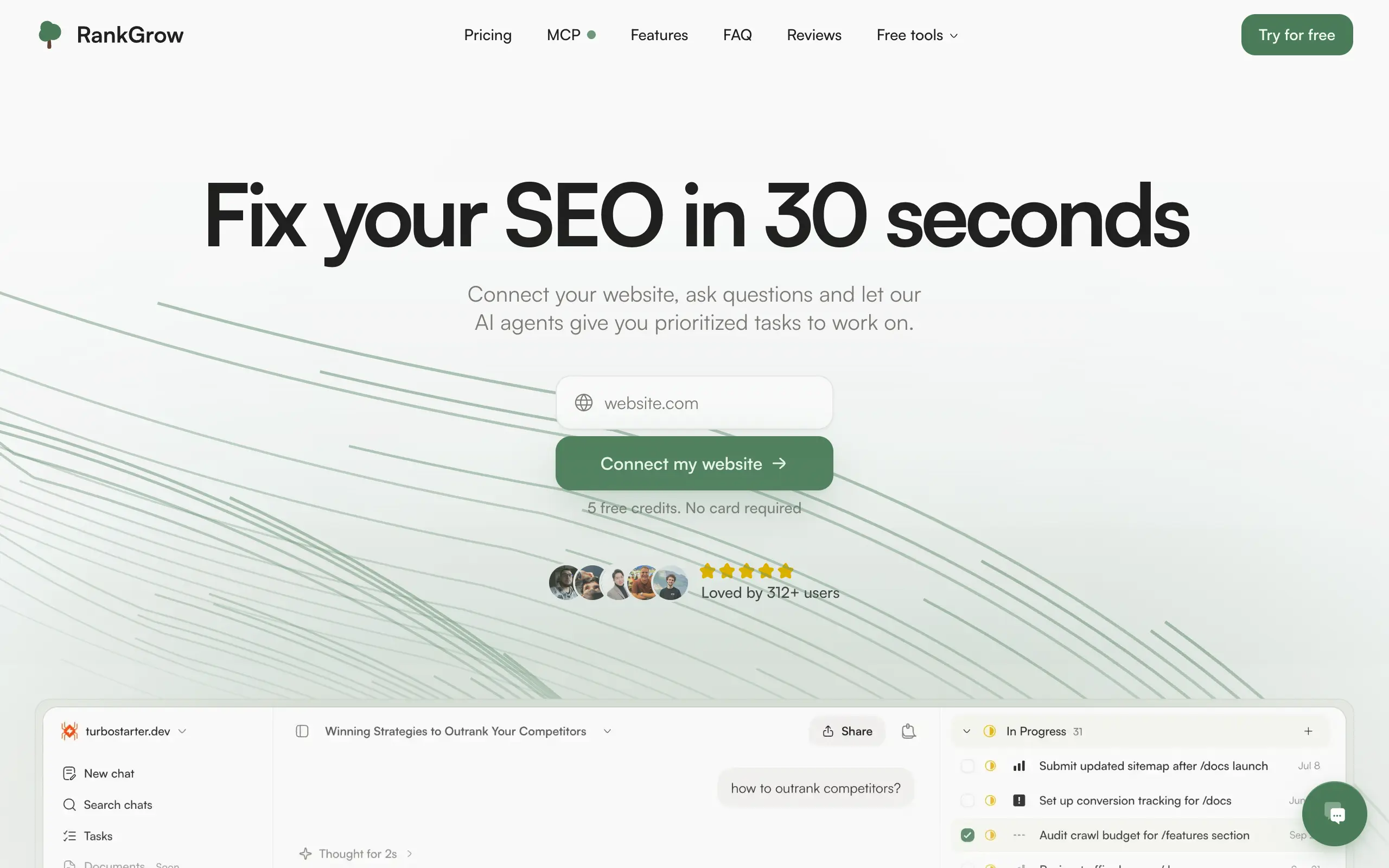
RankGrow
Fix your SEO with AI agents - connect Search Console, get prioritized tasks, and grow organic traffic 📈
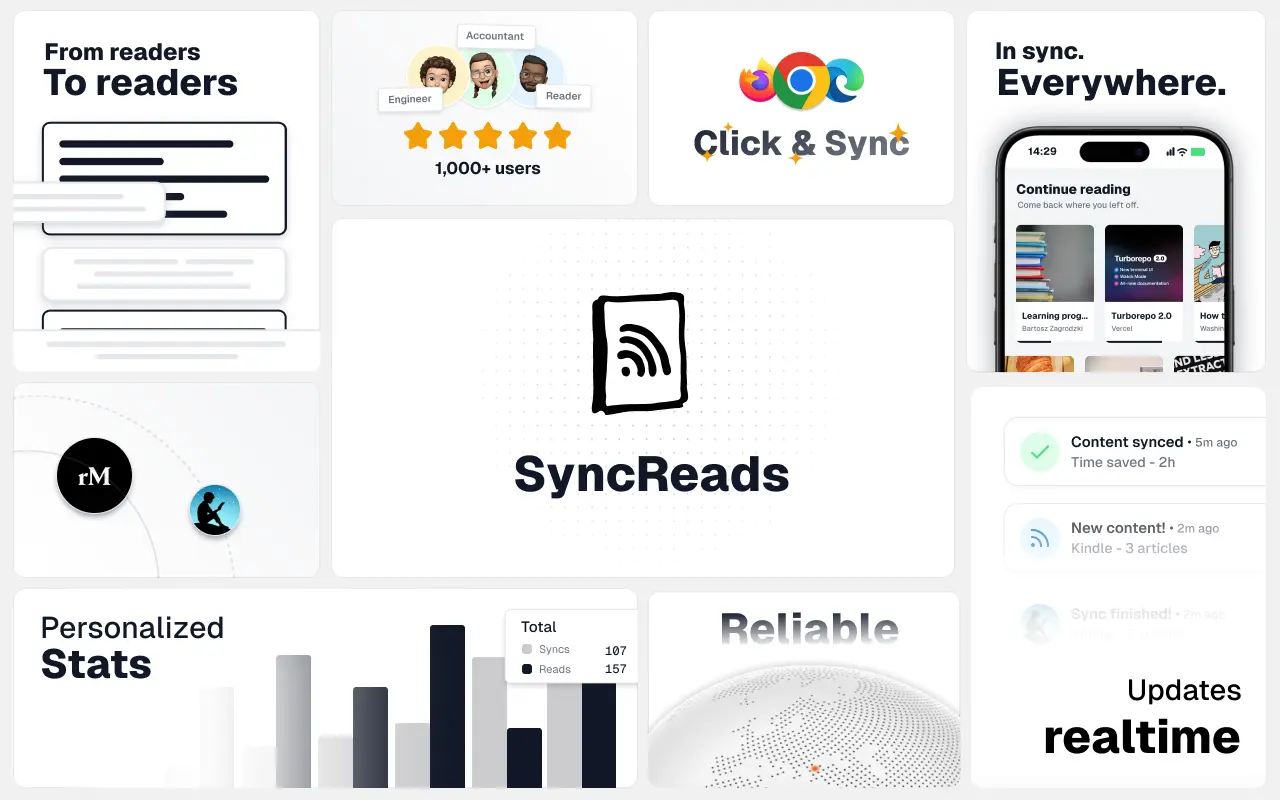
SyncReads
Sync your favorite content for distraction-free reading, save time and replace multiple apps. Anytime, anywhere 🔄
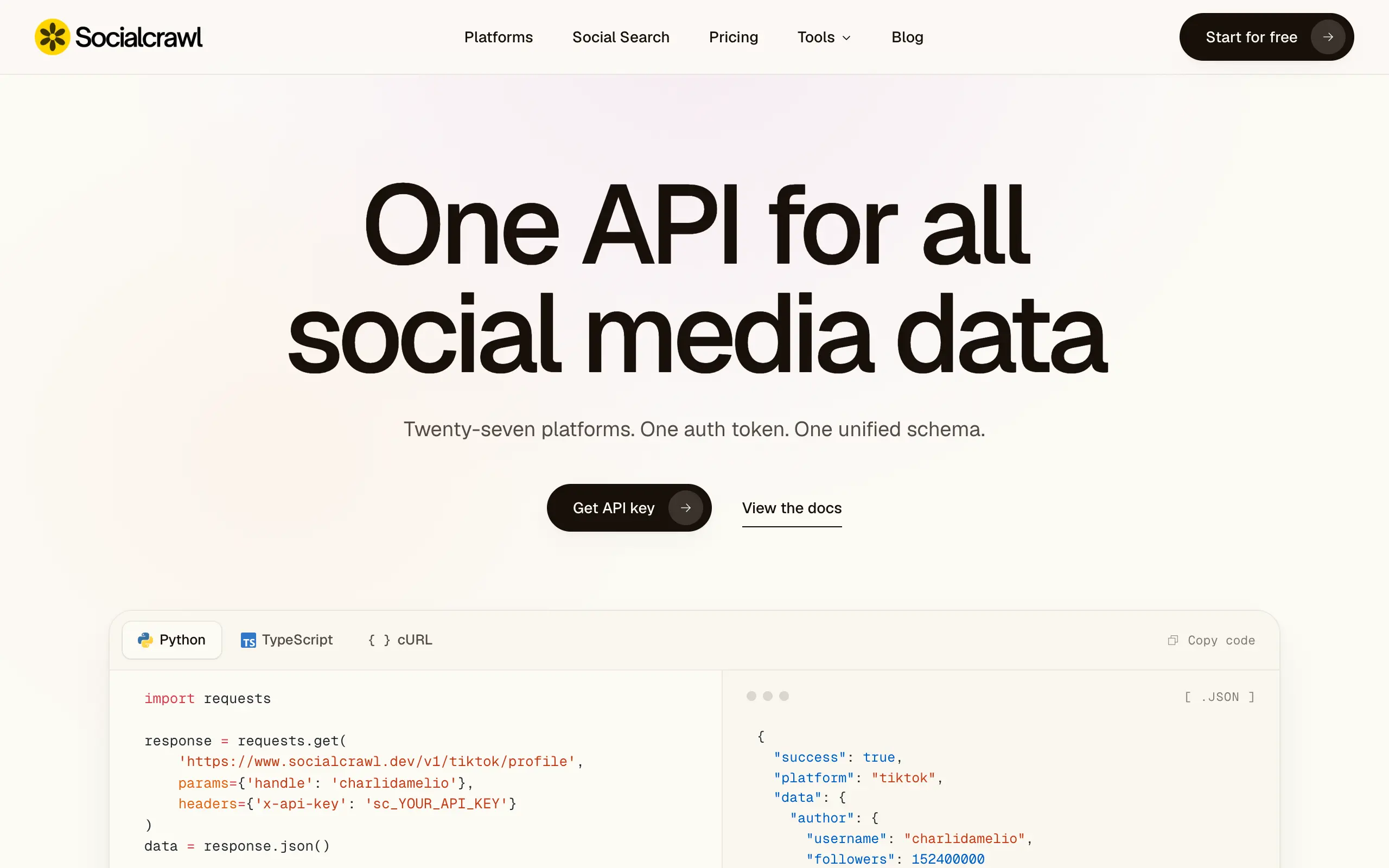
Socialcrawl
Get clean, structured data from 21 platforms like TikTok, Instagram, and YouTube with a single request 📊
Statiko
Monitor any Telegram channel in real time - track posts, edits, deletions, and growth with AI recaps 📡
Shibui
AI website builder - describe your business, pick a niche template, edit by chatting, and publish instantly ✨
Pro Service
Find verified home service professionals, compare quotes, and pay securely through escrow - built for Brazilians across the US 🏠
RankGrow
Fix your SEO with AI agents - connect Search Console, get prioritized tasks, and grow organic traffic 📈
SyncReads
Sync your favorite content for distraction-free reading, save time and replace multiple apps. Anytime, anywhere 🔄
Socialcrawl
Get clean, structured data from 21 platforms like TikTok, Instagram, and YouTube with a single request 📊
Statiko
Monitor any Telegram channel in real time - track posts, edits, deletions, and growth with AI recaps 📡
Shibui
AI website builder - describe your business, pick a niche template, edit by chatting, and publish instantly ✨
Pro Service
Find verified home service professionals, compare quotes, and pay securely through escrow - built for Brazilians across the US 🏠
RankGrow
Fix your SEO with AI agents - connect Search Console, get prioritized tasks, and grow organic traffic 📈
SyncReads
Sync your favorite content for distraction-free reading, save time and replace multiple apps. Anytime, anywhere 🔄
Socialcrawl
Get clean, structured data from 21 platforms like TikTok, Instagram, and YouTube with a single request 📊
Statiko
Monitor any Telegram channel in real time - track posts, edits, deletions, and growth with AI recaps 📡
Shibui
AI website builder - describe your business, pick a niche template, edit by chatting, and publish instantly ✨
Pro Service
Find verified home service professionals, compare quotes, and pay securely through escrow - built for Brazilians across the US 🏠
RankGrow
Fix your SEO with AI agents - connect Search Console, get prioritized tasks, and grow organic traffic 📈
SyncReads
Sync your favorite content for distraction-free reading, save time and replace multiple apps. Anytime, anywhere 🔄
Socialcrawl
Get clean, structured data from 21 platforms like TikTok, Instagram, and YouTube with a single request 📊
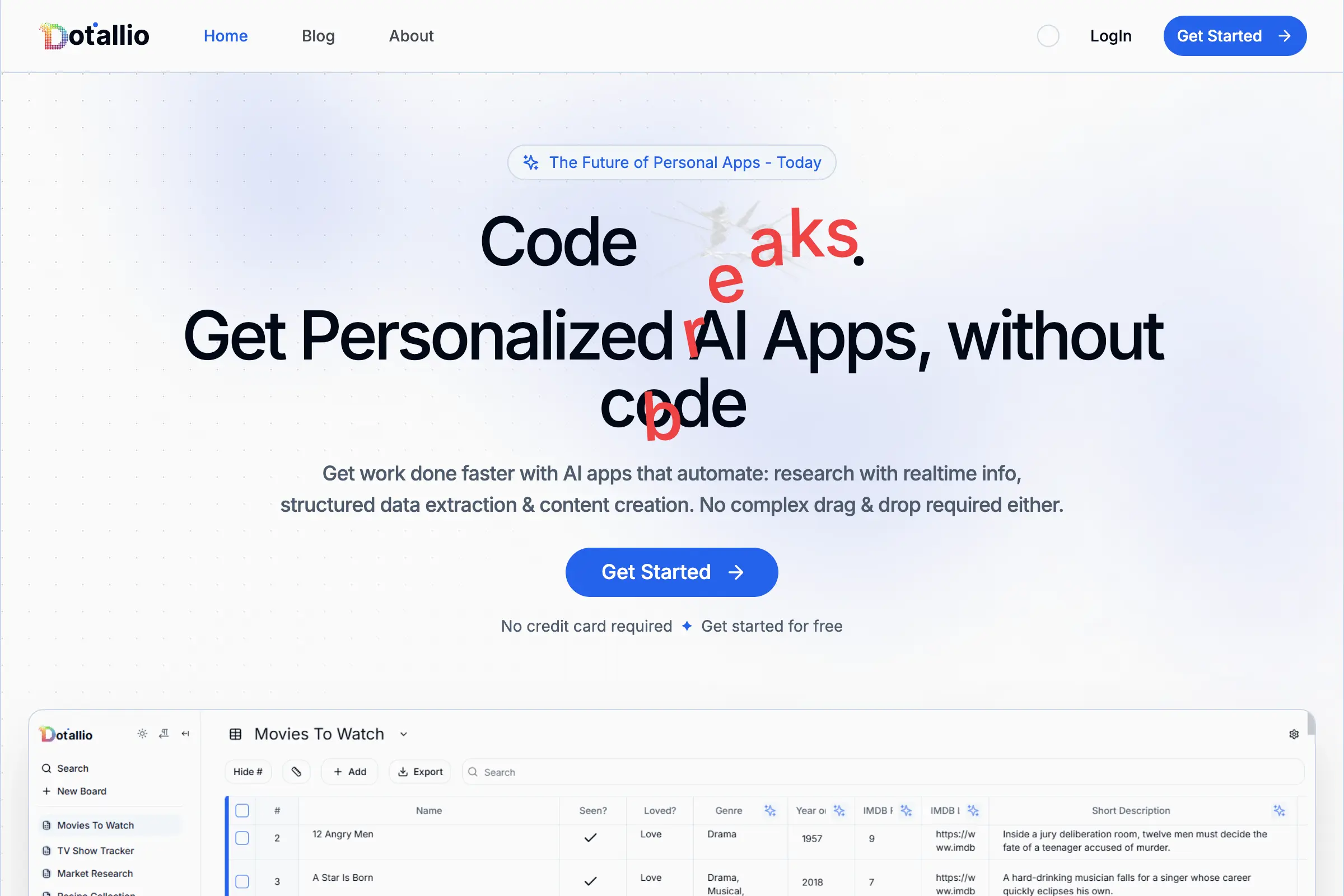
Dotallio
Personalized AI apps that automate research, data extraction, and content creation without code 🤖
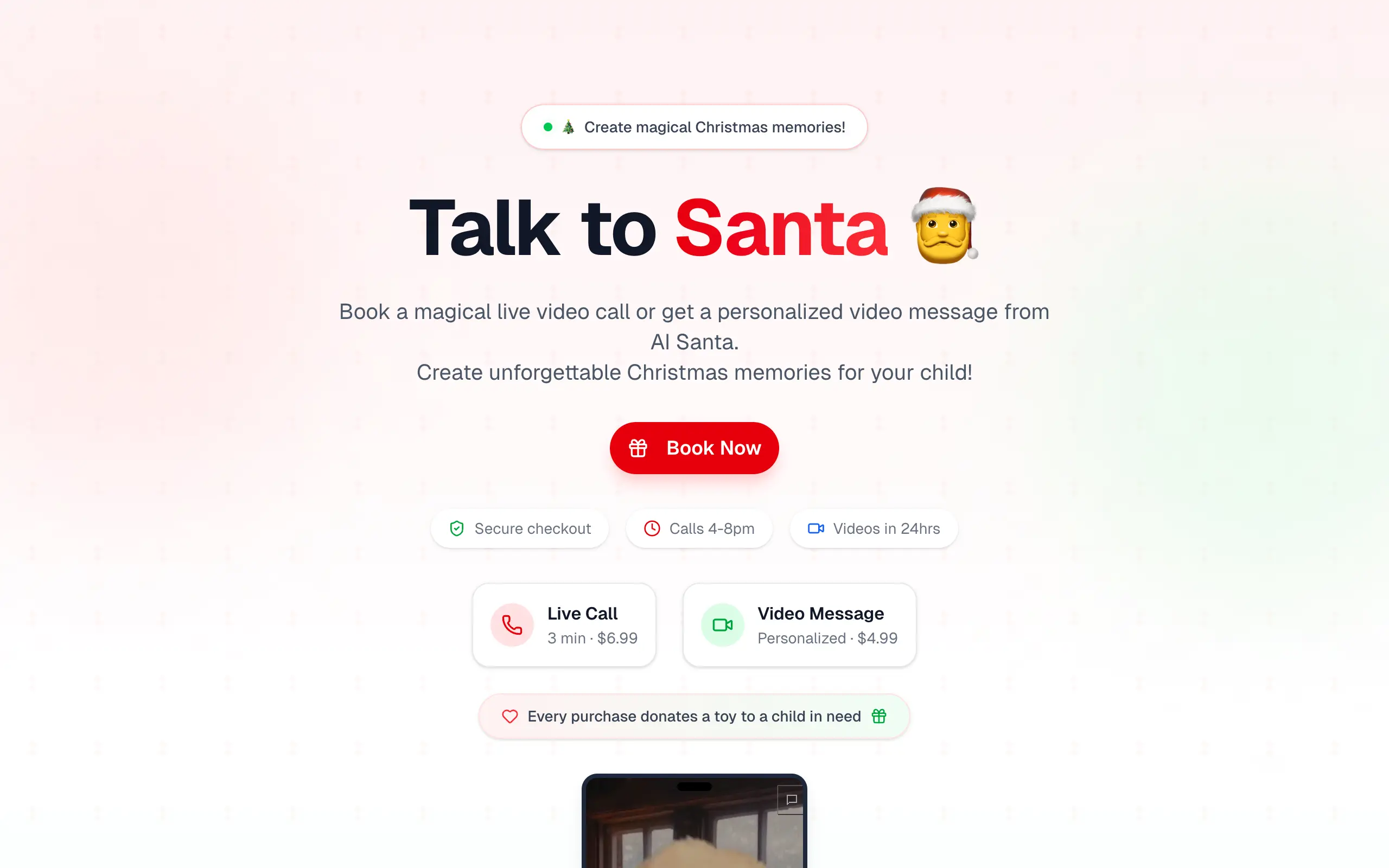
Talk to Santa
Enjoy a magical live video chat or receive a unique AI-generated video greeting from Santa Claus 🎅
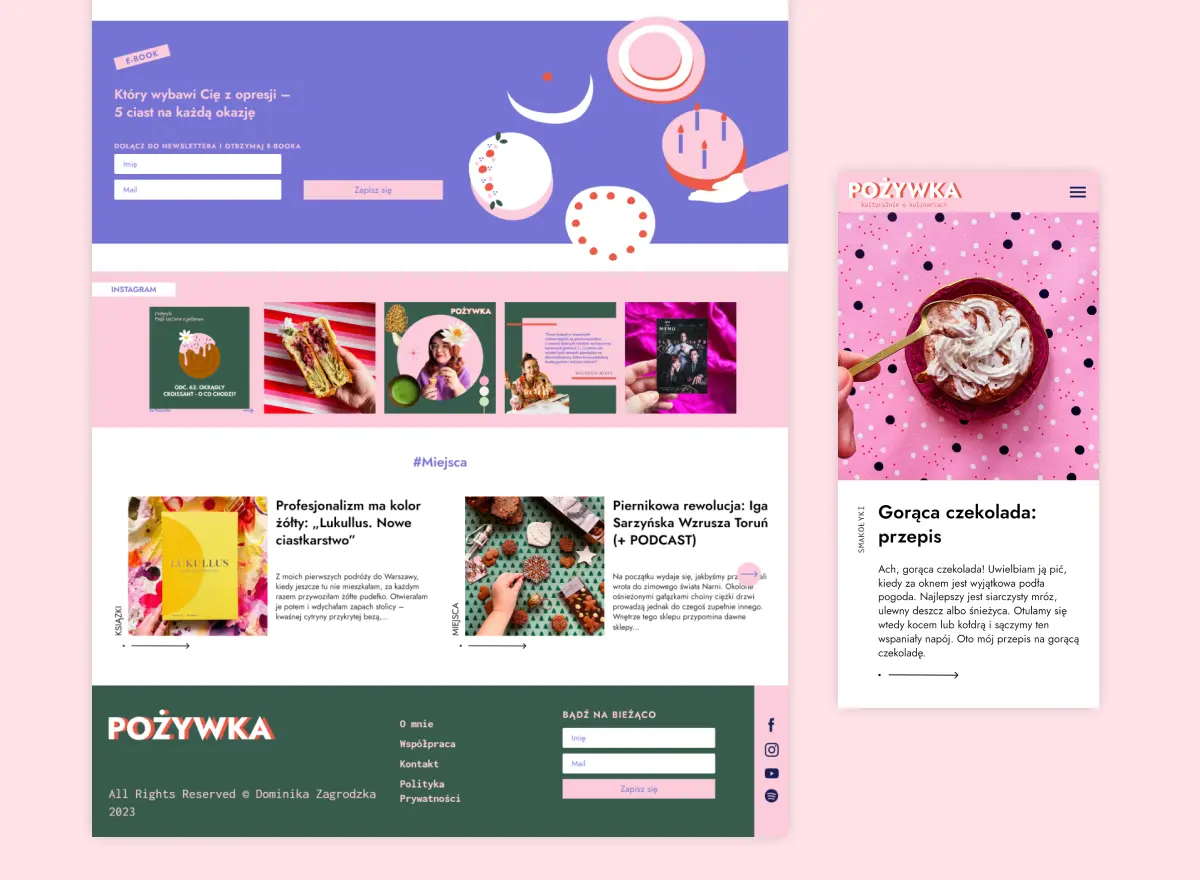
pozywka.pl
Scalable blog for food journalist, focused on performance and user experience 🌭
zagrodzki.me
Personal blog and portfolio of Bart Zagrodzki, where he shares his knowledge and work 💼
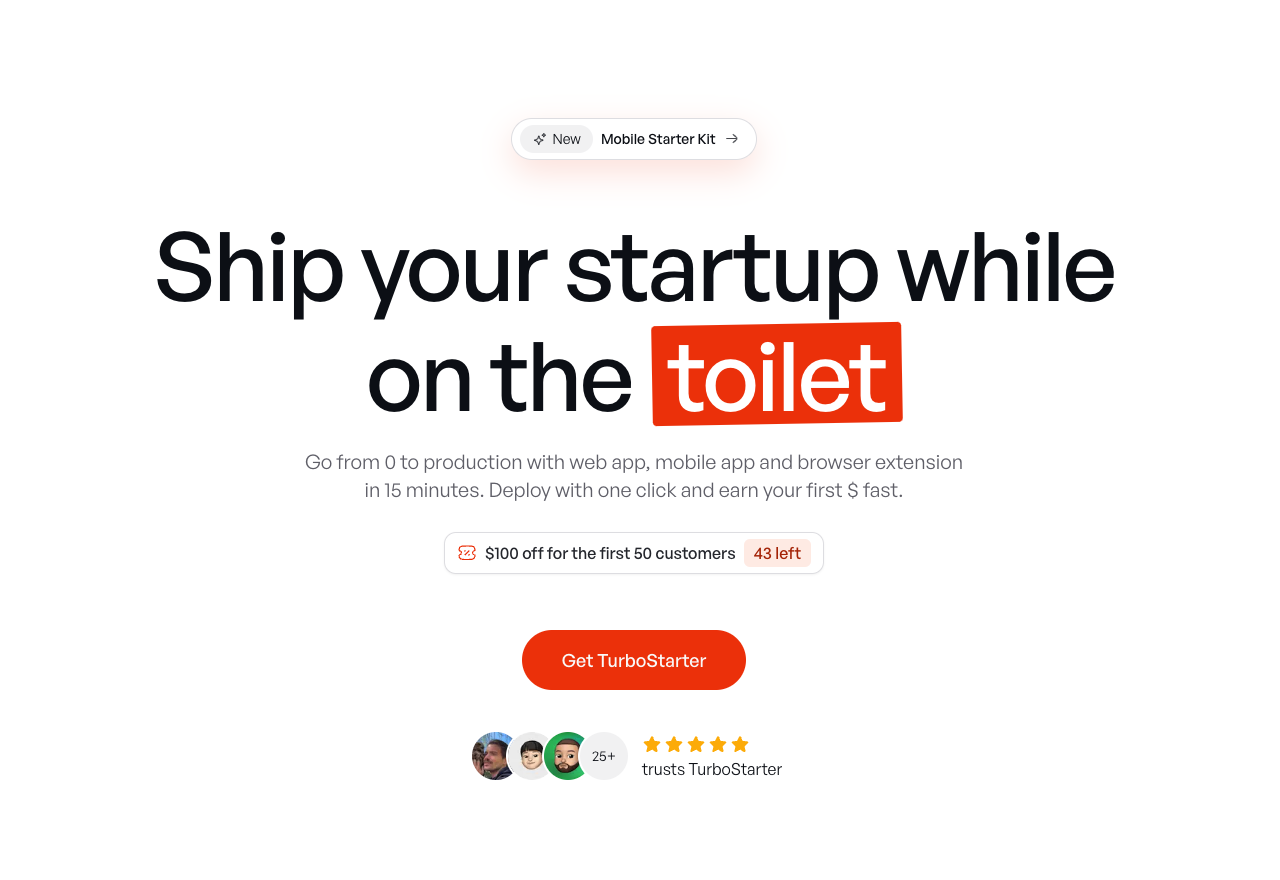
TurboStarter
Ship your startup everywhere. In minutes.
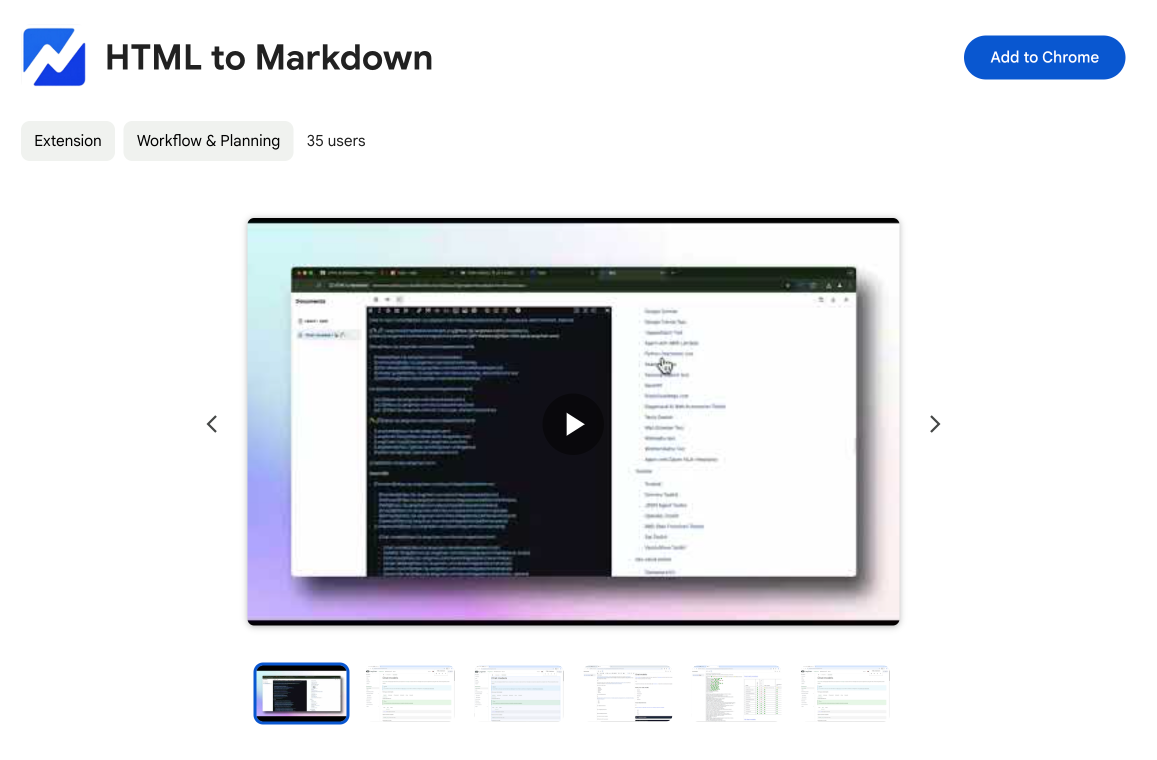
HTML to Markdown
Convert HTML to Markdown with ease, directly in your browser 📄
Dotallio
Personalized AI apps that automate research, data extraction, and content creation without code 🤖
Talk to Santa
Enjoy a magical live video chat or receive a unique AI-generated video greeting from Santa Claus 🎅
pozywka.pl
Scalable blog for food journalist, focused on performance and user experience 🌭
zagrodzki.me
Personal blog and portfolio of Bart Zagrodzki, where he shares his knowledge and work 💼
TurboStarter
Ship your startup everywhere. In minutes.
HTML to Markdown
Convert HTML to Markdown with ease, directly in your browser 📄
Dotallio
Personalized AI apps that automate research, data extraction, and content creation without code 🤖
Talk to Santa
Enjoy a magical live video chat or receive a unique AI-generated video greeting from Santa Claus 🎅
pozywka.pl
Scalable blog for food journalist, focused on performance and user experience 🌭
zagrodzki.me
Personal blog and portfolio of Bart Zagrodzki, where he shares his knowledge and work 💼
TurboStarter
Ship your startup everywhere. In minutes.
HTML to Markdown
Convert HTML to Markdown with ease, directly in your browser 📄
Dotallio
Personalized AI apps that automate research, data extraction, and content creation without code 🤖
Talk to Santa
Enjoy a magical live video chat or receive a unique AI-generated video greeting from Santa Claus 🎅
pozywka.pl
Scalable blog for food journalist, focused on performance and user experience 🌭
zagrodzki.me
Personal blog and portfolio of Bart Zagrodzki, where he shares his knowledge and work 💼
TurboStarter
Ship your startup everywhere. In minutes.
HTML to Markdown
Convert HTML to Markdown with ease, directly in your browser 📄
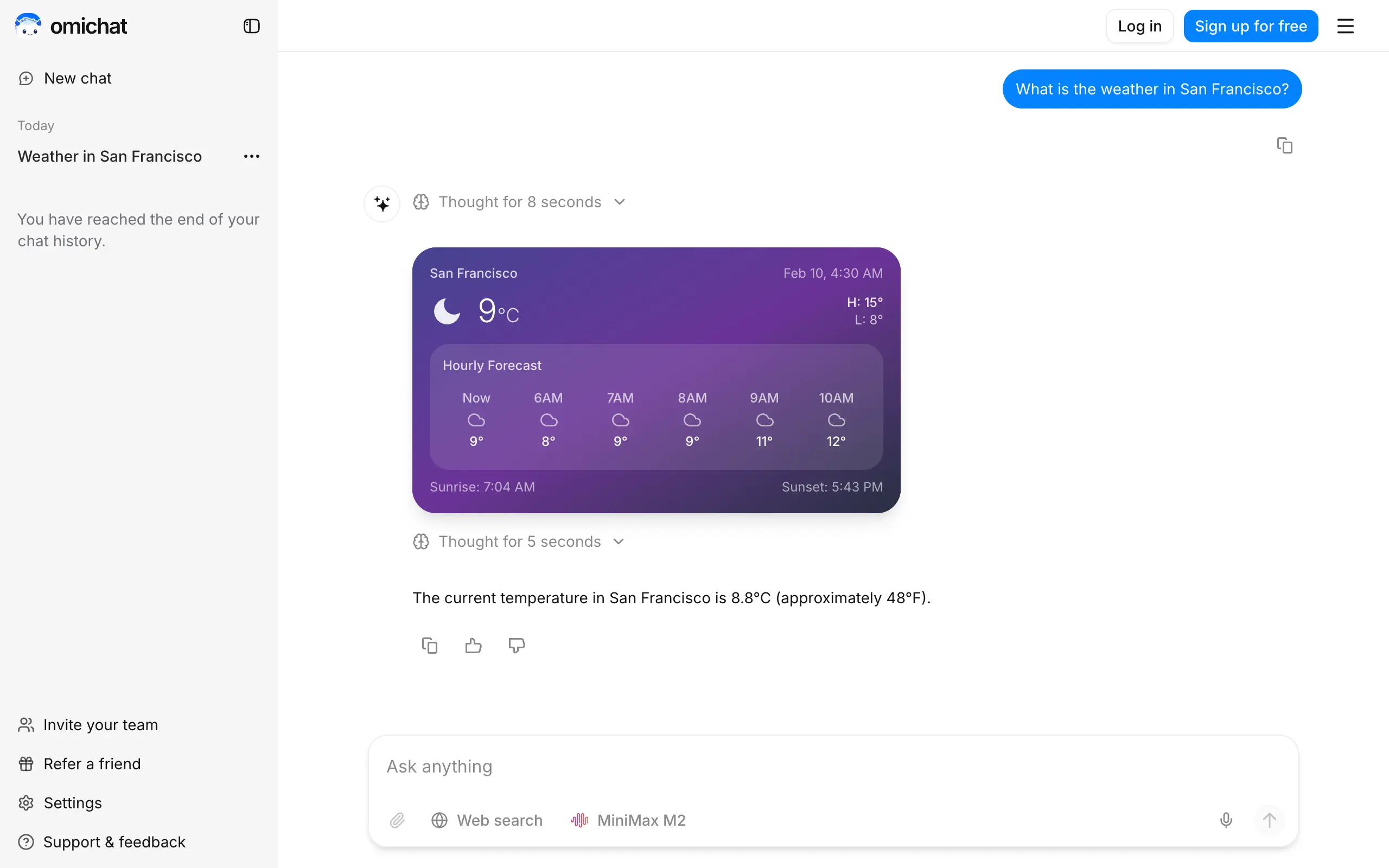
Omichat
Chat with 50+ AI models, including ChatGPT and Claude, in one place - switch models anytime without losing context 🤖
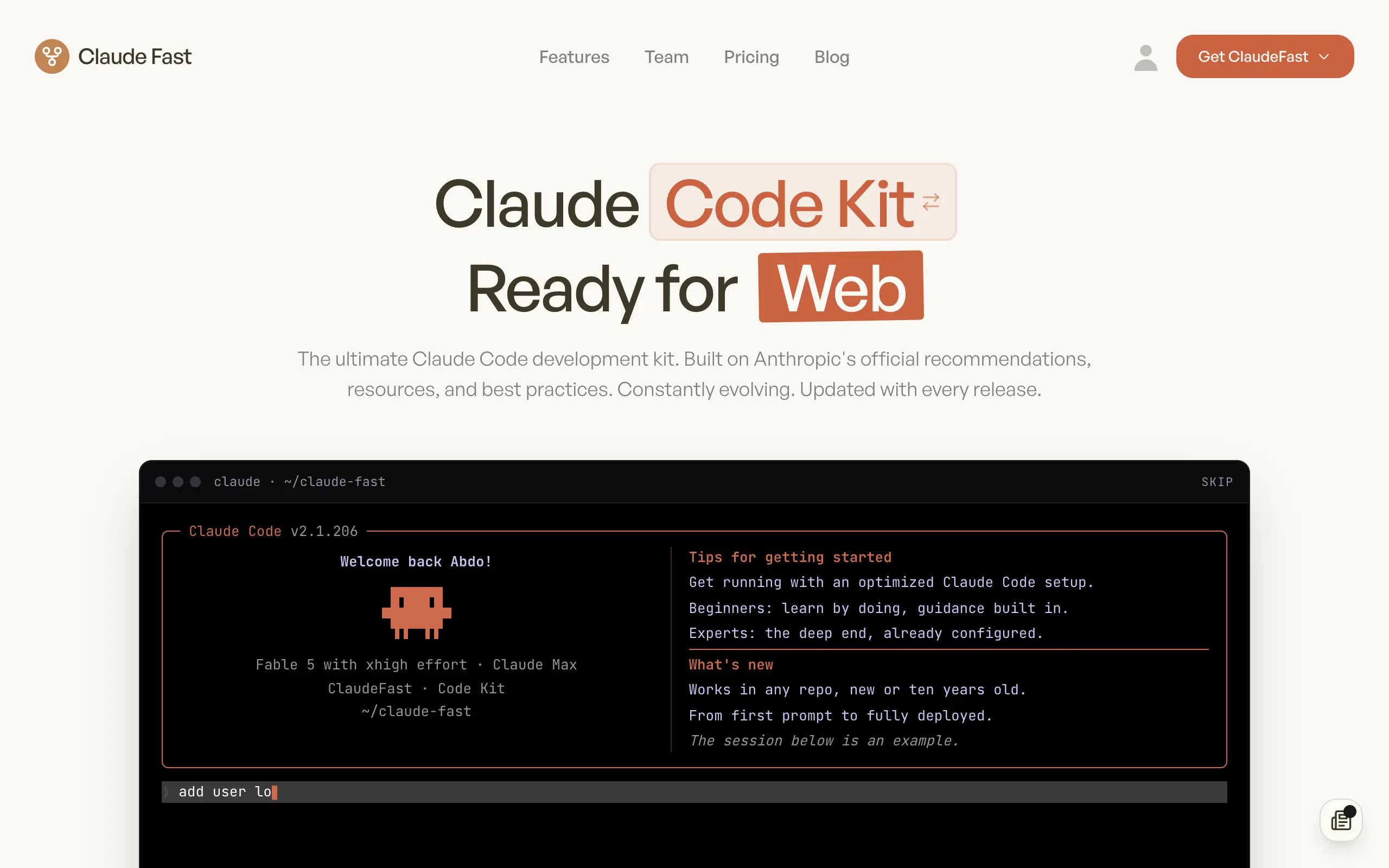
Claude Fast
Supercharge your Claude Code with 6x effective context window and specialized AI agents 🤖
EmojAI
AI-powered emoji picker with smart, context-aware suggestions 🤖
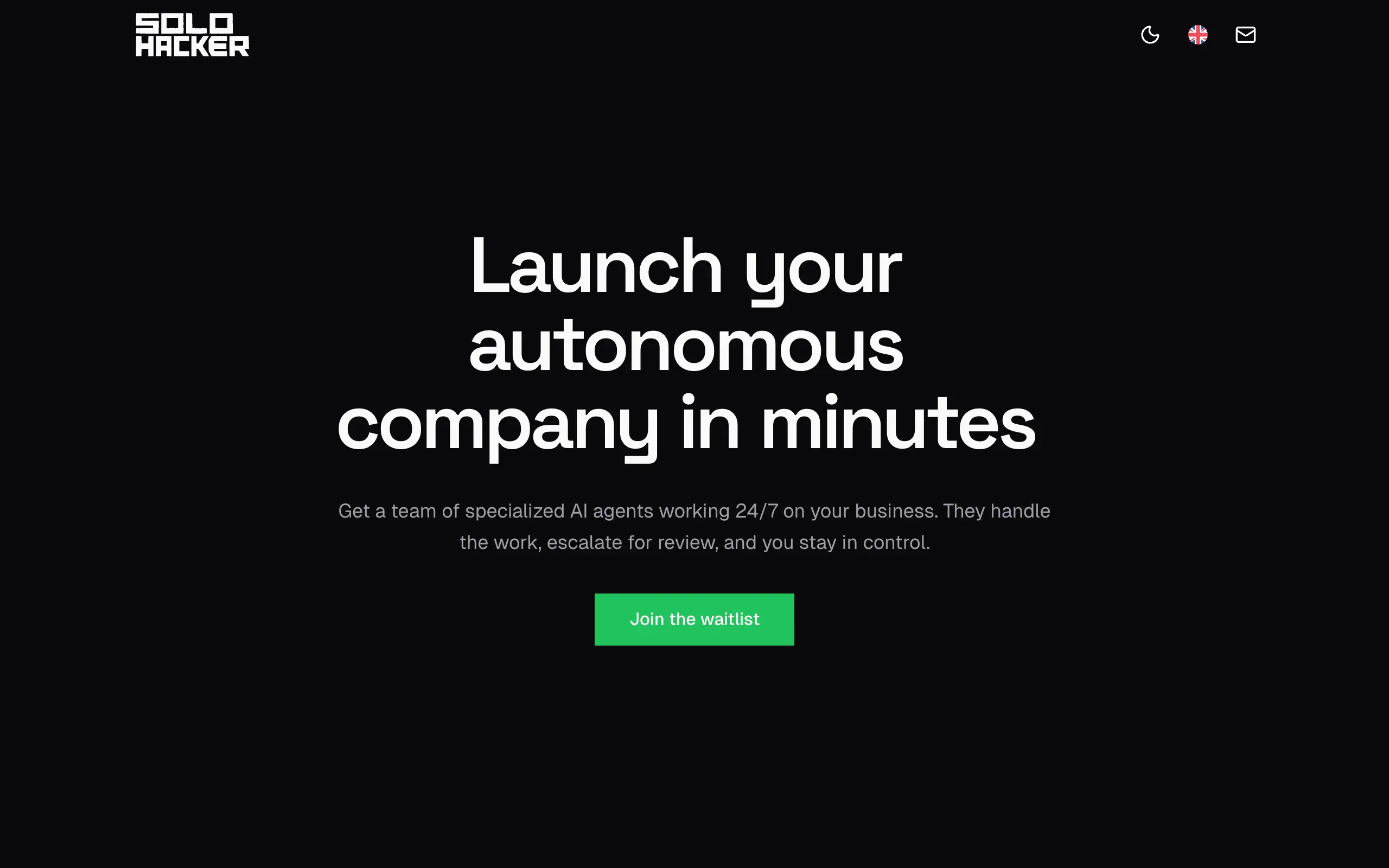
Solohacker
Autonomous company launcher - AI agents work 24/7, escalate what matters, and you stay in control 🤖
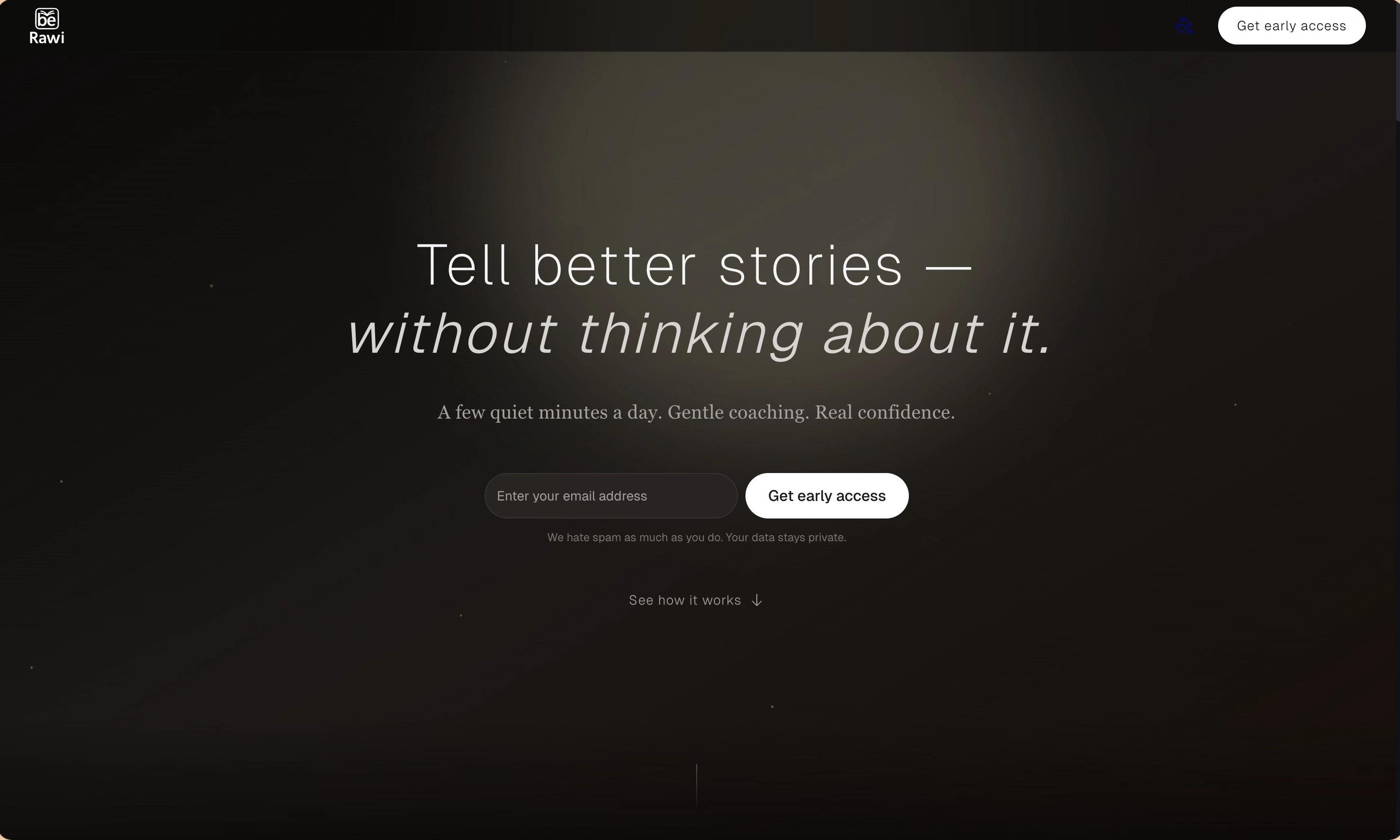
BeRawi: Storytelling Coach
Practice storytelling daily with instant feedback to sound clearer, more engaging, and confident 🎤
Omichat
Chat with 50+ AI models, including ChatGPT and Claude, in one place - switch models anytime without losing context 🤖
Claude Fast
Supercharge your Claude Code with 6x effective context window and specialized AI agents 🤖
EmojAI
AI-powered emoji picker with smart, context-aware suggestions 🤖
Solohacker
Autonomous company launcher - AI agents work 24/7, escalate what matters, and you stay in control 🤖
BeRawi: Storytelling Coach
Practice storytelling daily with instant feedback to sound clearer, more engaging, and confident 🎤
Omichat
Chat with 50+ AI models, including ChatGPT and Claude, in one place - switch models anytime without losing context 🤖
Claude Fast
Supercharge your Claude Code with 6x effective context window and specialized AI agents 🤖
EmojAI
AI-powered emoji picker with smart, context-aware suggestions 🤖
Solohacker
Autonomous company launcher - AI agents work 24/7, escalate what matters, and you stay in control 🤖
BeRawi: Storytelling Coach
Practice storytelling daily with instant feedback to sound clearer, more engaging, and confident 🎤
Omichat
Chat with 50+ AI models, including ChatGPT and Claude, in one place - switch models anytime without losing context 🤖
Claude Fast
Supercharge your Claude Code with 6x effective context window and specialized AI agents 🤖
EmojAI
AI-powered emoji picker with smart, context-aware suggestions 🤖
Solohacker
Autonomous company launcher - AI agents work 24/7, escalate what matters, and you stay in control 🤖
BeRawi: Storytelling Coach
Practice storytelling daily with instant feedback to sound clearer, more engaging, and confident 🎤

Connect with like-minded people
Join our community to get feedback, support, and grow together with 1,000+ builders on board, let's ship it!
Join usShip your startup everywhere. In minutes.
Don't burn tokens on setup and start building features on day one.