BackendLens
Scan a frontend repo to uncover missing auth, validation, logging, and data safeguards. Get a prioritized production-readiness plan with code-level fixes.
What BackendLens is and why it matters
BackendLens is a proposed backend security and production-readiness scanner for frontend repositories. It examines an application’s code and configuration to identify missing or weak safeguards around authentication, input validation, logging, and data handling. Instead of returning a long, undifferentiated list of possible problems, it turns its findings into a prioritized plan with code-level fixes.
That positioning matters because “the application works” and “the application is ready for production” are not the same thing. A frontend can successfully call an API while still relying on incomplete authorization checks, accepting unvalidated input, exposing sensitive data in logs, or failing to handle errors safely. These gaps are easy to miss during feature development, especially when a small team is moving quickly or has inherited a codebase it did not create.
BackendLens would help answer a practical question:
What backend-related safeguards should we verify before we ship this frontend application?
The product should not claim to prove that an application is secure. Static analysis cannot fully understand runtime behavior, infrastructure, deployment settings, or every business rule. Its value is more specific and more credible: help teams discover likely gaps, understand why they matter, and decide what to fix next.
That makes BackendLens more than a generic code scanner. Its opportunity is to connect code-level evidence with a clear production-readiness workflow for developers who need actionable guidance rather than another stream of alerts.
The problem with frontend repositories and backend risk
Modern applications often separate their frontend from their backend. A browser-based client may communicate with a REST API, a GraphQL service, serverless functions, a managed database, or several services at once. That separation can make ownership and responsibility less obvious.
Frontend developers may know how to make a request but not know whether the server independently verifies the user’s permissions. Backend developers may assume the client validates inputs before sending them. A small team may have no dedicated security engineer to challenge either assumption.
The result is a familiar class of production gaps.
Authentication is present, but authorization is unclear
A login screen or token-handling library can create a sense that authentication is “done.” But authentication answers who a user is; authorization determines what that user may do. A client-side route guard can improve the user experience, but it cannot replace a server-side permission check.
A repository scan may find signs of an authentication flow, such as token storage, session handling, or protected routes. It should then help the developer ask the next questions:
- Are privileged actions enforced by a trusted server?
- Are access checks applied to individual records, not just broad user roles?
- Can a user change an identifier in a request and access another person’s data?
- Are authentication failures handled consistently?
- Does the application expose sensitive tokens in URLs, logs, or client-side storage?
These are not all questions that a static scanner can answer definitively. BackendLens should distinguish between a confirmed code pattern and a risk that requires human review.
Validation is inconsistent across the request path
A form may validate an email address in the browser, but client-side validation is not a security boundary. Requests can be sent without using the interface. Server-side validation must enforce the rules that protect the application and its data.
A repository-level tool can look for request schemas, validation libraries, API boundary patterns, and code paths that accept user-controlled values. It can also identify where the evidence is incomplete. For example, it may detect a request handler that passes a value into a database operation without finding a nearby schema or explicit check.
The key is to avoid false certainty. BackendLens should explain that a missing visible validator is a reason to investigate, not automatic proof that the entire application lacks validation.
Logs and errors can leak information
Logging helps teams diagnose failures, but poorly designed logs can capture access tokens, personally identifiable information, request bodies, or internal implementation details. Similarly, errors that are useful during development may reveal too much when returned to users.
A useful scanner should look for risky logging patterns and error-handling paths, then give developers a concrete remediation. “Review logging” is too vague. “This request handler logs the full request object, which may contain credentials or personal data; log a request ID and a safe error category instead” is more actionable.
Data safeguards are easy to overlook
Data protection is not a single feature. It can involve limiting which fields are returned, protecting record ownership, avoiding unsafe query construction, handling secrets correctly, and ensuring that data is not accidentally exposed through debugging or client state.
BackendLens can provide value by mapping data-handling evidence across a repository. It should show where sensitive values enter, where they are transformed, and where the code appears to send or persist them. Even when it cannot establish a complete data flow, it can help developers focus manual review on the highest-risk paths.
Who should use a BackendLens production-readiness scanner?
BackendLens has a clear initial audience: teams that ship web applications but do not have enough time or security expertise to inspect every backend interaction manually.
Small SaaS teams
Founders and small engineering teams often need to balance product delivery with operational risk. They may have a capable full-stack developer but no dedicated application security team. For these teams, BackendLens could provide a repeatable pre-release check and a prioritized backlog of improvements.
The product should meet them where they work. A scan that requires a complex security program, extensive configuration, or a week of setup will struggle to gain adoption. The ideal first experience is a quick repository connection, a transparent scan, and a short report that makes the next action obvious.
Agencies and development consultancies
Agencies often work across many repositories and hand projects over to clients. A production-readiness report can support code reviews, project closeout, and ongoing maintenance agreements. It can also help an agency explain why a fix matters without presenting security review as an open-ended, unpredictable service.
For this audience, BackendLens should support multiple projects, exportable reports, client-friendly summaries, and clear evidence for each finding. Agencies also need a way to separate issues they can fix from issues that require client infrastructure or backend-team access.
Startups preparing for launch
A startup approaching launch may need to review authentication flows, API usage, error handling, and data exposure under time pressure. BackendLens could serve as a structured pre-launch checklist, particularly for teams that have built quickly and want to identify obvious gaps before onboarding customers.
The product should avoid positioning itself as a certification or guarantee. A report can support readiness work, but it cannot replace penetration testing, threat modeling, legal review, or operational controls when those are required.
Platform and engineering teams
Larger organizations may use BackendLens to standardize a subset of application checks across frontend repositories. They are likely to need policy configuration, repository-level permissions, auditability, integrations with existing development workflows, and controls over how source code is processed.
This segment can offer stronger contract value, but it also raises the bar for security documentation, procurement readiness, and integration depth. It is a sensible expansion market after the product has proven its value with smaller teams.
The market opportunity and the product gap
The broad code-security market already includes static analysis, dependency scanning, secret detection, code review automation, cloud security tools, and application security testing. BackendLens should not try to win by claiming that none of these tools exist. The more credible opportunity is to focus on a specific gap between detection and action.
Many development tools are strongest at identifying a narrow class of issue. A dependency scanner can report a vulnerable package. A secret scanner can flag a credential-like string. A static analyzer can identify a risky code pattern. But developers still need to determine how findings relate to their application, which issue deserves attention first, and what a safe fix looks like in the context of their codebase.
BackendLens can own a useful middle layer:
- Inspect the repository for backend-facing code paths and safeguards.
- Connect findings to evidence such as files, functions, request flows, and configuration.
- Prioritize likely production risks using impact, exposure, and confidence.
- Recommend a practical fix with code-level context.
- Track remediation so teams can verify that a finding was addressed.
This focused position may be especially valuable for teams that are too small for a complex security platform but need more than a generic checklist.
A useful research step before building is to compare existing products and workflows directly. Review what developers currently use for code scanning, dependency alerts, pull-request review, and security audits. Then interview prospective users about their last production incident, pre-launch review, or painful scanner experience. Ask what they did, how long it took, which tools they trusted, and what remained unclear.
Do not treat interest in “better security” as proof of purchase intent. The stronger signal is a team willing to connect a real repository, review actual findings, and pay for ongoing monitoring or a repeatable workflow.
Core features for BackendLens
A compelling BackendLens MVP should be narrow enough to build and useful enough to change a team’s behavior. The first version does not need to detect every security weakness. It needs to produce trustworthy, well-explained findings in a few high-value areas.
1. Repository onboarding and safe scanning
Users should be able to connect a repository or upload a supported source archive. The scanner should state exactly which files it reads, whether it stores source code, how long data is retained, and how users can delete it.
For a Git-based workflow, the product should minimize permissions. Read-only access is a better starting point than requesting broad write access. If BackendLens later supports pull-request comments or automated fixes, those permissions should be opt-in and clearly separated from basic scanning.
The first scan should also detect the project’s language, framework, package manager, and likely application boundaries. This context helps BackendLens choose relevant checks rather than applying the same rules to every repository.
2. Authentication and authorization checks
The scanner should identify common evidence of authentication flows and highlight areas that deserve review. Potential checks include:
- Routes or API calls that appear to perform privileged actions without an obvious authorization boundary.
- Client-side-only access restrictions that may be mistaken for server-side enforcement.
- Token-handling patterns that could expose credentials.
- Inconsistent handling of unauthenticated or expired sessions.
- Data access patterns where record ownership checks are not apparent.
Each finding should state what BackendLens observed, what it could not verify, and what the developer should inspect. A useful report might say, “This client route is hidden from unauthenticated users, but the repository does not show whether the corresponding API enforces the same restriction.”
That wording is more responsible than asserting that the endpoint is definitely vulnerable.
3. Input validation and unsafe data flow
BackendLens should identify places where user-controlled data enters the application and where it crosses an API, database, or command boundary. It can then look for validation schemas, type constraints, sanitization, parameterized queries, and other relevant safeguards.
The product should prioritize findings by potential impact and confidence. A missing validator next to an exposed request handler may deserve attention. A value that is already constrained by a strongly typed schema and validated again by a trusted backend should not generate a noisy duplicate alert.
A useful finding includes:
- The source location and relevant code context.
- The type of input involved.
- Why the current handling may be insufficient.
- The framework-appropriate validation approach.
- Any assumptions the scanner made.
4. Logging, error handling, and sensitive data
BackendLens should inspect logging calls, error responses, and data serialization patterns for signs of accidental disclosure. It should look for obvious credential-like values and patterns that may log entire request or response objects.
The product should distinguish between a definite secret and a potentially sensitive value. A false positive involving a harmless debug message can damage trust, especially if the tool presents it with the same urgency as a confirmed credential leak.
Recommendations should be practical. Instead of simply telling users to remove logging, BackendLens can suggest safe alternatives such as structured event names, request identifiers, redacted fields, and generic user-facing errors paired with detailed internal diagnostics.
5. Prioritized production-readiness plan
The report is the product’s central experience. A scan that generates dozens of findings without ranking them recreates the very problem BackendLens is meant to solve.
Each finding should have at least four useful dimensions:
- Severity, based on plausible impact.
- Confidence, based on how directly the code supports the conclusion.
- Exposure, based on whether the code appears reachable from a user-facing path.
- Effort, as a rough estimate for planning rather than a guarantee.
The report should group work into actionable stages. For example, a team might first address exposed secrets and authorization uncertainty, then add validation at high-risk boundaries, and finally improve logging and error hygiene.
6. Code-level fixes and developer workflow
BackendLens should provide code-level guidance that matches the project’s framework and existing conventions. It may begin with suggested patches or snippets that developers review manually. Automatic code changes should come later, once the scanner can confidently preserve project behavior and tests.
A finding should be easy to take into a developer’s normal workflow. Useful integrations include pull-request checks, issue creation, report exports, and links to the exact source location. For an MVP, a concise repository report and a pull-request summary may be more valuable than building a large integration catalog.
7. Rescanning and remediation tracking
A one-time report can help with a launch review, but recurring value comes from monitoring changes. BackendLens should let teams rescan after a code change, see which issues are new or resolved, and retain a history of decisions.
Risk acceptance is also important. Not every finding can be fixed immediately, and some may not apply to a specific system. Teams should be able to document why an item is deferred, who accepted the risk, and when it should be reviewed again.
How BackendLens can stand out from existing tools
BackendLens should complement established security tools rather than pretend to replace them. The competitive advantage is the combination of frontend-repository context, backend safeguard analysis, and prioritized remediation.
| Capability | Generic checklist | Dependency scanner | Broad static analysis | Manual review | BackendLens opportunity |
|---|---|---|---|---|---|
| Finds package vulnerabilities | ❌ | ✅ | Sometimes | Sometimes | Complement existing tools |
| Reviews backend-facing code paths | ❌ | Limited | Varies | ✅ | Focus on application context |
| Explains likely safeguard gaps | Limited | Limited | Varies | ✅ | Tie evidence to practical guidance |
| Prioritizes production-readiness work | Limited | By vulnerability data | Varies | ✅ | Rank by impact, exposure, and confidence |
| Gives code-level remediation context | ❌ | Sometimes | Sometimes | ✅ | Make fixes easier to apply |
| Tracks progress across scans | ❌ | ✅ | Often | Manual | Provide a focused readiness workflow |
A defensible unique selling proposition
A strong USP for BackendLens could be:
BackendLens scans frontend repositories for backend-facing safeguard gaps and turns the evidence into a prioritized, code-level production-readiness plan.
This is specific enough to distinguish the product from a general checklist and honest enough not to imply complete security coverage.
The advantage becomes stronger if BackendLens does three things especially well:
- Explains uncertainty. The scanner separates direct evidence from inference and makes confidence visible.
- Reduces remediation effort. Findings include relevant code context and framework-aware next steps.
- Keeps teams focused. A short, prioritized plan is more useful than an overwhelming report.
Over time, proprietary value may come from the quality of its rules, its ability to understand common repository patterns, the usefulness of its remediation guidance, and feedback about which findings developers confirm or dismiss. That advantage depends on careful product design and privacy-conscious learning, not merely on adding an AI model.
Recommended technology stack
The right stack depends on the team’s experience and the product’s scanning model. BackendLens processes source code, so the architecture should prioritize isolation, predictable resource usage, and clear data-handling controls.
Frontend application
A TypeScript-based web application using React can support the dashboard, repository setup, reports, and team settings. A React framework such as Next.js may be useful if the team wants integrated routing, server-rendered pages, and server-side application endpoints. The trade-off is that framework conventions and deployment choices add complexity; a smaller dashboard may not need every framework feature.
For styling, Tailwind CSS can help a small team build consistent interfaces quickly. The main trade-off is the need to establish design conventions so utility classes do not become difficult to maintain.
API and background processing
A TypeScript API is a practical option if the team wants to share types across the application. A separate worker service can process scans asynchronously, report progress, and isolate intensive repository analysis from user-facing requests.
A queue-based design is preferable to holding an HTTP request open during a scan. The API can create a scan job, the worker can process it, and the dashboard can display status and results.
The product should also enforce resource limits. Repository size, file count, scan duration, and memory consumption should have explicit boundaries. Unsupported or unusually large repositories should fail with a useful explanation rather than consuming unbounded resources.
Scanner implementation
The scanner can combine several approaches:
- Framework-specific rules for common patterns.
- Language parsers or abstract syntax trees for more reliable code understanding.
- Dependency and configuration inspection.
- Carefully scoped heuristic rules for patterns that lack a structured representation.
- Optional AI-generated explanations, constrained by deterministic scan evidence.
A purely regular-expression-based scanner is quick to prototype, but it will produce false positives and miss code patterns that vary in formatting. A full compiler-grade analysis is more accurate for some cases but takes substantially longer to build and maintain. A practical MVP can use targeted rules and syntax-aware parsing for the highest-value checks, then expand based on user feedback.
Data storage and infrastructure
A relational database such as PostgreSQL is suitable for users, organizations, repositories, scan jobs, findings, and remediation state. Object storage can hold temporary scan artifacts if needed, but source code should not be retained longer than the product requires.
Containerized workers can help isolate scans and make runtime dependencies predictable. Each scan should run with least privilege, no unnecessary network access, and a clear cleanup policy. If the scanner downloads a repository, the process should remove temporary files after completion and avoid exposing source content in application logs.
AI-assisted explanations
AI can improve the readability of findings, summarize repository context, or draft remediation guidance. It should not be the sole authority for whether a vulnerability exists. A safer design is to let deterministic rules establish evidence and use a model only to explain that evidence in developer-friendly language.
BackendLens should also consider whether source code is sent to a third-party model provider, what retention terms apply, and whether customers can disable AI features. These details should be visible before users connect private repositories.
Monetization strategy options
BackendLens can use a freemium SaaS model, but the free tier should demonstrate meaningful value without creating unsustainable scanning costs.
Free plan for individual developers
A free plan can offer a limited number of repositories or scans, basic finding details, and manual report access. Its purpose is to reduce adoption friction and help individual developers evaluate the product on real code.
Avoid making the free experience so limited that users cannot judge result quality. Developers need to see evidence, confidence, and remediation guidance before they will trust a paid plan.
Pro plan for small teams
A paid team plan could include:
- More repositories and recurring scans.
- Pull-request checks or notifications.
- Shared reports and remediation tracking.
- Team-level history and risk acceptance.
- Longer scan retention or export options.
Pricing could be based on repositories, developers, scan volume, or a combination. Per-seat pricing is familiar but may discourage inviting reviewers. Repository-based pricing maps more closely to scanning costs but can be difficult for teams with many small projects. Test pricing with actual buyers rather than assuming one model is universally best.
Agency and consultancy plans
Agencies may pay for multi-client workspaces, branded reports, client access controls, and portfolio-level views. This audience could provide an early distribution channel because consultants already conduct reviews and can introduce BackendLens as part of a delivery process.
The product should maintain clear separation between clients. Access controls, data deletion, and report ownership must be designed carefully before selling a multi-tenant agency plan.
Enterprise plans
Larger organizations may need single sign-on, role-based access, audit logs, custom retention policies, private deployment options, and procurement documentation. Enterprise sales can increase revenue per customer, but they also create support and compliance obligations.
A sensible strategy is to validate the product with self-serve and small-team customers first, then invest in enterprise capabilities in response to concrete demand.
Risks and how to mitigate them
False positives can destroy trust
A scanner that repeatedly flags harmless code teaches developers to ignore it. BackendLens should measure false-positive rates, track whether users confirm findings, and make suppression or risk acceptance straightforward.
Findings should include evidence and confidence. Rules should be tested against representative repositories and updated when developers report incorrect results. The product should prefer a smaller set of useful findings over an impressive but noisy count.
False negatives can create misplaced confidence
Users may assume that a clean scan means an application is safe. BackendLens must state what it checks, what it does not check, and which findings require human review. It should not present a score as a security guarantee.
A clear limitation statement belongs in the report itself, not only in legal terms. Scans can support secure development, but they do not replace threat modeling, penetration testing, runtime monitoring, or infrastructure review.
Source code is sensitive customer data
Repository access is one of the biggest trust barriers. BackendLens should request the minimum permissions needed, encrypt data in transit and at rest, restrict internal access, document retention, and provide deletion controls.
The team should also consider whether scans can run in isolated environments, whether source code needs to leave the customer’s infrastructure, and how support staff access is audited. Security practices should be part of the product architecture from the start.
Scanner rules are expensive to maintain
Frameworks evolve, and safe patterns differ across languages and backend services. A rule that works for one framework version may be incomplete for another. BackendLens should begin with a supported-stack list and publish what each scan covers.
Maintain a rule test suite with good, bad, and ambiguous examples. Version the rules and include relevant rule identifiers in reports so changes can be explained to customers.
AI recommendations may be inaccurate
AI-generated fixes can introduce bugs or recommend an inappropriate pattern. Keep suggestions tied to the code evidence, label generated content, and require developer review. Do not automatically modify production code without explicit user approval and a reliable test workflow.
Customers may expect a compliance certification
“Production readiness” can sound like a formal guarantee. BackendLens should define the phrase as a structured review of selected code-level safeguards, not a certification that a product meets every regulatory or security requirement.
When customers need regulatory or contractual assurance, the product should help organize evidence and remediation, while making clear that legal and compliance interpretations require qualified review.
How to validate the idea before building too much
Before investing in a comprehensive scanner, validate the workflow and the buyer.
Interview developers about real incidents and audits
Speak with founders, full-stack engineers, technical leads, and agency developers. Ask them to describe the last time they reviewed a repository before launch or investigated an application security concern. Focus on what they actually did rather than asking whether they “would use” a scanner.
Useful questions include:
- What did you check before the last production release?
- Which tools did you use, and what did they fail to explain?
- How did you decide which findings to fix first?
- Who owns authentication and validation decisions on your team?
- What would make you refuse to connect a repository to a SaaS tool?
- What evidence would you need before paying for recurring scans?
Run a concierge pilot
A practical first test is to scan a small set of repositories manually or with a limited prototype. Deliver a report that includes findings, code references, confidence, and recommended next steps. Observe whether developers agree with the findings and whether they complete the suggested fixes.
This approach tests the product’s core promise before building a broad rules engine. It can also reveal which checks are genuinely valuable and which create noise.
Measure behavior, not just sign-ups
Early success metrics should reflect whether BackendLens changes developer behavior. Consider tracking:
- Time from repository connection to first useful finding.
- Percentage of findings confirmed by users.
- Percentage of high-priority findings remediated.
- Repeat scans per active repository.
- Time from finding discovery to resolution.
- Free-to-paid conversion after teams review real scan results.
A large number of findings or scans is not automatically a sign of product value. The key question is whether teams trust the output and use it to make better decisions.
Actionable implementation steps
Define a narrow initial scope
Choose a small set of supported languages and frameworks based on interview evidence. Select a few high-value checks around authentication, validation, logging, or data exposure. Publish the boundaries of the first version so users understand exactly what it can and cannot detect.
Build a secure scanning workflow
Implement repository onboarding with least-privilege access, isolated scan jobs, resource limits, and clear data-retention controls. Make scan status visible and handle unsupported repositories gracefully.
Create evidence-based findings
For each rule, define the code evidence, severity, confidence, affected location, limitations, and recommended remediation. Test rules against representative examples before presenting them as production-ready.
Design the report around decisions
Show the highest-priority actions first. Help users distinguish confirmed issues from areas requiring review. Include code context, why the item matters, and a realistic next step rather than relying on a single security score.
Pilot with real teams
Invite a small group of startups or agencies to scan real repositories. Review every false positive and unclear recommendation with them. Ask users to apply fixes and rescan, then refine the product around the workflow that repeatedly proves useful.
Add integrations only after validating demand
Start with a clear web report and a simple developer workflow. Add pull-request checks, issue tracking, team management, or automated fixes when pilot users show that those features will improve remediation rather than merely expand the feature list.
For founders building the product, the application itself also needs a disciplined foundation: authentication, permissions, validation, logging, and customer-data handling should be treated as core requirements. TurboStarter can help teams move faster on SaaS foundations, leaving more time to validate BackendLens’s scanning model and user experience.
The long-term opportunity for BackendLens
BackendLens has a credible opportunity if it stays focused on a specific developer problem: turning backend-related code risks in frontend repositories into a manageable production-readiness plan.
Its strongest differentiation will not come from claiming to scan everything. It will come from producing findings that developers can verify, understand, prioritize, and fix. That requires careful rule design, honest confidence signals, secure handling of source code, and a workflow that fits the way teams already ship software.
The best path is to begin with a narrow scanner, validate it against real repositories, and build trust through useful remediation guidance. If teams repeatedly use BackendLens before releases, during code reviews, and after meaningful changes, the product can grow from a one-time audit tool into a dependable part of the software delivery process.
More 💡 Other SaaS ideas
Discover more innovative other SaaS ideas that are trending in 2026. Each idea is AI-generated with market validation and growth potential to help you find your next profitable venture faster than competitors.
Your competitors are building with TurboStarter
Below are some of the SaaS ideas that have been generated and built with our starter kit.
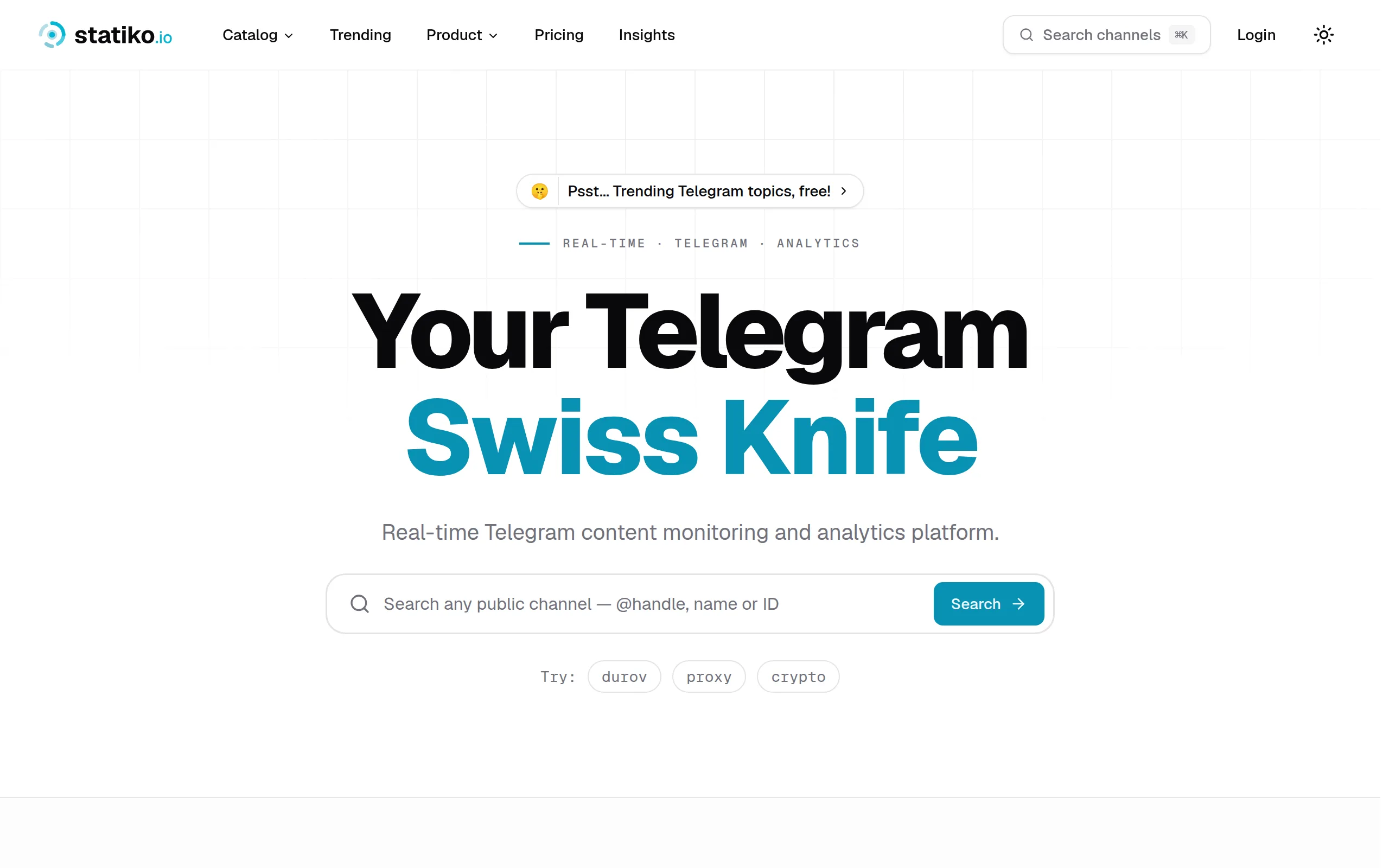
Statiko
Monitor any Telegram channel in real time - track posts, edits, deletions, and growth with AI recaps 📡

Shibui
AI website builder - describe your business, pick a niche template, edit by chatting, and publish instantly ✨

Pro Service
Find verified home service professionals, compare quotes, and pay securely through escrow - built for Brazilians across the US 🏠
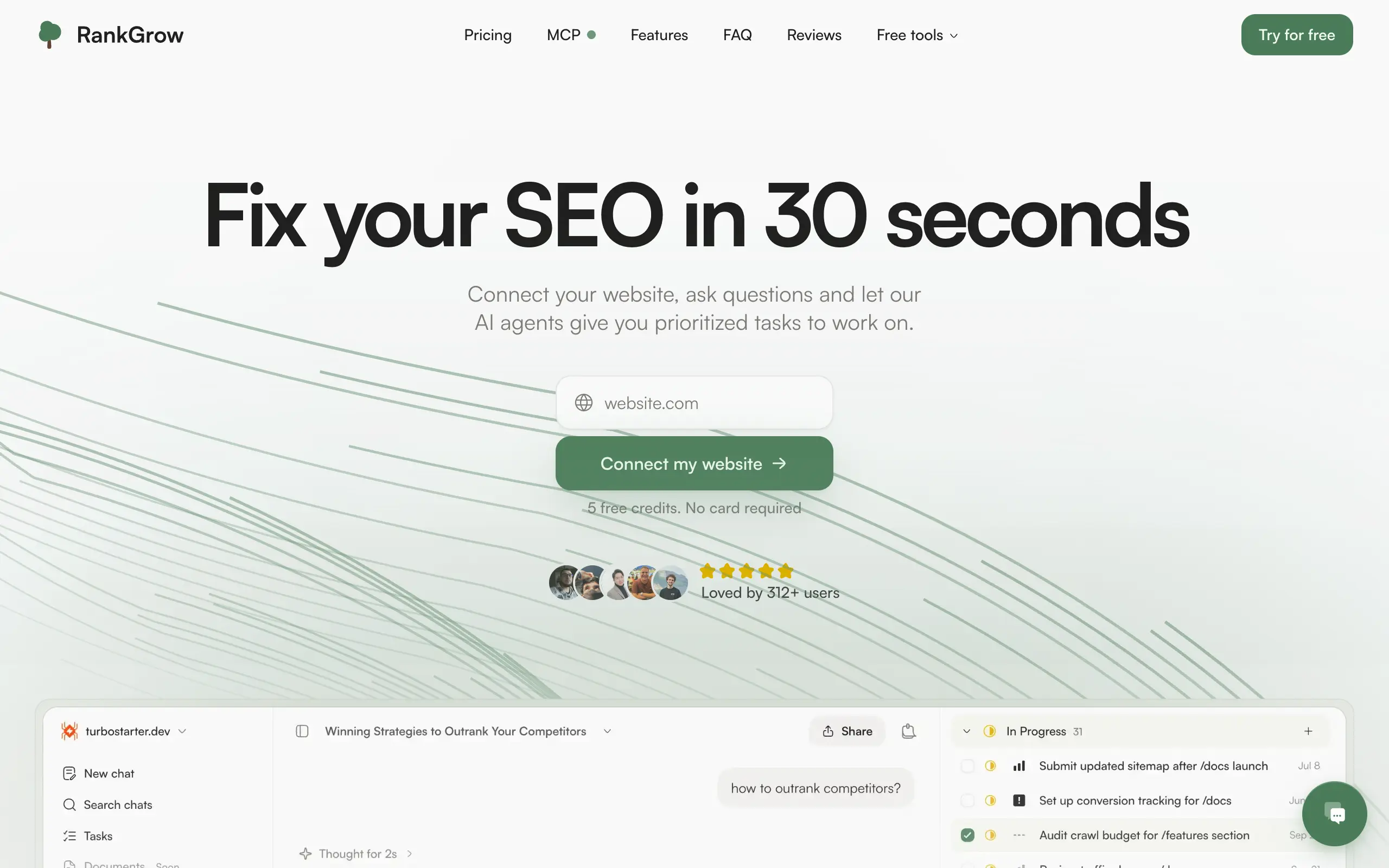
RankGrow
Fix your SEO with AI agents - connect Search Console, get prioritized tasks, and grow organic traffic 📈
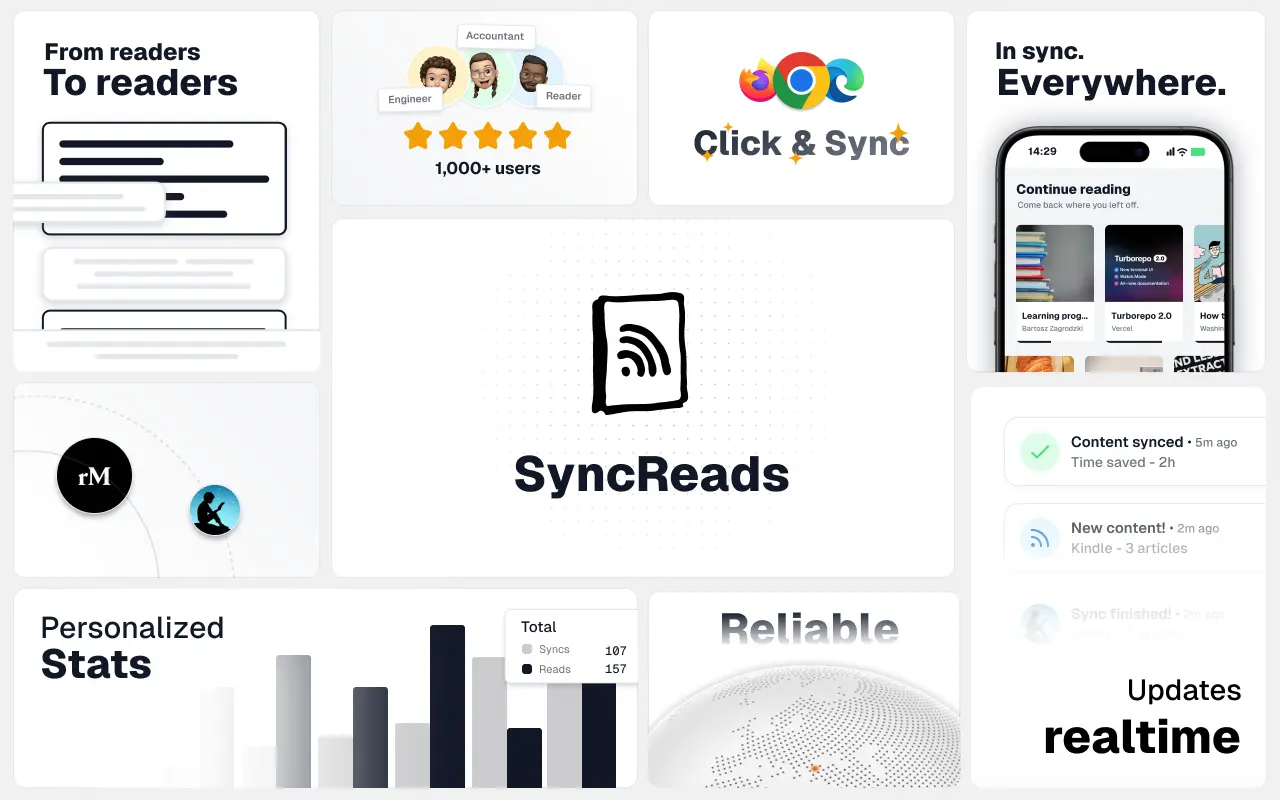
SyncReads
Sync your favorite content for distraction-free reading, save time and replace multiple apps. Anytime, anywhere 🔄
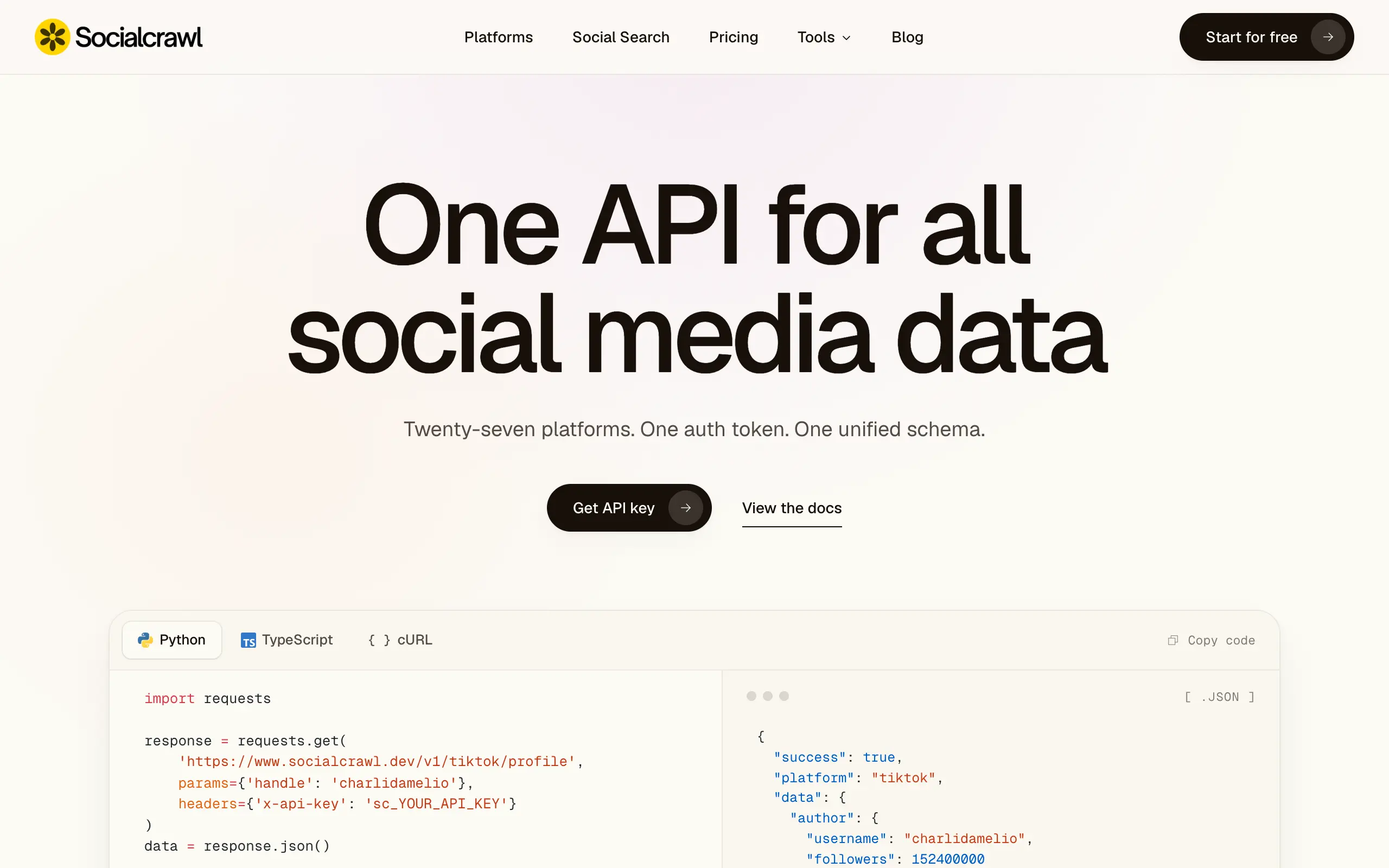
Socialcrawl
Get clean, structured data from 21 platforms like TikTok, Instagram, and YouTube with a single request 📊
Statiko
Monitor any Telegram channel in real time - track posts, edits, deletions, and growth with AI recaps 📡
Shibui
AI website builder - describe your business, pick a niche template, edit by chatting, and publish instantly ✨
Pro Service
Find verified home service professionals, compare quotes, and pay securely through escrow - built for Brazilians across the US 🏠
RankGrow
Fix your SEO with AI agents - connect Search Console, get prioritized tasks, and grow organic traffic 📈
SyncReads
Sync your favorite content for distraction-free reading, save time and replace multiple apps. Anytime, anywhere 🔄
Socialcrawl
Get clean, structured data from 21 platforms like TikTok, Instagram, and YouTube with a single request 📊
Statiko
Monitor any Telegram channel in real time - track posts, edits, deletions, and growth with AI recaps 📡
Shibui
AI website builder - describe your business, pick a niche template, edit by chatting, and publish instantly ✨
Pro Service
Find verified home service professionals, compare quotes, and pay securely through escrow - built for Brazilians across the US 🏠
RankGrow
Fix your SEO with AI agents - connect Search Console, get prioritized tasks, and grow organic traffic 📈
SyncReads
Sync your favorite content for distraction-free reading, save time and replace multiple apps. Anytime, anywhere 🔄
Socialcrawl
Get clean, structured data from 21 platforms like TikTok, Instagram, and YouTube with a single request 📊
Statiko
Monitor any Telegram channel in real time - track posts, edits, deletions, and growth with AI recaps 📡
Shibui
AI website builder - describe your business, pick a niche template, edit by chatting, and publish instantly ✨
Pro Service
Find verified home service professionals, compare quotes, and pay securely through escrow - built for Brazilians across the US 🏠
RankGrow
Fix your SEO with AI agents - connect Search Console, get prioritized tasks, and grow organic traffic 📈
SyncReads
Sync your favorite content for distraction-free reading, save time and replace multiple apps. Anytime, anywhere 🔄
Socialcrawl
Get clean, structured data from 21 platforms like TikTok, Instagram, and YouTube with a single request 📊
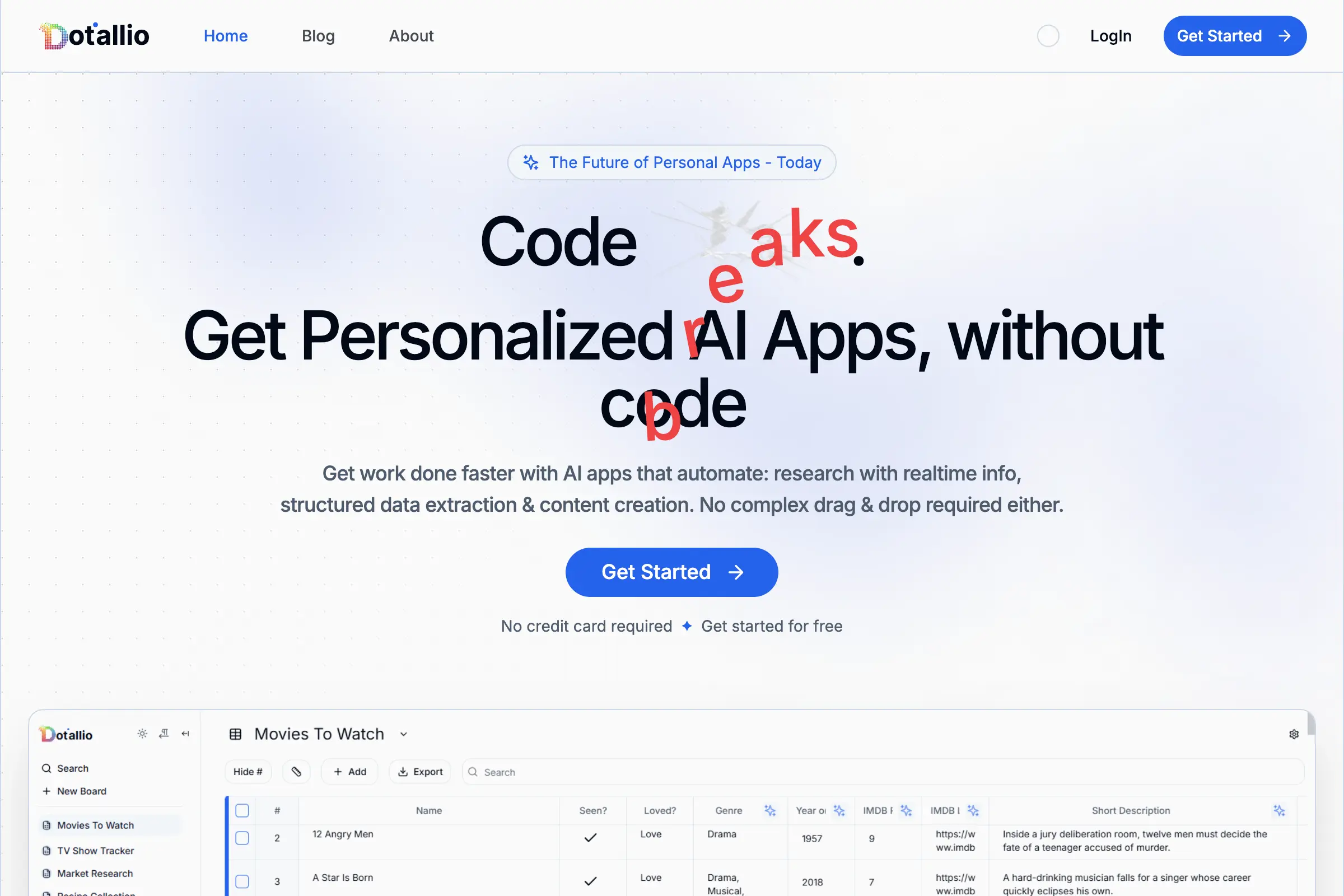
Dotallio
Personalized AI apps that automate research, data extraction, and content creation without code 🤖
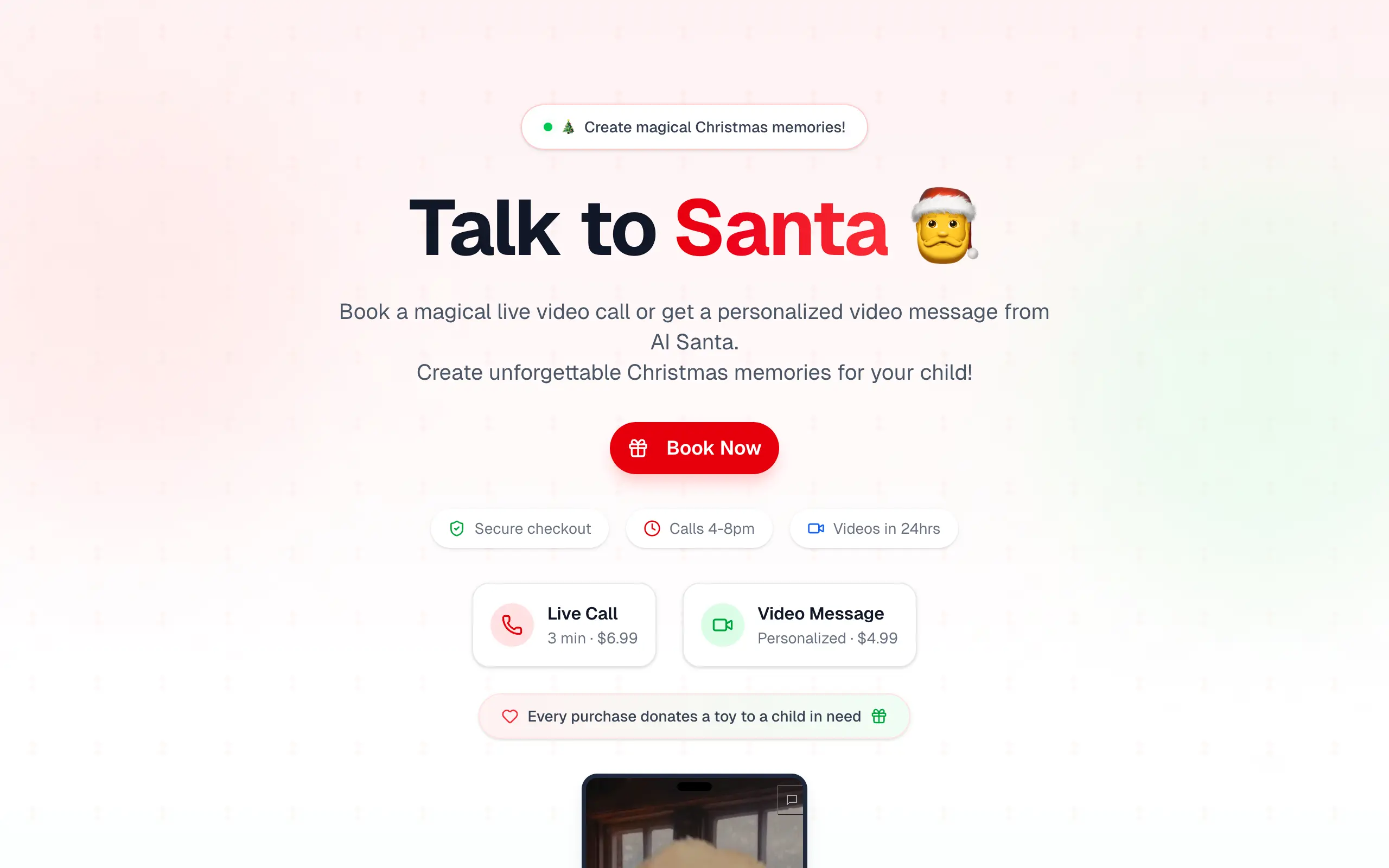
Talk to Santa
Enjoy a magical live video chat or receive a unique AI-generated video greeting from Santa Claus 🎅

pozywka.pl
Scalable blog for food journalist, focused on performance and user experience 🌭
zagrodzki.me
Personal blog and portfolio of Bart Zagrodzki, where he shares his knowledge and work 💼
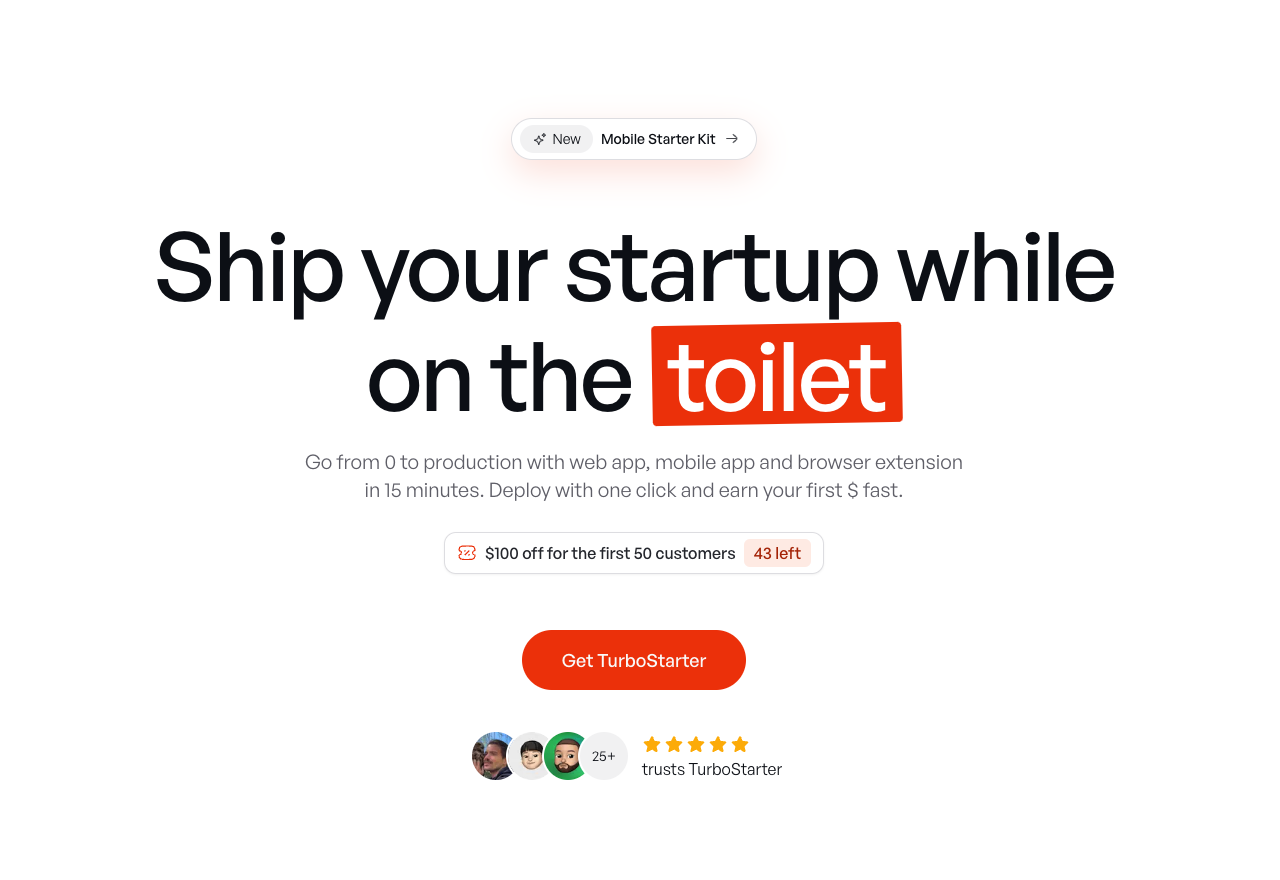
TurboStarter
Ship your startup everywhere. In minutes.
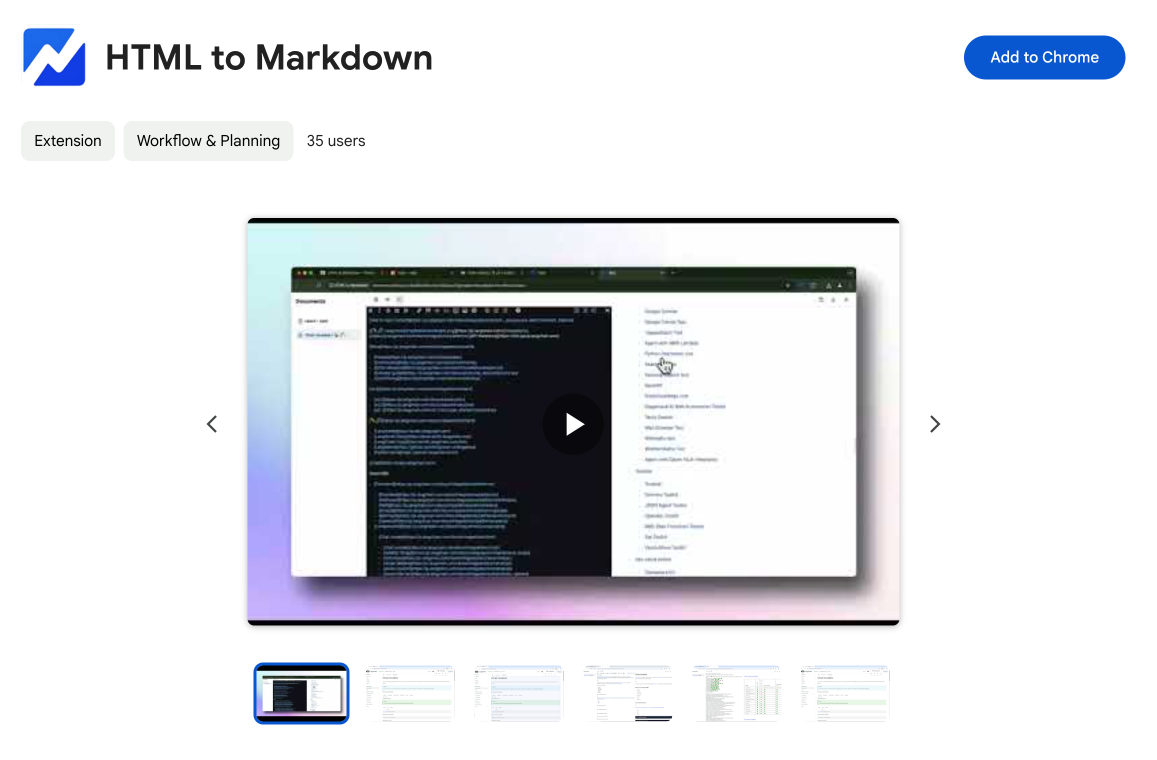
HTML to Markdown
Convert HTML to Markdown with ease, directly in your browser 📄
Dotallio
Personalized AI apps that automate research, data extraction, and content creation without code 🤖
Talk to Santa
Enjoy a magical live video chat or receive a unique AI-generated video greeting from Santa Claus 🎅
pozywka.pl
Scalable blog for food journalist, focused on performance and user experience 🌭
zagrodzki.me
Personal blog and portfolio of Bart Zagrodzki, where he shares his knowledge and work 💼
TurboStarter
Ship your startup everywhere. In minutes.
HTML to Markdown
Convert HTML to Markdown with ease, directly in your browser 📄
Dotallio
Personalized AI apps that automate research, data extraction, and content creation without code 🤖
Talk to Santa
Enjoy a magical live video chat or receive a unique AI-generated video greeting from Santa Claus 🎅
pozywka.pl
Scalable blog for food journalist, focused on performance and user experience 🌭
zagrodzki.me
Personal blog and portfolio of Bart Zagrodzki, where he shares his knowledge and work 💼
TurboStarter
Ship your startup everywhere. In minutes.
HTML to Markdown
Convert HTML to Markdown with ease, directly in your browser 📄
Dotallio
Personalized AI apps that automate research, data extraction, and content creation without code 🤖
Talk to Santa
Enjoy a magical live video chat or receive a unique AI-generated video greeting from Santa Claus 🎅
pozywka.pl
Scalable blog for food journalist, focused on performance and user experience 🌭
zagrodzki.me
Personal blog and portfolio of Bart Zagrodzki, where he shares his knowledge and work 💼
TurboStarter
Ship your startup everywhere. In minutes.
HTML to Markdown
Convert HTML to Markdown with ease, directly in your browser 📄
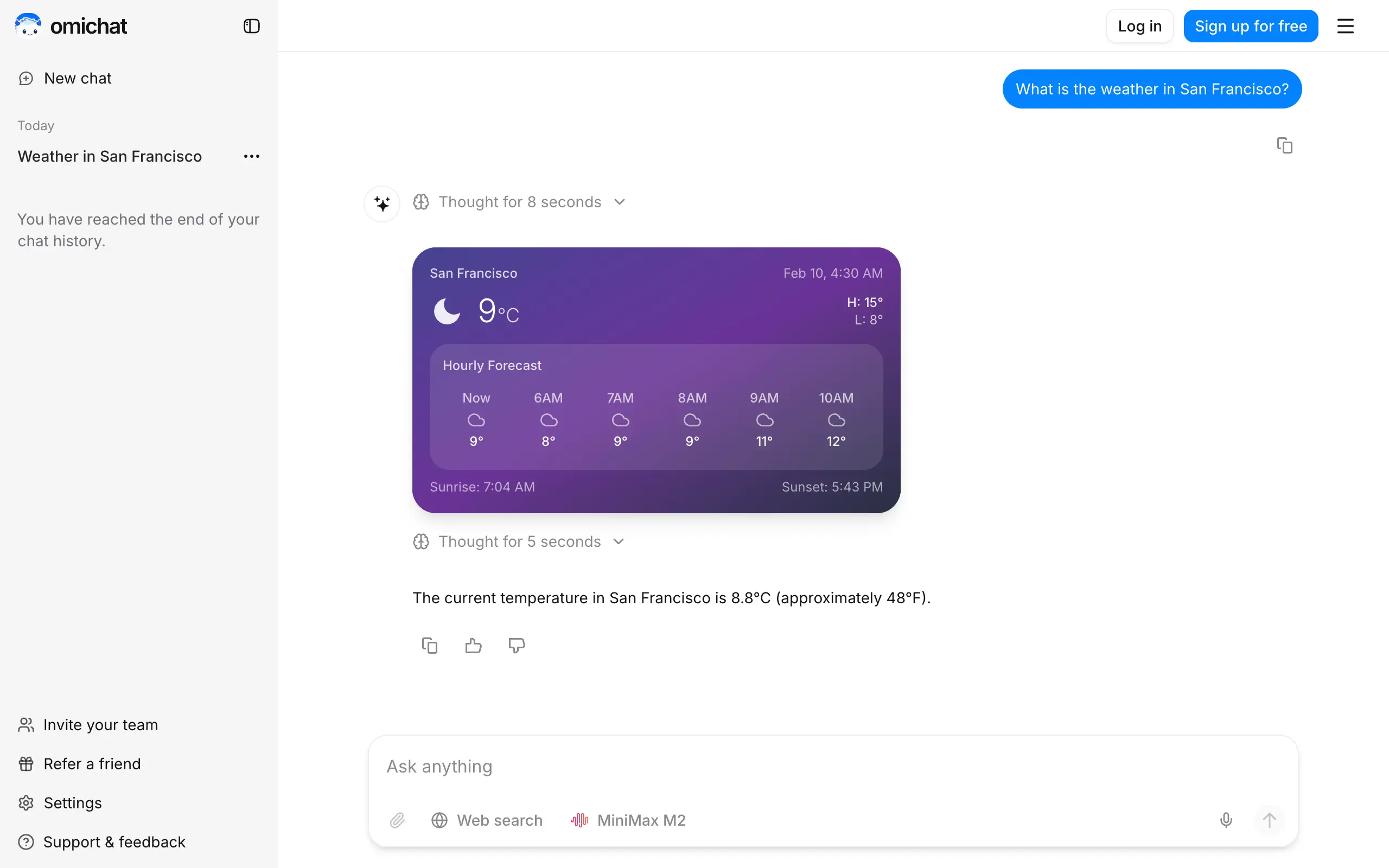
Omichat
Chat with 50+ AI models, including ChatGPT and Claude, in one place - switch models anytime without losing context 🤖
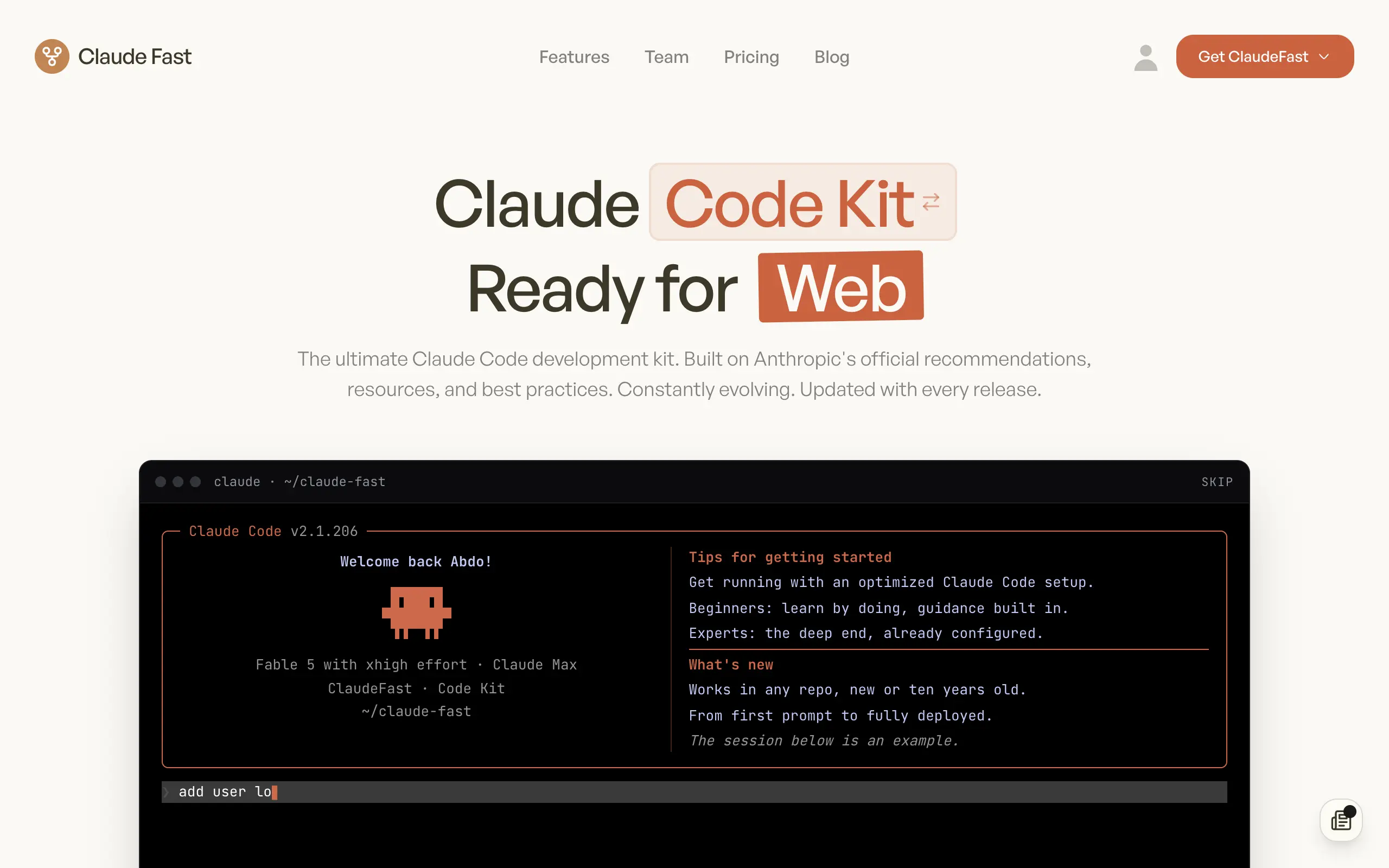
Claude Fast
Supercharge your Claude Code with 6x effective context window and specialized AI agents 🤖
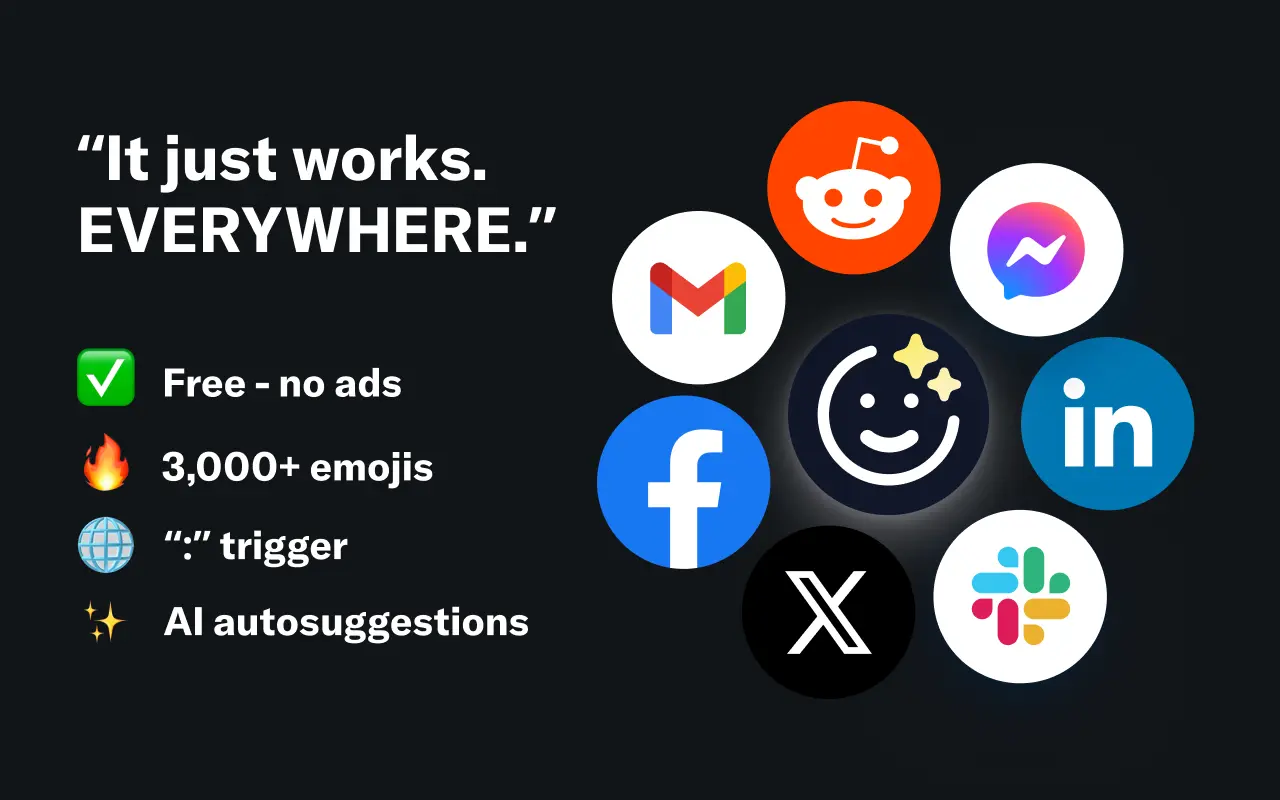
EmojAI
AI-powered emoji picker with smart, context-aware suggestions 🤖
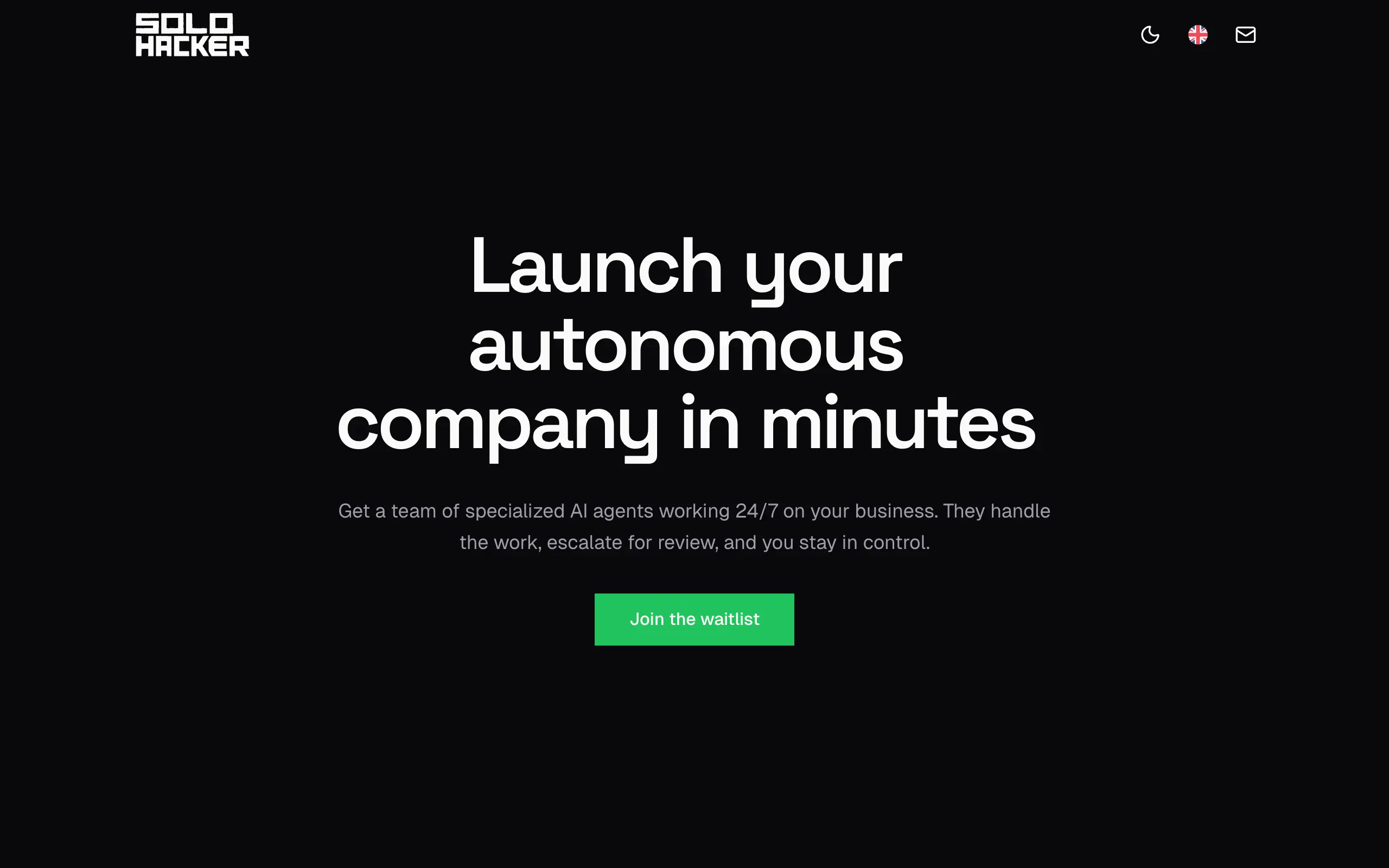
Solohacker
Autonomous company launcher - AI agents work 24/7, escalate what matters, and you stay in control 🤖
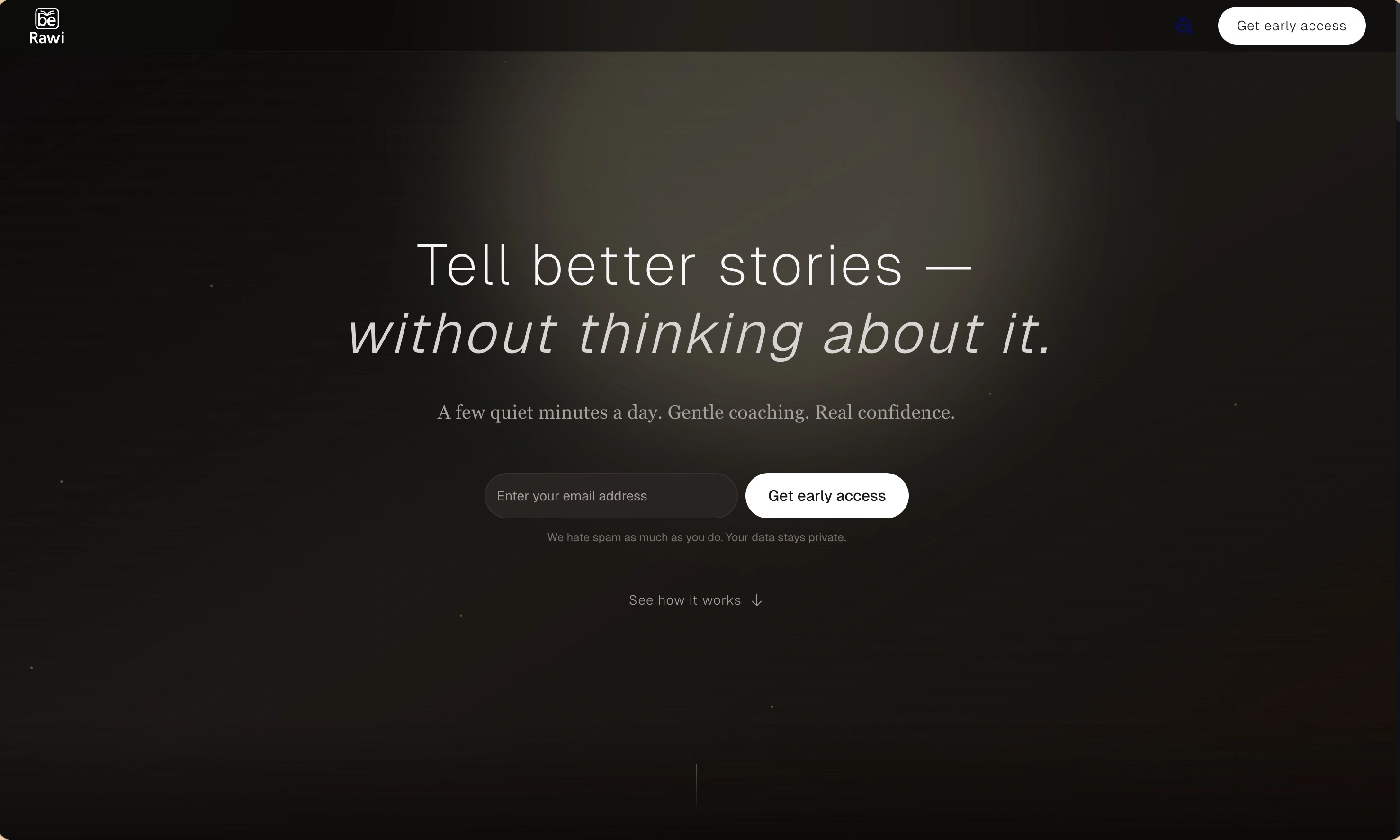
BeRawi: Storytelling Coach
Practice storytelling daily with instant feedback to sound clearer, more engaging, and confident 🎤
Omichat
Chat with 50+ AI models, including ChatGPT and Claude, in one place - switch models anytime without losing context 🤖
Claude Fast
Supercharge your Claude Code with 6x effective context window and specialized AI agents 🤖
EmojAI
AI-powered emoji picker with smart, context-aware suggestions 🤖
Solohacker
Autonomous company launcher - AI agents work 24/7, escalate what matters, and you stay in control 🤖
BeRawi: Storytelling Coach
Practice storytelling daily with instant feedback to sound clearer, more engaging, and confident 🎤
Omichat
Chat with 50+ AI models, including ChatGPT and Claude, in one place - switch models anytime without losing context 🤖
Claude Fast
Supercharge your Claude Code with 6x effective context window and specialized AI agents 🤖
EmojAI
AI-powered emoji picker with smart, context-aware suggestions 🤖
Solohacker
Autonomous company launcher - AI agents work 24/7, escalate what matters, and you stay in control 🤖
BeRawi: Storytelling Coach
Practice storytelling daily with instant feedback to sound clearer, more engaging, and confident 🎤
Omichat
Chat with 50+ AI models, including ChatGPT and Claude, in one place - switch models anytime without losing context 🤖
Claude Fast
Supercharge your Claude Code with 6x effective context window and specialized AI agents 🤖
EmojAI
AI-powered emoji picker with smart, context-aware suggestions 🤖
Solohacker
Autonomous company launcher - AI agents work 24/7, escalate what matters, and you stay in control 🤖
BeRawi: Storytelling Coach
Practice storytelling daily with instant feedback to sound clearer, more engaging, and confident 🎤

Connect with like-minded people
Join our community to get feedback, support, and grow together with 1,000+ builders on board, let's ship it!
Join usShip your startup everywhere. In minutes.
Don't burn tokens on setup and start building features on day one.