BrandCollab
A collaboration platform for business owners and website developers to co-create marketing strategies. It provides templates, brainstorming tools, and project management features to streamline the marketing process.
Overview of a Collaborative Marketing Platform
In today’s digitally-driven economy, having an efficient collaboration platform is paramount for business owners and website developers aiming to craft effective marketing strategies. This innovative solution is designed to streamline marketing collaboration by bringing together essential tools such as templates, brainstorming modules, and robust project management capabilities—all within one unified platform.
This platform targets business owners and website developers who are eager to optimize their marketing workflow. By fostering real-time collaboration and simplifying strategy development, it aims to transform the traditional marketing process into a more agile, responsive, and creative endeavor.
Target Audience and User Benefits
The primary users of this collaborative solution can be broadly classified into two groups:
Business Owners
- Streamlined Decision-Making: With integrated project management and brainstorming tools, business owners can efficiently plan and execute marketing campaigns.
- Template-Driven Efficiency: Ready-to-use strategy templates reduce the time spent on brainstorming from scratch.
- Enhanced Communication: A unified platform bridges the communication gap between business teams and external developers, ensuring a cohesive marketing effort.
Website Developers
- Simplified Integration: The platform provides website developers with customizable components that easily integrate into existing websites.
- Collaborative Tools: Working alongside business owners ensures that technical feasibility aligns with creative strategy.
- Project Management: Keeping track of development milestones and ongoing tasks becomes more intuitive with built-in project management features.
By combining features that serve both groups, the platform becomes an invaluable asset for any organization aiming to enhance its digital presence.
Market Opportunity and Industry Trends
The digital marketing sector is booming, with businesses investing heavily in strategies that boost their online presence and customer engagement. This opens up significant market opportunities for collaborative platforms that merge marketing creativity with technical execution.
Market Trends and Growth Drivers
- Digital Transformation: As businesses continue their digital journey, the demand for integrated solutions that streamline marketing and development processes is on the rise.
- Remote Collaboration: Increasingly distributed teams are turning to cloud-based platforms for unified project management and strategy alignment.
- Personalization and Automation: Tools that offer customizable templates and automation are gaining traction, reducing the need for repetitive manual processes.
- Growth in SaaS: Software-as-a-Service (SaaS) platforms continue to dominate the tech landscape, providing scalable, cost-effective solutions for businesses of all sizes.
Key Benefits for Investors and Stakeholders
- Scalable Revenue Model: A subscription-based monetization strategy ensures recurring revenue streams.
- Low Barrier to Entry: Cloud-based solutions minimize upfront costs for businesses.
- High Demand: With increasing investments in digital marketing, this project is well-positioned to tap into a growing market.
Insight
The surge in remote work combined with the demand for agile marketing solutions makes this platform ideally suited for the current digital landscape.
Comprehensive Tech Stack and Development Strategy
Selecting the right technologies ensures that the platform remains robust, scalable, and user-friendly. A careful evaluation of the tech stack is essential for developing a solution that meets the unique needs of both business owners and website developers.
Core Components of the Tech Stack
- Frontend Frameworks:
- React/Next.js for a dynamic, responsive user interface.
- Tailwind CSS for rapid and custom styling.
- Backend Services:
- Node.js for a fast and scalable server environment.
- Express or similar frameworks to handle API requests efficiently.
- Database Solutions:
- MongoDB or PostgreSQL for flexible and powerful data management.
- Cloud Infrastructure:
- AWS, Google Cloud, or Azure for hosting, ensuring high availability and scalability.
- Real-Time Collaboration:
- WebSockets and server-sent events to facilitate live updates and real-time data synchronization.
Accelerating Development with TurboStarter
For rapid development, consider leveraging the TurboStarter starter kit. TurboStarter is an excellent resource for anyone looking to jumpstart web, mobile, or browser extension development, offering pre-configured templates and best practices to accelerate your project implementation.
Below is an example of how you might set up a quick coding snippet to kick off the front-end development:
const initCollaborationTool = () => {
  console.log("Initiating collaborative marketing platform...");
}
Integration and Deployment
When planning for integration:
- APIs: Ensure seamless connectivity between various platform modules via RESTful or GraphQL APIs.
- Microservices: Embrace microservice architecture to allow for independent scaling and maintenance of different components.
- CI/CD Pipelines: Implement continuous integration and delivery pipelines to keep your development agile and up-to-date.
Use React combined with modern frameworks such as Next.js to deliver a smooth and interactive user experience. The focus here is on responsive UI design and performance.
Leverage Node.js and Express to create robust API endpoints that facilitate communication between the frontend components and the backend services.
Monetization Strategy
A well-formulated monetization strategy is critical for both growth and sustainability. The focus must be on creating revenue streams that align with customer needs while ensuring long-term operational success.
Subscription-Based Revenue
- Tiered Plans: Offer multiple subscription tiers to accommodate varying business sizes, from startups to large enterprises.
- Freemium Model: Provide a basic free plan to attract new users and convert them to paid plans as they scale up their marketing activities.
- Customizable Add-Ons: Enable users to purchase additional tools or features on demand, enhancing the platform’s flexibility without overwhelming users with upfront costs.
Additional Revenue Streams
- In-app Advertising: Carefully curated ads for additional tools and partner services that align with marketing and development needs.
- Template Marketplace: Allow third-party developers to sell custom templates, generating revenue through a share of each sale.
- Affiliate Partnerships: Integrate affiliate marketing opportunities, linking users with complementary products and services.
Benefits of a Diverse Revenue Model
- Predictable Recurring Revenue: Subscriptions provide steady income, which is attractive for investors.
- High User Engagement: Freemium models and add-ons encourage extended user engagement and ongoing platform use.
- Community-Driven Enhancements: Marketplace and affiliate strategies drive community contributions that enhance overall platform capabilities.
Revenue Diversification
Multiple revenue streams ensure the platform remains resilient and adaptive to market demands.
Assessing Risks and Mitigation Strategies
Every innovative project faces its own set of challenges. It is important to evaluate potential risks and develop proactive measures to mitigate these challenges effectively.
Identified Risks
- Market Competition: With many SaaS platforms emerging, standing out in a crowded market can be challenging.
- User Adoption: Convincing users to migrate from their current tools to a new platform may require significant marketing efforts.
- Technical Hurdles: Ensuring that the platform is both reliable and scalable requires rigorous testing and quality assurance.
- Security Vulnerabilities: Storing sensitive business data necessitates robust security measures to prevent data breaches.
Mitigation Strategies
- Differentiation Through Innovation: Offer unique features such as real-time collaboration and dynamic templates that competitors do not currently provide.
- User-Centric Design: Engage with early adopters and beta testers to refine features and ensure the platform meets user expectations.
- Continuous Monitoring: Implement strong monitoring and analytics to quickly identify and address performance and security issues.
- Industry Partnerships: Collaborate with trusted industry partners to enhance credibility and market reach.
Regular audits, encryption protocols, and multi-factor authentication are critical to maintaining user trust and platform integrity.
Competitive Advantages
In a crowded SaaS landscape, establishing and maintaining a competitive edge is essential. The platform brings multiple distinguishing features that set it apart from traditional marketing and development collaboration tools.
Unique Selling Points (USPs)
- All-in-One Collaboration: By UX design, the platform integrates marketing, strategy, and project management seamlessly, saving time and reducing the need for multiple disparate tools.
- Customizable Templates: The ability to start with pre-made templates can drastically reduce planning time, giving businesses an advantage in fast-moving markets.
- Real-Time Interactivity: Live updates and collaborative sessions ensure that teams move in lockstep, boosting productivity and strategy alignment.
- Scalable Infrastructure: Designed to grow with the business, the platform handles everything from small campaigns to enterprise-level projects.
- Integration Capabilities: Open APIs mean that businesses can easily integrate the platform with third-party tools, ensuring a smooth workflow across different systems.
Advantages Over Competitors
- Flexibility: Unlike static project management tools, the platform adapts to both creative brainstorming and technical project execution.
- User Experience: A focus on usability means that both technical and non-technical users can navigate and leverage the tool effectively.
- Community-Driven Enhancements: Open marketplace features encourage contributions from the community, ensuring the platform evolves with user needs.
- Support for Remote Teams: Its cloud-based architecture is designed to support distributed teams, a clear advantage in the current remote work era.
Strategic Market Positioning
A solid understanding of where the platform fits in the market is key to leveraging competitive advantages and engaging potential customers.
Positioning Strategies
- Education-Focused Marketing: Develop content and resources that educate potential users about the benefits of using an integrated collaboration platform.
- Partnership Programs: Build relationships with industry influencers and complementary tech solutions to expand market reach.
- Customer-Centric Iteration: Use customer feedback to drive continuous improvement, ensuring the platform remains relevant and user-friendly.
- Value-Driven Messaging: Emphasize return on investment (ROI) and productivity gains achieved through efficient collaboration and streamlined marketing processes.
Tailored Messaging for Different Audiences
- For Business Owners: Emphasize the ease of managing marketing campaigns, the speed of implementing proven templates, and the reduction in overhead cost by consolidating tools.
- For Developers: Focus on API integration, customizability, and the benefits of working within a platform that enhances both user experience and project management.
Tip
Tailoring your marketing message to fit the unique needs of business owners versus developers can significantly boost engagement and conversion rates.
Additional Platform Features and Innovations
Beyond the core functionality, several innovative features add value to the platform:
- Collaborative Brainstorming Tools: Interactive whiteboards, sticky notes, and voting mechanisms allow teams to creatively develop strategies in real time.
- Integrated Analytics: Dashboards that monitor campaign performance, user engagement, and project milestones help guide data-driven decisions.
- Template Customization: Dynamically adjustable templates ensure that every marketing campaign reflects the specific needs of the user’s business.
- Project Management Suite: Built-in task assignments, timelines, and milestone tracking keep projects running smoothly from inception to completion.
- Cross-Platform Integration: Whether accessed via web, mobile, or even browser extensions, the platform delivers a consistent experience that supports modern work environments.
This set of features not only enhances the overall experience but also significantly boosts the platform's overall value proposition.
- Collaborative brainstorming
- Customizable project management
- Real-time updates and alerts
- Analytics dashboard
- Integration with third-party tools
Empower your team with tools that improve efficiency, accuracy, and creativity. Benefit from a unified dashboard where strategic decisions are backed by data and real-time collaboration.
Leveraging the Latest in SaaS Innovations
Staying updated with SaaS innovations ensures that the platform not only meets current user expectations but also anticipates future demands. This proactive approach can provide additional benefits in terms of operational agility and adaptability.
Embracing Modern Development Paradigms
- Microfrontend Architecture: Breaking down the UI into modular components allows for independent updates and improves overall maintainability.
- Zero-Downtime Deployments: Use techniques like blue/green deployments to ensure uninterrupted service even during updates.
- Serverless Functions: Employ serverless architectures for tasks that require high scalability without over-provisioning resources.
- AI-Powered Enhancements: Utilize machine learning to recommend template adjustments or to forecast campaign outcomes based on historical data.
The convergence of these modern techniques positions the platform as a forward-thinking solution that can evolve alongside the rapidly changing digital landscape.
Monetization, Scaling, and Future Roadmap
A forward-looking plan involves not only launching a successful platform but also ensuring that it grows sustainably and consistently delivers value.
Growth and Scaling Strategies
- User Onboarding: Invest in intuitive user onboarding processes to reduce friction and encourage rapid adoption.
- Community Building: Foster a vibrant online community where users can share templates, best practices, and innovative ideas.
- Regular Feature Updates: Implement agile development practices to continuously roll out new features that respond to user feedback and market trends.
- Global Expansion: Leverage cloud-based infrastructure to scale horizontally, ensuring service quality for an international audience.
Future Roadmap Considerations
- Expanding API Ecosystem: Encourage third-party integrations and partnerships to create an ecosystem of complementary services.
- Mobile App Development: Explore native and cross-platform mobile application support to further enhance user accessibility.
- Enhanced Collaboration Tools: Continuously innovate in real-time communication features and collaborative interfaces.
Future enhancements include AI-driven campaign recommendations, deeper analytics integration, and continuous improvements to the project management suite.
Conclusion: Implementation Steps and Next Actions
To transition from concept to reality, it is crucial to have a clear and actionable roadmap. The following implementation steps outline how to bring this collaborative platform to life while staying agile and market-responsive.
Finalize feature requirements based on user research from both business owners and website developers.
Choose the appropriate tech stack that balances performance and scalability—consider frameworks like React/Next.js combined with robust backend services (Node.js, Express) and cloud solutions.
Experiment with rapid development tools and starter kits such as TurboStarter to accelerate the initial build.
Develop a beta version with core functionalities and test it with a pilot group to gather actionable feedback.
Deploy the platform using modern CI/CD pipelines and monitor performance closely, iterating based on user feedback.
Launch targeted marketing campaigns to educate your audience about the value of integrated marketing and project management.
Continuously refine and scale the solution, ensuring that new innovations are consistently integrated to maintain competitive advantage.
For those ready to take the next leap in creating a formidable collaborative marketing resource, the path forward is clear. With clear strategic planning, meticulous development, and user-centric enhancements, this platform has the potential to redefine how business owners and website developers co-create winning marketing strategies.
By following these detailed implementation steps, you can transform this ambitious idea into a measurable, market-ready solution that meets the needs of modern businesses in a dynamic digital environment. The journey from idea to execution is complex but thoroughly rewarding when each stage is navigated with clarity and precision.
Embrace a forward-thinking mindset, leverage modern tools, and keep your user at the heart of every decision. This comprehensive approach to collaboration and streamlined marketing will not only enable you to meet immediate business needs but also position you as a leader in the rapidly evolving SaaS landscape. Enjoy the journey, innovate persistently, and watch as robust planning and impeccable execution drive tangible results in the growth and scalability of your project.
More 💡 Other SaaS ideas
Discover more innovative other SaaS ideas that are trending in 2026. Each idea is AI-generated with market validation and growth potential to help you find your next profitable venture faster than competitors.
Your competitors are building with TurboStarter
Below are some of the SaaS ideas that have been generated and built with our starter kit.
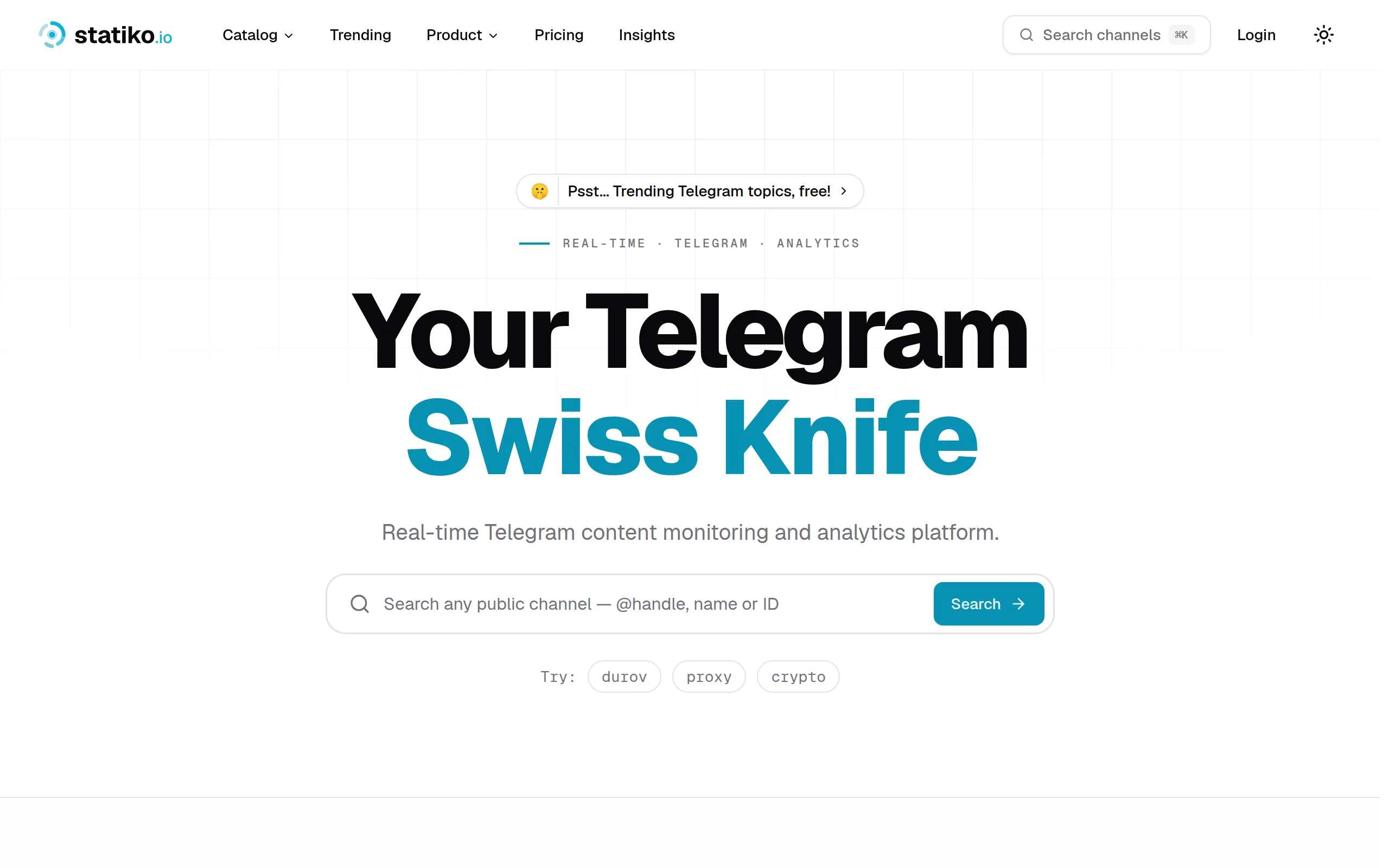
Statiko
Monitor any Telegram channel in real time - track posts, edits, deletions, and growth with AI recaps 📡
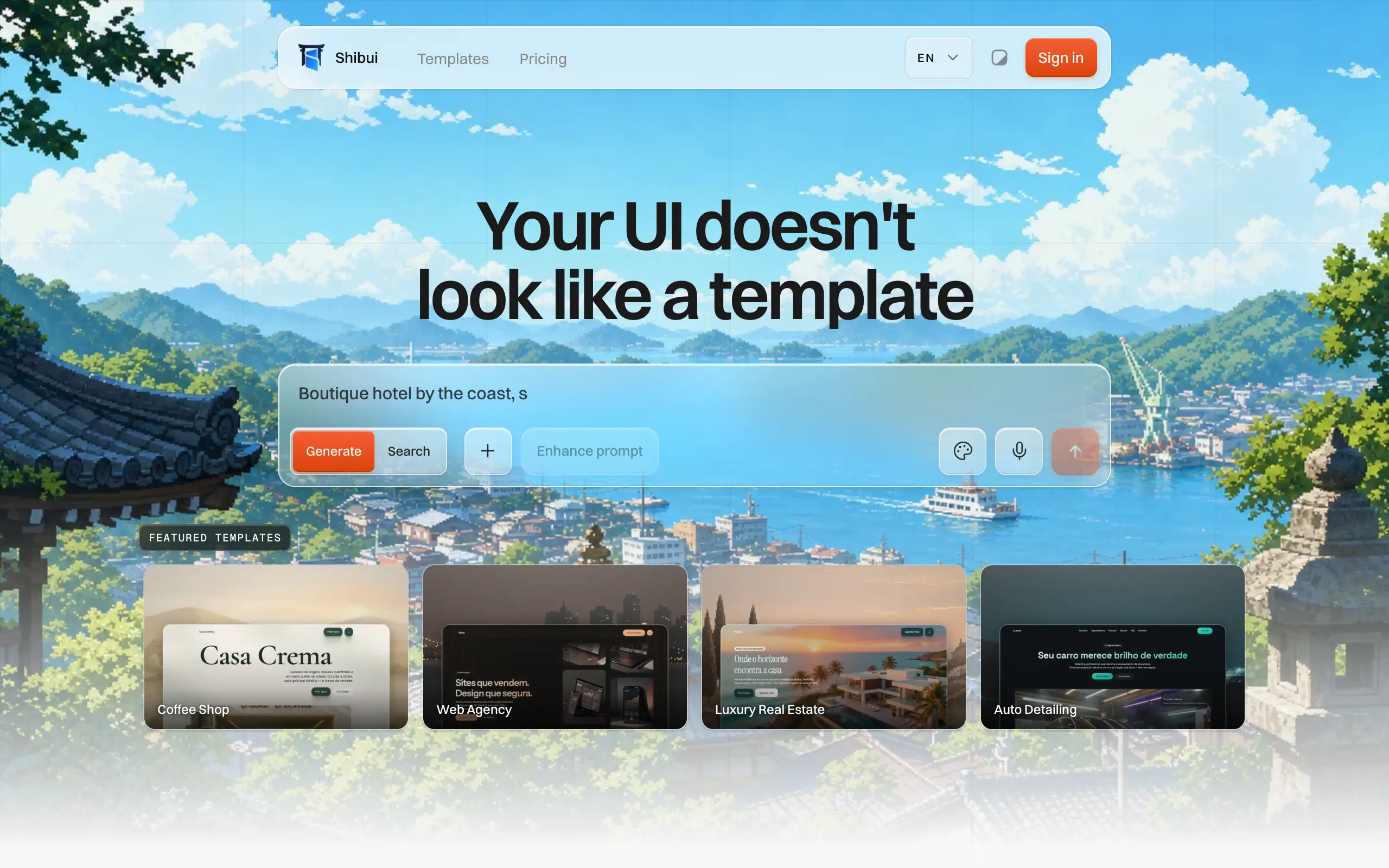
Shibui
AI website builder - describe your business, pick a niche template, edit by chatting, and publish instantly ✨

Pro Service
Find verified home service professionals, compare quotes, and pay securely through escrow - built for Brazilians across the US 🏠
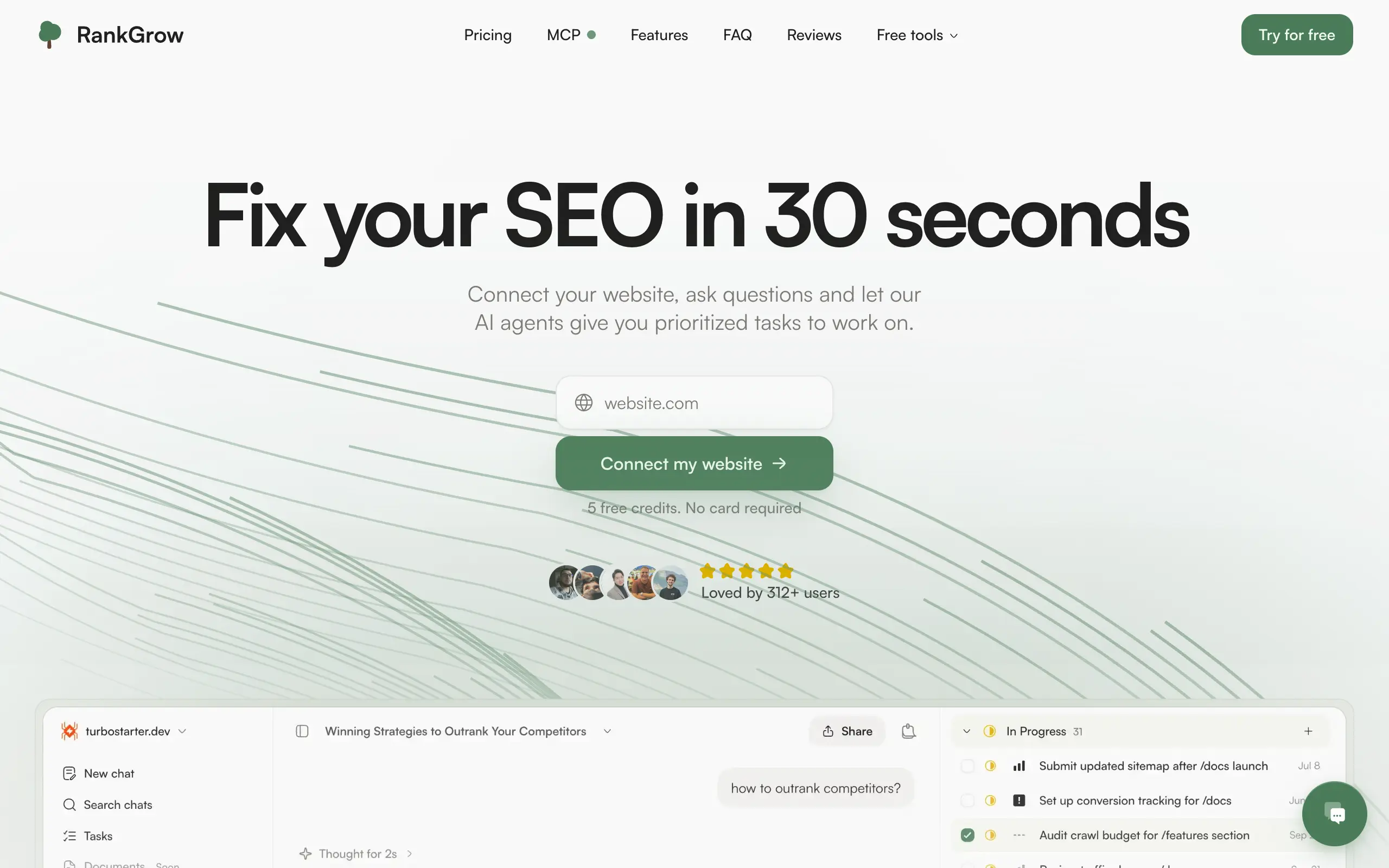
RankGrow
Fix your SEO with AI agents - connect Search Console, get prioritized tasks, and grow organic traffic 📈
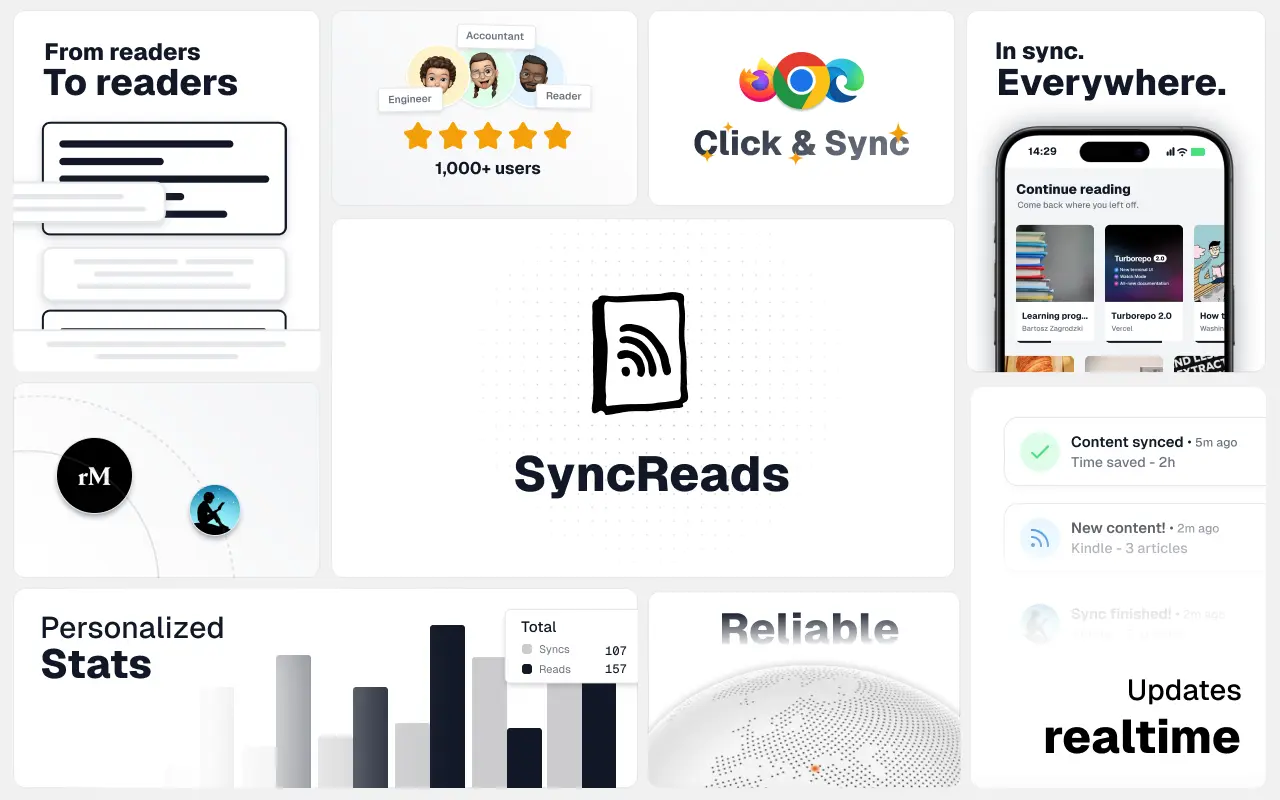
SyncReads
Sync your favorite content for distraction-free reading, save time and replace multiple apps. Anytime, anywhere 🔄
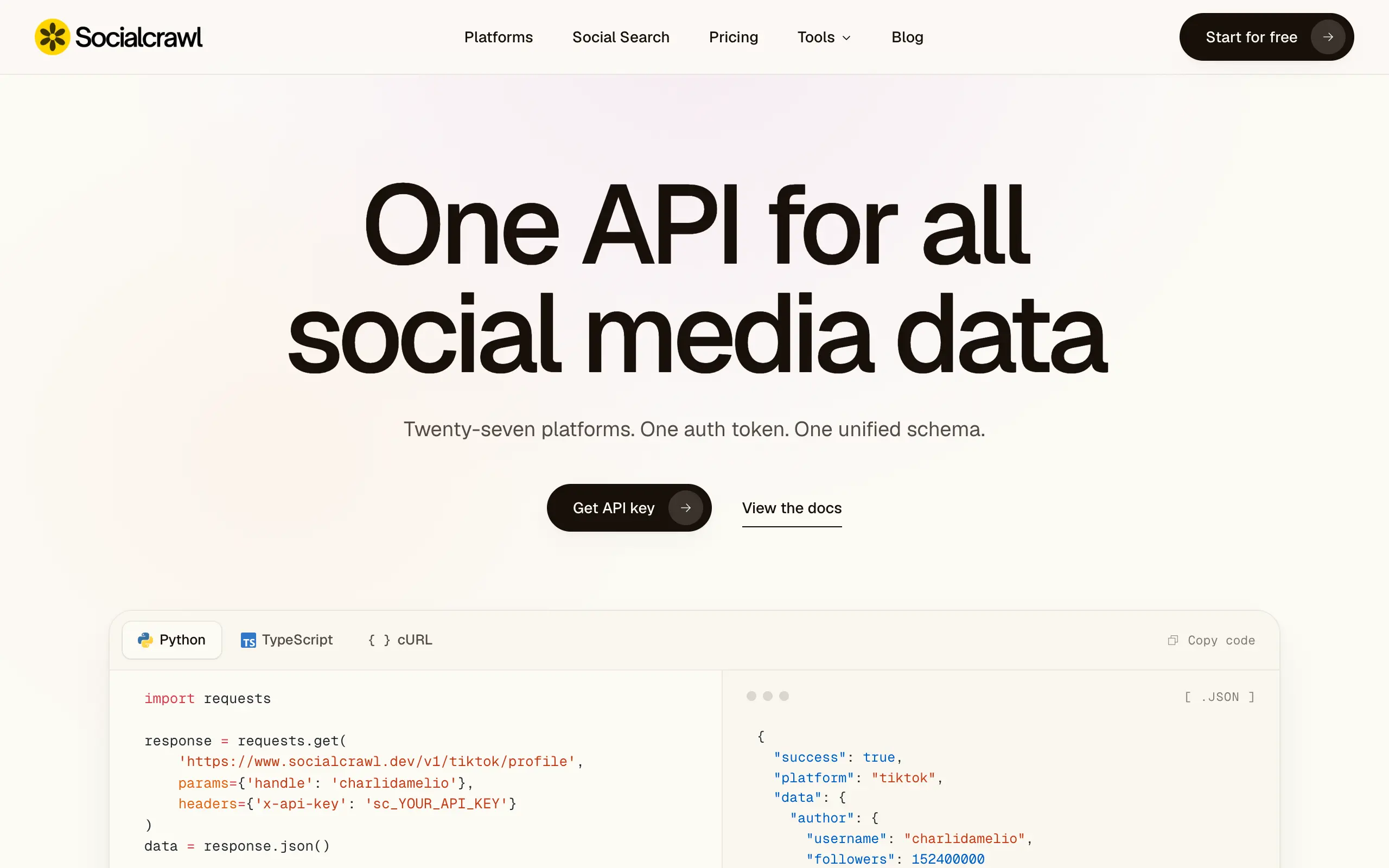
Socialcrawl
Get clean, structured data from 21 platforms like TikTok, Instagram, and YouTube with a single request 📊
Statiko
Monitor any Telegram channel in real time - track posts, edits, deletions, and growth with AI recaps 📡
Shibui
AI website builder - describe your business, pick a niche template, edit by chatting, and publish instantly ✨
Pro Service
Find verified home service professionals, compare quotes, and pay securely through escrow - built for Brazilians across the US 🏠
RankGrow
Fix your SEO with AI agents - connect Search Console, get prioritized tasks, and grow organic traffic 📈
SyncReads
Sync your favorite content for distraction-free reading, save time and replace multiple apps. Anytime, anywhere 🔄
Socialcrawl
Get clean, structured data from 21 platforms like TikTok, Instagram, and YouTube with a single request 📊
Statiko
Monitor any Telegram channel in real time - track posts, edits, deletions, and growth with AI recaps 📡
Shibui
AI website builder - describe your business, pick a niche template, edit by chatting, and publish instantly ✨
Pro Service
Find verified home service professionals, compare quotes, and pay securely through escrow - built for Brazilians across the US 🏠
RankGrow
Fix your SEO with AI agents - connect Search Console, get prioritized tasks, and grow organic traffic 📈
SyncReads
Sync your favorite content for distraction-free reading, save time and replace multiple apps. Anytime, anywhere 🔄
Socialcrawl
Get clean, structured data from 21 platforms like TikTok, Instagram, and YouTube with a single request 📊
Statiko
Monitor any Telegram channel in real time - track posts, edits, deletions, and growth with AI recaps 📡
Shibui
AI website builder - describe your business, pick a niche template, edit by chatting, and publish instantly ✨
Pro Service
Find verified home service professionals, compare quotes, and pay securely through escrow - built for Brazilians across the US 🏠
RankGrow
Fix your SEO with AI agents - connect Search Console, get prioritized tasks, and grow organic traffic 📈
SyncReads
Sync your favorite content for distraction-free reading, save time and replace multiple apps. Anytime, anywhere 🔄
Socialcrawl
Get clean, structured data from 21 platforms like TikTok, Instagram, and YouTube with a single request 📊
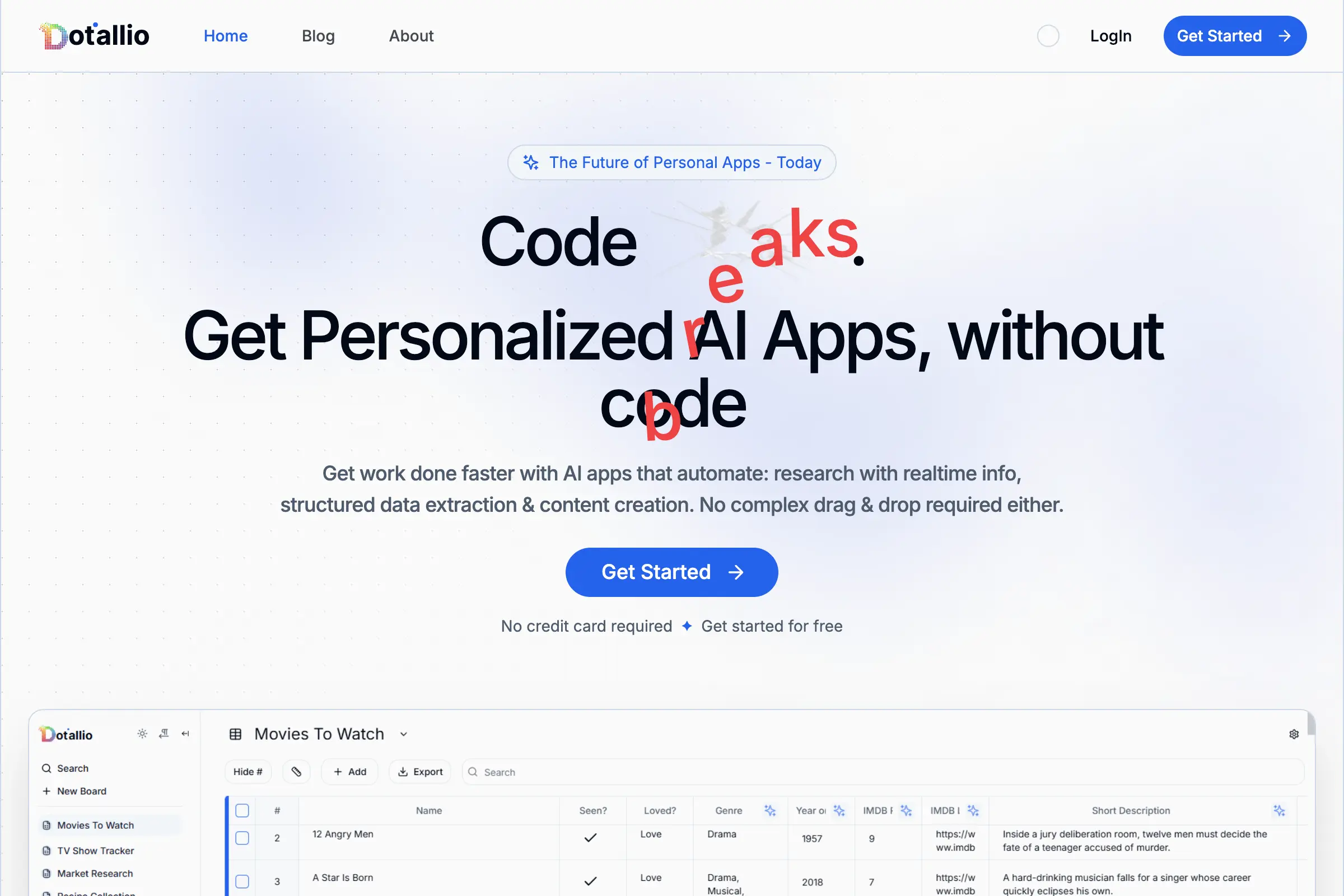
Dotallio
Personalized AI apps that automate research, data extraction, and content creation without code 🤖

Talk to Santa
Enjoy a magical live video chat or receive a unique AI-generated video greeting from Santa Claus 🎅
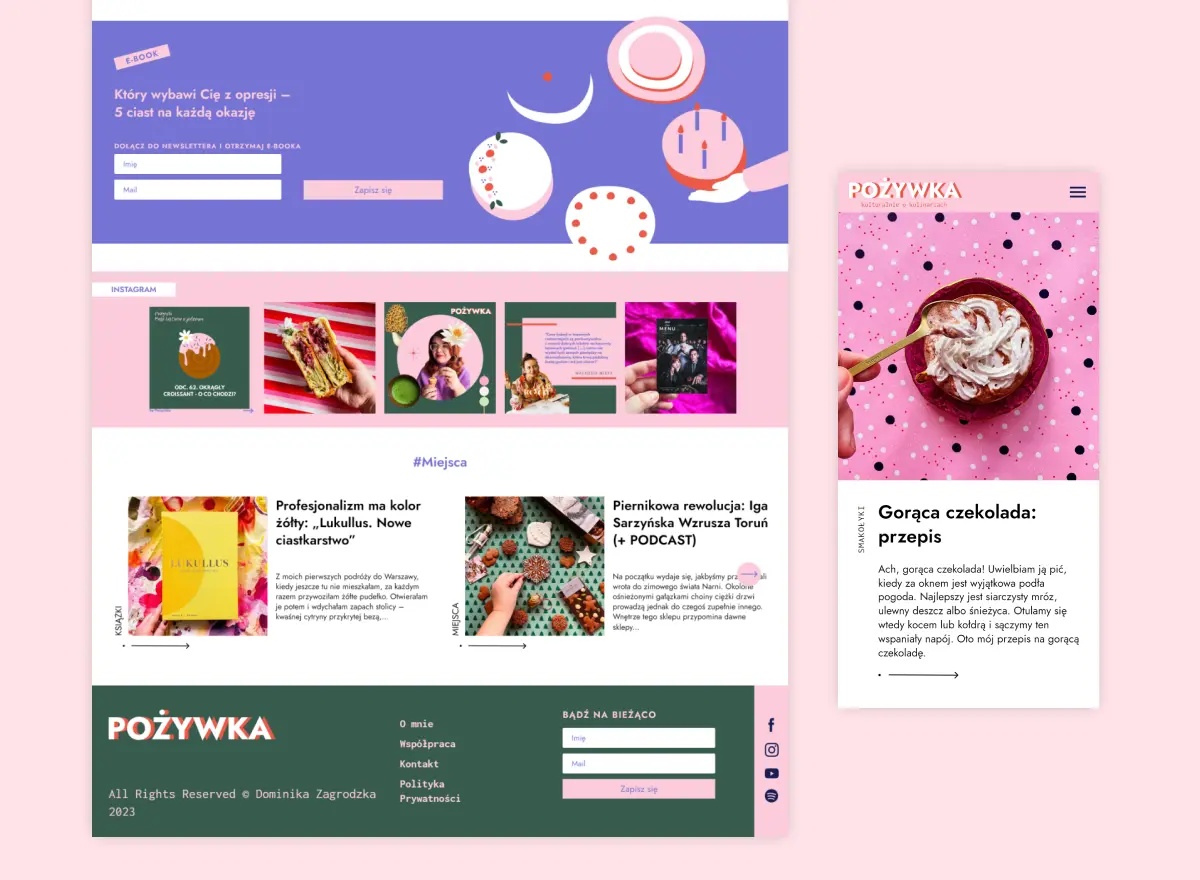
pozywka.pl
Scalable blog for food journalist, focused on performance and user experience 🌭
zagrodzki.me
Personal blog and portfolio of Bart Zagrodzki, where he shares his knowledge and work 💼
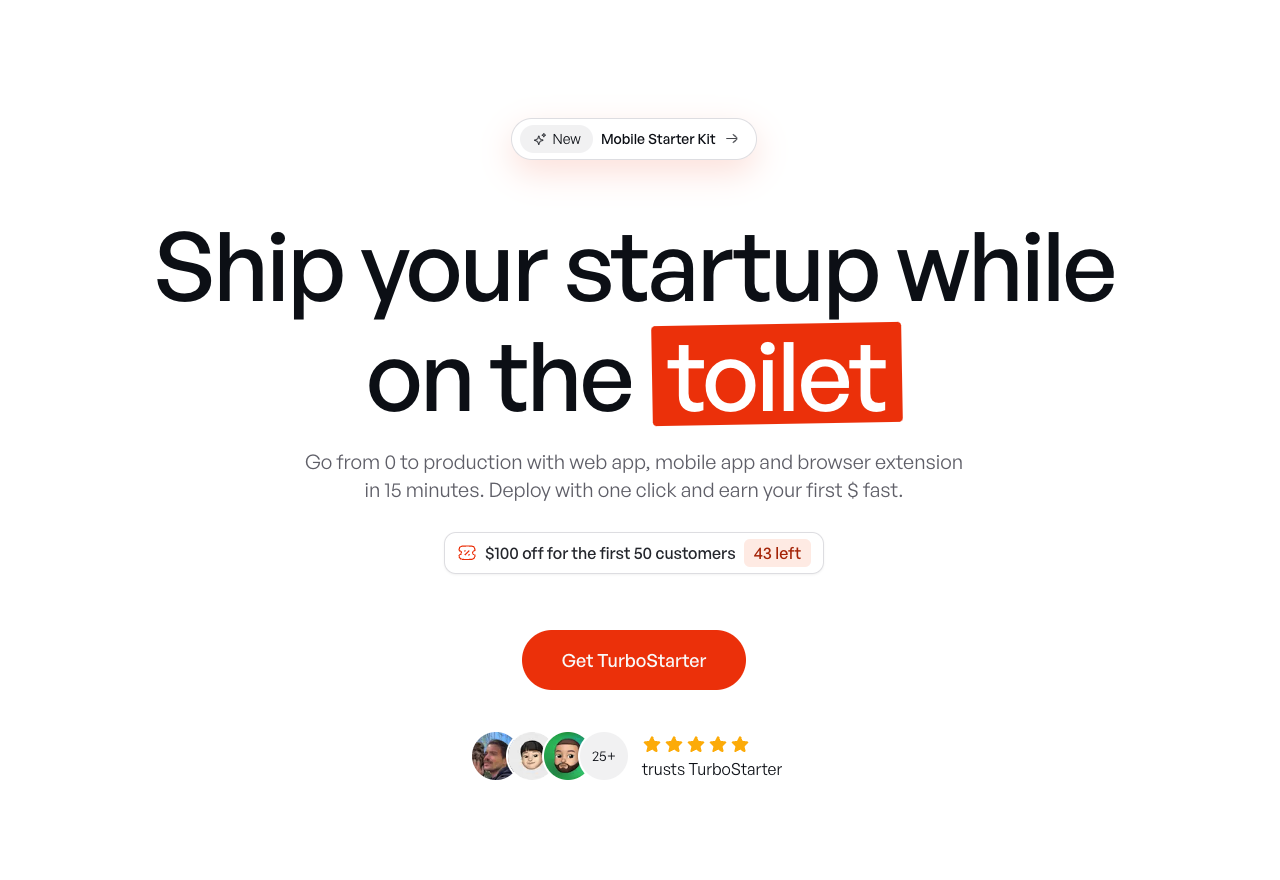
TurboStarter
Ship your startup everywhere. In minutes.
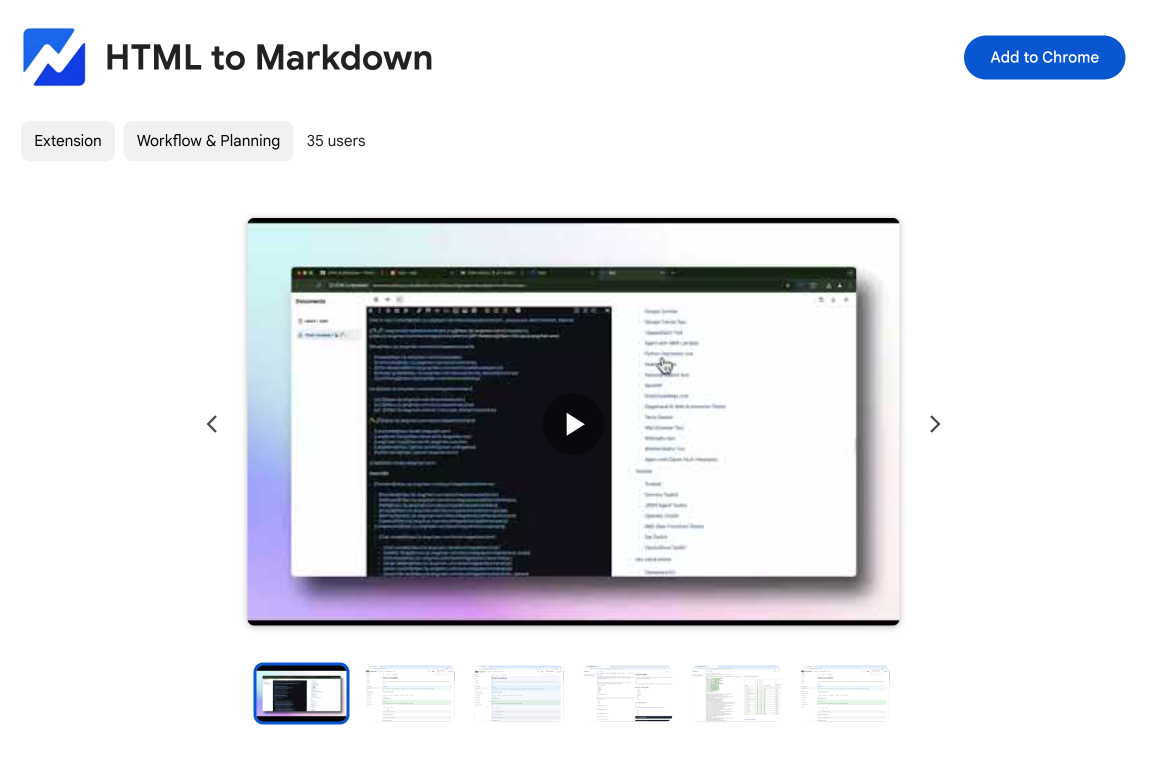
HTML to Markdown
Convert HTML to Markdown with ease, directly in your browser 📄
Dotallio
Personalized AI apps that automate research, data extraction, and content creation without code 🤖
Talk to Santa
Enjoy a magical live video chat or receive a unique AI-generated video greeting from Santa Claus 🎅
pozywka.pl
Scalable blog for food journalist, focused on performance and user experience 🌭
zagrodzki.me
Personal blog and portfolio of Bart Zagrodzki, where he shares his knowledge and work 💼
TurboStarter
Ship your startup everywhere. In minutes.
HTML to Markdown
Convert HTML to Markdown with ease, directly in your browser 📄
Dotallio
Personalized AI apps that automate research, data extraction, and content creation without code 🤖
Talk to Santa
Enjoy a magical live video chat or receive a unique AI-generated video greeting from Santa Claus 🎅
pozywka.pl
Scalable blog for food journalist, focused on performance and user experience 🌭
zagrodzki.me
Personal blog and portfolio of Bart Zagrodzki, where he shares his knowledge and work 💼
TurboStarter
Ship your startup everywhere. In minutes.
HTML to Markdown
Convert HTML to Markdown with ease, directly in your browser 📄
Dotallio
Personalized AI apps that automate research, data extraction, and content creation without code 🤖
Talk to Santa
Enjoy a magical live video chat or receive a unique AI-generated video greeting from Santa Claus 🎅
pozywka.pl
Scalable blog for food journalist, focused on performance and user experience 🌭
zagrodzki.me
Personal blog and portfolio of Bart Zagrodzki, where he shares his knowledge and work 💼
TurboStarter
Ship your startup everywhere. In minutes.
HTML to Markdown
Convert HTML to Markdown with ease, directly in your browser 📄
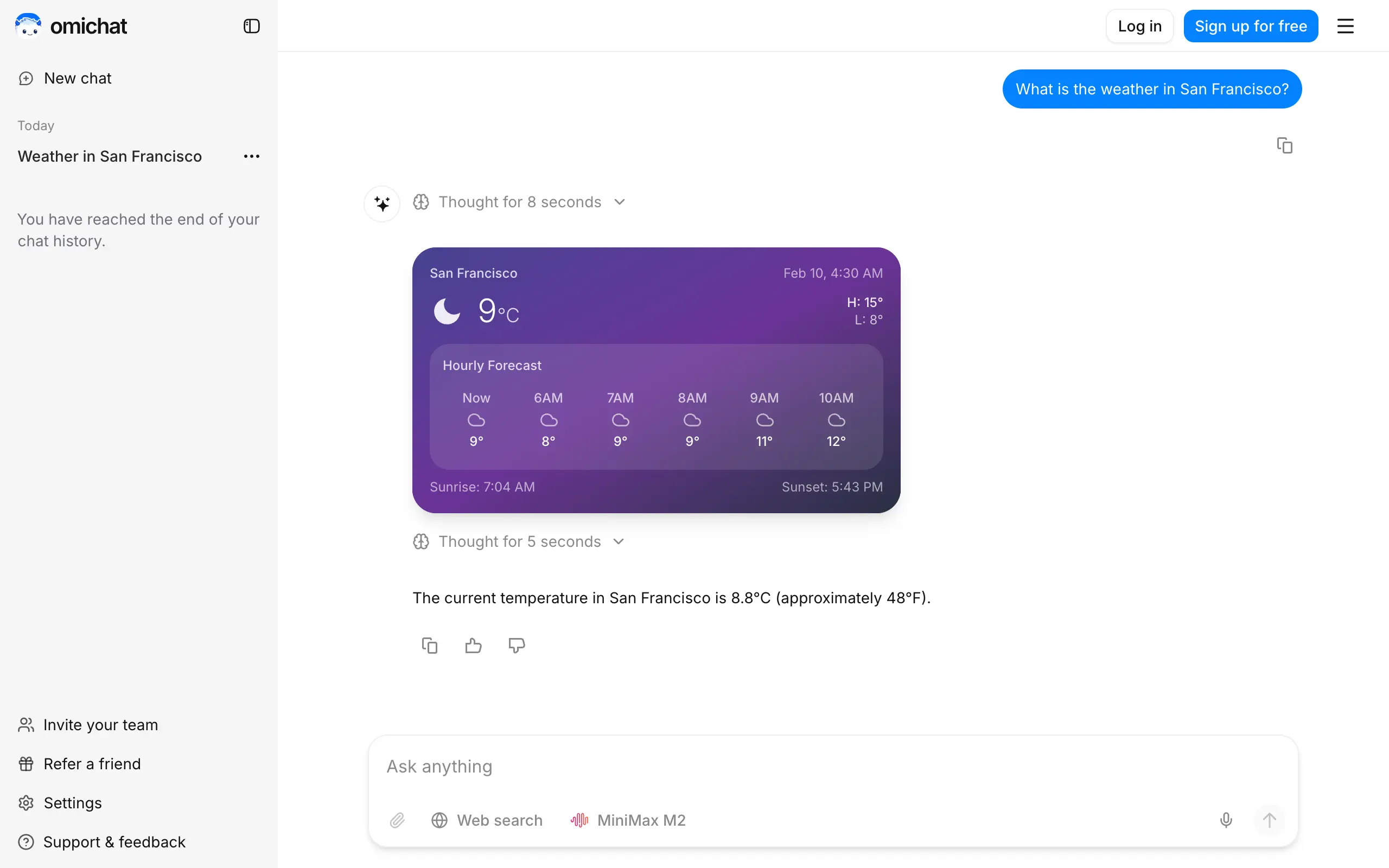
Omichat
Chat with 50+ AI models, including ChatGPT and Claude, in one place - switch models anytime without losing context 🤖
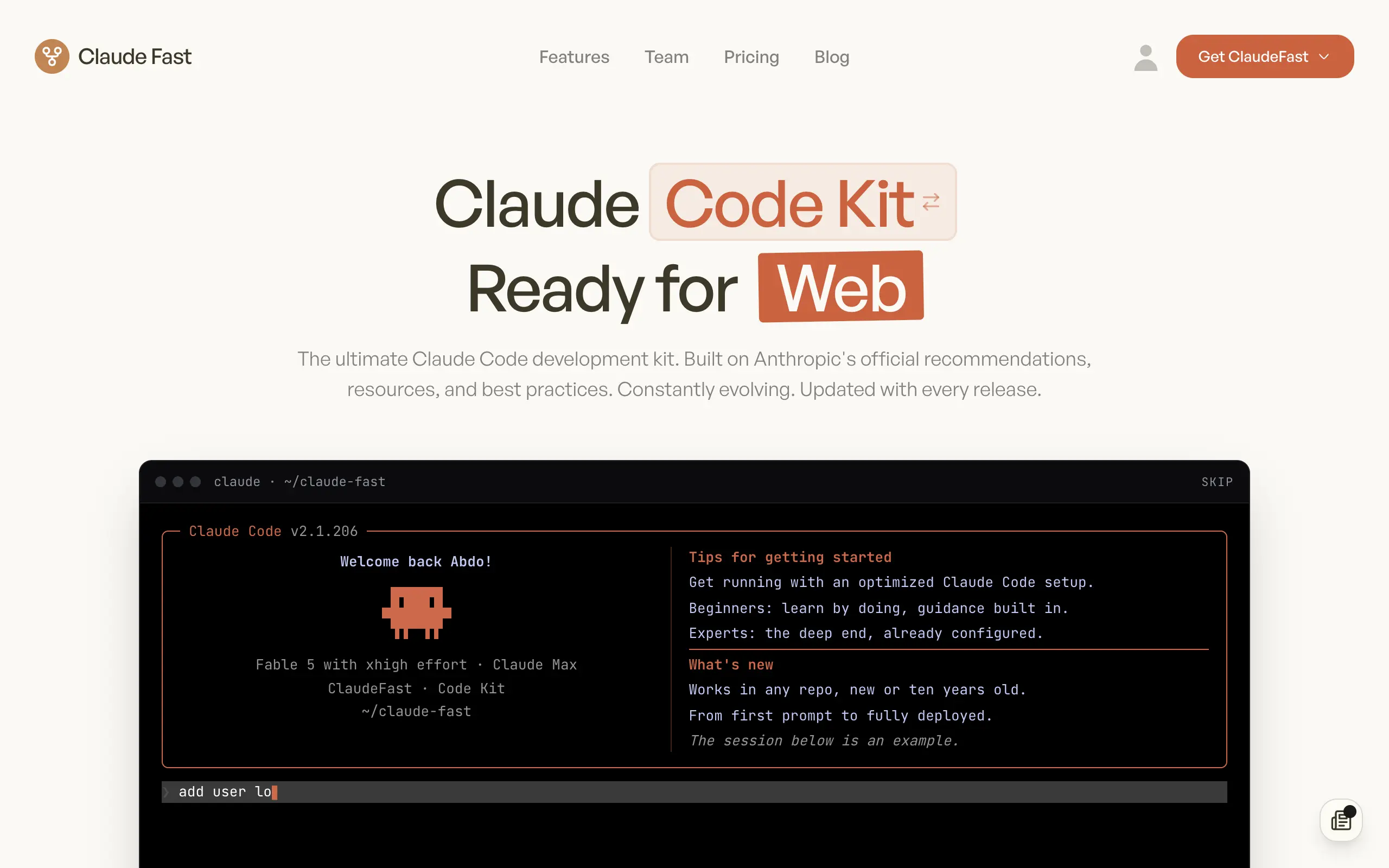
Claude Fast
Supercharge your Claude Code with 6x effective context window and specialized AI agents 🤖
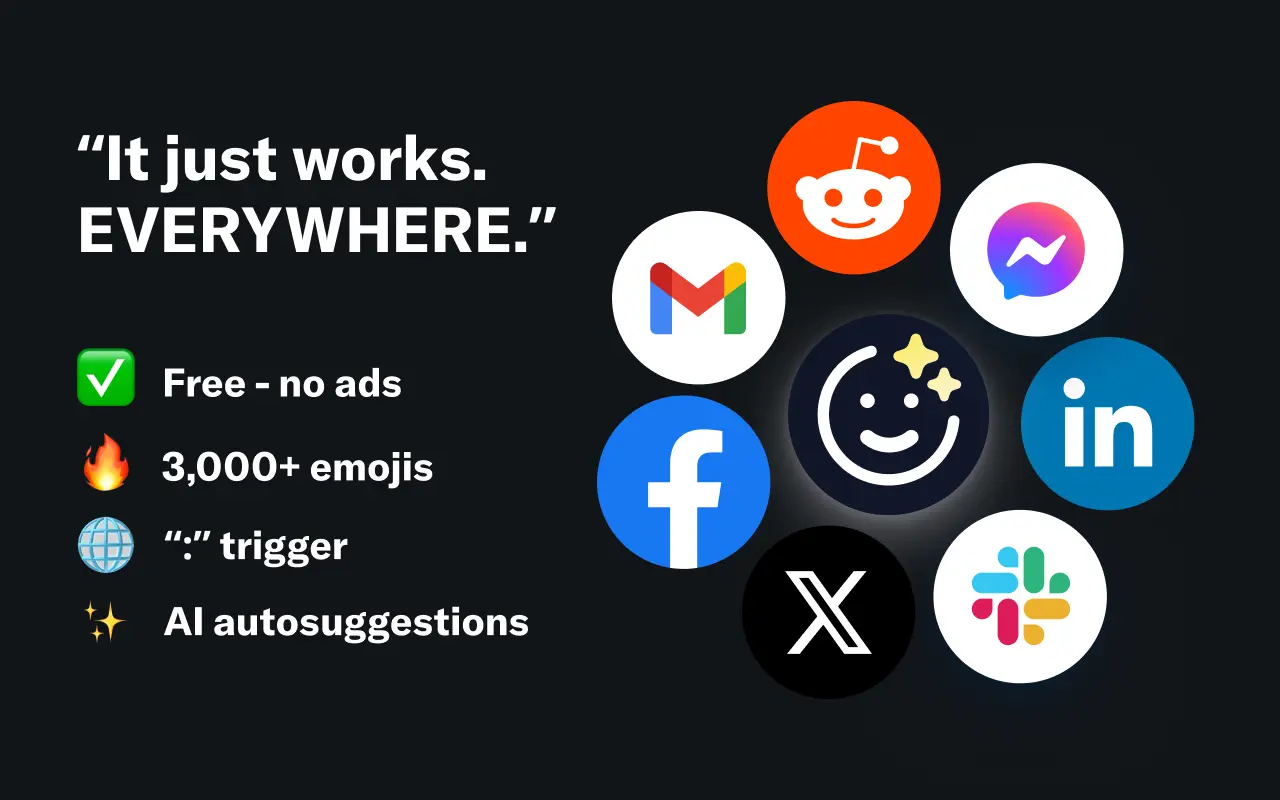
EmojAI
AI-powered emoji picker with smart, context-aware suggestions 🤖
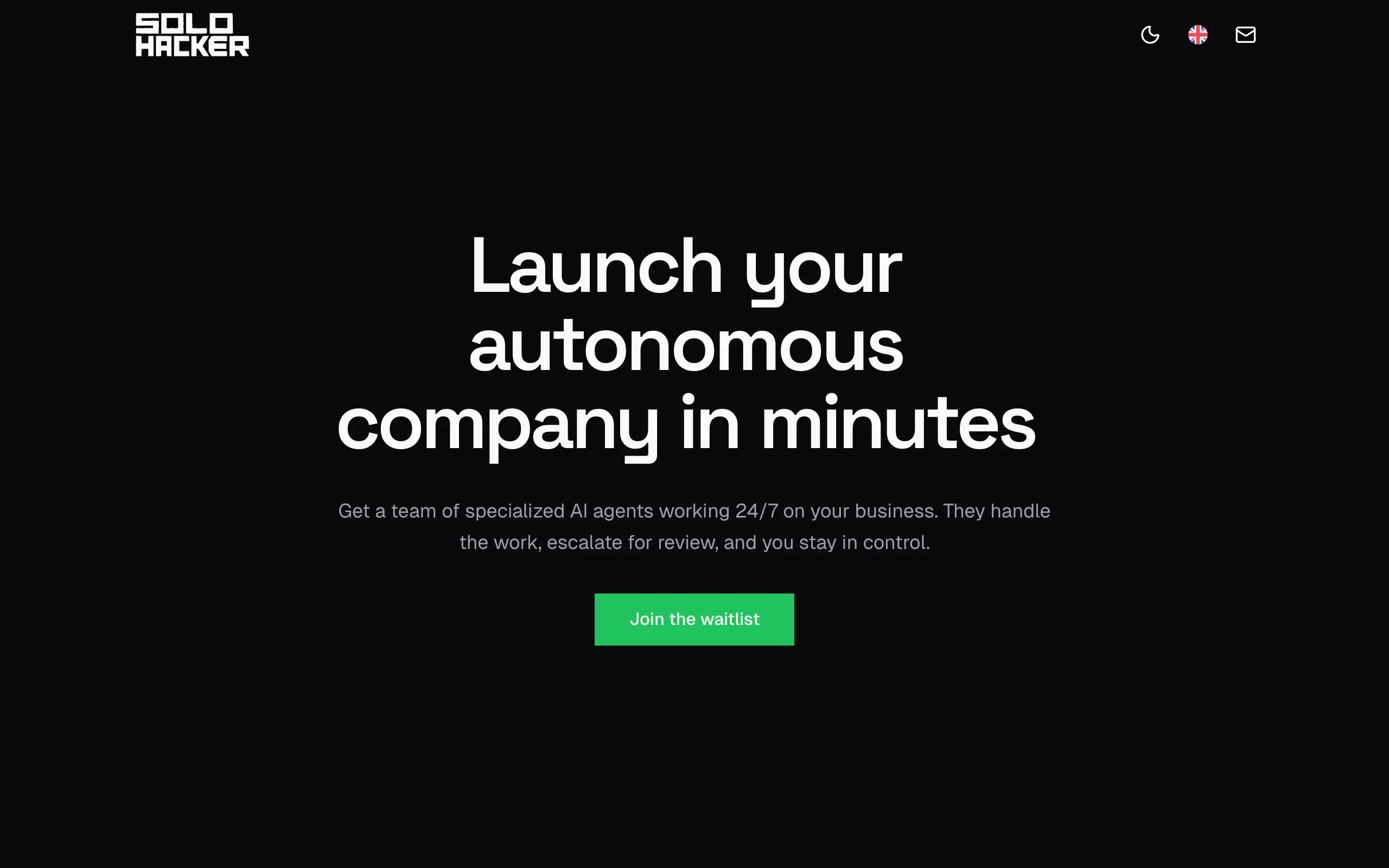
Solohacker
Autonomous company launcher - AI agents work 24/7, escalate what matters, and you stay in control 🤖
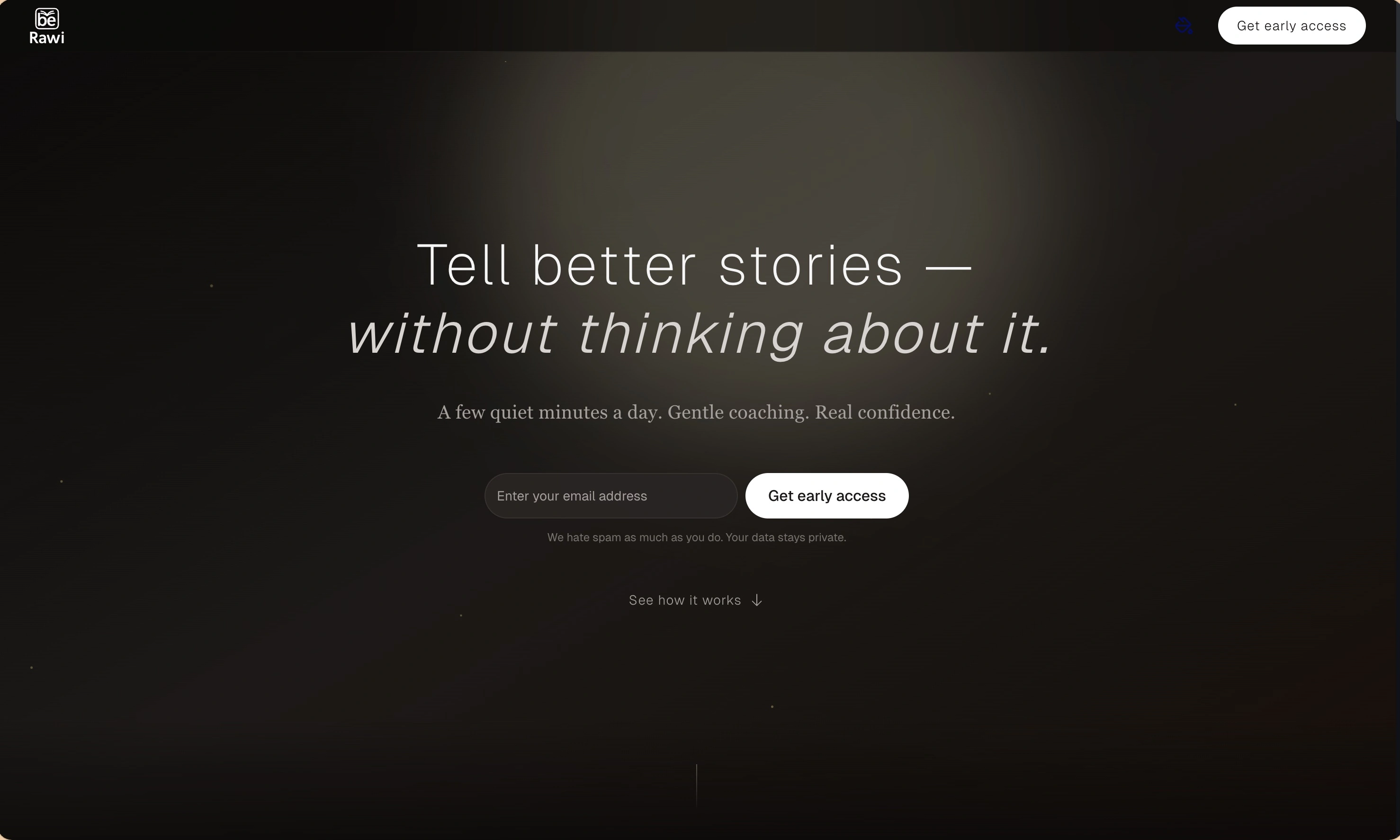
BeRawi: Storytelling Coach
Practice storytelling daily with instant feedback to sound clearer, more engaging, and confident 🎤
Omichat
Chat with 50+ AI models, including ChatGPT and Claude, in one place - switch models anytime without losing context 🤖
Claude Fast
Supercharge your Claude Code with 6x effective context window and specialized AI agents 🤖
EmojAI
AI-powered emoji picker with smart, context-aware suggestions 🤖
Solohacker
Autonomous company launcher - AI agents work 24/7, escalate what matters, and you stay in control 🤖
BeRawi: Storytelling Coach
Practice storytelling daily with instant feedback to sound clearer, more engaging, and confident 🎤
Omichat
Chat with 50+ AI models, including ChatGPT and Claude, in one place - switch models anytime without losing context 🤖
Claude Fast
Supercharge your Claude Code with 6x effective context window and specialized AI agents 🤖
EmojAI
AI-powered emoji picker with smart, context-aware suggestions 🤖
Solohacker
Autonomous company launcher - AI agents work 24/7, escalate what matters, and you stay in control 🤖
BeRawi: Storytelling Coach
Practice storytelling daily with instant feedback to sound clearer, more engaging, and confident 🎤
Omichat
Chat with 50+ AI models, including ChatGPT and Claude, in one place - switch models anytime without losing context 🤖
Claude Fast
Supercharge your Claude Code with 6x effective context window and specialized AI agents 🤖
EmojAI
AI-powered emoji picker with smart, context-aware suggestions 🤖
Solohacker
Autonomous company launcher - AI agents work 24/7, escalate what matters, and you stay in control 🤖
BeRawi: Storytelling Coach
Practice storytelling daily with instant feedback to sound clearer, more engaging, and confident 🎤

Connect with like-minded people
Join our community to get feedback, support, and grow together with 1,000+ builders on board, let's ship it!
Join usShip your startup everywhere. In minutes.
Don't burn tokens on setup and start building features on day one.