BrandSync
An app that helps business owners and website developers synchronize their brand messaging across multiple platforms. It offers tools for content scheduling, analytics, and automated updates to ensure consistent branding.
Target Audience
The app is designed for both business owners and website developers who need to ensure that their brand's messaging, tone, and visual identity remain consistent across a variety of digital platforms. Whether you are a small business owner managing your first website or part of a larger team in a fast-paced digital agency, this solution offers the flexibility and performance needed to maintain brand integrity at scale.
Business owners benefit from a streamlined process for updating and synchronizing branding elements without the hassle of manual updates across multiple channels. Website developers, on the other hand, get a robust system that can easily be integrated into their current workflow, enabling them to deliver a consistent brand experience rapidly. Here’s a quick breakdown:
- Small Business Owners: Simplify content management and ensure brand consistency.
- Digital Agencies: Scale operations with efficient multi-channel branding.
- Freelance Developers: Easily automate brand adjustments during client projects.
- Marketing Teams: Monitor brand performance and optimize the visual narrative.
This inclusive approach ensures that regardless of your role, you can take advantage of features that help streamline your workflow and reduce redundancy in maintaining brand messaging.
Market Opportunity
In today's digital landscape, brand consistency is more than just an aesthetic preference—it's a necessity. Companies that do not regularly update or maintain their brand messaging risk diluting their identity in an increasingly crowded market. With the rapid evolution of digital marketing strategies, there exists an enormous market opportunity for a solution that can centralize and automate brand messaging across various platforms.
Consider these key market trends:
- Increasing Platform Diversity: Modern businesses are not limited to a single website. They may have mobile apps, browser extensions, social media channels, and more. A tool that consolidates content updates across these channels fills a significant gap.
- Growing Demand for Automation: More companies are looking for tools that integrate with their existing systems to provide seamless updates with minimal manual intervention.
- Focus on Data-Driven Branding: Analytics and performance metrics are becoming critical in making informed branding decisions. By consolidating data from multiple sources, businesses can make real-time adjustments to their strategy.
- Rising Competition: As companies continue to expand their digital footprints, ensuring brand consistency not only builds trust among consumers but also provides a competitive edge.
When entering this dynamic market, it is essential to connect with audiences via a solution that stands out by offering comprehensive synchronization features paired with modern analytics and scheduling tools. This addresses a real pain point experienced by businesses scaling their online presence.
Tech Stack
A robust tech stack ensures the reliability, scalability, and efficiency of the app. For a solution that must work across various platforms and manage real-time data synchronization, choosing the right combination of modern front-end, back-end, and integration technologies is key.
Front-End Development
For dynamic and responsive user interfaces, modern JavaScript frameworks such as React or Vue.js are ideal. Their ecosystem supports the incorporation of interactive components and real-time data updates.
const test = () => {
  console.log("this is a code snippet!");
}- React/Vue: Provides flexibility and integrates well with other libraries and frameworks.
- Redux/Context API: Ensures state management is smooth across different components.
- Tailwind CSS/Styled Components: Offers a modern styling approach that speeds up UI development and maintains design consistency.
Back-End Development
For backend services, a combination of Node.js with Express, or Python with Django/Flask, may be utilized. These choices support rapid development cycles and reliable API endpoints.
- Node.js/Express: Non-blocking, event-driven architecture benefits real-time data handling.
- Python/Django: Provides an established, secure framework for building complex applications.
- Database: Consider using PostgreSQL or MongoDB for scalable data storage solutions.
Integration and Automation
To address the need for scheduled tasks and integration with various platforms, technologies such as cron jobs, RabbitMQ, or serverless functions (using AWS Lambda or similar platforms) can be highly effective.
For rapid development and to kickstart projects, TurboStarter offers a well-optimized starter kit for web, mobile, and browser extension projects, ensuring high-quality code precedents and best practices are in place from day one.
- API Integrations: RESTful APIs or GraphQL ensures that content updates are seamlessly propagated across platforms.
- CI/CD Pipelines: Tools like GitHub Actions or CircleCI are essential for maintaining an agile development process with continuous integration.
Feature highlight
Streamlined front-end frameworks ensure rapid and effective UI builds.
Monetization Strategy
For a solution designed to assist in maintaining brand consistency across multiple platforms, a well-thought-out monetization strategy is essential. This strategy not only helps in covering the costs of continuous development and customer support but also in generating recurring revenue that can be reinvested into improving the app further.
Subscription-Based Model
A subscription model can provide a stable revenue stream by offering different pricing tiers based on the number of platforms integrated or advanced analytics features. This model includes:
- Basic Tier: Access to core scheduling, content synchronization, and basic analytics. Ideal for small businesses or individual developers.
- Professional Tier: Additional features such as advanced data analytics, priority support, and integrations with popular CMS and social media platforms.
- Enterprise Tier: Comprehensive solutions for large businesses, including API access, customized integrations, dedicated support, and white-label options.
Freemium Model
Offering a freemium version with limited features can attract potential customers who wish to test the capabilities before committing financially. After building trust and demonstrating value, these users can transition to a premium plan.
- Free Plan: Limited to basic content scheduling and a single platform integration.
- Premium Add-ons: Option to purchase additional features such as premium analytics, automated updates, and multiple platform connections.
Value-Added Services
Beyond the core functionality, additional revenue opportunities exist through value-added services such as:
- Consulting Services: Helping businesses set up and optimize their brand synchronization processes.
- Custom Integrations: Providing bespoke integration services for businesses with unique or complex digital ecosystems.
- Training and Workshops: Organizing webinars and training sessions for teams to help them maximize the utility of the tool.
These strategies, combined with careful market analysis, ensure that the tool is not only profitable but sustainable in the long run.
- Affiliate programs for related SaaS solutions
- Advertising space within the analytics dashboard
- Tiered pricing for high-volume users
Risks
Implementing a tool that automates content and brand synchronization involves challenges, and it's important to be aware of possible risks and mitigate them effectively.
Integration Complexity
Synchronizing across multiple platforms could lead to integration issues. Relying on third-party APIs means that any changes on their end might impact the functionality of the tool.
- Mitigation: Regular updates, monitoring, and a robust error-handling system are crucial to maintaining system stability.
Data Security
Handling sensitive brand data means ensuring that all transmissions and stored data are secure against breaches. Data protection regulations also require strict adherence to security protocols.
- Mitigation: Employ advanced encryption, secure storage techniques, and regular audits to ensure data integrity and compliance.
Security Tip
Ensure that all integration points follow the latest security standards to prevent unauthorized access.
Performance and Scalability
As the user base grows, the system must scale efficiently without compromising on performance, especially when dealing with scheduled updates and real-time data synchronization.
- Mitigation: Use scalable cloud services, microservices architecture, and proper load balancing techniques.
User Adoption Risk
For any new tool, driving user adoption can be challenging. If the tool is too complex or the learning curve is steep, potential users may shy away from it.
- Mitigation: Focus on user-friendly design, comprehensive documentation, and onboarding tutorials to facilitate a smoother transition for new users.
Market Competition
The digital branding and automation market is competitive, and there is always a risk that similar tools may capture market share.
- Mitigation: Continually review market trends, gather user feedback, and invest in continuous product innovation to stay ahead of competitors.
Competitive Advantages
Standing out in a competitive market requires not only robust functionality but also innovative features that empower users to achieve more with less effort. Here are some of the competitive advantages that set this tool apart:
Seamless Multi-Platform Integration
Unlike other solutions that offer isolated functionalities, this tool is built with a focus on integrating across multiple platforms, ensuring that the brand message remains consistent everywhere it appears. This includes websites, mobile apps, browser extensions, and social media channels.
Powerful Scheduling and Automation
The scheduling system is designed to give users complete control over when and how their content updates go live. Automated workflows reduce the manual work of updating content, allowing businesses to focus on strategic creative endeavors.
Real-Time Analytics and Feedback
Having access to real-time data enhances decision-making for marketing teams. This tool offers in-depth analytics that allow users to track engagement, monitor performance metrics, and instantly tweak their strategies based on data-driven insights.
The analytics tab provides detailed dashboards that offer:
- Daily, weekly, and monthly performance metrics
- Engagement reports
- Keyword tracking
- Customizable data views
The automation tab allows for:
- Setting up custom automation rules
- Managing content workflows across multiple channels
- Real-time content updates and scheduling functionalities
User-Centric Design and Ease of Use
Investing in user experience is central to this tool’s design. The user interface is intuitive and requires minimal training, making it accessible for both seasoned developers and novice business owners. Comprehensive guides, in-app tutorials, and responsive customer support ensure users always have the help they need.
Developer-Friendly API and SDK
For developers aiming to build integrations or custom features, the tool offers a fully documented API and SDK that simplifies interaction with the core system. This developer-friendly approach not only accelerates the implementation process but also fosters a community of innovators who can build additional features and integrations.
Rapid Development with TurboStarter
One of the significant strengths in the technology stack is the ability to quickly iterate and implement new features. Projects can leverage resources like TurboStarter for web, mobile, or browser extension projects, thereby reducing time-to-market and ensuring that the foundation is built on best practices from the get-go.
Key differentiators include:
- Comprehensive multi-channel integration
- Advanced scheduling and automation features
- Real-time monitoring of brand metrics
- Strong developer support and API integrations
- An agile development approach with rapid prototyping using industry-leading tools
Implementation Steps
Successfully deploying this tool involves a structured plan that covers planning, development, testing, and launch phases. Each stage is crucial to ensure that the final product meets user expectations and withstands the challenges of a competitive market. Here’s a high-level implementation plan:
Final Thoughts and Next Actions
Ensuring brand consistency across multiple platforms is no longer a luxury—it’s a necessity in today’s multi-faceted digital landscape. By adopting this approach, businesses and developers alike can automate repetitive tasks, reduce integration errors, and focus more on creative and strategic initiatives. The combination of a robust tech stack, strategic monetization plans, and a clear understanding of market opportunities positions this solution as a pioneering tool in the realm of brand synchronization.
Moreover, addressing risks head-on by planning for scalability, data security, and user adoption will be key to long-term success. Continuous monitoring, regular software updates, and adherence to industry best practices will help mitigate these risks effectively.
For businesses ready to embrace a future where brand consistency is effortless, the time to act is now. With a solid plan in place and the support of rapid implementation tools such as TurboStarter, launching a robust, comprehensive solution is entirely within reach.
Wrapping Up
In summary, the execution of this project involves:
- Recognizing the diverse needs of business owners and developers.
- Capitalizing on a growing market opportunity with advanced analytics and multi-channel integration.
- Leveraging modern technologies to build a scalable, secure, and user-friendly solution.
- Establishing a clear monetization strategy that addresses different market segments.
- Addressing key risks through proactive planning, continuous integration, and rigorous testing.
- Emphasizing competitive advantages that set your solution apart from the rest, including seamless automation and real-time performance tracking.
By following these steps and ensuring continuous engagement with your target audience, you can build and maintain a tool that transforms how brands manage and synchronize their digital content.
Whether you're a startup looking to establish your identity or an established business aiming to streamline your digital ecosystem, this comprehensive approach equips you with the strategies necessary for long-term success in today’s competitive digital landscape.
Embarking on this journey involves clear planning, the clever use of modern technologies, and the consistent delivery of value. As you progress from ideation to full deployment, remember to continually refine and enhance the product based on user feedback and market trends. This adaptability will not only secure high adoption rates but will also establish your solution as a staple in the brand management industry.
By taking these deliberate steps, you move closer to transforming the fragmented process of brand management into a unified, efficient, and highly automated workflow capable of handling the demands of today’s integrated digital ecosystems. Happy building, and may your development journey be both innovative and successful!
More 💡 Other SaaS ideas
Discover more innovative other SaaS ideas that are trending in 2026. Each idea is AI-generated with market validation and growth potential to help you find your next profitable venture faster than competitors.
Your competitors are building with TurboStarter
Below are some of the SaaS ideas that have been generated and built with our starter kit.
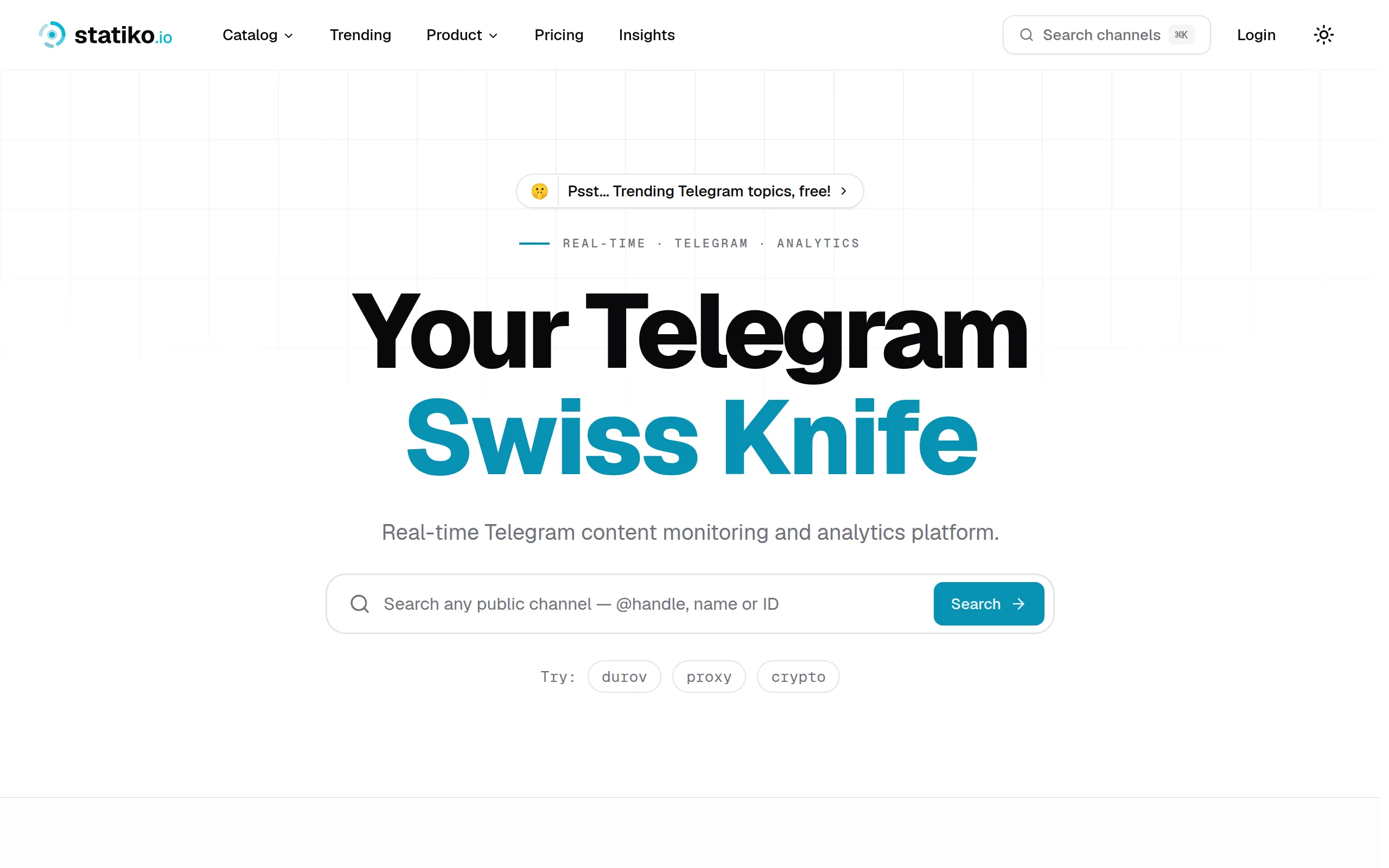
Statiko
Monitor any Telegram channel in real time - track posts, edits, deletions, and growth with AI recaps 📡

Shibui
AI website builder - describe your business, pick a niche template, edit by chatting, and publish instantly ✨

Pro Service
Find verified home service professionals, compare quotes, and pay securely through escrow - built for Brazilians across the US 🏠
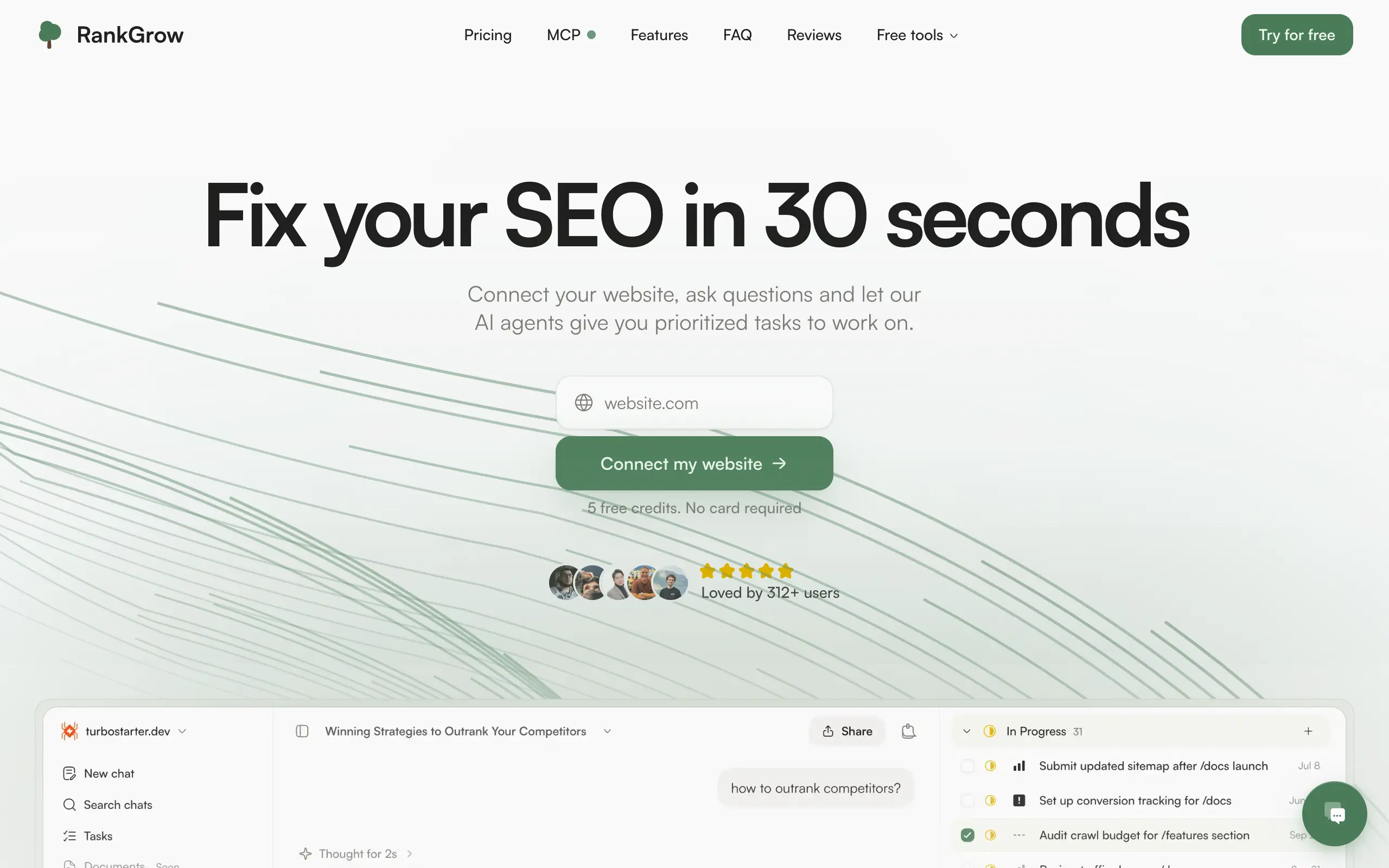
RankGrow
Fix your SEO with AI agents - connect Search Console, get prioritized tasks, and grow organic traffic 📈
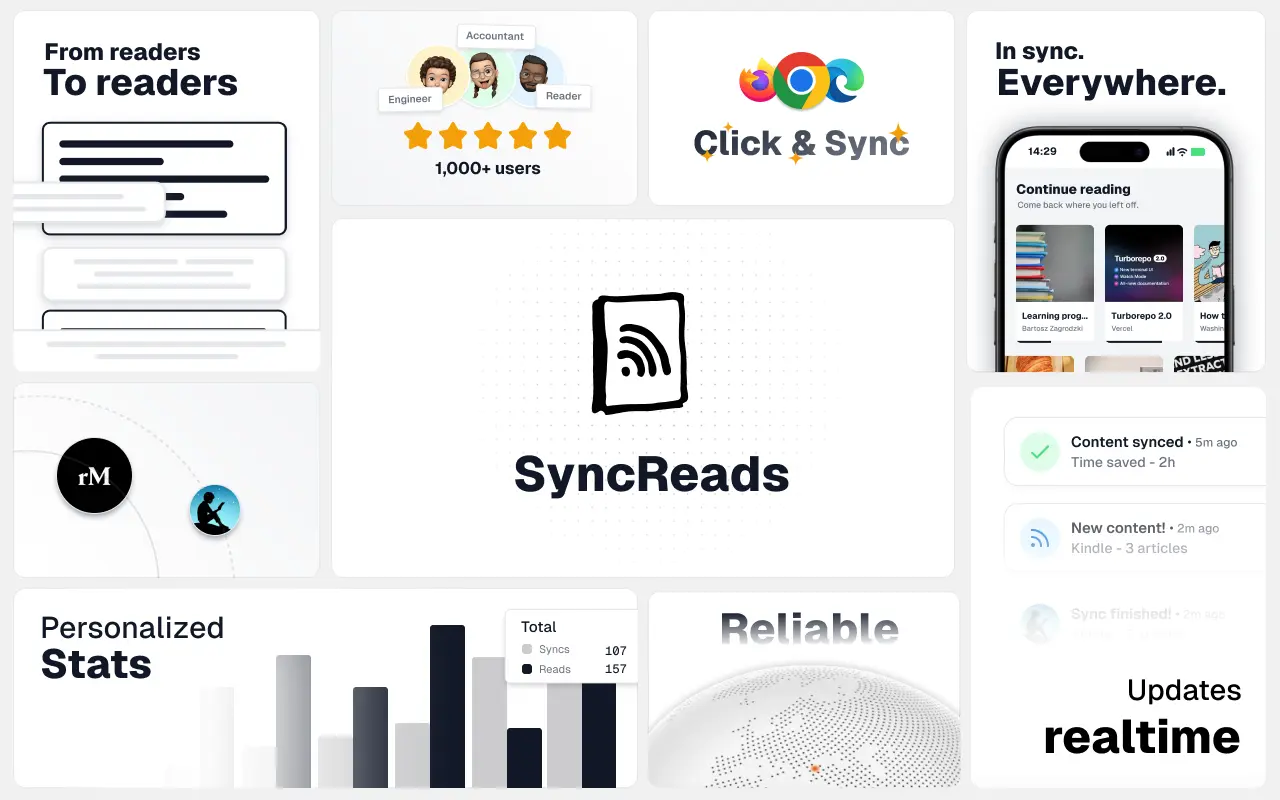
SyncReads
Sync your favorite content for distraction-free reading, save time and replace multiple apps. Anytime, anywhere 🔄
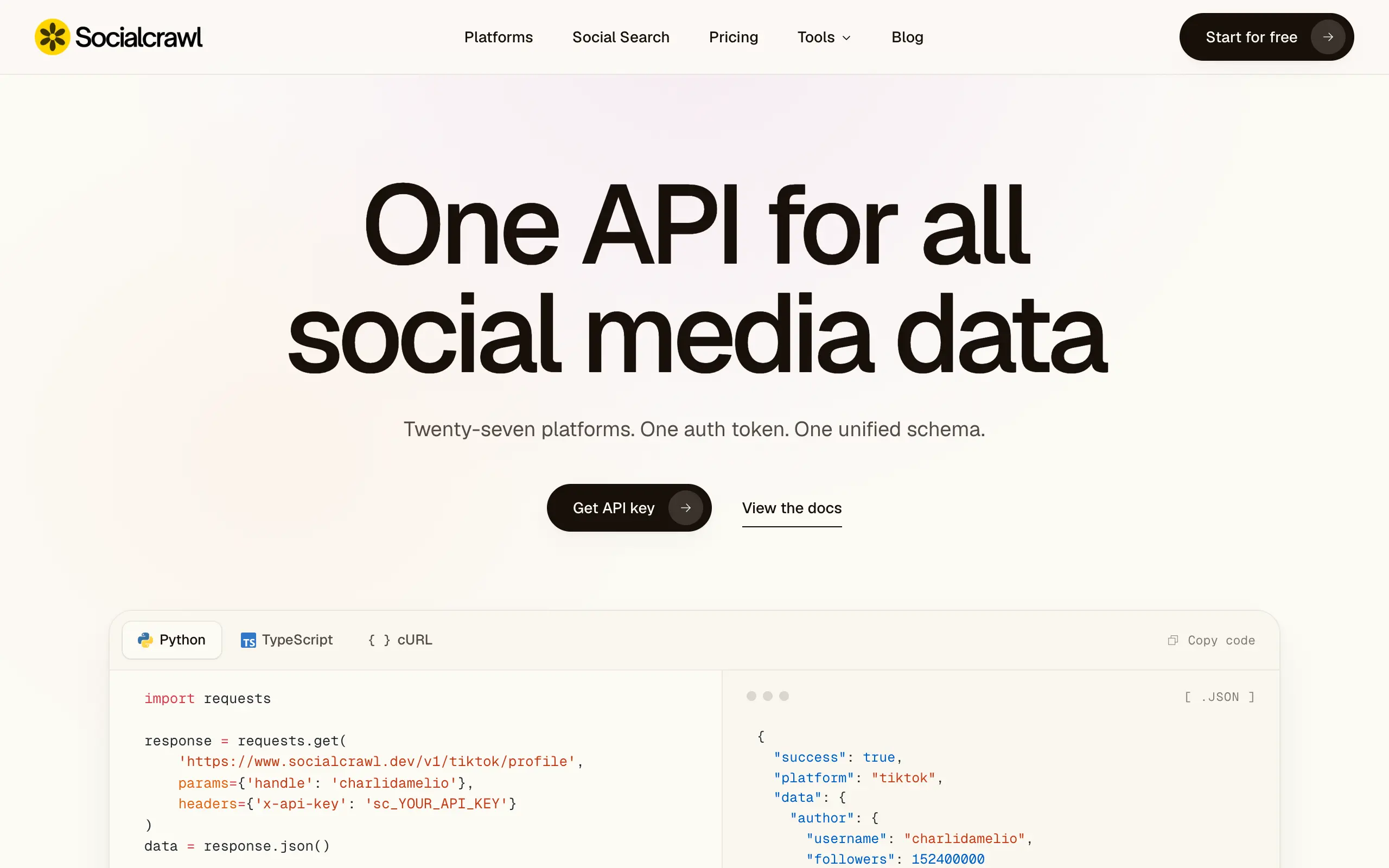
Socialcrawl
Get clean, structured data from 21 platforms like TikTok, Instagram, and YouTube with a single request 📊
Statiko
Monitor any Telegram channel in real time - track posts, edits, deletions, and growth with AI recaps 📡
Shibui
AI website builder - describe your business, pick a niche template, edit by chatting, and publish instantly ✨
Pro Service
Find verified home service professionals, compare quotes, and pay securely through escrow - built for Brazilians across the US 🏠
RankGrow
Fix your SEO with AI agents - connect Search Console, get prioritized tasks, and grow organic traffic 📈
SyncReads
Sync your favorite content for distraction-free reading, save time and replace multiple apps. Anytime, anywhere 🔄
Socialcrawl
Get clean, structured data from 21 platforms like TikTok, Instagram, and YouTube with a single request 📊
Statiko
Monitor any Telegram channel in real time - track posts, edits, deletions, and growth with AI recaps 📡
Shibui
AI website builder - describe your business, pick a niche template, edit by chatting, and publish instantly ✨
Pro Service
Find verified home service professionals, compare quotes, and pay securely through escrow - built for Brazilians across the US 🏠
RankGrow
Fix your SEO with AI agents - connect Search Console, get prioritized tasks, and grow organic traffic 📈
SyncReads
Sync your favorite content for distraction-free reading, save time and replace multiple apps. Anytime, anywhere 🔄
Socialcrawl
Get clean, structured data from 21 platforms like TikTok, Instagram, and YouTube with a single request 📊
Statiko
Monitor any Telegram channel in real time - track posts, edits, deletions, and growth with AI recaps 📡
Shibui
AI website builder - describe your business, pick a niche template, edit by chatting, and publish instantly ✨
Pro Service
Find verified home service professionals, compare quotes, and pay securely through escrow - built for Brazilians across the US 🏠
RankGrow
Fix your SEO with AI agents - connect Search Console, get prioritized tasks, and grow organic traffic 📈
SyncReads
Sync your favorite content for distraction-free reading, save time and replace multiple apps. Anytime, anywhere 🔄
Socialcrawl
Get clean, structured data from 21 platforms like TikTok, Instagram, and YouTube with a single request 📊
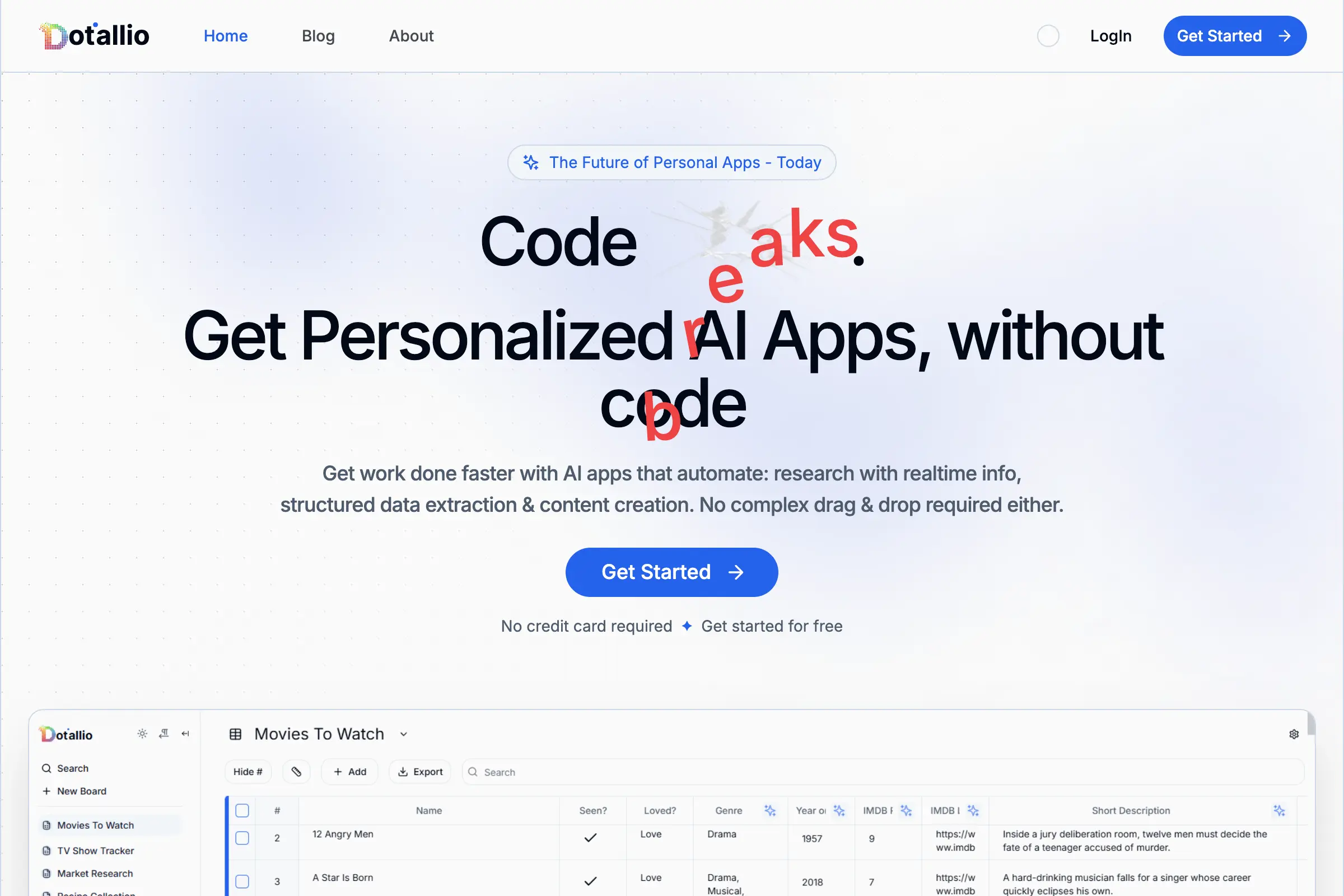
Dotallio
Personalized AI apps that automate research, data extraction, and content creation without code 🤖
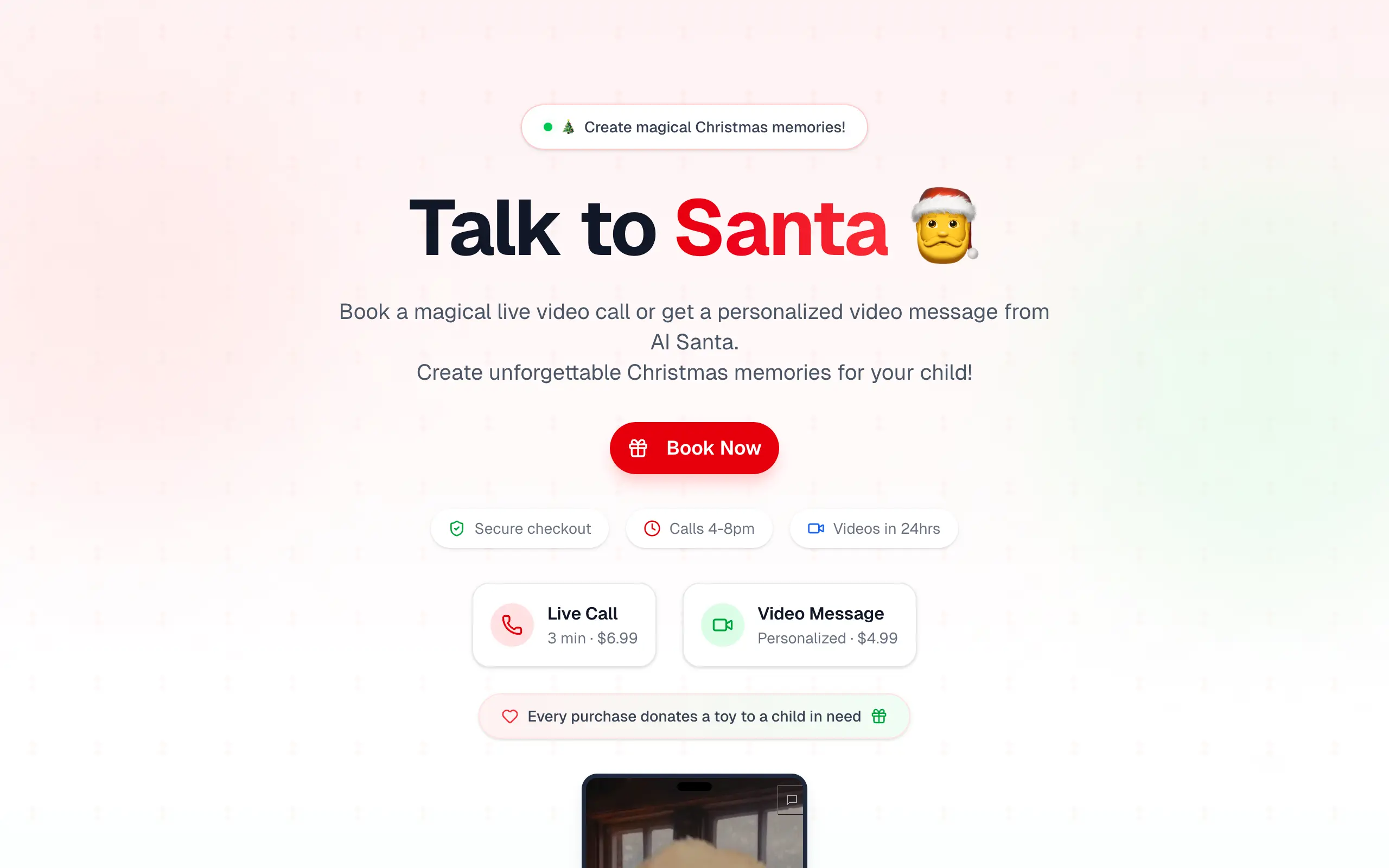
Talk to Santa
Enjoy a magical live video chat or receive a unique AI-generated video greeting from Santa Claus 🎅
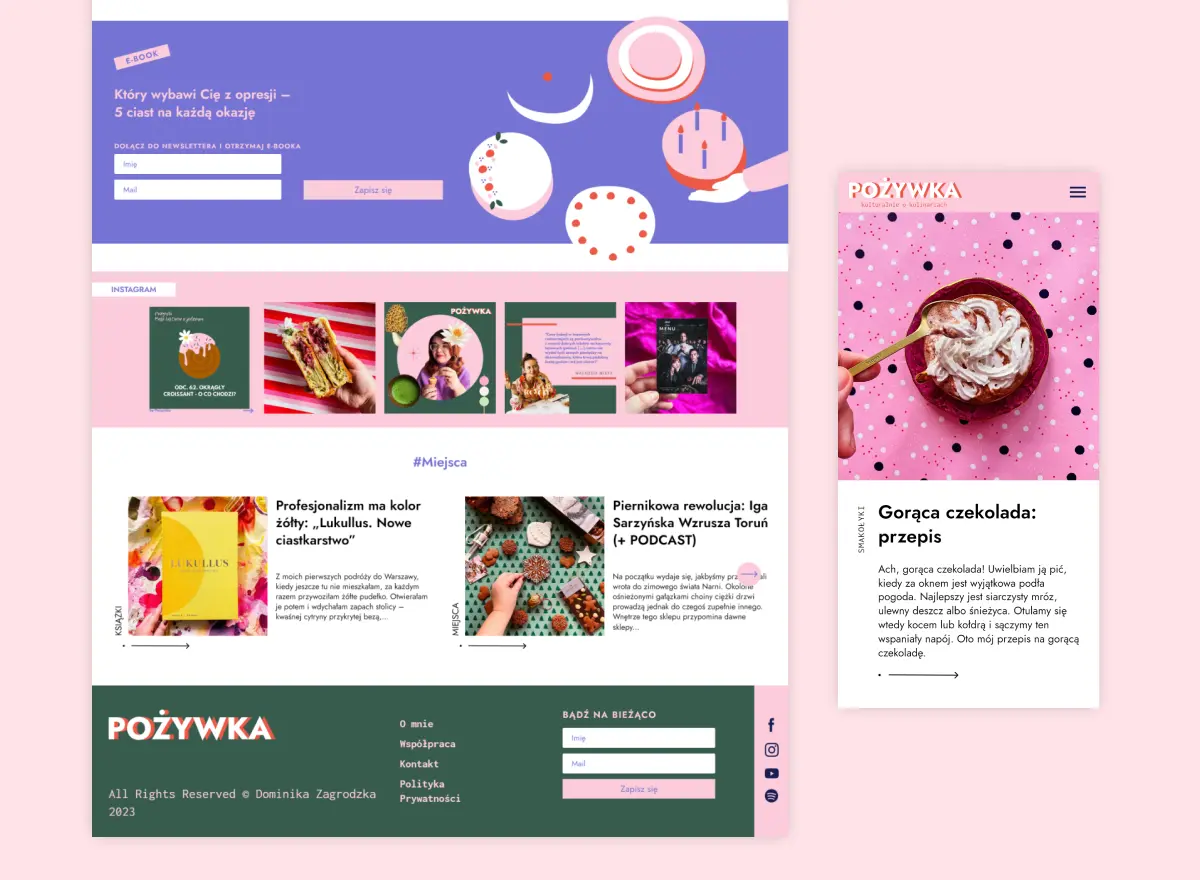
pozywka.pl
Scalable blog for food journalist, focused on performance and user experience 🌭
zagrodzki.me
Personal blog and portfolio of Bart Zagrodzki, where he shares his knowledge and work 💼
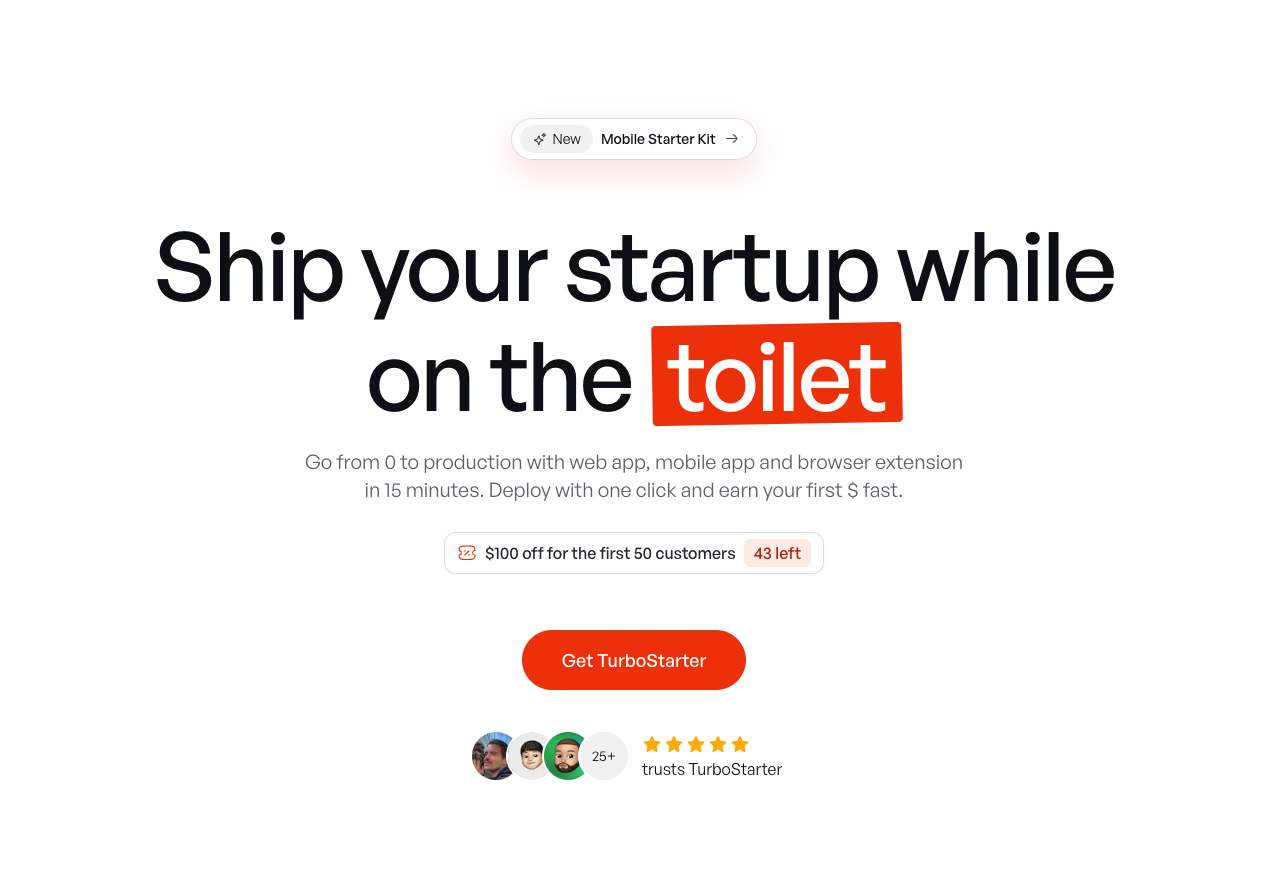
TurboStarter
Ship your startup everywhere. In minutes.
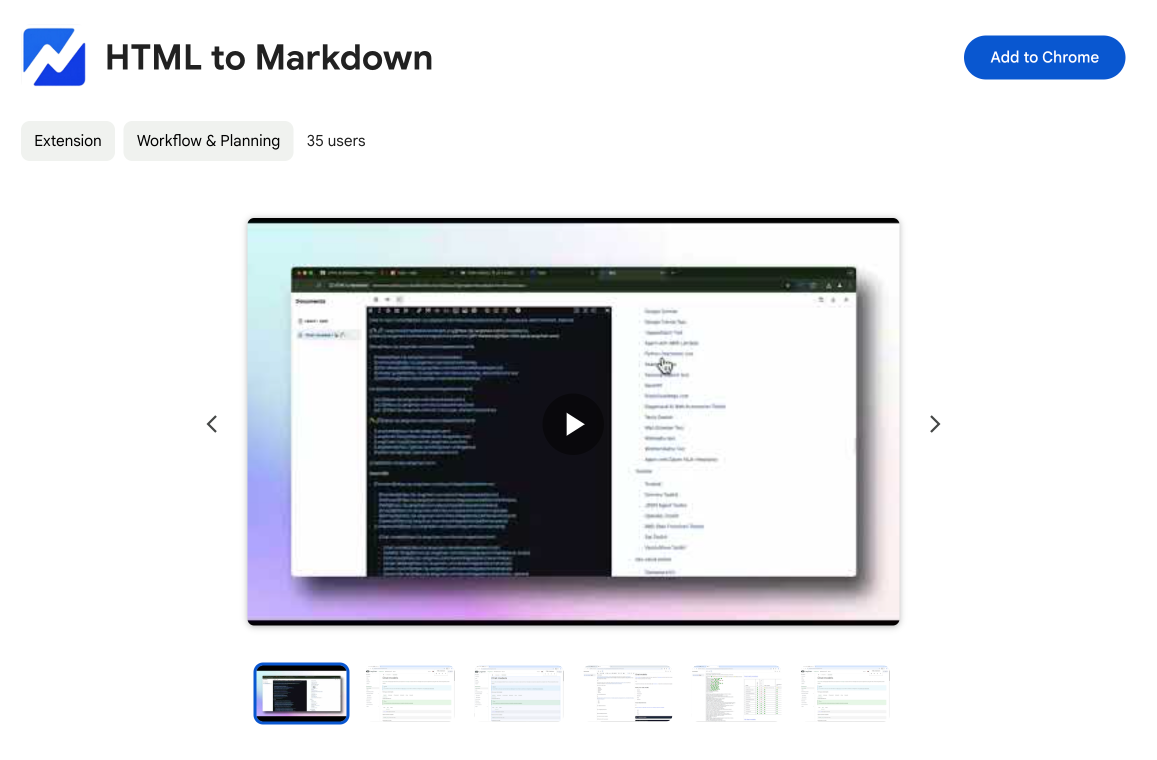
HTML to Markdown
Convert HTML to Markdown with ease, directly in your browser 📄
Dotallio
Personalized AI apps that automate research, data extraction, and content creation without code 🤖
Talk to Santa
Enjoy a magical live video chat or receive a unique AI-generated video greeting from Santa Claus 🎅
pozywka.pl
Scalable blog for food journalist, focused on performance and user experience 🌭
zagrodzki.me
Personal blog and portfolio of Bart Zagrodzki, where he shares his knowledge and work 💼
TurboStarter
Ship your startup everywhere. In minutes.
HTML to Markdown
Convert HTML to Markdown with ease, directly in your browser 📄
Dotallio
Personalized AI apps that automate research, data extraction, and content creation without code 🤖
Talk to Santa
Enjoy a magical live video chat or receive a unique AI-generated video greeting from Santa Claus 🎅
pozywka.pl
Scalable blog for food journalist, focused on performance and user experience 🌭
zagrodzki.me
Personal blog and portfolio of Bart Zagrodzki, where he shares his knowledge and work 💼
TurboStarter
Ship your startup everywhere. In minutes.
HTML to Markdown
Convert HTML to Markdown with ease, directly in your browser 📄
Dotallio
Personalized AI apps that automate research, data extraction, and content creation without code 🤖
Talk to Santa
Enjoy a magical live video chat or receive a unique AI-generated video greeting from Santa Claus 🎅
pozywka.pl
Scalable blog for food journalist, focused on performance and user experience 🌭
zagrodzki.me
Personal blog and portfolio of Bart Zagrodzki, where he shares his knowledge and work 💼
TurboStarter
Ship your startup everywhere. In minutes.
HTML to Markdown
Convert HTML to Markdown with ease, directly in your browser 📄
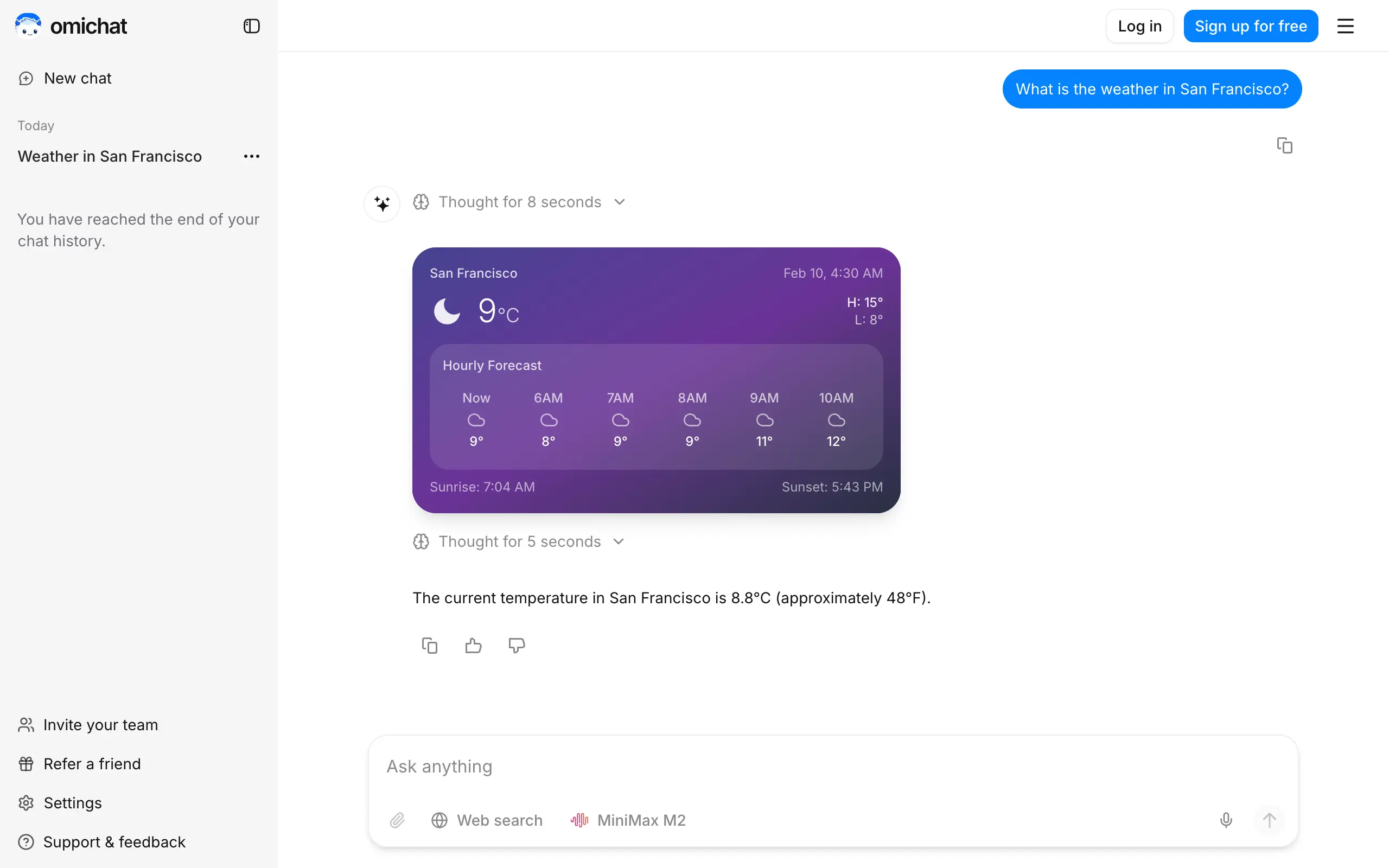
Omichat
Chat with 50+ AI models, including ChatGPT and Claude, in one place - switch models anytime without losing context 🤖
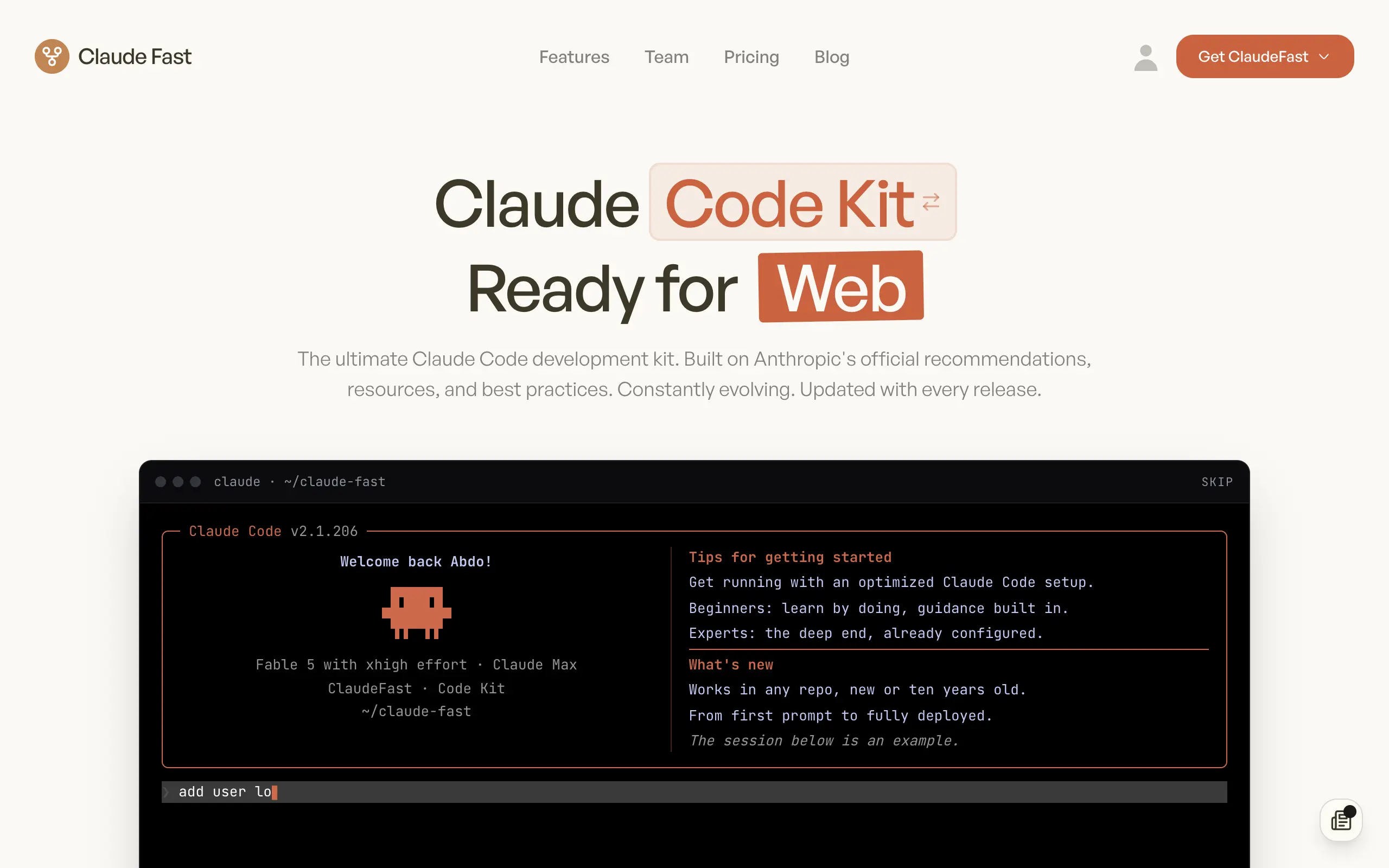
Claude Fast
Supercharge your Claude Code with 6x effective context window and specialized AI agents 🤖
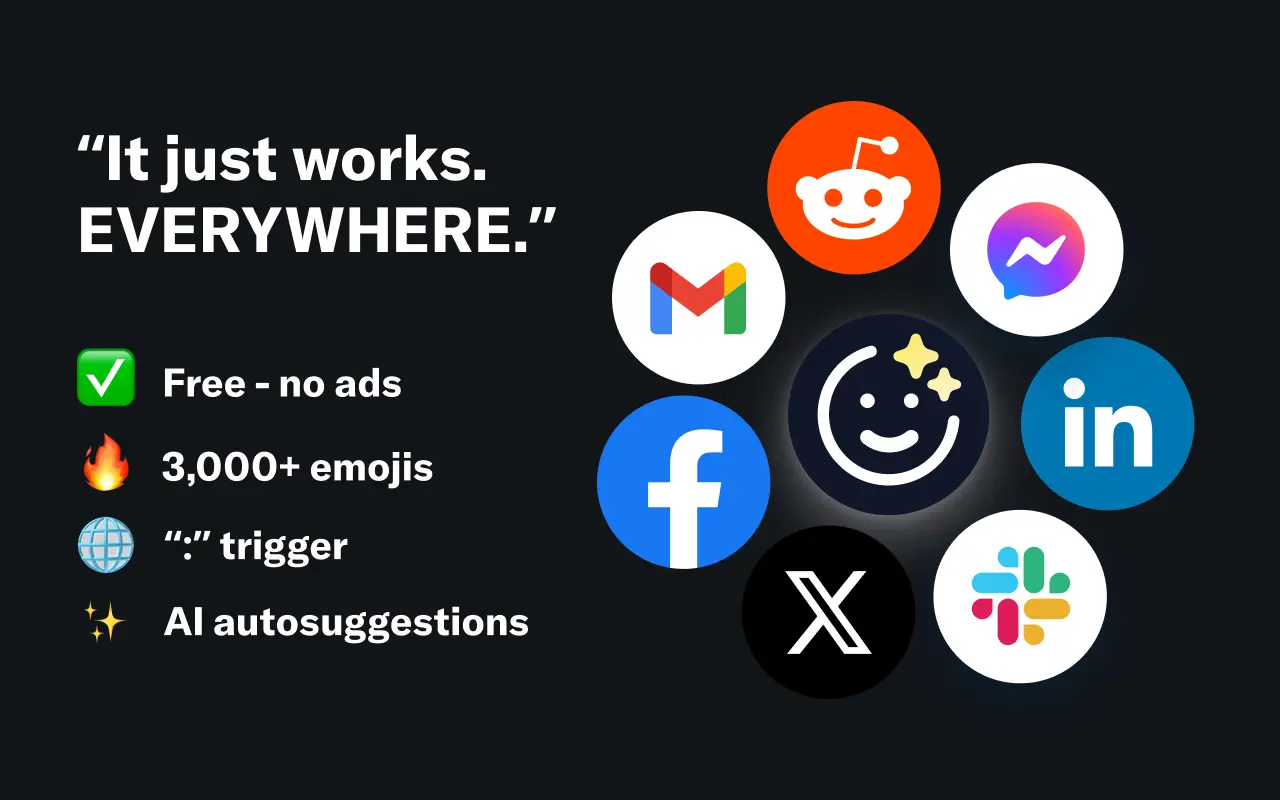
EmojAI
AI-powered emoji picker with smart, context-aware suggestions 🤖
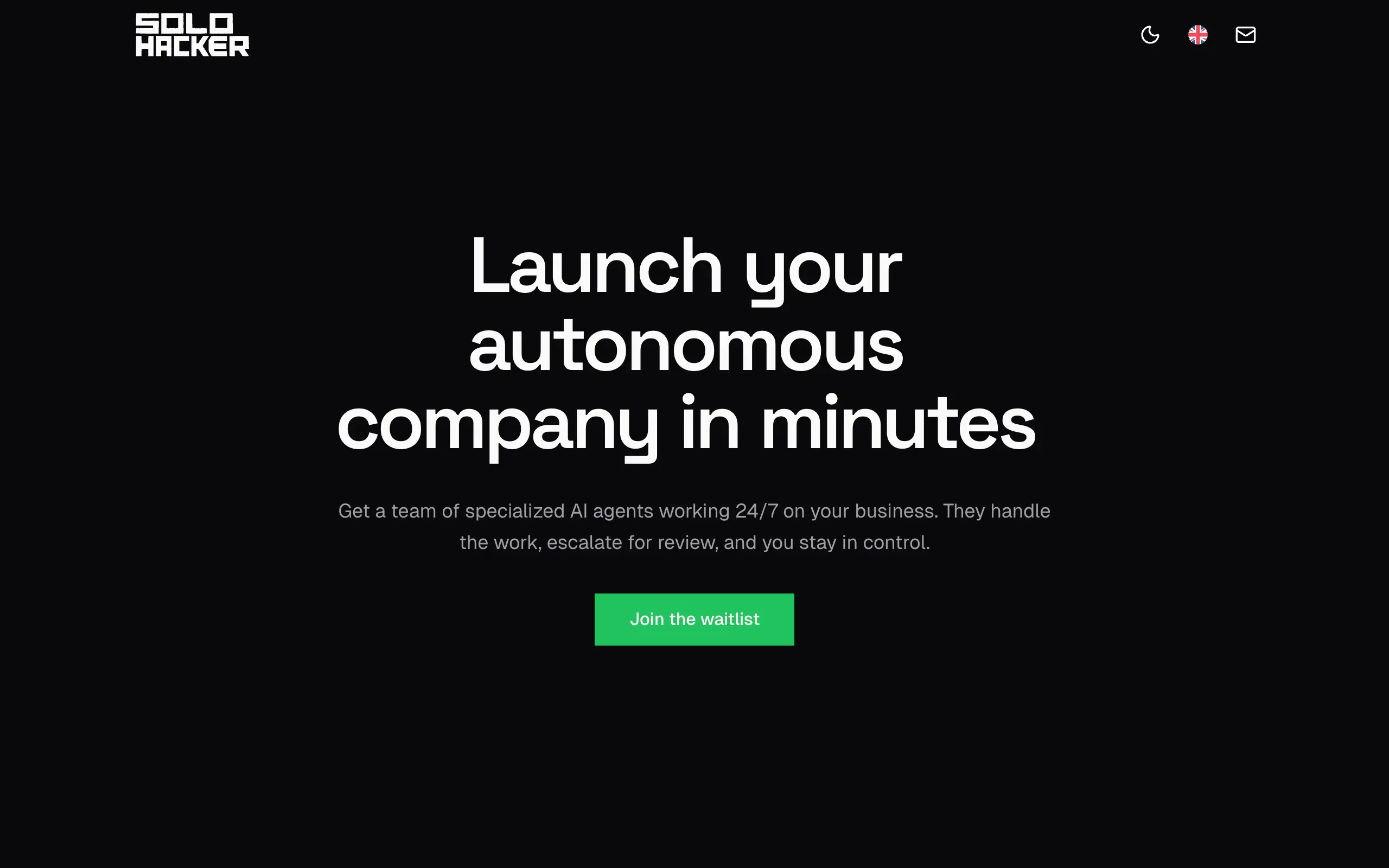
Solohacker
Autonomous company launcher - AI agents work 24/7, escalate what matters, and you stay in control 🤖

BeRawi: Storytelling Coach
Practice storytelling daily with instant feedback to sound clearer, more engaging, and confident 🎤
Omichat
Chat with 50+ AI models, including ChatGPT and Claude, in one place - switch models anytime without losing context 🤖
Claude Fast
Supercharge your Claude Code with 6x effective context window and specialized AI agents 🤖
EmojAI
AI-powered emoji picker with smart, context-aware suggestions 🤖
Solohacker
Autonomous company launcher - AI agents work 24/7, escalate what matters, and you stay in control 🤖
BeRawi: Storytelling Coach
Practice storytelling daily with instant feedback to sound clearer, more engaging, and confident 🎤
Omichat
Chat with 50+ AI models, including ChatGPT and Claude, in one place - switch models anytime without losing context 🤖
Claude Fast
Supercharge your Claude Code with 6x effective context window and specialized AI agents 🤖
EmojAI
AI-powered emoji picker with smart, context-aware suggestions 🤖
Solohacker
Autonomous company launcher - AI agents work 24/7, escalate what matters, and you stay in control 🤖
BeRawi: Storytelling Coach
Practice storytelling daily with instant feedback to sound clearer, more engaging, and confident 🎤
Omichat
Chat with 50+ AI models, including ChatGPT and Claude, in one place - switch models anytime without losing context 🤖
Claude Fast
Supercharge your Claude Code with 6x effective context window and specialized AI agents 🤖
EmojAI
AI-powered emoji picker with smart, context-aware suggestions 🤖
Solohacker
Autonomous company launcher - AI agents work 24/7, escalate what matters, and you stay in control 🤖
BeRawi: Storytelling Coach
Practice storytelling daily with instant feedback to sound clearer, more engaging, and confident 🎤

Connect with like-minded people
Join our community to get feedback, support, and grow together with 1,000+ builders on board, let's ship it!
Join usShip your startup everywhere. In minutes.
Don't burn tokens on setup and start building features on day one.