CanonGuard AI
Automated continuity and consistency checker that scans manuscripts to detect plot holes, character inconsistencies, and timeline conflicts in real time.
The growing need for AI-powered manuscript continuity checking
Modern storytelling is more complex than ever. Novelists build sprawling fantasy universes. Screenwriters manage multi-season arcs. Indie authors publish rapid-release series with interconnected characters and timelines. In this environment, continuity errors are not just embarrassing — they damage reader trust, generate negative reviews, and erode brand credibility.
CanonGuard AI is positioned as an automated continuity and consistency checker for manuscripts, scanning text in real time to detect:
- Plot holes
- Character inconsistencies
- Timeline conflicts
- World-building contradictions
- Rule-breaking within fictional systems
For writers searching terms like “AI manuscript editor,” “plot hole checker,” “story consistency software,” or “continuity checker for novels,” the intent is clear: they want a tool that reduces cognitive load and catches mistakes before publication.
This article explores the full business, technical, and strategic breakdown of CanonGuard AI — from market opportunity to implementation roadmap.
Understanding user search intent
Writers searching for a continuity checker typically fall into one of four categories:
- Indie authors preparing for self-publishing
- Professional authors managing series continuity
- Screenwriters working in writers’ rooms
- Editors looking for workflow automation
Their intent includes:
- Reducing editing time
- Avoiding negative reader reviews
- Preserving narrative coherence
- Maintaining “canon” across books or seasons
- Scaling output without sacrificing quality
CanonGuard AI directly addresses these pain points by acting as a real-time manuscript continuity assistant.
The core problem: continuity is cognitively expensive
Human memory struggles with large-scale fictional systems.
In long-form storytelling, authors must track:
- Character traits and backstories
- Relationship dynamics
- Timeline sequences
- Geography and world rules
- Magic systems or technology constraints
- Objects and artifacts with established history
When writing a multi-book series, this becomes exponentially harder.
Common continuity errors
Character inconsistencies
Eye color changes, forgotten injuries, altered personality traits without narrative justification.
Timeline conflicts
Events that contradict previously established chronology or impossible travel times.
Plot holes
Unresolved motivations, unexplained survival, or missing causal links.
World rule violations
Magic systems or physics rules being broken unintentionally.
Even experienced authors rely on spreadsheets, notebooks, and manual tracking systems. This process:
- Is time-consuming
- Breaks creative flow
- Still leaves room for error
CanonGuard AI becomes the automated canon guardian.
Market opportunity for AI continuity software
Growth of the creator economy
The global creator economy has exploded, with millions of independent writers self-publishing through platforms like Amazon KDP and other digital marketplaces (source: industry reports from platforms such as Amazon and Substack).
Meanwhile:
- AI writing tools are mainstream.
- Serialized fiction platforms are growing.
- Indie authors are releasing books faster than ever.
This creates a new problem:
Speed increases output — but also increases inconsistency risk.
Gap in the current tool landscape
Most AI writing tools focus on:
- Grammar correction
- Style suggestions
- Rewriting assistance
- Content expansion
Few tools focus specifically on narrative logic and canon management.
This is CanonGuard AI’s opportunity.
Target audience analysis
Primary audience: indie fiction authors
Demographics
- Age: 22–50
- Tech-comfortable
- Publishing independently or hybrid
- Often writing series
Pain points
- Managing multi-book universes
- Tracking side characters
- Avoiding reader backlash for errors
- Reducing reliance on expensive developmental editors
Buying motivation
- Protect brand reputation
- Save editing costs
- Publish faster with confidence
Secondary audience: screenwriters & showrunners
Television and streaming content relies heavily on continuity. Writers’ rooms often maintain “series bibles.”
CanonGuard AI could:
- Analyze scripts across seasons
- Detect character behavior shifts
- Flag contradictions between episodes
Tertiary audience: editors & publishing houses
Professional editors could use CanonGuard AI to:
- Run consistency scans before final proofing
- Provide value-added services
- Reduce manual tracking
This creates potential for B2B licensing.
How CanonGuard AI works conceptually
At a high level, CanonGuard AI would:
- Ingest a manuscript (or live document)
- Extract structured entities:
- Characters
- Locations
- Objects
- Timeline markers
- Build a dynamic “canon database”
- Compare new writing against stored canon
- Flag inconsistencies in real time
Core features that differentiate CanonGuard AI
1. Real-time canon tracking
As the author types, the system updates:
- Character profiles
- Timeline events
- Rule sets
- Relationships
This is more powerful than post-draft analysis.
2. Plot hole detection engine
Using causal reasoning models, the system identifies:
- Missing motivations
- Logical breaks between scenes
- Unresolved conflicts
3. Timeline visualizer
A built-in timeline tool:
- Maps scenes chronologically
- Detects impossible travel time
- Flags overlapping inconsistencies
4. Character consistency dashboard
Why this matters
Readers notice character inconsistencies faster than authors. Emotional continuity is critical to immersion.
The dashboard tracks:
- Physical traits
- Personality attributes
- Relationships
- Injuries or conditions
- Promises made
5. World rule enforcement system
For fantasy and sci-fi authors:
- Define magic rules
- Define technological constraints
- Define political systems
CanonGuard AI checks new scenes against established rules.
Competitive landscape analysis
While AI writing tools exist, few specialize in continuity.
| Feature | Generic AI Writer | Grammar Tool | Manual Spreadsheet | CanonGuard AI |
|---|---|---|---|---|
| Continuity tracking | ❌ | ❌ | ✅ (manual) | ✅ (automated) |
| Plot hole detection | ❌ | ❌ | ❌ | ✅ |
| Timeline conflict alerts | ❌ | ❌ | ❌ | ✅ |
| World rule enforcement | ❌ | ❌ | ❌ | ✅ |
Competitive advantage (USP)
CanonGuard AI’s unique selling proposition:
A dedicated AI continuity engine built specifically for narrative coherence — not grammar, not rewriting, but story logic.
This specialization creates defensibility.
Recommended tech stack for CanonGuard AI
Building a real-time manuscript continuity checker requires:
Frontend
- React – dynamic UI rendering
- TailwindCSS – scalable design system
- Rich text editor like Slate or TipTap
Backend
- Node.js or Python (FastAPI)
- Vector database for semantic search
- PostgreSQL for structured canon storage
AI Layer
- LLM for semantic reasoning
- Custom entity extraction pipeline
- Retrieval-augmented generation (RAG) architecture
Example simplified backend endpoint:
// Example: continuity check endpoint
app.post("/check-continuity", async (req, res) => {
  const { manuscriptSegment } = req.body;

  const entities = await extractEntities(manuscriptSegment);
  const inconsistencies = await compareWithCanonDB(entities);

  res.json({ inconsistencies });
});
Trade-offs
| Approach | Pros | Cons |
|---|---|---|
| Full LLM reasoning | Deep analysis | Higher cost |
| Hybrid rule-based + LLM | Cost efficient | Requires engineering complexity |
| Pure rule-based | Fast | Limited nuance |
Best approach: Hybrid system with vector memory + reasoning layer.
Monetization strategies
1. SaaS subscription model
- Free tier: limited word count
- Pro tier: unlimited scans
- Series tier: cross-book canon memory
2. Per-manuscript analysis pricing
One-time fee for:
- Full draft audit
- Detailed continuity report
3. B2B licensing
For:
- Publishing houses
- Writers’ rooms
- Script production companies
4. API access
Offer an API so writing platforms can integrate CanonGuard AI directly.
Risks and mitigation strategies
Mitigation: Allow user override and feedback loops to train the system per project.
Mitigation: Position AI as assistant, not authority. Writers remain in control.
Mitigation: Cache canon memory and use selective deep scans.
Mitigation: End-to-end encryption and clear IP ownership policies.
Why timing is ideal for CanonGuard AI
Several macro trends converge:
- AI adoption in creative industries
- Rise of indie publishing
- Serialized content growth
- Increasing audience expectations
Writers already use AI for drafting. The logical next step is AI for structural validation.
CanonGuard AI fills that gap.
Step-by-step implementation roadmap
Go-to-market strategy
1. Niche-first approach
Start with:
- Fantasy authors
- Sci-fi writers
- Serialized fiction creators
They experience the highest continuity complexity.
2. Content marketing strategy
Create SEO-focused content targeting:
- “How to avoid plot holes”
- “How to track character arcs”
- “Best tools for fiction writers”
- “AI for novel writing”
3. Community integration
- Partner with writing communities
- Offer beta access to writing influencers
- Run continuity challenge campaigns
Long-term expansion vision
CanonGuard AI can evolve into:
- Story bible generator
- Franchise canon management system
- Interactive timeline builder
- IP portfolio manager for studios
Eventually, it could become the standard infrastructure layer for narrative consistency.
Building CanonGuard AI efficiently
Speed to market is critical in AI SaaS.
Instead of building boilerplate infrastructure from scratch, founders can use frameworks like TurboStarter to accelerate:
- Authentication
- Payments
- SaaS architecture
- Dashboard setup
This allows more time to focus on:
- AI reasoning engine
- Canon database architecture
- UX optimization for writers
Final thoughts: the future of narrative intelligence
Storytelling is one of humanity’s oldest crafts — but its complexity in the digital age demands new tools.
CanonGuard AI is not just another AI writing assistant. It is:
- A narrative integrity system
- A canon preservation engine
- A continuity watchdog
- A creative confidence multiplier
Writers don’t want to replace creativity with AI.
They want to protect it.
By focusing narrowly and deeply on story logic, CanonGuard AI can become indispensable to:
- Indie authors
- Series creators
- Scriptwriters
- Publishing houses
The opportunity lies not in competing with general AI tools — but in becoming the specialized layer they all lack.
Actionable next steps
If you’re building CanonGuard AI:
- Validate demand within a focused genre.
- Build entity extraction before advanced reasoning.
- Ship a usable MVP fast.
- Gather manuscript-level feedback.
- Iterate toward deeper logic detection.
The world doesn’t need another generic AI writing tool.
It needs a guardian of canon.
More 💡 Other SaaS ideas
Discover more innovative other SaaS ideas that are trending in 2026. Each idea is AI-generated with market validation and growth potential to help you find your next profitable venture faster than competitors.
Your competitors are building with TurboStarter
Below are some of the SaaS ideas that have been generated and built with our starter kit.

Statiko
Monitor any Telegram channel in real time - track posts, edits, deletions, and growth with AI recaps 📡

Shibui
AI website builder - describe your business, pick a niche template, edit by chatting, and publish instantly ✨

Pro Service
Find verified home service professionals, compare quotes, and pay securely through escrow - built for Brazilians across the US 🏠

RankGrow
Fix your SEO with AI agents - connect Search Console, get prioritized tasks, and grow organic traffic 📈
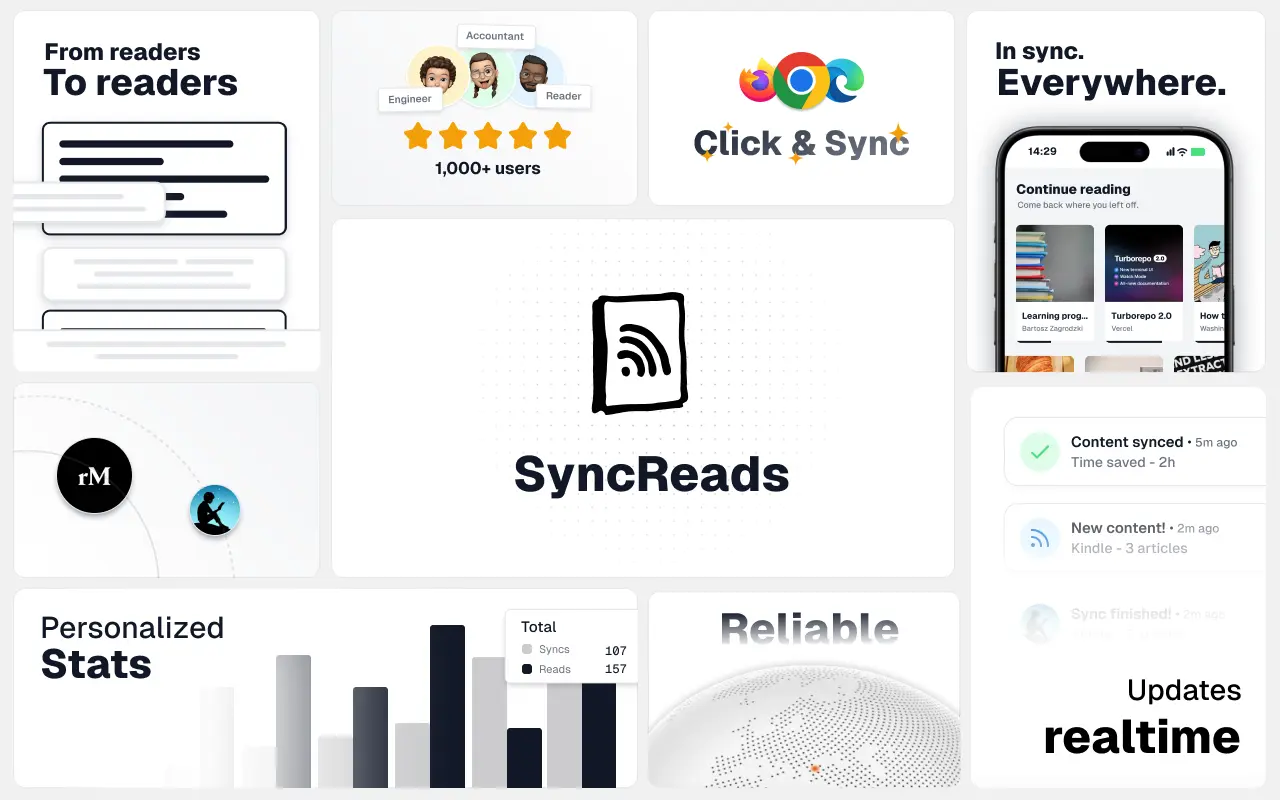
SyncReads
Sync your favorite content for distraction-free reading, save time and replace multiple apps. Anytime, anywhere 🔄
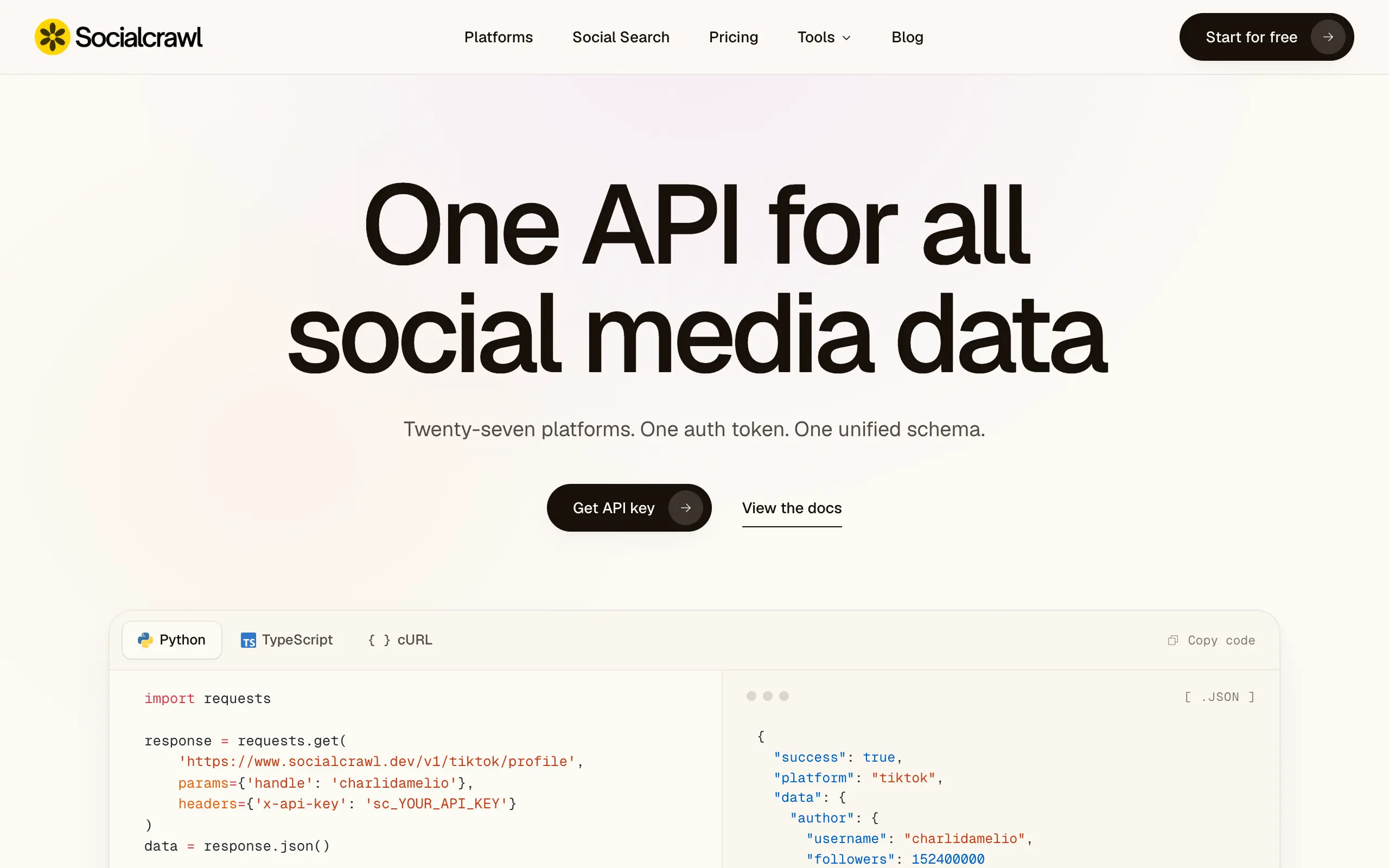
Socialcrawl
Get clean, structured data from 21 platforms like TikTok, Instagram, and YouTube with a single request 📊
Statiko
Monitor any Telegram channel in real time - track posts, edits, deletions, and growth with AI recaps 📡
Shibui
AI website builder - describe your business, pick a niche template, edit by chatting, and publish instantly ✨
Pro Service
Find verified home service professionals, compare quotes, and pay securely through escrow - built for Brazilians across the US 🏠
RankGrow
Fix your SEO with AI agents - connect Search Console, get prioritized tasks, and grow organic traffic 📈
SyncReads
Sync your favorite content for distraction-free reading, save time and replace multiple apps. Anytime, anywhere 🔄
Socialcrawl
Get clean, structured data from 21 platforms like TikTok, Instagram, and YouTube with a single request 📊
Statiko
Monitor any Telegram channel in real time - track posts, edits, deletions, and growth with AI recaps 📡
Shibui
AI website builder - describe your business, pick a niche template, edit by chatting, and publish instantly ✨
Pro Service
Find verified home service professionals, compare quotes, and pay securely through escrow - built for Brazilians across the US 🏠
RankGrow
Fix your SEO with AI agents - connect Search Console, get prioritized tasks, and grow organic traffic 📈
SyncReads
Sync your favorite content for distraction-free reading, save time and replace multiple apps. Anytime, anywhere 🔄
Socialcrawl
Get clean, structured data from 21 platforms like TikTok, Instagram, and YouTube with a single request 📊
Statiko
Monitor any Telegram channel in real time - track posts, edits, deletions, and growth with AI recaps 📡
Shibui
AI website builder - describe your business, pick a niche template, edit by chatting, and publish instantly ✨
Pro Service
Find verified home service professionals, compare quotes, and pay securely through escrow - built for Brazilians across the US 🏠
RankGrow
Fix your SEO with AI agents - connect Search Console, get prioritized tasks, and grow organic traffic 📈
SyncReads
Sync your favorite content for distraction-free reading, save time and replace multiple apps. Anytime, anywhere 🔄
Socialcrawl
Get clean, structured data from 21 platforms like TikTok, Instagram, and YouTube with a single request 📊
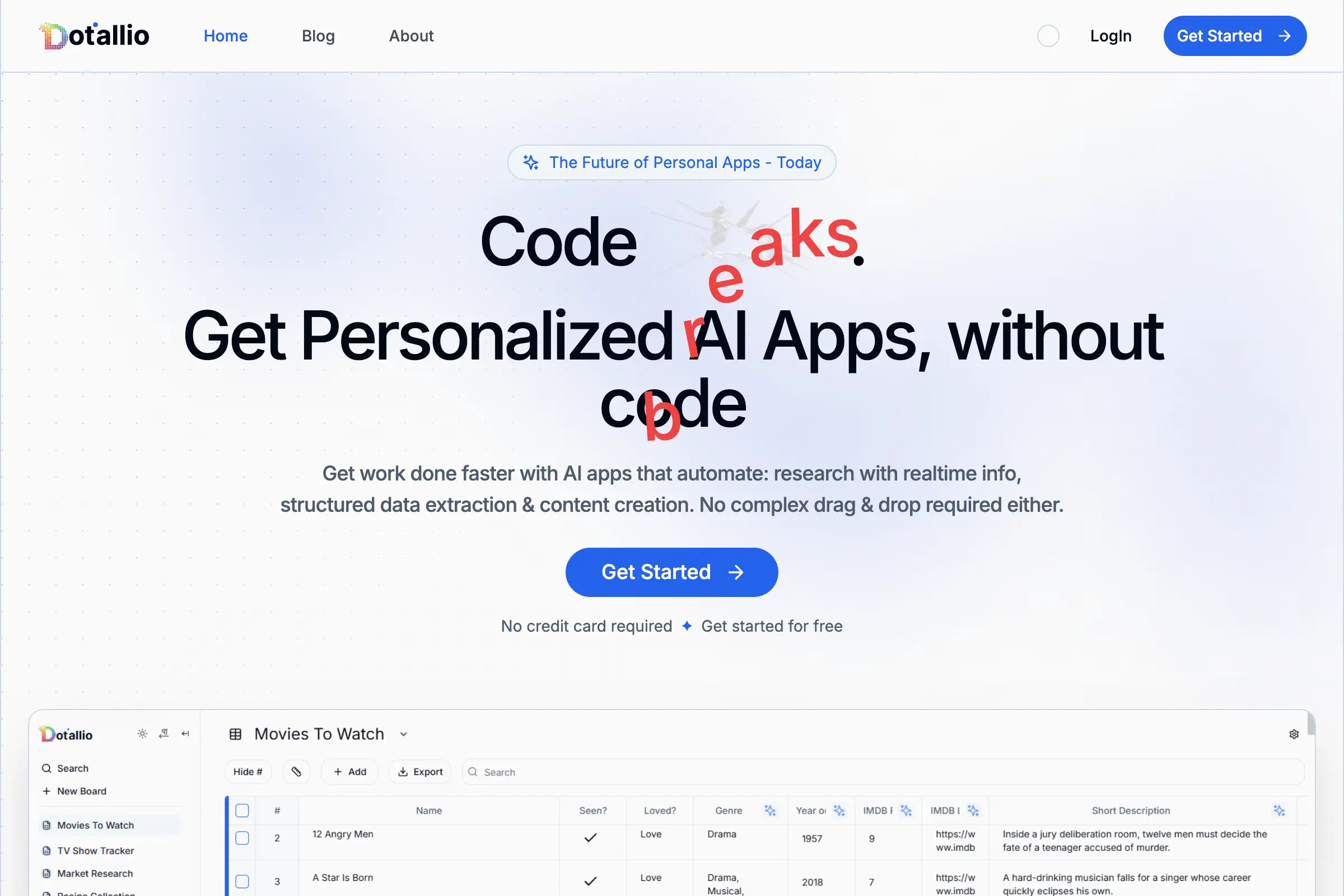
Dotallio
Personalized AI apps that automate research, data extraction, and content creation without code 🤖

Talk to Santa
Enjoy a magical live video chat or receive a unique AI-generated video greeting from Santa Claus 🎅

pozywka.pl
Scalable blog for food journalist, focused on performance and user experience 🌭
zagrodzki.me
Personal blog and portfolio of Bart Zagrodzki, where he shares his knowledge and work 💼
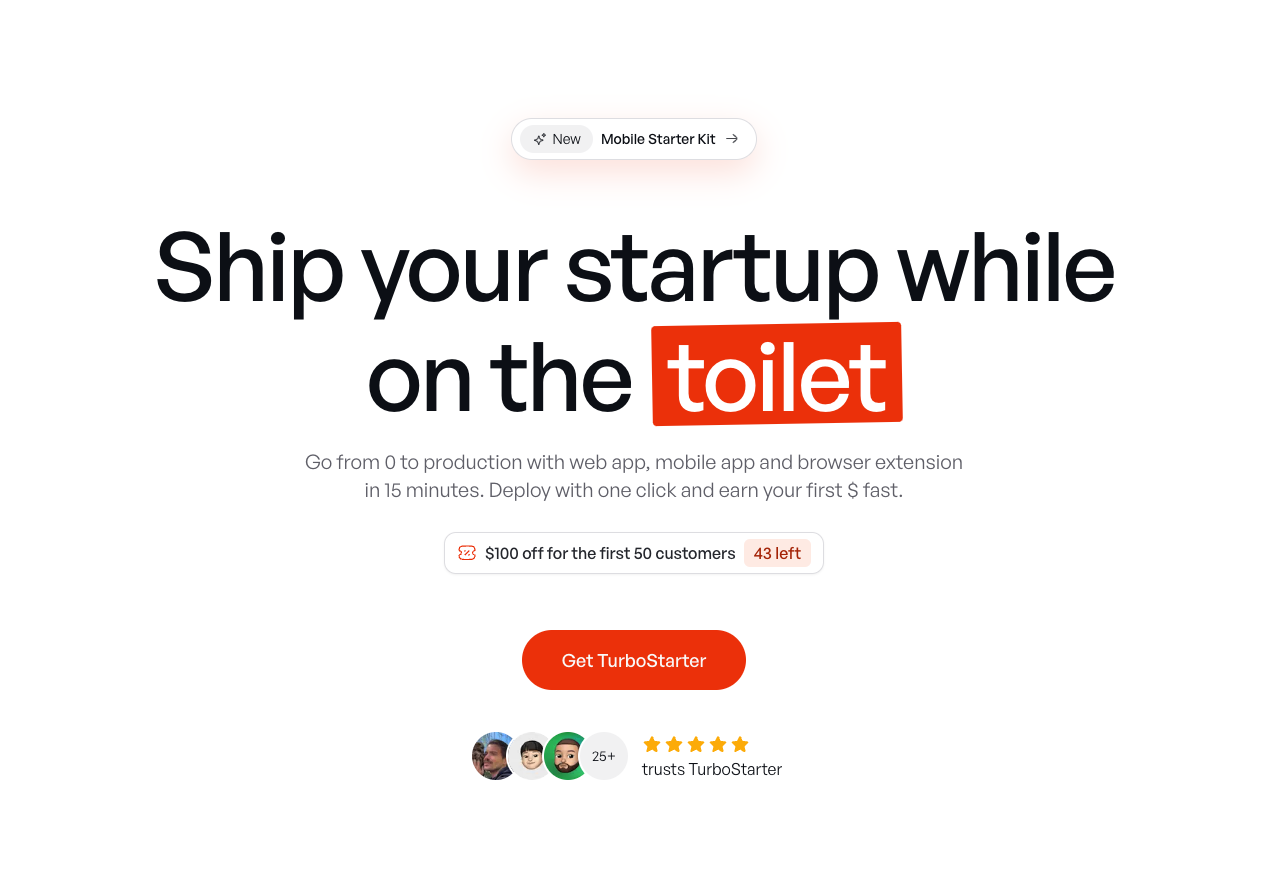
TurboStarter
Ship your startup everywhere. In minutes.
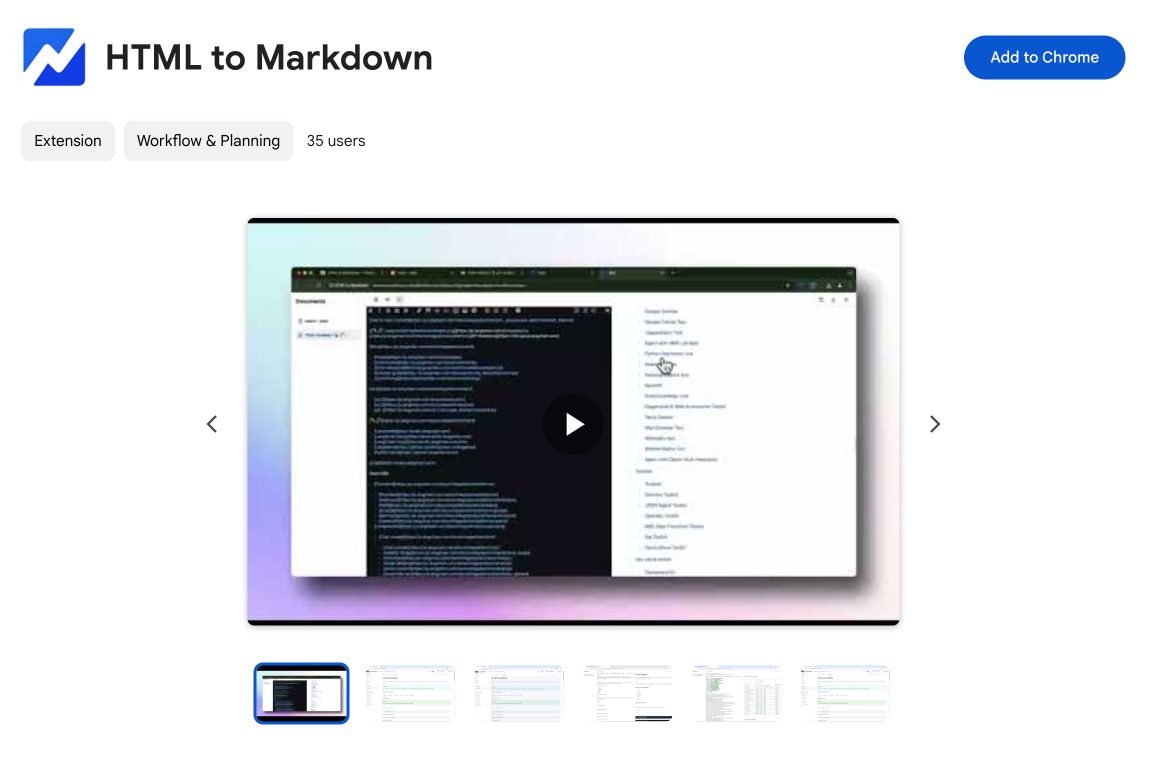
HTML to Markdown
Convert HTML to Markdown with ease, directly in your browser 📄
Dotallio
Personalized AI apps that automate research, data extraction, and content creation without code 🤖
Talk to Santa
Enjoy a magical live video chat or receive a unique AI-generated video greeting from Santa Claus 🎅
pozywka.pl
Scalable blog for food journalist, focused on performance and user experience 🌭
zagrodzki.me
Personal blog and portfolio of Bart Zagrodzki, where he shares his knowledge and work 💼
TurboStarter
Ship your startup everywhere. In minutes.
HTML to Markdown
Convert HTML to Markdown with ease, directly in your browser 📄
Dotallio
Personalized AI apps that automate research, data extraction, and content creation without code 🤖
Talk to Santa
Enjoy a magical live video chat or receive a unique AI-generated video greeting from Santa Claus 🎅
pozywka.pl
Scalable blog for food journalist, focused on performance and user experience 🌭
zagrodzki.me
Personal blog and portfolio of Bart Zagrodzki, where he shares his knowledge and work 💼
TurboStarter
Ship your startup everywhere. In minutes.
HTML to Markdown
Convert HTML to Markdown with ease, directly in your browser 📄
Dotallio
Personalized AI apps that automate research, data extraction, and content creation without code 🤖
Talk to Santa
Enjoy a magical live video chat or receive a unique AI-generated video greeting from Santa Claus 🎅
pozywka.pl
Scalable blog for food journalist, focused on performance and user experience 🌭
zagrodzki.me
Personal blog and portfolio of Bart Zagrodzki, where he shares his knowledge and work 💼
TurboStarter
Ship your startup everywhere. In minutes.
HTML to Markdown
Convert HTML to Markdown with ease, directly in your browser 📄
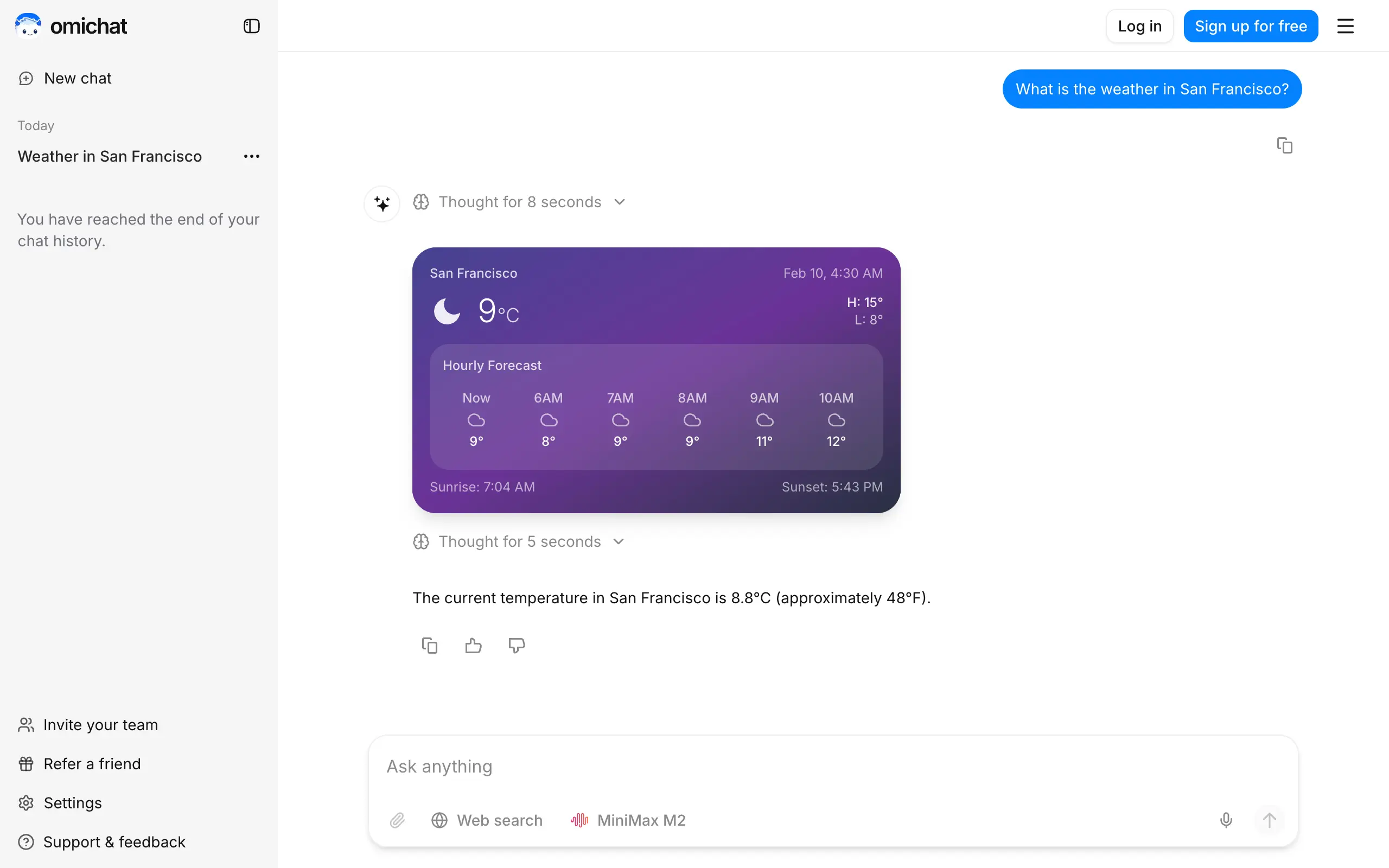
Omichat
Chat with 50+ AI models, including ChatGPT and Claude, in one place - switch models anytime without losing context 🤖
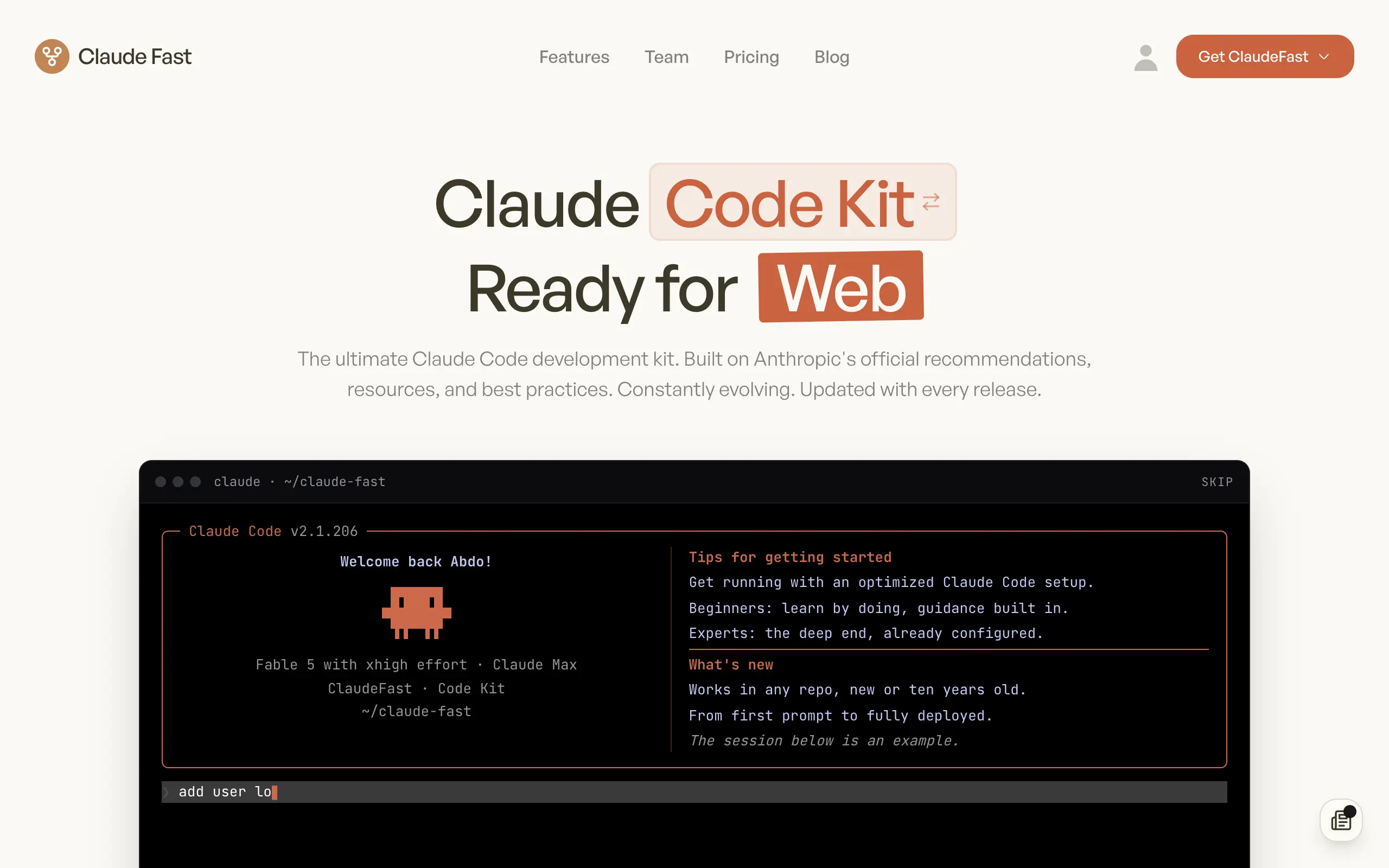
Claude Fast
Supercharge your Claude Code with 6x effective context window and specialized AI agents 🤖
EmojAI
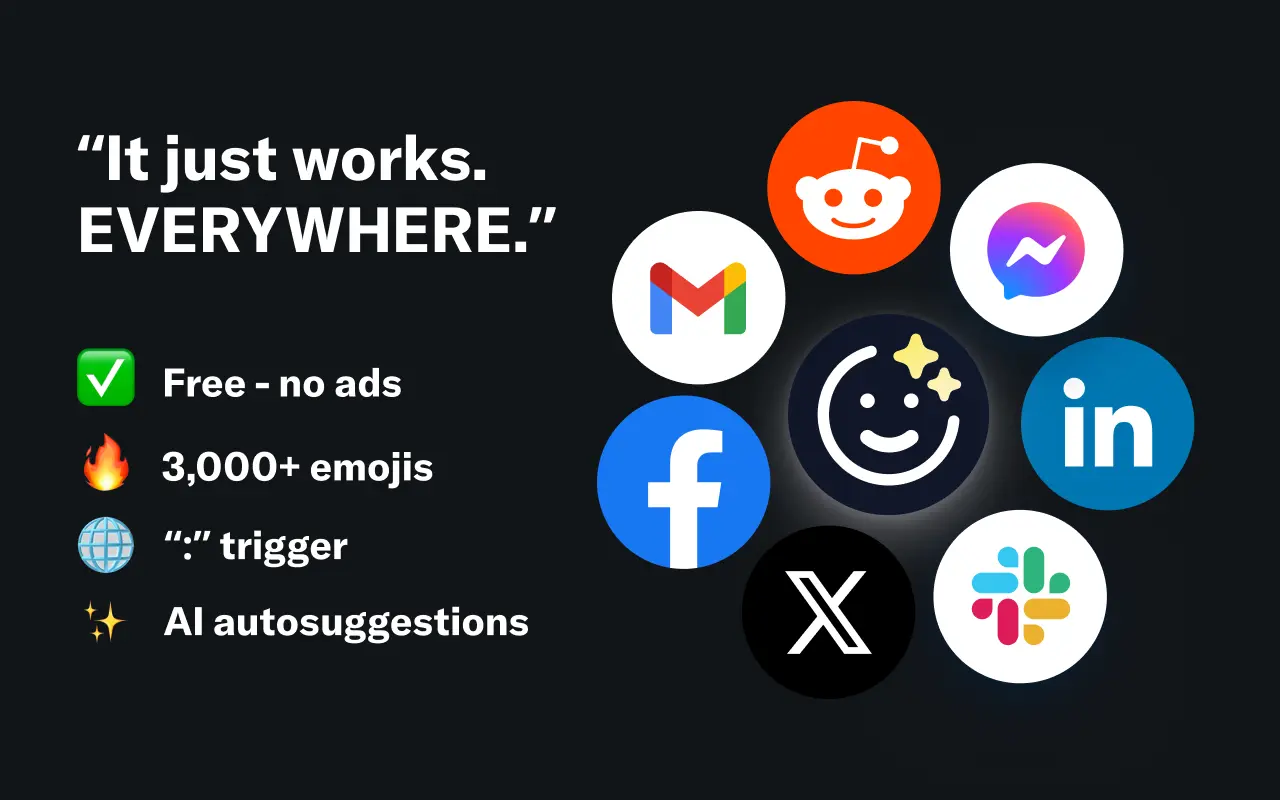
AI-powered emoji picker with smart, context-aware suggestions 🤖
Solohacker
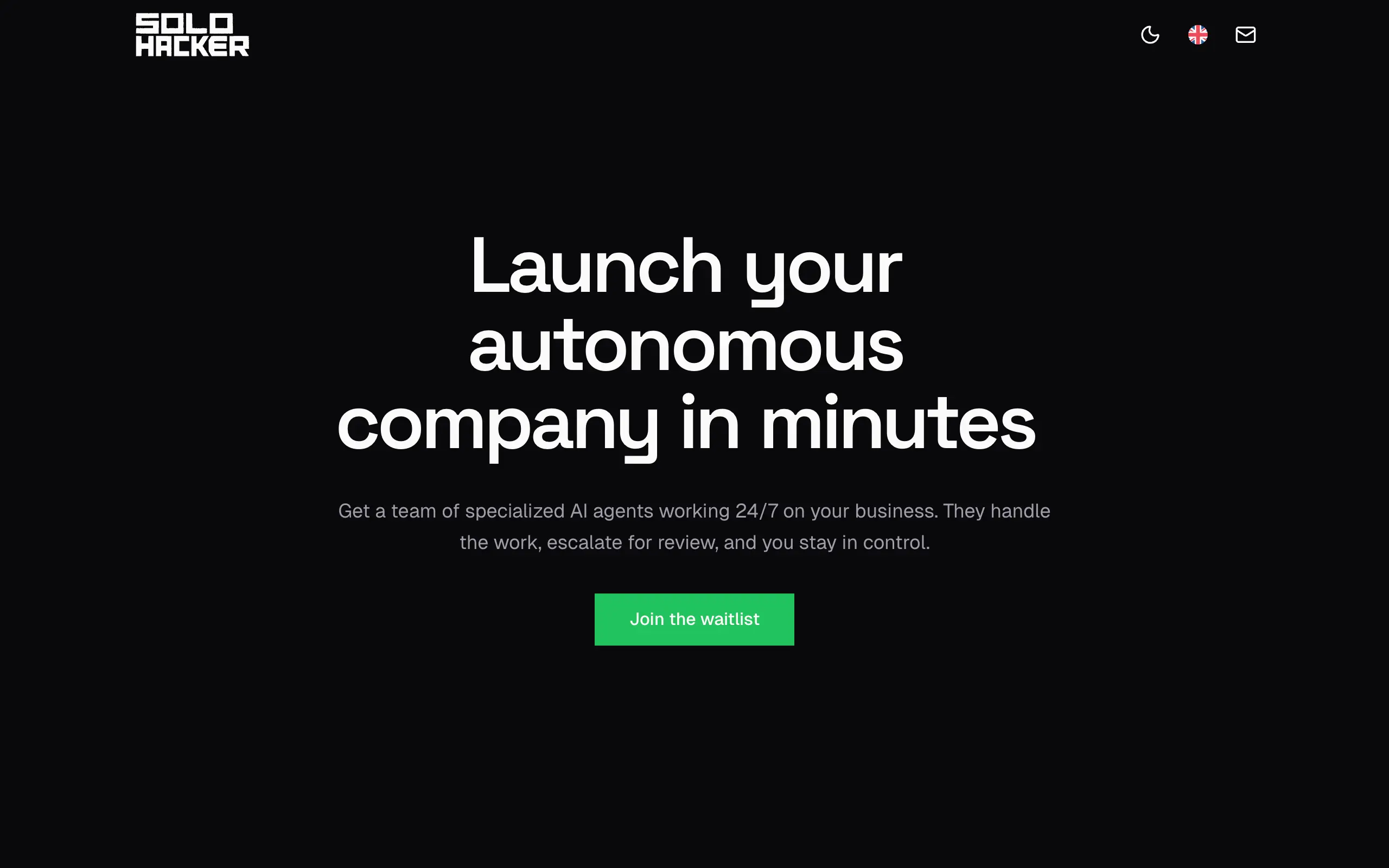
Autonomous company launcher - AI agents work 24/7, escalate what matters, and you stay in control 🤖

BeRawi: Storytelling Coach
Practice storytelling daily with instant feedback to sound clearer, more engaging, and confident 🎤
Omichat
Chat with 50+ AI models, including ChatGPT and Claude, in one place - switch models anytime without losing context 🤖
Claude Fast
Supercharge your Claude Code with 6x effective context window and specialized AI agents 🤖
EmojAI
AI-powered emoji picker with smart, context-aware suggestions 🤖
Solohacker
Autonomous company launcher - AI agents work 24/7, escalate what matters, and you stay in control 🤖
BeRawi: Storytelling Coach
Practice storytelling daily with instant feedback to sound clearer, more engaging, and confident 🎤
Omichat
Chat with 50+ AI models, including ChatGPT and Claude, in one place - switch models anytime without losing context 🤖
Claude Fast
Supercharge your Claude Code with 6x effective context window and specialized AI agents 🤖
EmojAI
AI-powered emoji picker with smart, context-aware suggestions 🤖
Solohacker
Autonomous company launcher - AI agents work 24/7, escalate what matters, and you stay in control 🤖
BeRawi: Storytelling Coach
Practice storytelling daily with instant feedback to sound clearer, more engaging, and confident 🎤
Omichat
Chat with 50+ AI models, including ChatGPT and Claude, in one place - switch models anytime without losing context 🤖
Claude Fast
Supercharge your Claude Code with 6x effective context window and specialized AI agents 🤖
EmojAI
AI-powered emoji picker with smart, context-aware suggestions 🤖
Solohacker
Autonomous company launcher - AI agents work 24/7, escalate what matters, and you stay in control 🤖
BeRawi: Storytelling Coach
Practice storytelling daily with instant feedback to sound clearer, more engaging, and confident 🎤

Connect with like-minded people
Join our community to get feedback, support, and grow together with 1,000+ builders on board, let's ship it!
Join usShip your startup everywhere. In minutes.
Don't burn tokens on setup and start building features on day one.