CodeQuest
Gamify your coding journey with challenges, tutorials, and a community of learners. Earn badges and rewards as you level up your skills.
Target Audience & User Personas
This interactive learning platform is tailored for a wide range of users who are either new to programming or seeking to build up their coding skills in a fun, engaging way. The content and challenges adapt to multiple levels—beginner, intermediate, and advanced—so that each student can match their current knowledge with the right difficulty level.
Key user profiles include:
- Students & Learners: Those who are starting with coding or want to solidify their fundamentals.
- Career Changers: Individuals looking to transition into tech by acquiring programming skills.
- Educators & Mentors: Professionals who want an engaging tool to supplement classroom teaching.
- Hobbyists: People who code for fun and are looking to challenge themselves with progressively demanding puzzles.
By serving this wide audience, the platform promises high engagement, with a gamified experience that transforms learning into an interactive adventure. It’s not just a teaching tool but a community where learning is celebrated and rewarded.
Market Opportunity & Industry Trends
The intersection of gaming and education is experiencing tremendous growth. Learners today desire experiences that are interactive, fun, and rewarding rather than passive content consumption. Several factors contribute to the expanding market potential:
- Rising Demand for Tech Education: With technology evolving at a rapid pace, the number of individuals who need to learn to code is booming.
- EdTech Evolution: Gamification and adaptive learning methodologies are transforming traditional educational paradigms.
- Community-driven Learning: Peer-to-peer interactions and social learning add value and provide the network effect for a rich user experience.
- Millennial and Gen-Z Impact: Younger demographics are accustomed to game mechanics in their everyday apps, making gamification a natural step in education.
In addition, there is a growing trend in online platforms that blend technology-based tutoring with interactive features. This creates tremendous opportunities, not only for attracting users but also for generating various revenue streams.
Embracing a Robust Technology Stack
A well-designed tech stack is crucial to delivering a seamless, interactive, and engaging user experience. Here’s an outline of the technologies involved:
- Frontend Development:
- React for building a dynamic and responsive UI.
- Tailwind CSS for rapid styling with responsive design at its core.
- Backend Technologies:
- Node.js and Express for a robust REST API.
- GraphQL as an alternative layer for complex queries.
- Database & Storage:
- PostgreSQL or MongoDB, ensuring scalability and flexibility.
- Gamification Engine:
- Custom-built modules to handle levels, rewards, and challenges.
- DevOps & Hosting:
- Docker containers for environment consistency.
- Cloud platforms like AWS or Google Cloud for scalable hosting.
For teams seeking rapid implementation and acceleration in development, consider exploring a starter kit like TurboStarter. This toolkit provides a head start for web, mobile, and browser extension development, helping to jumpstart projects while maintaining high-quality coding standards.
To illustrate a quick implementation snippet in JavaScript/TypeScript:
const test = () => {
  console.log("this is a code snippet!");
}
With these core building blocks, developers can minimize setup time and focus on refining the core gamified features that truly distinguish the platform from traditional learning environments.
Strategies for Monetization
Balancing educational value with monetization is key to sustainability. Here are multiple strategies that could drive revenue while keeping the experience enjoyable for users:
-
Subscription Models:
- Monthly or annual premium memberships for exclusive challenges, advanced courses, and early access to new features.
-
Freemium Model:
- Offer core features for free while charging for advanced learning paths, additional content, or exclusive rewards.
-
In-app Purchases:
- Users can purchase boosters, hints, or cosmetic customizations to personalize their gaming avatar.
-
Corporate & Institutional Partnerships:
- Collaborate with educational institutions or companies for group licenses and specialized training modules.
-
Advertisement & Sponsorships:
- Implement targeted advertisements relevant to tech education and career development.
- Secure sponsorships from tech companies looking to tap into upcoming talent pools.
Additionally, a mix of microtransactions and subscription tiers can increase the lifetime value of each user. This diversified monetization strategy not only ensures steady revenue but also allows continuous investments in product improvement.
Key Monetization Advantage
A mixture of subscriptions, in-app purchases, and sponsorships provides multiple revenue streams while keeping core learning free.
Overcoming Potential Risks & Challenges
With innovation come challenges. Addressing potential risks early on ensures that the platform remains robust and competitive:
-
User Engagement Risks:
- Challenge: Keeping users engaged beyond the initial excitement.
- Solution: Regularly update content and introduce seasonal or time-limited challenges.
-
Technical Complexity:
- Challenge: Rapid scaling of server resources during bursts of user activity.
- Solution: Employ cloud solutions with auto-scaling and robust monitoring.
-
Competition:
- Challenge: Standing out in the crowded EdTech market.
- Solution: Leverage unique gamification elements and community-driven features.
-
Content Quality:
- Challenge: Maintaining high educational standards while integrating game mechanics.
- Solution: Partner with seasoned educators and programming professionals for curriculum development.
-
Data Security & Privacy:
- Challenge: Protecting user data, especially for a younger audience.
- Solution: Implement secure encryption protocols and adhere to strict data protection regulations.
These challenges require ongoing assessment, frequent updates, and iterative improvements of both the platform and its underlying infrastructure.
Security Alert
It is critical to ensure that privacy and data security measures are of the highest standard to maintain user trust.
Distinct Competitive Advantages
In the competitive sphere of educational technology, standing out requires a blend of innovation, superior technology, and a keen understanding of user needs. Here are some key differentiators:
-
Gamified Learning Experience:
- Engagement: The gamified environment turns mundane programming lessons into an adventure.
- Motivation: Users unlock levels and earn rewards, making learning feel like progressing in a game.
-
Adaptive Learning Paths:
- The platform adjusts challenges based on the user’s skill level, ensuring that learning is neither too easy nor overwhelmingly challenging.
-
Community Integration:
- By incorporating features such as leaderboards and community challenges, learners get motivated to compete and collaborate with peers.
-
Real-Time Feedback & Instant Gratification:
- Immediate evaluations and interactive feedback loops help learners understand mistakes and correct them on the fly.
-
Integration with Professional Networks:
- Unlike many static educational tools, this platform could integrate with professional networks to offer certifications that enhance job prospects.
When it comes to implementation, leveraging frameworks that facilitate rapid development and high performance is key. For instance, TurboStarter is an ideal solution if you need to swiftly build and deploy a robust product with a feature-rich front end and dependable back end.
The platform’s interface is designed to be both visually appealing and functionally efficient. Its responsive design makes it accessible on multiple devices, ensuring learners can access content anywhere.
With a focus on high performance, the platform leverages modern web technologies to deliver a smooth, uninterrupted learning experience. This combination of design and performance ensures high engagement levels.
Technical Feasibility & Development Roadmap
To implement an interactive gamified learning platform, the development roadmap should focus on iterative growth and continuous feedback. Here’s a step-by-step action plan for launching a minimum viable product (MVP) and scaling up:
This roadmap emphasizes an agile development approach, ensuring that the final product is both user-centric and technologically robust.
Step-by-Step Implementation Conclusion
Taking the idea from concept to a fully functional, market-ready product requires structure and planning. Here is a recap of the implementation steps:
-
Design & Prototyping:
- Create wireframes depicting user journeys.
- Design interactive components that engage learners.
-
Development Phase:
- Set up the tech stack using modern tools like React, Node.js, and a cloud-based database.
- Consider leveraging TurboStarter for accelerated development alongside components that ensure consistency across web, mobile, and browser extension platforms.
- Implement essential gamification features such as levels, rewards, and challenges.
-
Testing & QA:
- Conduct unit and integration tests to ensure software reliability.
- Gather feedback from a beta group to identify any usability issues or bugs.
-
Launch & Scale:
- Roll out the MVP to a broader audience to further test market reaction.
- Introduce targeted ads and promotional campaigns to increase visibility.
- Monitor system performance and scale infrastructure as user numbers rise.
-
Enhancements & Community Building:
- Regularly update the platform with new challenges and contests.
- Foster an online community through social media integrations, leaderboards, and peer-to-peer interactions.
- Use data analytics to refine learning paths and reward systems.
- Finalize prototyping and wireframes
- Choose the appropriate tech stack
- Develop core functionalities
- Test thoroughly with beta users
- Launch and actively collect feedback
In conclusion, building a gamified programming learning platform is both a technically and commercially viable venture. With a keen focus on user experience, adaptive learning, and a robust technology foundation, the platform can revolutionize how coding is taught and learned. The proposed monetization strategies, combined with robust security and continuous innovation, position the product to address a substantial market need.
For teams in the early stages of development, consider using TurboStarter or the
More 💡 Other SaaS ideas
Discover more innovative other SaaS ideas that are trending in 2026. Each idea is AI-generated with market validation and growth potential to help you find your next profitable venture faster than competitors.
Your competitors are building with TurboStarter
Below are some of the SaaS ideas that have been generated and built with our starter kit.

Shibui
AI website builder - describe your business, pick a niche template, edit by chatting, and publish instantly ✨

Pro Service
Find verified home service professionals, compare quotes, and pay securely through escrow - built for Brazilians across the US 🏠
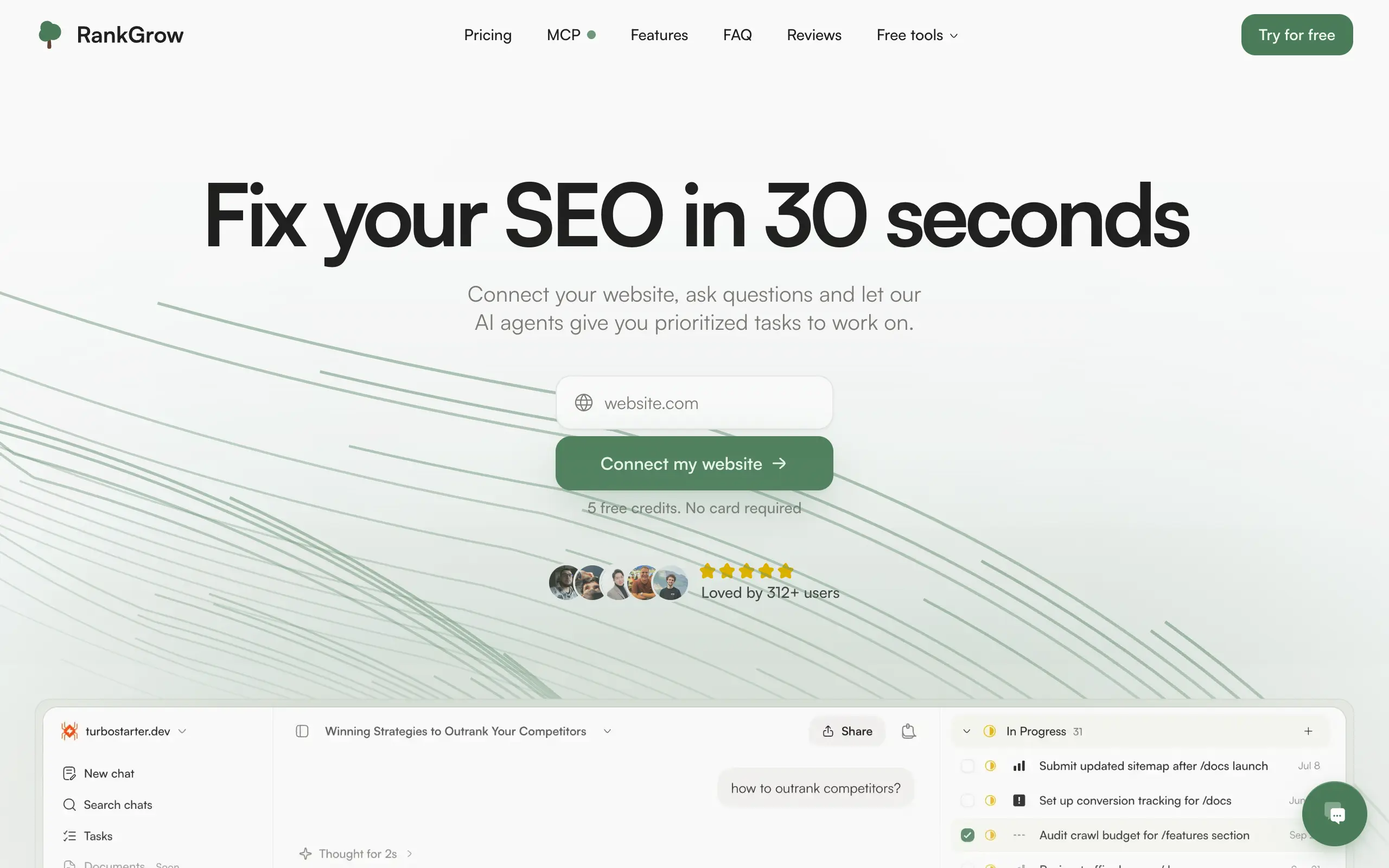
RankGrow
Fix your SEO with AI agents - connect Search Console, get prioritized tasks, and grow organic traffic 📈
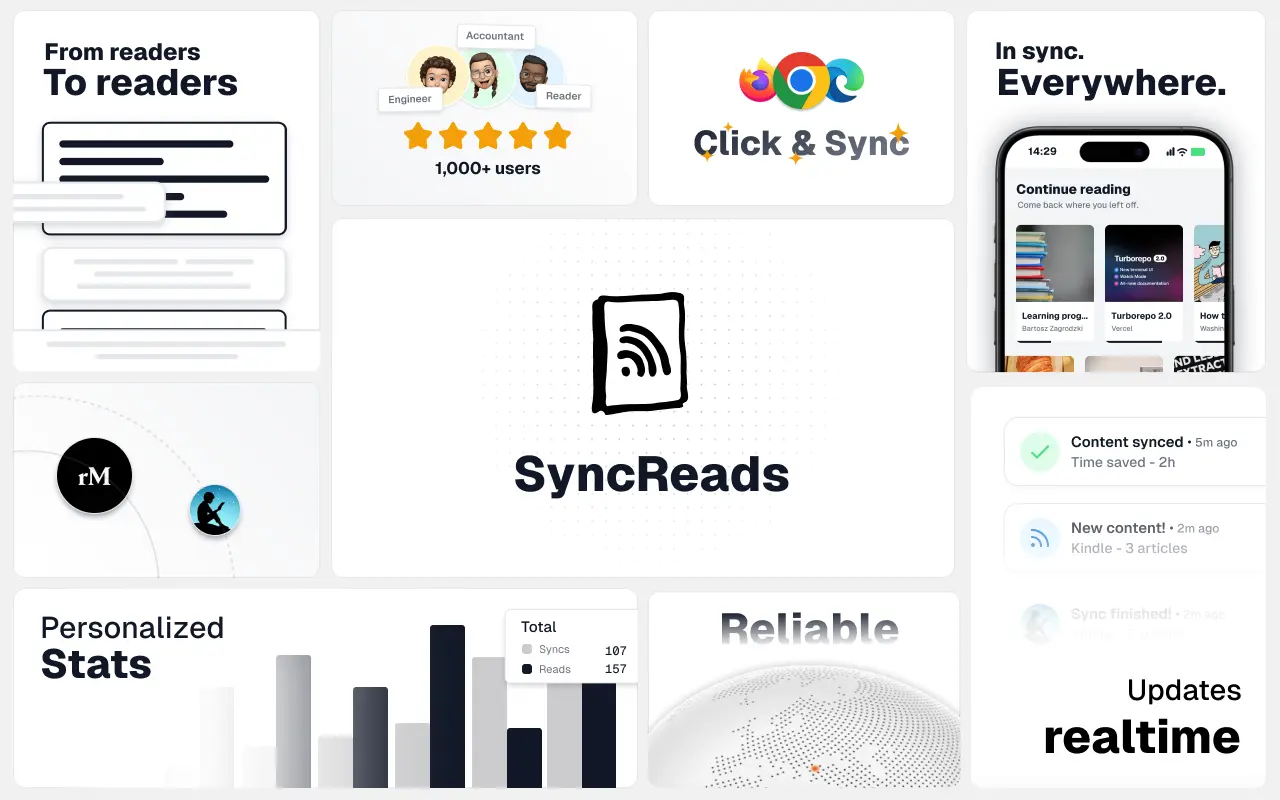
SyncReads
Sync your favorite content for distraction-free reading, save time and replace multiple apps. Anytime, anywhere 🔄
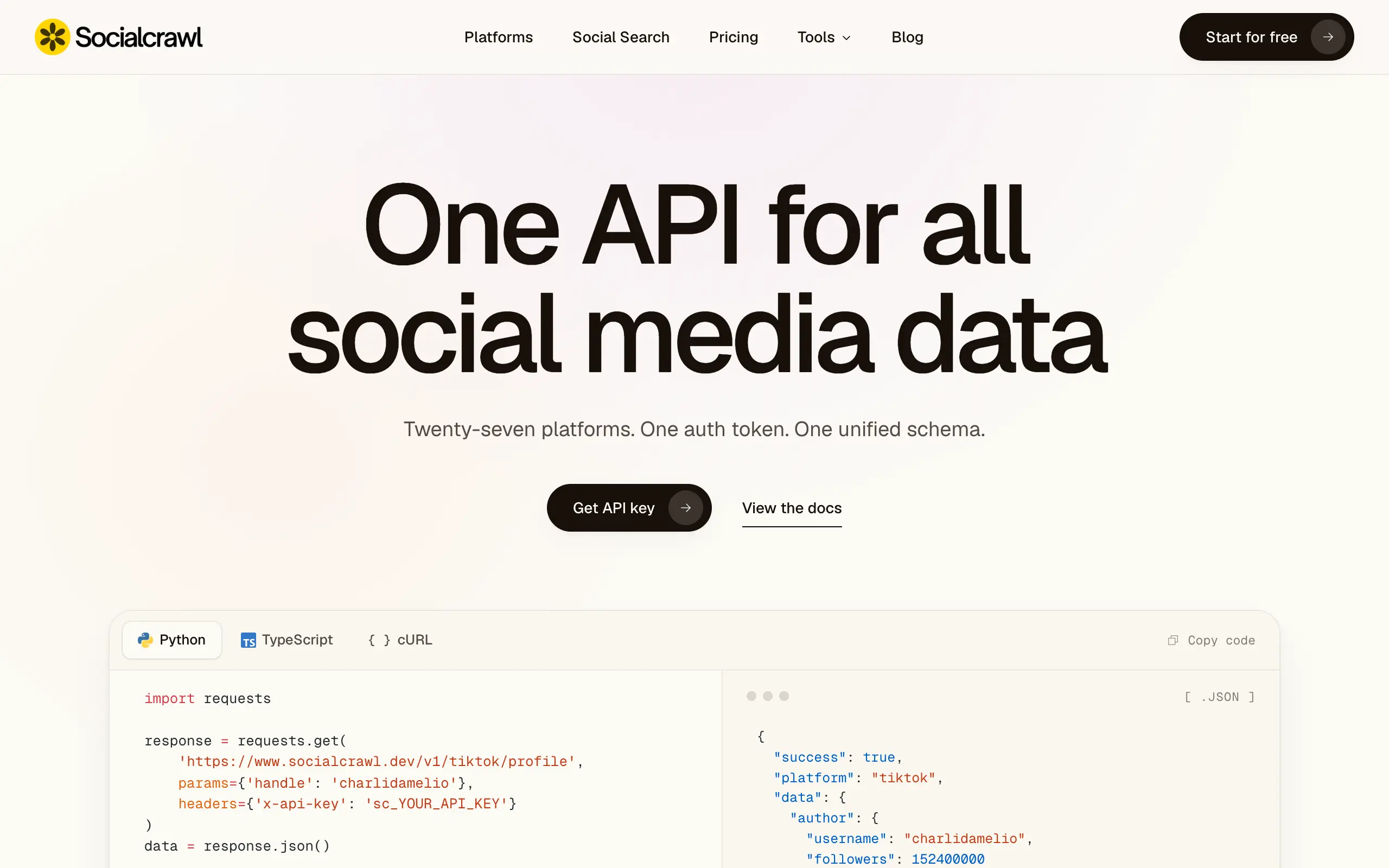
Socialcrawl
Get clean, structured data from 21 platforms like TikTok, Instagram, and YouTube with a single request 📊
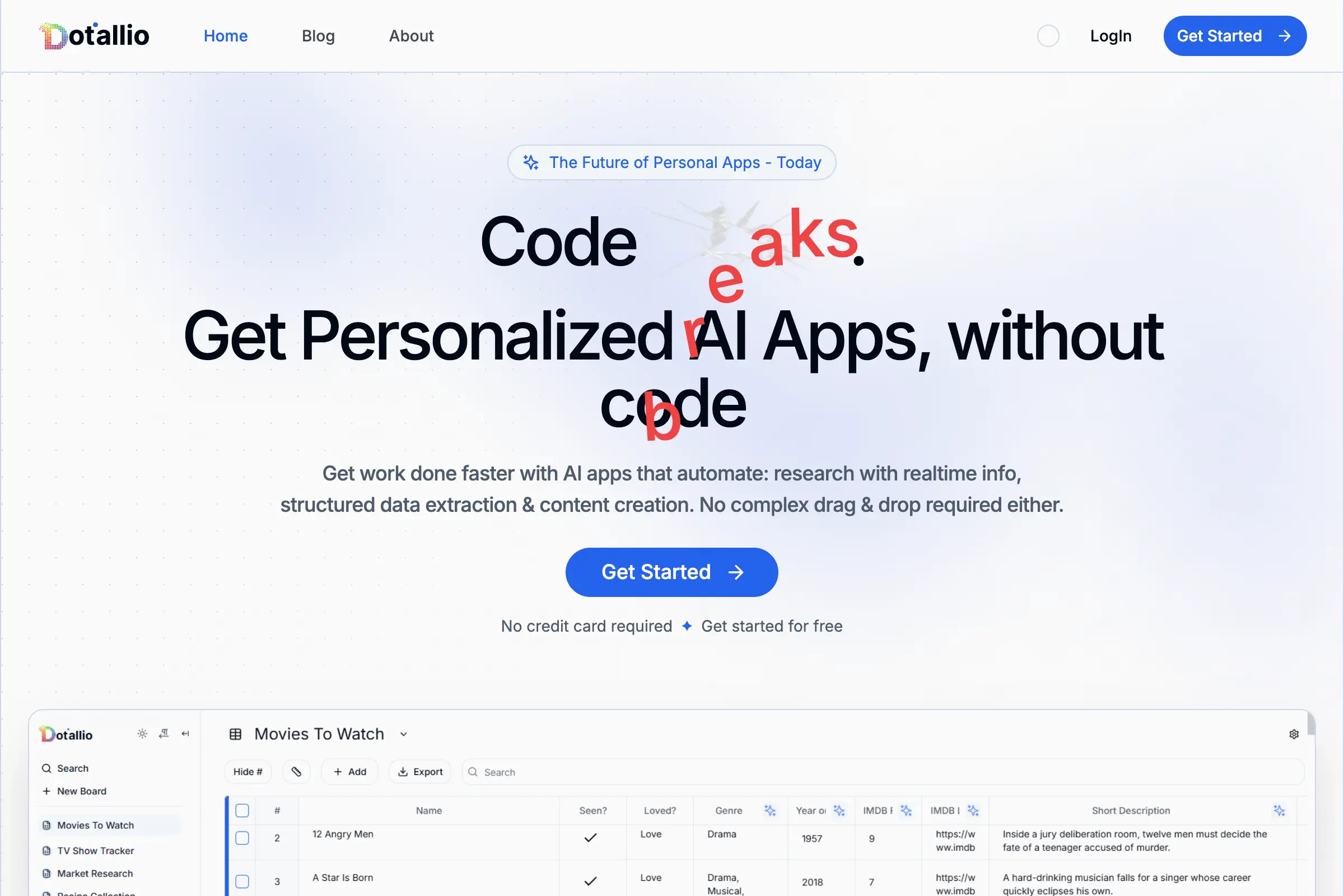
Dotallio
Personalized AI apps that automate research, data extraction, and content creation without code 🤖
Shibui
AI website builder - describe your business, pick a niche template, edit by chatting, and publish instantly ✨
Pro Service
Find verified home service professionals, compare quotes, and pay securely through escrow - built for Brazilians across the US 🏠
RankGrow
Fix your SEO with AI agents - connect Search Console, get prioritized tasks, and grow organic traffic 📈
SyncReads
Sync your favorite content for distraction-free reading, save time and replace multiple apps. Anytime, anywhere 🔄
Socialcrawl
Get clean, structured data from 21 platforms like TikTok, Instagram, and YouTube with a single request 📊
Dotallio
Personalized AI apps that automate research, data extraction, and content creation without code 🤖
Shibui
AI website builder - describe your business, pick a niche template, edit by chatting, and publish instantly ✨
Pro Service
Find verified home service professionals, compare quotes, and pay securely through escrow - built for Brazilians across the US 🏠
RankGrow
Fix your SEO with AI agents - connect Search Console, get prioritized tasks, and grow organic traffic 📈
SyncReads
Sync your favorite content for distraction-free reading, save time and replace multiple apps. Anytime, anywhere 🔄
Socialcrawl
Get clean, structured data from 21 platforms like TikTok, Instagram, and YouTube with a single request 📊
Dotallio
Personalized AI apps that automate research, data extraction, and content creation without code 🤖
Shibui
AI website builder - describe your business, pick a niche template, edit by chatting, and publish instantly ✨
Pro Service
Find verified home service professionals, compare quotes, and pay securely through escrow - built for Brazilians across the US 🏠
RankGrow
Fix your SEO with AI agents - connect Search Console, get prioritized tasks, and grow organic traffic 📈
SyncReads
Sync your favorite content for distraction-free reading, save time and replace multiple apps. Anytime, anywhere 🔄
Socialcrawl
Get clean, structured data from 21 platforms like TikTok, Instagram, and YouTube with a single request 📊
Dotallio
Personalized AI apps that automate research, data extraction, and content creation without code 🤖
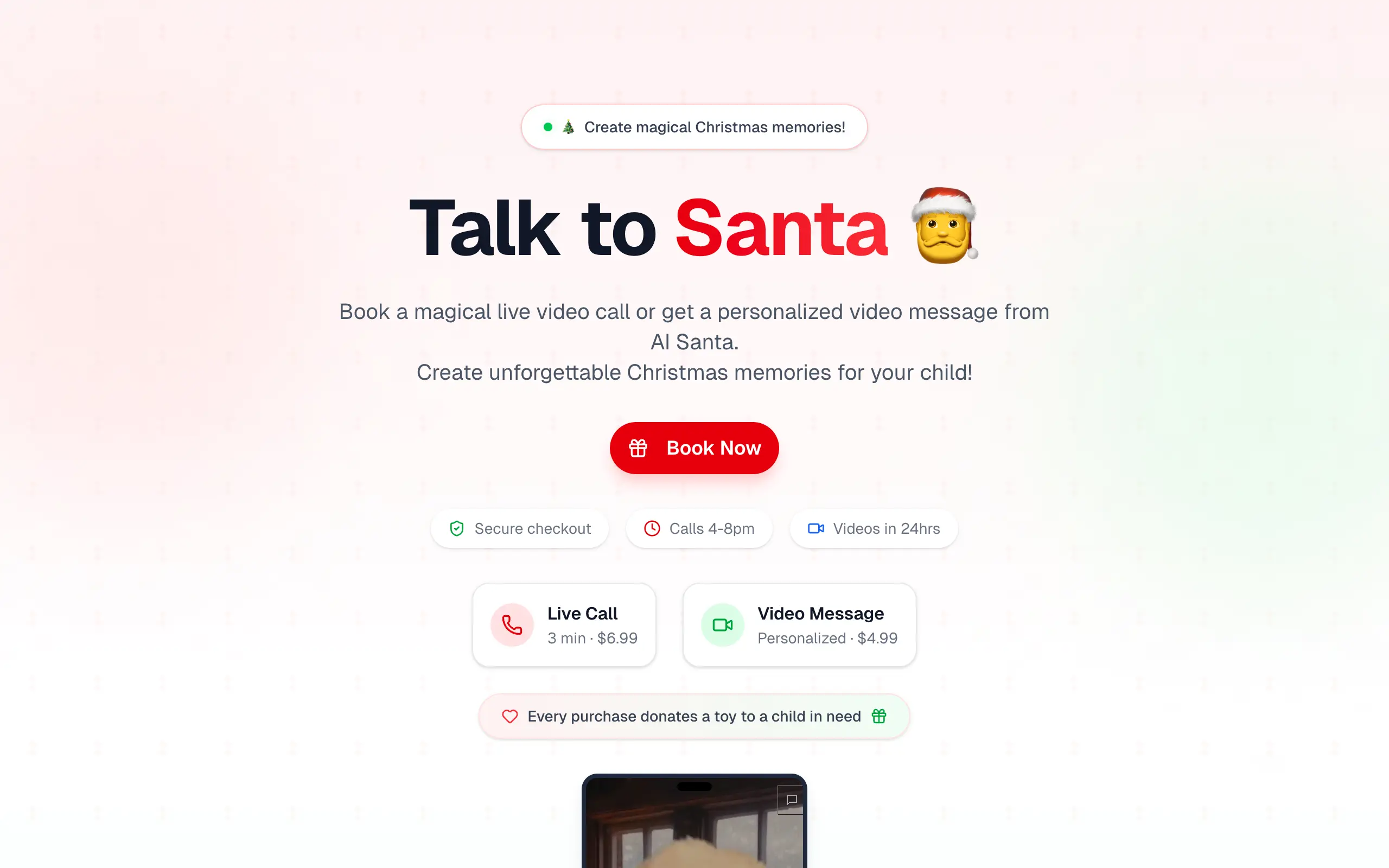
Talk to Santa
Enjoy a magical live video chat or receive a unique AI-generated video greeting from Santa Claus 🎅
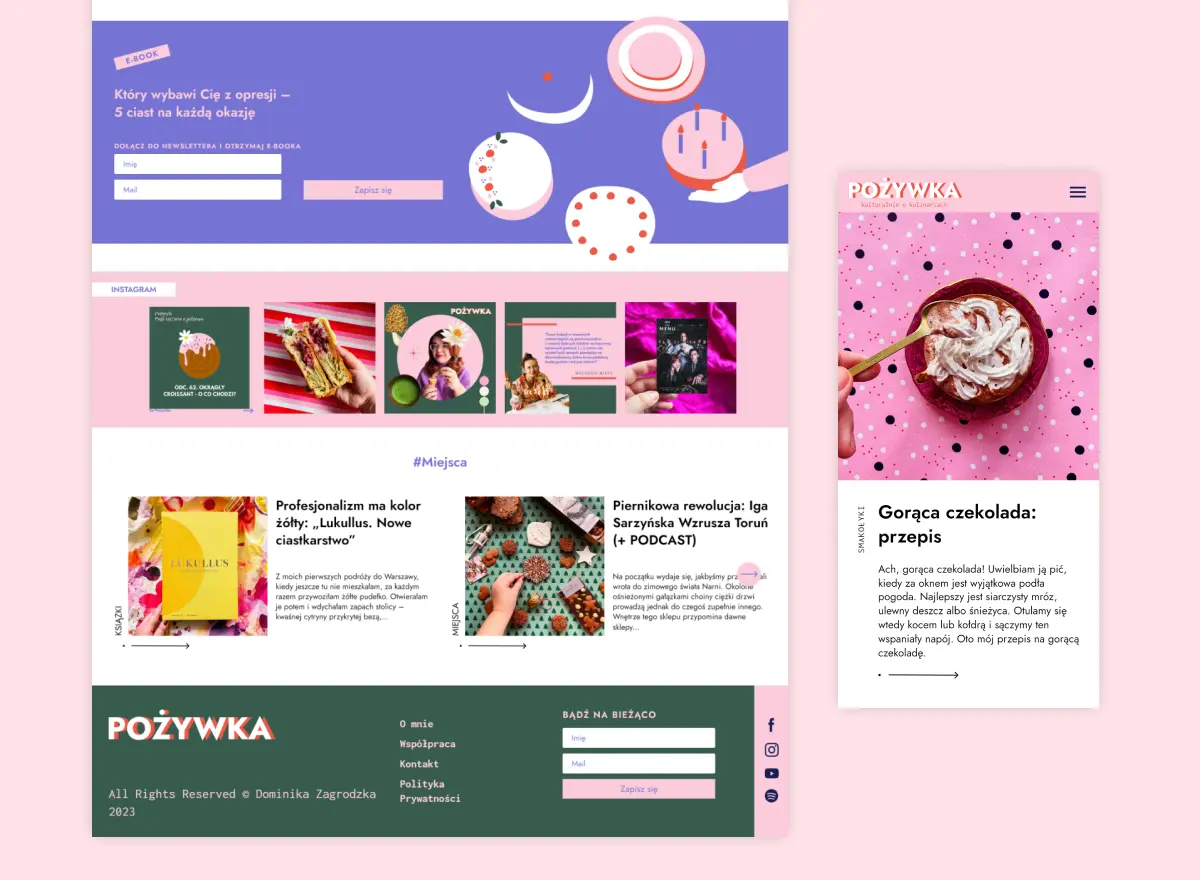
pozywka.pl
Scalable blog for food journalist, focused on performance and user experience 🌭
zagrodzki.me
Personal blog and portfolio of Bart Zagrodzki, where he shares his knowledge and work 💼
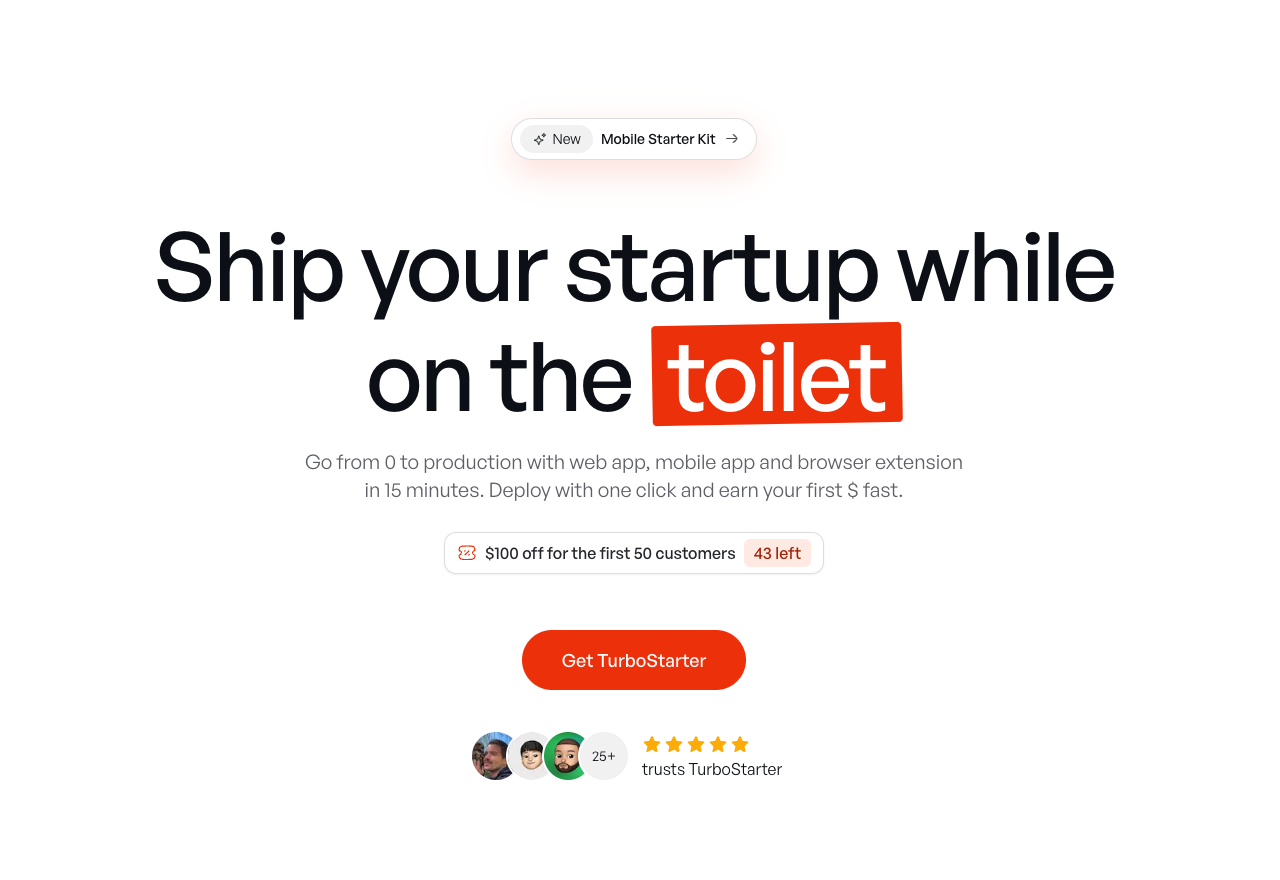
TurboStarter
Ship your startup everywhere. In minutes.
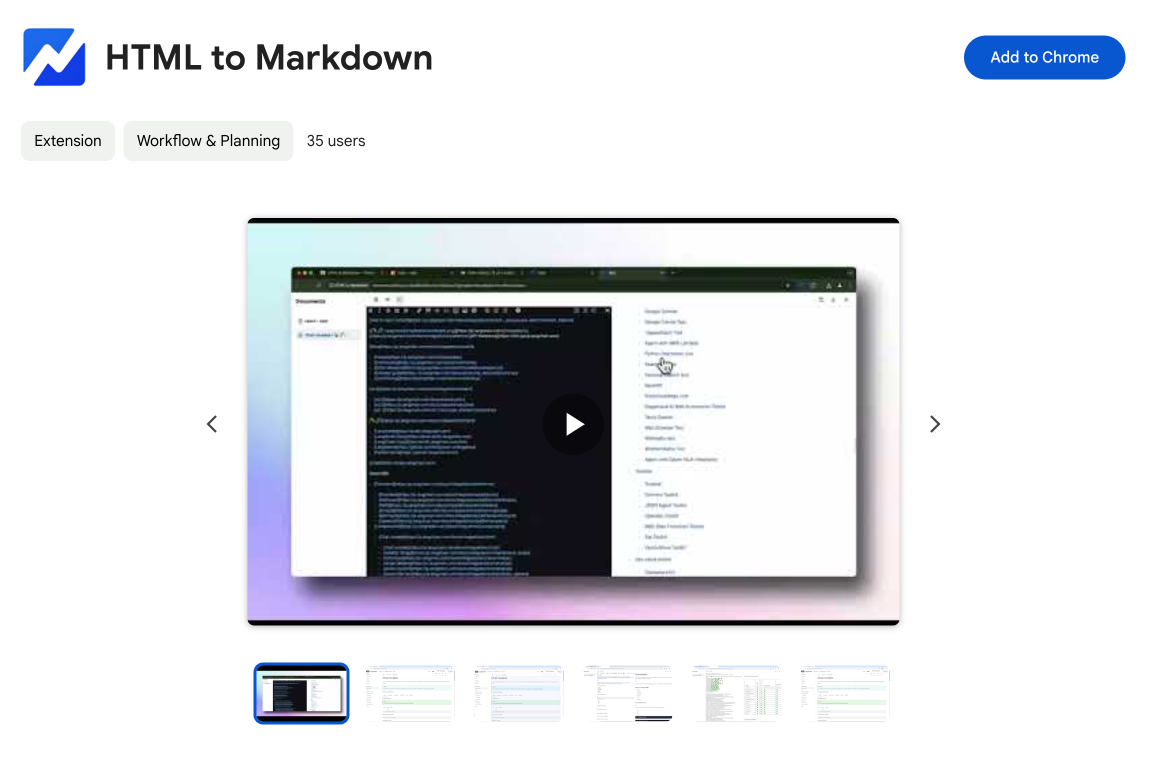
HTML to Markdown
Convert HTML to Markdown with ease, directly in your browser 📄
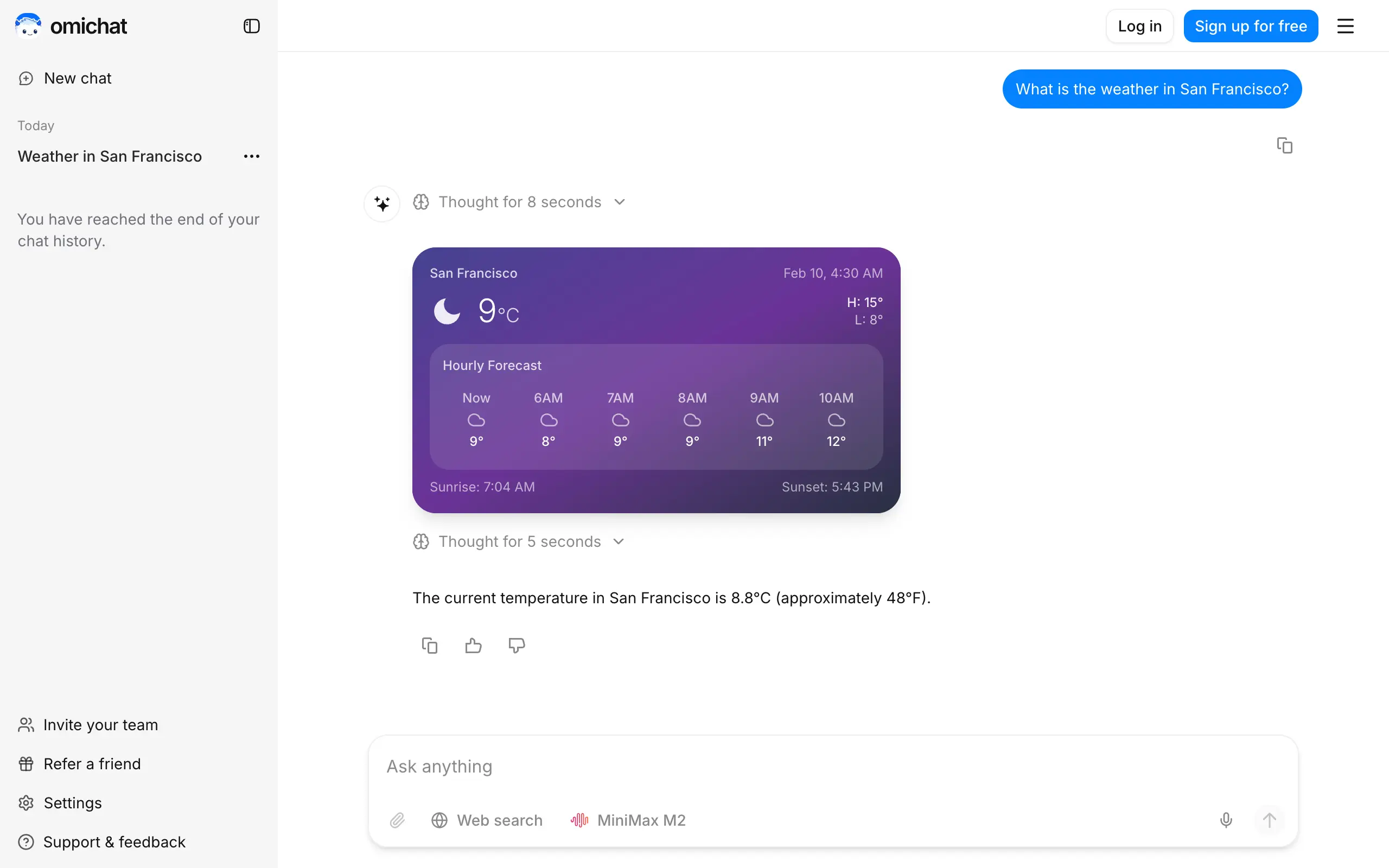
Omichat
Chat with 50+ AI models, including ChatGPT and Claude, in one place - switch models anytime without losing context 🤖
Talk to Santa
Enjoy a magical live video chat or receive a unique AI-generated video greeting from Santa Claus 🎅
pozywka.pl
Scalable blog for food journalist, focused on performance and user experience 🌭
zagrodzki.me
Personal blog and portfolio of Bart Zagrodzki, where he shares his knowledge and work 💼
TurboStarter
Ship your startup everywhere. In minutes.
HTML to Markdown
Convert HTML to Markdown with ease, directly in your browser 📄
Omichat
Chat with 50+ AI models, including ChatGPT and Claude, in one place - switch models anytime without losing context 🤖
Talk to Santa
Enjoy a magical live video chat or receive a unique AI-generated video greeting from Santa Claus 🎅
pozywka.pl
Scalable blog for food journalist, focused on performance and user experience 🌭
zagrodzki.me
Personal blog and portfolio of Bart Zagrodzki, where he shares his knowledge and work 💼
TurboStarter
Ship your startup everywhere. In minutes.
HTML to Markdown
Convert HTML to Markdown with ease, directly in your browser 📄
Omichat
Chat with 50+ AI models, including ChatGPT and Claude, in one place - switch models anytime without losing context 🤖
Talk to Santa
Enjoy a magical live video chat or receive a unique AI-generated video greeting from Santa Claus 🎅
pozywka.pl
Scalable blog for food journalist, focused on performance and user experience 🌭
zagrodzki.me
Personal blog and portfolio of Bart Zagrodzki, where he shares his knowledge and work 💼
TurboStarter
Ship your startup everywhere. In minutes.
HTML to Markdown
Convert HTML to Markdown with ease, directly in your browser 📄
Omichat
Chat with 50+ AI models, including ChatGPT and Claude, in one place - switch models anytime without losing context 🤖
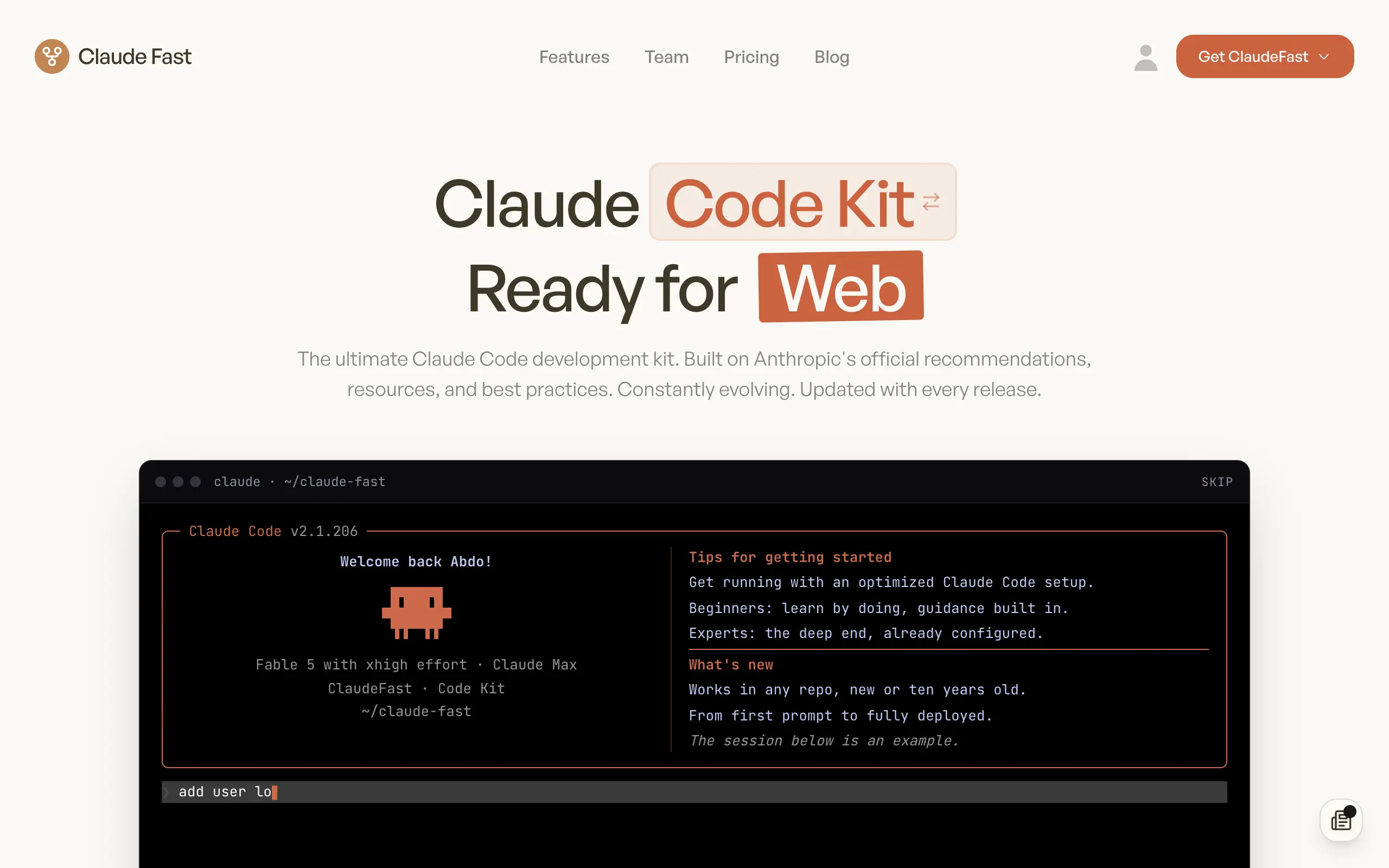
Claude Fast
Supercharge your Claude Code with 6x effective context window and specialized AI agents 🤖
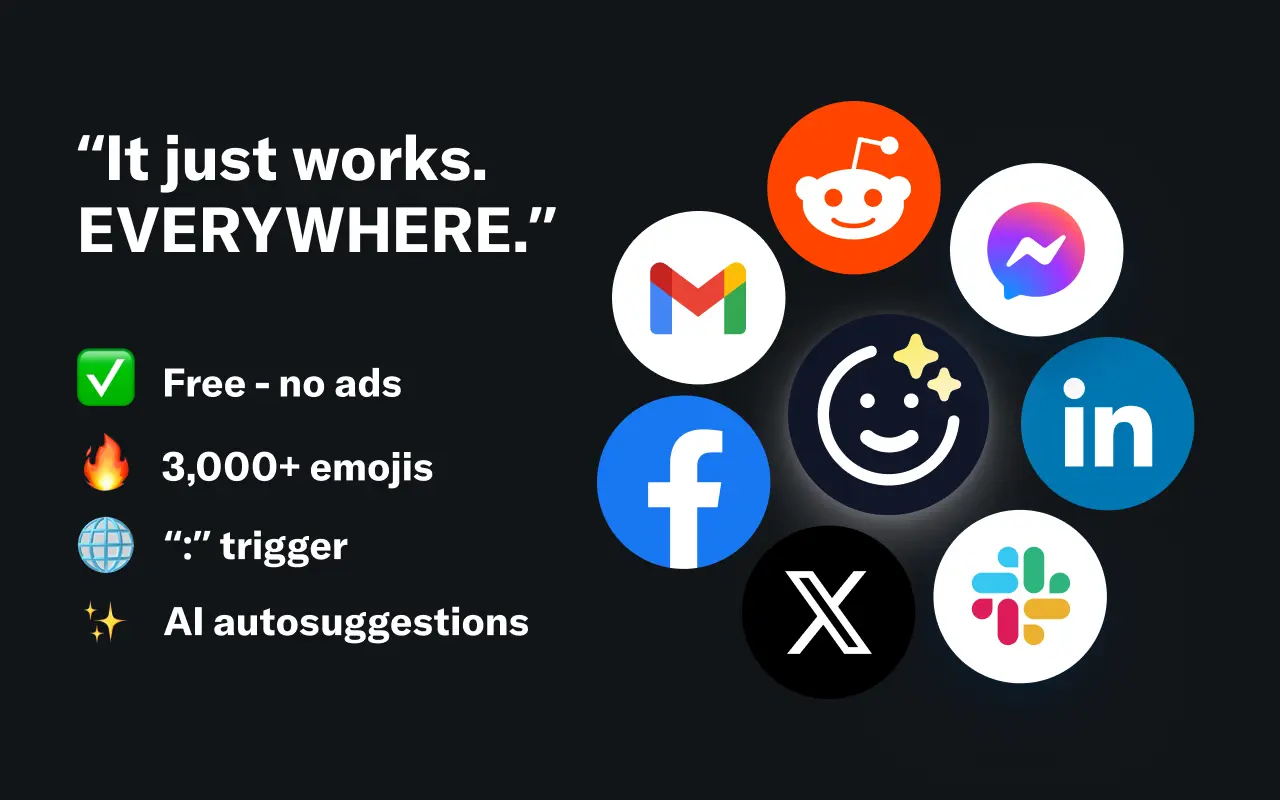
EmojAI
AI-powered emoji picker with smart, context-aware suggestions 🤖
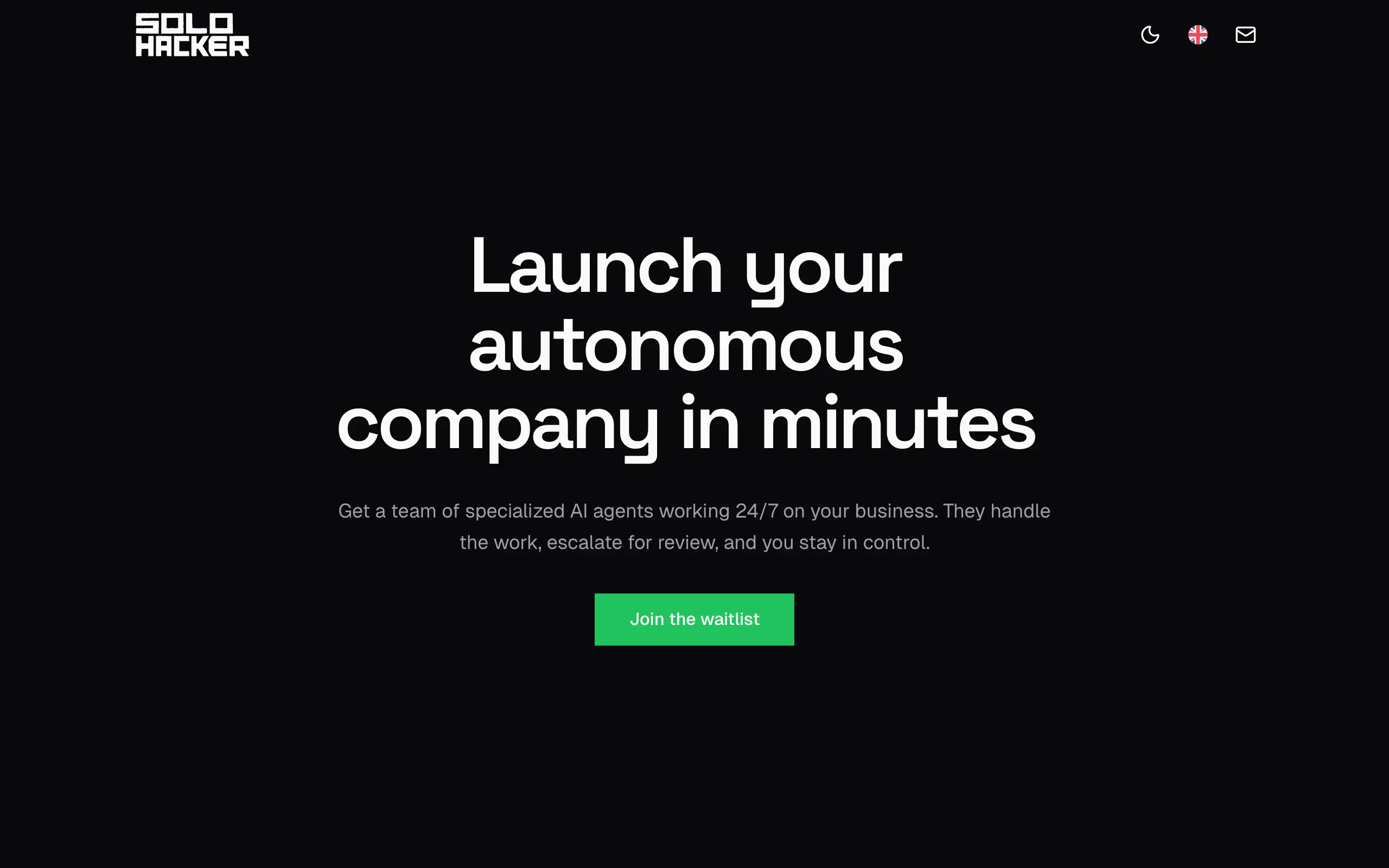
Solohacker
Autonomous company launcher - AI agents work 24/7, escalate what matters, and you stay in control 🤖
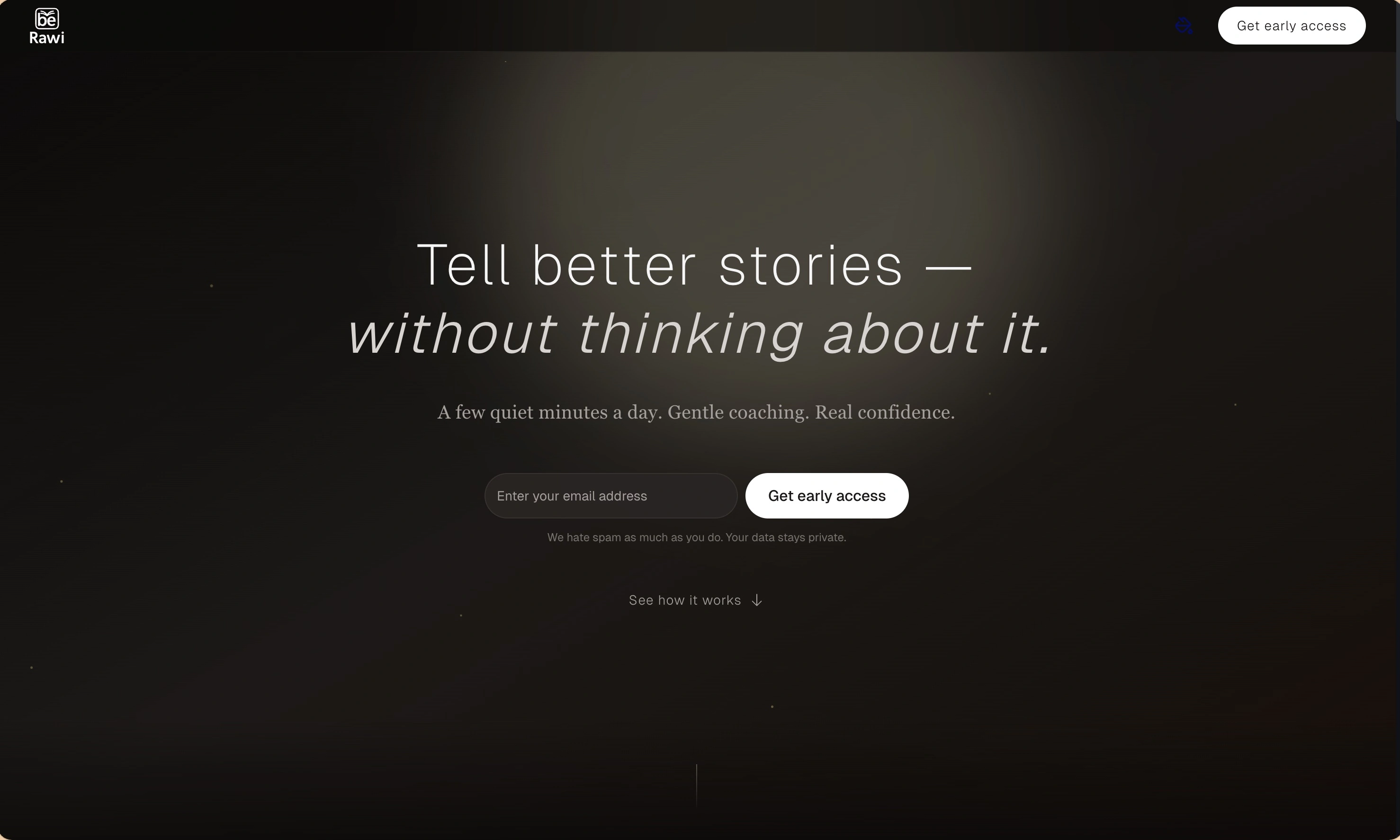
BeRawi: Storytelling Coach
Practice storytelling daily with instant feedback to sound clearer, more engaging, and confident 🎤
Claude Fast
Supercharge your Claude Code with 6x effective context window and specialized AI agents 🤖
EmojAI
AI-powered emoji picker with smart, context-aware suggestions 🤖
Solohacker
Autonomous company launcher - AI agents work 24/7, escalate what matters, and you stay in control 🤖
BeRawi: Storytelling Coach
Practice storytelling daily with instant feedback to sound clearer, more engaging, and confident 🎤
Claude Fast
Supercharge your Claude Code with 6x effective context window and specialized AI agents 🤖
EmojAI
AI-powered emoji picker with smart, context-aware suggestions 🤖
Solohacker
Autonomous company launcher - AI agents work 24/7, escalate what matters, and you stay in control 🤖
BeRawi: Storytelling Coach
Practice storytelling daily with instant feedback to sound clearer, more engaging, and confident 🎤
Claude Fast
Supercharge your Claude Code with 6x effective context window and specialized AI agents 🤖
EmojAI
AI-powered emoji picker with smart, context-aware suggestions 🤖
Solohacker
Autonomous company launcher - AI agents work 24/7, escalate what matters, and you stay in control 🤖
BeRawi: Storytelling Coach
Practice storytelling daily with instant feedback to sound clearer, more engaging, and confident 🎤

Connect with like-minded people
Join our community to get feedback, support, and grow together with 1,000+ builders on board, let's ship it!
Join usShip your startup everywhere. In minutes.
Don't burn tokens on setup and start building features on day one.