CommandForge
Headless API for generating, validating, and optimizing Minecraft commands and datapacks. Built for dev workflows and CI pipelines.
What is a headless Minecraft command API and why it matters
Minecraft has evolved far beyond a sandbox game into a programmable environment where creators build complex logic systems using commands, functions, and datapacks. However, the current workflow for creating and validating commands is fragmented, manual, and error-prone.
A headless Minecraft command API like CommandForge addresses this gap by providing a programmable backend that can generate, validate, optimize, and manage Minecraft commands and datapacks automatically. Instead of relying on trial-and-error inside the game or external editors, developers can integrate command generation directly into their workflows, CI pipelines, and tooling ecosystems.
This shift mirrors what happened in traditional software development: moving from manual scripting to automated, validated, and scalable systems.
CommandForge is positioned at the intersection of game development tooling, DevOps, and automation, making it particularly relevant as Minecraft continues to grow in education, modding, and professional game design.
Understanding the target audience
To build and position CommandForge effectively, it’s critical to identify who actually needs a headless command API—and why.
Core user segments
1. Technical Minecraft creators
These are advanced users who:
- Build datapacks and custom game mechanics
- Maintain large command-based systems
- Publish content to platforms like Planet Minecraft or GitHub
Pain points:
- Debugging long command chains
- Managing version compatibility across Minecraft updates
- Lack of automated testing
2. Minecraft server developers
Server admins and plugin developers often:
- Combine plugins, datapacks, and commands
- Need stable, optimized logic for multiplayer environments
Pain points:
- Performance issues due to inefficient commands
- Difficulty maintaining large command ecosystems
- Lack of CI/CD for datapacks
3. Game studios and educators
Minecraft is increasingly used in:
- Educational platforms (STEM, coding)
- Game prototyping
- Interactive storytelling
Pain points:
- Non-technical teams struggle with command syntax
- No standardized validation or tooling pipelines
- Difficulty scaling content creation
4. Tooling and platform developers
Developers building:
- Minecraft editors
- Modding tools
- Automation platforms
Pain points:
- Rebuilding command parsing logic from scratch
- No standardized API for command generation
- Lack of reusable infrastructure
Market opportunity and gap analysis
The Minecraft ecosystem is massive, with over 100 million monthly active players and a thriving creator economy. Yet, tooling for command and datapack development remains relatively immature compared to modern software ecosystems.
Existing solutions
- In-game command blocks
- External editors (VS Code extensions)
- Datapack generators (web tools)
- Community documentation (Minecraft Wiki)
- No API-first infrastructure
- Limited validation and testing
- No CI/CD integration
- Poor scalability for large projects
The gap CommandForge fills
CommandForge introduces:
- API-driven command generation
- Automated validation and linting
- Optimization for performance
- CI/CD integration capabilities
This aligns with broader trends:
- Infrastructure-as-code
- Headless architectures
- Developer-first tooling
- Automation-first workflows
Key insight
Minecraft command development is essentially a form of programming—but without the tooling maturity developers expect. CommandForge bridges that gap.
Core features of CommandForge
A compelling SaaS product needs a clear, powerful feature set that directly solves user pain points.
1. Command generation engine
Automatically generate Minecraft commands using structured inputs.
Example use cases:
- Generate
/executechains - Build complex selectors
- Create reusable templates
const command = generateCommand({
  type: "summon",
  entity: "zombie",
  position: { x: 10, y: 64, z: -5 },
  attributes: {
    health: 40,
    customName: "Boss"
  }
});
2. Syntax validation and linting
Catch errors before they reach the game.
- Validate command syntax against Minecraft versions
- Detect deprecated commands
- Suggest fixes and improvements
3. Datapack builder and optimizer
Turn raw commands into structured datapacks.
Features:
- File structure generation
- Function linking
- Performance optimization (e.g., reducing tick load)
4. Version compatibility engine
Minecraft updates frequently break commands.
CommandForge can:
- Detect version incompatibilities
- Suggest migrations
- Auto-convert commands between versions
5. CI/CD integration
Integrate with tools like GitHub Actions to:
- Validate commands on commit
- Run automated tests
- Deploy datapacks to servers
6. API-first architecture
Everything is accessible via API:
- REST or GraphQL endpoints
- SDKs for JavaScript, Python
- Webhooks for automation
Technical architecture and recommended stack
Building CommandForge requires balancing performance, flexibility, and scalability.
Backend architecture
- Runtime: Node.js
- Framework: NestJS (structured, scalable)
- API layer: REST + optional GraphQL
- Parsing engine: Custom parser or PEG-based parser
Command parsing strategy
Two approaches:
- Fully tailored to Minecraft syntax
- More control
- Higher development cost
- Use tools like nearley or PEG.js
- Faster development
- Easier updates
Frontend (optional dashboard)
Infrastructure
- Hosting: Vercel or AWS
- Database: PostgreSQL
- Caching: Redis
- Queue system: BullMQ
CI/CD integrations
- GitHub Actions
- GitLab CI
- Webhooks
Trade-offs to consider
- Performance vs flexibility: Deep validation may slow responses
- Version support complexity: Supporting multiple Minecraft versions increases maintenance
- Parser complexity: Minecraft syntax is non-trivial
Monetization strategies
CommandForge can adopt multiple revenue streams depending on its audience.
SaaS pricing tiers
Free tier
Basic command generation with rate limits for hobbyists.
Pro tier
Advanced validation, optimization, and CI integrations.
Enterprise
Custom deployments, SLAs, and dedicated support.
API usage pricing
- Pay-per-request model
- Tiered usage limits
- Volume discounts
Marketplace opportunities
- Sell command templates
- Offer premium datapack generators
- Partner with Minecraft creators
B2B licensing
- License API to educational platforms
- Integrate with game studios
- White-label solutions
Competitive landscape
There are no direct competitors offering a fully headless command API, but there are adjacent tools.
| Feature | CommandForge | In-game tools | Datapack generators | VS Code extensions | Custom scripts |
|---|---|---|---|---|---|
| API access | ✅ | ❌ | ❌ | ❌ | ✅ |
| Validation | ✅ | ❌ | ✅ | ✅ | ❌ |
Competitive advantage
CommandForge stands out because it:
- Is API-first, not UI-first
- Supports automation and CI/CD
- Provides deep validation and optimization
- Targets developers, not just creators
Risks and mitigation strategies
Every SaaS idea comes with challenges. Here’s how CommandForge can navigate them.
Risk 1: Niche market
Minecraft tooling is specialized.
Mitigation:
- Expand into broader game scripting tools
- Target education and enterprise use cases
Risk 2: Minecraft updates
Frequent updates can break compatibility.
Mitigation:
- Modular versioning system
- Automated test suites for each version
Risk 3: Complexity of command parsing
Minecraft commands are complex and evolving.
Mitigation:
- Incremental feature rollout
- Community feedback loops
- Open-source parts of the parser
Risk 4: Developer adoption
Developers may resist adopting new tooling.
Mitigation:
- Provide SDKs and integrations
- Offer generous free tier
- Create strong documentation
Unique selling proposition (USP)
CommandForge’s core differentiation lies in its positioning:
A developer-first, API-driven platform for Minecraft command automation and optimization
This is not just a tool—it’s infrastructure.
Key differentiators
- Headless architecture
- CI/CD compatibility
- Version-aware command engine
- Performance optimization layer
Implementation roadmap
Building CommandForge requires a structured approach.
MVP features
Focus on:
- Command generation
- Syntax validation
- Basic API access
Avoid:
- Overbuilding UI
- Supporting too many Minecraft versions initially
Example API workflow
Here’s how a developer might use CommandForge in practice:
import { CommandForge } from "commandforge-sdk";

const client = new CommandForge({ apiKey: "your-api-key" });

// Generate command
const command = await client.generate({
  type: "give",
  player: "@p",
  item: "diamond_sword",
  enchantments: ["sharpness:5"]
});

// Validate command
const validation = await client.validate(command);

// Build datapack
const datapack = await client.buildDatapack({
  name: "custom-pack",
  commands: [command]
});
SEO strategy for CommandForge
To rank effectively, focus on high-intent keywords.
Primary keywords
- Minecraft command API
- Minecraft command generator
- datapack generator API
- Minecraft automation tools
Secondary keywords
- Minecraft command validation
- optimize Minecraft commands
- CI/CD for Minecraft datapacks
- headless game development tools
Content strategy
- Tutorials: “How to automate Minecraft commands”
- Comparisons: “Best Minecraft command tools”
- Technical guides: “Building scalable datapacks”
Future expansion opportunities
CommandForge can grow beyond its initial scope.
Potential directions
- Support for other games (Roblox, Unity scripting)
- Visual command builders
- AI-assisted command generation
- Marketplace for reusable logic modules
Yes—but carefully. AI can assist with command generation, but must be paired with strict validation to avoid incorrect outputs.
Partially open-sourcing the parser could drive adoption while keeping core infrastructure proprietary.
Final thoughts and actionable next steps
CommandForge is not just another Minecraft tool—it represents a shift toward professional-grade development workflows in game scripting environments.
To move forward:
- Validate demand with a simple API prototype
- Engage early adopters (Minecraft dev communities)
- Build a strong developer experience (DX)
- Focus on automation and reliability
- Scale features based on real usage
The opportunity is clear: bring modern software engineering practices into Minecraft’s command ecosystem.
If executed well, CommandForge could become the standard infrastructure layer for Minecraft command development.
Start building faster
If you're serious about launching CommandForge or a similar SaaS, using a robust starter framework can save months of development time. Platforms like TurboStarter provide production-ready foundations for authentication, billing, and API infrastructure—allowing you to focus on your core product.
More 💡 Other SaaS ideas
Discover more innovative other SaaS ideas that are trending in 2026. Each idea is AI-generated with market validation and growth potential to help you find your next profitable venture faster than competitors.
Your competitors are building with TurboStarter
Below are some of the SaaS ideas that have been generated and built with our starter kit.
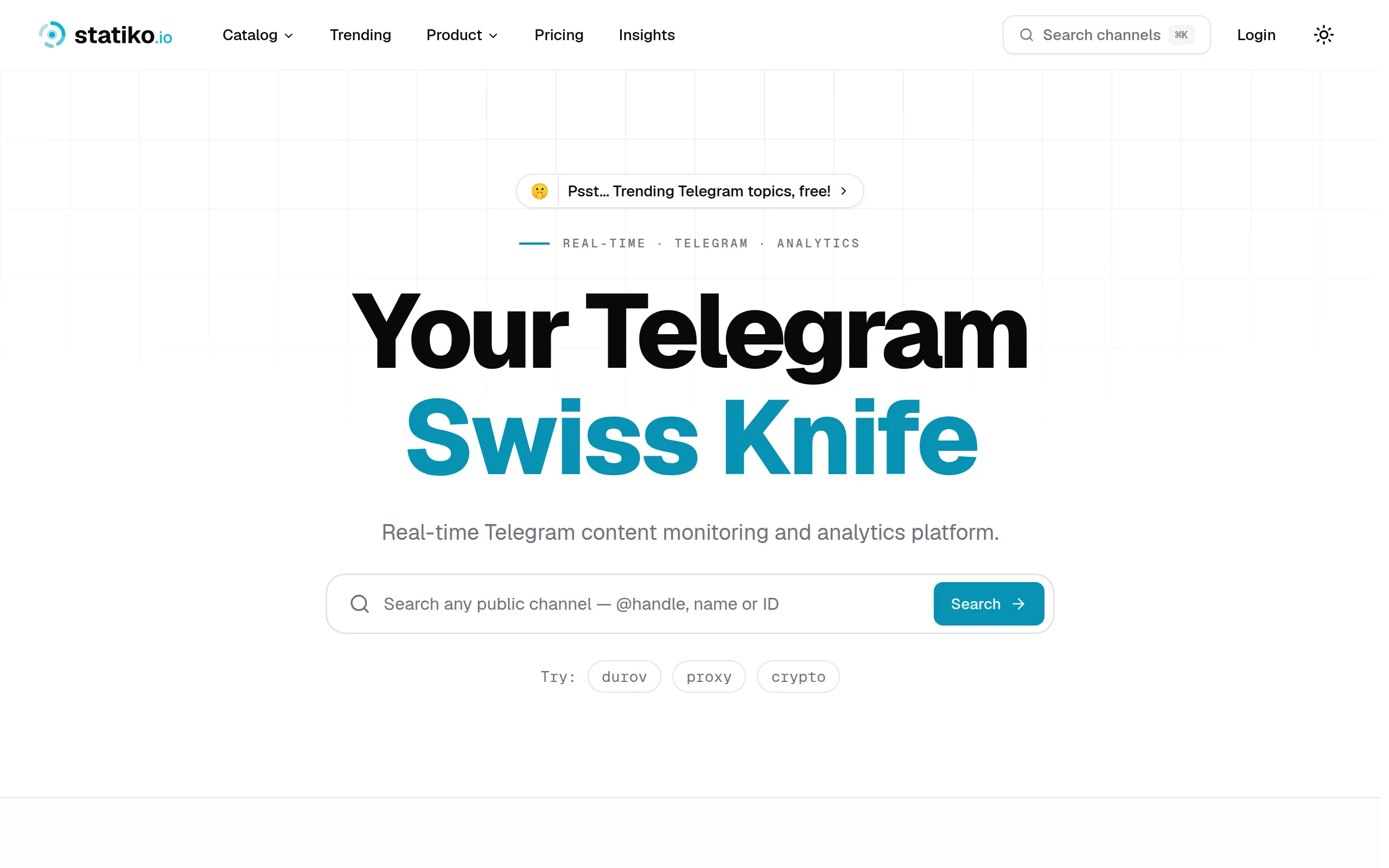
Statiko
Monitor any Telegram channel in real time - track posts, edits, deletions, and growth with AI recaps 📡

Shibui
AI website builder - describe your business, pick a niche template, edit by chatting, and publish instantly ✨

Pro Service
Find verified home service professionals, compare quotes, and pay securely through escrow - built for Brazilians across the US 🏠
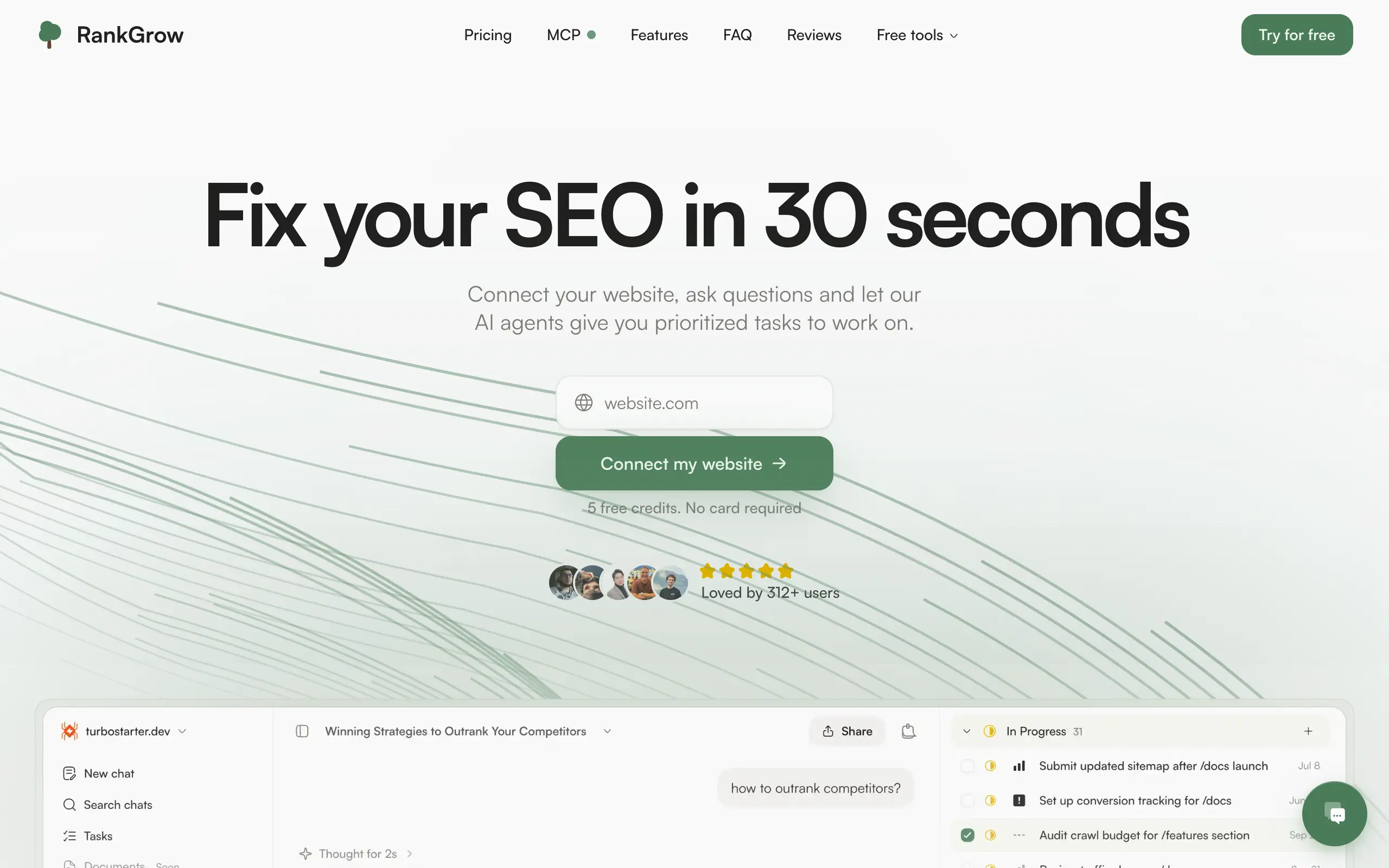
RankGrow
Fix your SEO with AI agents - connect Search Console, get prioritized tasks, and grow organic traffic 📈
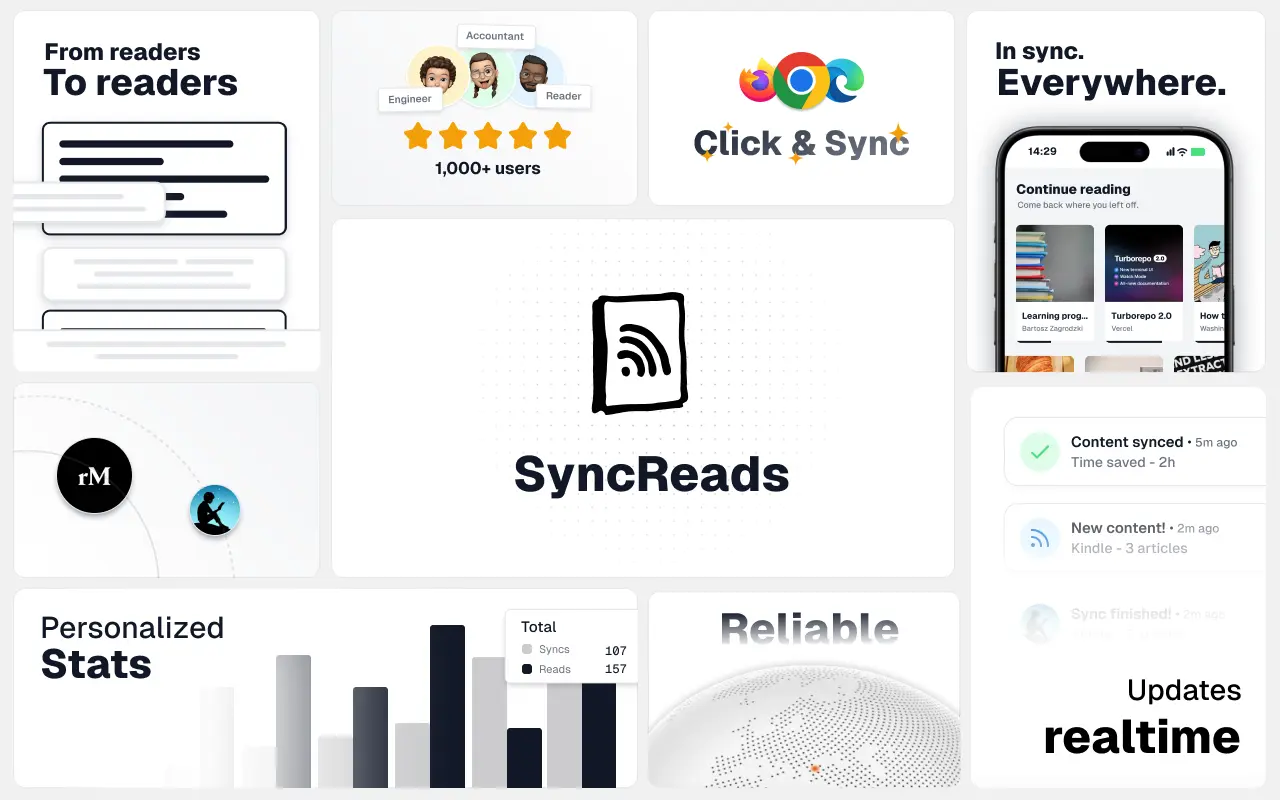
SyncReads
Sync your favorite content for distraction-free reading, save time and replace multiple apps. Anytime, anywhere 🔄
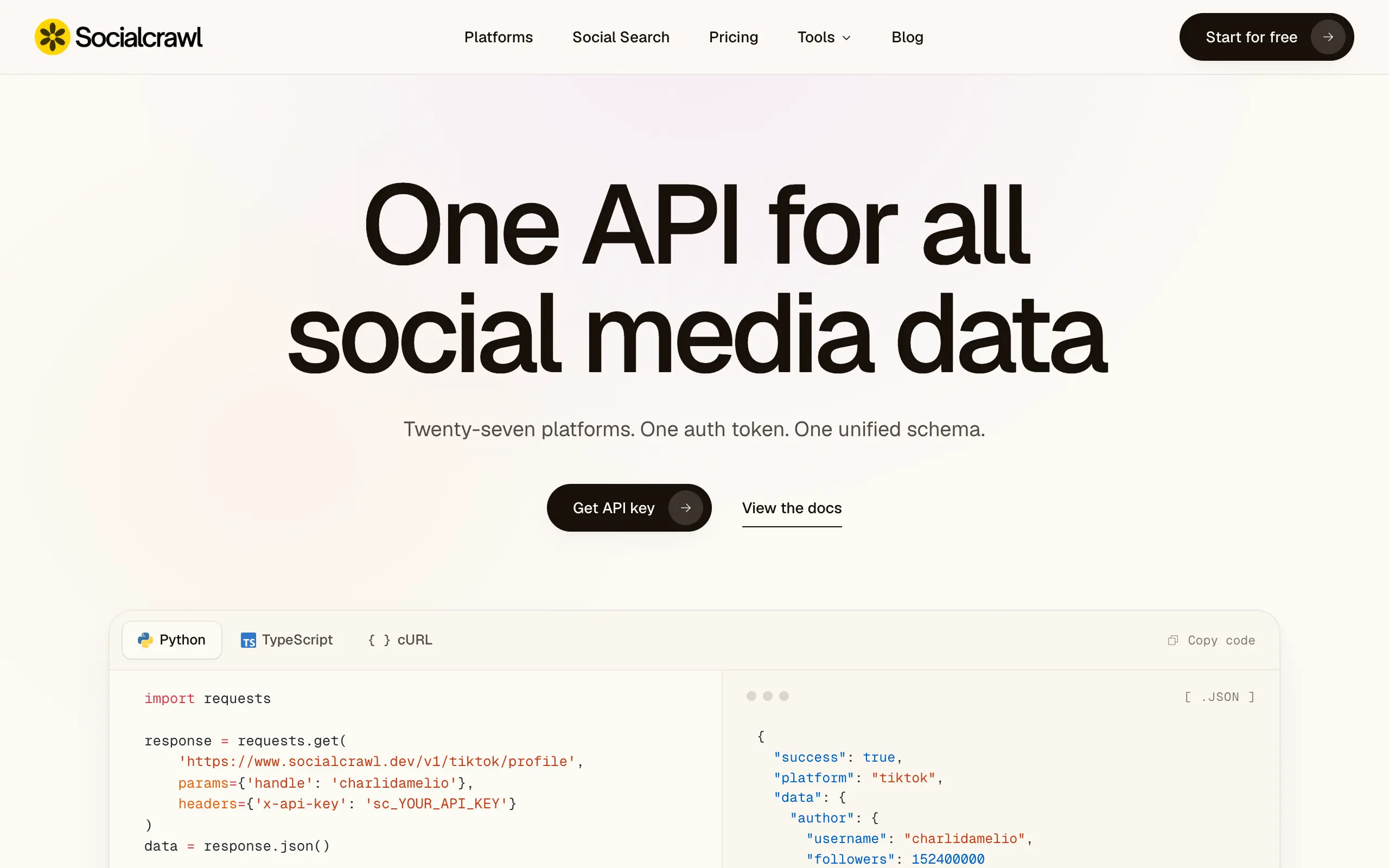
Socialcrawl
Get clean, structured data from 21 platforms like TikTok, Instagram, and YouTube with a single request 📊
Statiko
Monitor any Telegram channel in real time - track posts, edits, deletions, and growth with AI recaps 📡
Shibui
AI website builder - describe your business, pick a niche template, edit by chatting, and publish instantly ✨
Pro Service
Find verified home service professionals, compare quotes, and pay securely through escrow - built for Brazilians across the US 🏠
RankGrow
Fix your SEO with AI agents - connect Search Console, get prioritized tasks, and grow organic traffic 📈
SyncReads
Sync your favorite content for distraction-free reading, save time and replace multiple apps. Anytime, anywhere 🔄
Socialcrawl
Get clean, structured data from 21 platforms like TikTok, Instagram, and YouTube with a single request 📊
Statiko
Monitor any Telegram channel in real time - track posts, edits, deletions, and growth with AI recaps 📡
Shibui
AI website builder - describe your business, pick a niche template, edit by chatting, and publish instantly ✨
Pro Service
Find verified home service professionals, compare quotes, and pay securely through escrow - built for Brazilians across the US 🏠
RankGrow
Fix your SEO with AI agents - connect Search Console, get prioritized tasks, and grow organic traffic 📈
SyncReads
Sync your favorite content for distraction-free reading, save time and replace multiple apps. Anytime, anywhere 🔄
Socialcrawl
Get clean, structured data from 21 platforms like TikTok, Instagram, and YouTube with a single request 📊
Statiko
Monitor any Telegram channel in real time - track posts, edits, deletions, and growth with AI recaps 📡
Shibui
AI website builder - describe your business, pick a niche template, edit by chatting, and publish instantly ✨
Pro Service
Find verified home service professionals, compare quotes, and pay securely through escrow - built for Brazilians across the US 🏠
RankGrow
Fix your SEO with AI agents - connect Search Console, get prioritized tasks, and grow organic traffic 📈
SyncReads
Sync your favorite content for distraction-free reading, save time and replace multiple apps. Anytime, anywhere 🔄
Socialcrawl
Get clean, structured data from 21 platforms like TikTok, Instagram, and YouTube with a single request 📊
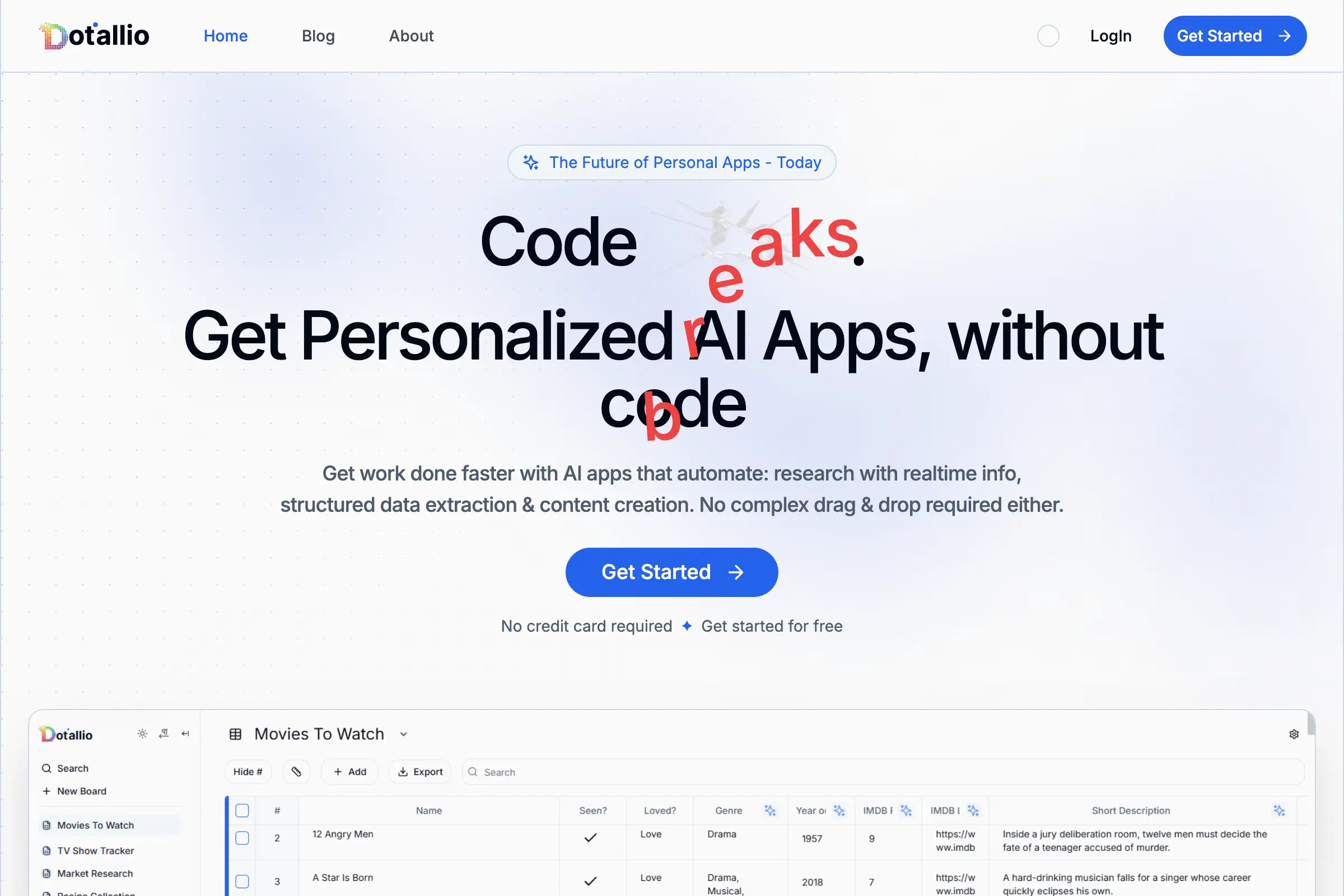
Dotallio
Personalized AI apps that automate research, data extraction, and content creation without code 🤖

Talk to Santa
Enjoy a magical live video chat or receive a unique AI-generated video greeting from Santa Claus 🎅

pozywka.pl
Scalable blog for food journalist, focused on performance and user experience 🌭
zagrodzki.me
Personal blog and portfolio of Bart Zagrodzki, where he shares his knowledge and work 💼
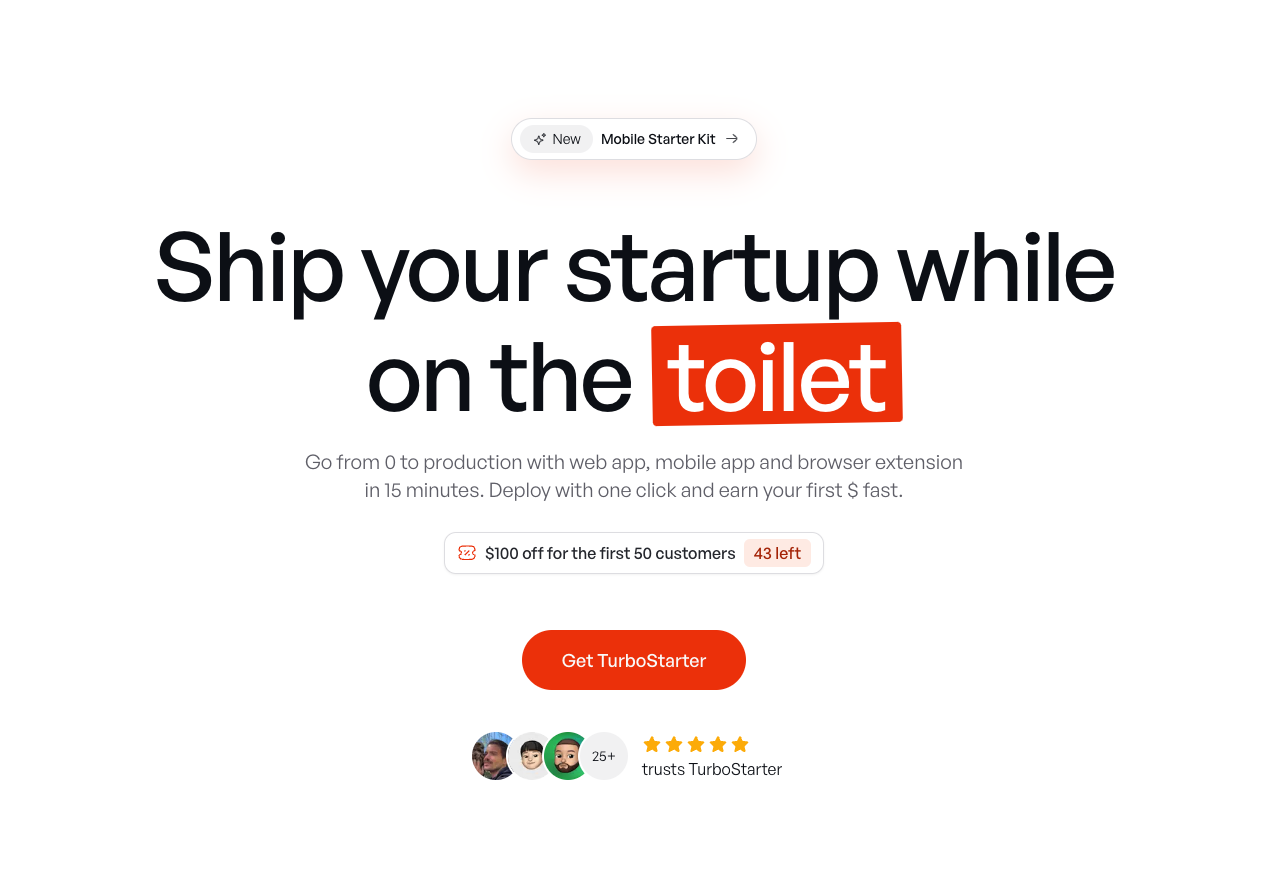
TurboStarter
Ship your startup everywhere. In minutes.
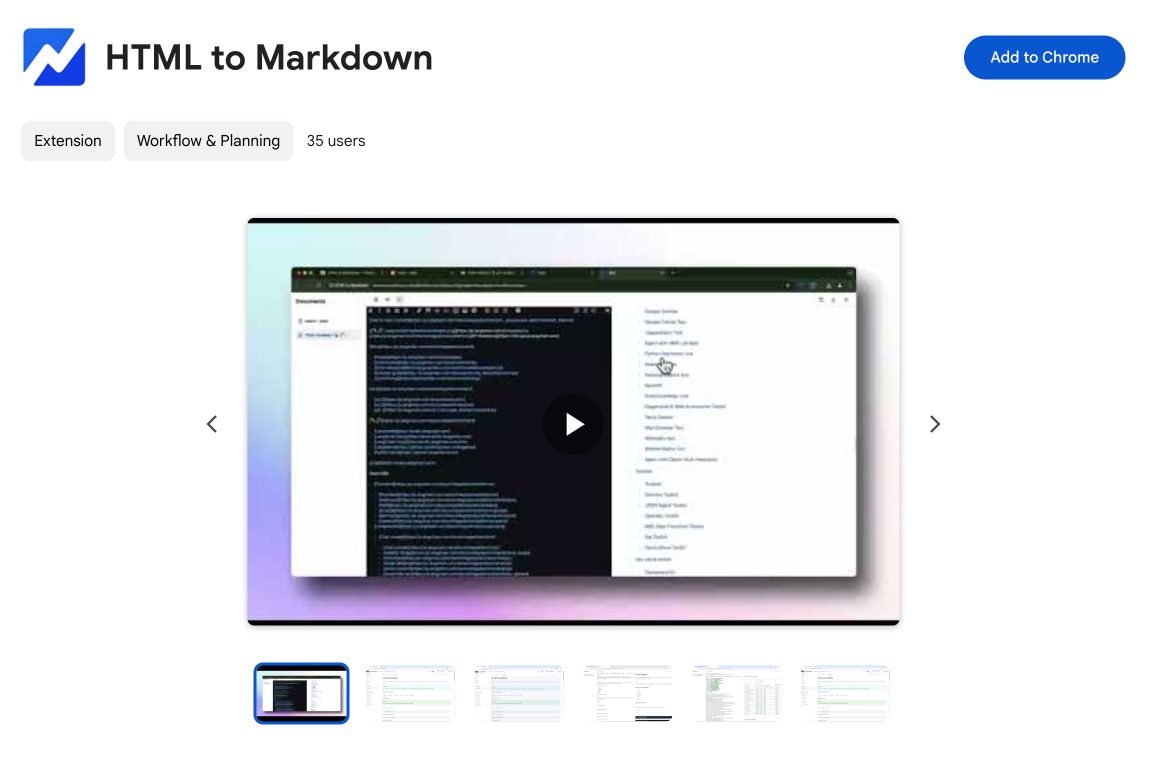
HTML to Markdown
Convert HTML to Markdown with ease, directly in your browser 📄
Dotallio
Personalized AI apps that automate research, data extraction, and content creation without code 🤖
Talk to Santa
Enjoy a magical live video chat or receive a unique AI-generated video greeting from Santa Claus 🎅
pozywka.pl
Scalable blog for food journalist, focused on performance and user experience 🌭
zagrodzki.me
Personal blog and portfolio of Bart Zagrodzki, where he shares his knowledge and work 💼
TurboStarter
Ship your startup everywhere. In minutes.
HTML to Markdown
Convert HTML to Markdown with ease, directly in your browser 📄
Dotallio
Personalized AI apps that automate research, data extraction, and content creation without code 🤖
Talk to Santa
Enjoy a magical live video chat or receive a unique AI-generated video greeting from Santa Claus 🎅
pozywka.pl
Scalable blog for food journalist, focused on performance and user experience 🌭
zagrodzki.me
Personal blog and portfolio of Bart Zagrodzki, where he shares his knowledge and work 💼
TurboStarter
Ship your startup everywhere. In minutes.
HTML to Markdown
Convert HTML to Markdown with ease, directly in your browser 📄
Dotallio
Personalized AI apps that automate research, data extraction, and content creation without code 🤖
Talk to Santa
Enjoy a magical live video chat or receive a unique AI-generated video greeting from Santa Claus 🎅
pozywka.pl
Scalable blog for food journalist, focused on performance and user experience 🌭
zagrodzki.me
Personal blog and portfolio of Bart Zagrodzki, where he shares his knowledge and work 💼
TurboStarter
Ship your startup everywhere. In minutes.
HTML to Markdown
Convert HTML to Markdown with ease, directly in your browser 📄
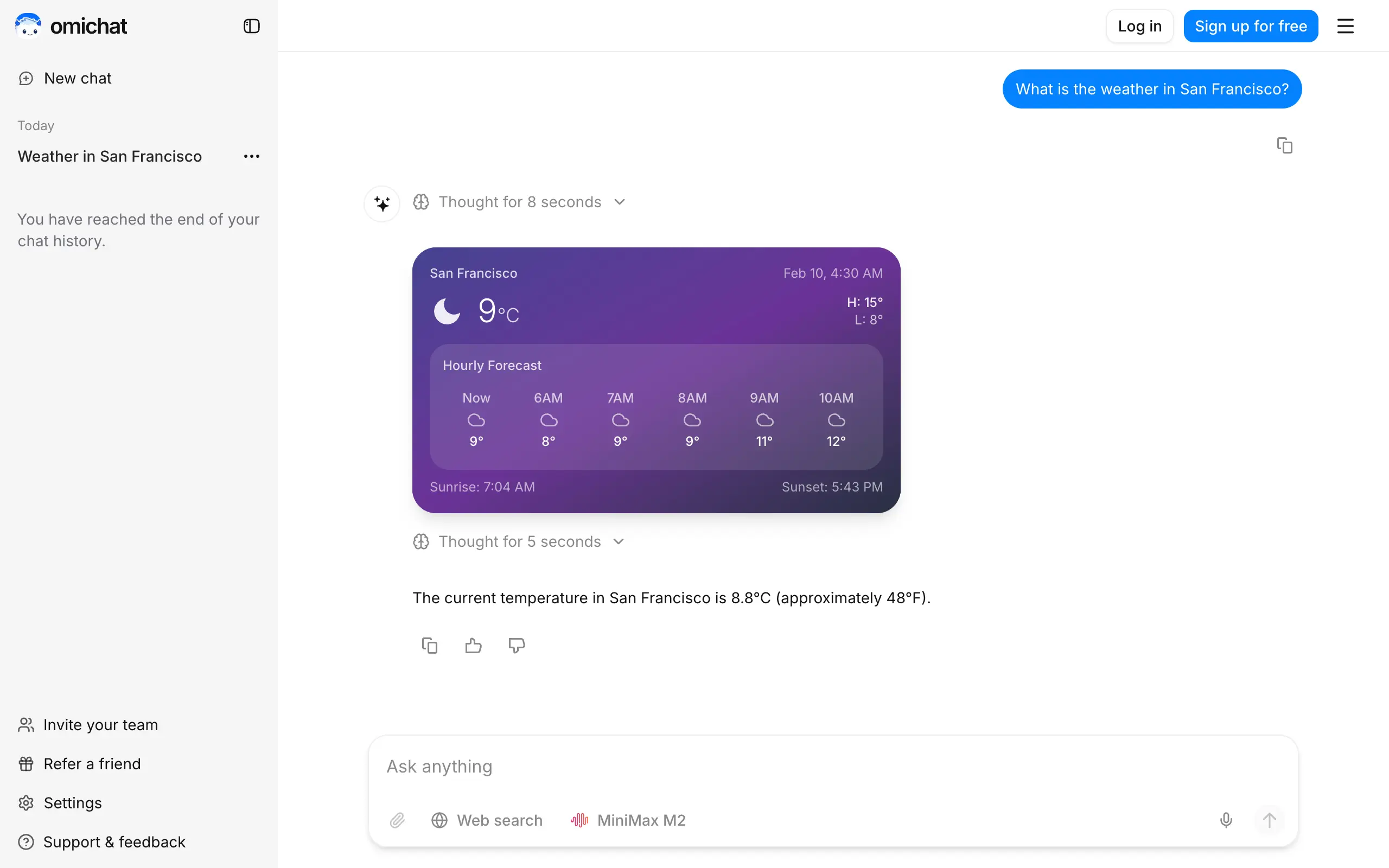
Omichat
Chat with 50+ AI models, including ChatGPT and Claude, in one place - switch models anytime without losing context 🤖
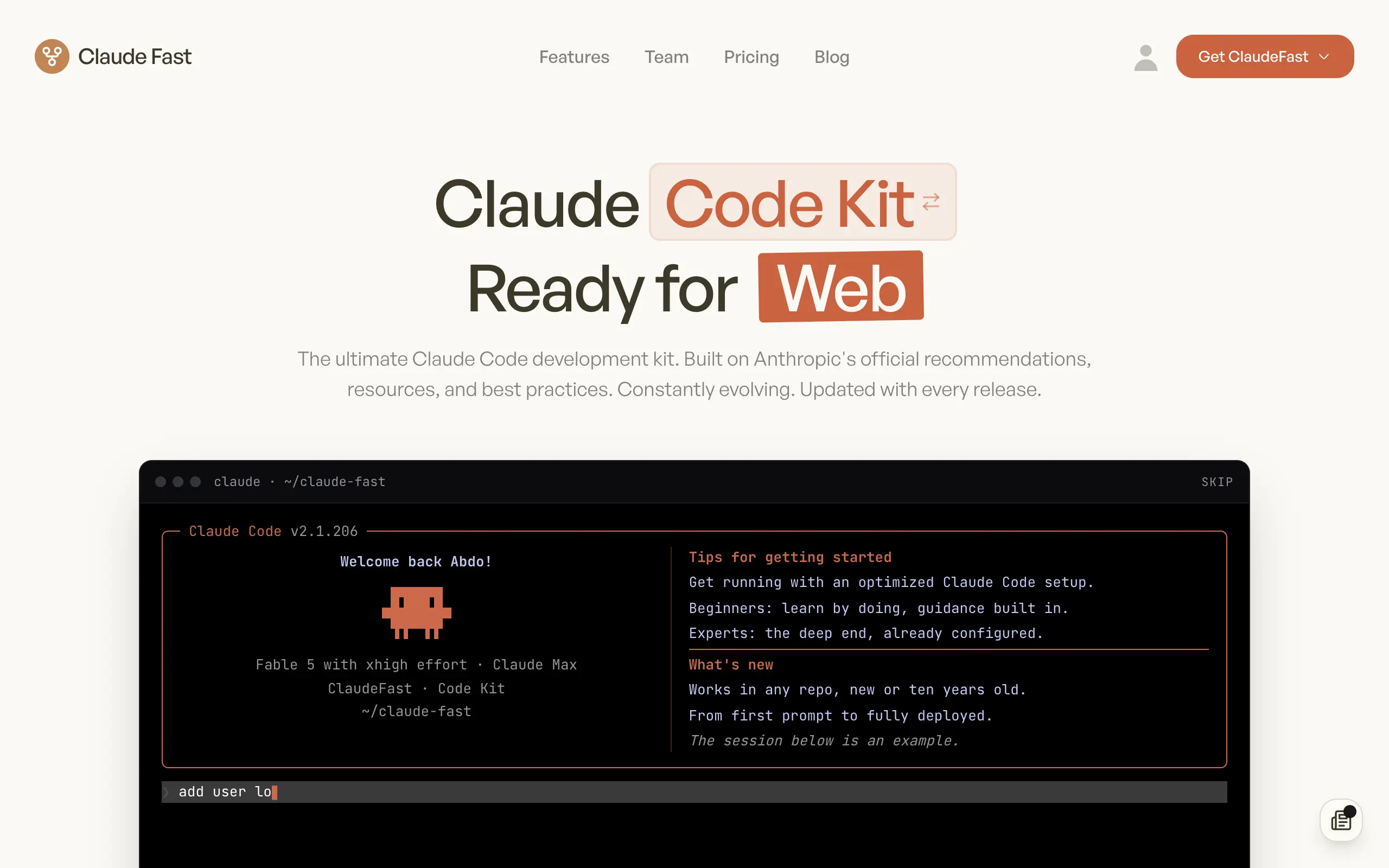
Claude Fast
Supercharge your Claude Code with 6x effective context window and specialized AI agents 🤖
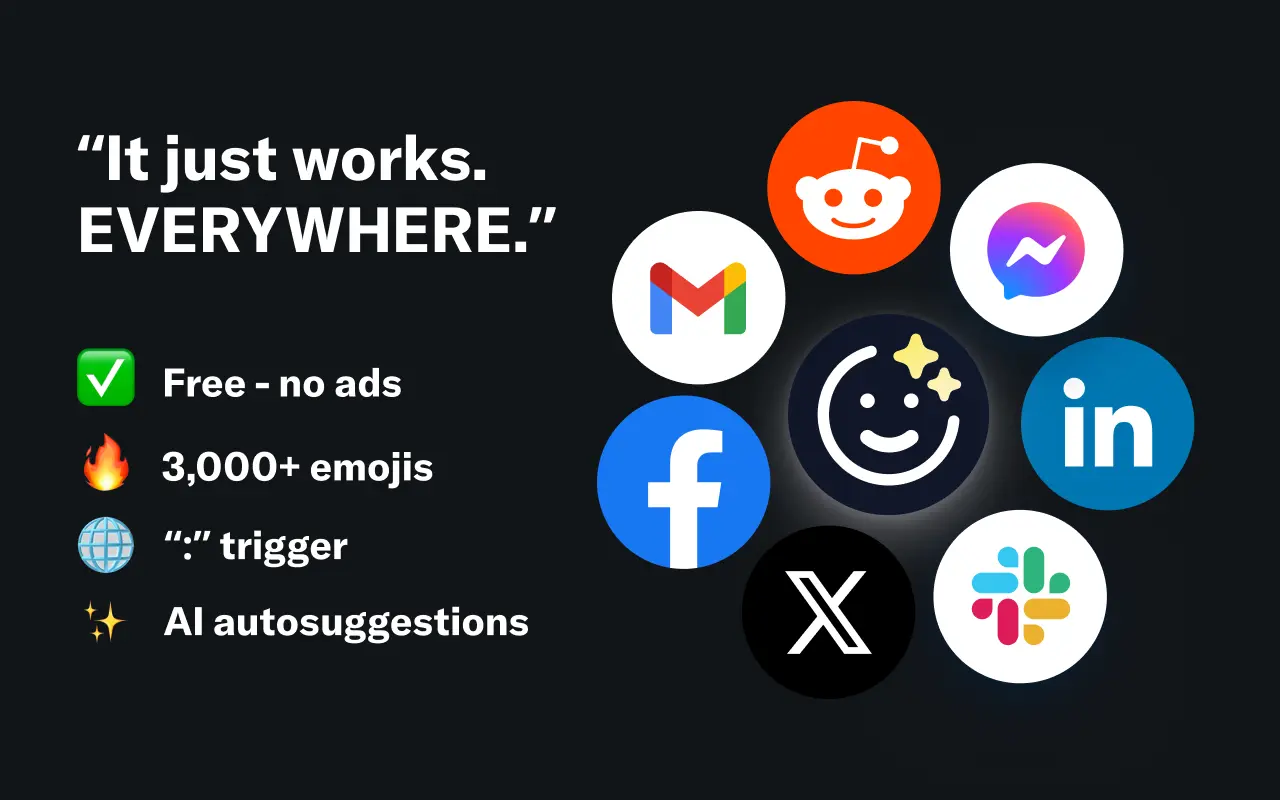
EmojAI
AI-powered emoji picker with smart, context-aware suggestions 🤖
Solohacker
Autonomous company launcher - AI agents work 24/7, escalate what matters, and you stay in control 🤖
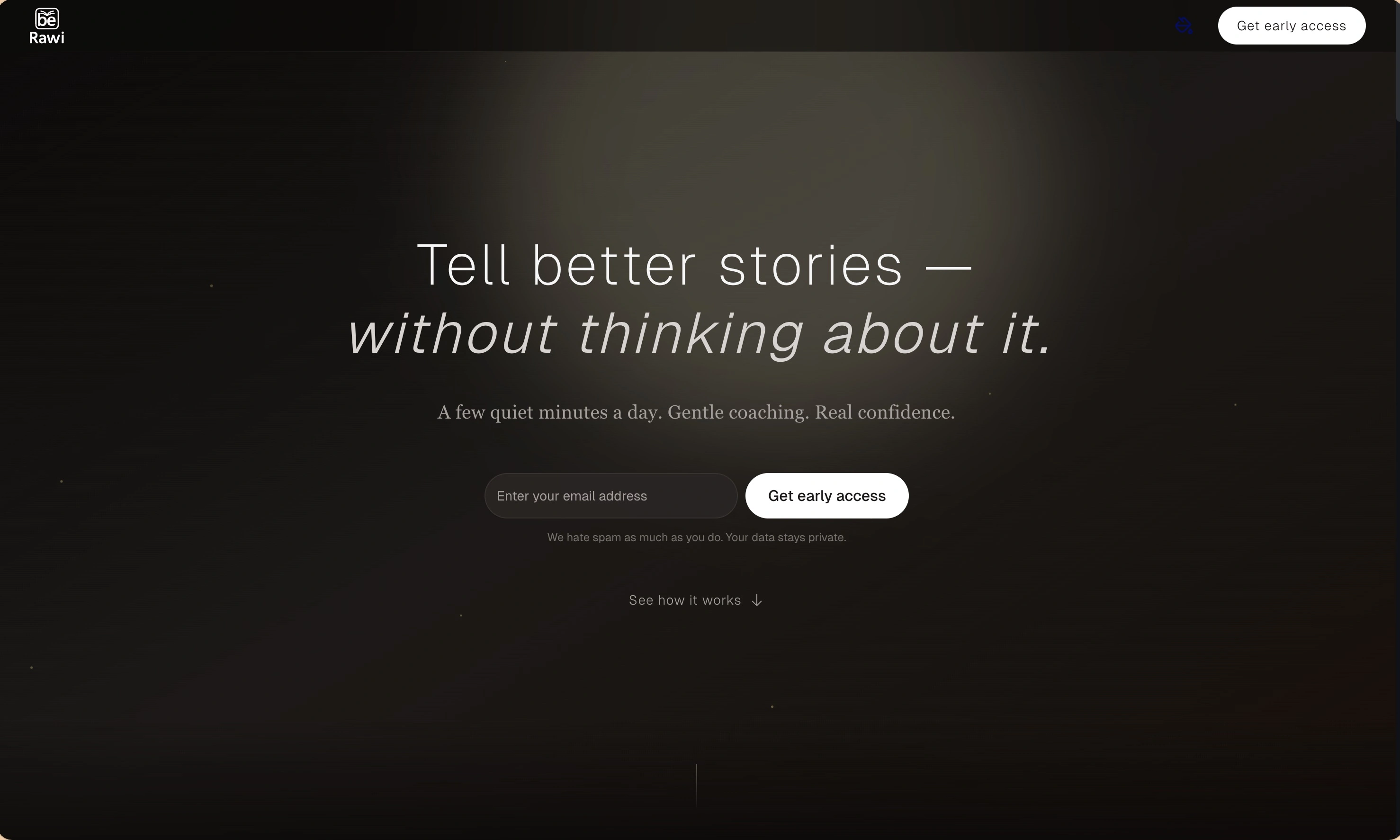
BeRawi: Storytelling Coach
Practice storytelling daily with instant feedback to sound clearer, more engaging, and confident 🎤
Omichat
Chat with 50+ AI models, including ChatGPT and Claude, in one place - switch models anytime without losing context 🤖
Claude Fast
Supercharge your Claude Code with 6x effective context window and specialized AI agents 🤖
EmojAI
AI-powered emoji picker with smart, context-aware suggestions 🤖
Solohacker
Autonomous company launcher - AI agents work 24/7, escalate what matters, and you stay in control 🤖
BeRawi: Storytelling Coach
Practice storytelling daily with instant feedback to sound clearer, more engaging, and confident 🎤
Omichat
Chat with 50+ AI models, including ChatGPT and Claude, in one place - switch models anytime without losing context 🤖
Claude Fast
Supercharge your Claude Code with 6x effective context window and specialized AI agents 🤖
EmojAI
AI-powered emoji picker with smart, context-aware suggestions 🤖
Solohacker
Autonomous company launcher - AI agents work 24/7, escalate what matters, and you stay in control 🤖
BeRawi: Storytelling Coach
Practice storytelling daily with instant feedback to sound clearer, more engaging, and confident 🎤
Omichat
Chat with 50+ AI models, including ChatGPT and Claude, in one place - switch models anytime without losing context 🤖
Claude Fast
Supercharge your Claude Code with 6x effective context window and specialized AI agents 🤖
EmojAI
AI-powered emoji picker with smart, context-aware suggestions 🤖
Solohacker
Autonomous company launcher - AI agents work 24/7, escalate what matters, and you stay in control 🤖
BeRawi: Storytelling Coach
Practice storytelling daily with instant feedback to sound clearer, more engaging, and confident 🎤

Connect with like-minded people
Join our community to get feedback, support, and grow together with 1,000+ builders on board, let's ship it!
Join usShip your startup everywhere. In minutes.
Don't burn tokens on setup and start building features on day one.