DesignJam Challenges
A platform hosting weekly design and typography challenges with automated voting, prizes, and a marketplace for winning designs, requiring little admin effort.
Understanding the DesignJam Challenges SaaS opportunity
DesignJam Challenges is a SaaS platform that hosts weekly design and typography challenges, featuring automated voting, prizes, and a marketplace for winning designs. Its core promise is to foster a vibrant creative community with minimal administrative overhead. This article provides a comprehensive, expert-level analysis of the DesignJam Challenges SaaS opportunity, covering target audience, market gaps, solution features, technology stack, monetization, risks, competitive landscape, and actionable implementation steps.
Who is the target audience for a design challenge platform?
A successful SaaS like DesignJam Challenges must deeply understand its user base. The platform’s features and growth depend on aligning with the needs and motivations of its core audiences.
Primary user segments
- Aspiring and professional designers: Individuals seeking to improve their skills, gain recognition, and build portfolios.
- Typography enthusiasts: Designers and hobbyists passionate about type, lettering, and font design.
- Design educators and students: Teachers looking for engaging assignments and students seeking real-world practice.
- Creative agencies and studios: Teams scouting for fresh talent or unique design assets.
- Design buyers: Businesses or individuals interested in purchasing unique, high-quality designs from the marketplace.
User motivations and pain points
- Skill development: Designers want regular, structured opportunities to practice and receive feedback.
- Recognition: Many crave exposure, portfolio enhancement, and peer validation.
- Monetization: Designers seek new ways to earn from their work.
- Community: A supportive, active community is essential for ongoing engagement.
- Efficiency: Both participants and admins desire a seamless, low-friction experience.
Tip for founders
Conduct user interviews and surveys to validate these personas and refine feature priorities.
Identifying the market opportunity and gaps
The design challenge space is active but fragmented. Platforms like Dribbble, Behance, and 99designs offer exposure and contests, but each has limitations.
Current landscape
- Dribbble/Behance: Focus on portfolio sharing, not structured challenges or automated voting.
- 99designs/DesignCrowd: Emphasize client-driven contests, often with high admin overhead and less community focus.
- Redbubble/Society6: Marketplaces for selling designs, but not challenge-driven or community-centric.
Key market gaps
- Automated, low-admin challenges: Most platforms require significant manual moderation and curation.
- Integrated voting and rewards: Few offer transparent, automated voting with real prizes.
- Marketplace for challenge winners: No major platform directly connects challenge outcomes to a curated marketplace.
- Niche focus on typography: Typography is often underrepresented in mainstream design challenges.
Why now? Industry trends
- Creator economy growth: More designers seek alternative income streams and recognition.
- AI-powered moderation: Advances in automation reduce admin workload.
- Community-driven curation: Peer voting and decentralized selection are increasingly popular.
- Remote learning: Design students and educators need engaging, online practice opportunities.
Automated voting
Reduces bias and admin effort, ensuring fair outcomes.
Weekly engagement
Regular challenges keep the community active and returning.
Marketplace integration
Monetizes winning designs, benefiting both creators and buyers.
Core features and solution details
DesignJam Challenges stands out by combining challenge hosting, automated voting, rewards, and a design marketplace in a single, seamless SaaS platform.
Challenge creation and participation
- Weekly design and typography challenges: New prompts released on a set schedule.
- Submission portal: Easy upload of designs, with support for various file types.
- Automated deadlines and reminders: Keeps participants on track.
Voting and rewards
- Automated, transparent voting: Community members vote; anti-fraud measures ensure fairness.
- Leaderboard and recognition: Winners featured prominently.
- Prizes: Cash, credits, or marketplace exposure.
Marketplace for winning designs
- Curated storefront: Only winning or top-voted designs are listed.
- E-commerce integration: Secure payments, digital downloads, and licensing.
- Designer profiles: Showcase portfolios and past wins.
Admin automation
- Minimal manual intervention: Automated challenge setup, voting, and payouts.
- Content moderation: AI-powered tools flag inappropriate content.
- Analytics dashboard: Track participation, sales, and engagement.
Community and engagement
- Discussion forums: Foster feedback and peer learning.
- Badges and achievements: Gamify participation.
- Social sharing: Easy promotion of entries and wins.
The platform uses a combination of randomized peer voting, anti-collusion algorithms, and optional expert panels to ensure fair results. Votes are anonymized and weighted to prevent manipulation.
Prizes can include cash payouts, platform credits, feature spots in the marketplace, or even physical goods (e.g., design tools, books).
Winning designs are automatically listed for sale, with designers setting prices and licensing terms. The platform handles transactions and payouts.
Recommended tech stack for DesignJam Challenges
Choosing the right technology stack is crucial for scalability, maintainability, and user experience. Below is a recommended stack, with trade-offs explained.
Frontend
- React: Modern, component-based UI development.
- Next.js: Server-side rendering, SEO optimization, and API routes.
- TailwindCSS: Rapid, utility-first styling.
- TypeScript: Type safety and better developer experience.
Backend
- Node.js: Scalable, event-driven server environment.
- Express: Lightweight API framework.
- Prisma: Type-safe ORM for database access.
- PostgreSQL: Reliable, scalable relational database.
Other key components
- Authentication: Auth0 or Clerk for secure, scalable user auth.
- File storage: AWS S3 for design uploads.
- Payments: Stripe for marketplace transactions and payouts.
- AI moderation: Microsoft Azure Content Moderator or Hive for automated content review.
- Email/SMS: SendGrid or Twilio for notifications.
Trade-offs and considerations
- Monolithic vs. microservices: Start monolithic for speed; migrate to microservices as scale demands.
- No-code/low-code options: Tools like TurboStarter can accelerate MVP development, but may limit customization for advanced features.
- Self-hosted vs. managed services: Managed services reduce ops burden but may increase costs.
| React | Next.js | TailwindCSS | Node.js | Prisma |
|---|---|---|---|---|
| ✅ | ❌ | ❌ | ✅ | ❌ |
| ✅ | ❌ | ✅ | ✅ | ❌ |
Monetization strategies for a design challenge SaaS
A sustainable SaaS must balance value for users with viable revenue streams. DesignJam Challenges can leverage several monetization models:
1. Marketplace commissions
- Take a percentage of each design sale in the marketplace (e.g., 10-30%).
- Aligns incentives: platform profits when designers profit.
2. Premium memberships
- Subscription tiers for designers: unlock advanced analytics, priority challenge entry, or increased marketplace exposure.
- Buyers: Offer premium access to exclusive designs or early releases.
3. Entry fees and prize pools
- Optional entry fees for certain challenges, funding larger prizes.
- Sponsored challenges: Brands or agencies sponsor challenges for exposure.
4. Advertising and partnerships
- Non-intrusive ads (e.g., design tools, courses).
- Affiliate partnerships with design software or hardware vendors.
5. API and white-label solutions
- Offer the challenge engine as a white-label SaaS for schools, agencies, or brands.
Best practice
Start with marketplace commissions and premium memberships for predictable, scalable revenue. Expand to sponsorships and white-label offerings as the platform matures.
Risks and mitigation strategies
Launching a SaaS like DesignJam Challenges involves several risks. Proactive mitigation is essential for long-term success.
1. Low initial engagement
- Risk: Without a critical mass of designers and voters, challenges may feel empty.
- Mitigation: Seed the platform with invited designers, run initial challenges with guaranteed prizes, and partner with design schools.
2. Voting manipulation and fraud
- Risk: Collusion or fake accounts could skew results.
- Mitigation: Implement robust anti-fraud algorithms, require verified accounts, and use randomized voting.
3. Copyright and licensing issues
- Risk: Users may submit plagiarized or unlicensed work.
- Mitigation: Use AI-powered content checks, clear terms of service, and a takedown process.
4. Marketplace quality control
- Risk: Low-quality or inappropriate designs could harm reputation.
- Mitigation: Only list top-voted/winning designs, use community moderation, and periodic expert reviews.
5. Platform scalability
- Risk: Rapid growth could strain infrastructure.
- Mitigation: Build on scalable cloud services, monitor performance, and plan for phased scaling.
Regularly introduce new challenge themes, collaborate with guest judges, and offer seasonal events to keep the community active.
Maintain transparent voting logs, clear rules, and a responsive support system for appeals.
Competitive advantage: what makes DesignJam Challenges unique?
DesignJam Challenges stands out in a crowded market by combining several unique selling points:
- Automated, low-admin operation: Most competitors require heavy manual curation; DesignJam’s automation enables scalability and cost efficiency.
- Integrated challenge-to-marketplace pipeline: Winning designs are instantly monetizable, providing direct value to creators.
- Focus on typography and design: Niche focus attracts a passionate, underserved segment.
- Transparent, community-driven voting: Builds trust and engagement.
- Regular, predictable challenges: Keeps users returning and builds habit.
- Minimal friction for admins: Enables lean teams or even solo founders to operate at scale.
Low admin effort
Automation reduces manual work, enabling rapid scaling.
Direct monetization
Designers can earn from their wins immediately.
Niche community
Focus on typography attracts a dedicated audience.
Actionable implementation steps
Ready to build and launch DesignJam Challenges? Here’s a step-by-step roadmap:
Conclusion: why DesignJam Challenges is a timely SaaS opportunity
The intersection of the creator economy, automation, and community-driven curation makes now the perfect time for a platform like DesignJam Challenges. By addressing real pain points—admin overhead, fair recognition, and monetization—while leveraging modern technology, this SaaS can carve out a unique, defensible niche in the design world.
Key takeaways:
- There’s a clear market gap for automated, community-driven design challenges with integrated monetization.
- The recommended tech stack enables rapid development and future scalability.
- Multiple monetization strategies ensure long-term sustainability.
- Proactive risk management and a focus on user experience are essential for success.
By following the outlined steps and focusing on its unique strengths, DesignJam Challenges can become the go-to platform for designers and typography enthusiasts worldwide.
For rapid prototyping and MVP launch, consider leveraging TurboStarter to accelerate your SaaS journey.
More 💡 Other SaaS ideas
Discover more innovative other SaaS ideas that are trending in 2026. Each idea is AI-generated with market validation and growth potential to help you find your next profitable venture faster than competitors.
Your competitors are building with TurboStarter
Below are some of the SaaS ideas that have been generated and built with our starter kit.
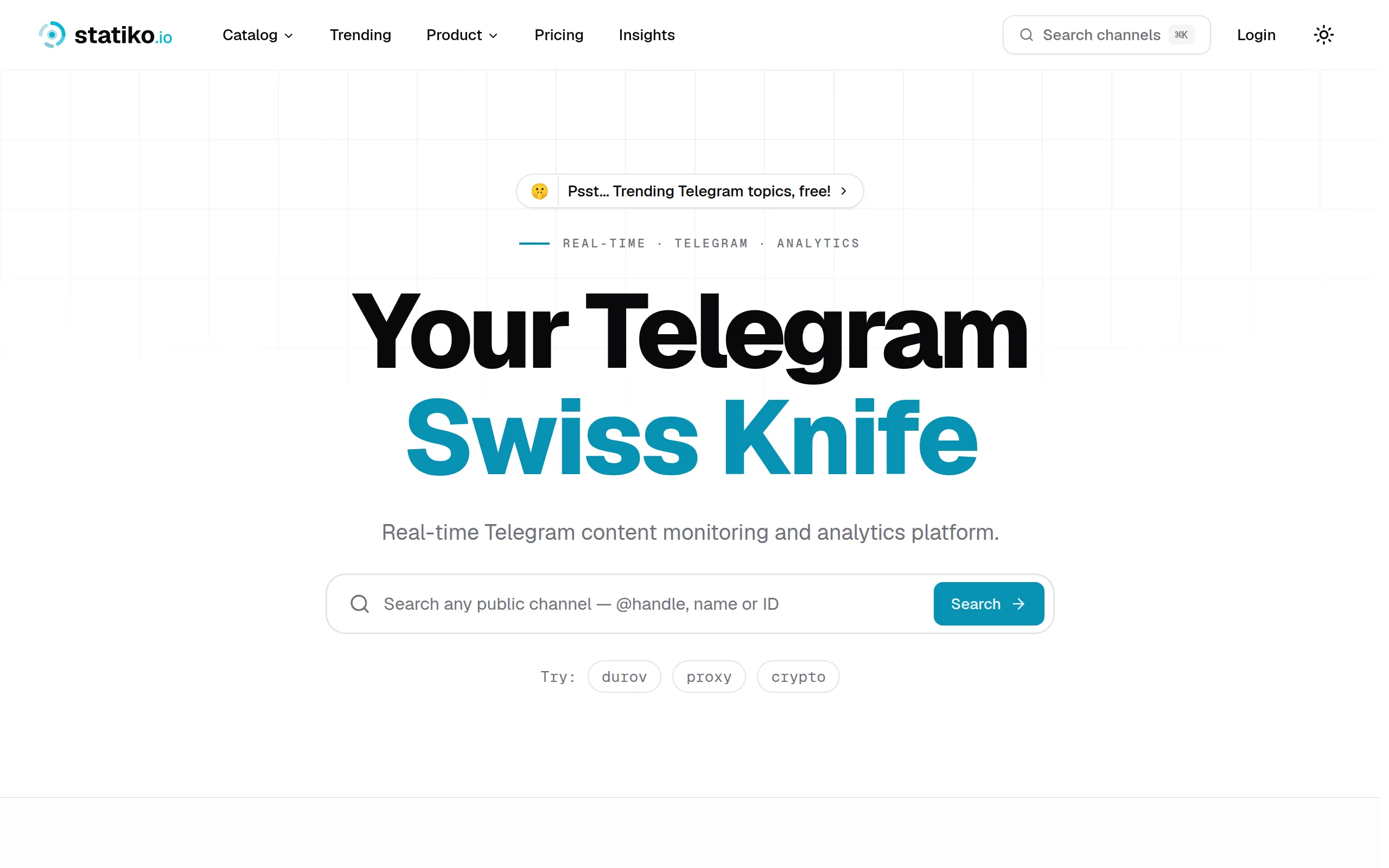
Statiko
Monitor any Telegram channel in real time - track posts, edits, deletions, and growth with AI recaps 📡

Shibui
AI website builder - describe your business, pick a niche template, edit by chatting, and publish instantly ✨

Pro Service
Find verified home service professionals, compare quotes, and pay securely through escrow - built for Brazilians across the US 🏠
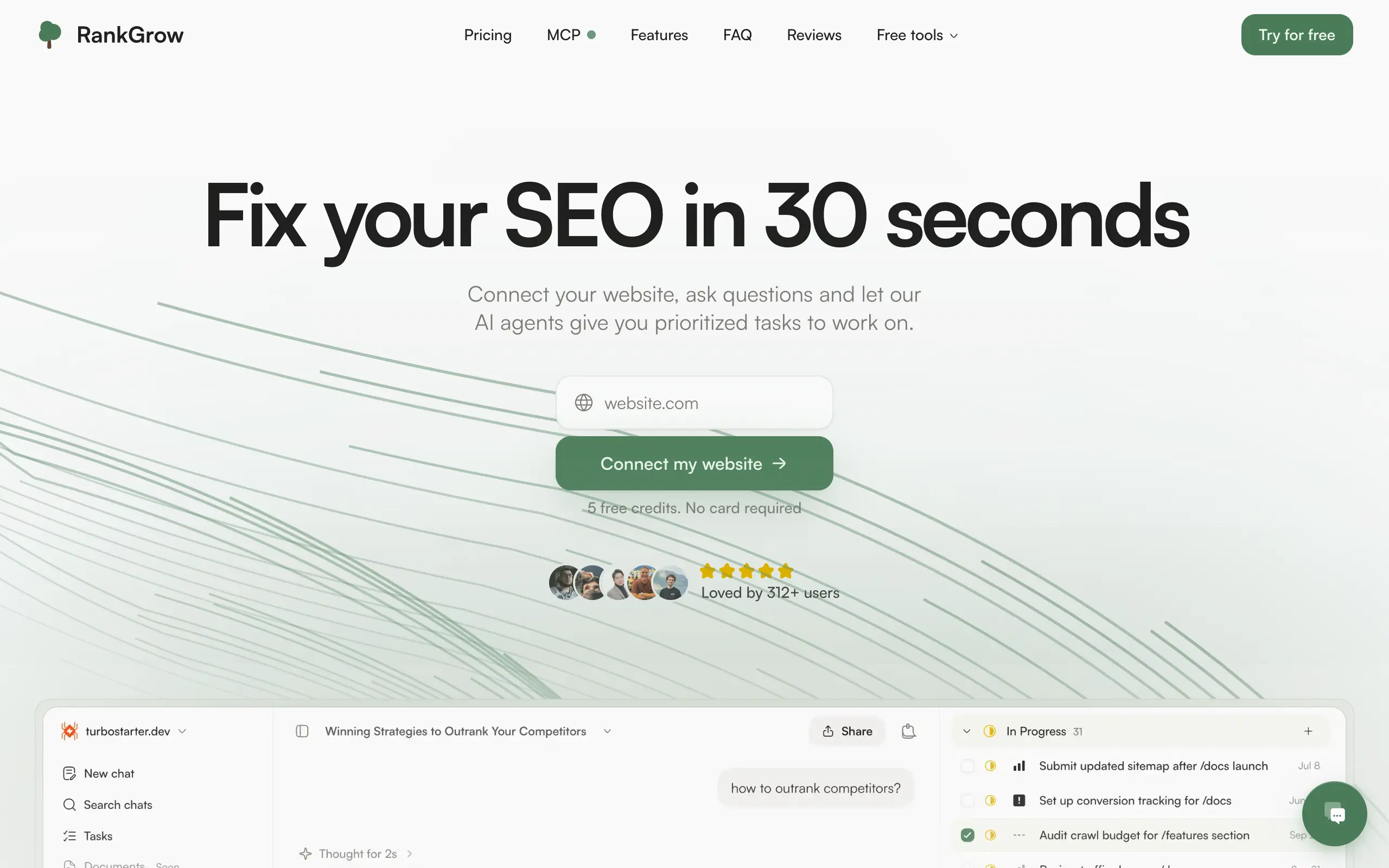
RankGrow
Fix your SEO with AI agents - connect Search Console, get prioritized tasks, and grow organic traffic 📈
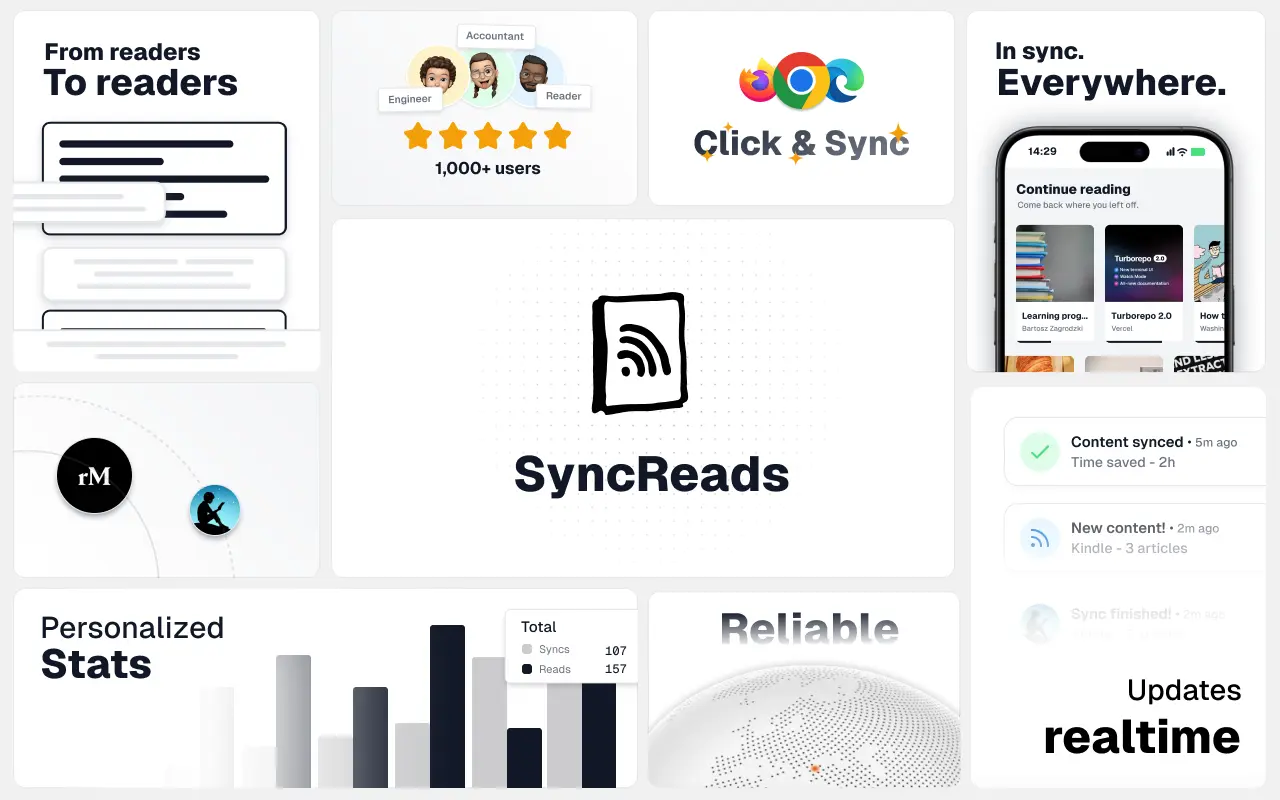
SyncReads
Sync your favorite content for distraction-free reading, save time and replace multiple apps. Anytime, anywhere 🔄
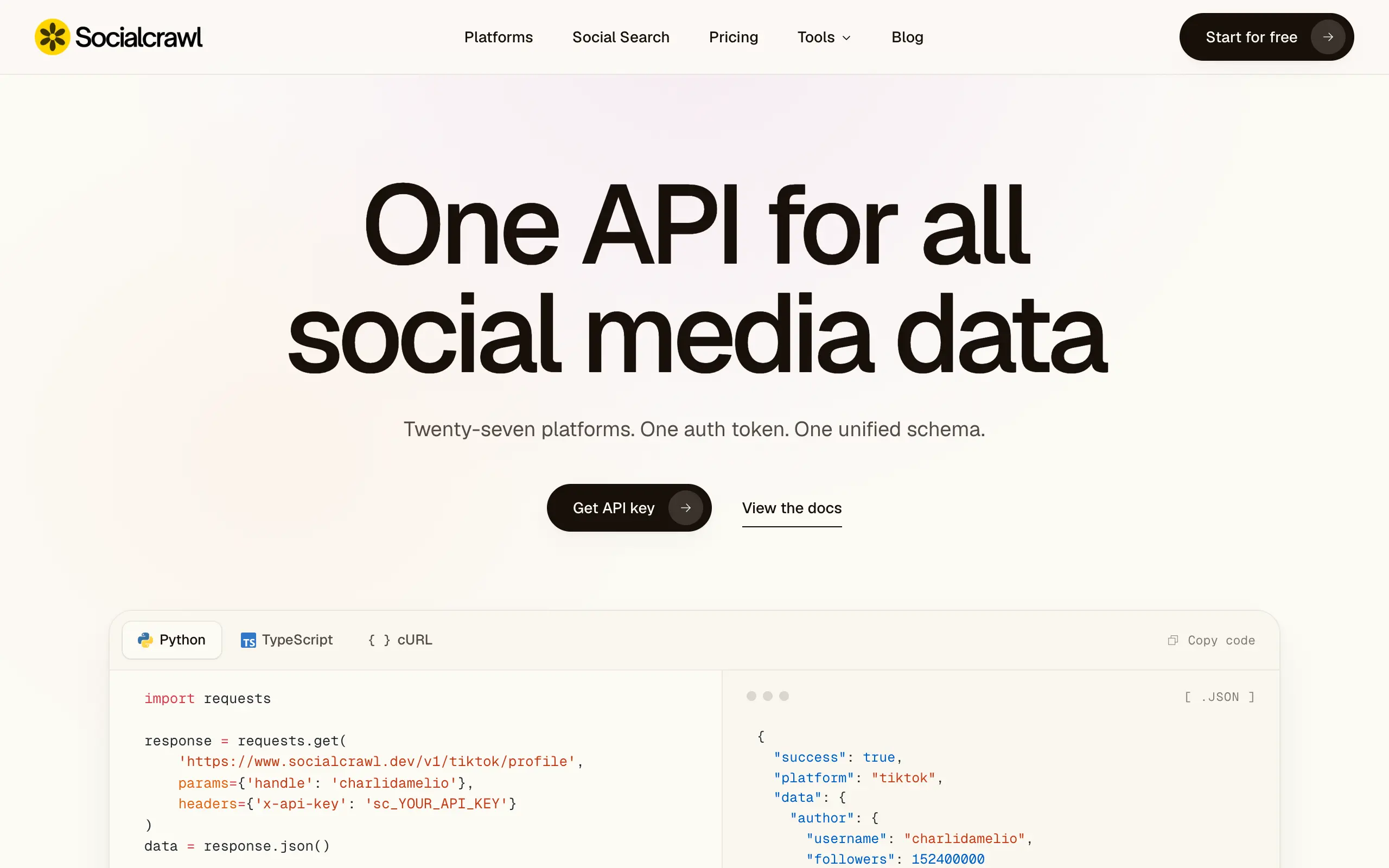
Socialcrawl
Get clean, structured data from 21 platforms like TikTok, Instagram, and YouTube with a single request 📊
Statiko
Monitor any Telegram channel in real time - track posts, edits, deletions, and growth with AI recaps 📡
Shibui
AI website builder - describe your business, pick a niche template, edit by chatting, and publish instantly ✨
Pro Service
Find verified home service professionals, compare quotes, and pay securely through escrow - built for Brazilians across the US 🏠
RankGrow
Fix your SEO with AI agents - connect Search Console, get prioritized tasks, and grow organic traffic 📈
SyncReads
Sync your favorite content for distraction-free reading, save time and replace multiple apps. Anytime, anywhere 🔄
Socialcrawl
Get clean, structured data from 21 platforms like TikTok, Instagram, and YouTube with a single request 📊
Statiko
Monitor any Telegram channel in real time - track posts, edits, deletions, and growth with AI recaps 📡
Shibui
AI website builder - describe your business, pick a niche template, edit by chatting, and publish instantly ✨
Pro Service
Find verified home service professionals, compare quotes, and pay securely through escrow - built for Brazilians across the US 🏠
RankGrow
Fix your SEO with AI agents - connect Search Console, get prioritized tasks, and grow organic traffic 📈
SyncReads
Sync your favorite content for distraction-free reading, save time and replace multiple apps. Anytime, anywhere 🔄
Socialcrawl
Get clean, structured data from 21 platforms like TikTok, Instagram, and YouTube with a single request 📊
Statiko
Monitor any Telegram channel in real time - track posts, edits, deletions, and growth with AI recaps 📡
Shibui
AI website builder - describe your business, pick a niche template, edit by chatting, and publish instantly ✨
Pro Service
Find verified home service professionals, compare quotes, and pay securely through escrow - built for Brazilians across the US 🏠
RankGrow
Fix your SEO with AI agents - connect Search Console, get prioritized tasks, and grow organic traffic 📈
SyncReads
Sync your favorite content for distraction-free reading, save time and replace multiple apps. Anytime, anywhere 🔄
Socialcrawl
Get clean, structured data from 21 platforms like TikTok, Instagram, and YouTube with a single request 📊
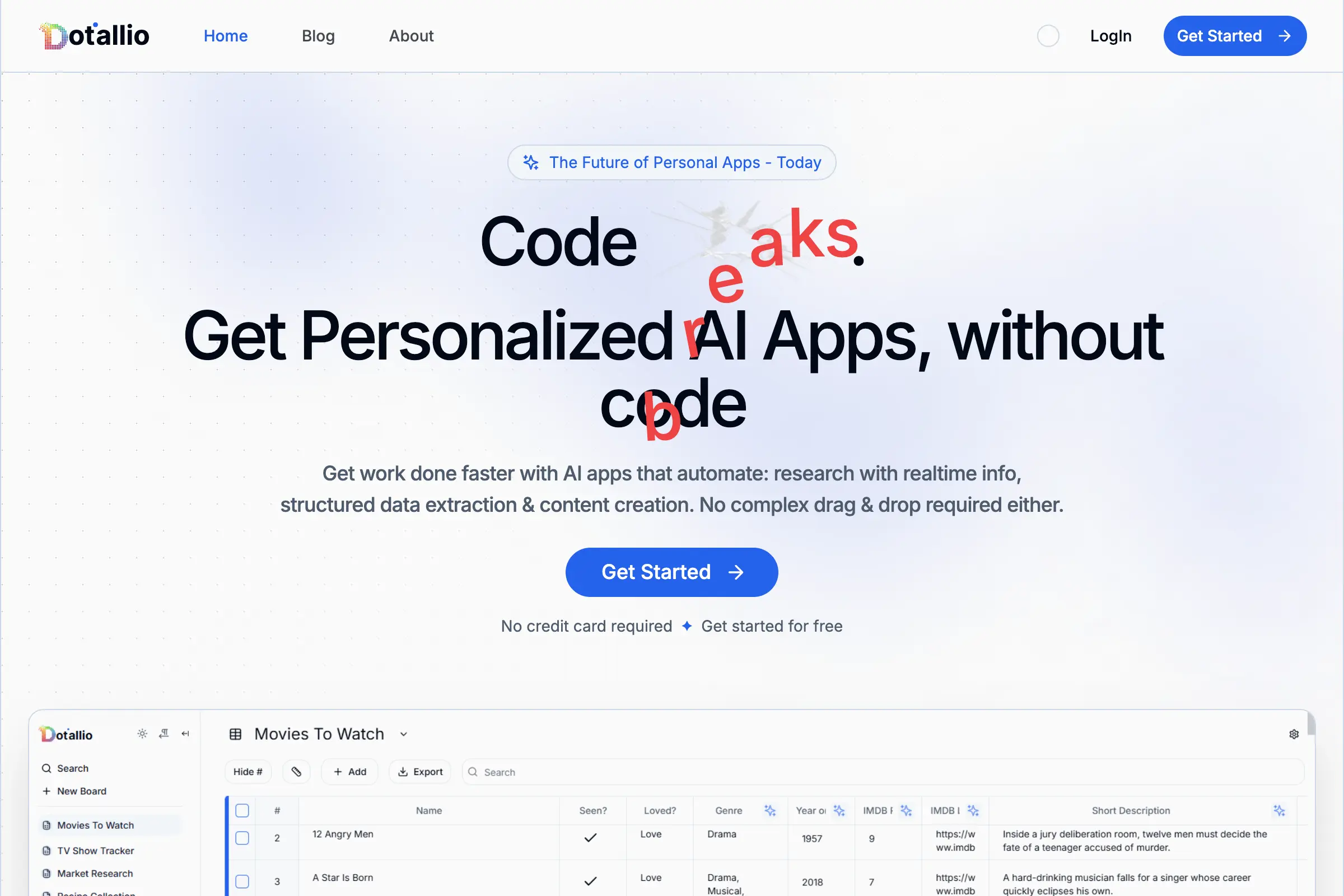
Dotallio
Personalized AI apps that automate research, data extraction, and content creation without code 🤖

Talk to Santa
Enjoy a magical live video chat or receive a unique AI-generated video greeting from Santa Claus 🎅
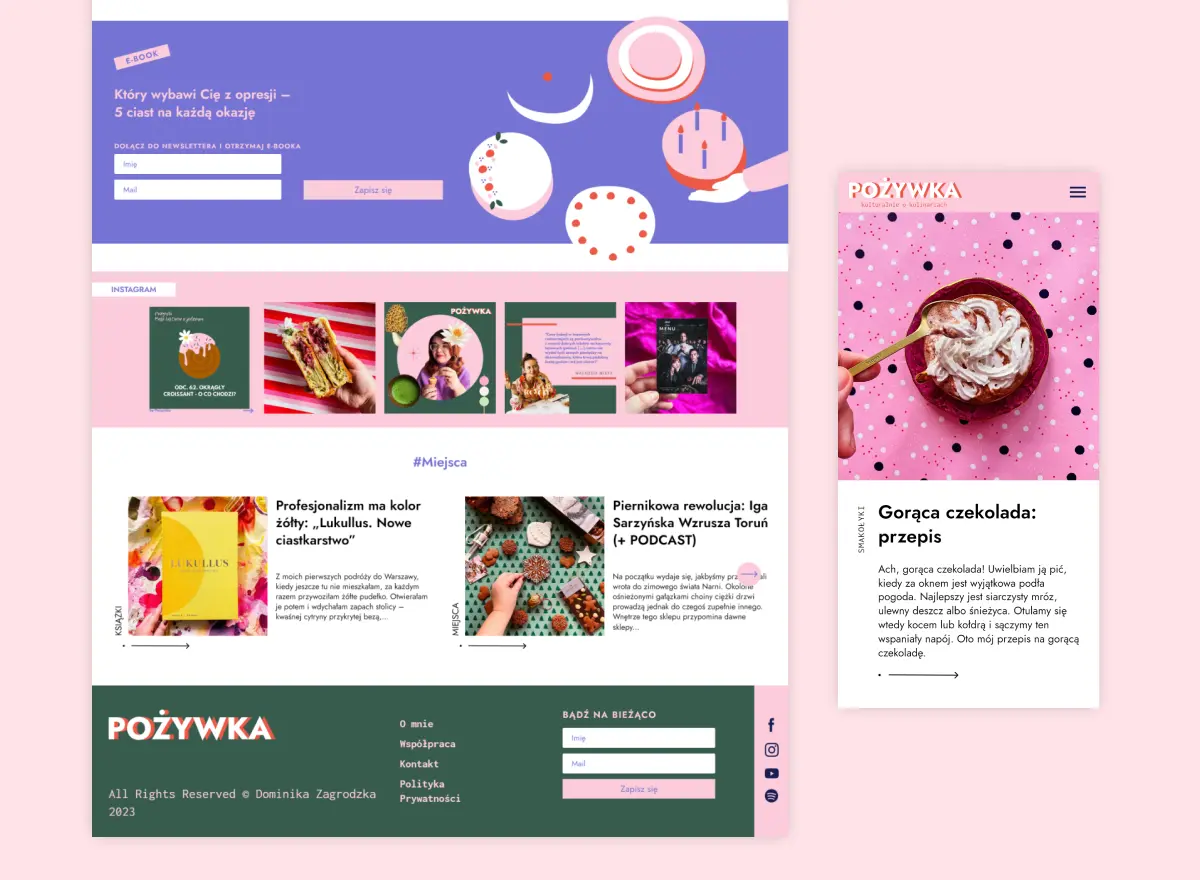
pozywka.pl
Scalable blog for food journalist, focused on performance and user experience 🌭
zagrodzki.me
Personal blog and portfolio of Bart Zagrodzki, where he shares his knowledge and work 💼
TurboStarter
Ship your startup everywhere. In minutes.
HTML to Markdown
Convert HTML to Markdown with ease, directly in your browser 📄
Dotallio
Personalized AI apps that automate research, data extraction, and content creation without code 🤖
Talk to Santa
Enjoy a magical live video chat or receive a unique AI-generated video greeting from Santa Claus 🎅
pozywka.pl
Scalable blog for food journalist, focused on performance and user experience 🌭
zagrodzki.me
Personal blog and portfolio of Bart Zagrodzki, where he shares his knowledge and work 💼
TurboStarter
Ship your startup everywhere. In minutes.
HTML to Markdown
Convert HTML to Markdown with ease, directly in your browser 📄
Dotallio
Personalized AI apps that automate research, data extraction, and content creation without code 🤖
Talk to Santa
Enjoy a magical live video chat or receive a unique AI-generated video greeting from Santa Claus 🎅
pozywka.pl
Scalable blog for food journalist, focused on performance and user experience 🌭
zagrodzki.me
Personal blog and portfolio of Bart Zagrodzki, where he shares his knowledge and work 💼
TurboStarter
Ship your startup everywhere. In minutes.
HTML to Markdown
Convert HTML to Markdown with ease, directly in your browser 📄
Dotallio
Personalized AI apps that automate research, data extraction, and content creation without code 🤖
Talk to Santa
Enjoy a magical live video chat or receive a unique AI-generated video greeting from Santa Claus 🎅
pozywka.pl
Scalable blog for food journalist, focused on performance and user experience 🌭
zagrodzki.me
Personal blog and portfolio of Bart Zagrodzki, where he shares his knowledge and work 💼
TurboStarter
Ship your startup everywhere. In minutes.
HTML to Markdown
Convert HTML to Markdown with ease, directly in your browser 📄
Omichat
Chat with 50+ AI models, including ChatGPT and Claude, in one place - switch models anytime without losing context 🤖
Claude Fast
Supercharge your Claude Code with 6x effective context window and specialized AI agents 🤖
EmojAI
AI-powered emoji picker with smart, context-aware suggestions 🤖

Solohacker
Autonomous company launcher - AI agents work 24/7, escalate what matters, and you stay in control 🤖
BeRawi: Storytelling Coach
Practice storytelling daily with instant feedback to sound clearer, more engaging, and confident 🎤
Omichat
Chat with 50+ AI models, including ChatGPT and Claude, in one place - switch models anytime without losing context 🤖
Claude Fast
Supercharge your Claude Code with 6x effective context window and specialized AI agents 🤖
EmojAI
AI-powered emoji picker with smart, context-aware suggestions 🤖
Solohacker
Autonomous company launcher - AI agents work 24/7, escalate what matters, and you stay in control 🤖
BeRawi: Storytelling Coach
Practice storytelling daily with instant feedback to sound clearer, more engaging, and confident 🎤
Omichat
Chat with 50+ AI models, including ChatGPT and Claude, in one place - switch models anytime without losing context 🤖
Claude Fast
Supercharge your Claude Code with 6x effective context window and specialized AI agents 🤖
EmojAI
AI-powered emoji picker with smart, context-aware suggestions 🤖
Solohacker
Autonomous company launcher - AI agents work 24/7, escalate what matters, and you stay in control 🤖
BeRawi: Storytelling Coach
Practice storytelling daily with instant feedback to sound clearer, more engaging, and confident 🎤
Omichat
Chat with 50+ AI models, including ChatGPT and Claude, in one place - switch models anytime without losing context 🤖
Claude Fast
Supercharge your Claude Code with 6x effective context window and specialized AI agents 🤖
EmojAI
AI-powered emoji picker with smart, context-aware suggestions 🤖
Solohacker
Autonomous company launcher - AI agents work 24/7, escalate what matters, and you stay in control 🤖
BeRawi: Storytelling Coach
Practice storytelling daily with instant feedback to sound clearer, more engaging, and confident 🎤

Connect with like-minded people
Join our community to get feedback, support, and grow together with 1,000+ builders on board, let's ship it!
Join usShip your startup everywhere. In minutes.
Don't burn tokens on setup and start building features on day one.