DowntimeDNA
Pinpoints exact causes of production halts using sensor data and operator input, turning downtime patterns into actionable insights for continuous improvement.
Understanding the need for downtime analytics in modern manufacturing
Unplanned downtime is one of the most expensive and persistent challenges in manufacturing, logistics, and industrial operations. Whether it's a machine failure, operator error, supply disruption, or environmental condition, every minute of downtime translates directly into lost revenue, reduced efficiency, and missed delivery commitments.
This is where a platform like downtime analytics software becomes essential. DowntimeDNA is designed to go beyond simple monitoring—it identifies the root causes of production halts using sensor data combined with operator input, transforming raw events into actionable intelligence.
Unlike traditional manufacturing execution systems (MES) or basic monitoring tools, DowntimeDNA focuses on why downtime happens, not just when it happens.
What is DowntimeDNA and why it matters
DowntimeDNA is a specialized SaaS platform that:
- Collects real-time machine and sensor data
- Captures operator-reported context for downtime events
- Uses pattern recognition and analytics to identify root causes
- Converts downtime into structured, analyzable datasets
- Provides continuous improvement recommendations
The core innovation lies in combining quantitative machine data with qualitative human input, enabling a more complete understanding of production interruptions.
Key insight
Most factories already collect machine data—but without context, it’s incomplete. DowntimeDNA bridges the gap between data and decision-making.
Target audience and ideal users
DowntimeDNA is not a generic SaaS tool—it serves highly specific operational roles within industrial environments.
Primary users
- Plant managers seeking to reduce downtime and increase throughput
- Operations managers focused on efficiency and KPIs like OEE (Overall Equipment Effectiveness)
- Maintenance teams identifying recurring equipment failures
- Continuous improvement specialists (Lean/Six Sigma practitioners) analyzing waste
- Manufacturing engineers optimizing production systems
Secondary users
- Executives tracking operational performance across facilities
- Data analysts working with industrial datasets
- Quality assurance teams investigating defects linked to downtime
Market opportunity and gap analysis
The problem with existing solutions
Most current tools fall into one of these categories:
- SCADA systems: Excellent for monitoring, weak in analytics
- MES platforms: Complex and expensive, often lacking actionable insights
- Manual tracking systems: Inconsistent and prone to human error
- Generic BI tools: Require heavy customization and data engineering
The gap
There is a clear gap for:
- Lightweight, plug-and-play downtime analysis tools
- Systems that combine human and machine data
- Solutions focused specifically on root cause analysis
- Tools that deliver immediate, actionable insights
Market validation
According to publicly available research (e.g., McKinsey, Deloitte manufacturing reports), unplanned downtime costs industrial manufacturers billions annually, with some estimates suggesting:
- $50 billion+ yearly in the U.S. alone
- 5–20% productivity loss across factories
DowntimeDNA directly addresses this financial pain.
Core features of DowntimeDNA
1. real-time downtime detection
- Integrates with machine sensors, PLCs, or IoT devices
- Detects anomalies or stoppages instantly
- Logs timestamped downtime events automatically
2. operator input capture
Operators can quickly annotate downtime events:
- Reason codes (e.g., mechanical failure, material shortage)
- Free-text descriptions
- Photos or attachments (optional)
This creates a human-in-the-loop data model.
3. root cause analysis engine
The platform aggregates and analyzes:
- Frequency of downtime causes
- Duration patterns
- Correlation between machine states and human inputs
It then surfaces:
- Top recurring issues
- Hidden inefficiencies
- High-impact improvement opportunities
4. downtime pattern recognition
Using analytics and potentially machine learning:
- Detect recurring failure sequences
- Identify shift-based or operator-based patterns
- Highlight seasonal or environmental trends
5. dashboards and reporting
- OEE tracking
- Downtime heatmaps
- Cause breakdown charts
- Trend analysis over time
6. continuous improvement recommendations
- Suggest maintenance interventions
- Highlight training needs
- Recommend process changes
Data + Context
Combines sensor data with operator insights for full visibility
Root Cause Focus
Not just monitoring—deep analysis of why downtime happens
Actionable Insights
Turns patterns into clear recommendations
How DowntimeDNA works (technical flow)
// Simplified data pipeline concept
function processDowntimeEvent(sensorData, operatorInput) {
  const event = {
    timestamp: Date.now(),
    machineState: sensorData.state,
    duration: sensorData.duration,
    operatorReason: operatorInput.reason,
    notes: operatorInput.notes,
  };

  const enrichedEvent = analyzePatterns(event);
  storeEvent(enrichedEvent);

  return generateInsights();
}
Data pipeline overview
-
Data ingestion
- IoT sensors
- PLC integrations
- Manual operator inputs
-
Data normalization
- Standardizing formats
- Mapping reason codes
-
Analysis layer
- Statistical modeling
- Pattern detection algorithms
-
Visualization
- Dashboards
- Alerts
- Reports
Recommended tech stack
Building a SaaS like DowntimeDNA requires a scalable, real-time capable architecture.
frontend
- React for dynamic dashboards
- TailwindCSS for rapid UI development
- WebSockets for real-time updates
backend
- Node.js (fast event-driven processing)
- Python (for analytics and machine learning)
data layer
- PostgreSQL (structured event data)
- TimescaleDB (time-series optimization)
- Apache Kafka (stream processing for real-time ingestion)
infrastructure
- AWS or GCP for scalability
- Kubernetes for orchestration
- Edge computing support for factories with low latency needs
analytics & ML
- Python (Pandas, Scikit-learn)
- Optional: TensorFlow or PyTorch for predictive modeling
Monetization strategy
DowntimeDNA can adopt multiple revenue streams:
subscription tiers
- Basic: Small factories, limited integrations
- Pro: Advanced analytics and reporting
- Enterprise: Multi-site support, custom integrations
pricing model ideas
- Per machine/month
- Per facility/month
- Usage-based (events processed)
add-ons
- Predictive maintenance module
- Custom reporting
- Integration services
Competitive landscape
| Feature | DowntimeDNA | MES Systems | SCADA | BI Tools |
|---|---|---|---|---|
| Root cause analysis | ✅ | ❌ | ❌ | ❌ |
| Operator context | ✅ | ✅ | ❌ | ❌ |
| Real-time insights | ✅ | ✅ | ✅ | ❌ |
| Ease of deployment | ✅ | ❌ | ❌ | ✅ |
Unique selling proposition (USP)
DowntimeDNA stands out because it:
- Bridges human and machine intelligence
- Focuses specifically on downtime root causes, not generic analytics
- Provides actionable insights instead of raw dashboards
- Enables continuous improvement loops
This makes it especially valuable for Lean manufacturing environments.
Potential risks and mitigation strategies
1. data integration complexity
Factories often use legacy systems.
Mitigation:
- Provide flexible APIs
- Offer plug-and-play connectors
- Support CSV/manual uploads initially
2. operator adoption challenges
Operators may resist additional input tasks.
Mitigation:
- Keep input interfaces minimal (one-tap reason logging)
- Use mobile/tablet-friendly UI
- Provide incentives tied to performance metrics
3. data accuracy issues
Human input can be inconsistent.
Mitigation:
- Use standardized reason codes
- Apply validation rules
- Combine with sensor data for verification
4. competition from large enterprise systems
MES providers may expand into this space.
Mitigation:
- Focus on simplicity and speed
- Target underserved SMB manufacturers
- Offer superior UX
SEO-focused use cases and search intent alignment
DowntimeDNA aligns with high-value search queries such as:
- "how to reduce manufacturing downtime"
- "downtime analysis software"
- "root cause analysis manufacturing"
- "improve OEE manufacturing tools"
Key use cases
- Identifying recurring machine failures
- Reducing changeover delays
- Improving shift performance
- Detecting bottlenecks in production lines
Implementation roadmap
MVP scope
- Manual downtime logging
- Basic dashboards
- Simple analytics
Phase 2
- Sensor integrations
- Automated detection
- Advanced reporting
Phase 3
- AI-driven insights
- Predictive maintenance
- Multi-site analytics
Advanced features to consider
- Mobile operator interface
- Real-time alerts
- Downtime categorization
- Exportable reports
- Predictive failure detection
- AI-powered recommendations
- Digital twin integration
- Autonomous optimization
Building faster with modern SaaS tools
To accelerate development, using a production-ready SaaS starter kit can significantly reduce time-to-market.
One option is TurboStarter, which provides:
- Authentication systems
- Billing integrations
- Scalable architecture
- Pre-built UI components
This allows founders to focus on core analytics and domain-specific features, rather than rebuilding common SaaS infrastructure.
Go-to-market strategy
initial niche focus
Start with:
- Small to mid-sized manufacturers
- Single-location factories
- Industries like packaging, food processing, or automotive parts
acquisition channels
- LinkedIn outreach to plant managers
- Industry trade shows
- Partnerships with IoT providers
- Content marketing (SEO articles like this one)
sales approach
- Offer pilot programs
- Demonstrate ROI quickly (e.g., 10% downtime reduction)
- Use case studies as proof
Measuring success
Key metrics include:
- Downtime reduction percentage
- OEE improvement
- Mean time between failures (MTBF)
- User engagement (operator inputs)
Final thoughts
DowntimeDNA represents a highly practical and valuable SaaS opportunity in the industrial space. By focusing on root cause analysis rather than surface-level monitoring, it addresses a critical gap in manufacturing technology.
The combination of:
- Sensor data
- Human insight
- Pattern recognition
creates a powerful feedback loop for continuous improvement.
If executed well, this product could become an essential tool for modern factories aiming to increase efficiency, reduce waste, and stay competitive in an increasingly data-driven world.
More 💡 Other SaaS ideas
Discover more innovative other SaaS ideas that are trending in 2026. Each idea is AI-generated with market validation and growth potential to help you find your next profitable venture faster than competitors.
Your competitors are building with TurboStarter
Below are some of the SaaS ideas that have been generated and built with our starter kit.
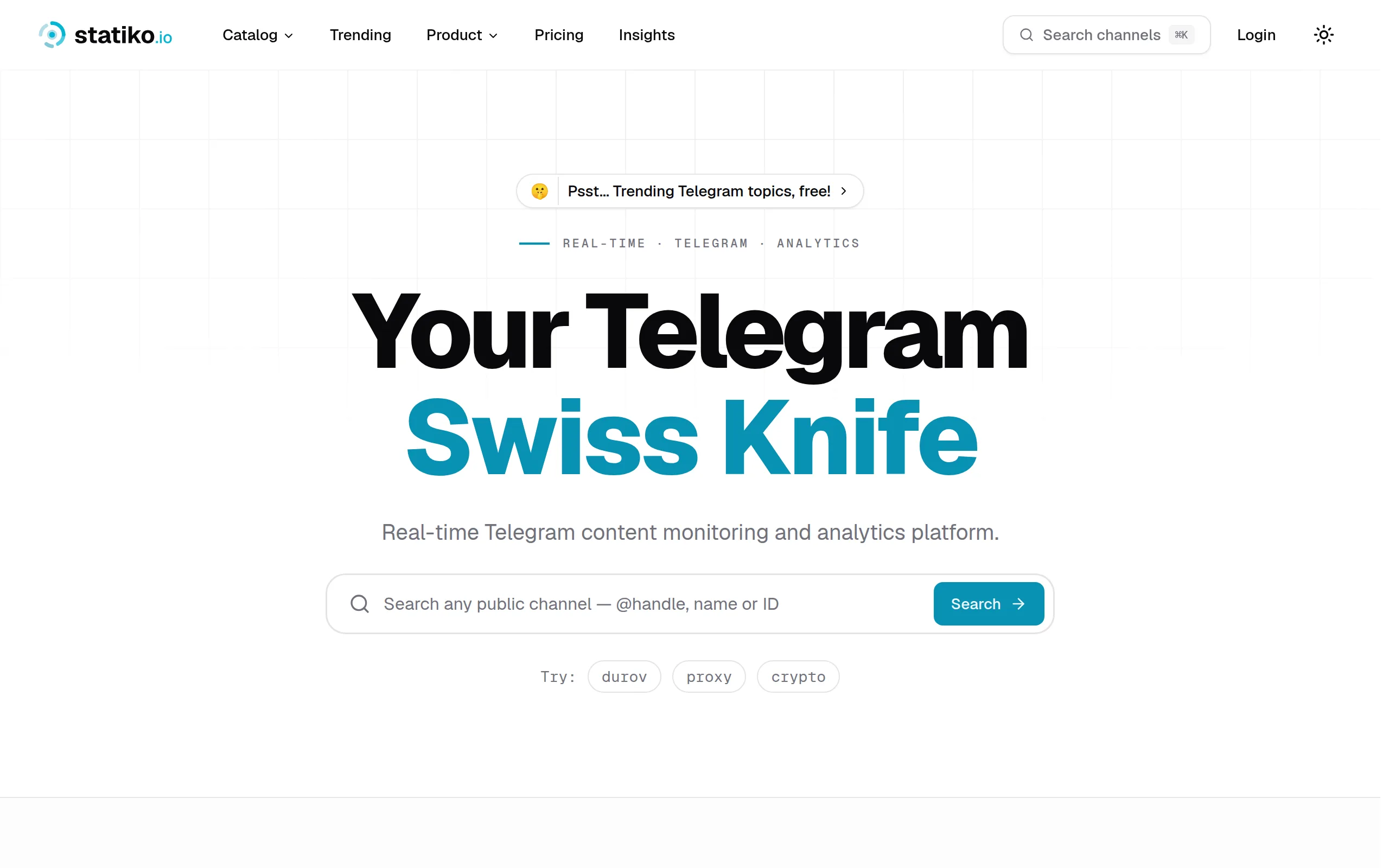
Statiko
Monitor any Telegram channel in real time - track posts, edits, deletions, and growth with AI recaps 📡

Shibui
AI website builder - describe your business, pick a niche template, edit by chatting, and publish instantly ✨

Pro Service
Find verified home service professionals, compare quotes, and pay securely through escrow - built for Brazilians across the US 🏠
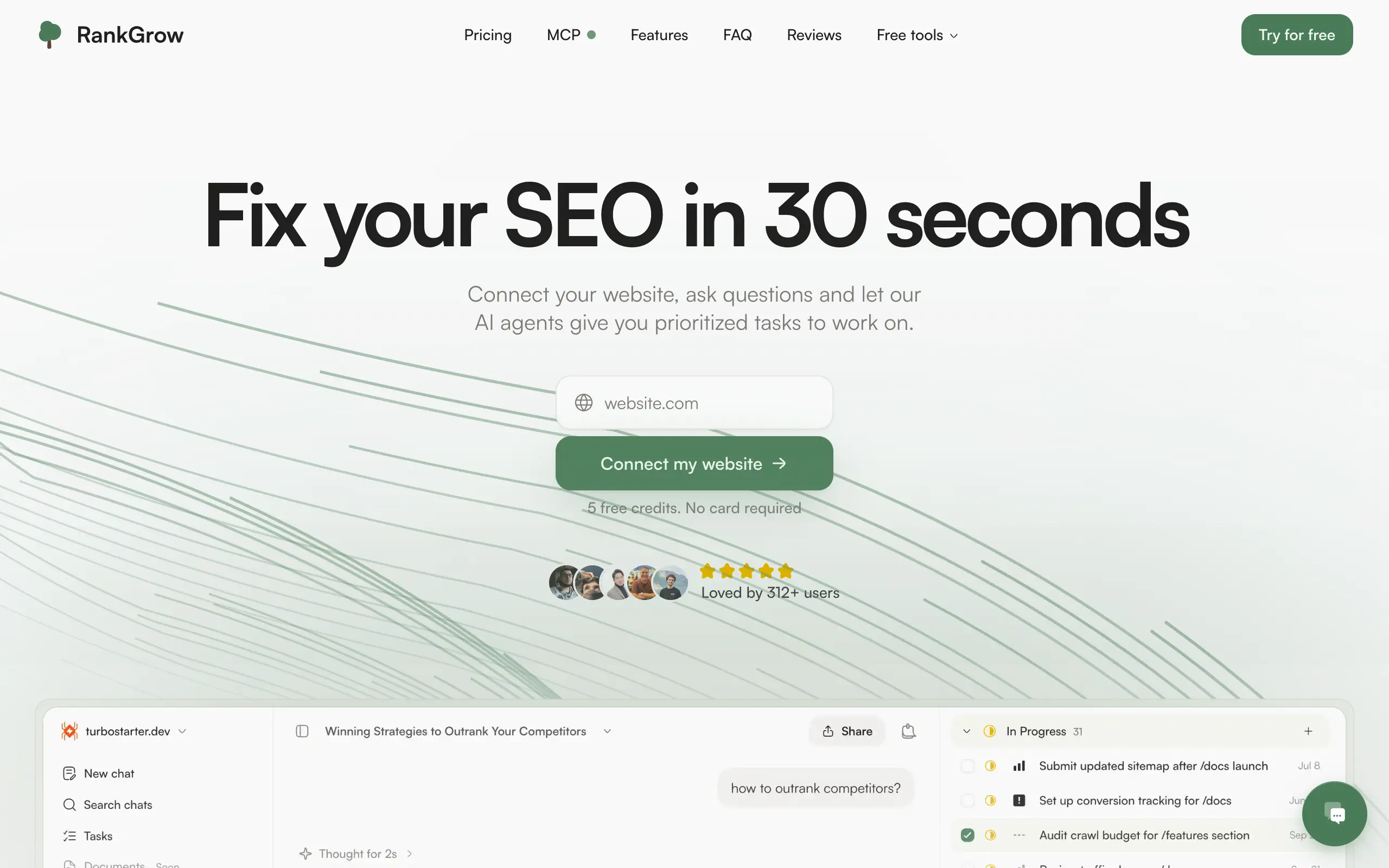
RankGrow
Fix your SEO with AI agents - connect Search Console, get prioritized tasks, and grow organic traffic 📈
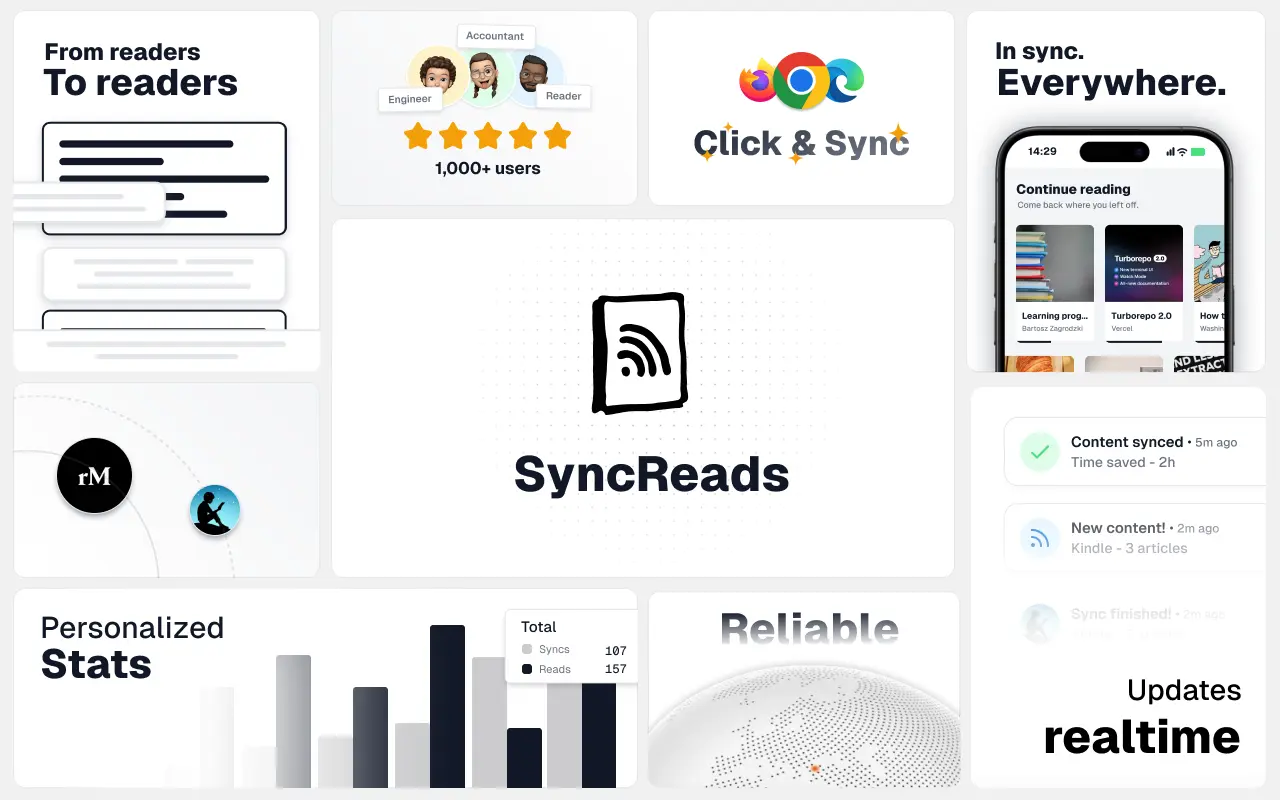
SyncReads
Sync your favorite content for distraction-free reading, save time and replace multiple apps. Anytime, anywhere 🔄
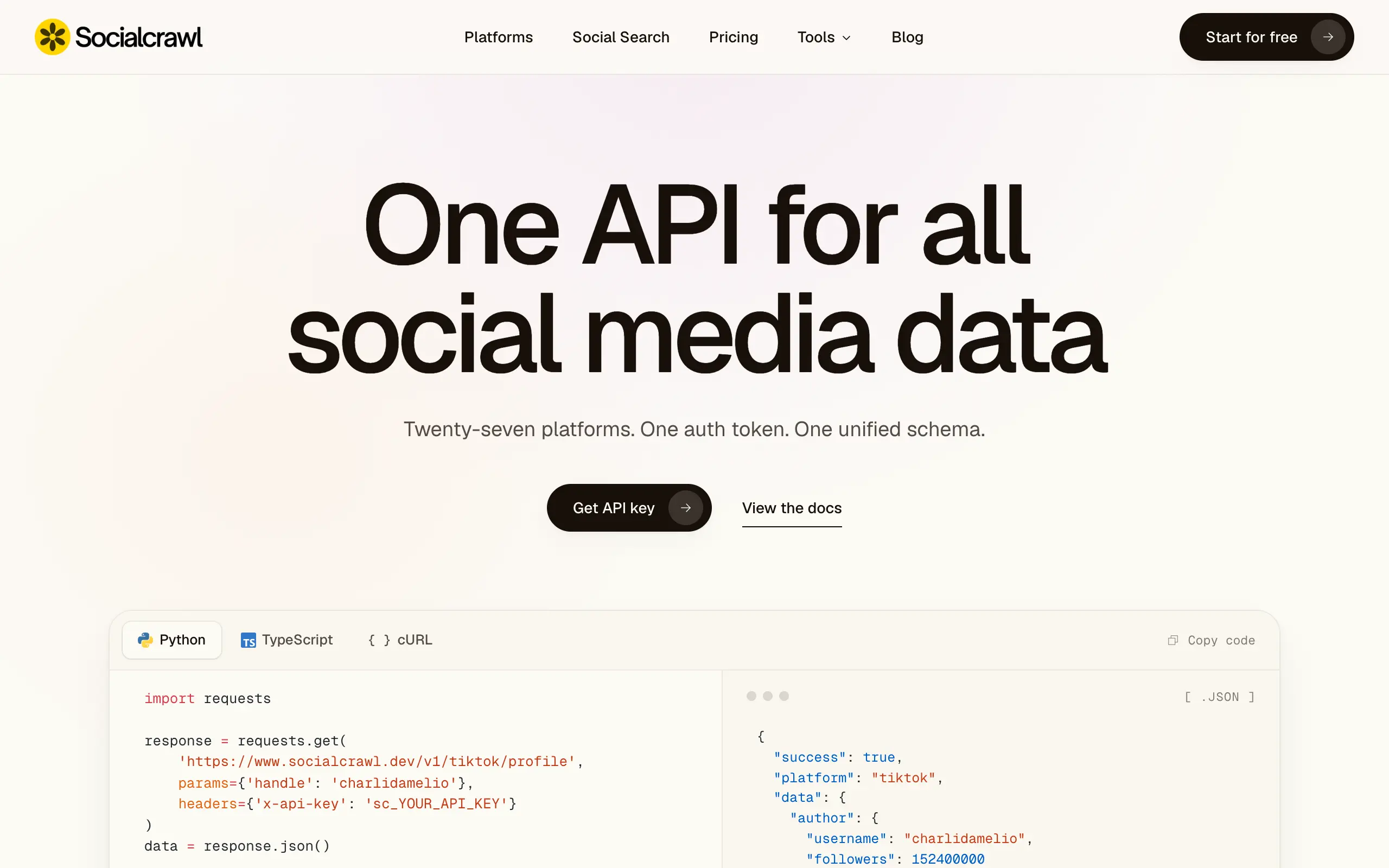
Socialcrawl
Get clean, structured data from 21 platforms like TikTok, Instagram, and YouTube with a single request 📊
Statiko
Monitor any Telegram channel in real time - track posts, edits, deletions, and growth with AI recaps 📡
Shibui
AI website builder - describe your business, pick a niche template, edit by chatting, and publish instantly ✨
Pro Service
Find verified home service professionals, compare quotes, and pay securely through escrow - built for Brazilians across the US 🏠
RankGrow
Fix your SEO with AI agents - connect Search Console, get prioritized tasks, and grow organic traffic 📈
SyncReads
Sync your favorite content for distraction-free reading, save time and replace multiple apps. Anytime, anywhere 🔄
Socialcrawl
Get clean, structured data from 21 platforms like TikTok, Instagram, and YouTube with a single request 📊
Statiko
Monitor any Telegram channel in real time - track posts, edits, deletions, and growth with AI recaps 📡
Shibui
AI website builder - describe your business, pick a niche template, edit by chatting, and publish instantly ✨
Pro Service
Find verified home service professionals, compare quotes, and pay securely through escrow - built for Brazilians across the US 🏠
RankGrow
Fix your SEO with AI agents - connect Search Console, get prioritized tasks, and grow organic traffic 📈
SyncReads
Sync your favorite content for distraction-free reading, save time and replace multiple apps. Anytime, anywhere 🔄
Socialcrawl
Get clean, structured data from 21 platforms like TikTok, Instagram, and YouTube with a single request 📊
Statiko
Monitor any Telegram channel in real time - track posts, edits, deletions, and growth with AI recaps 📡
Shibui
AI website builder - describe your business, pick a niche template, edit by chatting, and publish instantly ✨
Pro Service
Find verified home service professionals, compare quotes, and pay securely through escrow - built for Brazilians across the US 🏠
RankGrow
Fix your SEO with AI agents - connect Search Console, get prioritized tasks, and grow organic traffic 📈
SyncReads
Sync your favorite content for distraction-free reading, save time and replace multiple apps. Anytime, anywhere 🔄
Socialcrawl
Get clean, structured data from 21 platforms like TikTok, Instagram, and YouTube with a single request 📊
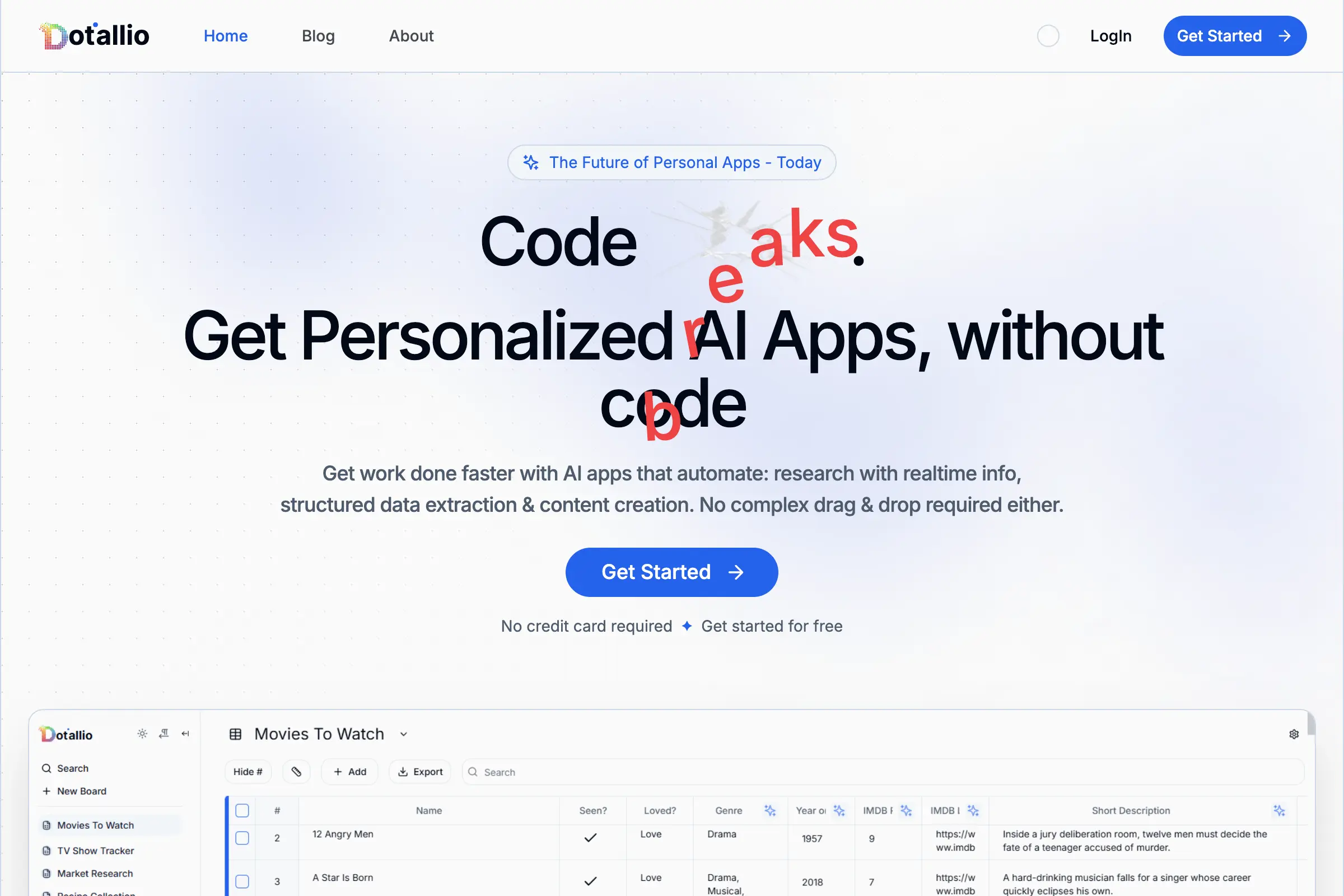
Dotallio
Personalized AI apps that automate research, data extraction, and content creation without code 🤖

Talk to Santa
Enjoy a magical live video chat or receive a unique AI-generated video greeting from Santa Claus 🎅
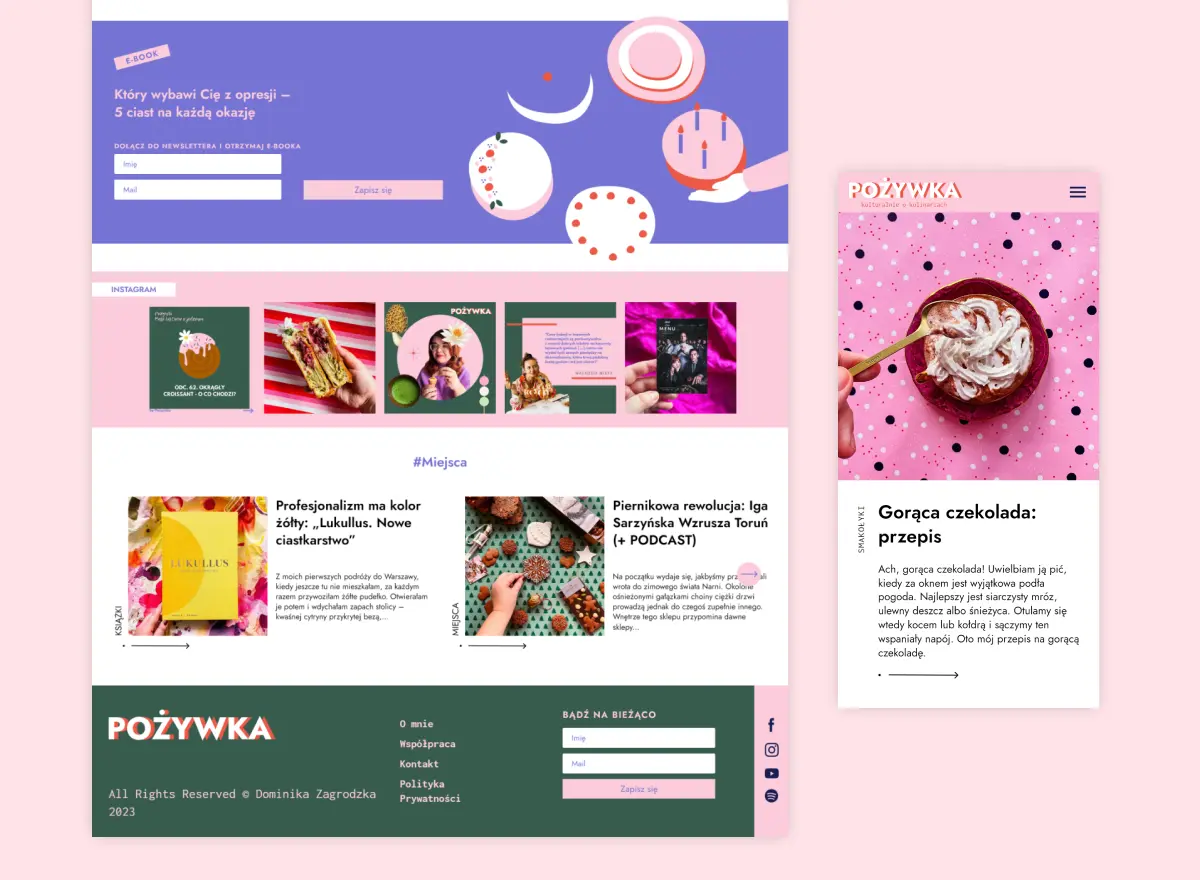
pozywka.pl
Scalable blog for food journalist, focused on performance and user experience 🌭
zagrodzki.me
Personal blog and portfolio of Bart Zagrodzki, where he shares his knowledge and work 💼
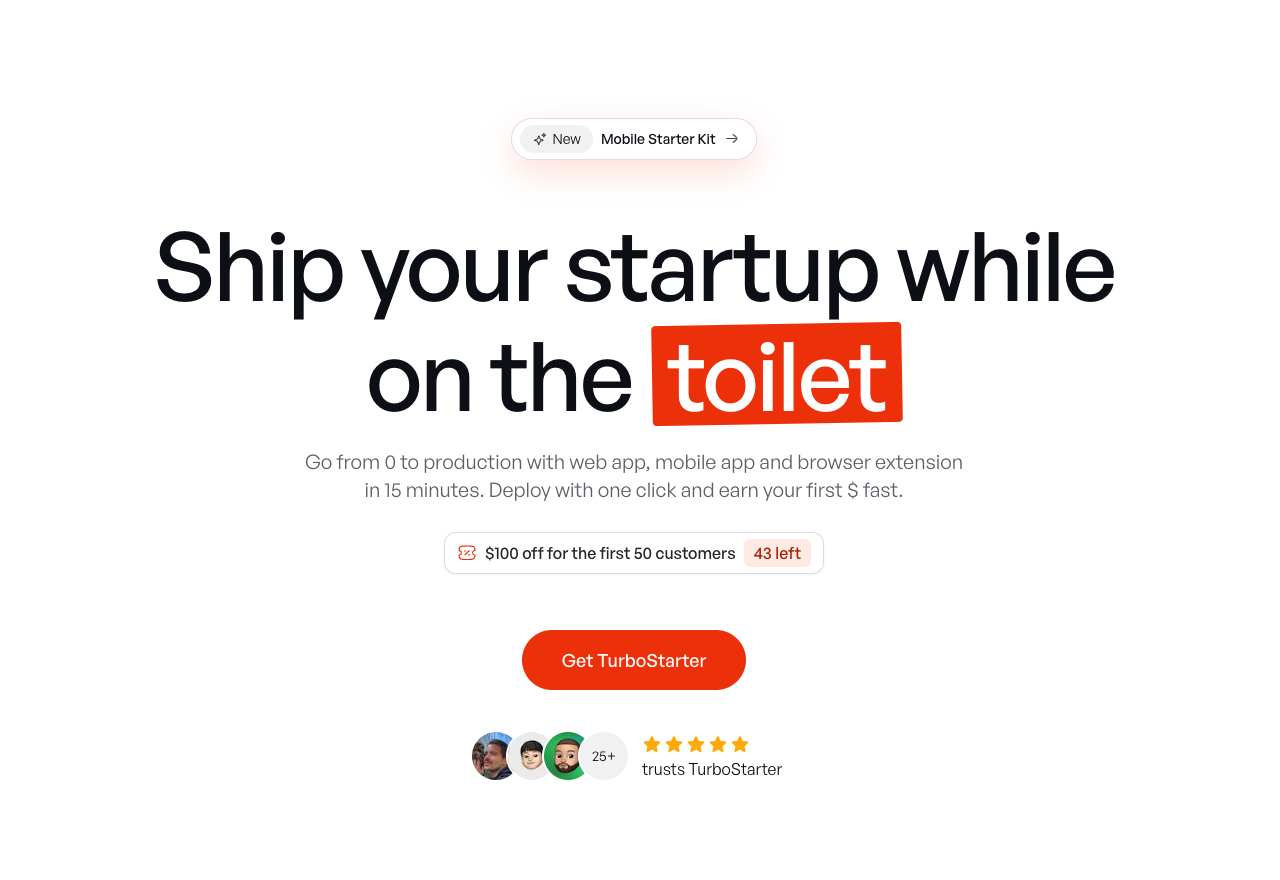
TurboStarter
Ship your startup everywhere. In minutes.
HTML to Markdown
Convert HTML to Markdown with ease, directly in your browser 📄
Dotallio
Personalized AI apps that automate research, data extraction, and content creation without code 🤖
Talk to Santa
Enjoy a magical live video chat or receive a unique AI-generated video greeting from Santa Claus 🎅
pozywka.pl
Scalable blog for food journalist, focused on performance and user experience 🌭
zagrodzki.me
Personal blog and portfolio of Bart Zagrodzki, where he shares his knowledge and work 💼
TurboStarter
Ship your startup everywhere. In minutes.
HTML to Markdown
Convert HTML to Markdown with ease, directly in your browser 📄
Dotallio
Personalized AI apps that automate research, data extraction, and content creation without code 🤖
Talk to Santa
Enjoy a magical live video chat or receive a unique AI-generated video greeting from Santa Claus 🎅
pozywka.pl
Scalable blog for food journalist, focused on performance and user experience 🌭
zagrodzki.me
Personal blog and portfolio of Bart Zagrodzki, where he shares his knowledge and work 💼
TurboStarter
Ship your startup everywhere. In minutes.
HTML to Markdown
Convert HTML to Markdown with ease, directly in your browser 📄
Dotallio
Personalized AI apps that automate research, data extraction, and content creation without code 🤖
Talk to Santa
Enjoy a magical live video chat or receive a unique AI-generated video greeting from Santa Claus 🎅
pozywka.pl
Scalable blog for food journalist, focused on performance and user experience 🌭
zagrodzki.me
Personal blog and portfolio of Bart Zagrodzki, where he shares his knowledge and work 💼
TurboStarter
Ship your startup everywhere. In minutes.
HTML to Markdown
Convert HTML to Markdown with ease, directly in your browser 📄
Omichat
Chat with 50+ AI models, including ChatGPT and Claude, in one place - switch models anytime without losing context 🤖
Claude Fast
Supercharge your Claude Code with 6x effective context window and specialized AI agents 🤖
EmojAI
AI-powered emoji picker with smart, context-aware suggestions 🤖
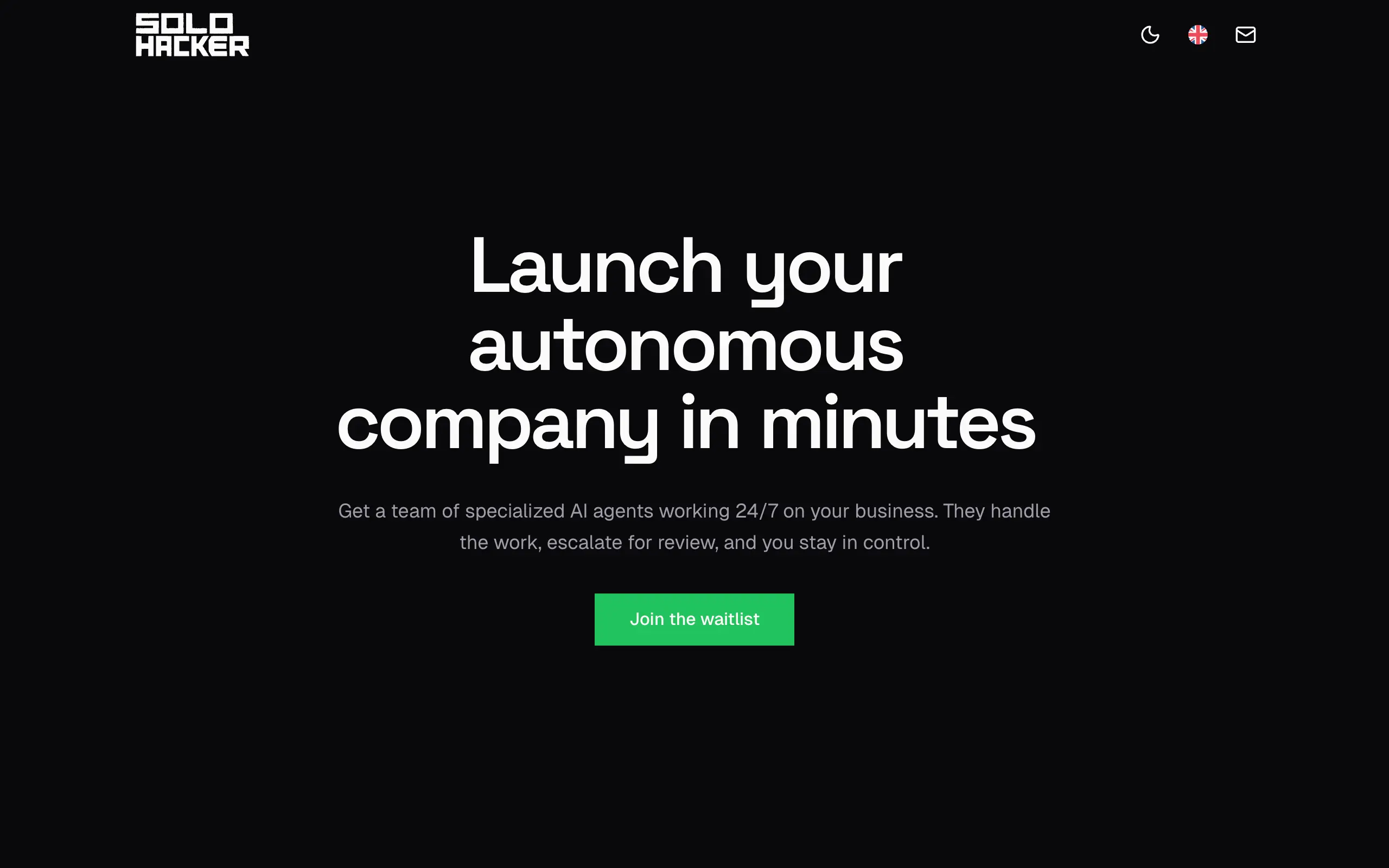
Solohacker
Autonomous company launcher - AI agents work 24/7, escalate what matters, and you stay in control 🤖
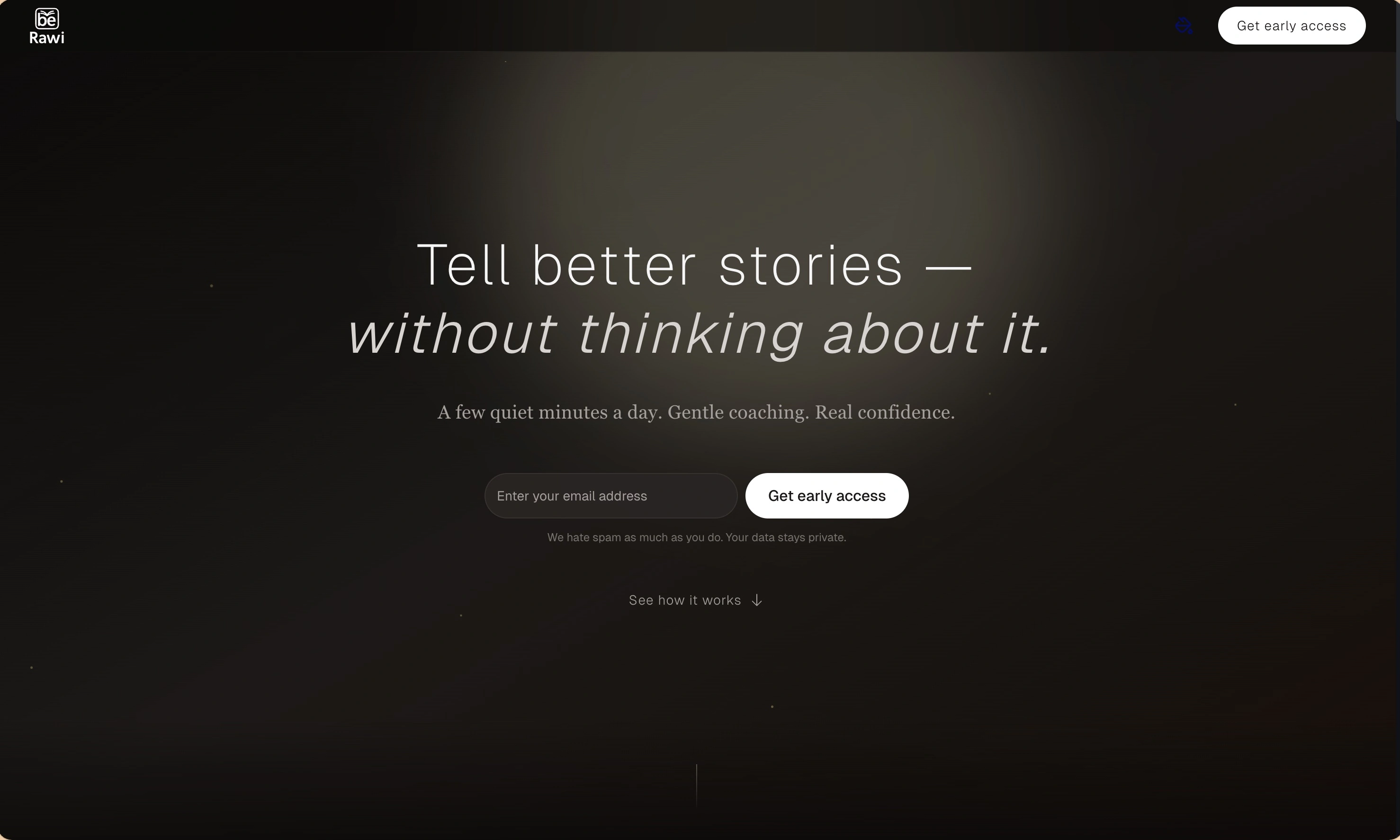
BeRawi: Storytelling Coach
Practice storytelling daily with instant feedback to sound clearer, more engaging, and confident 🎤
Omichat
Chat with 50+ AI models, including ChatGPT and Claude, in one place - switch models anytime without losing context 🤖
Claude Fast
Supercharge your Claude Code with 6x effective context window and specialized AI agents 🤖
EmojAI
AI-powered emoji picker with smart, context-aware suggestions 🤖
Solohacker
Autonomous company launcher - AI agents work 24/7, escalate what matters, and you stay in control 🤖
BeRawi: Storytelling Coach
Practice storytelling daily with instant feedback to sound clearer, more engaging, and confident 🎤
Omichat
Chat with 50+ AI models, including ChatGPT and Claude, in one place - switch models anytime without losing context 🤖
Claude Fast
Supercharge your Claude Code with 6x effective context window and specialized AI agents 🤖
EmojAI
AI-powered emoji picker with smart, context-aware suggestions 🤖
Solohacker
Autonomous company launcher - AI agents work 24/7, escalate what matters, and you stay in control 🤖
BeRawi: Storytelling Coach
Practice storytelling daily with instant feedback to sound clearer, more engaging, and confident 🎤
Omichat
Chat with 50+ AI models, including ChatGPT and Claude, in one place - switch models anytime without losing context 🤖
Claude Fast
Supercharge your Claude Code with 6x effective context window and specialized AI agents 🤖
EmojAI
AI-powered emoji picker with smart, context-aware suggestions 🤖
Solohacker
Autonomous company launcher - AI agents work 24/7, escalate what matters, and you stay in control 🤖
BeRawi: Storytelling Coach
Practice storytelling daily with instant feedback to sound clearer, more engaging, and confident 🎤

Connect with like-minded people
Join our community to get feedback, support, and grow together with 1,000+ builders on board, let's ship it!
Join usShip your startup everywhere. In minutes.
Don't burn tokens on setup and start building features on day one.