EduConnect Hub
A collaborative LMS platform enabling schools to share interactive courses, assessments, and teaching resources across districts, enhancing remote education.
EduConnect Hub is emerging as a truly transformative collaborative LMS platform, designed to address real pain points in remote and blended education. In this guide, we’ll break down everything educators, school IT admins, and edutech leads need to know about EduConnect Hub—including its core features, ideal user base, implementation strategies, market fit, and the unique advantages that set it apart.
Understanding the target audience for EduConnect Hub
When building a collaborative LMS platform like EduConnect Hub, understanding the end users and stakeholders is essential for product design and go-to-market planning. Let’s break down the key audiences and what they need:
The main stakeholders
1. K-12 and secondary school administrators
- Need: Cost-effective, secure, and scalable solutions for content delivery across multiple schools or districts.
- Challenge: Limited IT resources, varying levels of digital literacy among staff, compliance with student data privacy laws.
2. Teachers and educators
- Need: Access to diverse, high-quality teaching resources; tools for creating interactive lessons and assessments; peer collaboration.
- Challenge: Content creation time, adapting to evolving digital modalities, differentiation for varied learner needs.
3. District IT teams
- Need: Streamlined integration with existing SIS (Student Information Systems), security, ease of implementation, and support.
- Challenge: Managing user authentication, permissions, platform updates, and supporting legacy systems.
4. Students and parents
- Need: Intuitive and accessible learning experiences with engaging courses, timely assessments, and transparent progress tracking.
- Challenge: Digital equity, varied learning environments, and the need for strong communication channels.
Secondary audiences
- Education technology consultants
- Government education departments
- Edtech product integrators and solution partners
User persona summary
- Tech-savvy superintendents enabling cross-district resource sharing
- Innovative teachers who want to build and share assessment modules
- IT admins needing robust access controls and low-friction onboarding
- Students seeking consistency and engagement across remote learning platforms
By focusing on these audiences, EduConnect Hub is uniquely positioned to address the need for scalable, collaborative, and interactive remote education.
Market opportunity and problem analysis
The shift to remote and blended learning accelerated by global events in the 2020s has left a lasting impact on education infrastructure. According to industry analyses, over 70% of schools expect to continue some form of hybrid instruction—yet most LMS platforms are siloed and poorly optimized for resource-sharing across districts [[suggested reference: HolonIQ’s Global K12 Market trends]].
The current gaps in LMS solutions
- Fragmentation across districts: Existing systems often limit schools to isolated content silos.
- Lack of interactive and collaborative tools: Engagement drops without features for creating or sharing interactive courses and assessments.
- Inefficiency and redundancy: Teachers repeatedly build or buy very similar materials.
- Data privacy and compliance challenges: Not all options meet strict FERPA, COPPA, and GDPR guidelines.
EduConnect Hub's approach to closing the gap
EduConnect Hub enables schools to collaborate at scale—sharing courses, teaching resources, and custom assessments securely across district boundaries. This means:
- Reducing redundant work,
- Improving educational equity,
- Unifying platforms for teachers and students,
- Creating communities of practice among educators.
Real-World Example
School districts in the US and UK have begun forming resource consortiums to share remote teaching materials, but cite a lack of modern, collaborative LMS support as a top barrier to scale. EduConnect Hub directly addresses this bottleneck.
Core features and solution details
Delivering on the promise of a collaborative LMS requires more than just uploading lesson plans. Here’s what makes EduConnect Hub a robust, future-ready education platform:
Easy course and resource sharing across districts
- Centralized repository: Schools can upload, tag, and catalog resources—making them discoverable and reusable.
- Granular permissions: Districts and schools set visibility and access levels for each course or assessment.
- Peer rating and feedback: Built-in tools for teachers to review, comment, and recommend materials.
Interactive content authoring tools
- Drag-and-drop course builder for modular lesson design.
- Rich media support (video, audio, simulations, quizzes).
- Adaptive assessments that adjust to student progress and capabilities.
Seamless integrations
- Single Sign-On (SSO): Integrates with Google Workspace for Education, Microsoft 365, and SAML providers.
- SIS/LMS compatibility: Connects with platforms like PowerSchool, Canvas, and Moodle via APIs or LTI standards.
Data privacy, compliance, and security
- Out-of-the-box FERPA, COPPA, and GDPR support with audit trails and customizable data retention policies.
- Hierarchical access control by district, school, or classroom.
- Comprehensive logging and real-time alerting for administrator oversight.
Collaboration and communication tools
- Live discussion boards and messaging for teachers within and across districts.
- Student group features for peer learning and collaborative projects.
- Automated notifications for assignment deadlines and resource updates.
Analytics and reporting
- Custom dashboards for teachers, admins, and district leaders.
- Progress tracking with the ability to benchmark across different schools or student demographics.
- Exportable reports for compliance and stakeholder presentations.
Modular content library
Find, adapt, and contribute resources with ease
Secure cross-district sharing
Granular permissions keep data safe and accessible
Interactive assessment builder
Engage learners with adaptive quizzes and feedback tools
Robust analytics
Drive decisions with real-time, customizable reporting
Recommended tech stack for EduConnect Hub
Building a modern, scalable, and secure collaborative LMS platform involves critical technology decisions. Here’s a breakdown of a recommended stack for EduConnect Hub, with trade-offs considered:
Frontend
- React — component-based architecture and strong ecosystem.
- TailwindCSS — rapid UI development and customization.
- Redux Toolkit (where global state is critical).
Trade-off: React offers unmatched flexibility and a robust developer community, though it may introduce complexity for newcomers.
Backend
- Node.js with Express — high performance, event-driven, and integrates well with popular databases.
- GraphQL or REST API for structured data exchange.
Trade-off: Node.js provides scalability and rapid dev cycles, but type safety (with TypeScript) is recommended for a complex platform like this.
Database
- PostgreSQL — reliable, ACID-compliant, and supports advanced querying for analytics.
- Optionally, MongoDB for storing unstructured documents (media, course layouts).
Authentication and user management
- Auth0 or Firebase Authentication for secure SSO and multi-tenant access controls.
- Supports SAML, OAuth, and custom user roles.
Cloud, storage, and deployment
- AWS or Google Cloud for scalable infrastructure, object storage (e.g., S3), and built-in compliance solutions.
- Docker for containerization.
Integrations & automation
- LTI (Learning Tools Interoperability) support.
- Zapier or custom connectors for SIS integration.
React, TailwindCSS, and Redux offer blazing-fast, responsive UIs and a future-proof developer experience.
Node.js with Express, GraphQL/REST ensures performance and a strong API foundation.
PostgreSQL centrally manages structured data; MongoDB can support unstructured content if needed.
Auth0 and Firebase are highly trusted for education-grade authentication and SSO.
AWS, Google Cloud, and Docker streamline deployment, scalability, and compliance management.
Monetization strategy options for EduConnect Hub
EduConnect Hub should be accessible, yet financially sustainable. Here are proven SaaS monetization models tailored for the education sector:
1. Tiered subscription pricing
- Basic (Free or Low-Cost): For small schools or pilot programs. Limited seats, access to public resource library.
- Professional: Per-school or per-district pricing. Includes advanced analytics, SIS integration, and collaborative authoring tools.
- Enterprise: Custom pricing for entire districts, white-labeling, dedicated support, and SLAs.
2. Add-on marketplace
- Schools can purchase premium, pre-built course modules or assessment packs.
- Third-party educators can sell or license resources, fostering an edtech ecosystem.
3. Professional services
- Implementation, onboarding, and training packages.
- Custom integrations or migration assistance.
4. Volume and multi-year discounts
- Encourage large school groups and district-wide adoption with sliding scale or multi-year contract pricing.
The K-12 SaaS market increasingly demands predictable subscription pricing but values flexibility for one-off purchases or premium content add-ons.
Risks, challenges, and mitigation strategies
Like any mission-critical SaaS platform, EduConnect Hub faces specific risks. Being aware—and proactive—is key.
Ensuring compliance with FERPA, COPPA, and GDPR is a must. Mitigation: Implement regular third-party audits, strict access controls, customizable retention policies, and transparent documentation for users.
Teachers or districts may hesitate to adopt new platforms. Mitigation: Offer clear training resources, phased rollouts, and demonstration pilots showcasing actual efficiency gains.
Schools may use legacy or proprietary SIS/LMS tools. Mitigation: Prioritize integrations via standard APIs and provide robust import/export utilities.
Large shared content libraries risk inconsistency or inaccuracy. Mitigation: Enable peer review, ratings, and administrative oversight before content publication.
Spikes in demand during peak periods (e.g., exam season) can stress infrastructure. Mitigation: Leverage cloud autoscaling, regular load testing, and microservices architecture.
Competitive advantage: Why EduConnect Hub stands out
Amidst a crowded LMS marketplace, EduConnect Hub has a distinctive edge.
| EduConnect Hub | Traditional LMS | Consumer Edtech | District Platforms | Open Source LMS |
|---|---|---|---|---|
| ✅ | ❌ | ❌ | ✅ | ❌ |
| ✅ | ❌ | ✅ | ✅ | ❌ |
Key differentiators:
- True cross-district sharing: EduConnect Hub is designed from the ground up for multi-district collaboration—not just within single schools.
- Advanced content rating/review workflows: Ensures high quality, trusted resources.
- Modern tech stack and best-in-class security: Built for longevity and compliance.
- Community-driven ecosystem: Empowers educators to co-create and benefit, not just consume.
- Flexible and transparent pricing: Adapts to the purchasing realities of the K-12 sector.
TurboStarter advantage
For rapid prototyping and early market validation, solutions like TurboStarter allow founders to kickstart an MVP of collaborative platforms like EduConnect Hub—saving months on core workflows and integrations.
Actionable steps to implement EduConnect Hub
Ready to make EduConnect Hub a reality? Here’s a pragmatic roadmap:
Validate market and user requirements: Conduct interviews and surveys within target districts to confirm pain points and desired features.
Design MVP feature set: Focus on course sharing, permission management, and basic SSO integration for earliest value.
Select and assemble tech stack: Prioritize proven, scalable components—considering security, compliance, and developer familiarity.
Develop and deploy MVP: Build incrementally, test with pilot schools, elicit feedback, and iterate.
Plan integrations: Prioritize SIS and SSO; develop LTI connectors as needed.
Design pricing and onboarding: Tailor flexible subscription models; create clear training resources for frictionless adoption.
Measure, improve, scale: Use analytics for data-driven decisions, roll out new features, and expand to adjoining districts.
Conclusion: Bridging educational gaps with collaborative technology
EduConnect Hub isn’t just another LMS; it’s a forward-thinking solution to persistent educational challenges facing schools and districts worldwide. By enabling cross-district collaboration, interactive course sharing, and robust analytics—all while meeting the highest standards for privacy and compliance—EduConnect Hub stands out as the definitive choice for 21st-century remote education.
Whether you’re an edtech leader, teacher, or system administrator, now’s the time to explore a collaborative LMS platform that is as adaptable as the future of learning itself. Empower your schools, deepen resource pools, and let every student benefit from the collective expertise of the educational community.
Find more insights, connect with innovators, and accelerate your LMS journey with TurboStarter.
More 💡 Other SaaS ideas
Discover more innovative other SaaS ideas that are trending in 2026. Each idea is AI-generated with market validation and growth potential to help you find your next profitable venture faster than competitors.
Your competitors are building with TurboStarter
Below are some of the SaaS ideas that have been generated and built with our starter kit.
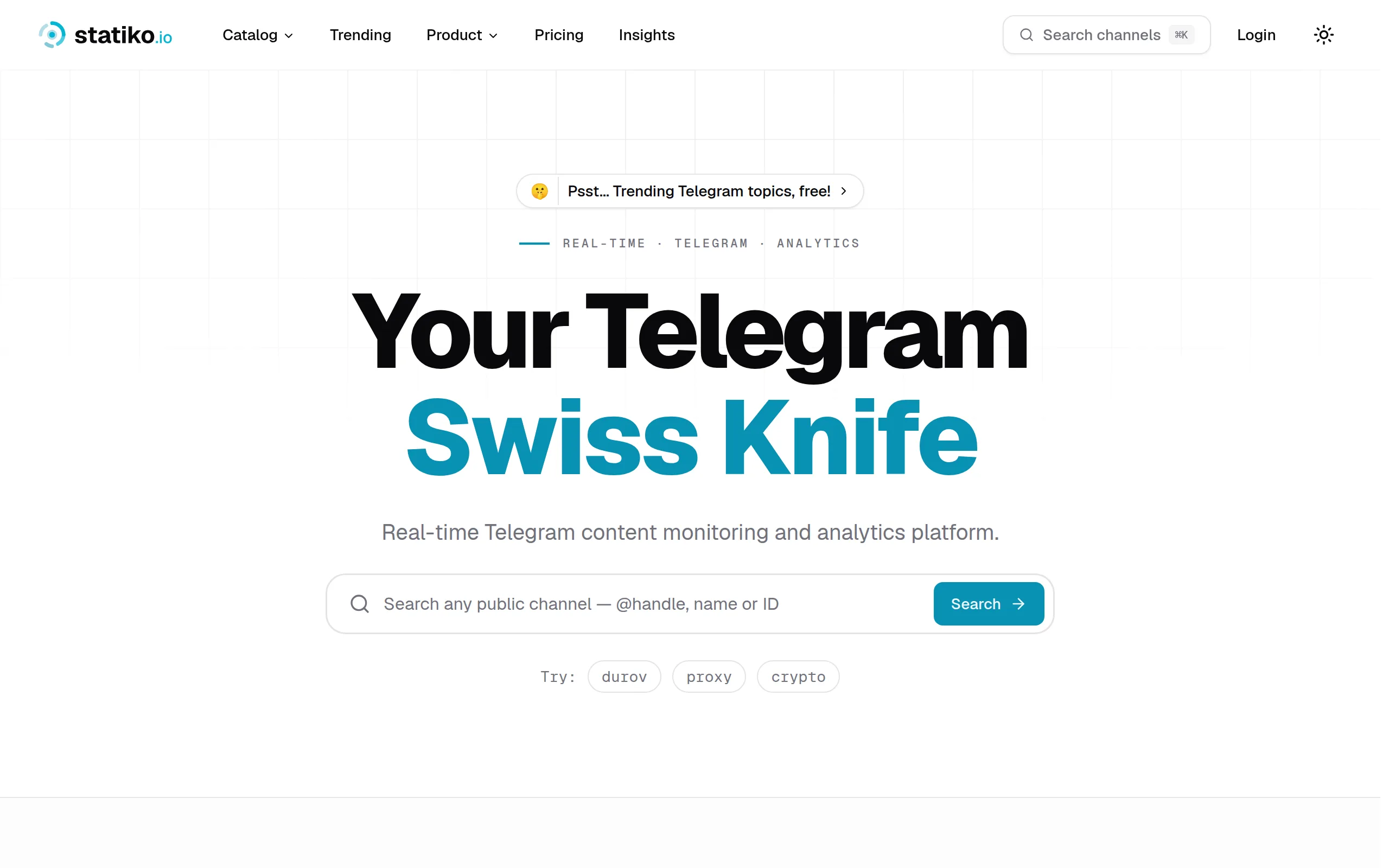
Statiko
Monitor any Telegram channel in real time - track posts, edits, deletions, and growth with AI recaps 📡

Shibui
AI website builder - describe your business, pick a niche template, edit by chatting, and publish instantly ✨

Pro Service
Find verified home service professionals, compare quotes, and pay securely through escrow - built for Brazilians across the US 🏠
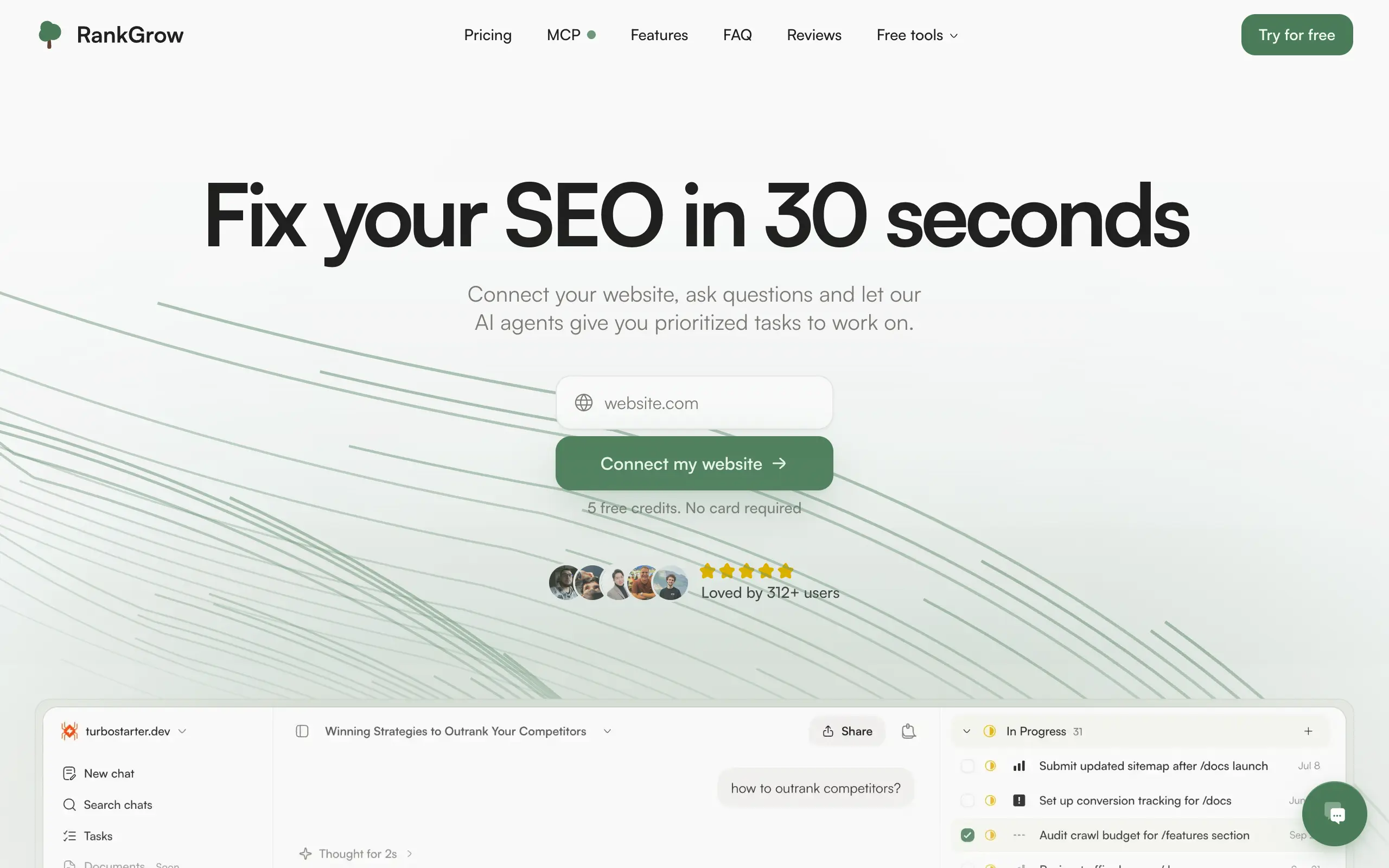
RankGrow
Fix your SEO with AI agents - connect Search Console, get prioritized tasks, and grow organic traffic 📈
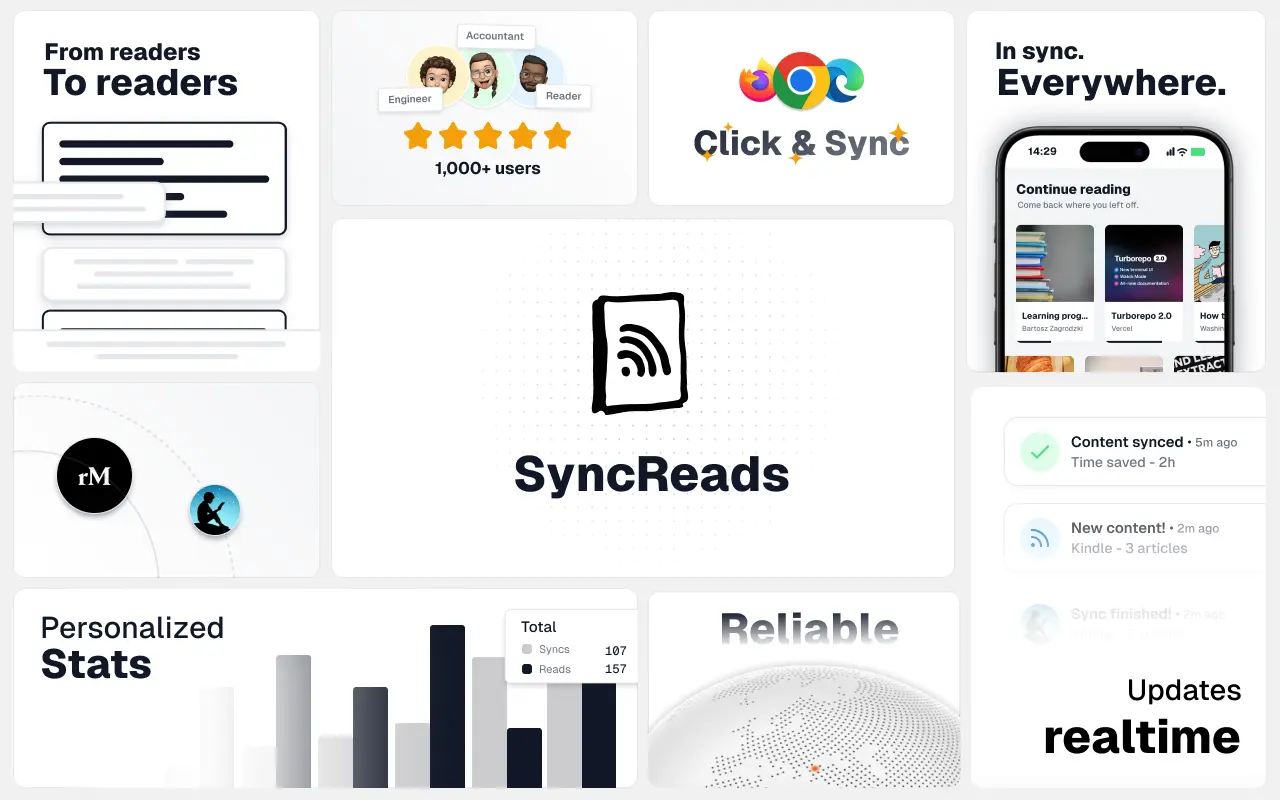
SyncReads
Sync your favorite content for distraction-free reading, save time and replace multiple apps. Anytime, anywhere 🔄
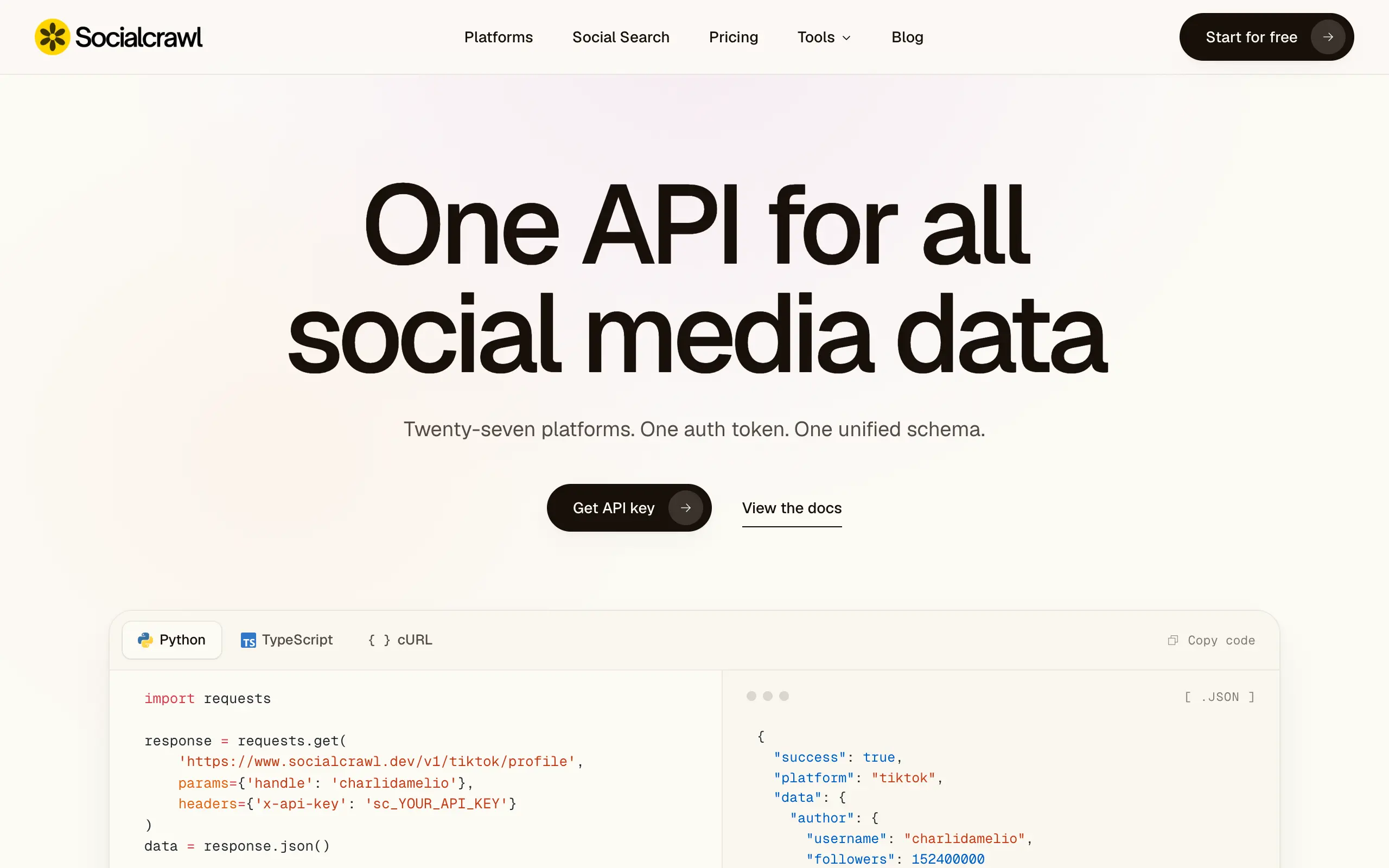
Socialcrawl
Get clean, structured data from 21 platforms like TikTok, Instagram, and YouTube with a single request 📊
Statiko
Monitor any Telegram channel in real time - track posts, edits, deletions, and growth with AI recaps 📡
Shibui
AI website builder - describe your business, pick a niche template, edit by chatting, and publish instantly ✨
Pro Service
Find verified home service professionals, compare quotes, and pay securely through escrow - built for Brazilians across the US 🏠
RankGrow
Fix your SEO with AI agents - connect Search Console, get prioritized tasks, and grow organic traffic 📈
SyncReads
Sync your favorite content for distraction-free reading, save time and replace multiple apps. Anytime, anywhere 🔄
Socialcrawl
Get clean, structured data from 21 platforms like TikTok, Instagram, and YouTube with a single request 📊
Statiko
Monitor any Telegram channel in real time - track posts, edits, deletions, and growth with AI recaps 📡
Shibui
AI website builder - describe your business, pick a niche template, edit by chatting, and publish instantly ✨
Pro Service
Find verified home service professionals, compare quotes, and pay securely through escrow - built for Brazilians across the US 🏠
RankGrow
Fix your SEO with AI agents - connect Search Console, get prioritized tasks, and grow organic traffic 📈
SyncReads
Sync your favorite content for distraction-free reading, save time and replace multiple apps. Anytime, anywhere 🔄
Socialcrawl
Get clean, structured data from 21 platforms like TikTok, Instagram, and YouTube with a single request 📊
Statiko
Monitor any Telegram channel in real time - track posts, edits, deletions, and growth with AI recaps 📡
Shibui
AI website builder - describe your business, pick a niche template, edit by chatting, and publish instantly ✨
Pro Service
Find verified home service professionals, compare quotes, and pay securely through escrow - built for Brazilians across the US 🏠
RankGrow
Fix your SEO with AI agents - connect Search Console, get prioritized tasks, and grow organic traffic 📈
SyncReads
Sync your favorite content for distraction-free reading, save time and replace multiple apps. Anytime, anywhere 🔄
Socialcrawl
Get clean, structured data from 21 platforms like TikTok, Instagram, and YouTube with a single request 📊
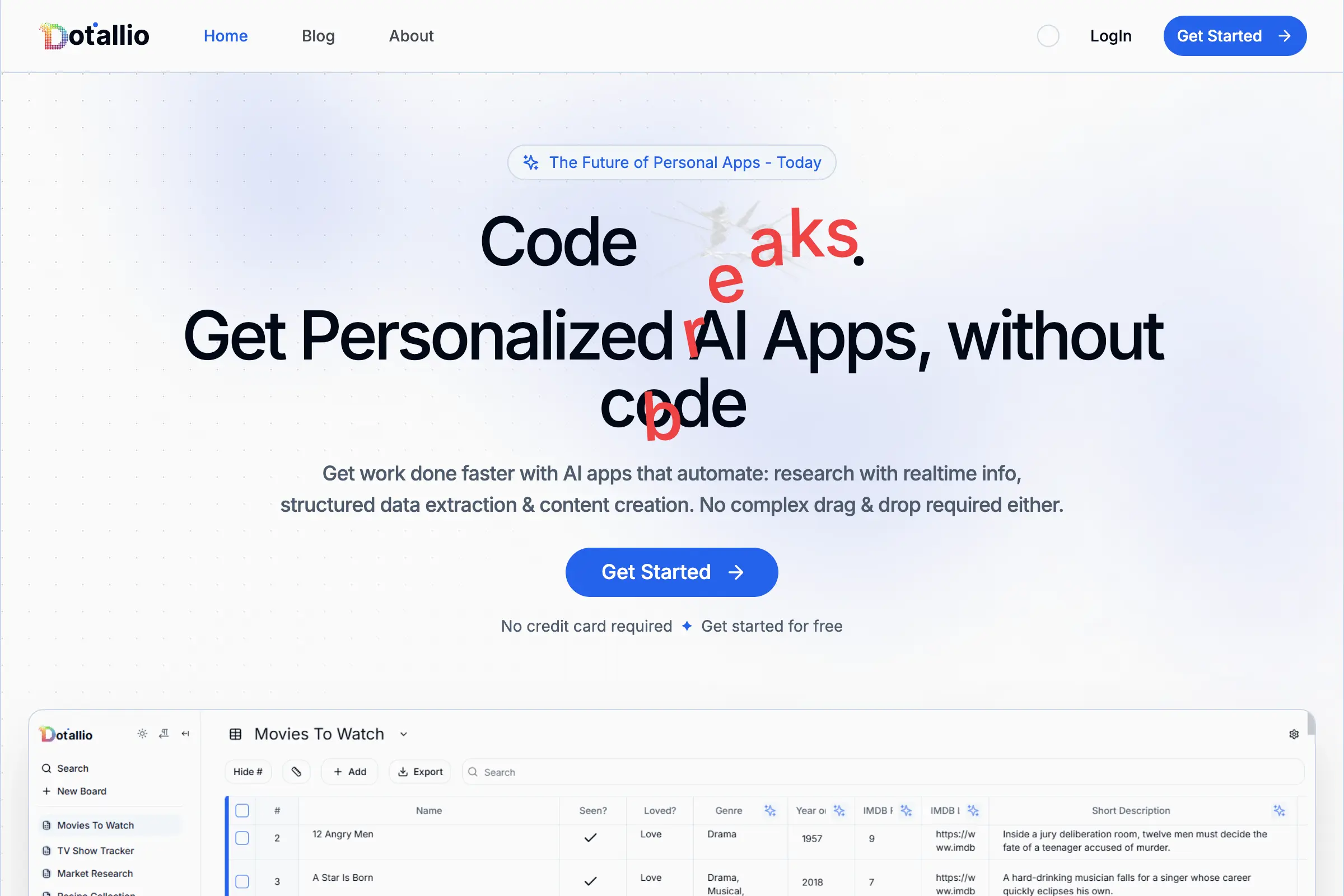
Dotallio
Personalized AI apps that automate research, data extraction, and content creation without code 🤖
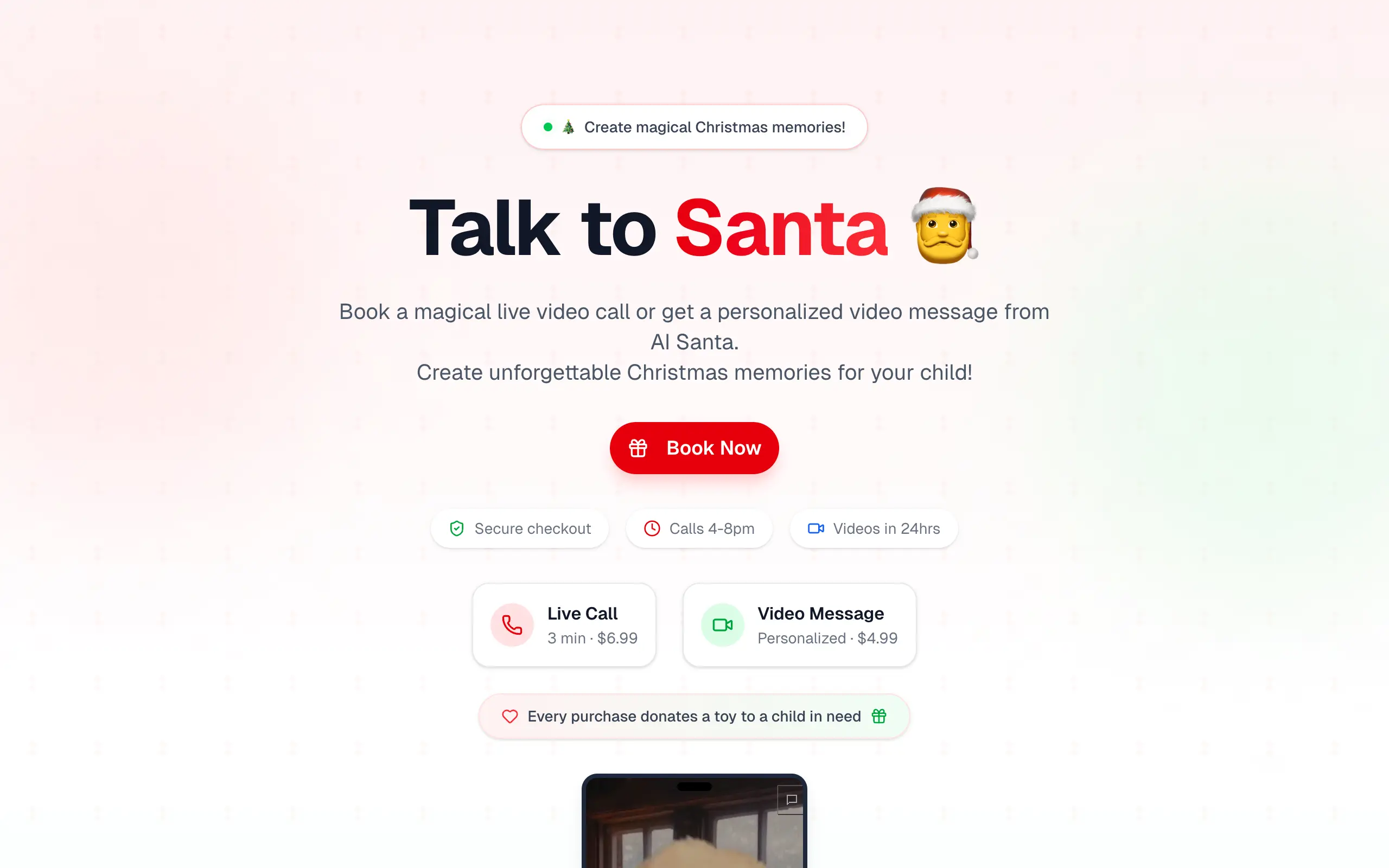
Talk to Santa
Enjoy a magical live video chat or receive a unique AI-generated video greeting from Santa Claus 🎅

pozywka.pl
Scalable blog for food journalist, focused on performance and user experience 🌭
zagrodzki.me
Personal blog and portfolio of Bart Zagrodzki, where he shares his knowledge and work 💼
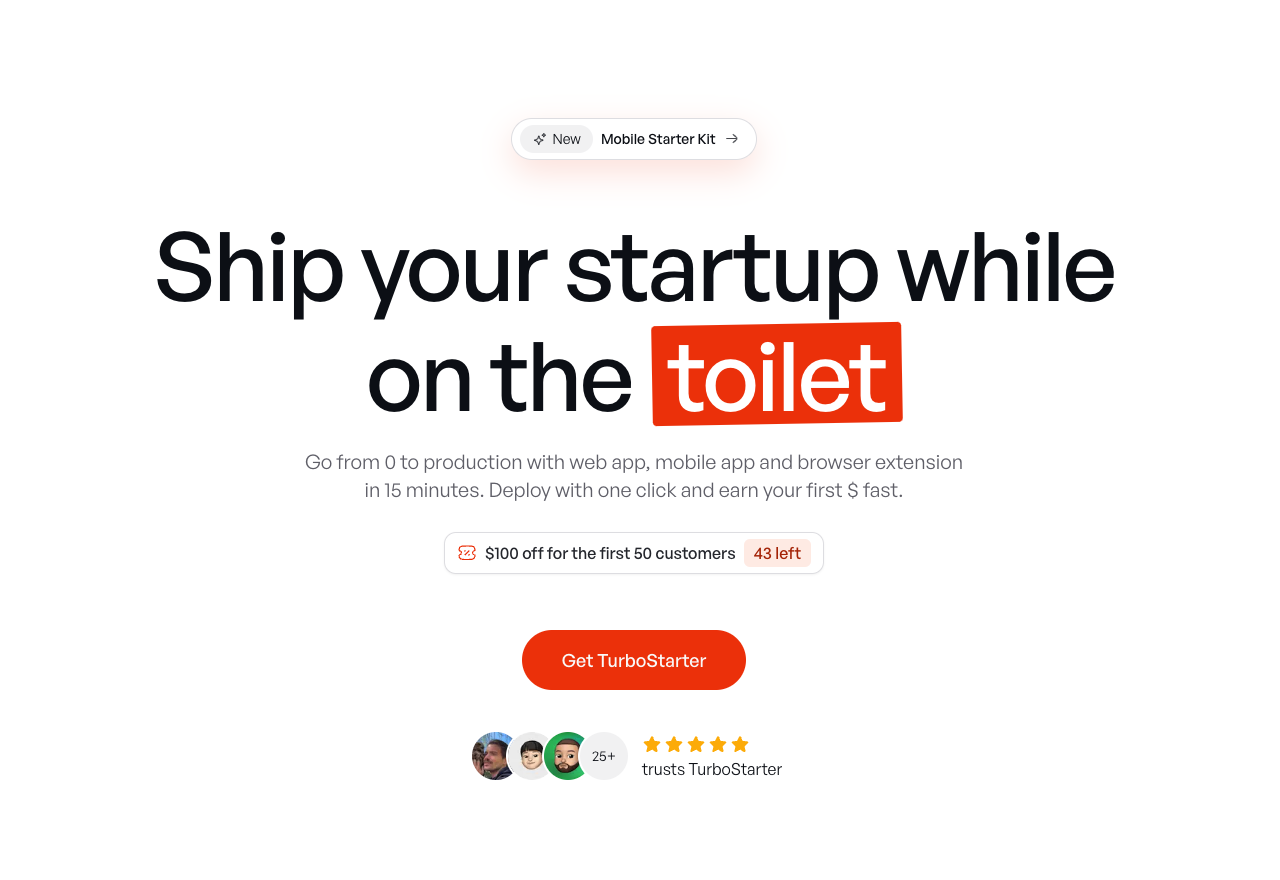
TurboStarter
Ship your startup everywhere. In minutes.
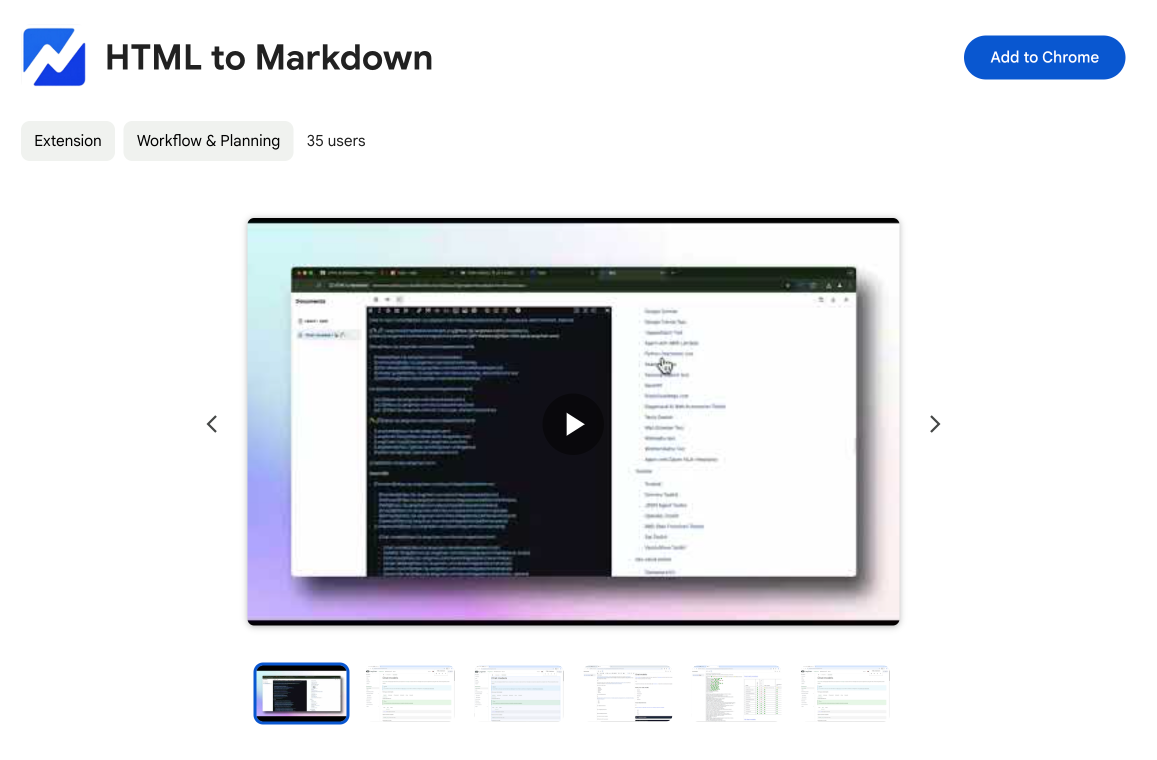
HTML to Markdown
Convert HTML to Markdown with ease, directly in your browser 📄
Dotallio
Personalized AI apps that automate research, data extraction, and content creation without code 🤖
Talk to Santa
Enjoy a magical live video chat or receive a unique AI-generated video greeting from Santa Claus 🎅
pozywka.pl
Scalable blog for food journalist, focused on performance and user experience 🌭
zagrodzki.me
Personal blog and portfolio of Bart Zagrodzki, where he shares his knowledge and work 💼
TurboStarter
Ship your startup everywhere. In minutes.
HTML to Markdown
Convert HTML to Markdown with ease, directly in your browser 📄
Dotallio
Personalized AI apps that automate research, data extraction, and content creation without code 🤖
Talk to Santa
Enjoy a magical live video chat or receive a unique AI-generated video greeting from Santa Claus 🎅
pozywka.pl
Scalable blog for food journalist, focused on performance and user experience 🌭
zagrodzki.me
Personal blog and portfolio of Bart Zagrodzki, where he shares his knowledge and work 💼
TurboStarter
Ship your startup everywhere. In minutes.
HTML to Markdown
Convert HTML to Markdown with ease, directly in your browser 📄
Dotallio
Personalized AI apps that automate research, data extraction, and content creation without code 🤖
Talk to Santa
Enjoy a magical live video chat or receive a unique AI-generated video greeting from Santa Claus 🎅
pozywka.pl
Scalable blog for food journalist, focused on performance and user experience 🌭
zagrodzki.me
Personal blog and portfolio of Bart Zagrodzki, where he shares his knowledge and work 💼
TurboStarter
Ship your startup everywhere. In minutes.
HTML to Markdown
Convert HTML to Markdown with ease, directly in your browser 📄
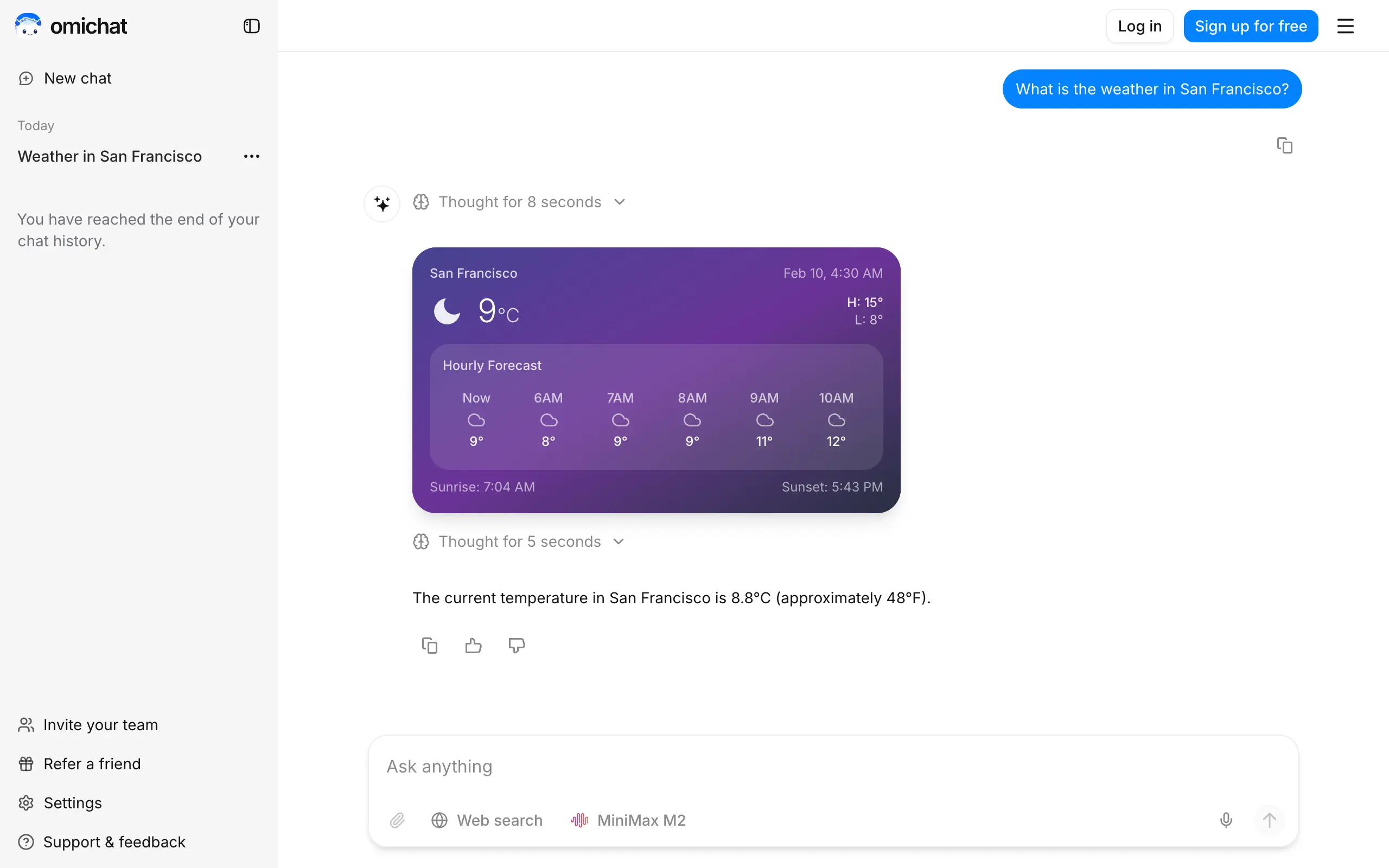
Omichat
Chat with 50+ AI models, including ChatGPT and Claude, in one place - switch models anytime without losing context 🤖
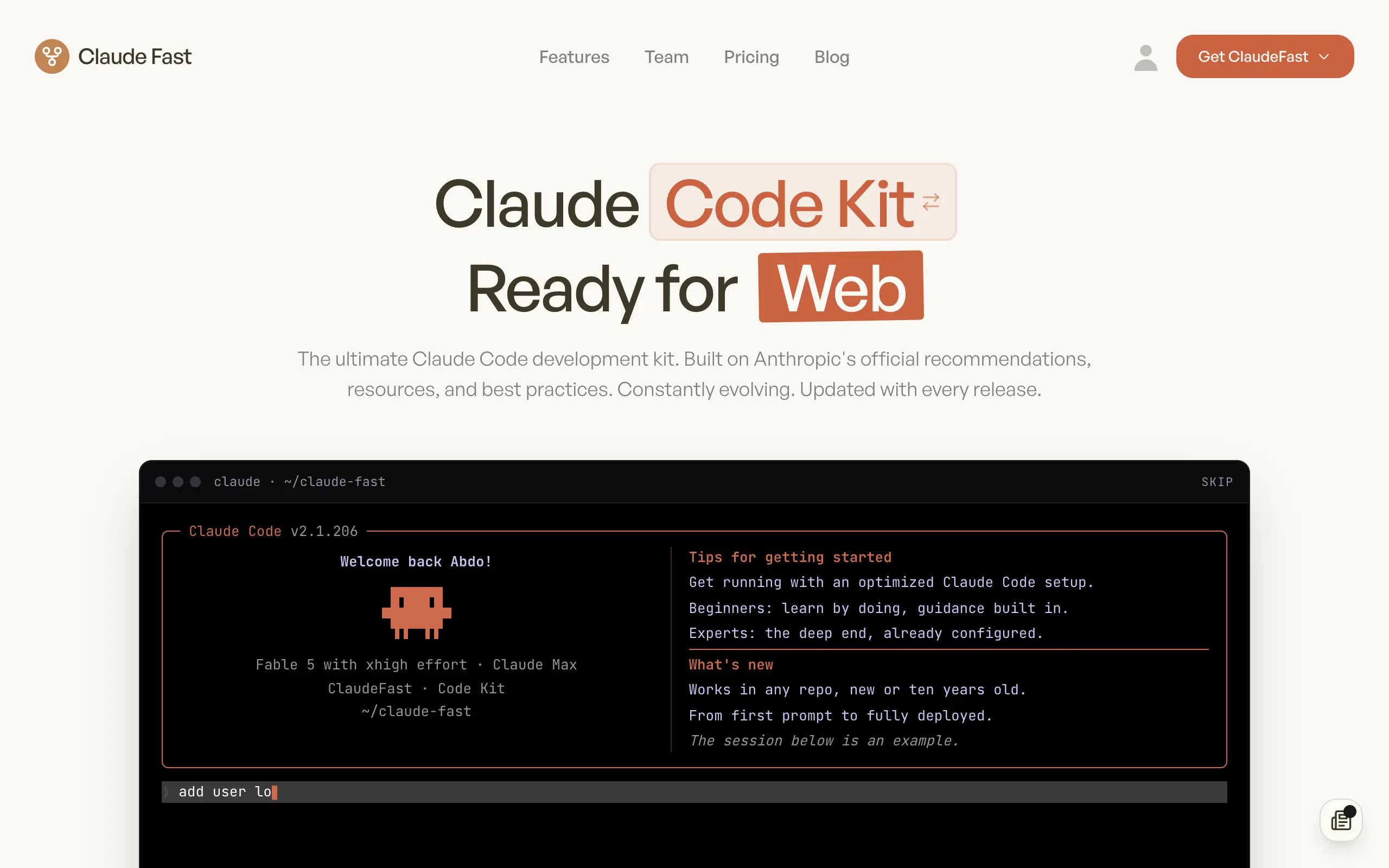
Claude Fast
Supercharge your Claude Code with 6x effective context window and specialized AI agents 🤖
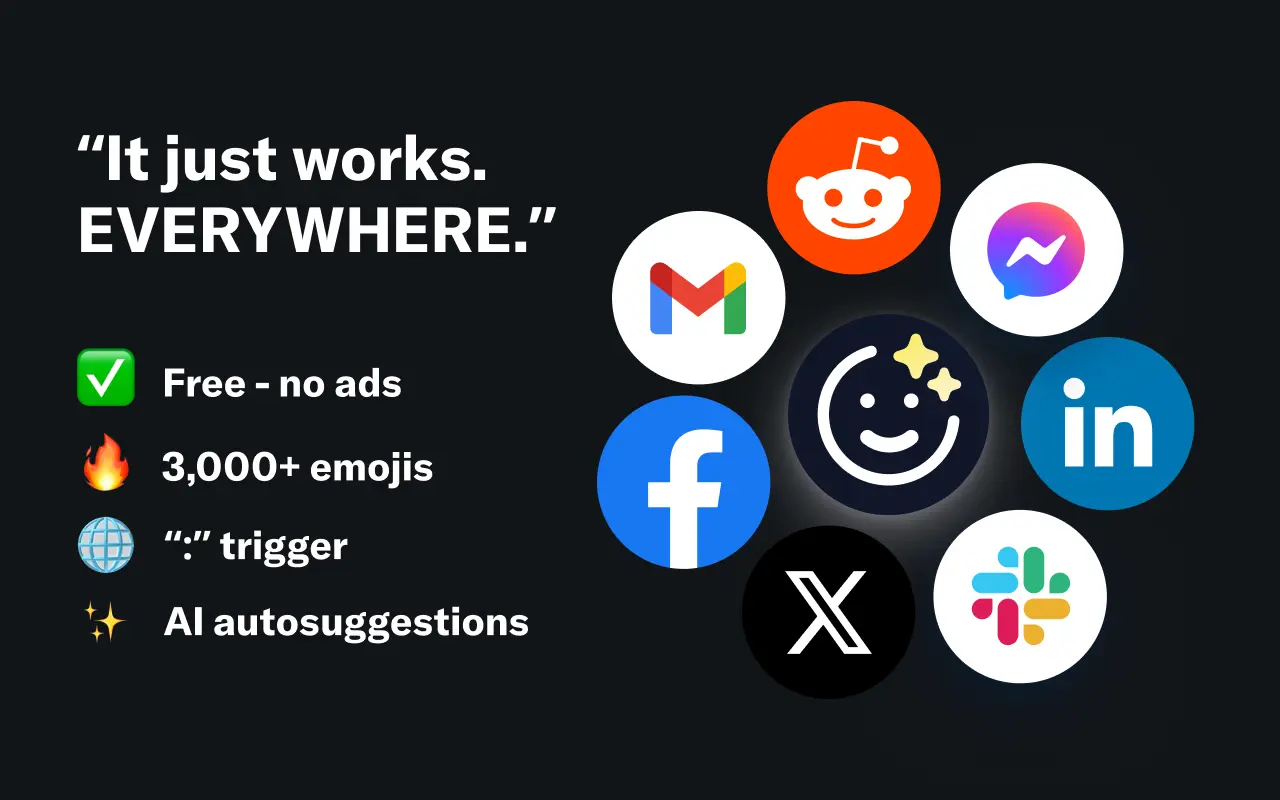
EmojAI
AI-powered emoji picker with smart, context-aware suggestions 🤖
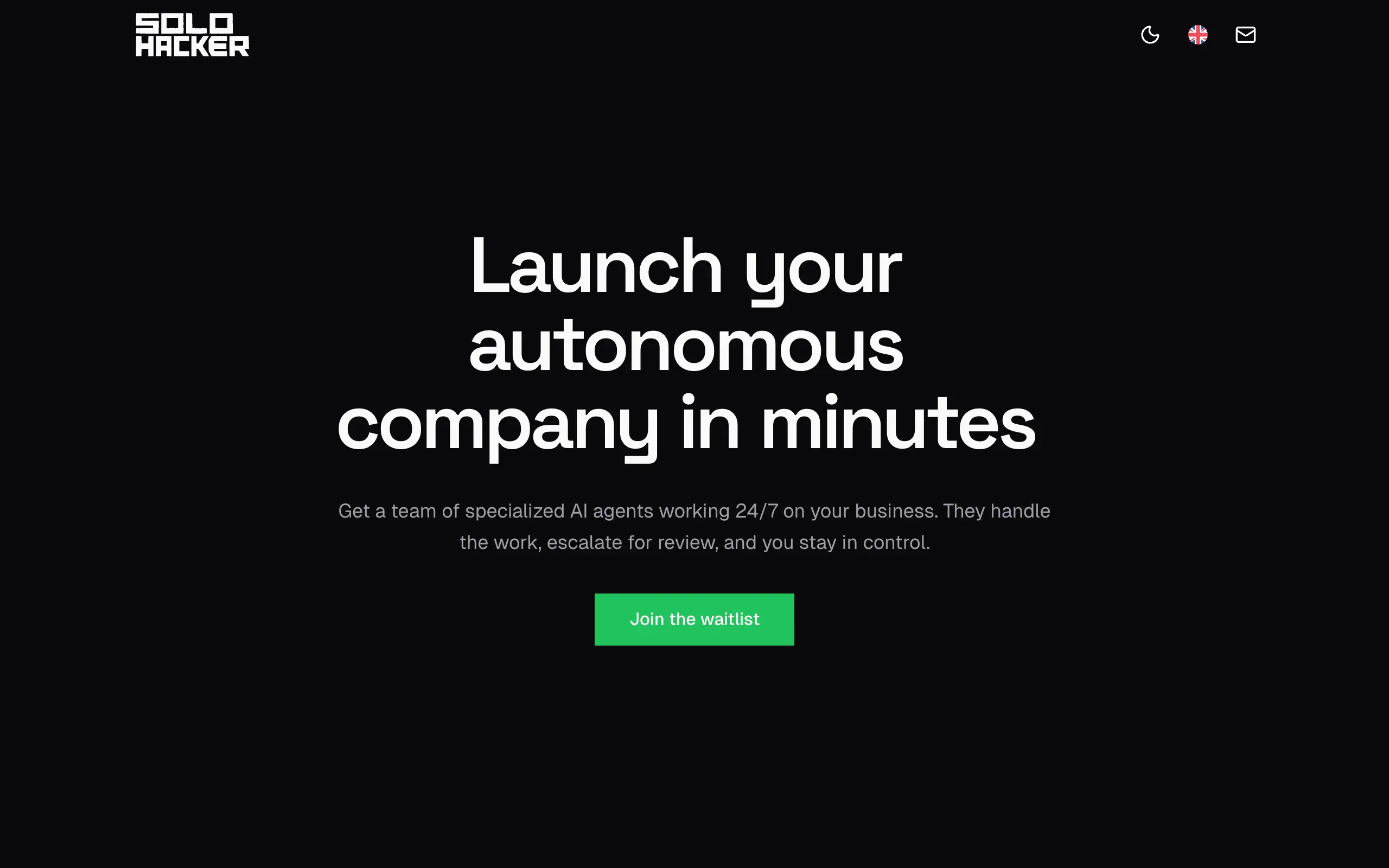
Solohacker
Autonomous company launcher - AI agents work 24/7, escalate what matters, and you stay in control 🤖
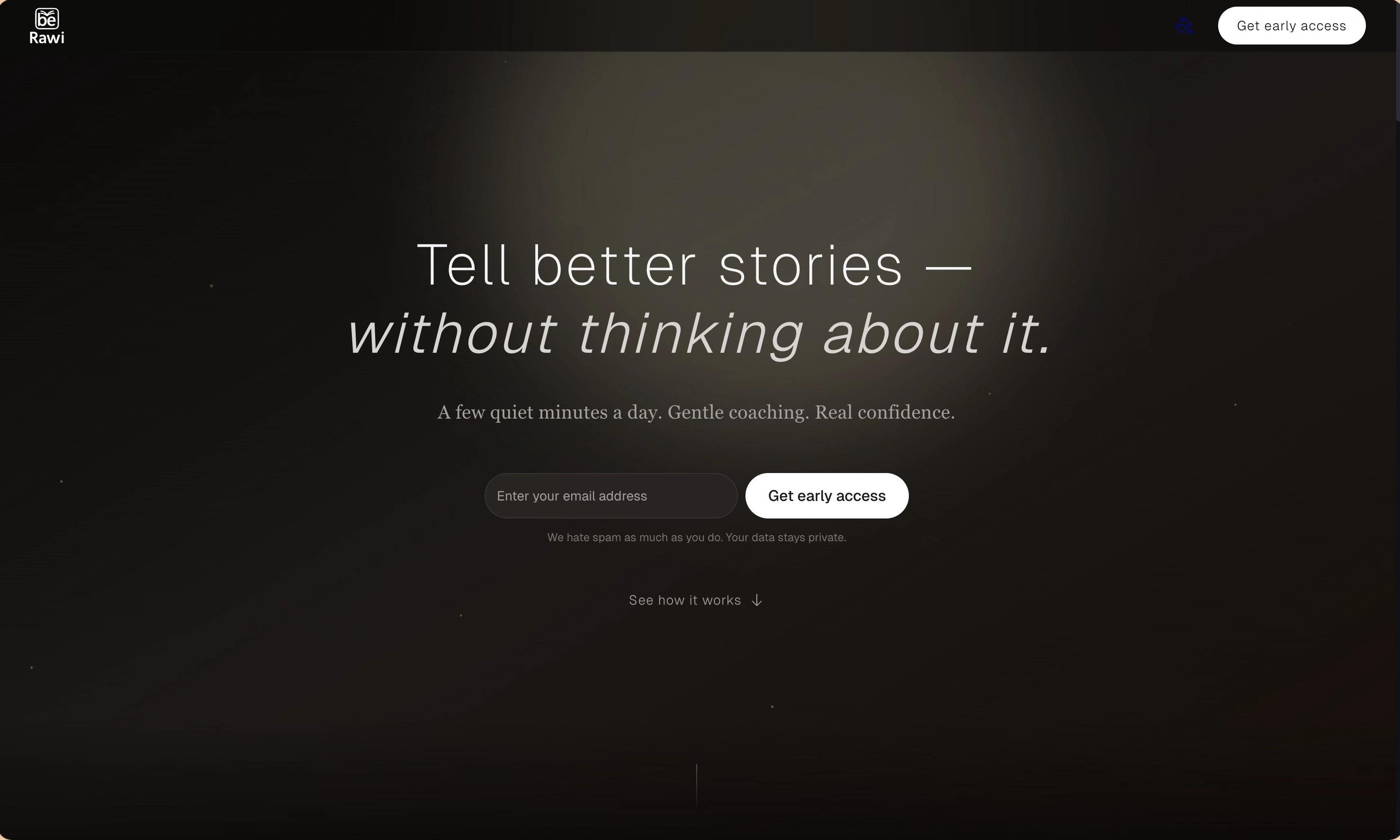
BeRawi: Storytelling Coach
Practice storytelling daily with instant feedback to sound clearer, more engaging, and confident 🎤
Omichat
Chat with 50+ AI models, including ChatGPT and Claude, in one place - switch models anytime without losing context 🤖
Claude Fast
Supercharge your Claude Code with 6x effective context window and specialized AI agents 🤖
EmojAI
AI-powered emoji picker with smart, context-aware suggestions 🤖
Solohacker
Autonomous company launcher - AI agents work 24/7, escalate what matters, and you stay in control 🤖
BeRawi: Storytelling Coach
Practice storytelling daily with instant feedback to sound clearer, more engaging, and confident 🎤
Omichat
Chat with 50+ AI models, including ChatGPT and Claude, in one place - switch models anytime without losing context 🤖
Claude Fast
Supercharge your Claude Code with 6x effective context window and specialized AI agents 🤖
EmojAI
AI-powered emoji picker with smart, context-aware suggestions 🤖
Solohacker
Autonomous company launcher - AI agents work 24/7, escalate what matters, and you stay in control 🤖
BeRawi: Storytelling Coach
Practice storytelling daily with instant feedback to sound clearer, more engaging, and confident 🎤
Omichat
Chat with 50+ AI models, including ChatGPT and Claude, in one place - switch models anytime without losing context 🤖
Claude Fast
Supercharge your Claude Code with 6x effective context window and specialized AI agents 🤖
EmojAI
AI-powered emoji picker with smart, context-aware suggestions 🤖
Solohacker
Autonomous company launcher - AI agents work 24/7, escalate what matters, and you stay in control 🤖
BeRawi: Storytelling Coach
Practice storytelling daily with instant feedback to sound clearer, more engaging, and confident 🎤

Connect with like-minded people
Join our community to get feedback, support, and grow together with 1,000+ builders on board, let's ship it!
Join usShip your startup everywhere. In minutes.
Don't burn tokens on setup and start building features on day one.