FeatherQuest
A social platform for birdwatchers to log sightings, share photos, and collaborate on local birding challenges, fostering community and conservation.
Birdwatching, or birding, has soared in popularity over the past decade, attracting millions of enthusiasts worldwide. Yet, despite this growth, the digital tools available to birdwatchers often lag behind the needs of a modern, connected community. FeatherQuest aims to bridge this gap by offering a dedicated social platform for birdwatchers to log sightings, share photos, and collaborate on local birding challenges—fostering both community and conservation.
In this comprehensive guide, we’ll explore the market opportunity for FeatherQuest, analyze its target audience, detail its core features, recommend a robust tech stack, discuss monetization strategies, assess risks, and outline actionable steps for implementation. Whether you’re seeking inspiration, validation, or a blueprint for launching a SaaS in the nature and conservation space, this article delivers expert insights grounded in real-world trends and best practices.
Understanding the target audience for FeatherQuest
A successful SaaS platform starts with a deep understanding of its users. FeatherQuest’s primary audience includes:
- Amateur and professional birdwatchers: Ranging from casual backyard observers to seasoned ornithologists.
- Nature photographers: Individuals passionate about capturing avian life.
- Conservationists and researchers: Those interested in tracking bird populations and migration patterns.
- Educators and students: Teachers, students, and youth groups seeking interactive learning tools.
- Local birding clubs and organizations: Groups looking to coordinate events, challenges, and data collection.
Key user motivations
- Community connection: Birdwatchers often seek camaraderie, knowledge sharing, and recognition within a like-minded community.
- Data logging and tracking: Users want to record sightings, maintain personal life lists, and contribute to citizen science.
- Photo sharing: High-quality images are central to birding culture, driving engagement and friendly competition.
- Conservation impact: Many birders are motivated by the opportunity to contribute to conservation efforts through data sharing and advocacy.
User pain points with existing solutions
- Fragmented tools: Current platforms (e.g., eBird, iNaturalist) focus on data collection but lack robust social features.
- Limited local engagement: Few tools facilitate local challenges or real-time collaboration.
- Cumbersome interfaces: Many apps are not user-friendly, especially for beginners or older users.
- Lack of gamification: Minimal use of challenges, badges, or leaderboards to drive ongoing engagement.
Market opportunity and gap analysis
The global birdwatching market is estimated to include over 45 million participants in the US alone, with millions more worldwide (source: U.S. Fish & Wildlife Service, suggest referencing their National Survey). Despite this, the digital landscape for birders remains underdeveloped.
Existing platforms and their limitations
- eBird: The leading bird sighting database, but with limited social and gamification features.
- iNaturalist: Broad citizen science focus, not tailored specifically to birders.
- Facebook Groups/Reddit: Popular for community, but lack structured logging and challenge features.
| Platform | Social Features | Photo Sharing | Challenges | Conservation Tools |
|---|---|---|---|---|
| eBird | ❌ | ✅ | ❌ | ✅ |
| iNaturalist | ✅ | ✅ | ❌ | ✅ |
| FeatherQuest | ✅ | ✅ | ✅ | ✅ |
Why now? Trends driving demand
- Mobile-first engagement: Birders increasingly use smartphones in the field.
- Rise of citizen science: Conservation organizations value crowd-sourced data.
- Social gamification: Platforms like Strava and Duolingo have shown the power of challenges and badges to drive engagement.
- Visual storytelling: Instagram and TikTok have primed users to share and consume visual content.
Industry trend
According to the Cornell Lab of Ornithology, eBird users submitted over 100 million bird observations in 2023—a testament to the scale and enthusiasm of the birding community.
Core features and solution details
FeatherQuest’s unique value lies in its blend of social networking, gamification, and conservation tools, all tailored specifically for birdwatchers.
Sightings log
Easily record bird sightings with location, date, species, and notes. Supports quick entry and batch uploads.
Photo sharing
Upload, tag, and share high-resolution bird photos. Like, comment, and follow other users.
Local challenges
Participate in or create birding challenges (e.g., 'Spot 10 warblers this spring'). Earn badges and climb leaderboards.
Community feed
A personalized feed of sightings, photos, and challenge updates from friends and local birders.
Conservation impact
Opt-in to share anonymized data with conservation organizations. Track your personal conservation contributions.
Additional features to enhance engagement
- Species identification assistance: AI-powered suggestions based on uploaded photos.
- Event coordination: Tools for organizing local bird walks, cleanups, or educational events.
- Messaging and groups: Private messaging and group creation for clubs or research teams.
- Offline mode: Log sightings in the field without connectivity, sync later.
FeatherQuest enables users to opt-in to share their sighting data with reputable conservation organizations. This data helps track bird populations, migration patterns, and habitat health, directly supporting research and advocacy efforts.
Unlike generic leaderboards, FeatherQuest’s challenges are location-based and customizable. Users can join city-wide competitions, seasonal events, or create private challenges for friends or clubs.
Recommended tech stack for FeatherQuest
Building a scalable, user-friendly, and feature-rich platform requires careful selection of technologies. Here’s a recommended stack, with trade-offs considered:
Frontend
- React: Flexible, component-based UI development.
- Next.js: Server-side rendering for SEO and performance.
- TailwindCSS: Rapid, consistent styling.
- Mapbox: Interactive maps for logging and viewing sightings.
Trade-offs: React and Next.js offer scalability and SEO benefits, but may require more initial setup than simpler frameworks. TailwindCSS accelerates development but has a learning curve for those new to utility-first CSS.
Backend
- Node.js: High-performance, event-driven server.
- PostgreSQL: Robust relational database for user data, sightings, and photos.
- Redis: Caching for fast feed and leaderboard updates.
- Cloudinary: Image storage and optimization.
Trade-offs: Node.js is highly scalable but may require careful management for CPU-intensive tasks (e.g., AI photo ID). PostgreSQL is reliable for structured data, but scaling image storage is best handled by a dedicated service like Cloudinary.
Mobile
- React Native: Cross-platform mobile app development, sharing logic with the web app.
AI/ML (for species identification)
- TensorFlow.js: In-browser or server-side image recognition.
DevOps & Hosting
- Vercel or AWS: Scalable, global hosting.
- TurboStarter: Accelerate SaaS boilerplate setup, authentication, and deployment.
Monetization strategy options
FeatherQuest can pursue several revenue streams, balancing accessibility with sustainability:
1. Freemium model
- Free tier: Core features (logging, sharing, basic challenges).
- Premium tier: Advanced analytics, unlimited photo uploads, exclusive challenges, offline mode, and early access to new features.
2. Community and club subscriptions
- Group management tools: Paid features for clubs (event coordination, private leaderboards, branded pages).
- Educational packages: Special pricing for schools and youth organizations.
3. Conservation partnerships
- Sponsored challenges: Partner with conservation NGOs or eco-friendly brands to sponsor local or global challenges.
- Data licensing: Offer anonymized, aggregated data to research institutions (with user consent).
4. Merchandising and affiliate marketing
- Birding gear store: Curated affiliate links or direct sales of binoculars, field guides, and apparel.
Potential risks and mitigation strategies
Launching a SaaS platform in the nature and conservation space presents unique challenges. Here’s how FeatherQuest can address them:
1. Privacy and data security
- Risk: Sensitive location data could endanger rare species or user privacy.
- Mitigation: Allow users to obscure exact locations, opt-out of public sharing, and follow best practices for data encryption and GDPR compliance.
2. Community moderation
- Risk: Inappropriate content or harassment could harm the community.
- Mitigation: Implement robust reporting, moderation tools, and clear community guidelines.
3. User adoption and retention
- Risk: Birders may be slow to adopt new platforms or revert to established tools.
- Mitigation: Focus on seamless onboarding, mobile-first design, and unique features (e.g., challenges, AI ID) not found elsewhere.
4. Technical scalability
- Risk: Rapid growth could strain infrastructure, especially for image uploads and real-time features.
- Mitigation: Use scalable cloud services (e.g., Cloudinary, AWS), CDN for images, and microservices architecture.
Competitive advantage analysis
FeatherQuest’s unique selling proposition (USP) is its all-in-one social platform for birdwatchers, blending the best of data logging, community engagement, and conservation impact.
What sets FeatherQuest apart?
- Birding-first design: Every feature is tailored for birders, not generic nature enthusiasts.
- Integrated social and gamification: Challenges, badges, and leaderboards drive ongoing engagement.
- Conservation at the core: Direct data sharing with NGOs and personal conservation impact tracking.
- Modern, mobile-first UX: Intuitive interfaces for all ages and skill levels.
- AI-powered tools: Species identification and smart suggestions enhance the user experience.
Actionable implementation steps
Ready to bring FeatherQuest to life? Here’s a step-by-step roadmap:
Conclusion: Why FeatherQuest is the future of birdwatching communities
FeatherQuest is more than just a sightings log—it’s a vibrant, purpose-driven social platform that empowers birdwatchers to connect, compete, and contribute to conservation. By addressing the unique needs of the birding community with modern technology, gamification, and a conservation-first ethos, FeatherQuest stands poised to become the go-to digital home for birders worldwide.
Whether you’re an aspiring SaaS founder, a conservationist, or a passionate birder, the opportunity to build and scale a platform like FeatherQuest has never been greater. The tools, trends, and market demand are all aligned—now is the time to take flight.
Frequently asked questions
No! FeatherQuest is designed for all experience levels, from backyard beginners to professional ornithologists. The platform’s intuitive design and community support make it accessible and welcoming.
Users can choose to obscure exact locations for rare or endangered species, and all data sharing with conservation partners is opt-in and anonymized.
Yes, the mobile app supports offline logging. Your sightings will sync automatically when you reconnect.
FeatherQuest offers special tools and subscription packages for clubs, including private groups, event coordination, and branded challenges.
Next steps and resources
- Explore the TurboStarter platform to accelerate your SaaS development.
- Review the latest trends in birdwatching and citizen science from reputable sources (e.g., Cornell Lab of Ornithology, U.S. Fish & Wildlife Service).
- Connect with local birding clubs to validate your MVP and build early partnerships.
By combining cutting-edge technology with a deep understanding of the birding community, FeatherQuest is set to redefine how birdwatchers connect, share, and make a difference.
More 💡 Other SaaS ideas
Discover more innovative other SaaS ideas that are trending in 2026. Each idea is AI-generated with market validation and growth potential to help you find your next profitable venture faster than competitors.
Your competitors are building with TurboStarter
Below are some of the SaaS ideas that have been generated and built with our starter kit.

Statiko
Monitor any Telegram channel in real time - track posts, edits, deletions, and growth with AI recaps 📡

Shibui
AI website builder - describe your business, pick a niche template, edit by chatting, and publish instantly ✨

Pro Service
Find verified home service professionals, compare quotes, and pay securely through escrow - built for Brazilians across the US 🏠
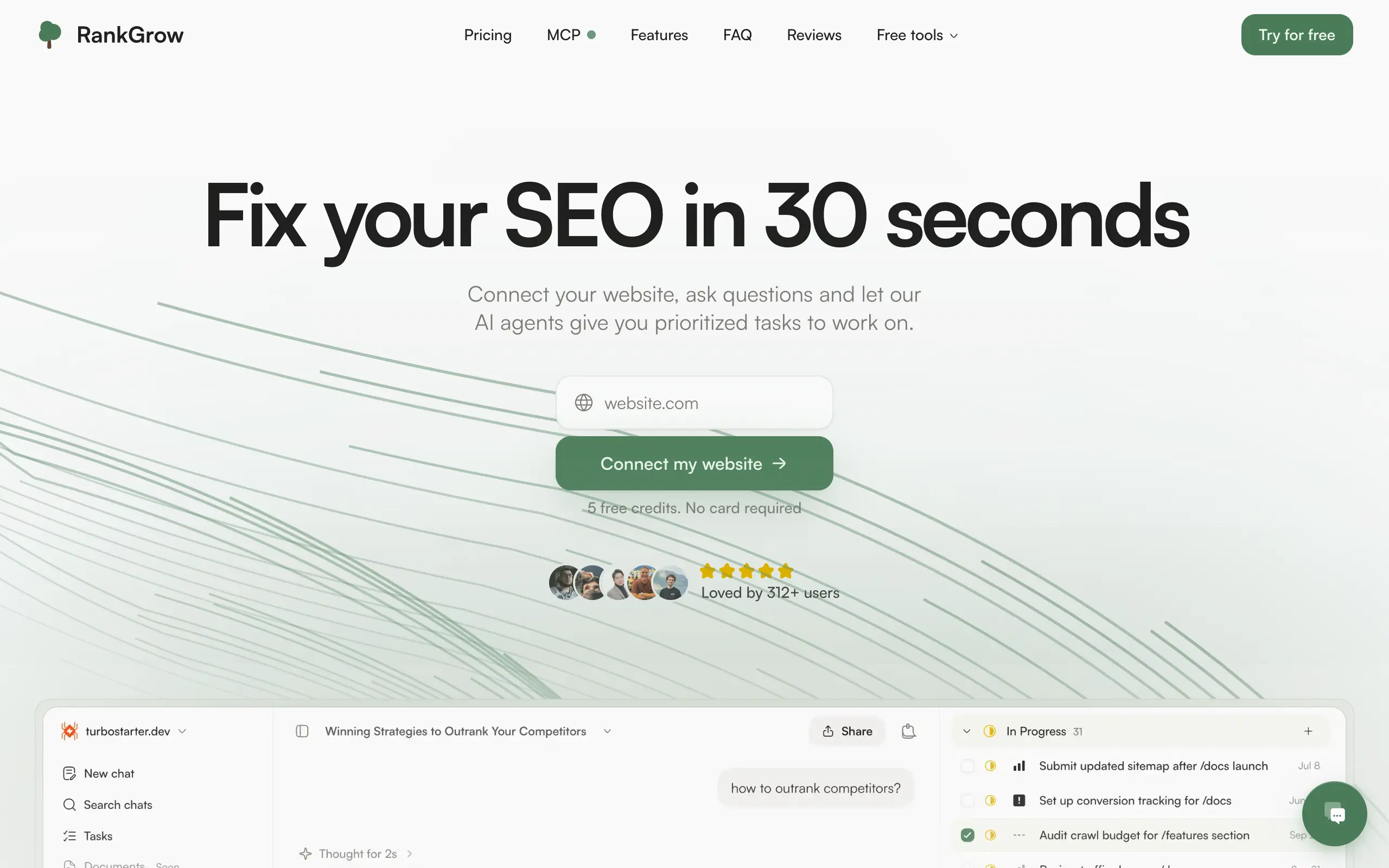
RankGrow
Fix your SEO with AI agents - connect Search Console, get prioritized tasks, and grow organic traffic 📈
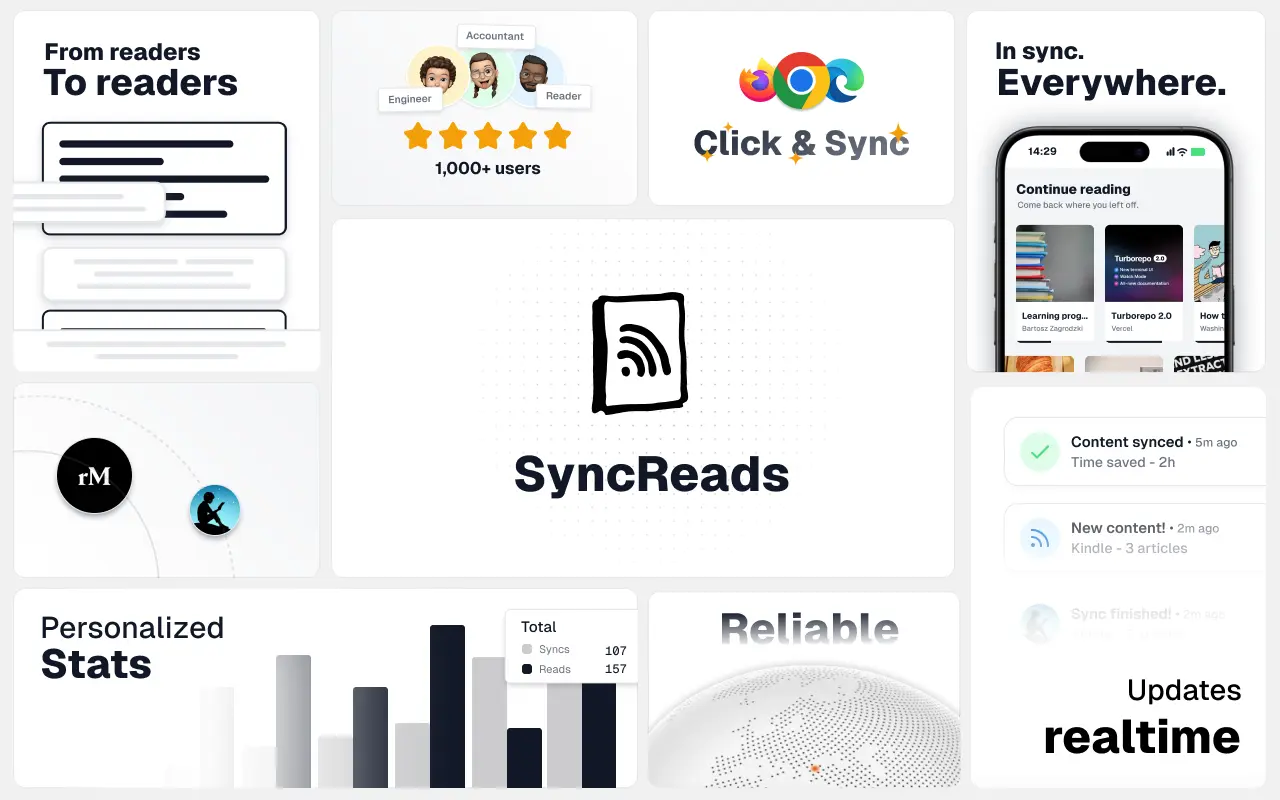
SyncReads
Sync your favorite content for distraction-free reading, save time and replace multiple apps. Anytime, anywhere 🔄
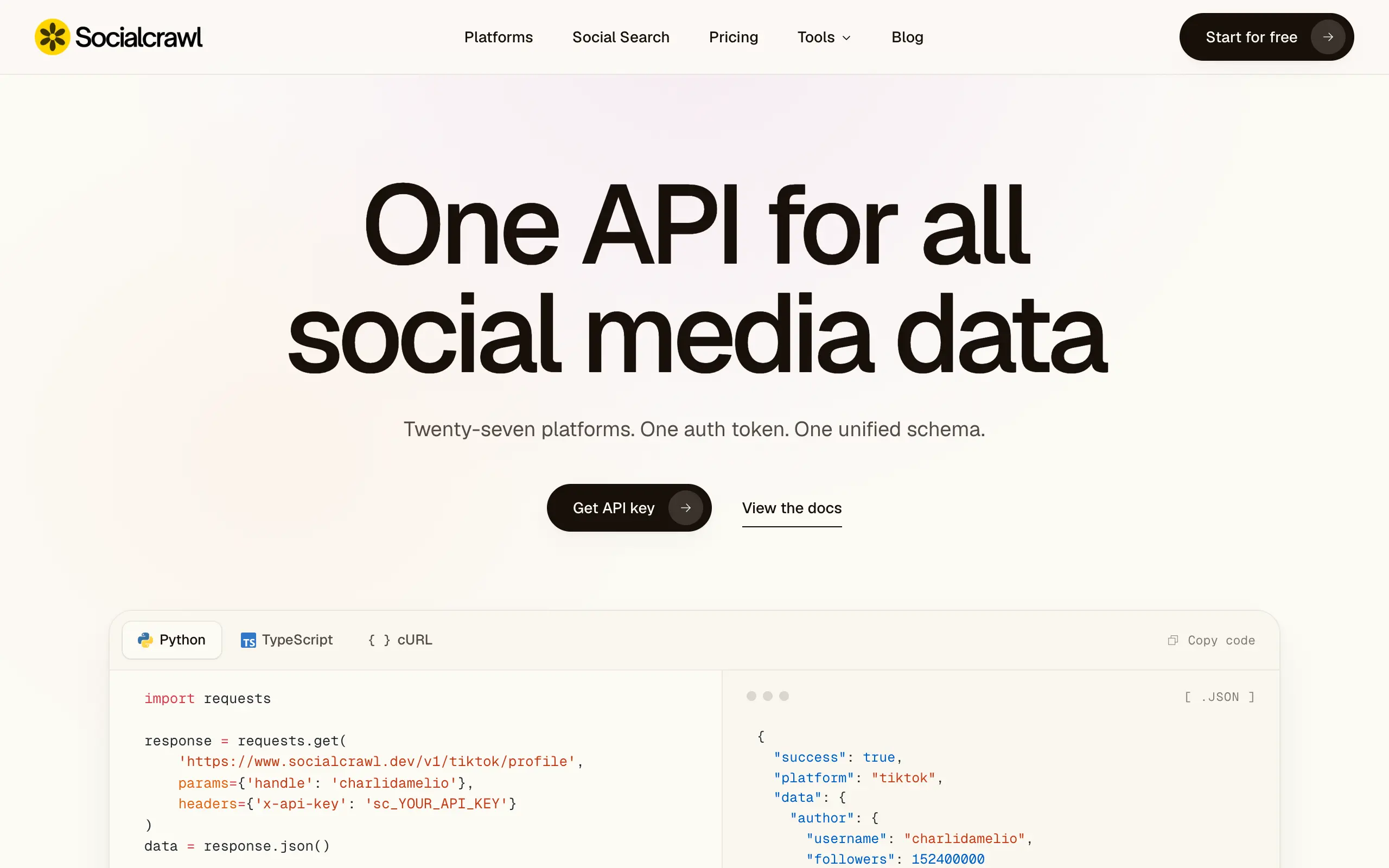
Socialcrawl
Get clean, structured data from 21 platforms like TikTok, Instagram, and YouTube with a single request 📊
Statiko
Monitor any Telegram channel in real time - track posts, edits, deletions, and growth with AI recaps 📡
Shibui
AI website builder - describe your business, pick a niche template, edit by chatting, and publish instantly ✨
Pro Service
Find verified home service professionals, compare quotes, and pay securely through escrow - built for Brazilians across the US 🏠
RankGrow
Fix your SEO with AI agents - connect Search Console, get prioritized tasks, and grow organic traffic 📈
SyncReads
Sync your favorite content for distraction-free reading, save time and replace multiple apps. Anytime, anywhere 🔄
Socialcrawl
Get clean, structured data from 21 platforms like TikTok, Instagram, and YouTube with a single request 📊
Statiko
Monitor any Telegram channel in real time - track posts, edits, deletions, and growth with AI recaps 📡
Shibui
AI website builder - describe your business, pick a niche template, edit by chatting, and publish instantly ✨
Pro Service
Find verified home service professionals, compare quotes, and pay securely through escrow - built for Brazilians across the US 🏠
RankGrow
Fix your SEO with AI agents - connect Search Console, get prioritized tasks, and grow organic traffic 📈
SyncReads
Sync your favorite content for distraction-free reading, save time and replace multiple apps. Anytime, anywhere 🔄
Socialcrawl
Get clean, structured data from 21 platforms like TikTok, Instagram, and YouTube with a single request 📊
Statiko
Monitor any Telegram channel in real time - track posts, edits, deletions, and growth with AI recaps 📡
Shibui
AI website builder - describe your business, pick a niche template, edit by chatting, and publish instantly ✨
Pro Service
Find verified home service professionals, compare quotes, and pay securely through escrow - built for Brazilians across the US 🏠
RankGrow
Fix your SEO with AI agents - connect Search Console, get prioritized tasks, and grow organic traffic 📈
SyncReads
Sync your favorite content for distraction-free reading, save time and replace multiple apps. Anytime, anywhere 🔄
Socialcrawl
Get clean, structured data from 21 platforms like TikTok, Instagram, and YouTube with a single request 📊
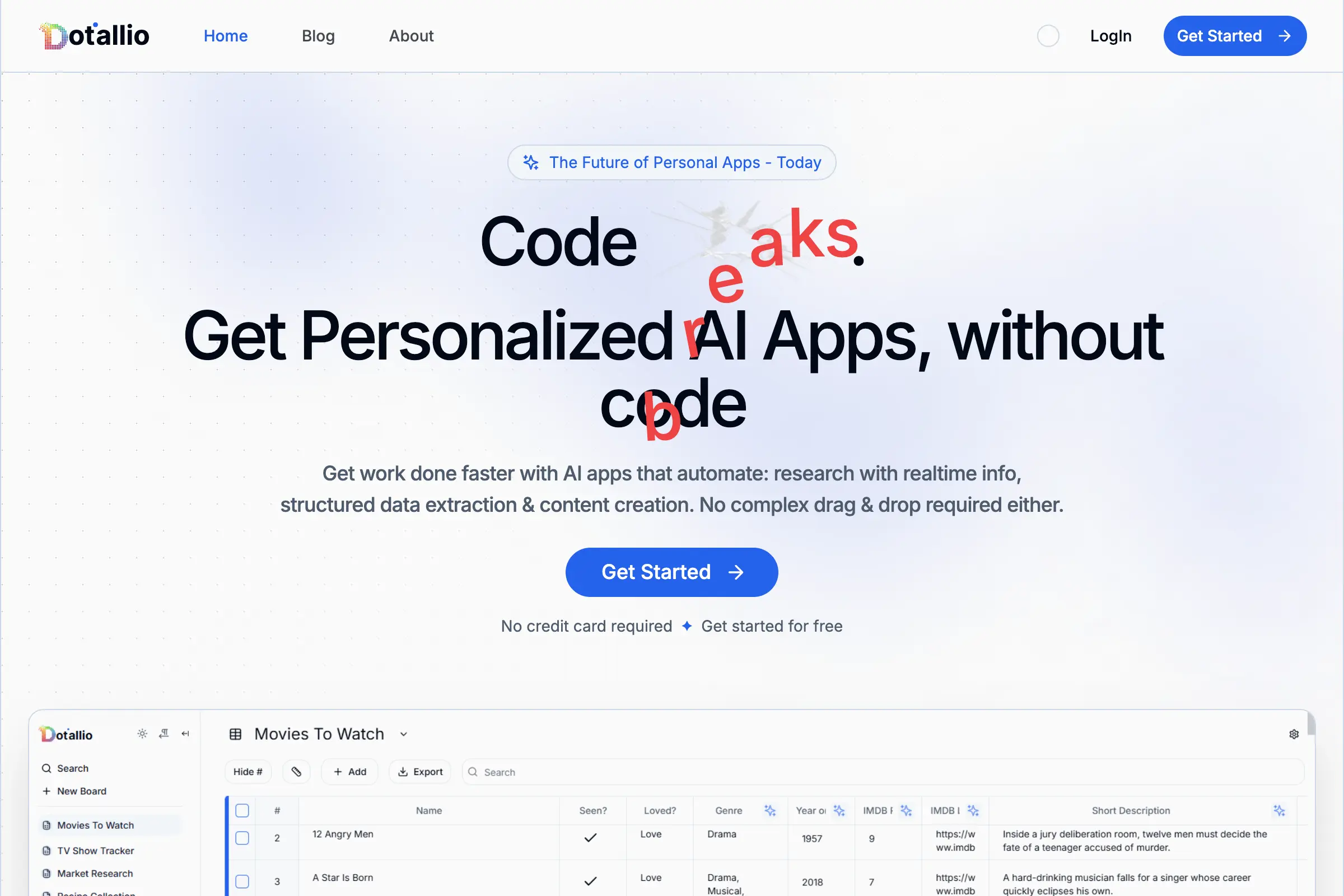
Dotallio
Personalized AI apps that automate research, data extraction, and content creation without code 🤖
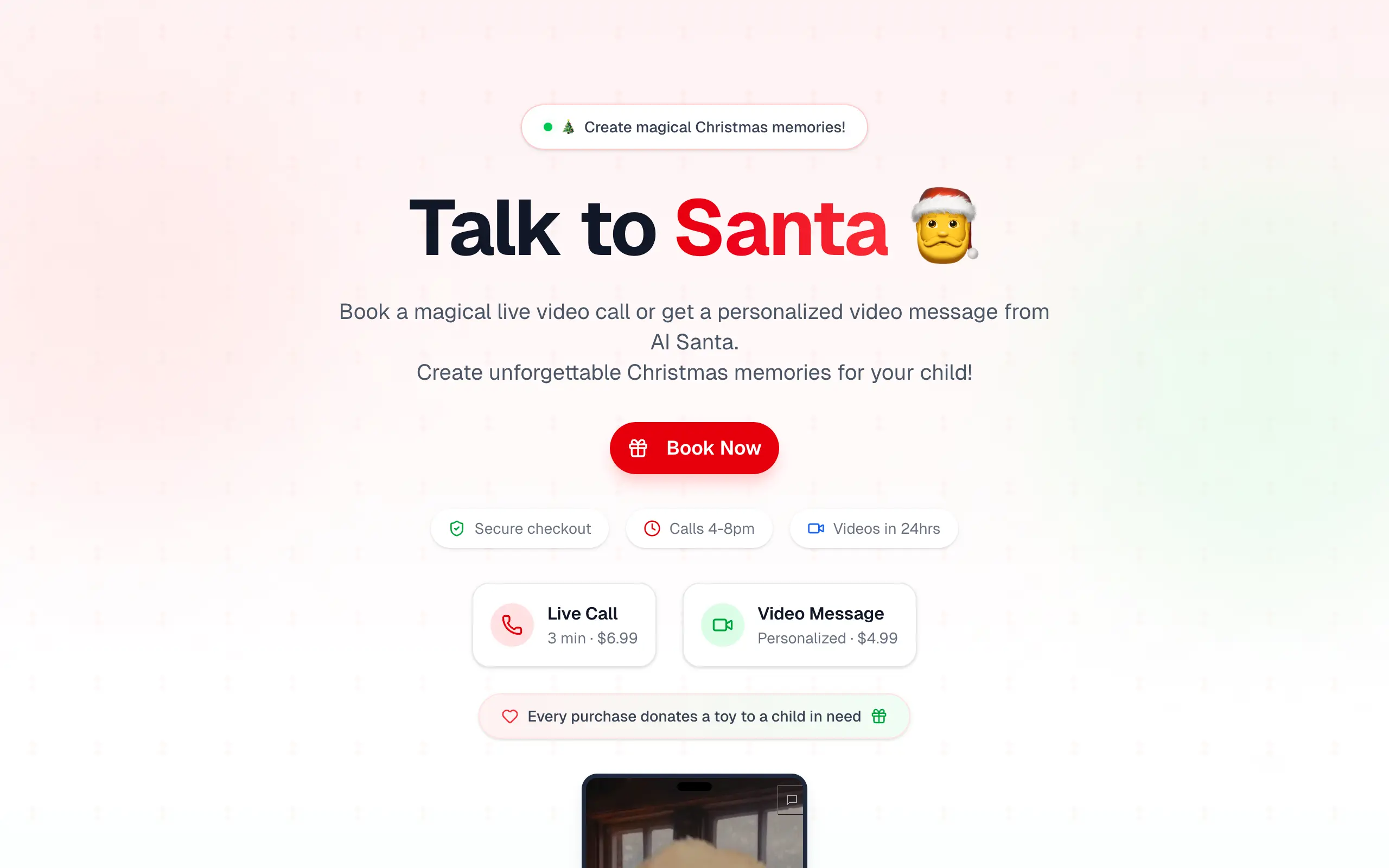
Talk to Santa
Enjoy a magical live video chat or receive a unique AI-generated video greeting from Santa Claus 🎅
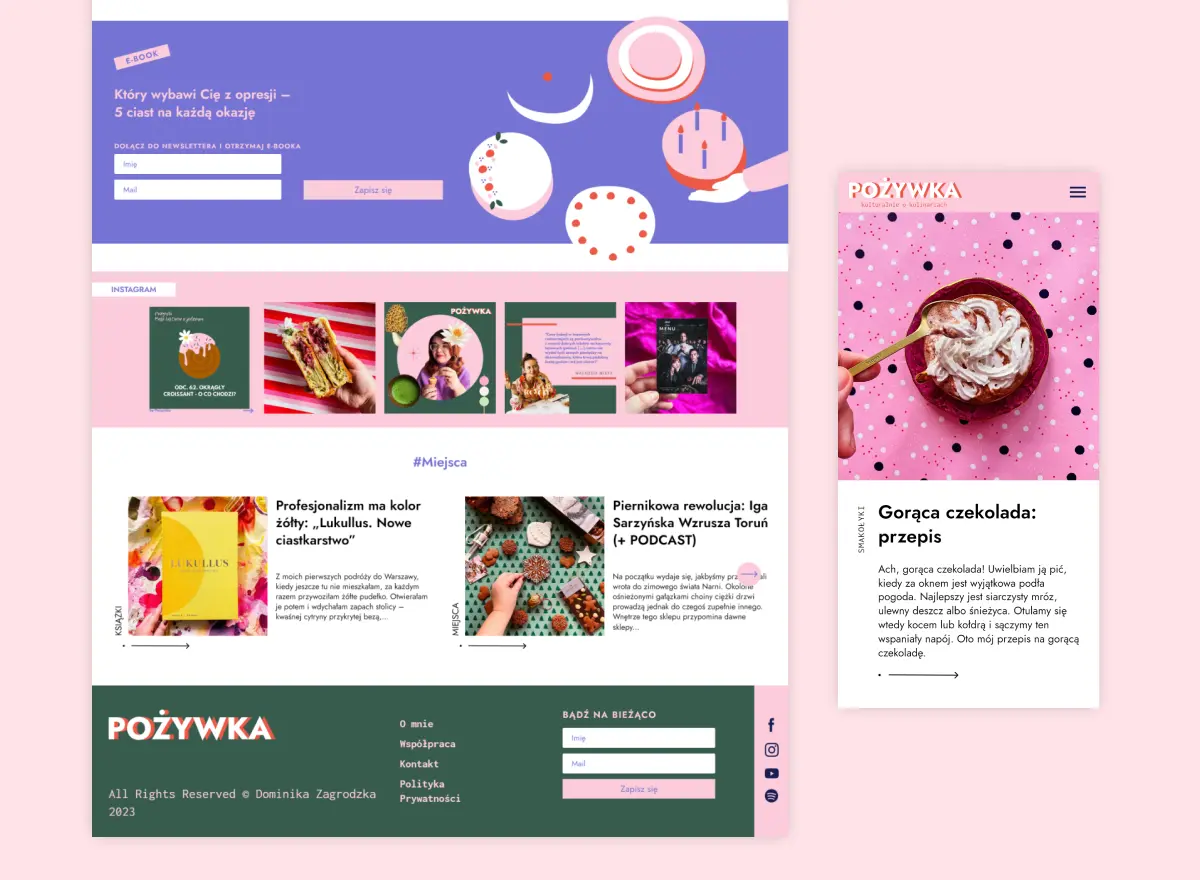
pozywka.pl
Scalable blog for food journalist, focused on performance and user experience 🌭
zagrodzki.me
Personal blog and portfolio of Bart Zagrodzki, where he shares his knowledge and work 💼
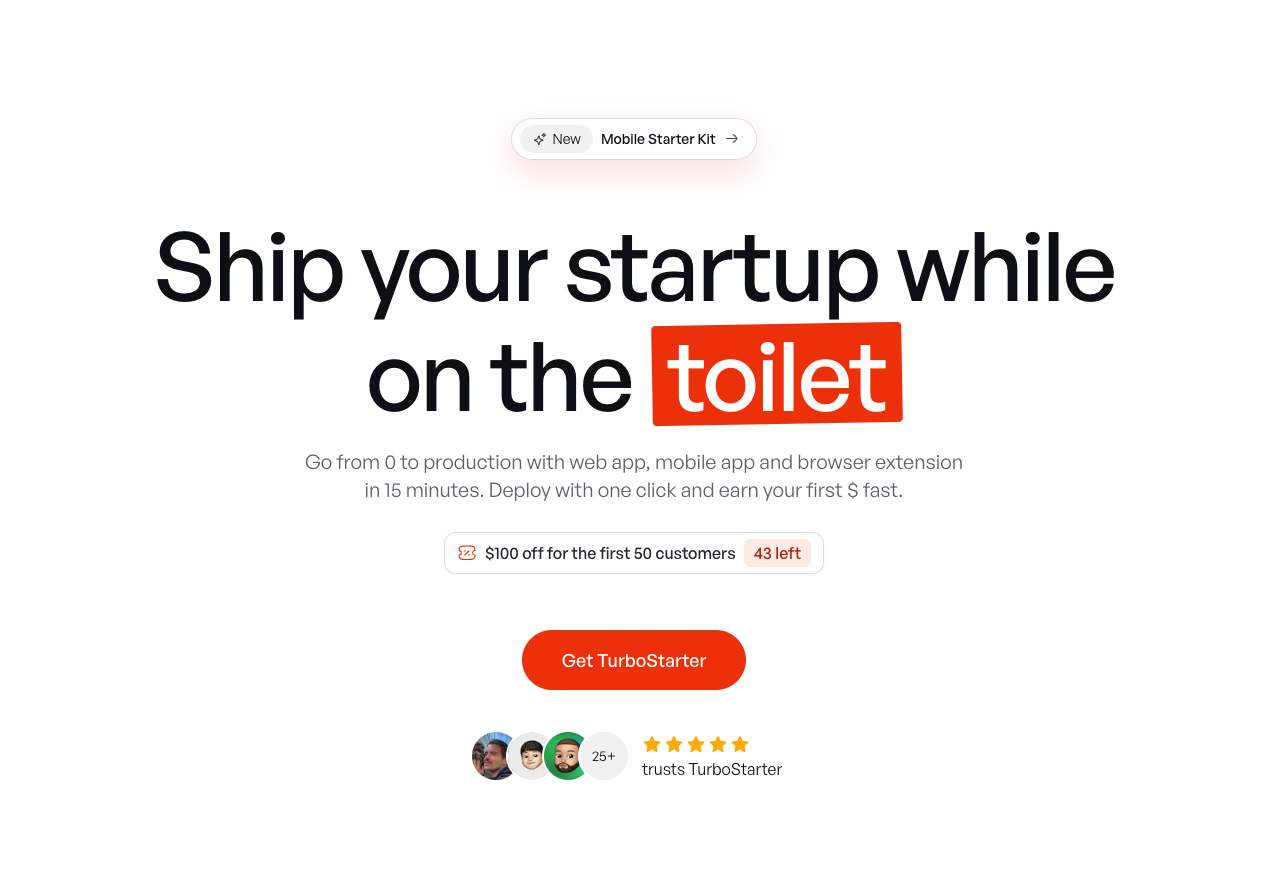
TurboStarter
Ship your startup everywhere. In minutes.
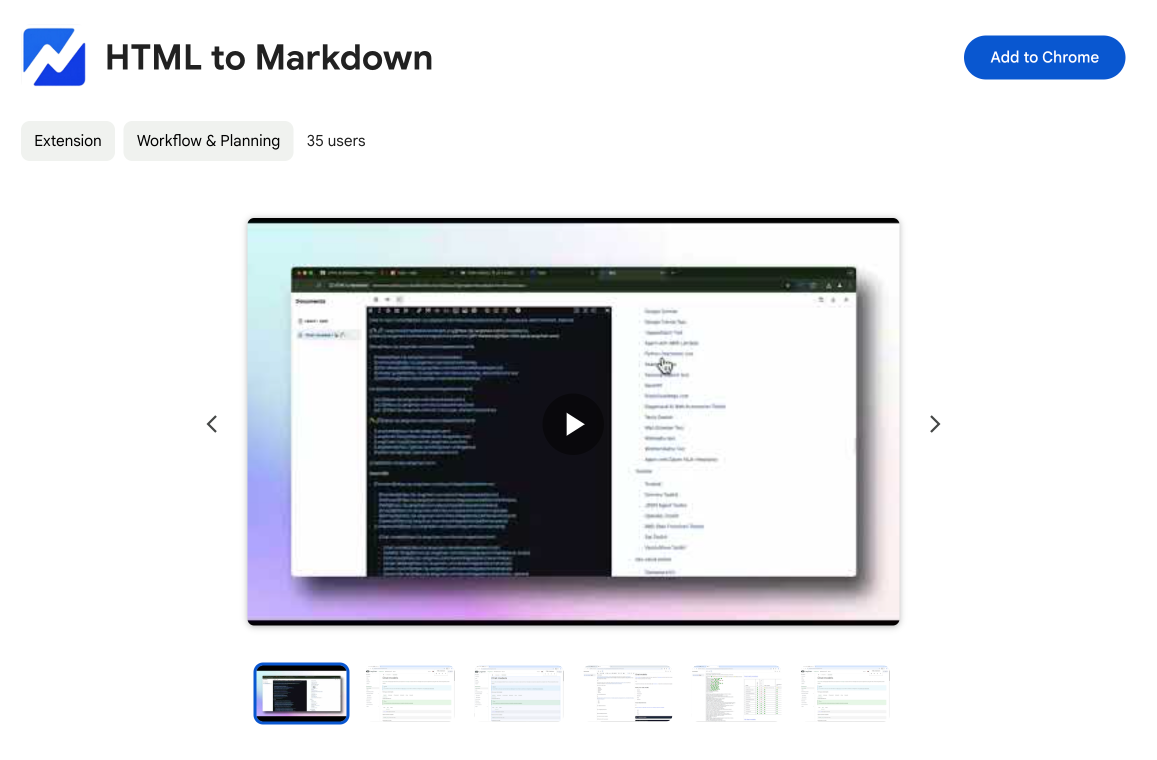
HTML to Markdown
Convert HTML to Markdown with ease, directly in your browser 📄
Dotallio
Personalized AI apps that automate research, data extraction, and content creation without code 🤖
Talk to Santa
Enjoy a magical live video chat or receive a unique AI-generated video greeting from Santa Claus 🎅
pozywka.pl
Scalable blog for food journalist, focused on performance and user experience 🌭
zagrodzki.me
Personal blog and portfolio of Bart Zagrodzki, where he shares his knowledge and work 💼
TurboStarter
Ship your startup everywhere. In minutes.
HTML to Markdown
Convert HTML to Markdown with ease, directly in your browser 📄
Dotallio
Personalized AI apps that automate research, data extraction, and content creation without code 🤖
Talk to Santa
Enjoy a magical live video chat or receive a unique AI-generated video greeting from Santa Claus 🎅
pozywka.pl
Scalable blog for food journalist, focused on performance and user experience 🌭
zagrodzki.me
Personal blog and portfolio of Bart Zagrodzki, where he shares his knowledge and work 💼
TurboStarter
Ship your startup everywhere. In minutes.
HTML to Markdown
Convert HTML to Markdown with ease, directly in your browser 📄
Dotallio
Personalized AI apps that automate research, data extraction, and content creation without code 🤖
Talk to Santa
Enjoy a magical live video chat or receive a unique AI-generated video greeting from Santa Claus 🎅
pozywka.pl
Scalable blog for food journalist, focused on performance and user experience 🌭
zagrodzki.me
Personal blog and portfolio of Bart Zagrodzki, where he shares his knowledge and work 💼
TurboStarter
Ship your startup everywhere. In minutes.
HTML to Markdown
Convert HTML to Markdown with ease, directly in your browser 📄
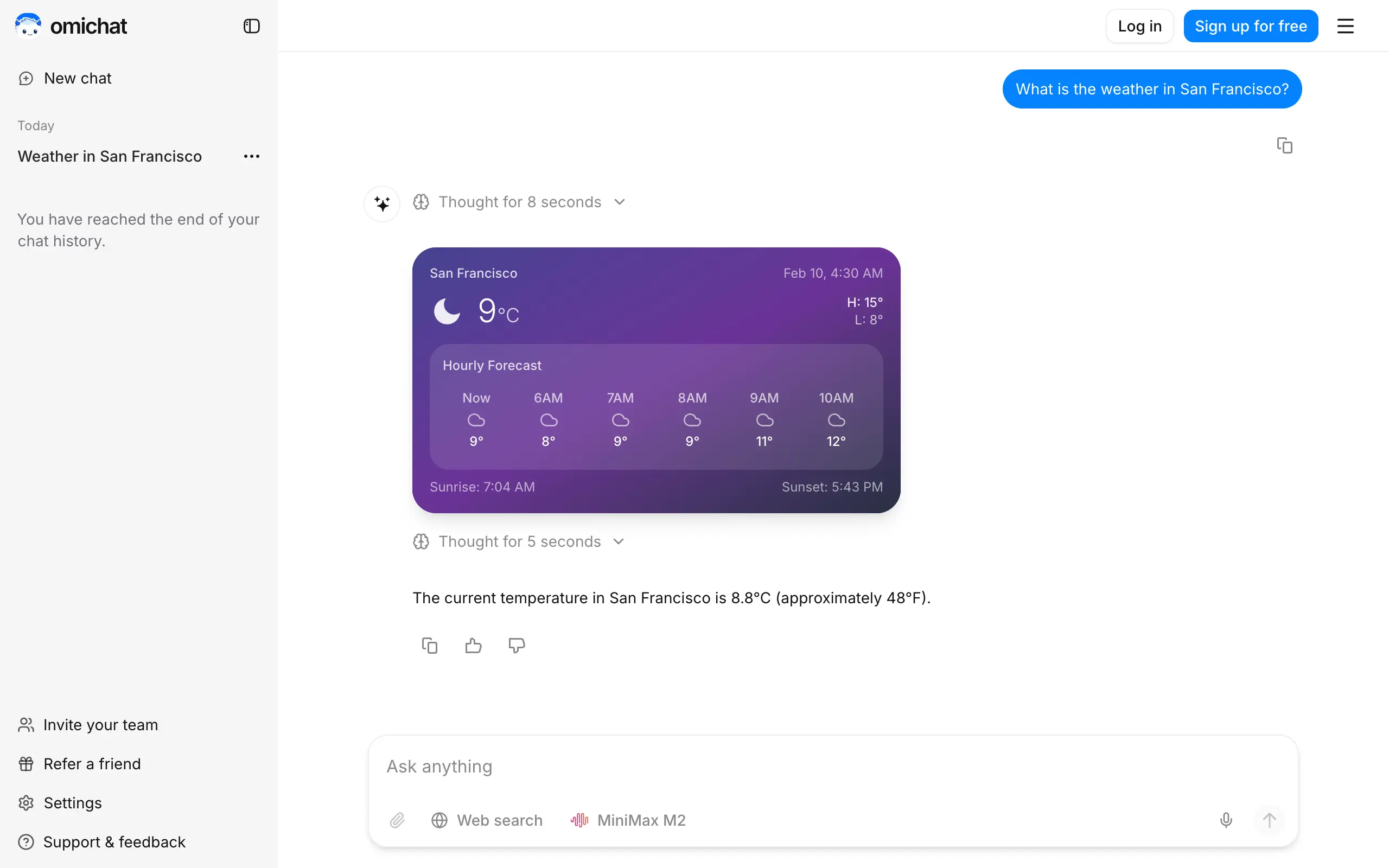
Omichat
Chat with 50+ AI models, including ChatGPT and Claude, in one place - switch models anytime without losing context 🤖
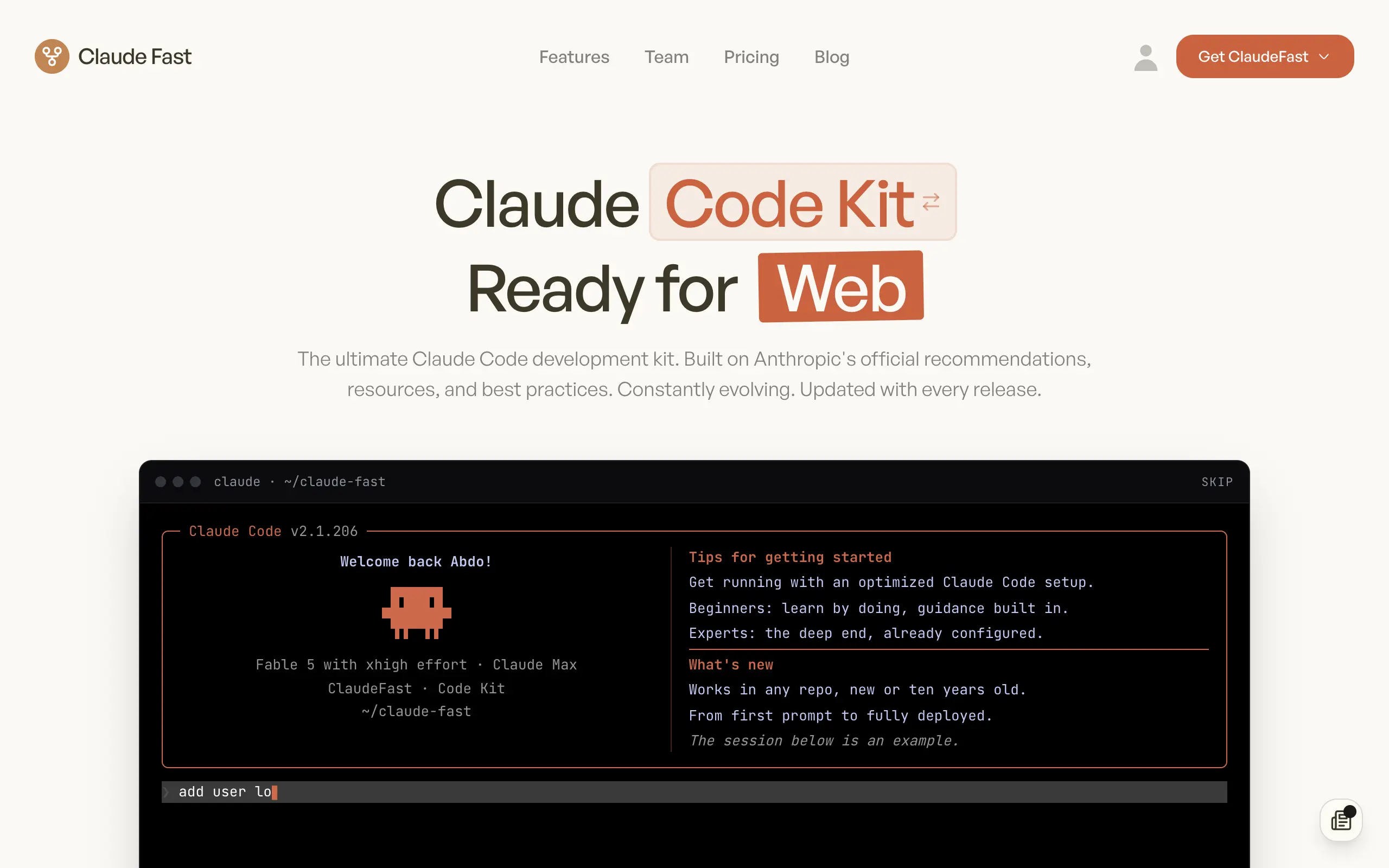
Claude Fast
Supercharge your Claude Code with 6x effective context window and specialized AI agents 🤖
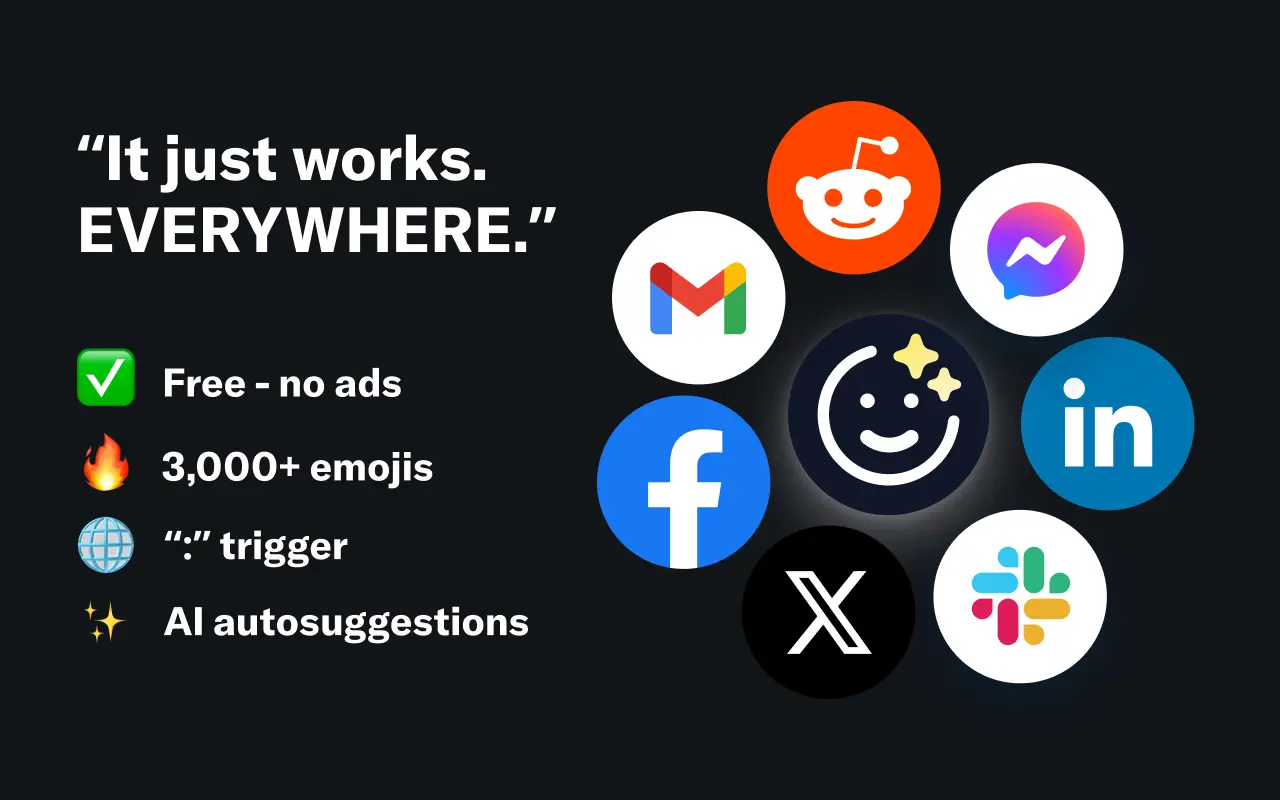
EmojAI
AI-powered emoji picker with smart, context-aware suggestions 🤖
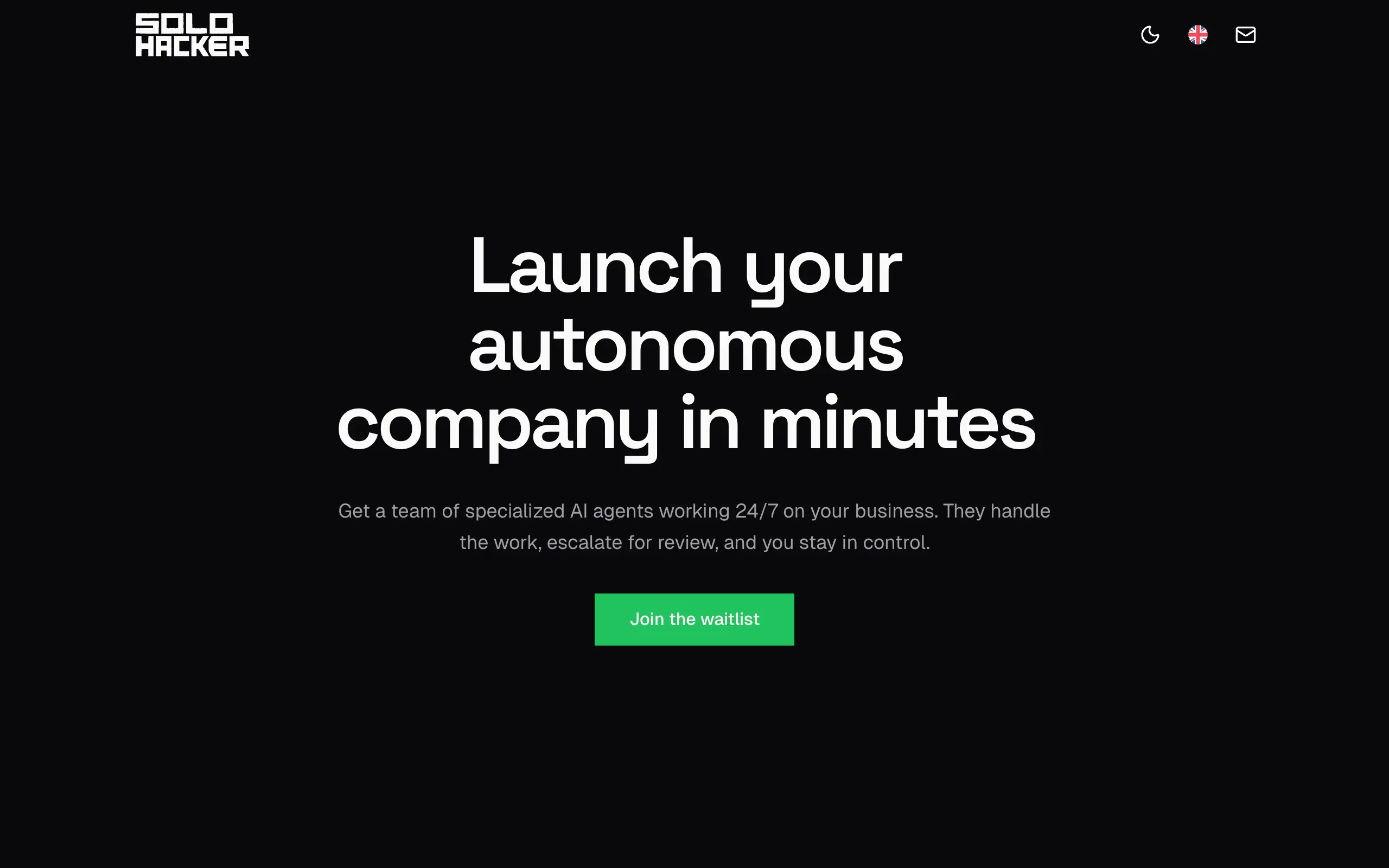
Solohacker
Autonomous company launcher - AI agents work 24/7, escalate what matters, and you stay in control 🤖
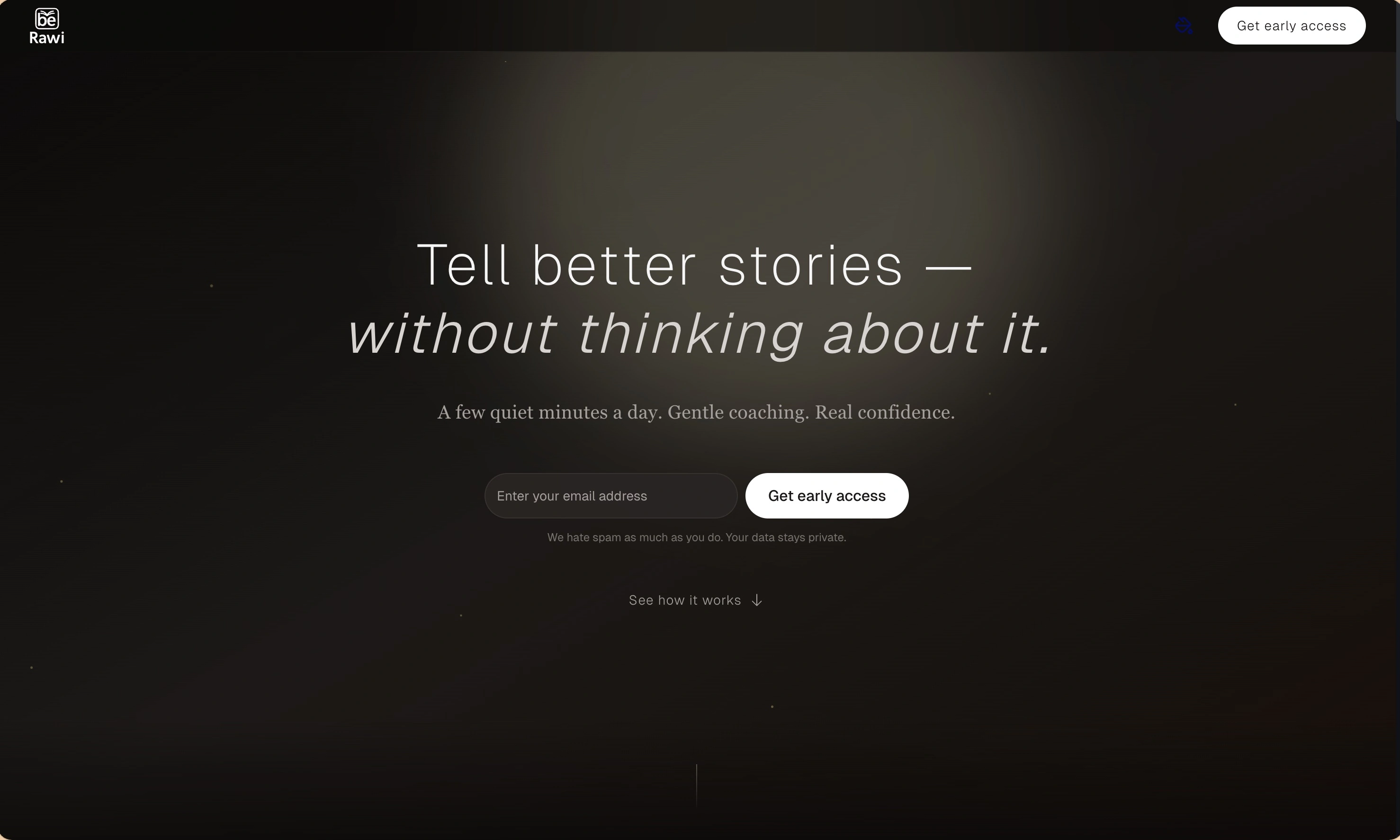
BeRawi: Storytelling Coach
Practice storytelling daily with instant feedback to sound clearer, more engaging, and confident 🎤
Omichat
Chat with 50+ AI models, including ChatGPT and Claude, in one place - switch models anytime without losing context 🤖
Claude Fast
Supercharge your Claude Code with 6x effective context window and specialized AI agents 🤖
EmojAI
AI-powered emoji picker with smart, context-aware suggestions 🤖
Solohacker
Autonomous company launcher - AI agents work 24/7, escalate what matters, and you stay in control 🤖
BeRawi: Storytelling Coach
Practice storytelling daily with instant feedback to sound clearer, more engaging, and confident 🎤
Omichat
Chat with 50+ AI models, including ChatGPT and Claude, in one place - switch models anytime without losing context 🤖
Claude Fast
Supercharge your Claude Code with 6x effective context window and specialized AI agents 🤖
EmojAI
AI-powered emoji picker with smart, context-aware suggestions 🤖
Solohacker
Autonomous company launcher - AI agents work 24/7, escalate what matters, and you stay in control 🤖
BeRawi: Storytelling Coach
Practice storytelling daily with instant feedback to sound clearer, more engaging, and confident 🎤
Omichat
Chat with 50+ AI models, including ChatGPT and Claude, in one place - switch models anytime without losing context 🤖
Claude Fast
Supercharge your Claude Code with 6x effective context window and specialized AI agents 🤖
EmojAI
AI-powered emoji picker with smart, context-aware suggestions 🤖
Solohacker
Autonomous company launcher - AI agents work 24/7, escalate what matters, and you stay in control 🤖
BeRawi: Storytelling Coach
Practice storytelling daily with instant feedback to sound clearer, more engaging, and confident 🎤

Connect with like-minded people
Join our community to get feedback, support, and grow together with 1,000+ builders on board, let's ship it!
Join usShip your startup everywhere. In minutes.
Don't burn tokens on setup and start building features on day one.