GigMatchr
Instantly connects users with local, short-term gigs and micro-jobs based on skills and availability, streamlining the process to earn money quickly.
Understanding the GigMatchr opportunity: instant local gig and micro-job matching
The gig economy is booming, with millions seeking flexible, short-term work to supplement income or gain experience. Yet, finding the right local gig—one that matches your skills, schedule, and location—remains a frustrating, time-consuming process. GigMatchr aims to solve this by instantly connecting users with local, short-term gigs and micro-jobs tailored to their skills and availability, making it easier than ever to earn money quickly.
In this comprehensive guide, we’ll analyze the GigMatchr SaaS opportunity, covering target audience, market gaps, core features, recommended tech stack, monetization, risks, competitive landscape, and actionable steps for launching a standout platform.
Who is GigMatchr for? Target audience analysis
Understanding your users is the foundation of any successful SaaS. GigMatchr’s primary audience includes:
- Job seekers looking for flexible, short-term work: Students, part-timers, freelancers, and those between jobs who want to earn extra income quickly.
- Local businesses and individuals needing quick help: Small business owners, event organizers, homeowners, and anyone needing short-term assistance (e.g., moving, deliveries, pet-sitting).
- Underemployed or gig workers seeking more opportunities: People already active on platforms like TaskRabbit, Upwork, or Fiverr, but looking for more local, immediate gigs.
- People with specific skills or availability constraints: Those who want to monetize niche skills or have limited windows of availability.
User personas
Sarah, College Student
Needs flexible, part-time gigs that fit her class schedule and are close to campus.
Mike, Small Business Owner
Occasionally needs extra hands for inventory or events, wants to find reliable local help fast.
Priya, Freelancer
Wants to fill gaps between larger projects with quick, skill-based micro-jobs.
Carlos, Stay-at-home Parent
Seeks short, local gigs during school hours to supplement family income.
Identifying the market gap: why GigMatchr is needed
Despite the proliferation of gig platforms, several pain points persist:
- Fragmented gig discovery: Users must check multiple apps and websites to find relevant gigs, wasting time and missing opportunities.
- Poor skill and availability matching: Most platforms offer basic filters, but few provide instant, personalized matches based on real-time availability and nuanced skillsets.
- Slow onboarding and application processes: Lengthy sign-ups, profile verifications, and application steps delay users from earning quickly.
- Limited local focus: Many platforms prioritize remote or large-scale gigs, overlooking hyperlocal, immediate needs.
Market trends and data
- The global gig economy is projected to reach $455 billion by 2024 (Statista).
- Over 36% of U.S. workers participate in the gig economy in some capacity (Gallup).
- Demand for hyperlocal, on-demand services is rising, especially post-pandemic, as people seek flexible work and businesses need agile staffing.
Key insight
The market is ripe for a platform that offers instant, skill-based, local gig matching—streamlining both discovery and application for users and gig providers.
Core features: how GigMatchr streamlines gig discovery and matching
To deliver on its promise, GigMatchr should offer a robust set of features that address both user and provider needs.
Essential features for job seekers
- Instant personalized gig feed: Real-time, location-based listings tailored to user skills, preferences, and availability.
- One-tap application: Apply to gigs with a single click, using pre-filled profiles and smart recommendations.
- Skill and availability profile: Users specify skills, certifications, and time slots; the system matches accordingly.
- In-app messaging: Secure, real-time chat with gig providers for quick clarifications and confirmations.
- Verified reviews and ratings: Build trust with transparent feedback from previous gigs.
Essential features for gig providers
- Quick gig posting: Post a job in under a minute, specifying required skills, timing, and location.
- Automated candidate matching: Instantly see top-matched candidates based on skills, ratings, and proximity.
- Scheduling and calendar integration: Sync gigs with Google Calendar or iCal for seamless planning.
- Payment processing: Secure, in-app payments with escrow and instant payouts.
Platform-wide features
- Smart notifications: Alerts for new gigs, application updates, and payment status.
- Trust and safety tools: ID verification, background checks, and dispute resolution.
- Analytics dashboard: Insights for both seekers and providers (e.g., earnings, gig history, response rates).
Unlike generic job boards or remote gig sites, GigMatchr focuses on hyperlocal, instant matching—prioritizing speed, skill fit, and real-time availability. Its streamlined onboarding and one-tap application process set it apart from competitors.
Recommended tech stack for building GigMatchr
Choosing the right technology stack is crucial for scalability, speed, and user experience. Here’s a recommended stack for GigMatchr, with trade-offs explained.
Frontend
- React (reactjs.org): Modern, component-based UI for fast, interactive experiences.
- Next.js (nextjs.org): Server-side rendering for SEO, fast page loads, and API routes.
- Tailwind CSS (tailwindcss.com): Utility-first CSS for rapid, consistent styling.
- React Native (reactnative.dev): For cross-platform mobile apps (iOS & Android) using shared codebase.
Backend
- Node.js (nodejs.org): High-performance, event-driven server environment.
- Express.js (expressjs.com): Minimal, flexible web framework for APIs.
- PostgreSQL (postgresql.org): Robust, scalable relational database for user, gig, and transaction data.
- Redis (redis.io): For caching, real-time notifications, and session management.
Real-time and matching logic
- Socket.io (socket.io): Real-time messaging and notifications.
- Elasticsearch (elastic.co): Fast, flexible search and matching engine for skills, location, and availability.
Payments and authentication
- Stripe (stripe.com): Secure, global payment processing.
- Auth0 (auth0.com): Scalable authentication and user management.
DevOps and hosting
- Vercel (vercel.com) or AWS (aws.amazon.com): For scalable, global hosting and serverless functions.
- TurboStarter (TurboStarter): For rapid SaaS boilerplate, authentication, payments, and deployment—accelerating your MVP launch.
Trade-offs and considerations
- Monolithic vs. microservices: Start with a monolithic architecture for speed, then modularize as you scale.
- No-code/low-code options: For rapid prototyping, consider platforms like Bubble or OutSystems, but custom code offers more flexibility for complex matching logic.
| Stack | Speed | Scalability | Flexibility | Cost |
|---|---|---|---|---|
| Custom (React/Node) | ✅ | ✅ | ✅ | ❌ |
| No-code | ✅ | ❌ | ❌ | ✅ |
Monetization strategies for GigMatchr
A sustainable SaaS needs a clear path to revenue. Here are proven monetization models for gig platforms:
1. Transaction fees
- Take a percentage (e.g., 10-20%) of each completed gig payment.
- Aligns incentives: platform earns when users earn.
2. Subscription plans
- Premium features for seekers: Early access to gigs, profile boosts, advanced analytics.
- Premium for providers: Featured listings, bulk posting, advanced candidate filters.
3. Advertising and partnerships
- Local business ads: Promote relevant services (e.g., tools, training, insurance).
- Partner integrations: Upsell background checks, certifications, or insurance.
4. Value-added services
- Instant payouts: Charge a small fee for same-day payments.
- Skill verification: Paid assessments or badges.
Start with transaction fees for simplicity, then layer in subscriptions and value-added services as the platform grows.
Potential risks and mitigation strategies
Launching a gig matching platform comes with challenges. Here’s how to anticipate and address them:
1. Trust and safety concerns
- Risk: Fraudulent gigs, unreliable workers, or payment disputes.
- Mitigation: Implement ID verification, background checks, escrow payments, and a robust review system.
2. Liquidity and network effects
- Risk: Not enough gigs or seekers in early stages, leading to poor matches.
- Mitigation: Focus on a specific city or niche to build density, use referral incentives, and partner with local businesses.
3. Regulatory compliance
- Risk: Labor laws, tax obligations, and worker classification issues.
- Mitigation: Consult legal experts, provide clear terms, and stay updated on gig economy regulations.
4. Platform abuse and spam
- Risk: Fake postings, spam applications, or harassment.
- Mitigation: Automated moderation, reporting tools, and proactive community management.
GigMatchr’s unique focus on instant, hyperlocal, skill-based matching and a frictionless user experience helps differentiate it from larger, slower-moving incumbents.
Competitive advantage: what makes GigMatchr stand out?
To succeed, GigMatchr must offer clear, compelling advantages over existing gig platforms:
- Instant, personalized matching: Real-time, AI-driven recommendations based on skills, location, and availability.
- Hyperlocal focus: Prioritizes gigs within a user’s immediate area, reducing travel and increasing relevance.
- Frictionless onboarding: Users can sign up, set preferences, and start applying to gigs in minutes.
- One-tap application: Streamlined process reduces barriers to earning.
- Trust and transparency: Verified profiles, secure payments, and transparent reviews build confidence for both sides.
Unique selling proposition (USP)
GigMatchr’s USP
GigMatchr instantly connects users with local, short-term gigs and micro-jobs tailored to their skills and real-time availability—making it the fastest, easiest way to earn money nearby.
Implementation steps: how to build and launch GigMatchr
Ready to bring GigMatchr to life? Here’s a step-by-step roadmap:
Conclusion: why now is the time for GigMatchr
The gig economy’s rapid growth, combined with persistent pain points in local gig discovery and matching, creates a prime opportunity for a platform like GigMatchr. By focusing on instant, skill-based, hyperlocal matching and a frictionless user experience, you can carve out a unique space in a crowded market.
With the right tech stack—leveraging modern frameworks like React, Next.js, and tools like TurboStarter for rapid MVP launch—you can move quickly from idea to market. Prioritize trust, liquidity, and user-centric design to build a platform that truly empowers both gig seekers and providers.
Frequently asked questions about GigMatchr
Through verified profiles, background checks, escrow payments, and a transparent review system, GigMatchr builds trust and minimizes risk for all users.
The platform is designed for scalability, but it’s best to launch in a single city or region first to build liquidity and refine the experience.
Local, short-term, skill-based gigs—such as event staffing, deliveries, moving help, pet care, and handyman tasks—are ideal for the platform.
With instant onboarding and one-tap applications, users can find and apply to gigs within minutes of signing up.
By addressing real user needs with a modern, scalable solution, GigMatchr has the potential to become the go-to platform for instant, local gig and micro-job matching—helping people earn money quickly and businesses get the help they need, when they need it.
More 💡 Other SaaS ideas
Discover more innovative other SaaS ideas that are trending in 2026. Each idea is AI-generated with market validation and growth potential to help you find your next profitable venture faster than competitors.
Your competitors are building with TurboStarter
Below are some of the SaaS ideas that have been generated and built with our starter kit.
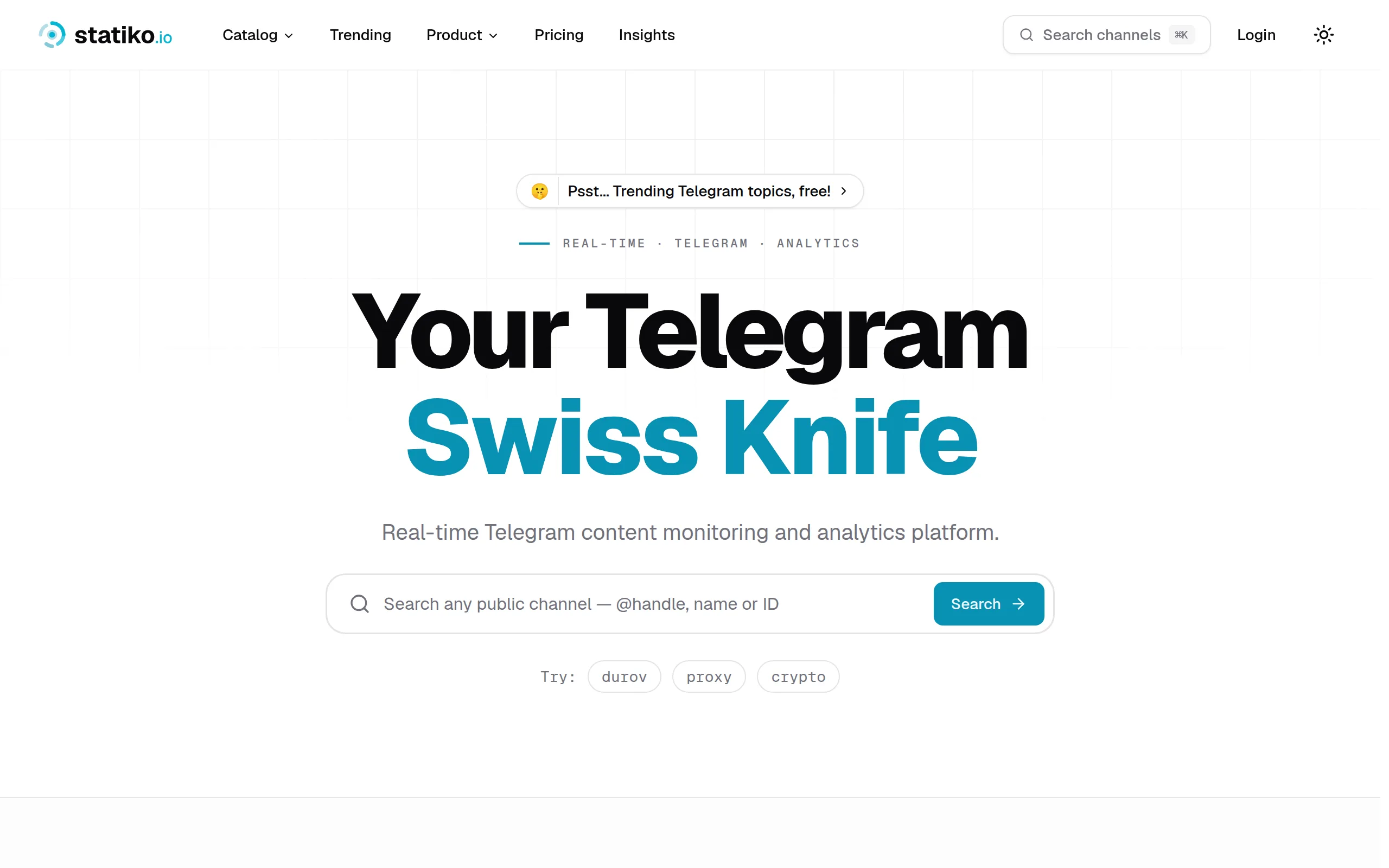
Statiko
Monitor any Telegram channel in real time - track posts, edits, deletions, and growth with AI recaps 📡

Shibui
AI website builder - describe your business, pick a niche template, edit by chatting, and publish instantly ✨

Pro Service
Find verified home service professionals, compare quotes, and pay securely through escrow - built for Brazilians across the US 🏠
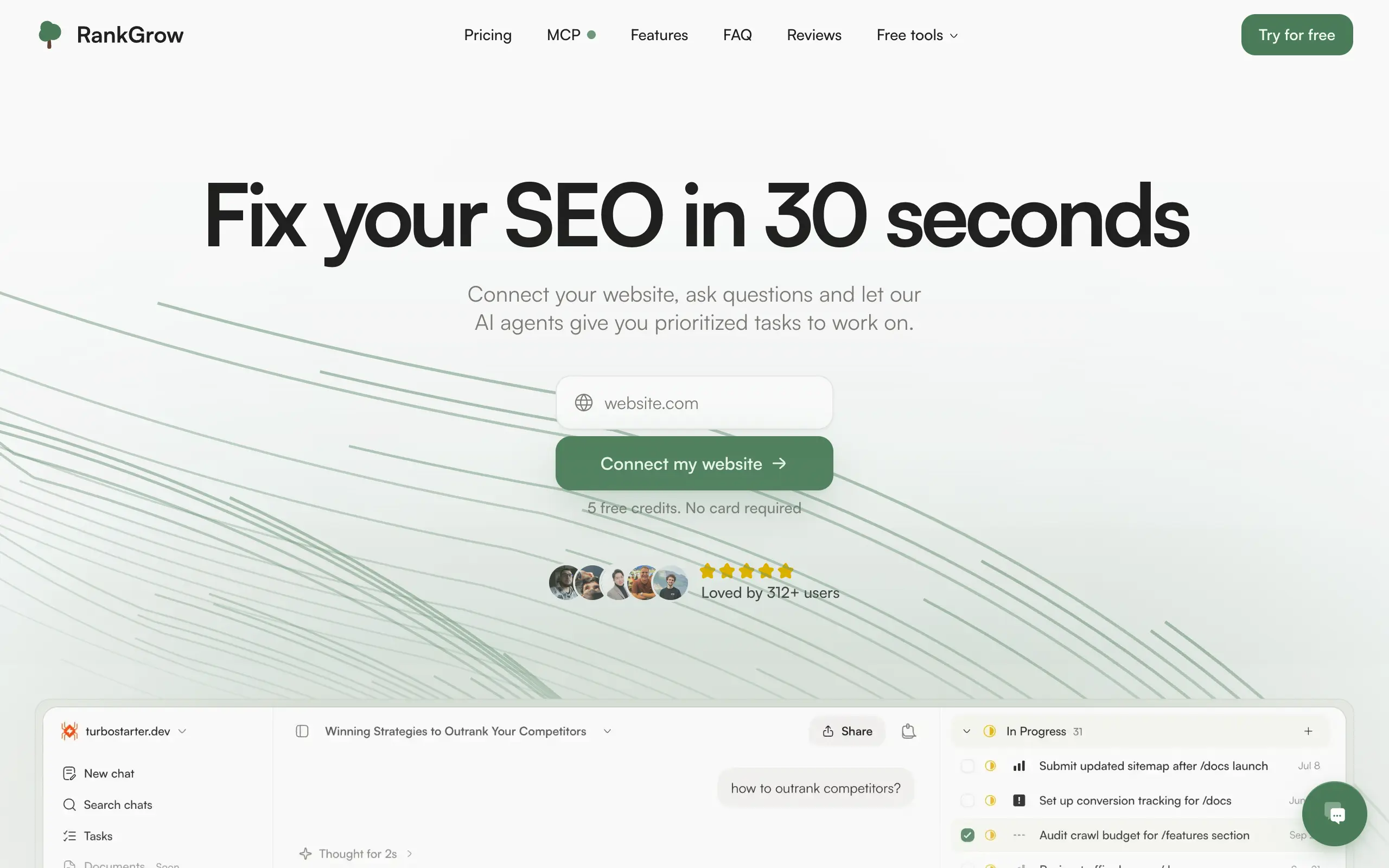
RankGrow
Fix your SEO with AI agents - connect Search Console, get prioritized tasks, and grow organic traffic 📈
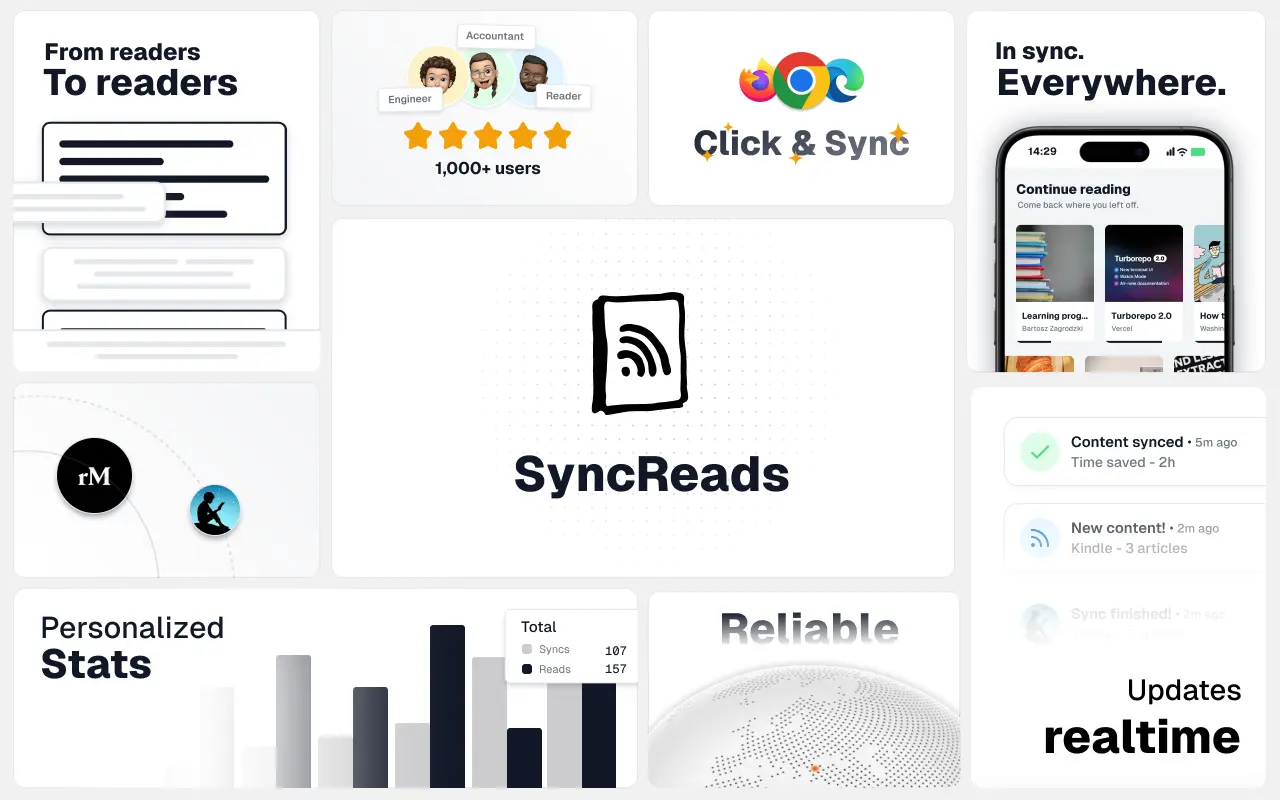
SyncReads
Sync your favorite content for distraction-free reading, save time and replace multiple apps. Anytime, anywhere 🔄
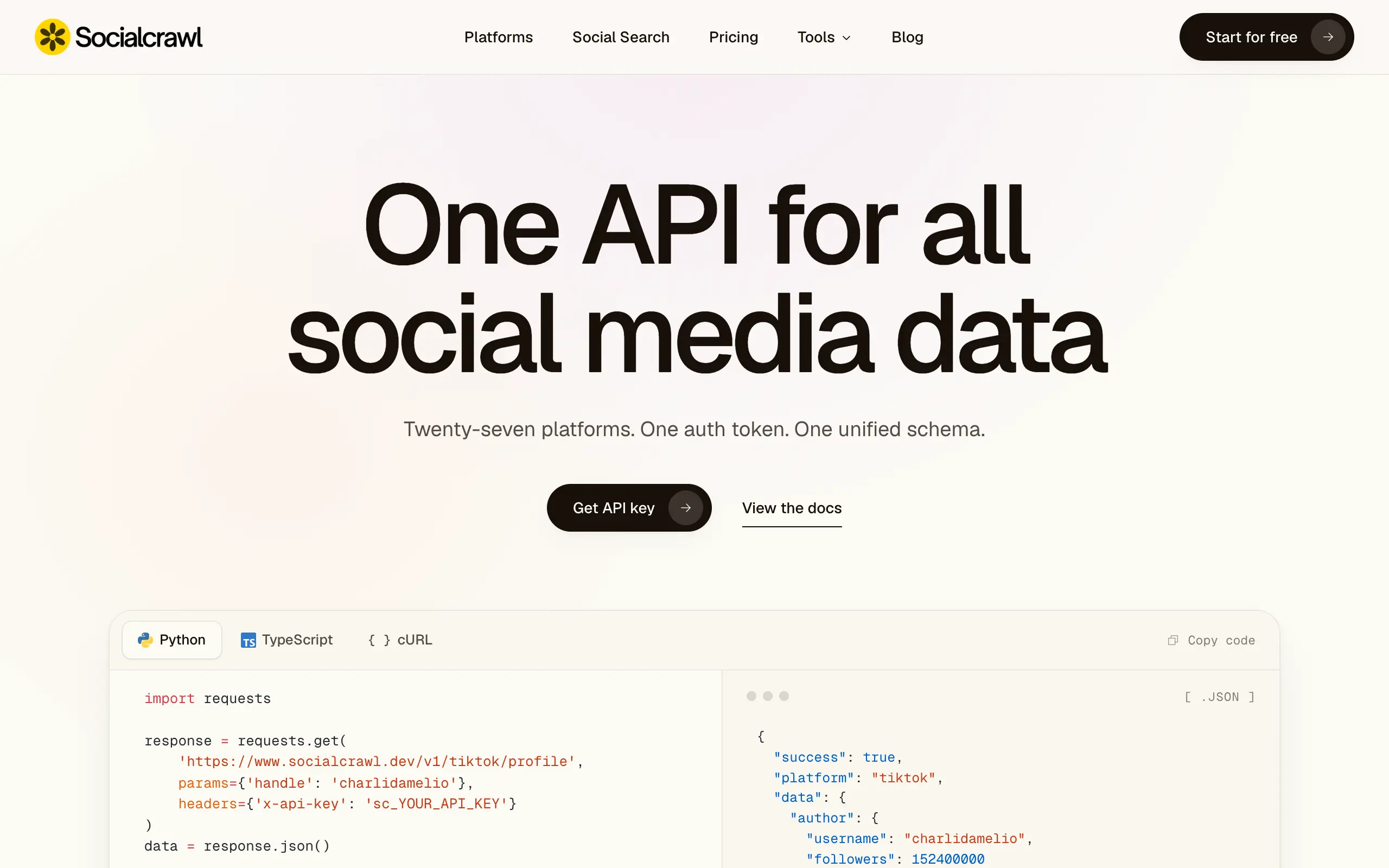
Socialcrawl
Get clean, structured data from 21 platforms like TikTok, Instagram, and YouTube with a single request 📊
Statiko
Monitor any Telegram channel in real time - track posts, edits, deletions, and growth with AI recaps 📡
Shibui
AI website builder - describe your business, pick a niche template, edit by chatting, and publish instantly ✨
Pro Service
Find verified home service professionals, compare quotes, and pay securely through escrow - built for Brazilians across the US 🏠
RankGrow
Fix your SEO with AI agents - connect Search Console, get prioritized tasks, and grow organic traffic 📈
SyncReads
Sync your favorite content for distraction-free reading, save time and replace multiple apps. Anytime, anywhere 🔄
Socialcrawl
Get clean, structured data from 21 platforms like TikTok, Instagram, and YouTube with a single request 📊
Statiko
Monitor any Telegram channel in real time - track posts, edits, deletions, and growth with AI recaps 📡
Shibui
AI website builder - describe your business, pick a niche template, edit by chatting, and publish instantly ✨
Pro Service
Find verified home service professionals, compare quotes, and pay securely through escrow - built for Brazilians across the US 🏠
RankGrow
Fix your SEO with AI agents - connect Search Console, get prioritized tasks, and grow organic traffic 📈
SyncReads
Sync your favorite content for distraction-free reading, save time and replace multiple apps. Anytime, anywhere 🔄
Socialcrawl
Get clean, structured data from 21 platforms like TikTok, Instagram, and YouTube with a single request 📊
Statiko
Monitor any Telegram channel in real time - track posts, edits, deletions, and growth with AI recaps 📡
Shibui
AI website builder - describe your business, pick a niche template, edit by chatting, and publish instantly ✨
Pro Service
Find verified home service professionals, compare quotes, and pay securely through escrow - built for Brazilians across the US 🏠
RankGrow
Fix your SEO with AI agents - connect Search Console, get prioritized tasks, and grow organic traffic 📈
SyncReads
Sync your favorite content for distraction-free reading, save time and replace multiple apps. Anytime, anywhere 🔄
Socialcrawl
Get clean, structured data from 21 platforms like TikTok, Instagram, and YouTube with a single request 📊
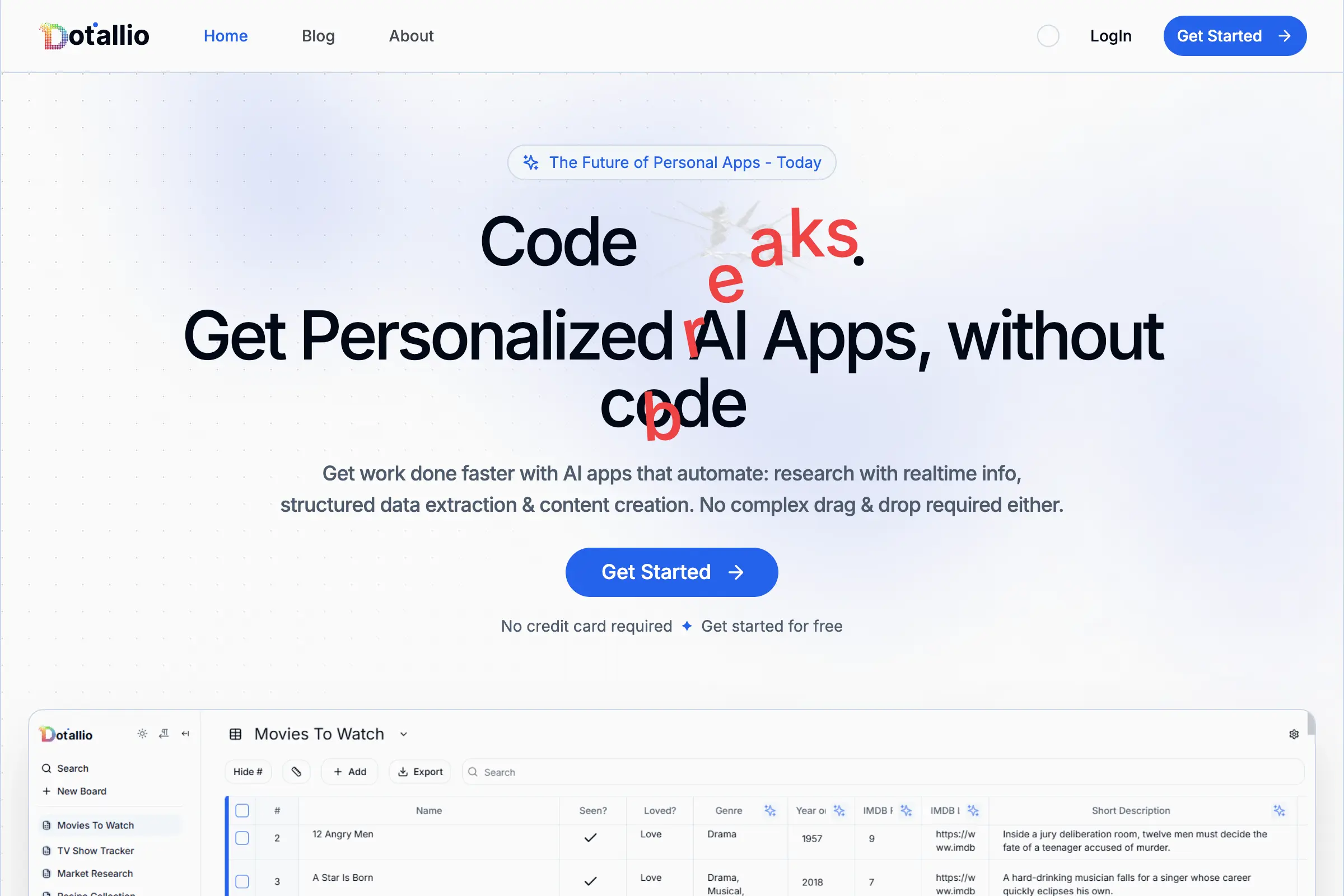
Dotallio
Personalized AI apps that automate research, data extraction, and content creation without code 🤖

Talk to Santa
Enjoy a magical live video chat or receive a unique AI-generated video greeting from Santa Claus 🎅

pozywka.pl
Scalable blog for food journalist, focused on performance and user experience 🌭
zagrodzki.me
Personal blog and portfolio of Bart Zagrodzki, where he shares his knowledge and work 💼
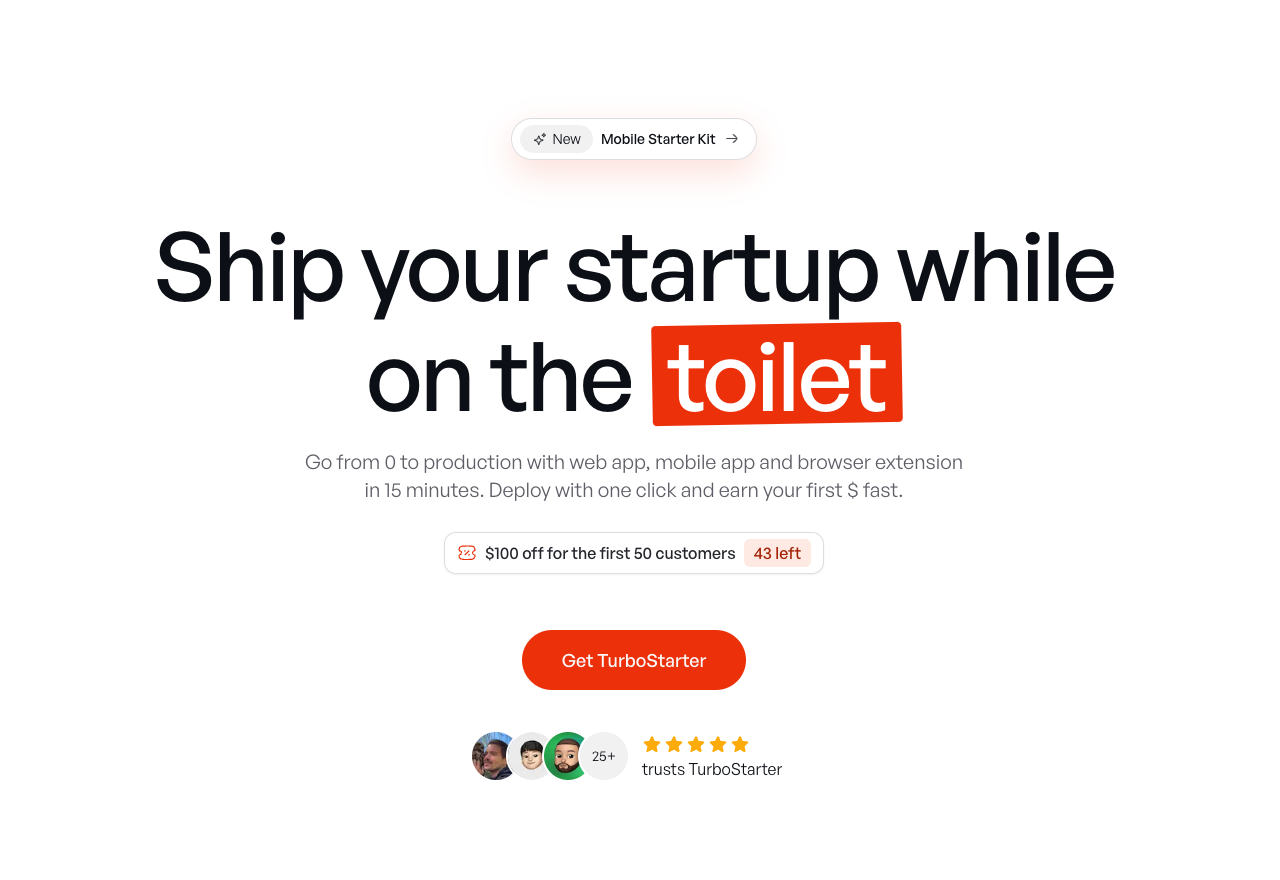
TurboStarter
Ship your startup everywhere. In minutes.
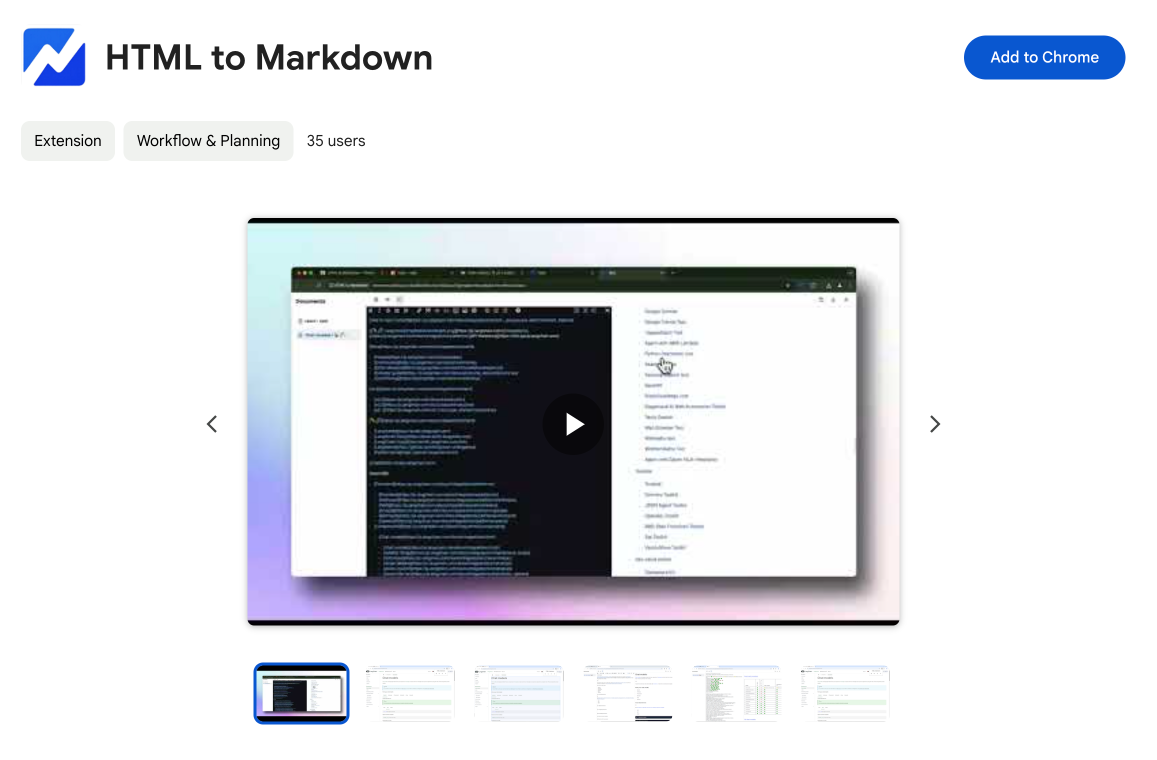
HTML to Markdown
Convert HTML to Markdown with ease, directly in your browser 📄
Dotallio
Personalized AI apps that automate research, data extraction, and content creation without code 🤖
Talk to Santa
Enjoy a magical live video chat or receive a unique AI-generated video greeting from Santa Claus 🎅
pozywka.pl
Scalable blog for food journalist, focused on performance and user experience 🌭
zagrodzki.me
Personal blog and portfolio of Bart Zagrodzki, where he shares his knowledge and work 💼
TurboStarter
Ship your startup everywhere. In minutes.
HTML to Markdown
Convert HTML to Markdown with ease, directly in your browser 📄
Dotallio
Personalized AI apps that automate research, data extraction, and content creation without code 🤖
Talk to Santa
Enjoy a magical live video chat or receive a unique AI-generated video greeting from Santa Claus 🎅
pozywka.pl
Scalable blog for food journalist, focused on performance and user experience 🌭
zagrodzki.me
Personal blog and portfolio of Bart Zagrodzki, where he shares his knowledge and work 💼
TurboStarter
Ship your startup everywhere. In minutes.
HTML to Markdown
Convert HTML to Markdown with ease, directly in your browser 📄
Dotallio
Personalized AI apps that automate research, data extraction, and content creation without code 🤖
Talk to Santa
Enjoy a magical live video chat or receive a unique AI-generated video greeting from Santa Claus 🎅
pozywka.pl
Scalable blog for food journalist, focused on performance and user experience 🌭
zagrodzki.me
Personal blog and portfolio of Bart Zagrodzki, where he shares his knowledge and work 💼
TurboStarter
Ship your startup everywhere. In minutes.
HTML to Markdown
Convert HTML to Markdown with ease, directly in your browser 📄
Omichat
Chat with 50+ AI models, including ChatGPT and Claude, in one place - switch models anytime without losing context 🤖
Claude Fast
Supercharge your Claude Code with 6x effective context window and specialized AI agents 🤖
EmojAI
AI-powered emoji picker with smart, context-aware suggestions 🤖
Solohacker
Autonomous company launcher - AI agents work 24/7, escalate what matters, and you stay in control 🤖
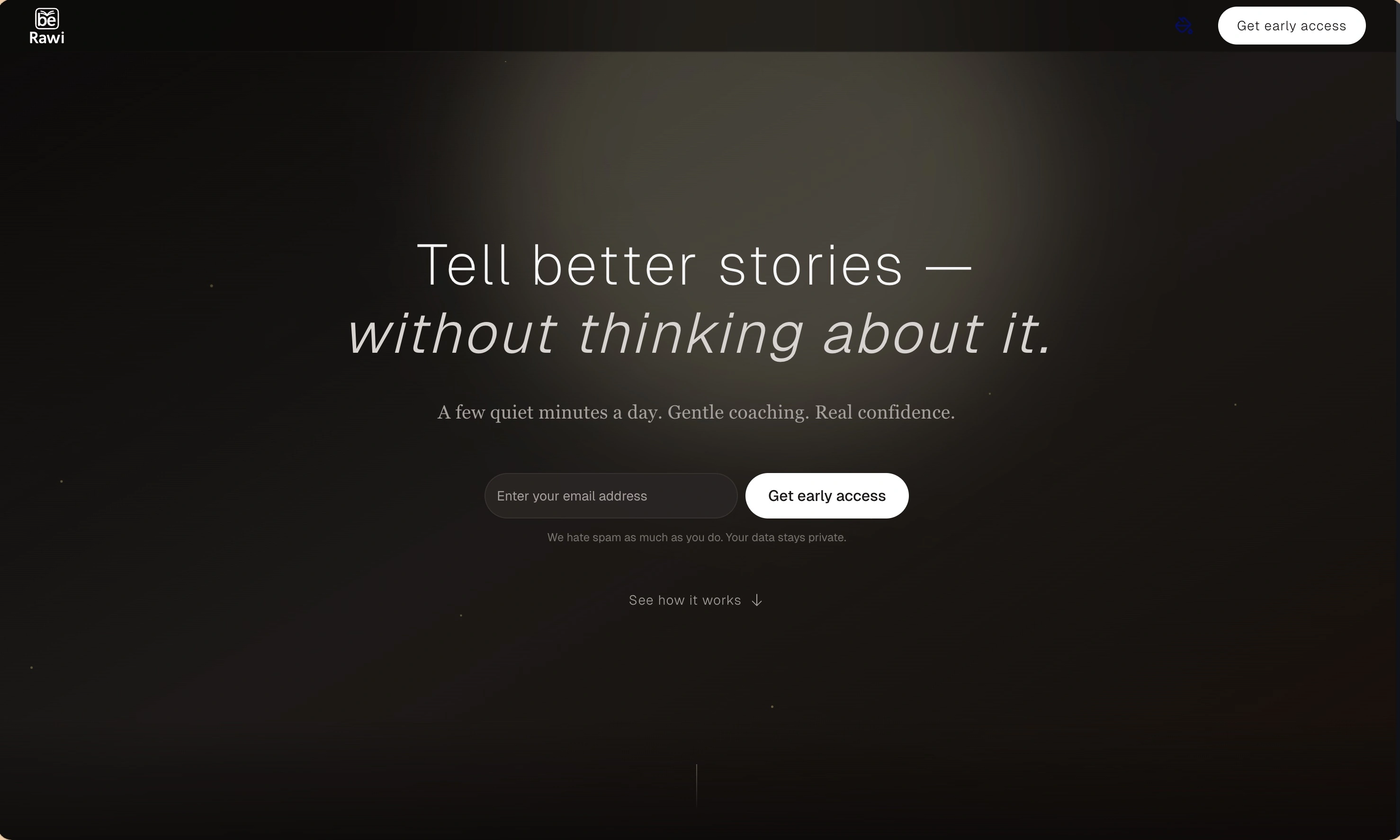
BeRawi: Storytelling Coach
Practice storytelling daily with instant feedback to sound clearer, more engaging, and confident 🎤
Omichat
Chat with 50+ AI models, including ChatGPT and Claude, in one place - switch models anytime without losing context 🤖
Claude Fast
Supercharge your Claude Code with 6x effective context window and specialized AI agents 🤖
EmojAI
AI-powered emoji picker with smart, context-aware suggestions 🤖
Solohacker
Autonomous company launcher - AI agents work 24/7, escalate what matters, and you stay in control 🤖
BeRawi: Storytelling Coach
Practice storytelling daily with instant feedback to sound clearer, more engaging, and confident 🎤
Omichat
Chat with 50+ AI models, including ChatGPT and Claude, in one place - switch models anytime without losing context 🤖
Claude Fast
Supercharge your Claude Code with 6x effective context window and specialized AI agents 🤖
EmojAI
AI-powered emoji picker with smart, context-aware suggestions 🤖
Solohacker
Autonomous company launcher - AI agents work 24/7, escalate what matters, and you stay in control 🤖
BeRawi: Storytelling Coach
Practice storytelling daily with instant feedback to sound clearer, more engaging, and confident 🎤
Omichat
Chat with 50+ AI models, including ChatGPT and Claude, in one place - switch models anytime without losing context 🤖
Claude Fast
Supercharge your Claude Code with 6x effective context window and specialized AI agents 🤖
EmojAI
AI-powered emoji picker with smart, context-aware suggestions 🤖
Solohacker
Autonomous company launcher - AI agents work 24/7, escalate what matters, and you stay in control 🤖
BeRawi: Storytelling Coach
Practice storytelling daily with instant feedback to sound clearer, more engaging, and confident 🎤

Connect with like-minded people
Join our community to get feedback, support, and grow together with 1,000+ builders on board, let's ship it!
Join usShip your startup everywhere. In minutes.
Don't burn tokens on setup and start building features on day one.