GymCred
Universal gym credit system letting users access multiple fitness spaces with one balance, solving rigid memberships and unused fees.
The future of flexible fitness: why a universal gym credit system is inevitable
The traditional gym membership model is broken. Users pay monthly fees, rarely optimize usage, and are locked into rigid contracts that don’t reflect how modern consumers live, travel, and work. At the same time, gyms struggle with churn, unused capacity, and pricing inefficiencies.
This is where GymCred — a universal gym credit system — creates a compelling opportunity. By allowing users to access multiple fitness spaces through a single balance, GymCred reimagines fitness access as a flexible, on-demand experience—similar to how Spotify transformed music or ClassPass reshaped boutique fitness.
This article explores the full SaaS potential of GymCred, including market demand, product design, monetization strategies, technical architecture, risks, and how to build it into a scalable platform.
Understanding the core concept of gym credit systems
A gym credit system replaces fixed memberships with a flexible balance users can spend across participating gyms, studios, and wellness providers.
Instead of:
- Paying $60/month for one gym
- Feeling guilty for unused memberships
- Being locked into one location
Users get:
- A wallet of credits
- Access to multiple gyms
- Pay-per-use flexibility
Why this model works now
Several macro trends make GymCred particularly timely:
- Hybrid lifestyles: People split time between home, office, and travel
- Experience economy: Users prefer flexibility over ownership
- Subscription fatigue: Consumers are actively reducing unused subscriptions
- Remote work boom: Location-independent fitness demand is rising
- Wellness diversification: Users combine gym workouts with yoga, pilates, recovery, etc.
Key insight
GymCred is not just a fitness tool—it’s a financial abstraction layer for physical access, similar to how fintech platforms abstract payments across merchants.
Target audience and user segmentation
GymCred serves multiple user groups, each with different motivations and behaviors.
Primary users
1. Urban professionals
- Frequently travel or commute
- Prefer flexibility over long-term commitments
- Value convenience and variety
2. Fitness explorers
- Enjoy trying different workouts (CrossFit, yoga, HIIT)
- Already use platforms like ClassPass
- Seek novelty and diversity
3. Remote workers and digital nomads
- Move between cities
- Need consistent access without contracts
- Willing to pay premium for flexibility
4. Occasional gym users
- Go 4–8 times/month
- Hate paying full membership fees
- Ideal for pay-as-you-go systems
Secondary users (B2B angle)
1. Gym owners
- Want to monetize unused capacity
- Struggle with churn
- Need new acquisition channels
2. Corporate wellness programs
- Offer flexible fitness benefits to employees
- Prefer usage-based billing over fixed partnerships
Market opportunity and gap analysis
The global fitness industry is massive and evolving.
- The global fitness market is estimated to exceed $100B+ annually (suggest referencing sources like Statista or IHRSA reports)
- Boutique fitness and flexible access models are growing faster than traditional gyms
- ClassPass validated the model but is limited in scope and pricing transparency
The gap GymCred fills
| Problem | Existing Solutions | Gap |
|---|---|---|
| Rigid memberships | Traditional gyms | No flexibility |
| Limited access | Single-gym subscriptions | No portability |
| Expensive exploration | ClassPass | Limited inventory, opaque pricing |
| Underutilized capacity | Gym owners struggle | No dynamic pricing layer |
Core product features and platform design
GymCred should function as a two-sided marketplace + fintech layer.
User-side features
-
Universal credit wallet
- Purchase credits
- Roll over or expire based on plan
-
Gym discovery
- Search by location, amenities, ratings
- Real-time availability
-
Dynamic pricing
- Different credit costs based on:
- Time of day
- Gym popularity
- Location
- Different credit costs based on:
-
Seamless check-in
- QR code or app-based entry
-
Usage analytics
- Track workouts, spending, trends
Gym partner features
- Capacity management dashboard
- Dynamic pricing controls
- Revenue analytics
- Customer insights
- API integrations with existing systems
Platform-level features
- Smart credit pricing engine
- Fraud prevention systems
- Real-time inventory management
- Payment and billing infrastructure
Competitive landscape and differentiation
Let’s break down how GymCred compares to existing solutions.
| Feature | Traditional Gyms | ClassPass | GymCred | Corporate Plans |
|---|---|---|---|---|
| Flexible access | ❌ | ✅ | ✅ | ⚠️ |
| Transparent pricing | ✅ | ❌ | ✅ | ✅ |
| Multi-gym access | ❌ | ✅ | ✅ | ✅ |
| Dynamic pricing | ❌ | ✅ | ✅ | ❌ |
| Ownership of credits | ❌ | ❌ | ✅ | ❌ |
Unique selling proposition (USP)
GymCred stands out by combining:
- True portability of fitness access
- Transparent, user-controlled credit systems
- Dynamic pricing for efficiency
- B2C + B2B hybrid model
Recommended tech stack and architecture
Building GymCred requires a scalable, real-time platform.
Frontend
Why:
- Fast UI iteration
- SEO-friendly rendering
- Scalable component system
Backend
- Node.js (NestJS or Express)
- GraphQL or REST API
- PostgreSQL for relational data
- Redis for caching and sessions
Key infrastructure
- Stripe for payments
- Firebase or Supabase for auth
- AWS or Vercel for hosting
- WebSockets for real-time availability
Example API structure
// Example: booking a gym session using credits
POST /api/book-session

{
  userId: "user_123",
  gymId: "gym_456",
  timeSlot: "2026-05-12T10:00:00Z",
  creditsUsed: 5
}
Trade-offs to consider
- Real-time availability vs complexity
- Dynamic pricing vs user trust
- Marketplace liquidity vs early-stage constraints
Important
Without sufficient supply (gyms), the demand side fails. Prioritize onboarding gym partners early.
Monetization strategies
GymCred has multiple revenue streams.
1. Credit markup
- Buy credits at $1 each
- Gym gets $0.70–$0.85 equivalent
- Platform keeps margin
2. Subscription tiers
- Free tier (pay-as-you-go)
- Premium tier (discounted credits, perks)
3. B2B corporate wellness
- Sell bulk credits to companies
- Recurring contracts
4. Featured placements
- Gyms pay for visibility
5. Dynamic pricing optimization
- Increase margin during peak demand
Potential risks and mitigation strategies
1. Supply-demand imbalance
Risk: Not enough gyms onboarded
Solution:
- Offer zero-commission onboarding
- Provide analytics value to gyms
2. User trust in pricing
Risk: Dynamic pricing feels unfair
Solution:
- Transparent pricing rules
- Predictable credit ranges
3. Gym resistance
Risk: Gyms fear cannibalizing memberships
Solution:
- Position as incremental revenue
- Limit peak-hour access initially
4. Operational complexity
Risk: Real-time booking issues
Solution:
- Start with manual capacity buffers
- Gradually automate
Growth strategy and go-to-market plan
Phase 1: City-based launch
- Focus on one metro area
- Onboard 30–50 gyms
- Target early adopters
Phase 2: Network effects
- Referral incentives
- Gym partnerships
- Influencer marketing
Phase 3: Expansion
- Multi-city rollout
- Corporate partnerships
- API integrations
Pro tip
Start with underserved mid-tier gyms rather than premium chains—they are more flexible and eager for new revenue streams.
Growth hack
Offer free credits to users who bring gyms onto the platform.
Implementation roadmap
Building faster with modern SaaS tools
Instead of building everything from scratch, using a pre-built SaaS foundation can accelerate development significantly.
Platforms like TurboStarter help you:
- Launch faster with authentication, billing, and UI ready
- Focus on core marketplace logic
- Reduce time-to-market
Future opportunities and expansion
GymCred can evolve beyond gyms into a broader wellness credit ecosystem.
Potential expansions
- Yoga studios
- Massage therapy
- Wellness retreats
- Sports facilities
- Recovery centers
- Gym marketplace
- Credit wallet
- City-based expansion
- Global fitness passport
- API for third-party integrations
- Embedded wellness fintech layer
Why GymCred has strong long-term potential
GymCred aligns with multiple high-growth trends:
- Marketplace economies
- Subscription alternatives
- Flexible consumption models
- Wellness industry expansion
More importantly, it solves real, widespread pain points for both users and businesses.
Final thoughts and next steps
GymCred is not just another fitness app—it’s an infrastructure layer for how people access physical spaces. If executed correctly, it can redefine the relationship between consumers and fitness providers.
The opportunity lies in:
- Building trust through transparency
- Creating liquidity in the marketplace
- Delivering real value to both sides
What to do next
- Validate your idea with real users
- Secure initial gym partnerships
- Build a lean MVP
- Focus relentlessly on user experience
Frequently asked questions about gym credit systems
GymCred emphasizes transparency, ownership of credits, and broader gym access, while ClassPass focuses more on boutique classes with opaque pricing.
Yes. Small gyms can monetize unused capacity and gain exposure without heavy marketing spend.
Not initially. You can start with fixed pricing and introduce dynamic models later as data improves.
Balancing supply and demand in early stages is the hardest problem to solve.
By combining marketplace dynamics, fintech principles, and user-centric design, GymCred has the potential to become a foundational layer in the future of fitness access.
More 💡 Other SaaS ideas
Discover more innovative other SaaS ideas that are trending in 2026. Each idea is AI-generated with market validation and growth potential to help you find your next profitable venture faster than competitors.
Your competitors are building with TurboStarter
Below are some of the SaaS ideas that have been generated and built with our starter kit.

Statiko
Monitor any Telegram channel in real time - track posts, edits, deletions, and growth with AI recaps 📡

Shibui
AI website builder - describe your business, pick a niche template, edit by chatting, and publish instantly ✨

Pro Service
Find verified home service professionals, compare quotes, and pay securely through escrow - built for Brazilians across the US 🏠
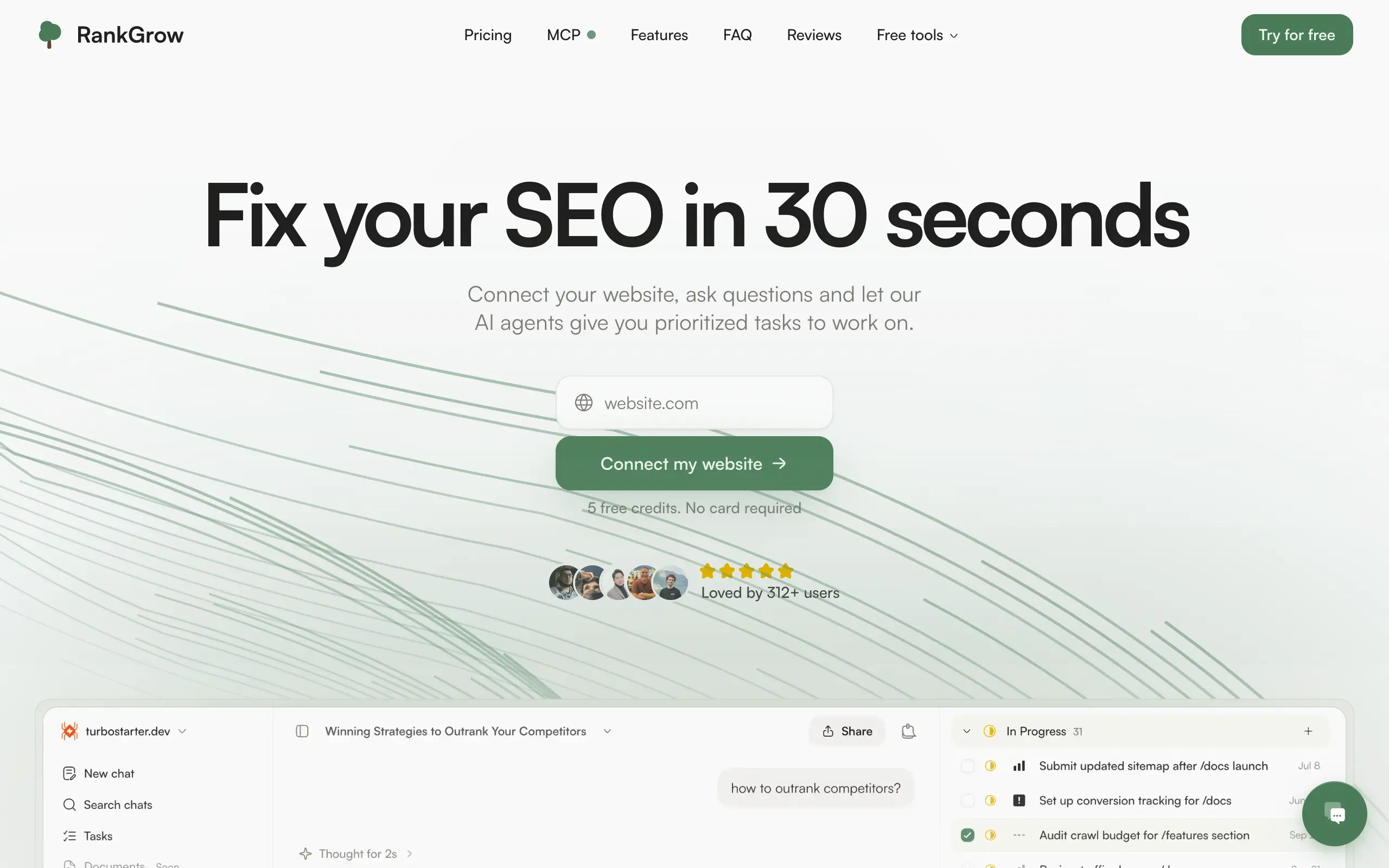
RankGrow
Fix your SEO with AI agents - connect Search Console, get prioritized tasks, and grow organic traffic 📈
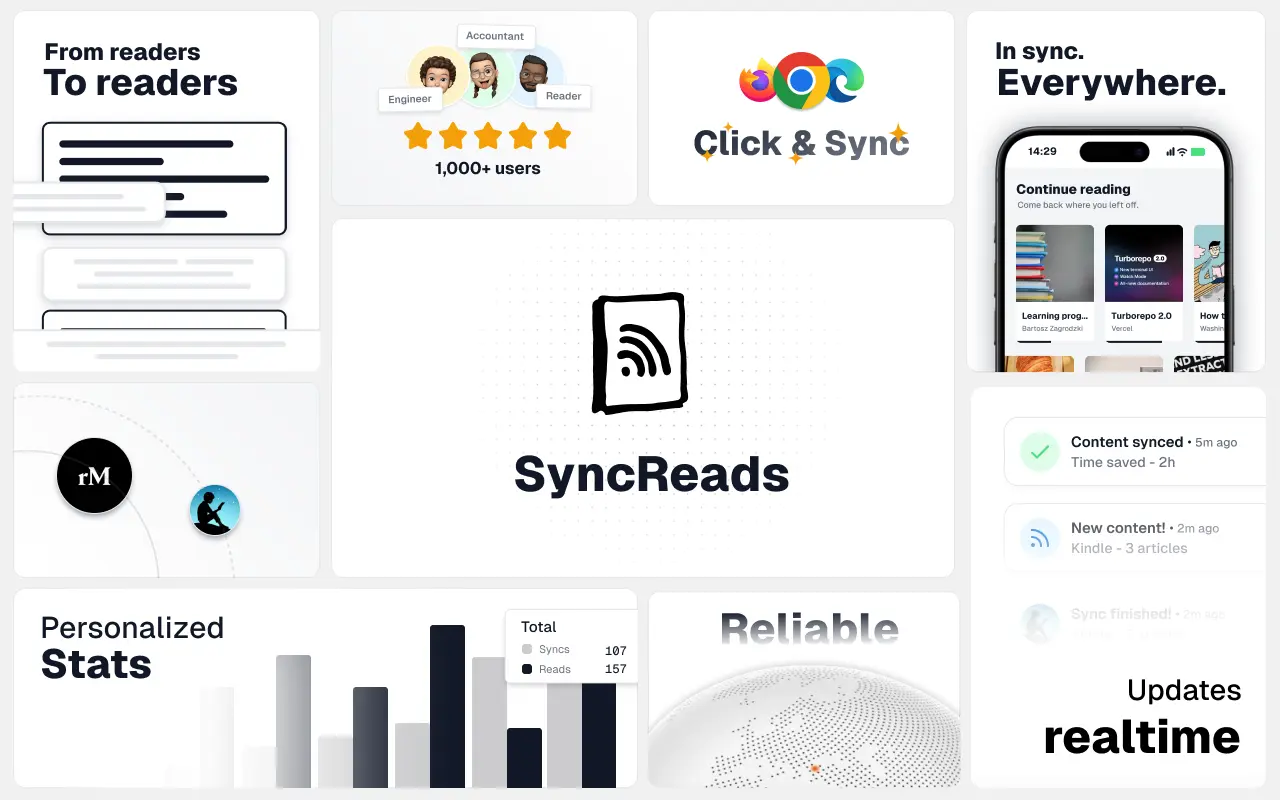
SyncReads
Sync your favorite content for distraction-free reading, save time and replace multiple apps. Anytime, anywhere 🔄
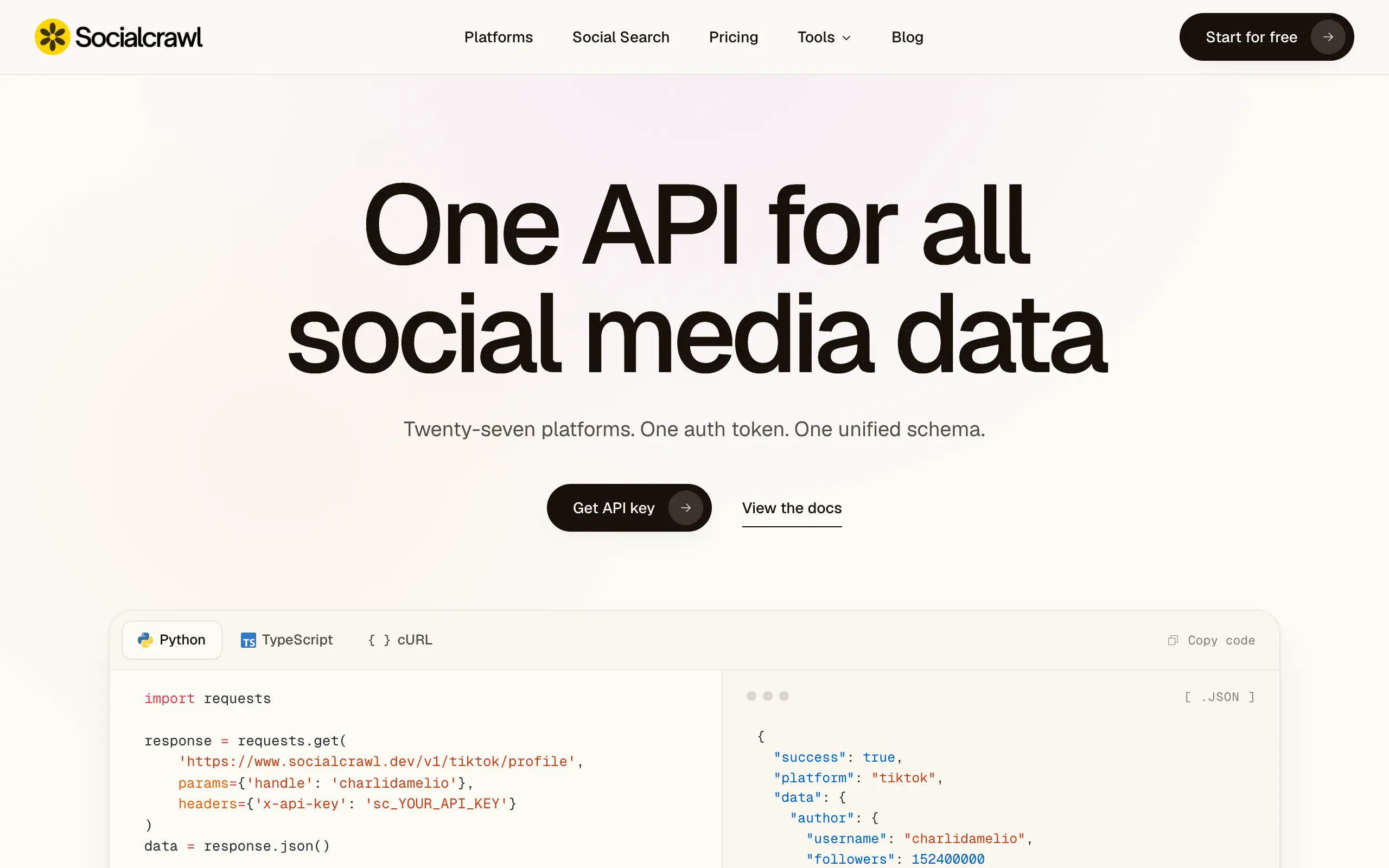
Socialcrawl
Get clean, structured data from 21 platforms like TikTok, Instagram, and YouTube with a single request 📊
Statiko
Monitor any Telegram channel in real time - track posts, edits, deletions, and growth with AI recaps 📡
Shibui
AI website builder - describe your business, pick a niche template, edit by chatting, and publish instantly ✨
Pro Service
Find verified home service professionals, compare quotes, and pay securely through escrow - built for Brazilians across the US 🏠
RankGrow
Fix your SEO with AI agents - connect Search Console, get prioritized tasks, and grow organic traffic 📈
SyncReads
Sync your favorite content for distraction-free reading, save time and replace multiple apps. Anytime, anywhere 🔄
Socialcrawl
Get clean, structured data from 21 platforms like TikTok, Instagram, and YouTube with a single request 📊
Statiko
Monitor any Telegram channel in real time - track posts, edits, deletions, and growth with AI recaps 📡
Shibui
AI website builder - describe your business, pick a niche template, edit by chatting, and publish instantly ✨
Pro Service
Find verified home service professionals, compare quotes, and pay securely through escrow - built for Brazilians across the US 🏠
RankGrow
Fix your SEO with AI agents - connect Search Console, get prioritized tasks, and grow organic traffic 📈
SyncReads
Sync your favorite content for distraction-free reading, save time and replace multiple apps. Anytime, anywhere 🔄
Socialcrawl
Get clean, structured data from 21 platforms like TikTok, Instagram, and YouTube with a single request 📊
Statiko
Monitor any Telegram channel in real time - track posts, edits, deletions, and growth with AI recaps 📡
Shibui
AI website builder - describe your business, pick a niche template, edit by chatting, and publish instantly ✨
Pro Service
Find verified home service professionals, compare quotes, and pay securely through escrow - built for Brazilians across the US 🏠
RankGrow
Fix your SEO with AI agents - connect Search Console, get prioritized tasks, and grow organic traffic 📈
SyncReads
Sync your favorite content for distraction-free reading, save time and replace multiple apps. Anytime, anywhere 🔄
Socialcrawl
Get clean, structured data from 21 platforms like TikTok, Instagram, and YouTube with a single request 📊
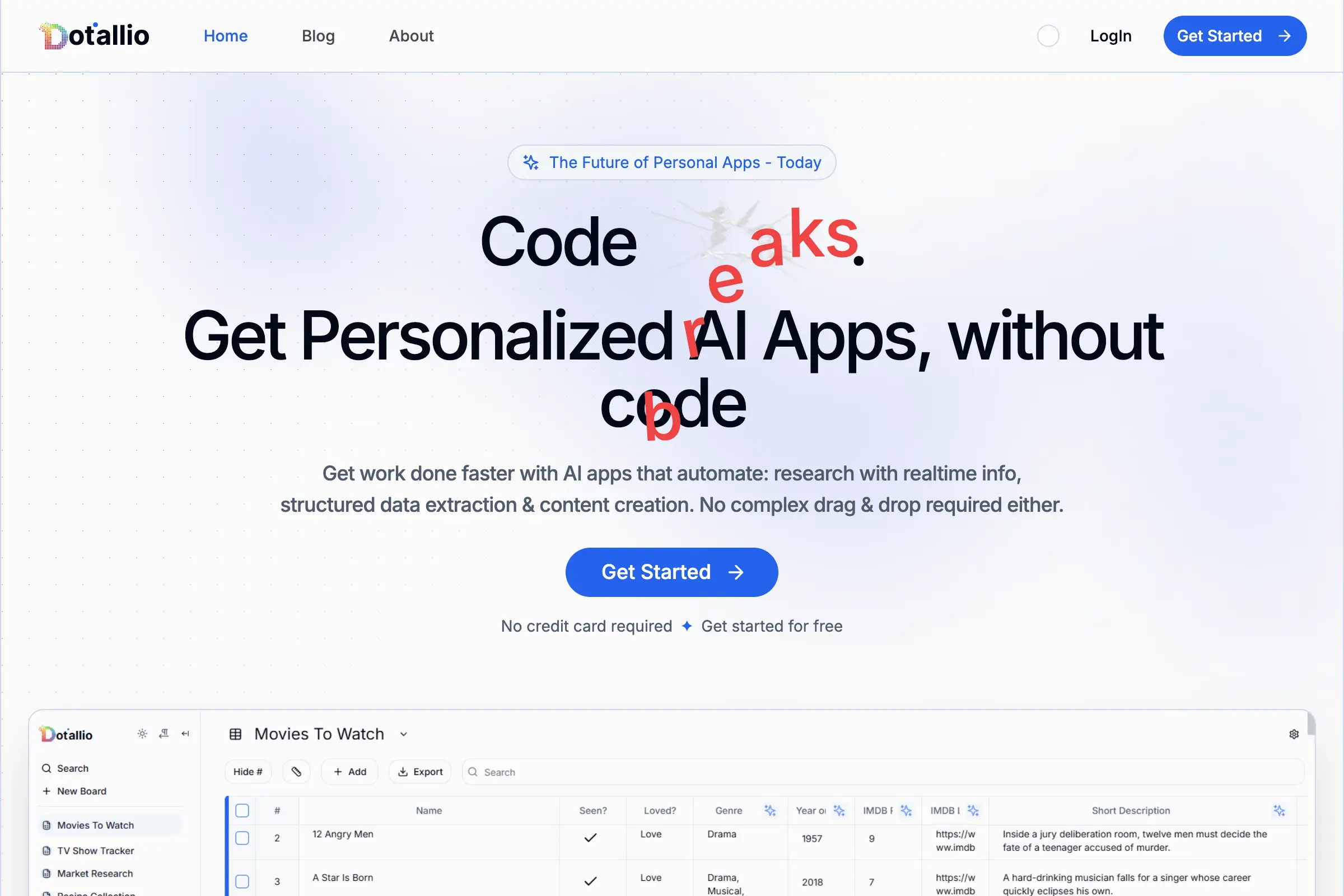
Dotallio
Personalized AI apps that automate research, data extraction, and content creation without code 🤖

Talk to Santa
Enjoy a magical live video chat or receive a unique AI-generated video greeting from Santa Claus 🎅

pozywka.pl
Scalable blog for food journalist, focused on performance and user experience 🌭
zagrodzki.me
Personal blog and portfolio of Bart Zagrodzki, where he shares his knowledge and work 💼
TurboStarter
Ship your startup everywhere. In minutes.
HTML to Markdown
Convert HTML to Markdown with ease, directly in your browser 📄
Dotallio
Personalized AI apps that automate research, data extraction, and content creation without code 🤖
Talk to Santa
Enjoy a magical live video chat or receive a unique AI-generated video greeting from Santa Claus 🎅
pozywka.pl
Scalable blog for food journalist, focused on performance and user experience 🌭
zagrodzki.me
Personal blog and portfolio of Bart Zagrodzki, where he shares his knowledge and work 💼
TurboStarter
Ship your startup everywhere. In minutes.
HTML to Markdown
Convert HTML to Markdown with ease, directly in your browser 📄
Dotallio
Personalized AI apps that automate research, data extraction, and content creation without code 🤖
Talk to Santa
Enjoy a magical live video chat or receive a unique AI-generated video greeting from Santa Claus 🎅
pozywka.pl
Scalable blog for food journalist, focused on performance and user experience 🌭
zagrodzki.me
Personal blog and portfolio of Bart Zagrodzki, where he shares his knowledge and work 💼
TurboStarter
Ship your startup everywhere. In minutes.
HTML to Markdown
Convert HTML to Markdown with ease, directly in your browser 📄
Dotallio
Personalized AI apps that automate research, data extraction, and content creation without code 🤖
Talk to Santa
Enjoy a magical live video chat or receive a unique AI-generated video greeting from Santa Claus 🎅
pozywka.pl
Scalable blog for food journalist, focused on performance and user experience 🌭
zagrodzki.me
Personal blog and portfolio of Bart Zagrodzki, where he shares his knowledge and work 💼
TurboStarter
Ship your startup everywhere. In minutes.
HTML to Markdown
Convert HTML to Markdown with ease, directly in your browser 📄
Omichat
Chat with 50+ AI models, including ChatGPT and Claude, in one place - switch models anytime without losing context 🤖
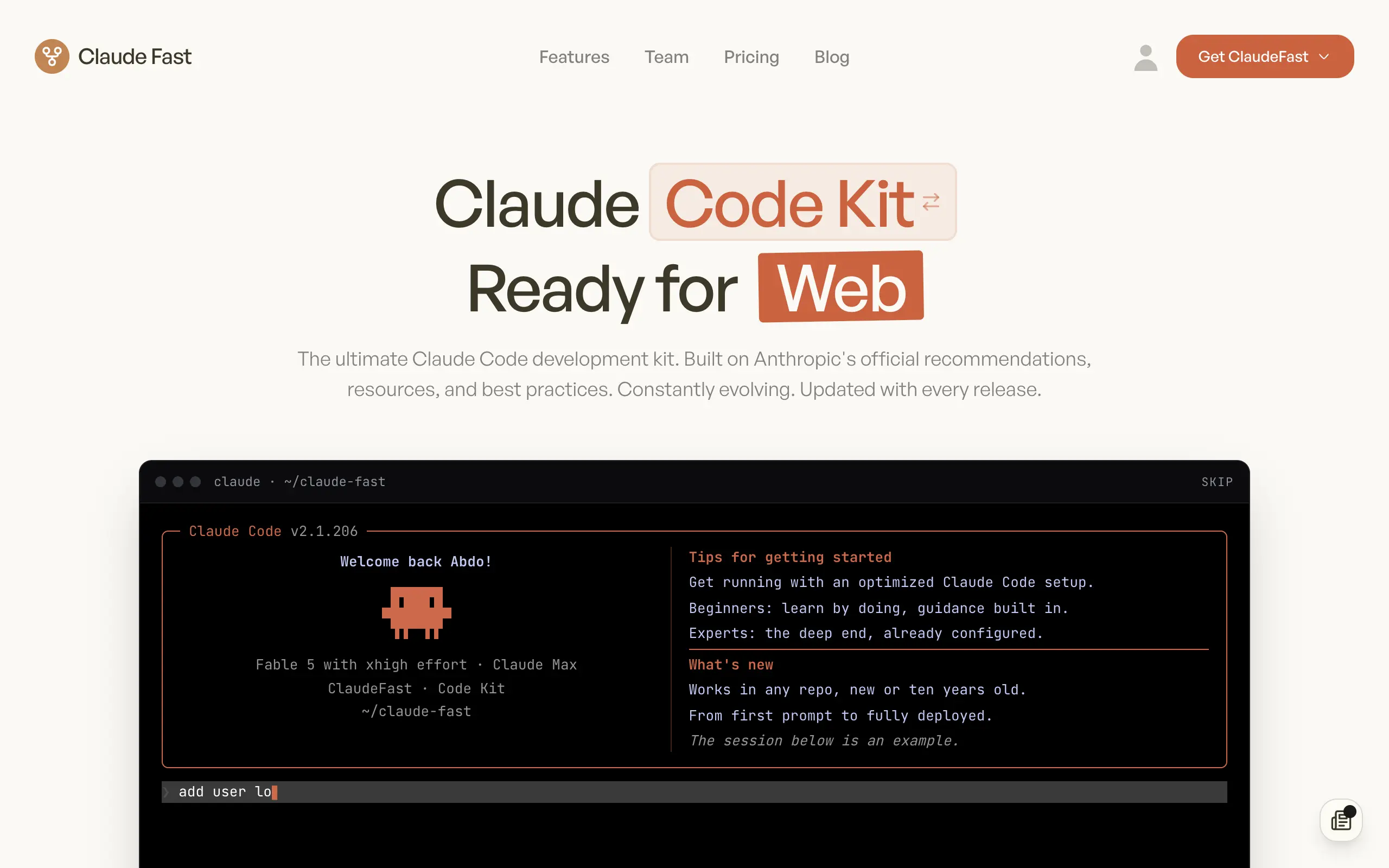
Claude Fast
Supercharge your Claude Code with 6x effective context window and specialized AI agents 🤖
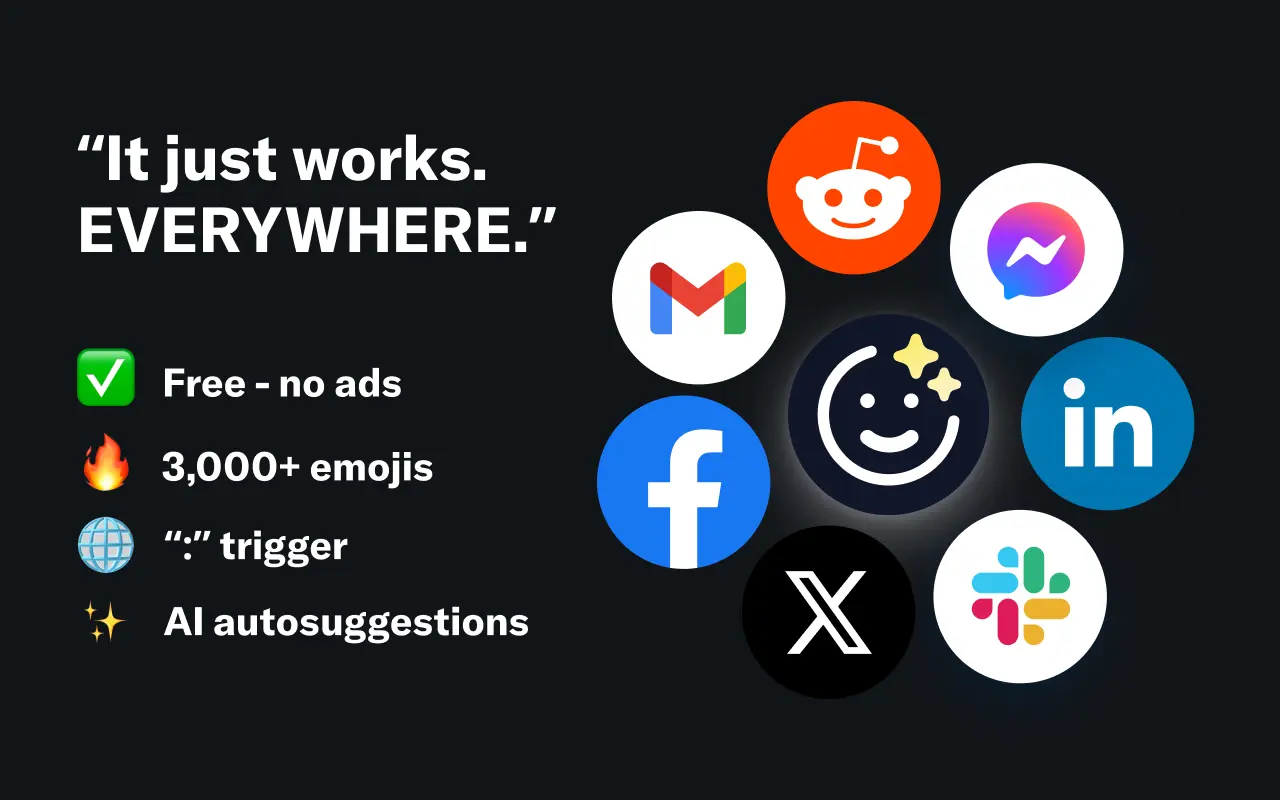
EmojAI
AI-powered emoji picker with smart, context-aware suggestions 🤖
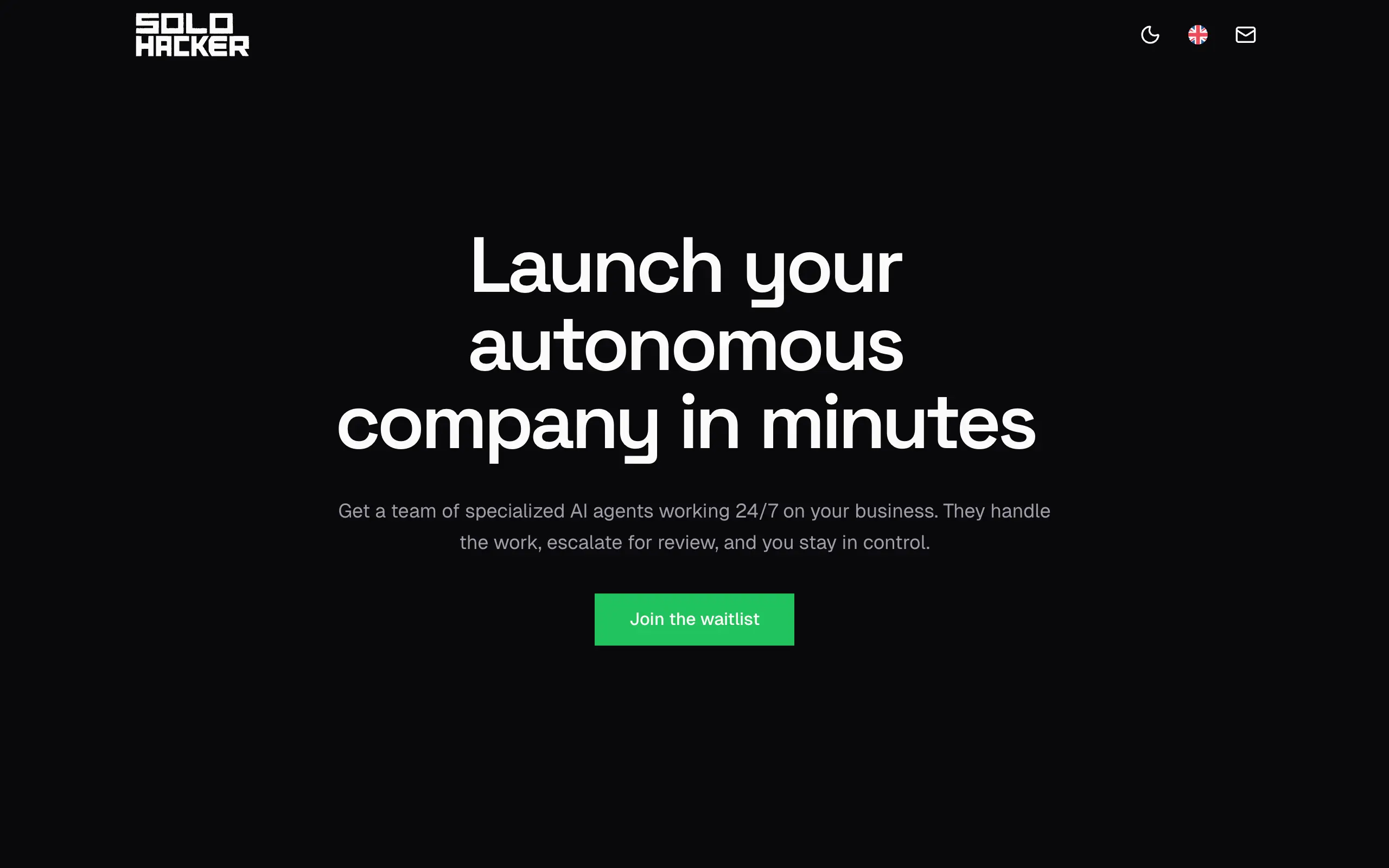
Solohacker
Autonomous company launcher - AI agents work 24/7, escalate what matters, and you stay in control 🤖
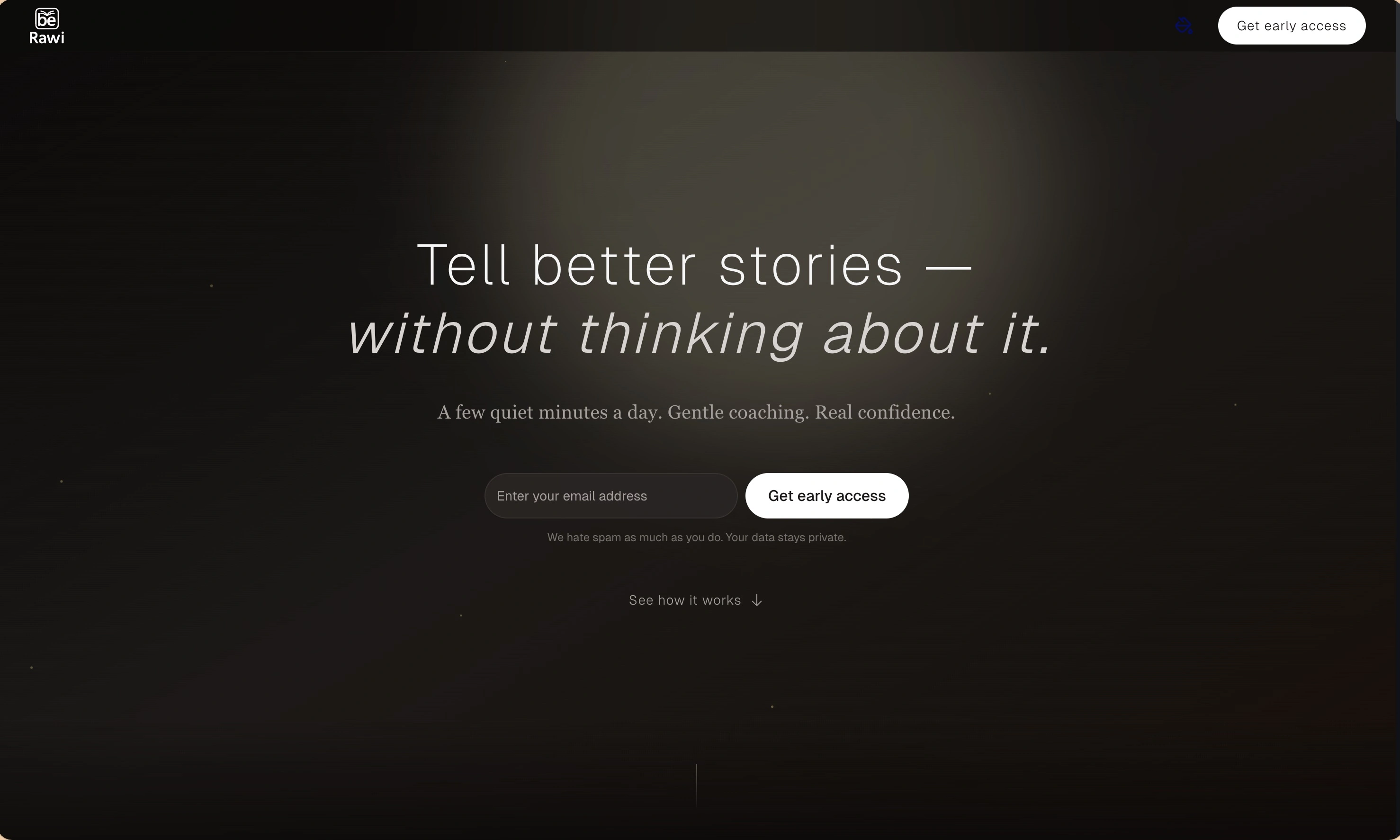
BeRawi: Storytelling Coach
Practice storytelling daily with instant feedback to sound clearer, more engaging, and confident 🎤
Omichat
Chat with 50+ AI models, including ChatGPT and Claude, in one place - switch models anytime without losing context 🤖
Claude Fast
Supercharge your Claude Code with 6x effective context window and specialized AI agents 🤖
EmojAI
AI-powered emoji picker with smart, context-aware suggestions 🤖
Solohacker
Autonomous company launcher - AI agents work 24/7, escalate what matters, and you stay in control 🤖
BeRawi: Storytelling Coach
Practice storytelling daily with instant feedback to sound clearer, more engaging, and confident 🎤
Omichat
Chat with 50+ AI models, including ChatGPT and Claude, in one place - switch models anytime without losing context 🤖
Claude Fast
Supercharge your Claude Code with 6x effective context window and specialized AI agents 🤖
EmojAI
AI-powered emoji picker with smart, context-aware suggestions 🤖
Solohacker
Autonomous company launcher - AI agents work 24/7, escalate what matters, and you stay in control 🤖
BeRawi: Storytelling Coach
Practice storytelling daily with instant feedback to sound clearer, more engaging, and confident 🎤
Omichat
Chat with 50+ AI models, including ChatGPT and Claude, in one place - switch models anytime without losing context 🤖
Claude Fast
Supercharge your Claude Code with 6x effective context window and specialized AI agents 🤖
EmojAI
AI-powered emoji picker with smart, context-aware suggestions 🤖
Solohacker
Autonomous company launcher - AI agents work 24/7, escalate what matters, and you stay in control 🤖
BeRawi: Storytelling Coach
Practice storytelling daily with instant feedback to sound clearer, more engaging, and confident 🎤

Connect with like-minded people
Join our community to get feedback, support, and grow together with 1,000+ builders on board, let's ship it!
Join usShip your startup everywhere. In minutes.
Don't burn tokens on setup and start building features on day one.