LifeStack
A daily life admin hub that auto-organizes subscriptions, bills, goals, and personal tasks into one simple dashboard for young adults.
The rise of the life admin dashboard for young adults
For many young adults, “adulting” feels less like a milestone and more like a full-time job. Between rent payments, student loans, subscriptions, insurance policies, fitness goals, side hustles, and important documents scattered across email and cloud drives, life admin becomes fragmented and overwhelming.
This is where a life admin dashboard like LifeStack enters the picture.
LifeStack is an all-in-one life management app for young adults that centralizes bills, subscriptions, financial goals, and personal documents into one calm, daily view. Instead of juggling five to ten different apps, users log into a single, structured dashboard designed specifically for modern life logistics.
In this article, we’ll explore:
- The target audience and why they desperately need a solution like LifeStack
- The market gap in the life management and personal organization space
- Core features and product architecture
- Recommended tech stack and trade-offs
- Monetization strategies
- Competitive positioning
- Risks and mitigation
- Actionable steps to build and launch
If you're validating or building a SaaS product in the personal productivity or life management category, this is your deep-dive blueprint.
Understanding the target audience: young adults in transition
Who is LifeStack for?
The primary target audience includes:
- Ages 18–35
- College students and recent graduates
- Young professionals in urban areas
- Freelancers and early-stage entrepreneurs
- First-time renters or homeowners
- Individuals managing student debt or multiple subscriptions
This audience shares common traits:
- Digital-native and mobile-first
- Financially stretched but aspirational
- Overwhelmed by fragmented tools
- Interested in self-improvement and life optimization
Their pain points (real and daily)
Young adults don’t struggle because tools don’t exist. They struggle because:
- Bills are paid in one banking app
- Subscriptions are buried across email receipts
- Goals are tracked in Notion or a journal
- Documents are scattered across Google Drive and email
- Reminders live in Apple Reminders or Google Calendar
The result?
Context switching fatigue and decision overload.
They don’t need another productivity app. They need a centralized life command center.
The market opportunity for a life management SaaS
The productivity paradox
There are thousands of productivity tools, yet overwhelm is rising. Why?
Because most tools focus on:
- Work productivity
- Task management
- Note-taking
- Project management
Very few focus specifically on personal life administration for young adults.
Where current solutions fall short
Let’s compare categories:
| Category | Bills Tracking | Subscriptions | Goals | Document Storage | Daily Calm View |
|---|---|---|---|---|---|
| Banking apps | ✅ | ❌ | ❌ | ❌ | ❌ |
| Budgeting apps | ✅ | ✅ | ❌ | ❌ | ❌ |
| Notion / productivity tools | ❌ | ❌ | ✅ | ✅ | ❌ |
| Cloud storage | ❌ | ❌ | ❌ | ✅ | ❌ |
| LifeStack | ✅ | ✅ | ✅ | ✅ | ✅ |
Gap identified: There is no dominant, purpose-built “life admin dashboard for young adults” that integrates all of these into one calm daily interface.
This is LifeStack’s opportunity.
The core value proposition of LifeStack
LifeStack is not a budgeting app.
It is not a productivity app.
It is not just document storage.
It is a daily life overview system designed around how young adults actually live.
Unique selling proposition (USP)
A calm, daily snapshot of your life logistics — bills, subscriptions, goals, and key documents — in one unified dashboard.
Key differentiators:
- Designed specifically for young adults
- Minimal, calming UX
- “Today view” that reduces overwhelm
- Cross-category integration
- Action-focused summaries
Core features of LifeStack
1. Daily overview dashboard (the heart of the product)
This is the primary screen users see each day.
It should include:
- Bills due this week
- Upcoming subscription renewals
- Key financial totals
- Active goals progress
- Important reminders
- Quick access to documents
Think: “My life today, in 60 seconds.”
2. Bills and recurring expenses tracking
Users can:
- Add rent, utilities, insurance, loans
- Set recurring dates
- Add autopay status
- Receive reminders
Optional advanced features:
- Bank API integration (Plaid-style)
- Categorization of recurring payments
- Late-fee risk alerts
3. Subscription manager
A major pain point for Gen Z and Millennials.
Features:
- Manual or automated subscription tracking
- Monthly cost summary
- Cancellation reminders
- Renewal alerts
You can add a “subscription health score”:
- % of income going to subscriptions
- Hidden or unused services
4. Goals tracking (simple, not bloated)
Unlike complex productivity apps, keep this focused on:
- Financial goals
- Health goals
- Personal milestones
Each goal shows:
- Target amount/date
- Current progress
- Suggested monthly contribution
5. Secure document vault
Users upload:
- Lease agreements
- Insurance documents
- ID copies
- Contracts
- Tax documents
Must include:
- End-to-end encryption
- Tagging
- Expiry reminders (e.g., passport renewal)
Security is critical
If LifeStack stores personal documents, security architecture must be airtight. A breach would destroy user trust instantly.
Recommended tech stack for LifeStack
Choosing the right tech stack is critical for scalability, performance, and security.
Frontend
- React or Next.js for SSR and SEO
- TailwindCSS for rapid, clean UI
- Zustand or Redux for state management
Why Next.js?
- Built-in routing
- SEO-friendly rendering
- Edge functions
- Scalable architecture
Backend
Options:
- Node.js (with Express or NestJS)
- Supabase (managed Postgres + auth)
- Firebase (faster MVP, trade-offs in flexibility)
For a life admin dashboard, PostgreSQL is ideal for structured data (bills, subscriptions, goals).
Database schema example
// Example simplified schema (TypeScript interface style)

interface User {
  id: string;
  email: string;
  createdAt: Date;
}

interface Bill {
  id: string;
  userId: string;
  name: string;
  amount: number;
  dueDate: Date;
  recurring: boolean;
}

interface Subscription {
  id: string;
  userId: string;
  serviceName: string;
  monthlyCost: number;
  renewalDate: Date;
}

interface Goal {
  id: string;
  userId: string;
  title: string;
  targetAmount: number;
  currentAmount: number;
}
Authentication & security
- OAuth (Google, Apple login)
- JWT-based sessions
- Role-based access control
- End-to-end encryption for document storage
- Secure file storage (e.g., S3-compatible storage)
Infrastructure
- Vercel or similar for frontend hosting
- Managed Postgres (e.g., Supabase or Neon)
- CDN for document delivery
- Daily encrypted backups
Monetization strategy for LifeStack
Young adults are price-sensitive but value-driven.
Recommended pricing tiers
Free Tier
Basic dashboard, limited bills and subscriptions, capped document storage.
Pro ($8–12/month)
Unlimited tracking, smart reminders, document vault, advanced analytics.
Student Plan
Discounted annual pricing to increase early adoption.
Alternative monetization options
- Affiliate revenue (insurance, credit cards, financial tools)
- Partner integrations
- White-label version for universities
- Family accounts (shared household admin)
Competitive landscape
LifeStack competes indirectly with:
- Budgeting apps
- Notion templates
- Task managers
- Subscription tracking apps
- Cloud storage providers
But no major player dominates the “life admin dashboard” niche.
Strategic positioning
Instead of competing with budgeting apps, LifeStack should position itself as:
“Your personal life OS.”
Not a budgeting tool.
Not a productivity app.
But a structured daily life system.
Risks and mitigation strategies
1. Security concerns
Risk: Users won’t trust a new app with documents.
Mitigation:
- Publish a security whitepaper
- Use visible encryption standards
- Transparent privacy policy
- Third-party security audits
2. Feature creep
Risk: Turning into a bloated productivity tool.
Mitigation:
- Maintain focus on life admin only
- Ruthlessly prioritize clarity
- Avoid adding team/project features
3. Low willingness to pay
Mitigation:
- Strong free tier
- Emotional marketing (“feel calm about your life”)
- Annual pricing discount
Growth strategy and go-to-market
1. Content marketing
Target keywords:
- life admin dashboard
- how to organize your life
- subscription tracker app
- bill tracking app for young adults
- life management app
Create SEO blog content around:
- “How to organize your finances in your 20s”
- “Best apps for managing subscriptions”
- “Life admin checklist for young professionals”
2. TikTok & Instagram strategy
Young adults consume short-form content.
Ideas:
- “Sunday life reset routine” videos
- Before/after life dashboard
- Minimal desk aesthetic + LifeStack screen
3. University partnerships
Offer:
- Free 6-month Pro access
- Campus ambassador programs
Implementation roadmap
How to build LifeStack faster
Instead of building authentication, payments, dashboards, and SaaS plumbing from scratch, you can accelerate development using a modern SaaS starter kit.
One strong option is TurboStarter, which provides:
- Authentication
- Payments integration
- SaaS boilerplate
- Production-ready architecture
This significantly reduces time-to-market and lets you focus on what truly differentiates LifeStack: the life admin experience.
Why LifeStack can win
LifeStack succeeds if it:
- Prioritizes clarity over complexity
- Feels calming, not overwhelming
- Solves real-life friction points
- Builds trust through security and transparency
Young adults don’t need more productivity hacks.
They need:
- Fewer tabs
- Clear reminders
- Centralized documents
- A sense of control
A thoughtfully designed life admin dashboard like LifeStack can become the default personal operating system for a generation navigating independence for the first time.
And in a world of fragmented apps, integration is the real innovation.
If executed with discipline, security, and emotional intelligence, LifeStack is not just another SaaS idea — it’s a category-defining product waiting to happen.
More 💡 Other SaaS ideas
Discover more innovative other SaaS ideas that are trending in 2026. Each idea is AI-generated with market validation and growth potential to help you find your next profitable venture faster than competitors.
Your competitors are building with TurboStarter
Below are some of the SaaS ideas that have been generated and built with our starter kit.
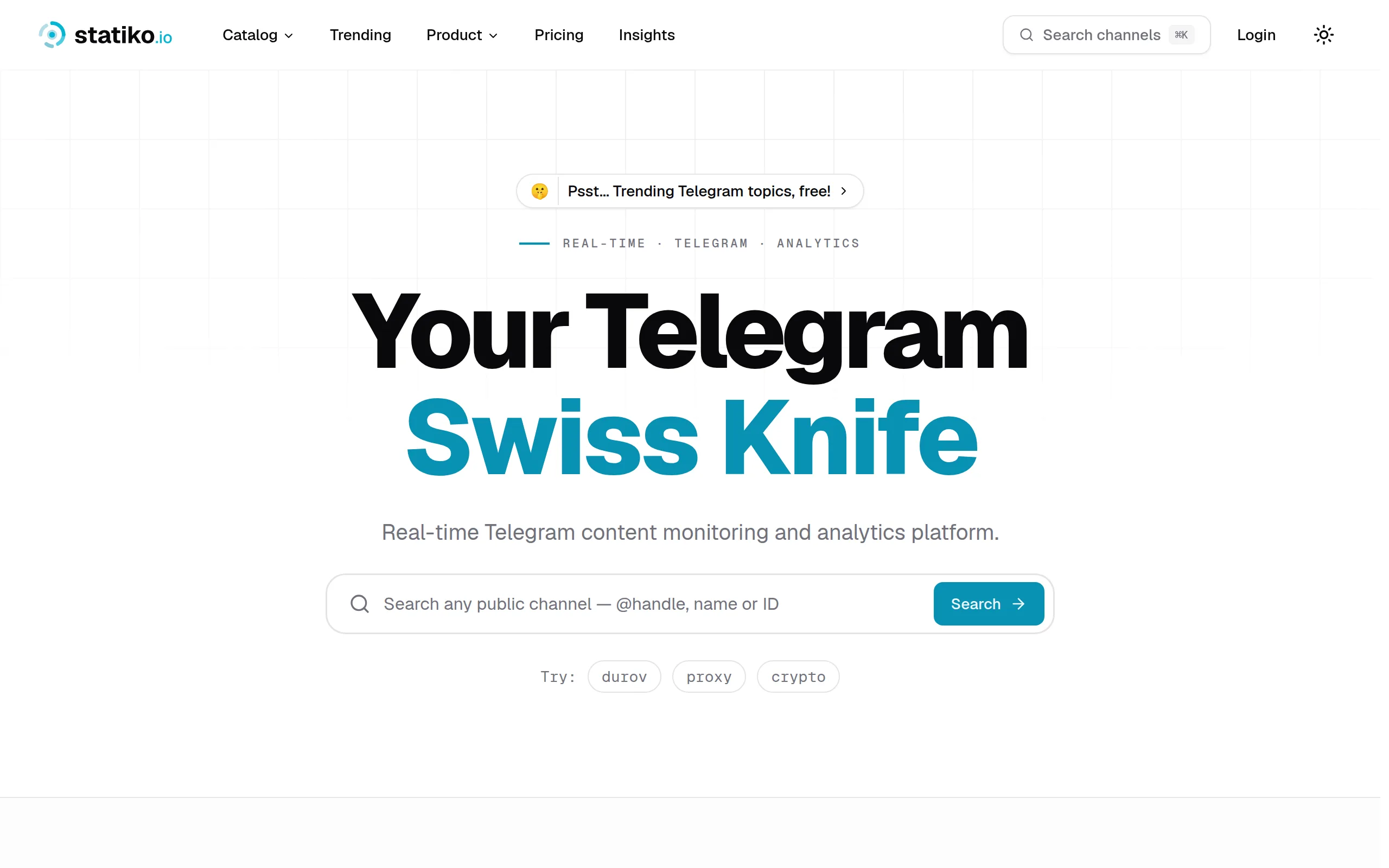
Statiko
Monitor any Telegram channel in real time - track posts, edits, deletions, and growth with AI recaps 📡

Shibui
AI website builder - describe your business, pick a niche template, edit by chatting, and publish instantly ✨

Pro Service
Find verified home service professionals, compare quotes, and pay securely through escrow - built for Brazilians across the US 🏠
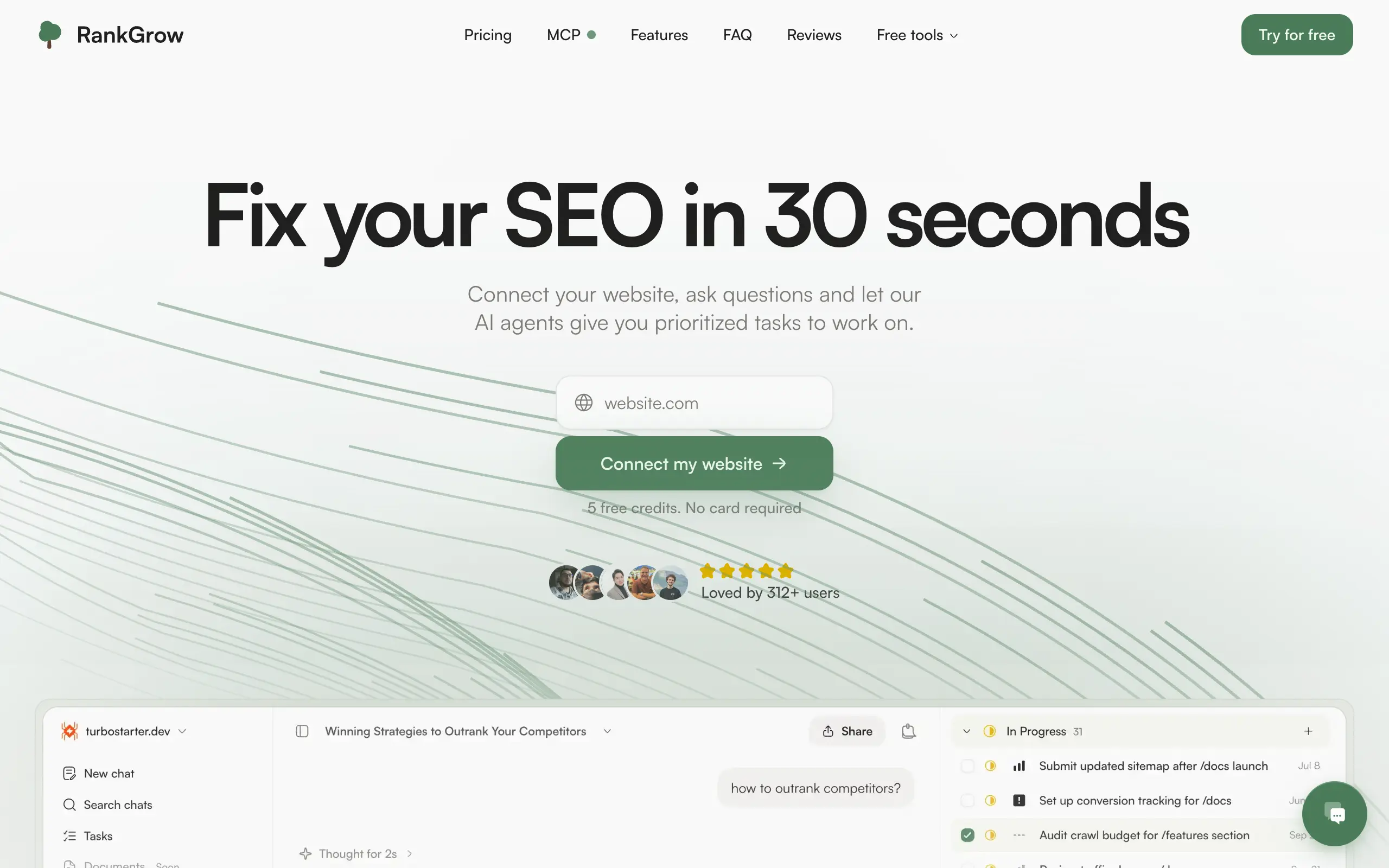
RankGrow
Fix your SEO with AI agents - connect Search Console, get prioritized tasks, and grow organic traffic 📈
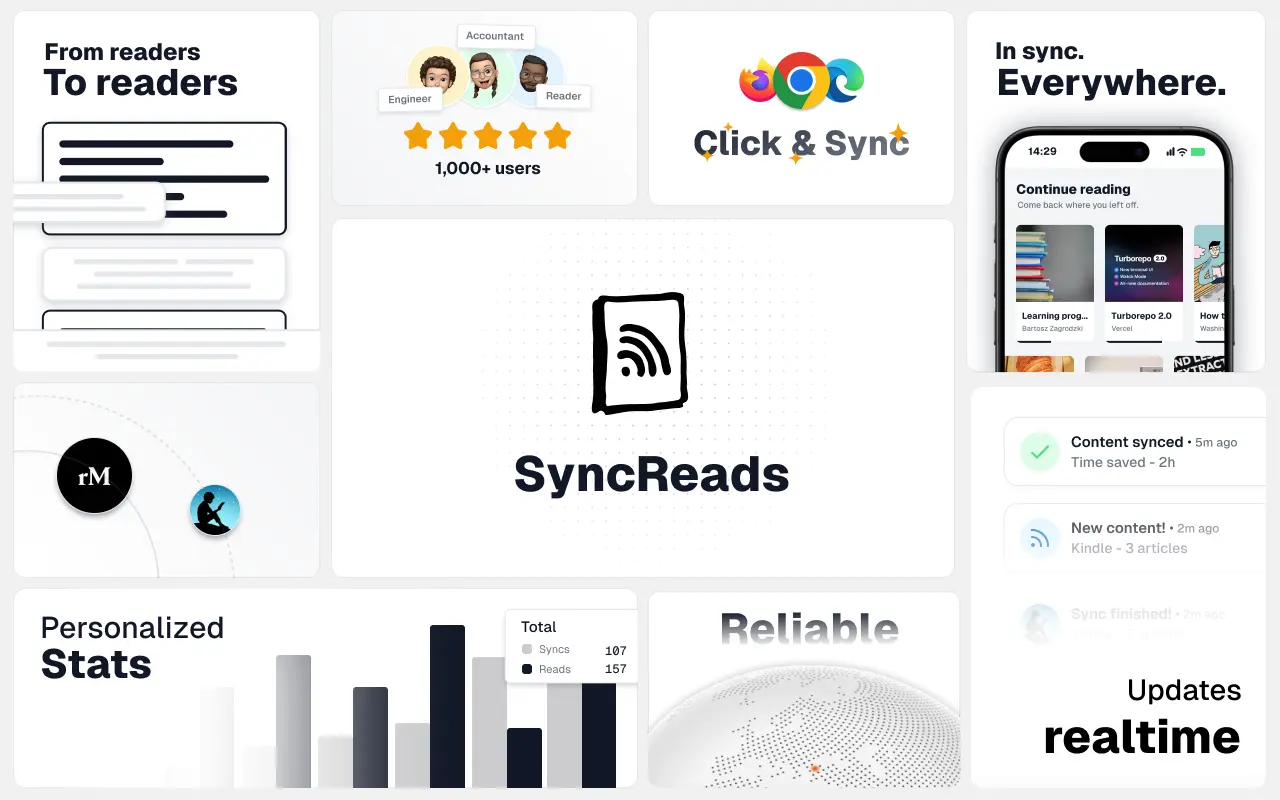
SyncReads
Sync your favorite content for distraction-free reading, save time and replace multiple apps. Anytime, anywhere 🔄
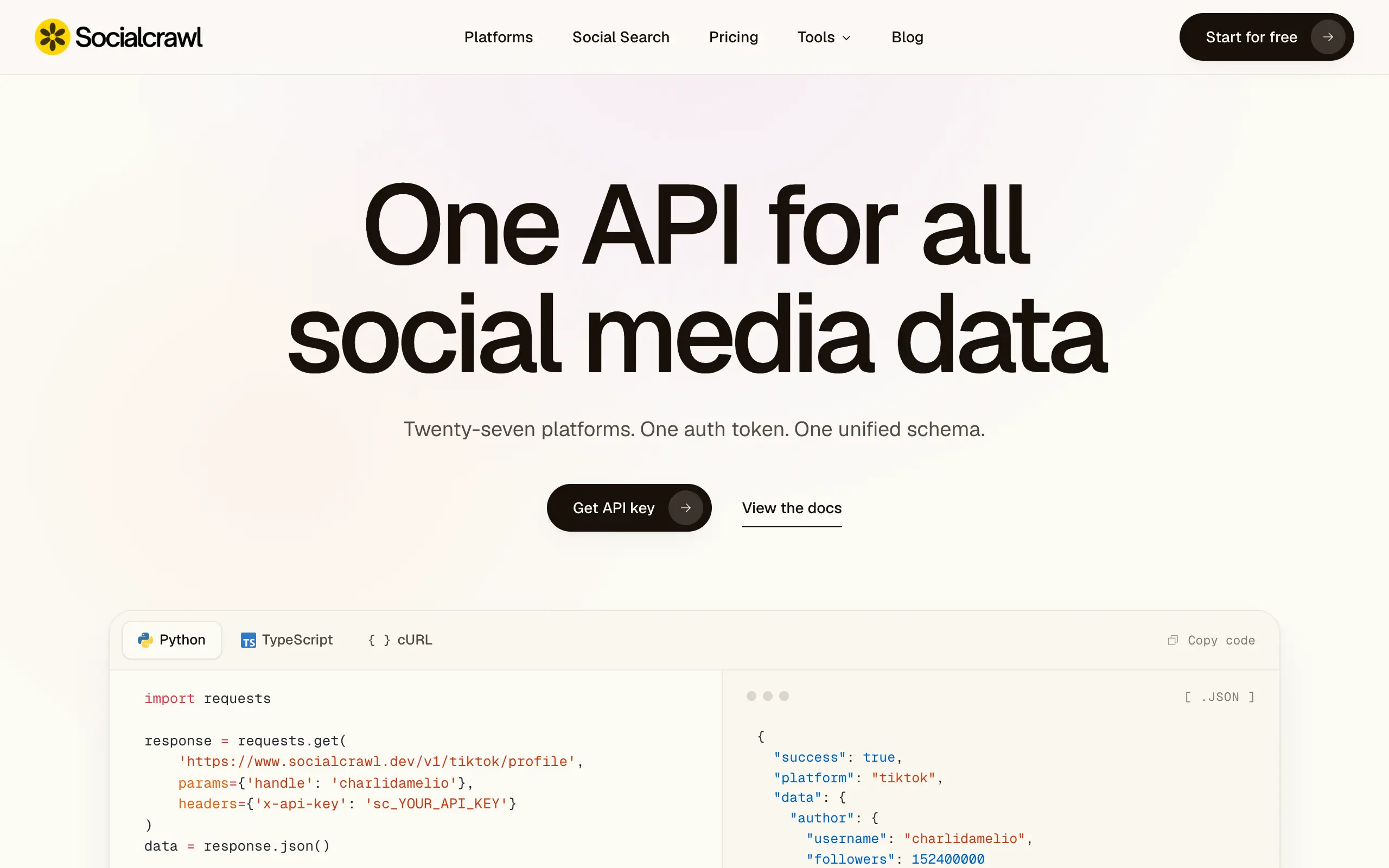
Socialcrawl
Get clean, structured data from 21 platforms like TikTok, Instagram, and YouTube with a single request 📊
Statiko
Monitor any Telegram channel in real time - track posts, edits, deletions, and growth with AI recaps 📡
Shibui
AI website builder - describe your business, pick a niche template, edit by chatting, and publish instantly ✨
Pro Service
Find verified home service professionals, compare quotes, and pay securely through escrow - built for Brazilians across the US 🏠
RankGrow
Fix your SEO with AI agents - connect Search Console, get prioritized tasks, and grow organic traffic 📈
SyncReads
Sync your favorite content for distraction-free reading, save time and replace multiple apps. Anytime, anywhere 🔄
Socialcrawl
Get clean, structured data from 21 platforms like TikTok, Instagram, and YouTube with a single request 📊
Statiko
Monitor any Telegram channel in real time - track posts, edits, deletions, and growth with AI recaps 📡
Shibui
AI website builder - describe your business, pick a niche template, edit by chatting, and publish instantly ✨
Pro Service
Find verified home service professionals, compare quotes, and pay securely through escrow - built for Brazilians across the US 🏠
RankGrow
Fix your SEO with AI agents - connect Search Console, get prioritized tasks, and grow organic traffic 📈
SyncReads
Sync your favorite content for distraction-free reading, save time and replace multiple apps. Anytime, anywhere 🔄
Socialcrawl
Get clean, structured data from 21 platforms like TikTok, Instagram, and YouTube with a single request 📊
Statiko
Monitor any Telegram channel in real time - track posts, edits, deletions, and growth with AI recaps 📡
Shibui
AI website builder - describe your business, pick a niche template, edit by chatting, and publish instantly ✨
Pro Service
Find verified home service professionals, compare quotes, and pay securely through escrow - built for Brazilians across the US 🏠
RankGrow
Fix your SEO with AI agents - connect Search Console, get prioritized tasks, and grow organic traffic 📈
SyncReads
Sync your favorite content for distraction-free reading, save time and replace multiple apps. Anytime, anywhere 🔄
Socialcrawl
Get clean, structured data from 21 platforms like TikTok, Instagram, and YouTube with a single request 📊
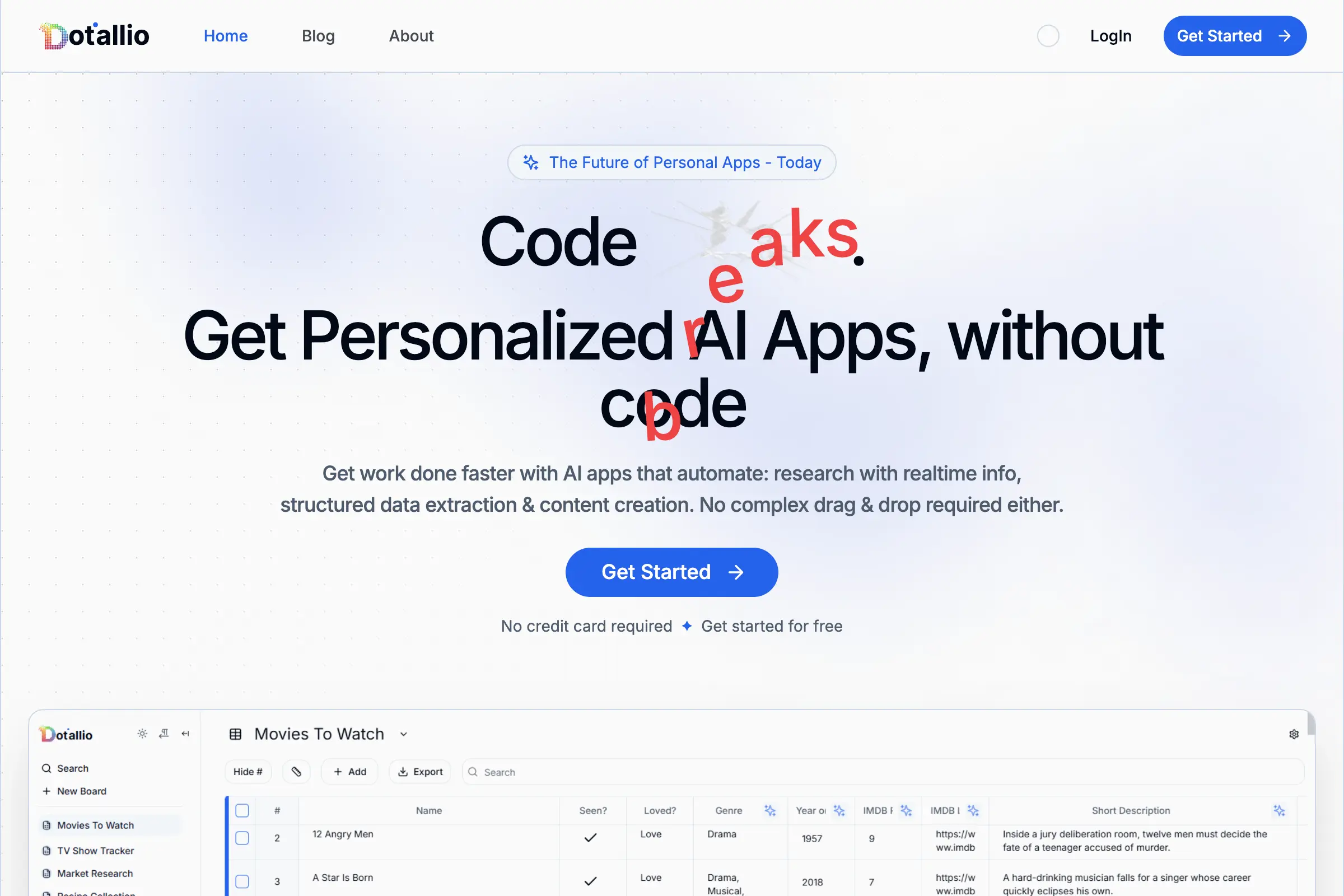
Dotallio
Personalized AI apps that automate research, data extraction, and content creation without code 🤖
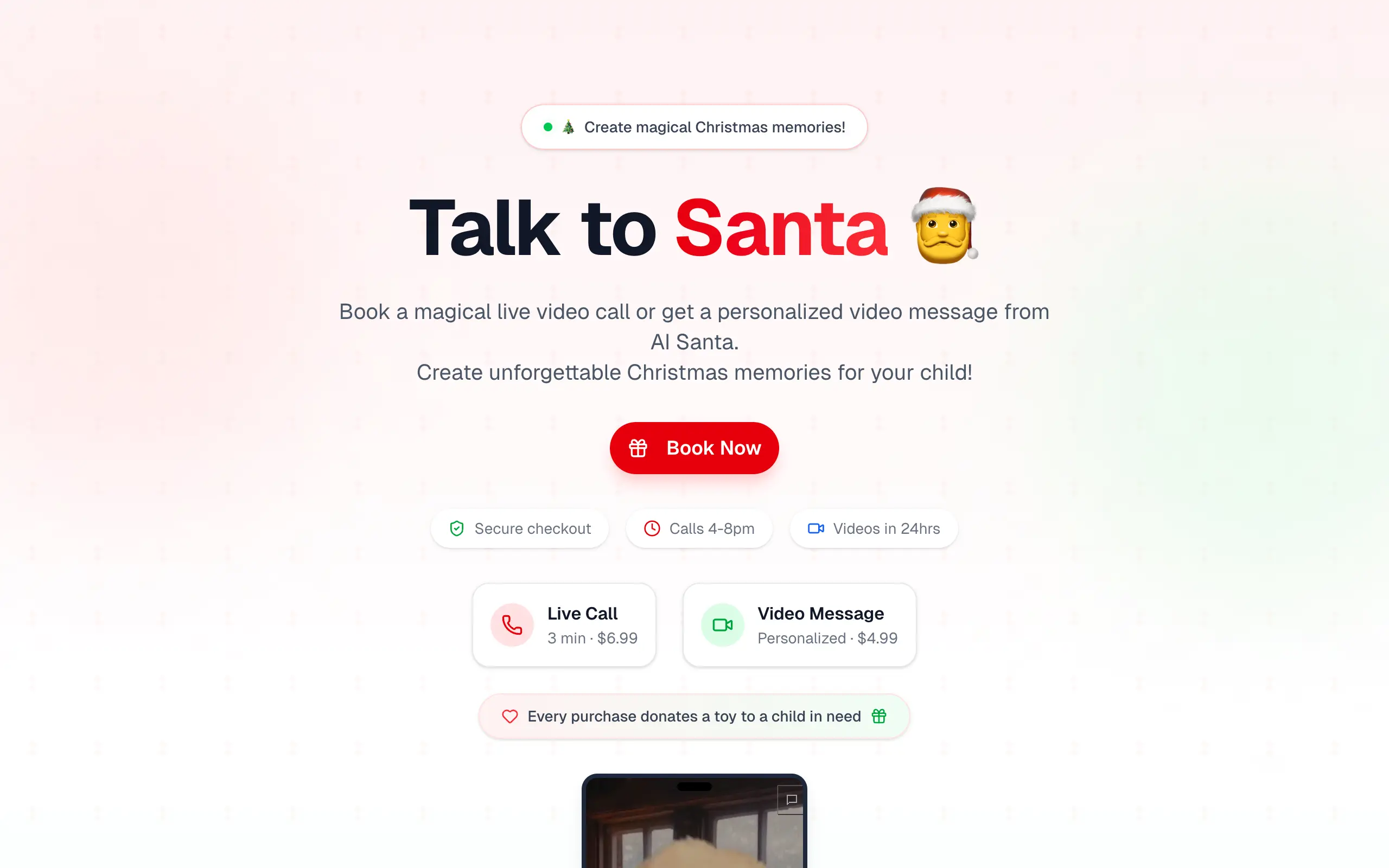
Talk to Santa
Enjoy a magical live video chat or receive a unique AI-generated video greeting from Santa Claus 🎅
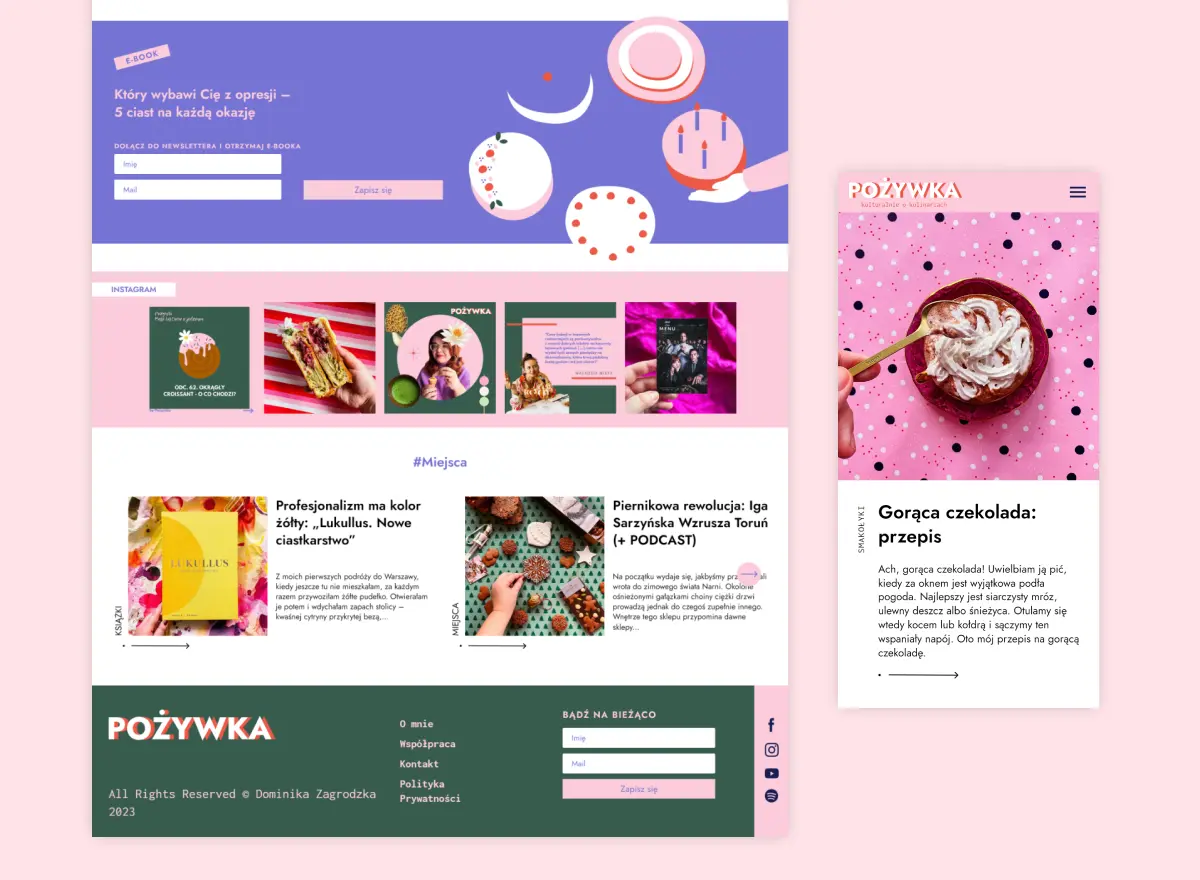
pozywka.pl
Scalable blog for food journalist, focused on performance and user experience 🌭
zagrodzki.me
Personal blog and portfolio of Bart Zagrodzki, where he shares his knowledge and work 💼
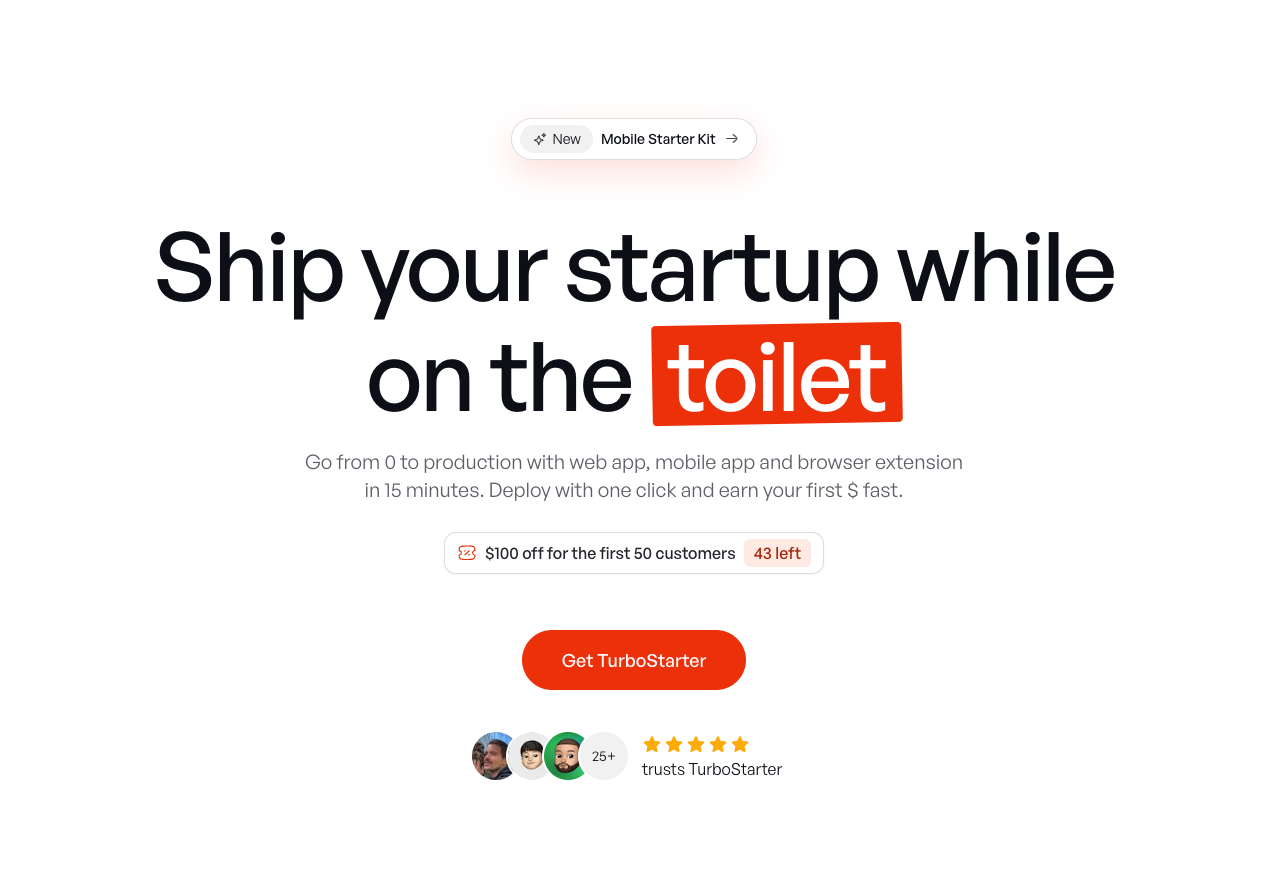
TurboStarter
Ship your startup everywhere. In minutes.
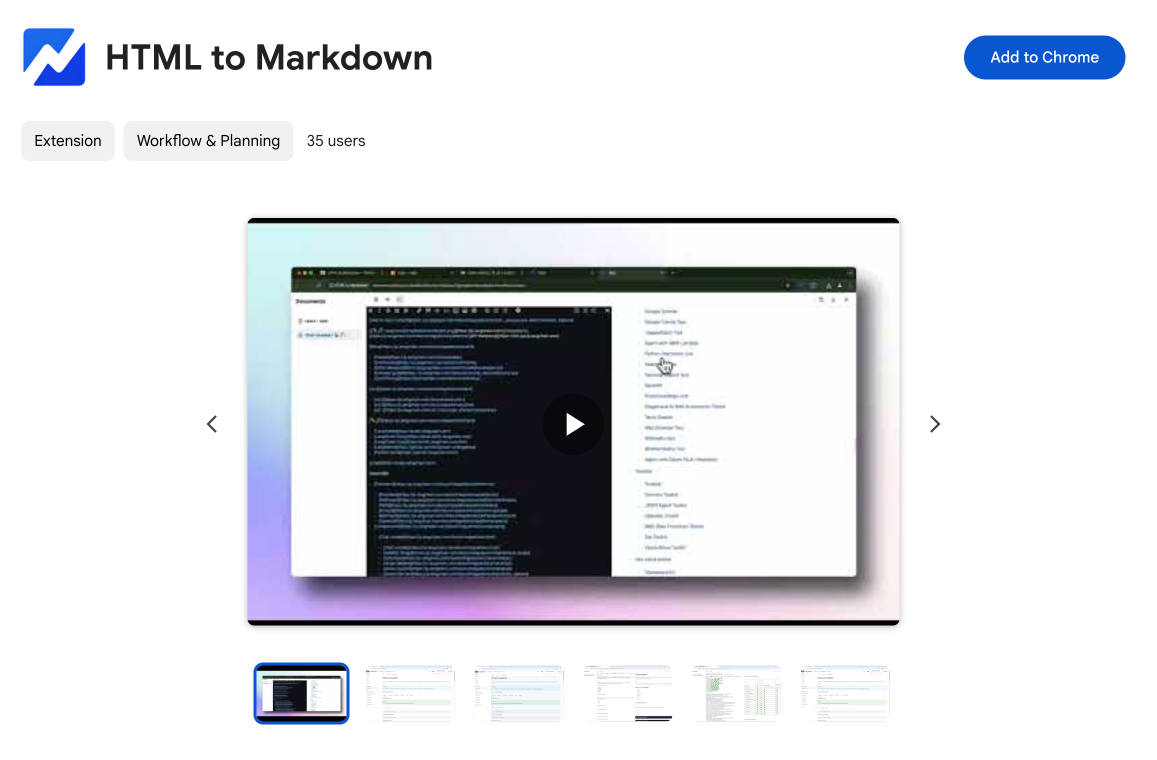
HTML to Markdown
Convert HTML to Markdown with ease, directly in your browser 📄
Dotallio
Personalized AI apps that automate research, data extraction, and content creation without code 🤖
Talk to Santa
Enjoy a magical live video chat or receive a unique AI-generated video greeting from Santa Claus 🎅
pozywka.pl
Scalable blog for food journalist, focused on performance and user experience 🌭
zagrodzki.me
Personal blog and portfolio of Bart Zagrodzki, where he shares his knowledge and work 💼
TurboStarter
Ship your startup everywhere. In minutes.
HTML to Markdown
Convert HTML to Markdown with ease, directly in your browser 📄
Dotallio
Personalized AI apps that automate research, data extraction, and content creation without code 🤖
Talk to Santa
Enjoy a magical live video chat or receive a unique AI-generated video greeting from Santa Claus 🎅
pozywka.pl
Scalable blog for food journalist, focused on performance and user experience 🌭
zagrodzki.me
Personal blog and portfolio of Bart Zagrodzki, where he shares his knowledge and work 💼
TurboStarter
Ship your startup everywhere. In minutes.
HTML to Markdown
Convert HTML to Markdown with ease, directly in your browser 📄
Dotallio
Personalized AI apps that automate research, data extraction, and content creation without code 🤖
Talk to Santa
Enjoy a magical live video chat or receive a unique AI-generated video greeting from Santa Claus 🎅
pozywka.pl
Scalable blog for food journalist, focused on performance and user experience 🌭
zagrodzki.me
Personal blog and portfolio of Bart Zagrodzki, where he shares his knowledge and work 💼
TurboStarter
Ship your startup everywhere. In minutes.
HTML to Markdown
Convert HTML to Markdown with ease, directly in your browser 📄
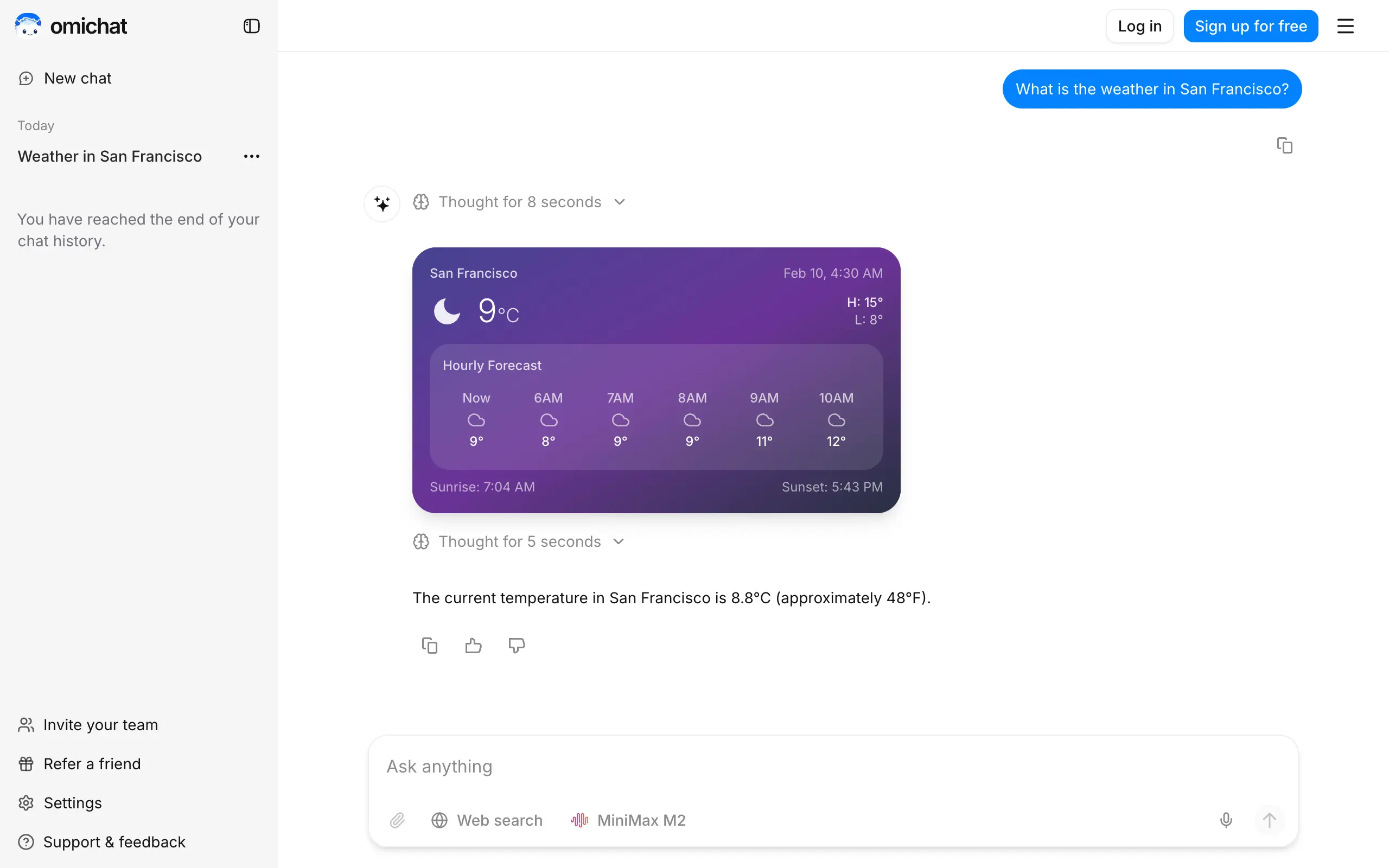
Omichat
Chat with 50+ AI models, including ChatGPT and Claude, in one place - switch models anytime without losing context 🤖
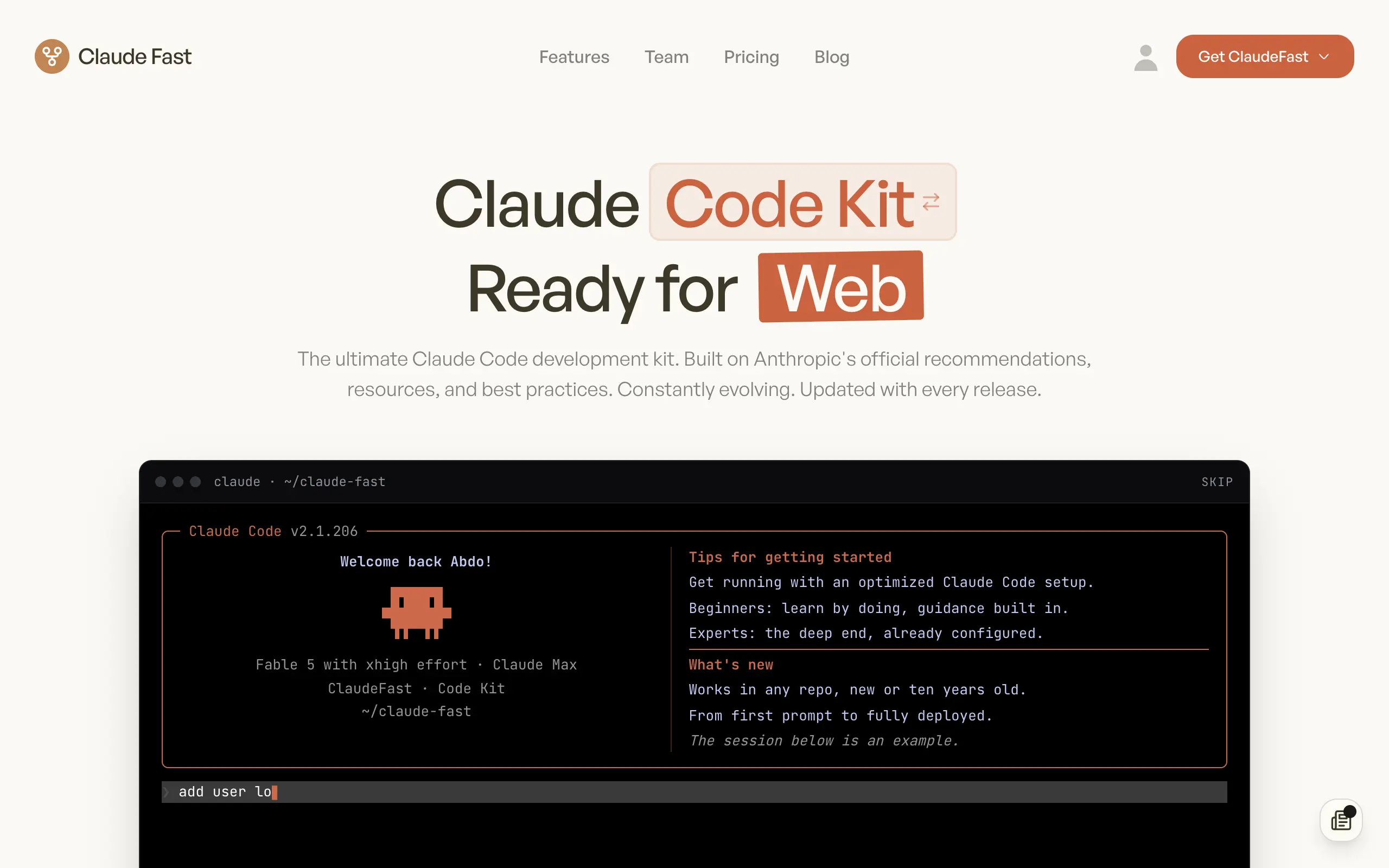
Claude Fast
Supercharge your Claude Code with 6x effective context window and specialized AI agents 🤖
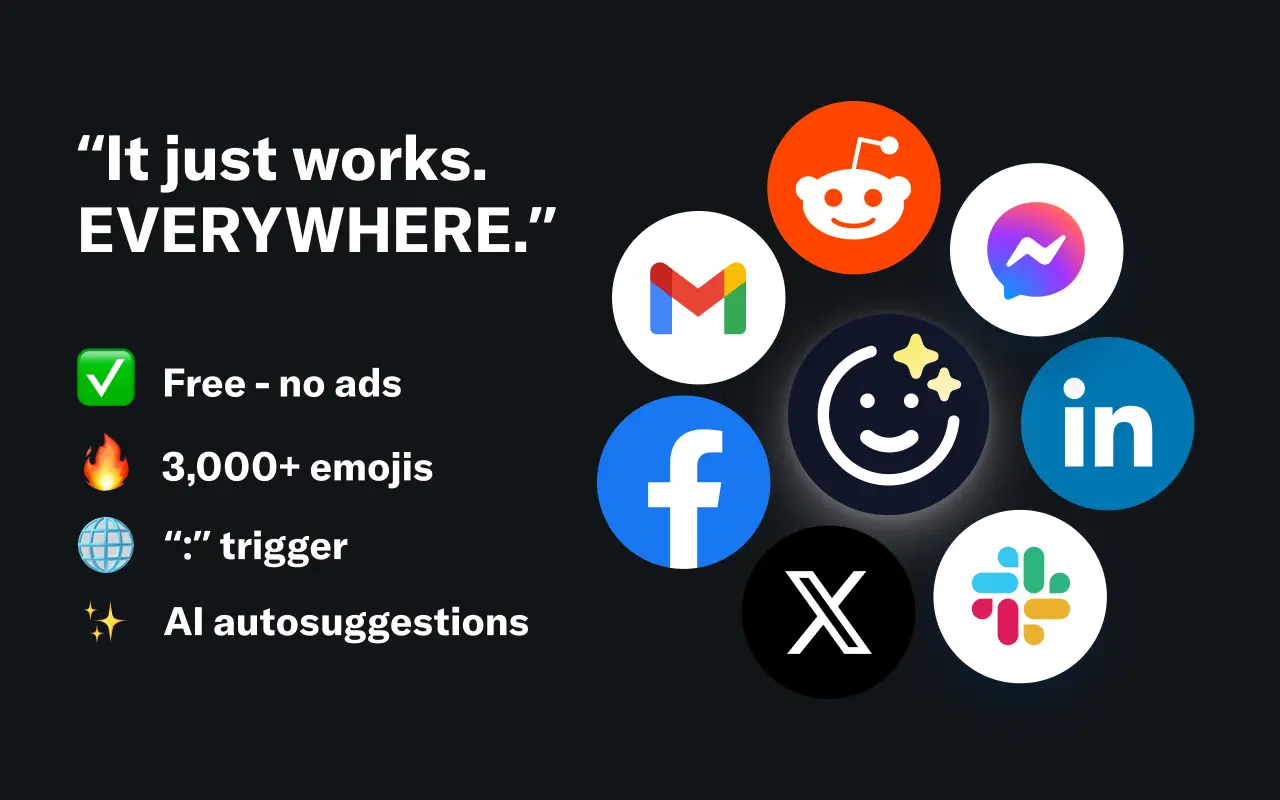
EmojAI
AI-powered emoji picker with smart, context-aware suggestions 🤖
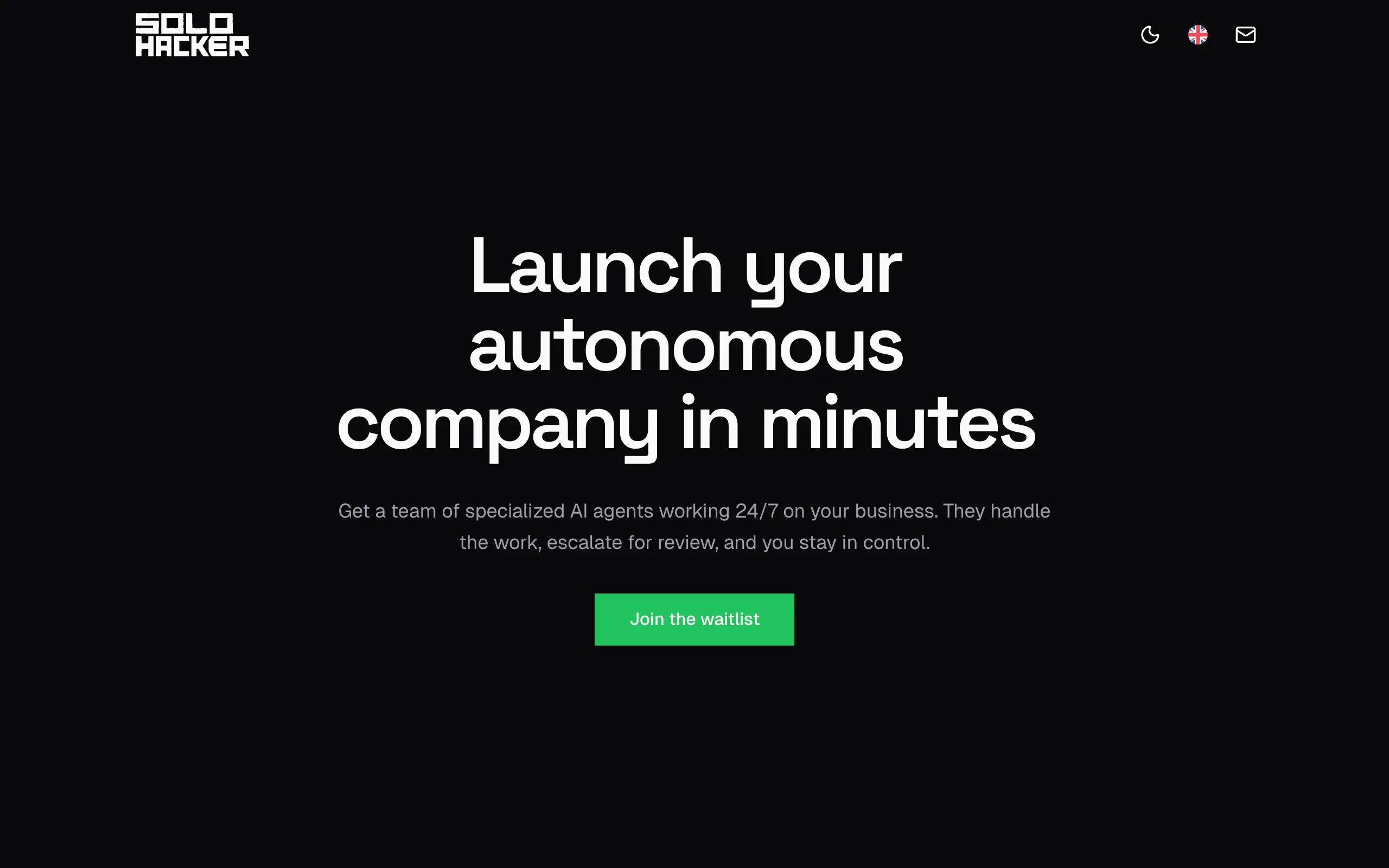
Solohacker
Autonomous company launcher - AI agents work 24/7, escalate what matters, and you stay in control 🤖
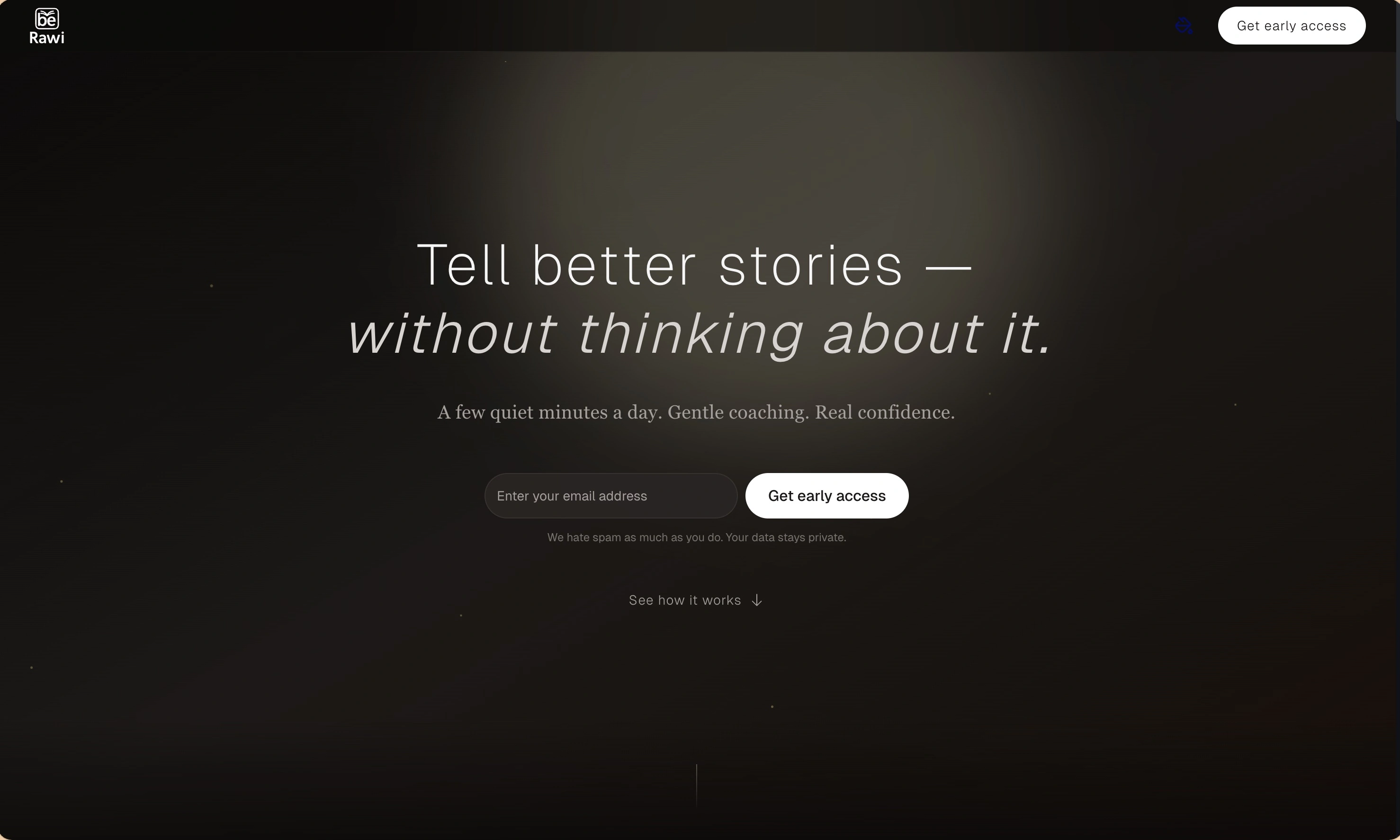
BeRawi: Storytelling Coach
Practice storytelling daily with instant feedback to sound clearer, more engaging, and confident 🎤
Omichat
Chat with 50+ AI models, including ChatGPT and Claude, in one place - switch models anytime without losing context 🤖
Claude Fast
Supercharge your Claude Code with 6x effective context window and specialized AI agents 🤖
EmojAI
AI-powered emoji picker with smart, context-aware suggestions 🤖
Solohacker
Autonomous company launcher - AI agents work 24/7, escalate what matters, and you stay in control 🤖
BeRawi: Storytelling Coach
Practice storytelling daily with instant feedback to sound clearer, more engaging, and confident 🎤
Omichat
Chat with 50+ AI models, including ChatGPT and Claude, in one place - switch models anytime without losing context 🤖
Claude Fast
Supercharge your Claude Code with 6x effective context window and specialized AI agents 🤖
EmojAI
AI-powered emoji picker with smart, context-aware suggestions 🤖
Solohacker
Autonomous company launcher - AI agents work 24/7, escalate what matters, and you stay in control 🤖
BeRawi: Storytelling Coach
Practice storytelling daily with instant feedback to sound clearer, more engaging, and confident 🎤
Omichat
Chat with 50+ AI models, including ChatGPT and Claude, in one place - switch models anytime without losing context 🤖
Claude Fast
Supercharge your Claude Code with 6x effective context window and specialized AI agents 🤖
EmojAI
AI-powered emoji picker with smart, context-aware suggestions 🤖
Solohacker
Autonomous company launcher - AI agents work 24/7, escalate what matters, and you stay in control 🤖
BeRawi: Storytelling Coach
Practice storytelling daily with instant feedback to sound clearer, more engaging, and confident 🎤

Connect with like-minded people
Join our community to get feedback, support, and grow together with 1,000+ builders on board, let's ship it!
Join usShip your startup everywhere. In minutes.
Don't burn tokens on setup and start building features on day one.