LinePulse Analytics
Advanced production intelligence platform that tracks every second of downtime, correlates machine events, and uncovers hidden inefficiencies across factory lines.
What is a production intelligence platform and why it matters
Manufacturing is undergoing a major transformation. As Industry 4.0 matures, factories are no longer judged solely on output—they are evaluated based on efficiency, adaptability, and real-time decision-making. This is where a production intelligence platform like LinePulse Analytics becomes critical.
LinePulse Analytics is designed to track every second of downtime, correlate machine events across production lines, and uncover inefficiencies that traditional monitoring systems often miss. Instead of relying on fragmented data or delayed reports, manufacturers gain continuous visibility into operations, allowing them to act immediately rather than react retrospectively.
The primary keyword here—production intelligence platform—reflects a fast-growing category that sits at the intersection of industrial IoT (IIoT), data analytics, and operational excellence.
Understanding the target audience
LinePulse Analytics is not a generic SaaS tool. It serves a highly specialized audience with clear pain points and measurable ROI expectations.
Primary users
- Manufacturing plant managers seeking to reduce downtime and improve throughput
- Operations leaders responsible for KPIs like OEE (Overall Equipment Effectiveness)
- Industrial engineers focused on process optimization
- Maintenance teams aiming for predictive and preventive strategies
- Lean manufacturing consultants working on continuous improvement
Secondary stakeholders
- Executives (COO, CTO) looking for data-driven decision systems
- IT teams managing industrial data infrastructure
- Supply chain leaders needing production predictability
Key user pain points
- Lack of real-time visibility into production lines
- Inability to identify root causes of downtime
- Disconnected machine data across systems
- Manual reporting processes that delay insights
- Hidden micro-stoppages that accumulate into major losses
A production intelligence platform must not only solve these issues but do so without disrupting existing workflows—a critical adoption factor in manufacturing environments.
Market opportunity and gap analysis
The global smart manufacturing market continues to expand rapidly. According to reports from firms like McKinsey and Deloitte (suggest referencing their Industry 4.0 reports), manufacturers adopting digital intelligence tools see:
- Up to 30–50% reduction in machine downtime
- Significant improvements in throughput and yield
- Faster root cause identification
Existing solutions fall short
Most current tools fall into one of these categories:
- Basic MES (Manufacturing Execution Systems)
- SCADA dashboards
- Generic IoT analytics platforms
These solutions often:
- Focus on data collection rather than actionable insights
- Lack real-time event correlation
- Provide limited visibility into micro-downtime
- Require heavy customization and integration effort
The gap LinePulse Analytics fills
LinePulse Analytics positions itself as a real-time production intelligence platform, not just a monitoring tool.
It bridges the gap by:
- Tracking every second of downtime, including micro-events
- Correlating machine signals across the entire line
- Providing context-aware insights, not just raw data
- Enabling faster decision-making with minimal setup
Core features that define LinePulse Analytics
Real-time downtime tracking
Unlike traditional systems that log downtime in batches, LinePulse captures events at the millisecond level. This enables detection of:
- Micro-stoppages
- Intermittent faults
- Operator-induced delays
Cross-machine event correlation
This is where the platform stands out. Instead of analyzing machines individually, LinePulse:
- Maps dependencies between machines
- Identifies cascading failures
- Highlights upstream/downstream impacts
Intelligent root cause analysis
Using rule-based logic and machine learning, the platform can:
- Detect patterns in downtime
- Suggest probable causes
- Prioritize issues based on impact
Visual production timelines
Operators and managers can see:
- Timeline views of machine activity
- Overlayed events across multiple machines
- Bottleneck identification in seconds
Custom alerts and anomaly detection
- Real-time notifications for abnormal behavior
- Threshold-based and AI-driven alerts
- Integration with messaging tools (Slack, email, etc.)
How LinePulse Analytics works (technical overview)
Data ingestion layer
The platform integrates with:
- PLCs (Programmable Logic Controllers)
- IoT sensors
- MES systems
- SCADA systems
Processing pipeline
Data flows through:
- Event normalization
- Time-series processing
- Correlation engines
Analytics engine
Combines:
- Rule-based logic
- Statistical models
- Machine learning algorithms
Visualization layer
- Web dashboards
- Mobile-friendly interfaces
- Real-time updates
Recommended tech stack for building a production intelligence platform
A robust tech stack is essential for scalability, reliability, and real-time processing.
Frontend
- React for dynamic UI
- TailwindCSS for rapid styling
- WebSockets for real-time updates
Backend
- Node.js or Go for event-driven architecture
- Python for analytics and ML pipelines
Data processing
- Apache Kafka for streaming data
- Apache Flink or Spark for real-time processing
Storage
- Time-series database (InfluxDB, TimescaleDB)
- PostgreSQL for relational data
Infrastructure
- Kubernetes for orchestration
- Edge computing support for on-prem deployments
Trade-offs to consider
- Cloud vs Edge: Cloud offers scalability; edge reduces latency
- Real-time vs batch processing: Real-time is resource-intensive but critical
- Custom ML vs rule-based logic: ML offers adaptability but requires data maturity
Monetization strategies for LinePulse Analytics
Subscription-based pricing (SaaS)
- Tiered plans based on number of machines or lines
- Feature-based pricing (analytics depth, integrations)
Usage-based pricing
- Charge per data point or event processed
- Suitable for high-scale factories
Enterprise licensing
- Custom pricing for large manufacturers
- Includes onboarding, support, and customization
Add-on services
- Predictive maintenance modules
- Advanced analytics packages
- Consulting and integration services
Competitive landscape and differentiation
| Feature | Traditional MES | SCADA Systems | Generic IoT Platforms | LinePulse Analytics |
|---|---|---|---|---|
| Real-time micro-downtime tracking | ❌ | ❌ | ❌ | ✅ |
| Cross-machine correlation | ❌ | ❌ | ⚠️ | ✅ |
| Root cause intelligence | ⚠️ | ❌ | ⚠️ | ✅ |
| Ease of deployment | ❌ | ⚠️ | ⚠️ | ✅ |
Unique selling proposition (USP)
LinePulse Analytics is not just another monitoring tool. Its differentiation lies in:
- Second-by-second visibility into production
- Context-aware analytics, not isolated metrics
- Fast deployment without heavy customization
- Actionable insights, not just dashboards
Risks and challenges (and how to mitigate them)
Data integration complexity
Factories often have legacy systems.
Mitigation:
- Build flexible connectors
- Support standard industrial protocols (OPC-UA, Modbus)
Resistance to adoption
Operators may resist new tools.
Mitigation:
- Intuitive UI design
- Minimal disruption workflows
- Clear ROI demonstration
Data overload
Too much data can overwhelm users.
Mitigation:
- Focus on actionable insights
- Use prioritization algorithms
Security concerns
Industrial environments require strict security.
Mitigation:
- End-to-end encryption
- Role-based access control
- On-prem deployment options
Step-by-step implementation roadmap
Example architecture snippet
// Simplified event processing pipeline
import { Kafka } from "kafkajs";

const kafka = new Kafka({ clientId: "linepulse", brokers: ["localhost:9092"] });
const consumer = kafka.consumer({ groupId: "production-events" });

async function run() {
  await consumer.connect();
  await consumer.subscribe({ topic: "machine-events", fromBeginning: true });

  await consumer.run({
    eachMessage: async ({ message }) => {
      const event = JSON.parse(message.value.toString());

      // Normalize event
      const normalized = normalizeEvent(event);

      // Detect downtime
      if (isDowntime(normalized)) {
        triggerAlert(normalized);
      }

      // Store in time-series DB
      storeEvent(normalized);
    },
  });
}

run();
Future trends shaping production intelligence platforms
AI-driven manufacturing
- Predictive analytics will become standard
- Autonomous optimization systems will emerge
Edge computing growth
- More processing will happen on-site
- Reduced latency for real-time decisions
Digital twins
- Virtual replicas of production lines
- Simulation-based optimization
Sustainability tracking
- Energy efficiency metrics
- Carbon footprint monitoring
Why now is the perfect time to build LinePulse Analytics
Manufacturers are under pressure to:
- Increase efficiency
- Reduce costs
- Improve resilience
At the same time, enabling technologies—IoT, cloud computing, AI—are more accessible than ever.
This convergence creates a massive opportunity for a production intelligence platform that delivers immediate value.
Actionable next steps to launch
- Identify a niche (e.g., automotive, food processing)
- Conduct 10–15 interviews with plant managers
- Build a lightweight prototype focusing on one key pain point
- Partner with a pilot factory
- Measure ROI (downtime reduction, throughput improvement)
- Use results as case studies for growth
Build faster with the right foundation
Developing a SaaS like LinePulse Analytics from scratch can be time-consuming. Using a proven starter framework like TurboStarter can accelerate development by providing:
- Authentication systems
- Billing infrastructure
- Scalable architecture
- Pre-built SaaS components
This allows you to focus on core product innovation instead of boilerplate code.
Final thoughts
LinePulse Analytics represents a new generation of production intelligence platforms that go beyond monitoring to deliver true operational insight.
Its ability to track every second, correlate events across machines, and uncover hidden inefficiencies positions it as a powerful tool for modern manufacturers.
The opportunity is clear: factories need smarter systems, not just more data. Building a platform that delivers clarity, speed, and actionable intelligence can create lasting competitive advantage in an increasingly data-driven industrial world.
If executed well—with strong integration, intuitive design, and measurable ROI—LinePulse Analytics has the potential to become an essential layer in the future of manufacturing.
More 💡 Other SaaS ideas
Discover more innovative other SaaS ideas that are trending in 2026. Each idea is AI-generated with market validation and growth potential to help you find your next profitable venture faster than competitors.
Your competitors are building with TurboStarter
Below are some of the SaaS ideas that have been generated and built with our starter kit.
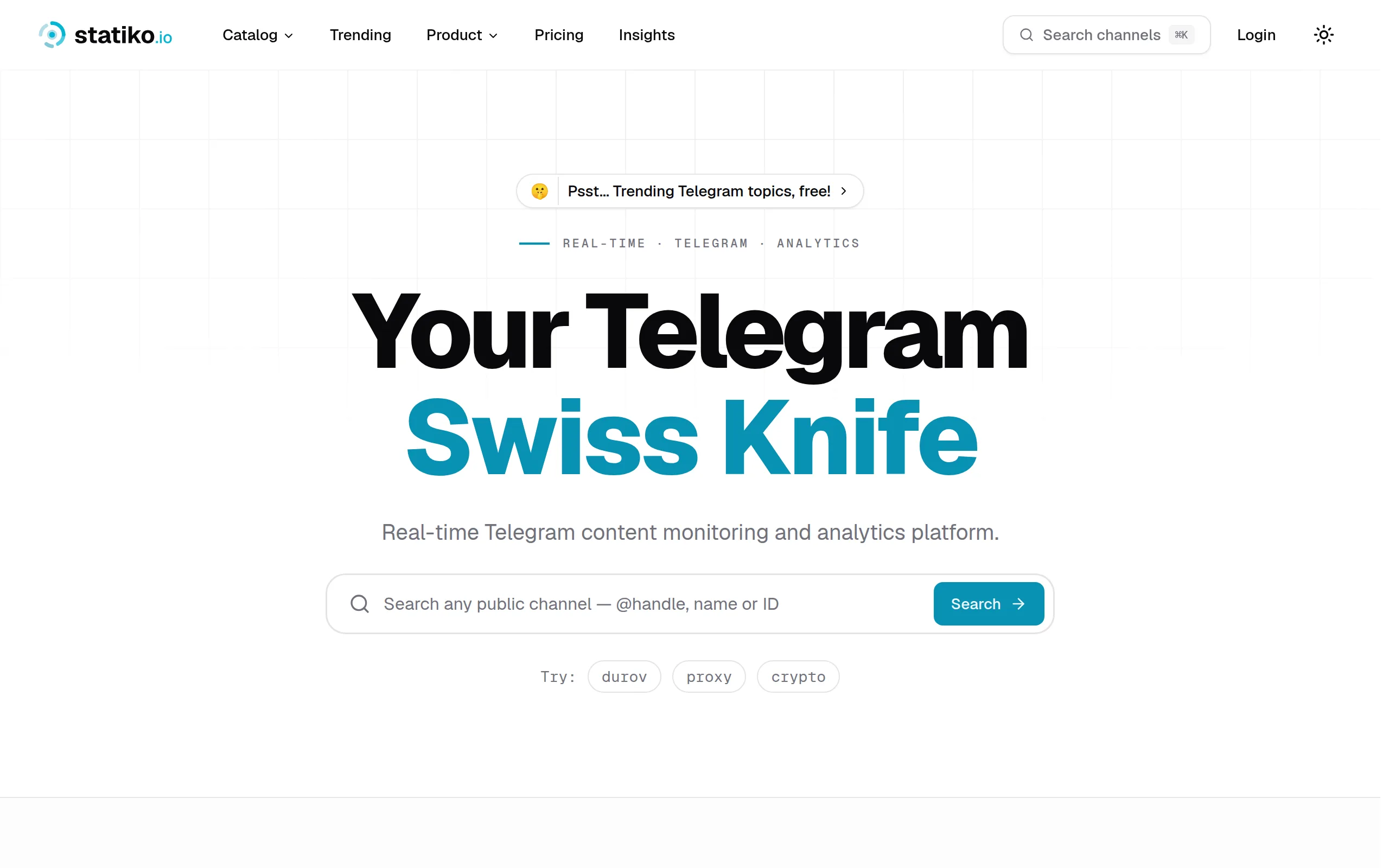
Statiko
Monitor any Telegram channel in real time - track posts, edits, deletions, and growth with AI recaps 📡

Shibui
AI website builder - describe your business, pick a niche template, edit by chatting, and publish instantly ✨

Pro Service
Find verified home service professionals, compare quotes, and pay securely through escrow - built for Brazilians across the US 🏠
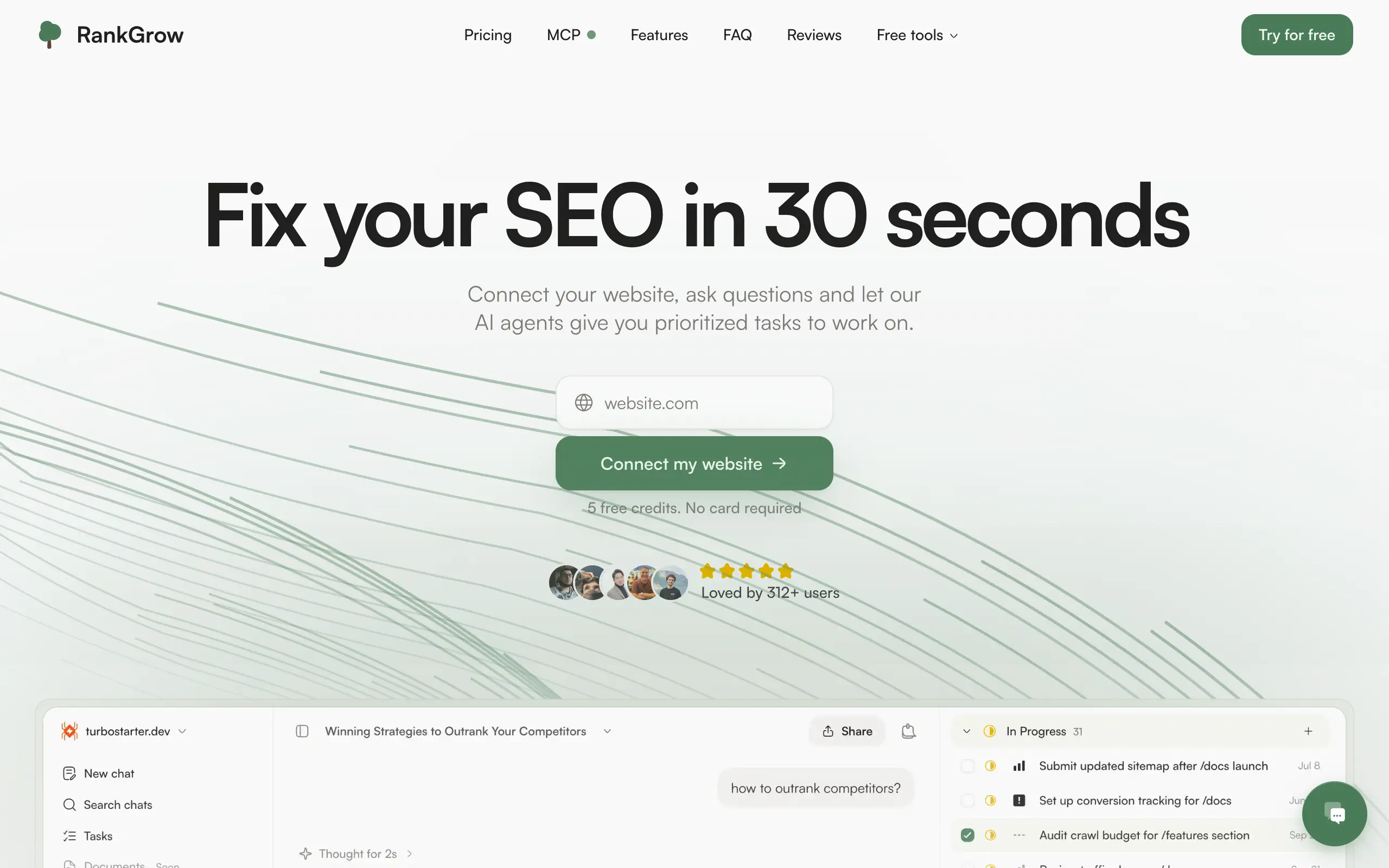
RankGrow
Fix your SEO with AI agents - connect Search Console, get prioritized tasks, and grow organic traffic 📈
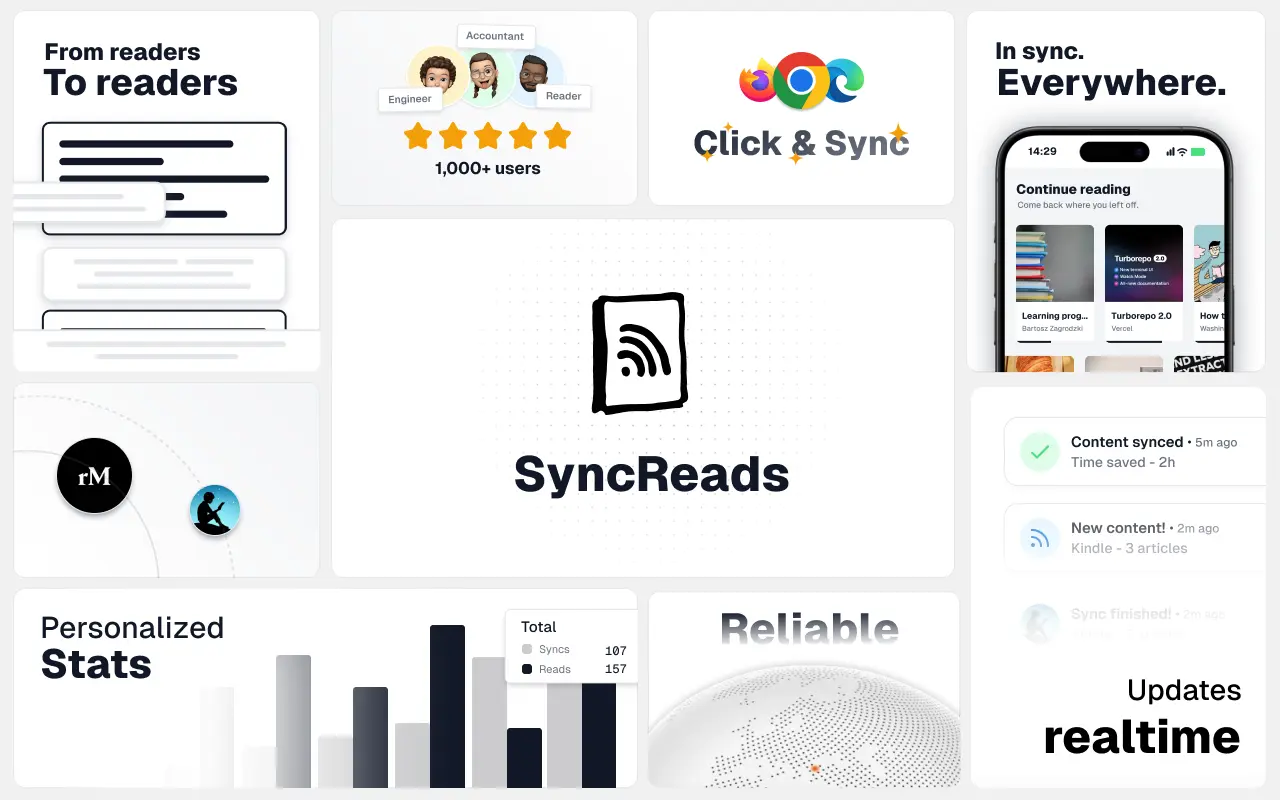
SyncReads
Sync your favorite content for distraction-free reading, save time and replace multiple apps. Anytime, anywhere 🔄
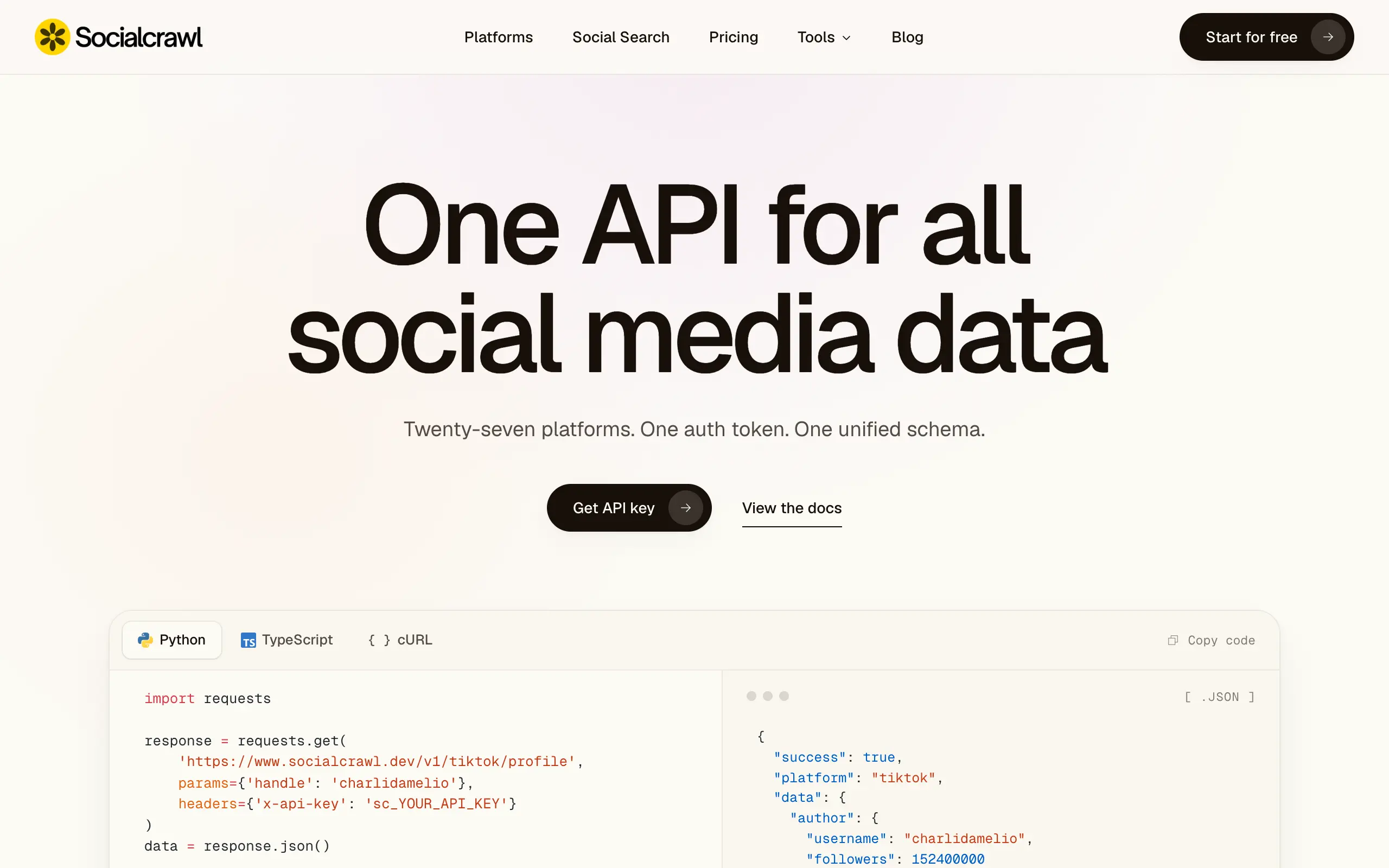
Socialcrawl
Get clean, structured data from 21 platforms like TikTok, Instagram, and YouTube with a single request 📊
Statiko
Monitor any Telegram channel in real time - track posts, edits, deletions, and growth with AI recaps 📡
Shibui
AI website builder - describe your business, pick a niche template, edit by chatting, and publish instantly ✨
Pro Service
Find verified home service professionals, compare quotes, and pay securely through escrow - built for Brazilians across the US 🏠
RankGrow
Fix your SEO with AI agents - connect Search Console, get prioritized tasks, and grow organic traffic 📈
SyncReads
Sync your favorite content for distraction-free reading, save time and replace multiple apps. Anytime, anywhere 🔄
Socialcrawl
Get clean, structured data from 21 platforms like TikTok, Instagram, and YouTube with a single request 📊
Statiko
Monitor any Telegram channel in real time - track posts, edits, deletions, and growth with AI recaps 📡
Shibui
AI website builder - describe your business, pick a niche template, edit by chatting, and publish instantly ✨
Pro Service
Find verified home service professionals, compare quotes, and pay securely through escrow - built for Brazilians across the US 🏠
RankGrow
Fix your SEO with AI agents - connect Search Console, get prioritized tasks, and grow organic traffic 📈
SyncReads
Sync your favorite content for distraction-free reading, save time and replace multiple apps. Anytime, anywhere 🔄
Socialcrawl
Get clean, structured data from 21 platforms like TikTok, Instagram, and YouTube with a single request 📊
Statiko
Monitor any Telegram channel in real time - track posts, edits, deletions, and growth with AI recaps 📡
Shibui
AI website builder - describe your business, pick a niche template, edit by chatting, and publish instantly ✨
Pro Service
Find verified home service professionals, compare quotes, and pay securely through escrow - built for Brazilians across the US 🏠
RankGrow
Fix your SEO with AI agents - connect Search Console, get prioritized tasks, and grow organic traffic 📈
SyncReads
Sync your favorite content for distraction-free reading, save time and replace multiple apps. Anytime, anywhere 🔄
Socialcrawl
Get clean, structured data from 21 platforms like TikTok, Instagram, and YouTube with a single request 📊
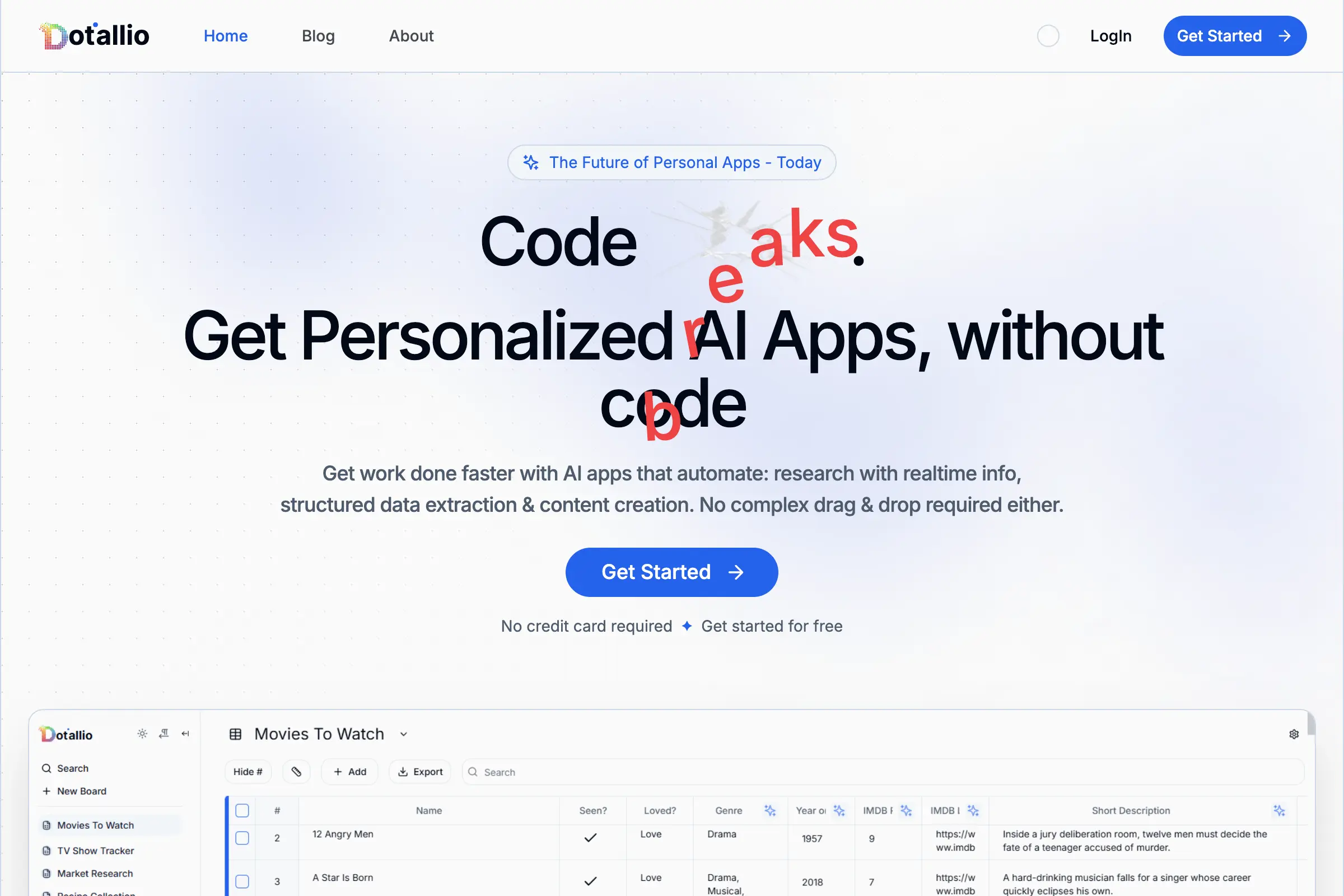
Dotallio
Personalized AI apps that automate research, data extraction, and content creation without code 🤖

Talk to Santa
Enjoy a magical live video chat or receive a unique AI-generated video greeting from Santa Claus 🎅
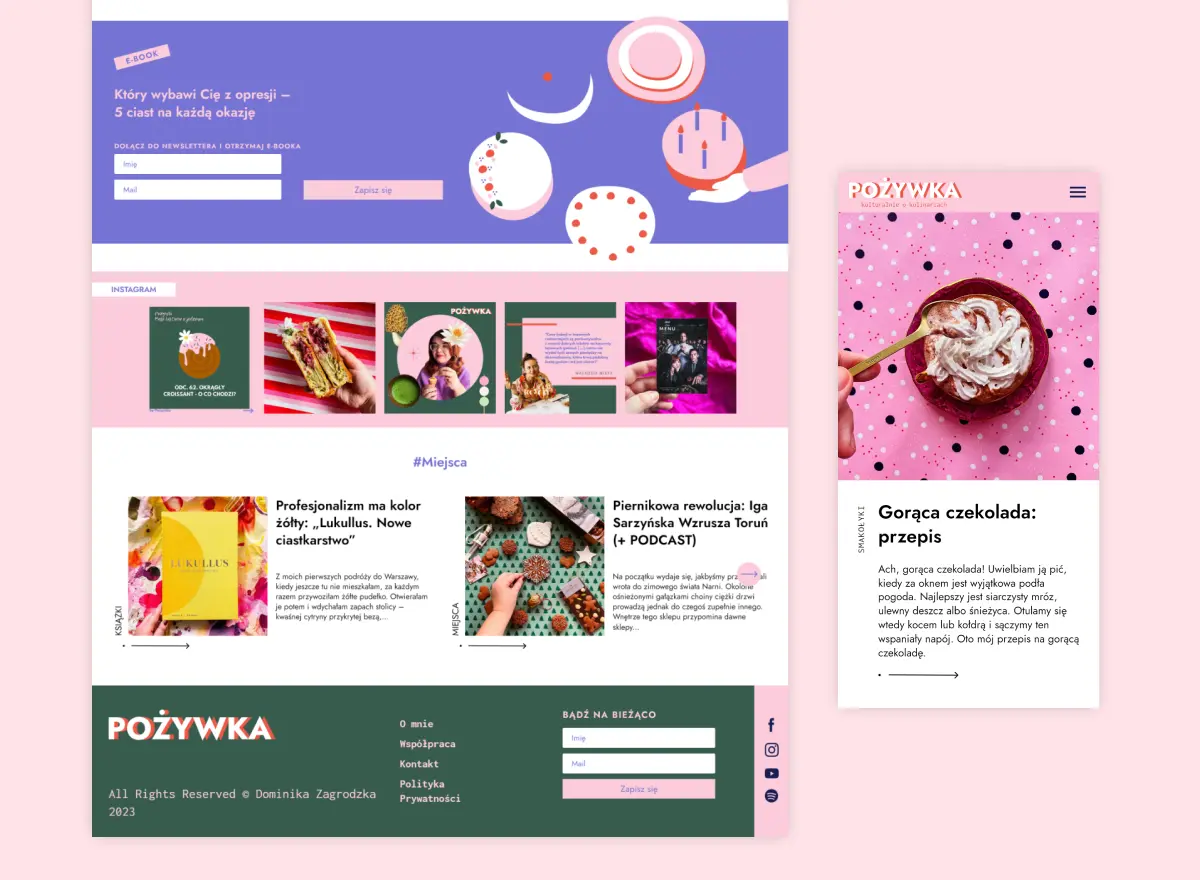
pozywka.pl
Scalable blog for food journalist, focused on performance and user experience 🌭
zagrodzki.me
Personal blog and portfolio of Bart Zagrodzki, where he shares his knowledge and work 💼
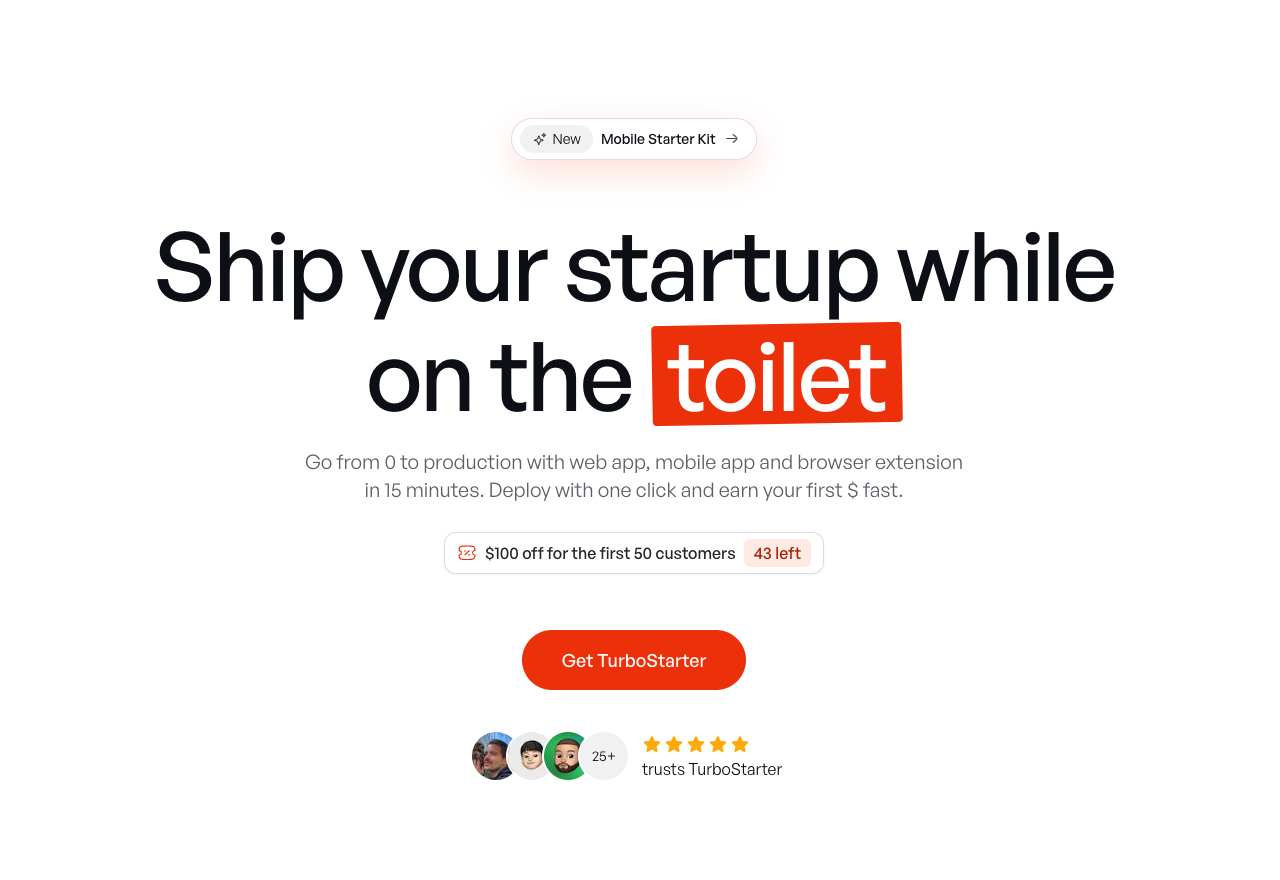
TurboStarter
Ship your startup everywhere. In minutes.
HTML to Markdown
Convert HTML to Markdown with ease, directly in your browser 📄
Dotallio
Personalized AI apps that automate research, data extraction, and content creation without code 🤖
Talk to Santa
Enjoy a magical live video chat or receive a unique AI-generated video greeting from Santa Claus 🎅
pozywka.pl
Scalable blog for food journalist, focused on performance and user experience 🌭
zagrodzki.me
Personal blog and portfolio of Bart Zagrodzki, where he shares his knowledge and work 💼
TurboStarter
Ship your startup everywhere. In minutes.
HTML to Markdown
Convert HTML to Markdown with ease, directly in your browser 📄
Dotallio
Personalized AI apps that automate research, data extraction, and content creation without code 🤖
Talk to Santa
Enjoy a magical live video chat or receive a unique AI-generated video greeting from Santa Claus 🎅
pozywka.pl
Scalable blog for food journalist, focused on performance and user experience 🌭
zagrodzki.me
Personal blog and portfolio of Bart Zagrodzki, where he shares his knowledge and work 💼
TurboStarter
Ship your startup everywhere. In minutes.
HTML to Markdown
Convert HTML to Markdown with ease, directly in your browser 📄
Dotallio
Personalized AI apps that automate research, data extraction, and content creation without code 🤖
Talk to Santa
Enjoy a magical live video chat or receive a unique AI-generated video greeting from Santa Claus 🎅
pozywka.pl
Scalable blog for food journalist, focused on performance and user experience 🌭
zagrodzki.me
Personal blog and portfolio of Bart Zagrodzki, where he shares his knowledge and work 💼
TurboStarter
Ship your startup everywhere. In minutes.
HTML to Markdown
Convert HTML to Markdown with ease, directly in your browser 📄
Omichat
Chat with 50+ AI models, including ChatGPT and Claude, in one place - switch models anytime without losing context 🤖
Claude Fast
Supercharge your Claude Code with 6x effective context window and specialized AI agents 🤖
EmojAI
AI-powered emoji picker with smart, context-aware suggestions 🤖
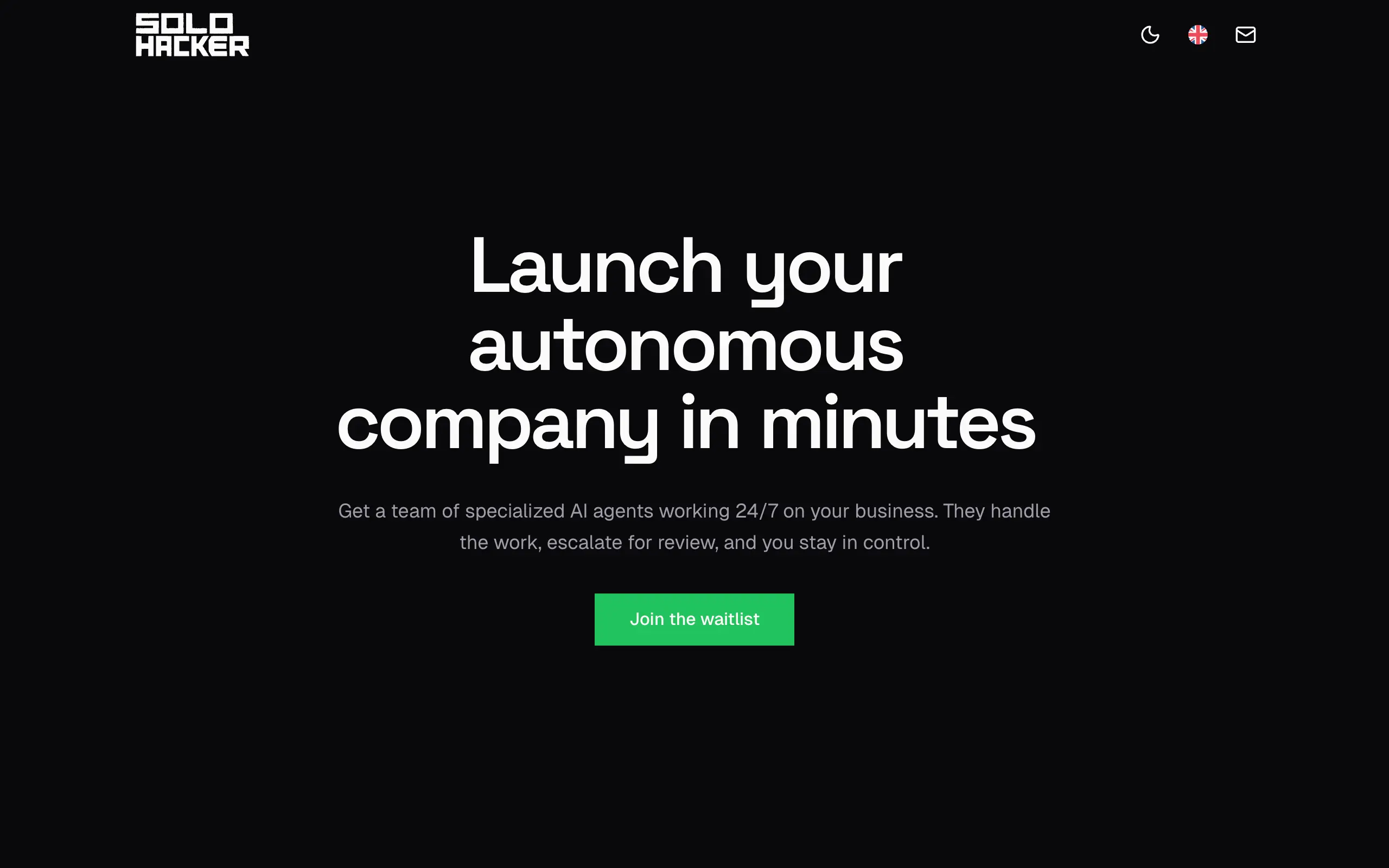
Solohacker
Autonomous company launcher - AI agents work 24/7, escalate what matters, and you stay in control 🤖
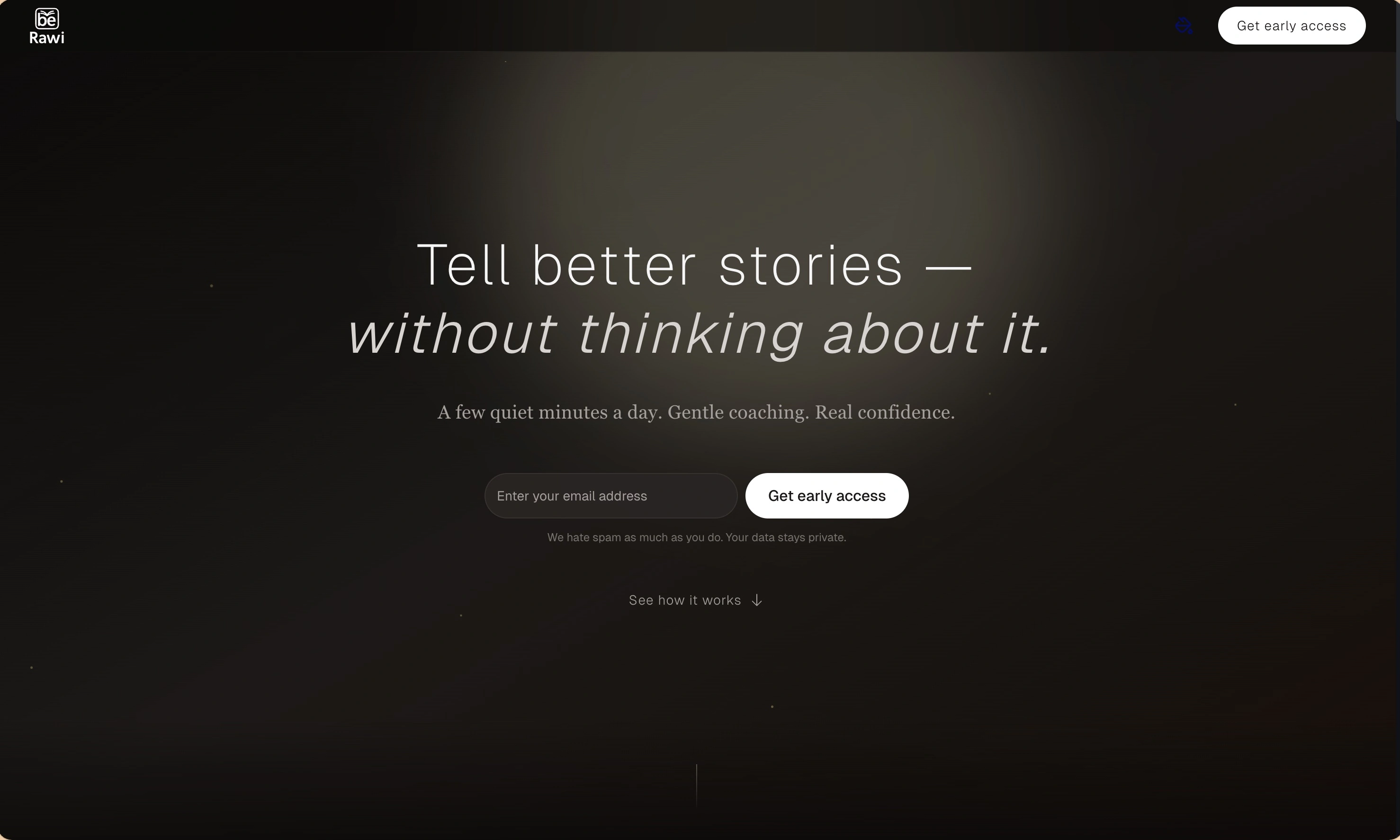
BeRawi: Storytelling Coach
Practice storytelling daily with instant feedback to sound clearer, more engaging, and confident 🎤
Omichat
Chat with 50+ AI models, including ChatGPT and Claude, in one place - switch models anytime without losing context 🤖
Claude Fast
Supercharge your Claude Code with 6x effective context window and specialized AI agents 🤖
EmojAI
AI-powered emoji picker with smart, context-aware suggestions 🤖
Solohacker
Autonomous company launcher - AI agents work 24/7, escalate what matters, and you stay in control 🤖
BeRawi: Storytelling Coach
Practice storytelling daily with instant feedback to sound clearer, more engaging, and confident 🎤
Omichat
Chat with 50+ AI models, including ChatGPT and Claude, in one place - switch models anytime without losing context 🤖
Claude Fast
Supercharge your Claude Code with 6x effective context window and specialized AI agents 🤖
EmojAI
AI-powered emoji picker with smart, context-aware suggestions 🤖
Solohacker
Autonomous company launcher - AI agents work 24/7, escalate what matters, and you stay in control 🤖
BeRawi: Storytelling Coach
Practice storytelling daily with instant feedback to sound clearer, more engaging, and confident 🎤
Omichat
Chat with 50+ AI models, including ChatGPT and Claude, in one place - switch models anytime without losing context 🤖
Claude Fast
Supercharge your Claude Code with 6x effective context window and specialized AI agents 🤖
EmojAI
AI-powered emoji picker with smart, context-aware suggestions 🤖
Solohacker
Autonomous company launcher - AI agents work 24/7, escalate what matters, and you stay in control 🤖
BeRawi: Storytelling Coach
Practice storytelling daily with instant feedback to sound clearer, more engaging, and confident 🎤

Connect with like-minded people
Join our community to get feedback, support, and grow together with 1,000+ builders on board, let's ship it!
Join usShip your startup everywhere. In minutes.
Don't burn tokens on setup and start building features on day one.