LoreLedger
A centralized canon management hub for writers and worldbuilders to track characters, timelines, and plot continuity across complex story universes.
The new standard for canon management software in complex story universes
Modern storytelling is no longer linear or simple. From multi-book fantasy sagas and cinematic universes to serialized web novels, RPG campaigns, and transmedia franchises, creators are building deep, interconnected worlds with hundreds of characters, locations, artifacts, timelines, and plot threads.
As universes scale, so does the chaos.
Writers struggle with:
- Inconsistent character details
- Timeline contradictions
- Forgotten plot threads
- Retcons that break immersion
- Fragmented notes across Notion, Google Docs, Scrivener, and spreadsheets
This is where LoreLedger—a centralized canon management hub for writers and worldbuilders—becomes indispensable.
This article explores the full strategic opportunity behind LoreLedger: the target audience, market gap, core features, tech stack, monetization model, competitive positioning, risks, and step-by-step implementation roadmap. If you're evaluating this SaaS idea, building it, or validating it, this guide provides a comprehensive, expert-level blueprint.
Why canon management is a growing problem (and opportunity)
Storytelling has evolved dramatically over the past decade.
1. Rise of long-form and serialized storytelling
Platforms like:
- Kindle Direct Publishing
- Webtoon
- Royal Road
- Substack fiction
- Patreon-supported writers
have enabled independent creators to publish long-running series. These often span:
- 5–15+ books
- Hundreds of chapters
- Expansive world lore
- Interconnected arcs
Continuity errors compound over time.
2. Expansion of transmedia universes
Franchises increasingly expand into:
- Podcasts
- Video games
- Graphic novels
- Tabletop RPG supplements
- TV/film adaptations
Each medium adds new canon complexity.
3. AI-assisted writing increases output speed
With tools like OpenAI and AI-assisted drafting, writers can produce content faster than ever. But speed amplifies risk:
Faster output = faster continuity drift.
Writers now need structured canon infrastructure, not scattered notes.
The core problem LoreLedger solves
At its heart, LoreLedger addresses a critical gap:
There is no purpose-built canon management system designed specifically for writers and worldbuilders managing complex narrative universes.
Existing tools fall short:
- Notion → flexible but unstructured
- Scrivener → manuscript-focused, not universe-focused
- Wiki tools → too technical or disconnected
- Spreadsheets → unscalable and manual
- Generic project management tools → not narrative-aware
Writers need:
- Structured relationship tracking
- Timeline visualization
- Canon validation
- Character evolution tracking
- Conflict detection across arcs
LoreLedger becomes the single source of truth for fictional universes.
Target audience analysis
LoreLedger serves multiple high-value creator segments.
1. Indie fiction authors
Profile:
- Self-published fantasy, sci-fi, romance, or thriller writers
- Multi-book series creators
- Managing 50–500+ canon entities
Pain points:
- Forgetting minor character traits
- Inconsistent geography
- Timeline contradictions
- Reader complaints about continuity
Willingness to pay: High if tool directly improves story quality and reduces editing time.
2. Professional writing teams
Examples:
- TV writers’ rooms
- Game narrative teams
- Transmedia franchises
Pain points:
- Multiple contributors editing canon simultaneously
- Version control chaos
- Lack of shared reference system
Opportunity: Team plans with collaboration features.
3. RPG worldbuilders and Dungeon Masters
Tabletop creators often build:
- Massive world lore
- Political factions
- Interconnected story arcs
They need:
- Dynamic timelines
- Relationship graphs
- Location tracking
4. Web serial authors
Serialized writers publishing weekly episodes face constant canon pressure.
Even small mistakes lead to:
- Reader backlash
- Community criticism
- Trust erosion
LoreLedger provides proactive continuity validation.
Market opportunity and gap analysis
Current alternatives
Let’s compare:
| Feature | Notion | Scrivener | Wiki Tools | LoreLedger | Spreadsheets |
|---|---|---|---|---|---|
| Structured character relationships | ❌ | ❌ | ✅ | ✅ | ❌ |
| Timeline conflict detection | ❌ | ❌ | ❌ | ✅ | ❌ |
The gap is clear:
No mainstream tool provides structured canon validation built specifically for narrative continuity.
This is a niche—but a passionate, high-retention niche.
Core features that define LoreLedger
To succeed, LoreLedger must go beyond note-taking.
1. Canon entity management system
Each universe contains structured entities:
- Characters
- Locations
- Factions
- Artifacts
- Events
- Timelines
- Magic systems
Each entity should include:
- Canon status (active, deceased, retconned, alternate universe)
- First appearance
- Related arcs
- Relationship graph
- Version history
2. Relationship graph engine
A visual, dynamic graph connecting:
- Character → Character
- Character → Location
- Event → Timeline
- Artifact → Faction
This allows instant answers to:
- “Who knows this secret?”
- “Which characters were present in this event?”
- “Where was Character X during Book 2?”
3. Timeline management with conflict detection
One of LoreLedger’s strongest differentiators:
- Visual timeline editor
- Date-based event placement
- Automatic overlap detection
- Age calculation validation
Example conflict detection:
Character born in Year 120
Present in event Year 105 → flagged inconsistency
This transforms LoreLedger from passive documentation to active canon guardian.
4. Canon versioning & retcon tracking
Every long-running series eventually retcons.
LoreLedger should allow:
- Canon branches
- Alternate timeline tracking
- “Soft retcon” annotations
- Version comparisons
5. AI-assisted continuity checking
Optional AI layer to:
- Scan manuscript drafts
- Detect inconsistencies
- Suggest canon references
- Flag missing context
This must be implemented carefully to avoid hallucinations.
6. Collaboration & permissions
For team environments:
- Role-based access
- Editor/viewer roles
- Commenting
- Change logs
- Canon approval workflows
7. Export & integration capabilities
Writers need portability:
- Export to PDF
- Markdown export
- API access
- Integration with Scrivener or Google Docs
Unique selling proposition (USP)
LoreLedger’s true differentiation lies in:
Structured, intelligent canon enforcement—not just documentation.
Most tools help you store lore.
LoreLedger helps you protect narrative integrity.
That shift—from archive to guardian—is its core competitive edge.
Recommended tech stack (with trade-offs)
To build LoreLedger effectively:
Frontend
- React – dynamic UI, graph rendering
- TailwindCSS – rapid styling
- Graph visualization library (e.g., D3-based)
Trade-off: Graph performance must scale to hundreds of nodes.
Backend
- Node.js or Bun runtime
- PostgreSQL (structured relational data)
- Optional Neo4j (for graph relationships)
Relational vs Graph DB?
Best for structured canon entities, easier hosting, simpler MVP.
Best for advanced relationship querying and dynamic graph traversal.
MVP recommendation: Start with PostgreSQL + relationship tables. Add graph DB later if necessary.
AI layer
- OpenAI API for semantic analysis
- Prompt-engineered validation pipelines
Must include:
- Strict system prompts
- Canon grounding via database references
- Human confirmation layer
Infrastructure
- Vercel or similar frontend hosting
- Managed Postgres
- Secure backups
- End-to-end encryption for manuscripts
Monetization strategy
LoreLedger can support multiple pricing tiers.
1. Freemium model
Free:
- 1 universe
- 50 entities
- No AI
Pro ($15–$25/month):
- Unlimited entities
- Timeline validation
- AI continuity scan
- Export tools
2. Team plans
$39–$79/month depending on:
- User seats
- Collaboration features
- Advanced permissions
3. Lifetime deal (early stage)
Useful for:
- Rapid initial adoption
- Cash flow boost
- Community building
Must limit scope to avoid long-term sustainability issues.
Competitive advantage strategy
To win long-term, LoreLedger must:
1. Own the niche narrative language
Use storytelling-native terms:
- Canon
- Retcon
- Arc
- POV
- Lore consistency
Not generic SaaS terminology.
2. Focus on power users first
Hardcore fantasy and sci-fi authors:
- High pain
- High loyalty
- High evangelism
3. Build community
- Worldbuilding showcases
- Lore management templates
- Creator interviews
- Educational content on continuity best practices
Risks and mitigation
Risk 1: Market too niche
Mitigation:
- Expand into game studios
- RPG creators
- Transmedia production teams
Risk 2: AI inaccuracies damage trust
Mitigation:
- AI suggestions, not automatic edits
- Human confirmation required
- Transparent confidence scoring
Risk 3: Feature bloat
Mitigation:
- Focus on canon integrity
- Avoid becoming generic writing software
- Maintain clear positioning
Implementation roadmap
Here’s a practical path to launching LoreLedger:
MVP feature scope recommendation
For initial release:
- Character entity system
- Location entity system
- Timeline builder
- Relationship linking
- Conflict flagging
- Clean, minimal UI
Avoid:
- Over-engineered AI
- Excessive export formats
- Complex permissions
How to build faster with the right foundation
Launching a SaaS like LoreLedger requires:
- Authentication
- Subscription billing
- Role-based access
- Scalable architecture
- Secure data handling
Instead of rebuilding infrastructure from scratch, using a production-ready SaaS foundation like TurboStarter dramatically reduces development time and risk.
It provides:
- Auth
- Payments
- Database integration
- Production-ready architecture
Allowing you to focus on the canon engine, not boilerplate.
Long-term expansion opportunities
Once established, LoreLedger can expand into:
- Public-facing lore portals
- Reader-accessible canon encyclopedias
- Publishing house enterprise solutions
- API integrations for game engines
- AI-powered story simulation testing
Final thoughts: why LoreLedger matters
Continuity is credibility.
When a story universe breaks its own rules:
- Reader trust erodes
- Immersion collapses
- Brand value declines
In an era where indie creators compete with major franchises, narrative integrity is no longer optional.
LoreLedger isn’t just another writing tool.
It’s:
- A canon guardian
- A universe architect
- A continuity enforcement system
For writers building complex worlds, this becomes essential infrastructure.
Ready to build LoreLedger?
If you're serious about launching a canon management SaaS:
- Validate deeply with power users
- Build a tight MVP
- Focus relentlessly on continuity protection
- Differentiate from generic note-taking tools
- Launch with a strong narrative-driven brand
Then scale carefully into teams and studios.
The world is building bigger stories.
It’s time to build the system that protects them.
More 💡 Other SaaS ideas
Discover more innovative other SaaS ideas that are trending in 2026. Each idea is AI-generated with market validation and growth potential to help you find your next profitable venture faster than competitors.
Your competitors are building with TurboStarter
Below are some of the SaaS ideas that have been generated and built with our starter kit.
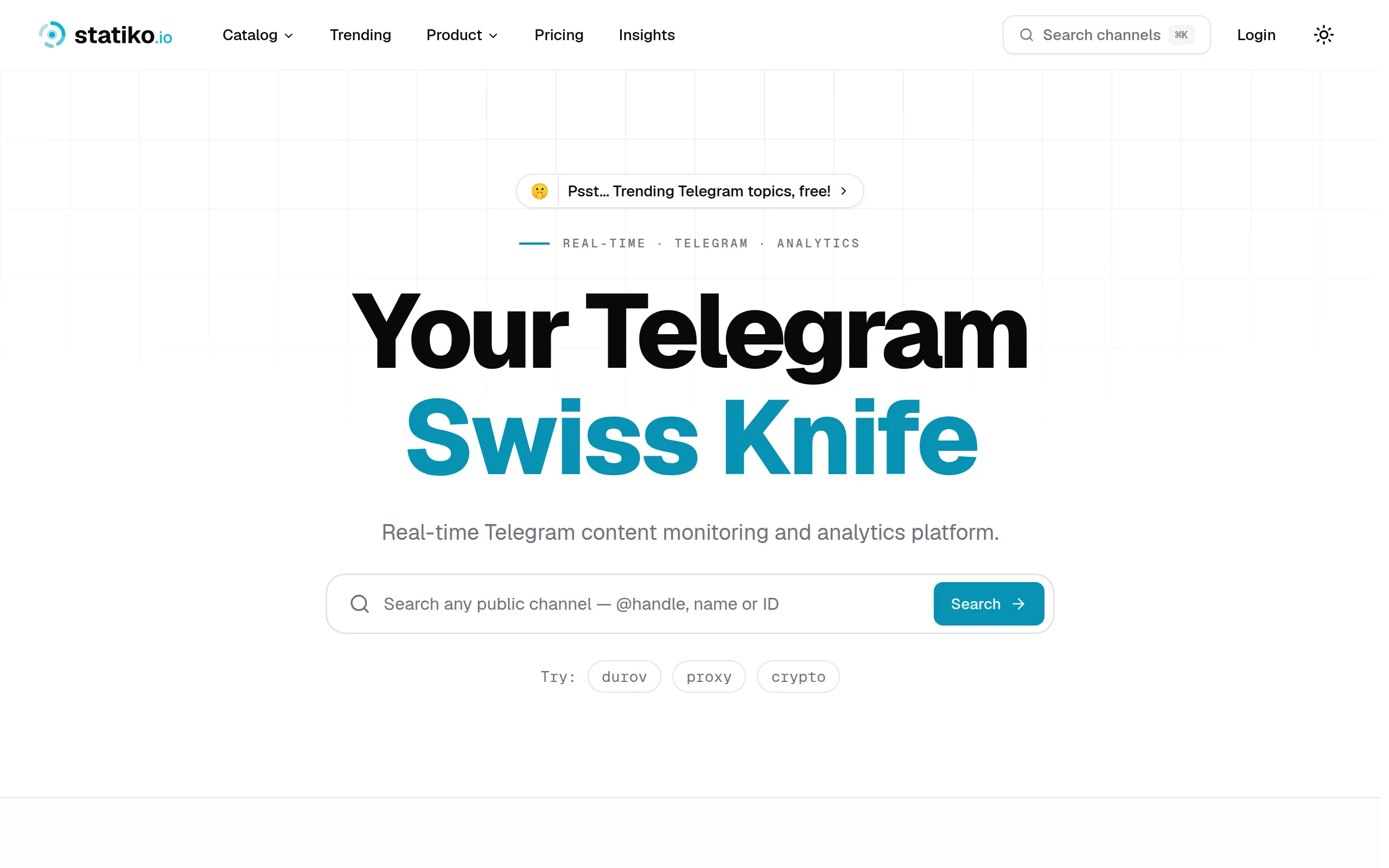
Statiko
Monitor any Telegram channel in real time - track posts, edits, deletions, and growth with AI recaps 📡

Shibui
AI website builder - describe your business, pick a niche template, edit by chatting, and publish instantly ✨

Pro Service
Find verified home service professionals, compare quotes, and pay securely through escrow - built for Brazilians across the US 🏠
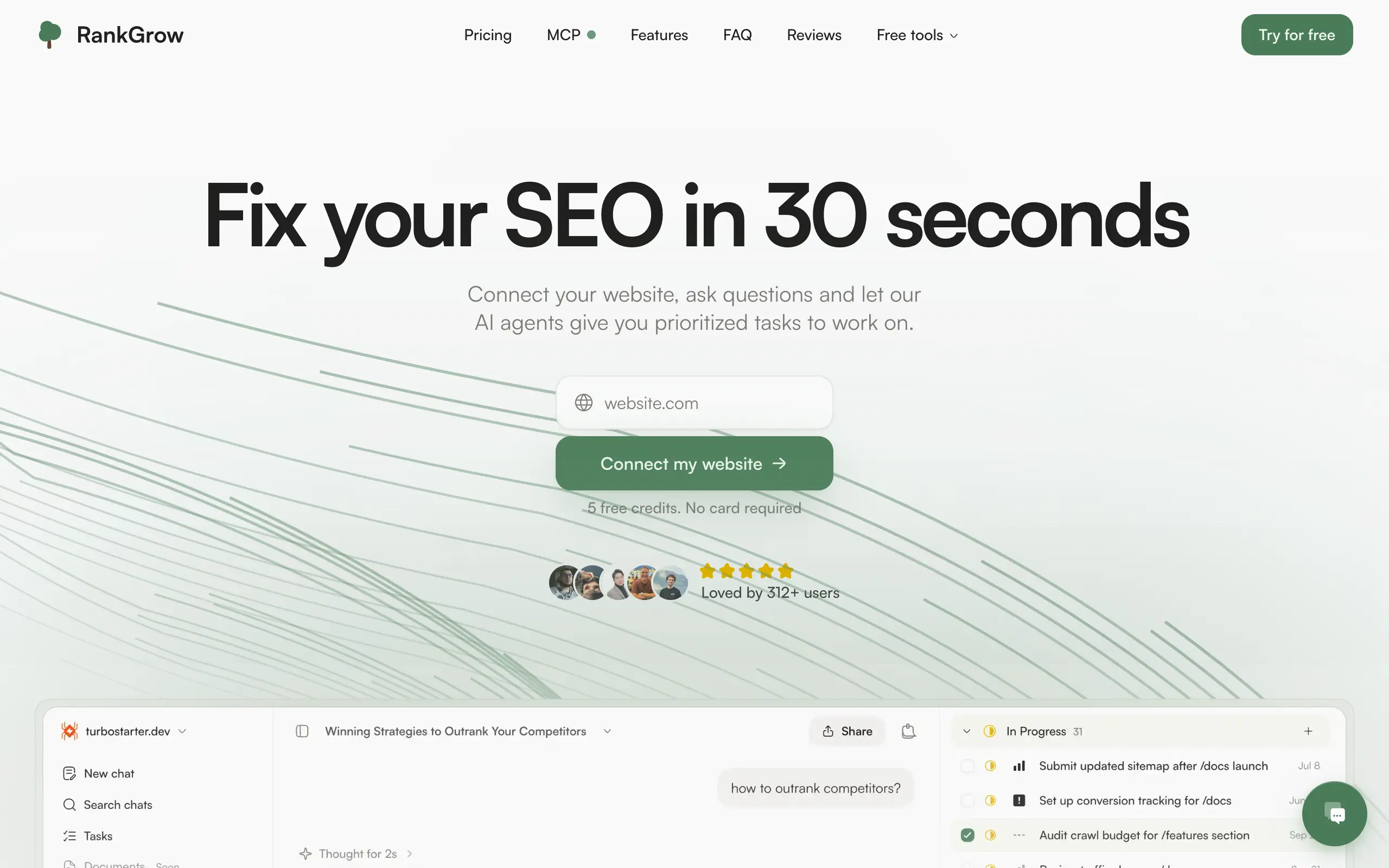
RankGrow
Fix your SEO with AI agents - connect Search Console, get prioritized tasks, and grow organic traffic 📈
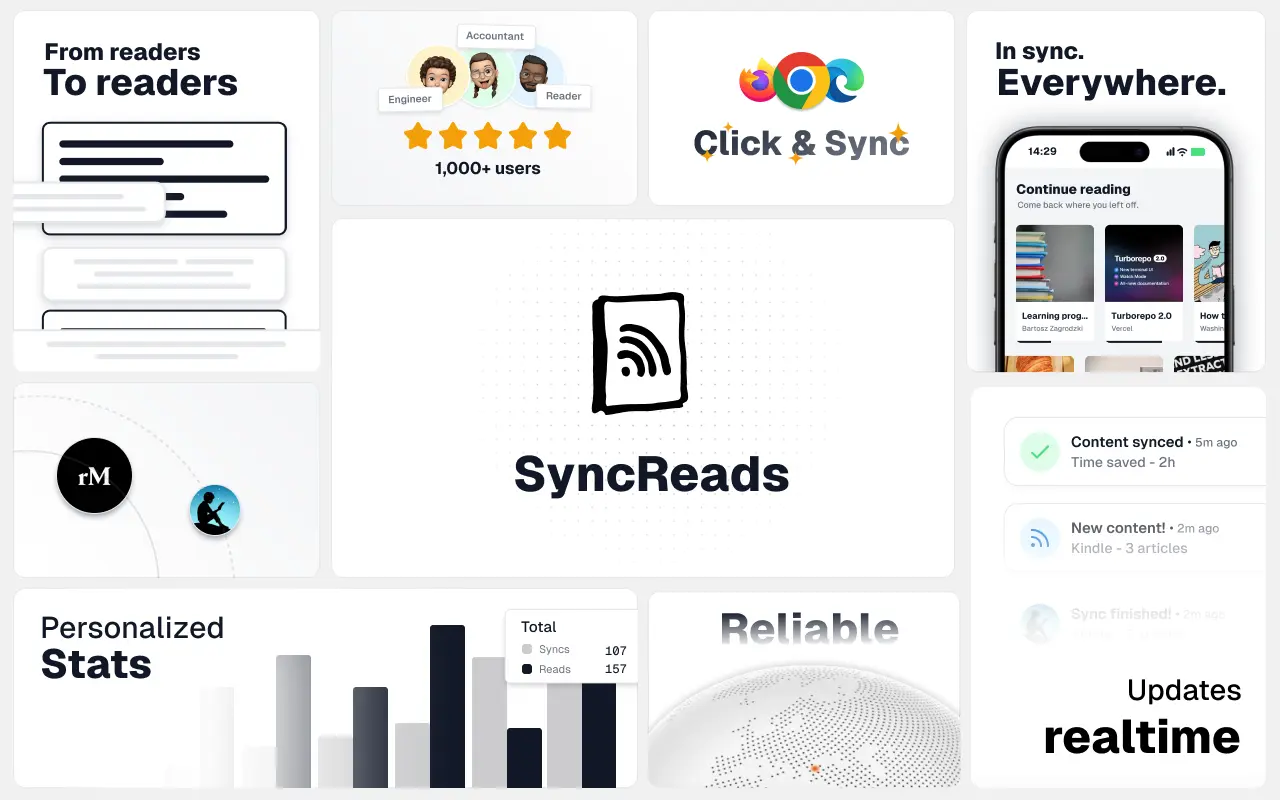
SyncReads
Sync your favorite content for distraction-free reading, save time and replace multiple apps. Anytime, anywhere 🔄
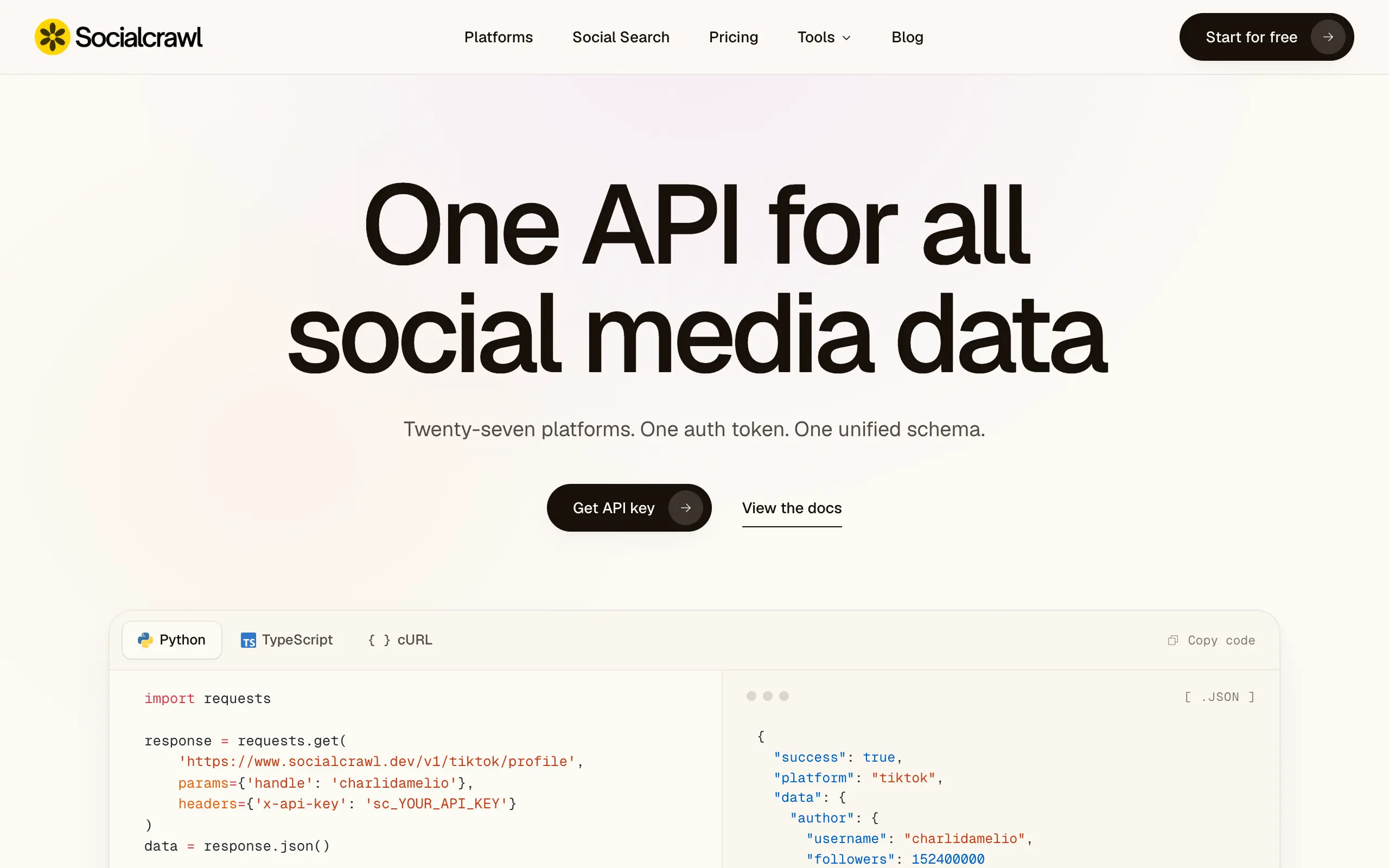
Socialcrawl
Get clean, structured data from 21 platforms like TikTok, Instagram, and YouTube with a single request 📊
Statiko
Monitor any Telegram channel in real time - track posts, edits, deletions, and growth with AI recaps 📡
Shibui
AI website builder - describe your business, pick a niche template, edit by chatting, and publish instantly ✨
Pro Service
Find verified home service professionals, compare quotes, and pay securely through escrow - built for Brazilians across the US 🏠
RankGrow
Fix your SEO with AI agents - connect Search Console, get prioritized tasks, and grow organic traffic 📈
SyncReads
Sync your favorite content for distraction-free reading, save time and replace multiple apps. Anytime, anywhere 🔄
Socialcrawl
Get clean, structured data from 21 platforms like TikTok, Instagram, and YouTube with a single request 📊
Statiko
Monitor any Telegram channel in real time - track posts, edits, deletions, and growth with AI recaps 📡
Shibui
AI website builder - describe your business, pick a niche template, edit by chatting, and publish instantly ✨
Pro Service
Find verified home service professionals, compare quotes, and pay securely through escrow - built for Brazilians across the US 🏠
RankGrow
Fix your SEO with AI agents - connect Search Console, get prioritized tasks, and grow organic traffic 📈
SyncReads
Sync your favorite content for distraction-free reading, save time and replace multiple apps. Anytime, anywhere 🔄
Socialcrawl
Get clean, structured data from 21 platforms like TikTok, Instagram, and YouTube with a single request 📊
Statiko
Monitor any Telegram channel in real time - track posts, edits, deletions, and growth with AI recaps 📡
Shibui
AI website builder - describe your business, pick a niche template, edit by chatting, and publish instantly ✨
Pro Service
Find verified home service professionals, compare quotes, and pay securely through escrow - built for Brazilians across the US 🏠
RankGrow
Fix your SEO with AI agents - connect Search Console, get prioritized tasks, and grow organic traffic 📈
SyncReads
Sync your favorite content for distraction-free reading, save time and replace multiple apps. Anytime, anywhere 🔄
Socialcrawl
Get clean, structured data from 21 platforms like TikTok, Instagram, and YouTube with a single request 📊
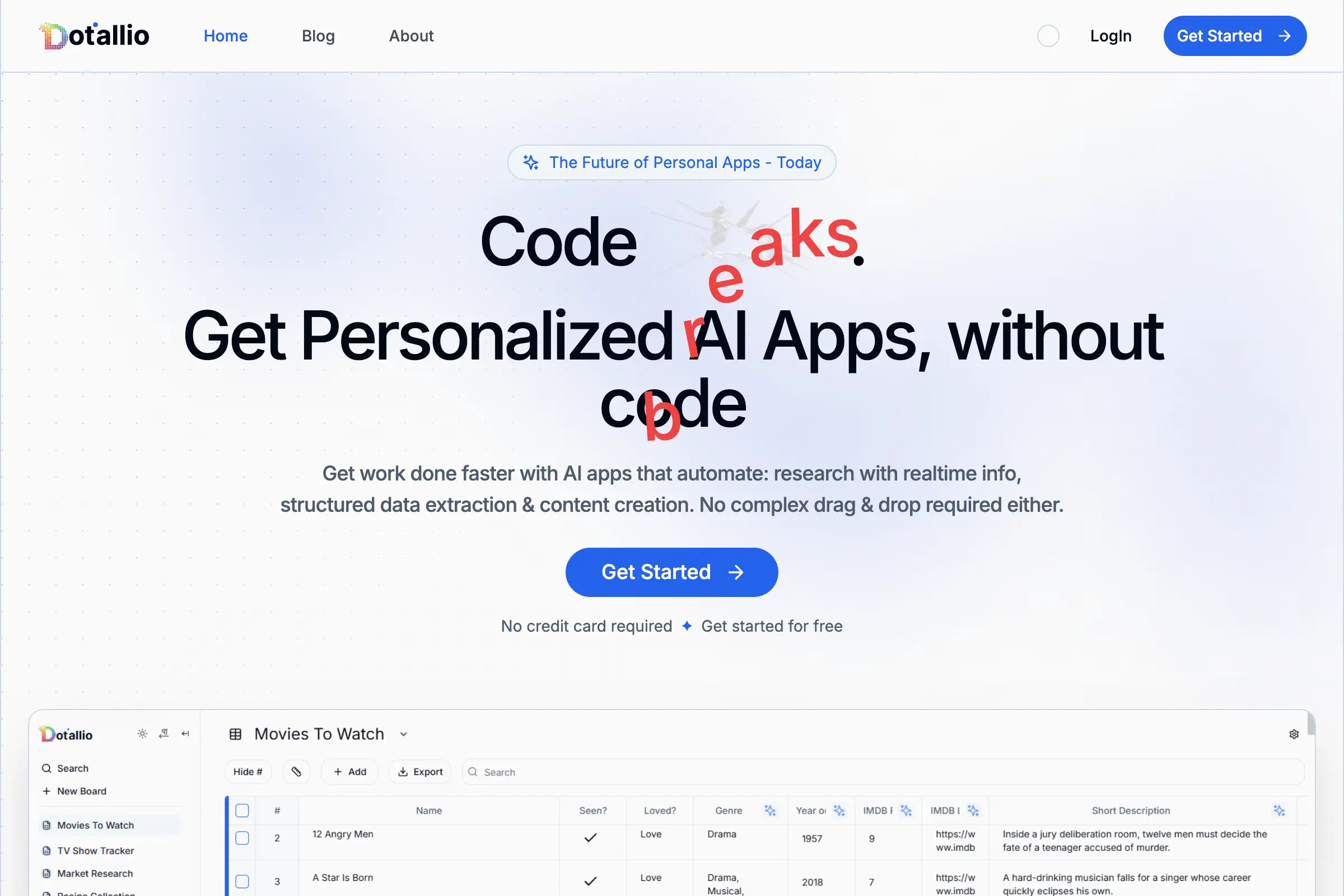
Dotallio
Personalized AI apps that automate research, data extraction, and content creation without code 🤖

Talk to Santa
Enjoy a magical live video chat or receive a unique AI-generated video greeting from Santa Claus 🎅

pozywka.pl
Scalable blog for food journalist, focused on performance and user experience 🌭
zagrodzki.me
Personal blog and portfolio of Bart Zagrodzki, where he shares his knowledge and work 💼
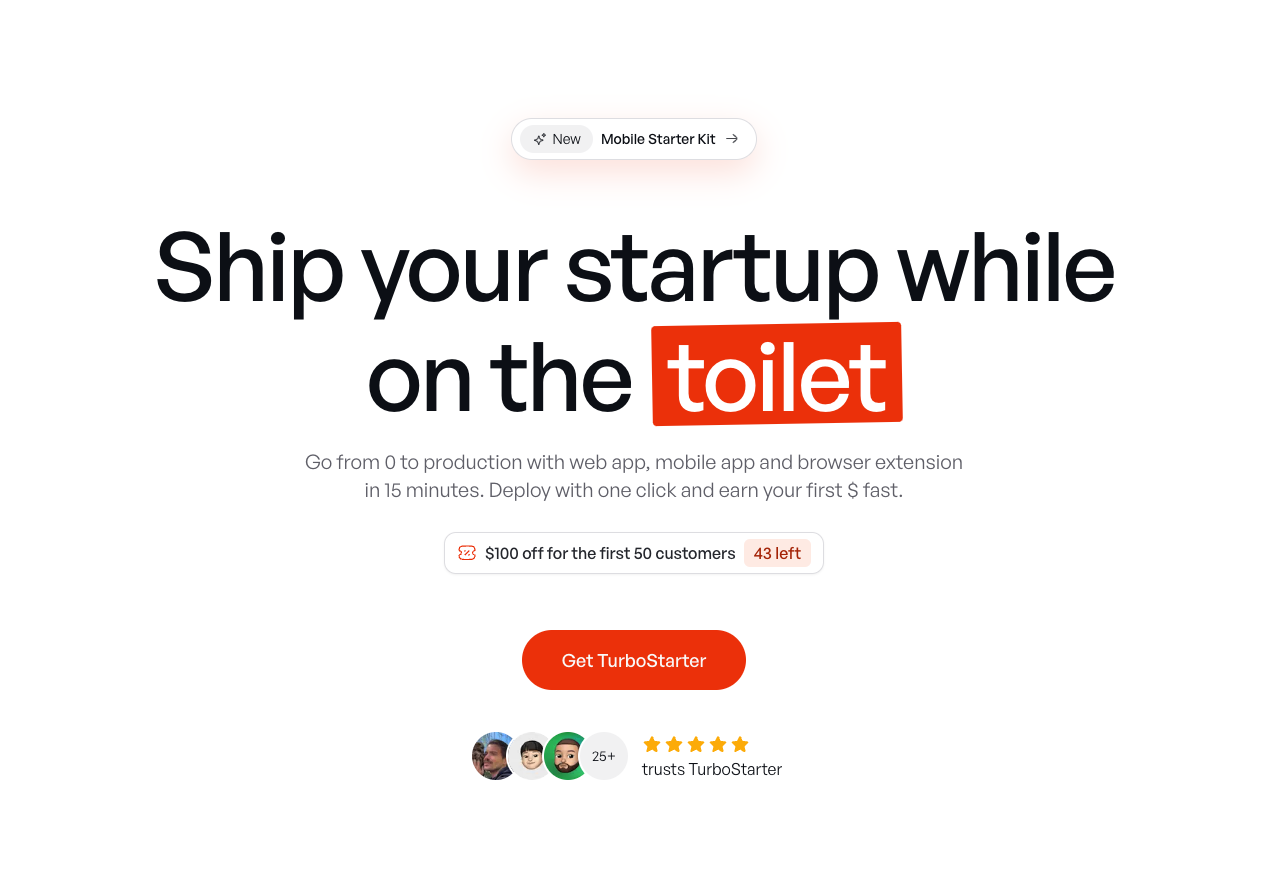
TurboStarter
Ship your startup everywhere. In minutes.
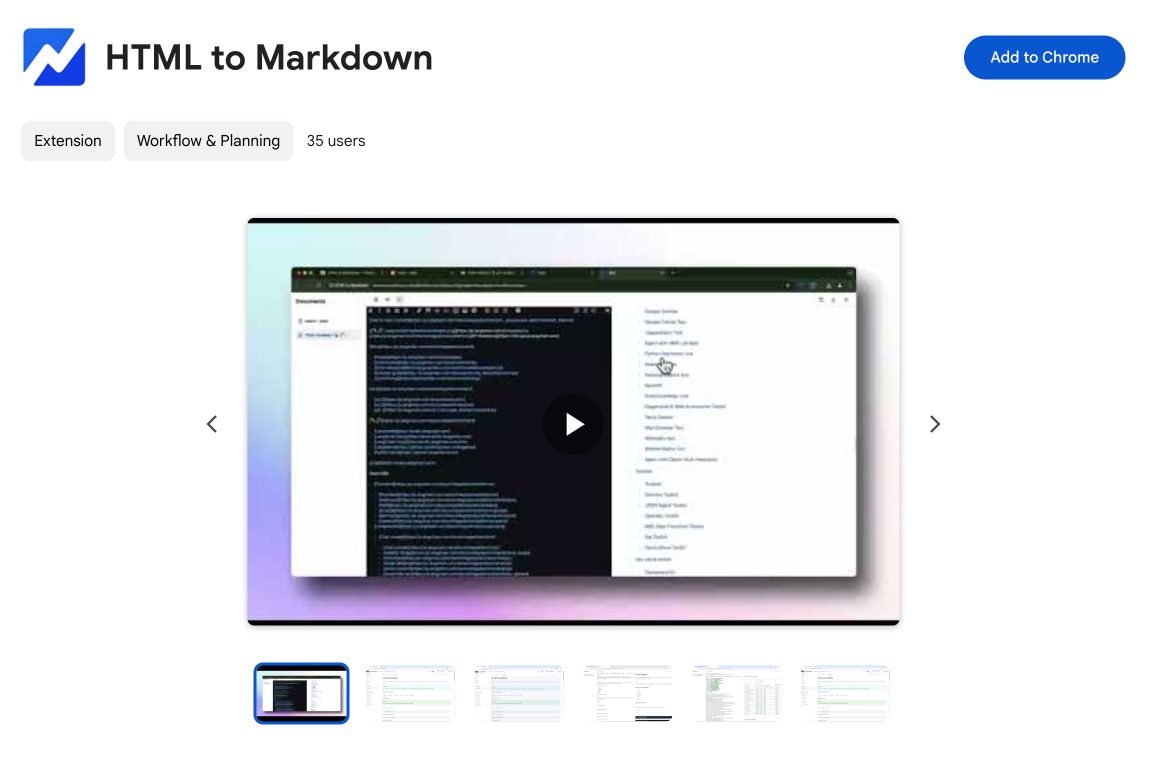
HTML to Markdown
Convert HTML to Markdown with ease, directly in your browser 📄
Dotallio
Personalized AI apps that automate research, data extraction, and content creation without code 🤖
Talk to Santa
Enjoy a magical live video chat or receive a unique AI-generated video greeting from Santa Claus 🎅
pozywka.pl
Scalable blog for food journalist, focused on performance and user experience 🌭
zagrodzki.me
Personal blog and portfolio of Bart Zagrodzki, where he shares his knowledge and work 💼
TurboStarter
Ship your startup everywhere. In minutes.
HTML to Markdown
Convert HTML to Markdown with ease, directly in your browser 📄
Dotallio
Personalized AI apps that automate research, data extraction, and content creation without code 🤖
Talk to Santa
Enjoy a magical live video chat or receive a unique AI-generated video greeting from Santa Claus 🎅
pozywka.pl
Scalable blog for food journalist, focused on performance and user experience 🌭
zagrodzki.me
Personal blog and portfolio of Bart Zagrodzki, where he shares his knowledge and work 💼
TurboStarter
Ship your startup everywhere. In minutes.
HTML to Markdown
Convert HTML to Markdown with ease, directly in your browser 📄
Dotallio
Personalized AI apps that automate research, data extraction, and content creation without code 🤖
Talk to Santa
Enjoy a magical live video chat or receive a unique AI-generated video greeting from Santa Claus 🎅
pozywka.pl
Scalable blog for food journalist, focused on performance and user experience 🌭
zagrodzki.me
Personal blog and portfolio of Bart Zagrodzki, where he shares his knowledge and work 💼
TurboStarter
Ship your startup everywhere. In minutes.
HTML to Markdown
Convert HTML to Markdown with ease, directly in your browser 📄
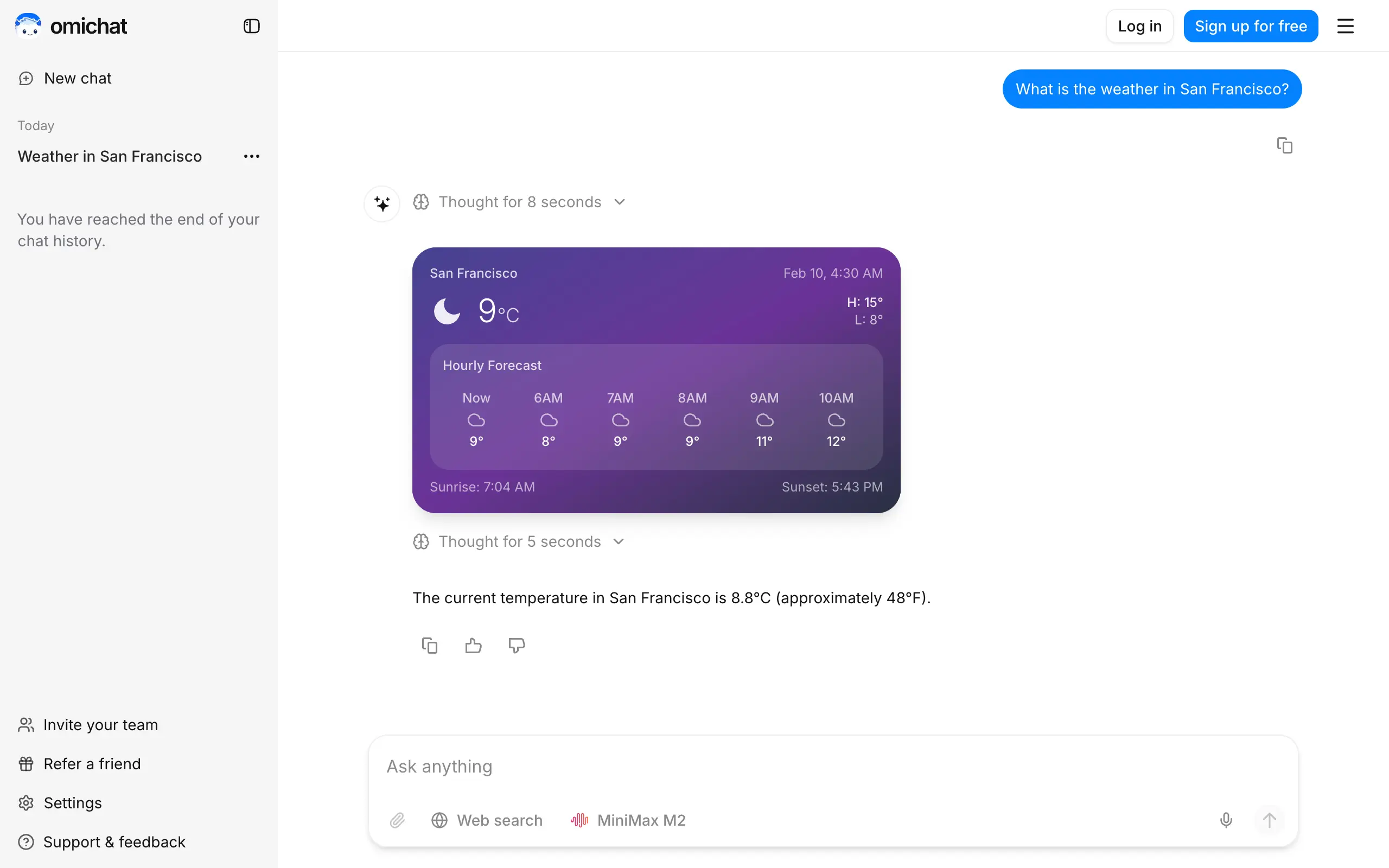
Omichat
Chat with 50+ AI models, including ChatGPT and Claude, in one place - switch models anytime without losing context 🤖
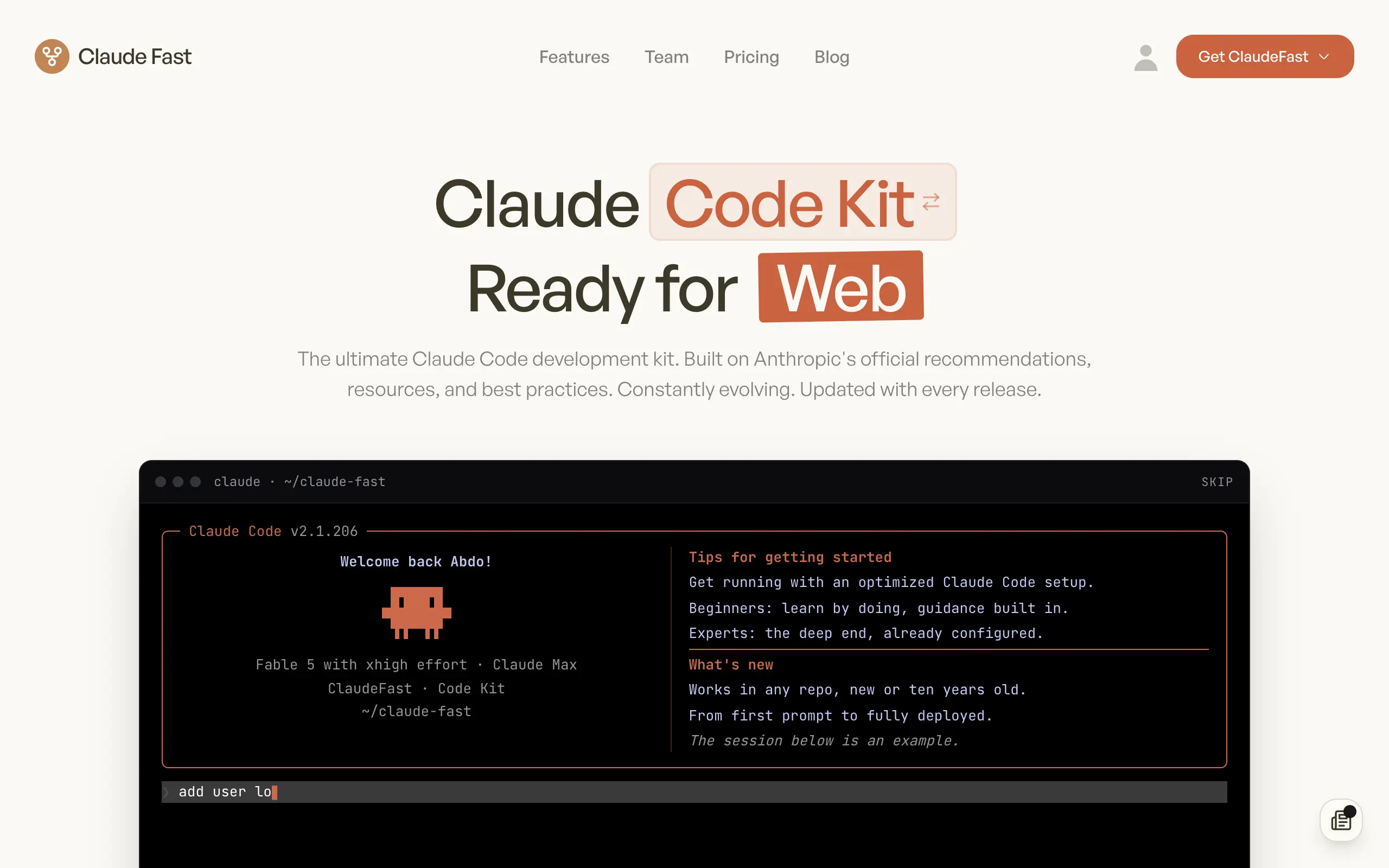
Claude Fast
Supercharge your Claude Code with 6x effective context window and specialized AI agents 🤖
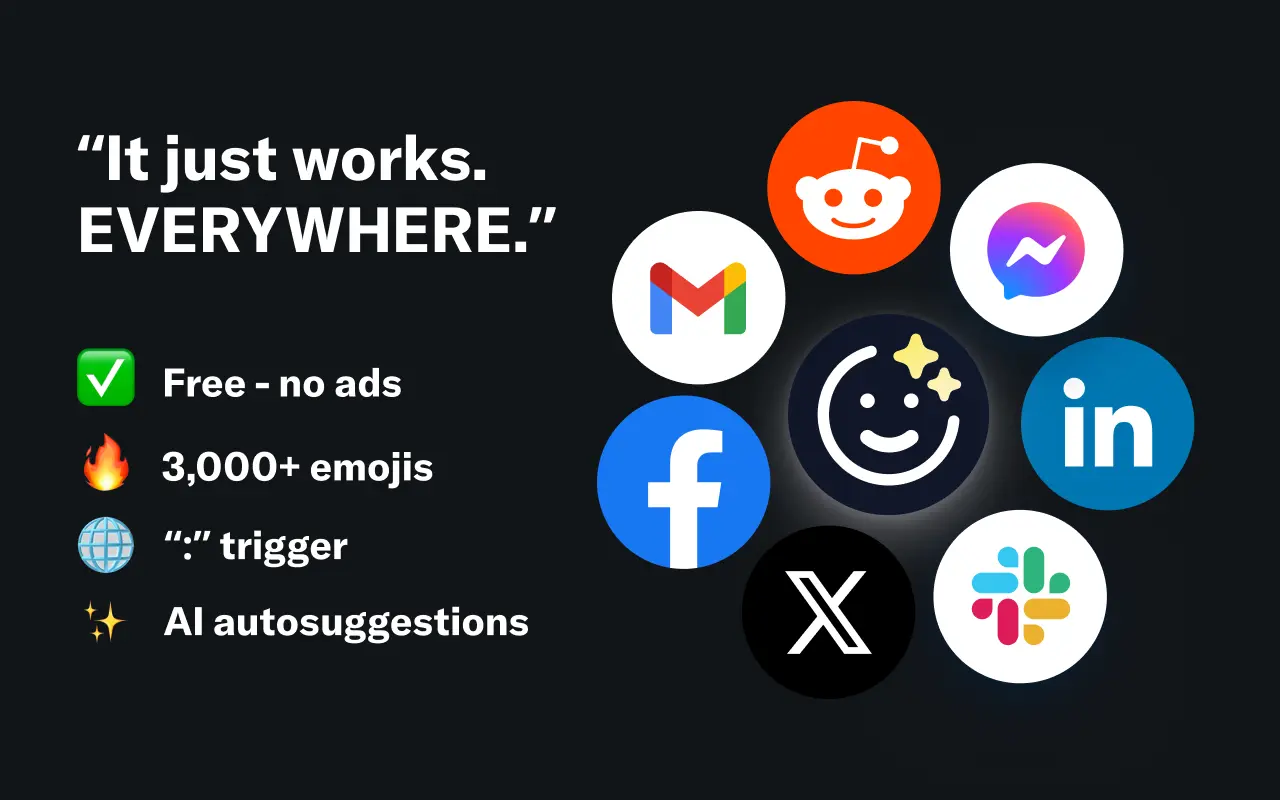
EmojAI
AI-powered emoji picker with smart, context-aware suggestions 🤖
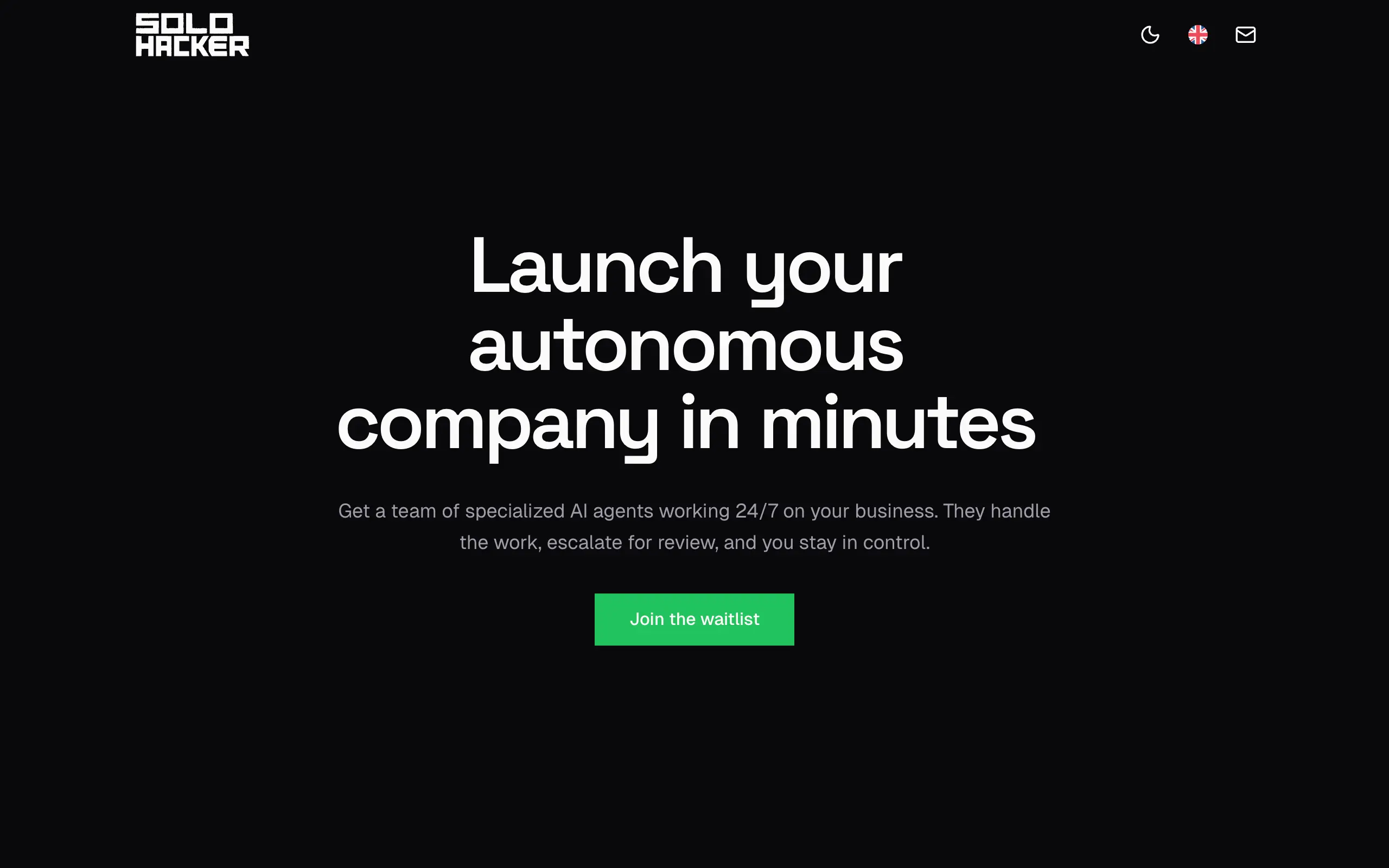
Solohacker
Autonomous company launcher - AI agents work 24/7, escalate what matters, and you stay in control 🤖
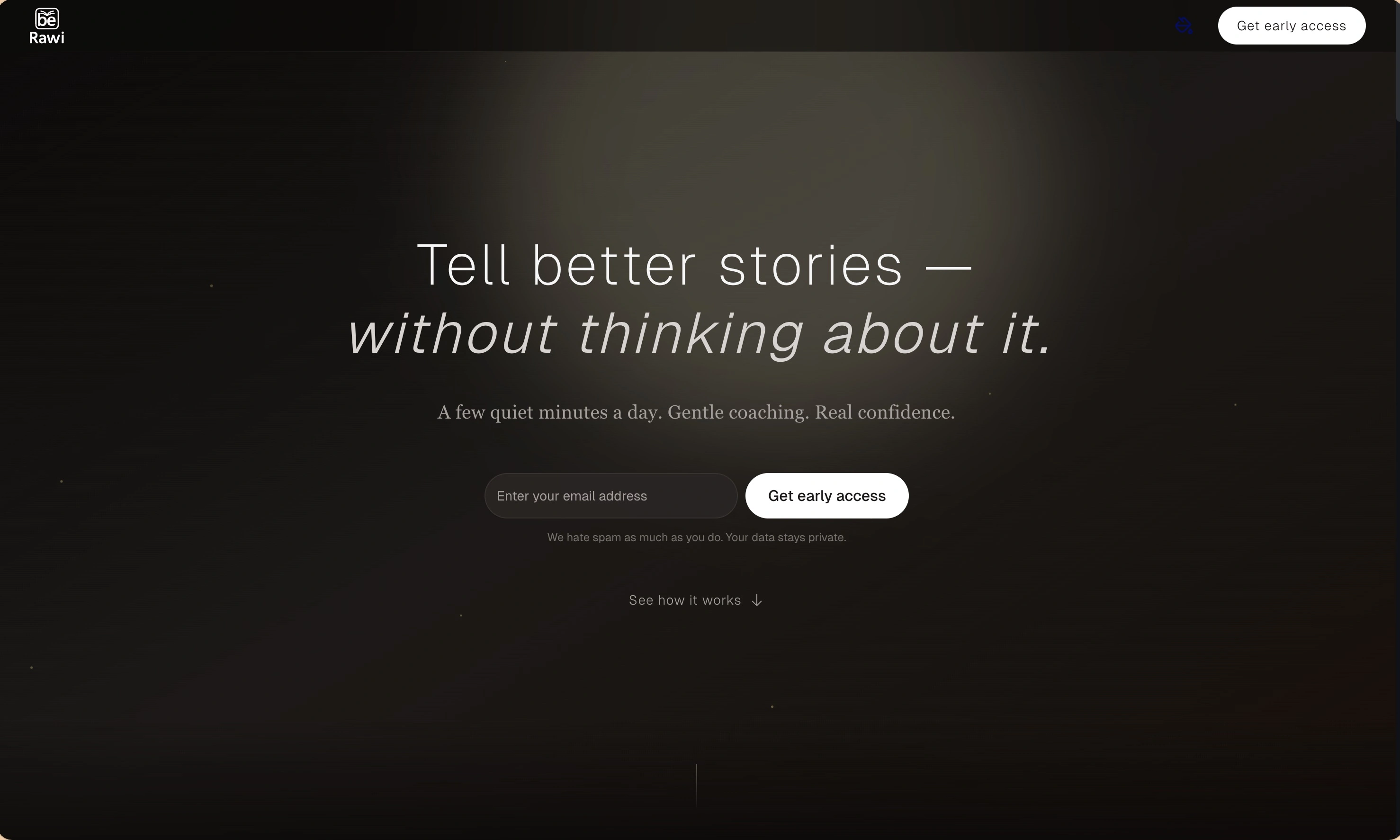
BeRawi: Storytelling Coach
Practice storytelling daily with instant feedback to sound clearer, more engaging, and confident 🎤
Omichat
Chat with 50+ AI models, including ChatGPT and Claude, in one place - switch models anytime without losing context 🤖
Claude Fast
Supercharge your Claude Code with 6x effective context window and specialized AI agents 🤖
EmojAI
AI-powered emoji picker with smart, context-aware suggestions 🤖
Solohacker
Autonomous company launcher - AI agents work 24/7, escalate what matters, and you stay in control 🤖
BeRawi: Storytelling Coach
Practice storytelling daily with instant feedback to sound clearer, more engaging, and confident 🎤
Omichat
Chat with 50+ AI models, including ChatGPT and Claude, in one place - switch models anytime without losing context 🤖
Claude Fast
Supercharge your Claude Code with 6x effective context window and specialized AI agents 🤖
EmojAI
AI-powered emoji picker with smart, context-aware suggestions 🤖
Solohacker
Autonomous company launcher - AI agents work 24/7, escalate what matters, and you stay in control 🤖
BeRawi: Storytelling Coach
Practice storytelling daily with instant feedback to sound clearer, more engaging, and confident 🎤
Omichat
Chat with 50+ AI models, including ChatGPT and Claude, in one place - switch models anytime without losing context 🤖
Claude Fast
Supercharge your Claude Code with 6x effective context window and specialized AI agents 🤖
EmojAI
AI-powered emoji picker with smart, context-aware suggestions 🤖
Solohacker
Autonomous company launcher - AI agents work 24/7, escalate what matters, and you stay in control 🤖
BeRawi: Storytelling Coach
Practice storytelling daily with instant feedback to sound clearer, more engaging, and confident 🎤

Connect with like-minded people
Join our community to get feedback, support, and grow together with 1,000+ builders on board, let's ship it!
Join usShip your startup everywhere. In minutes.
Don't burn tokens on setup and start building features on day one.